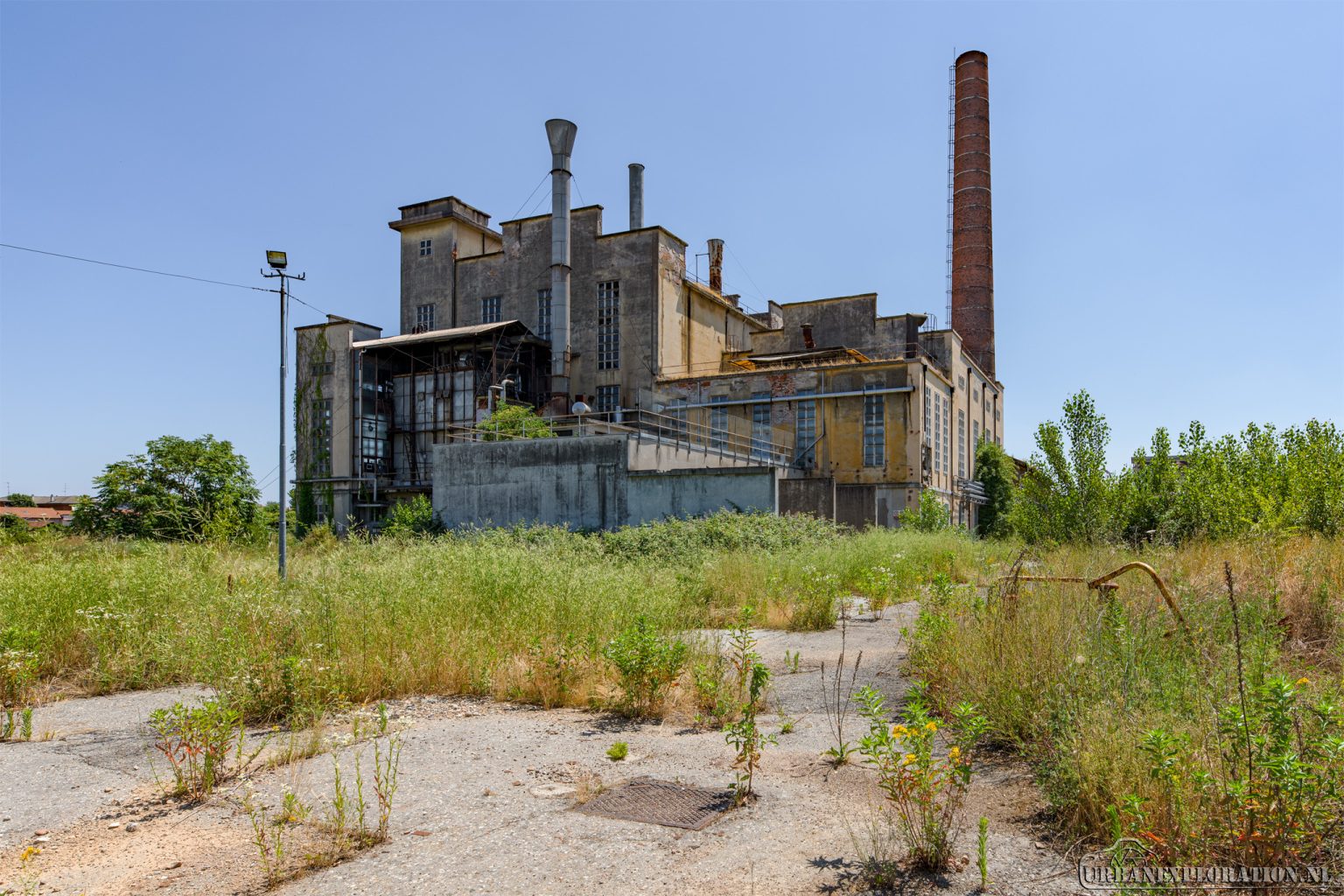
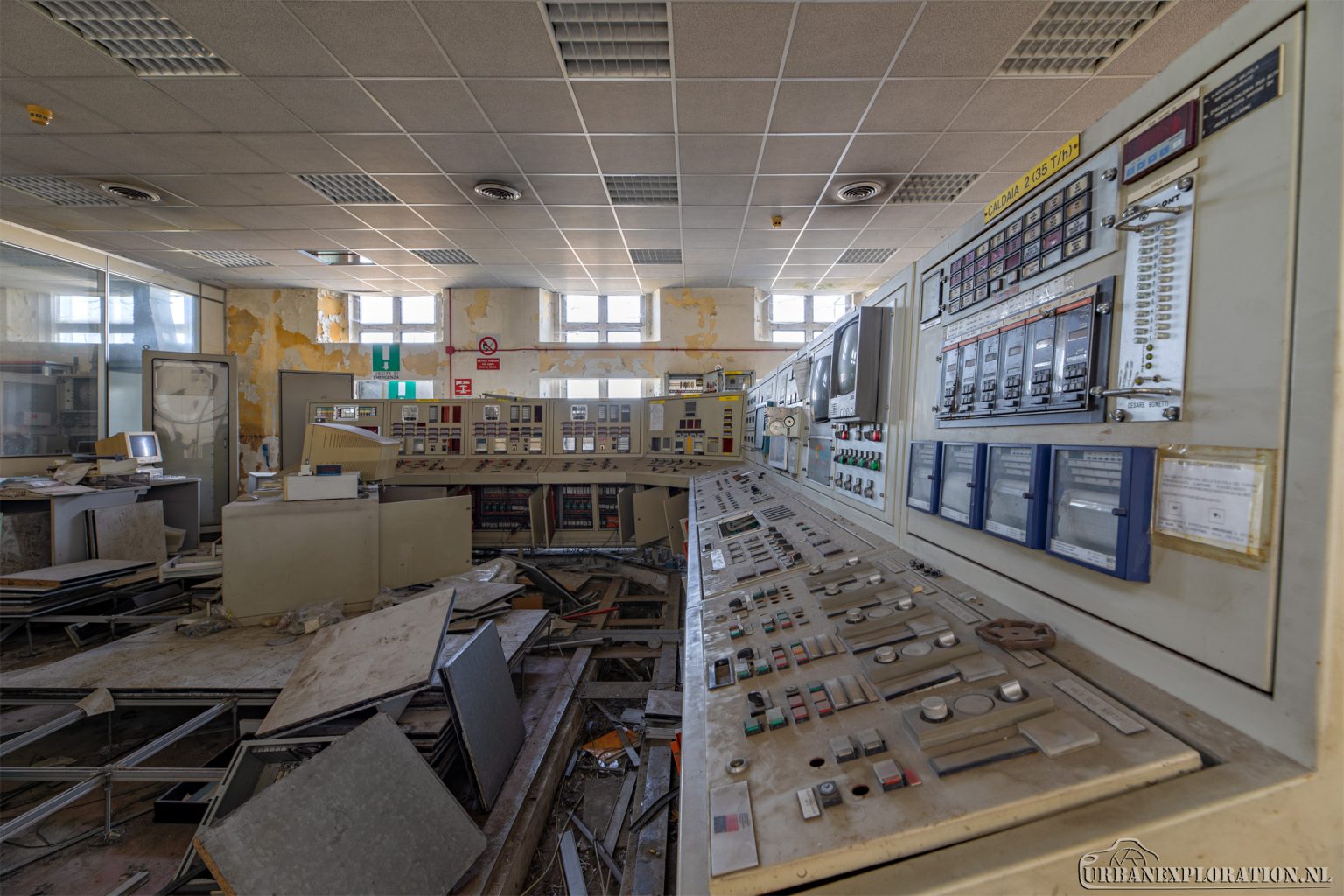
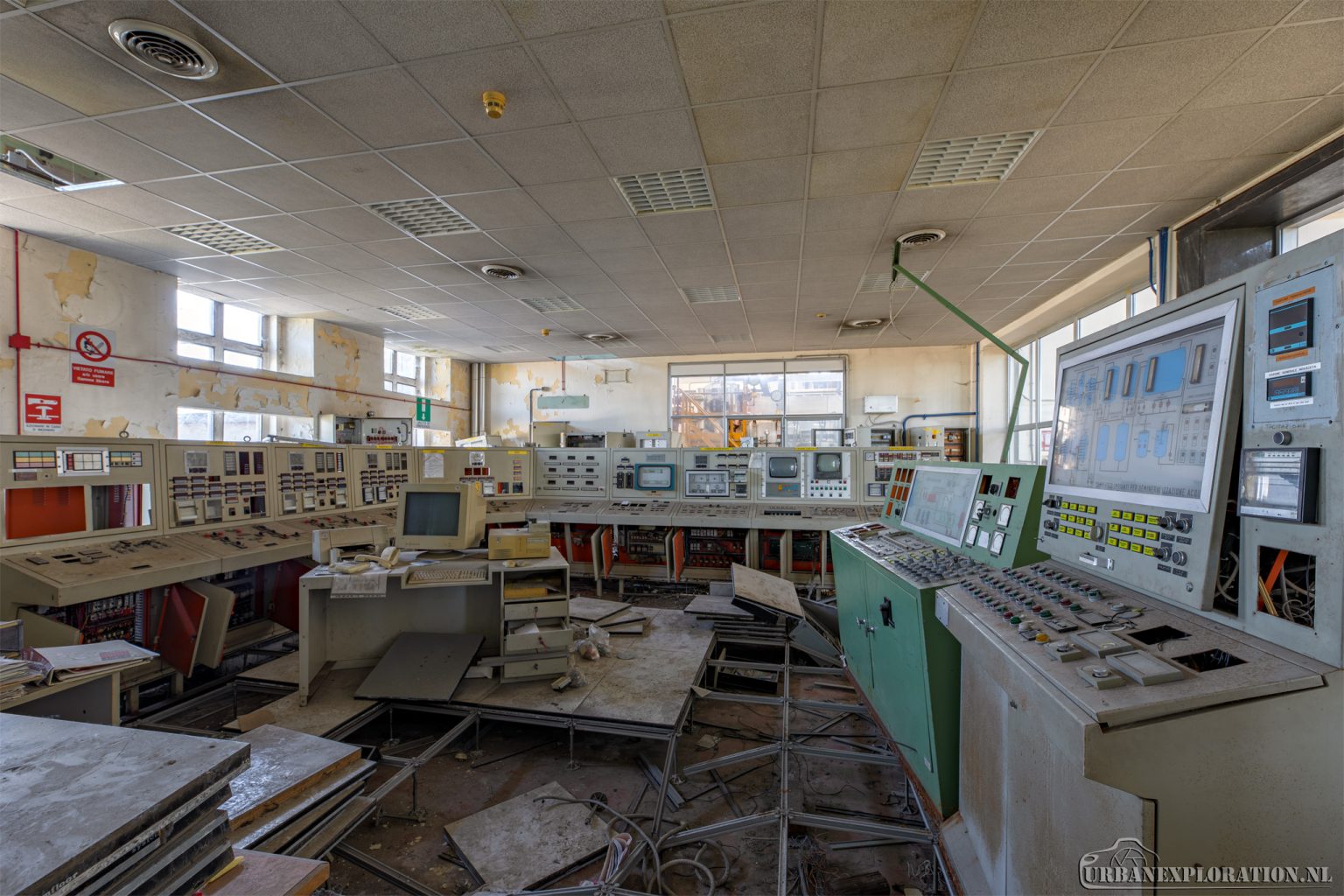
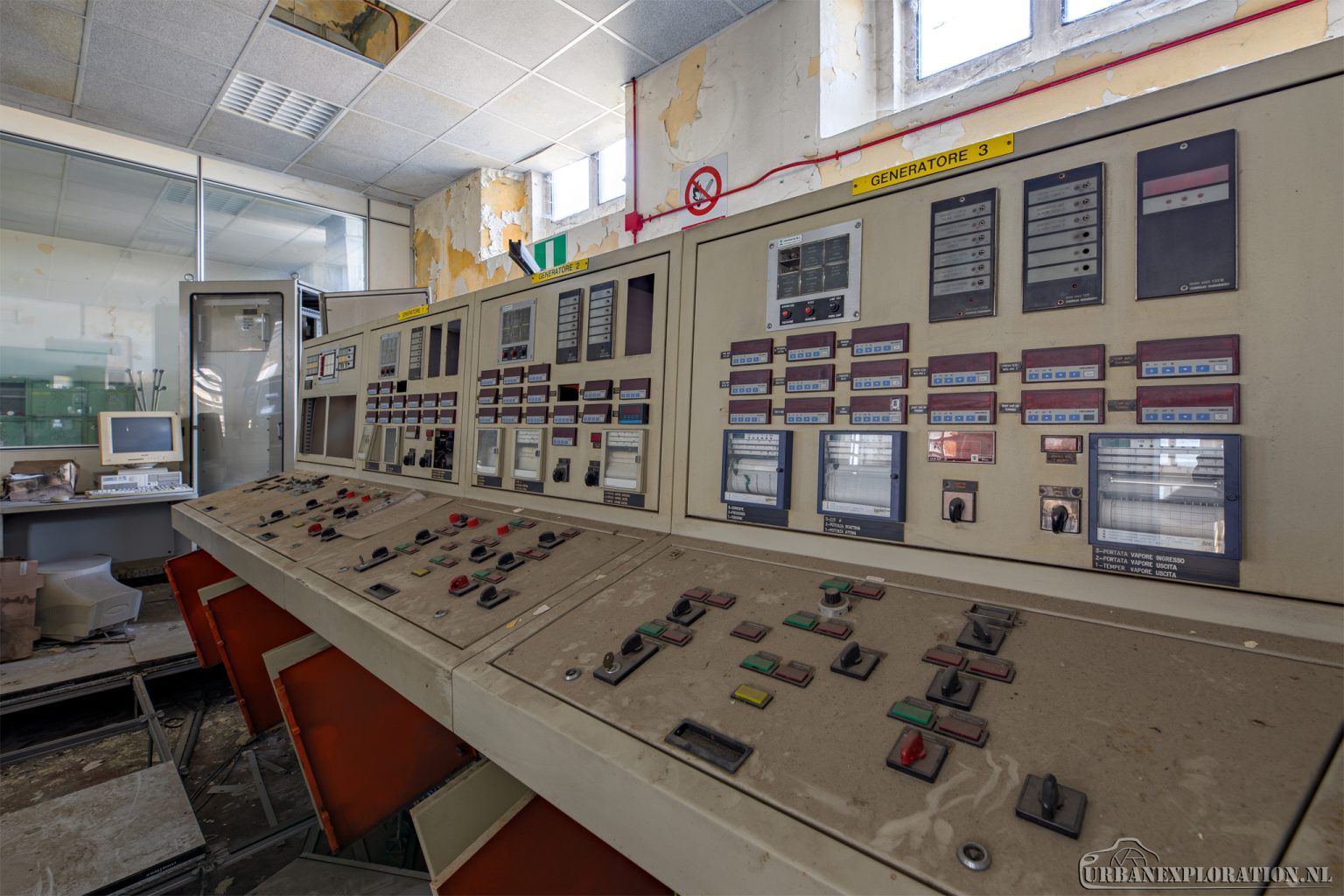
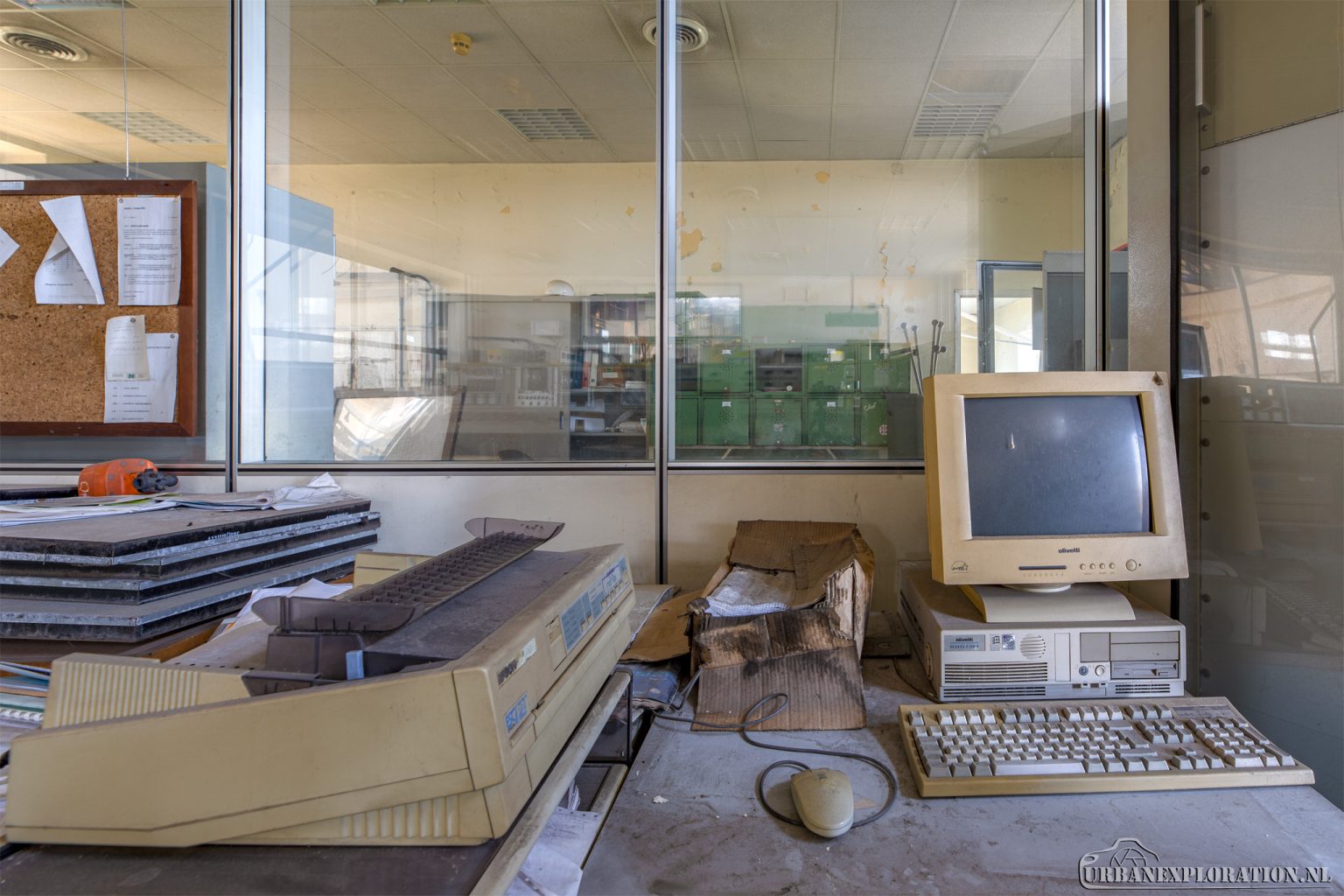
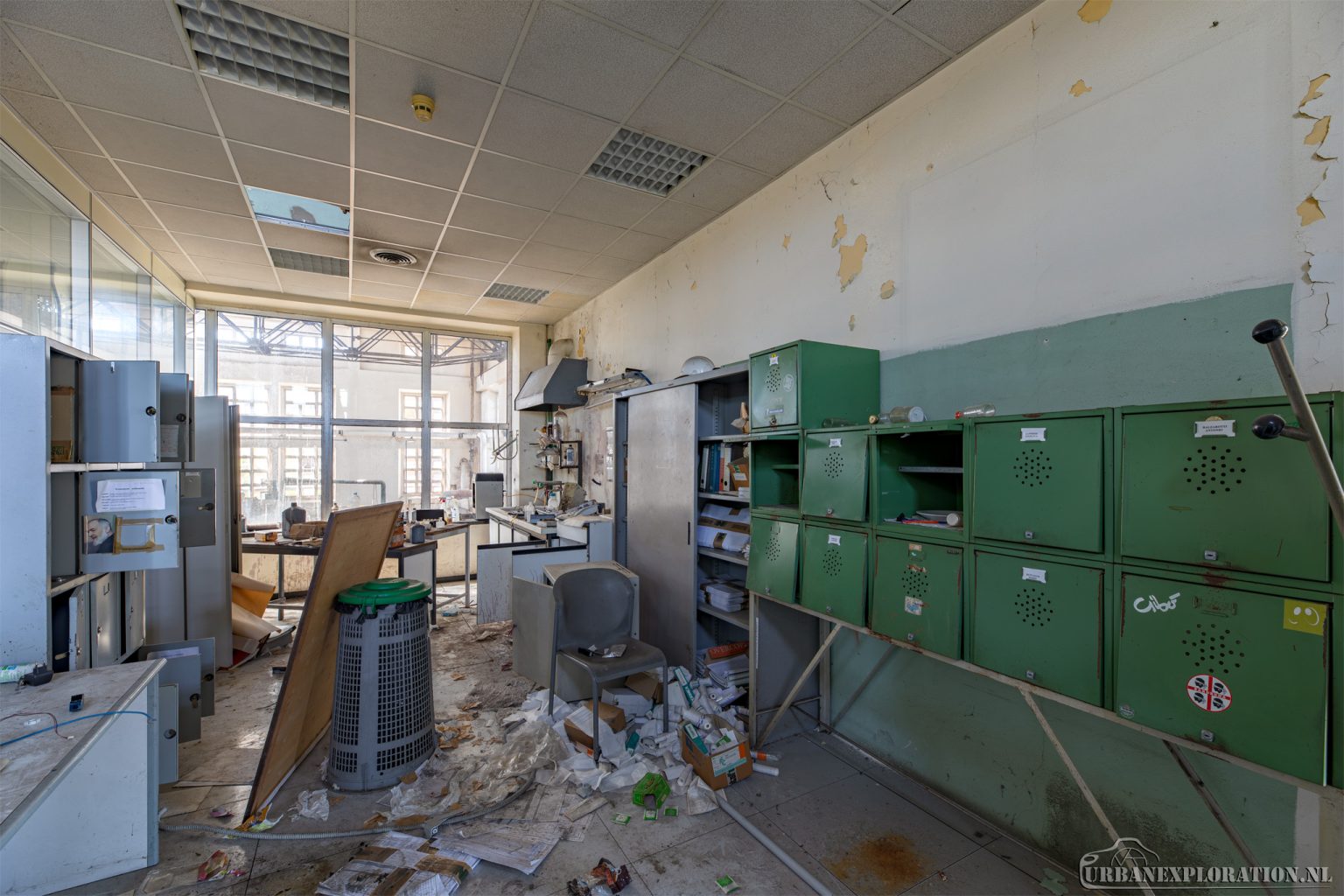
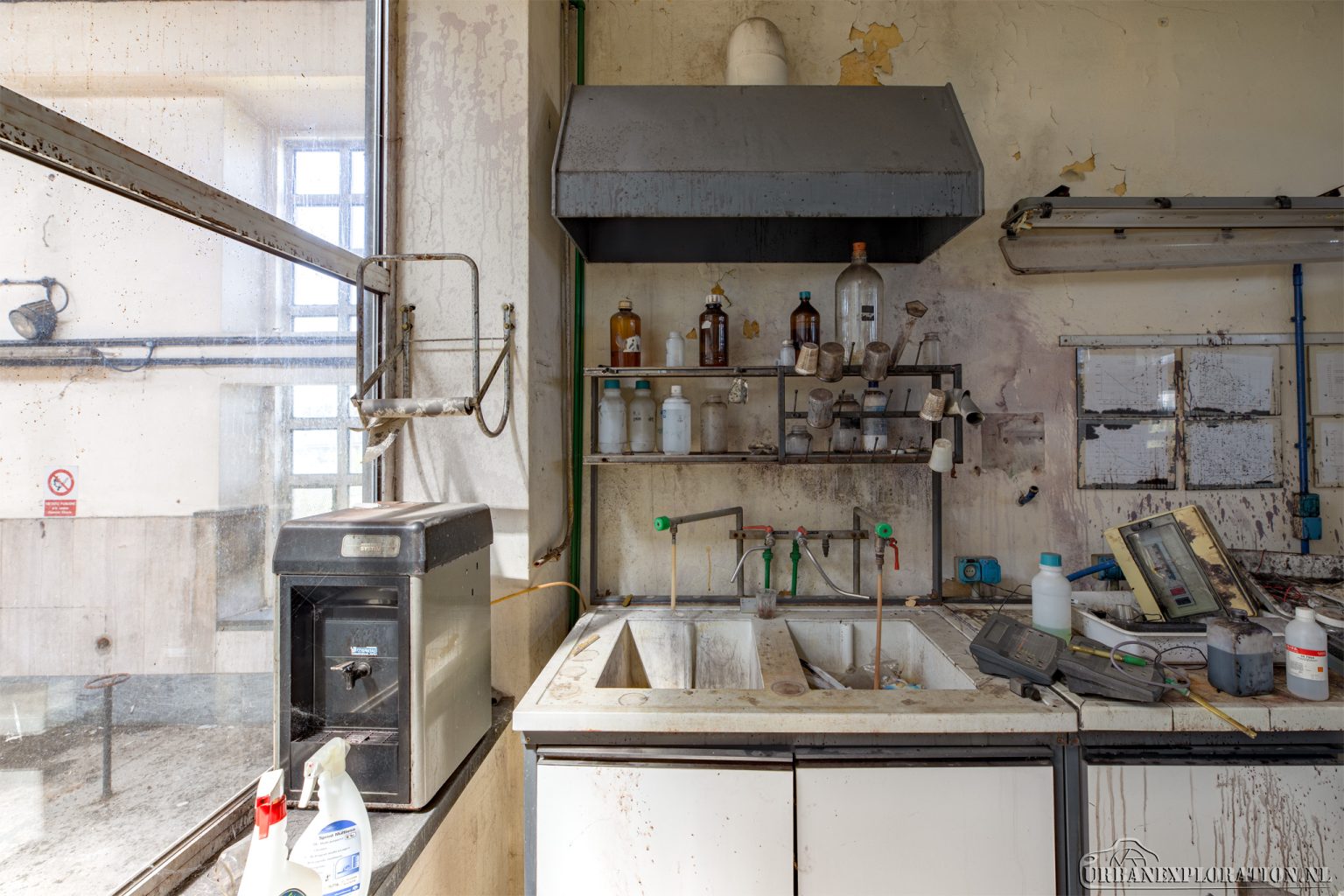
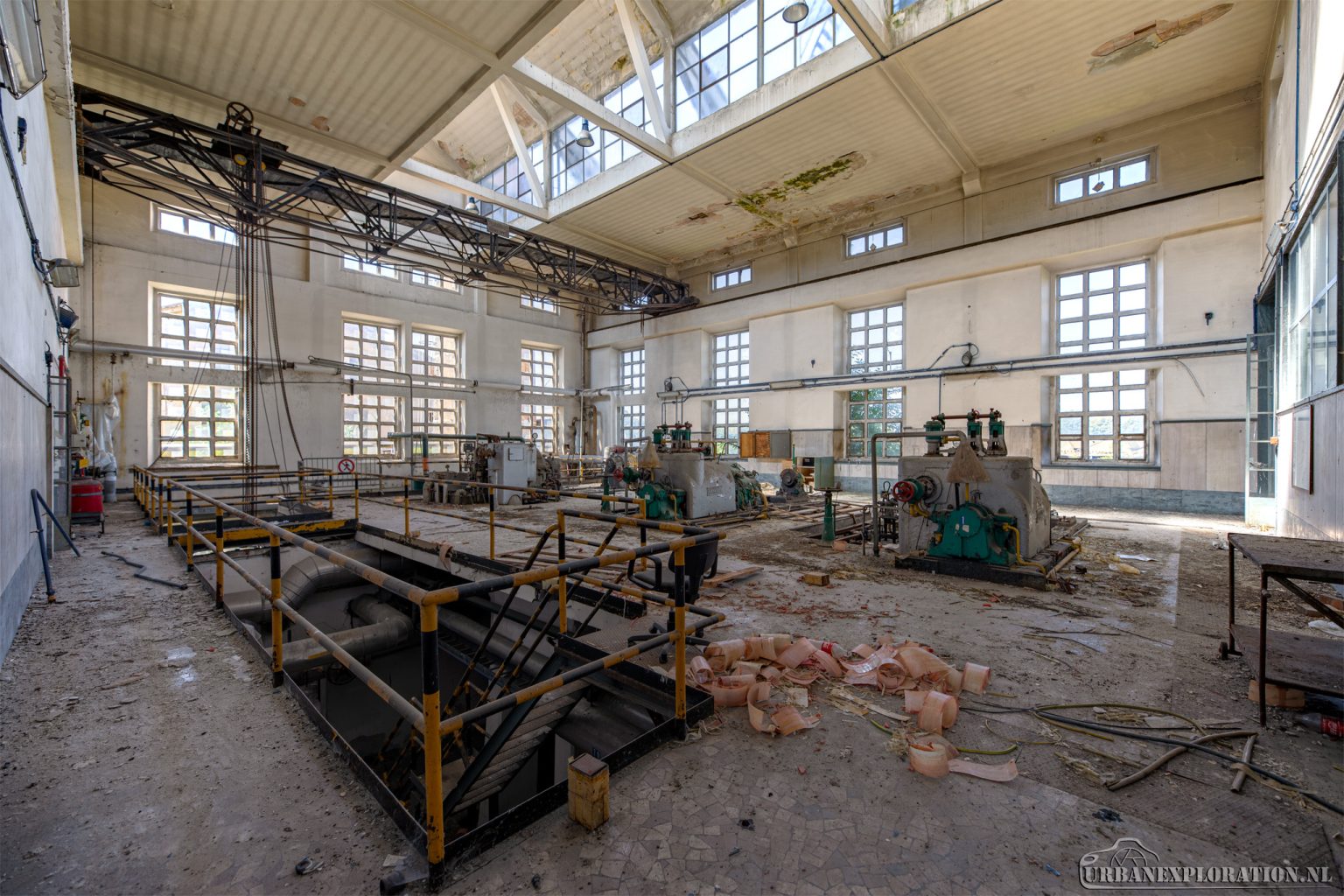
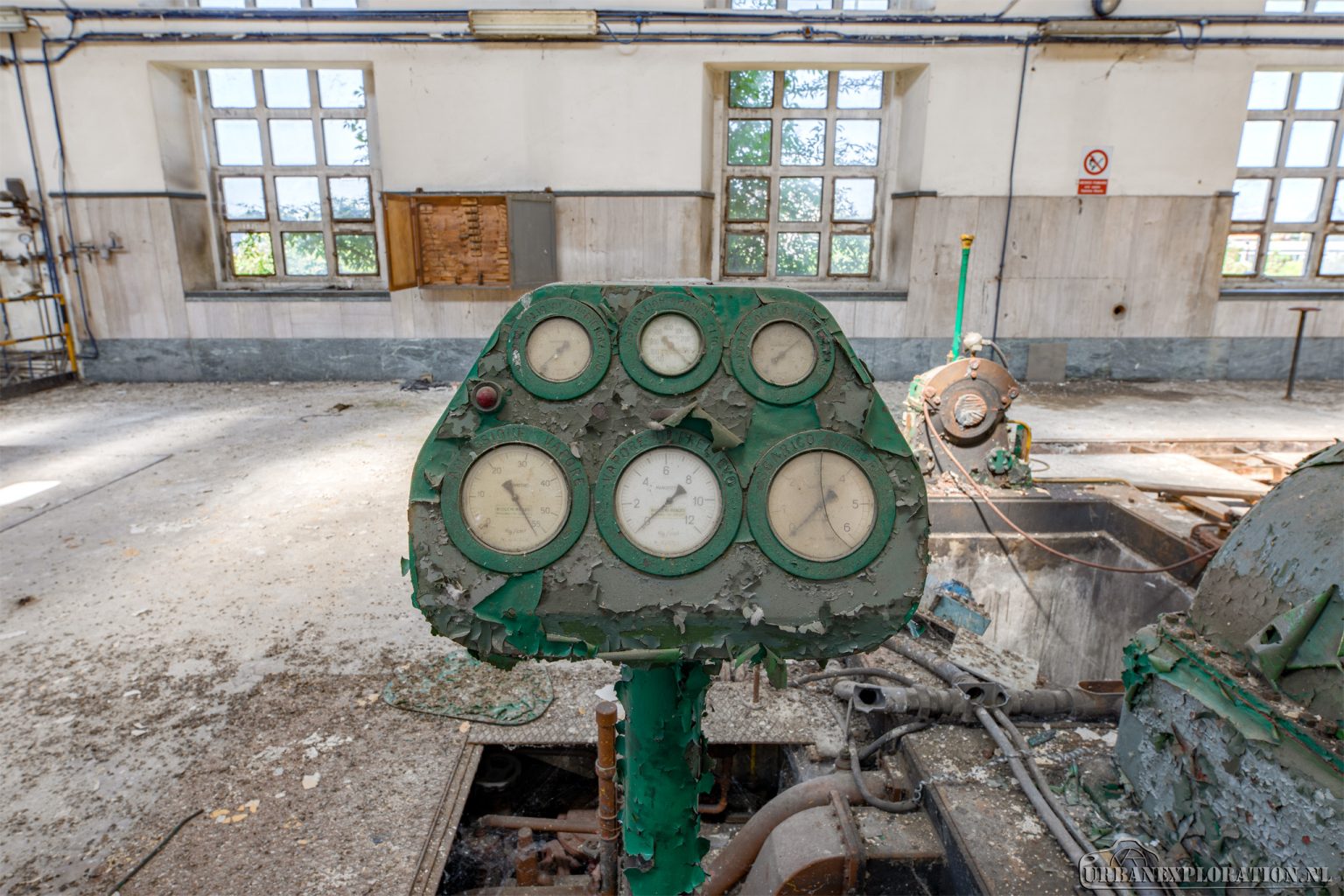
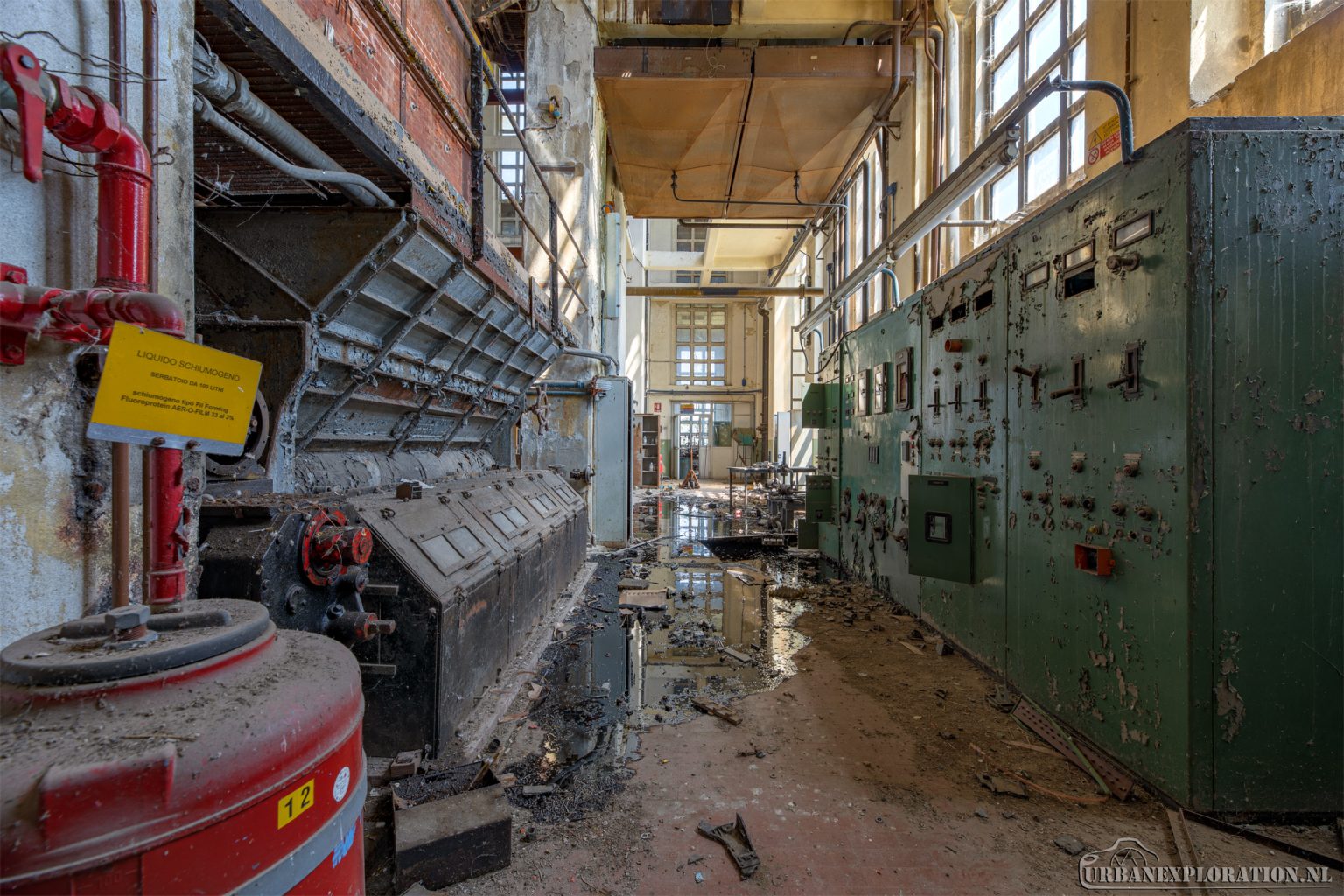
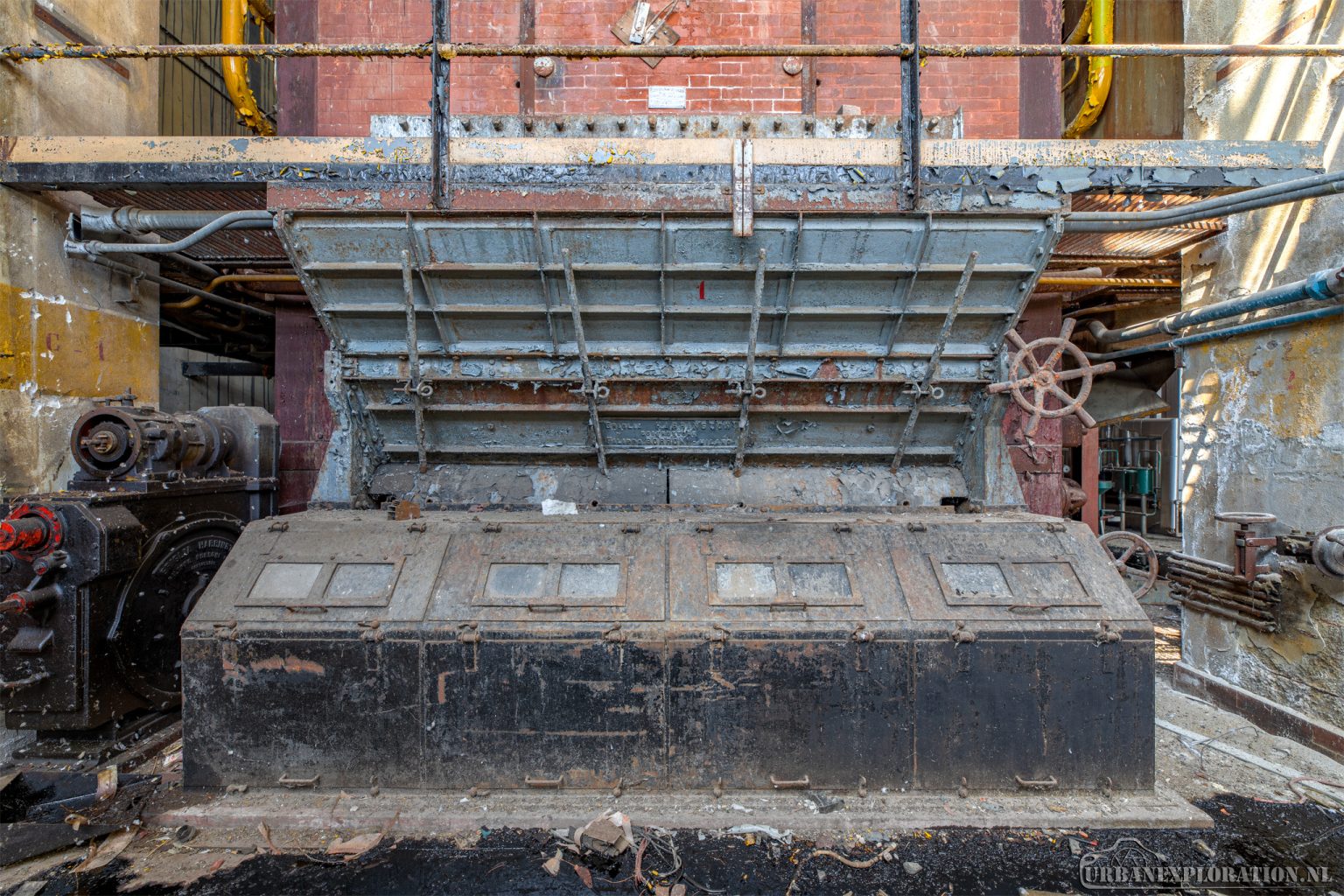
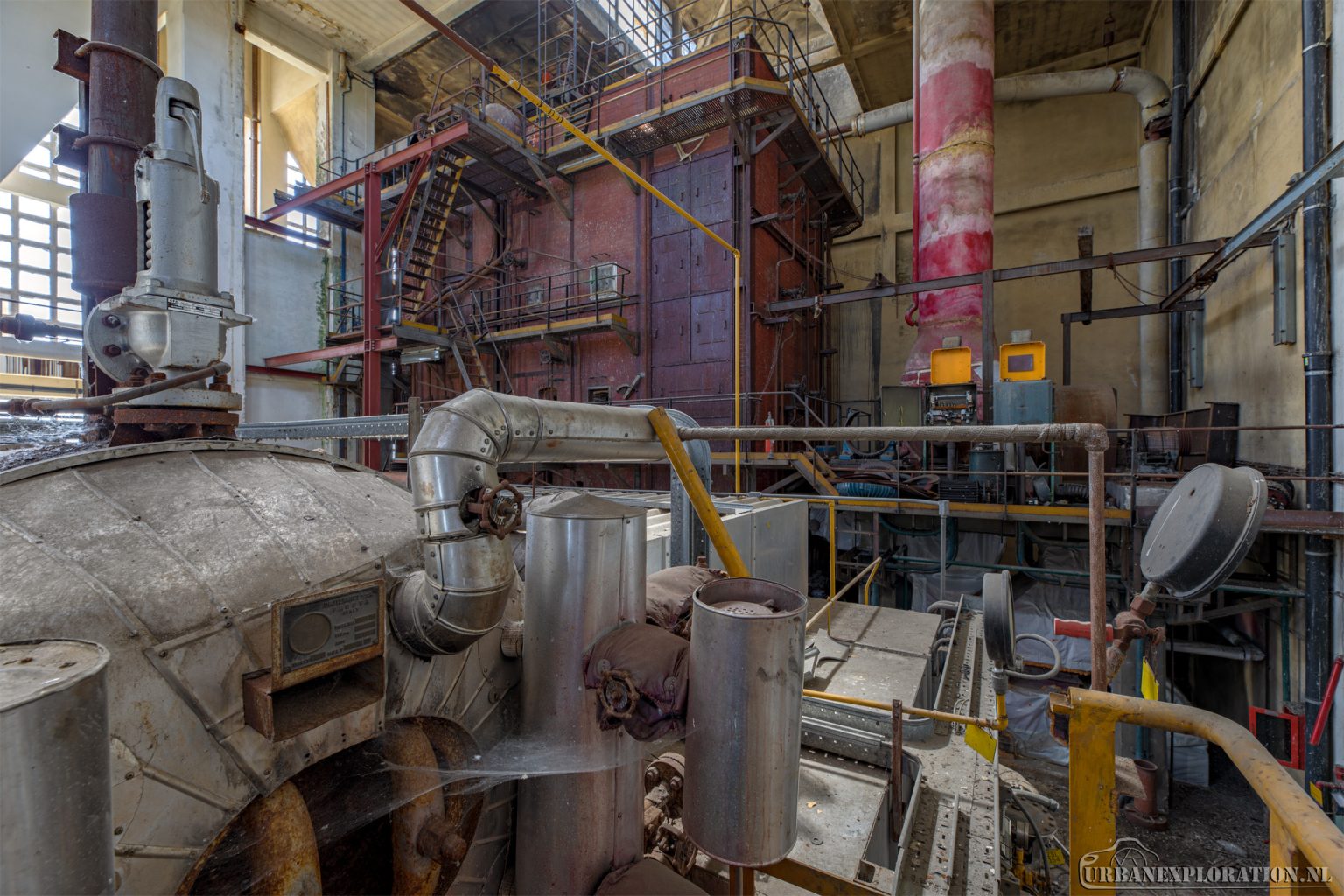
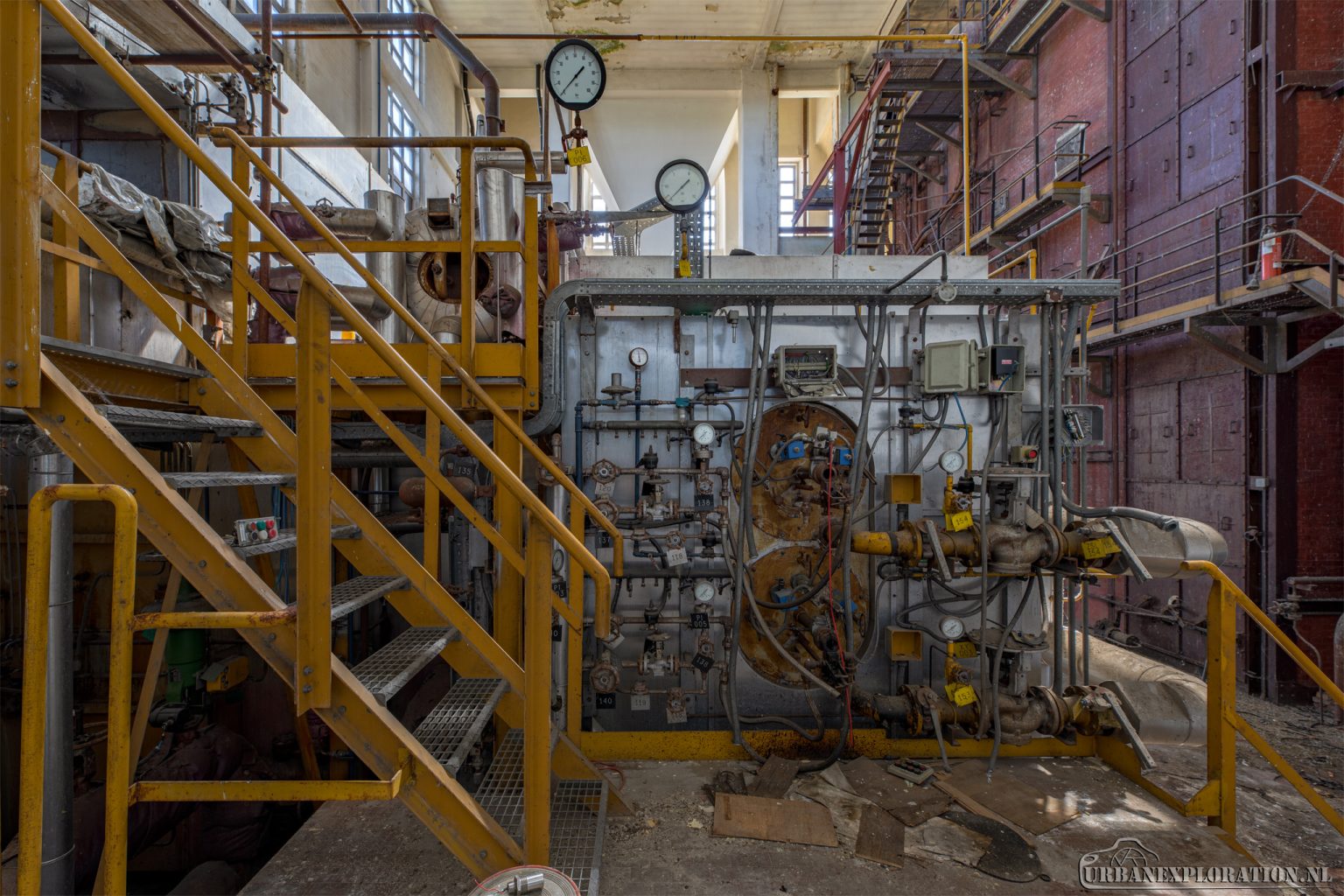
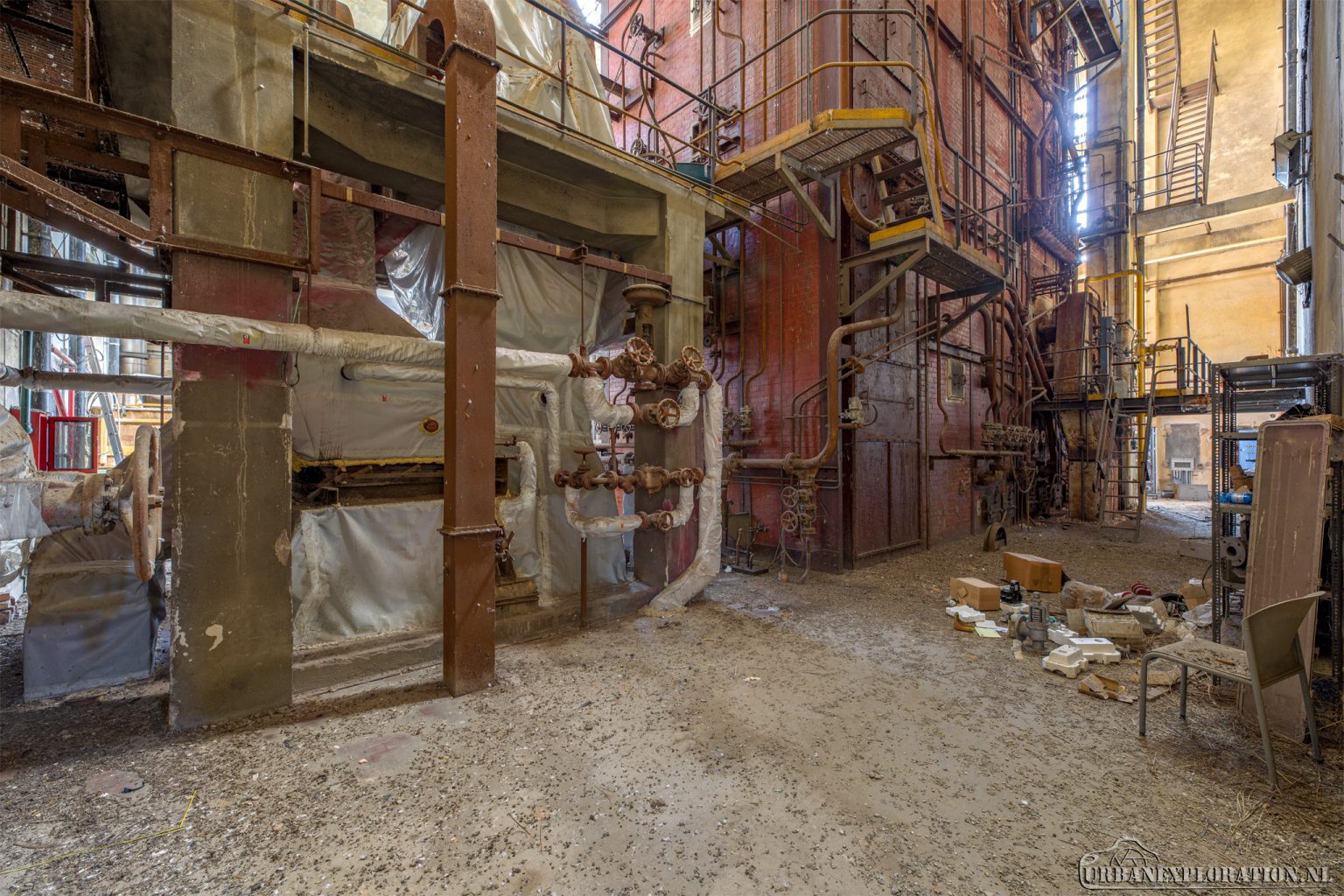
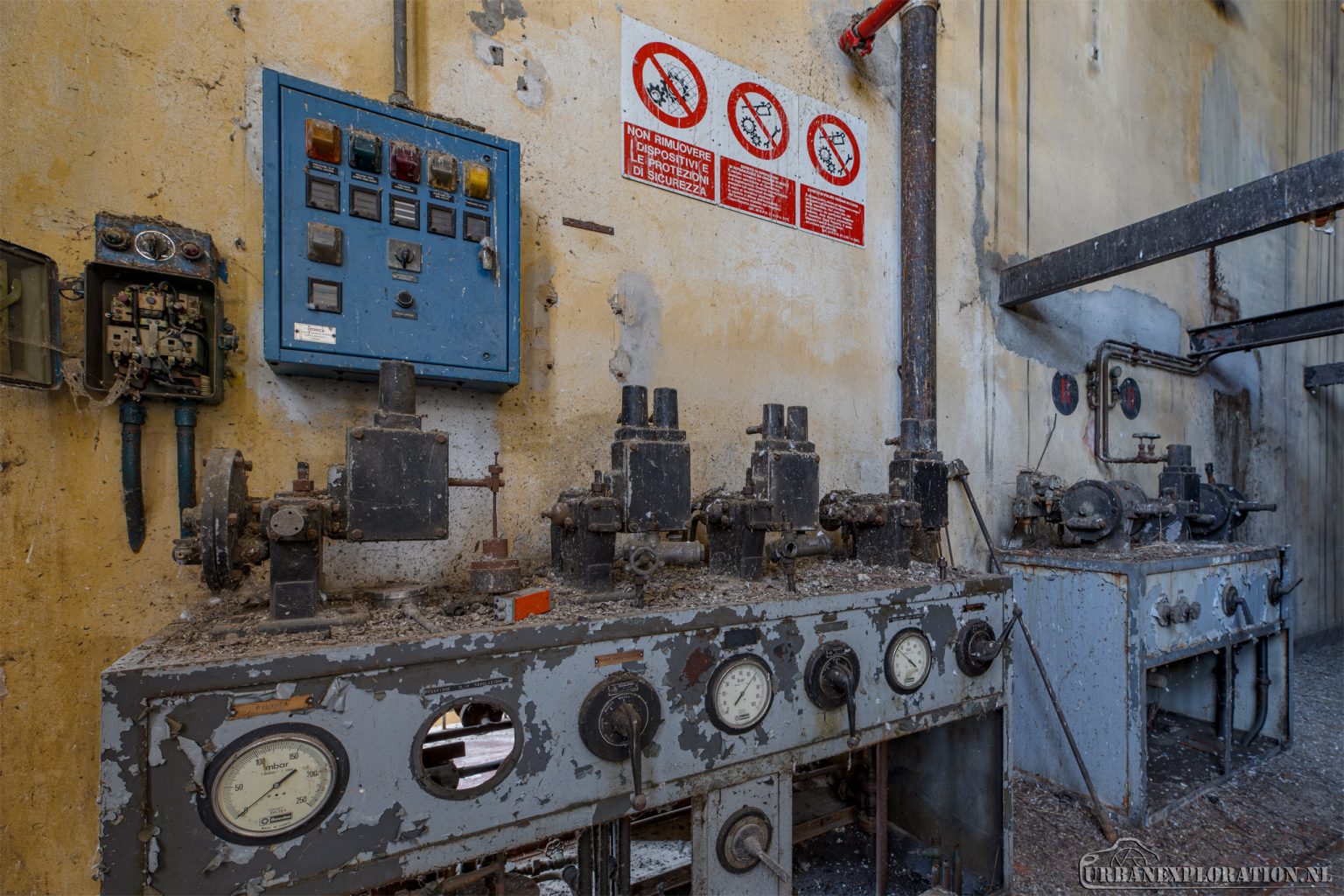
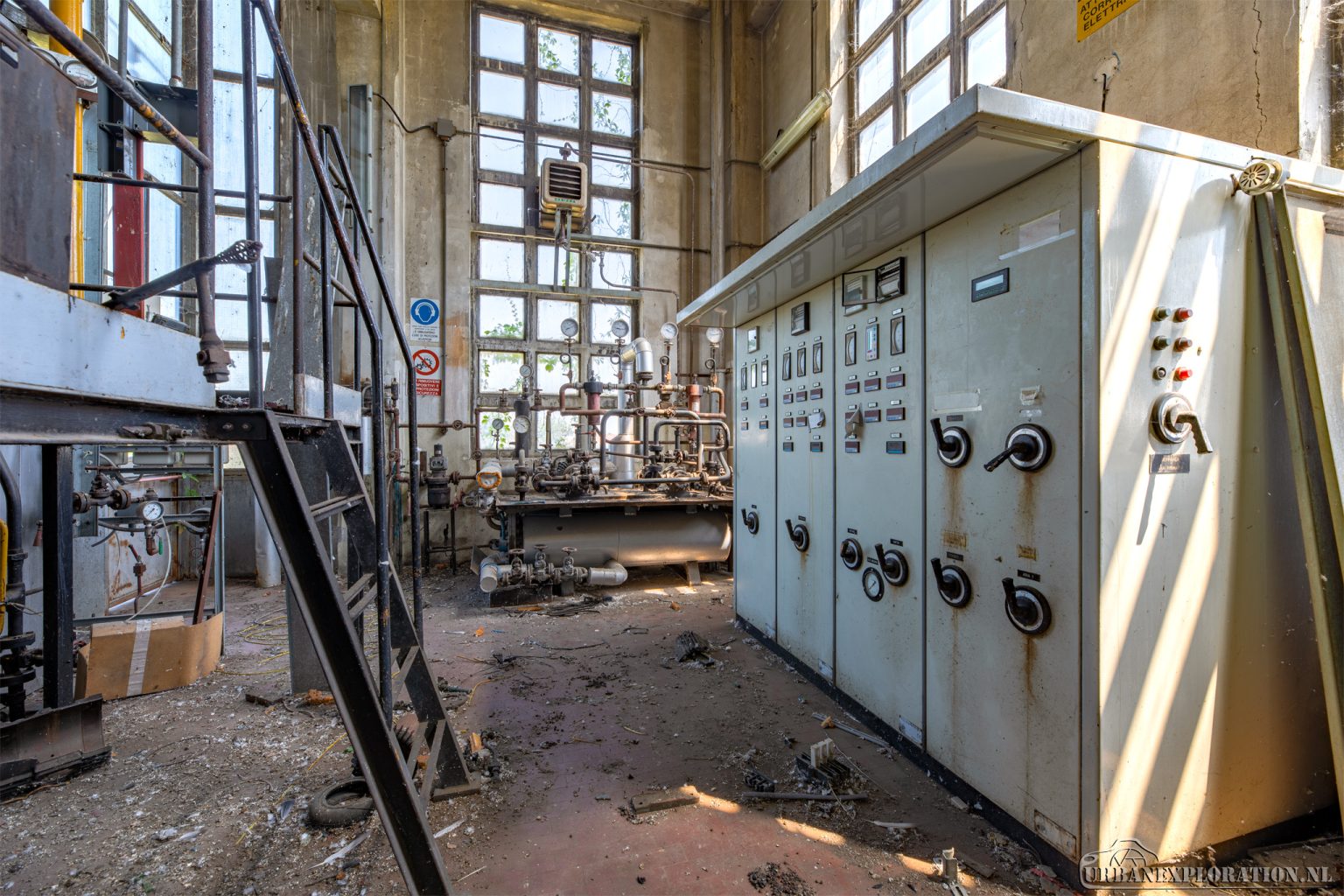
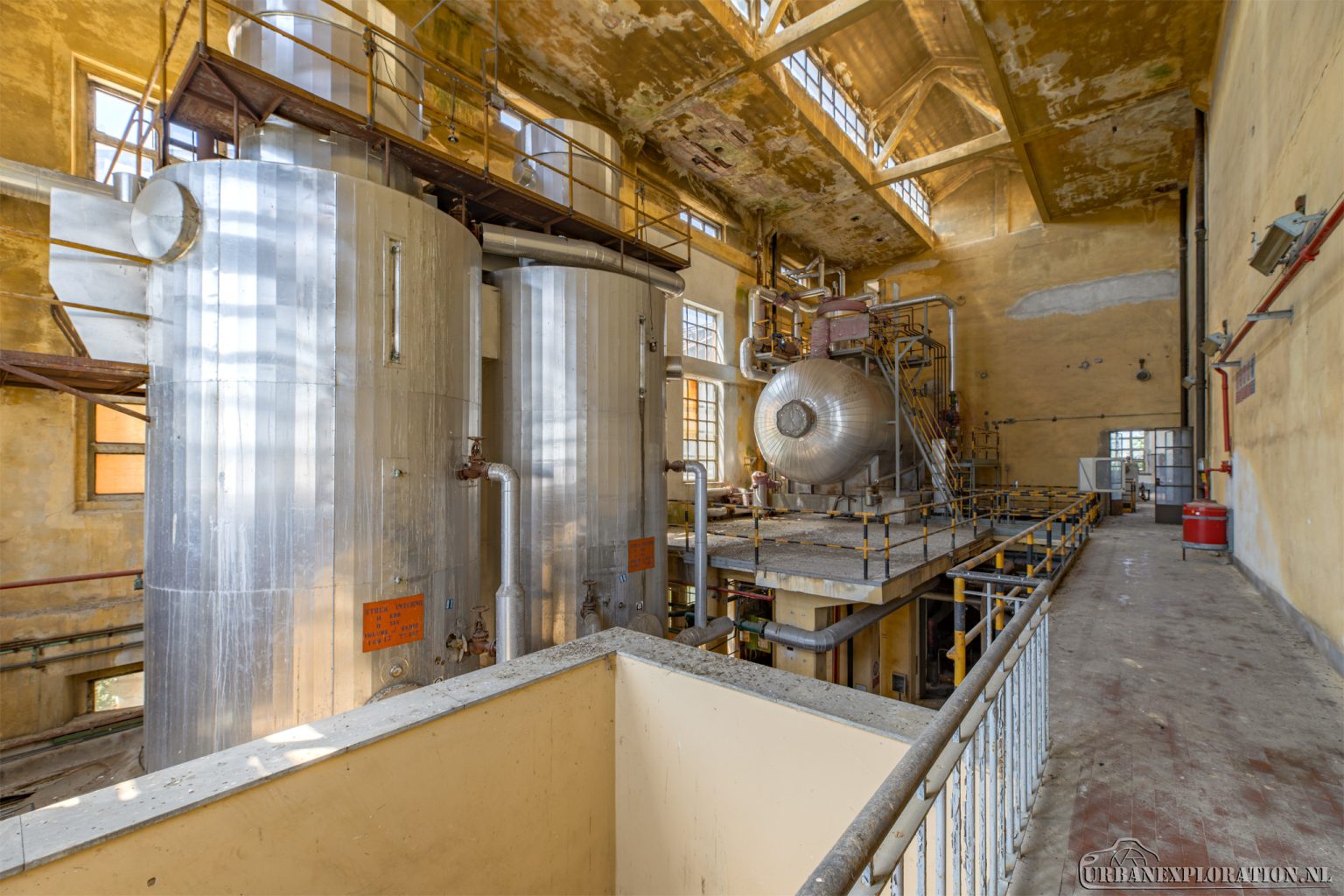
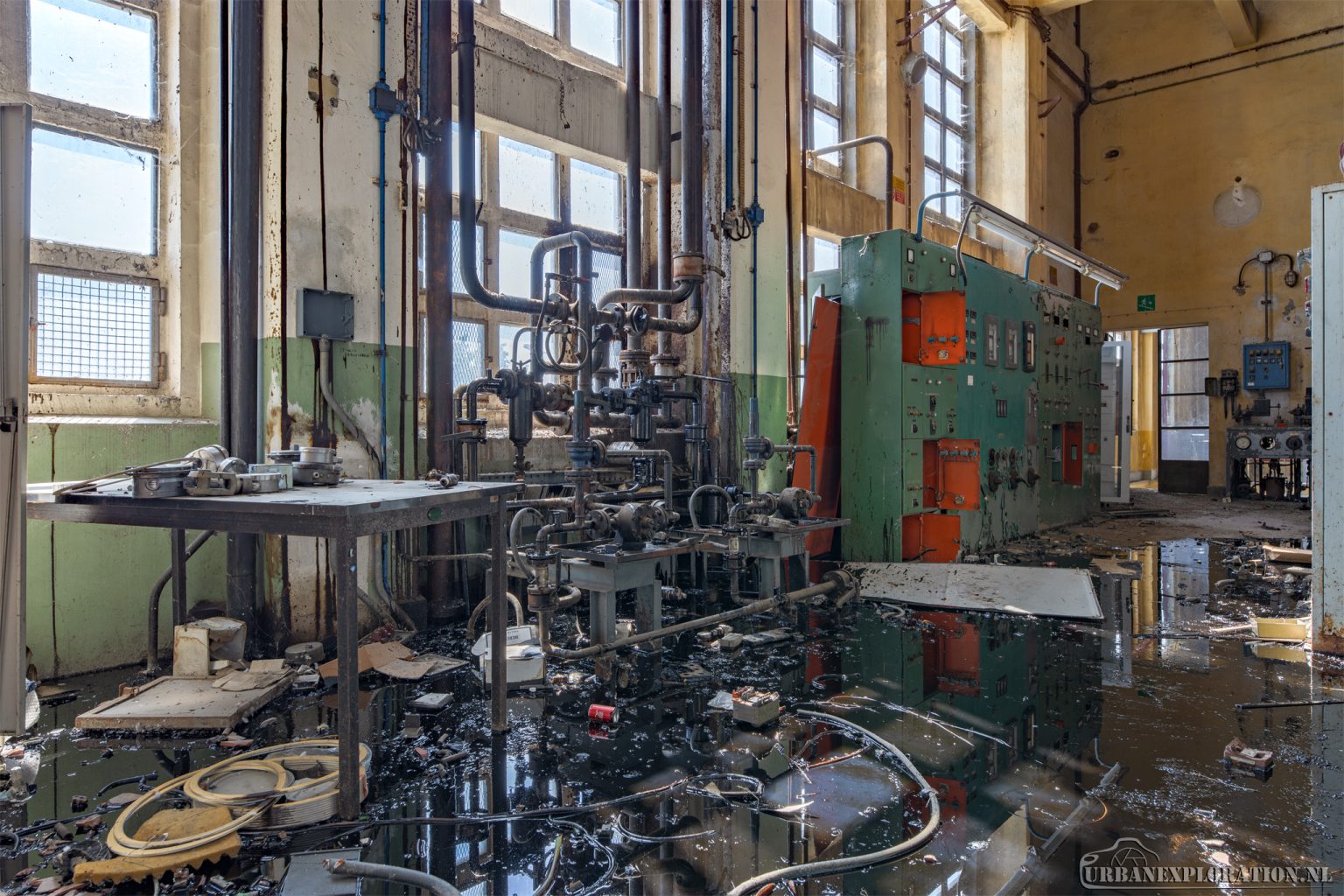
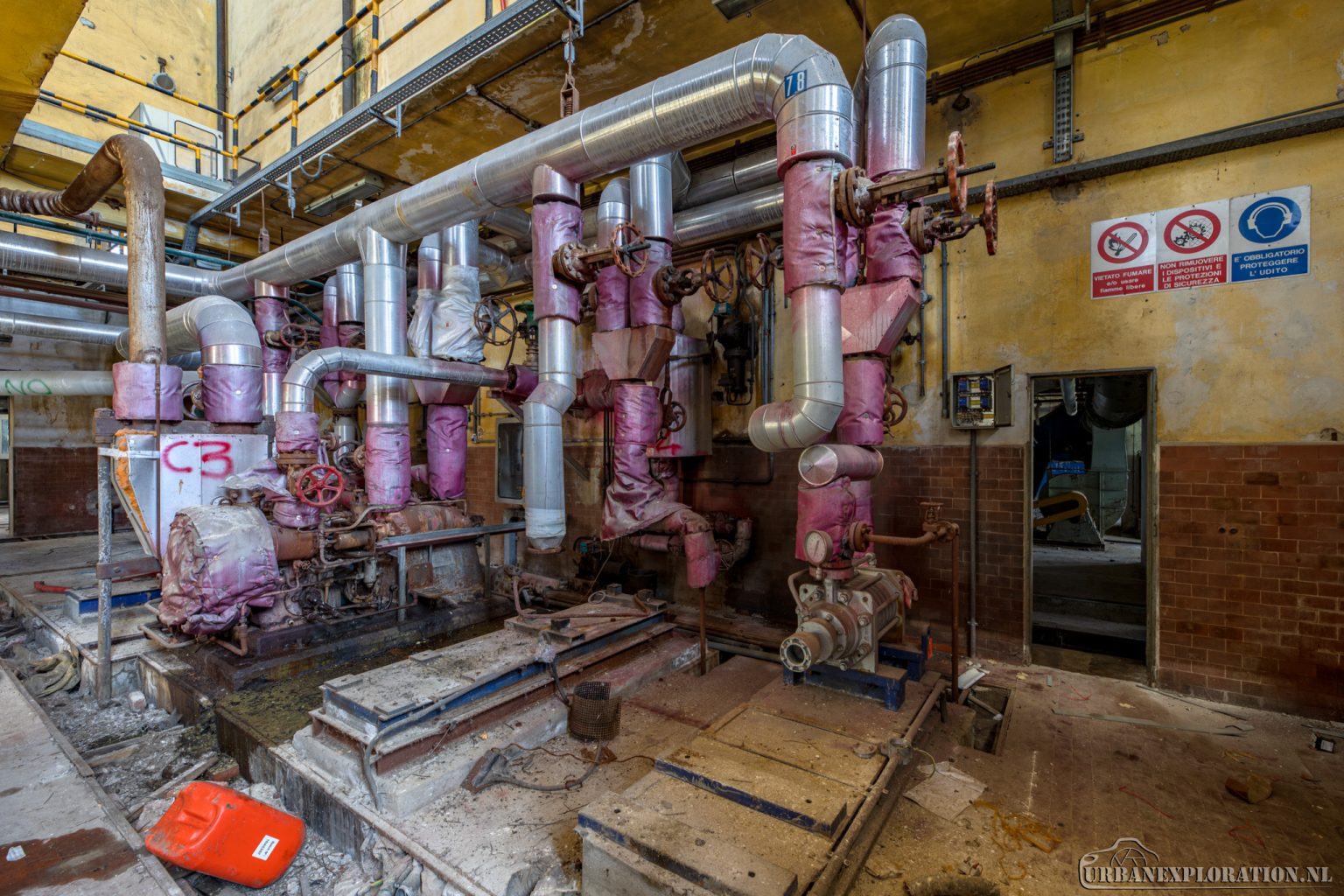
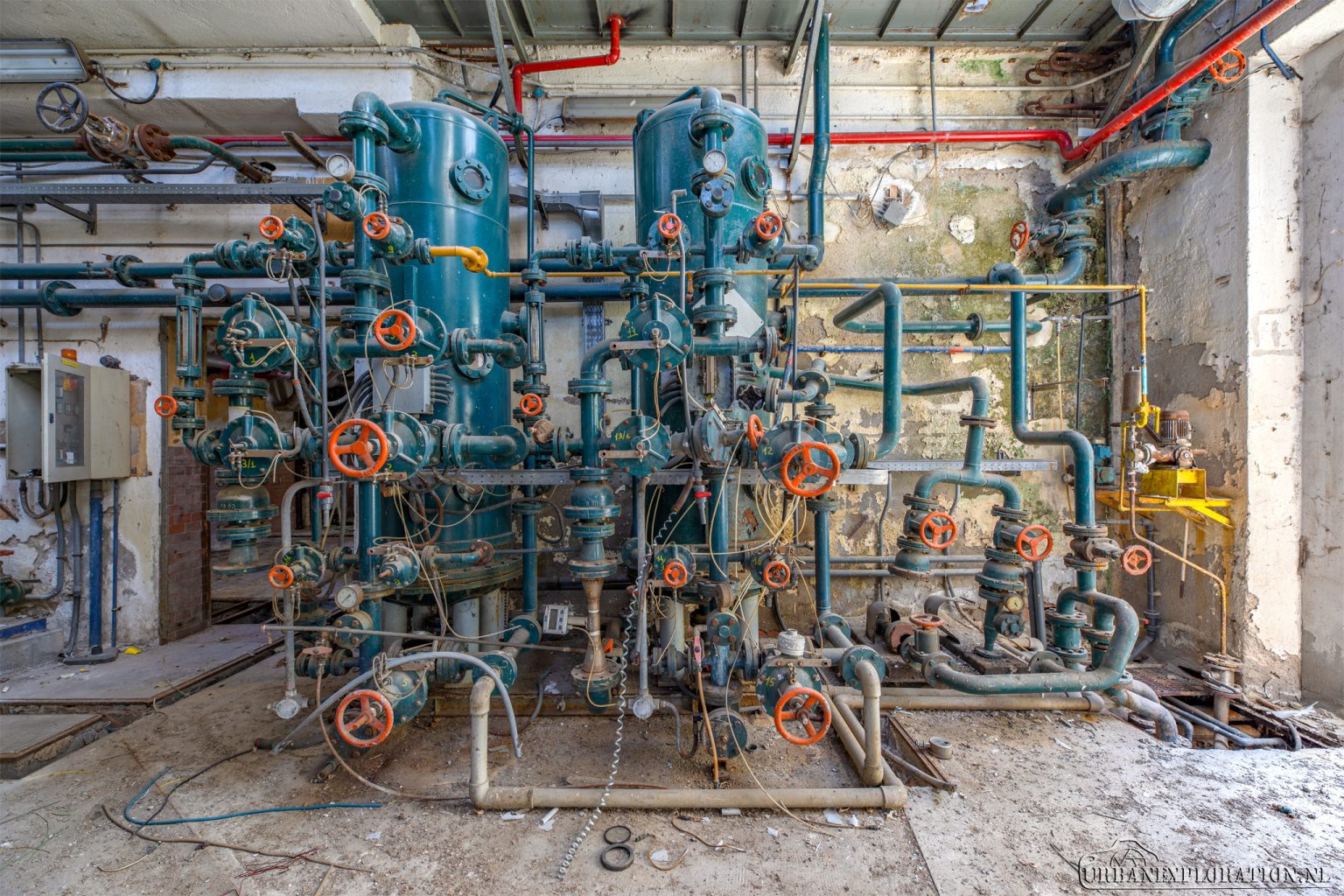
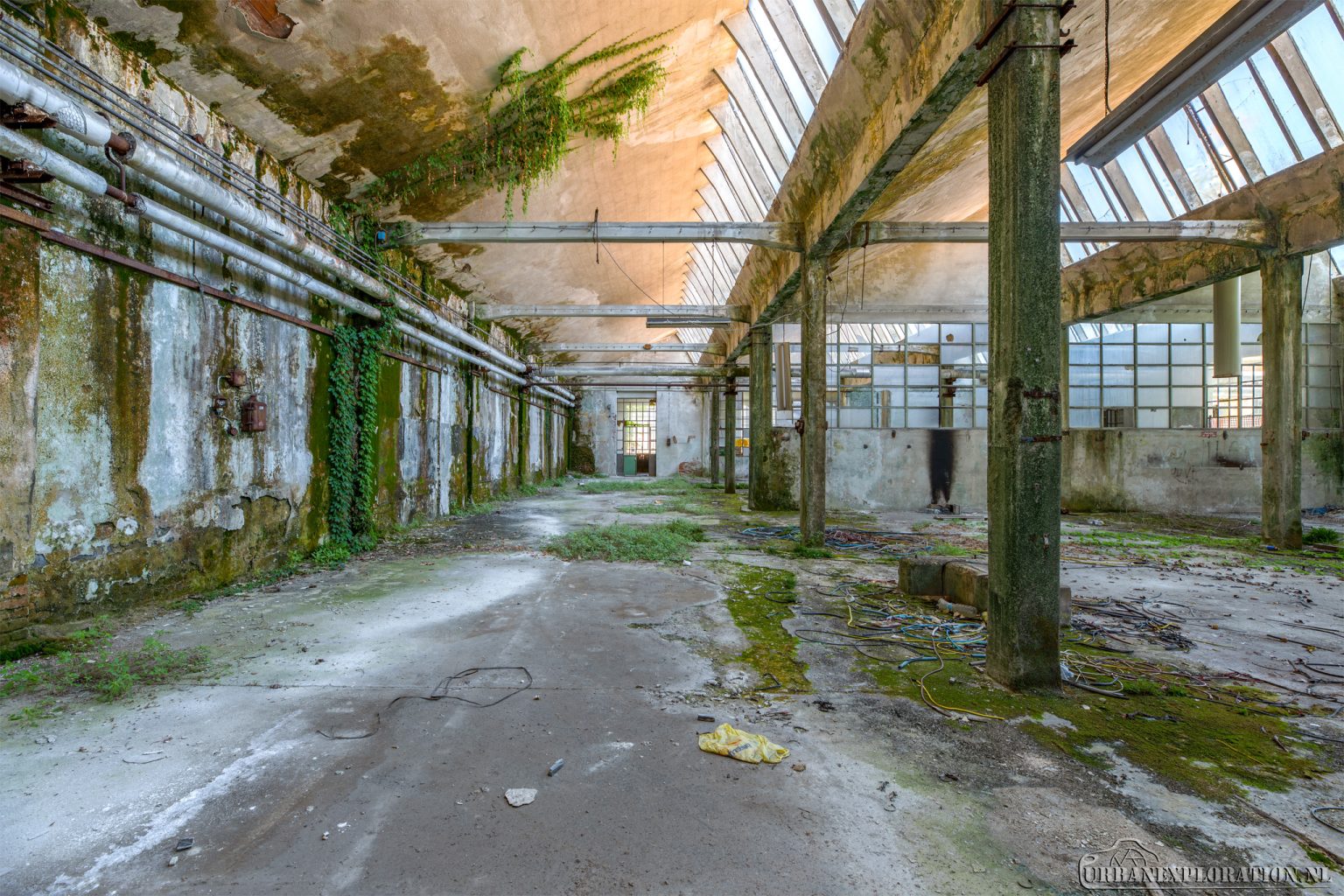
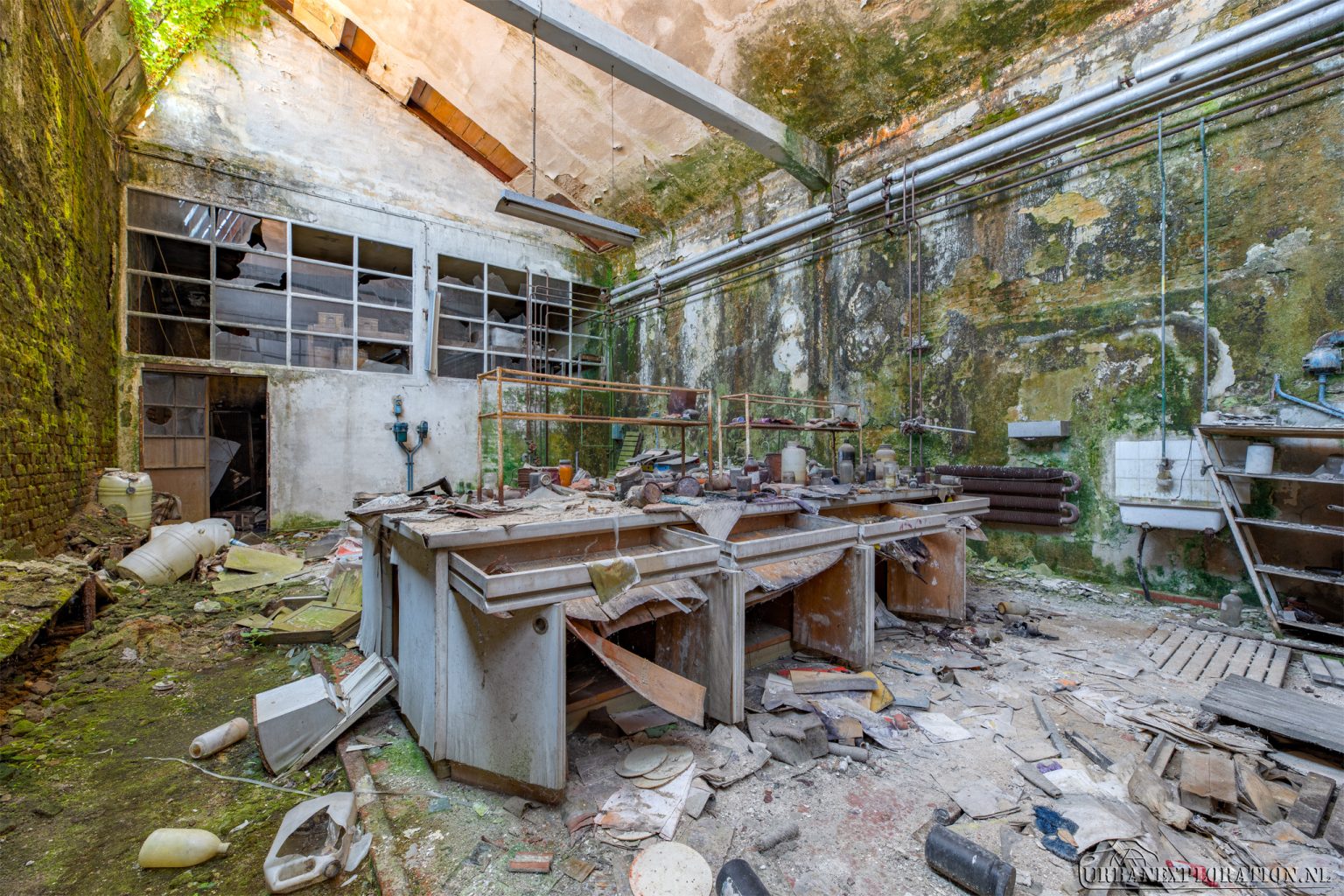
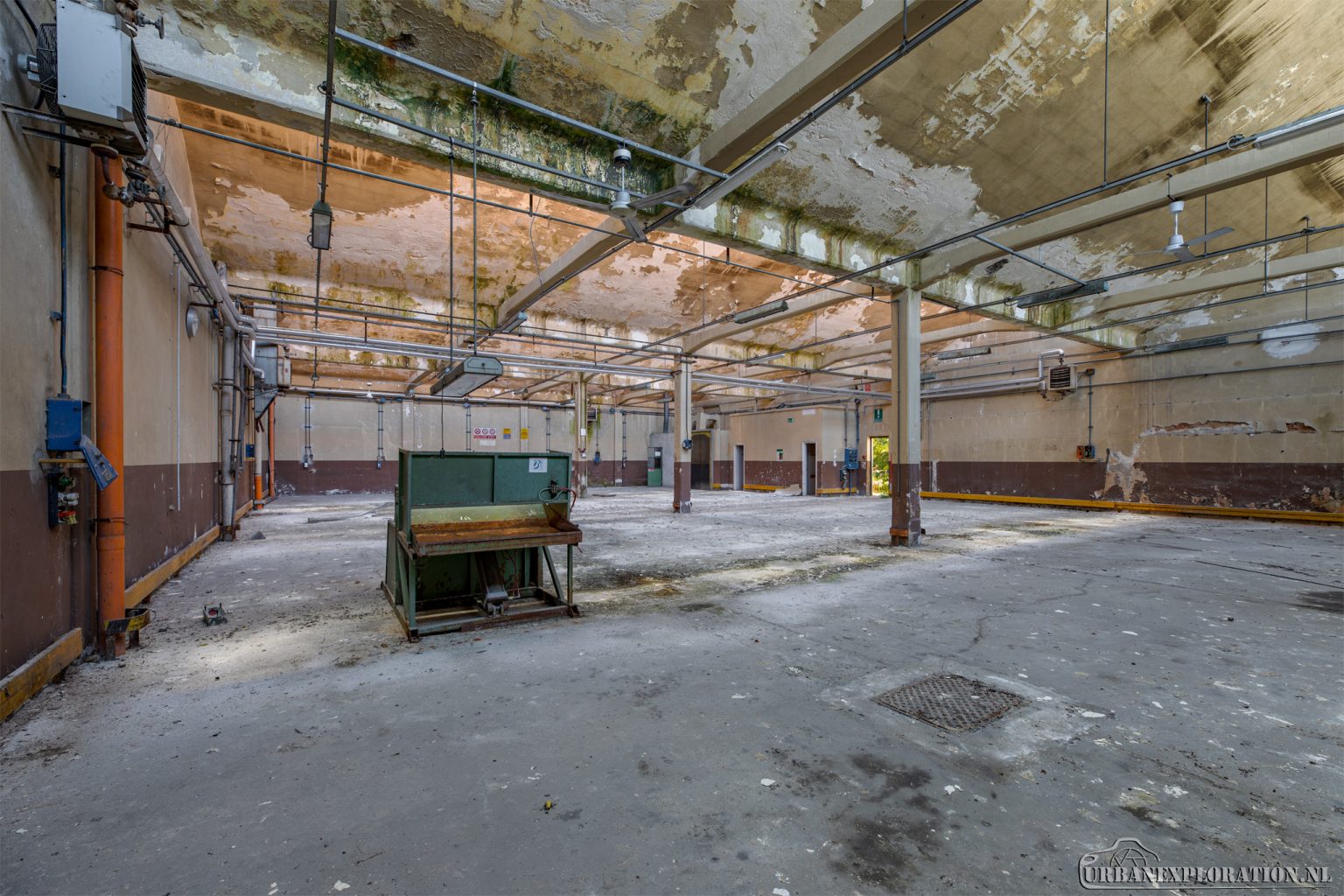
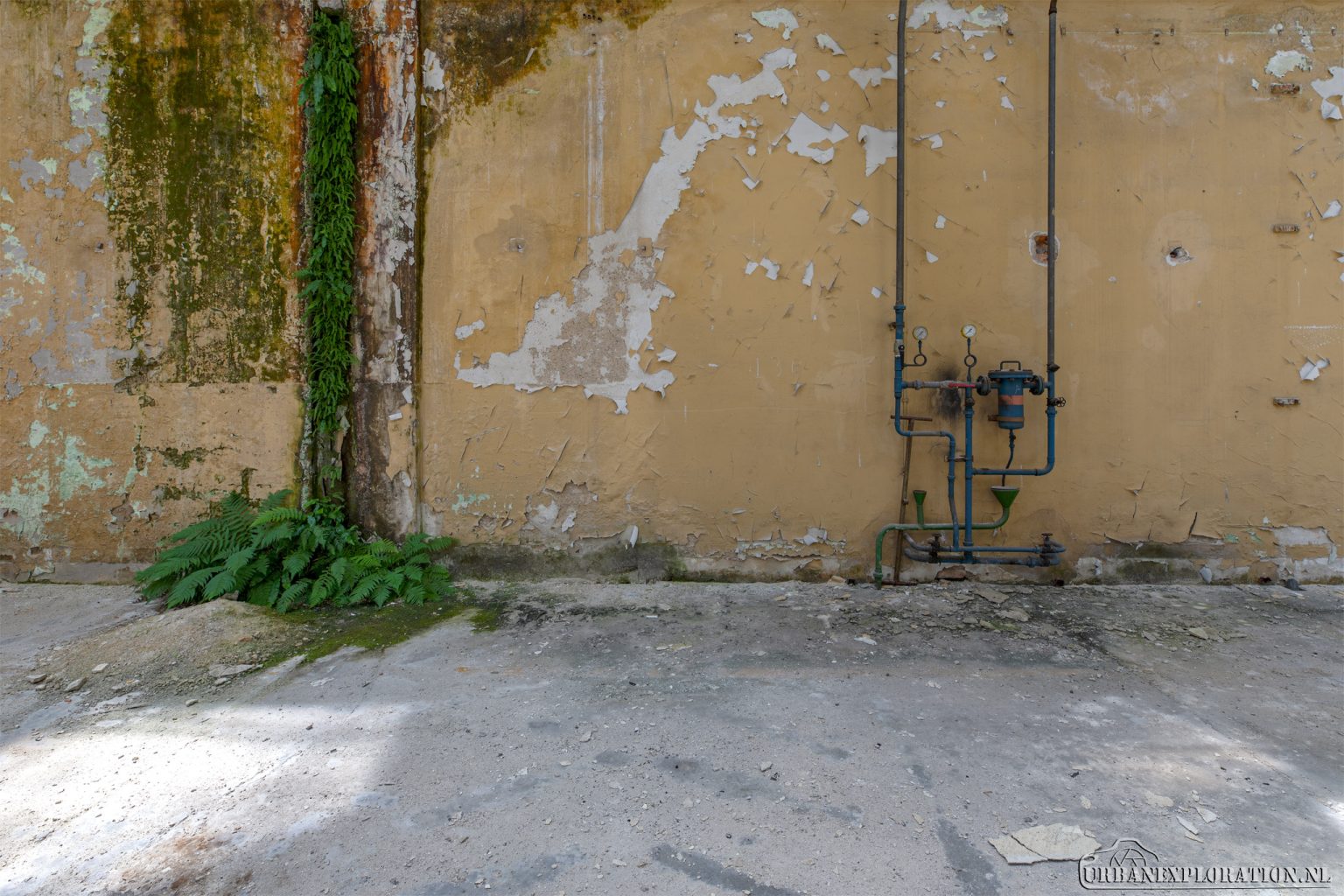
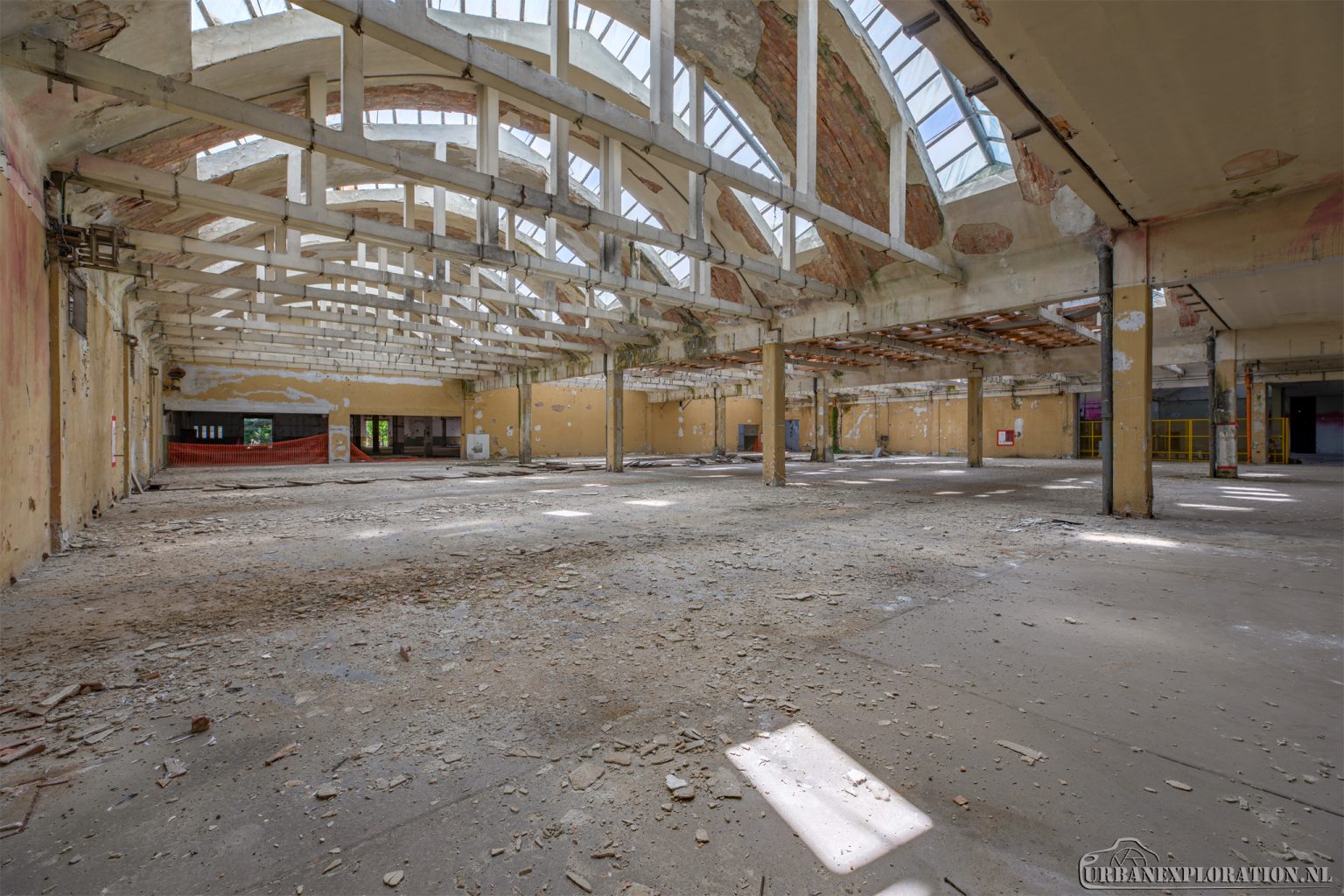
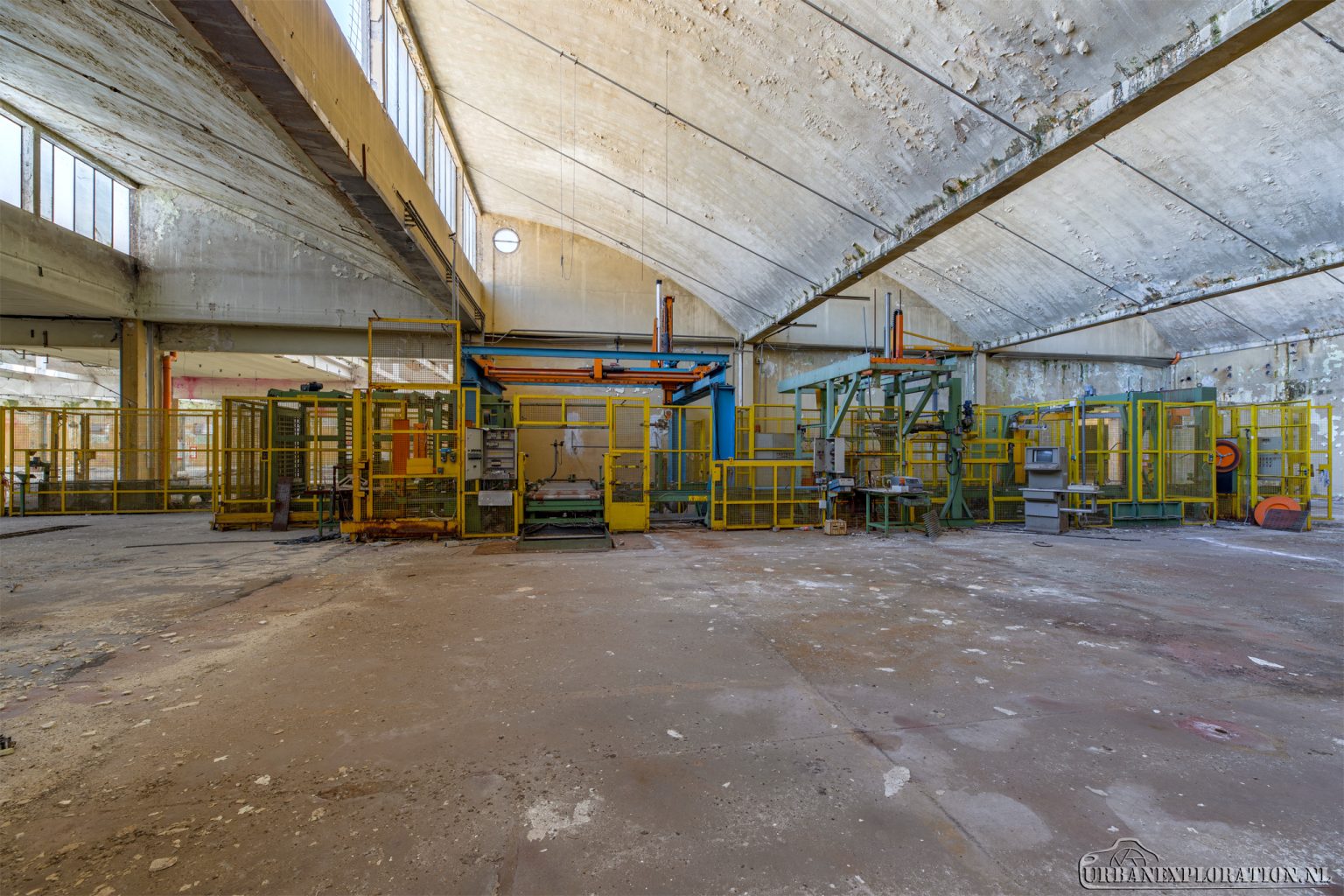
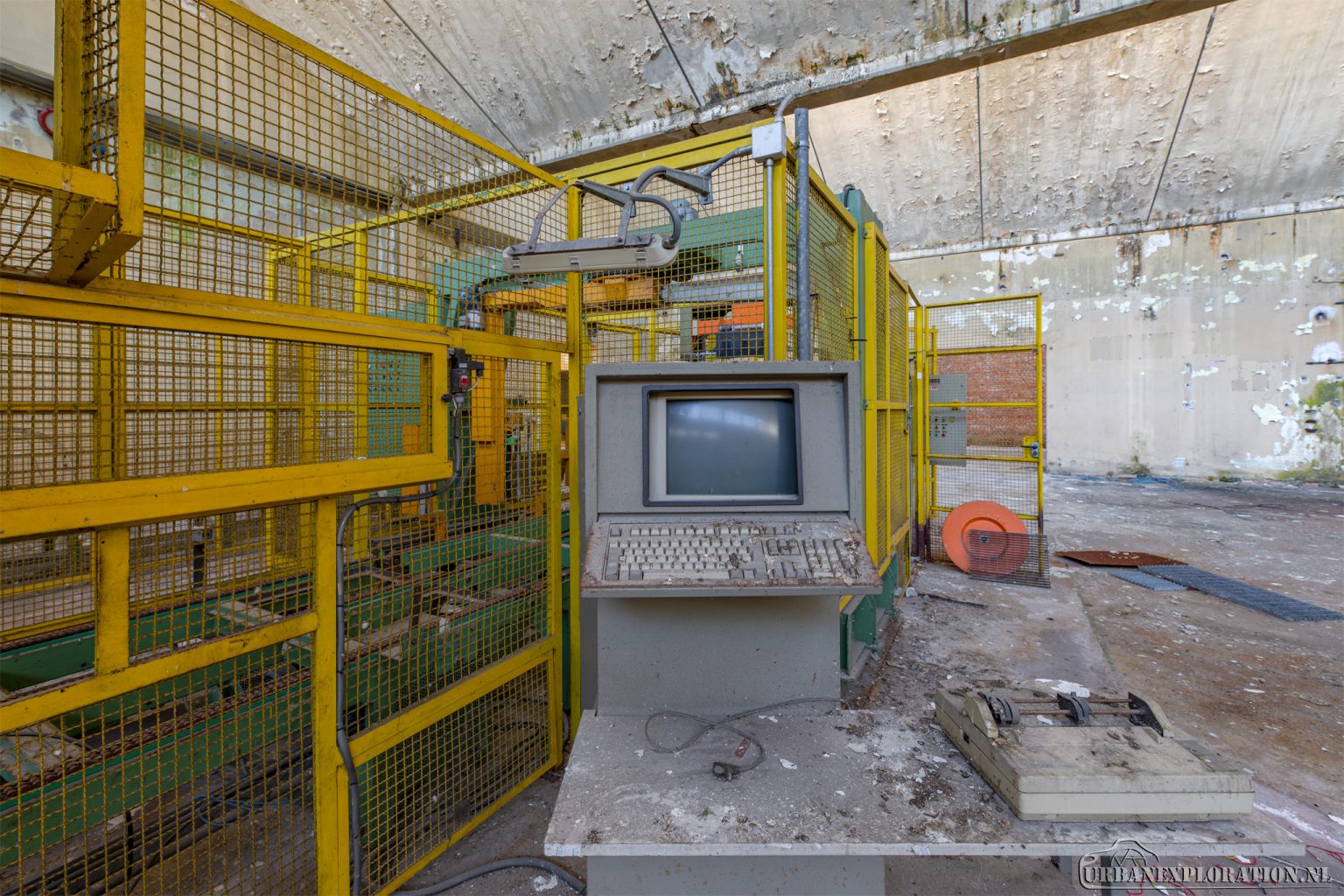
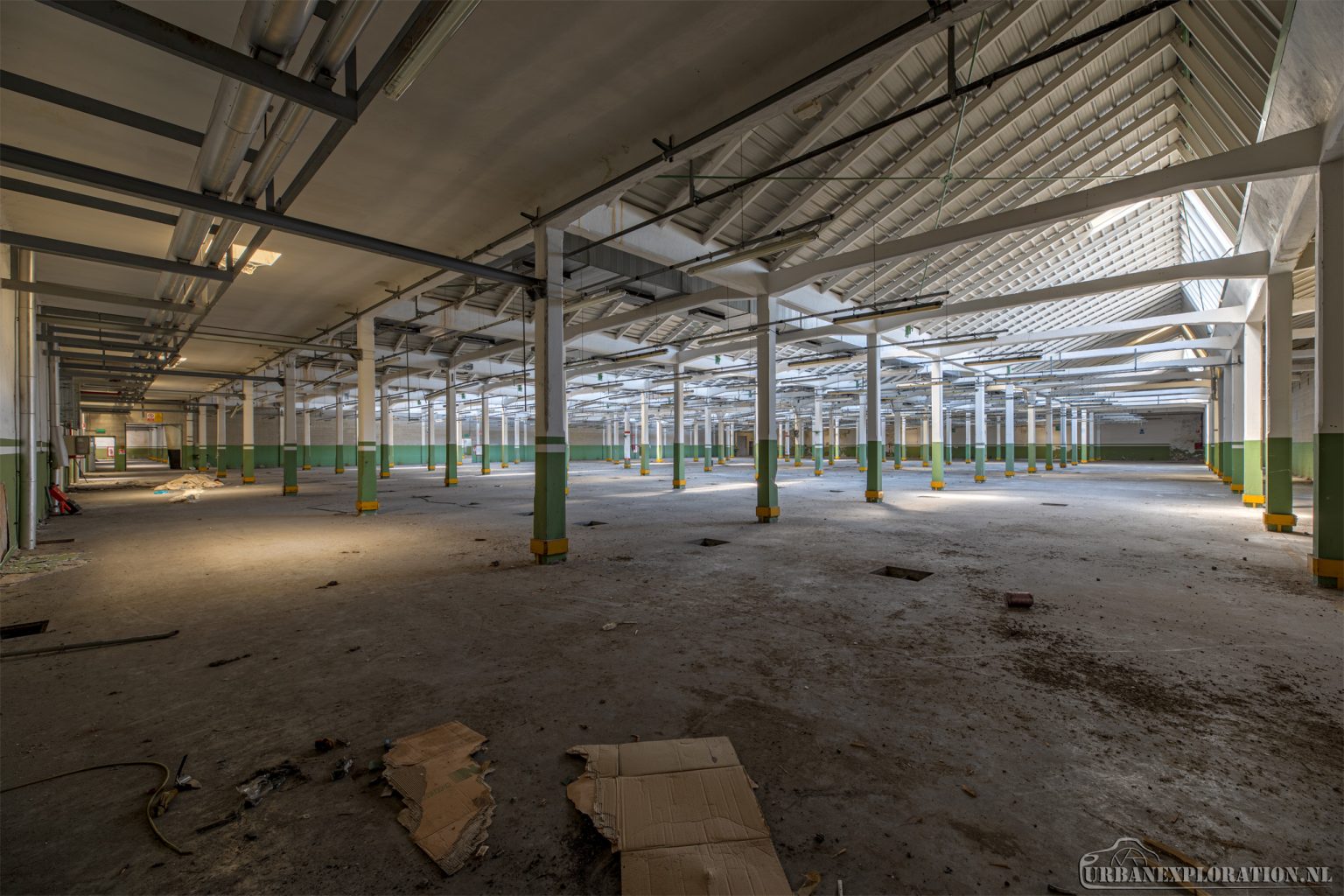
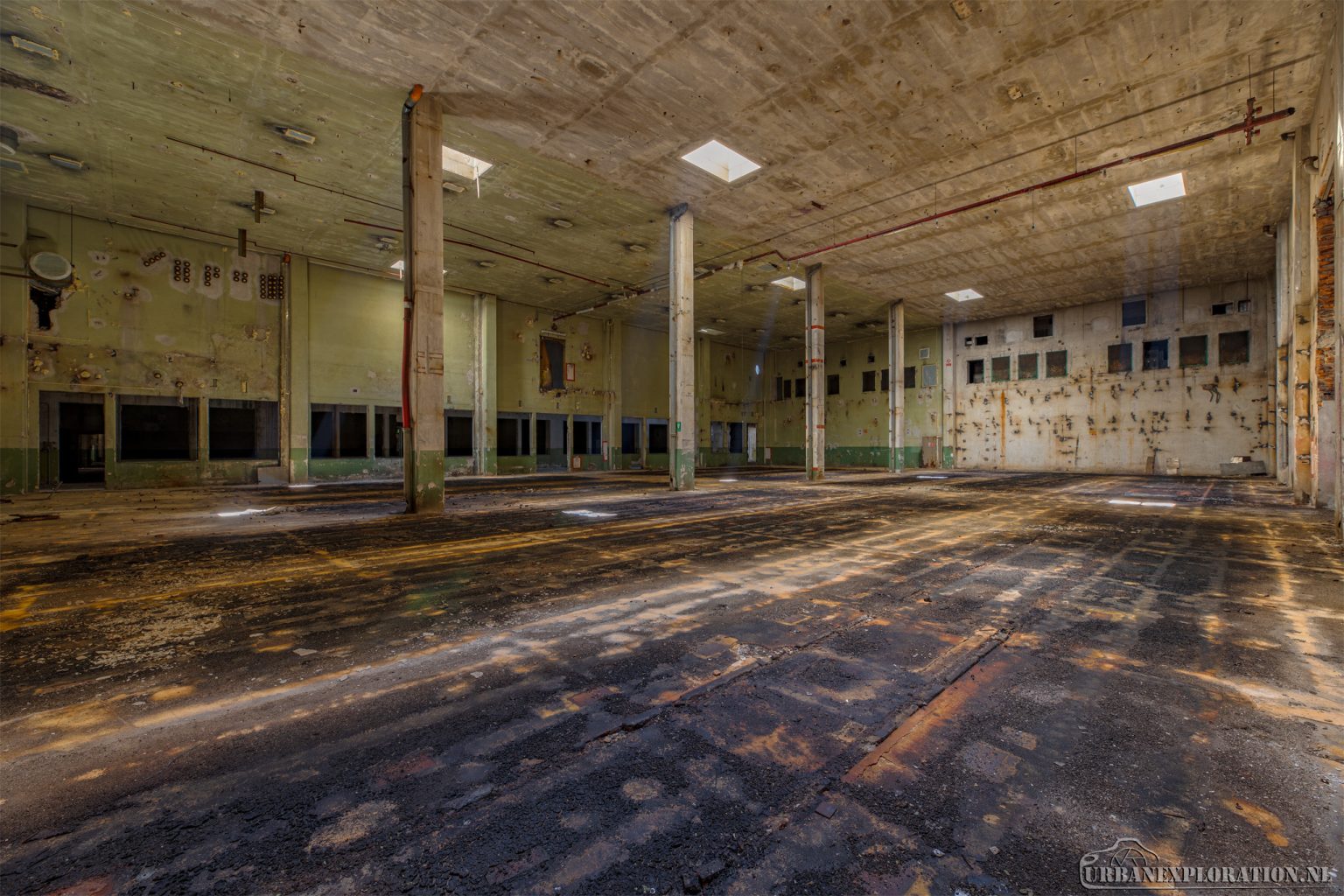
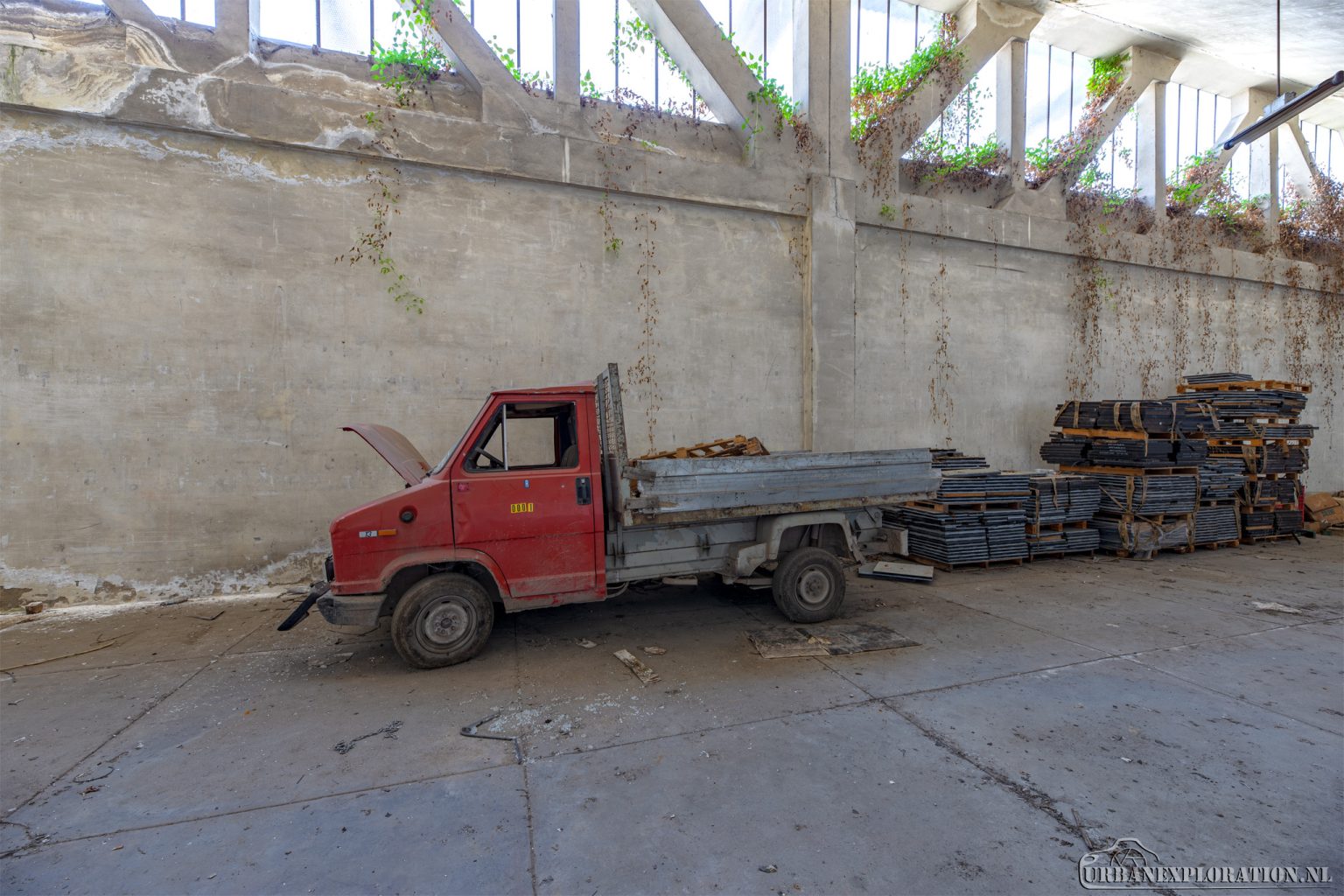
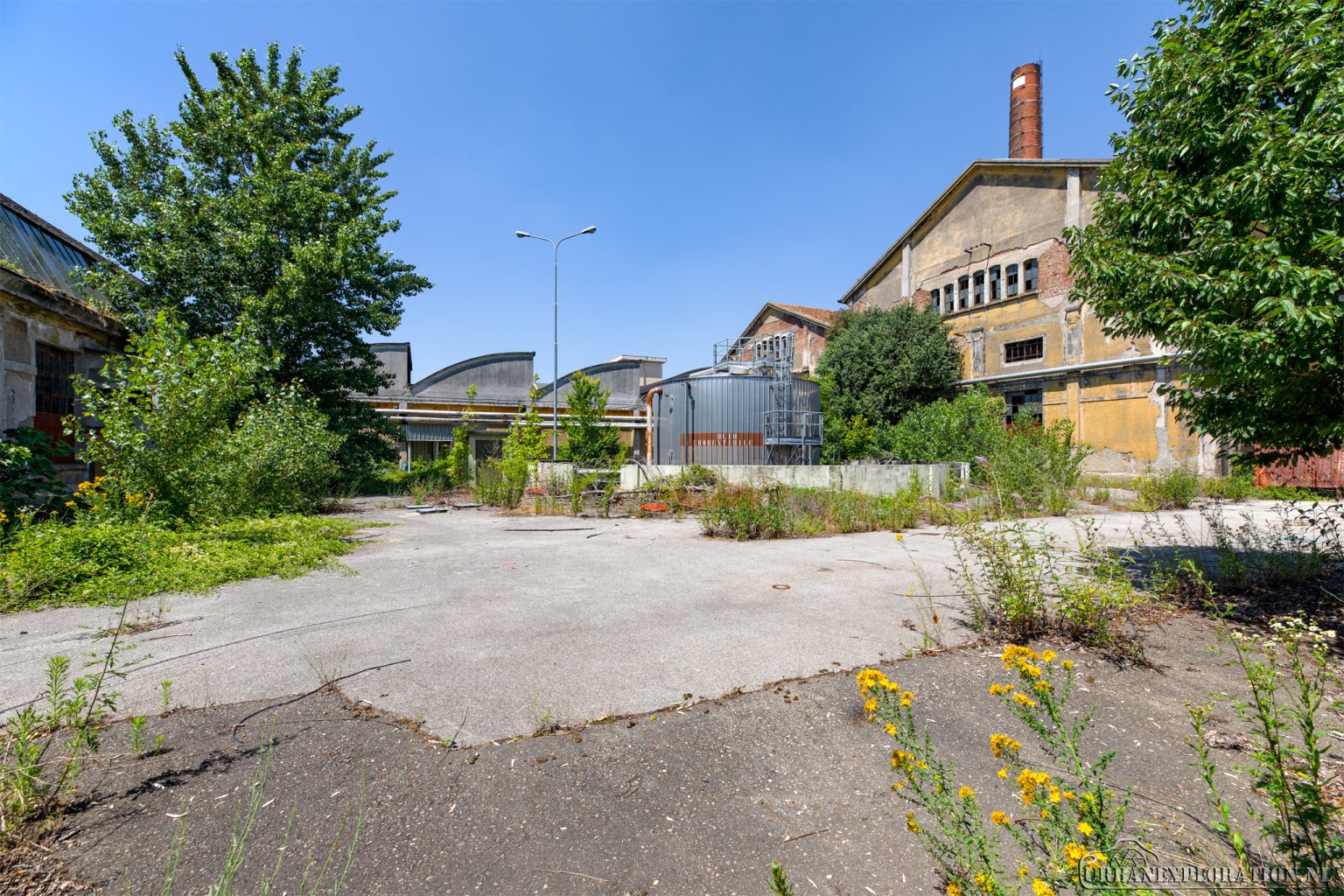
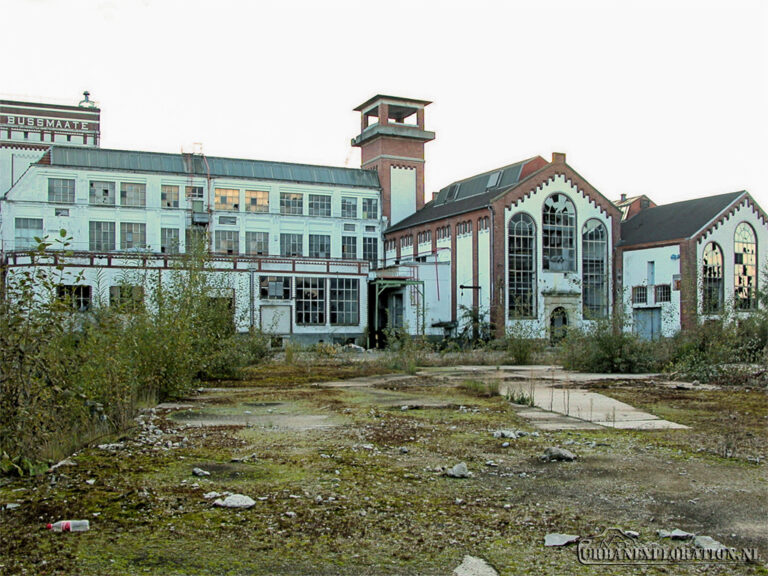
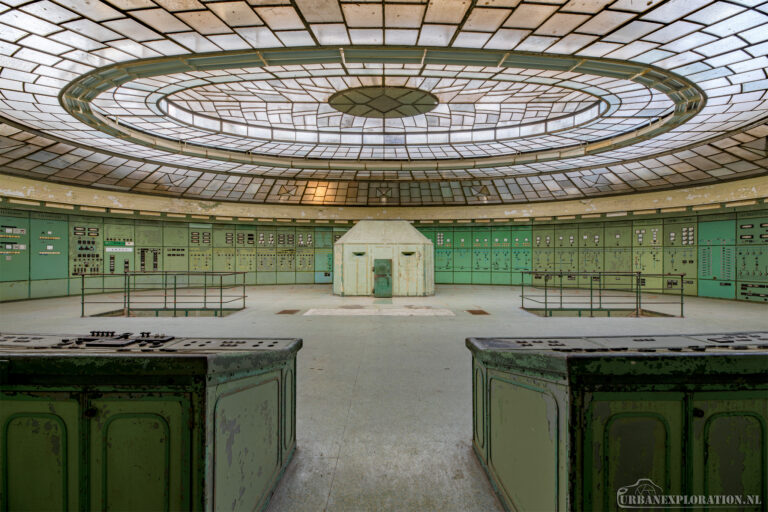
The textile factory that once stood along Viale Piemonte in Magenta was part of the broader industrial expansion that shaped Lombardy in the late nineteenth and early twentieth centuries. During this period, the region developed into one of Italy’s most important textile production areas, with numerous cotton mills and weaving plants spread across towns and smaller cities.
The complex in Magenta was established as a cotton-processing factory (cotonificio), focused on spinning and weaving textiles primarily for the domestic market. It provided employment for a large part of the local population and played a significant role in the economic life of the town. Like many factories of its kind, it did not operate under a strong commercial brand name and was commonly referred to simply as the Cotonificio di Magenta.
After the Second World War, the factory reached its most productive phase. Operations ran at full capacity, and several generations of workers were employed on the site. From the 1970s onward, however, the Italian textile industry began to decline due to rising production costs, structural changes in the market, and increasing international competition.
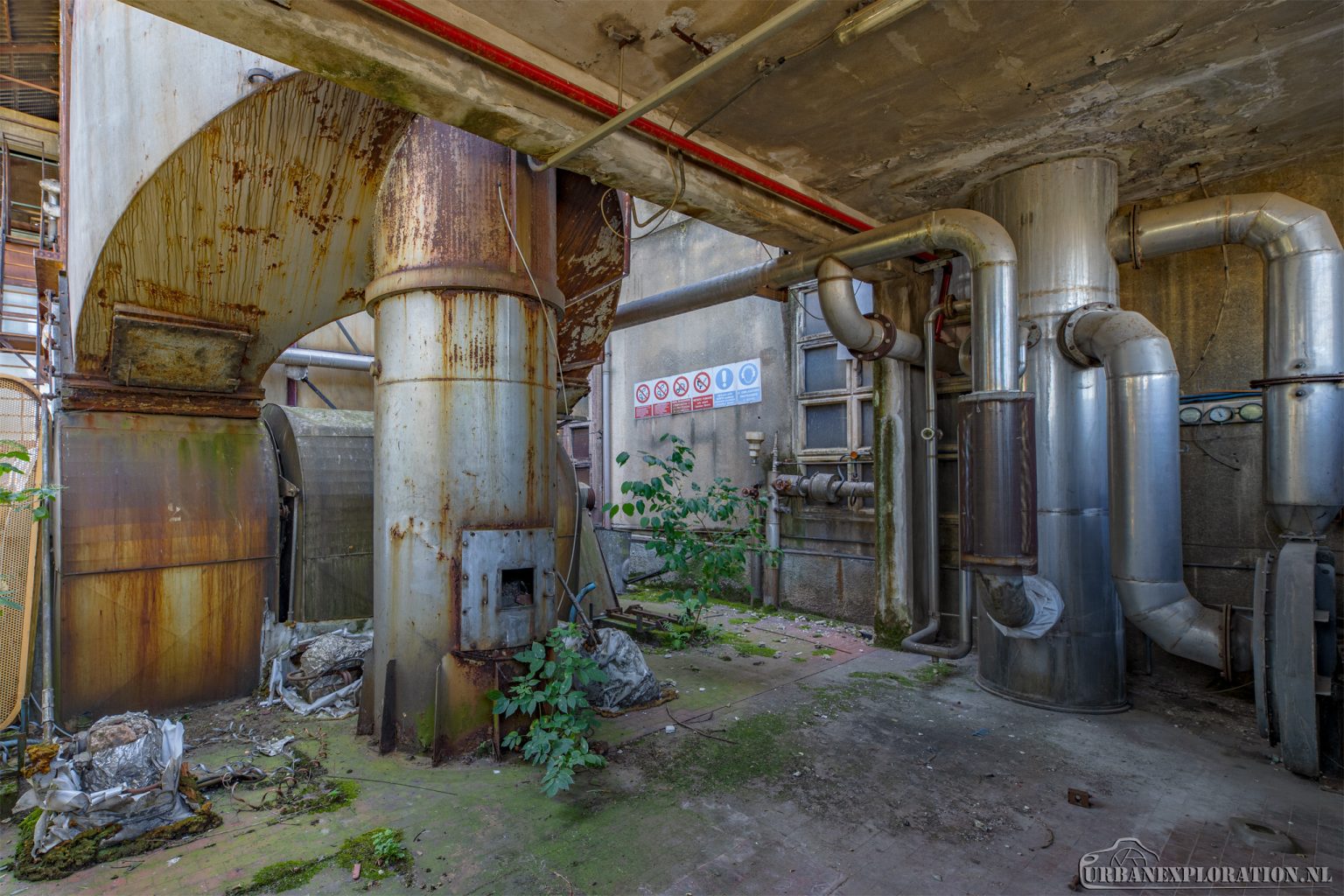
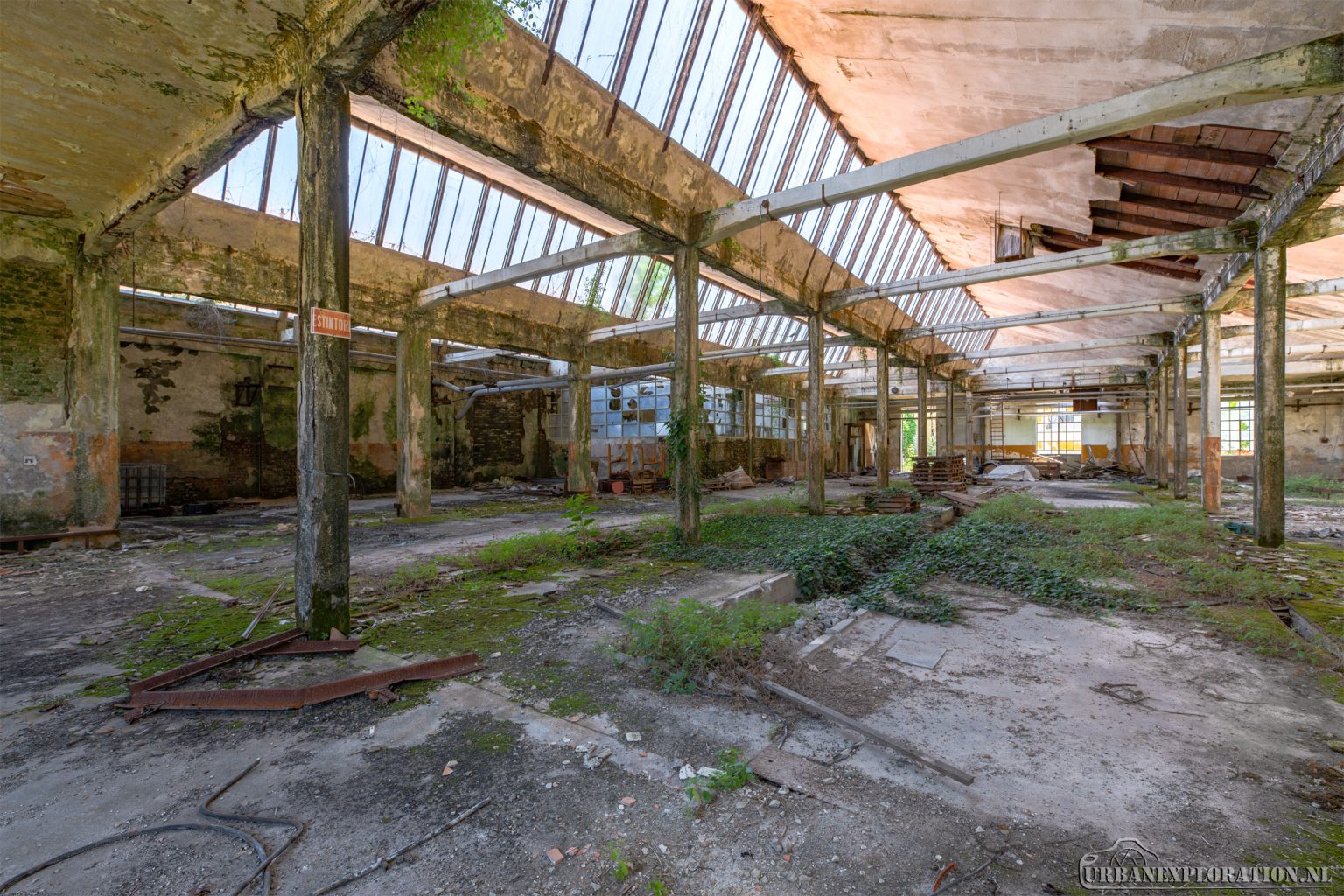
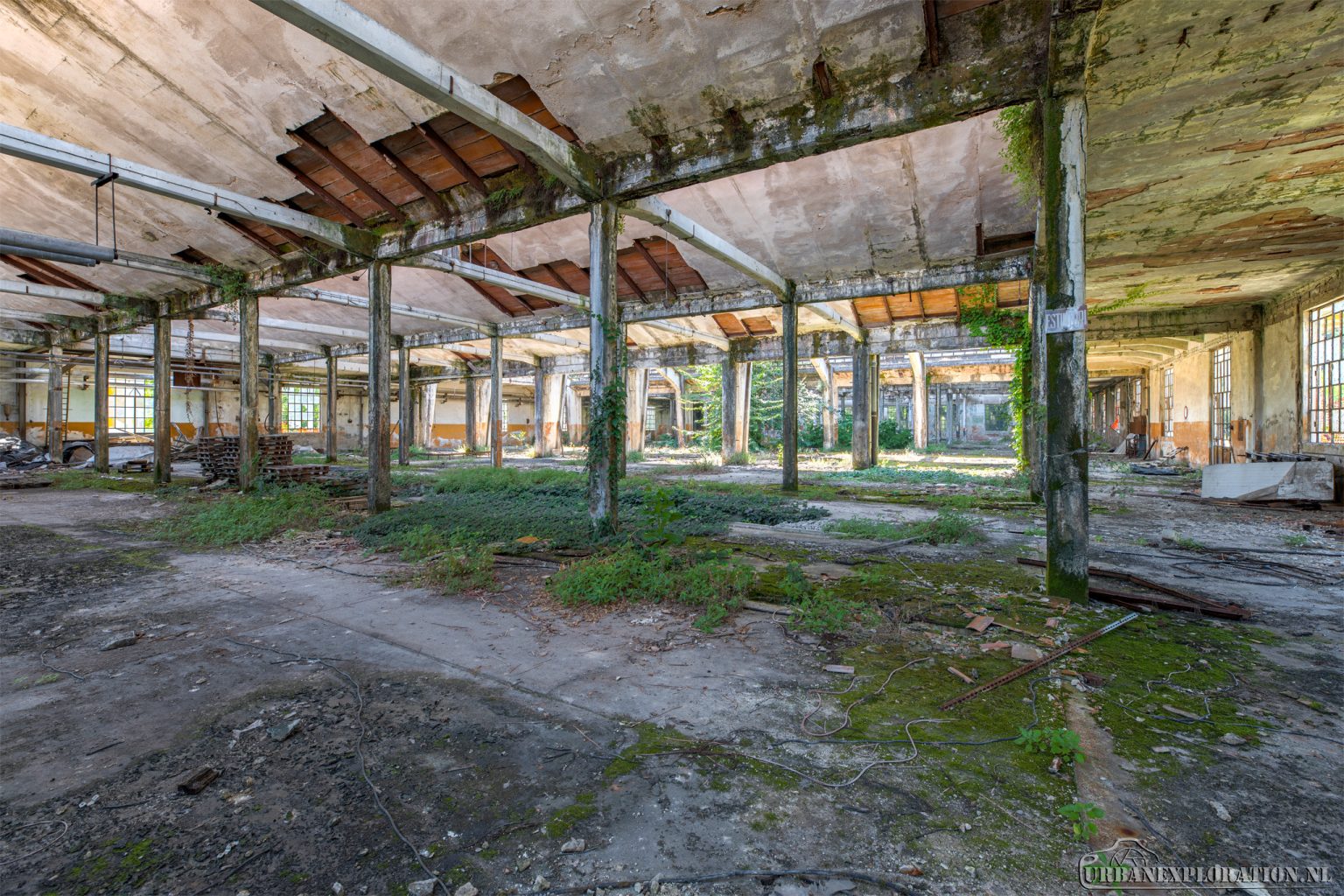
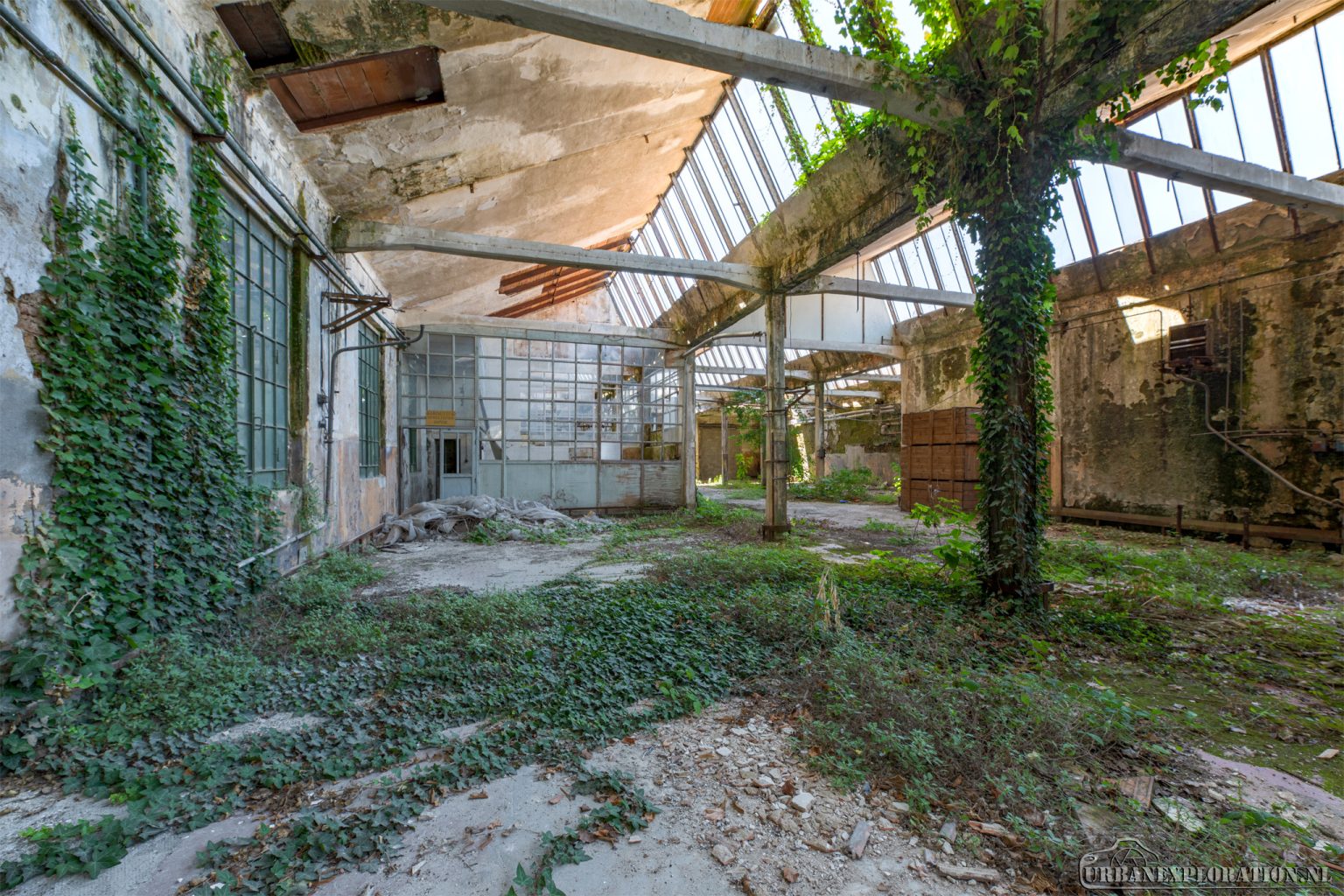
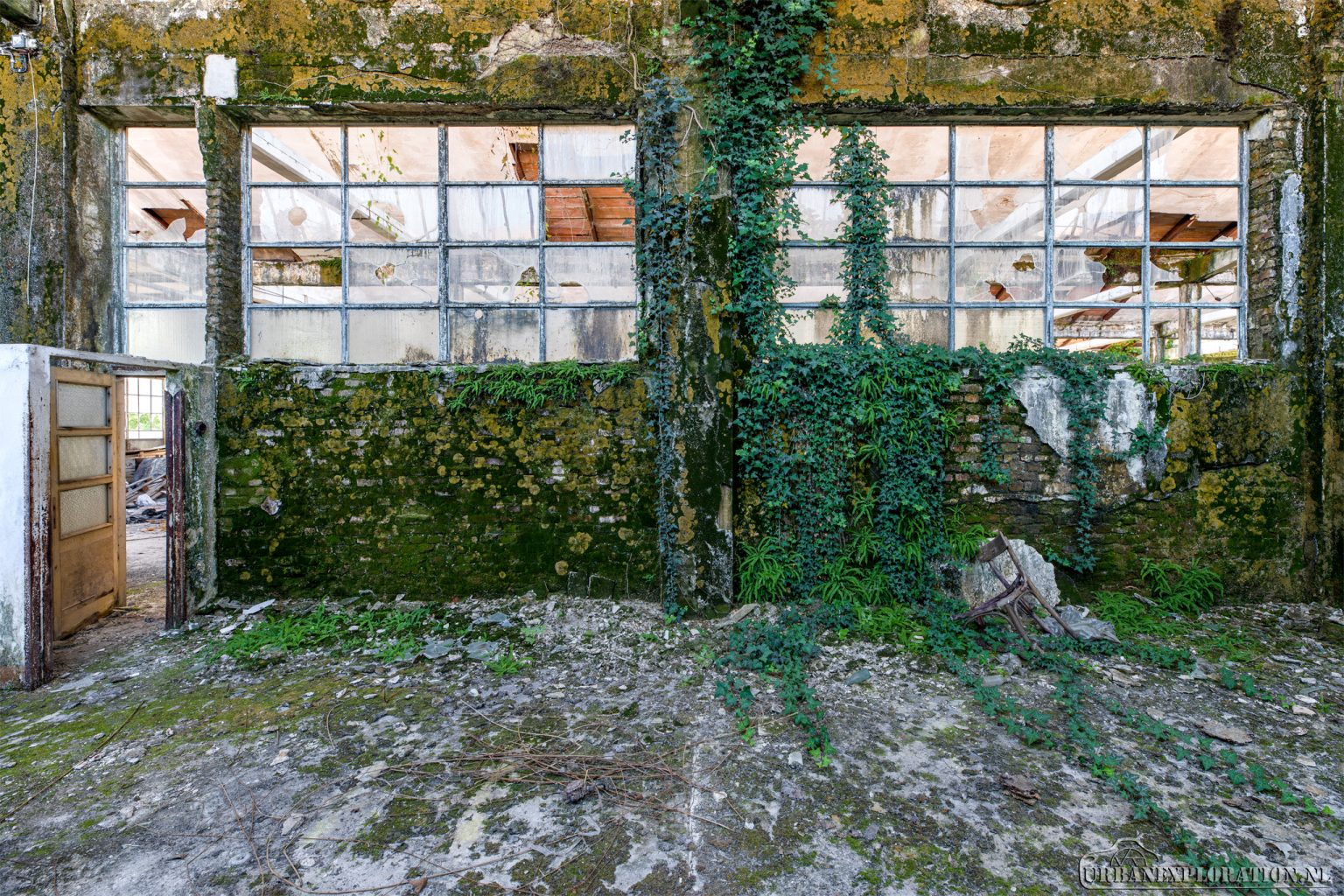
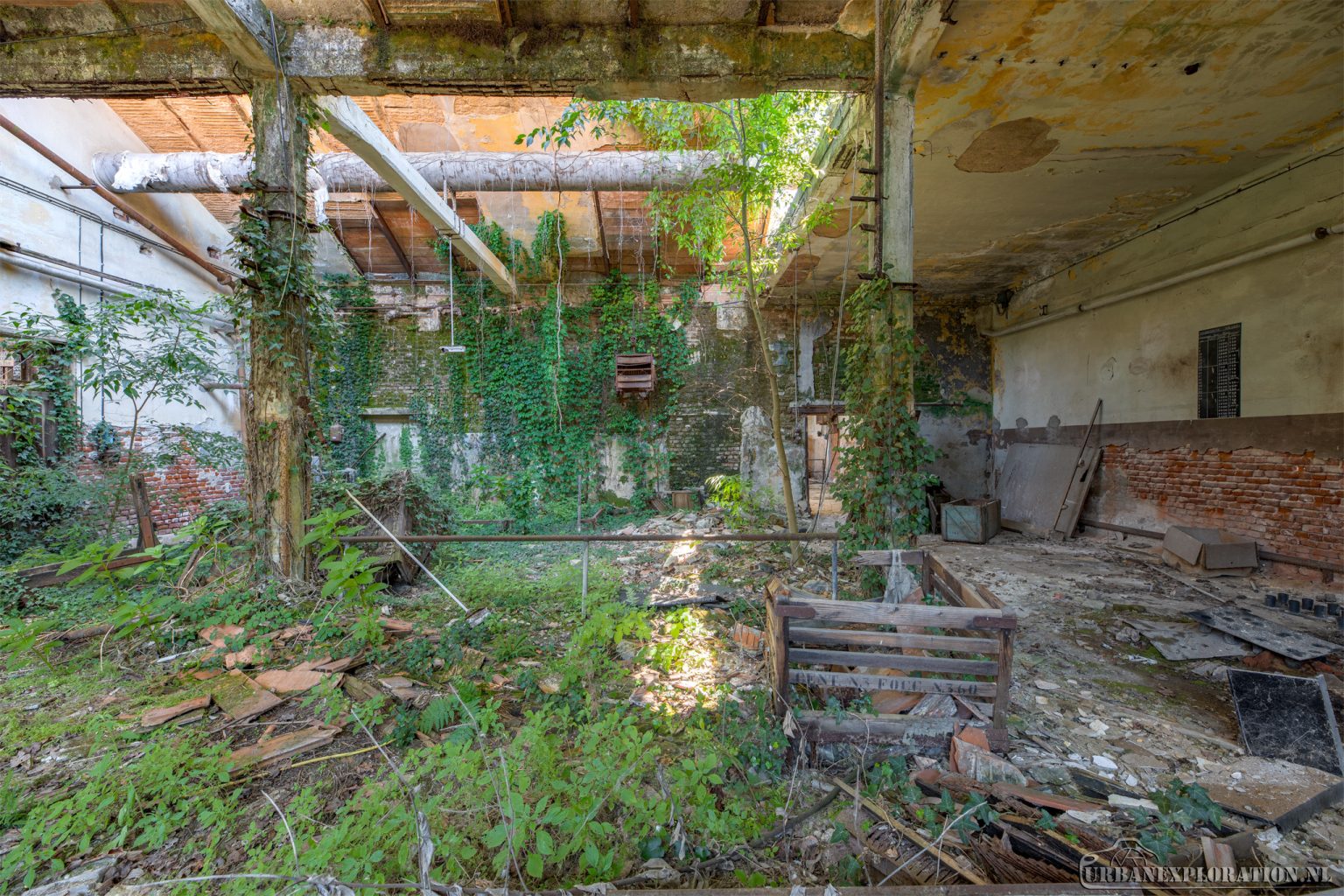
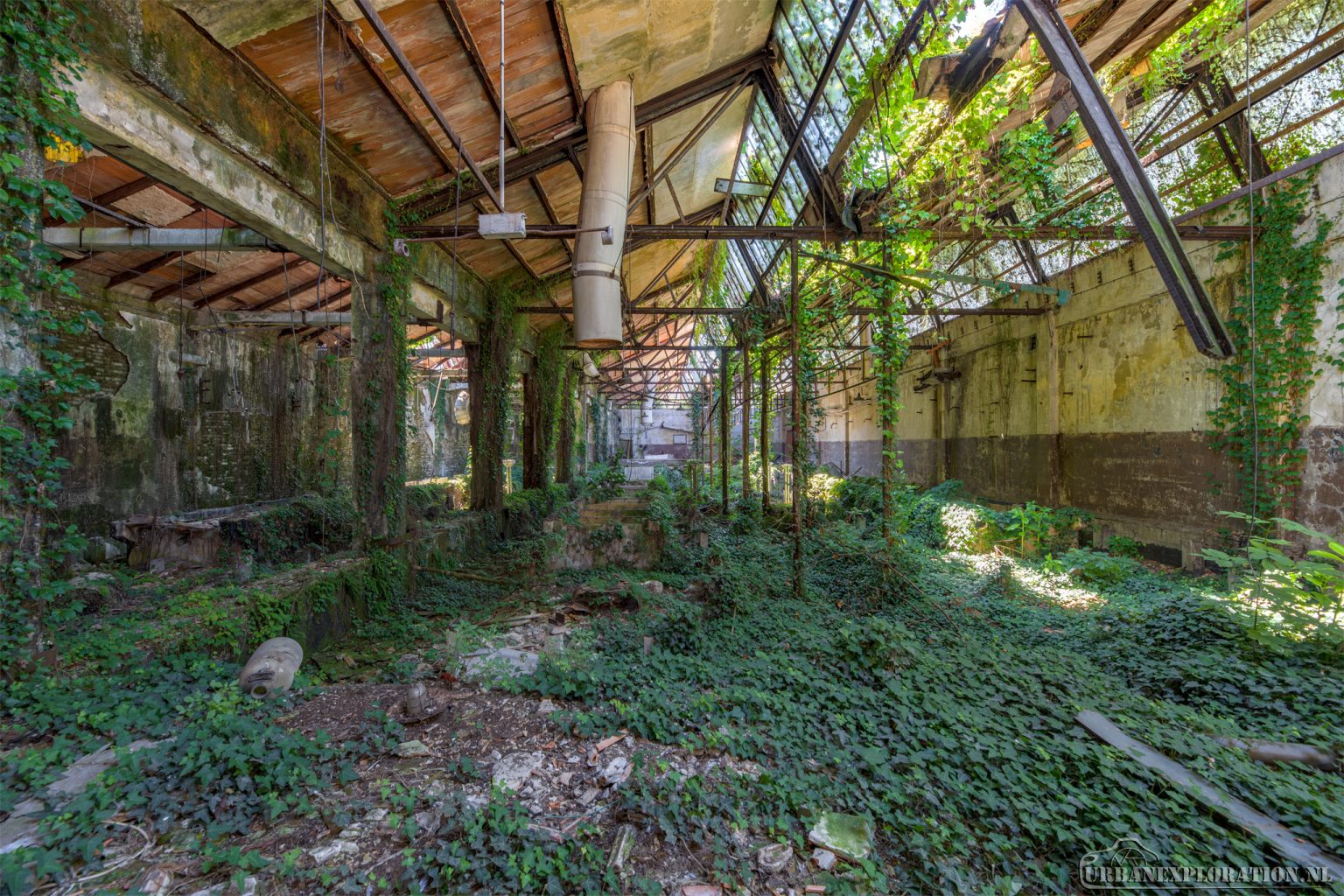
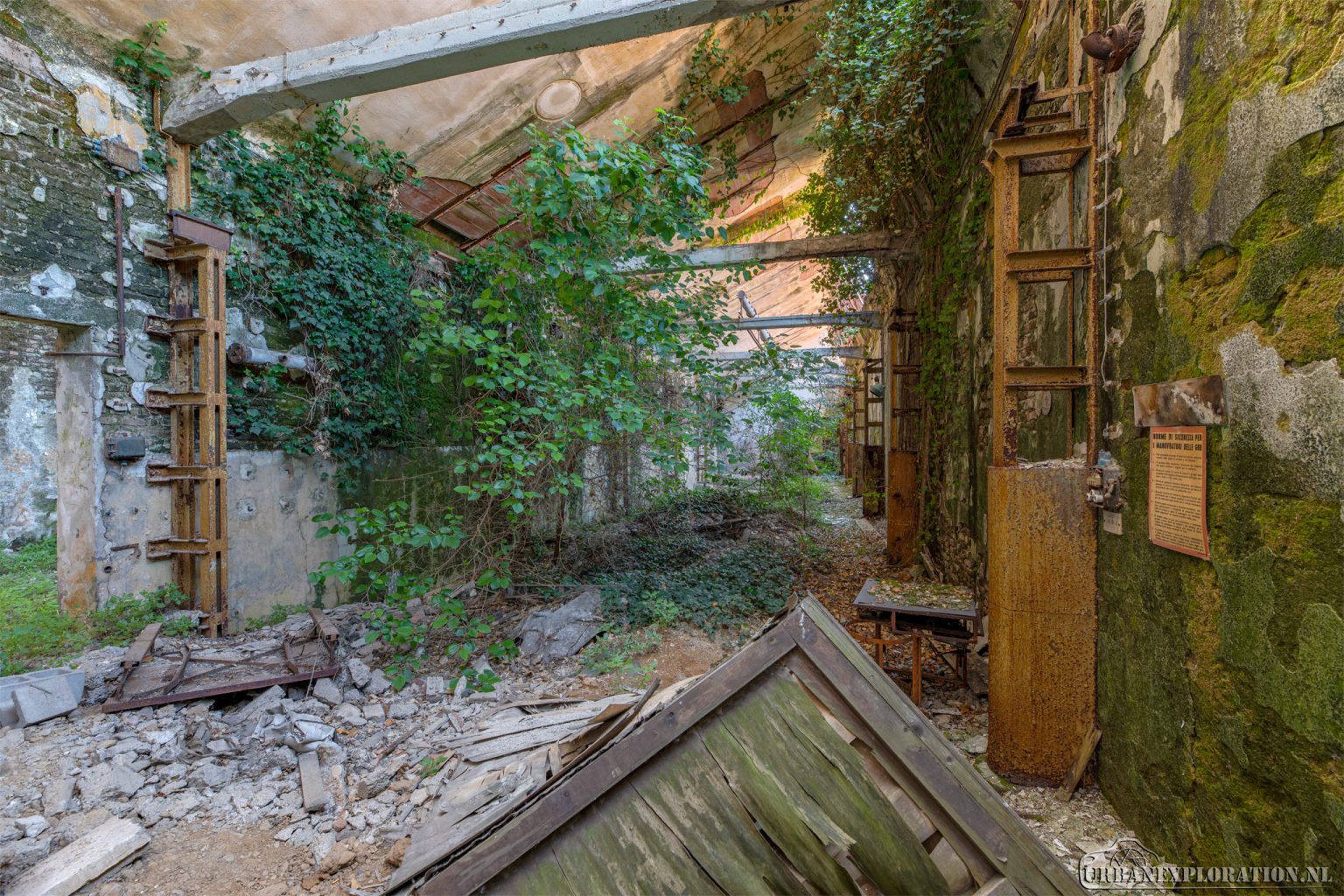
By the 1990s, production at the factory had ceased entirely. The buildings were left unused and gradually fell into disrepair. Unlike some industrial sites in the region, the complex was not preserved as heritage and was eventually completely demolished, erasing a substantial part of Magenta’s industrial landscape.
Visited - June 2019
Defunct - Unknown
Status - Demolished
Country - Italy
Here are some other albums that might be of interest.