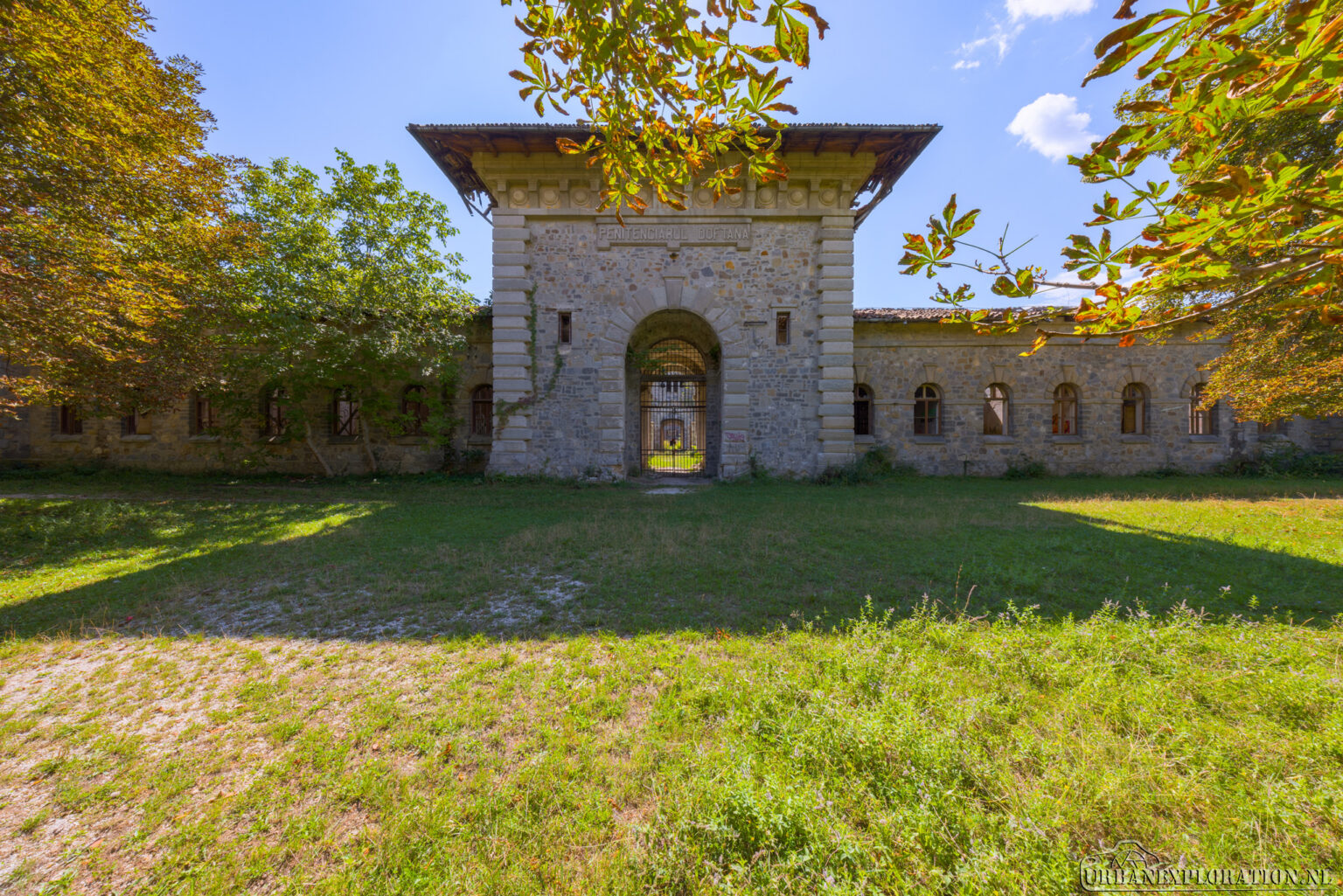
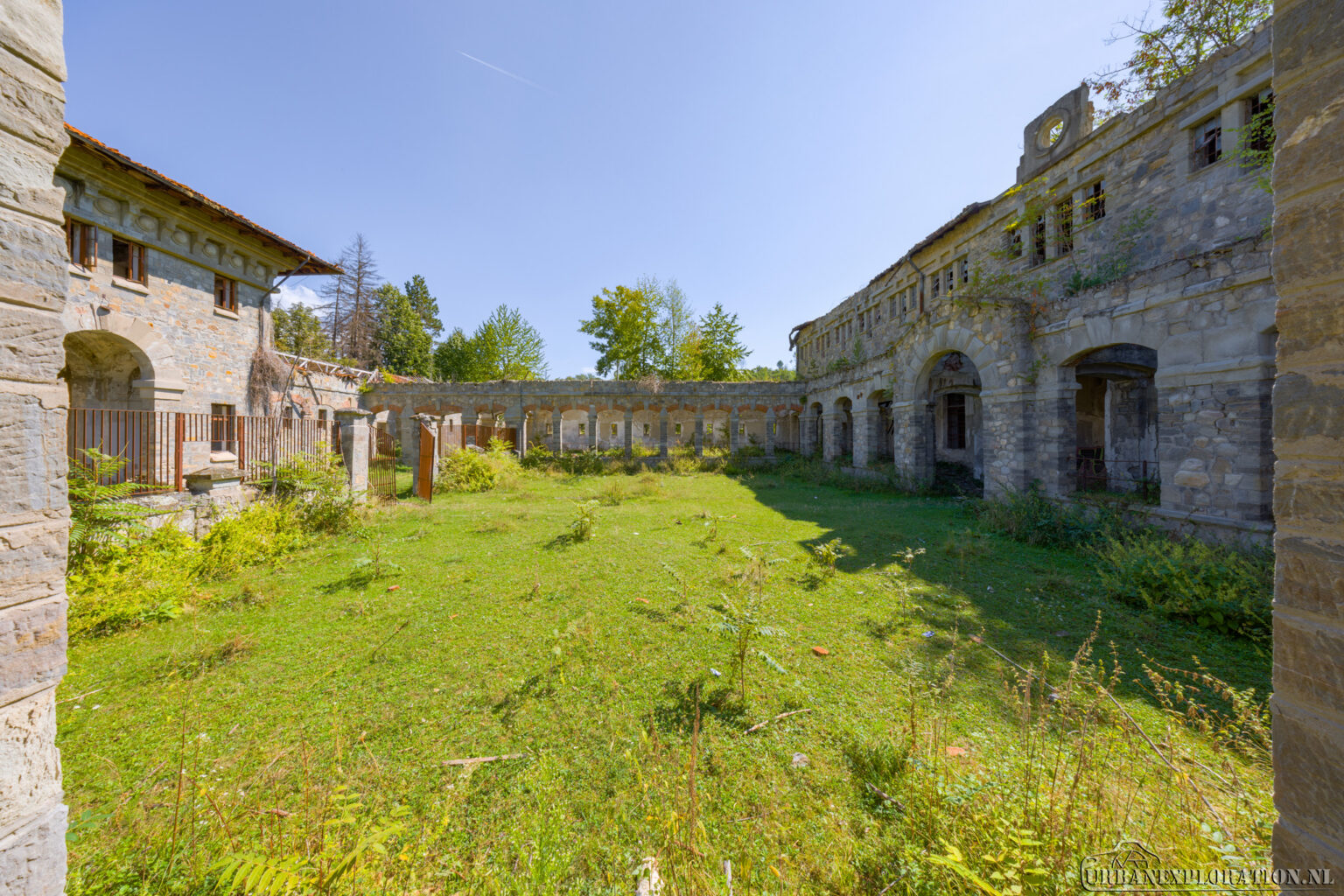
Penitenciarul Doftana is a former prison located near the village of Telega, close to Câmpina in Romania. The prison was constructed between 1894 and 1897 during the reign of King Carol I and eventually became one of the country’s most notorious political prisons.
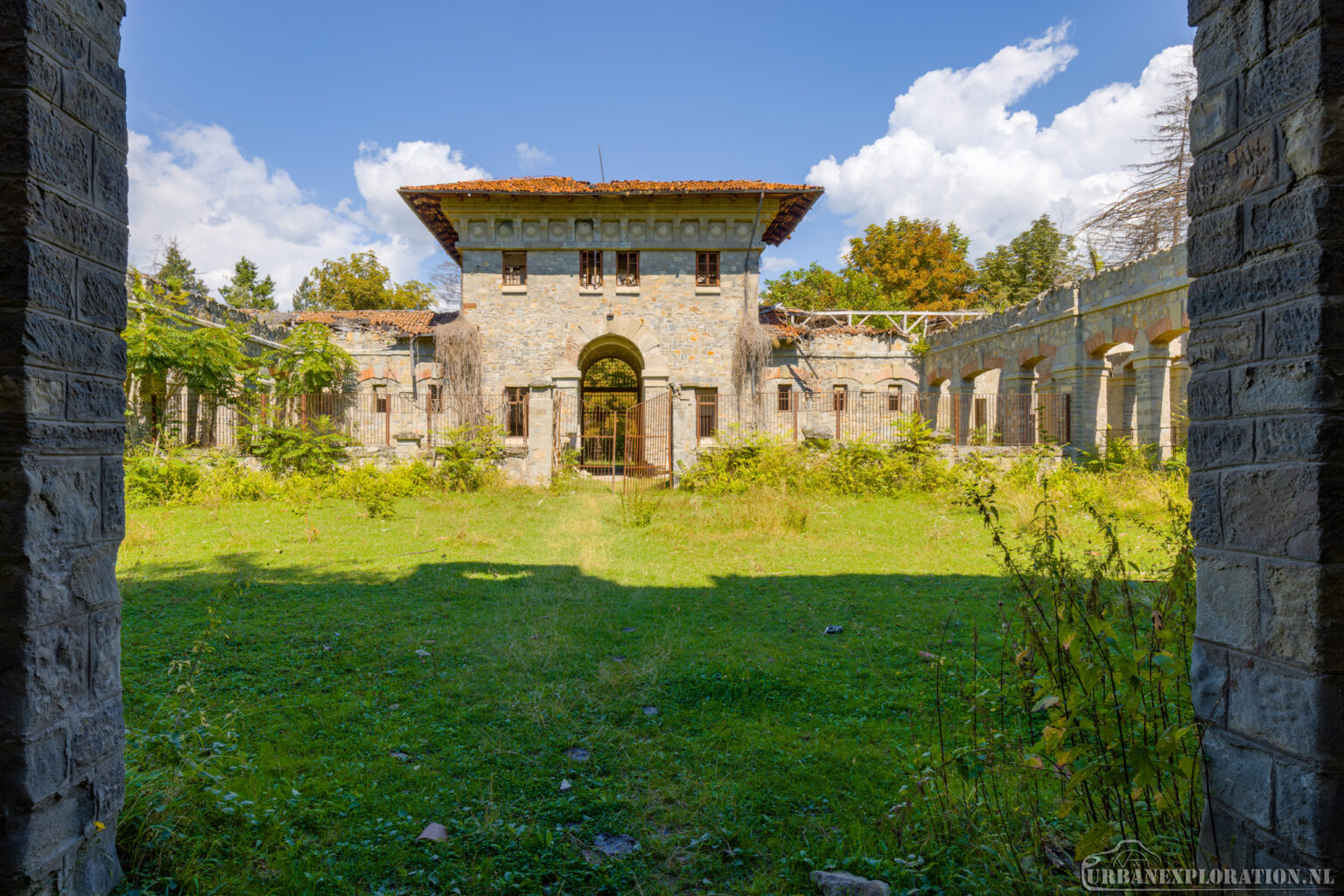
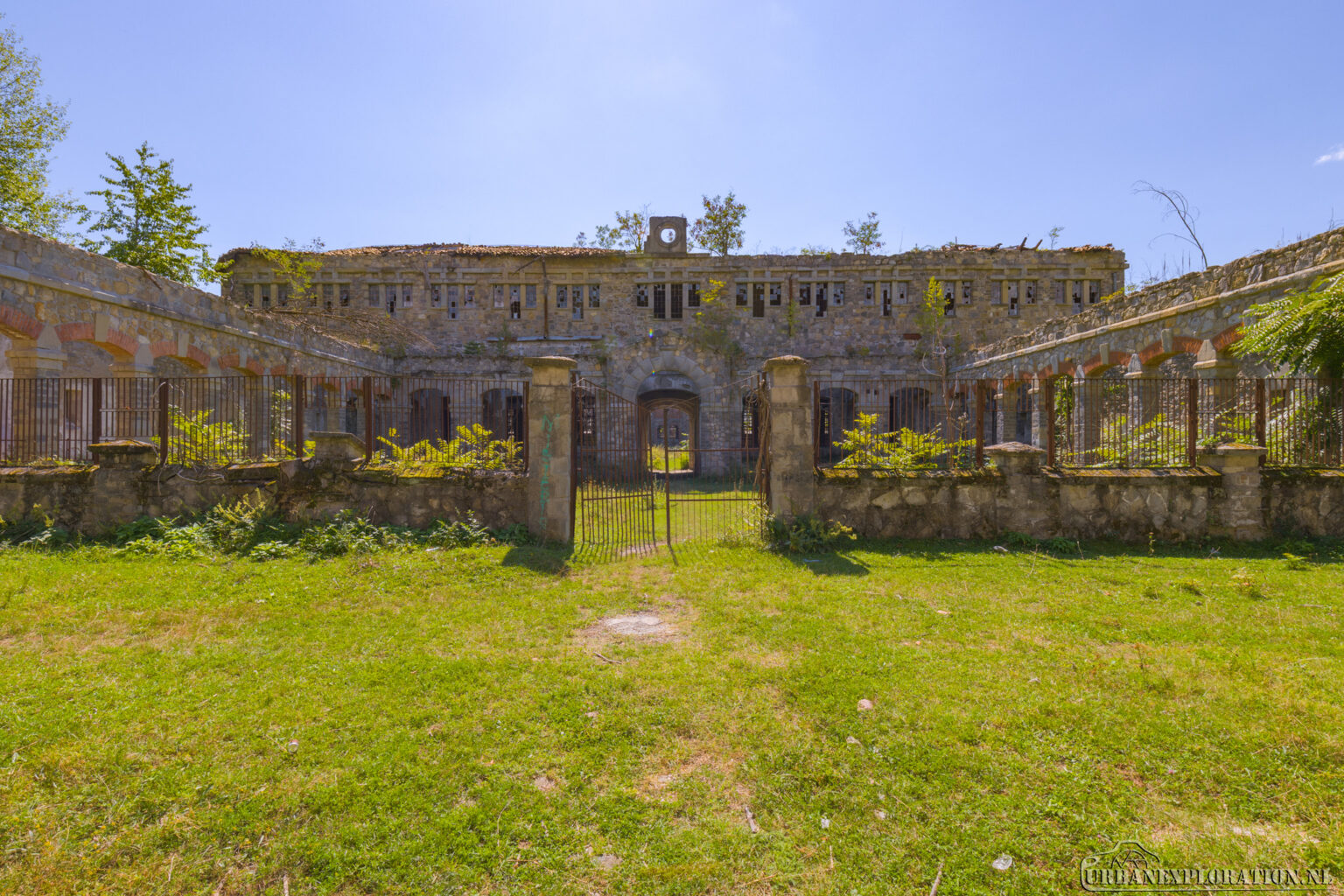
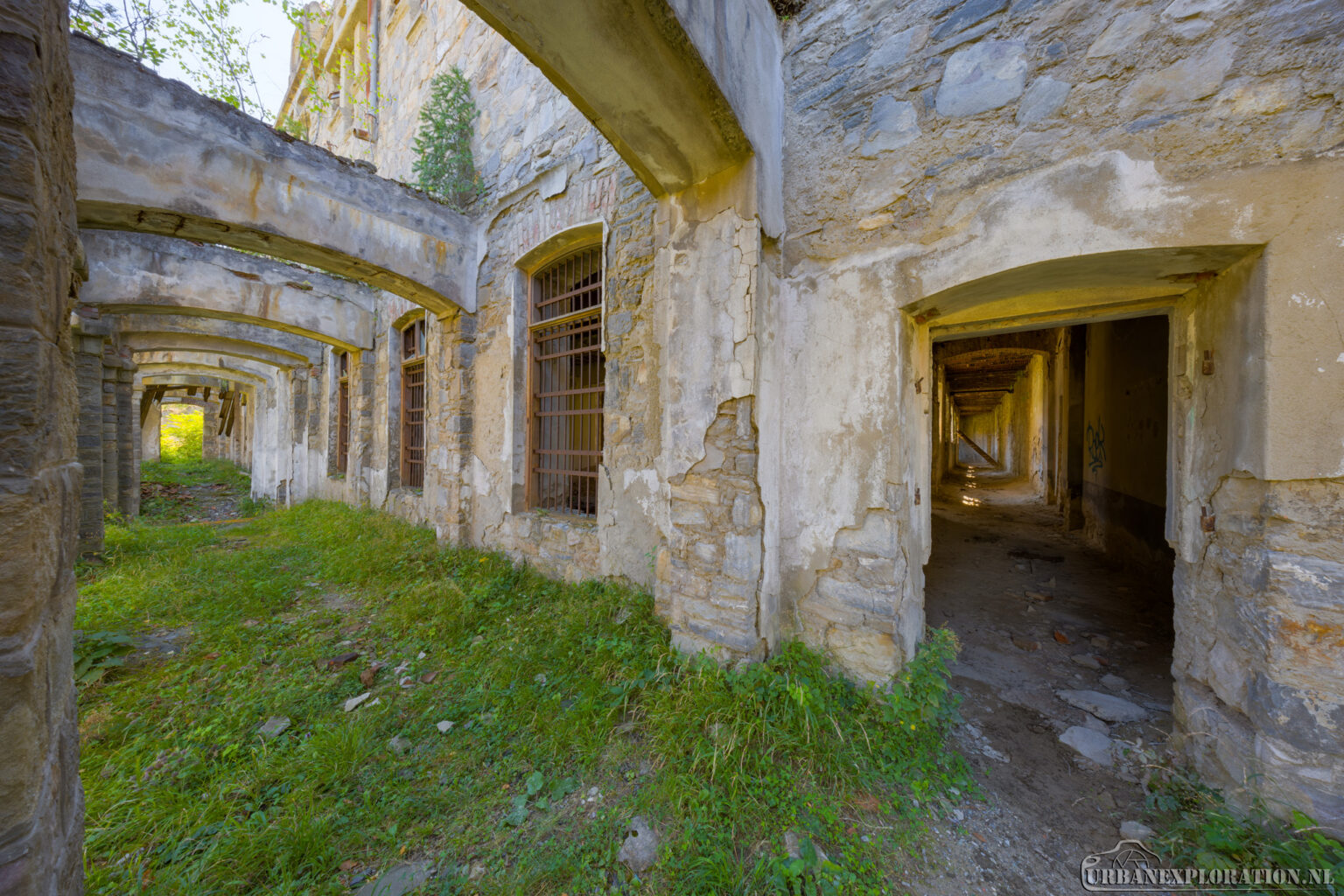
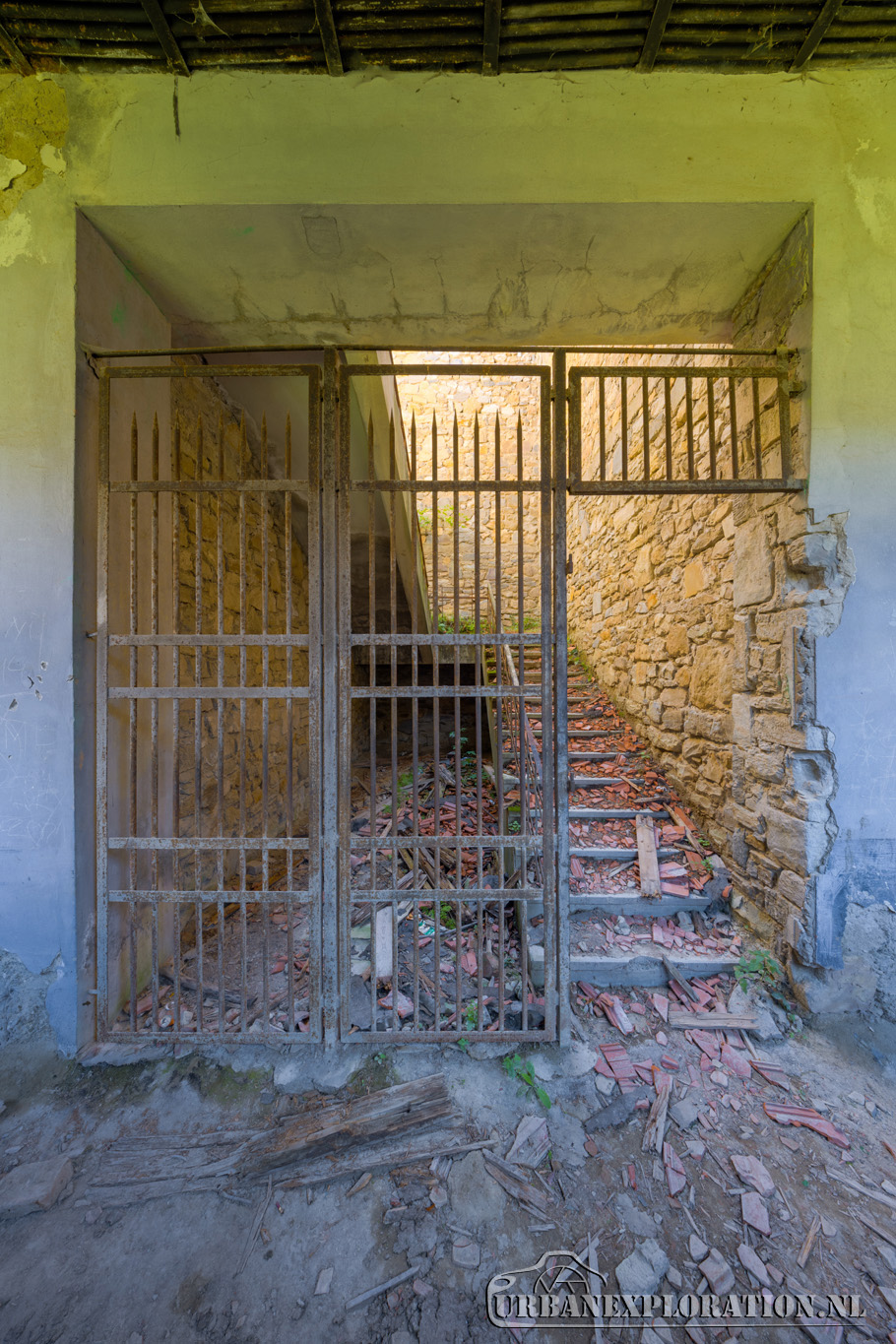
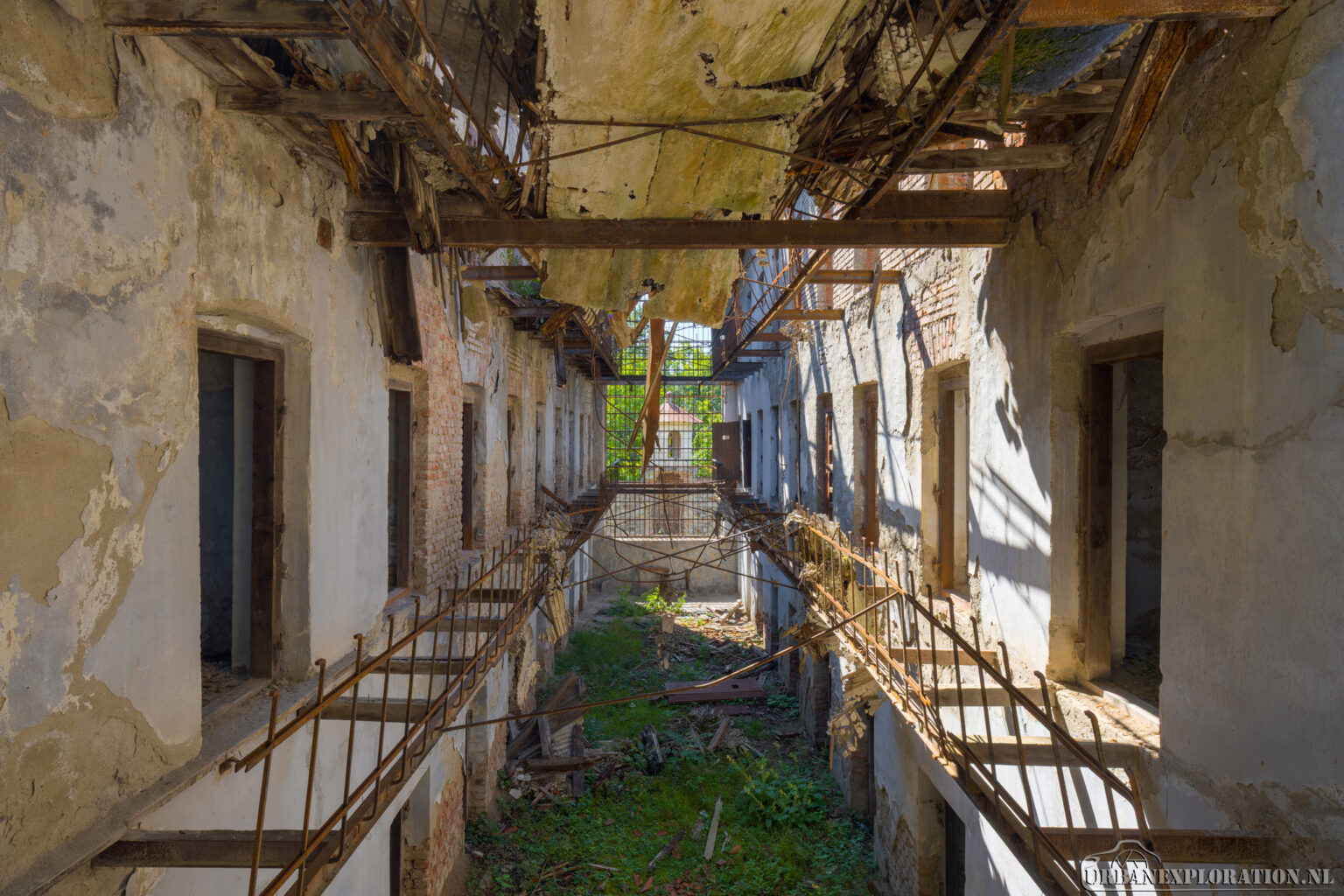
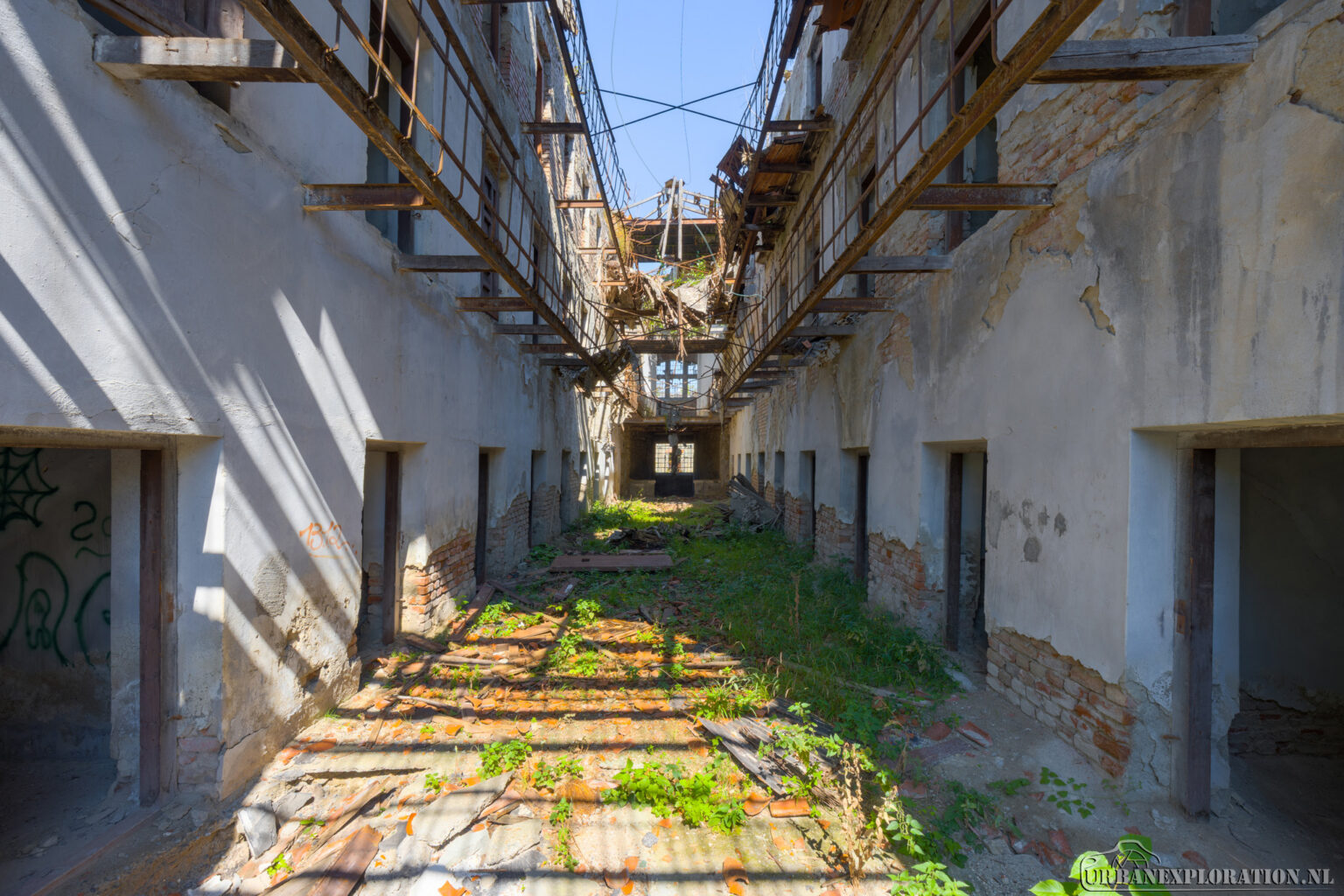
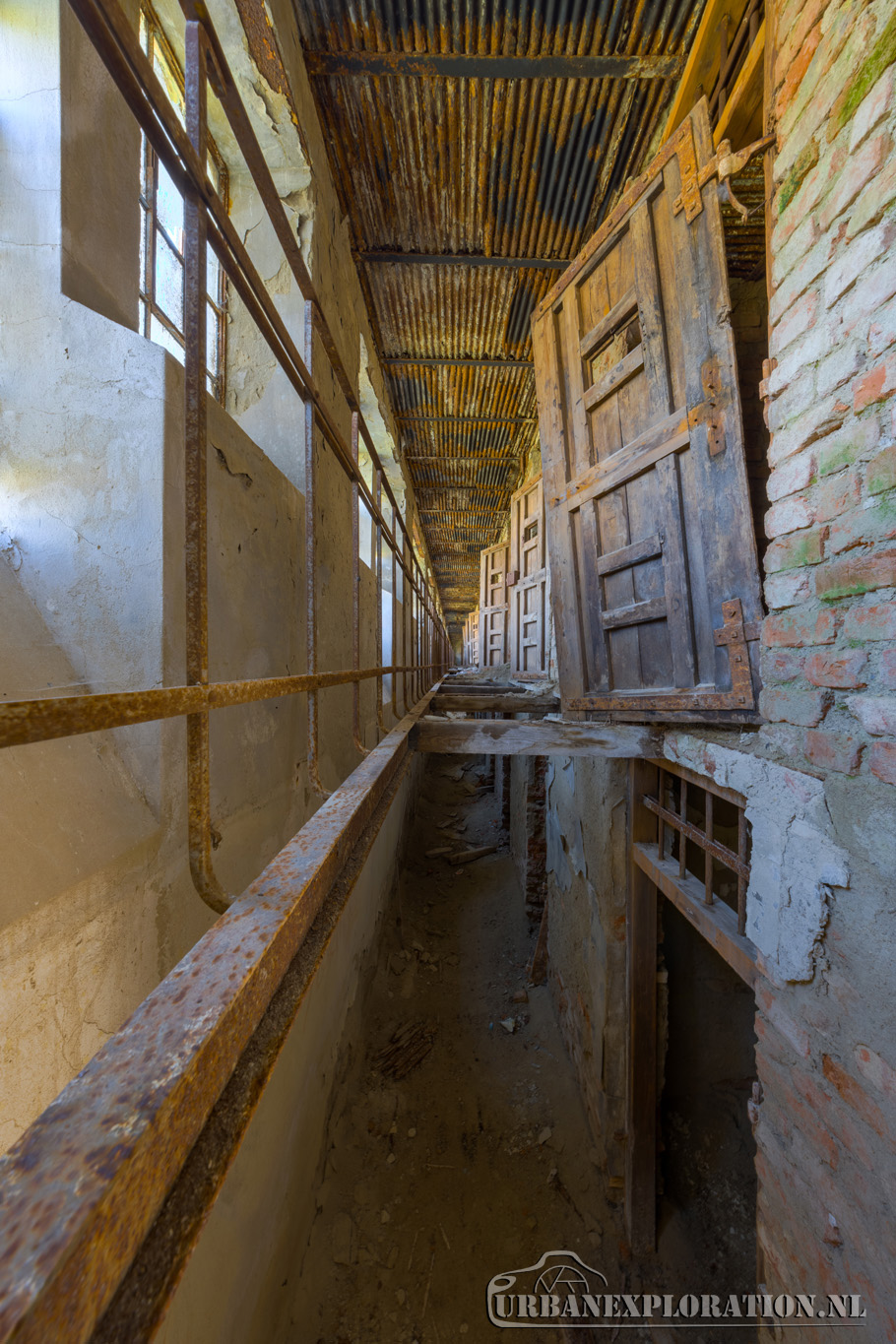
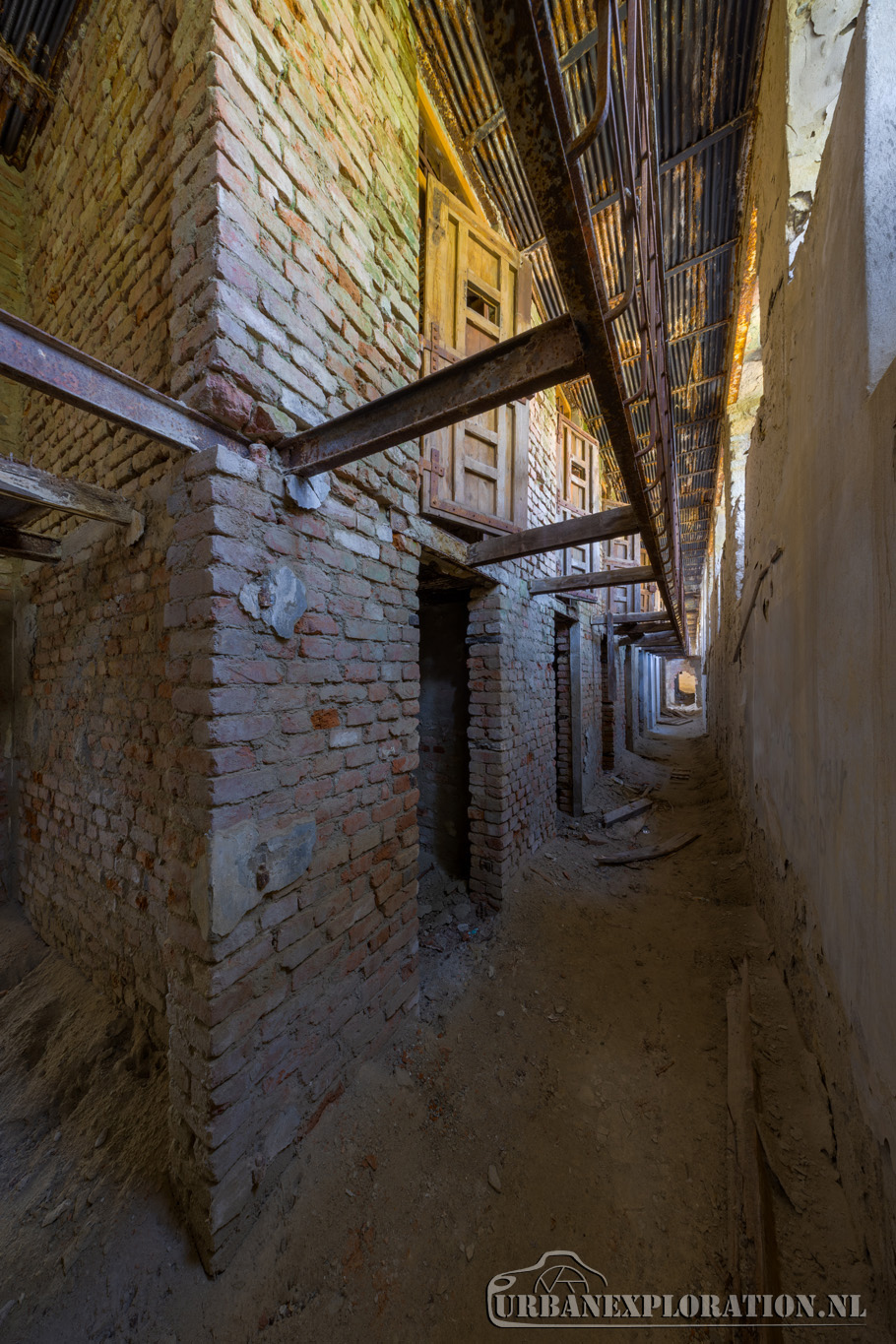
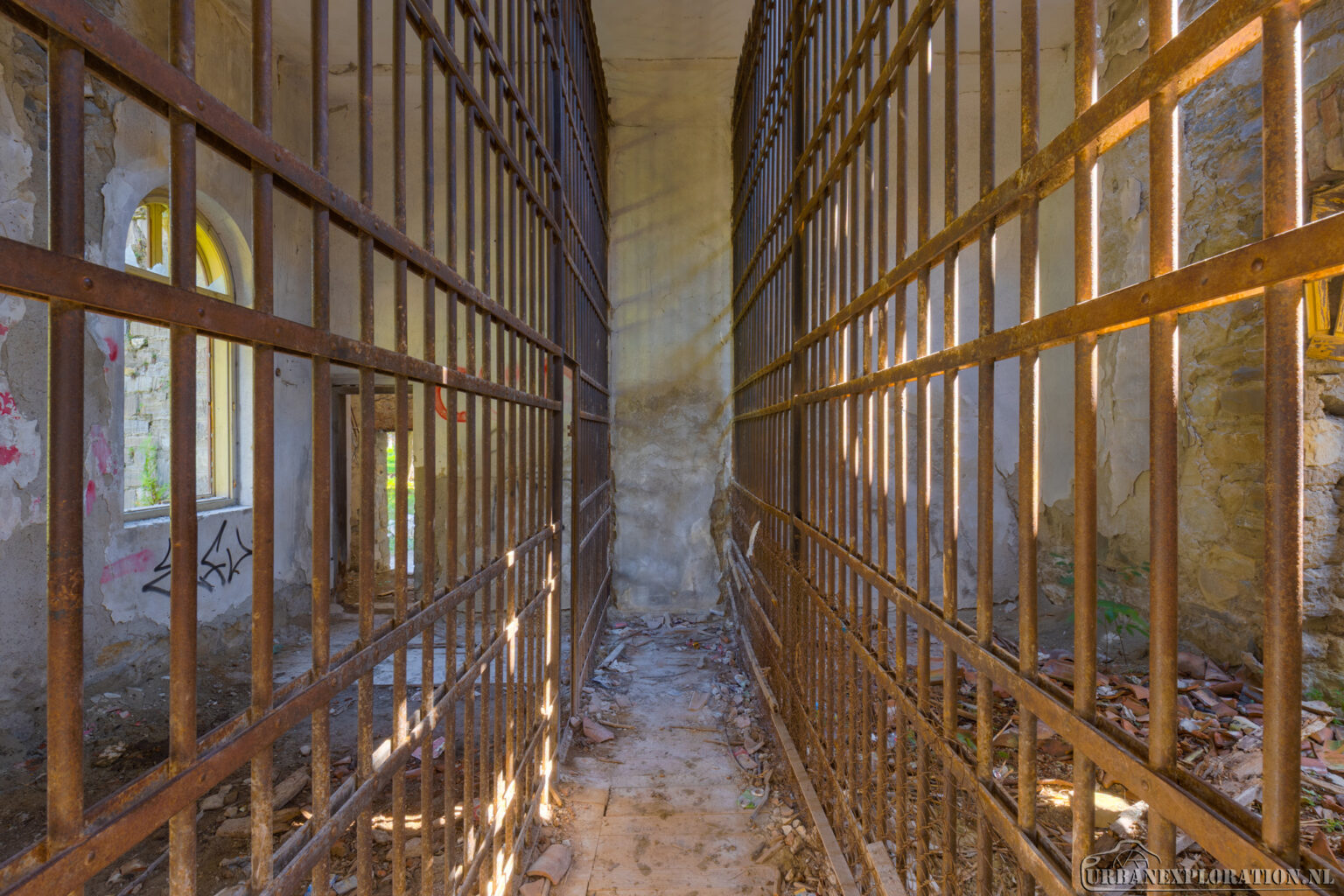
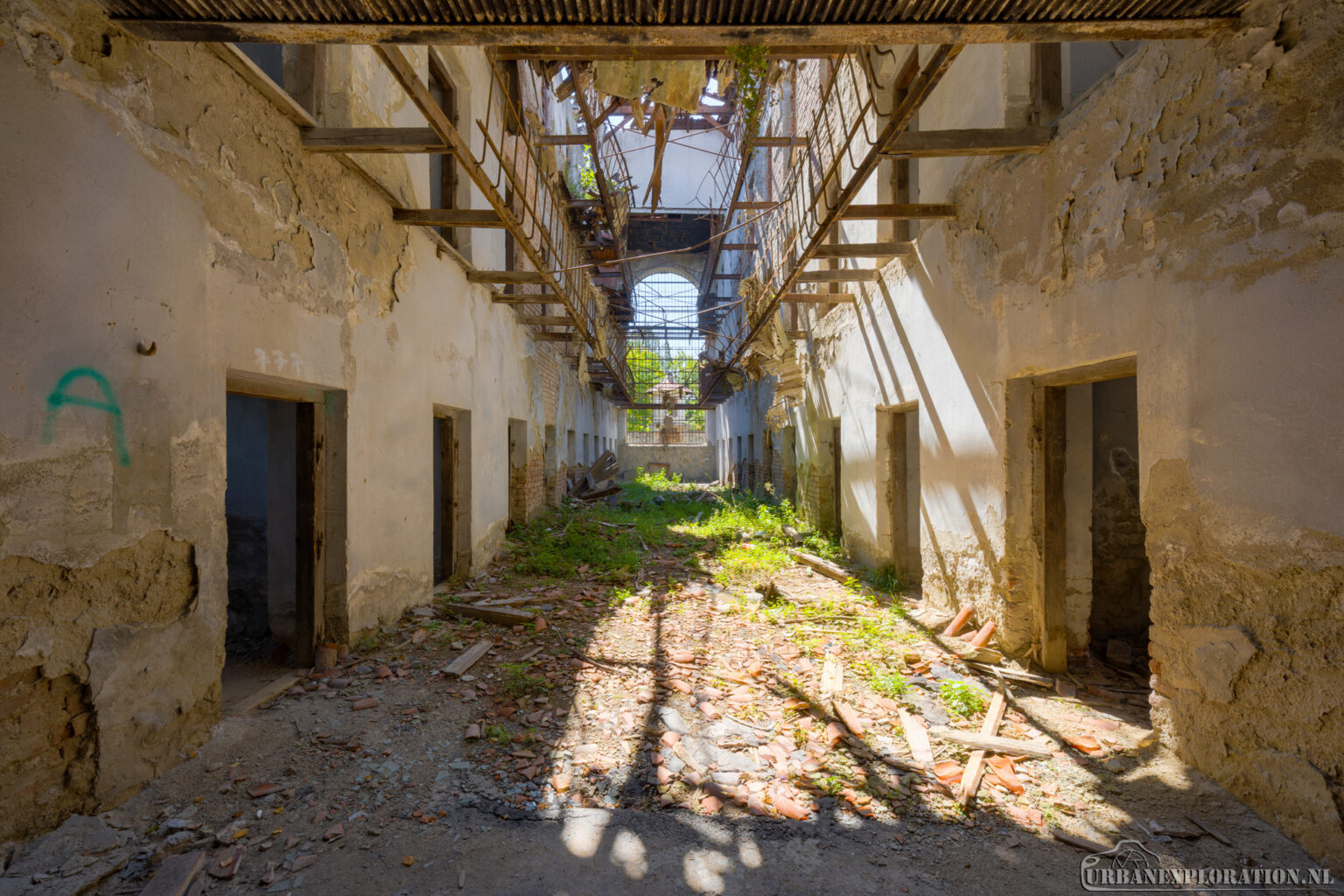
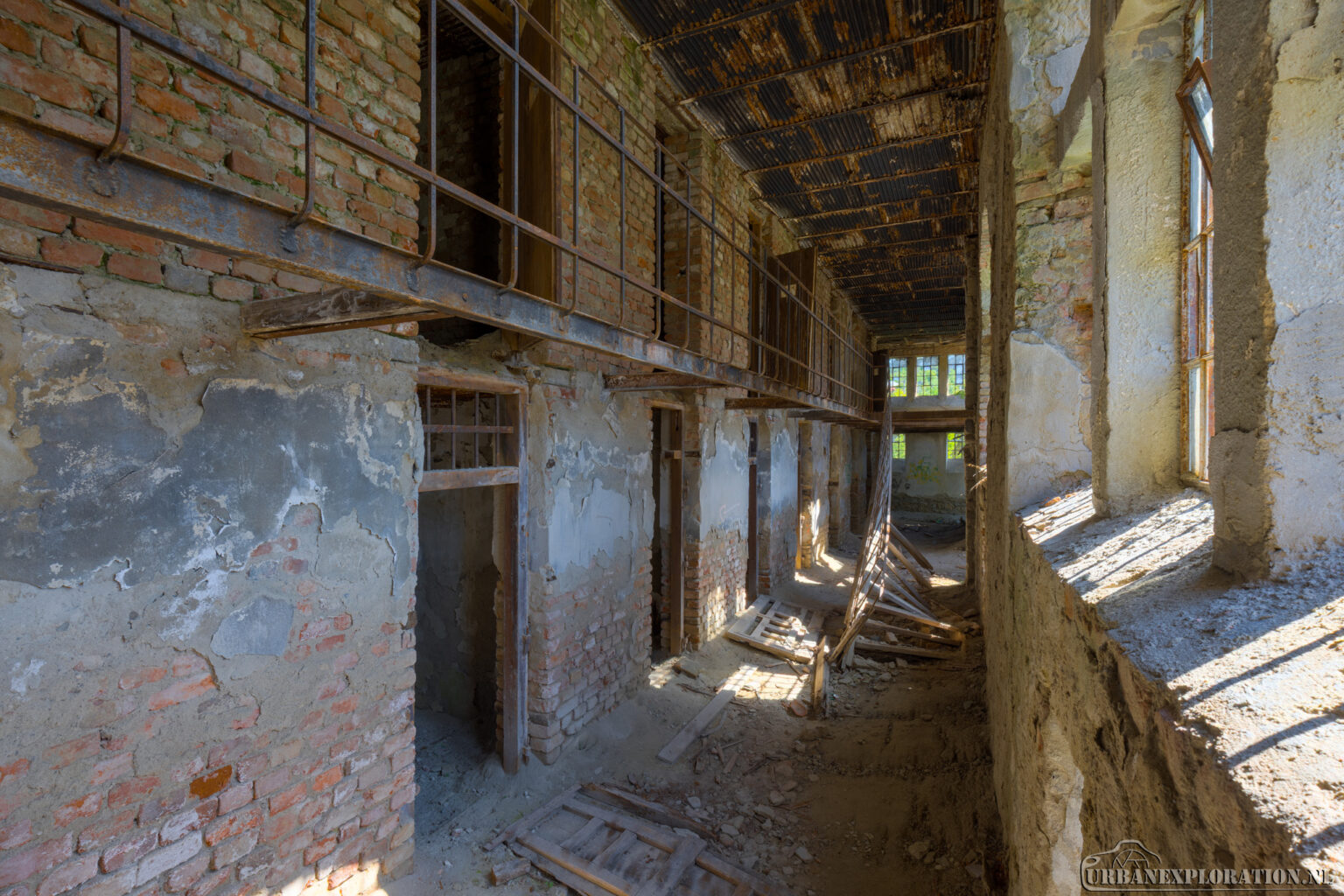
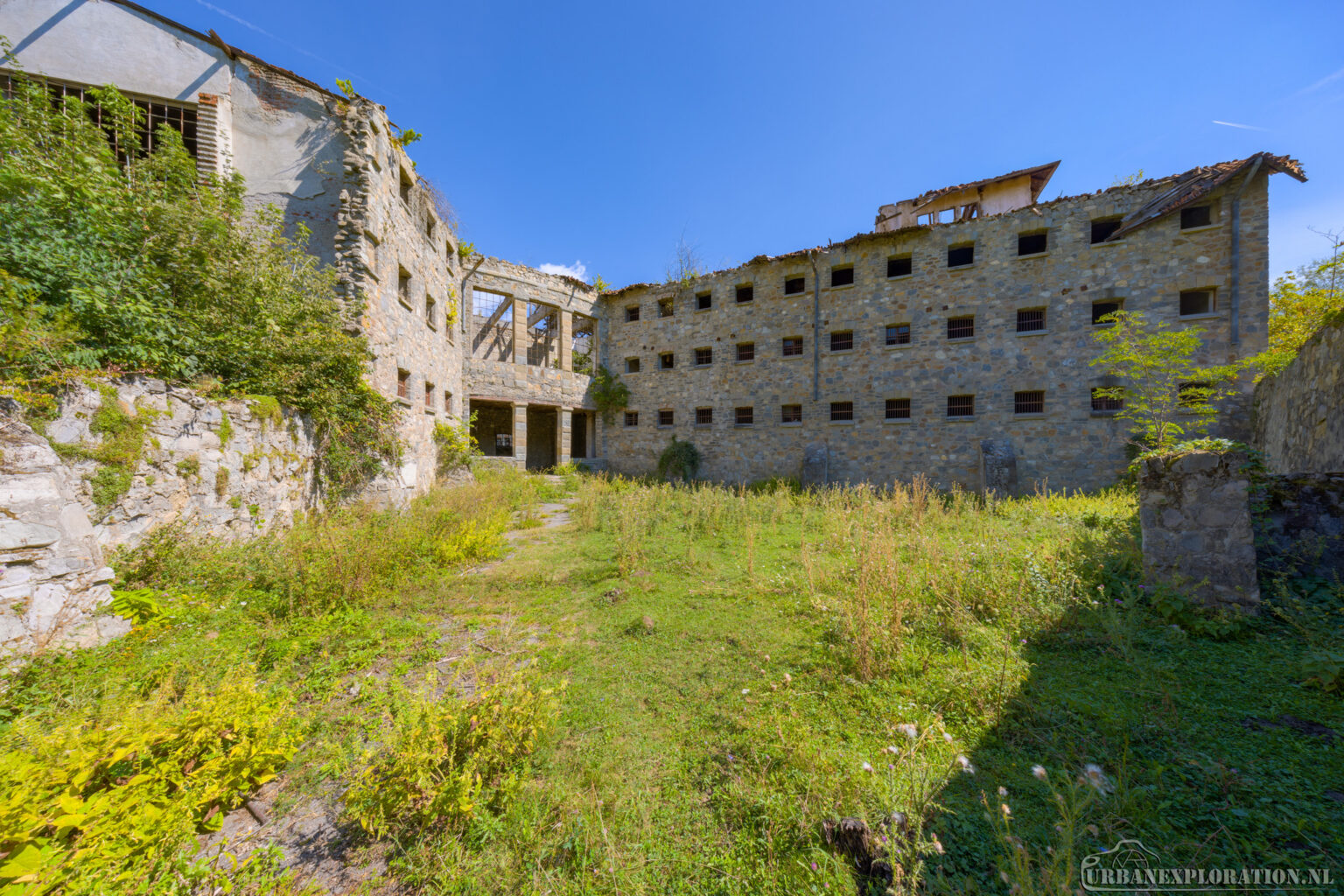
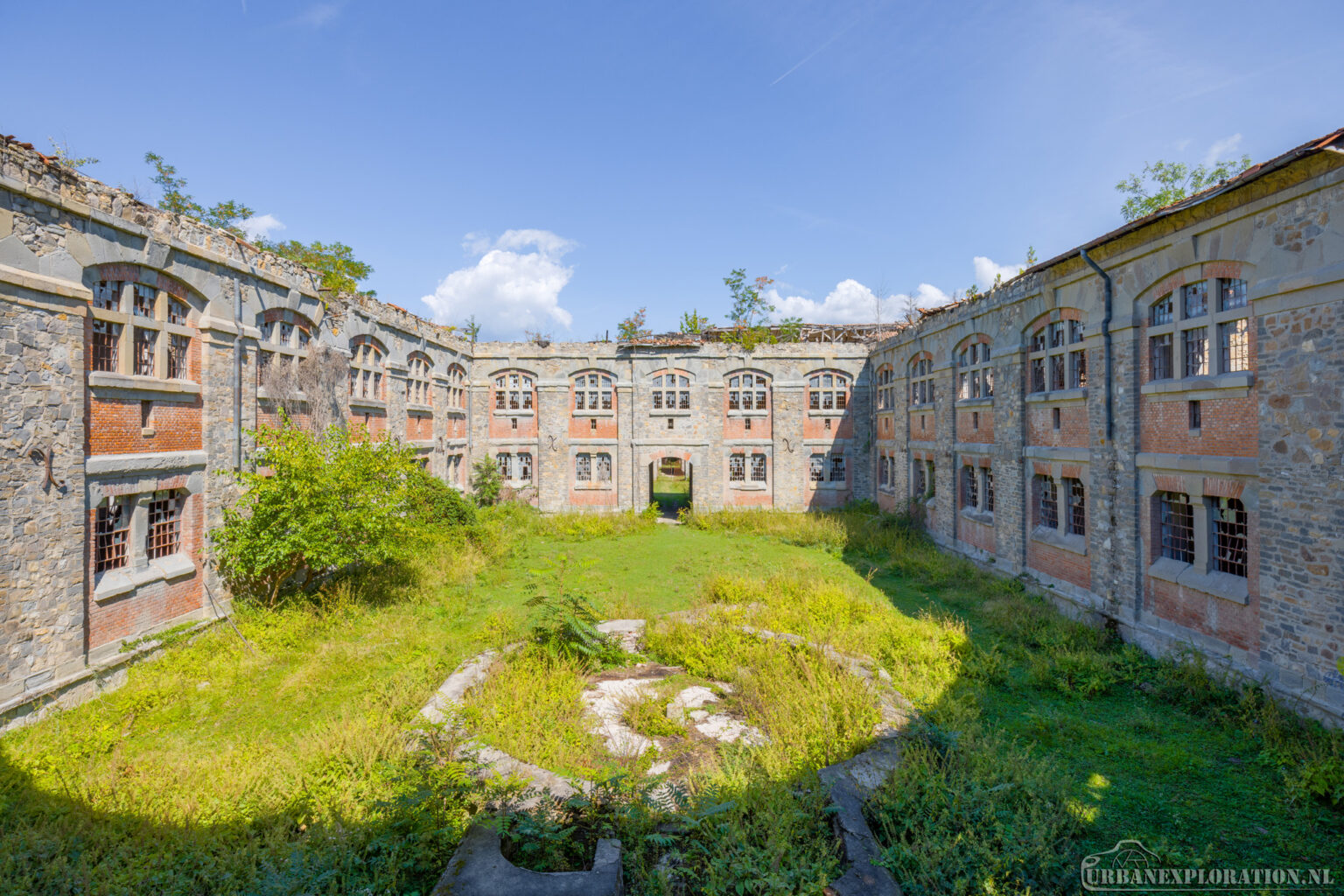
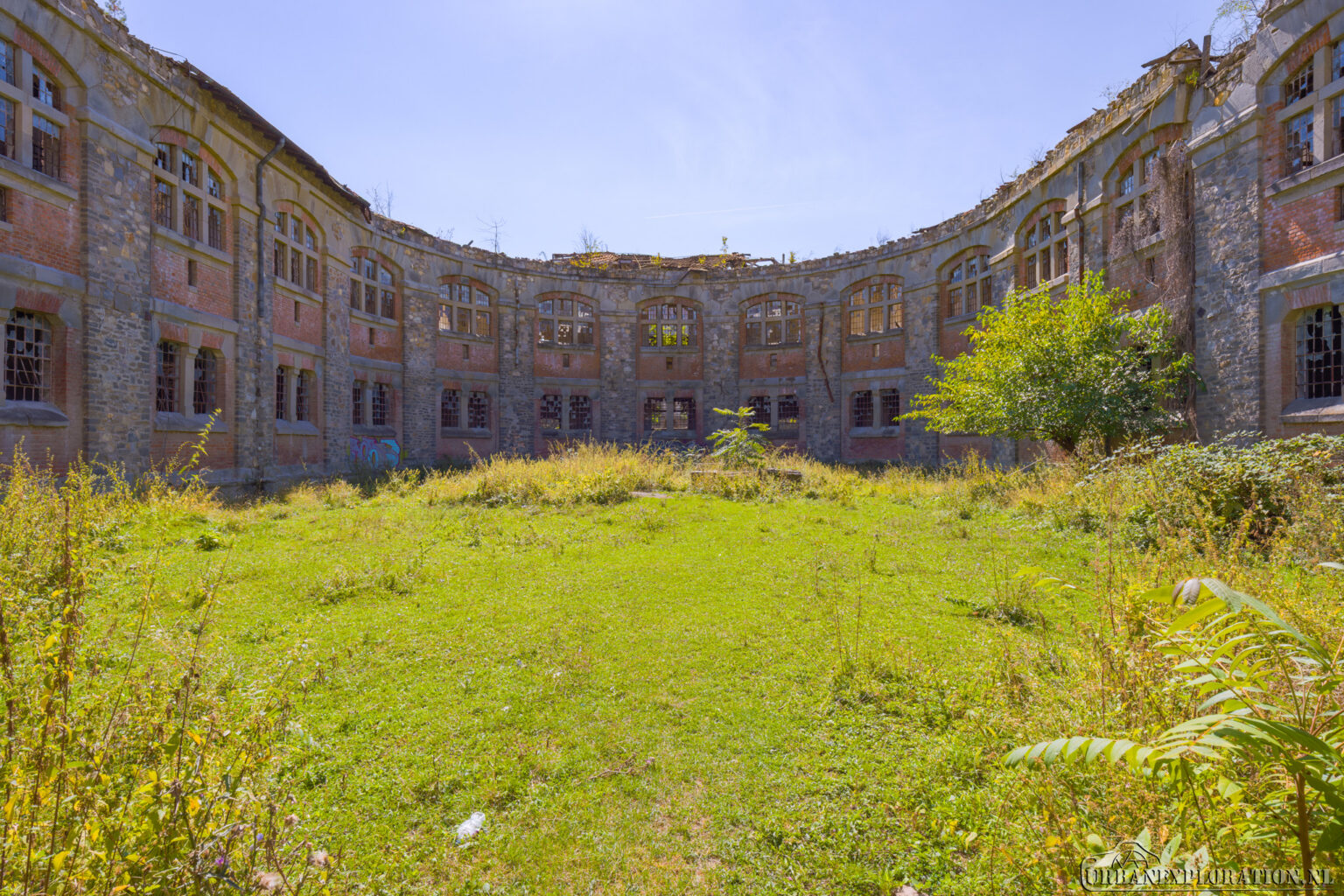
The large complex featured a horseshoe-shaped layout and consisted of eight sections, designated A through H. Over time, the prison contained approximately 397 cells. Section H was particularly notorious for its forty dark, damp punishment cells, where prisoners were held in isolation. Living conditions were harsh, and many inmates spent long periods in poorly lit spaces.
Initially, the prison mainly housed ordinary criminals, but from the 1920s onwards, Doftana increasingly became a place of political imprisonment. Among its most famous prisoners were Gheorghe Gheorghiu-Dej and Nicolae Ceaușescu, both of whom would later become leaders of communist Romania. Corneliu Zelea Codreanu, the leader of the fascist Iron Guard, was also imprisoned here.
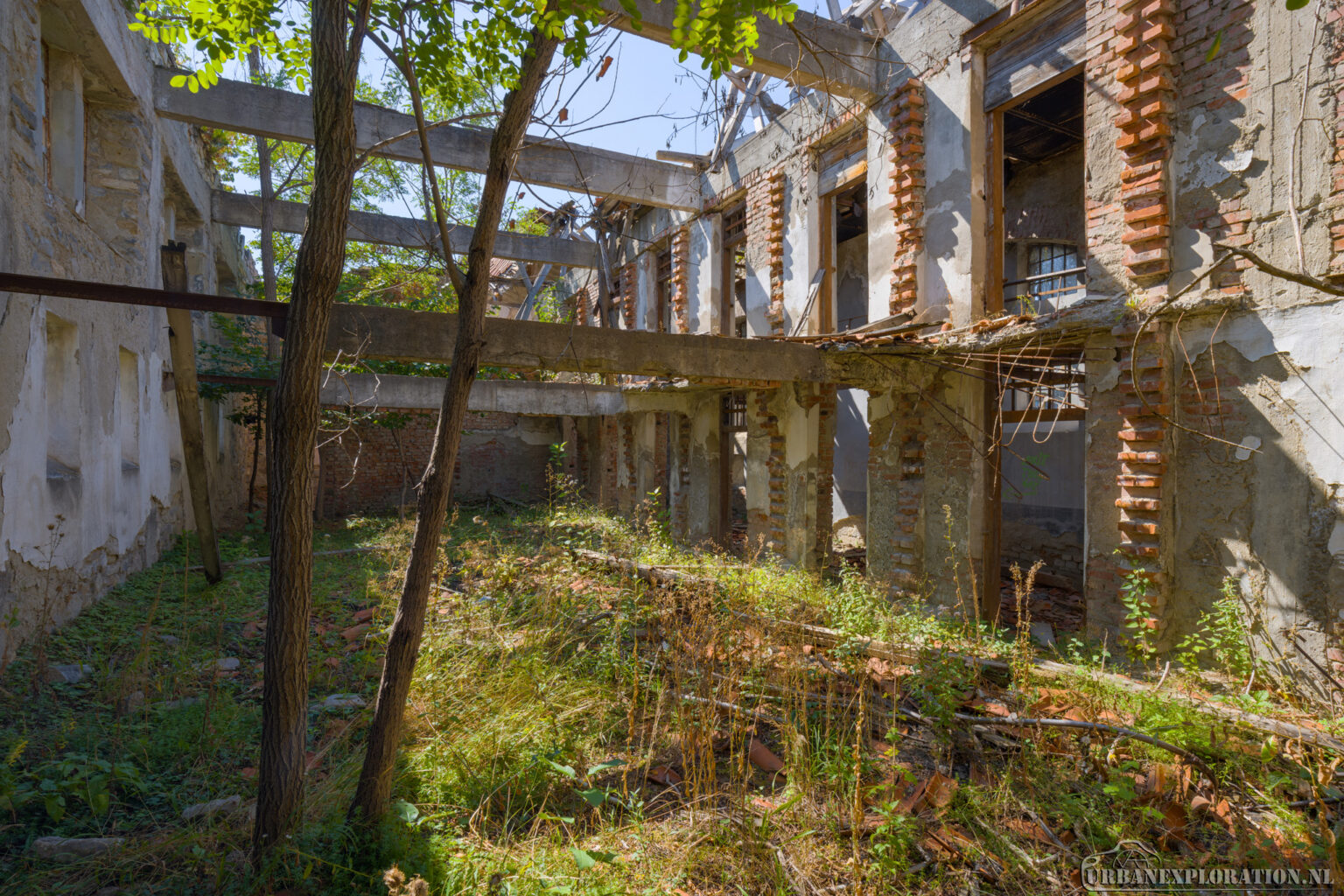
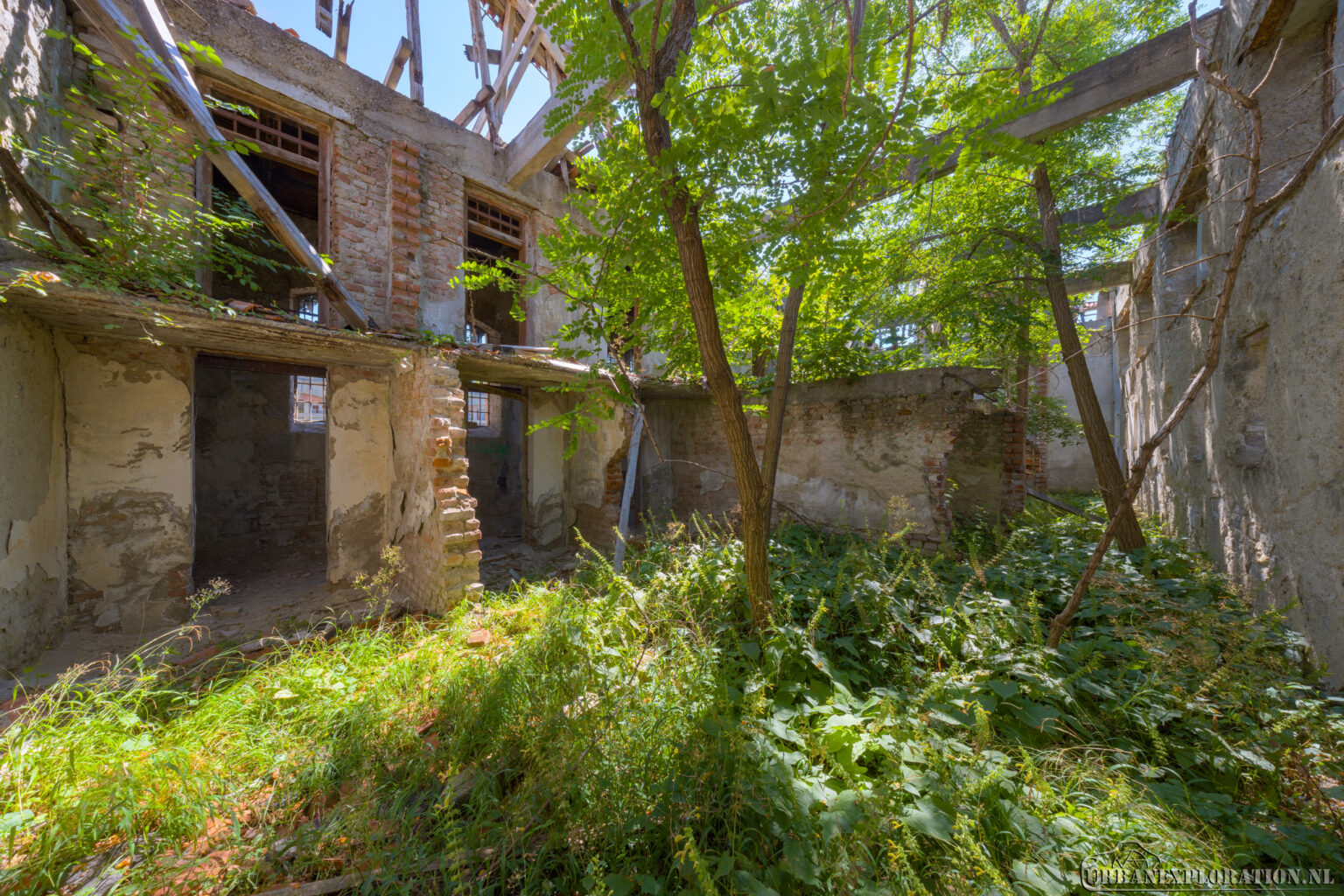
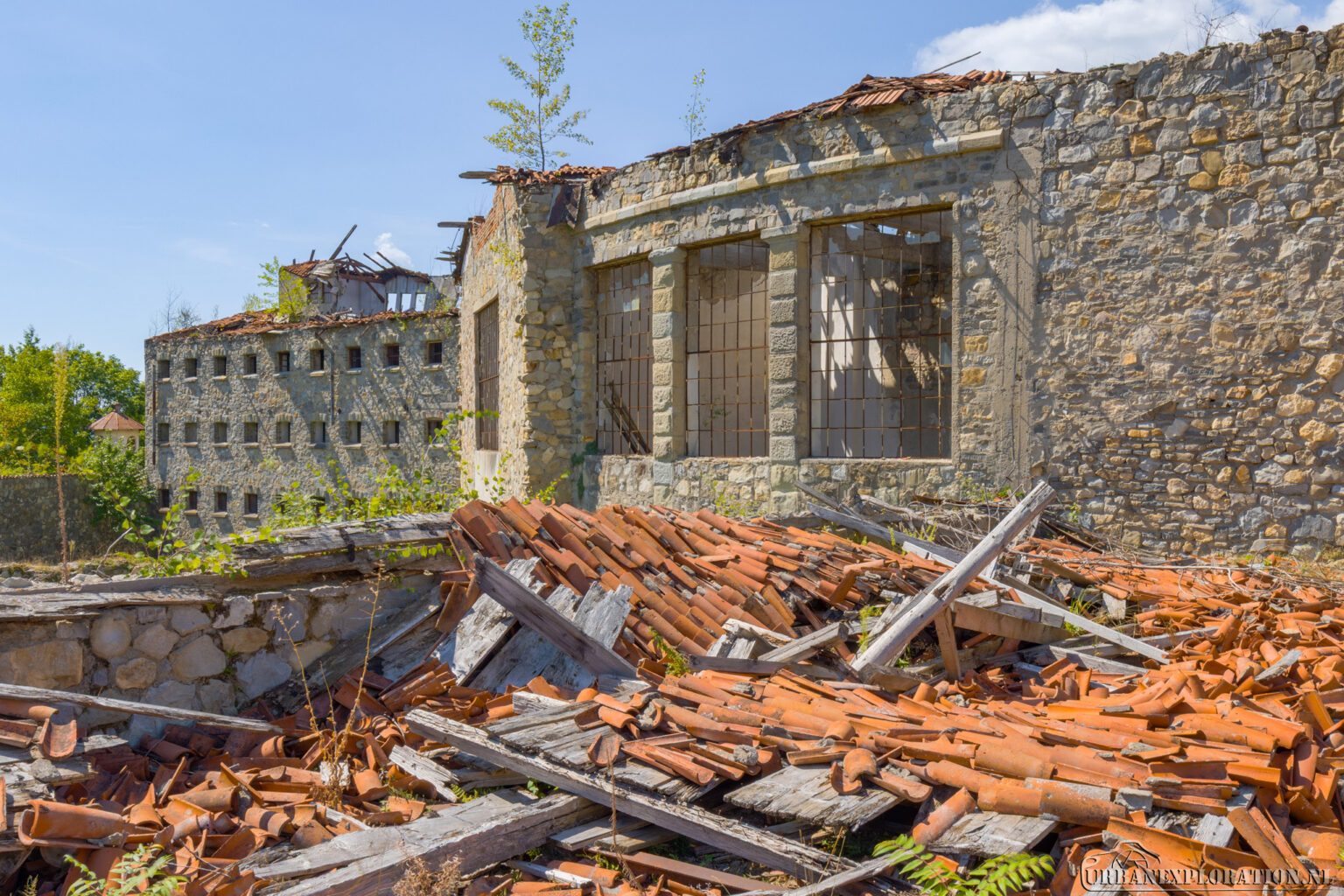
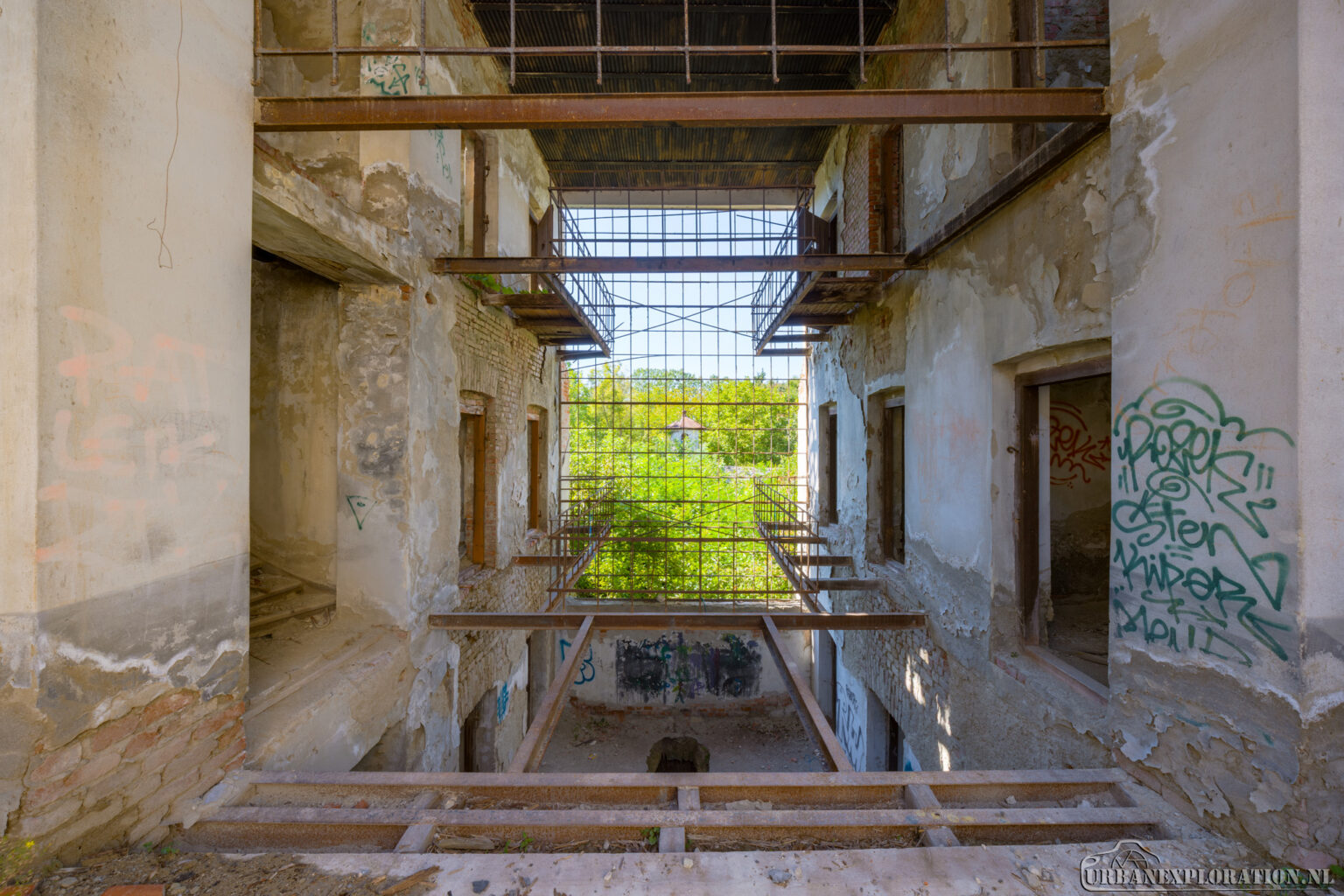
On November 10, 1940, the prison was severely damaged by a powerful earthquake. Several sections of the building collapsed, killing at least twelve prisoners. The surviving inmates were transferred to other prisons, and Doftana subsequently lost its original function.
After the Second World War, the communist authorities transformed the prison into a symbol of their struggle against political oppression. In 1949, the complex was converted into a museum, primarily commemorating the imprisonment of communist leaders. During Ceaușescu’s rule, Doftana became an important national memorial site.
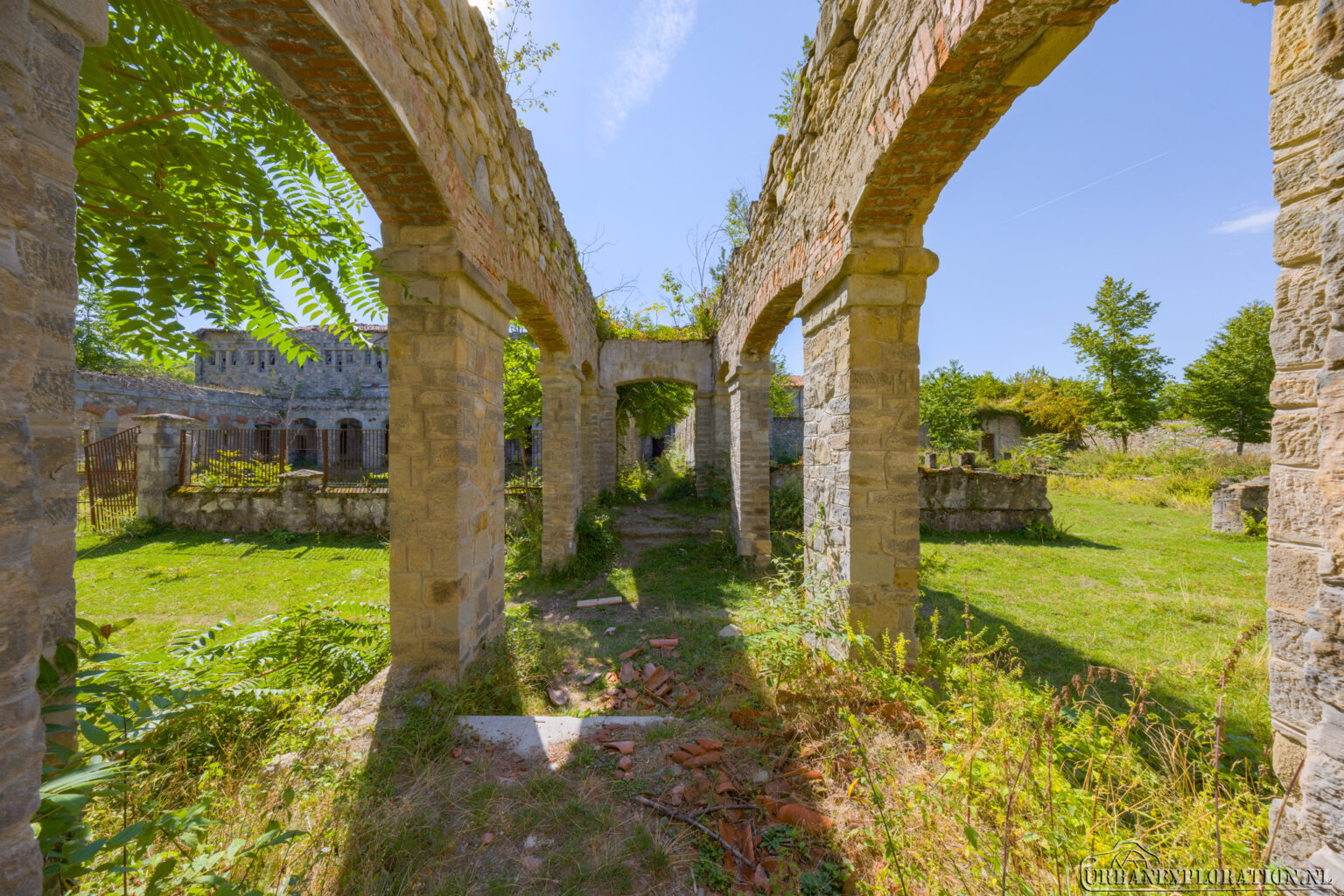
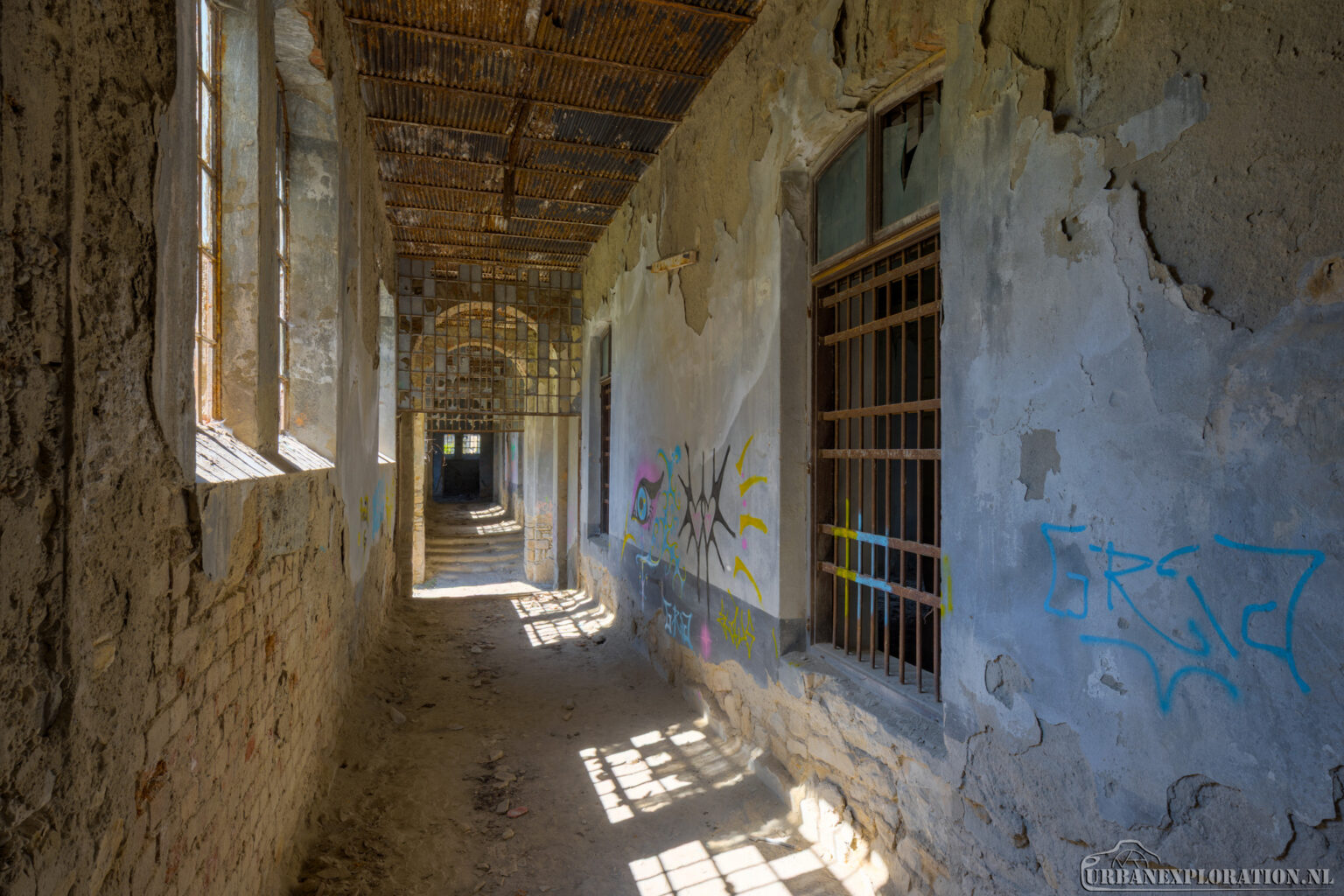
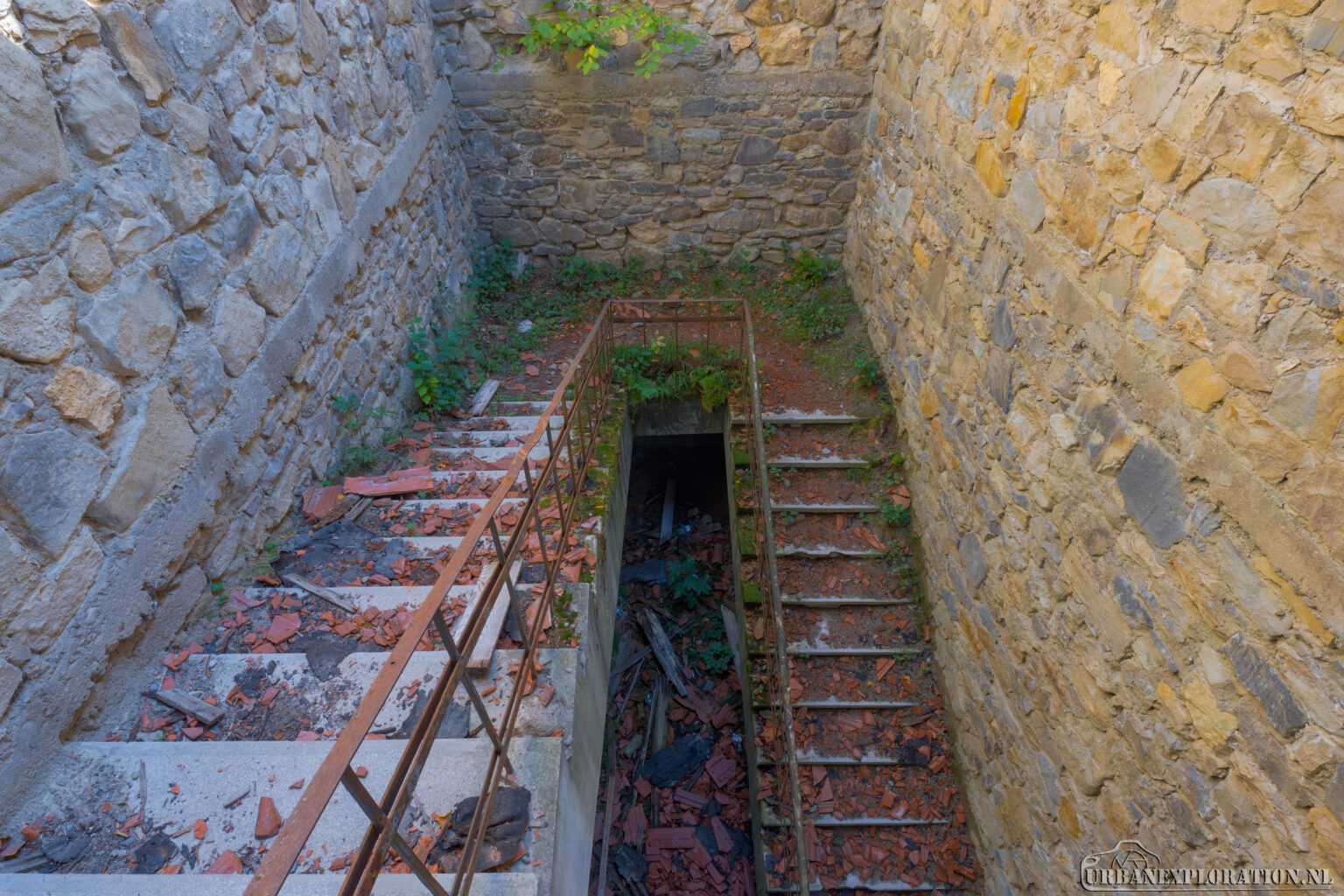
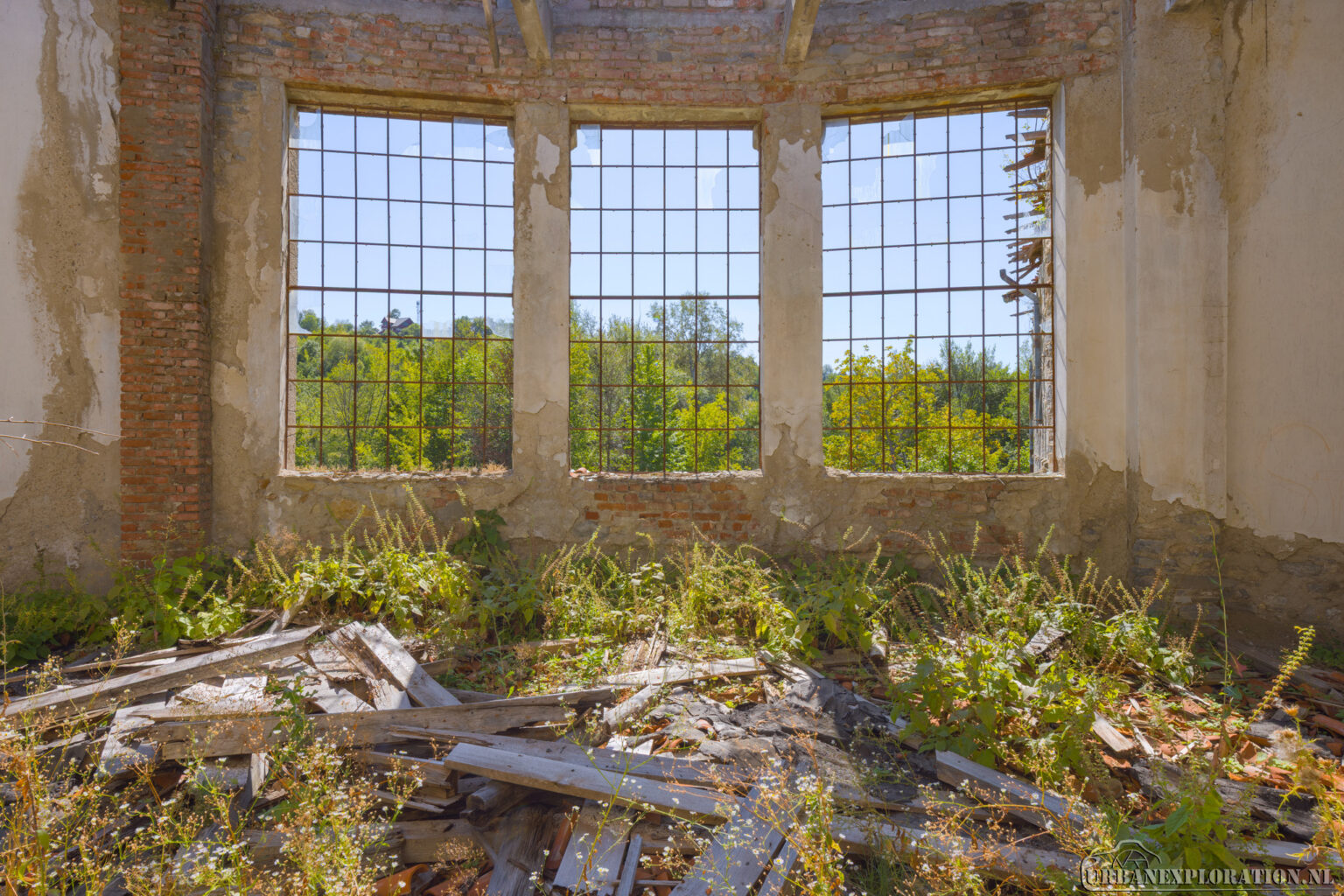
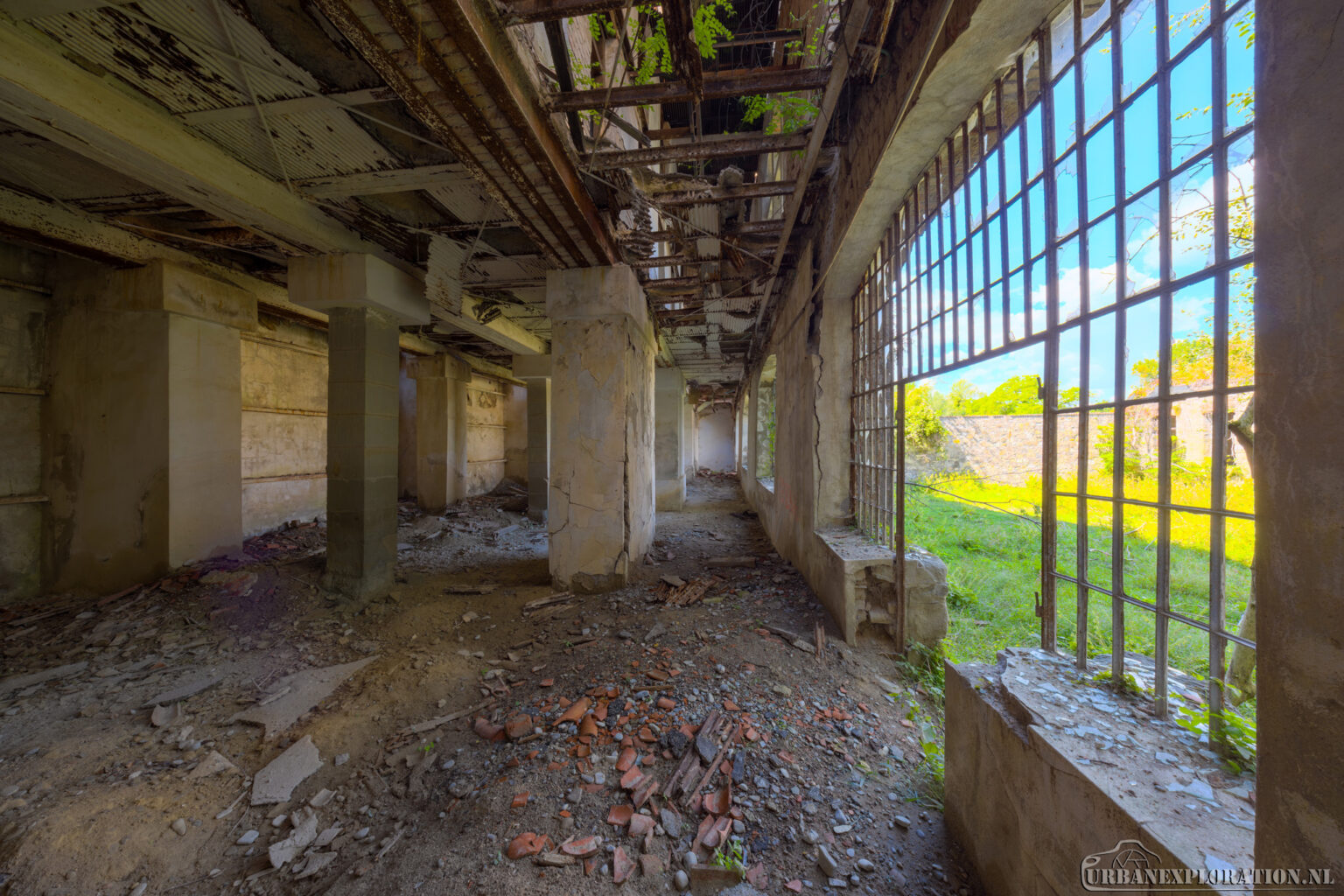
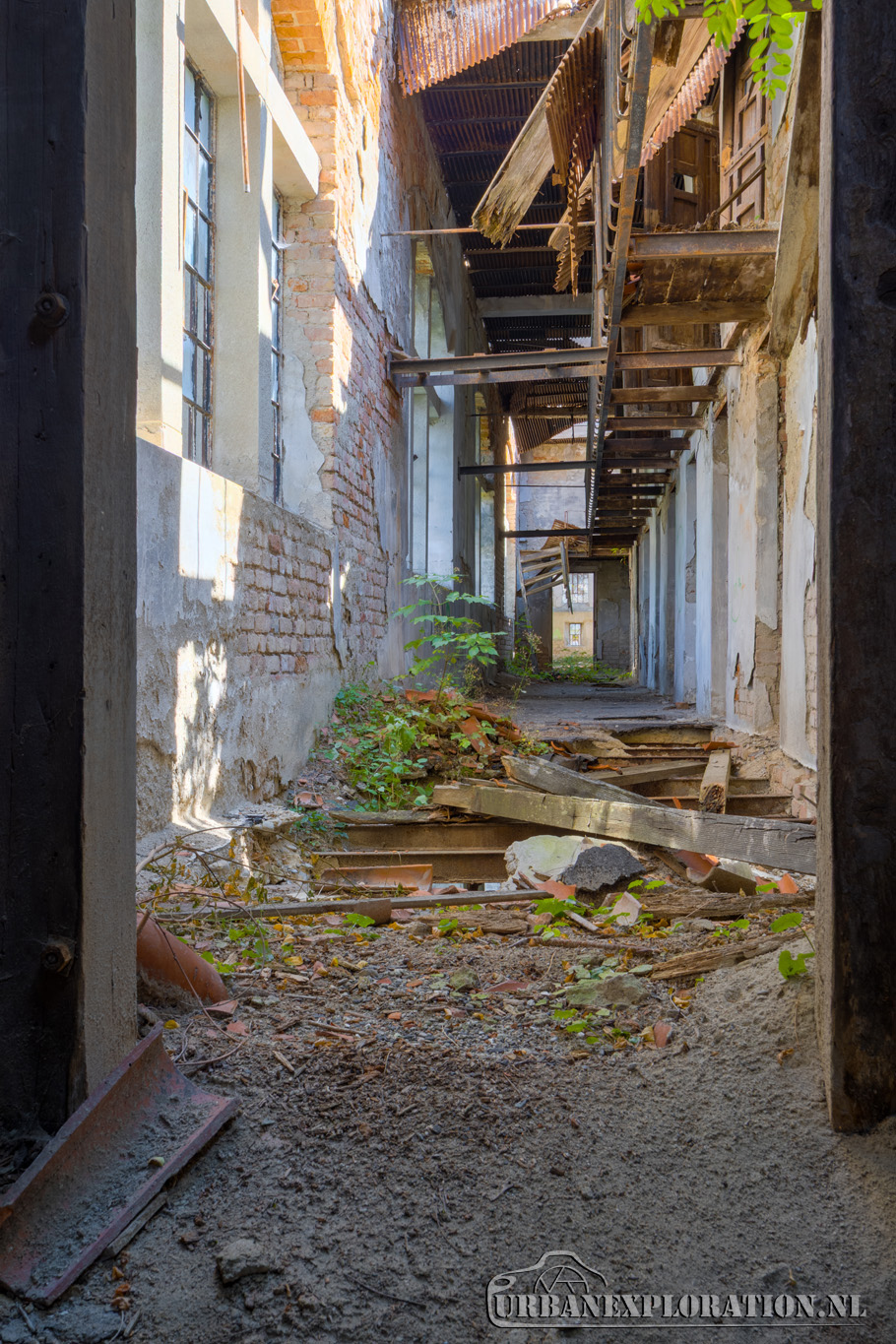
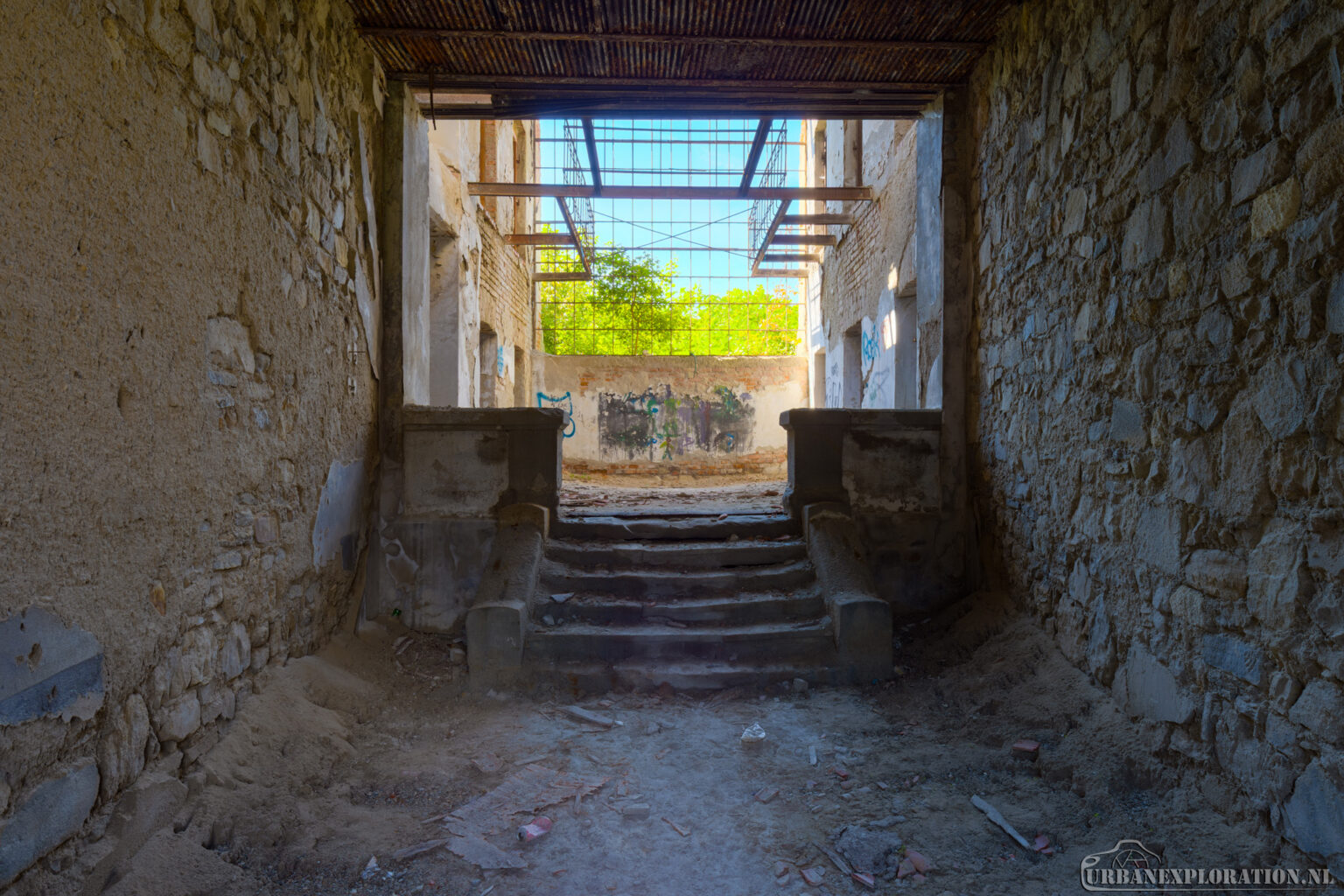
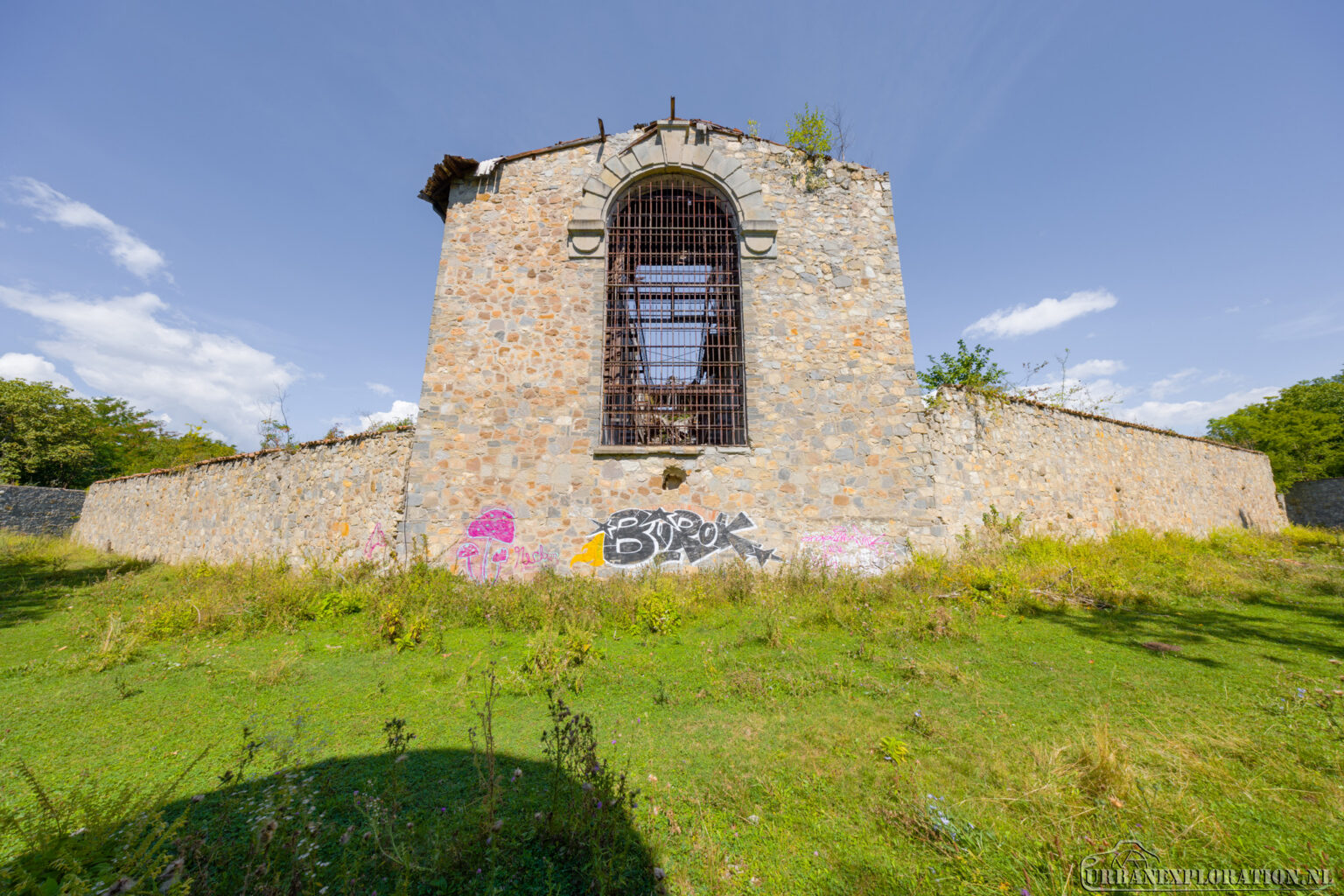
Following the Romanian Revolution of 1989, the museum lost its significance, and the complex gradually fell into disrepair. Lack of maintenance, vandalism, and exposure to the elements caused large sections of the buildings to collapse. In 2022, plans were announced to restore the former prison and partially redevelop it into a tourist complex. However, by 2026, restoration work had still not visibly begun.
Today, the remaining walls, prison cells, and collapsed buildings stand as reminders of Romania’s turbulent political history.