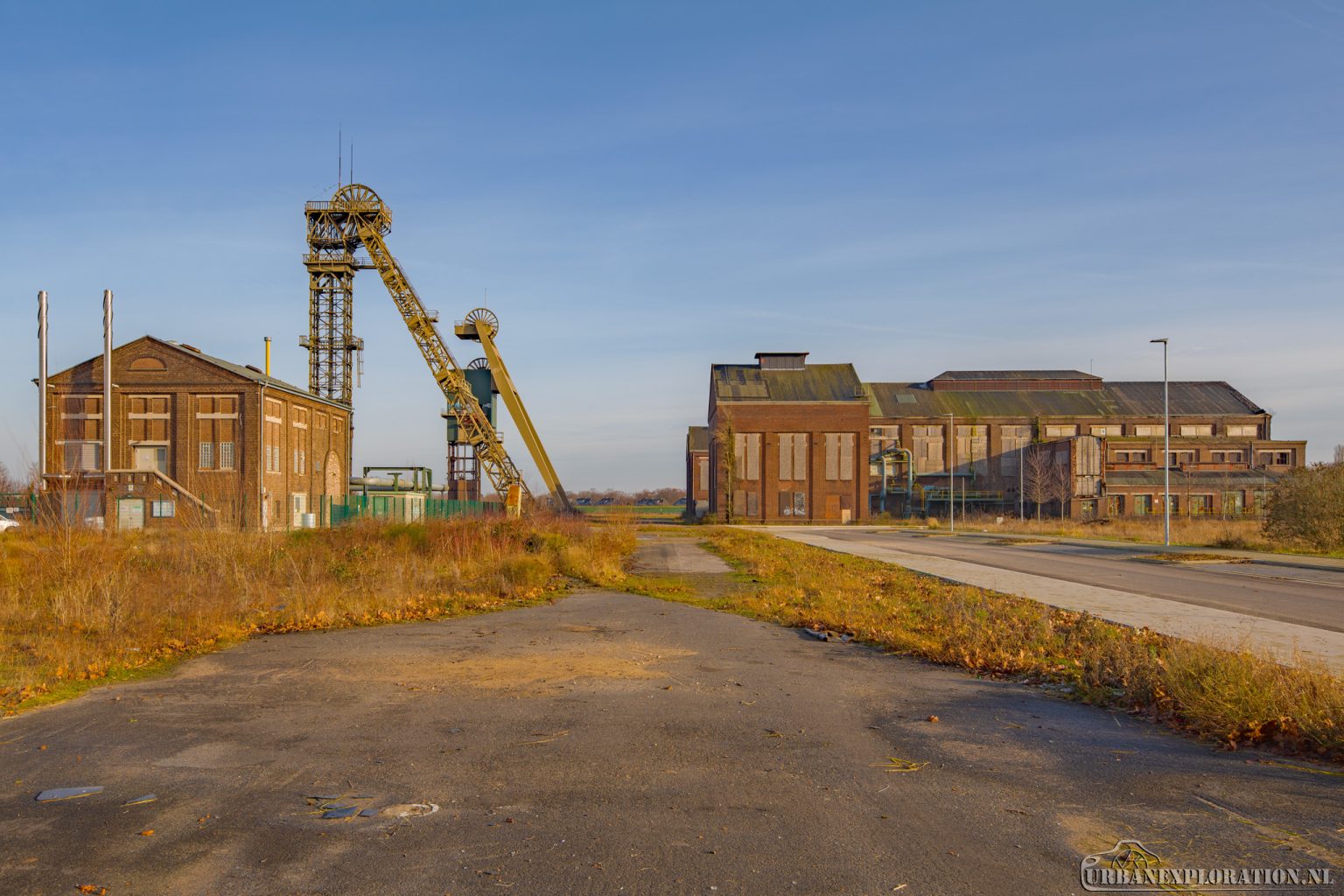
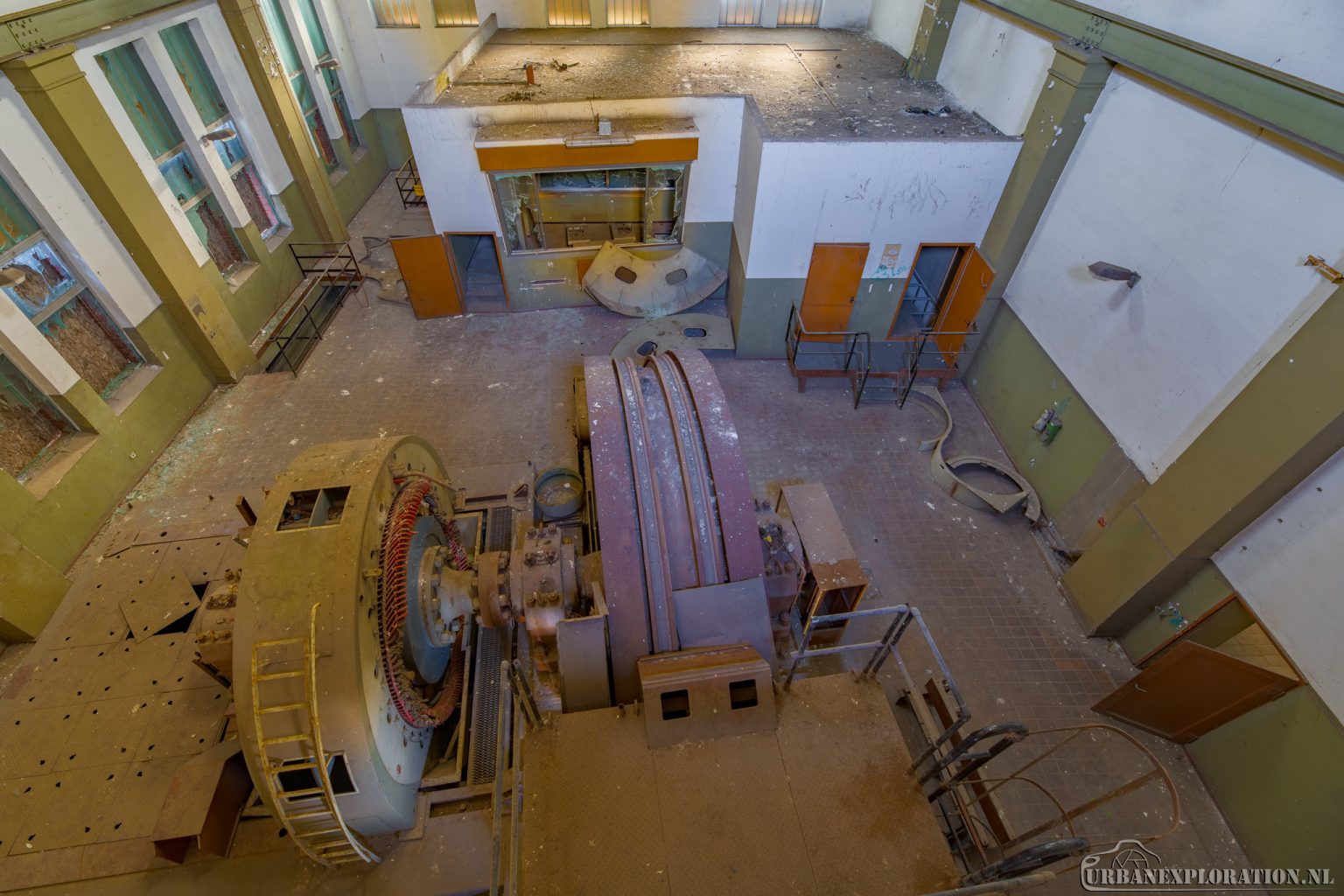
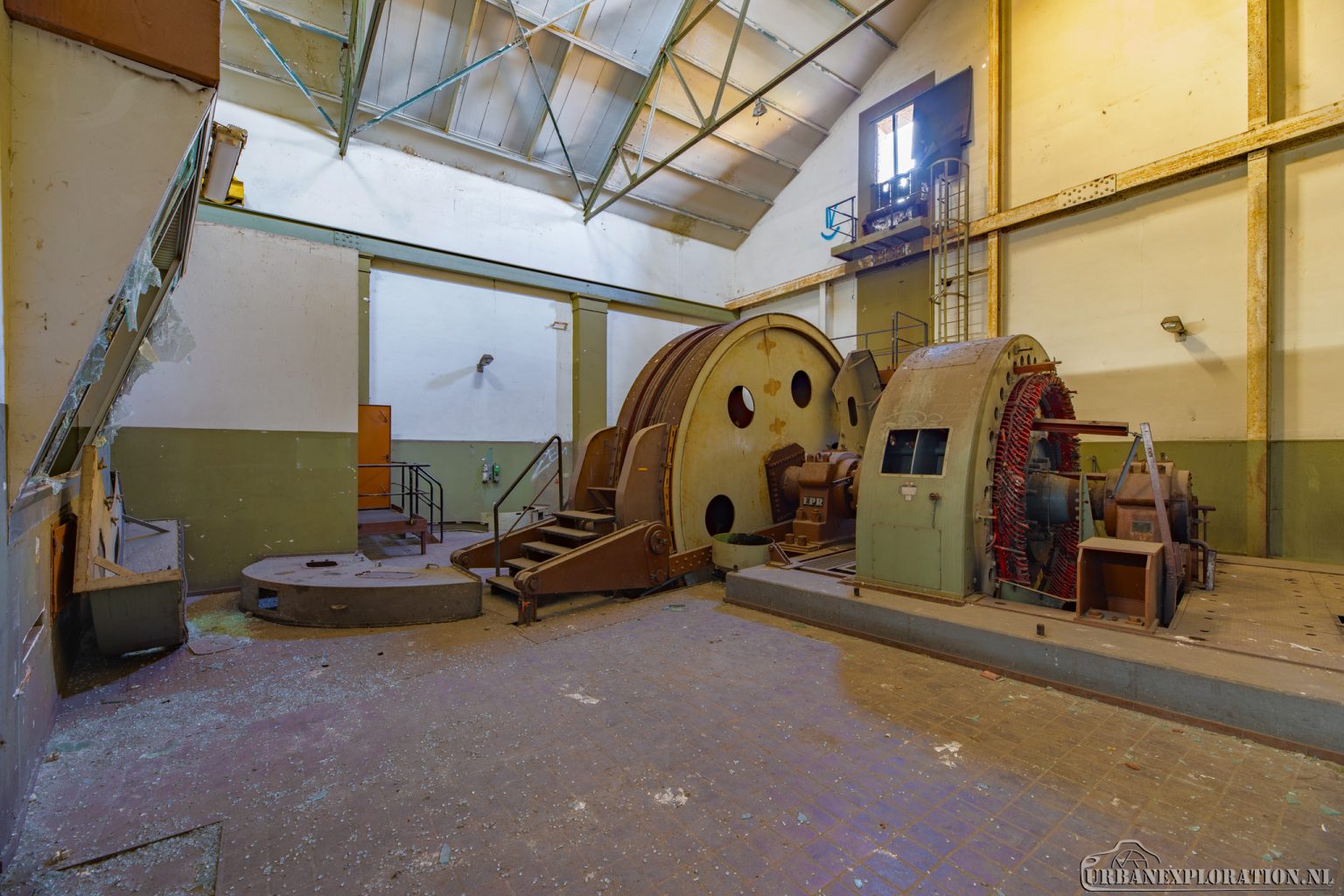
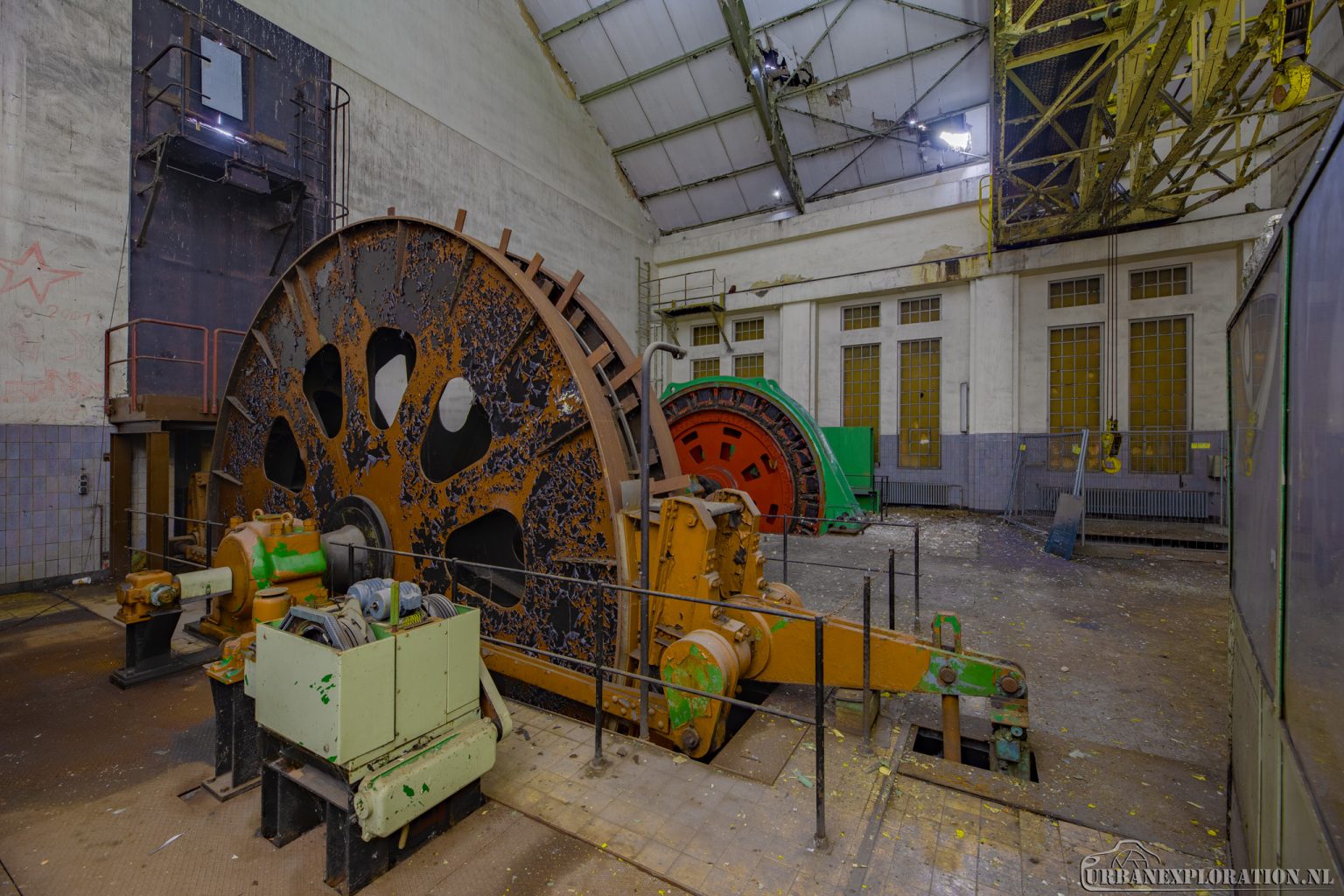
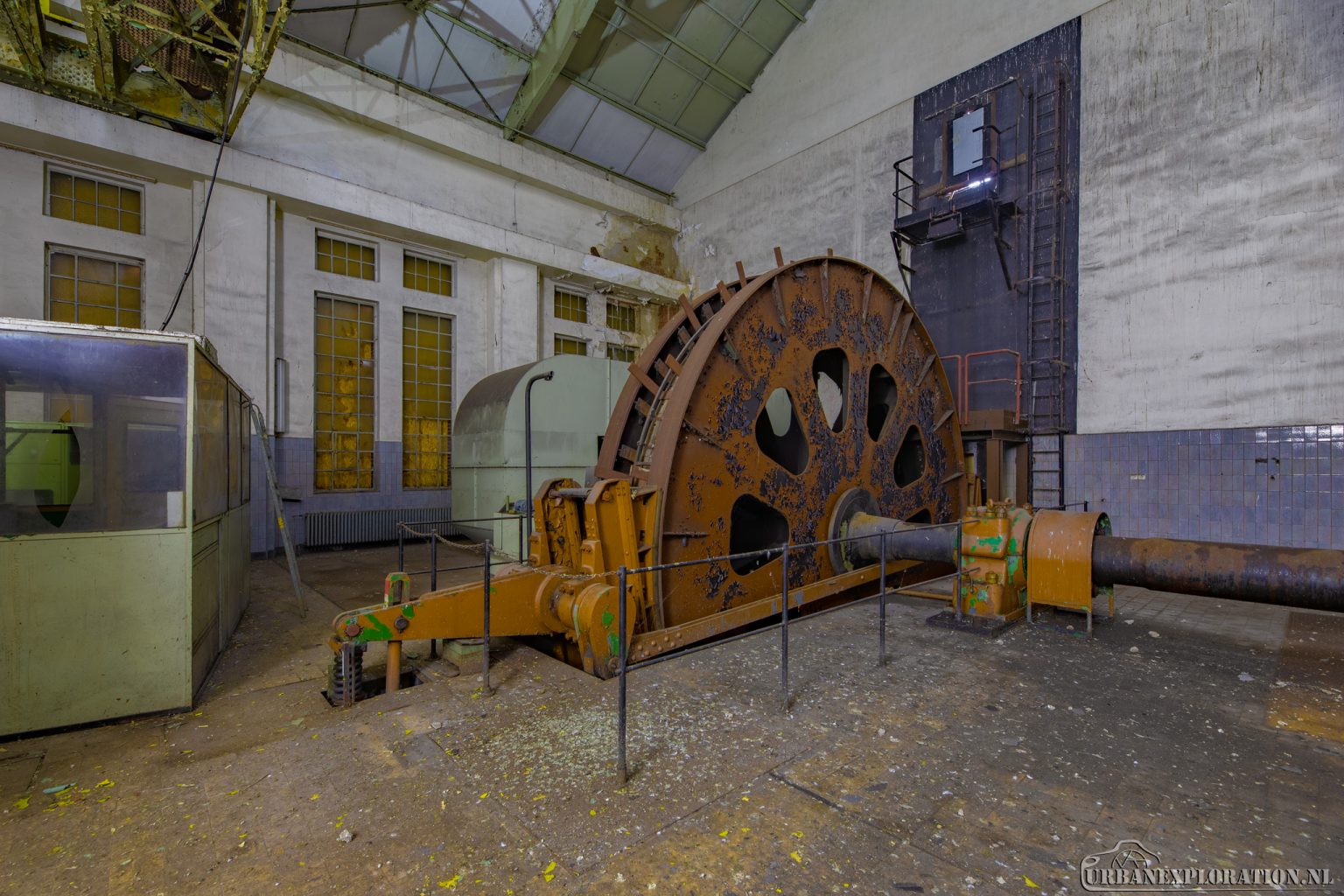
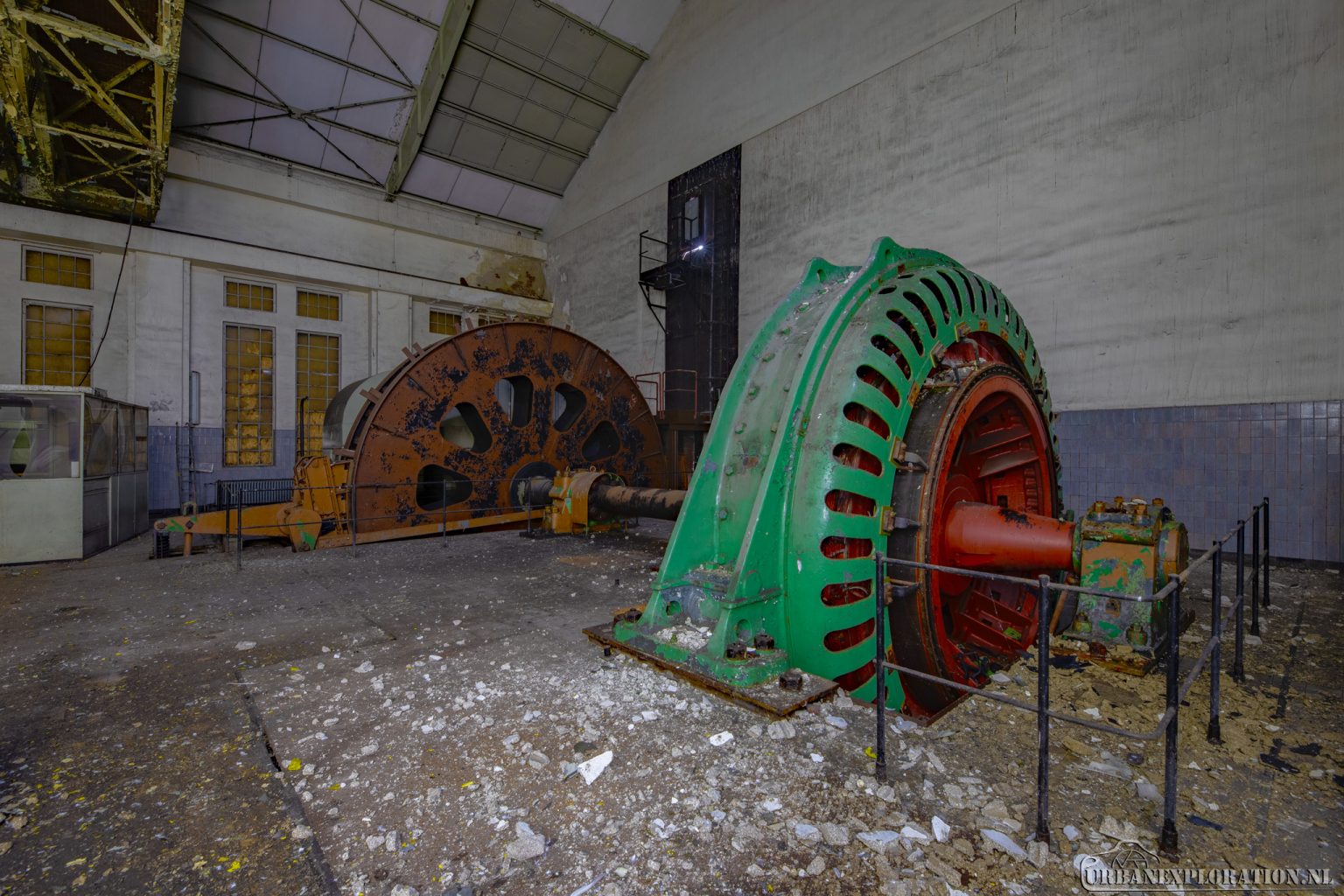
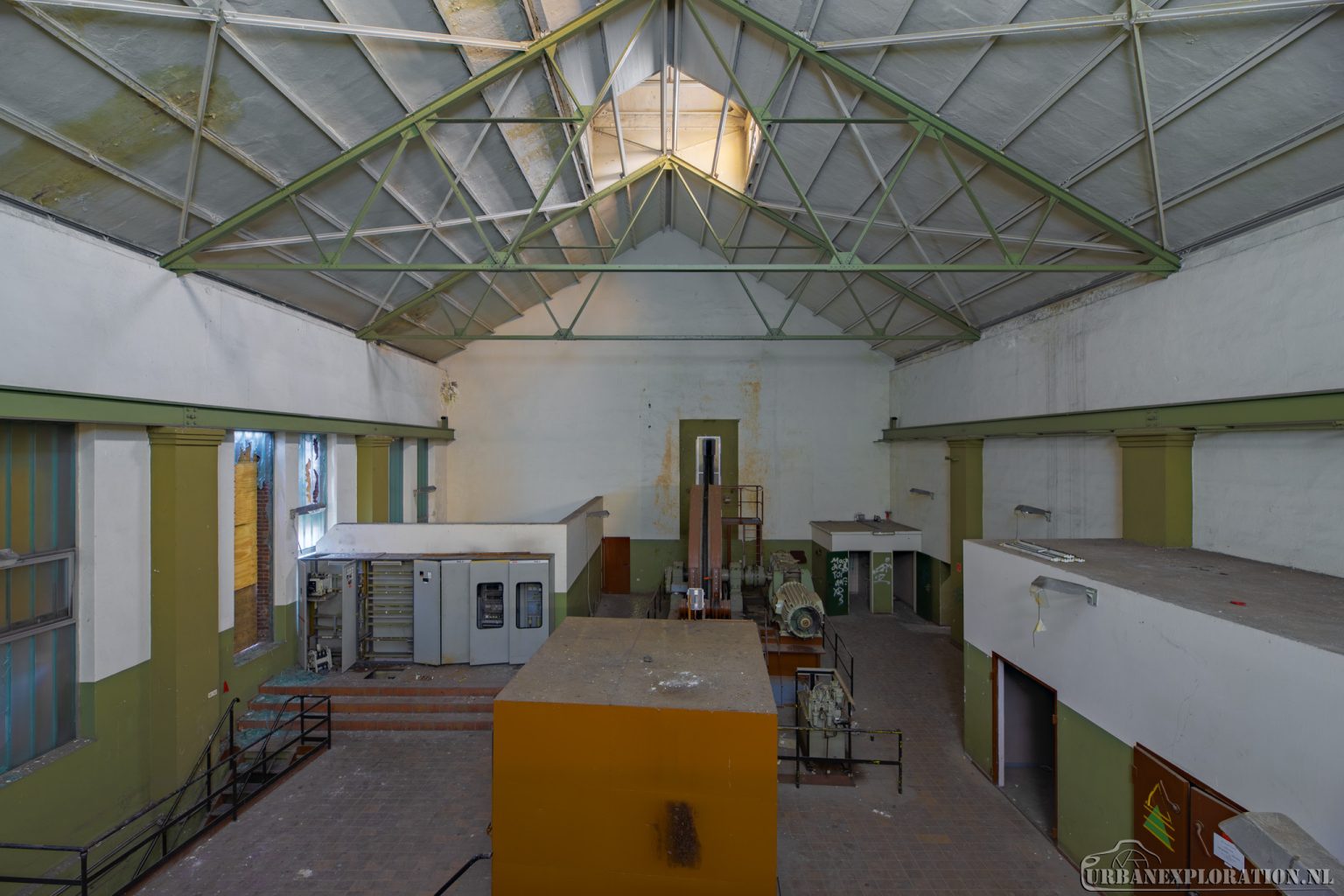
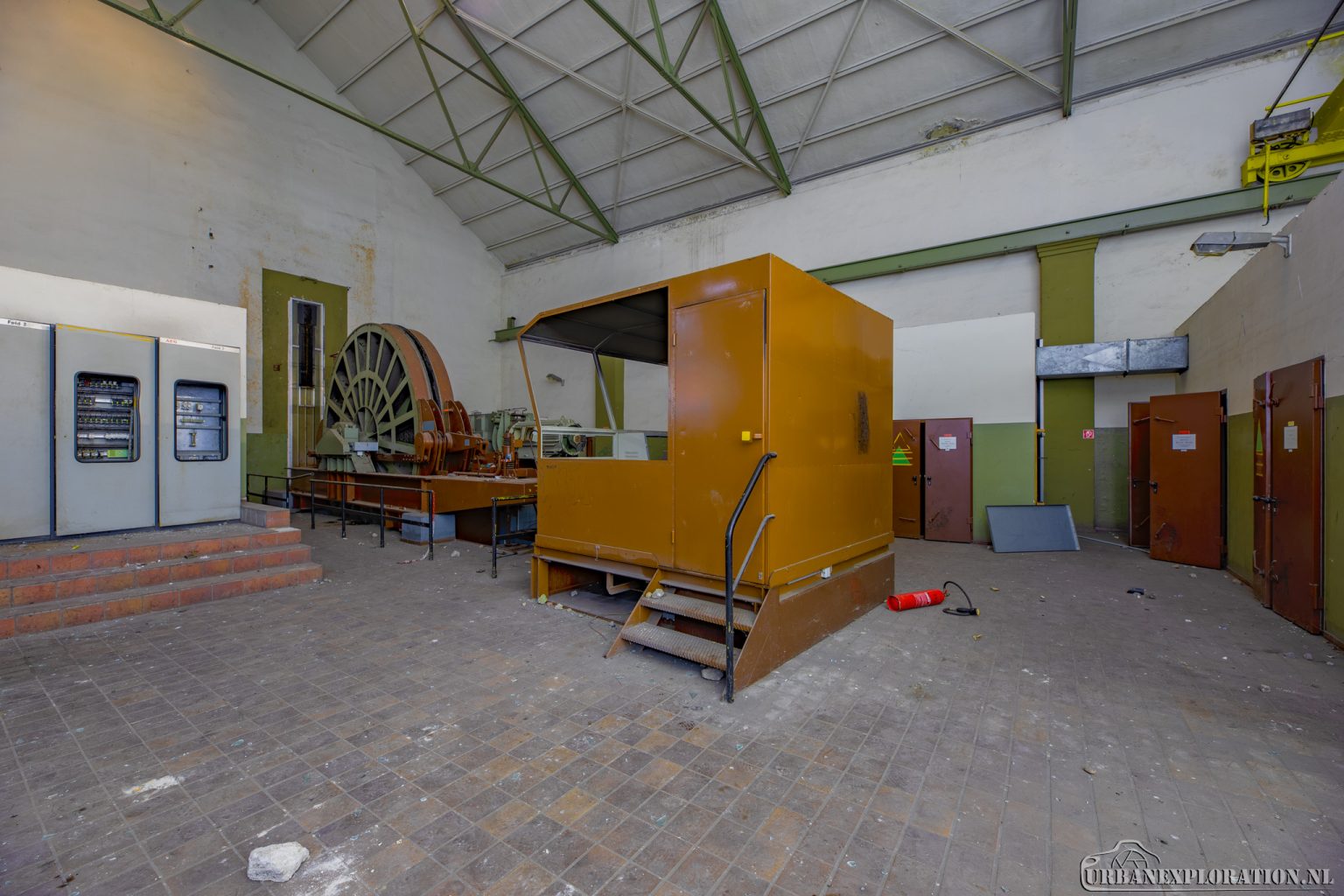
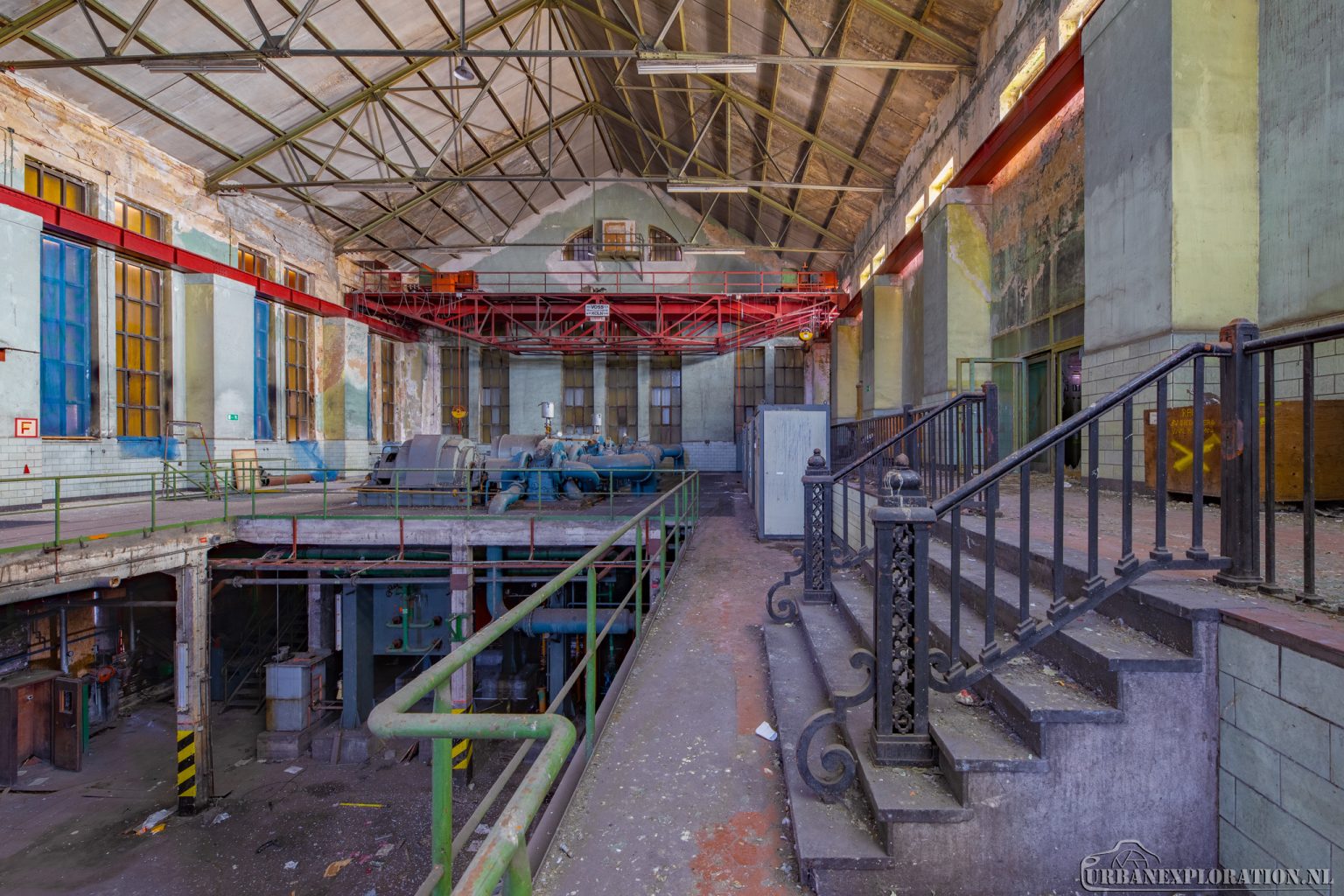
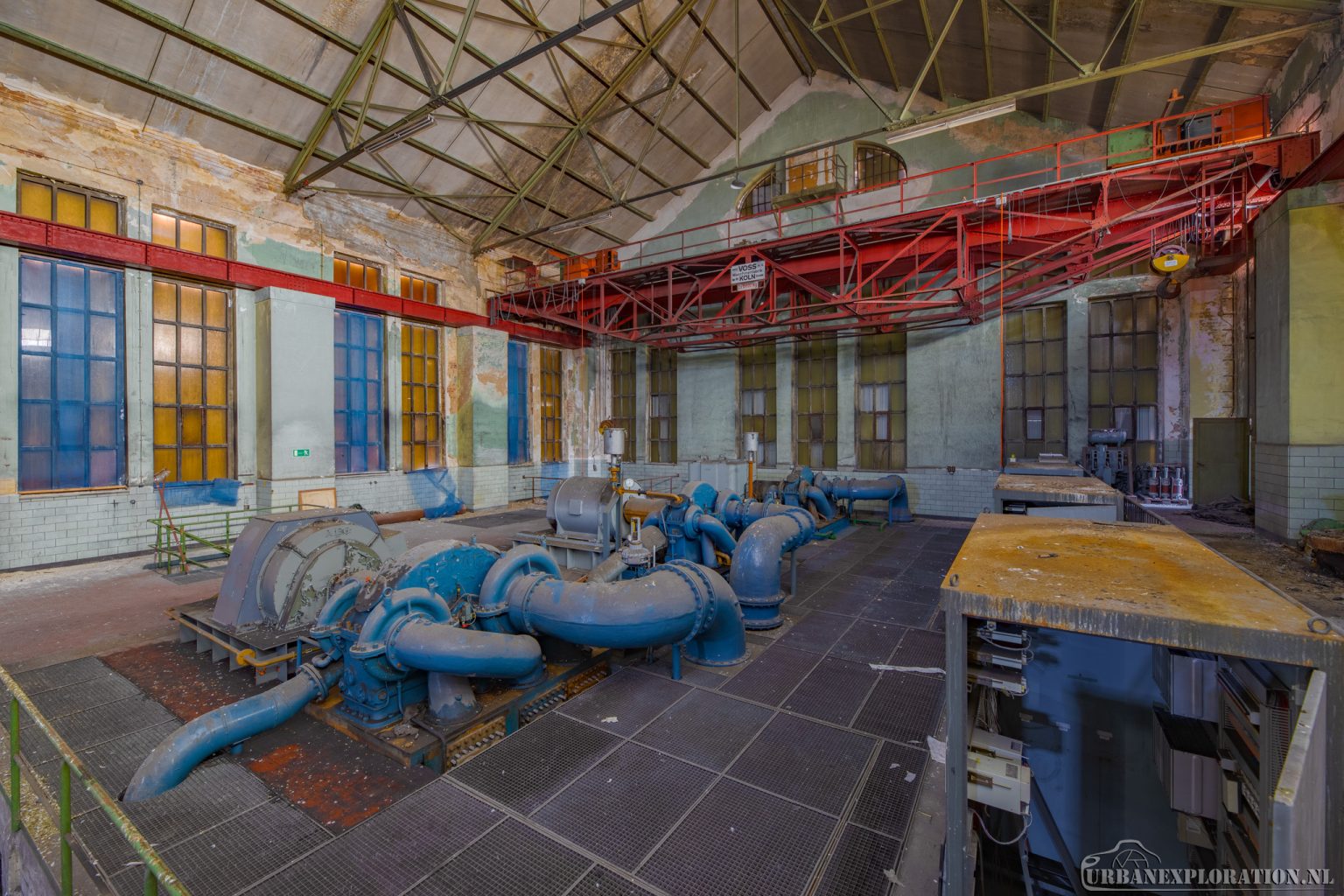
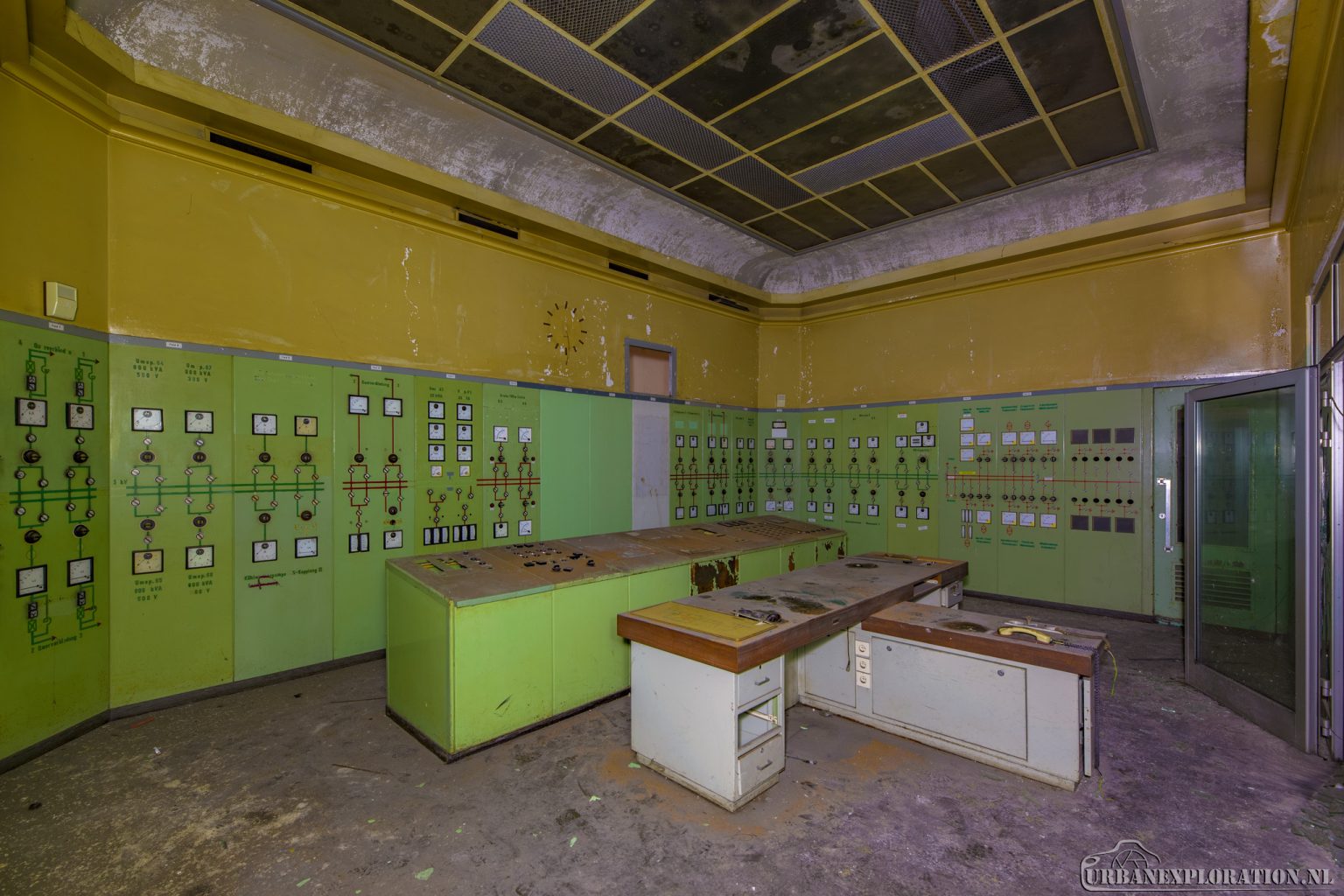
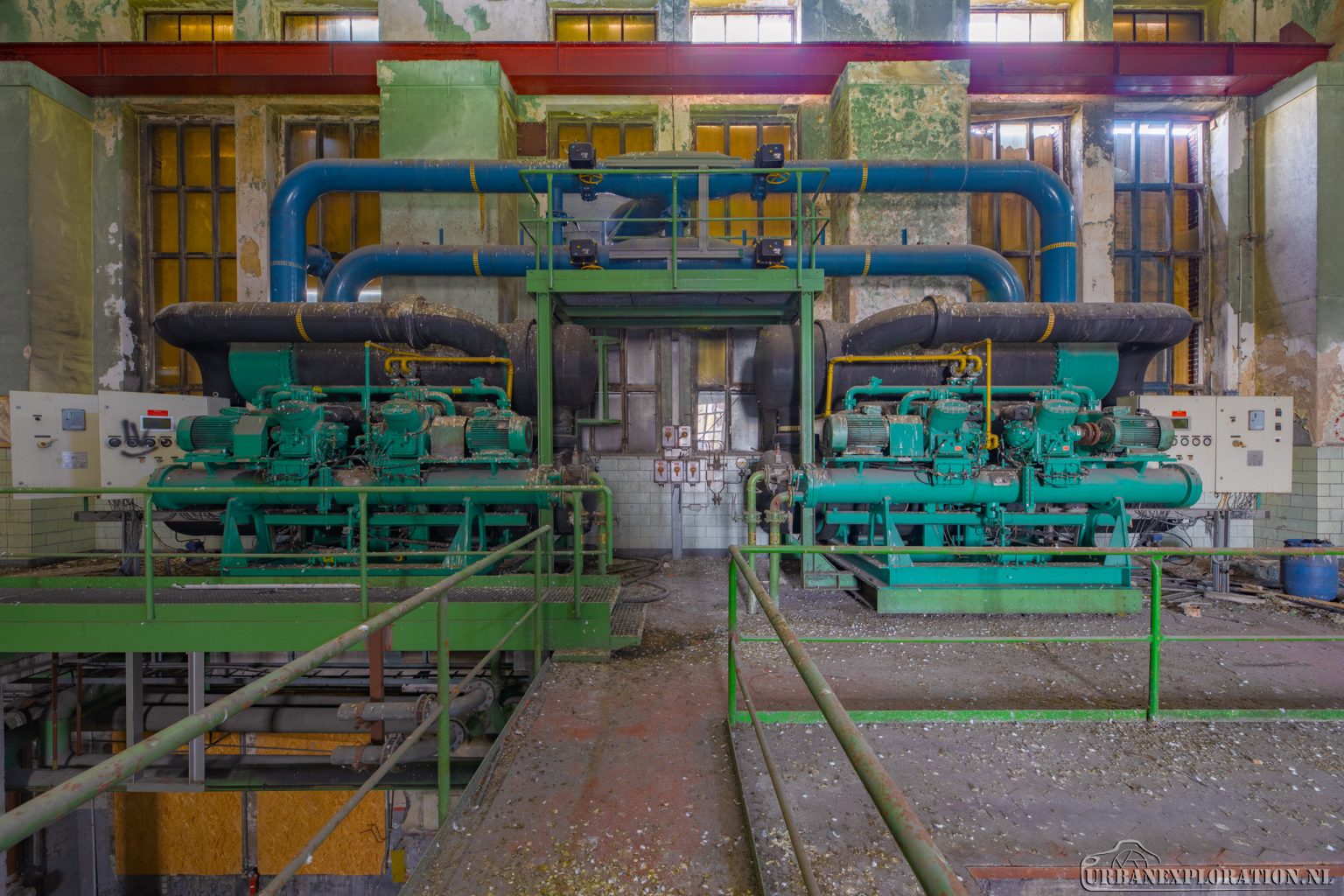
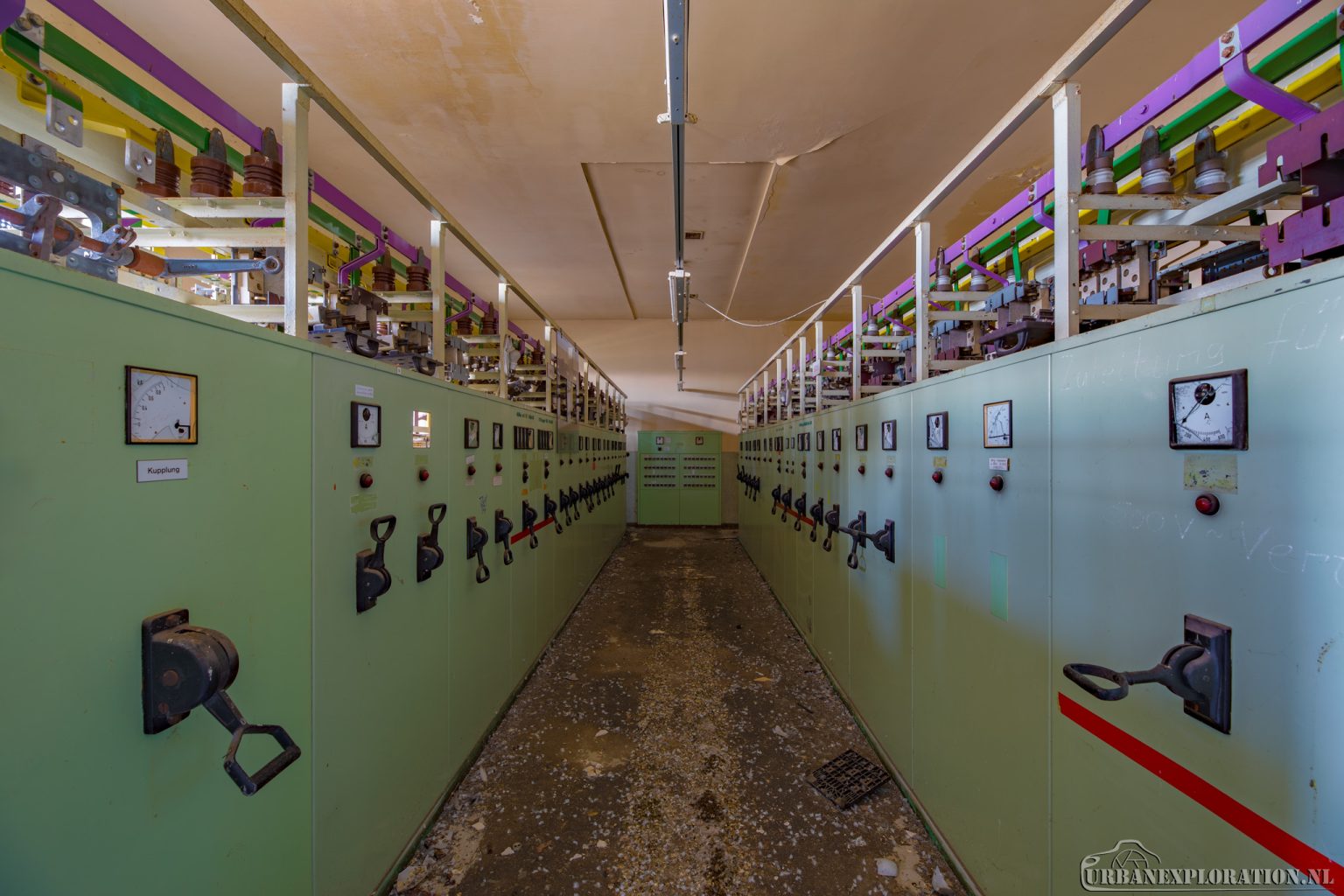
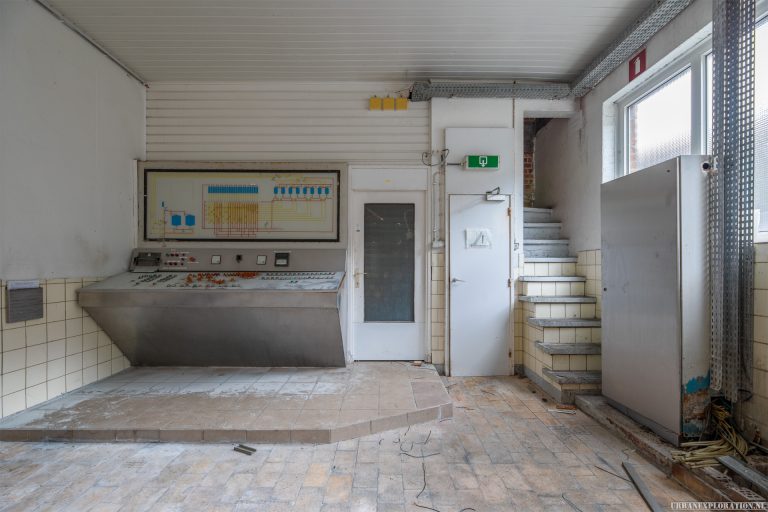
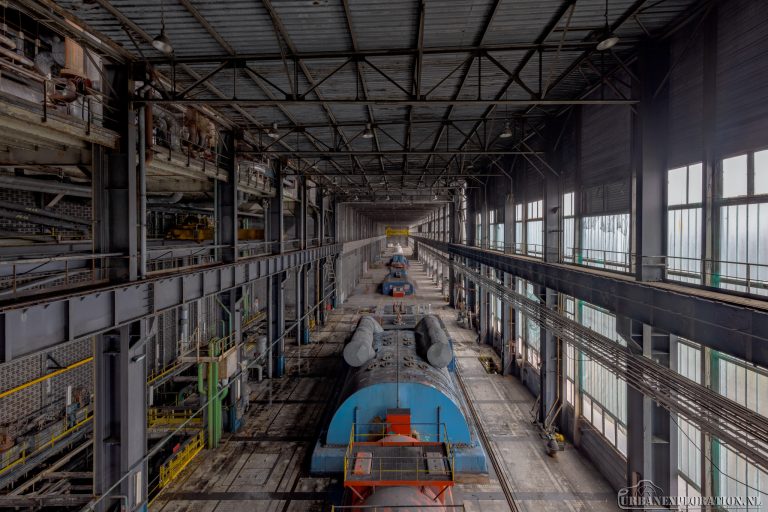
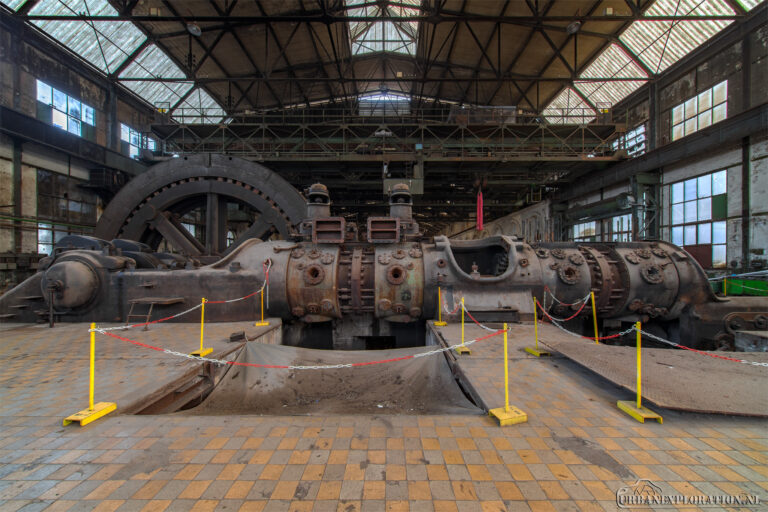
On the northern edge of the Ruhr area, in Neukirchen-Vluyn, construction began in the early twentieth century on a new coal mine: Zeche Niederberg. Industrialization required vast amounts of energy, and the deeper coal seams in this part of the region had become economically viable.
Around 1910, preparatory work started. Shaft 1 was the first to be sunk and served as the main shaft for coal extraction and the transport of workers. Shortly afterward, Shaft 2 was constructed, primarily for ventilation and auxiliary functions, though it was later also used for material transport. The coal seams in this area lay deeper than those in the central Ruhr district, presenting significant technical challenges.
Production began during the First World War. In the decades that followed, the mine developed into an important regional employer. Especially after the Second World War, during the period of reconstruction, operations ran at full capacity. In the 1950s and 1960s, millions of tons of coal were extracted annually. Thousands of miners worked underground in daily shift rotations.
Like many other mines in the Ruhr region, Niederberg was affected by the structural coal crisis beginning in the 1960s. Cheaper imported coal and the shift to alternative energy sources made German coal mining increasingly unprofitable. Despite modernization efforts and organizational restructuring, economic pressure continued to rise.
Ultimately, Zeche Niederberg was closed in 2001, marking the end of nearly a century of active mining at this site. Much of the surface infrastructure was demolished, though several characteristic industrial structures were preserved as reminders of its industrial past.
Visited - Februari 2026
Defunct - 2001
Status - In decline
Country - Germany
Here are some other albums that might be of interest.