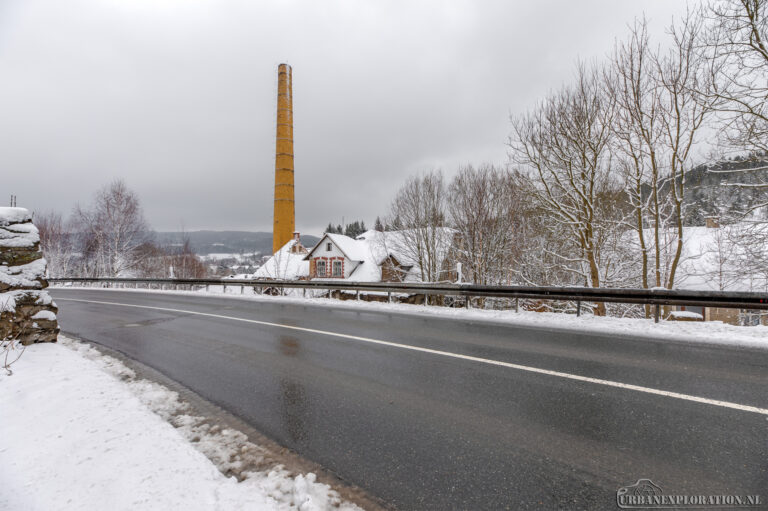
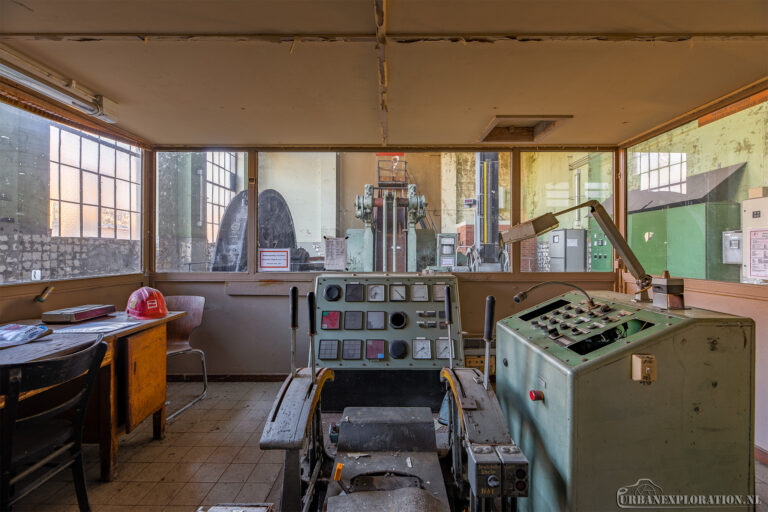
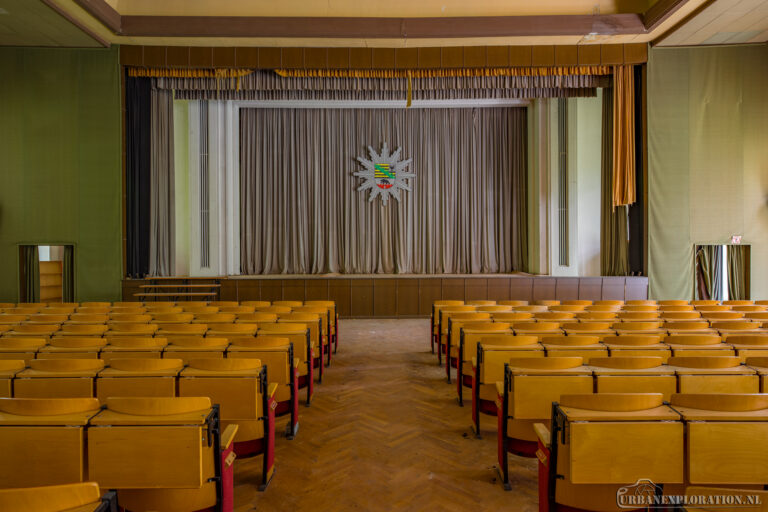
The Mulino Gori was constructed in the first half of the twentieth century as a symbol of industrial progress. At a time when bread and flour formed the foundation of everyday life, this factory became a crucial link between agriculture and consumption. Grain was no longer processed by traditional methods, but mechanically refined through a vertical production system designed for efficiency and scale.
For decades, the mill operated continuously. The sound of machinery filled the building as grain moved through elevators, rollers and storage floors, eventually leaving the factory as finely milled flour destined for bakeries and merchants. The mill provided stable employment and economic security, becoming an essential part of local industrial life.
As the food industry evolved, small and medium-sized mills struggled to survive. Large centralised producers and rising regulatory demands made continued operation economically unviable. Production came to an end, the machines were shut down, and the building lost its original purpose.
Visited - June 2019
Defunct - Unknown
Status - In decline
Country - Italy
Here are some other albums that might be of interest.