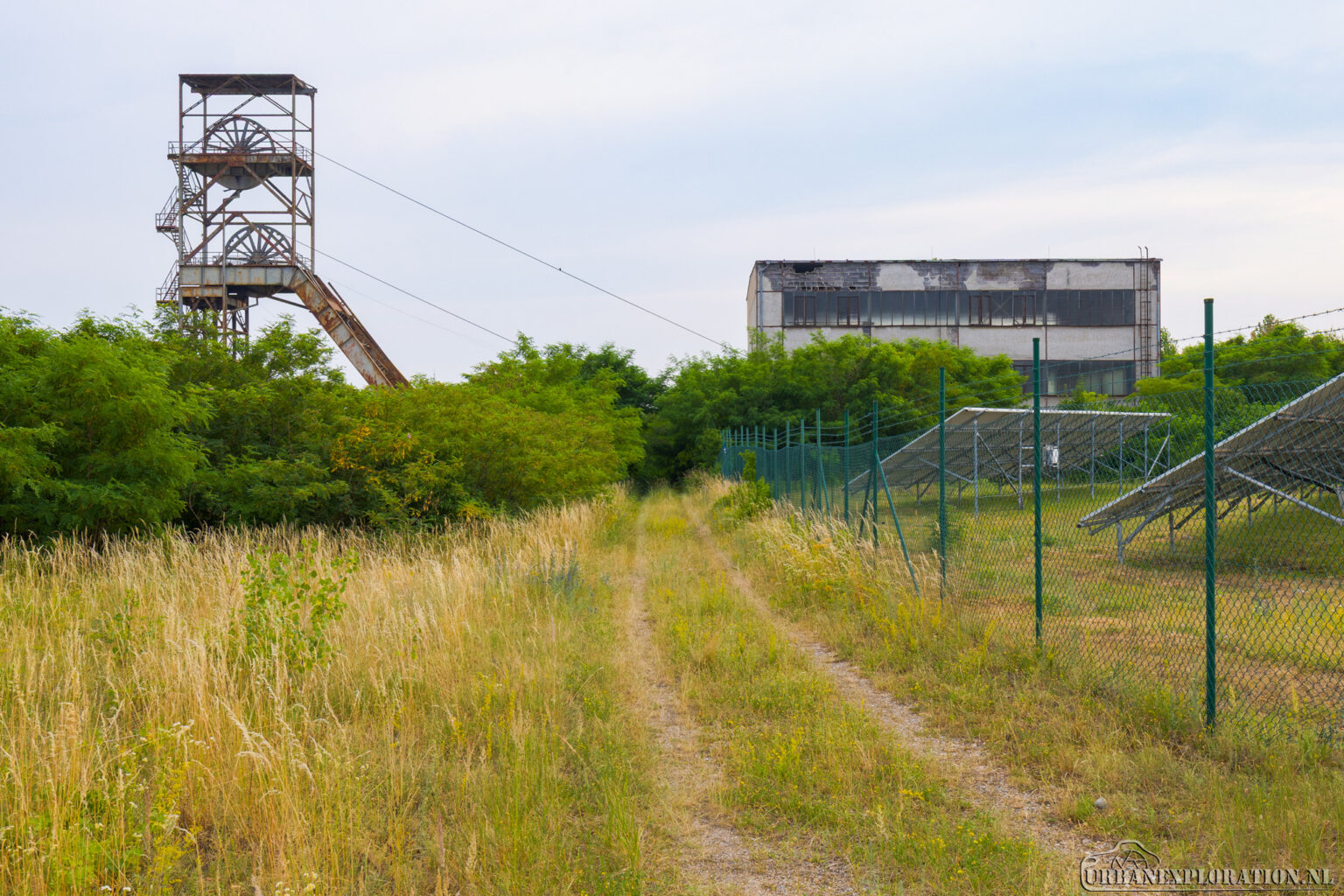
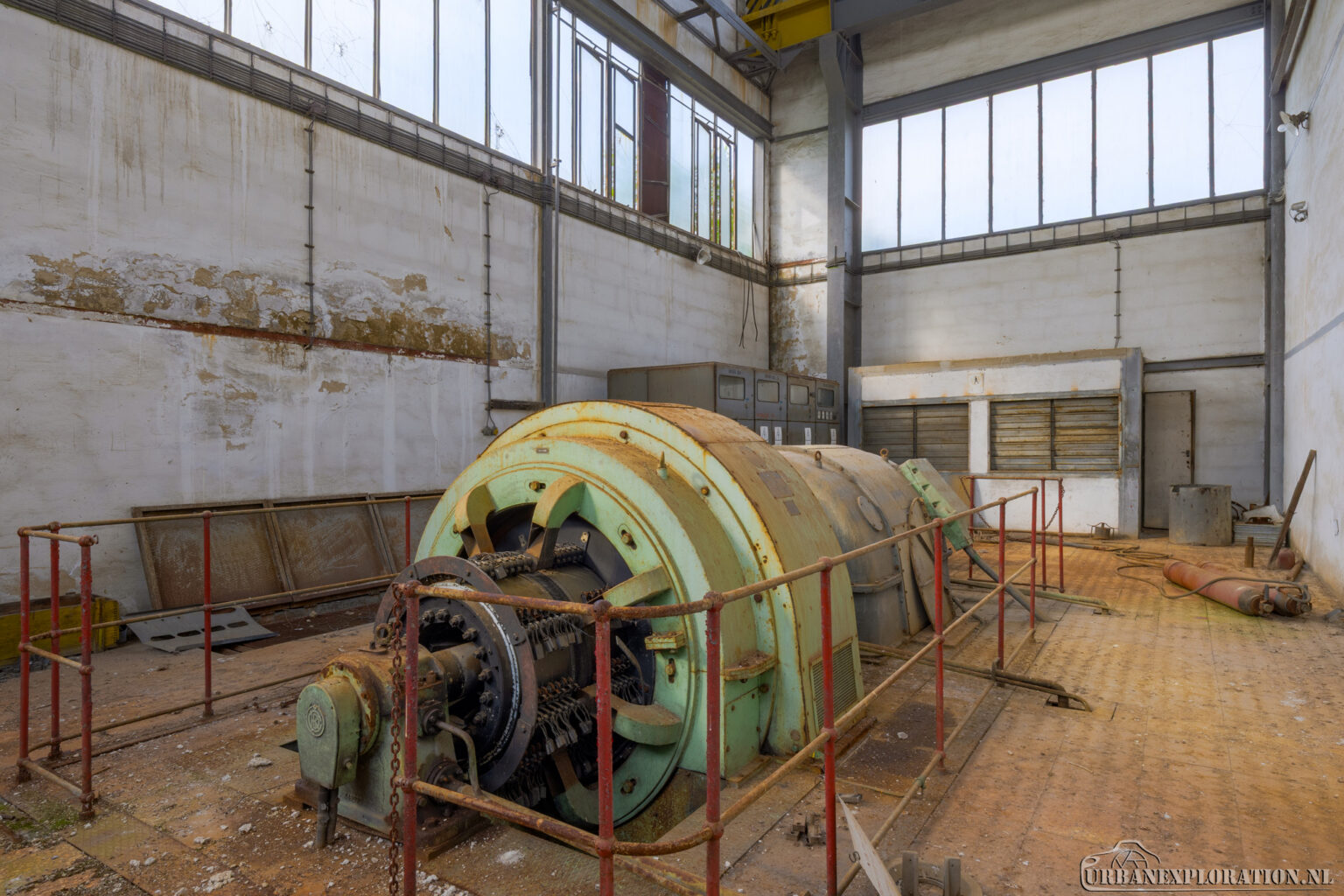
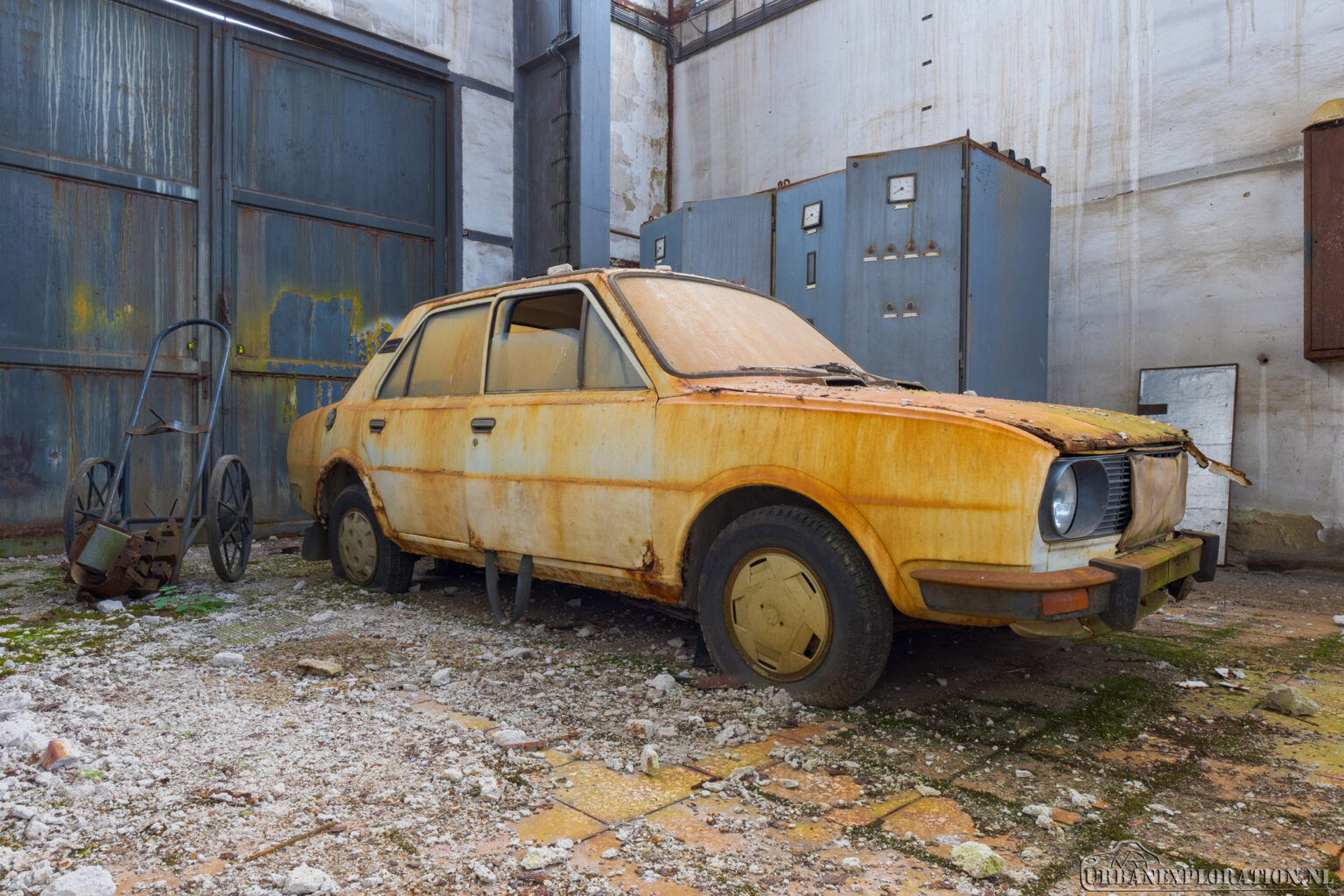
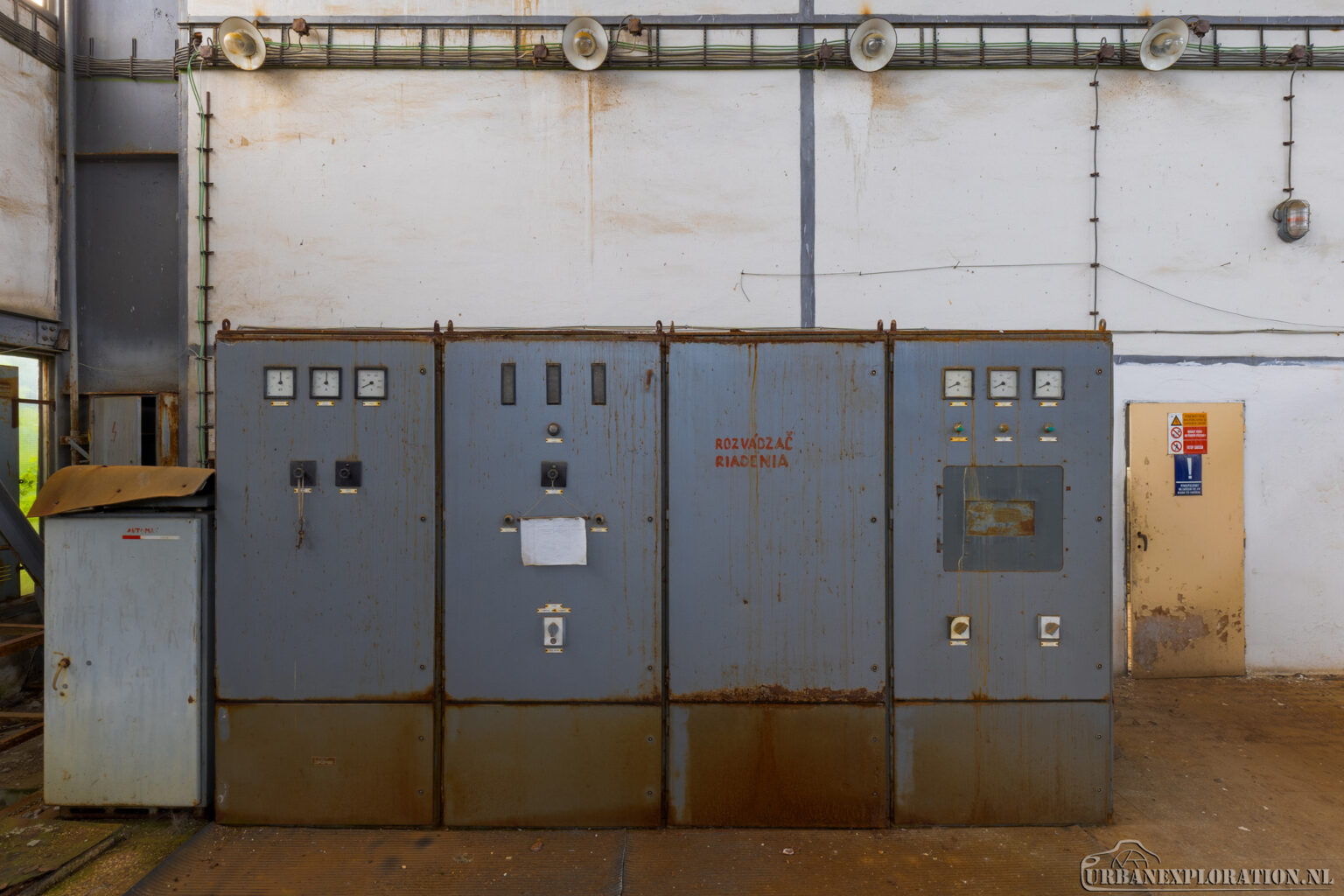
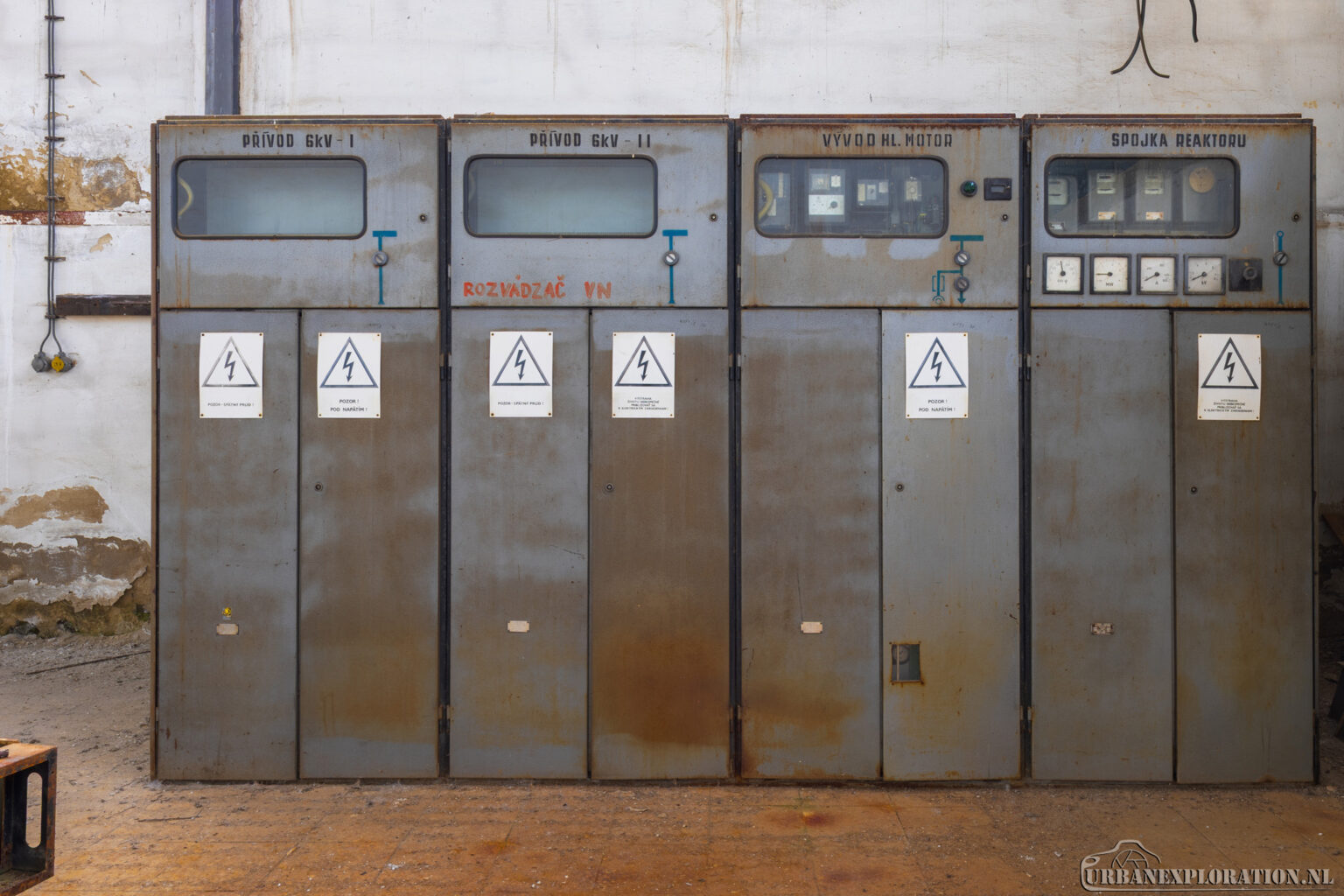
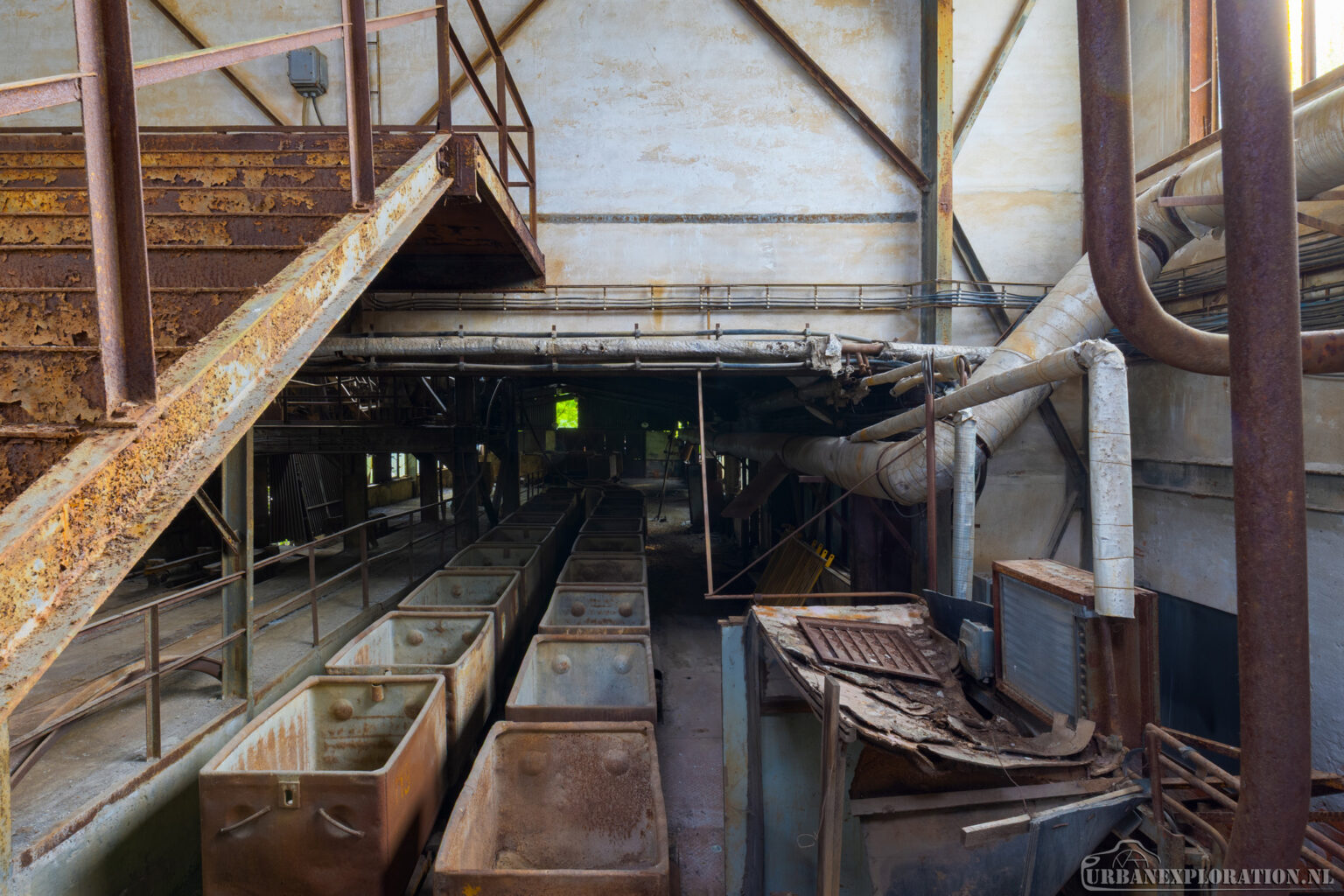
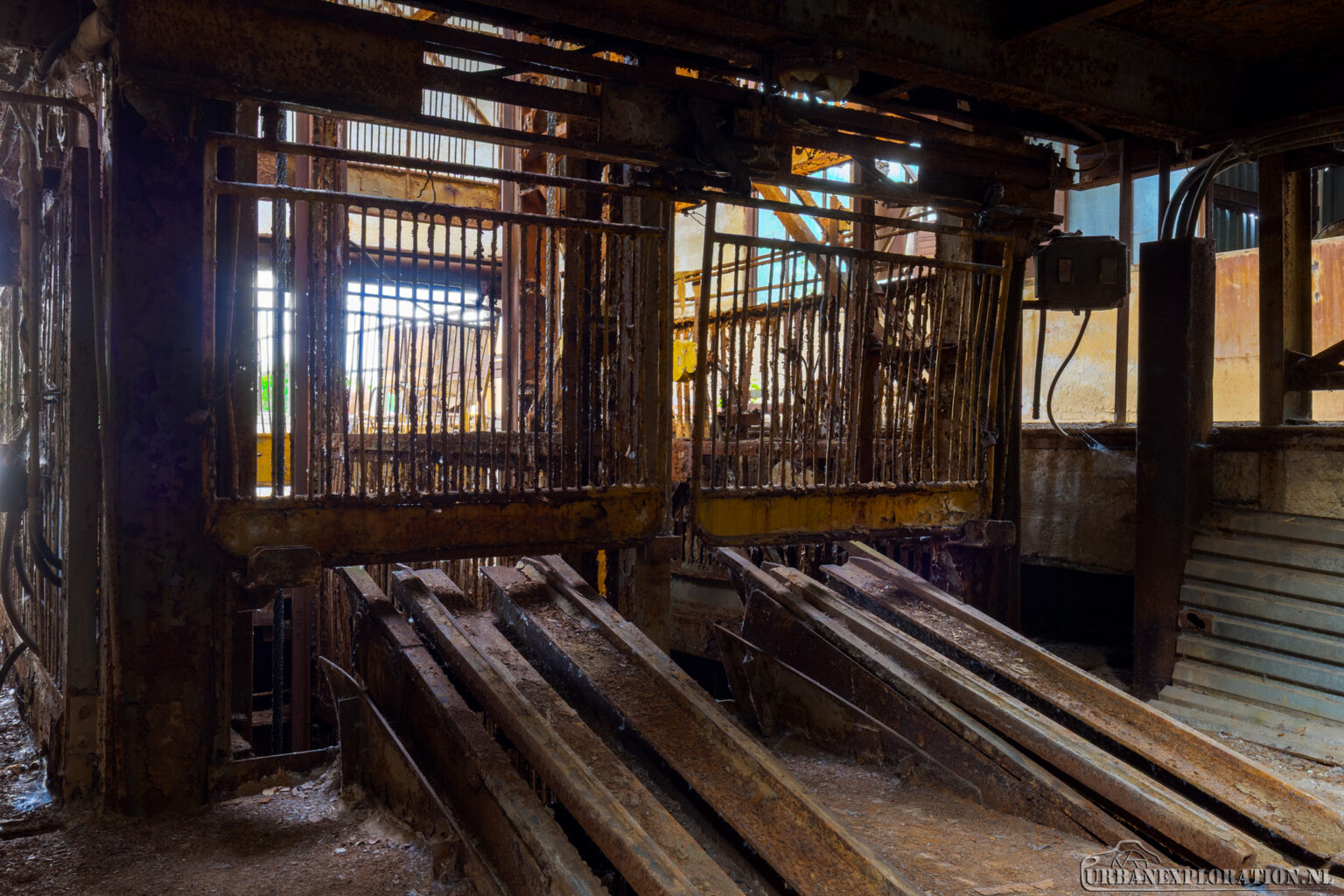
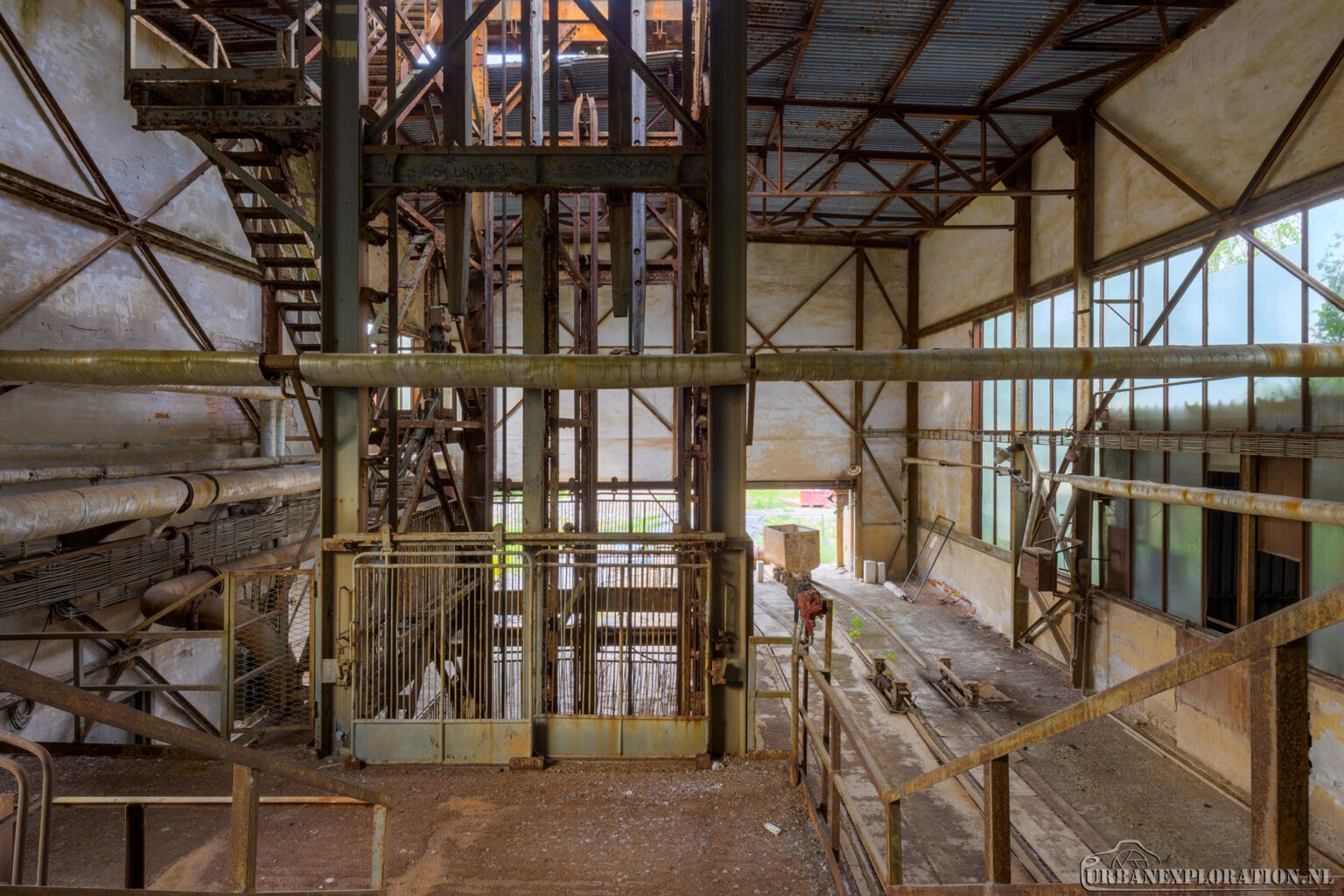
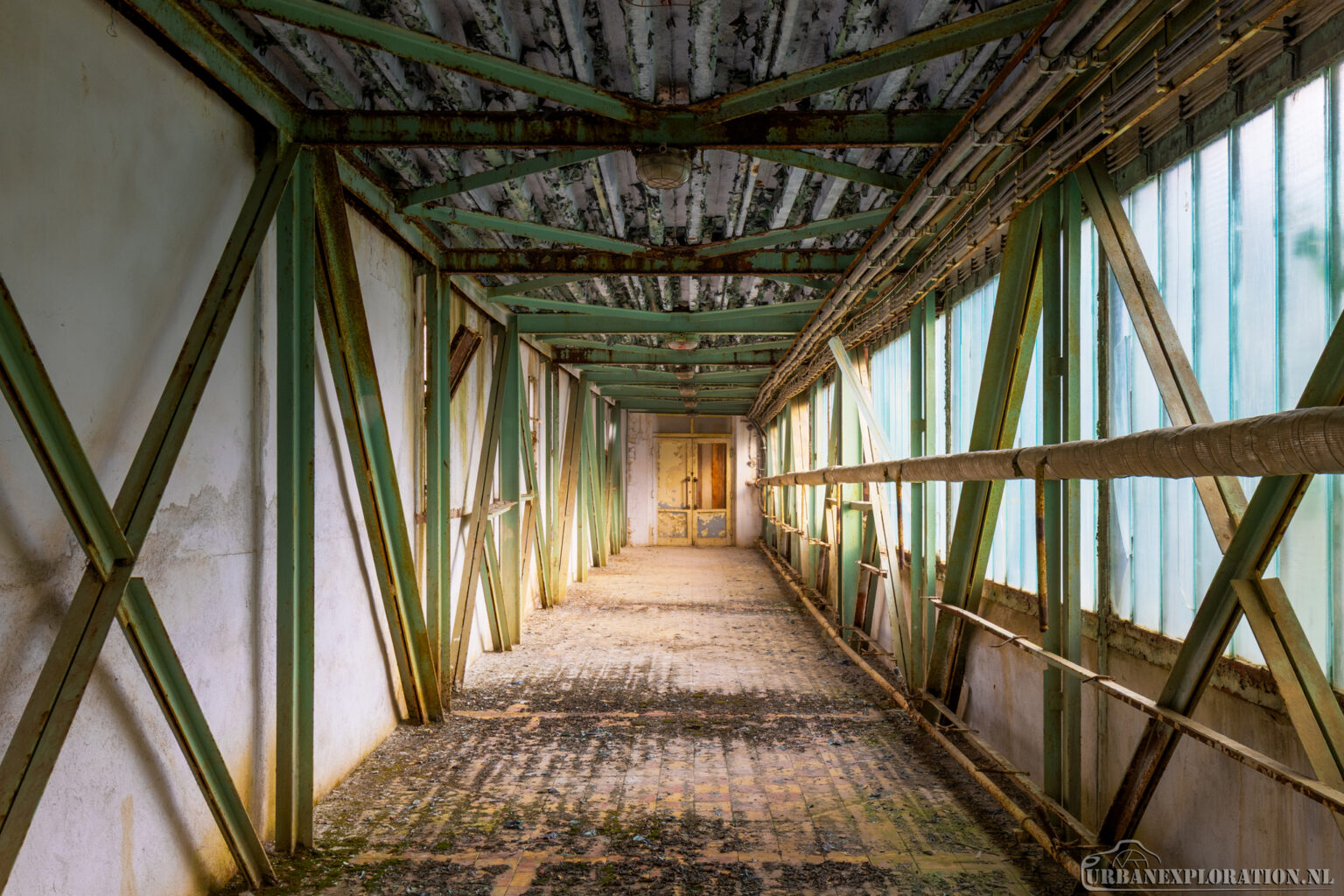
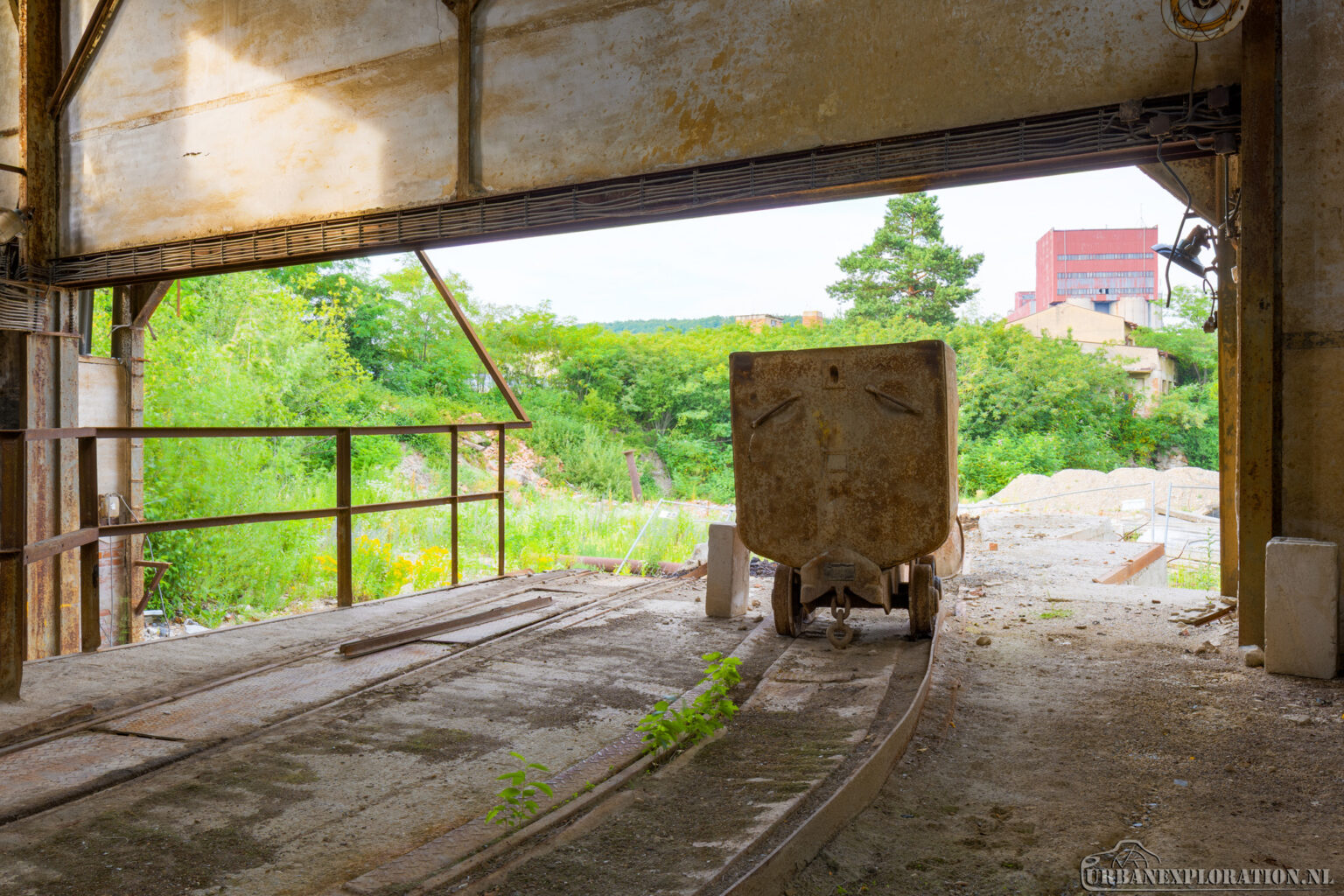
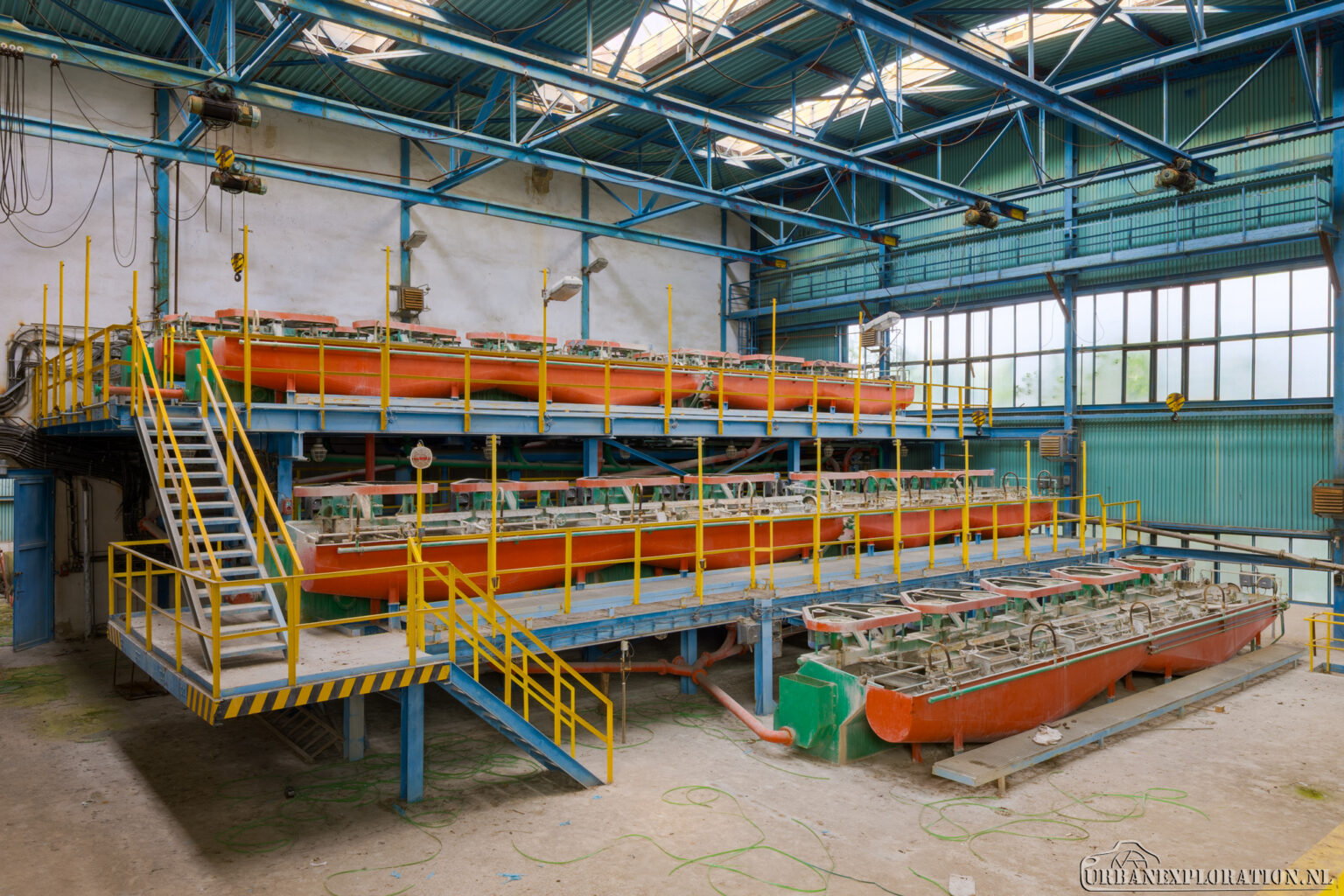
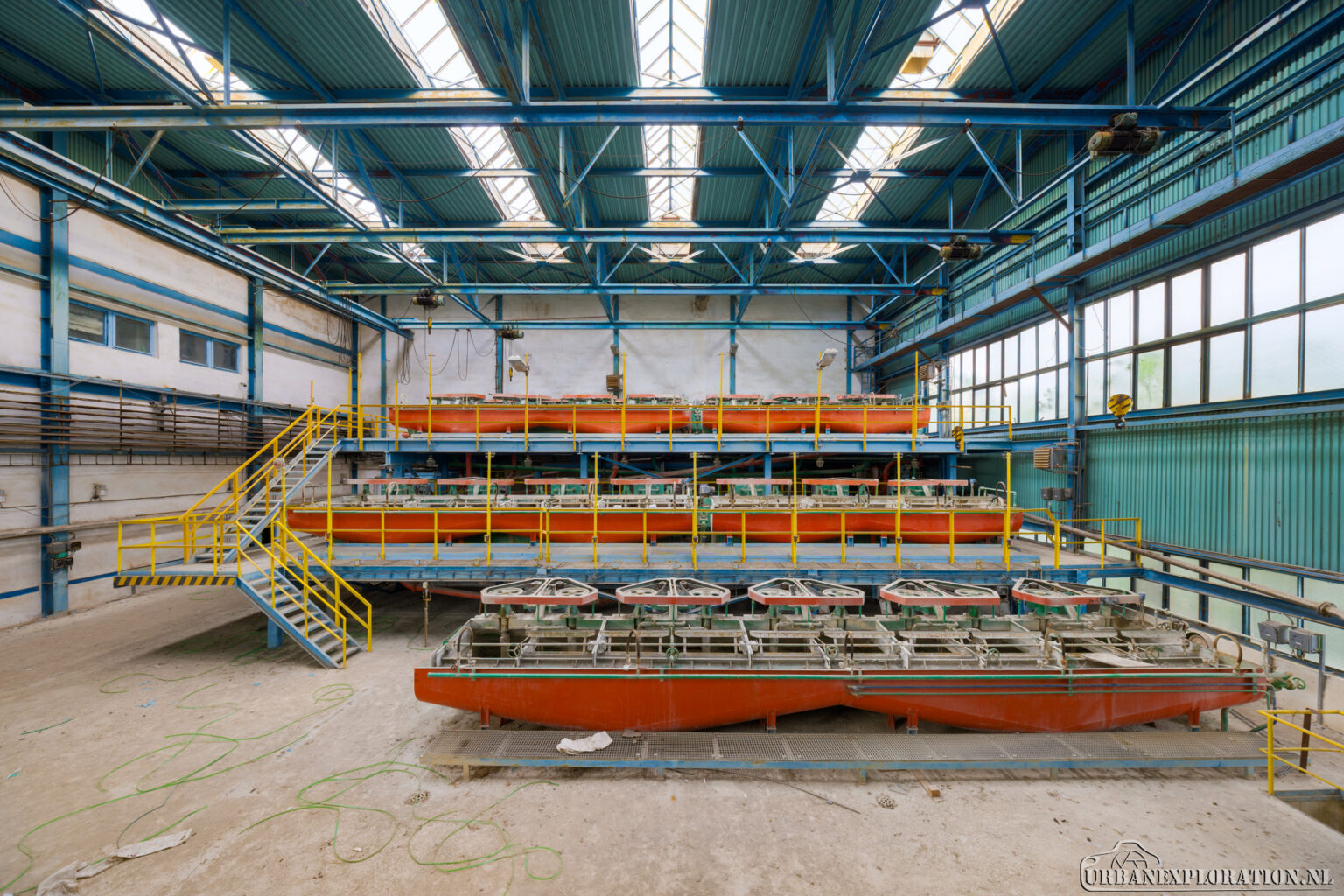
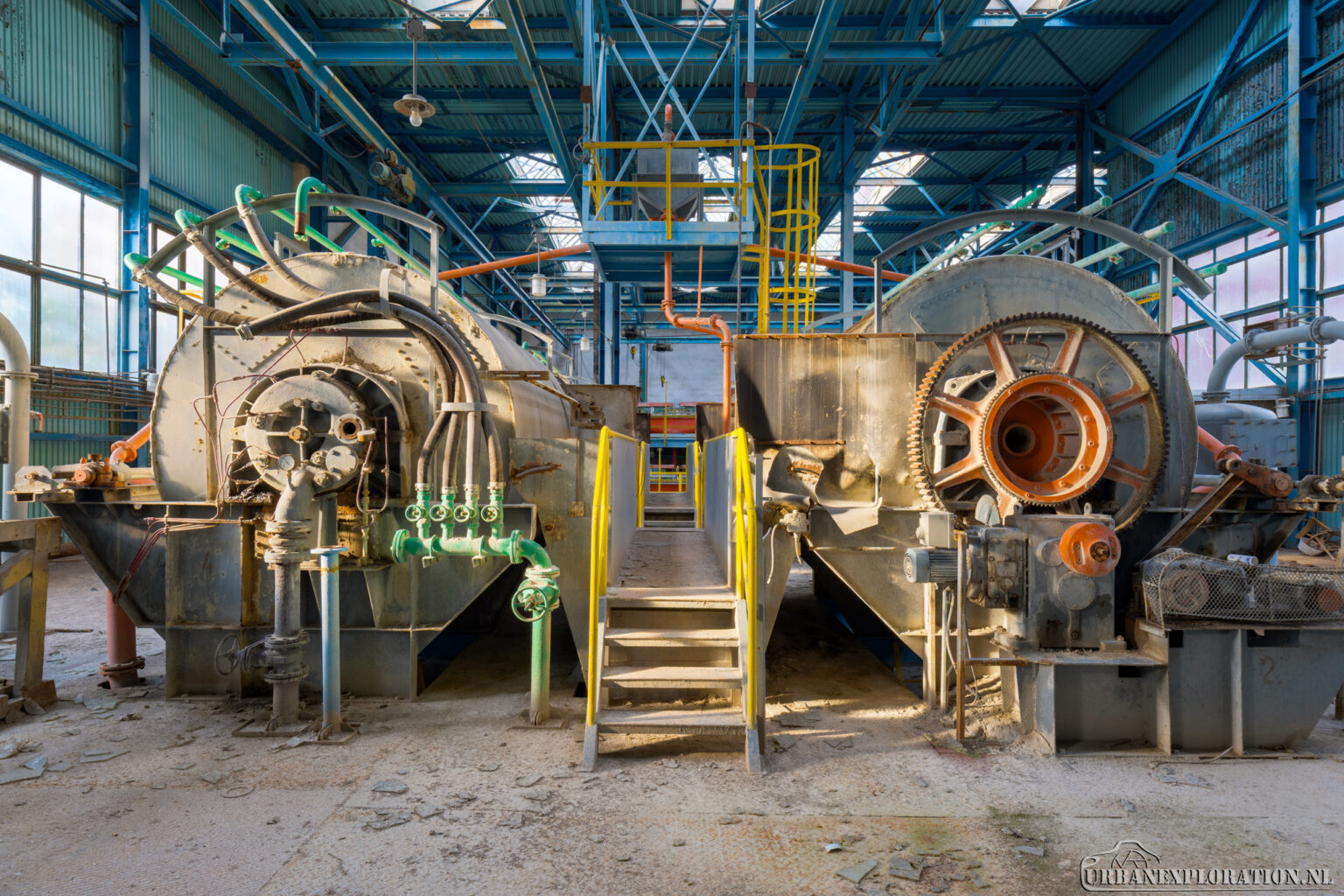
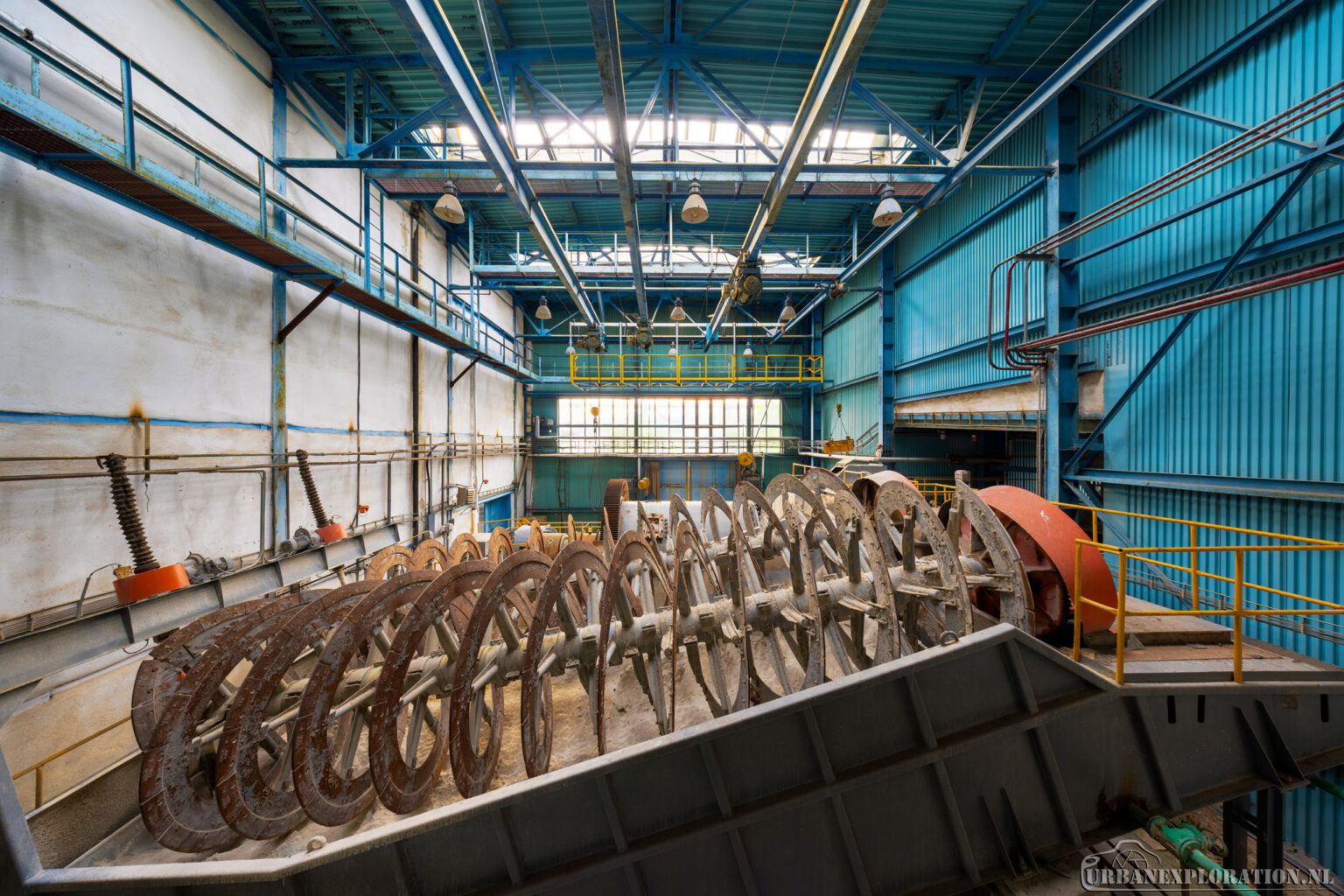
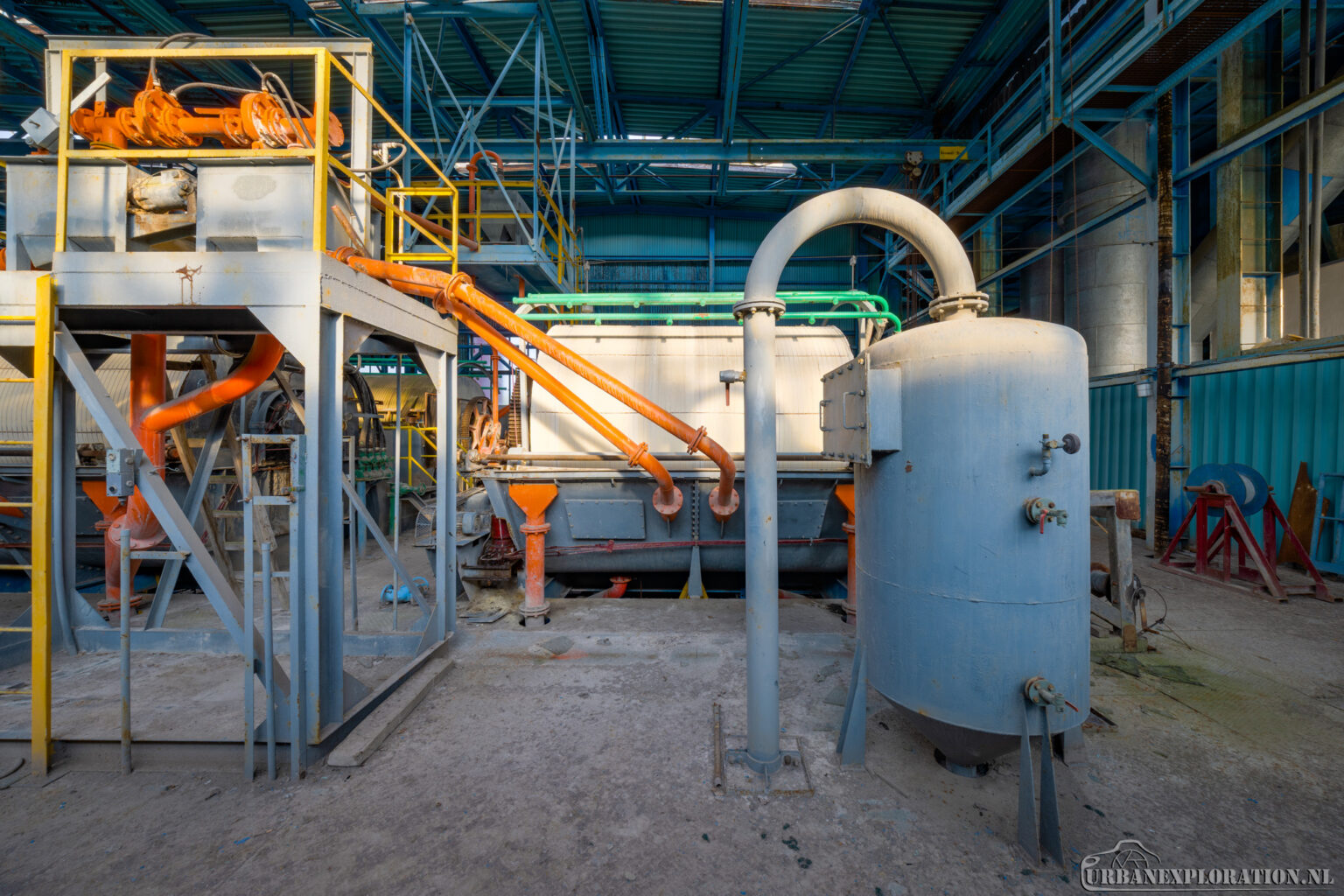
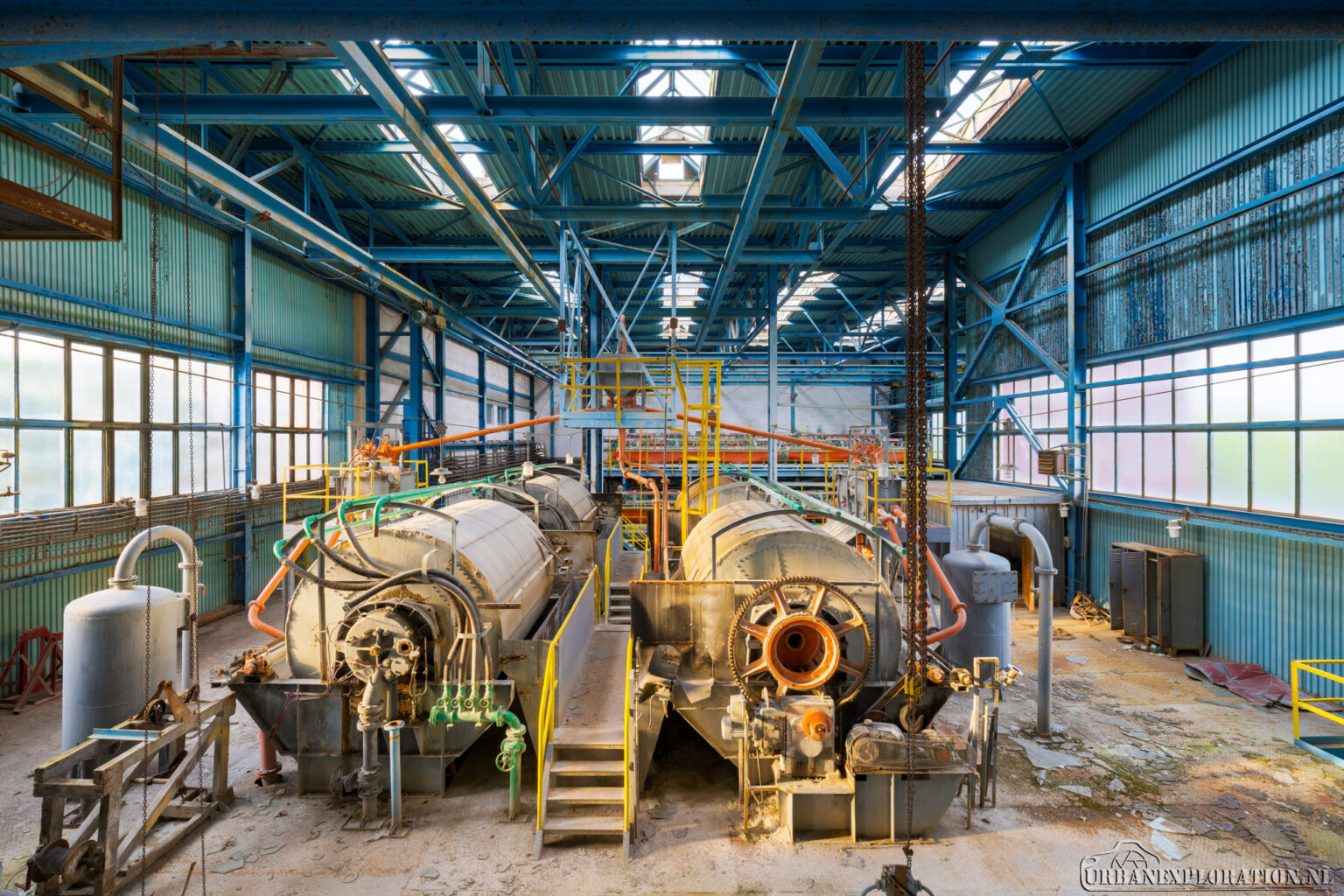
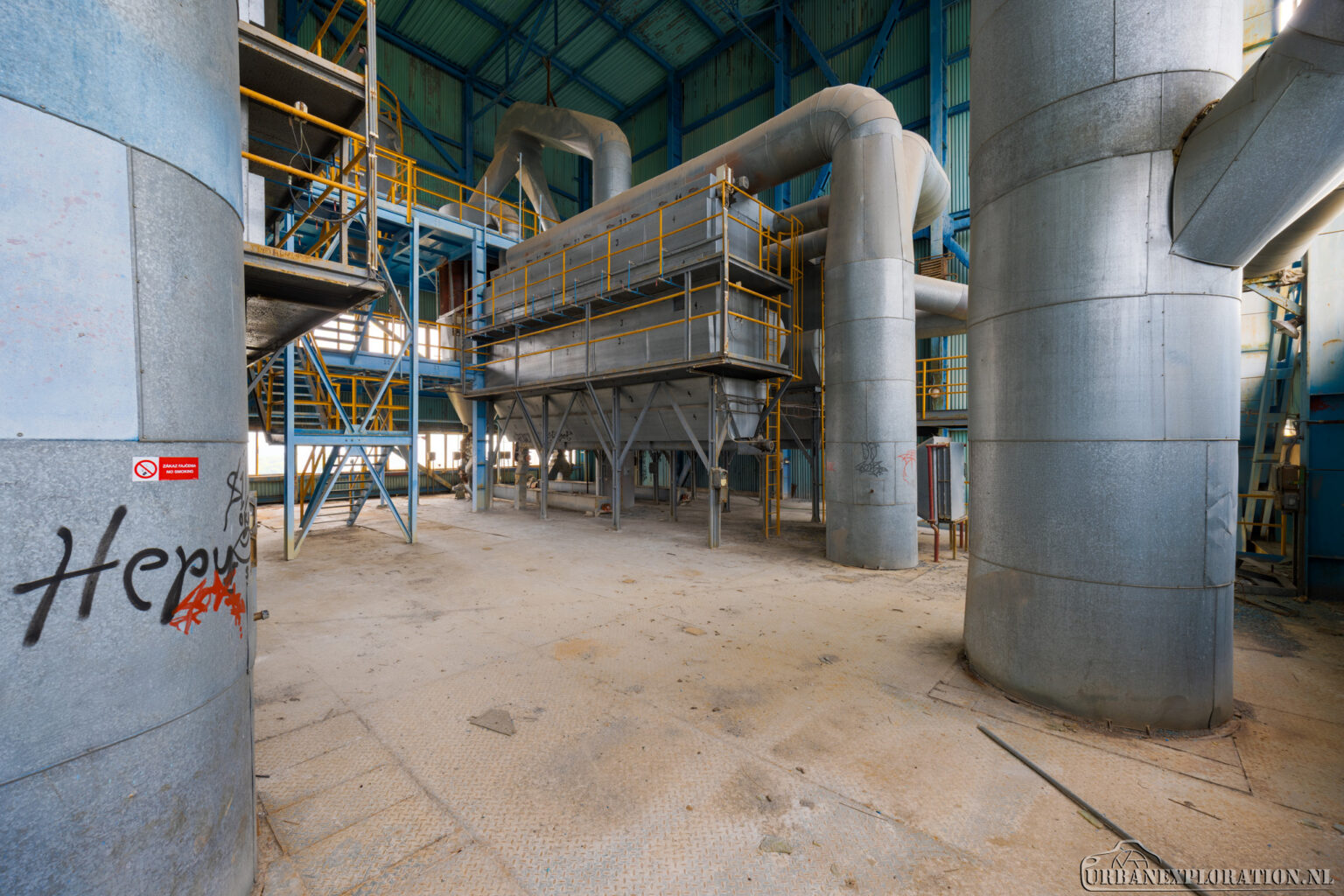
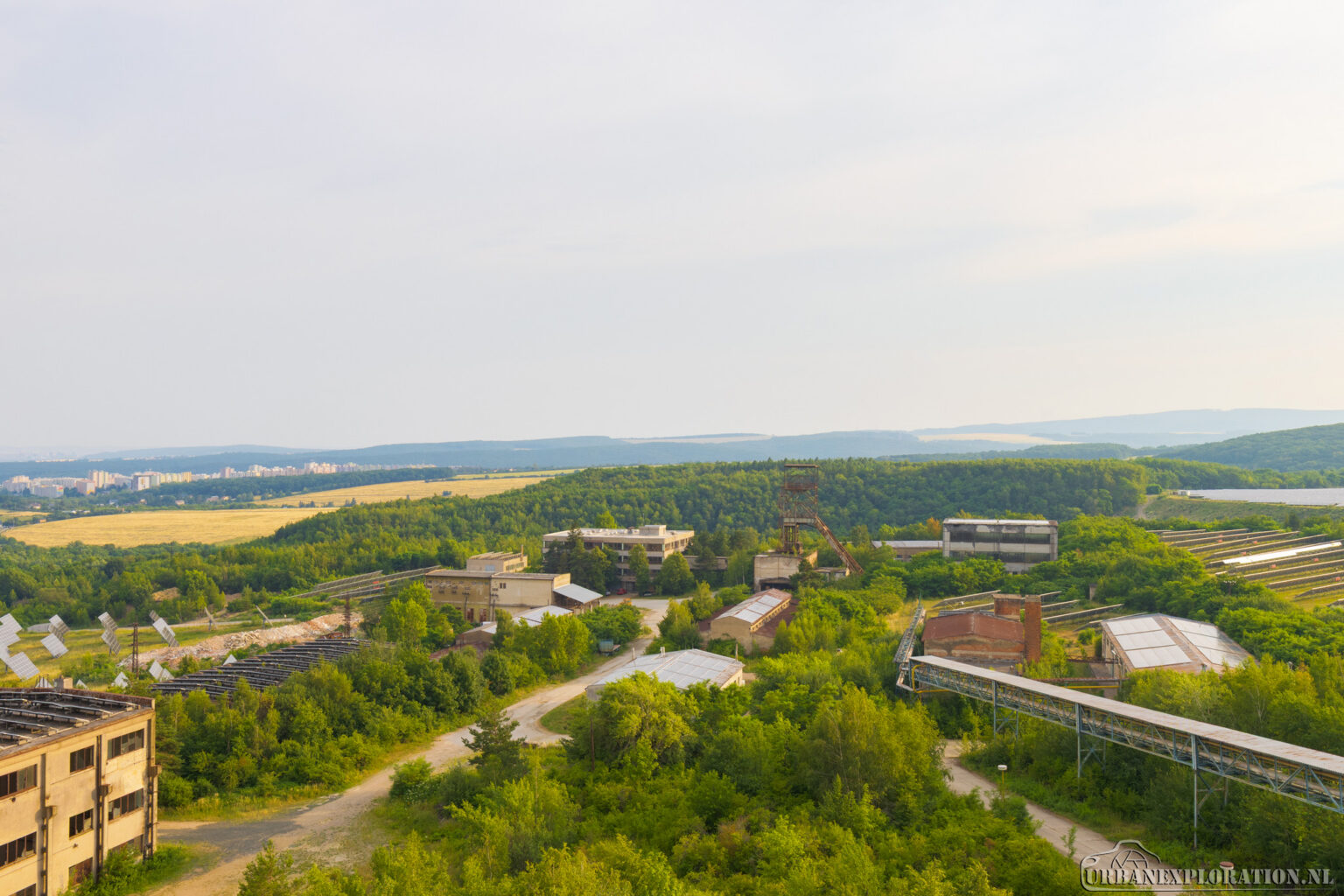
Hidden among the hills of Slovakia lies the remains of a vast industrial complex once dedicated to the extraction and processing of magnesite. For almost a century, miners worked here to recover a mineral that became an important raw material for heavy industry.
The history of the mine reaches back to the beginning of the twentieth century. Industrial exploitation of the deposit started around 1901, while geological exploration continued during the following years. Initially, the magnesite could be reached close to the surface, allowing much of the early extraction to take place in large open quarries.
Magnesite, or magnesium carbonate, is particularly valuable because after processing it can be used to manufacture highly heat-resistant materials. These refractory products were essential for furnaces used by the iron and steel industries.
As mining expanded, the easily accessible deposits near the surface gradually became insufficient. Underground mining had already begun on a smaller scale in 1929, but the site underwent a much larger transformation during the 1960s. Between 1965 and 1970, extensive underground workings were developed to reach deeper sections of the deposit. A new fourth mining level was opened in 1968.
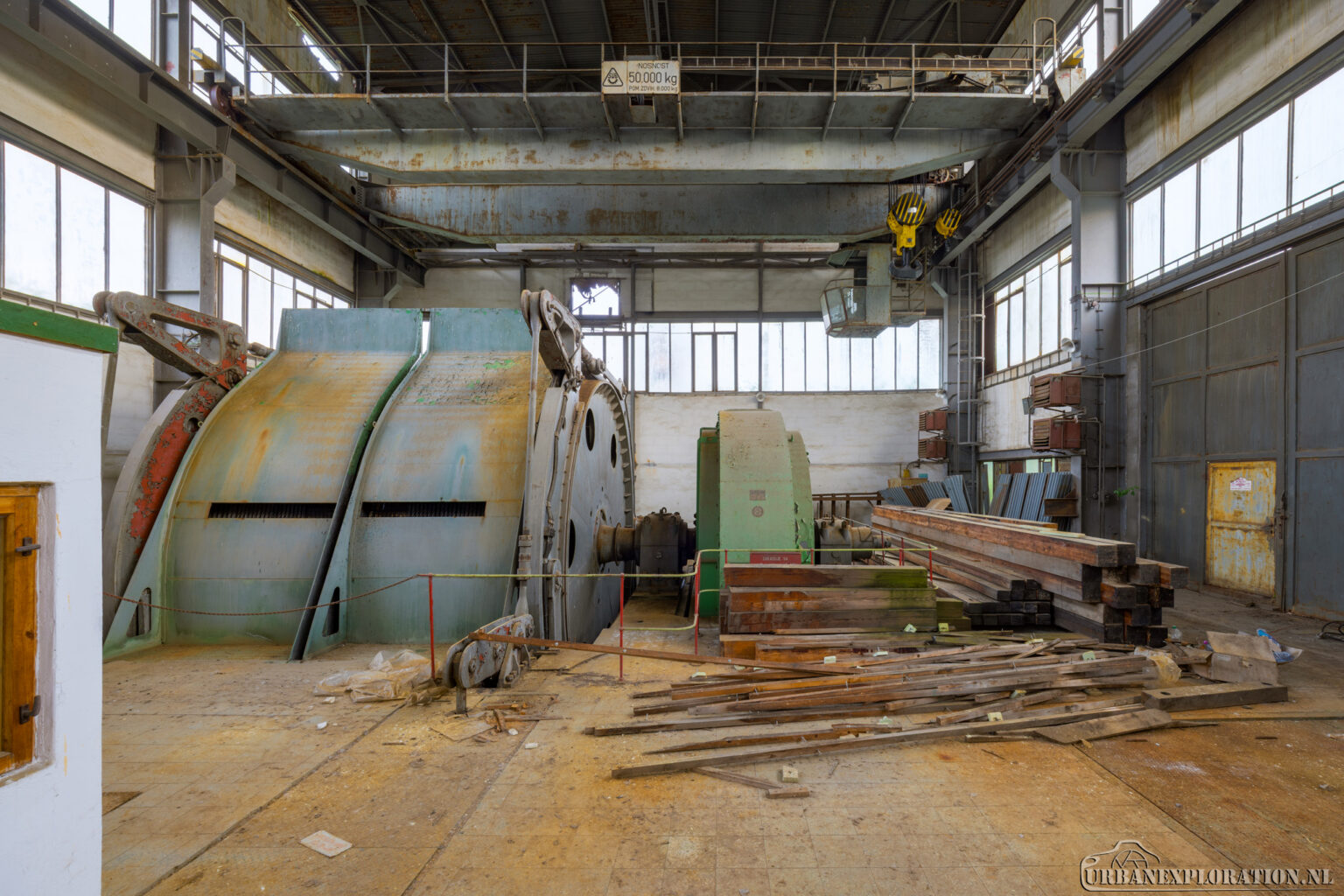
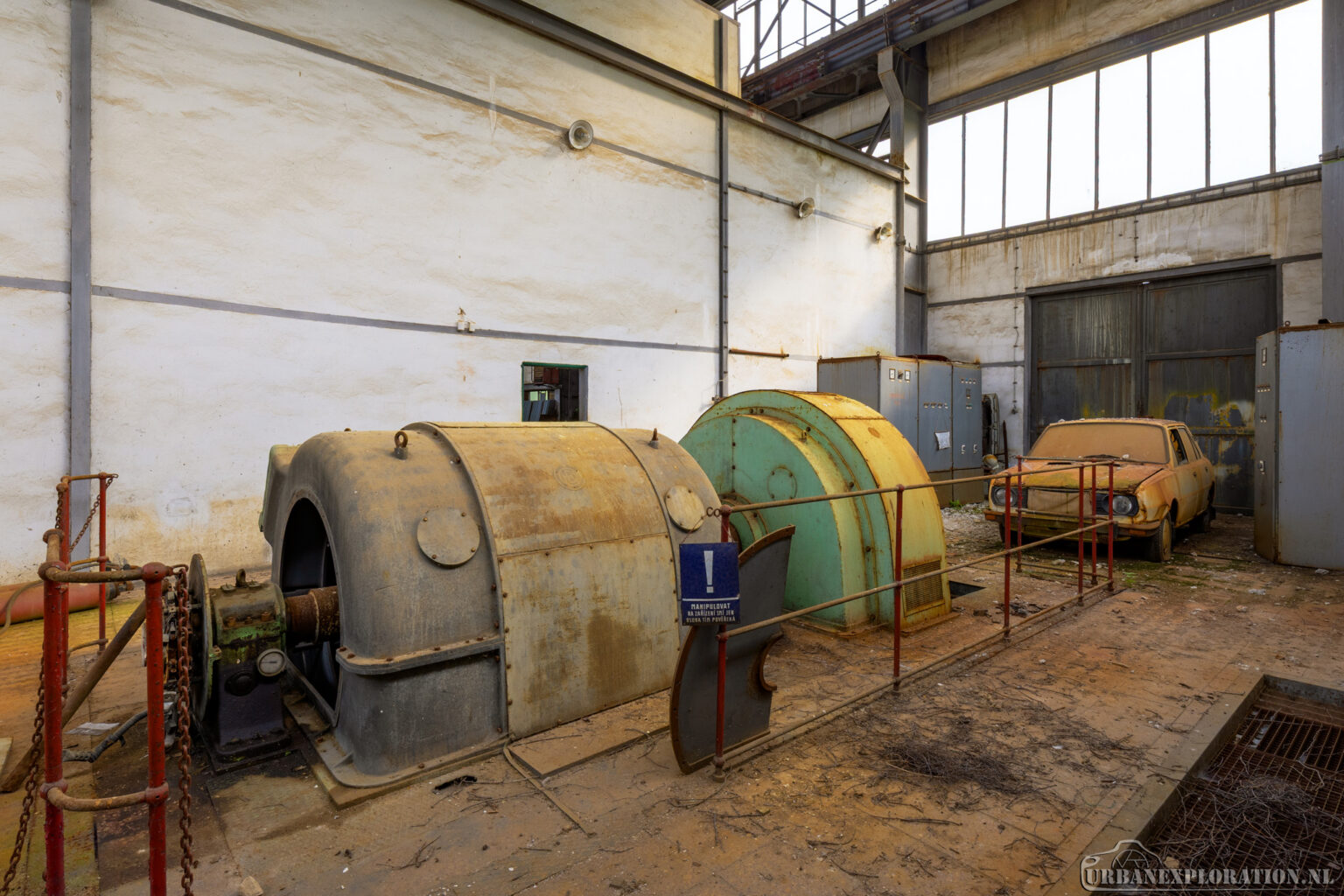
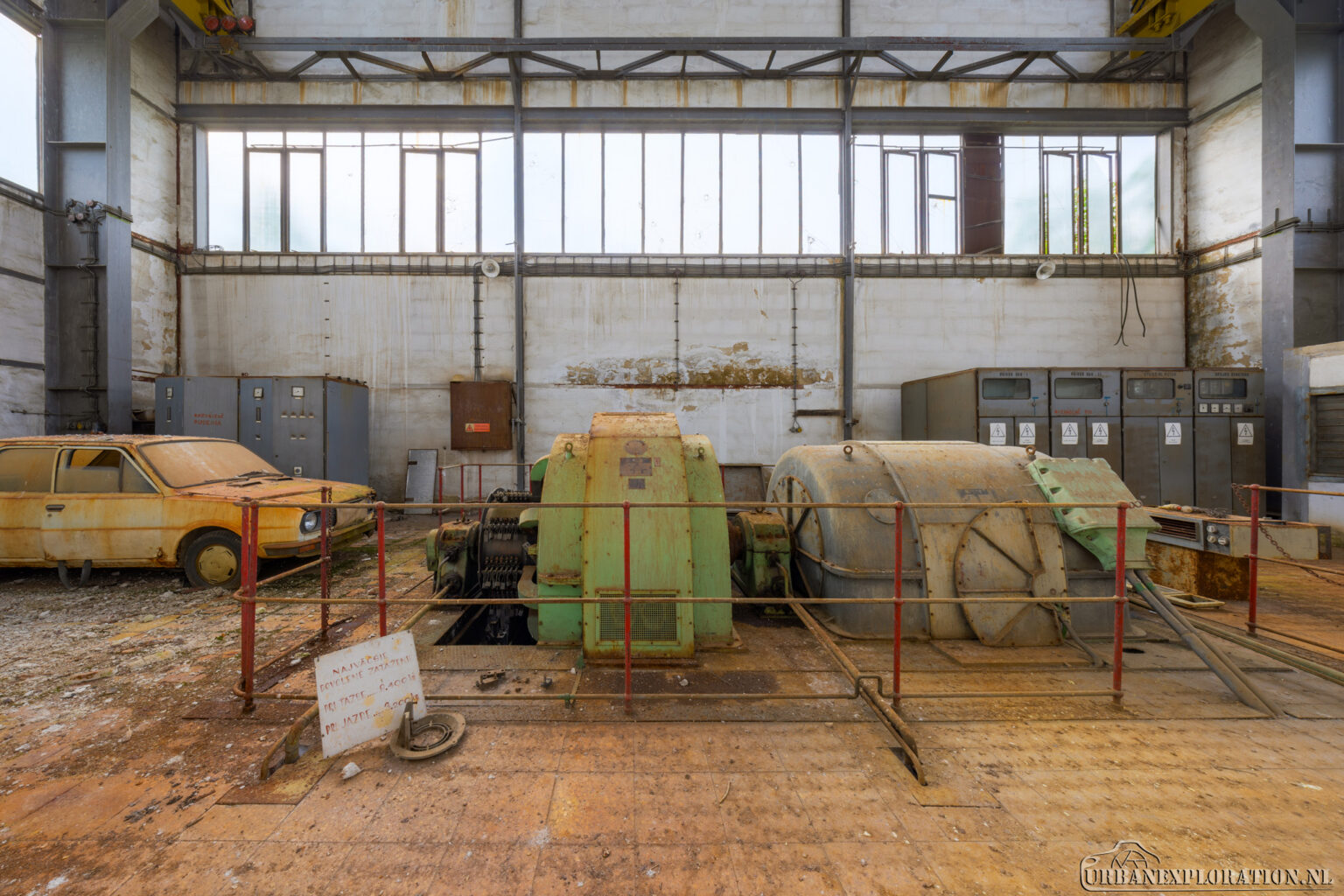
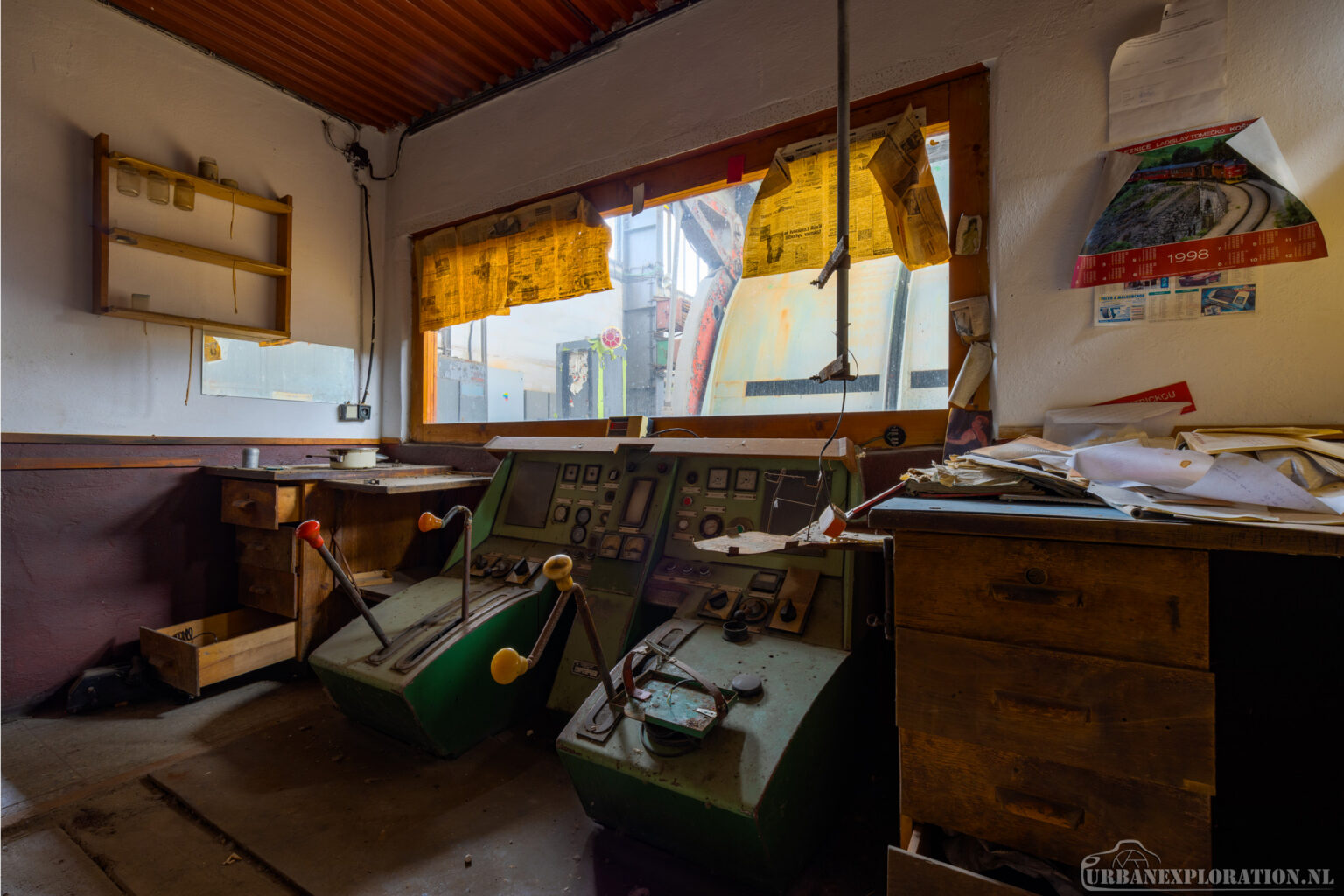
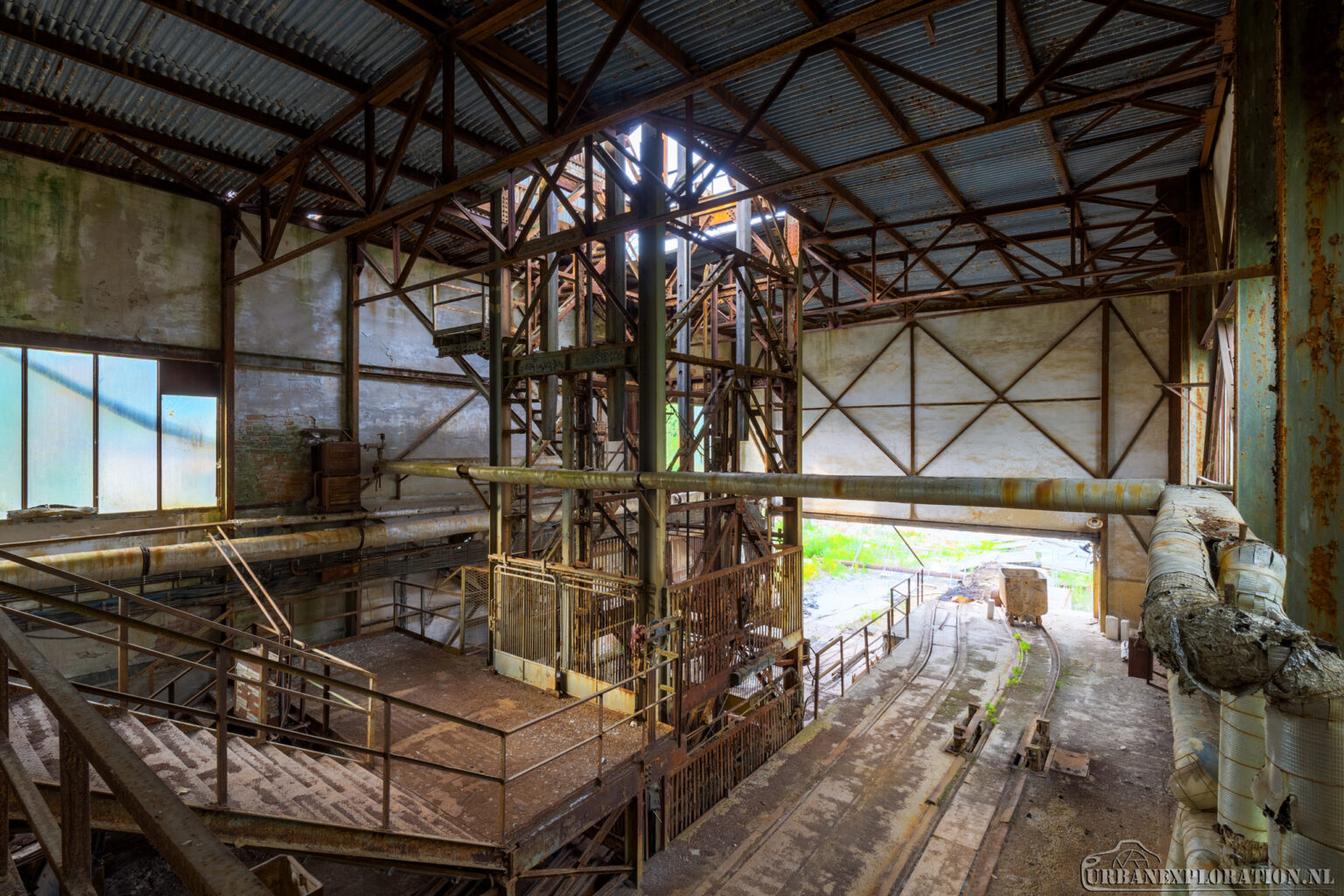
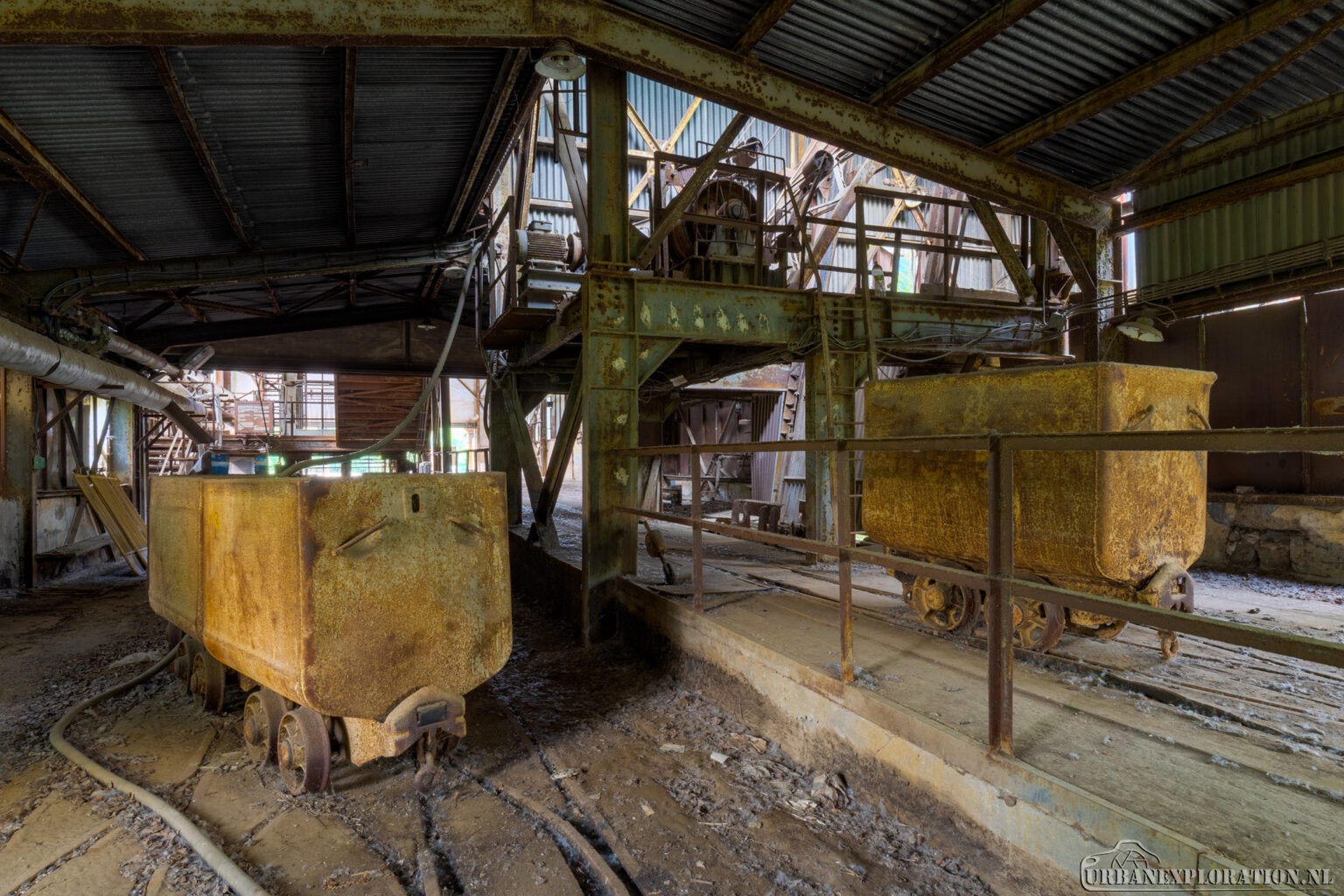
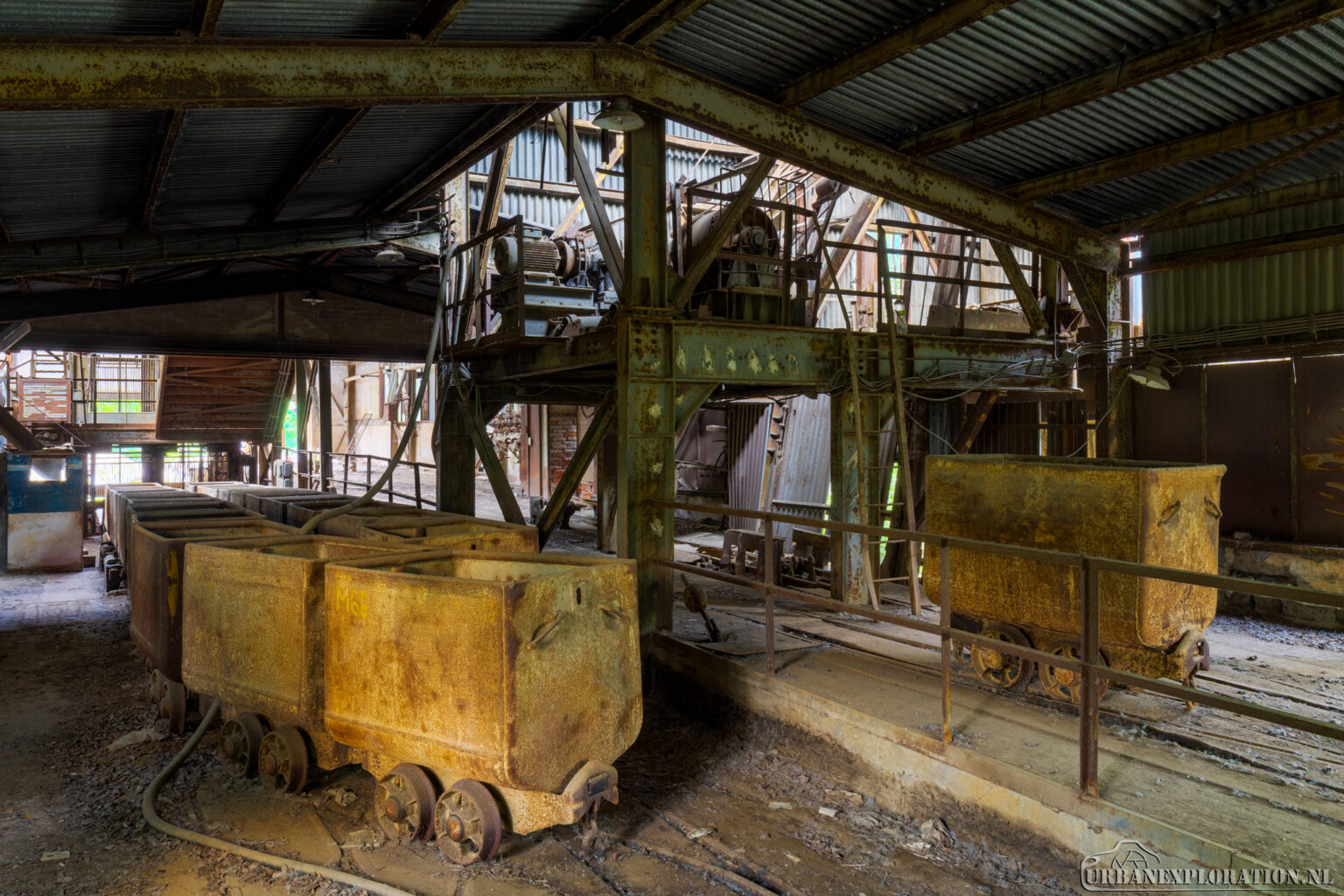
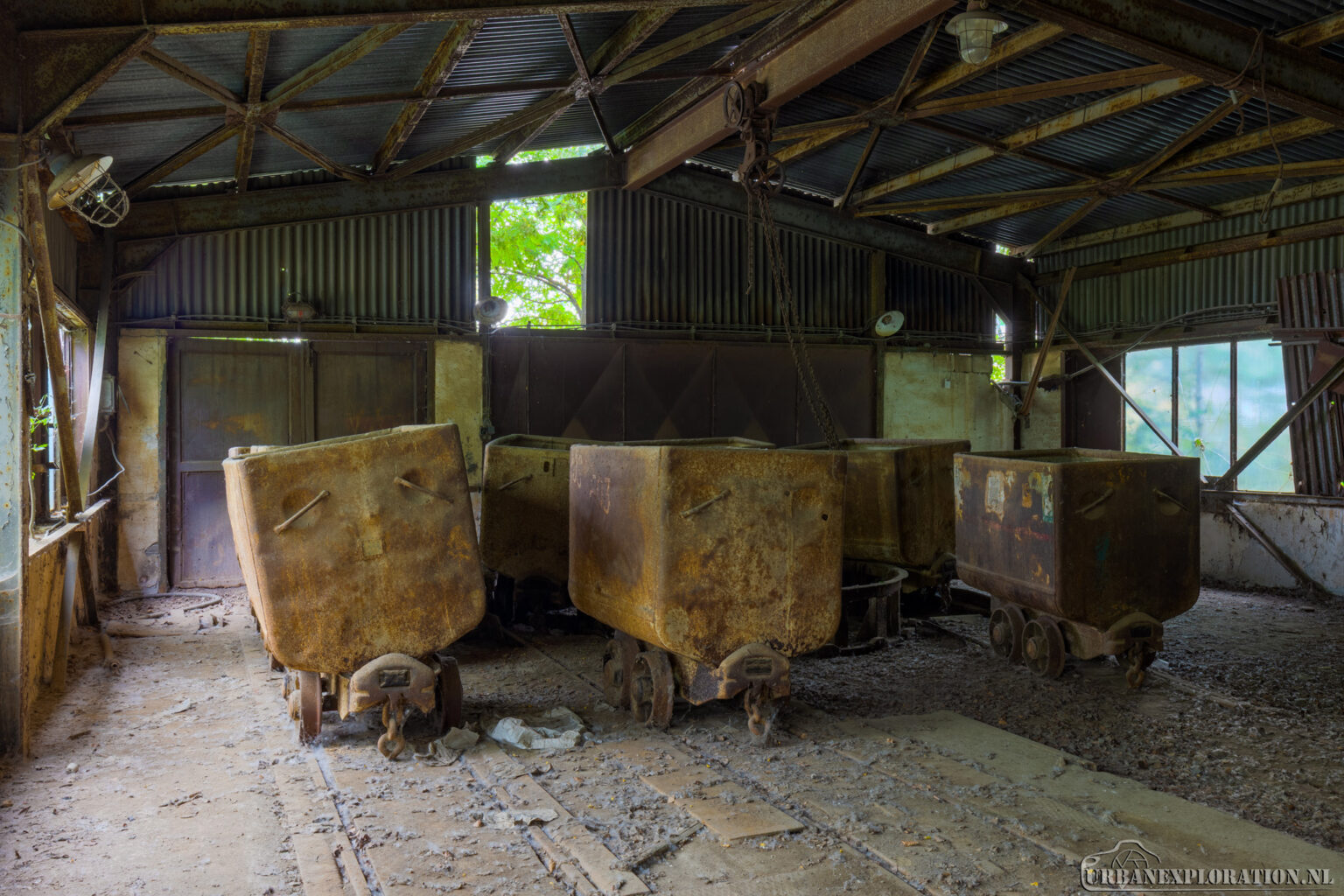
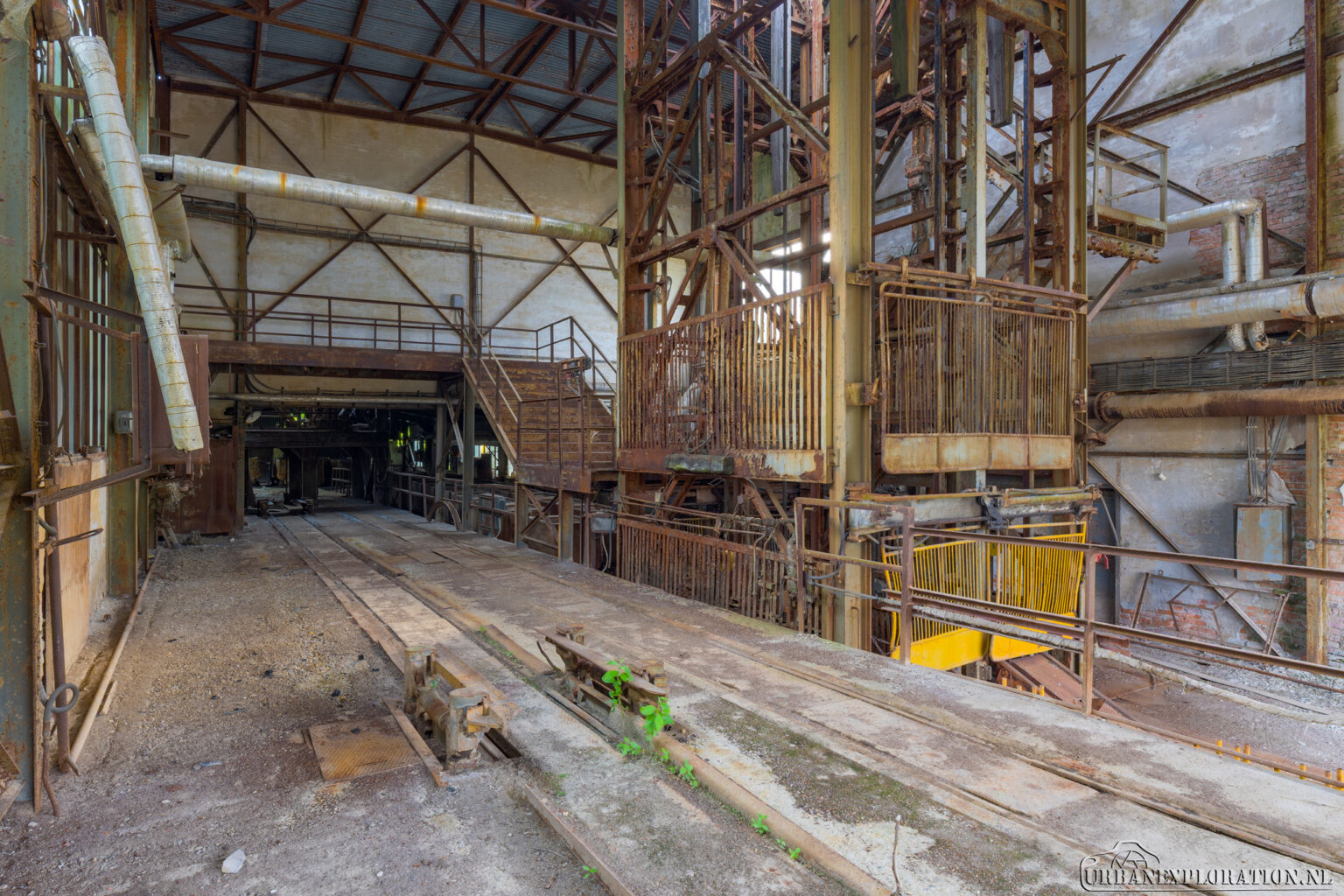
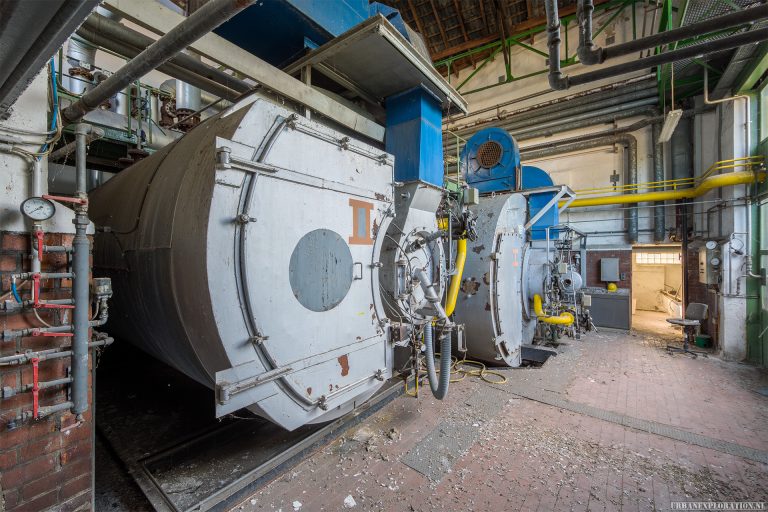
Above ground, an extensive industrial landscape developed around the mine. Shaft buildings, headframes, processing installations, workshops and covered conveyor systems were constructed to handle the enormous quantities of rock brought to the surface.
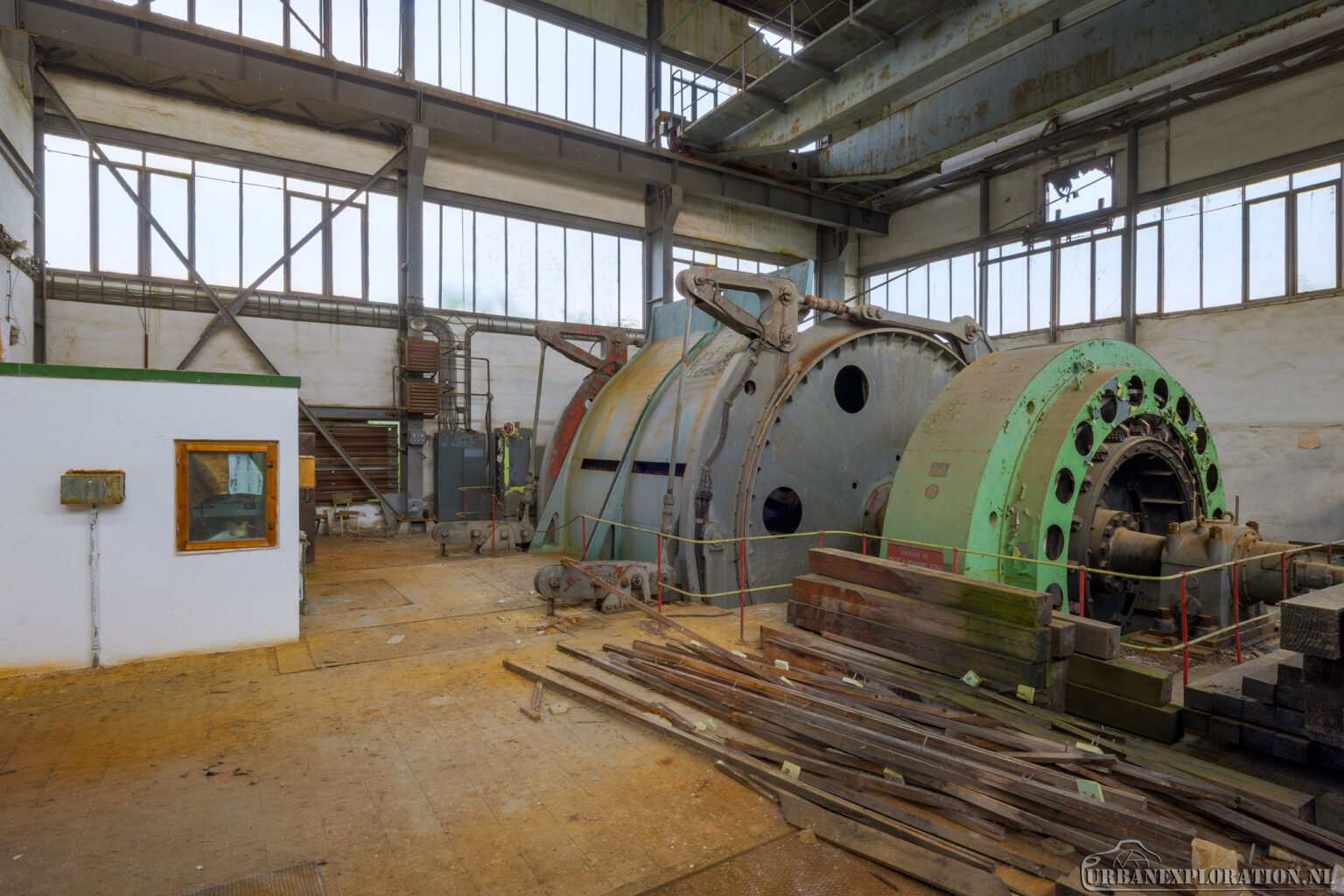
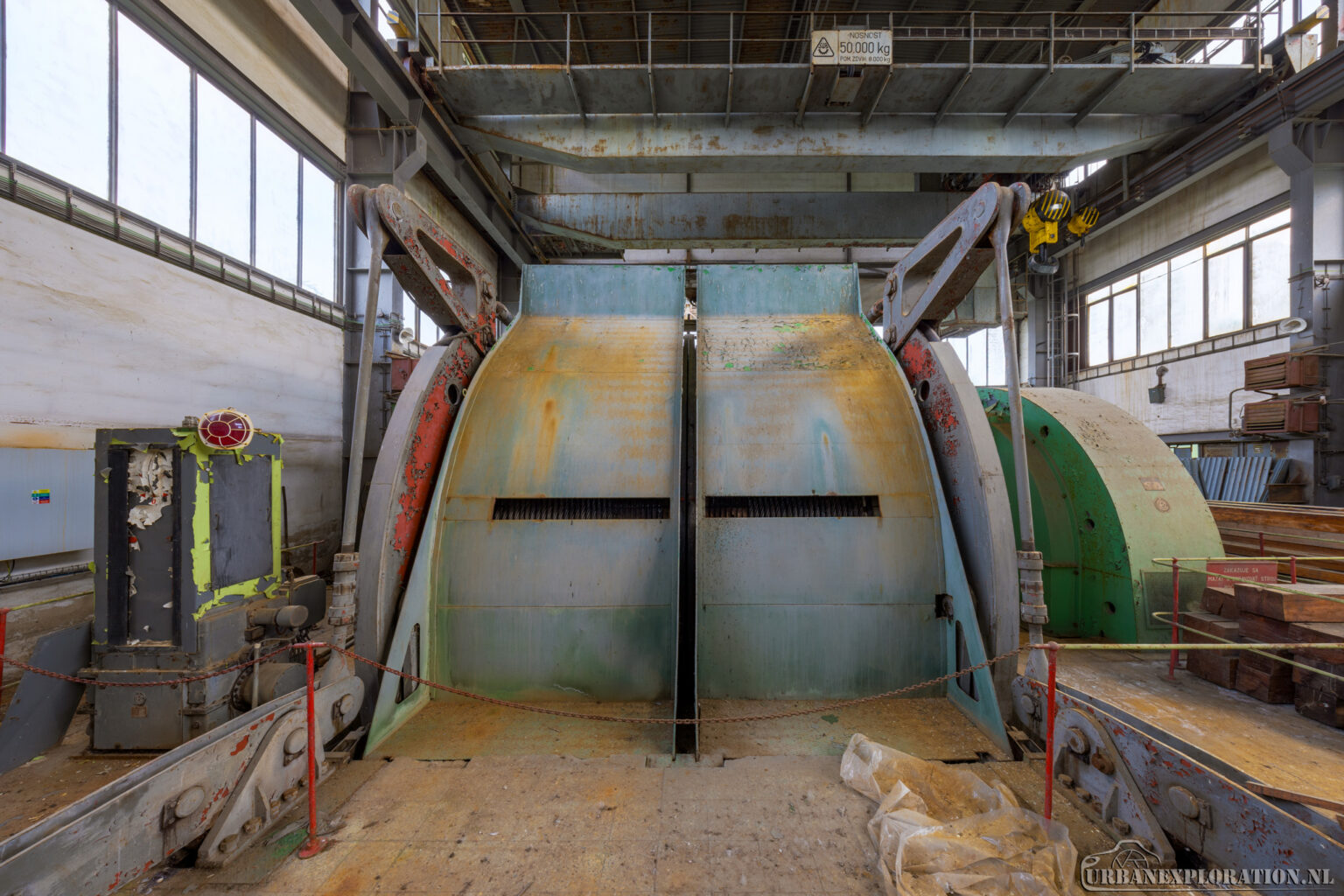
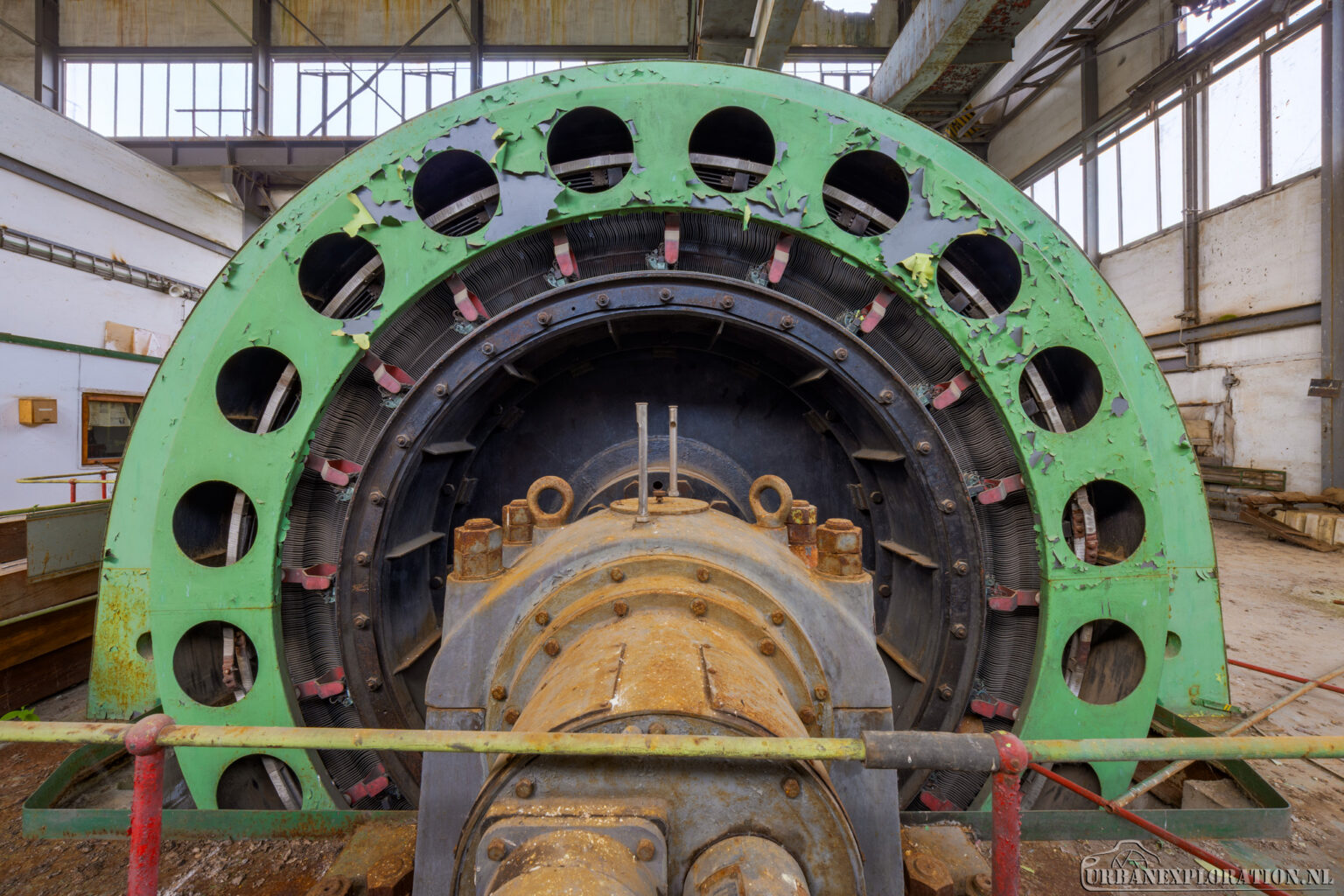
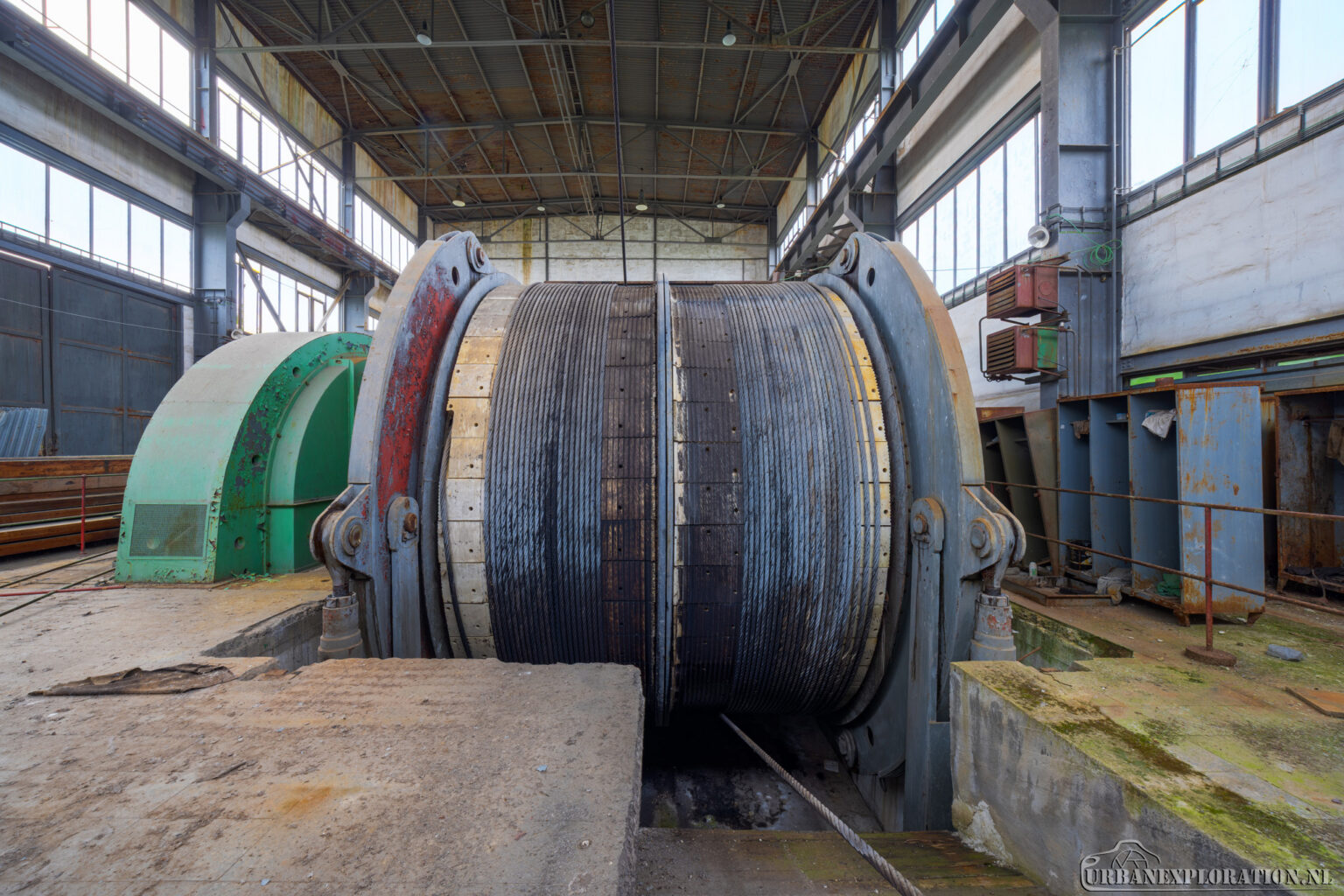
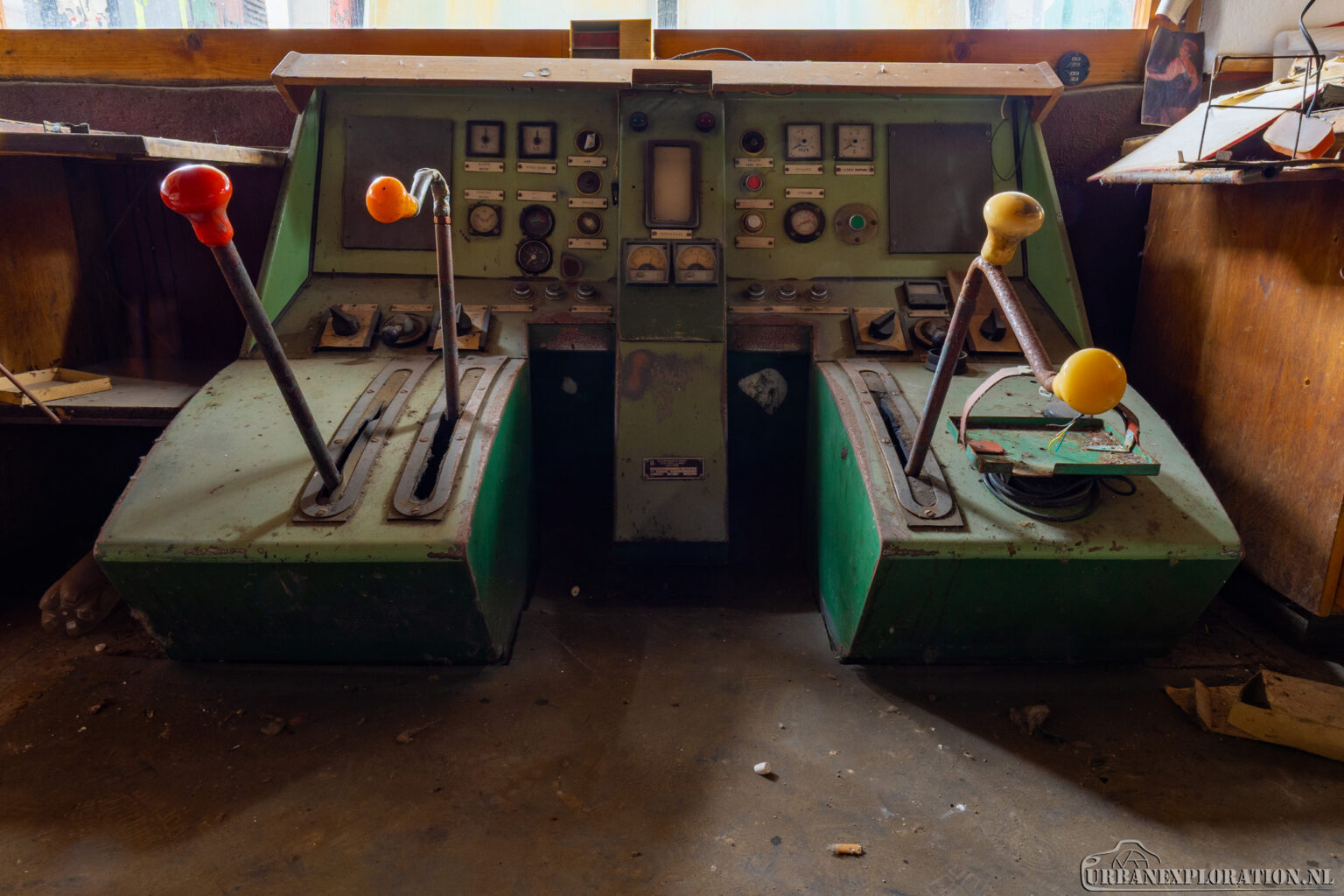
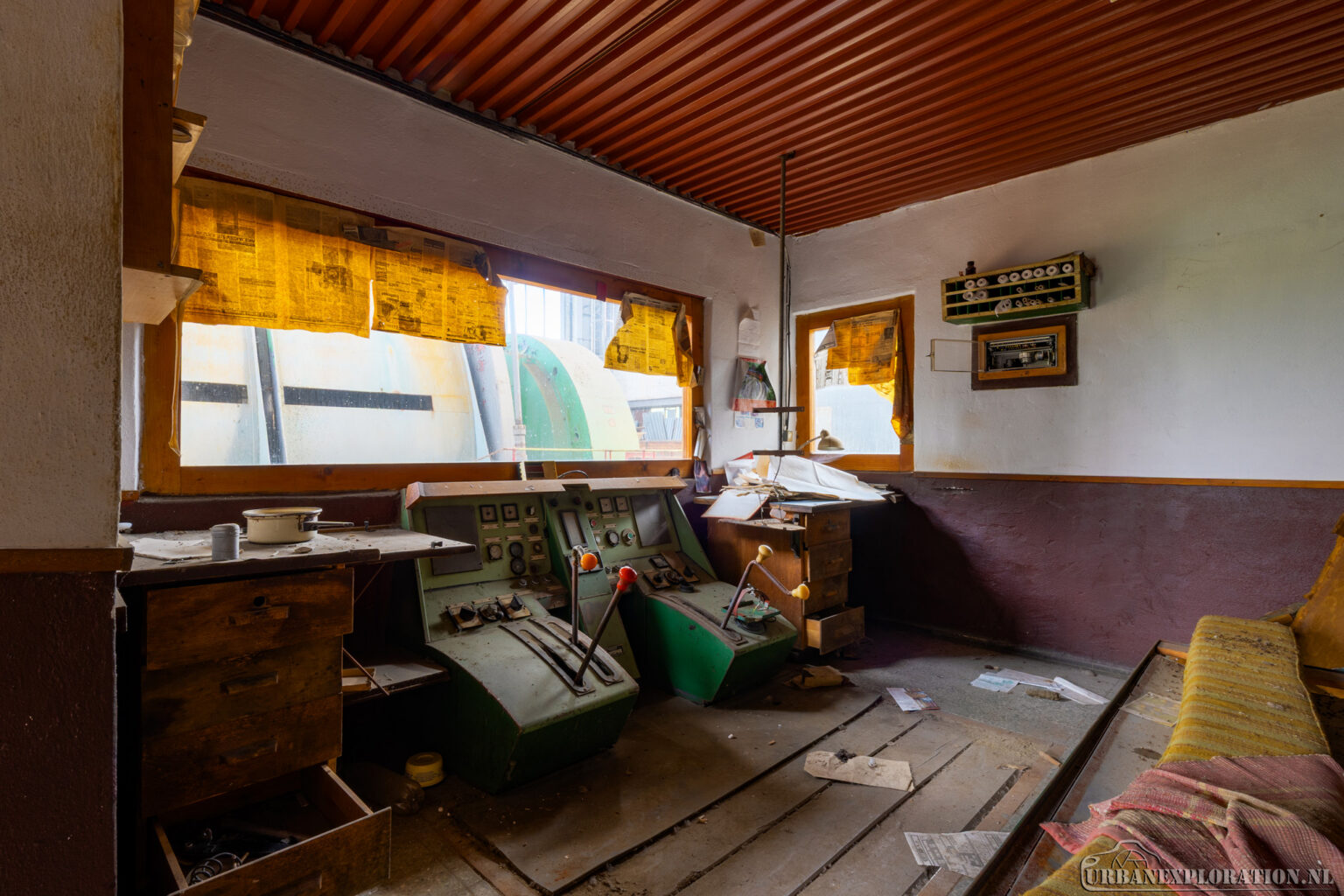
The large headframe still dominating the abandoned complex is one of the clearest reminders of this period. Its winding system once transported miners, equipment and extracted material between the surface and the underground workings.
The raw magnesite also had to be transported for further processing. In the earliest years it was carried through the city by horse-drawn wagons. After the Second World War, the operation became considerably more industrialised. A new processing plant began trial operation in 1951, and a cableway designed in 1949 transported raw material directly from the mine to the plant.
The Second World War had temporarily brought the operation close to disaster. During the retreat of German forces, electrical installations in the area were destroyed. With the pumps no longer operating, the mine flooded. Despite the damage, mining resumed remarkably quickly, with operations restored in May 1945. The company was nationalised later that year.
During the following decades the mine became an important part of the regional magnesite industry. Geological exploration continued ever deeper underground throughout the 1970s, 1980s and into the early 1990s.
But the mine did not close because the deposit had simply been exhausted.
Studies of the underground deposit indicated enormous quantities of magnesite remained at depth. One later study estimated more than 450 million tonnes of geological reserves below the sixth mining level. Much of this material remains underground today.
Economic and environmental circumstances ultimately changed the future of the complex. The associated processing plant ceased production in 1996, while opening, preparation and extraction activities at the mine were completely stopped in 1999. From 2000 onward there was no regular exploration or concentrate production at the deposit.