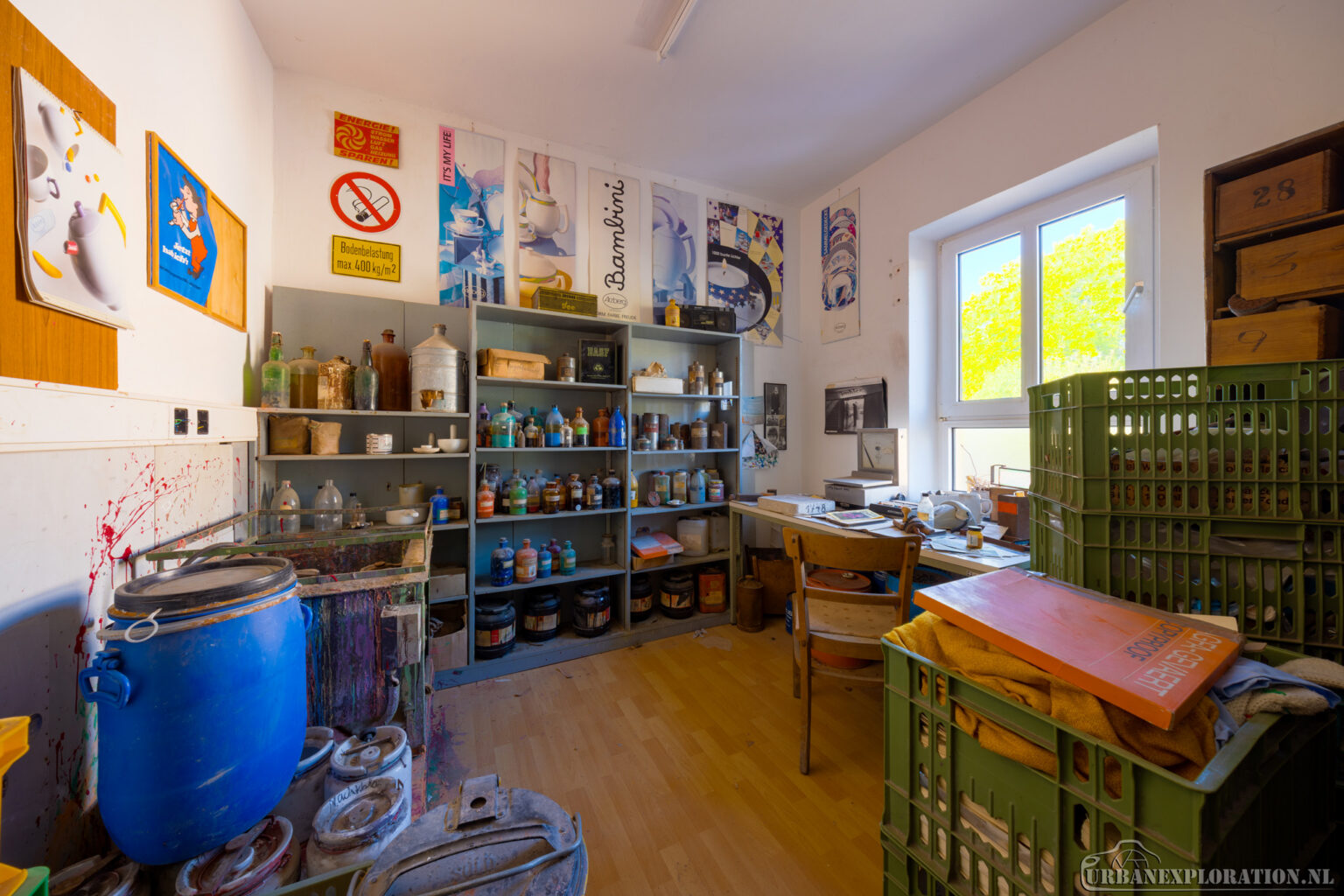
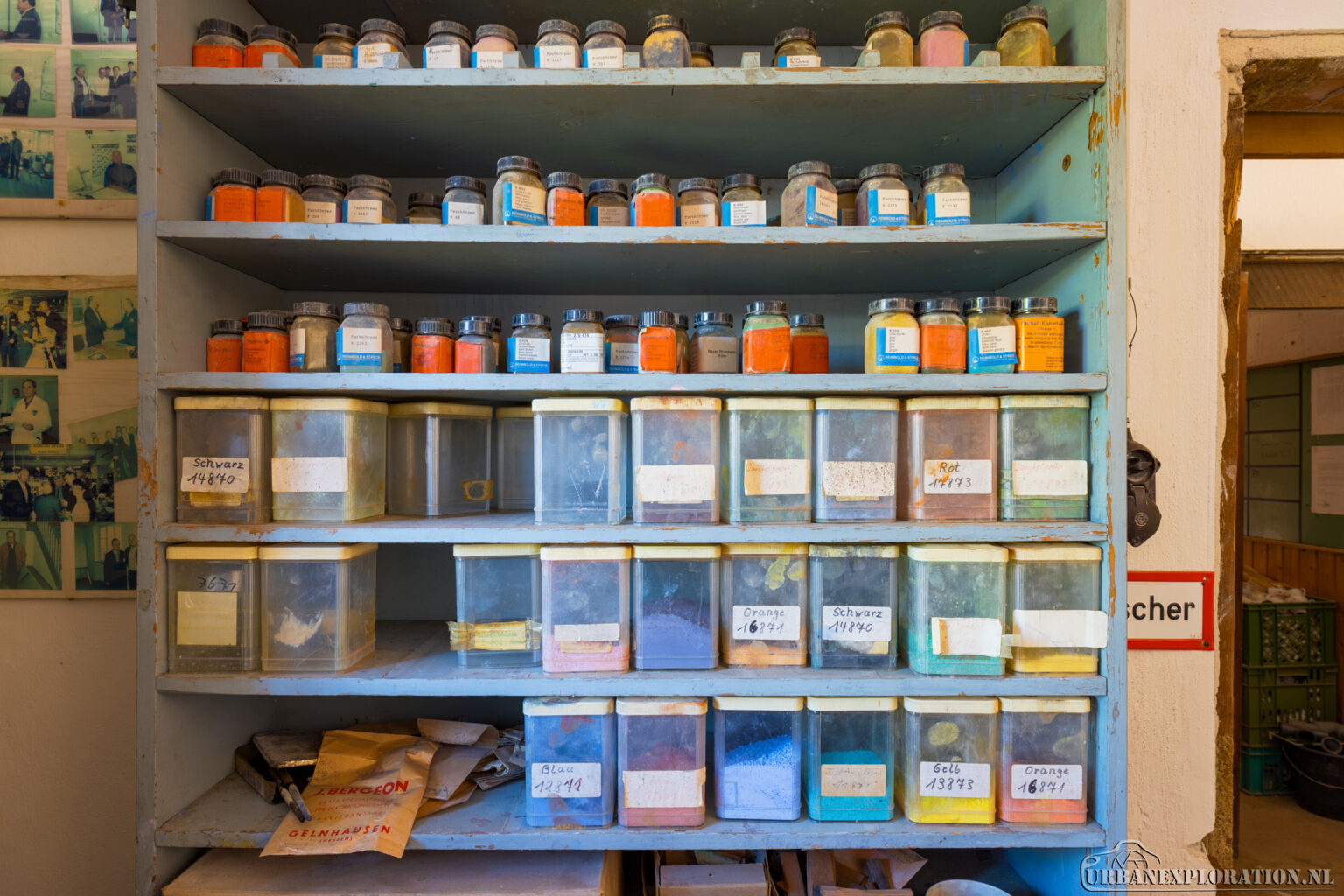
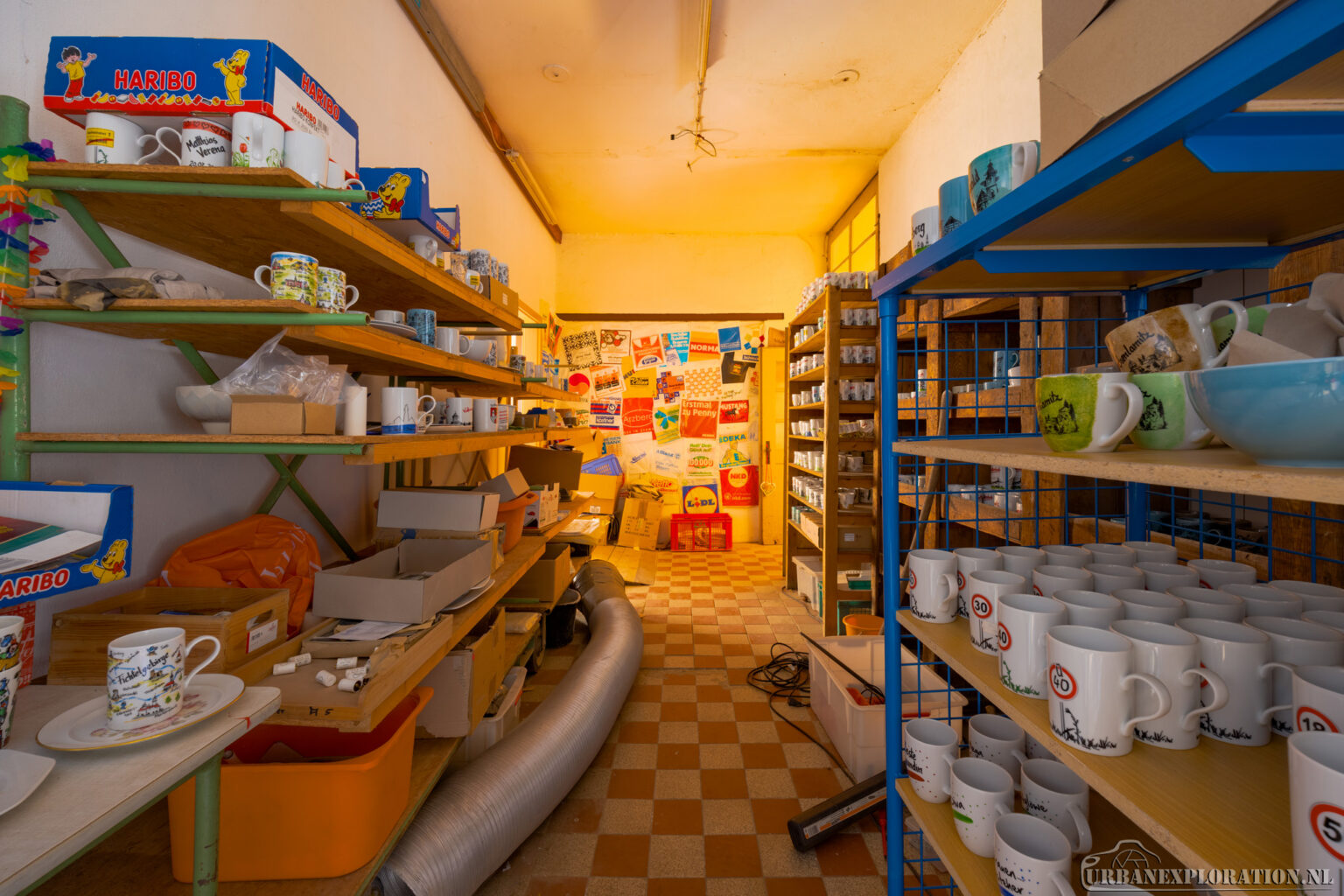
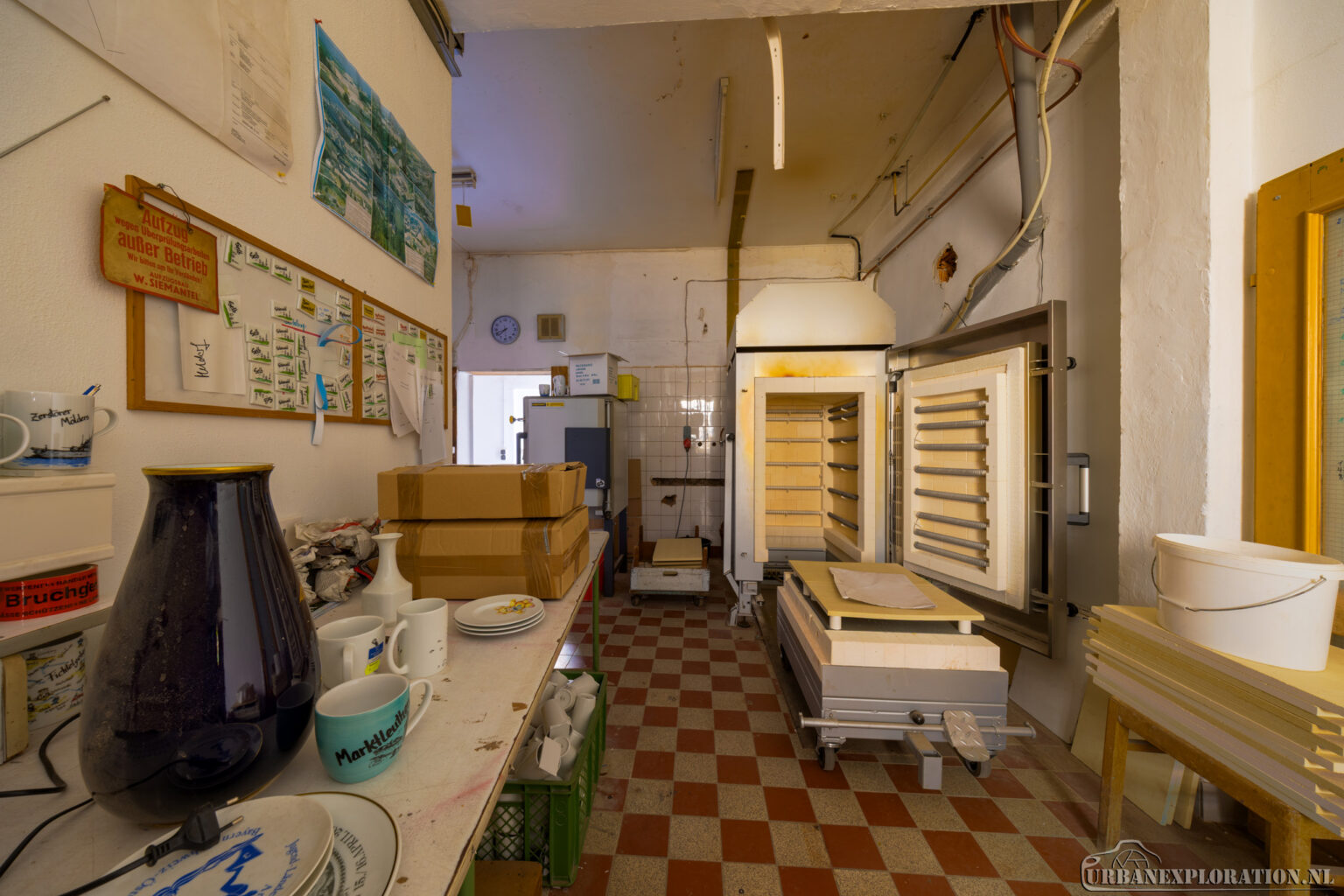
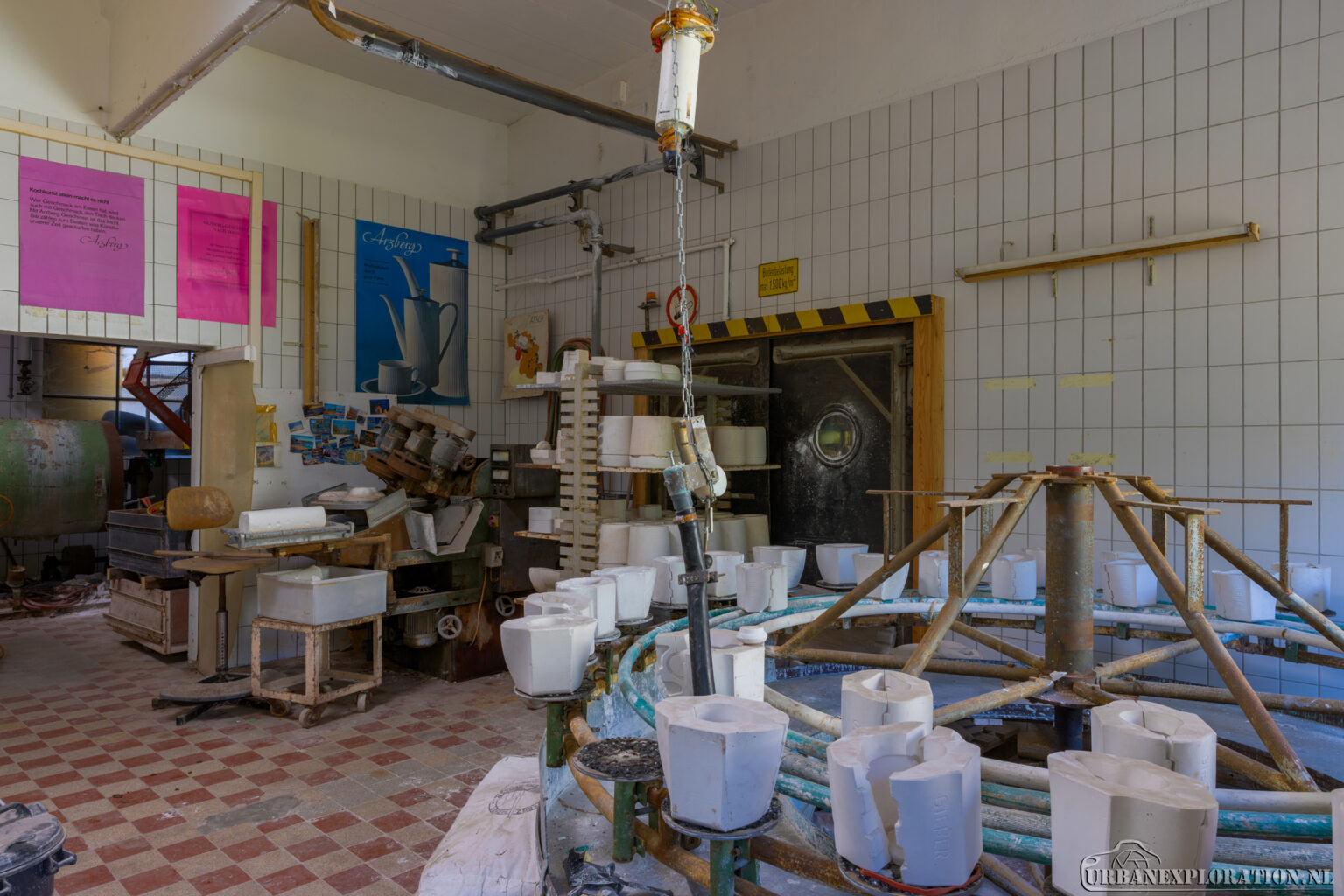
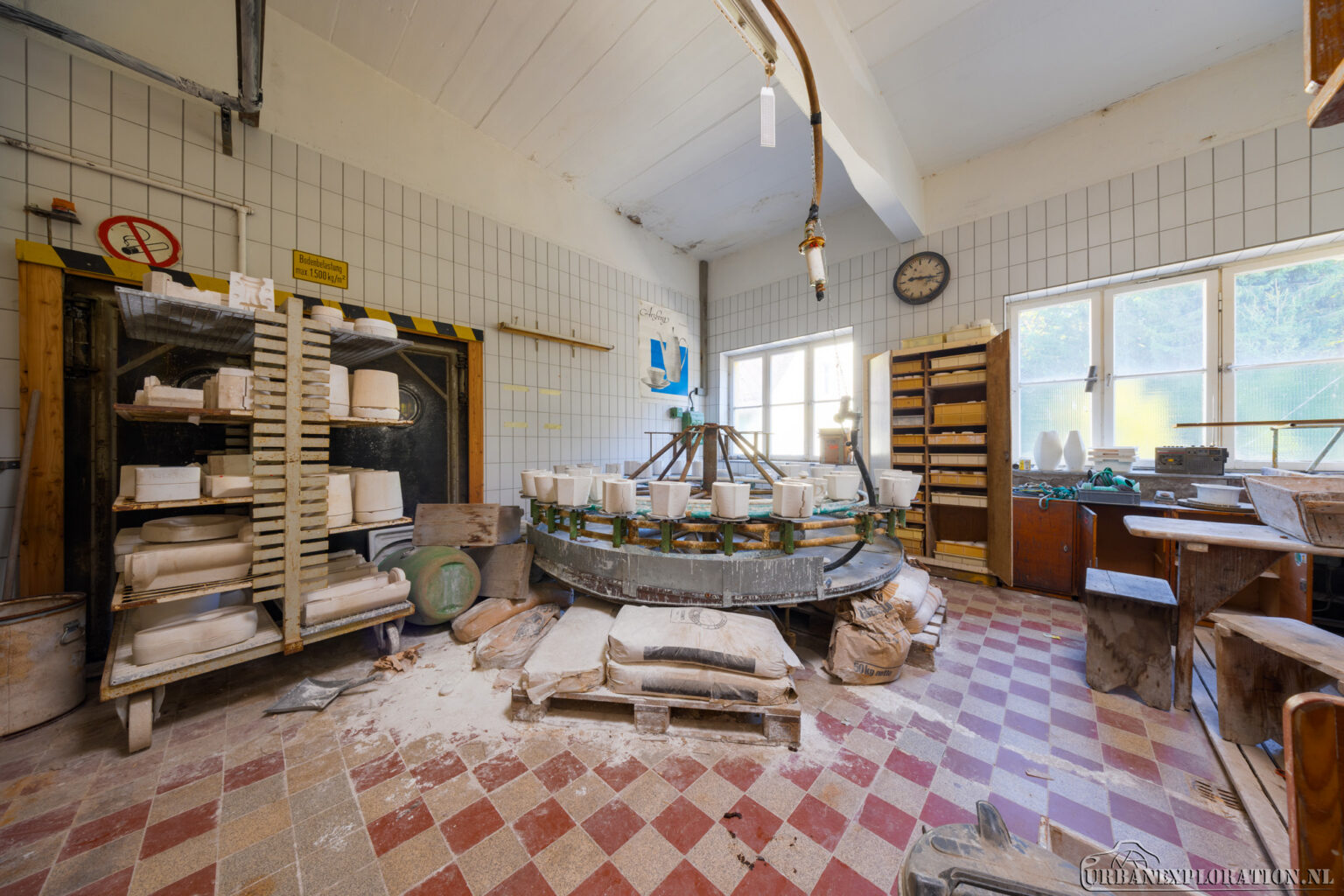
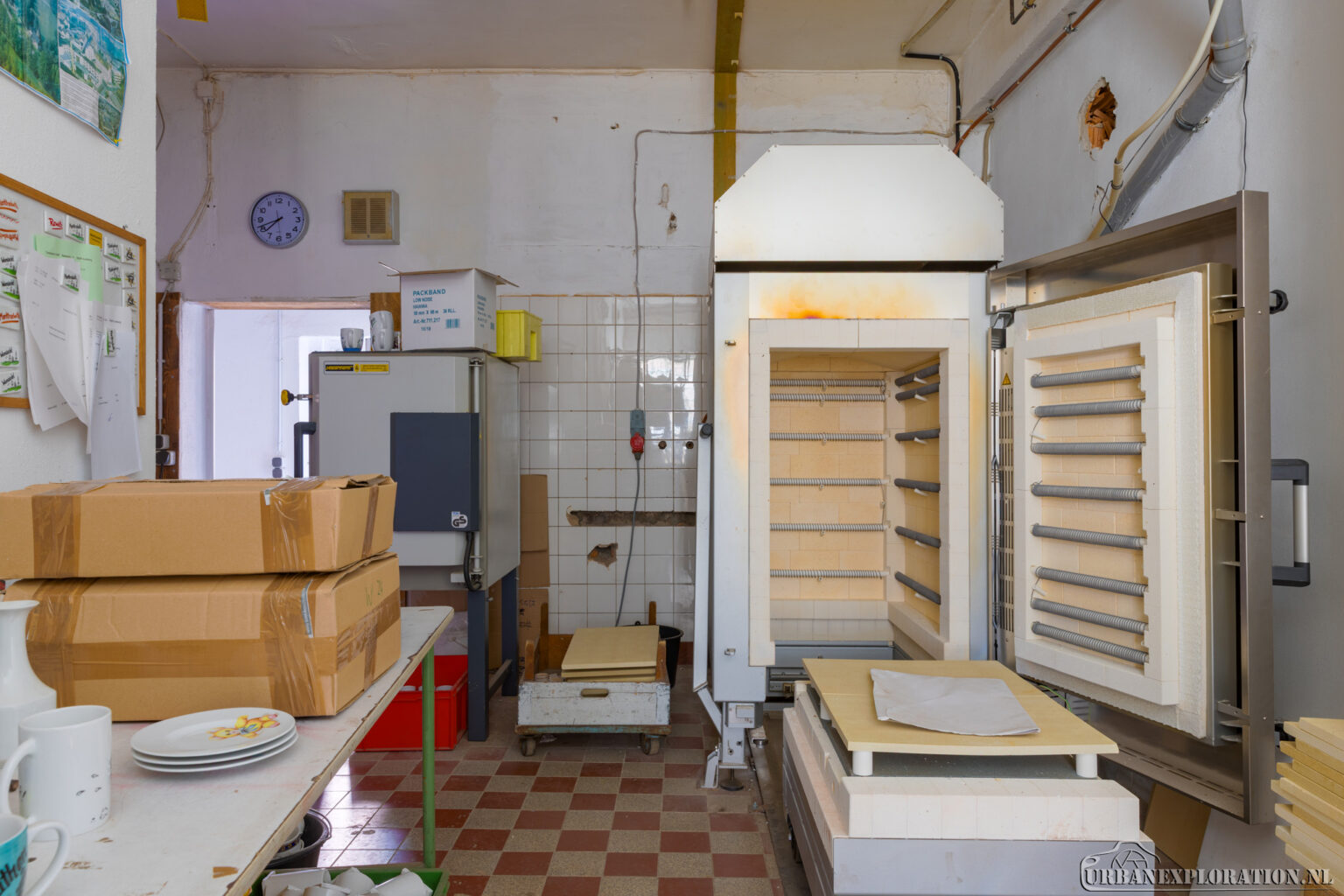
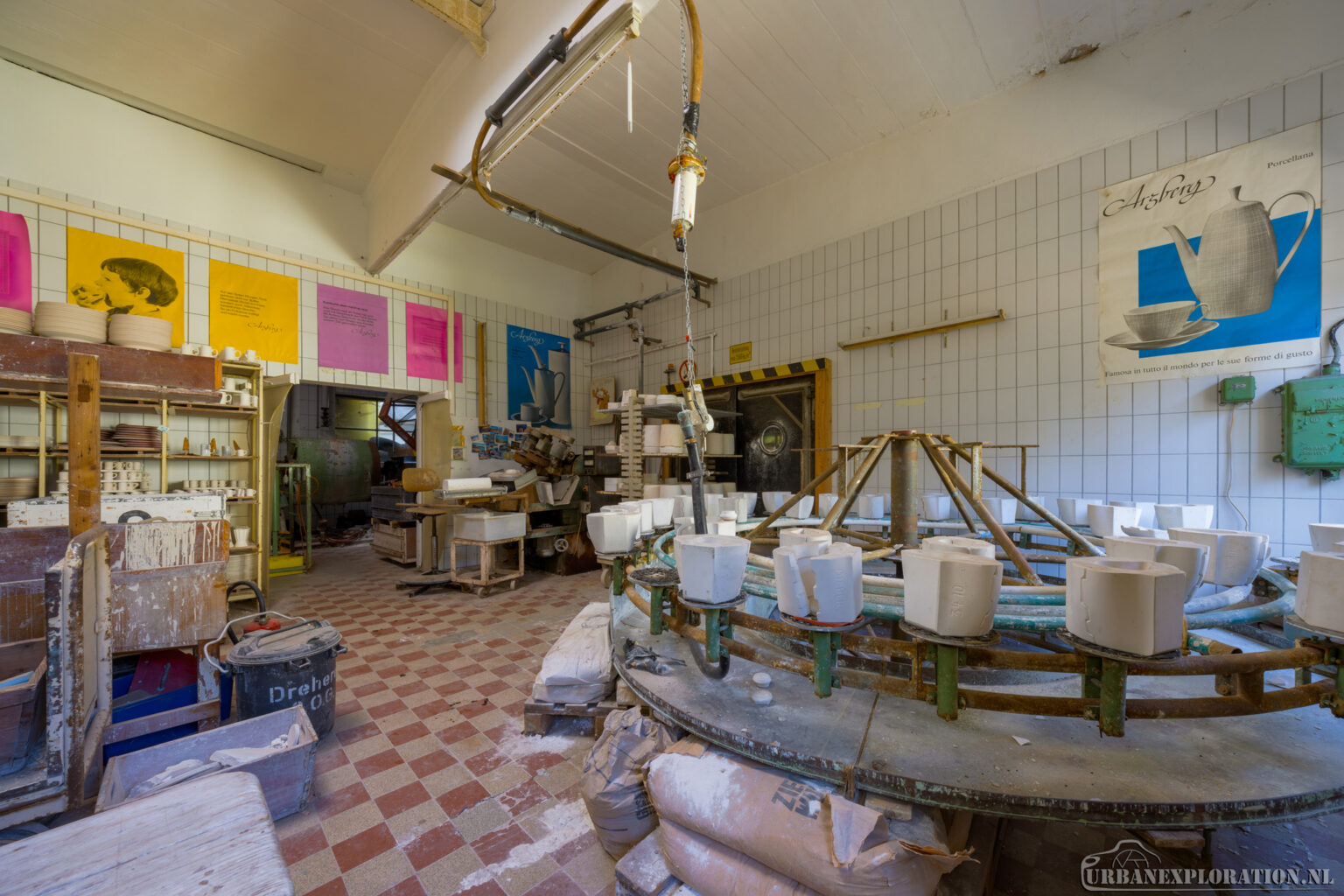
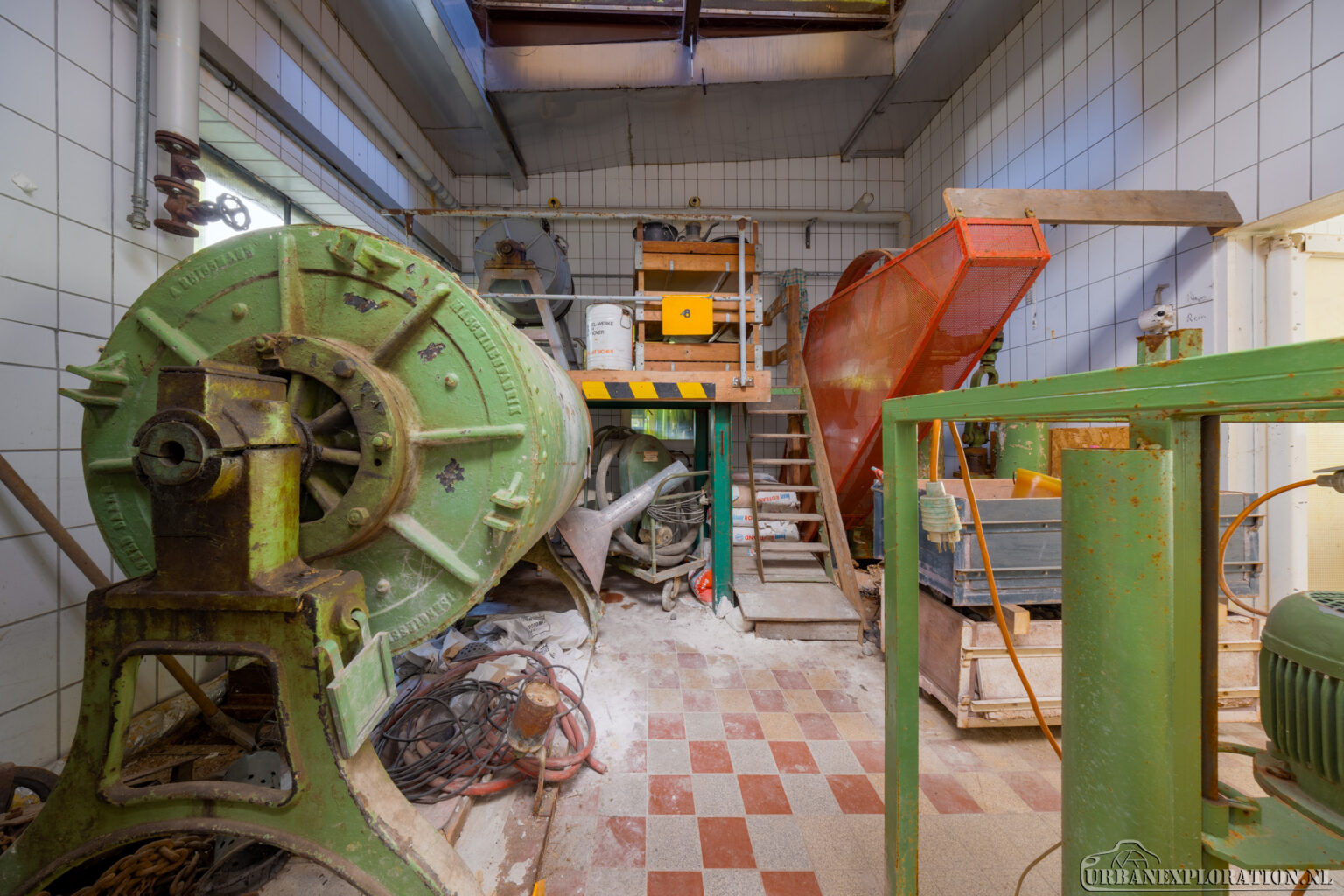
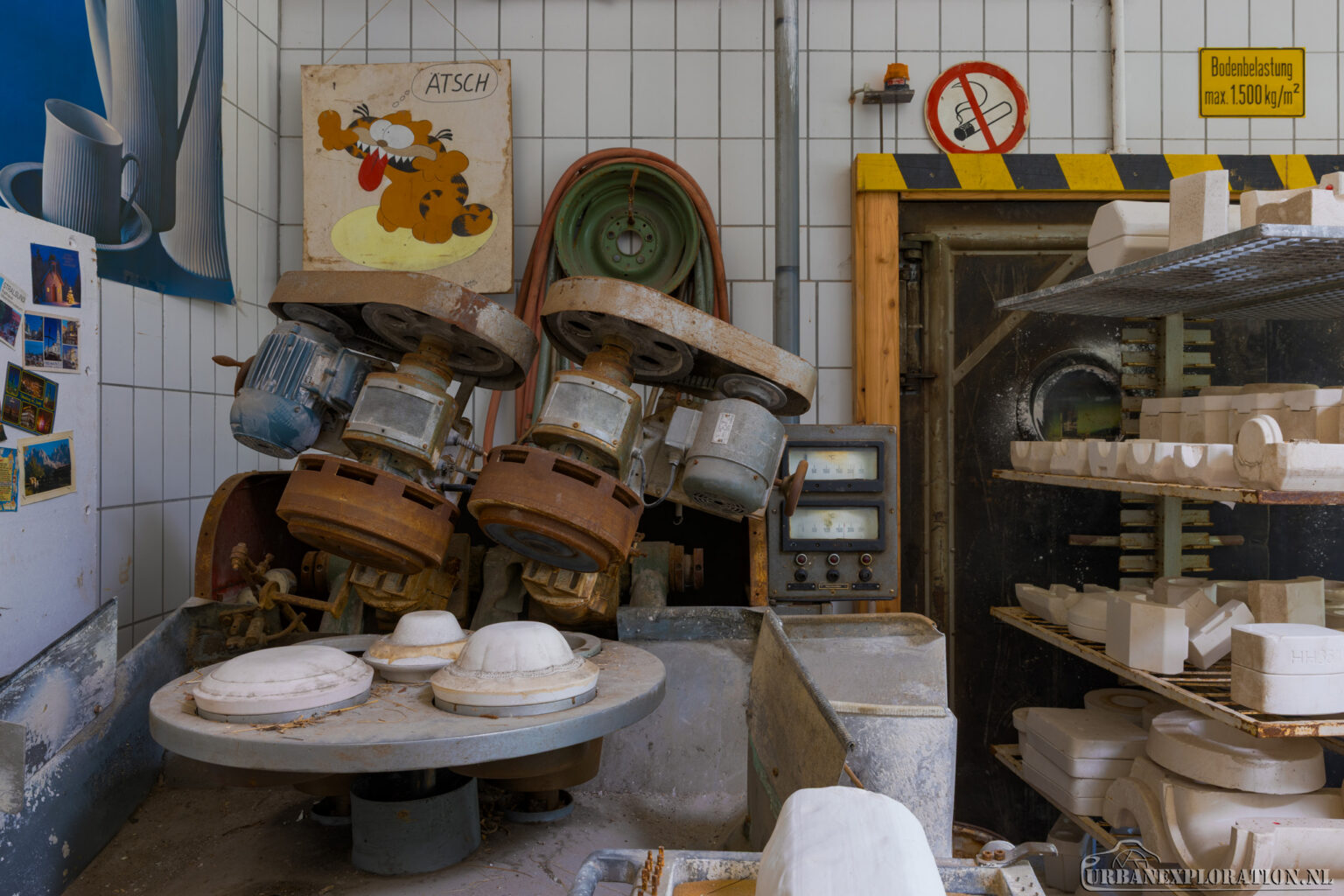
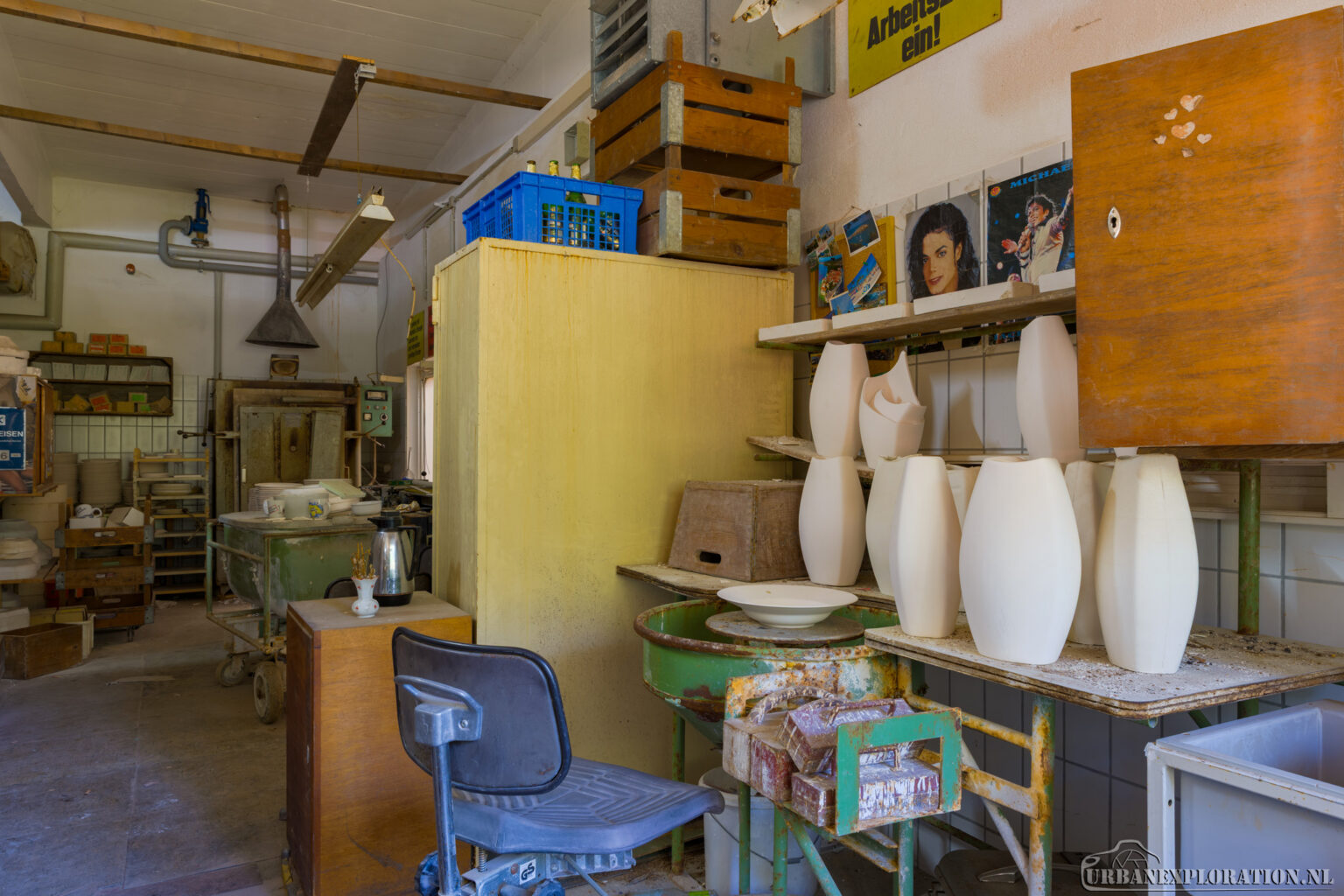
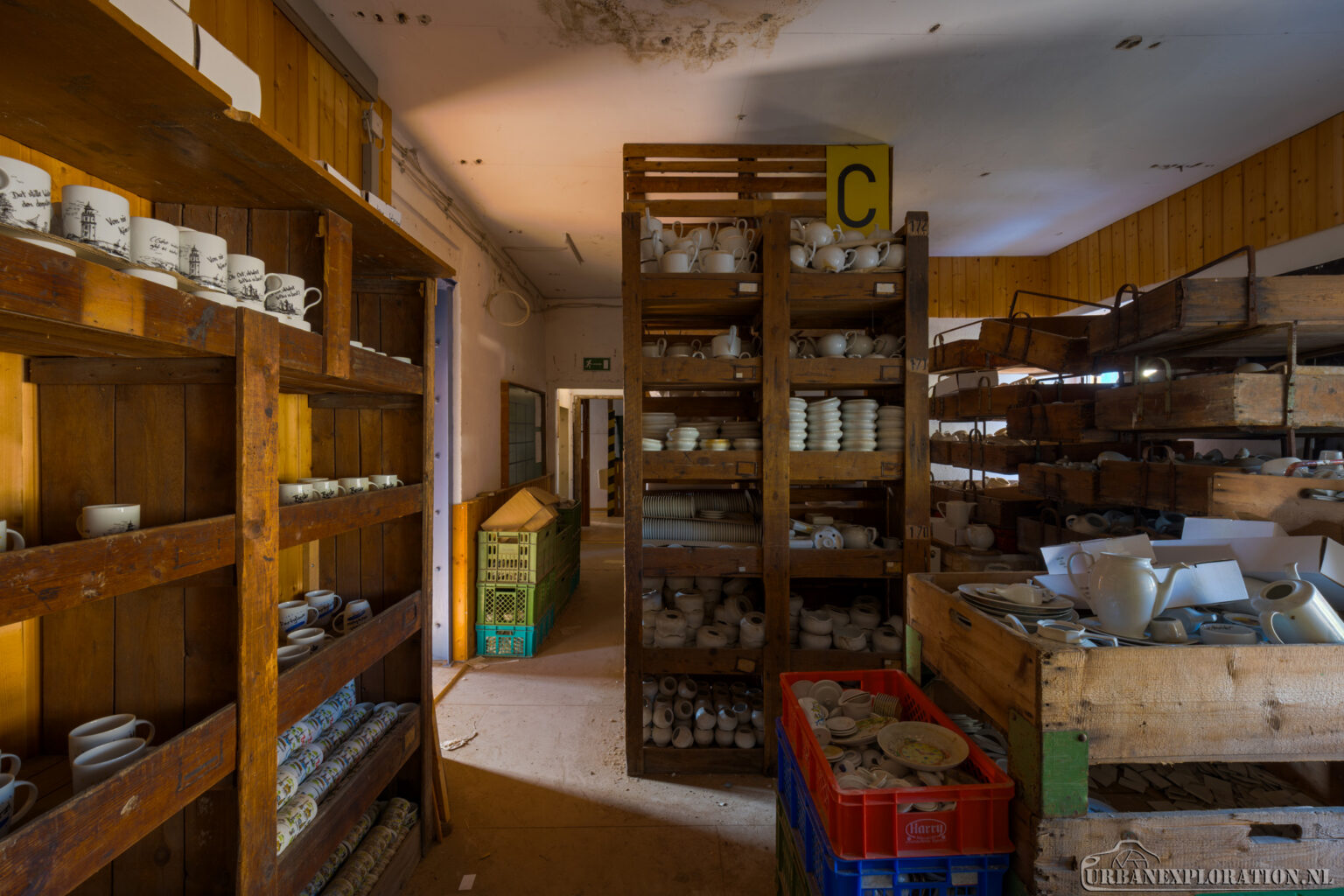
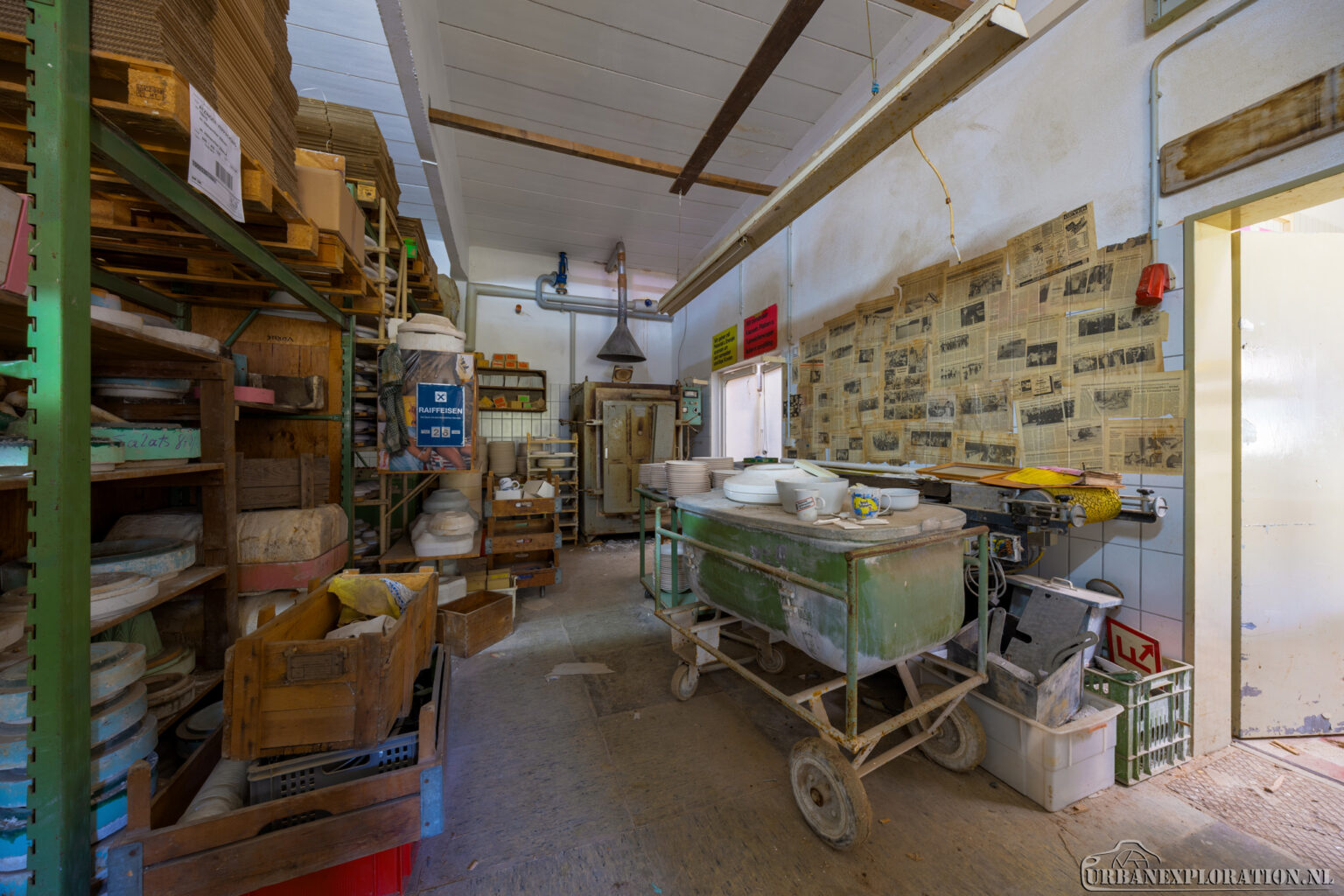
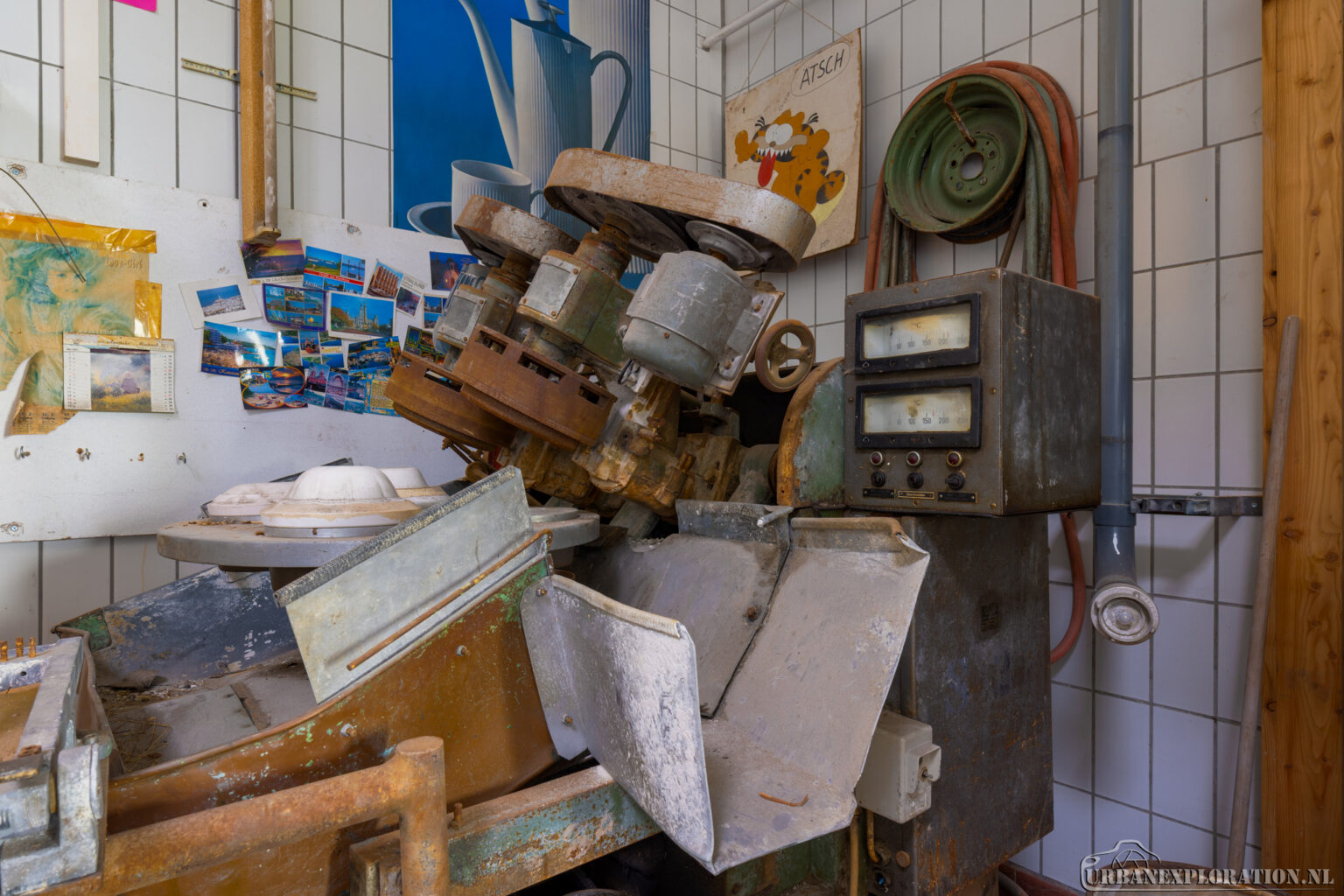
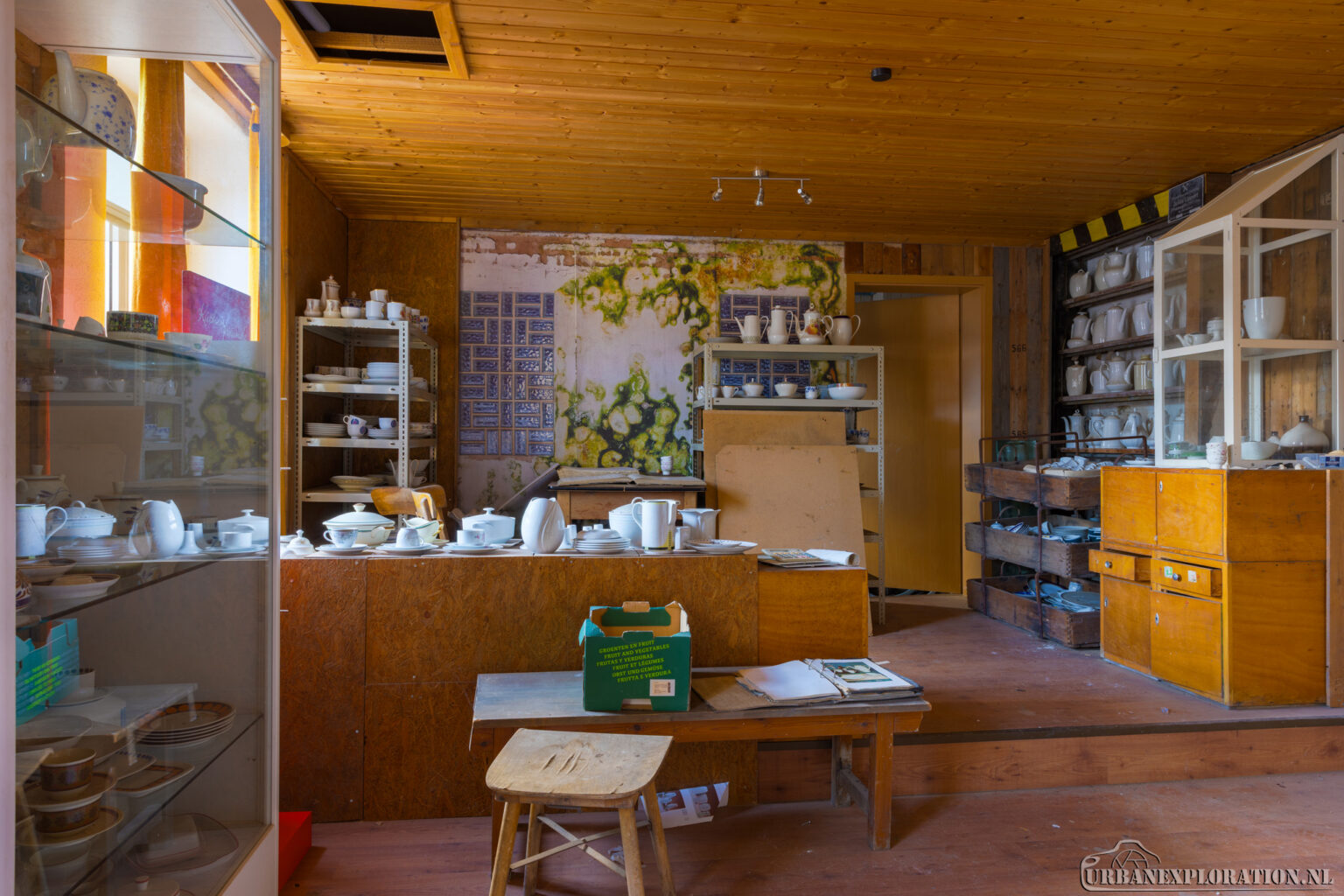
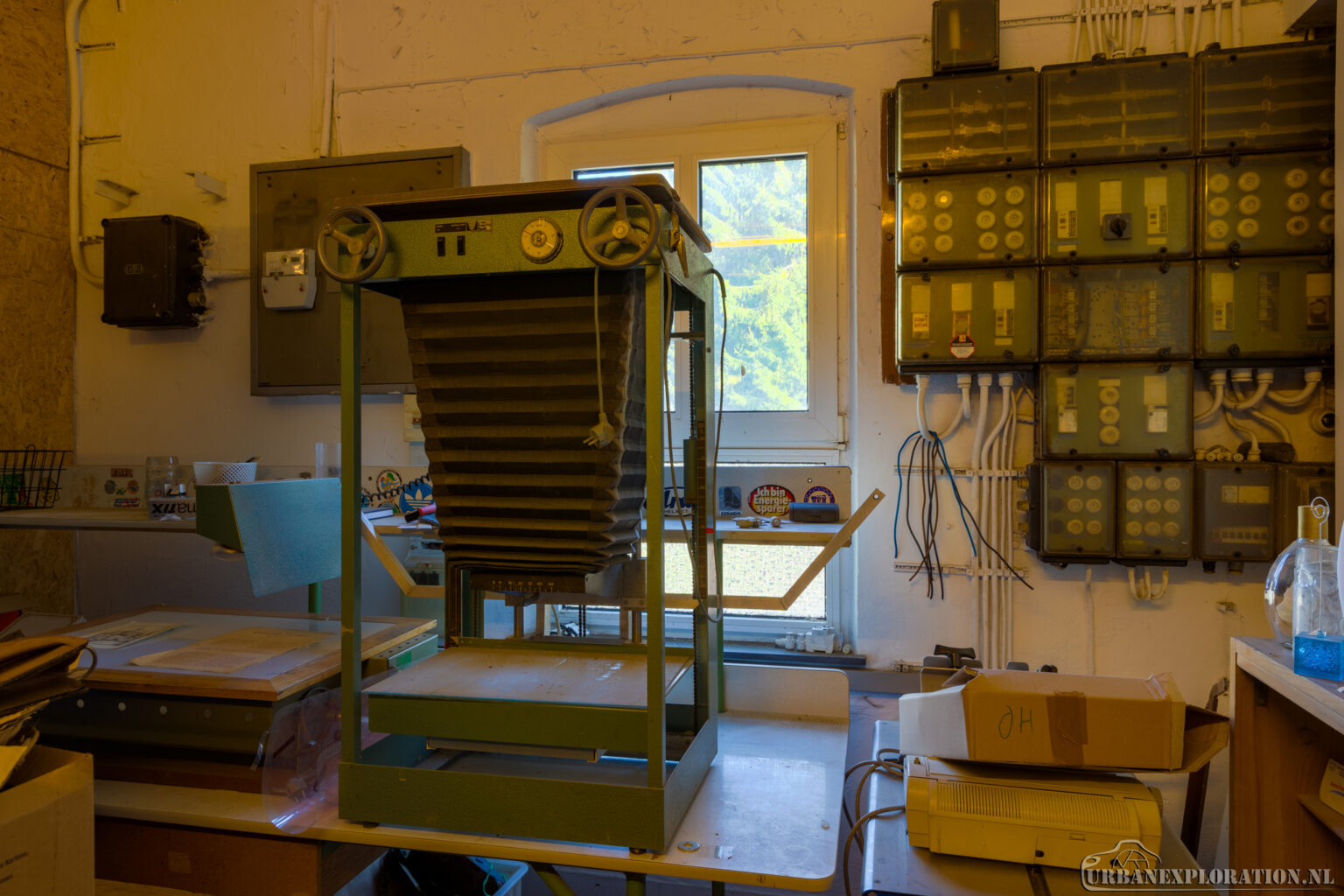
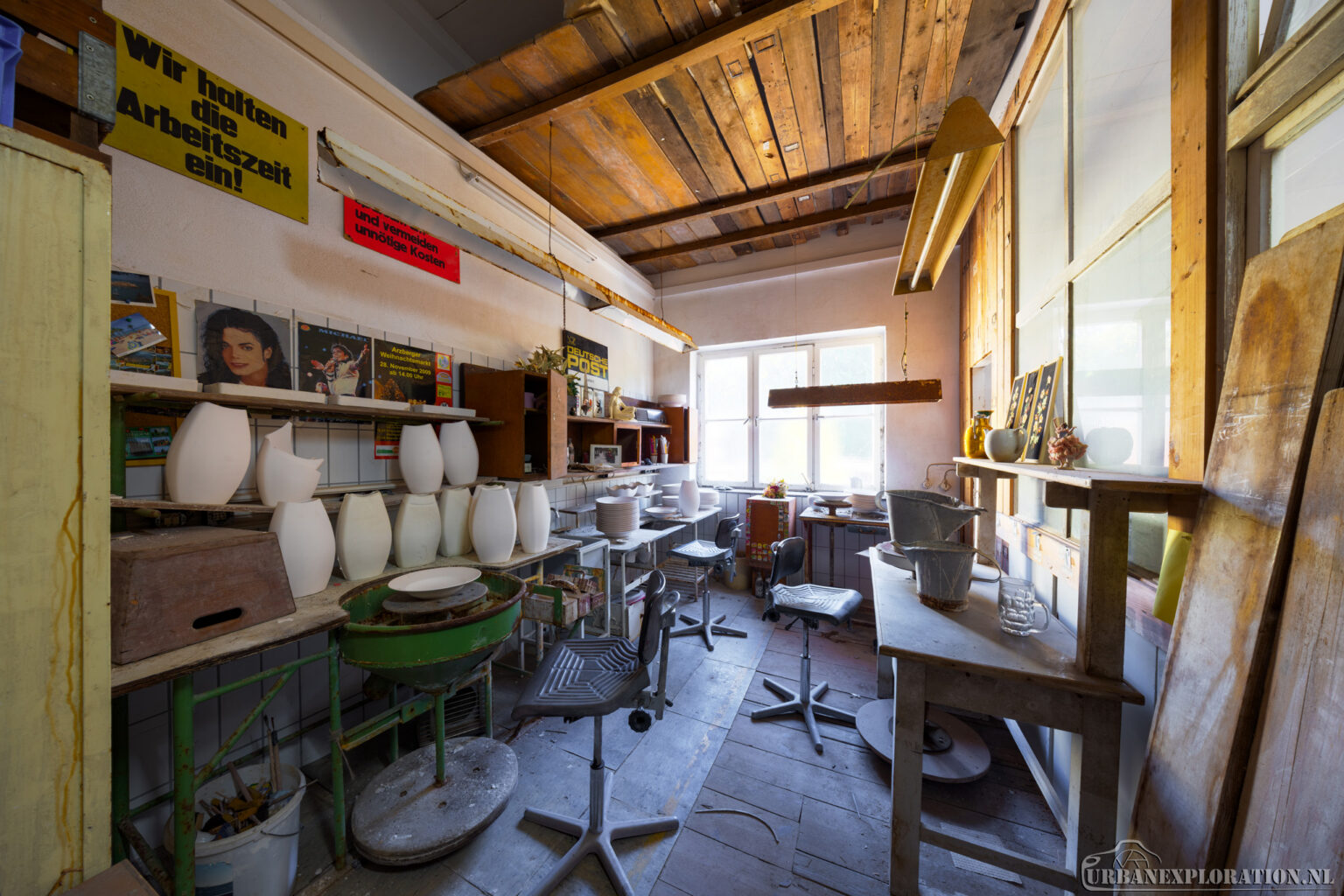
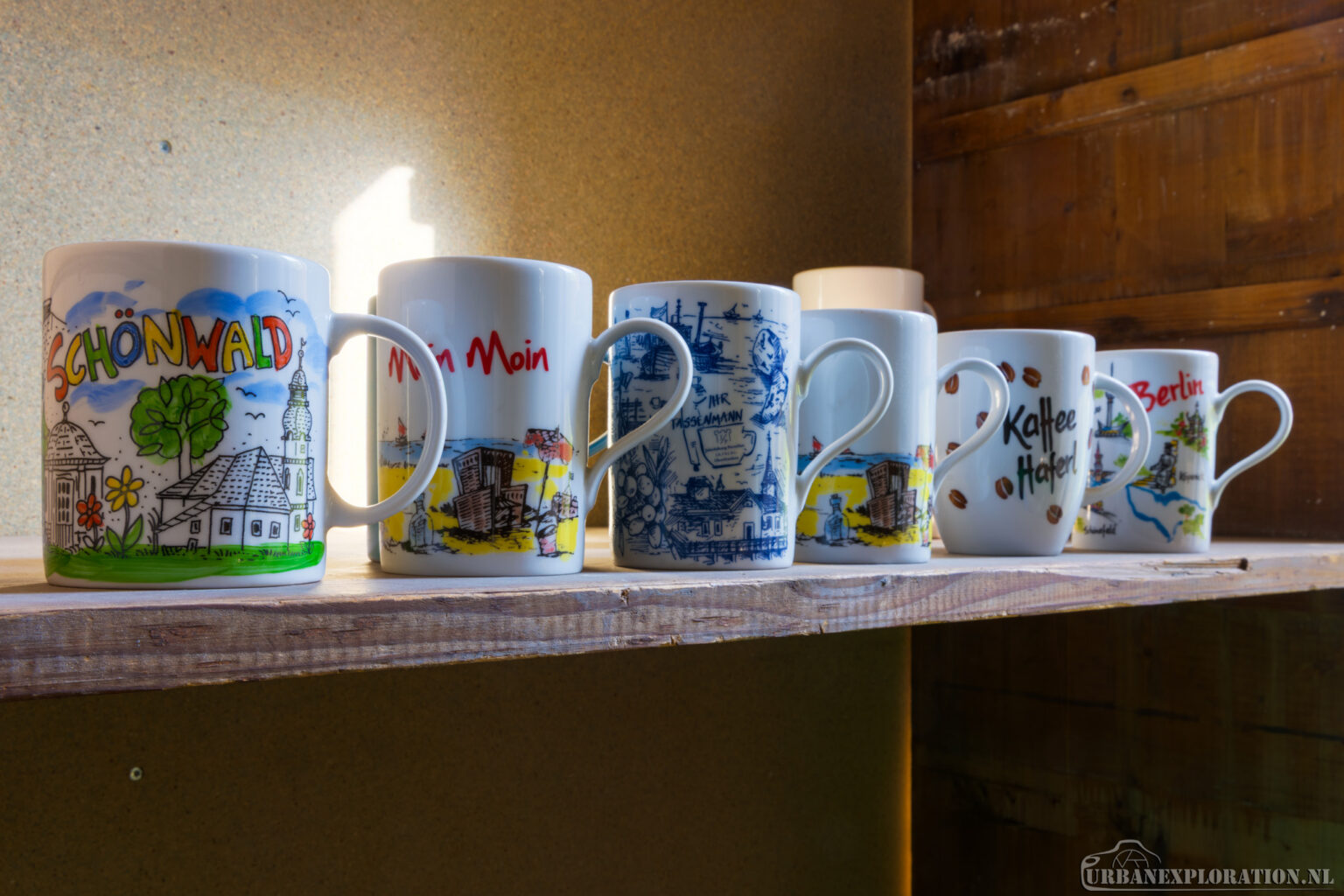
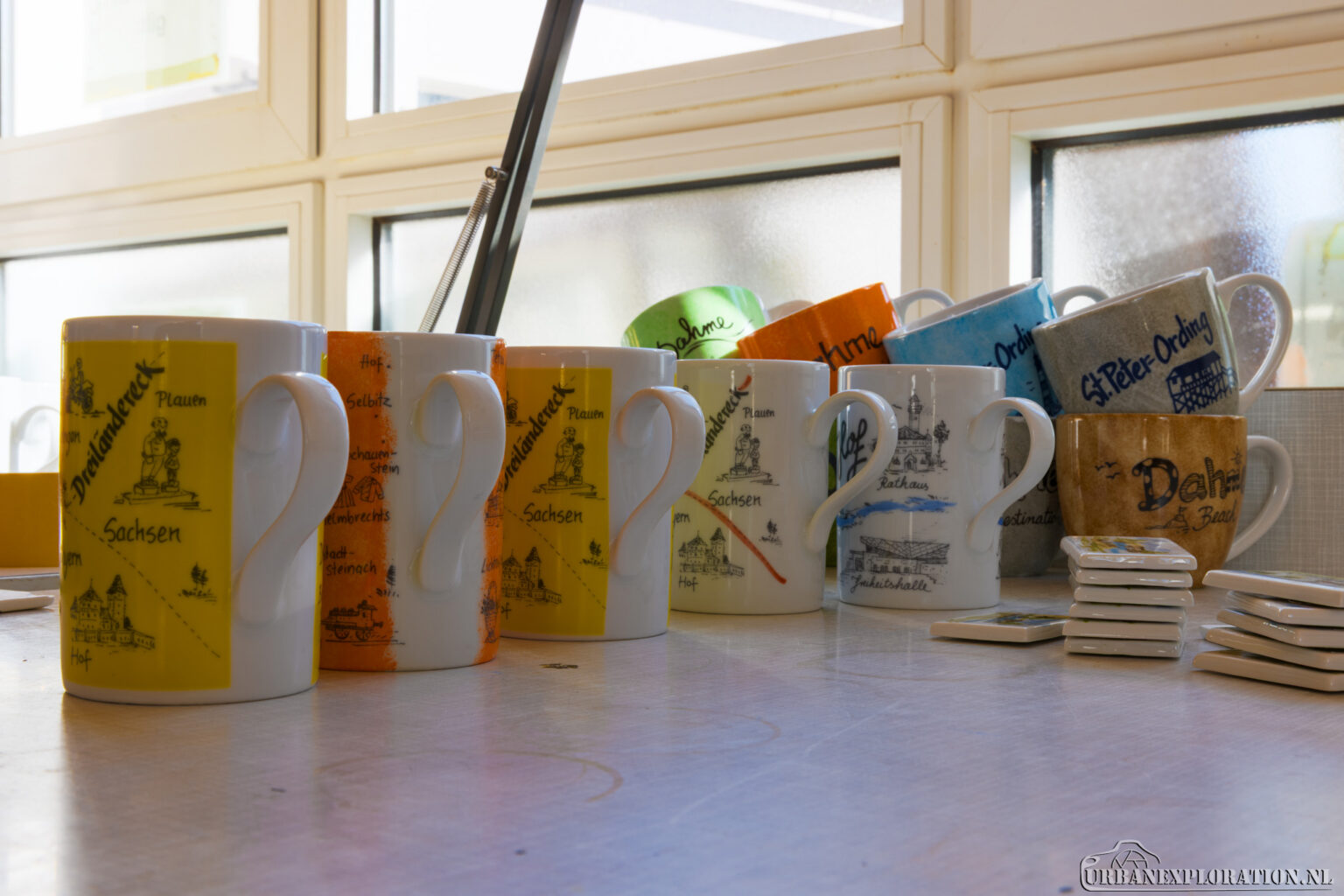
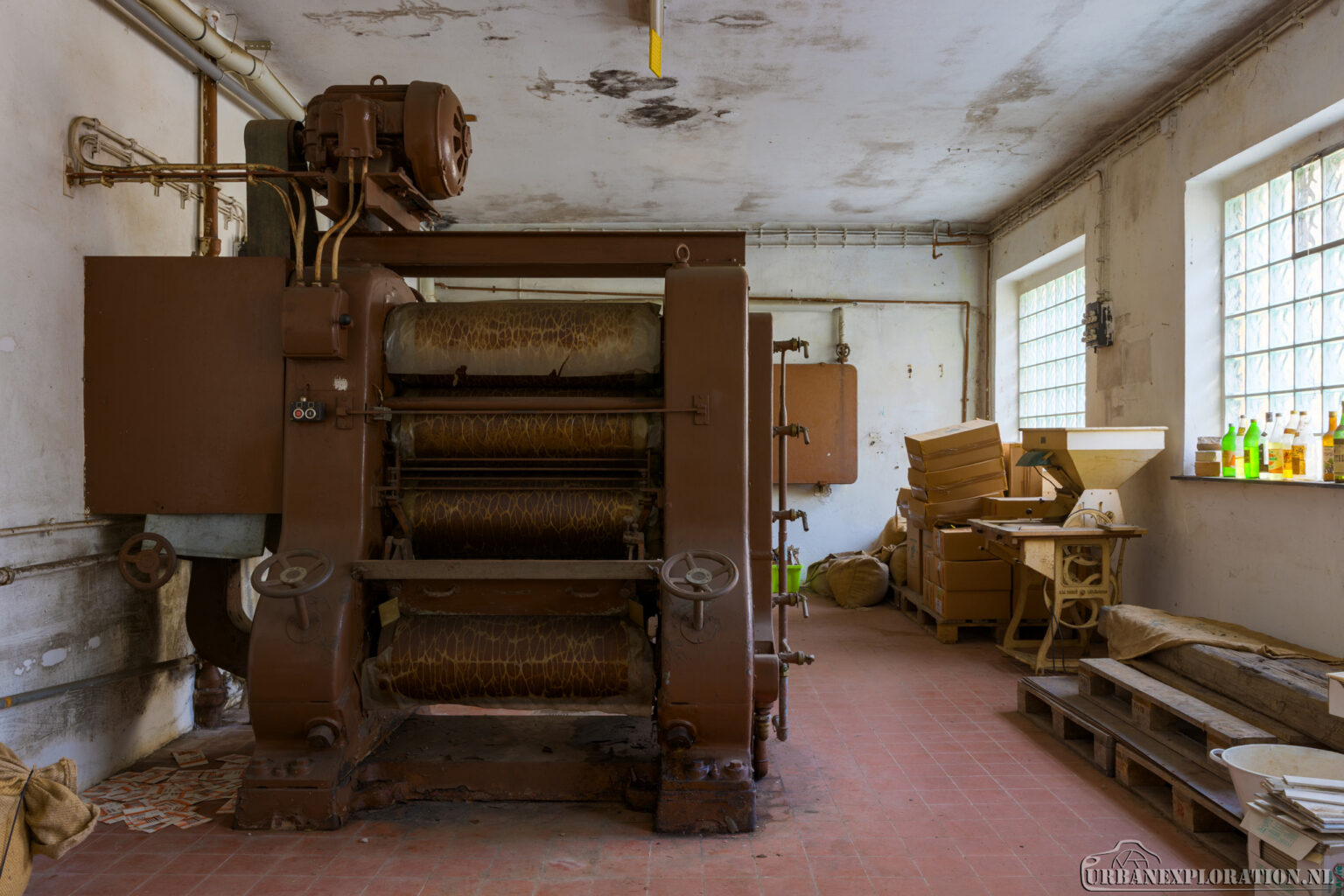
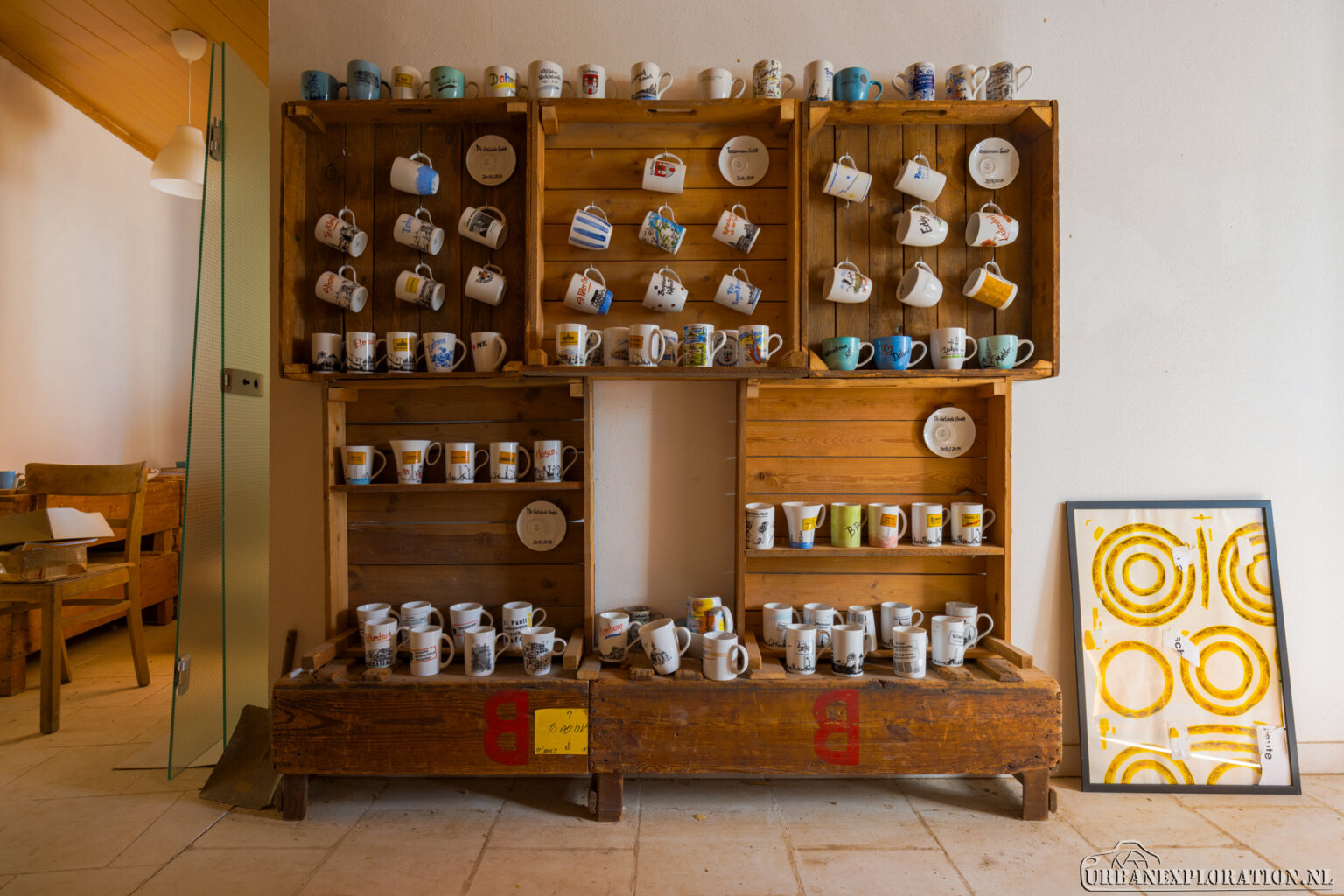
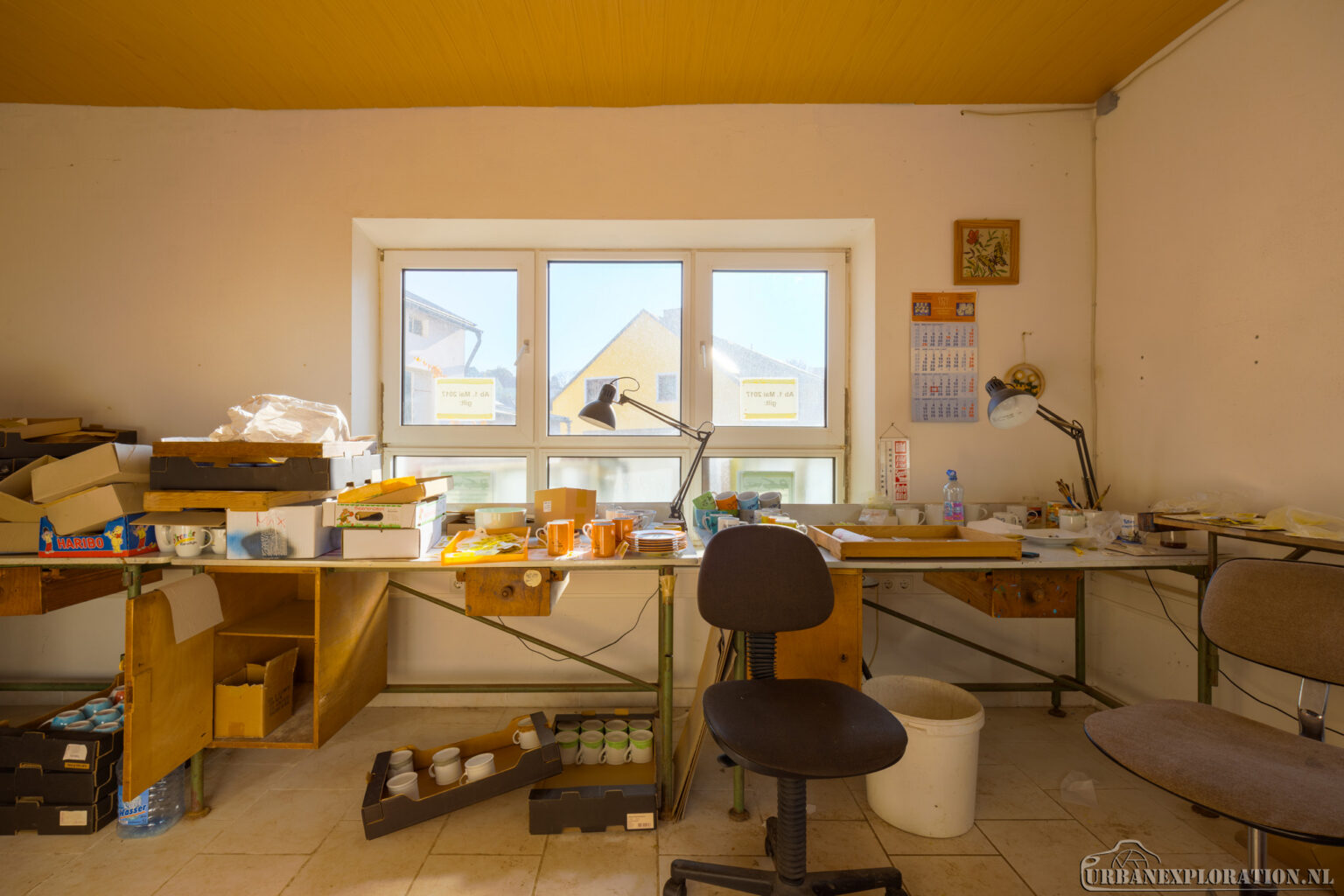
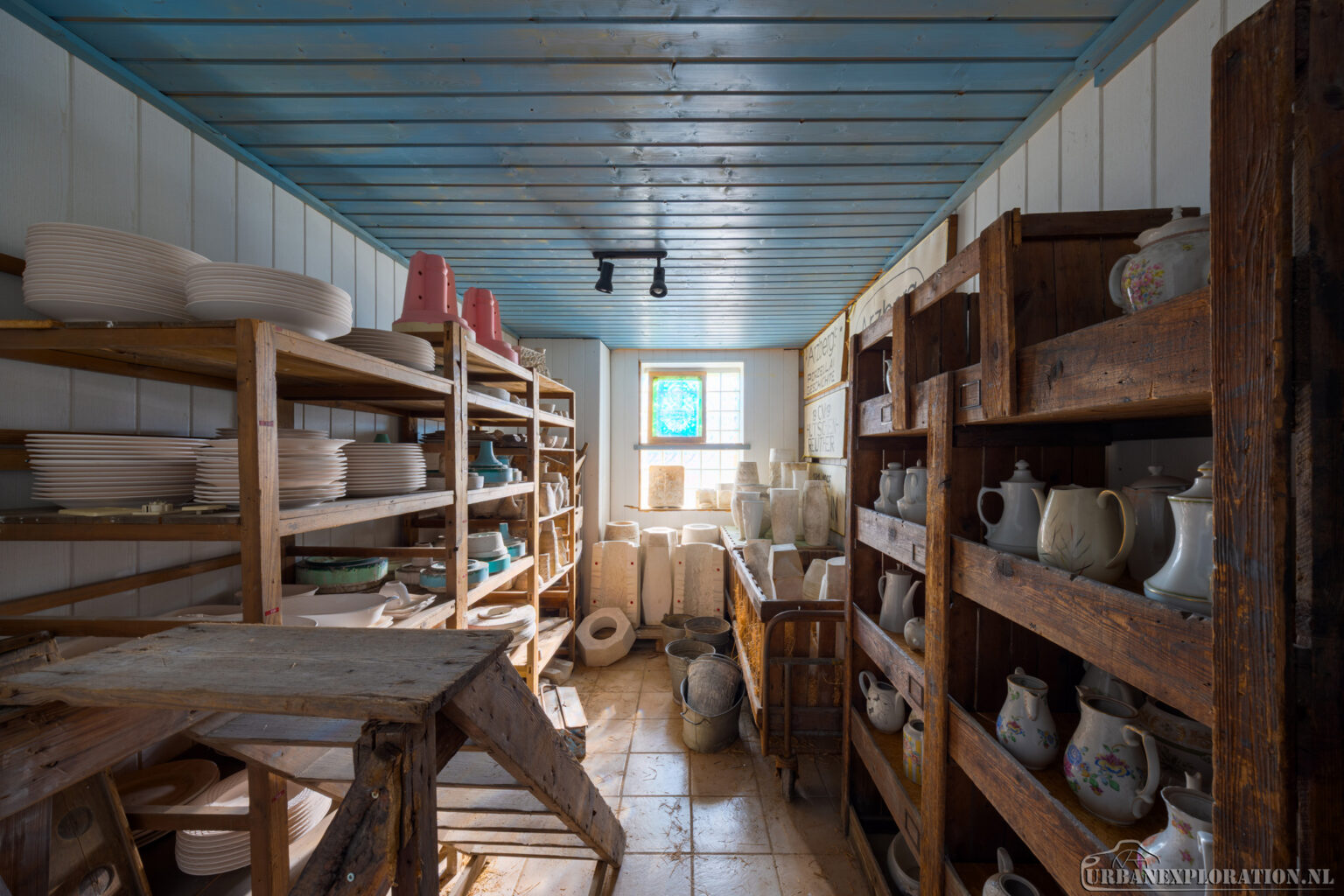
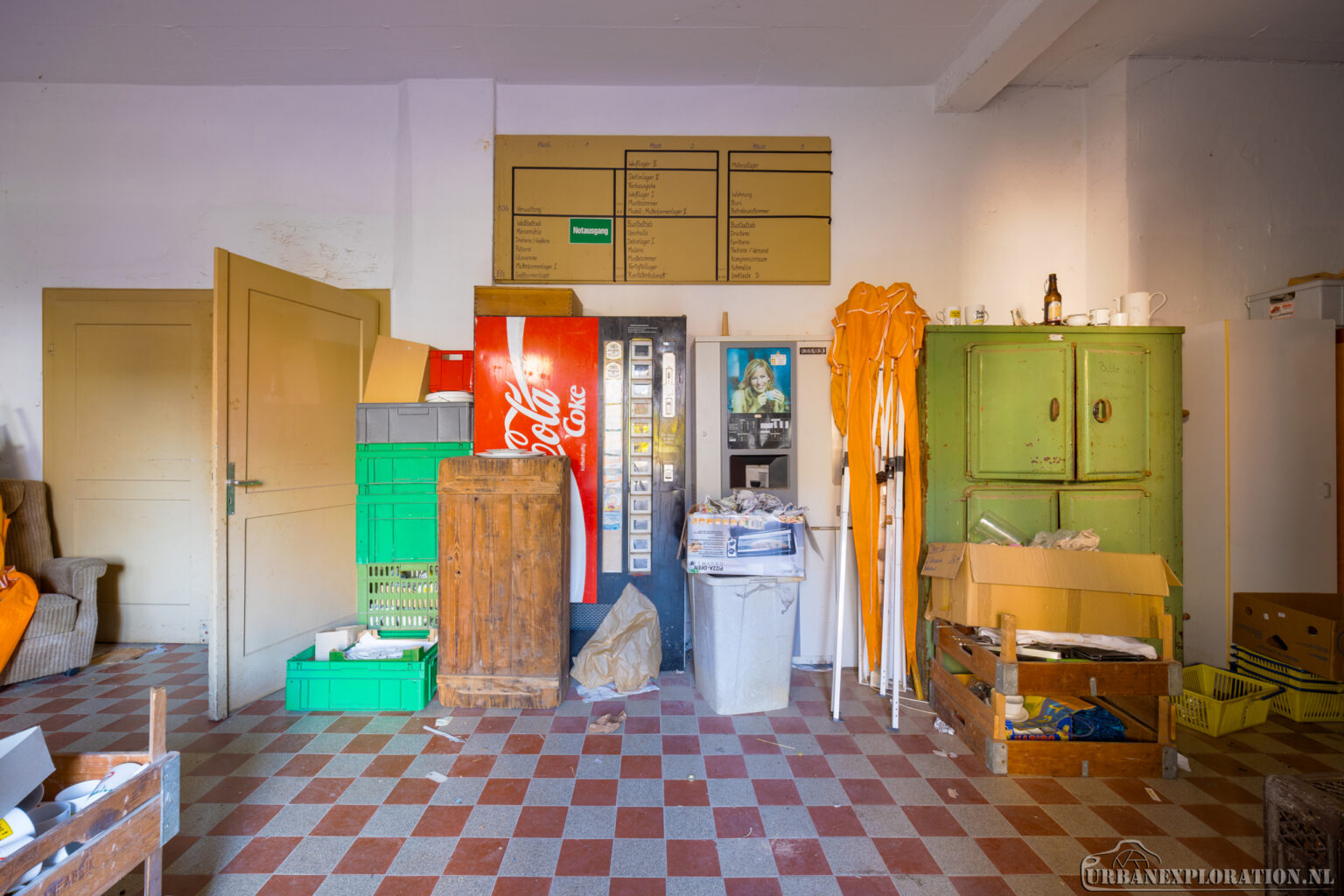
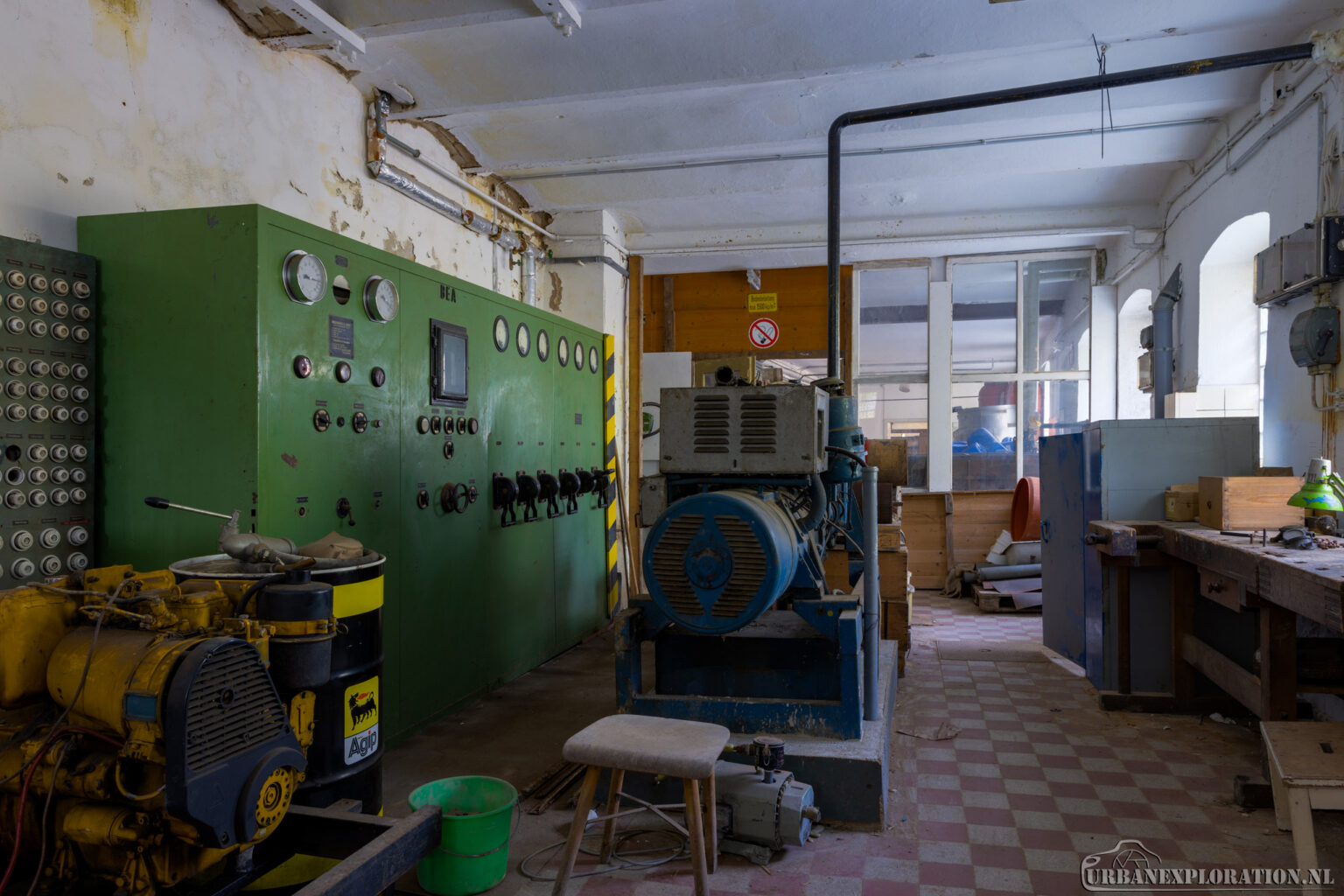
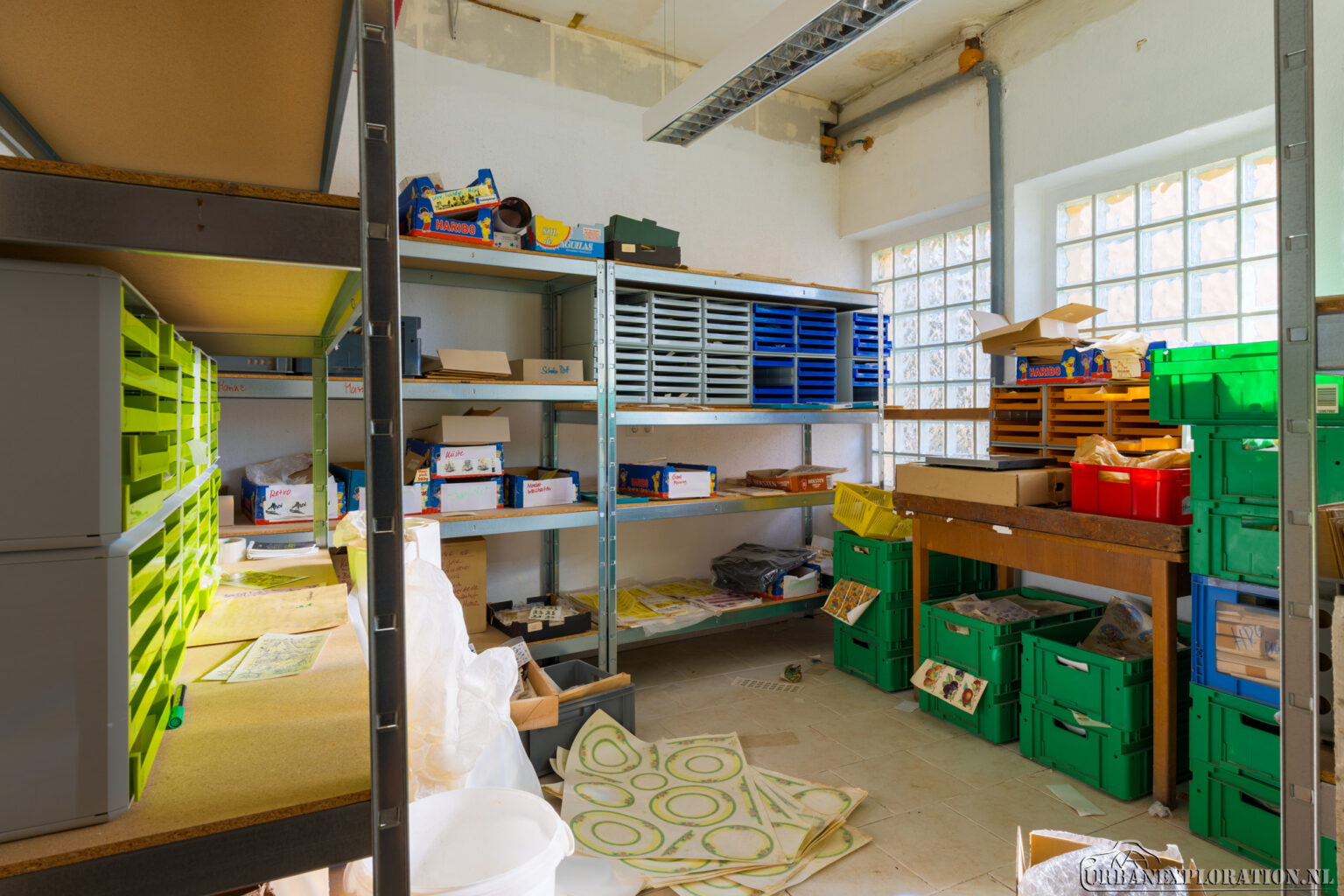
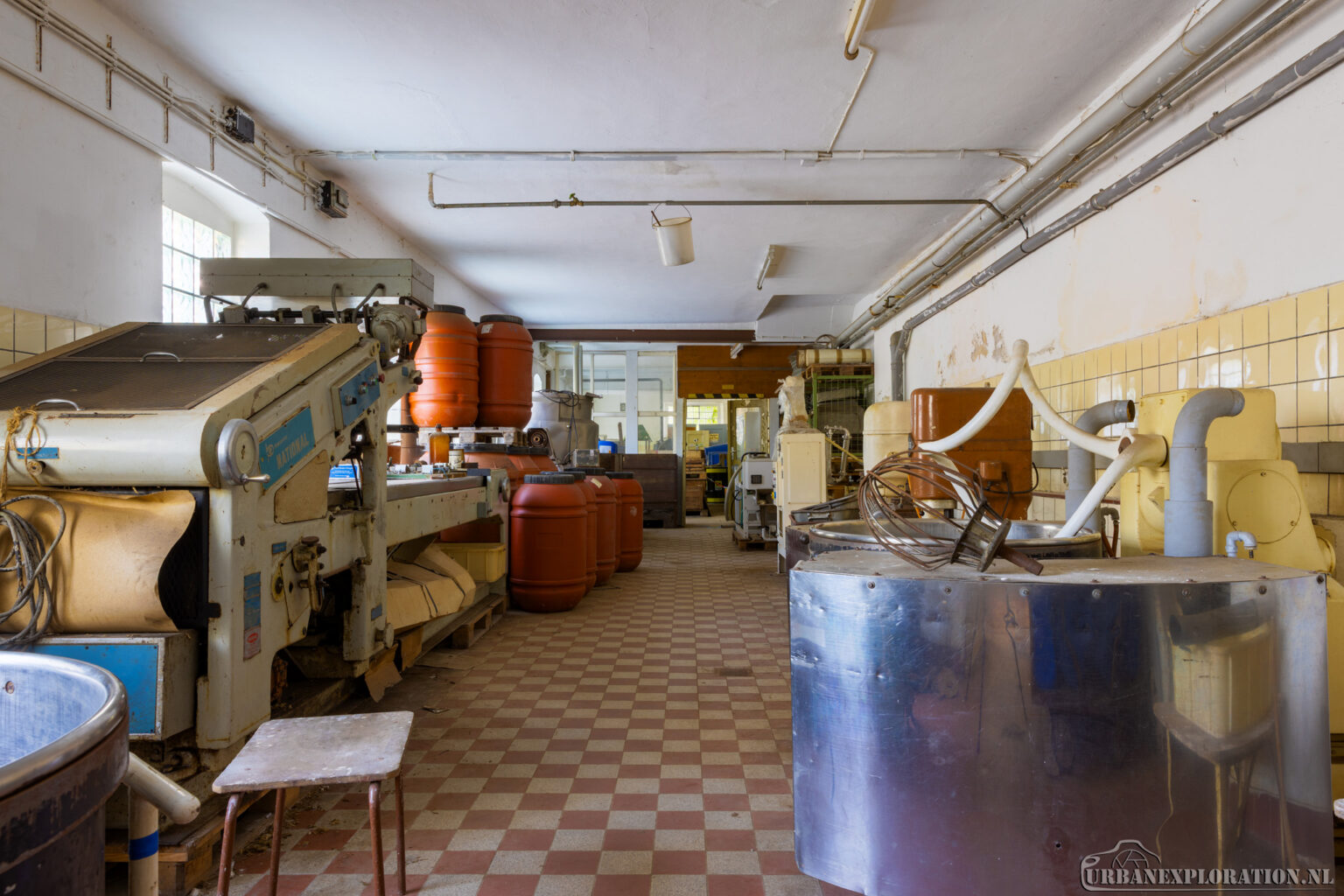
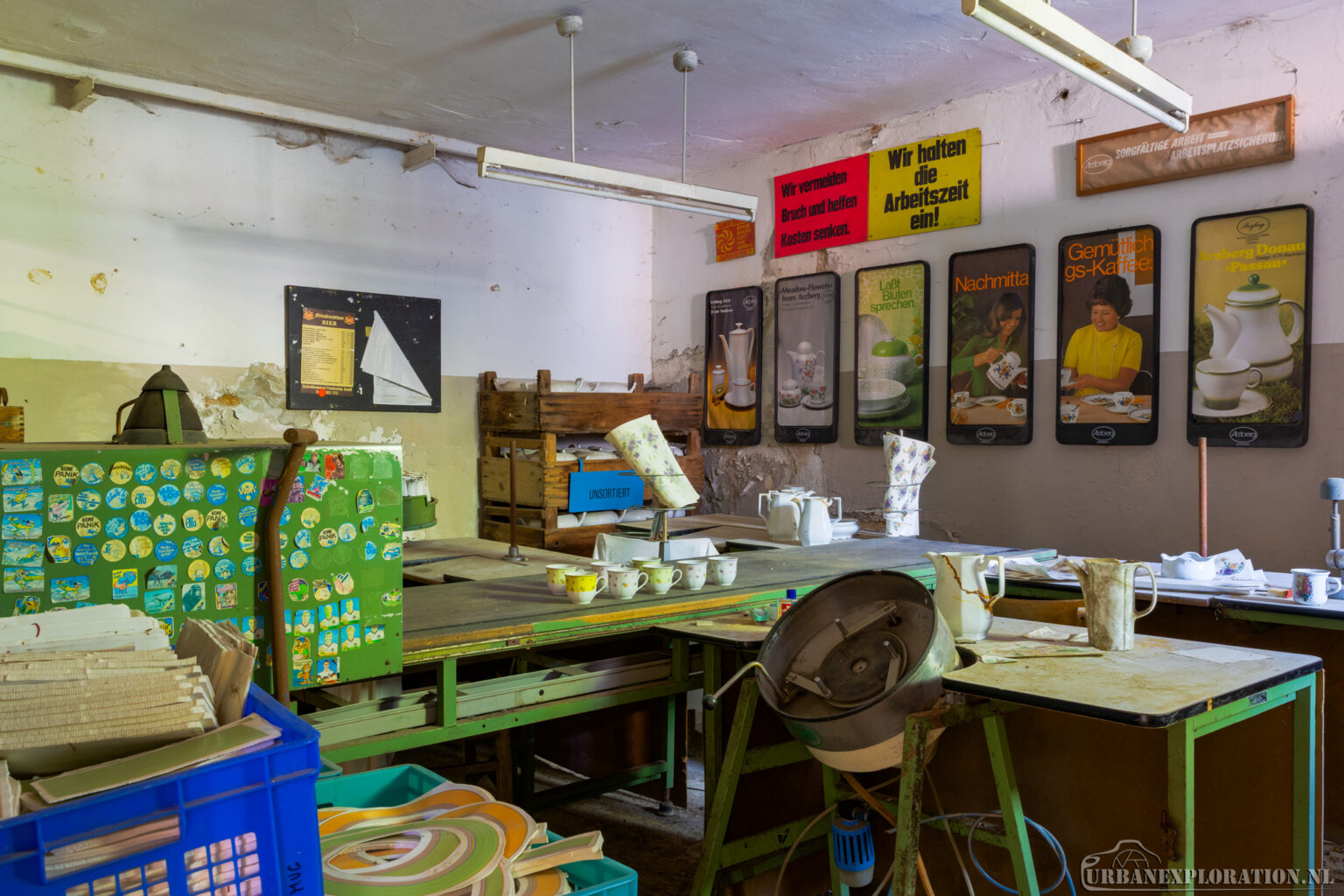
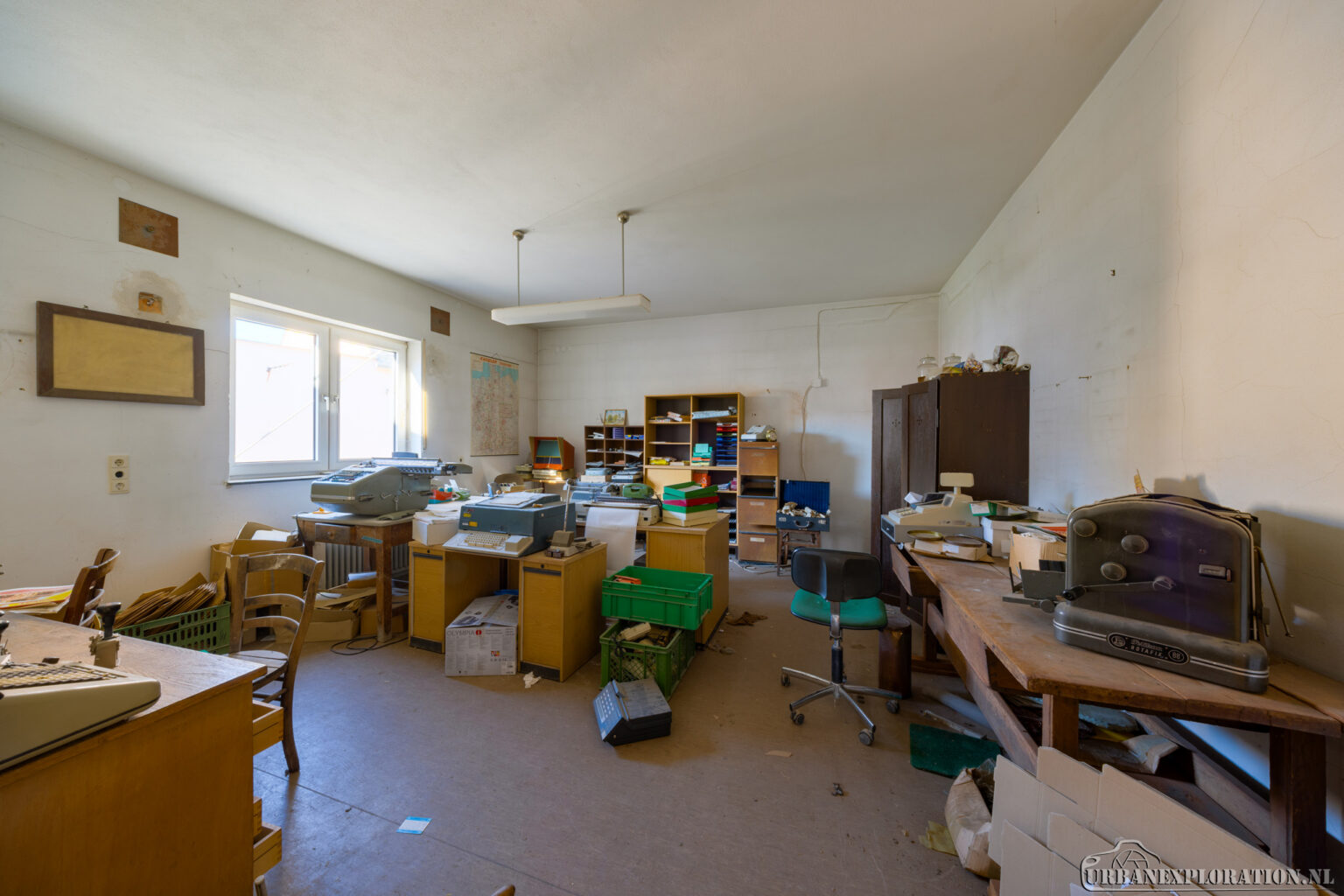
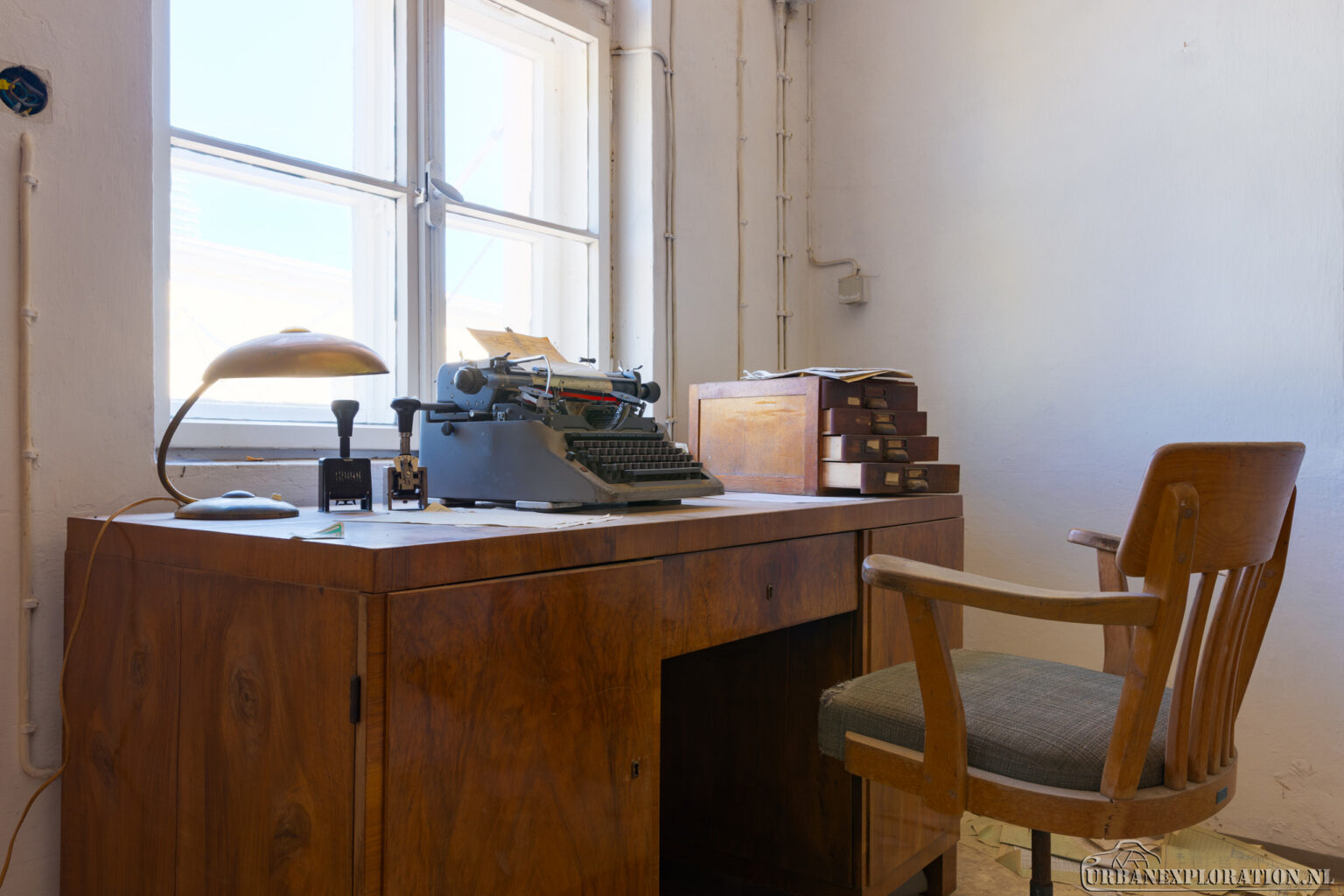
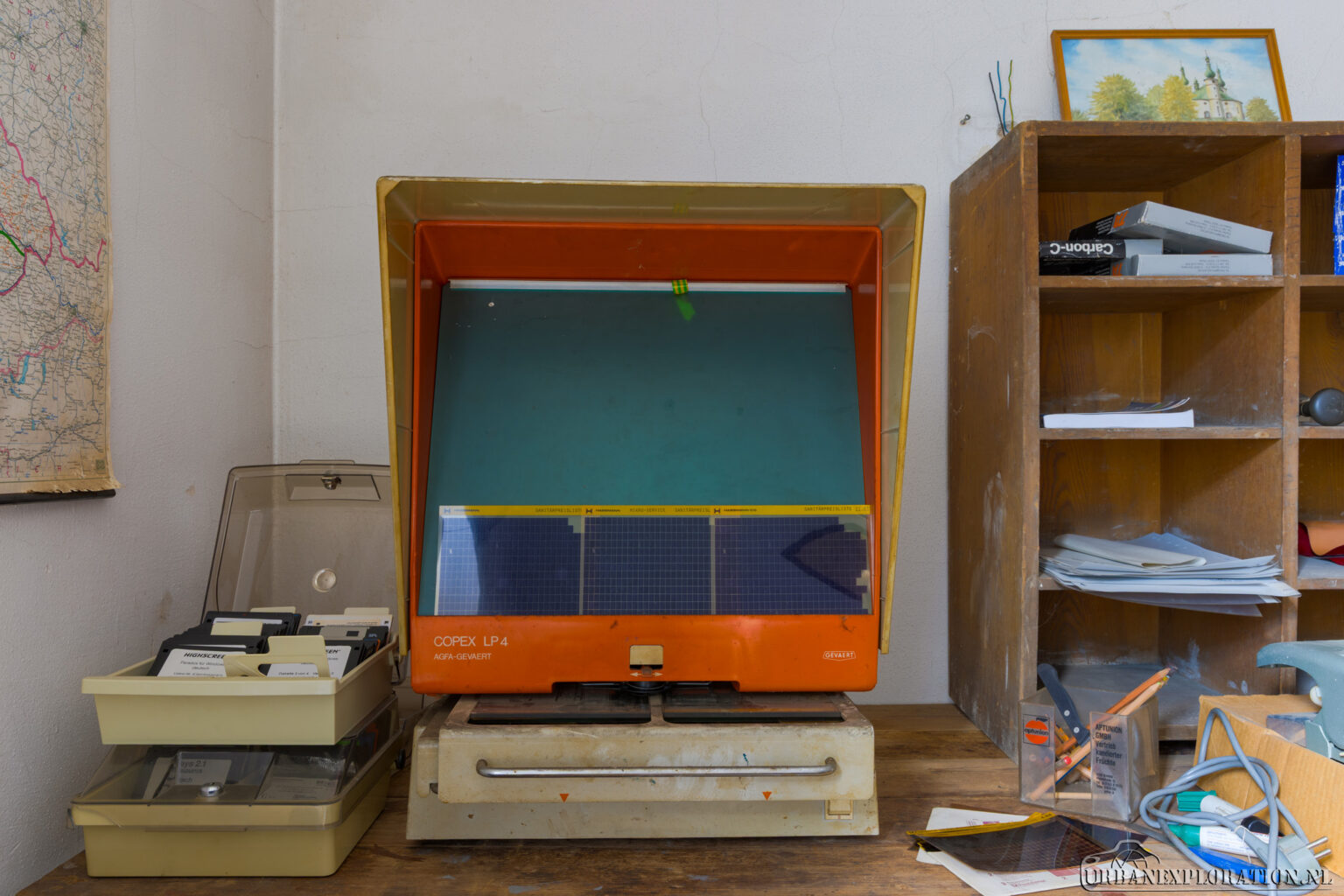
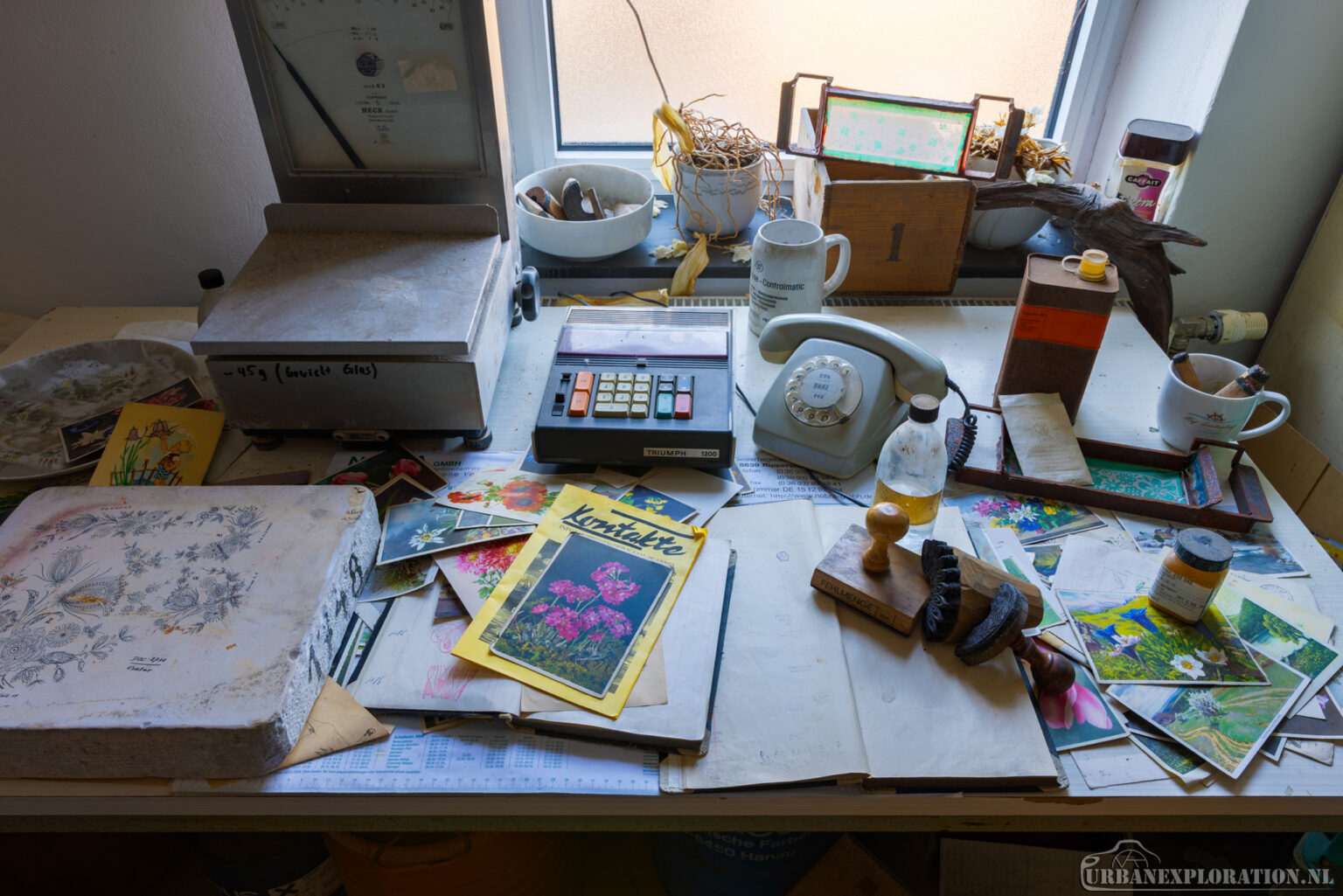
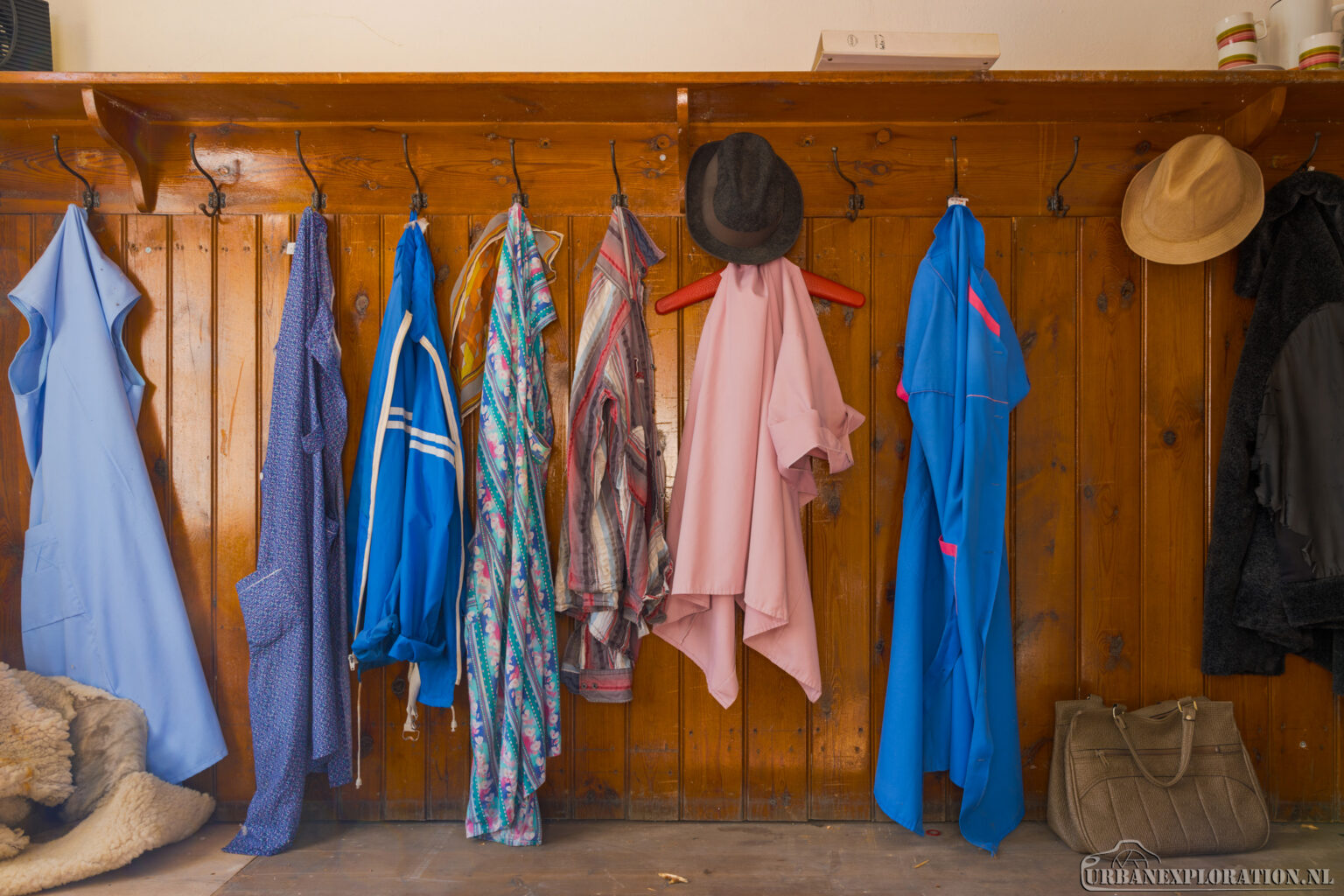
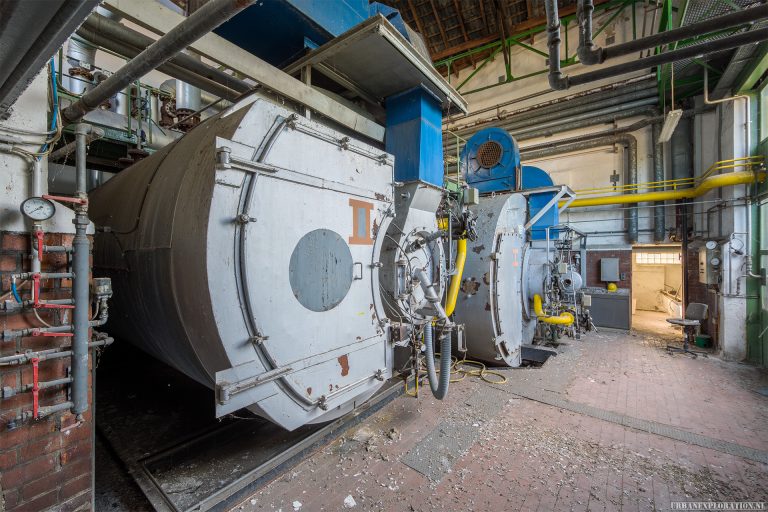
At first sight, the abandoned factory appears to be an old porcelain works frozen in time. Workshops are filled with machinery, moulds, porcelain, desks and shelves, while offices still contain telephones, paperwork and furniture from another era. Yet the history of this place is more unusual than it initially seems.
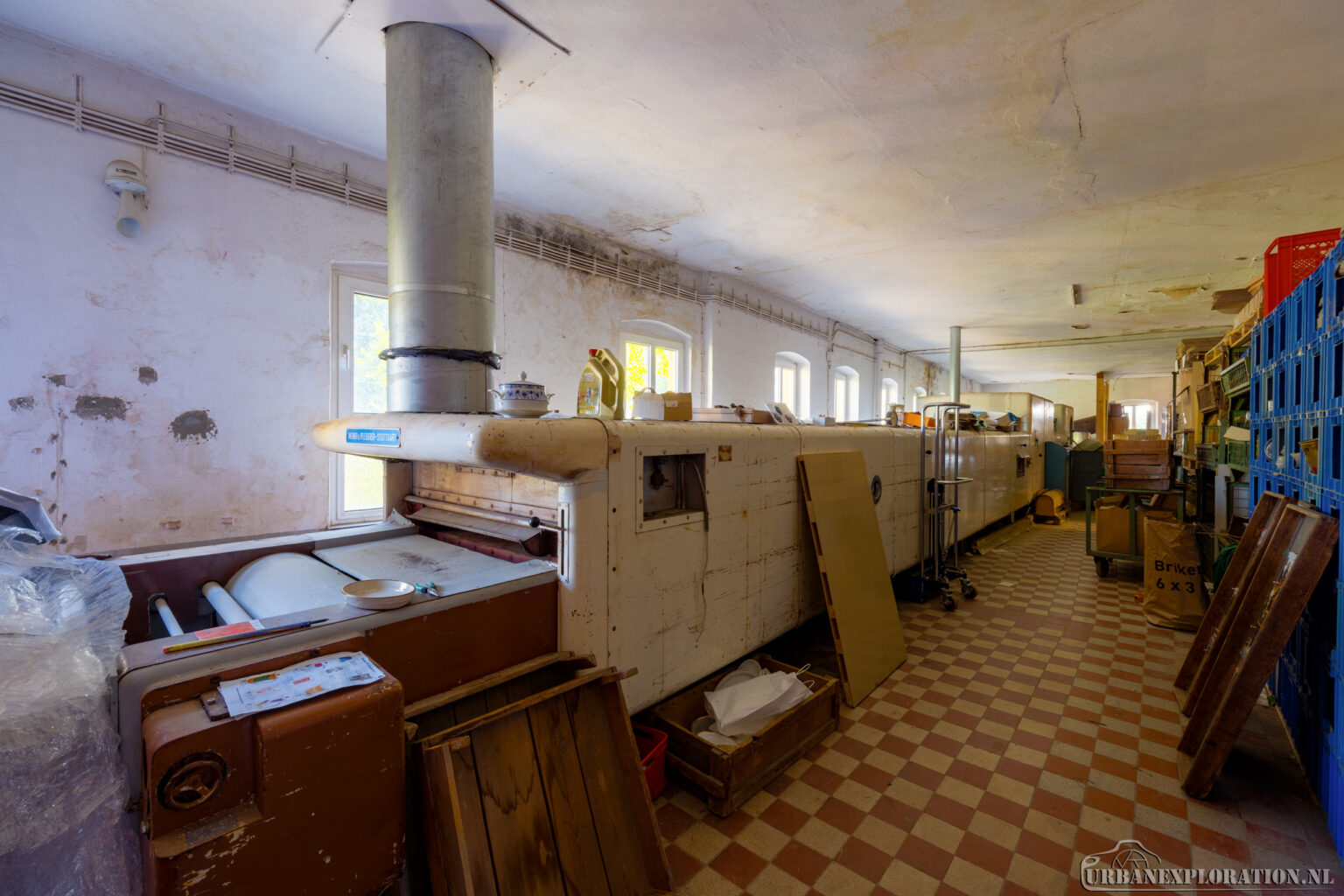
The building itself was never the original porcelain factory. It was once a factory used for the production of Lebkuchen, the traditional German baked speciality closely related to gingerbread. The history of the local bakery business goes back to 1865, when confectioner Friedrich Frank established his business in the town. Production eventually moved away from the old premises, leaving the former factory behind.
Its second life began with Franz Häusler, who acquired the disused building around 2014. At roughly the same time, another important part of the town’s industrial heritage was disappearing.
Arzberg had long been associated with porcelain production. The Porzellanfabrik Arzberg produced the region’s famous “white gold”, but production at the factory finally came to an end in 2000. When the old porcelain works was being cleared, much of its remaining equipment and furniture faced being discarded.
Häusler decided to save what he could.
Machines, porcelain, factory furniture, desks and countless smaller objects were removed from the former porcelain works and transported to the empty Lebkuchen factory. Instead of creating a conventional museum, Häusler reconstructed the atmosphere of the lost factory inside another abandoned industrial building.
Among the equipment preserved here is an especially remarkable survivor: an original porcelain casting carousel. According to Häusler, it is the last original Arzberg casting carousel of its kind in the world.
The result is an unusual mixture of two industrial histories. The walls and rooms belong to the former bakery, while much of what stands inside originates from the vanished porcelain factory.
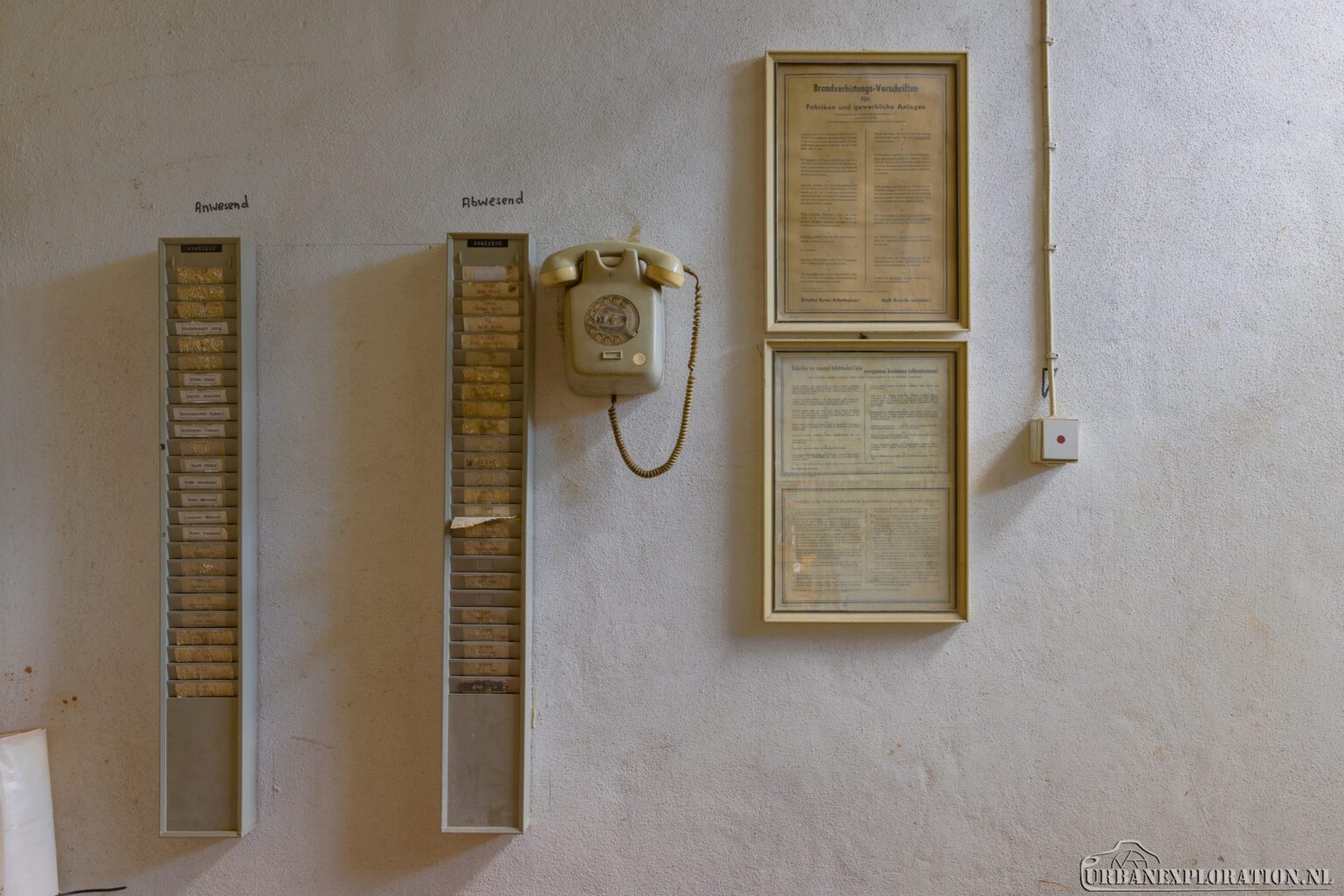
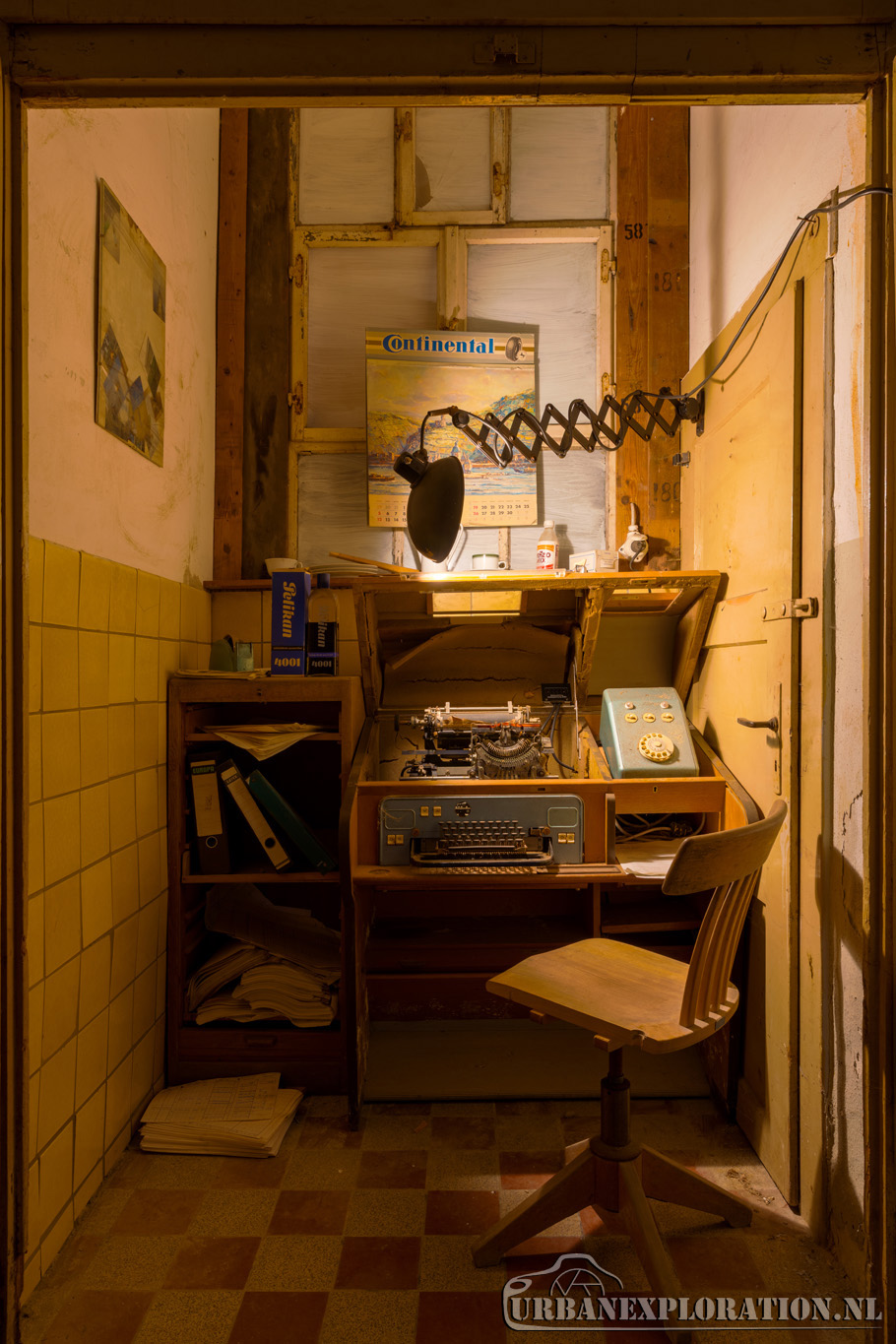
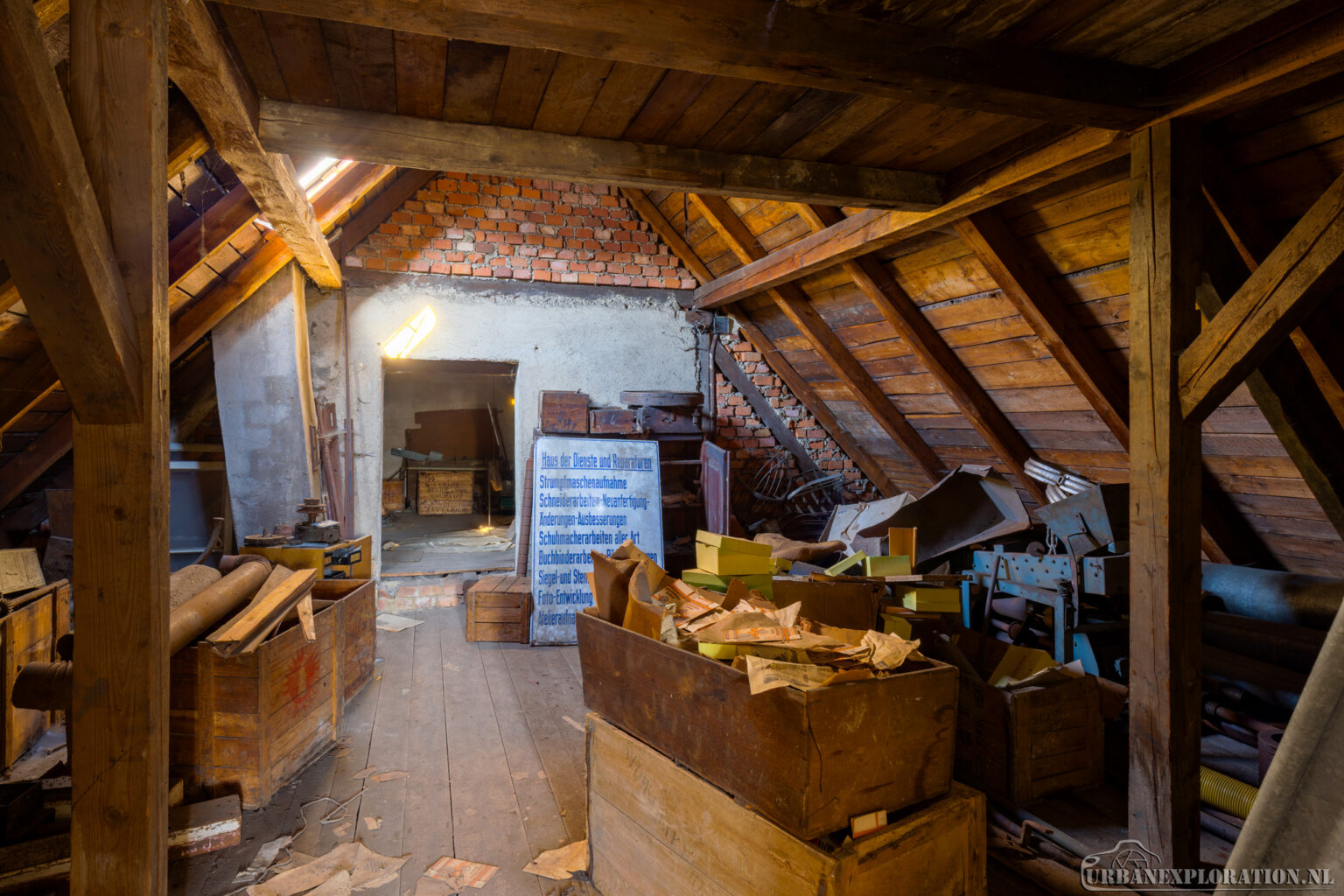
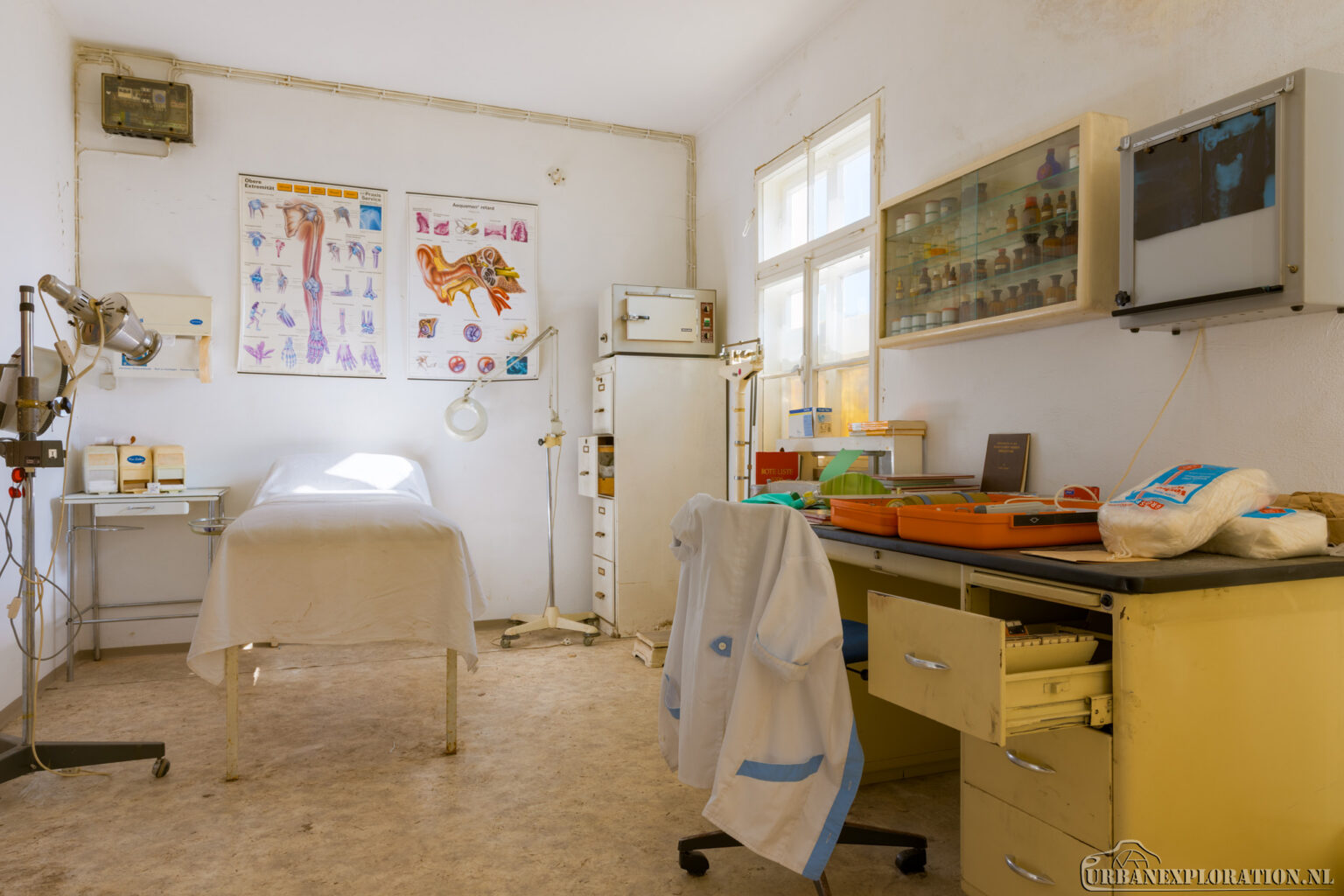
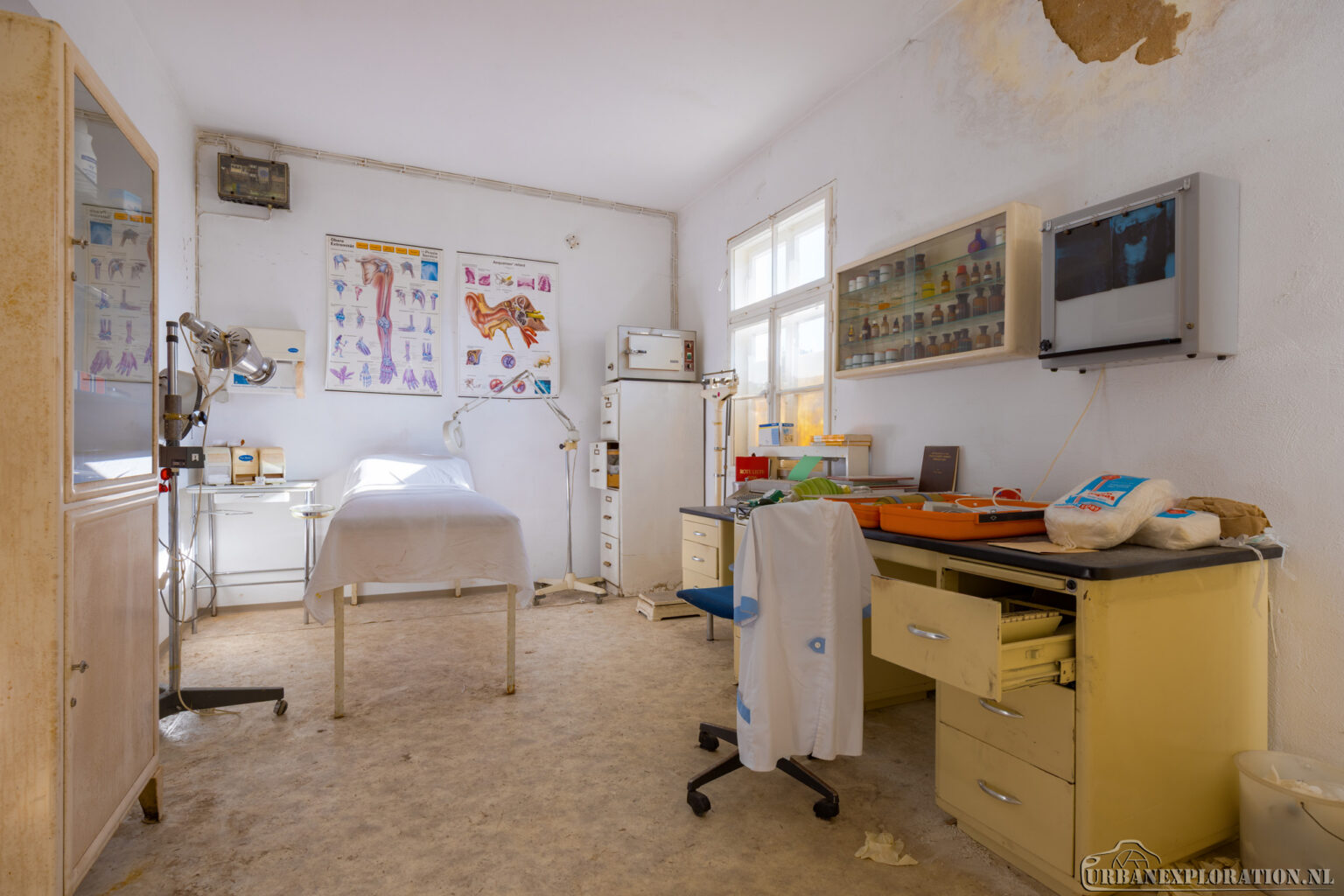
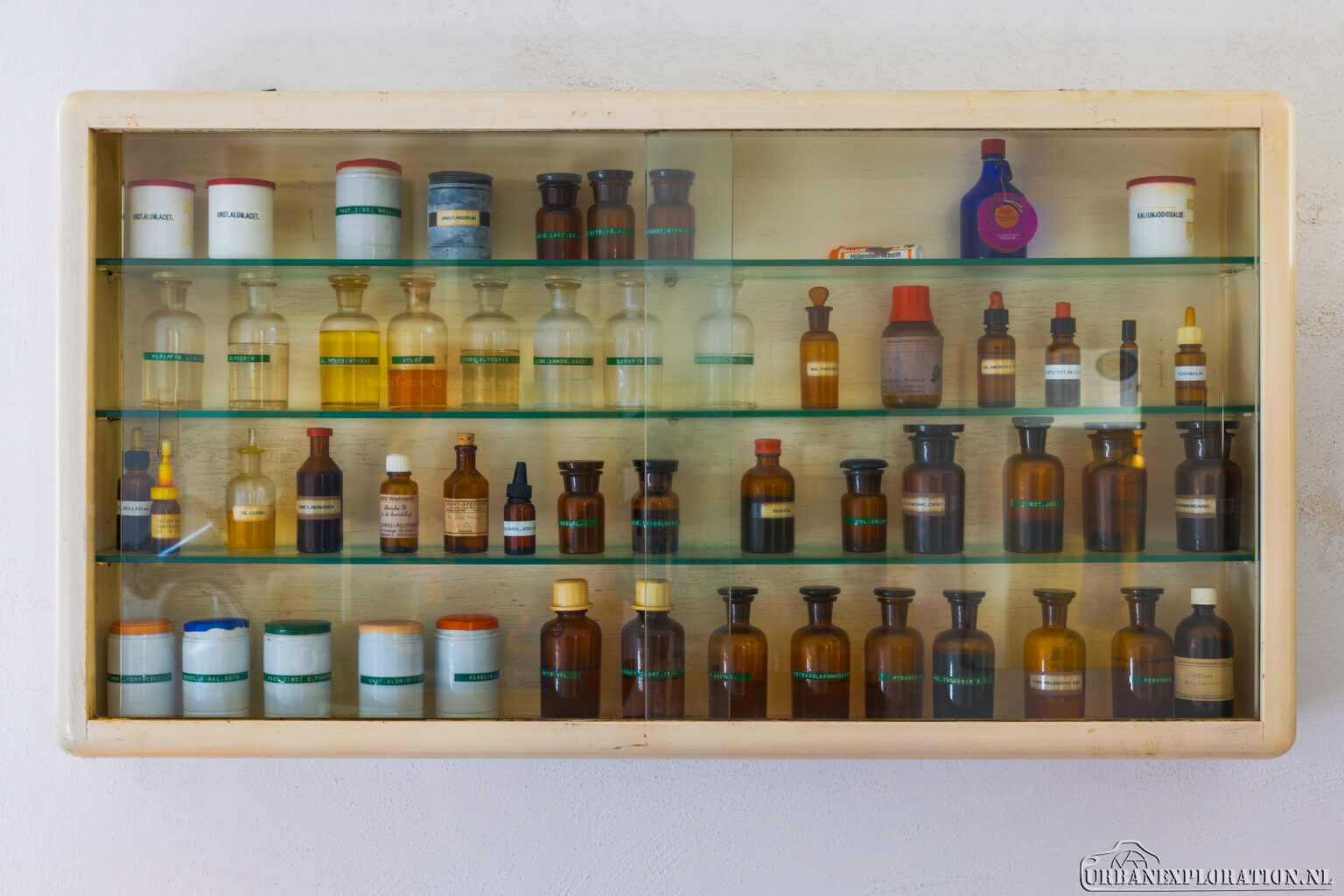
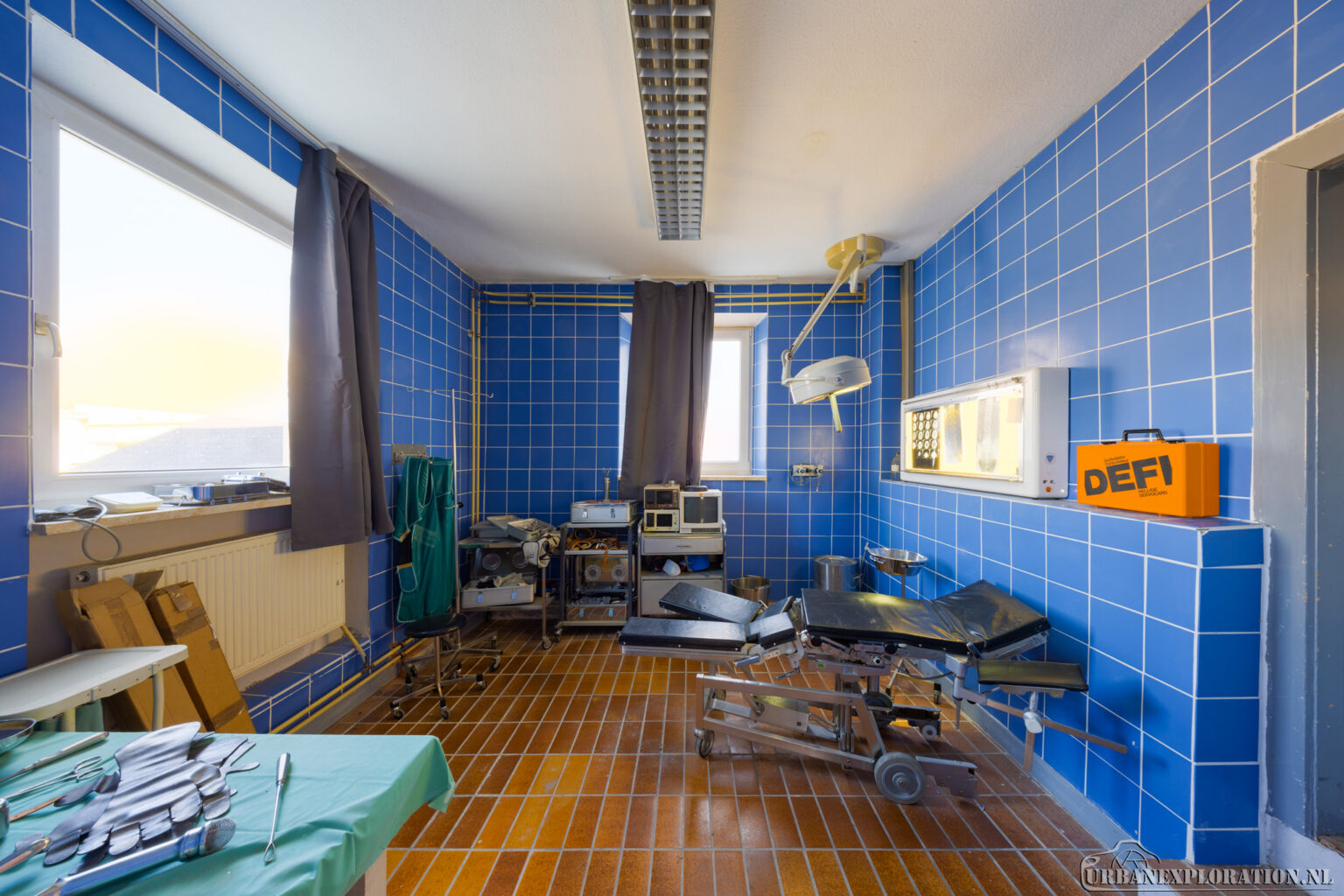
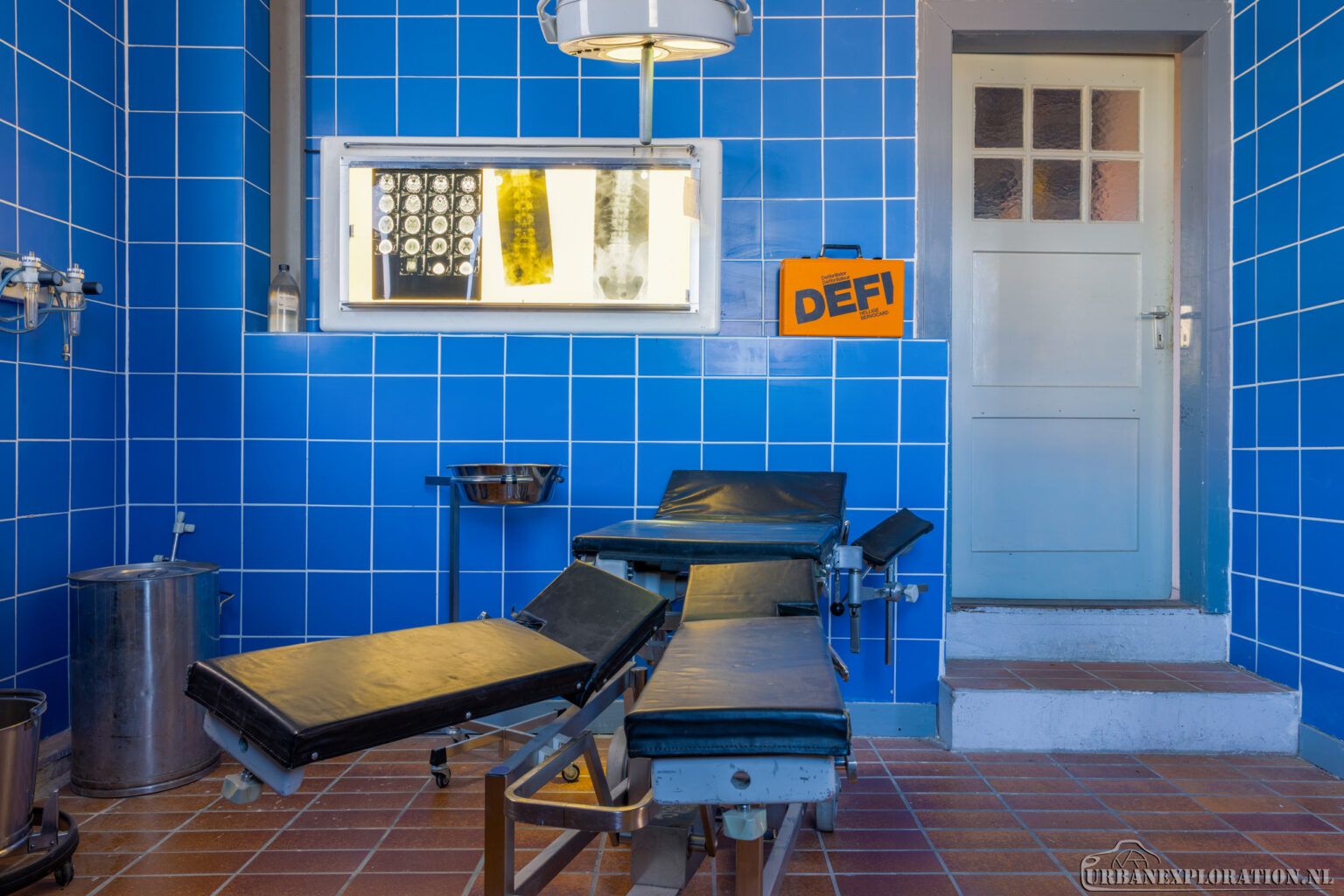
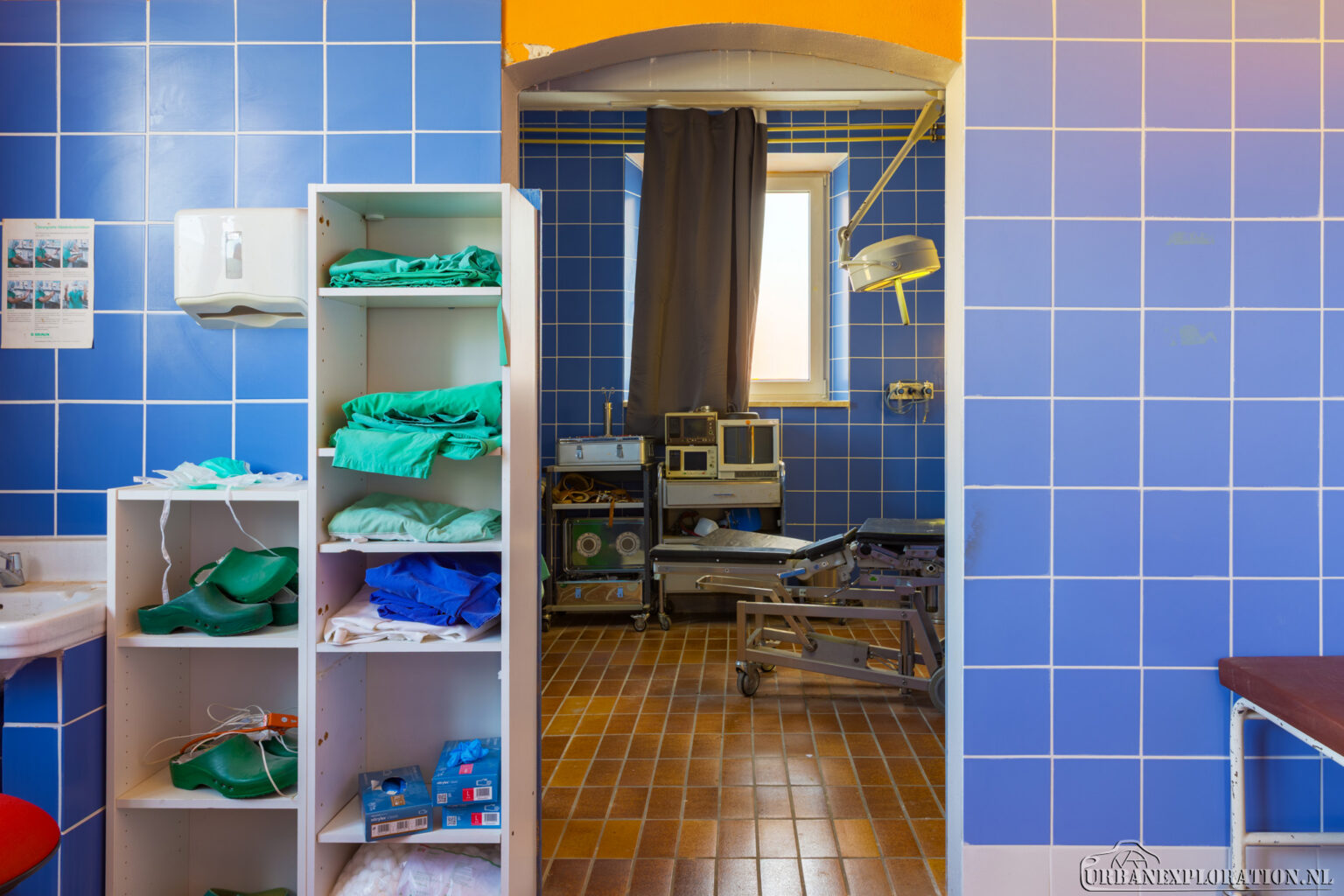
Over the years the building has deliberately been kept looking old and forgotten. Dust covers the machinery and furniture, windows remain dirty and objects are scattered throughout the rooms. Old newspapers, rotary telephones, bottles, postcards and other everyday objects have been added to recreate the atmosphere of the factory during the late twentieth century.
Not everything therefore stands exactly where workers once left it. The location is partly a reconstruction, carefully assembled using genuine historical objects. Sinks, switches and other details may look as though the factory could start operating again at any moment, but many now exist purely as part of the setting.
Today the former factory has become an officially accessible photographic location. Around 500 photographers are reported to visit each year. Instead of being demolished or having its surviving machinery disappear into storage, the building has effectively become a large industrial photo studio.
What makes the location particularly interesting is that most of its important objects are genuine. They belonged to a real industry that once played an important role in the town. The factory therefore sits somewhere between a Lost Place, a photographic studio and an unofficial industrial museum.
It is, in effect, one abandoned factory preserving the remains of another.
The old Lebkuchen factory provides the shell, while the machines, porcelain and forgotten office equipment preserve the memory of the Porzellanfabrik Arzberg. What could easily have disappeared during the clearance of the original factory has instead survived in a completely different setting not as a polished museum collection, but surrounded by dust, decay and the atmosphere of a factory that appears to have stopped working only yesterday.