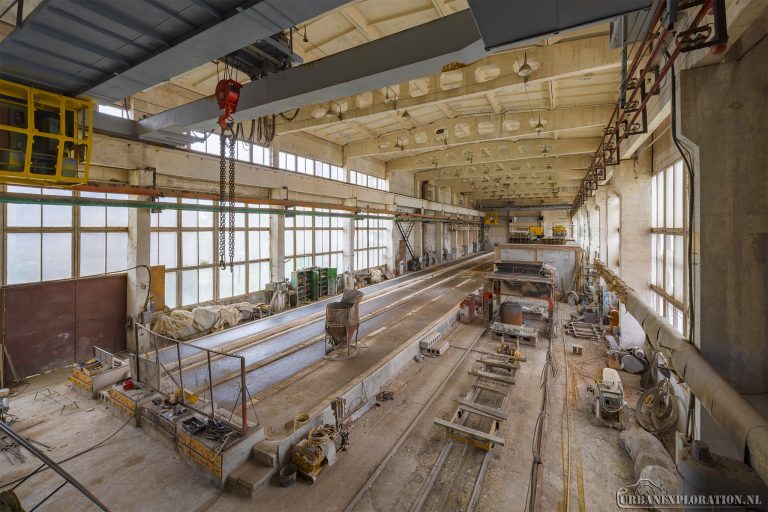
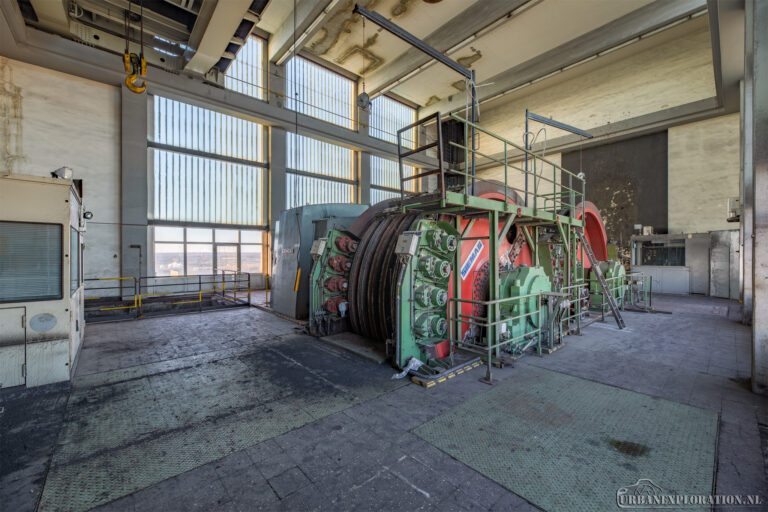
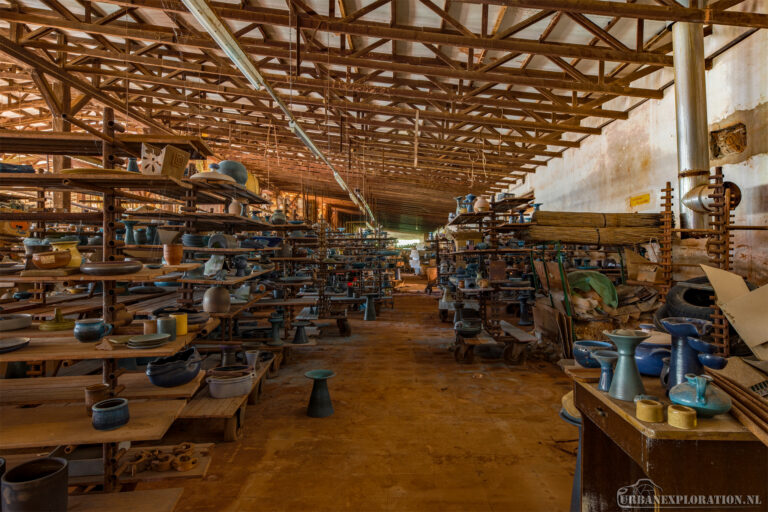
On the outskirts of Lünen, in North Rhine-Westphalia, one of the region’s most recognizable pillars of energy production stood for decades: STEAG Power Plant Lünen. The plant entered operation in 1938 and expanded throughout the twentieth century in step with the growing demand for electricity in the Ruhr region. Coal was always its primary fuel, while its location near waterways and major infrastructure enabled large-scale transport and logistics.
In its final operating phase, the facility consisted of two main generating units with a combined net capacity of approximately 473 MW. The technical layout reflected post-war construction and later modernization phases, dominated by large boilers, turbines, and flue-gas cleaning systems that defined the plant’s silhouette. From 1984, a dedicated unit supplied traction power for the railway network, and from 2003, the plant also provided district heating to the city of Lünen. Nearly one million tonnes of coal were consumed annually, resulting in CO₂ emissions of around 2.1 million tonnes per year.
By 2018, the economic and energy landscape had changed decisively. Expiring supply contracts, rising operational costs, and Germany’s energy transition gradually stripped the plant of its strategic importance. On 31 December 2018, Lünen Power Plant was permanently disconnected from the grid and was no longer classified as system-relevant.
Dismantling followed in carefully planned stages. During 2020, flue-gas and filtration systems were removed, followed by additional components in early 2021. On 28 March 2021, the most prominent structures the cooling tower, boiler house, and the approximately 250-metre-high chimney were demolished in a controlled implosion. With that moment, a chapter spanning more than eighty years of industrial and energy history came visibly to an end.
Visited - December 2019
Defunct - 2018
Status - Demolished
Country - Germany
Here are some other albums that might be of interest.