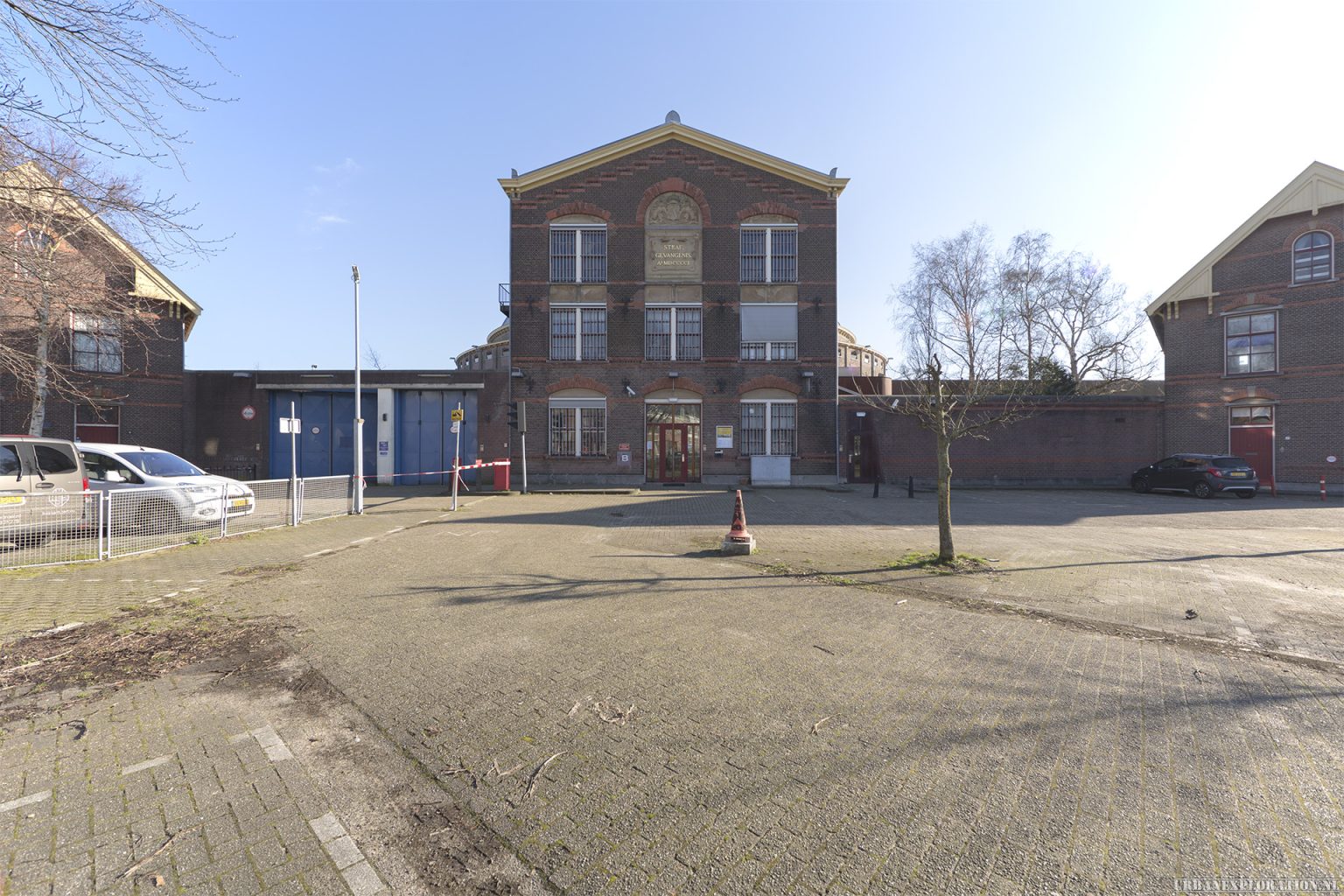
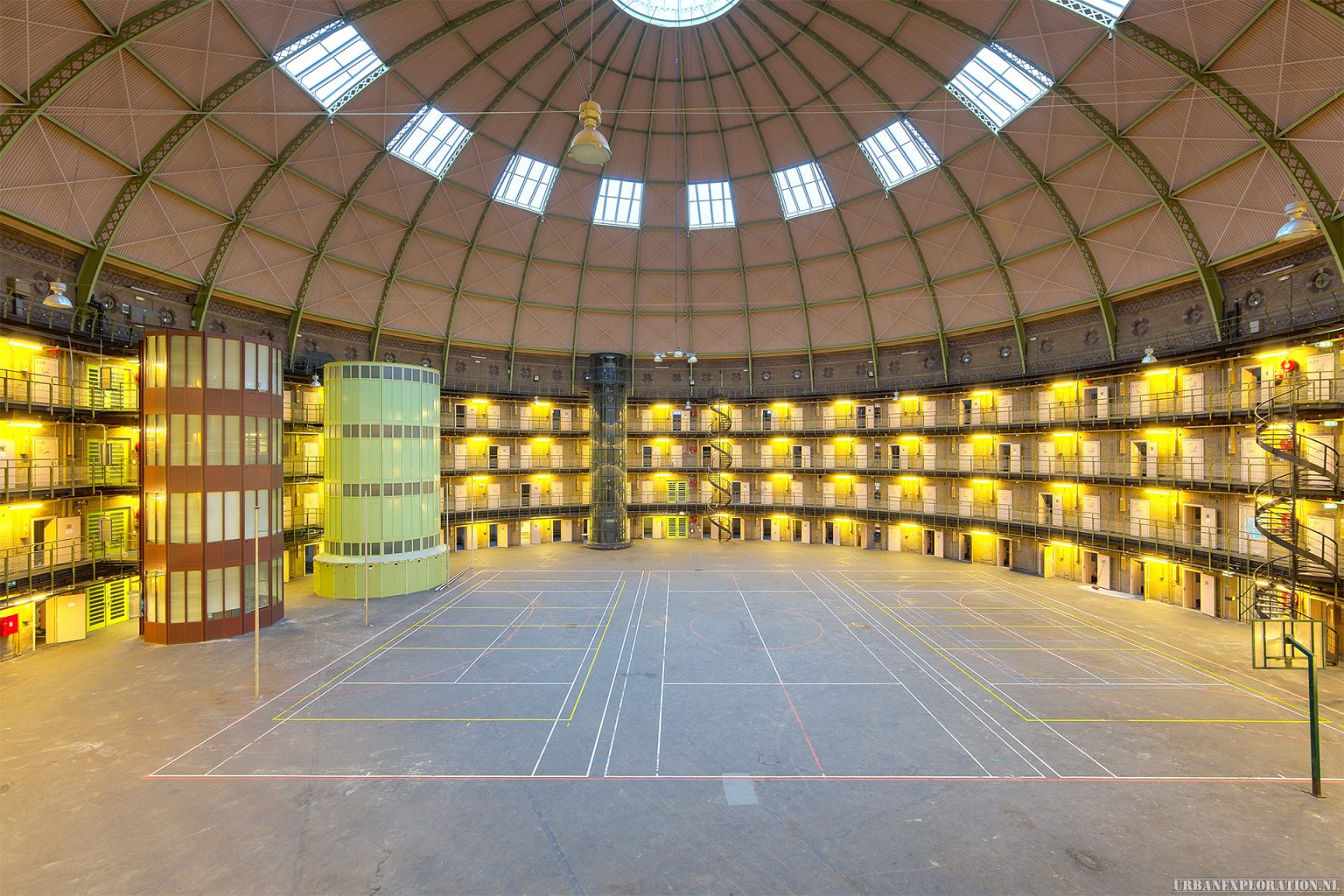
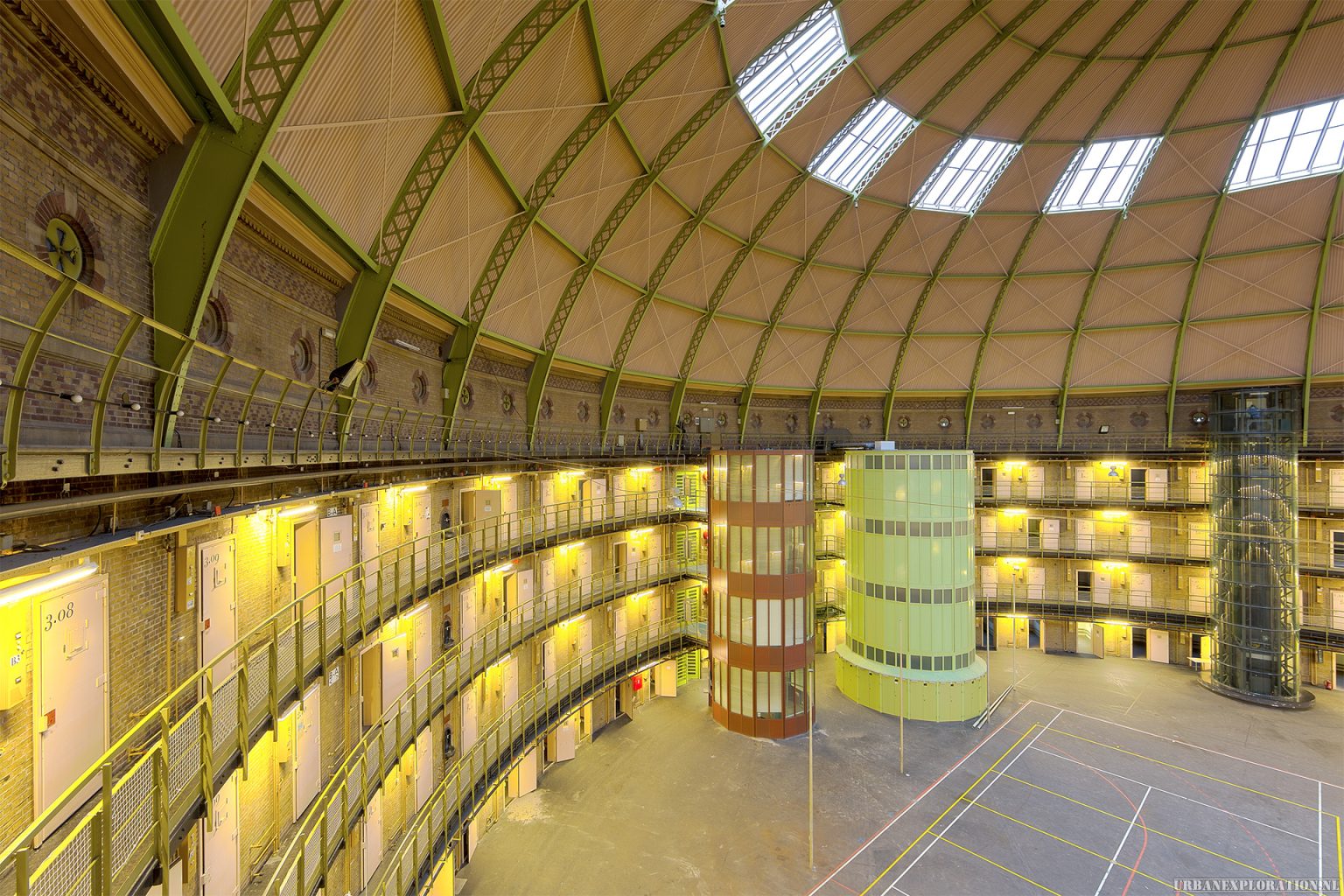
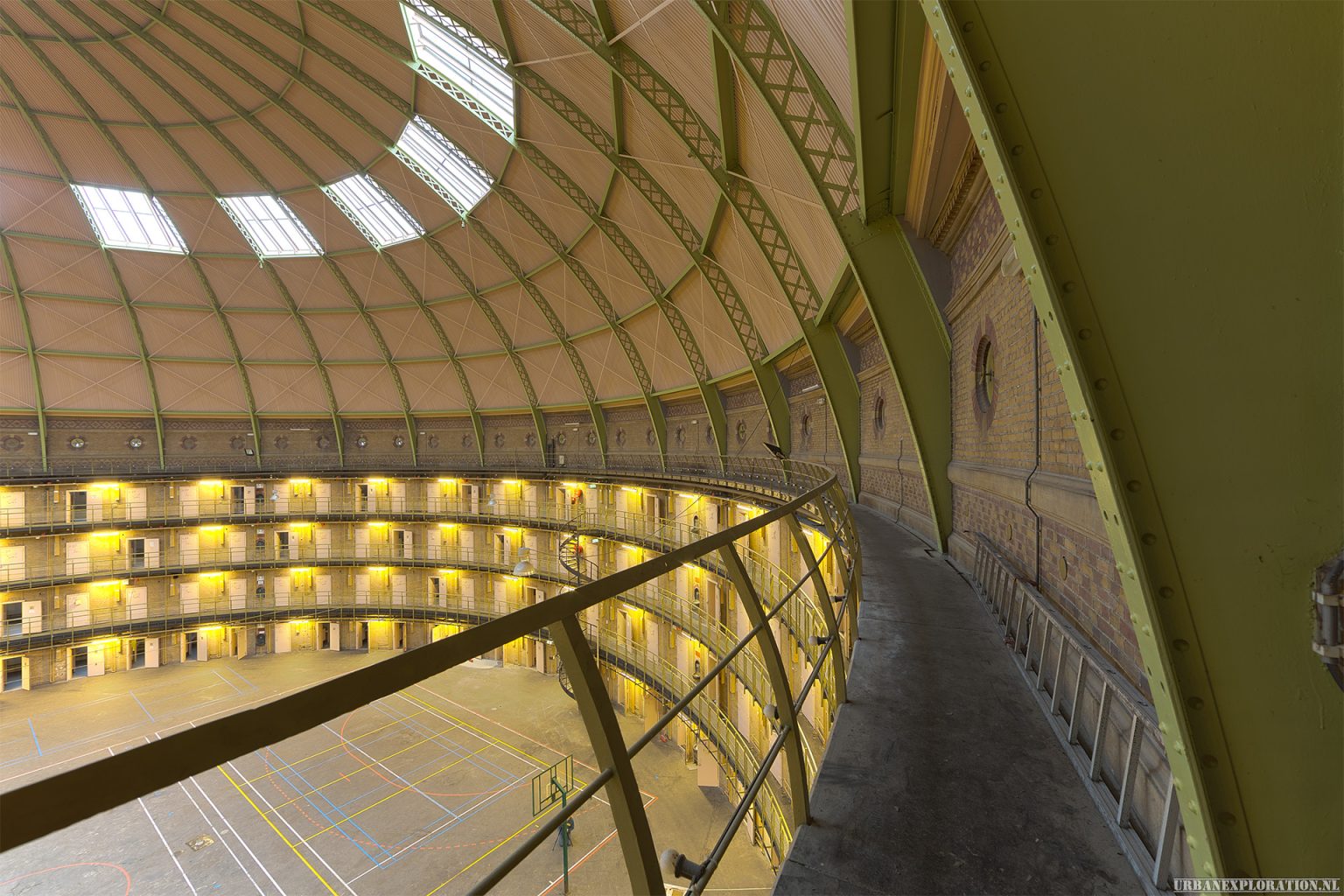
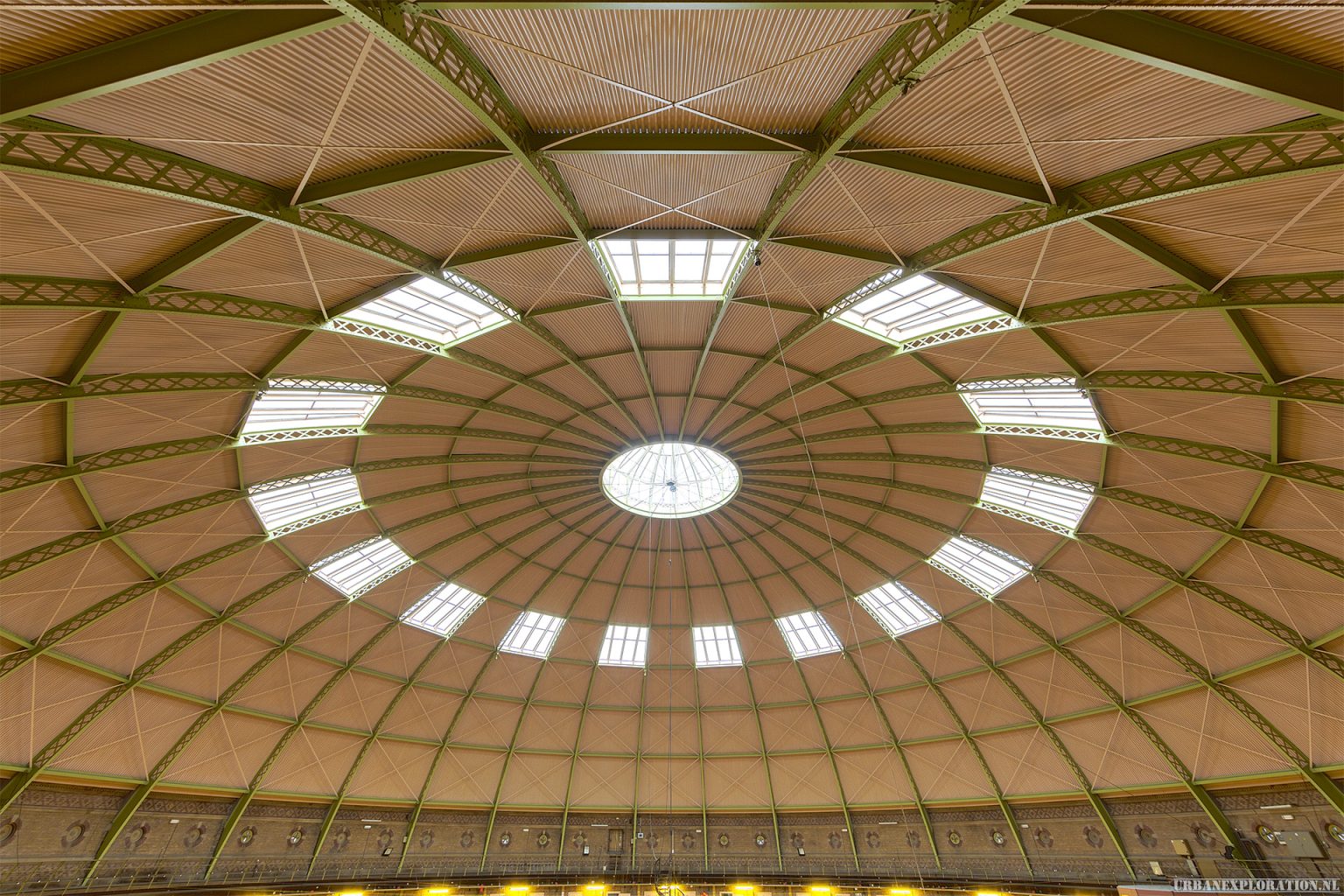
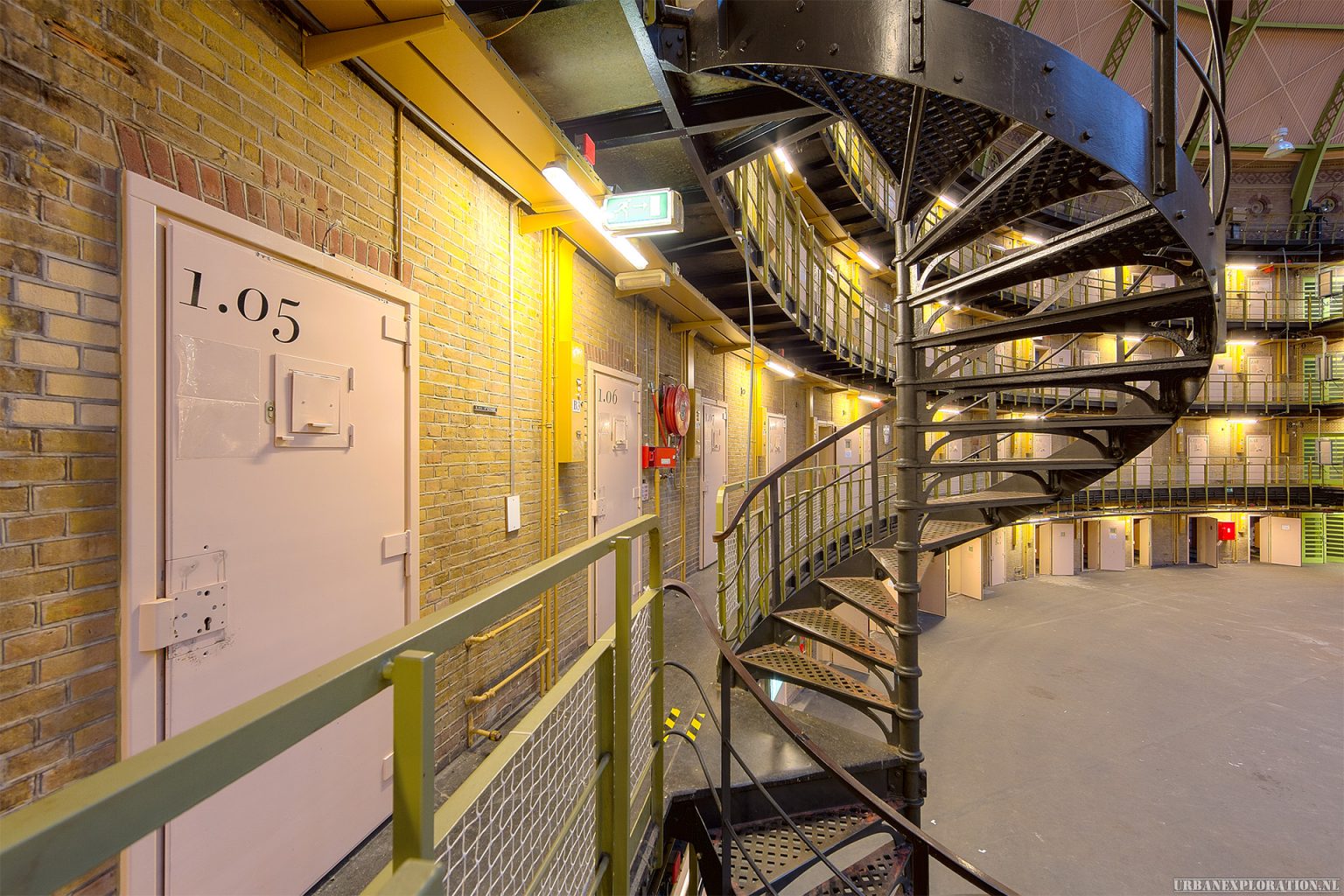
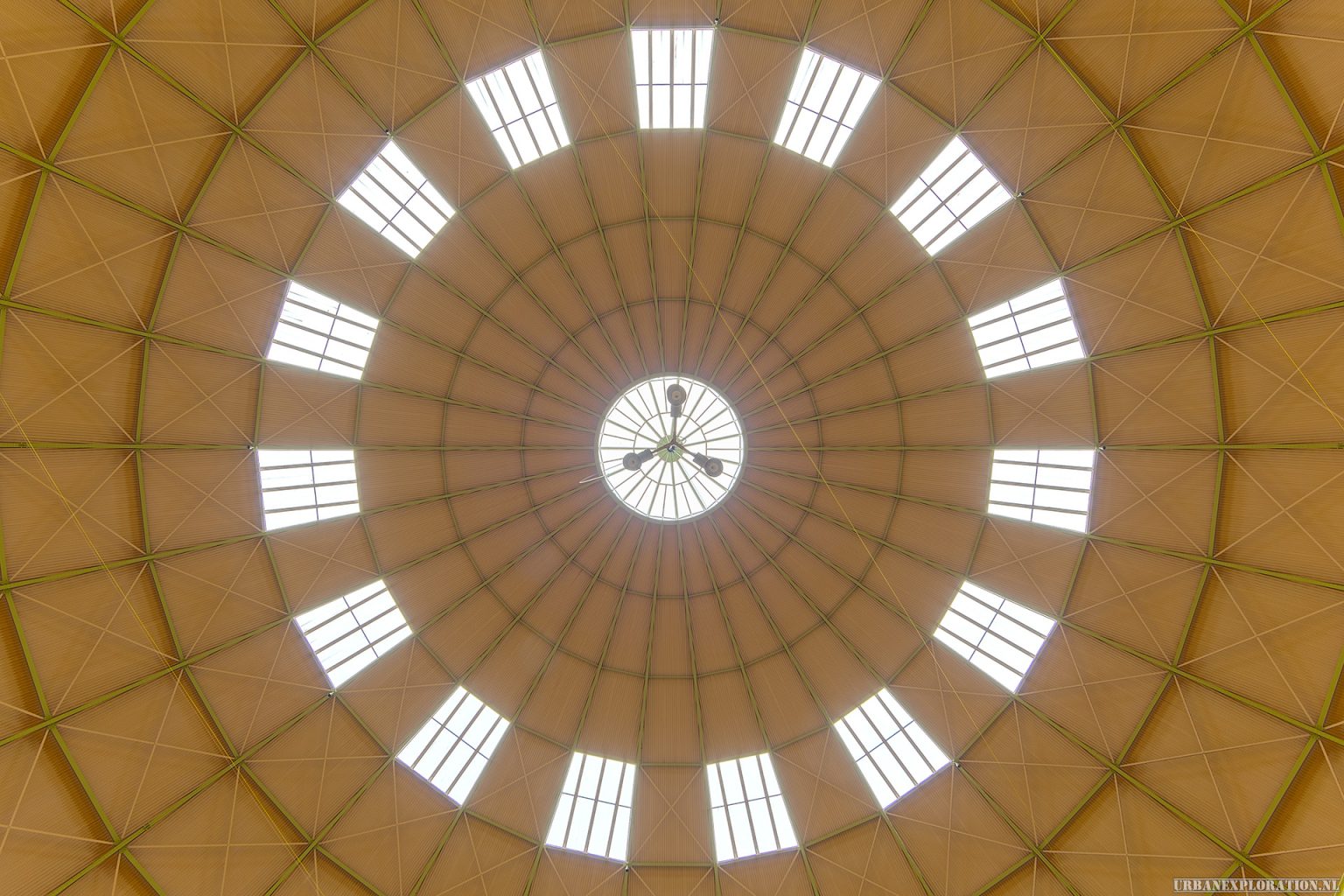
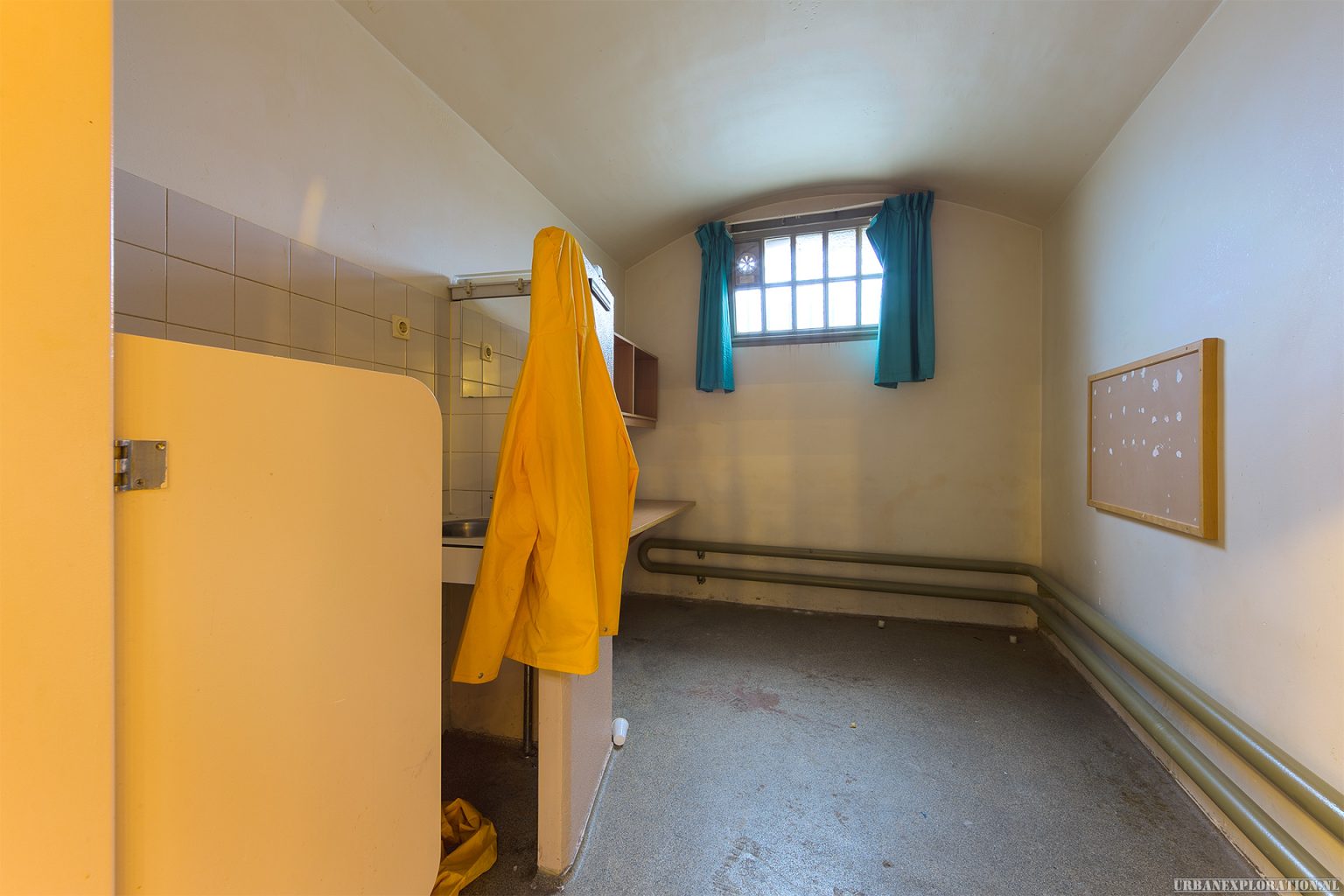
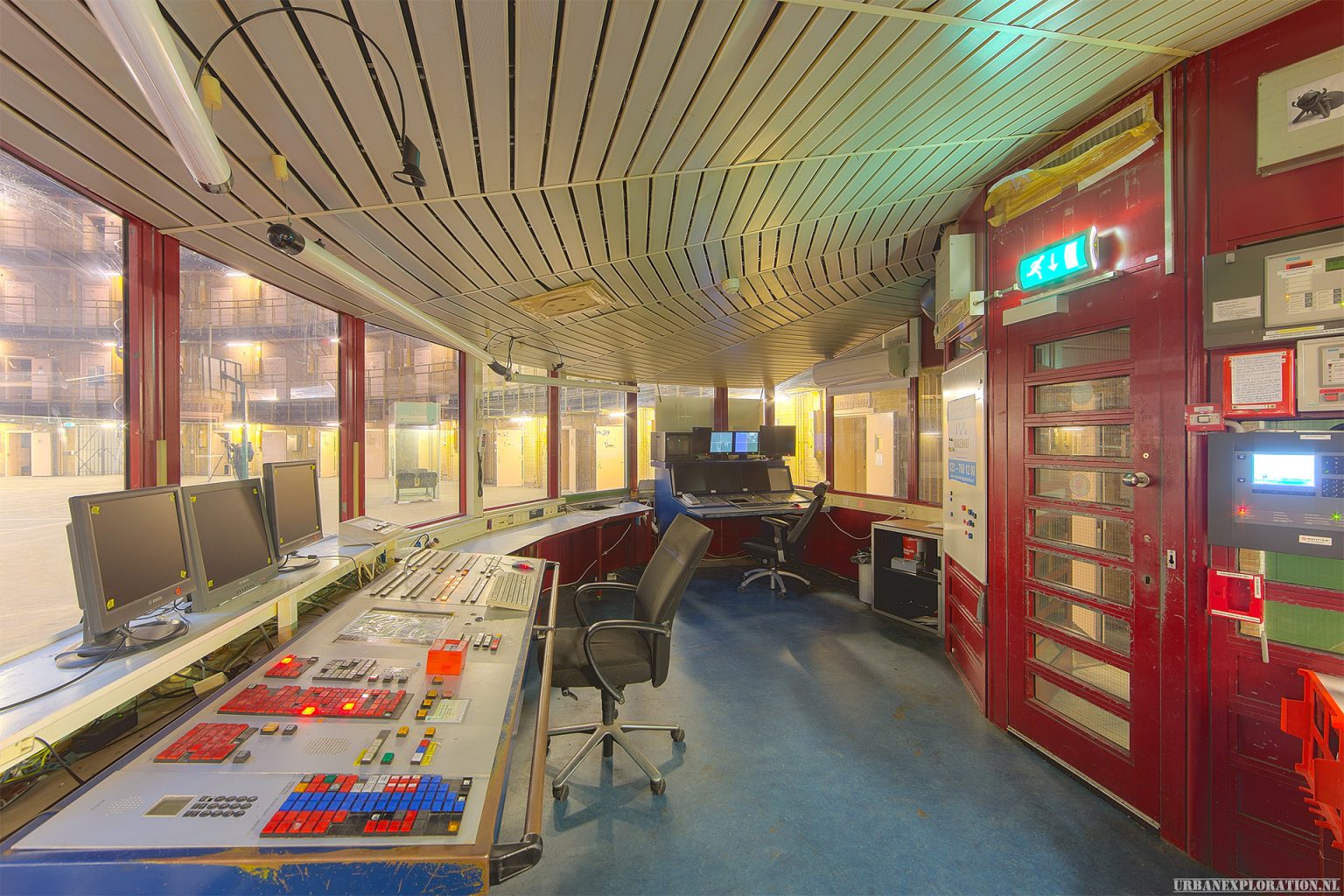
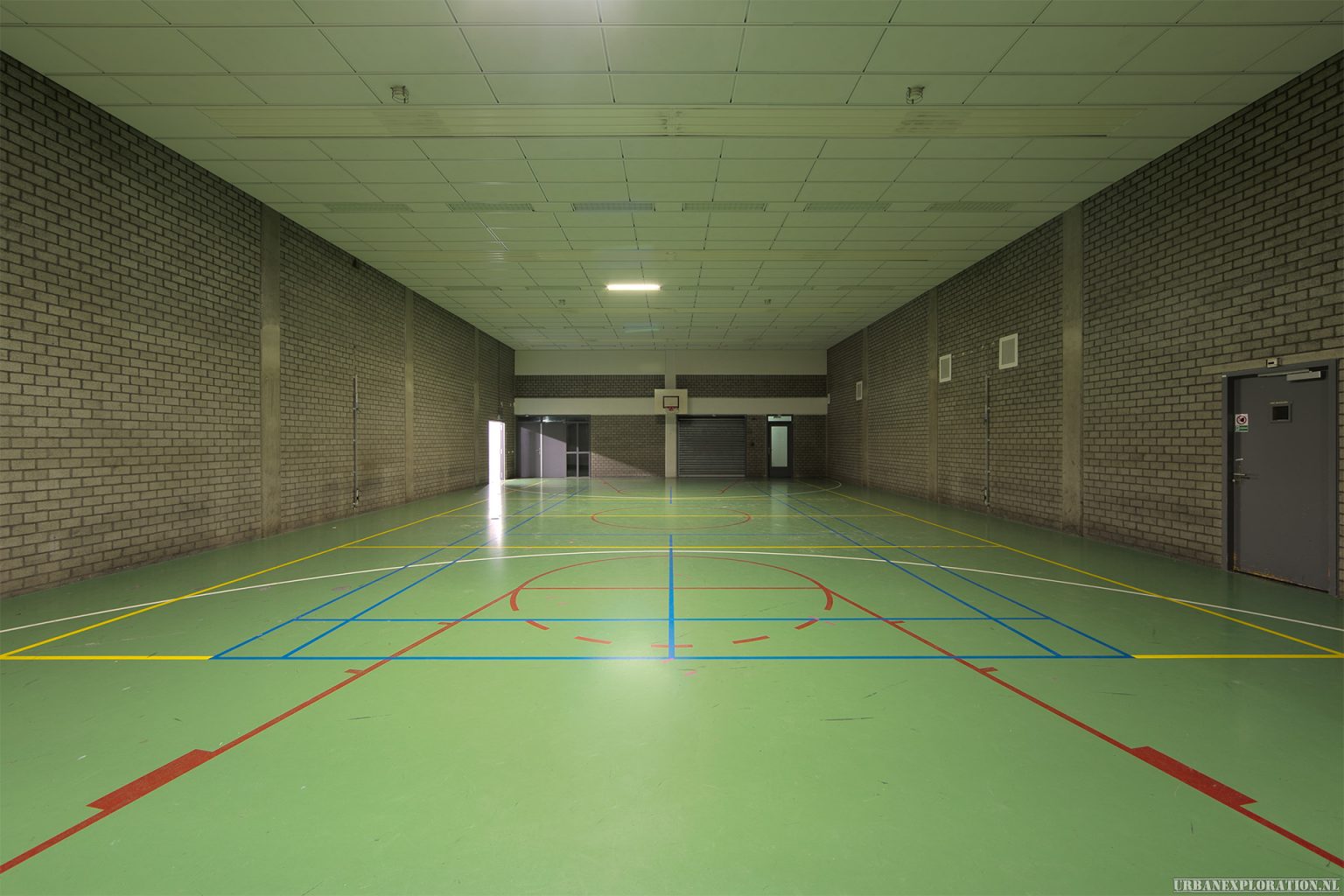
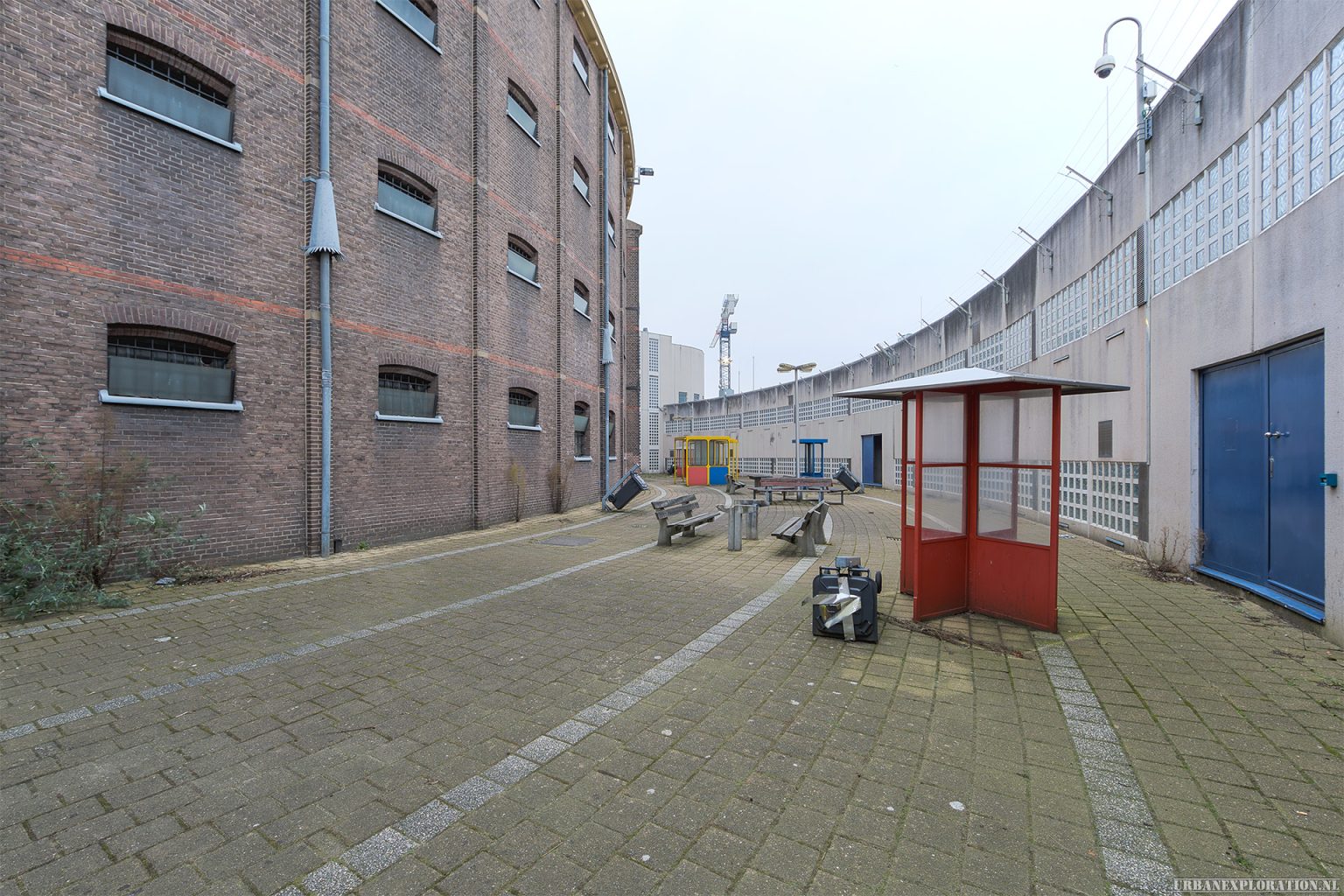
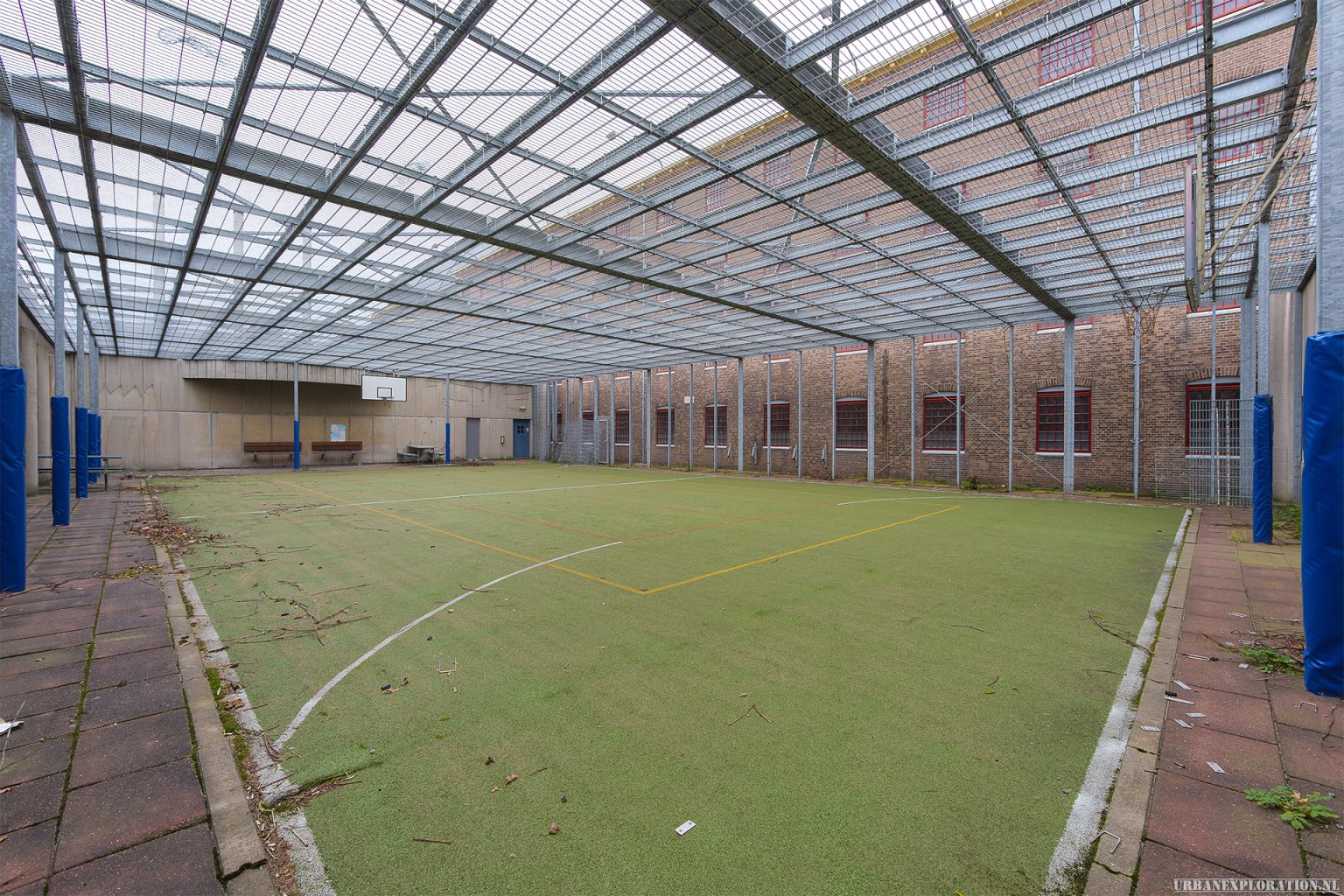
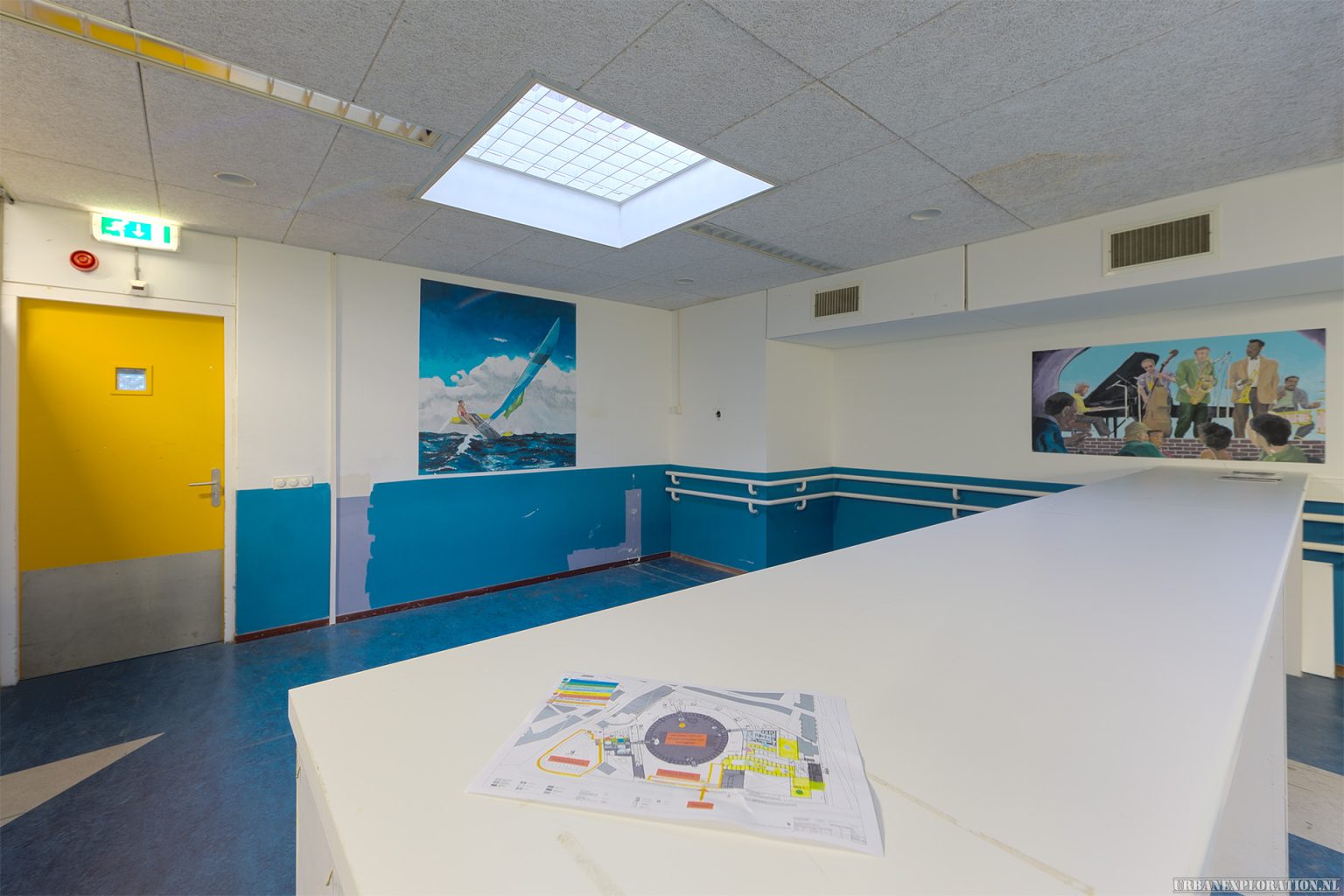
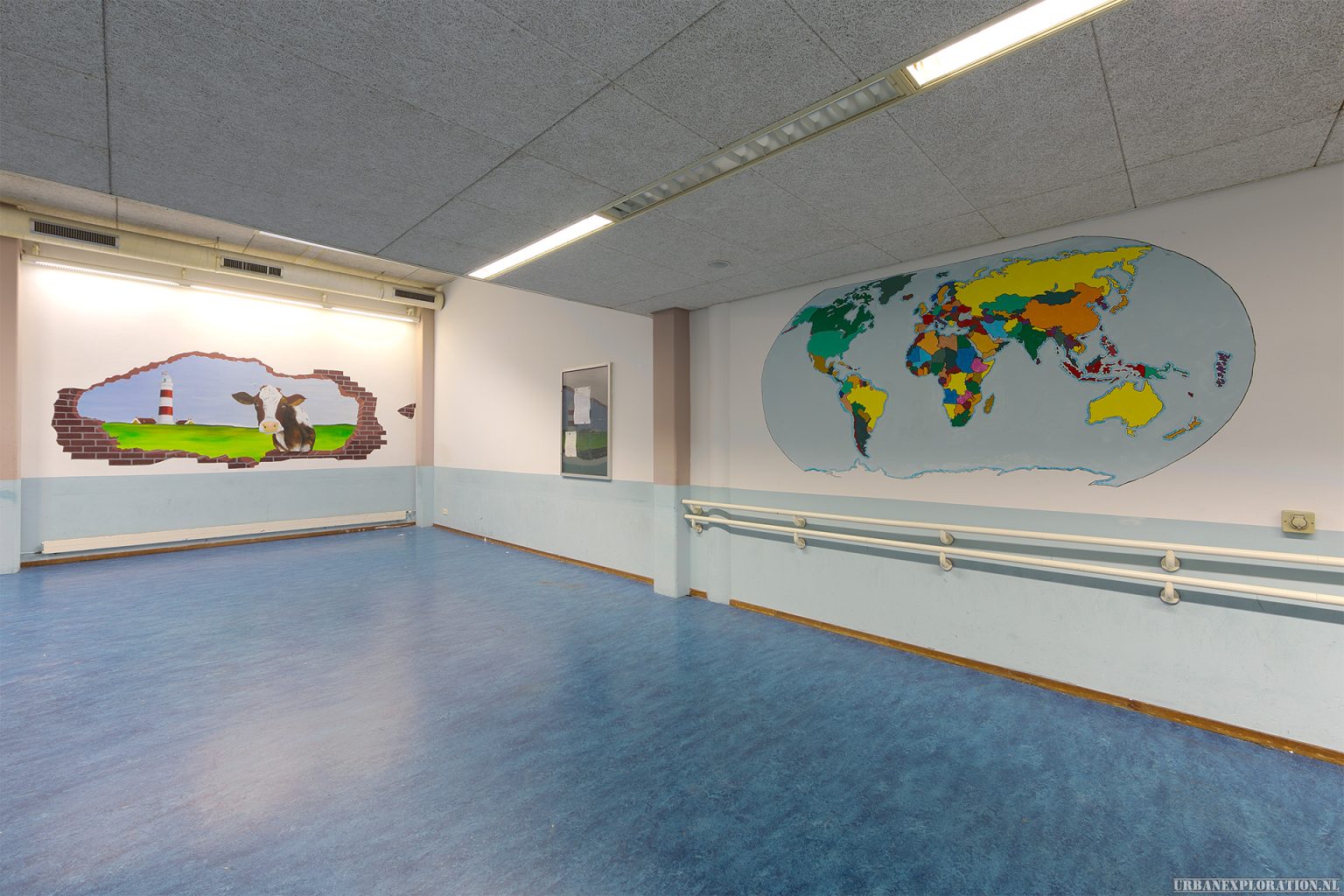
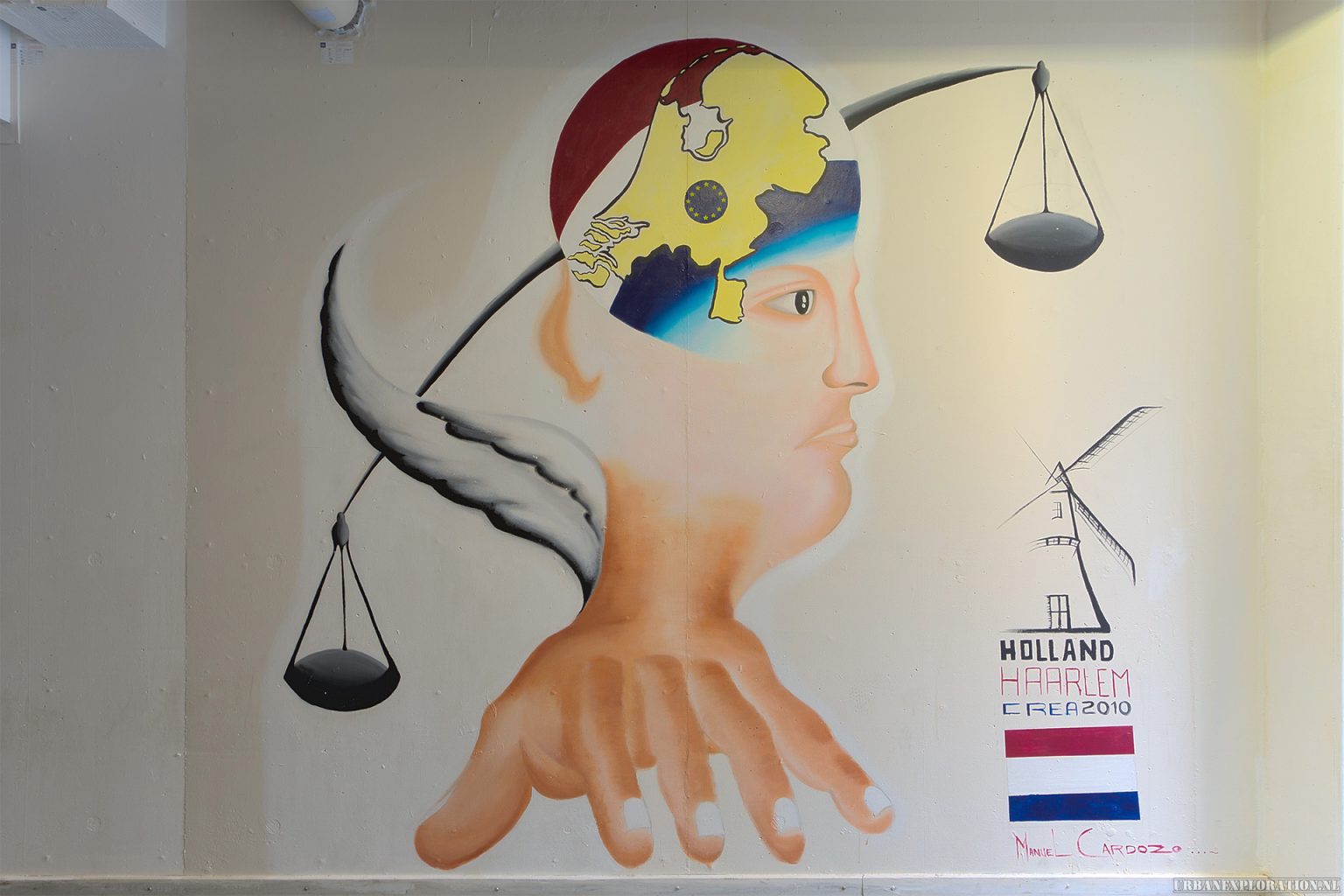
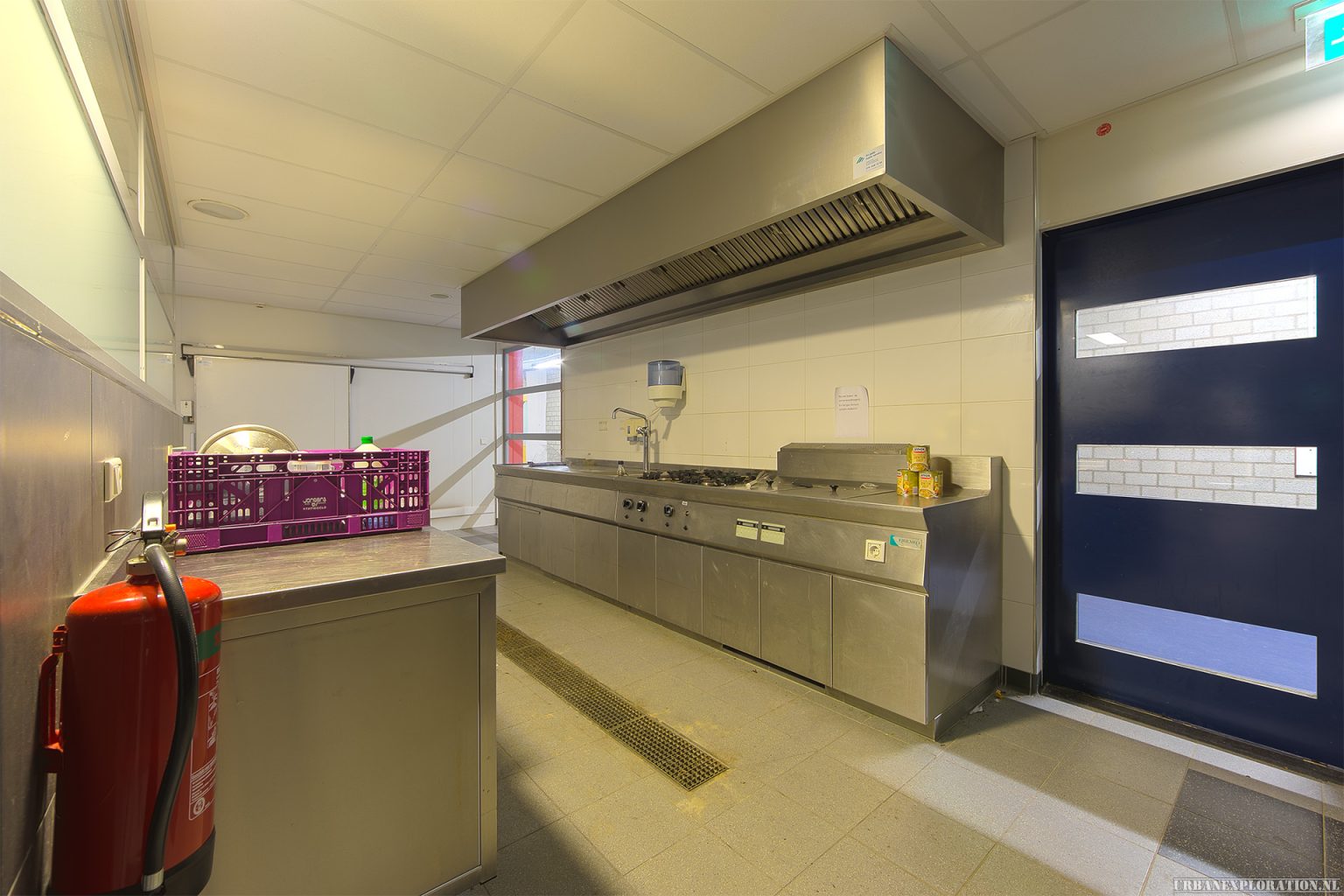
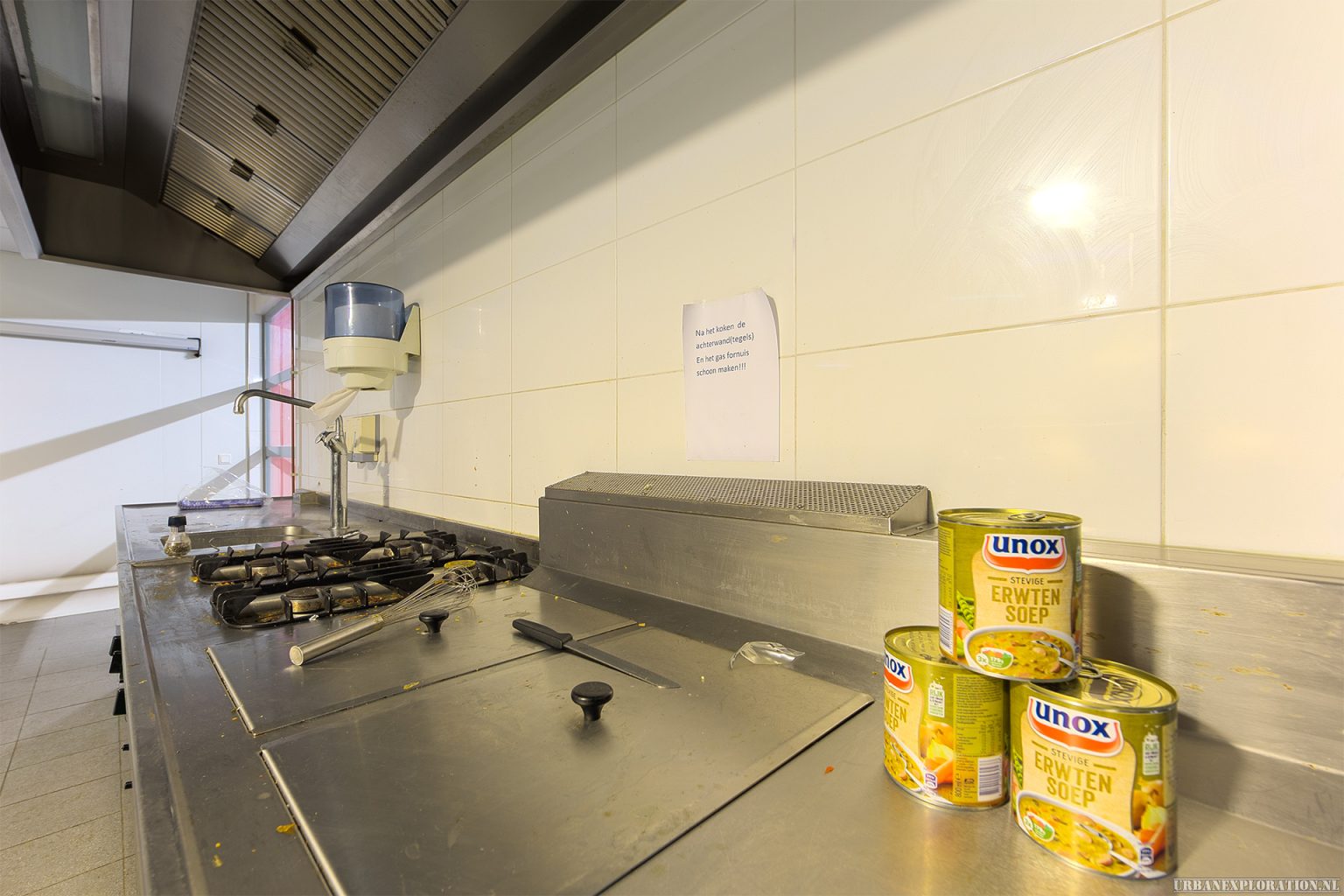
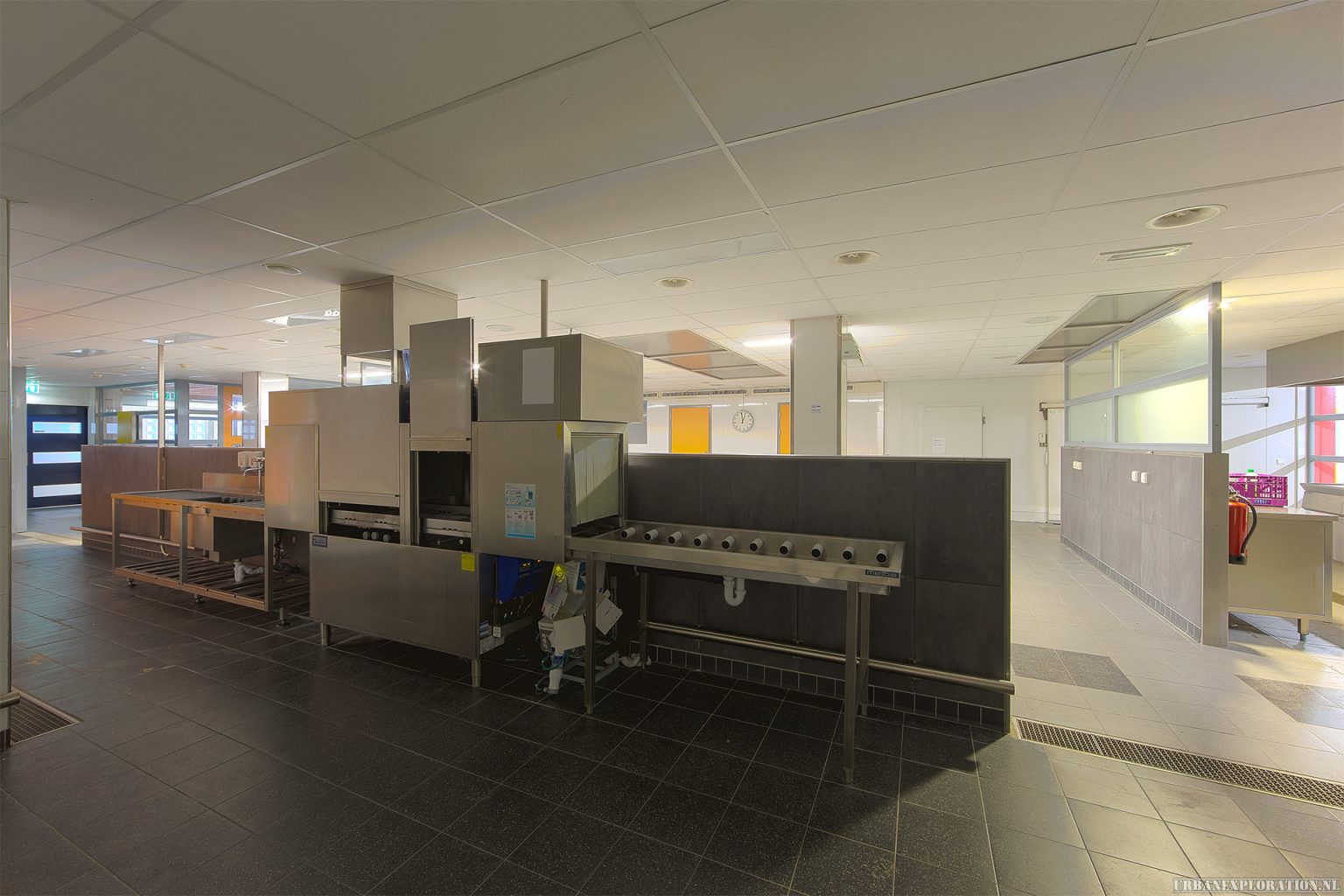
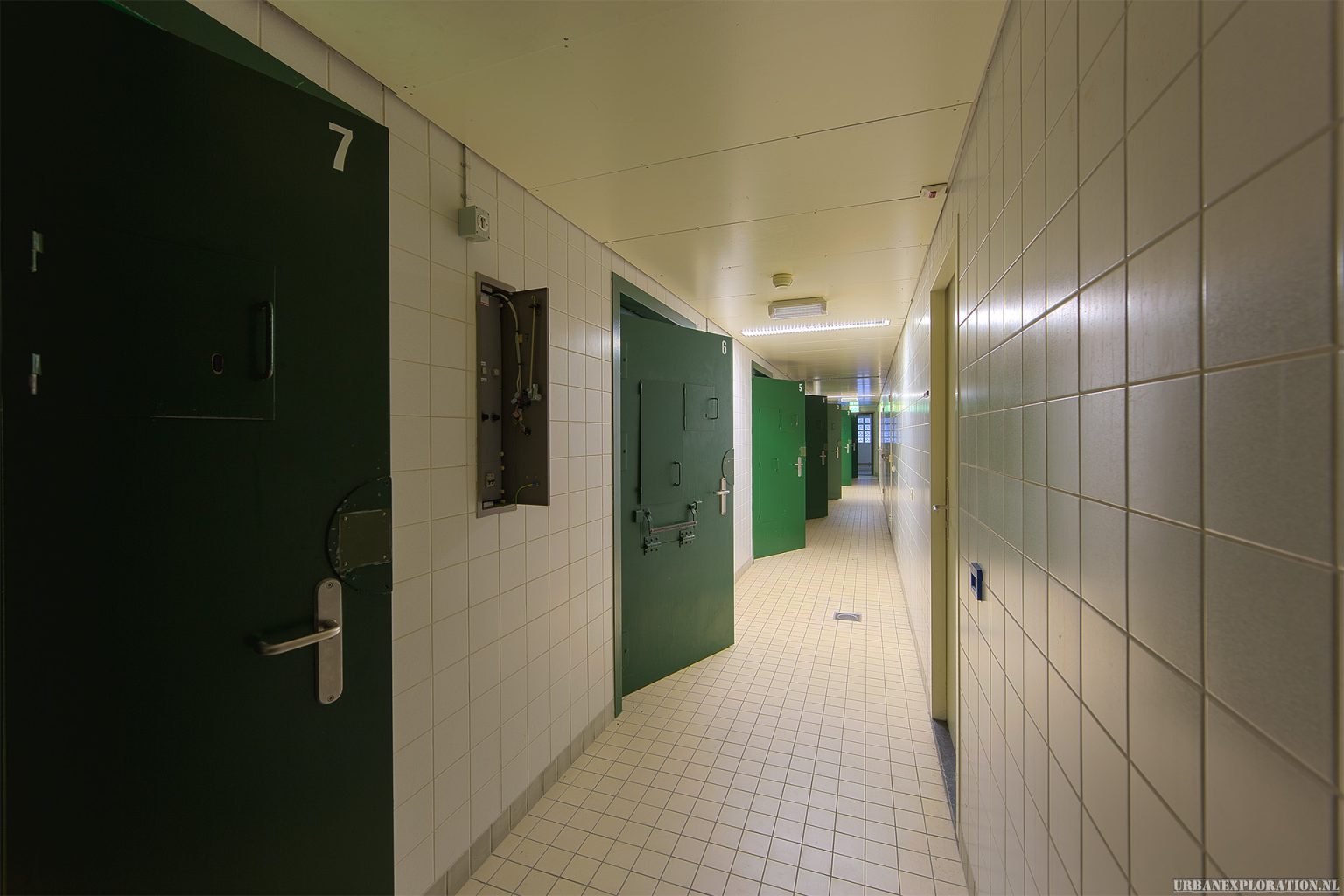
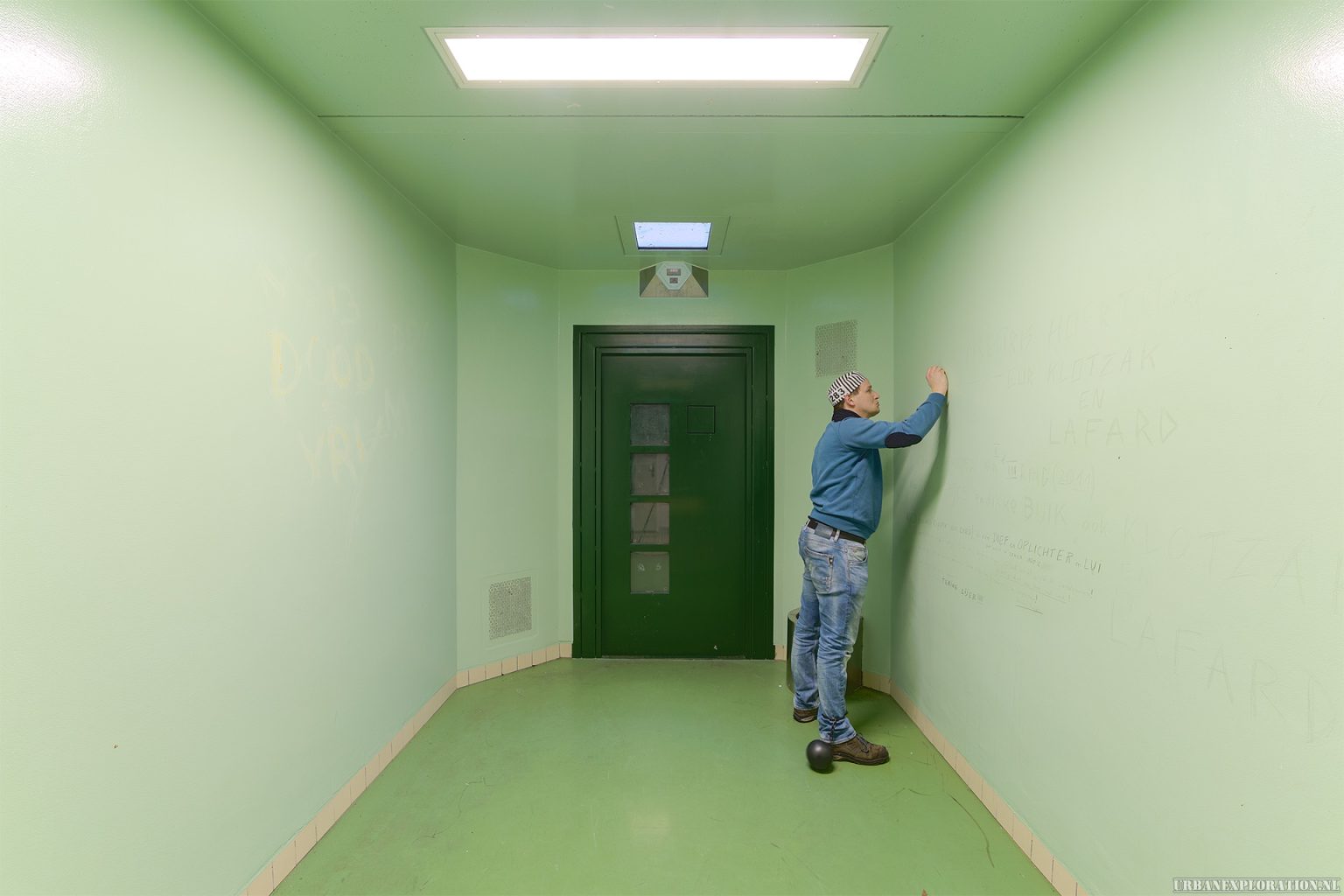
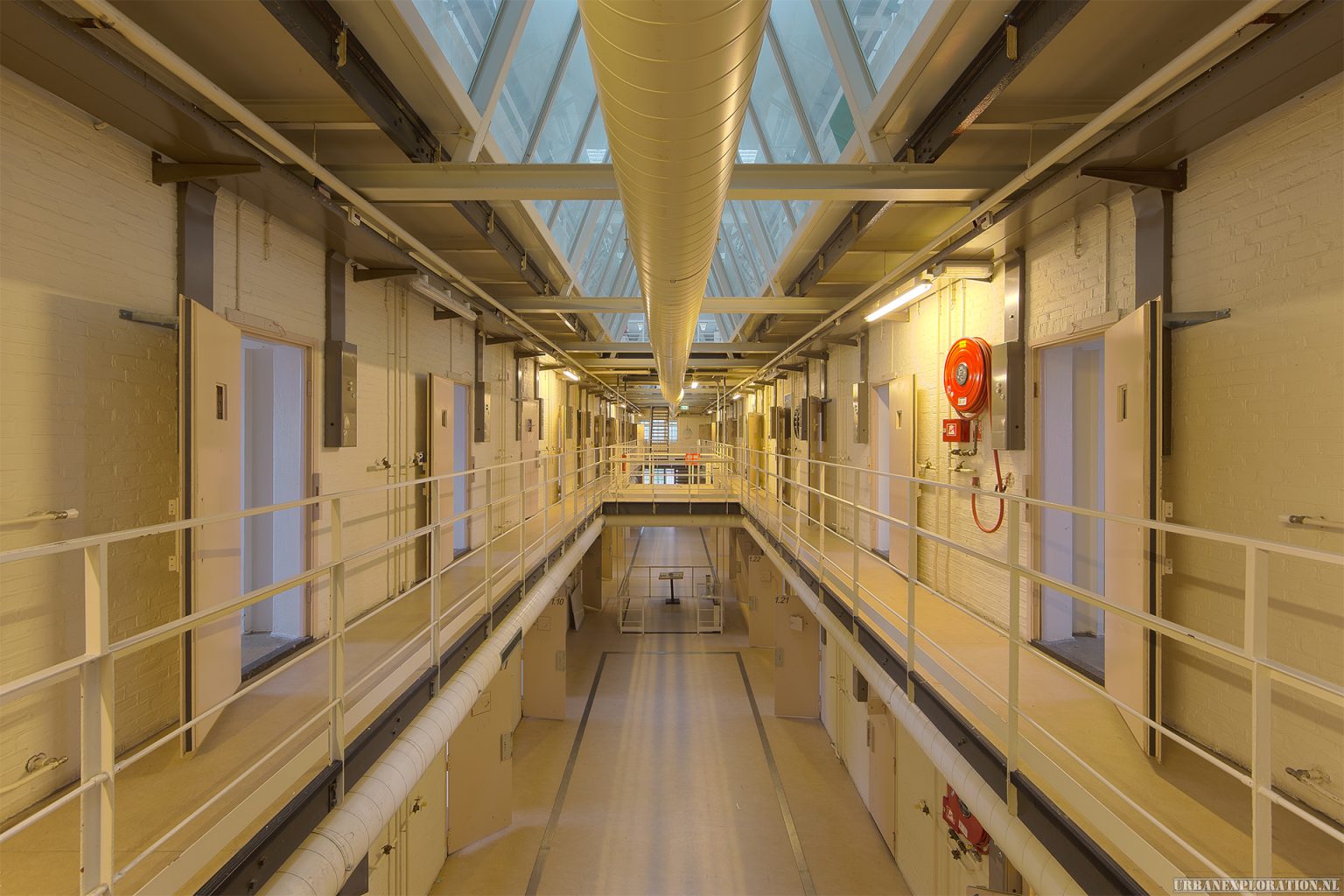
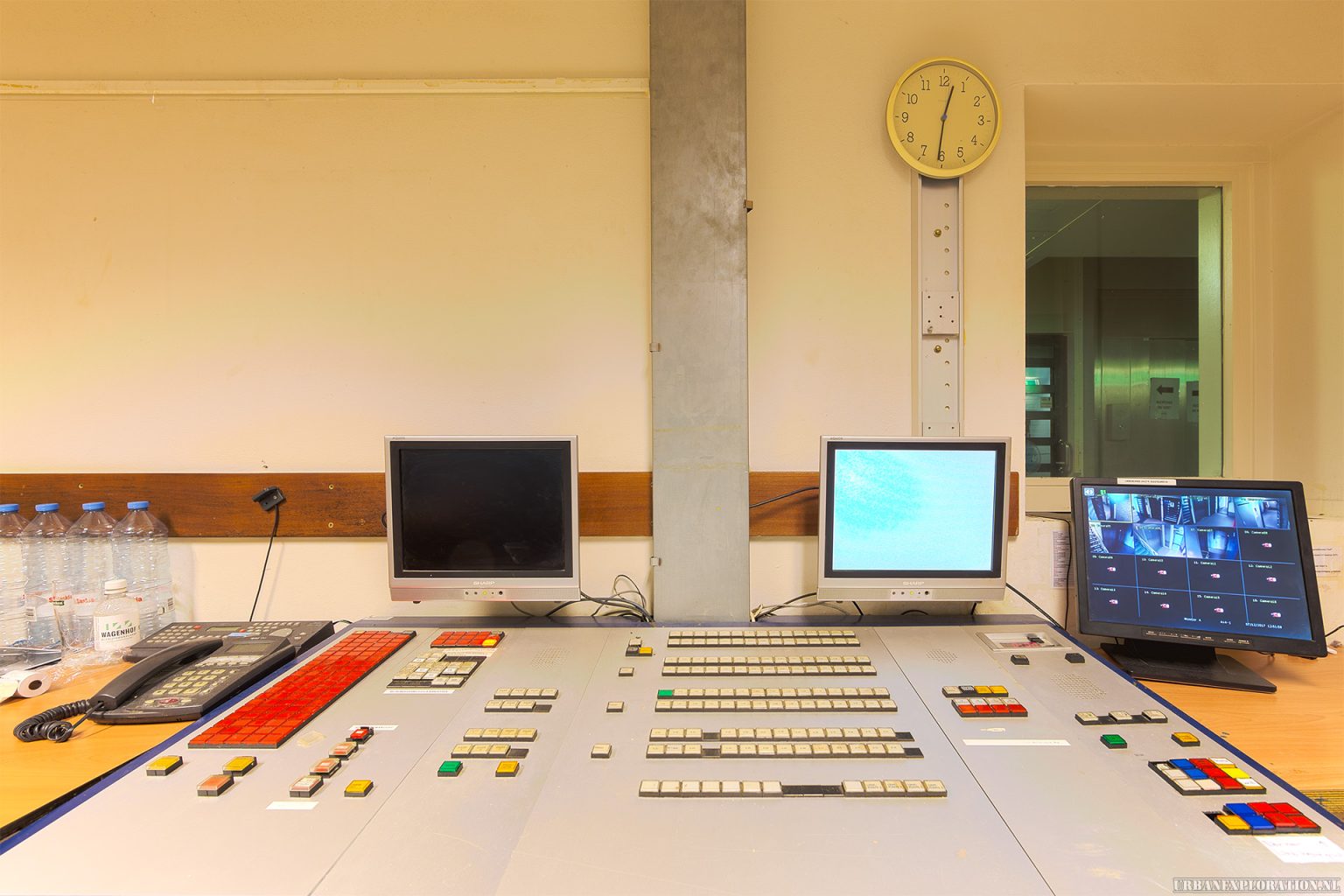
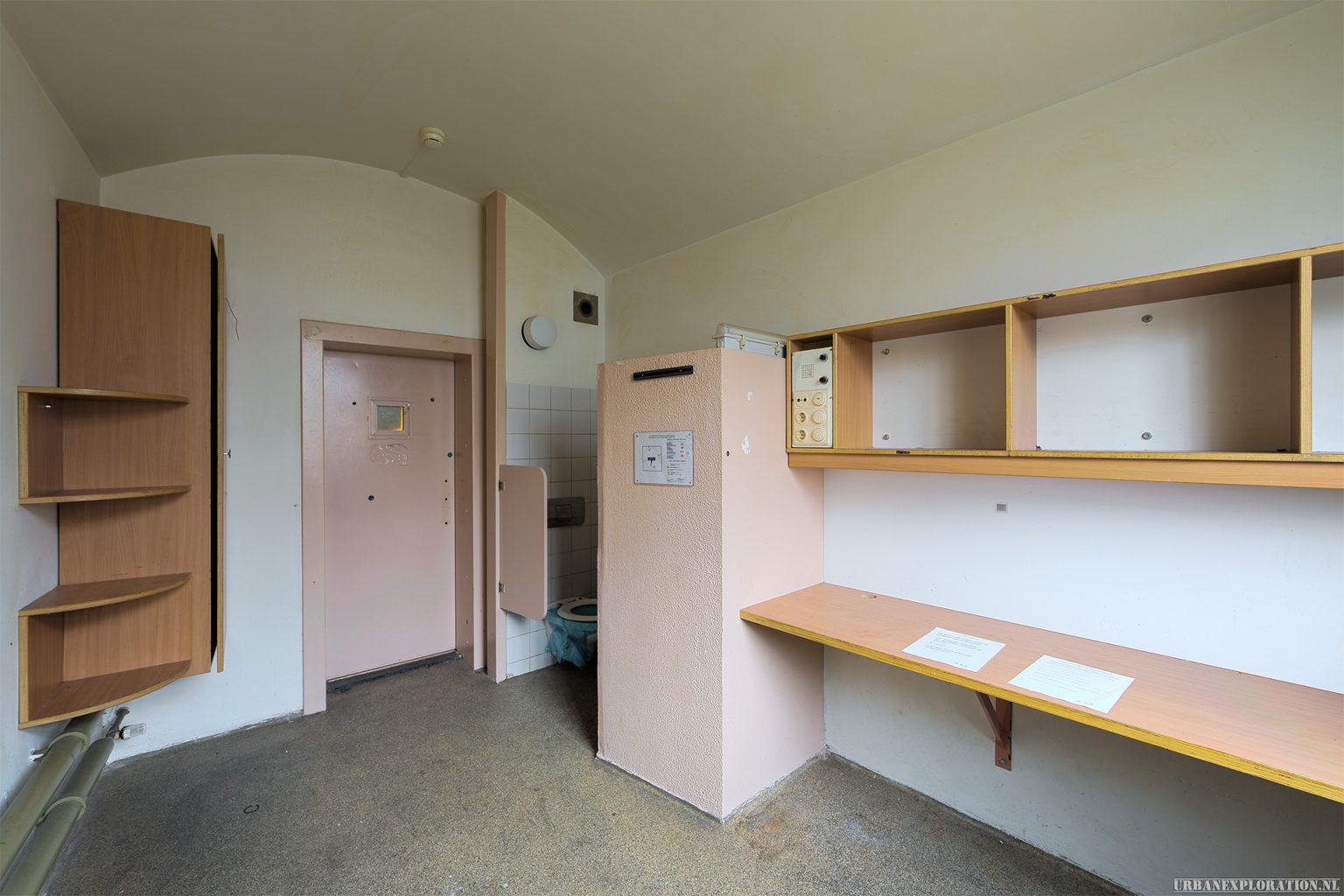
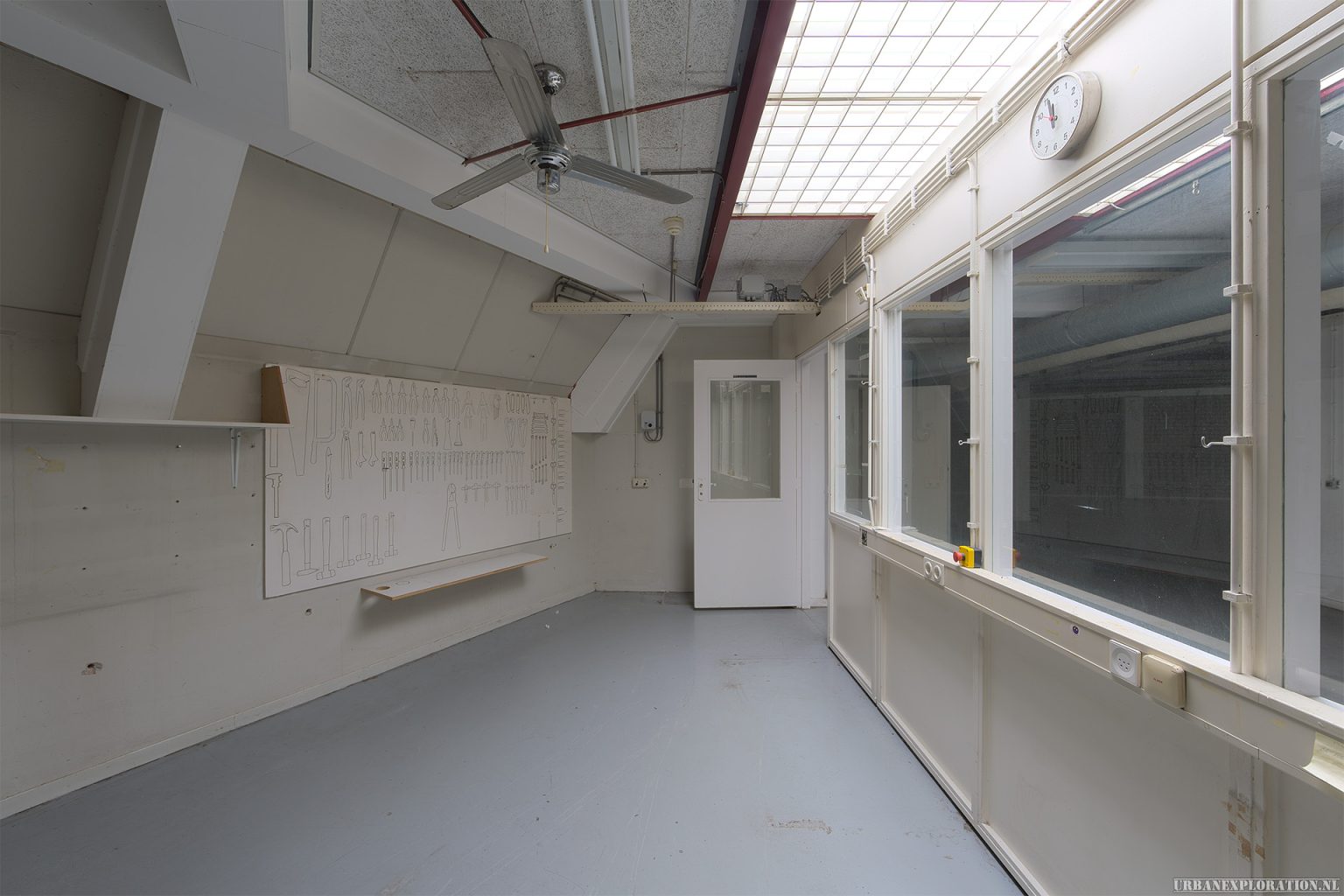
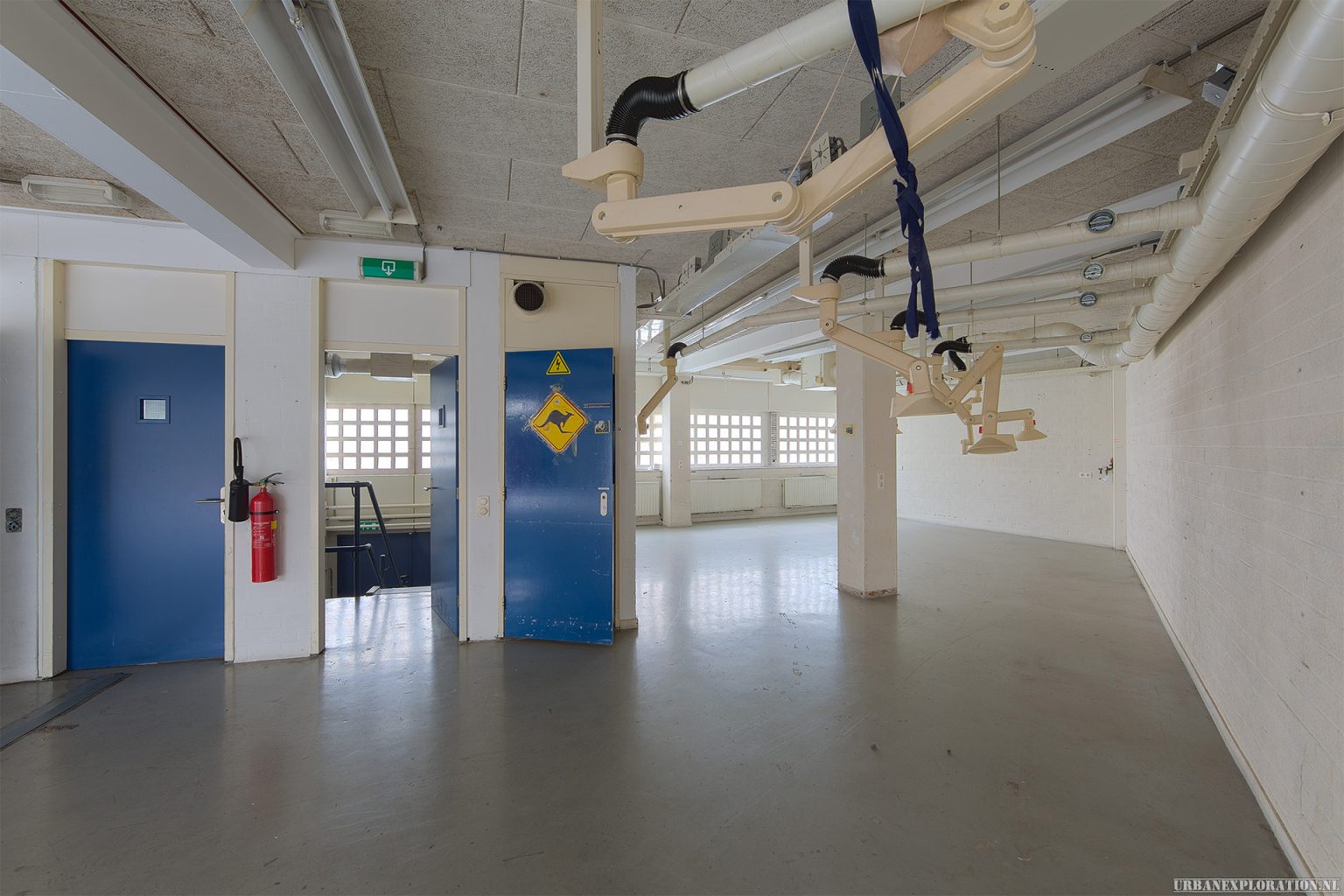
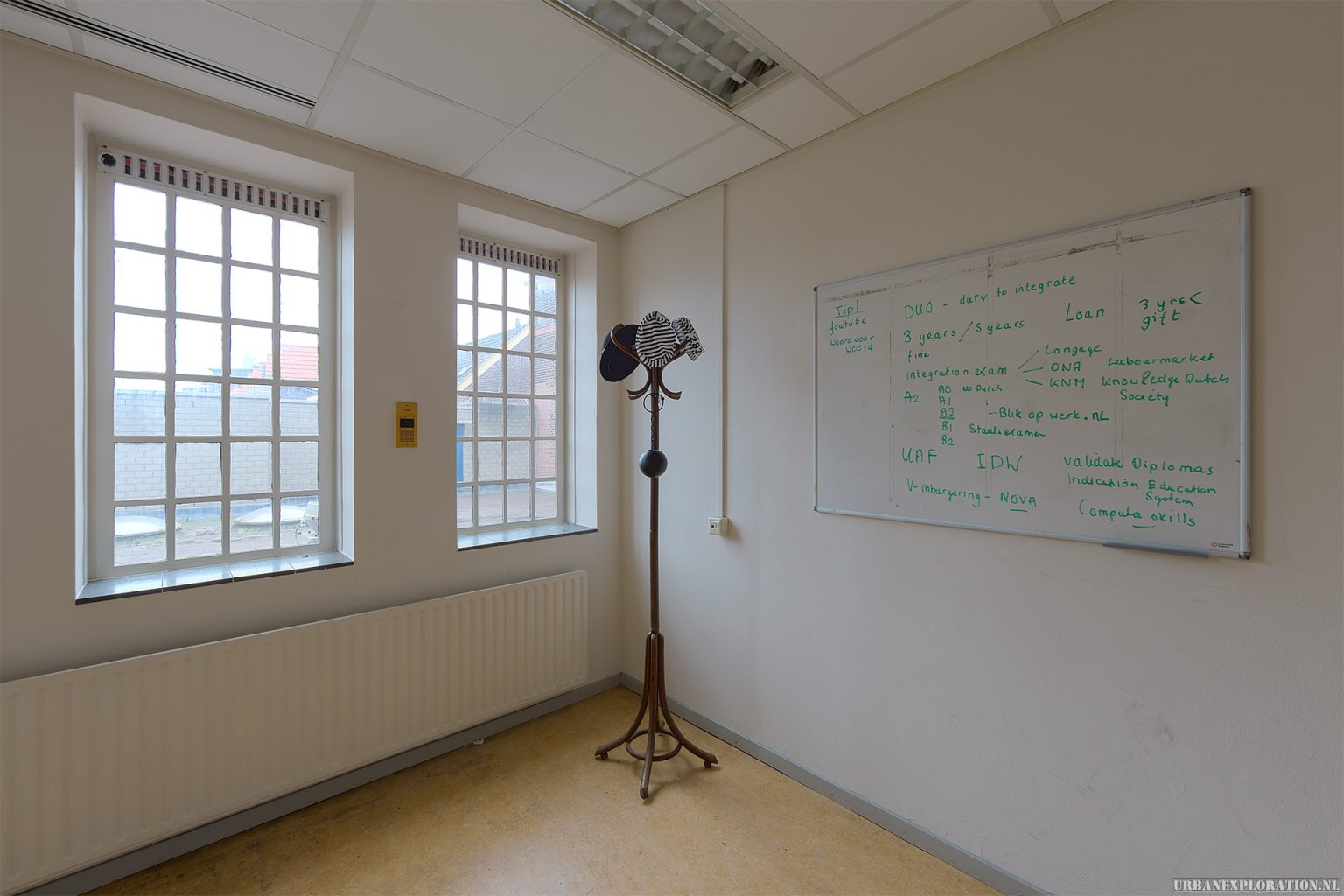
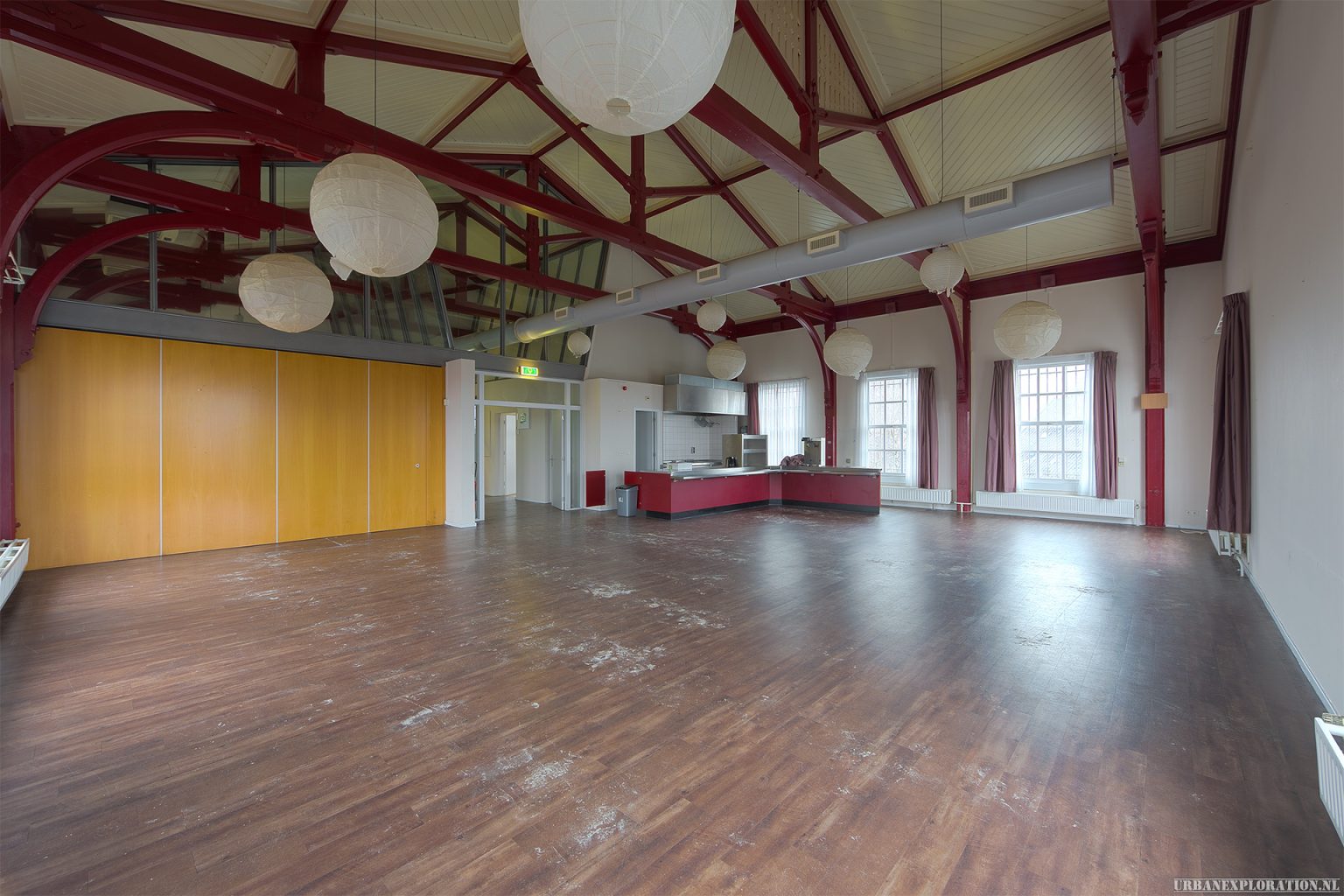
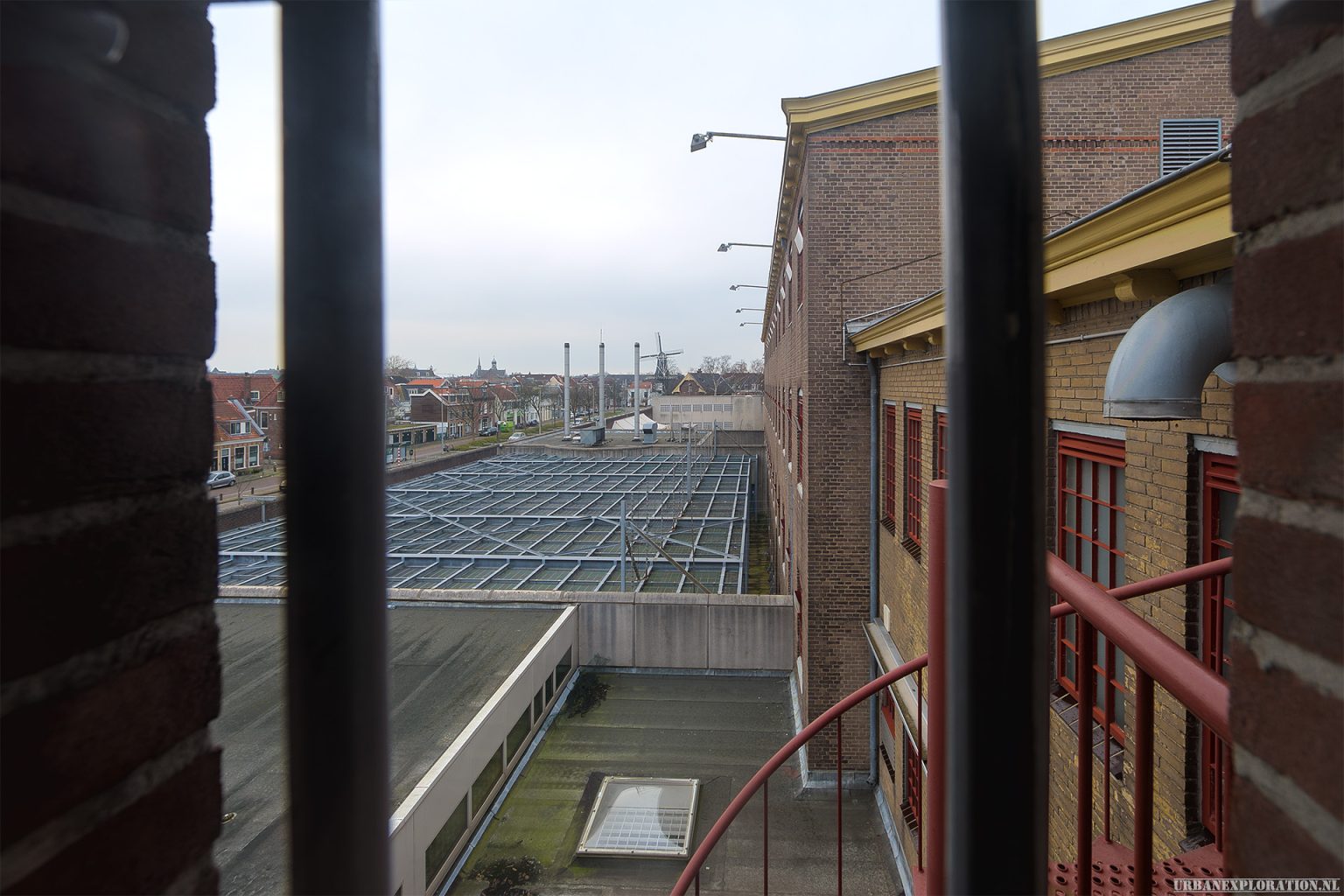
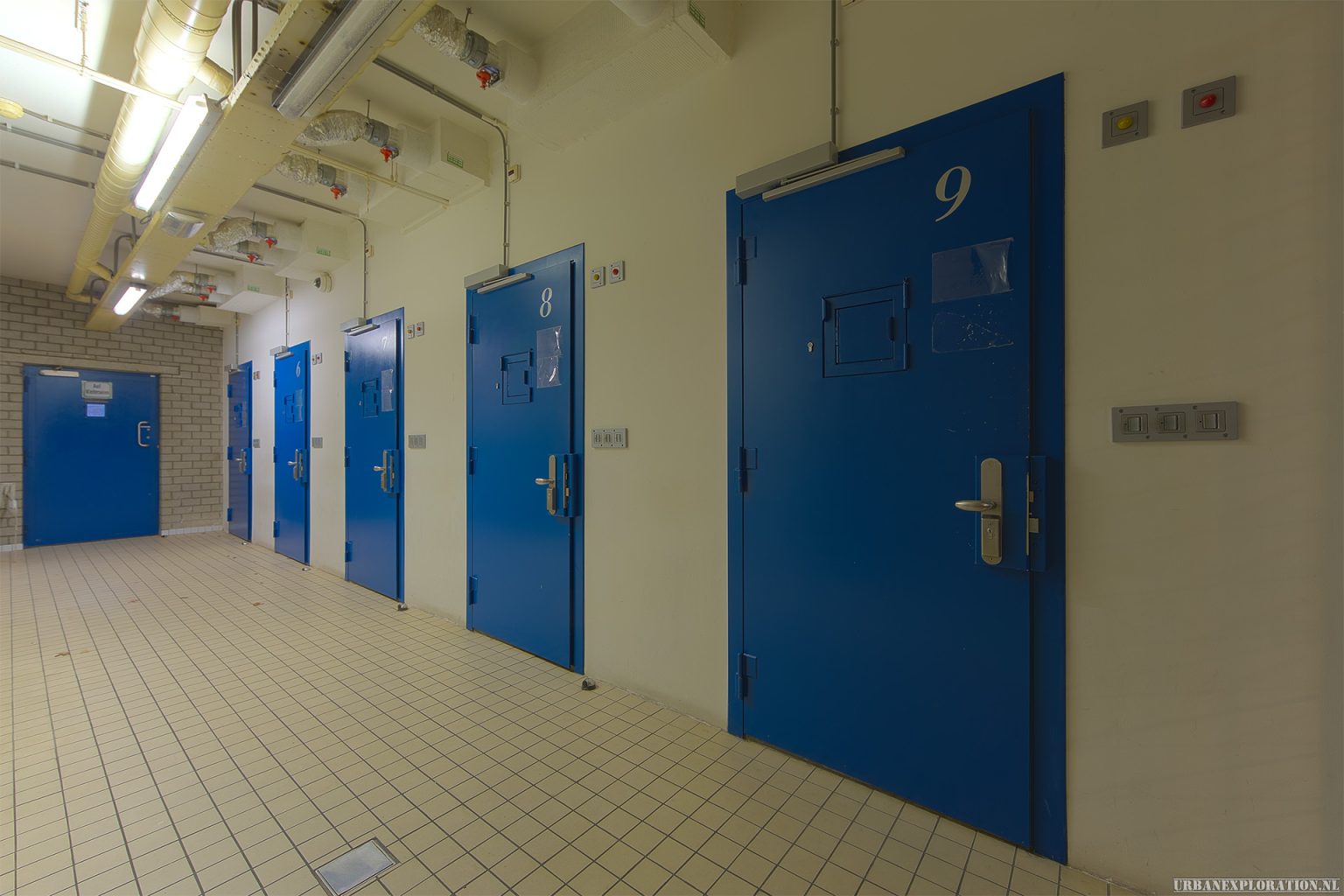
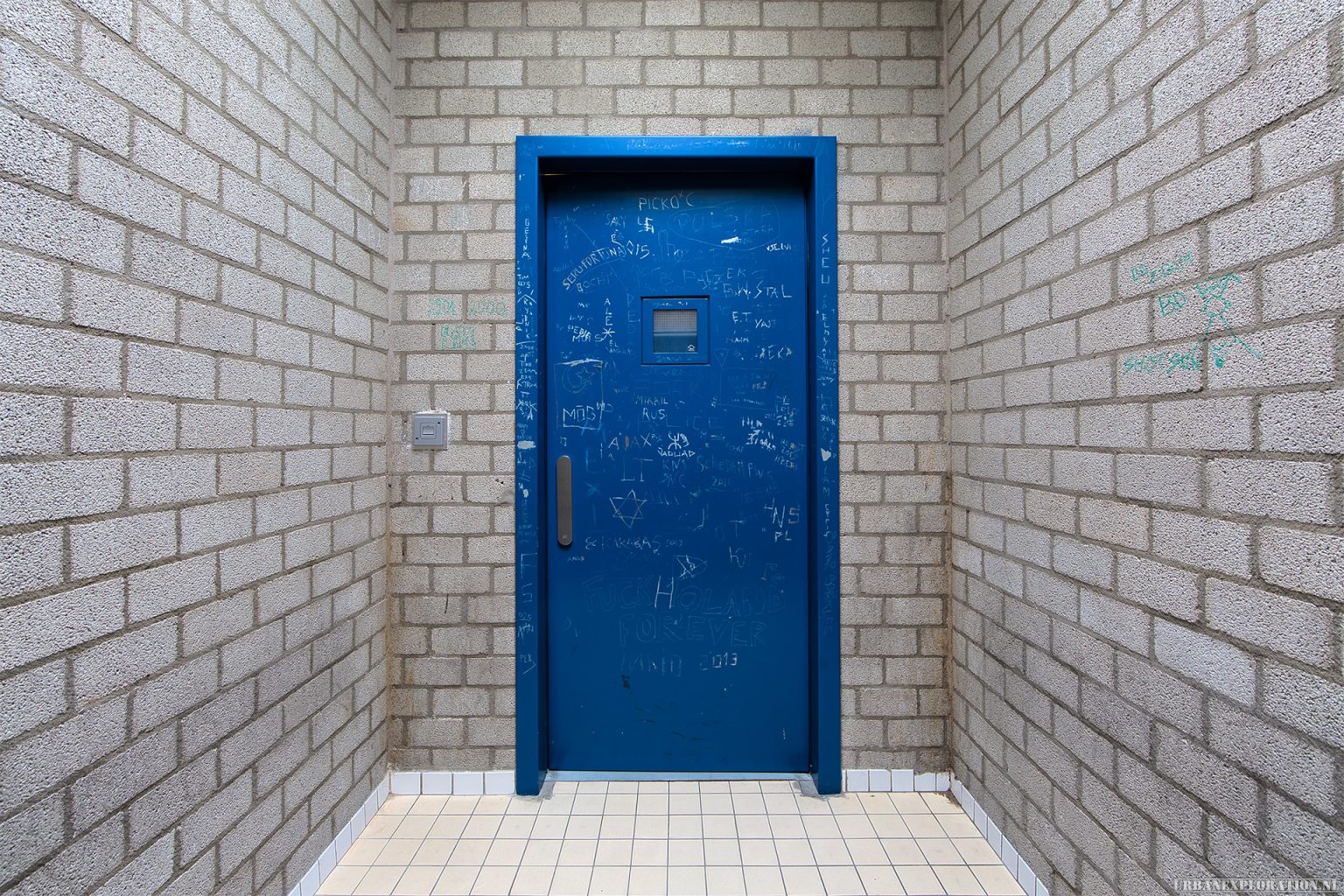
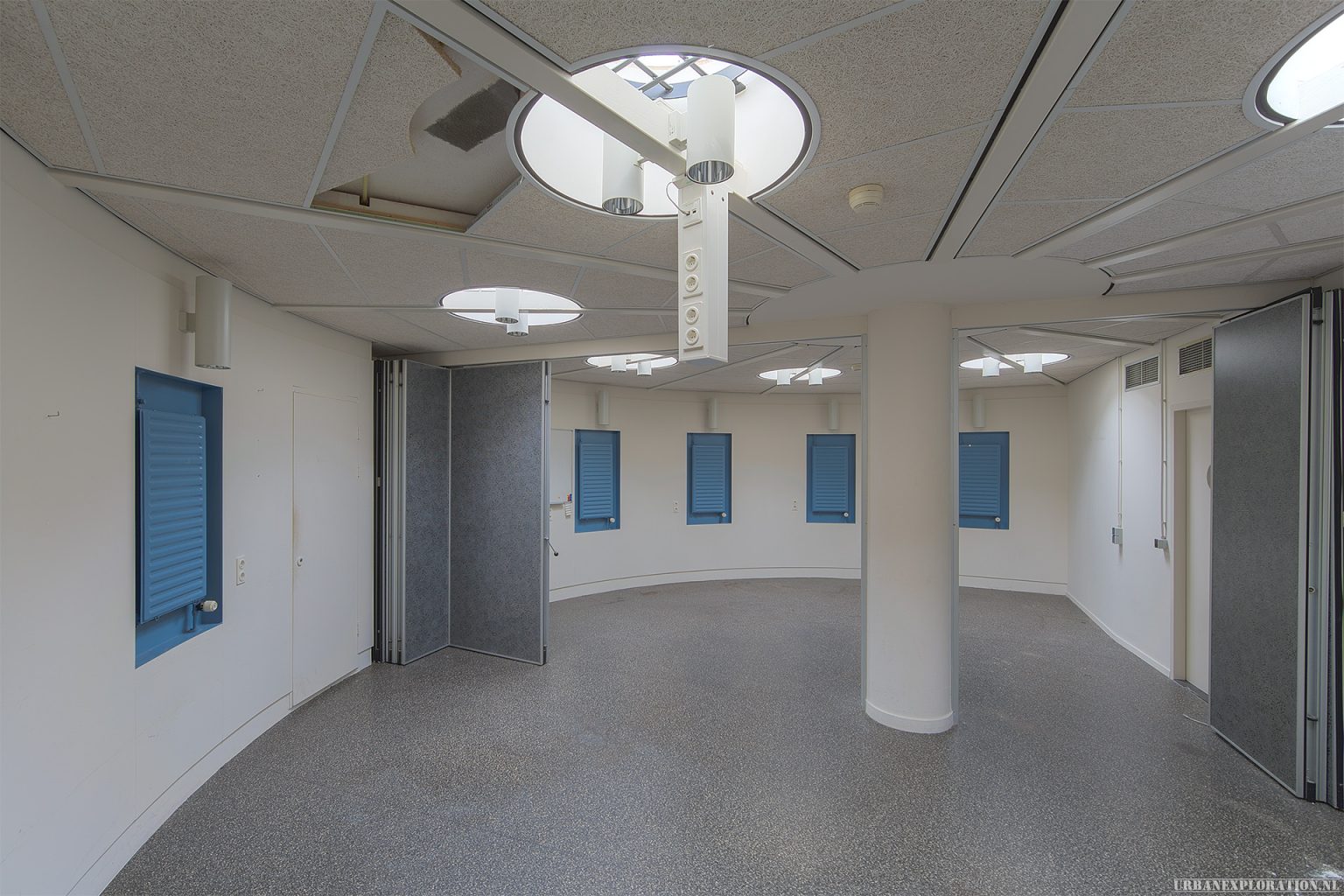
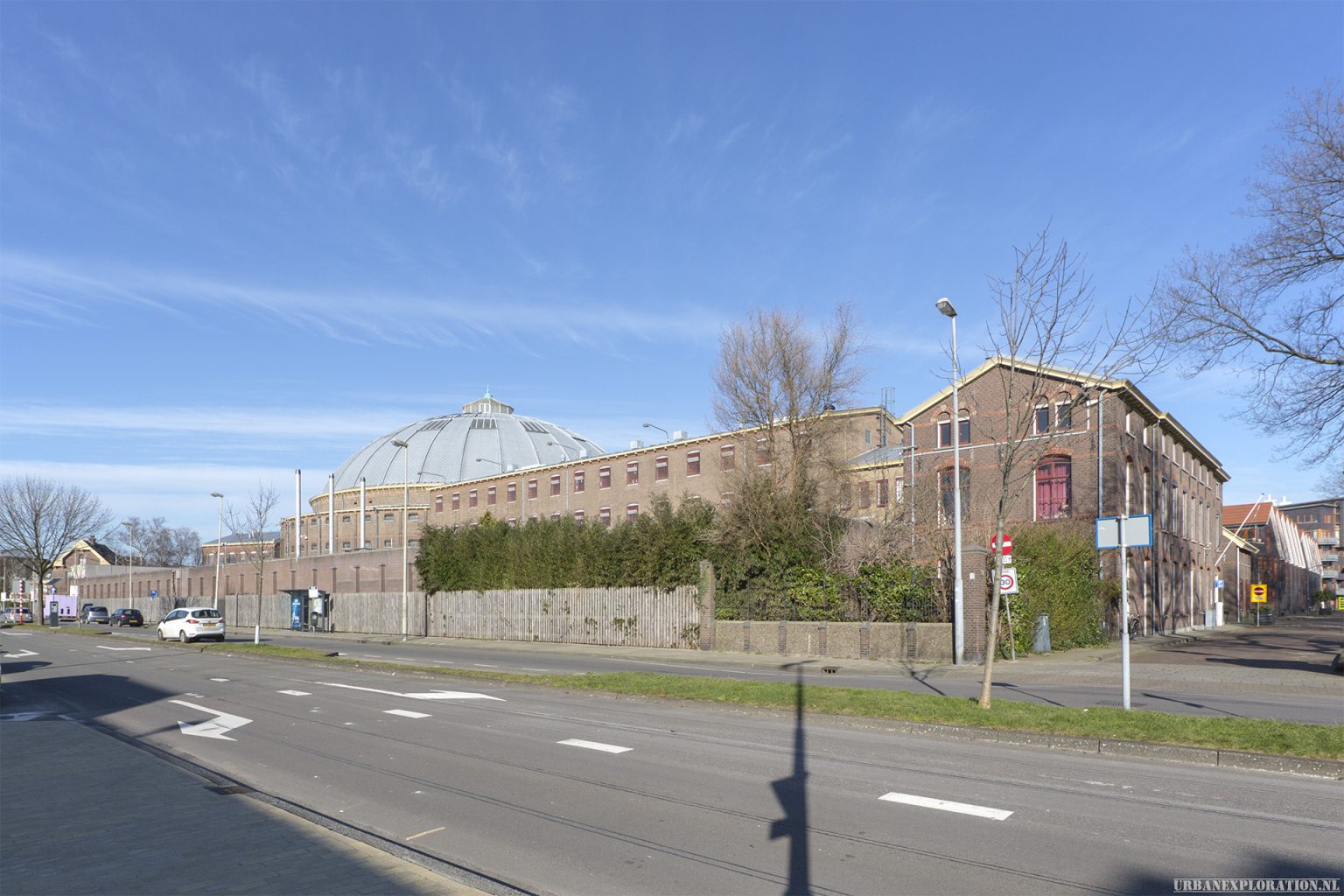
The Koepelgevangenis Haarlem, commonly known as the Haarlem Dome Prison, was built between 1899 and 1901 and designed by Dutch architect Willem Cornelis Metzelaar. The impressive circular structure was based on the Panopticon concept, allowing guards to oversee prisoners from a central observation point. With a diameter of approximately 77 meters, it is one of the largest prison domes in Europe.
For more than a century, the complex served as a remand prison and correctional facility. During the Second World War, political prisoners and members of the Dutch resistance were held here by the German occupation authorities. After the war, the prison continued to play an important role within the Dutch penitentiary system.
In 2016, over 115 years of prison history came to an end when the facility was closed due to a nationwide surplus of prison capacity in the Netherlands. Although it no longer serves its original purpose, the building remains an important historical landmark.
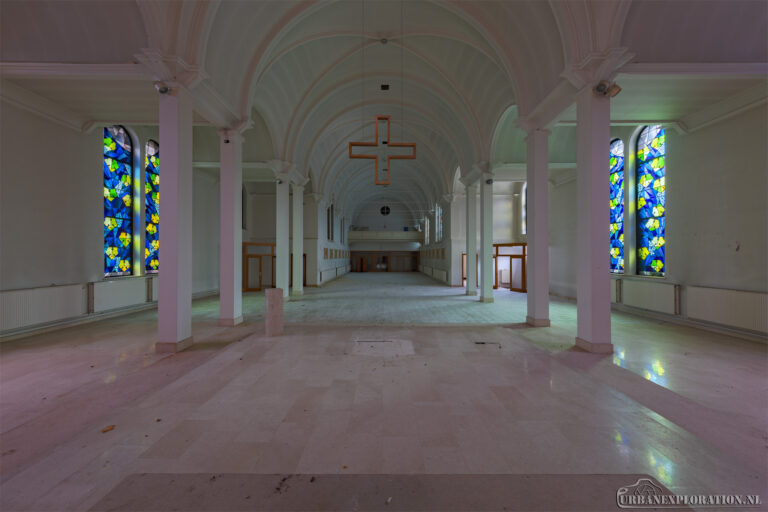
Today, the former prison has been transformed into a center for education, business, and cultural events. Many original architectural features have been preserved, allowing visitors to experience the unique design and history of one of the Netherlands’ most iconic prison buildings.
Visited - 2017
Defunct - 2016
Status - Repurposing
Country - The Netherlands
Here are some other albums that might be of interest.