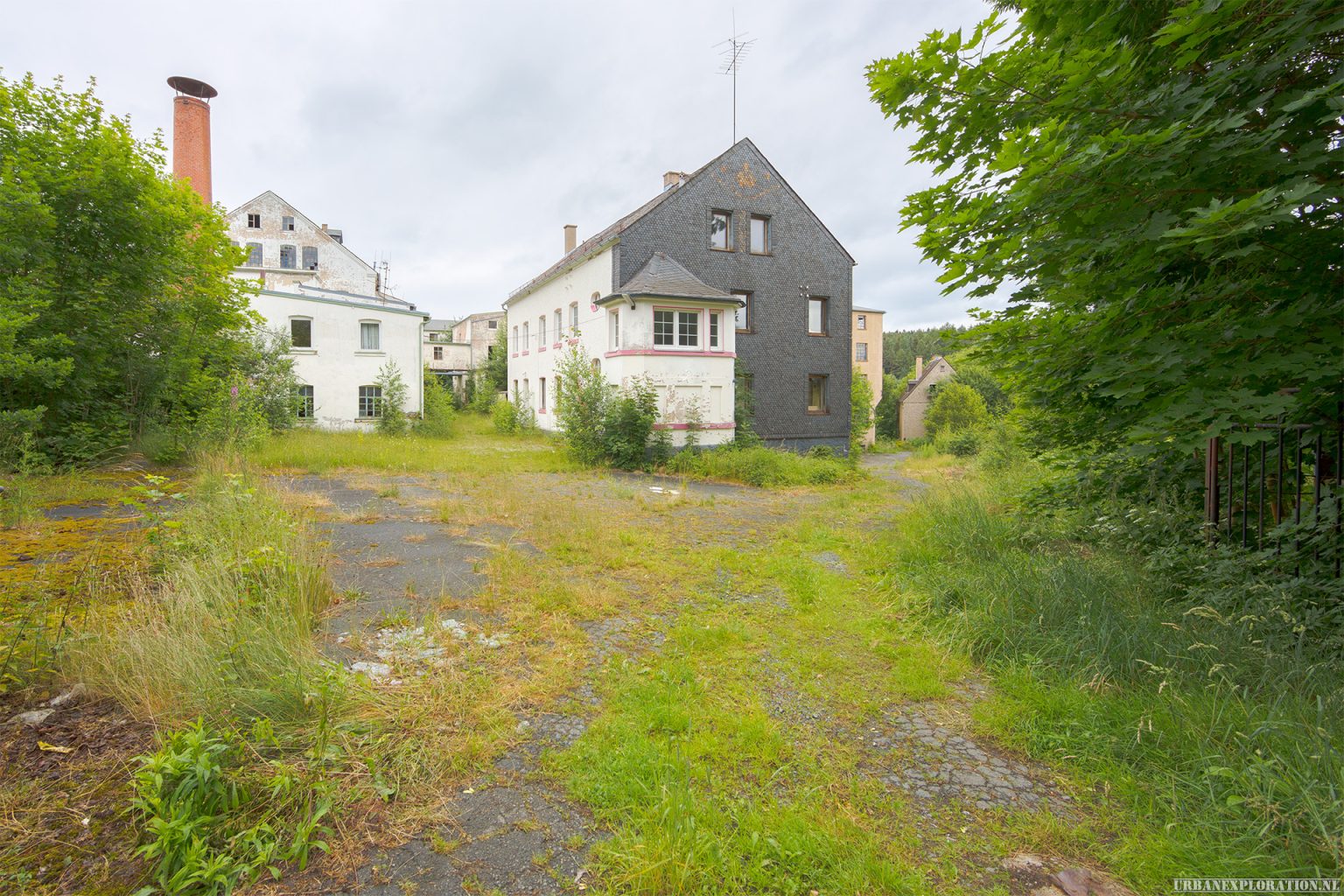
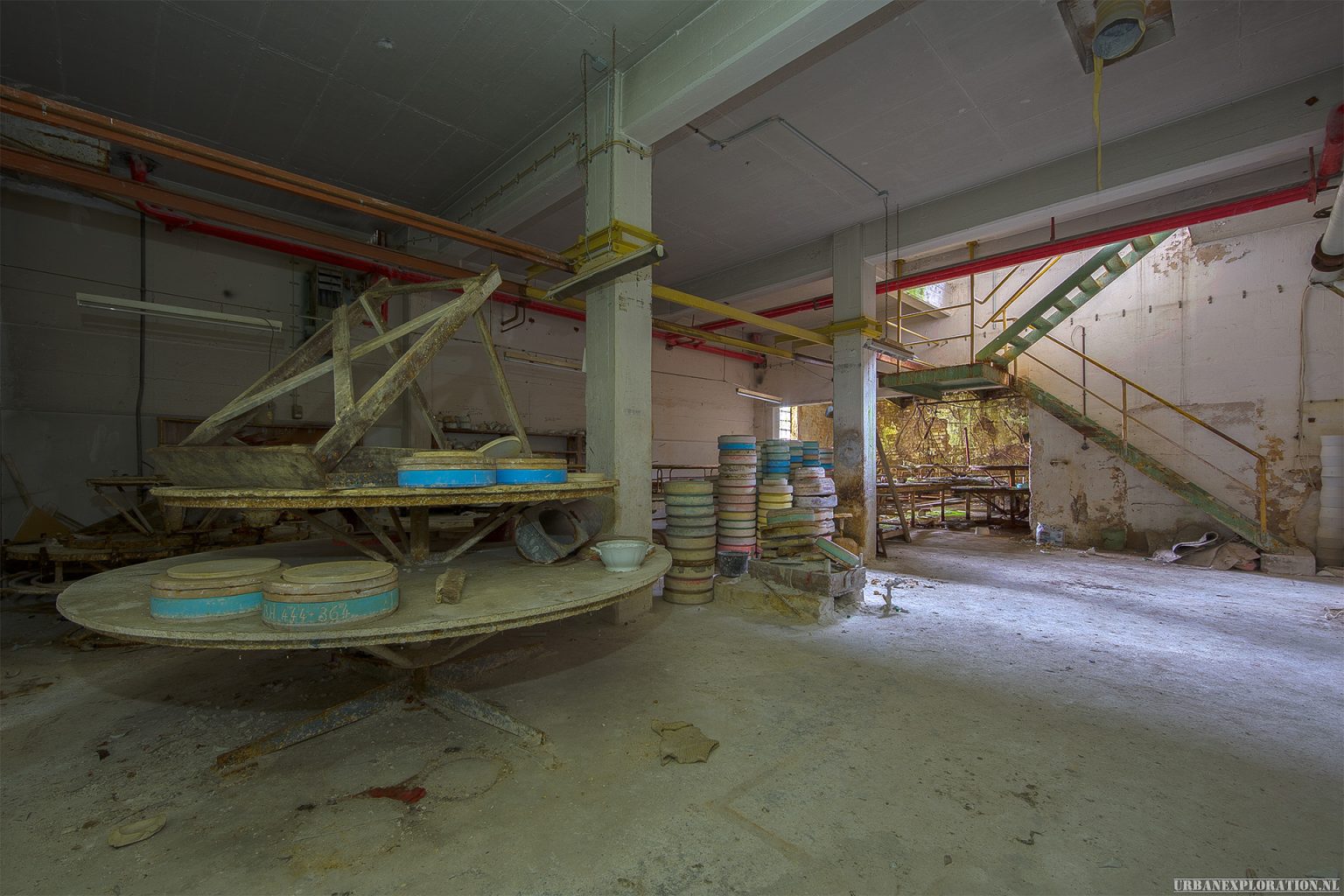
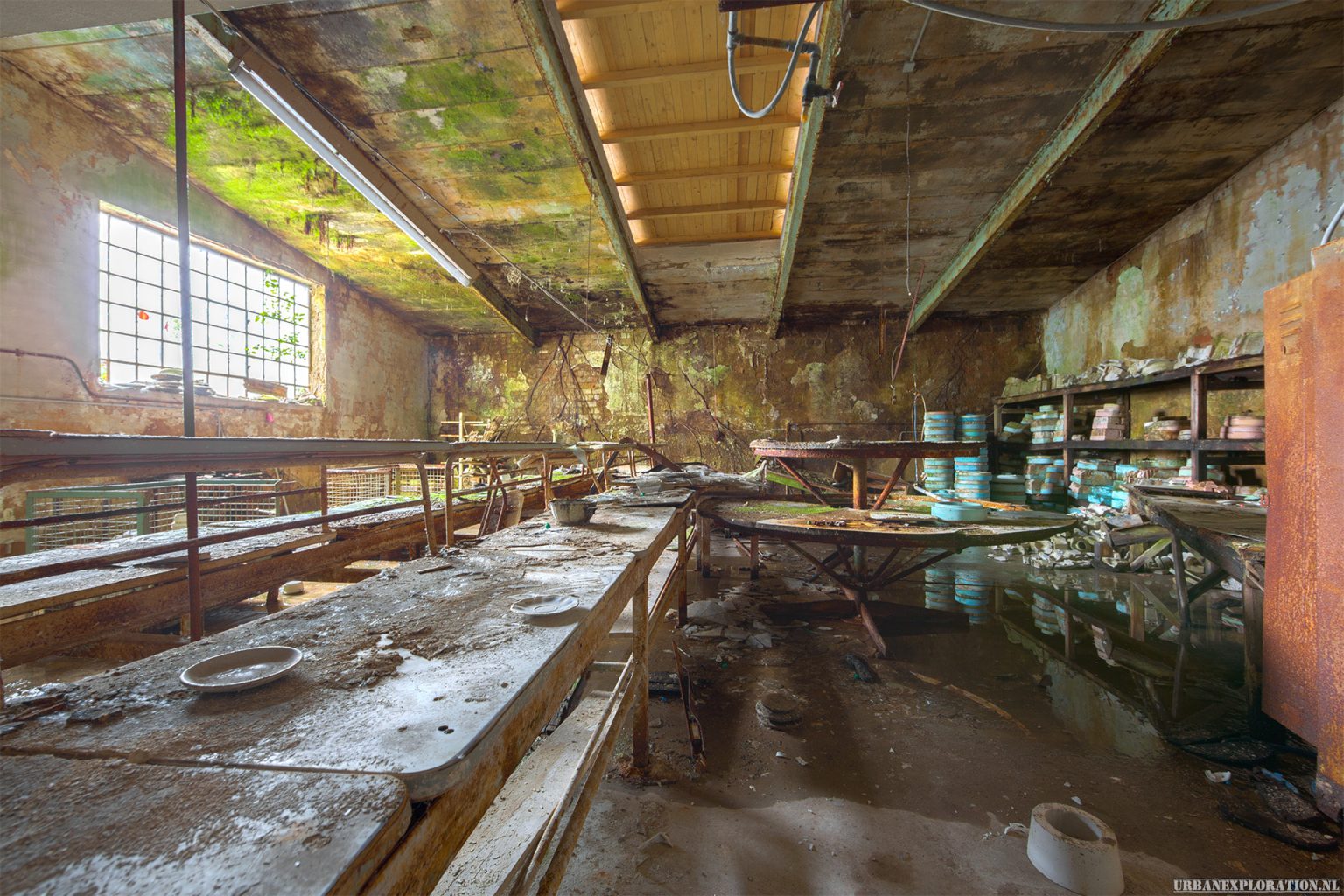
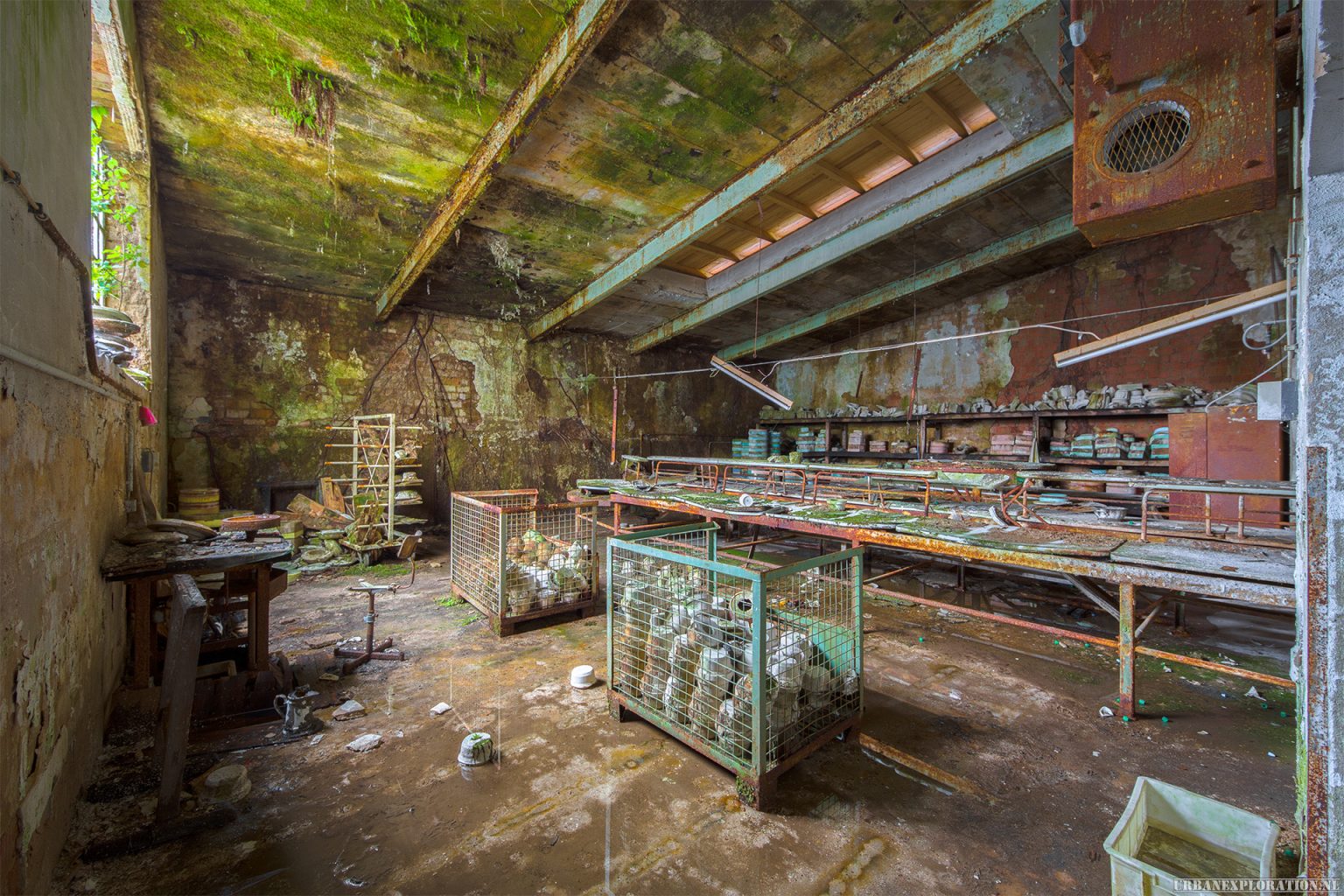
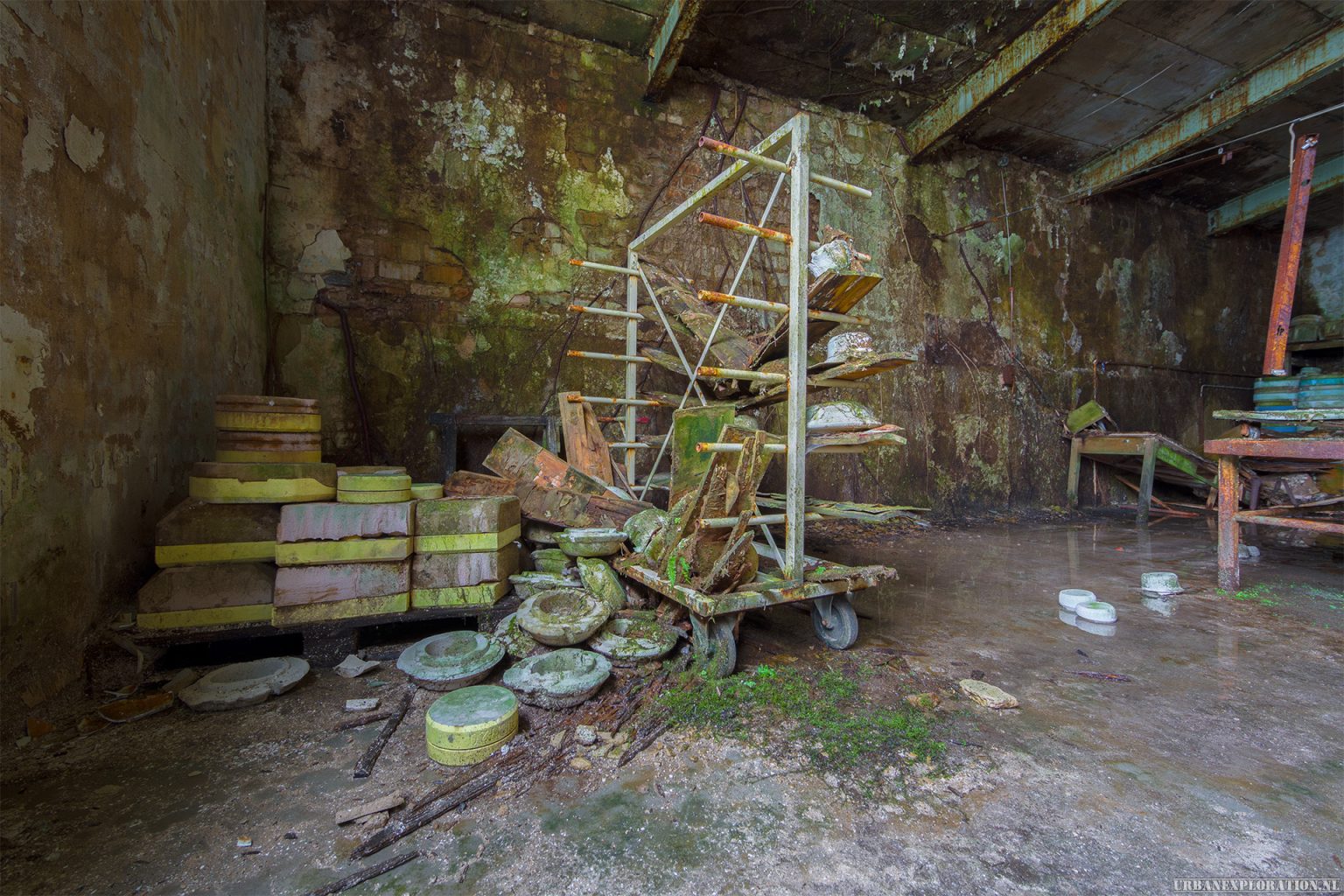
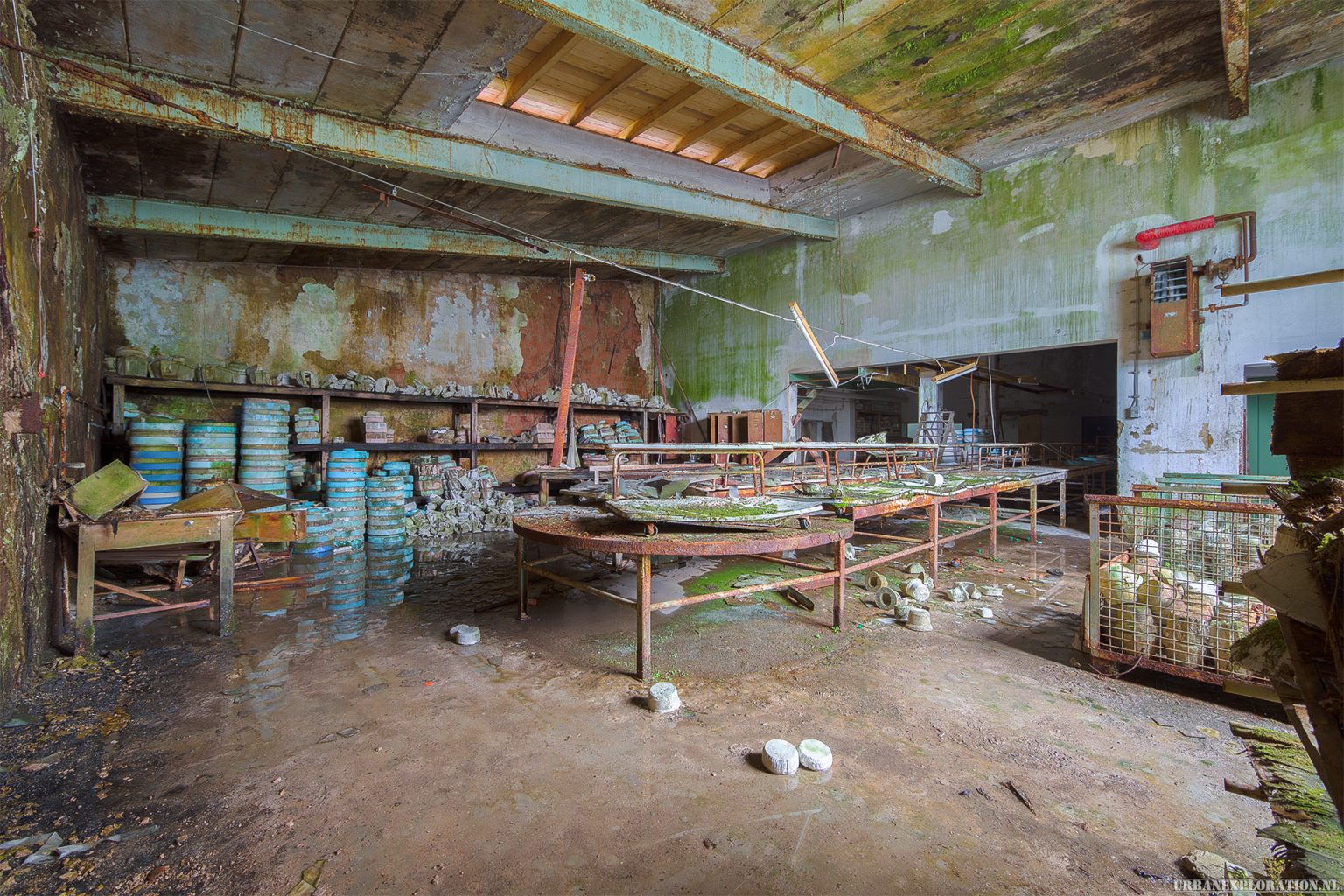
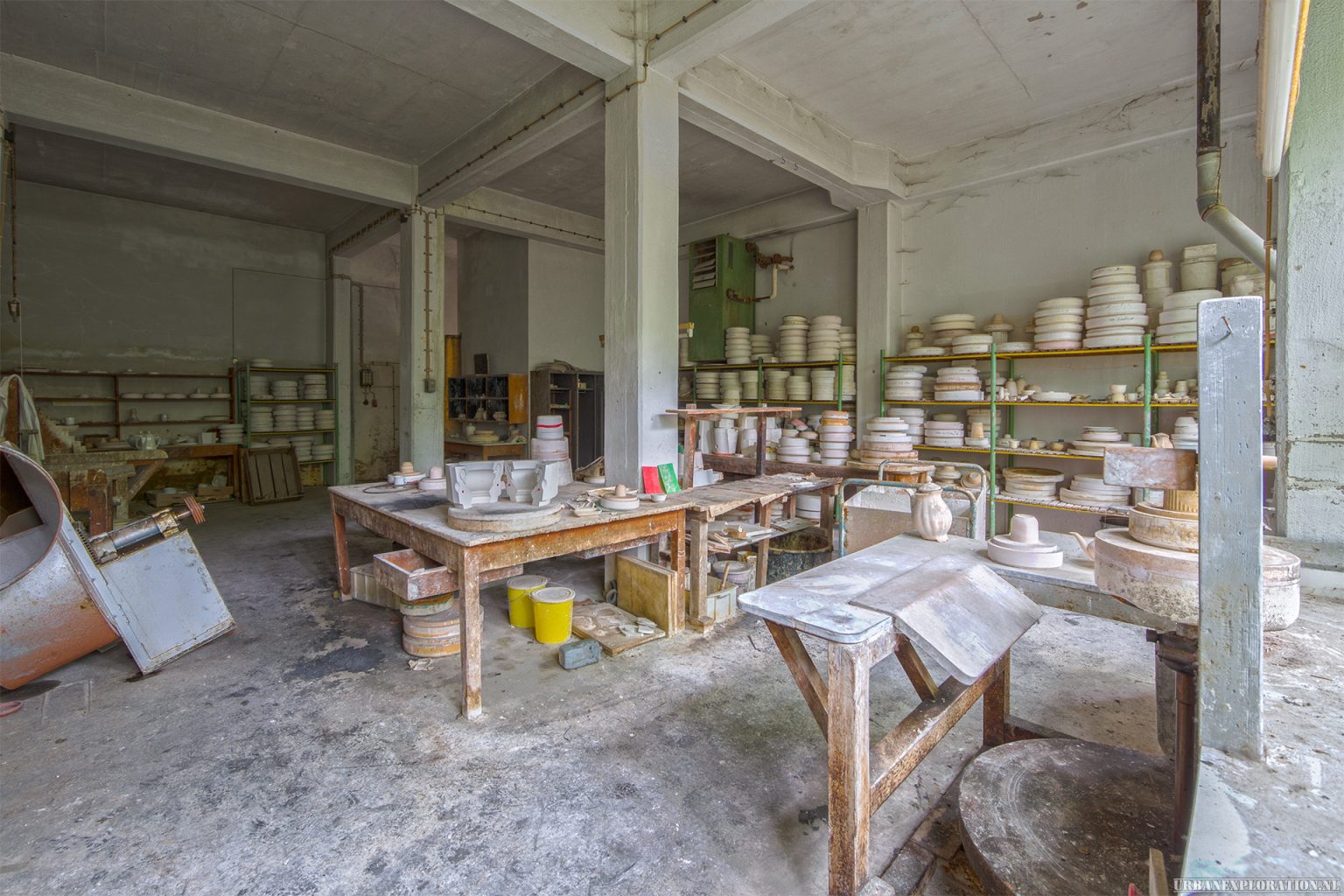
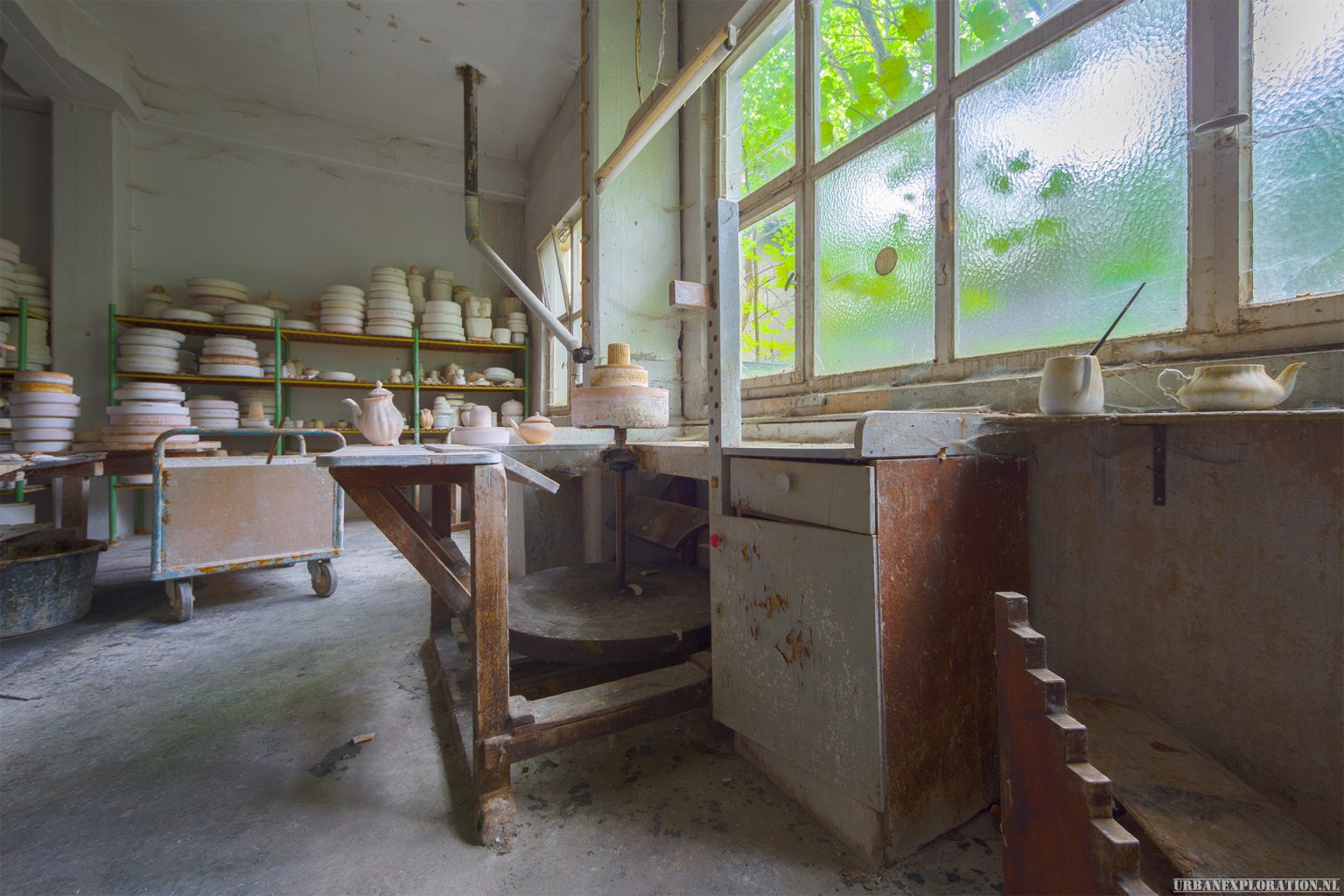
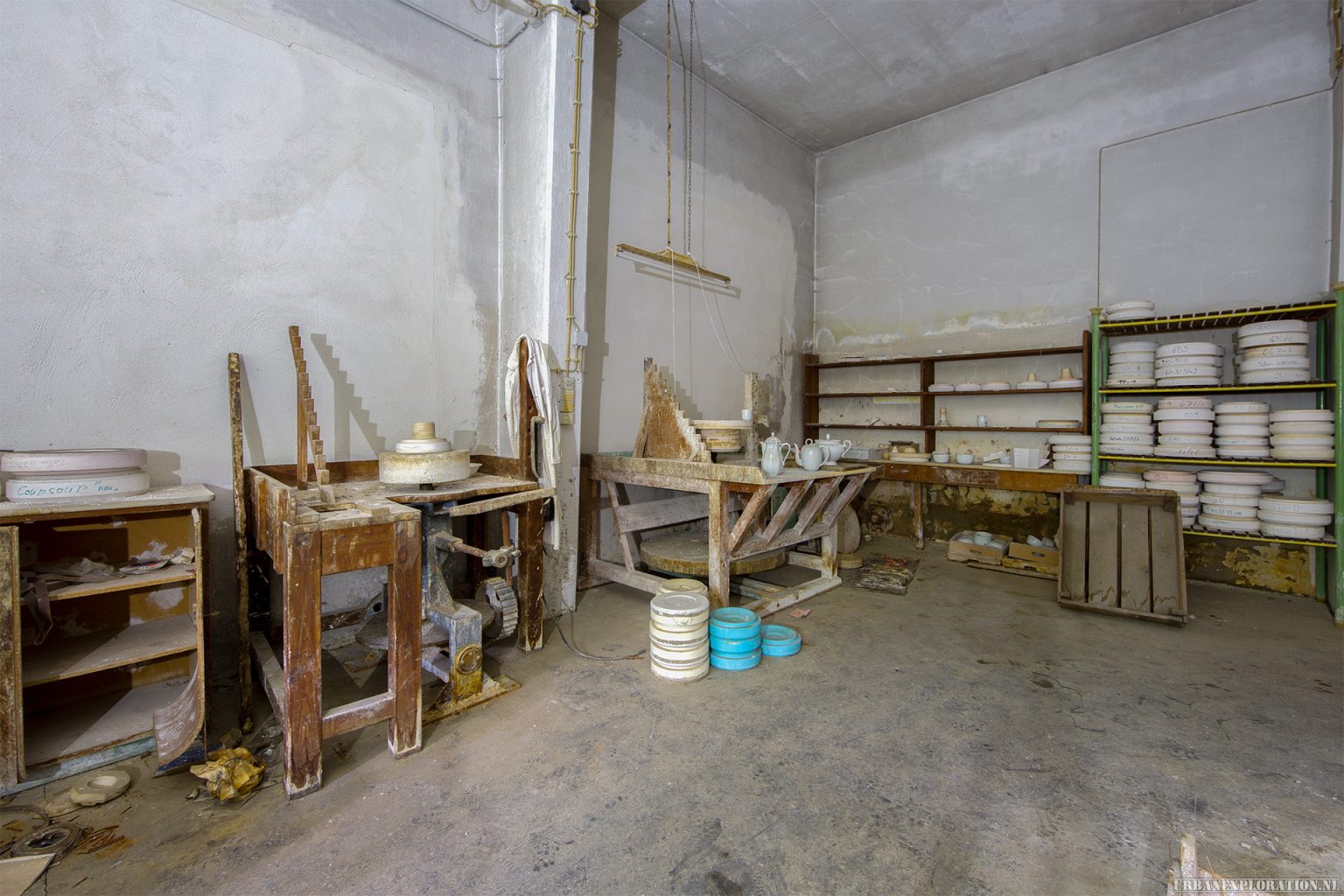
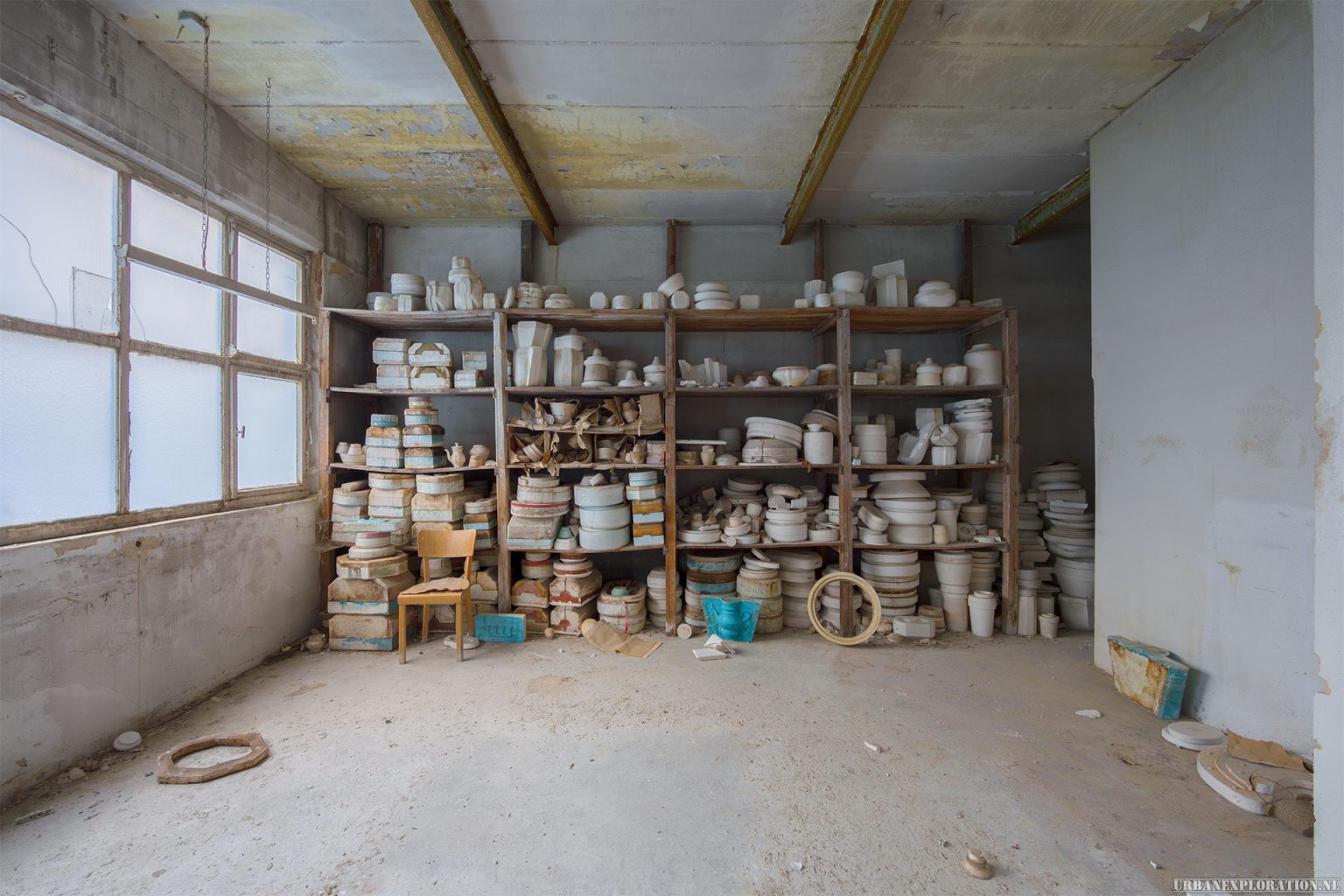
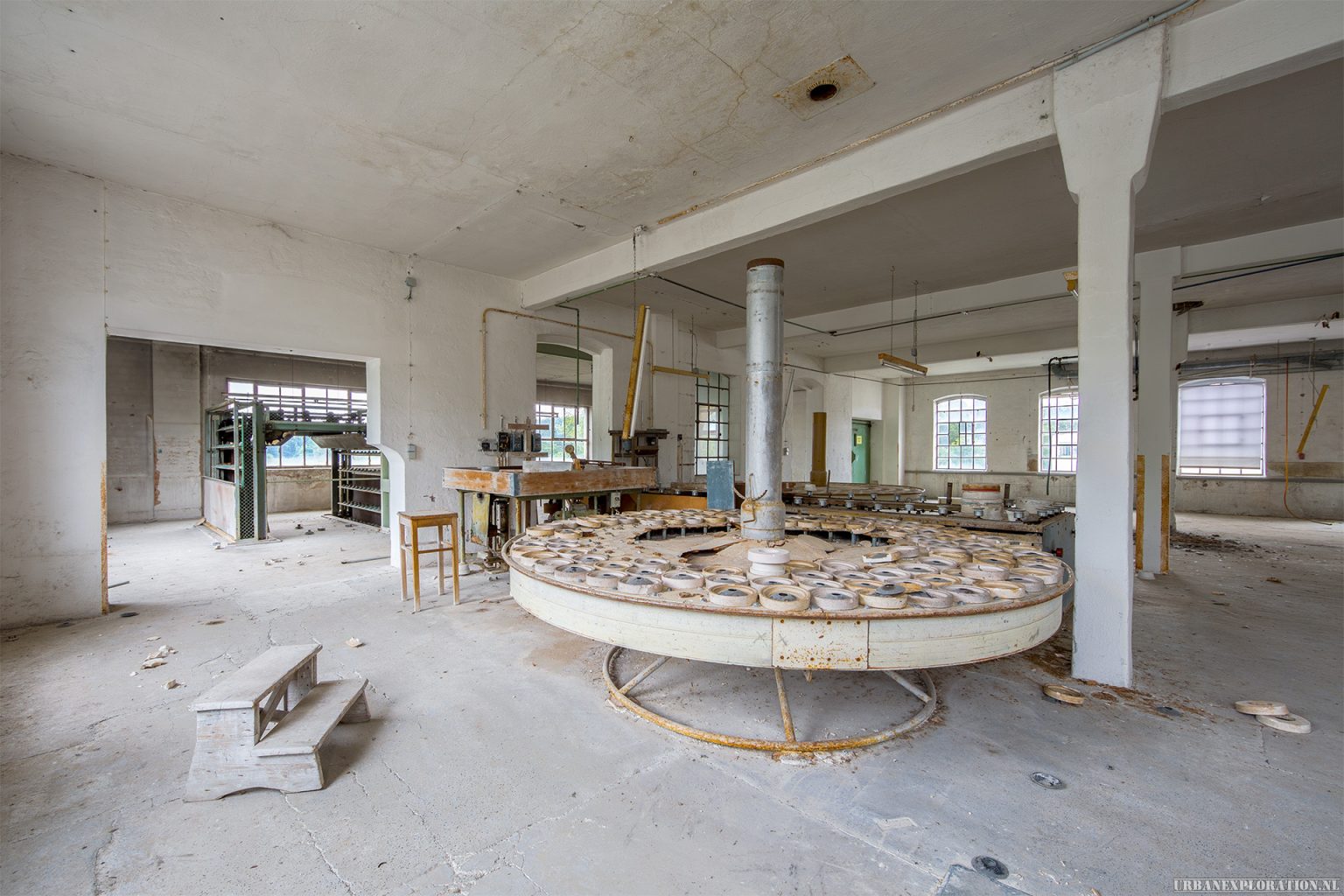
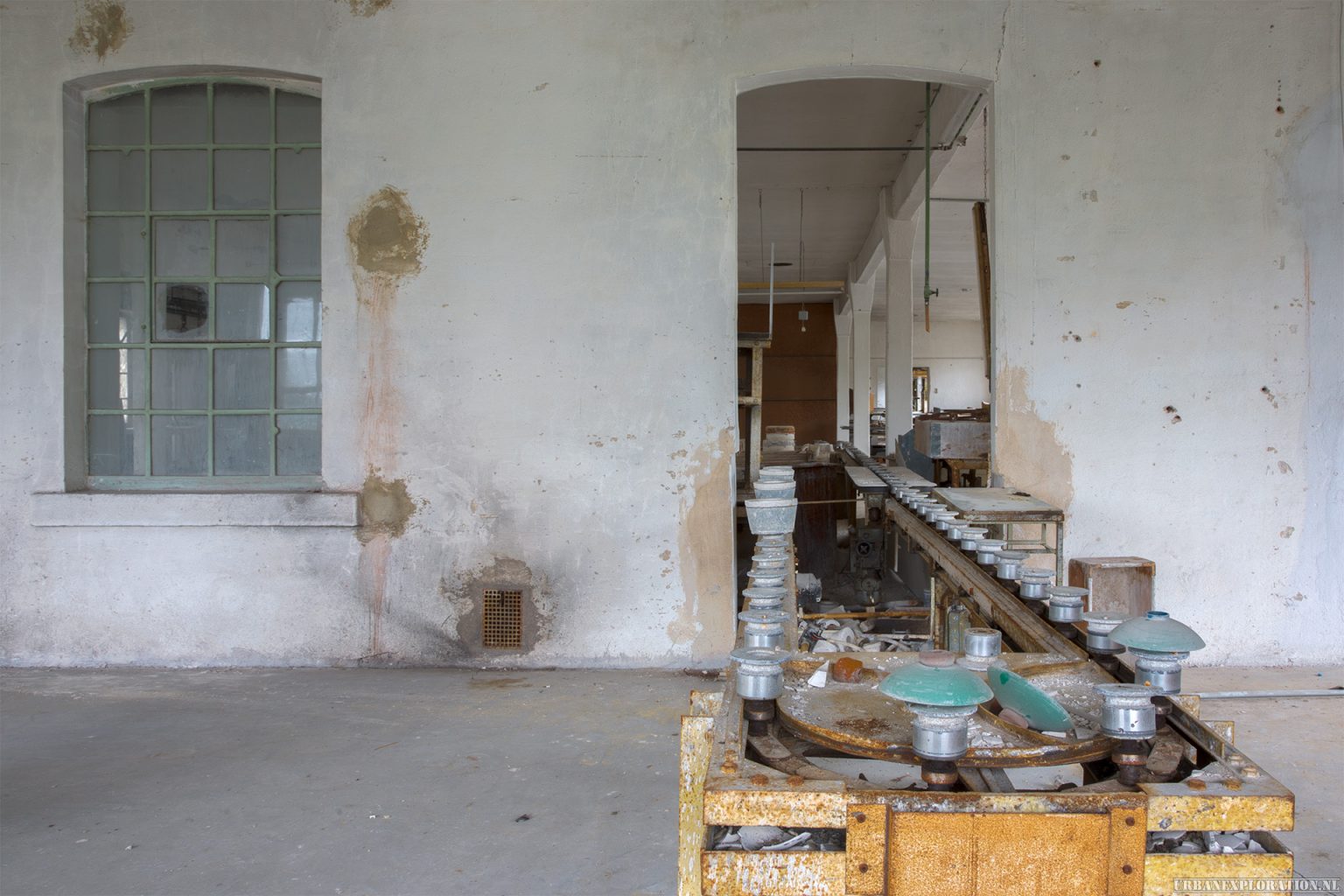
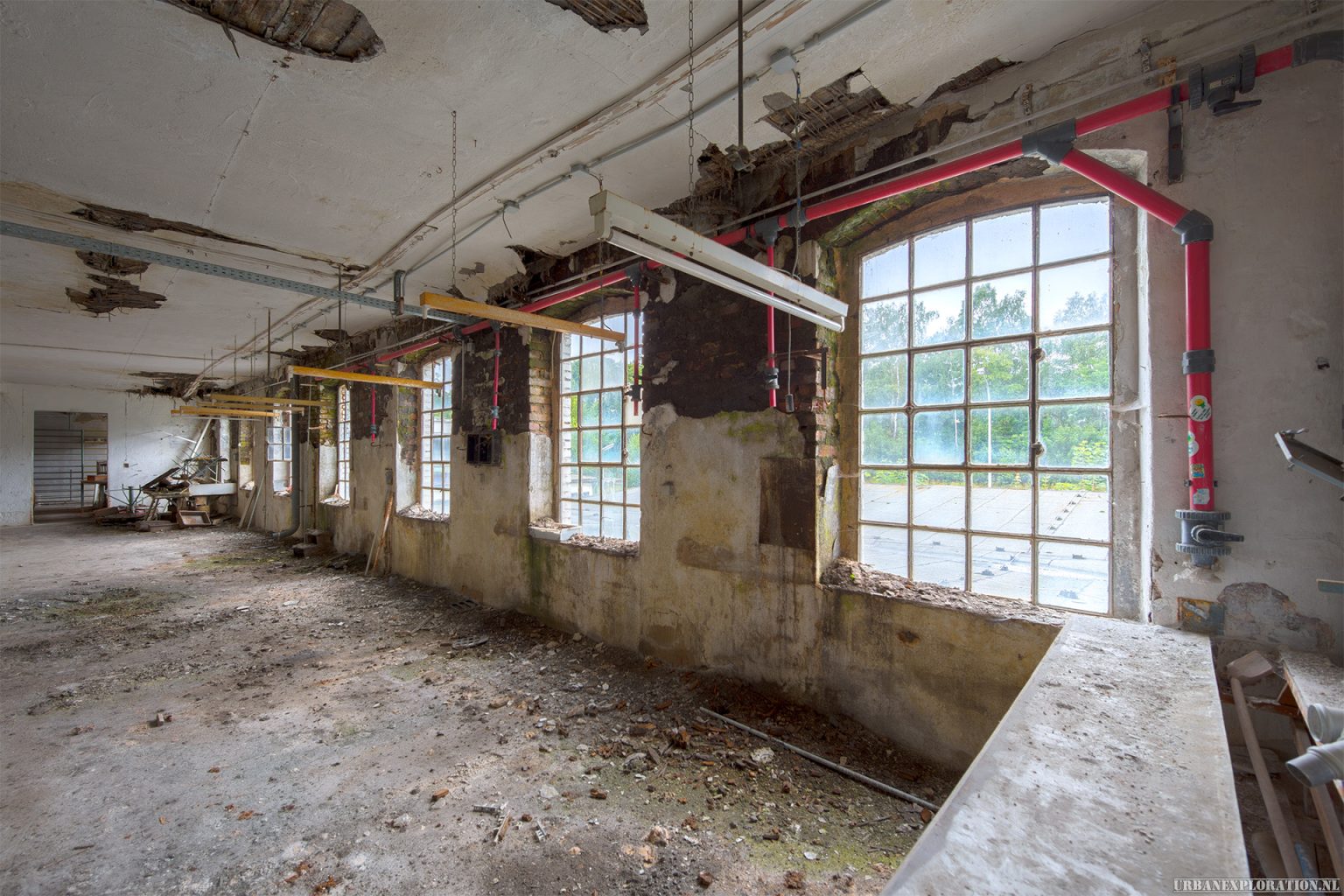
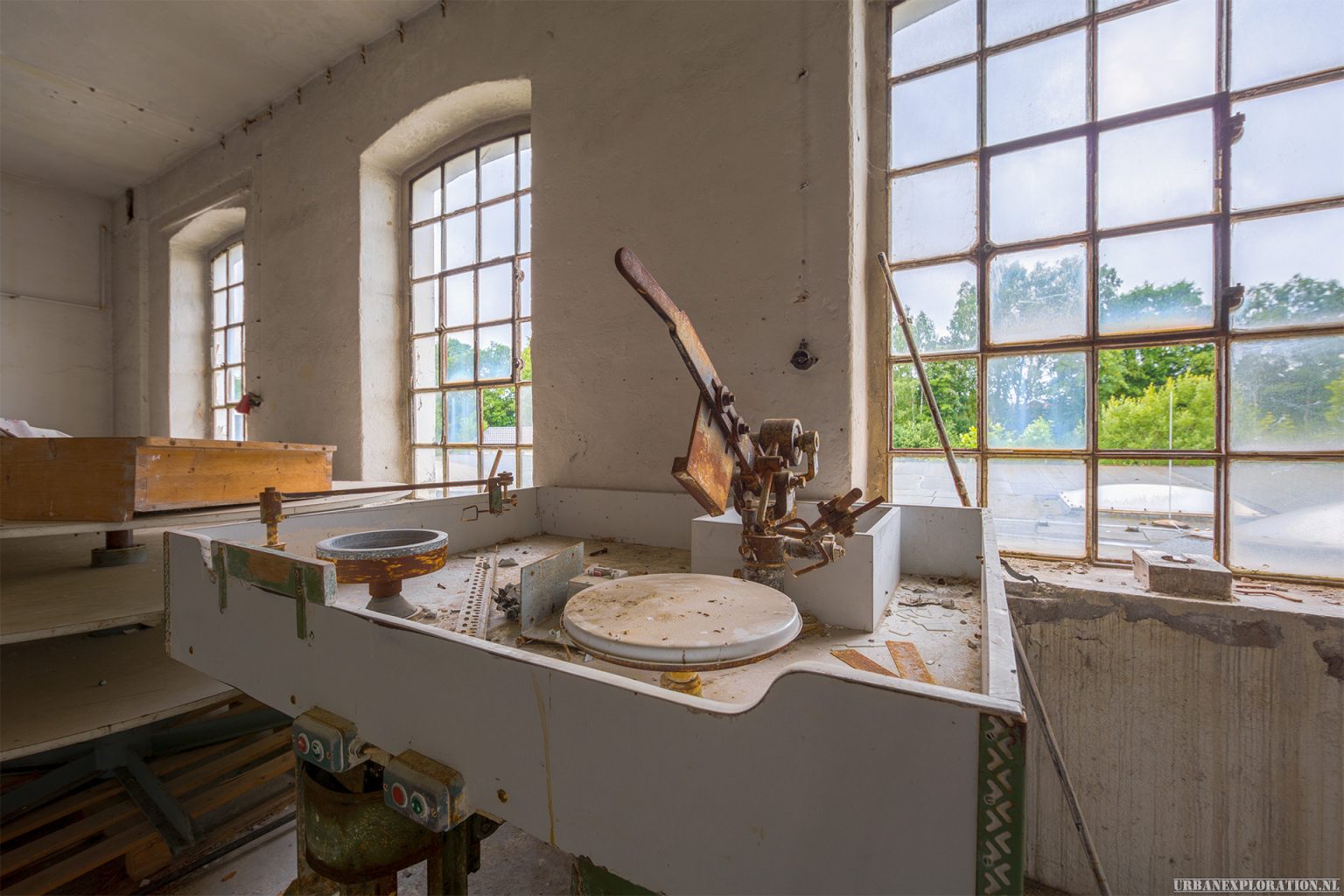
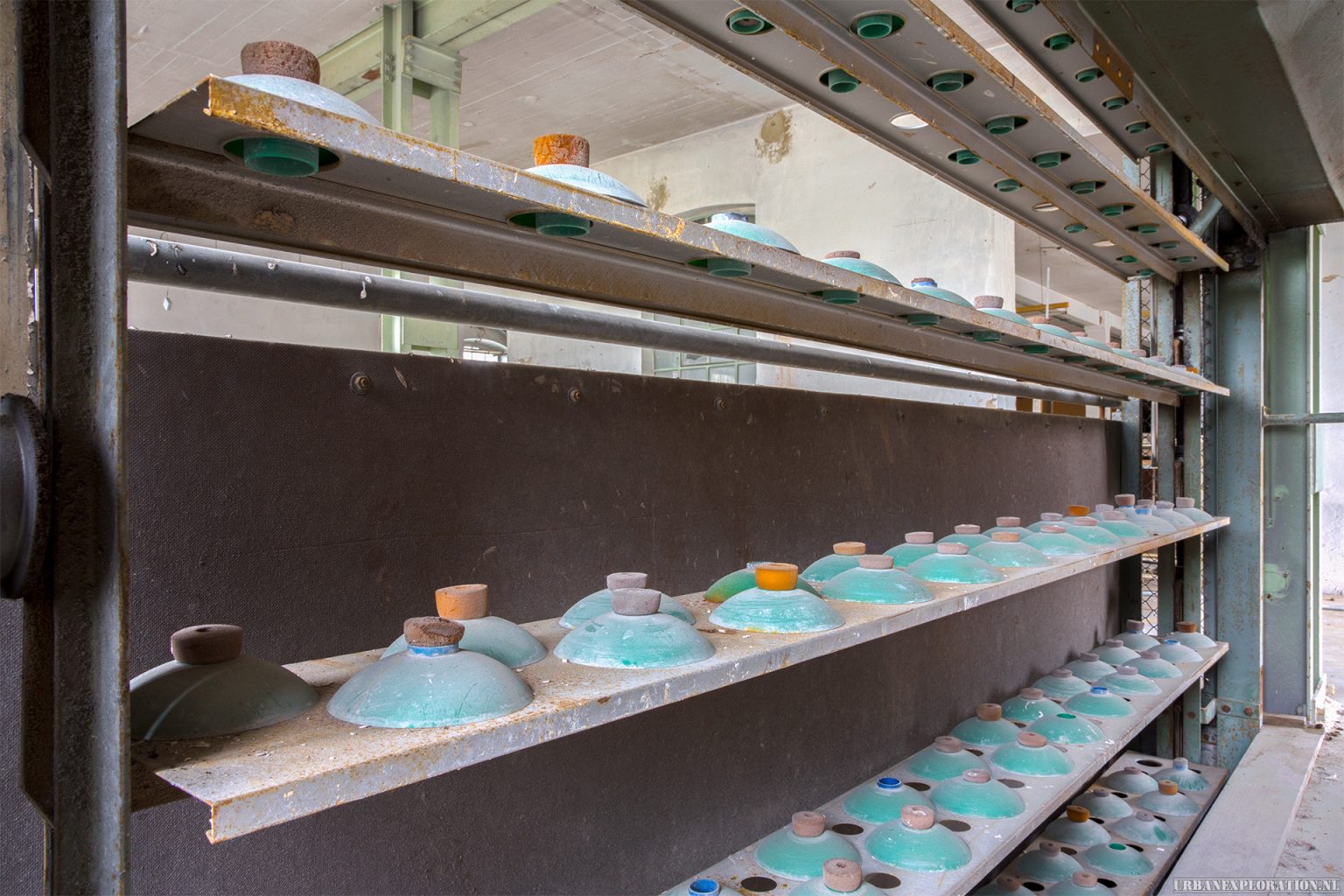
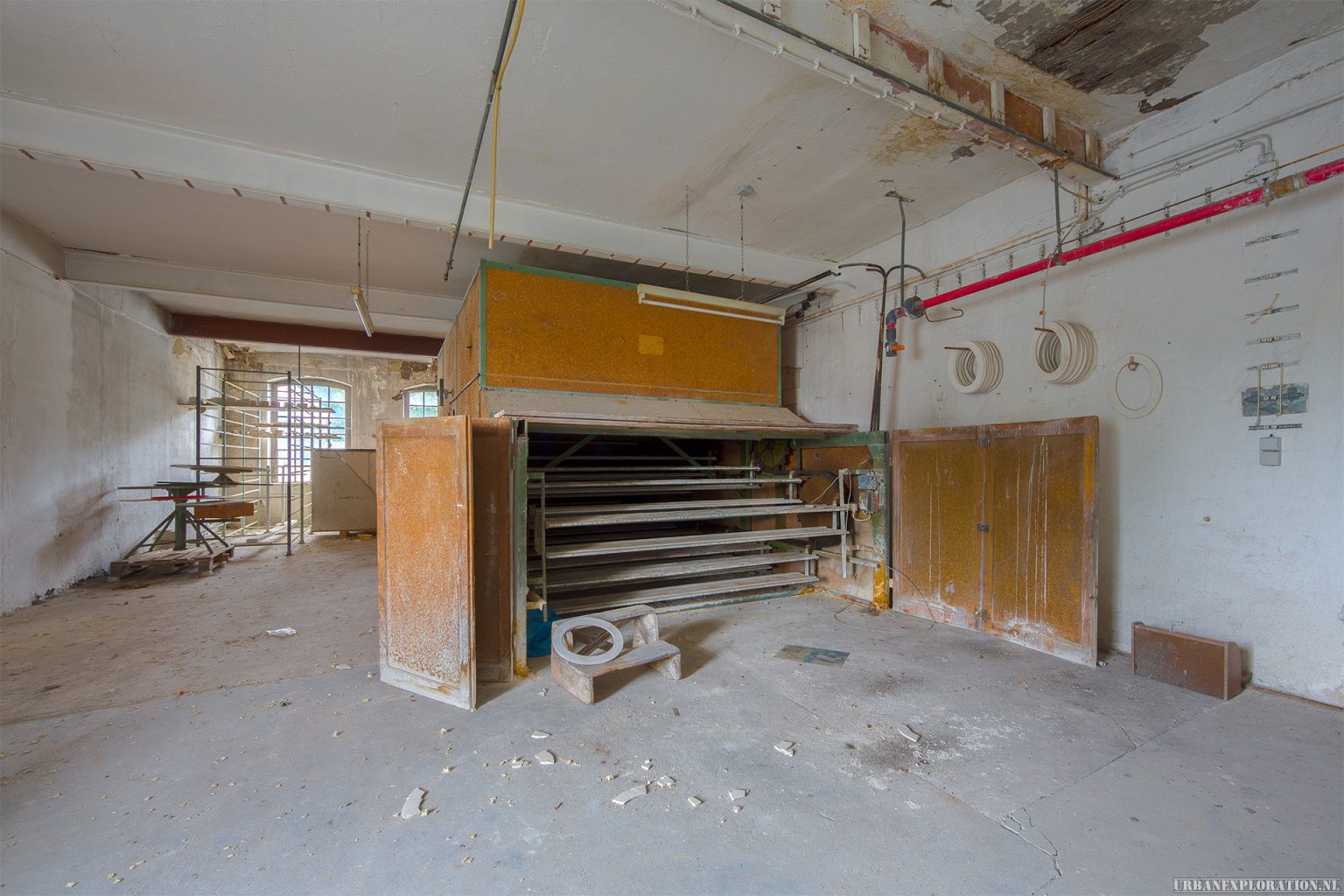
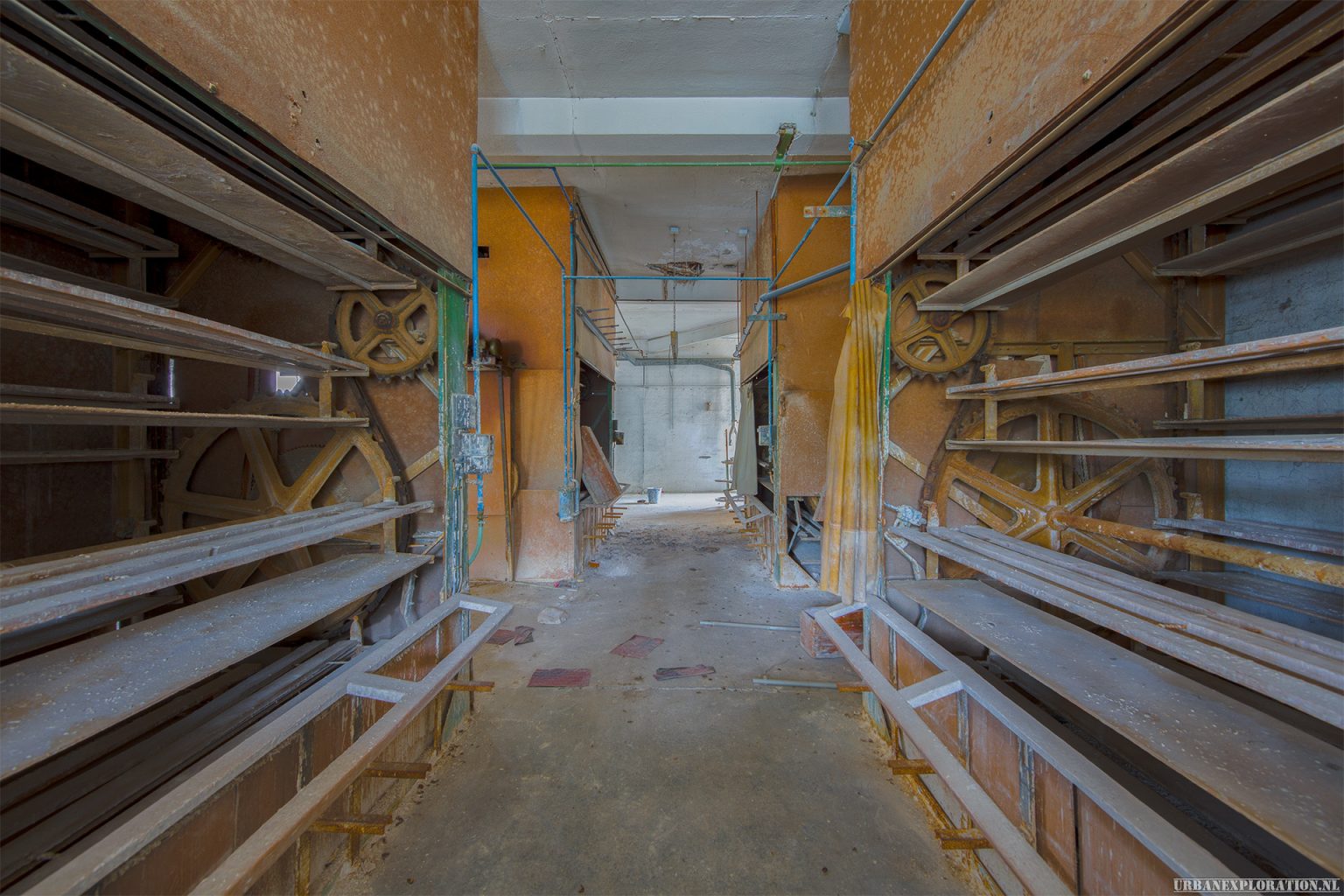
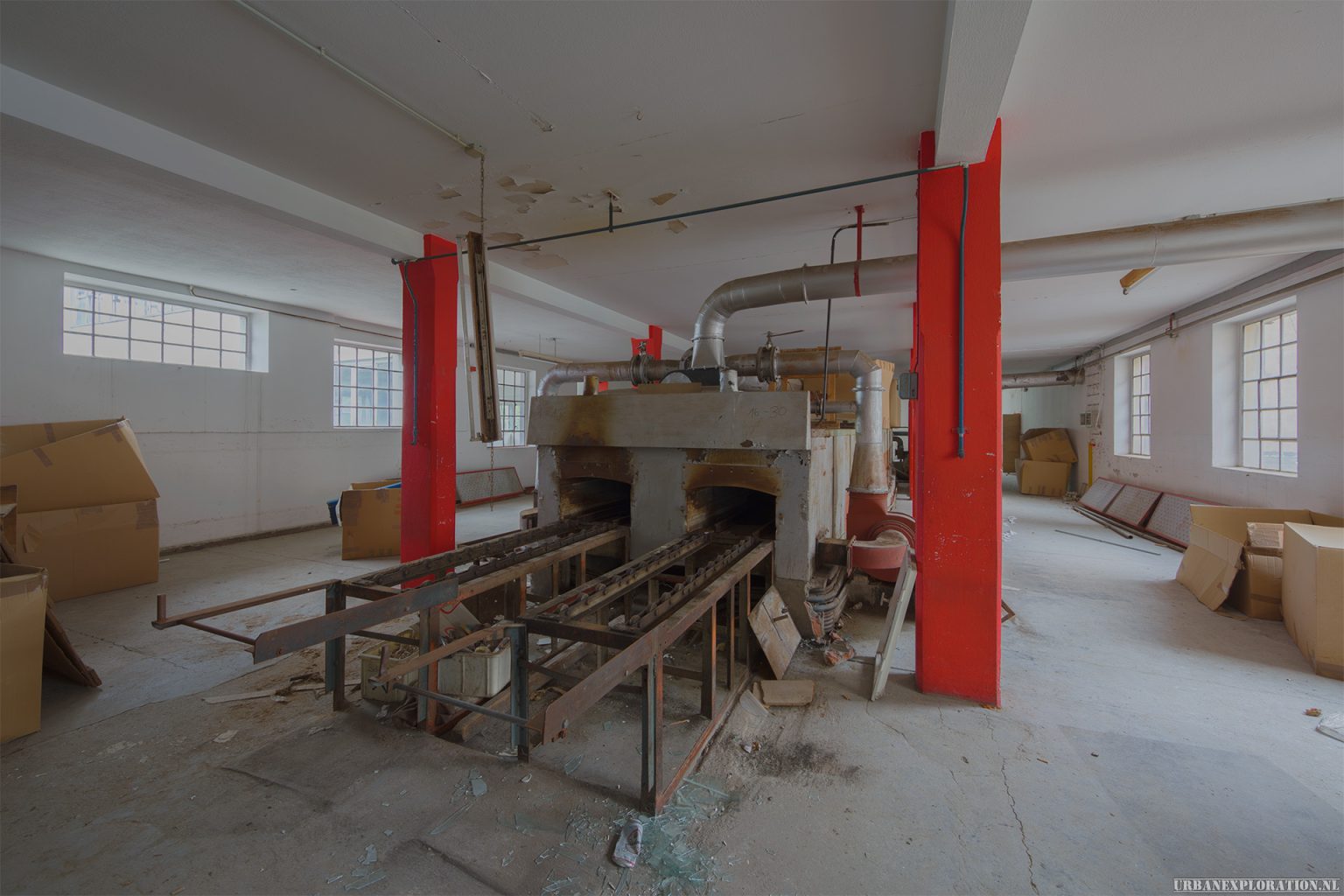
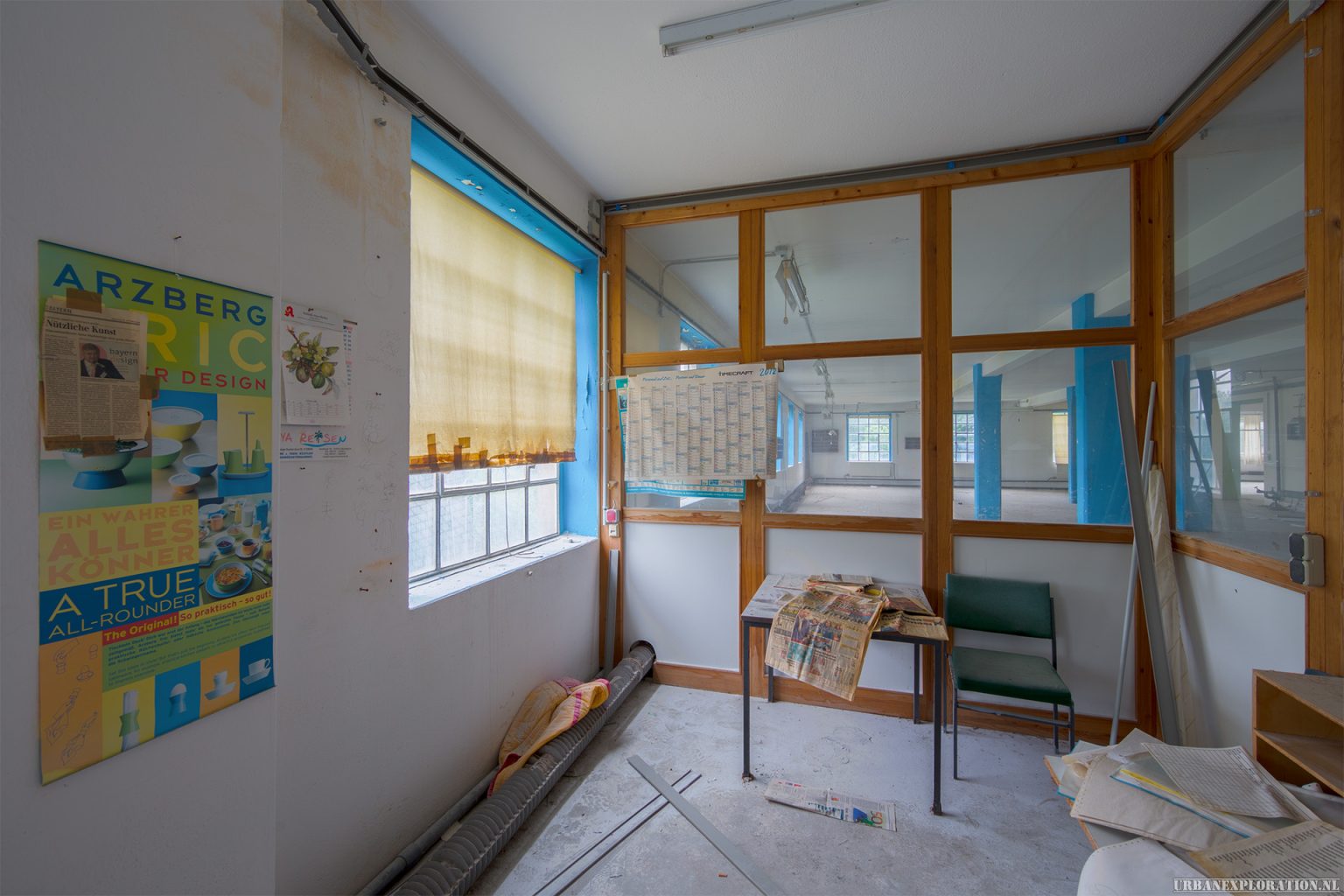
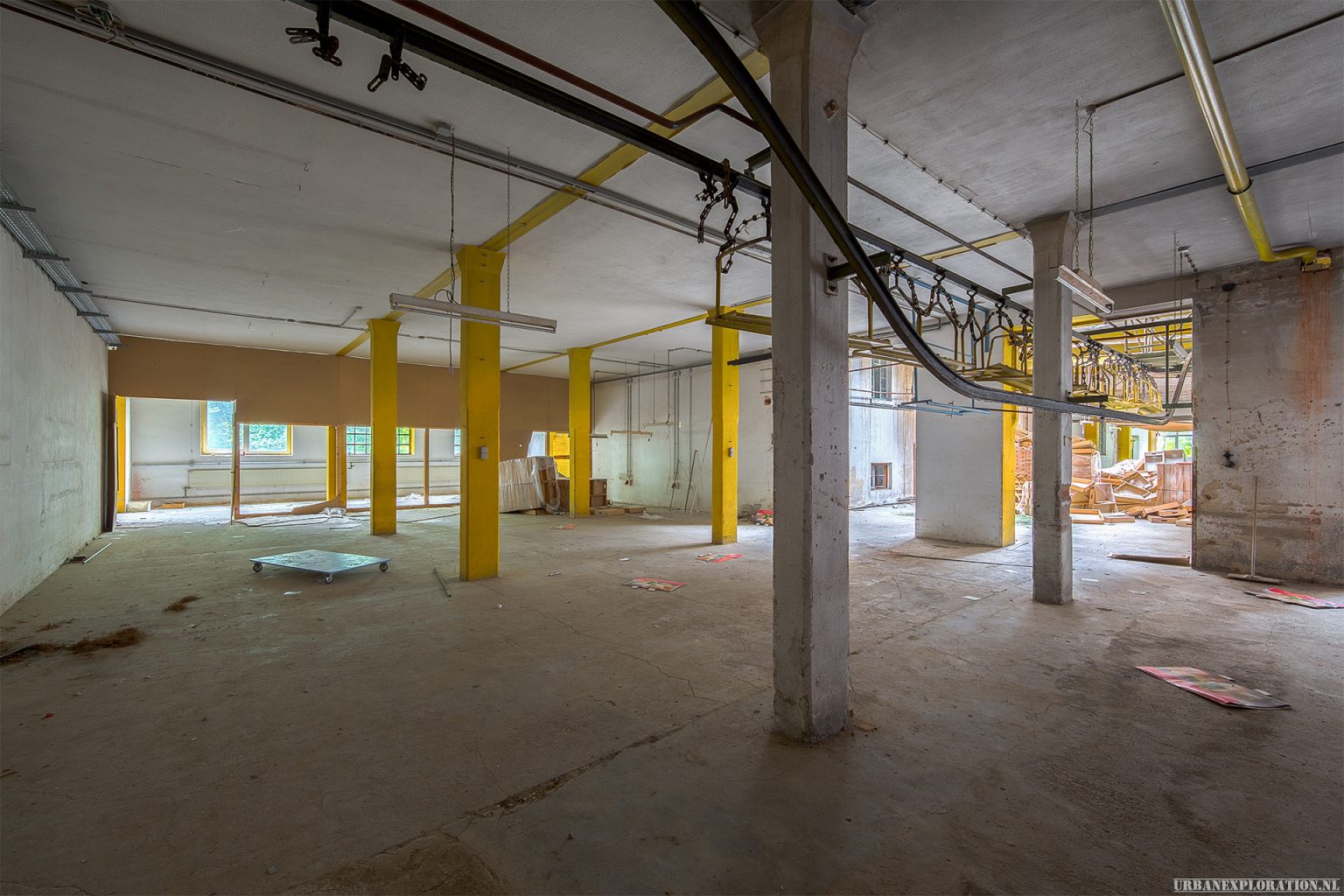
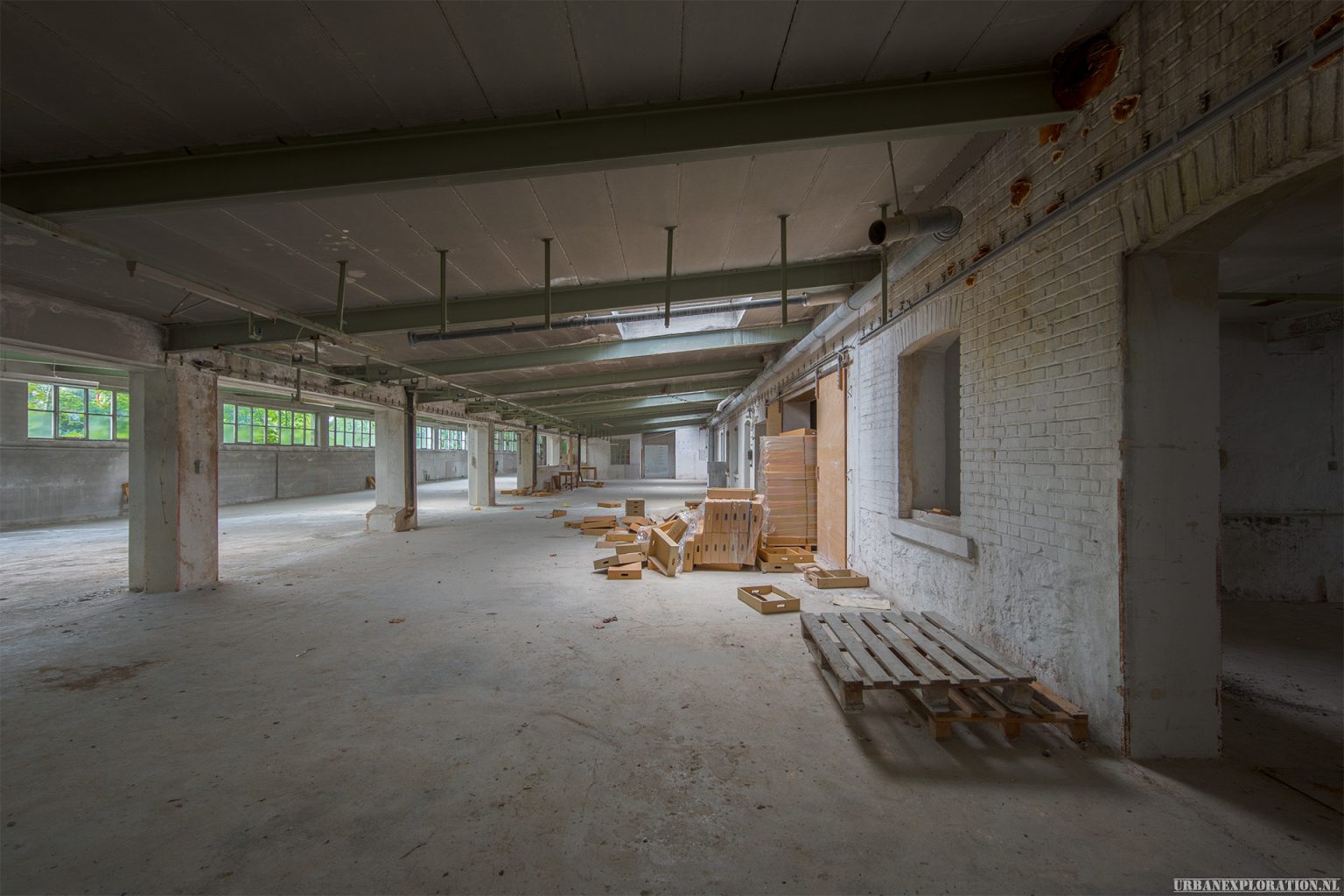
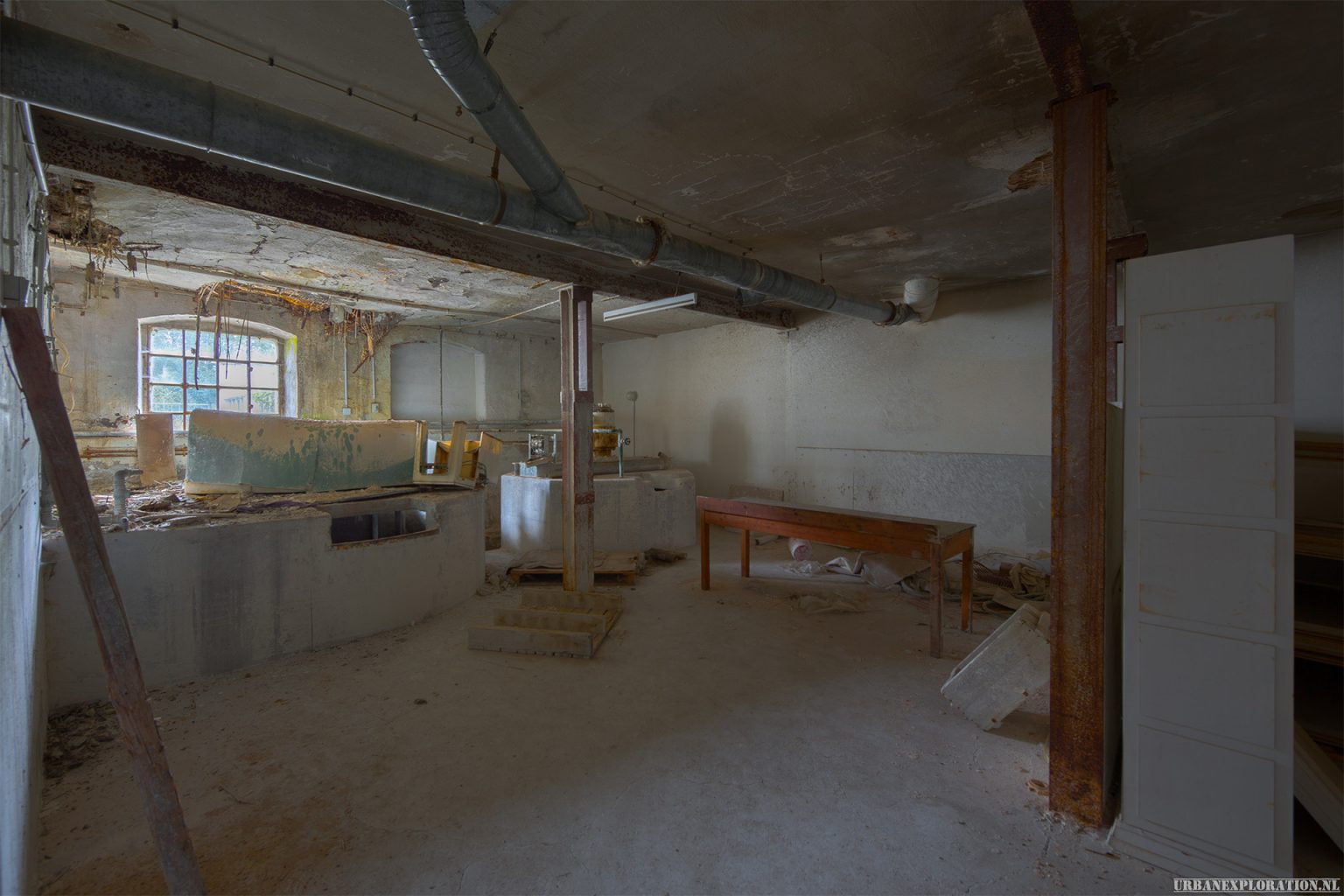
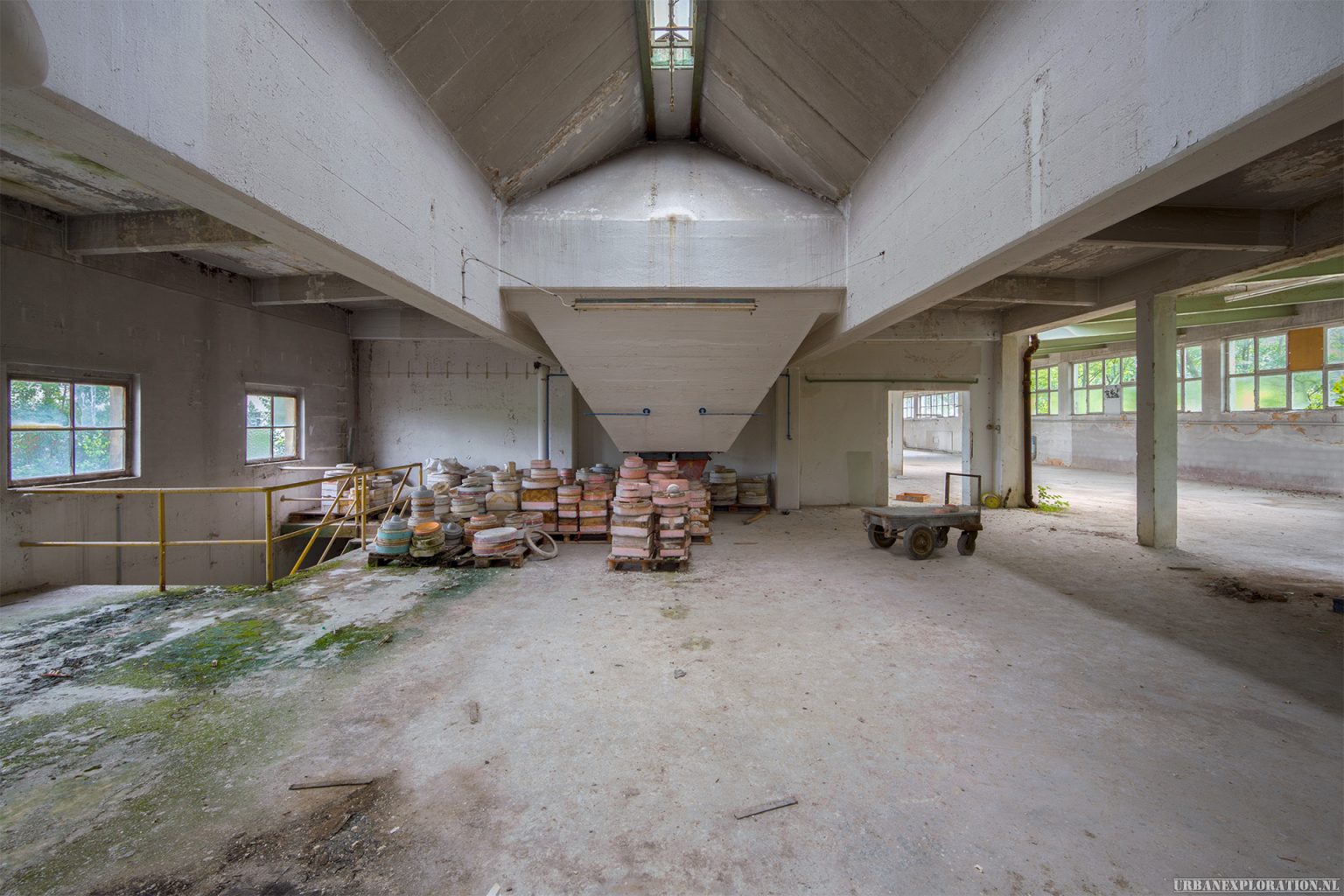
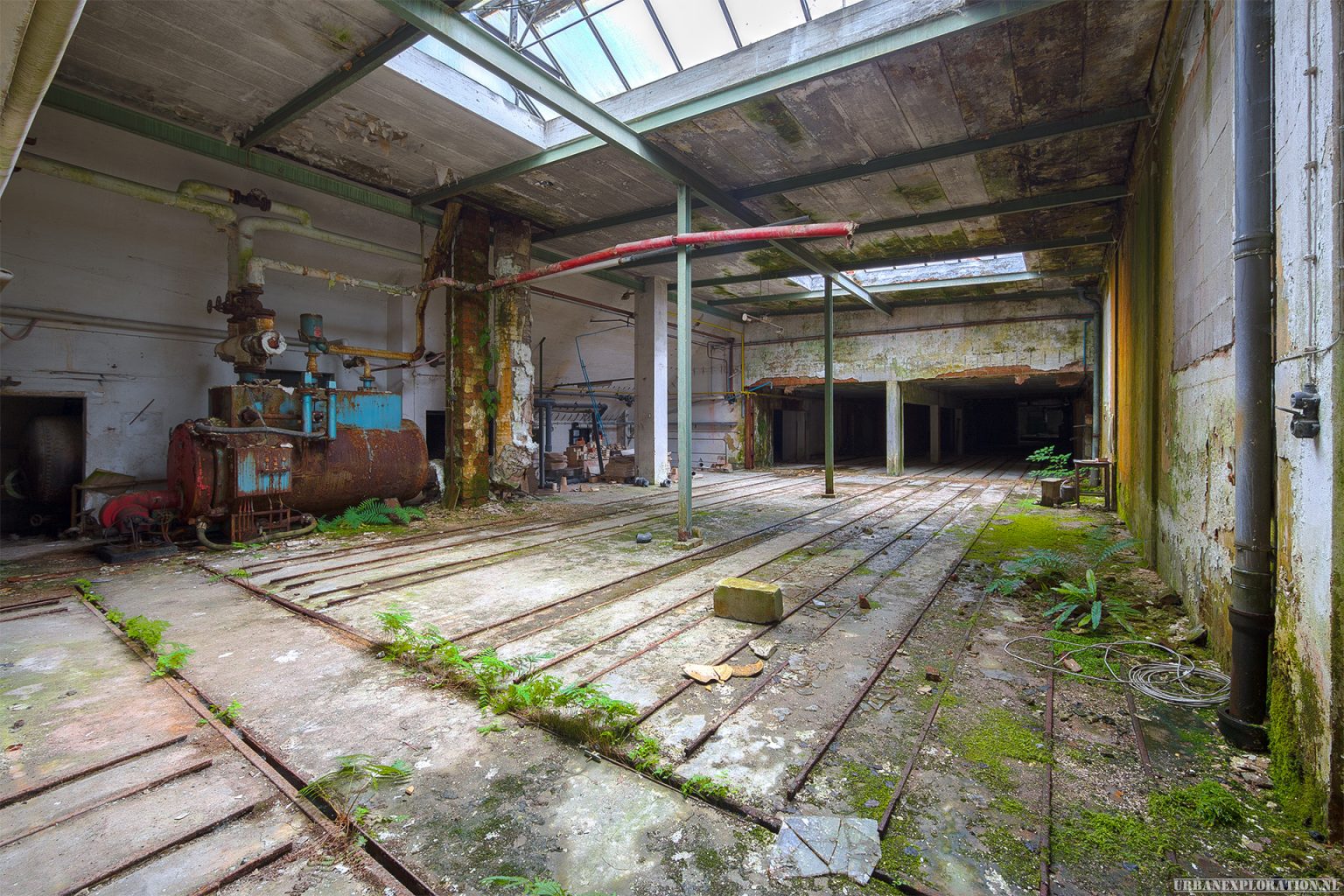
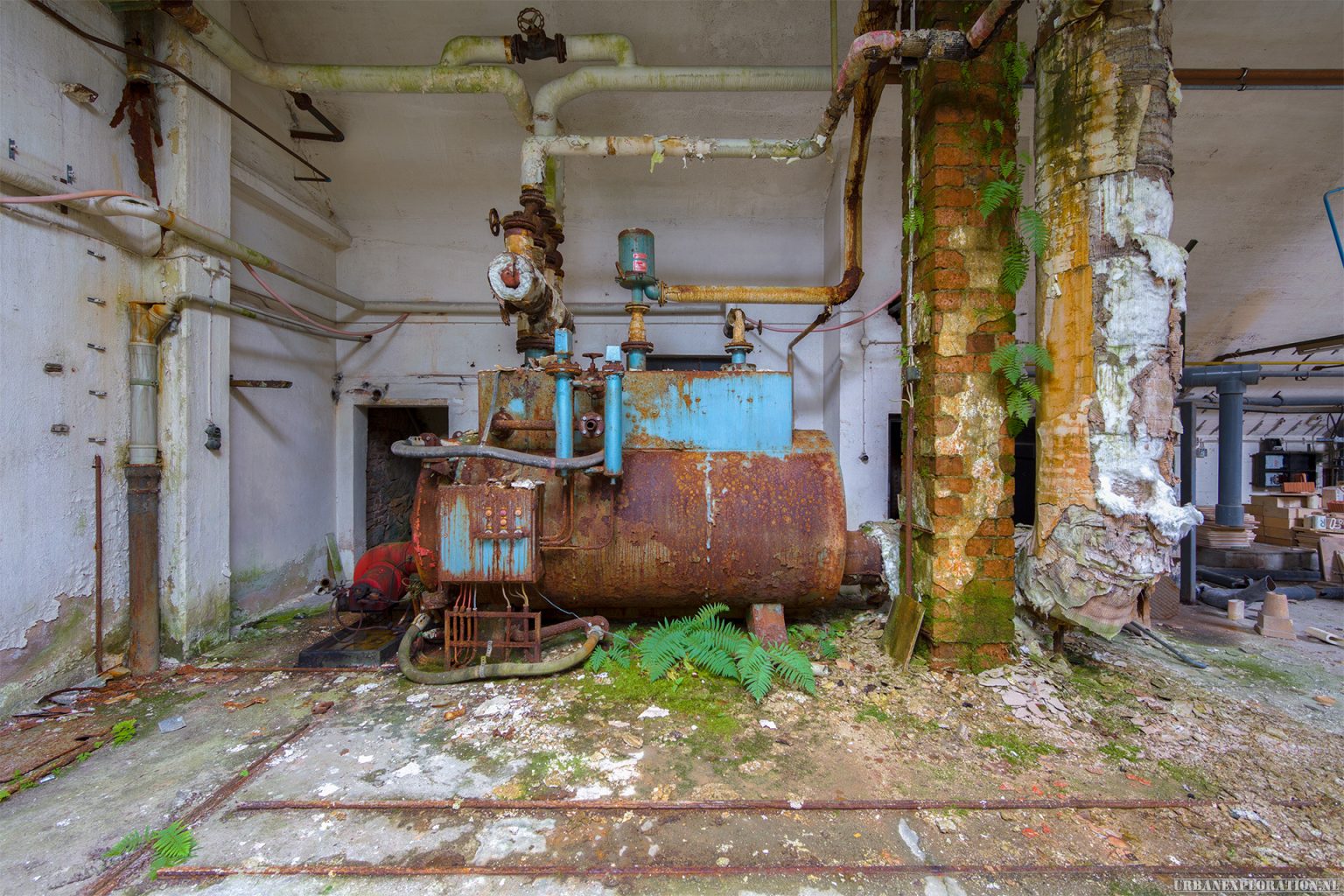
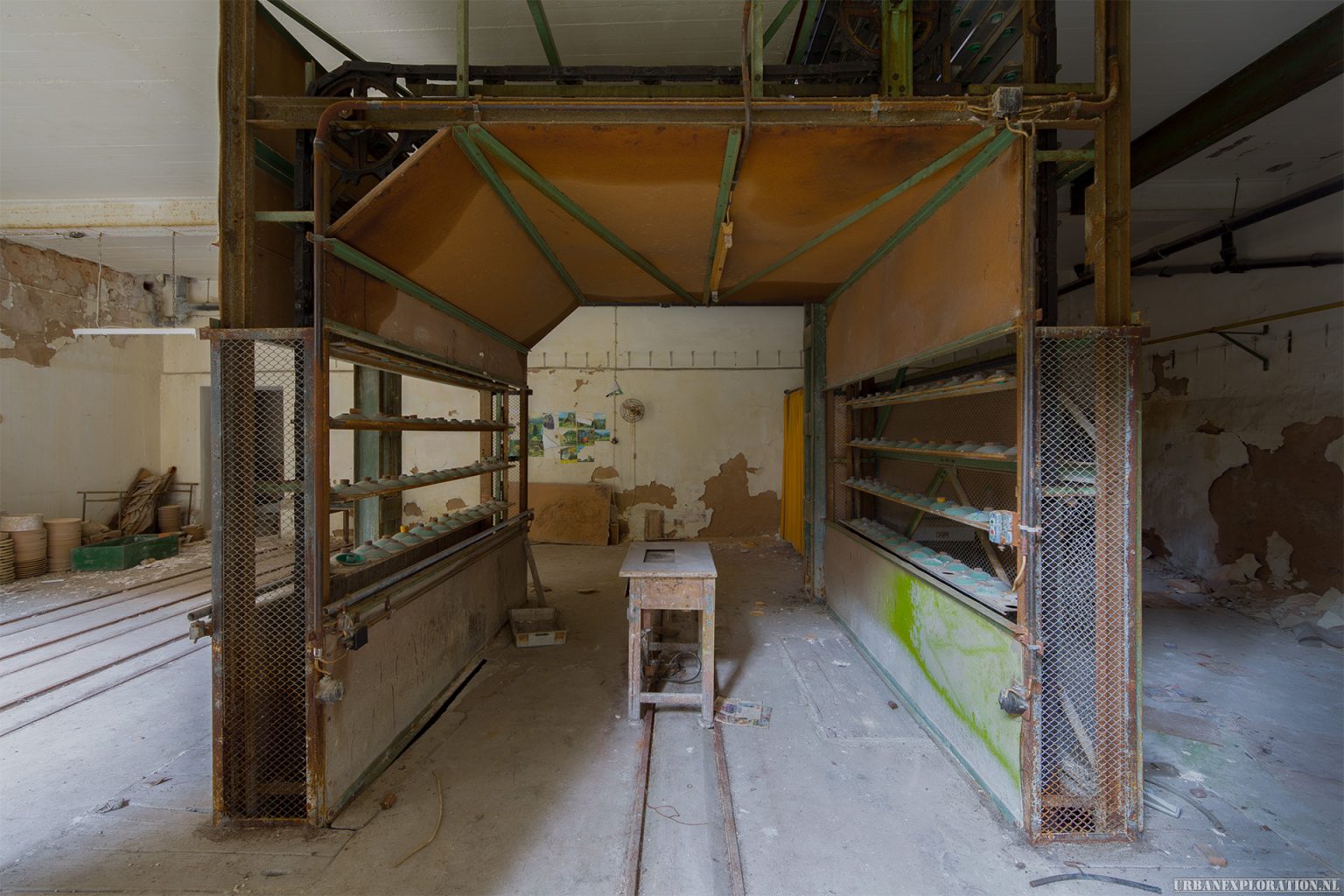
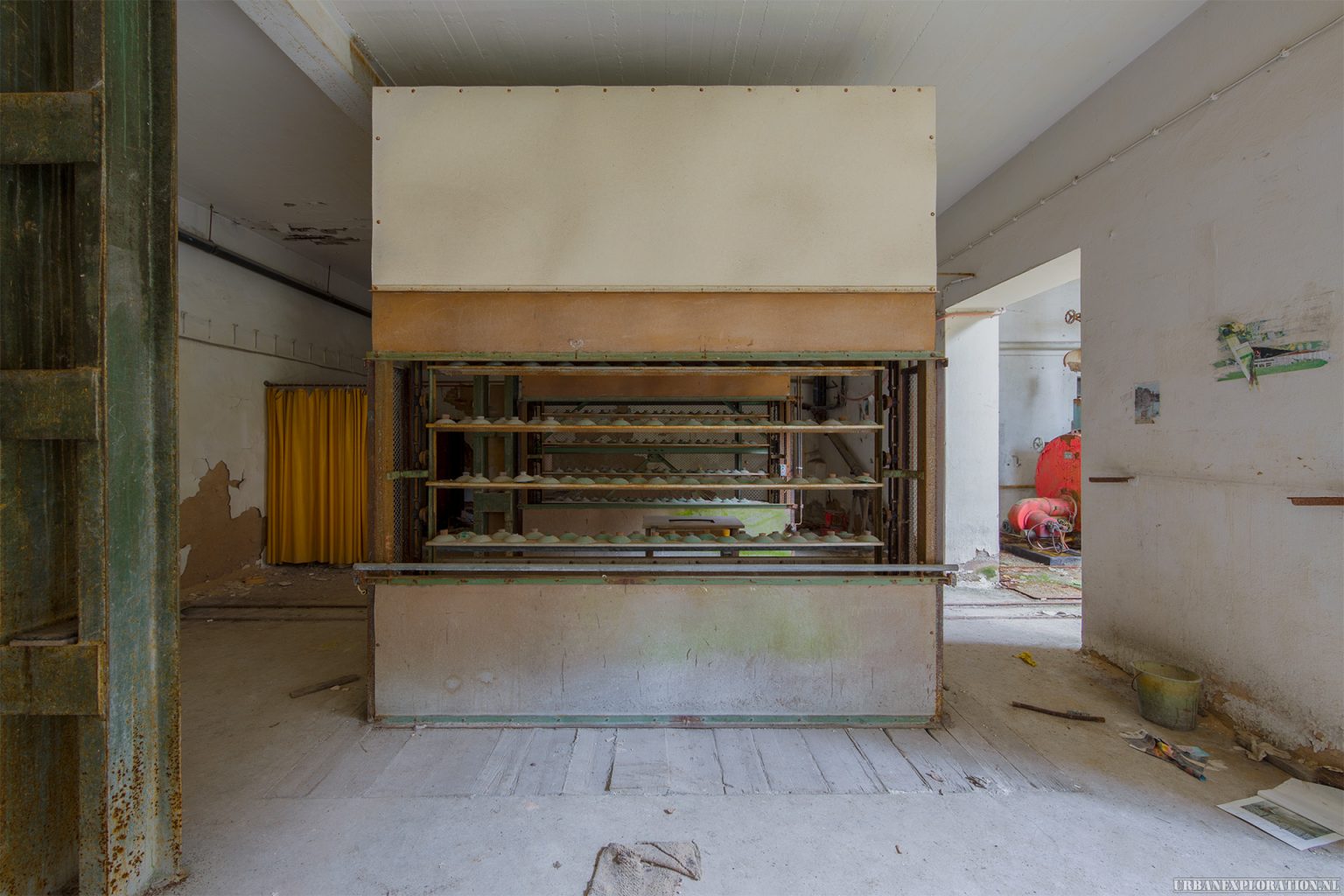
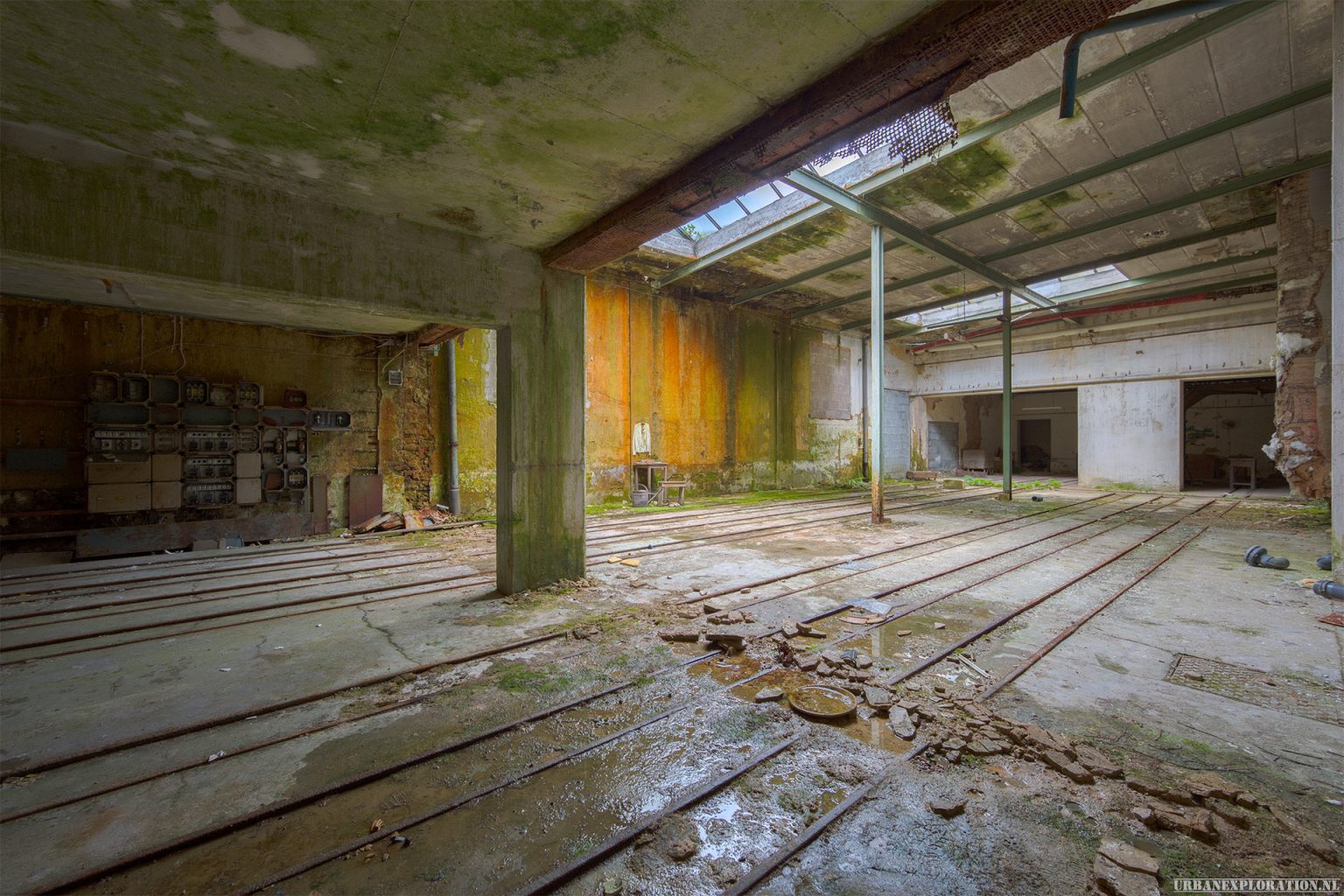
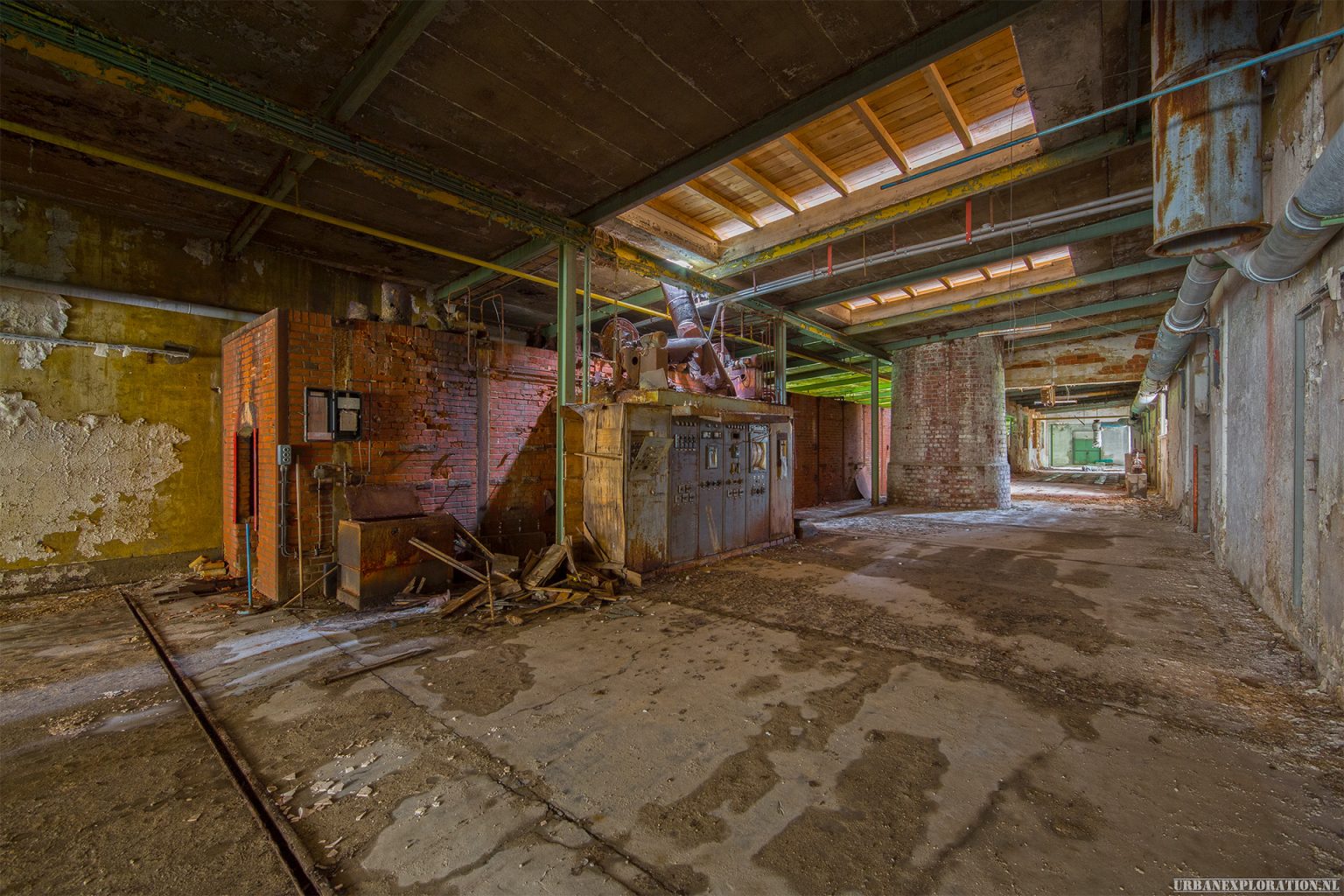
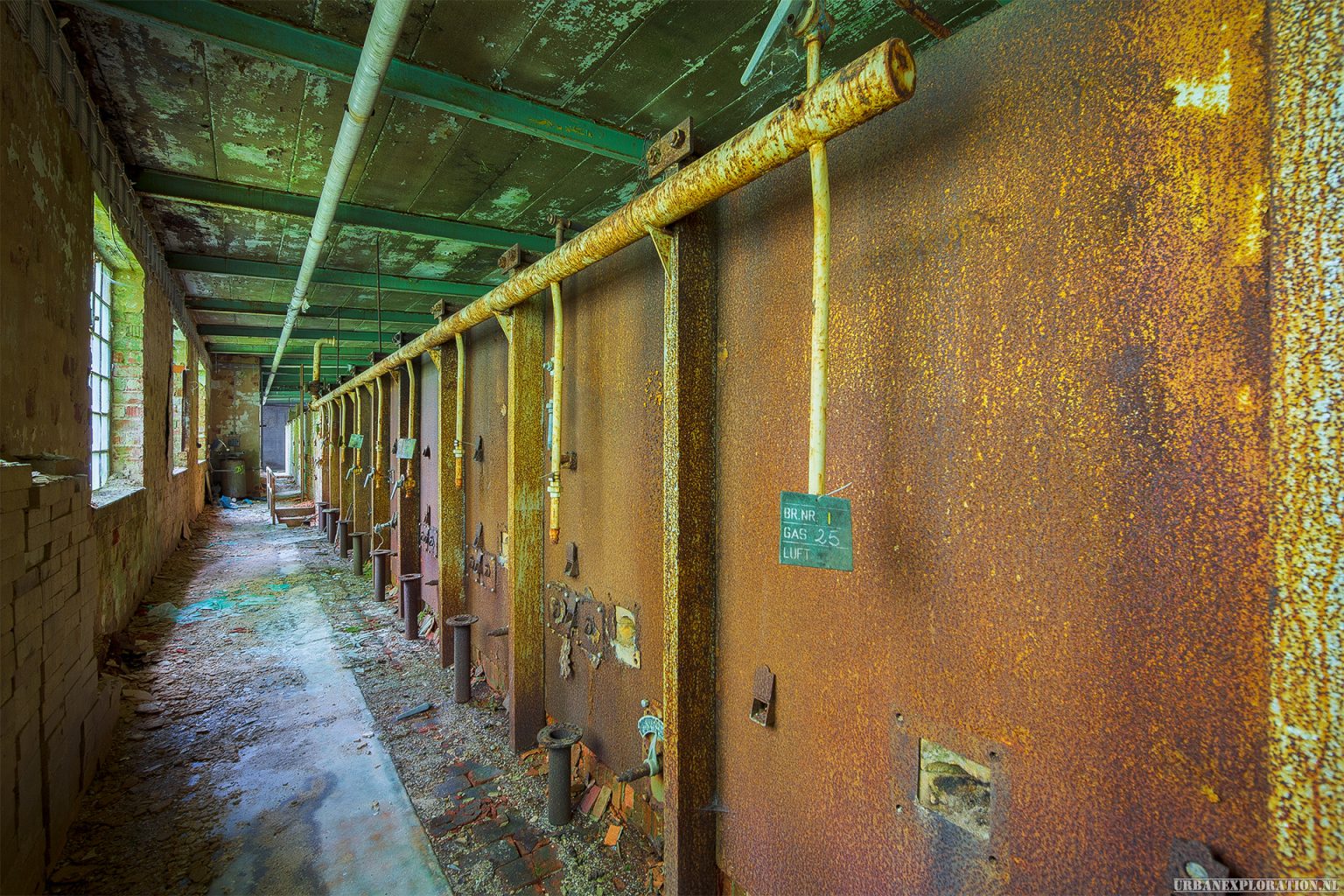
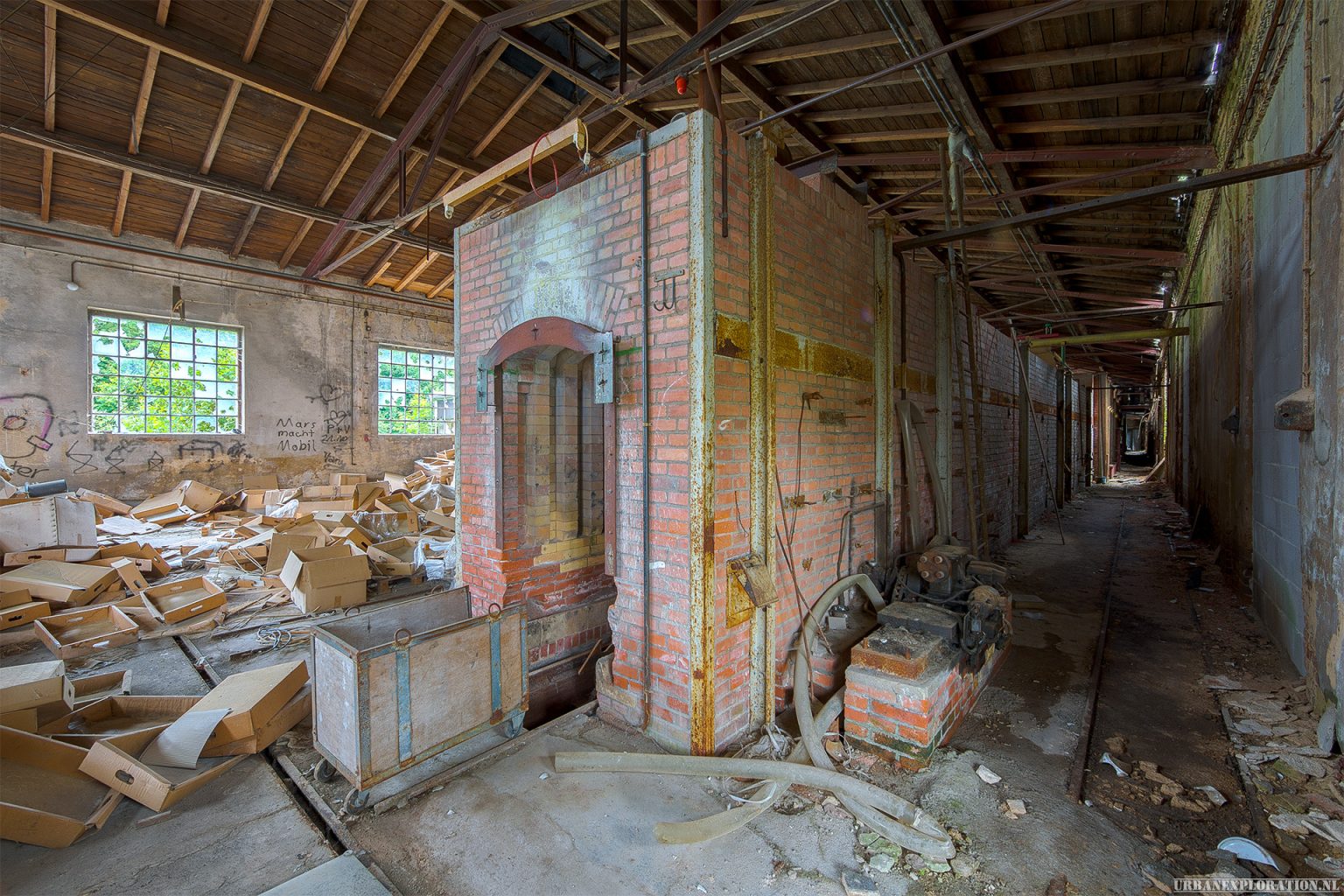
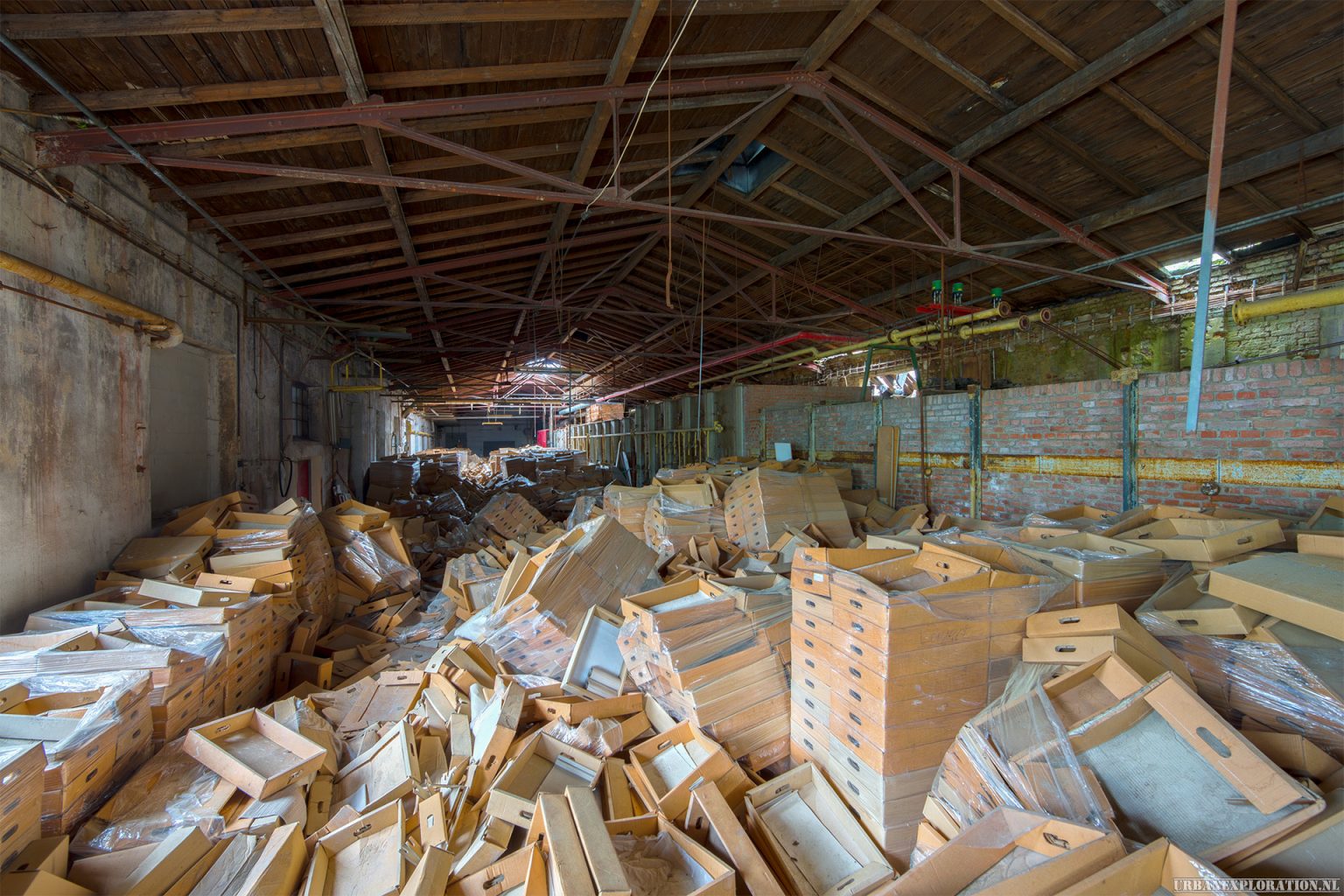
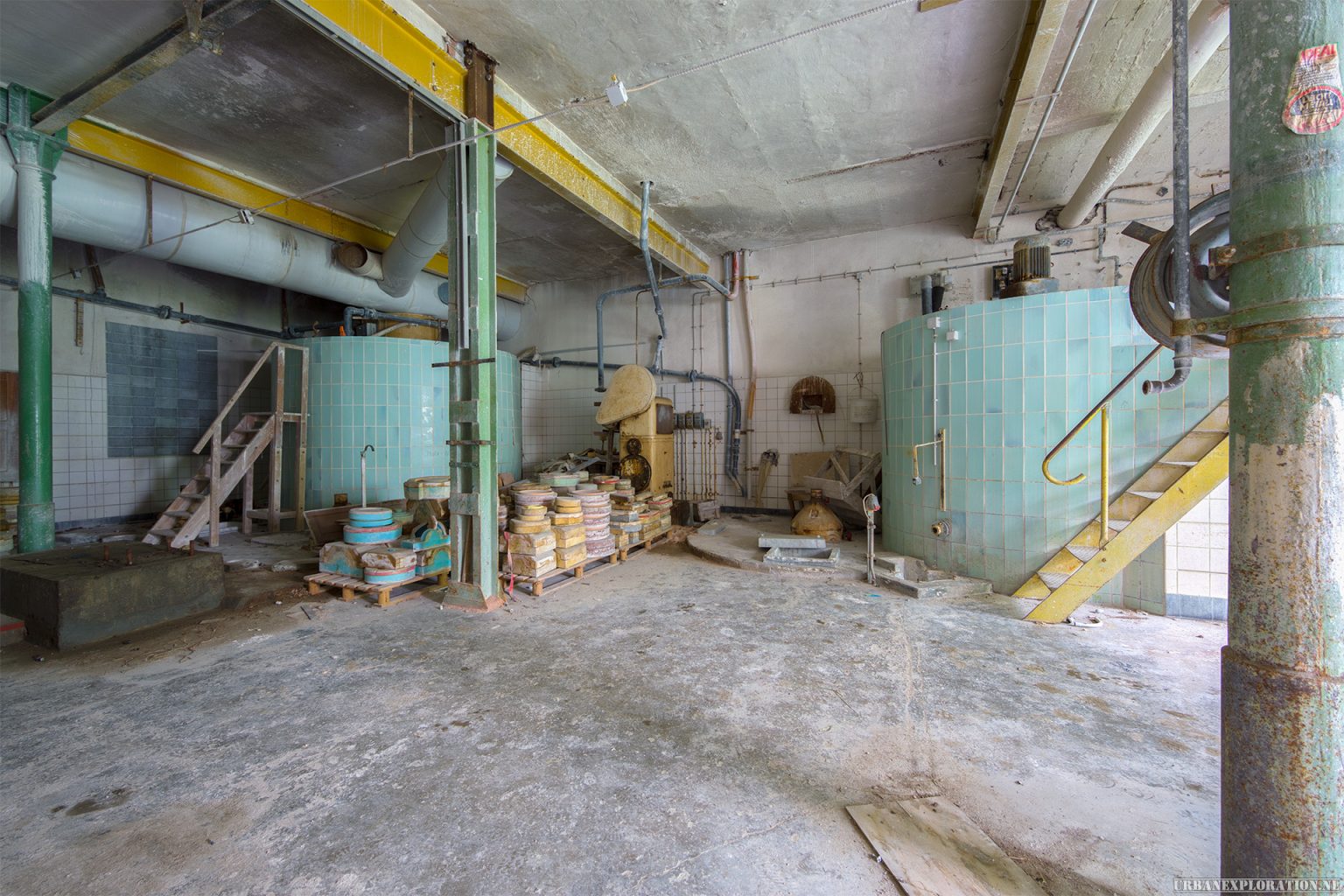
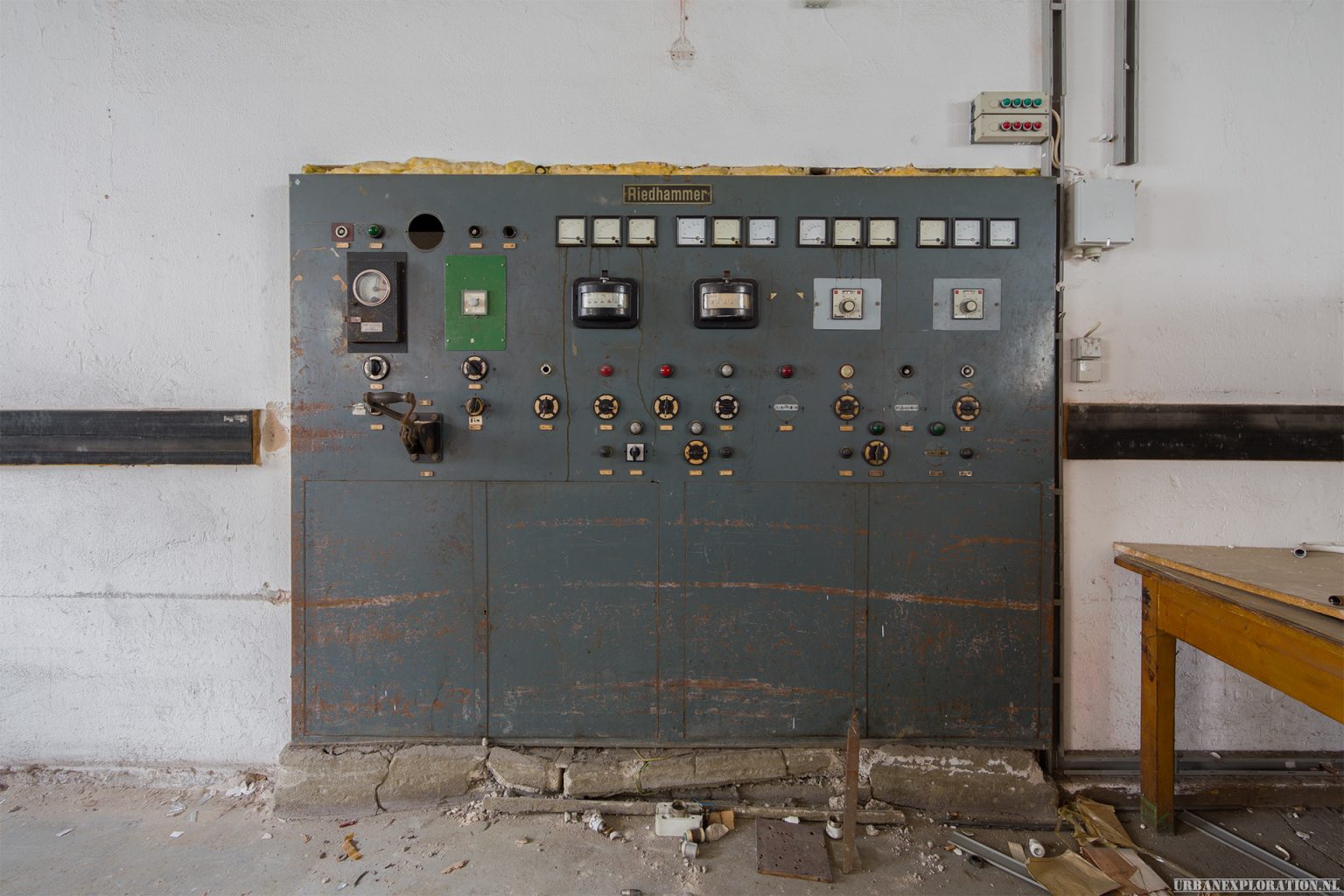
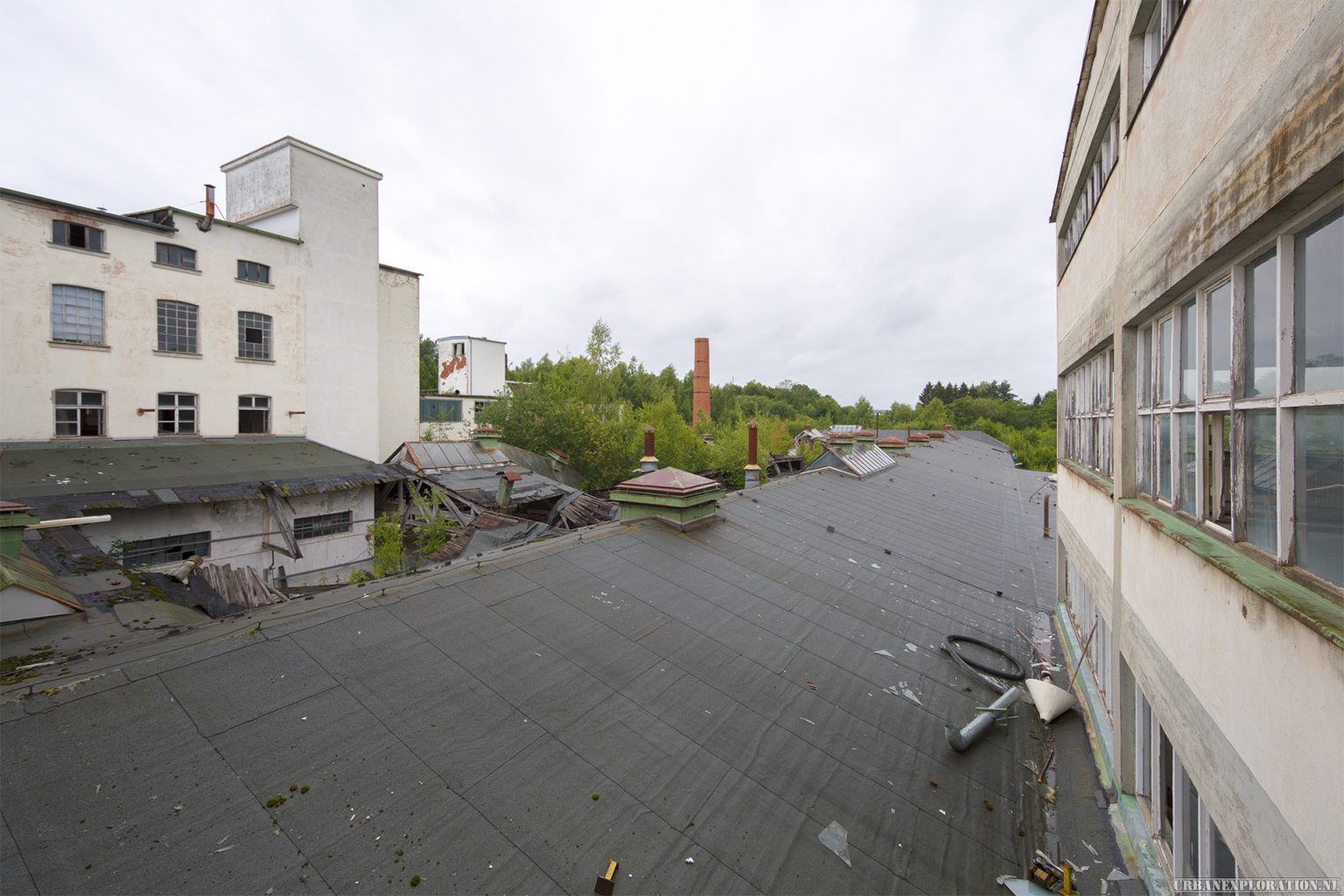
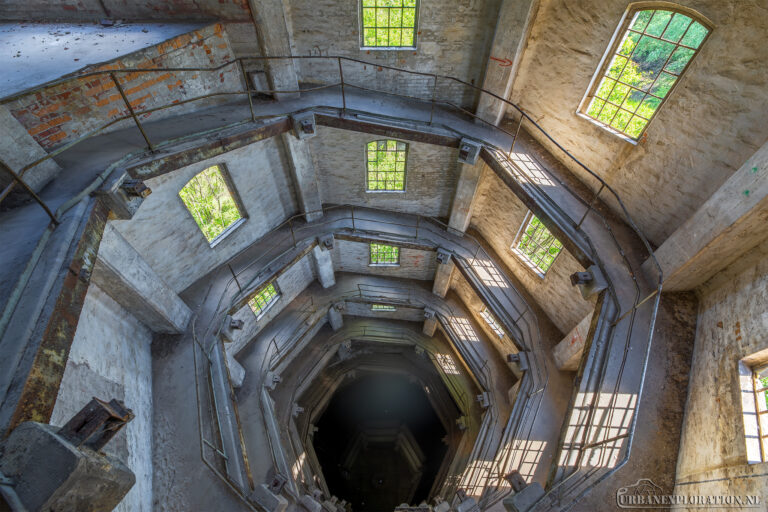
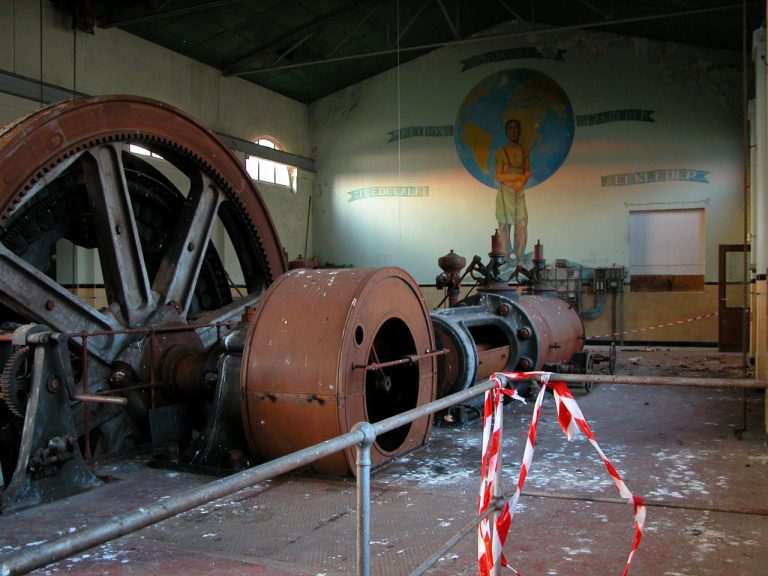
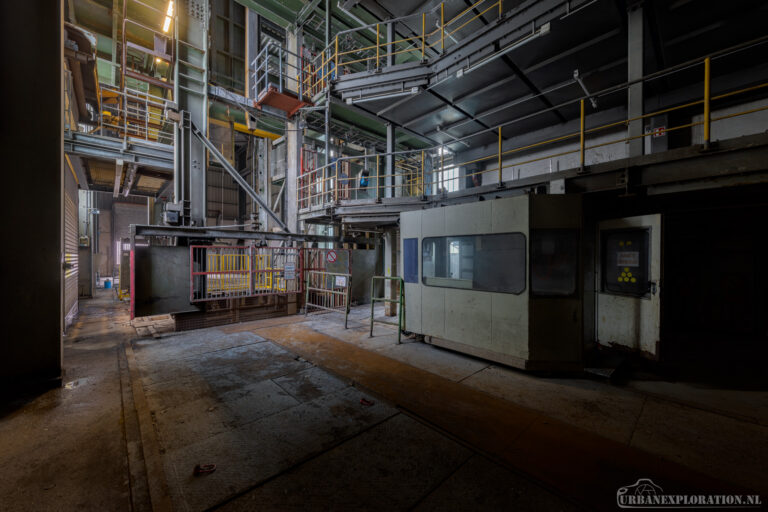
The Porzellanfabrik Johann Kronester was founded in 1906 in Schwarzenbach an der Saale, Bavaria, by entrepreneur Johann Kronester. What began as a small porcelain factory quickly developed into an important producer of household porcelain, hotel ware and technical ceramics. Production started in 1908, and over the following decades the factory expanded with new workshops, kilns and modern production facilities.
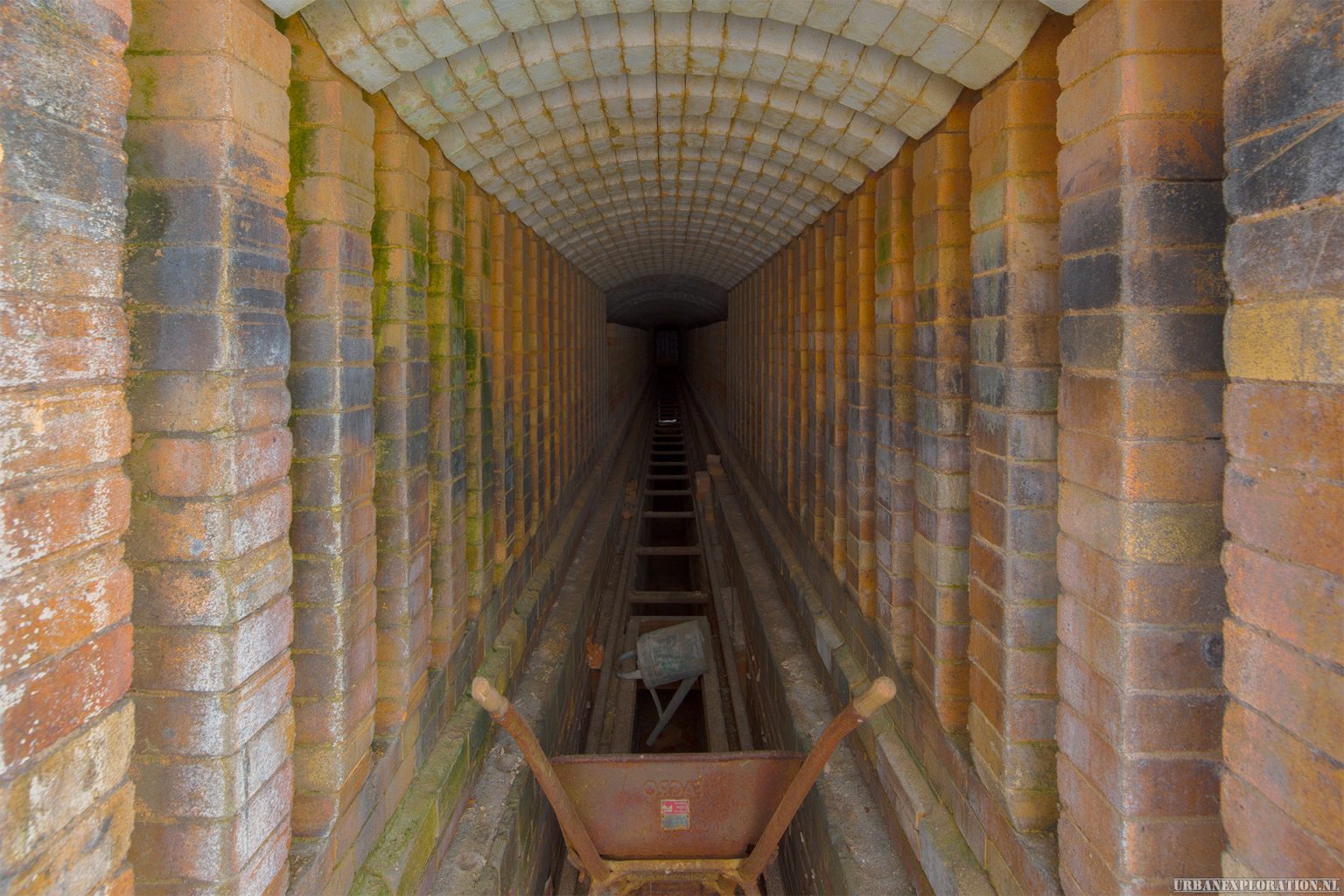
During the first half of the twentieth century, Kronester became a well-known name within the German porcelain industry. The company invested heavily in modern manufacturing methods and introduced tunnel kilns, allowing porcelain to be produced more efficiently and on a larger scale. Following the Second World War, the factory entered a period of strong growth as demand for German-made tableware increased both domestically and abroad.
One of the company’s most successful products was the Ulrike dinner service, designed by Hans Achtziger. The popularity of this service helped establish Kronester as a respected manufacturer of quality porcelain. Throughout the 1950s, 1960s and 1970s, the factory continued to expand and modernize, adding new production lines and automated processes.
By the late twentieth century, however, the German porcelain industry faced growing competition from lower-cost imports. In an effort to remain competitive, Kronester joined larger industry partnerships and eventually became part of the SKV-Porzellan-Union GmbH, a group formed by several traditional German porcelain manufacturers.
Despite these efforts, the industry continued to struggle. Production at the Schwarzenbach factory was gradually reduced, and in 1997 large parts of the manufacturing process were transferred elsewhere. The factory eventually closed, ending almost ninety years of porcelain production on the site.
Visited - June 2018
Defunct - 1997
Status - In decline
Country - Germany
Here are some other albums that might be of interest.