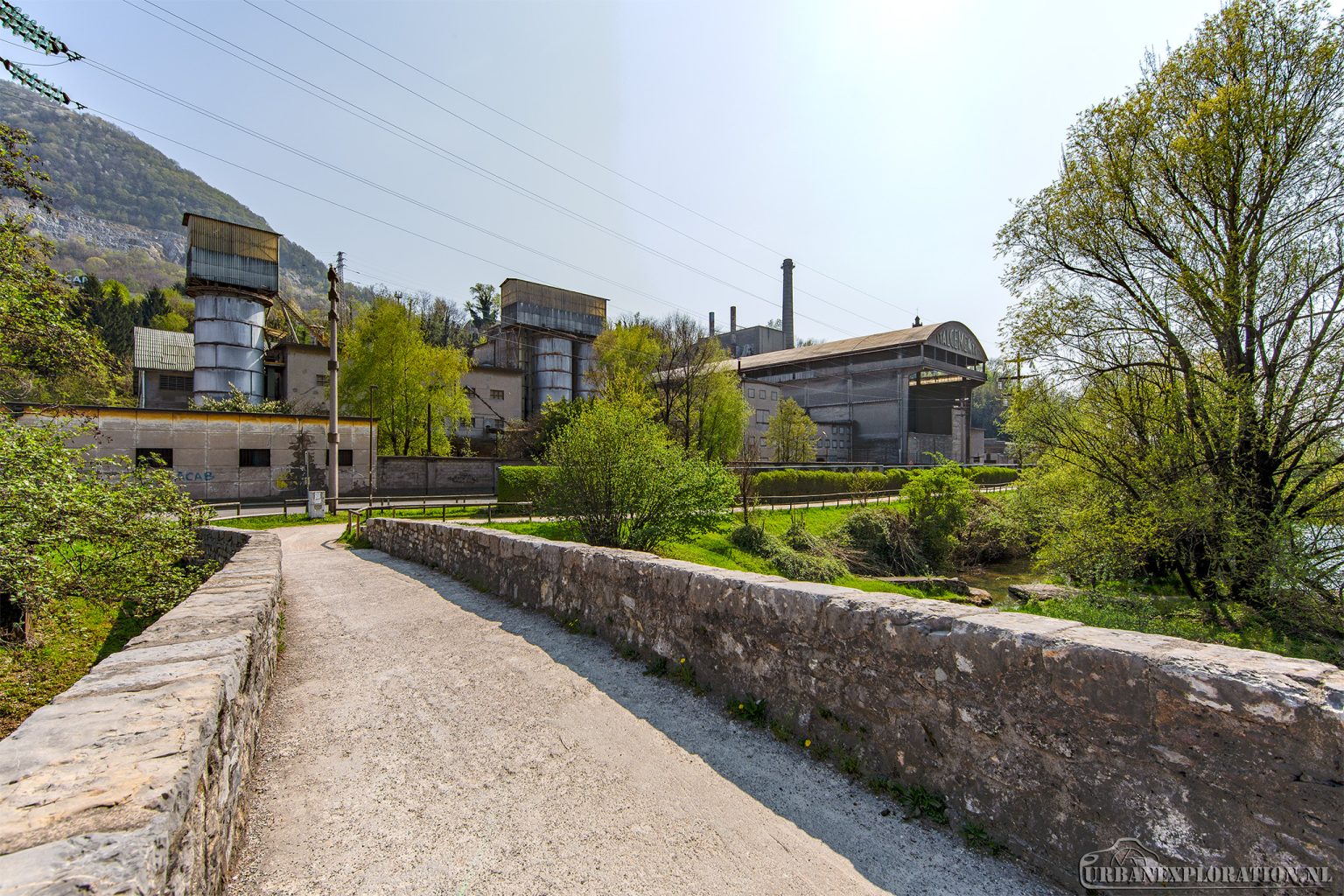
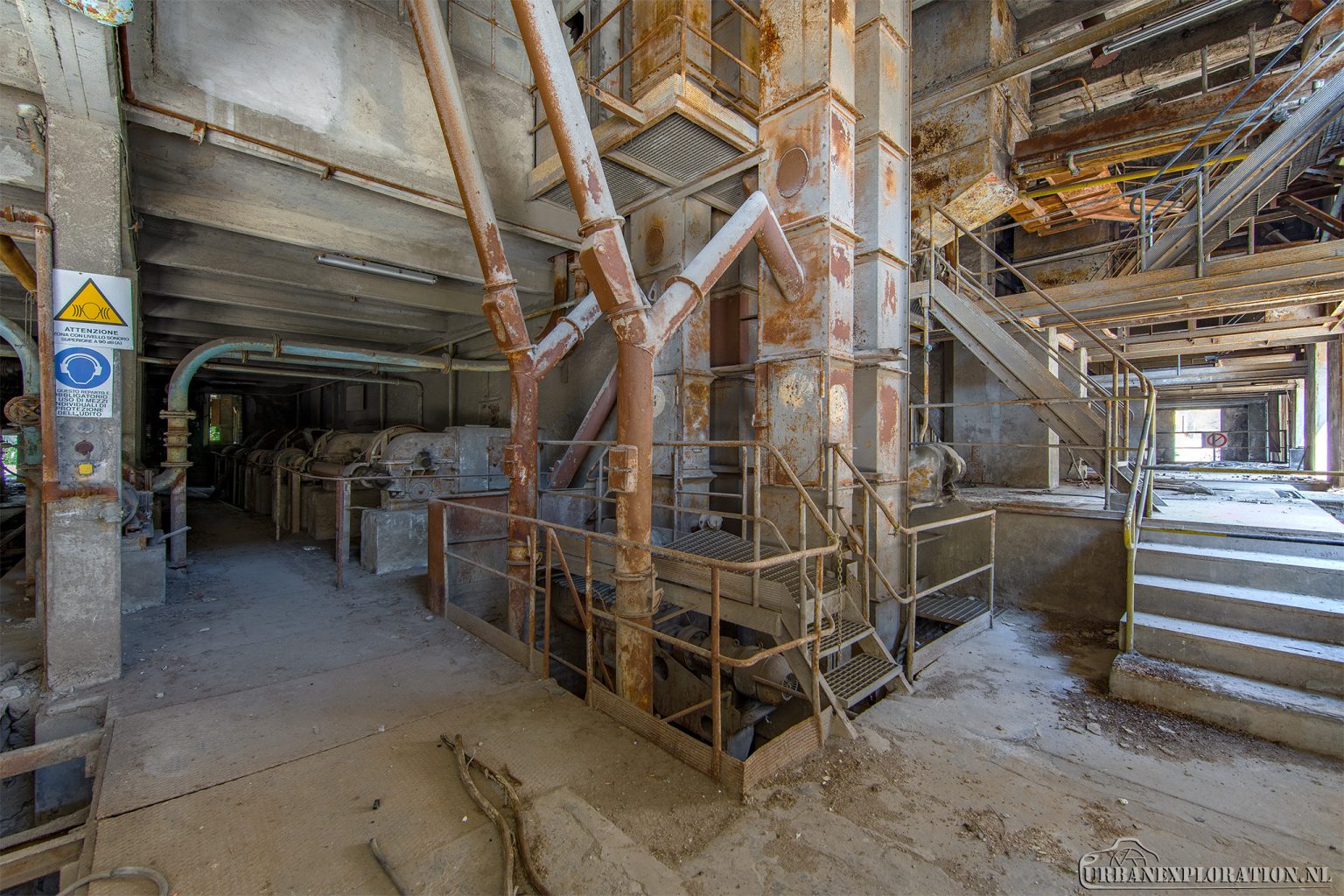
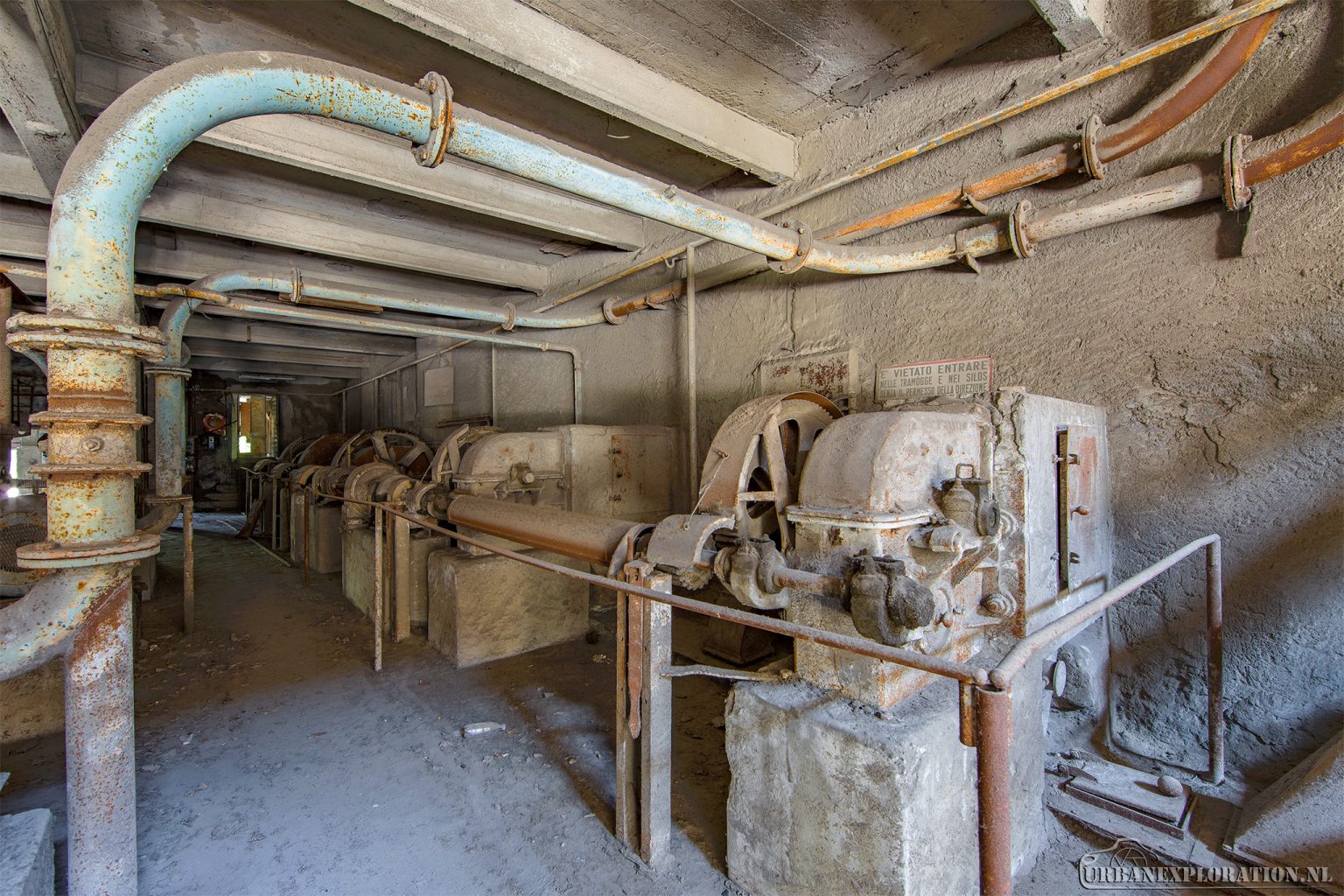
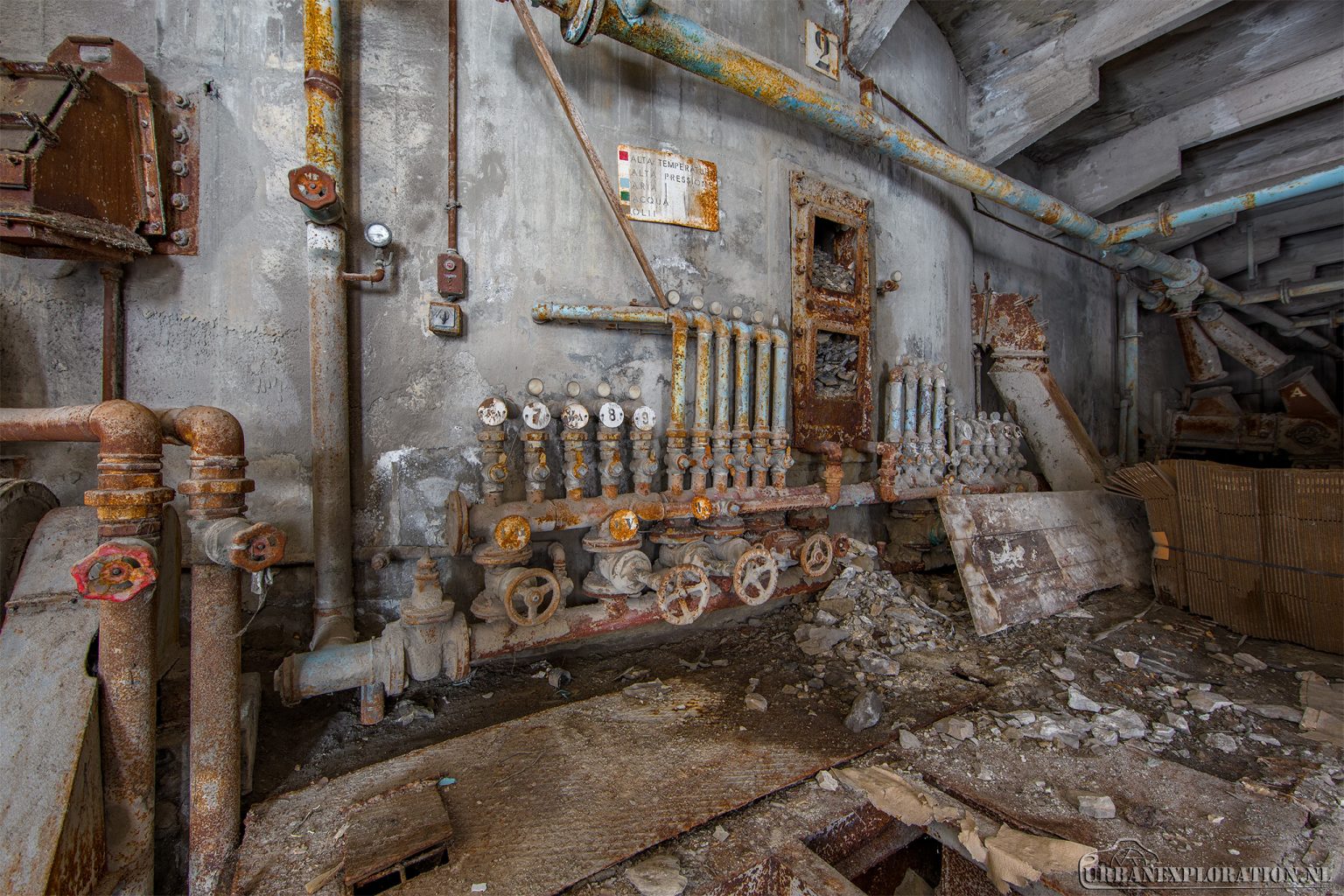
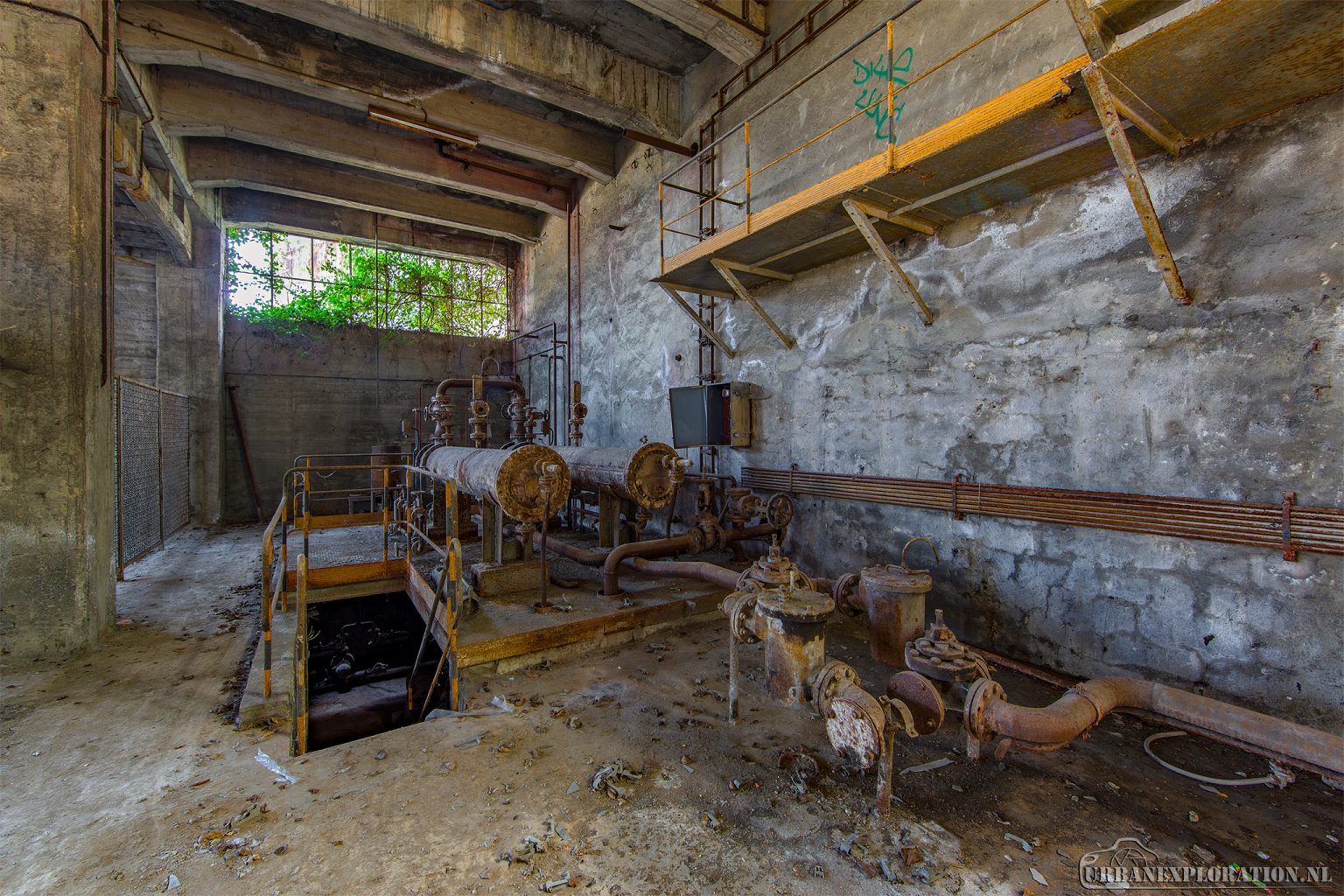
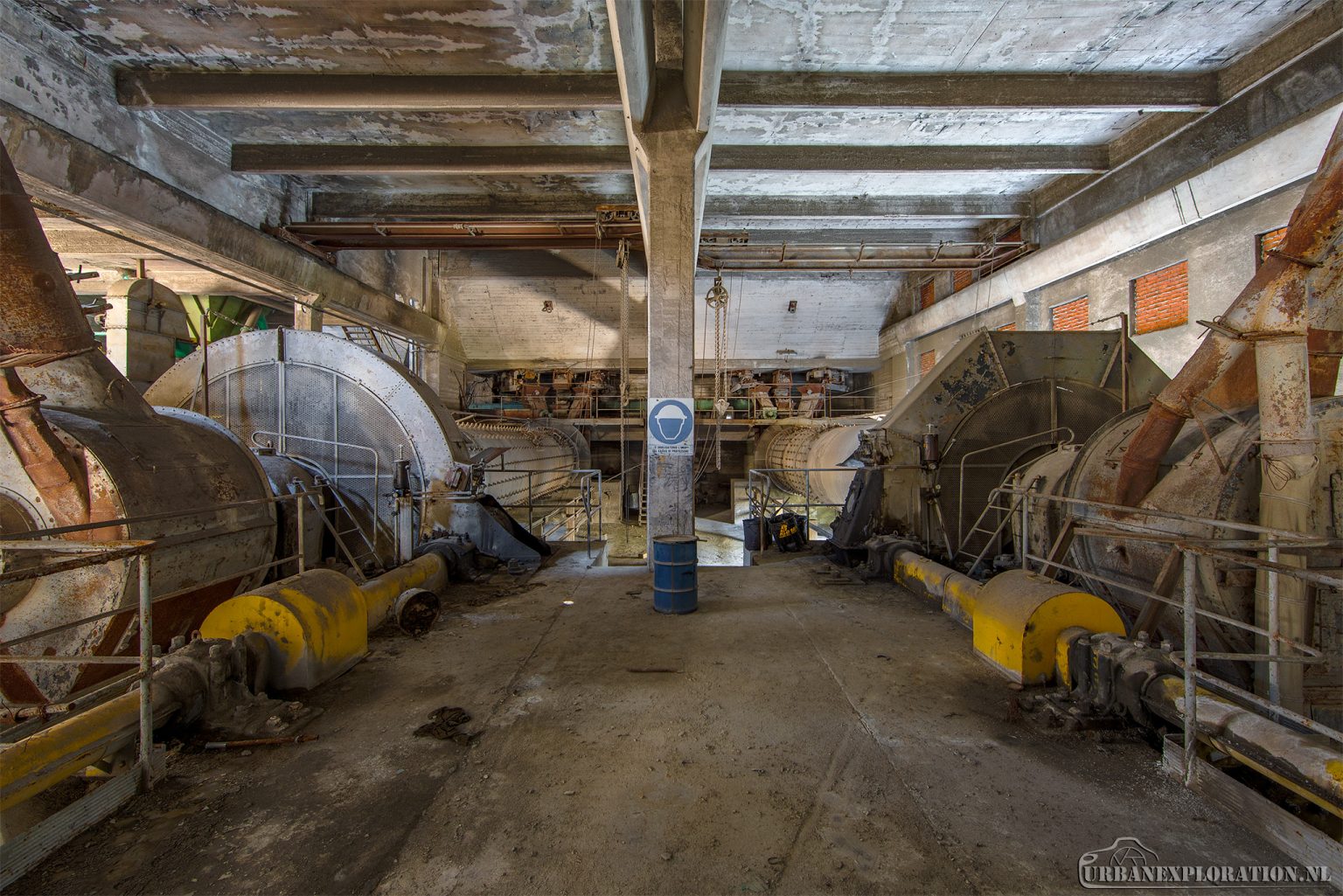
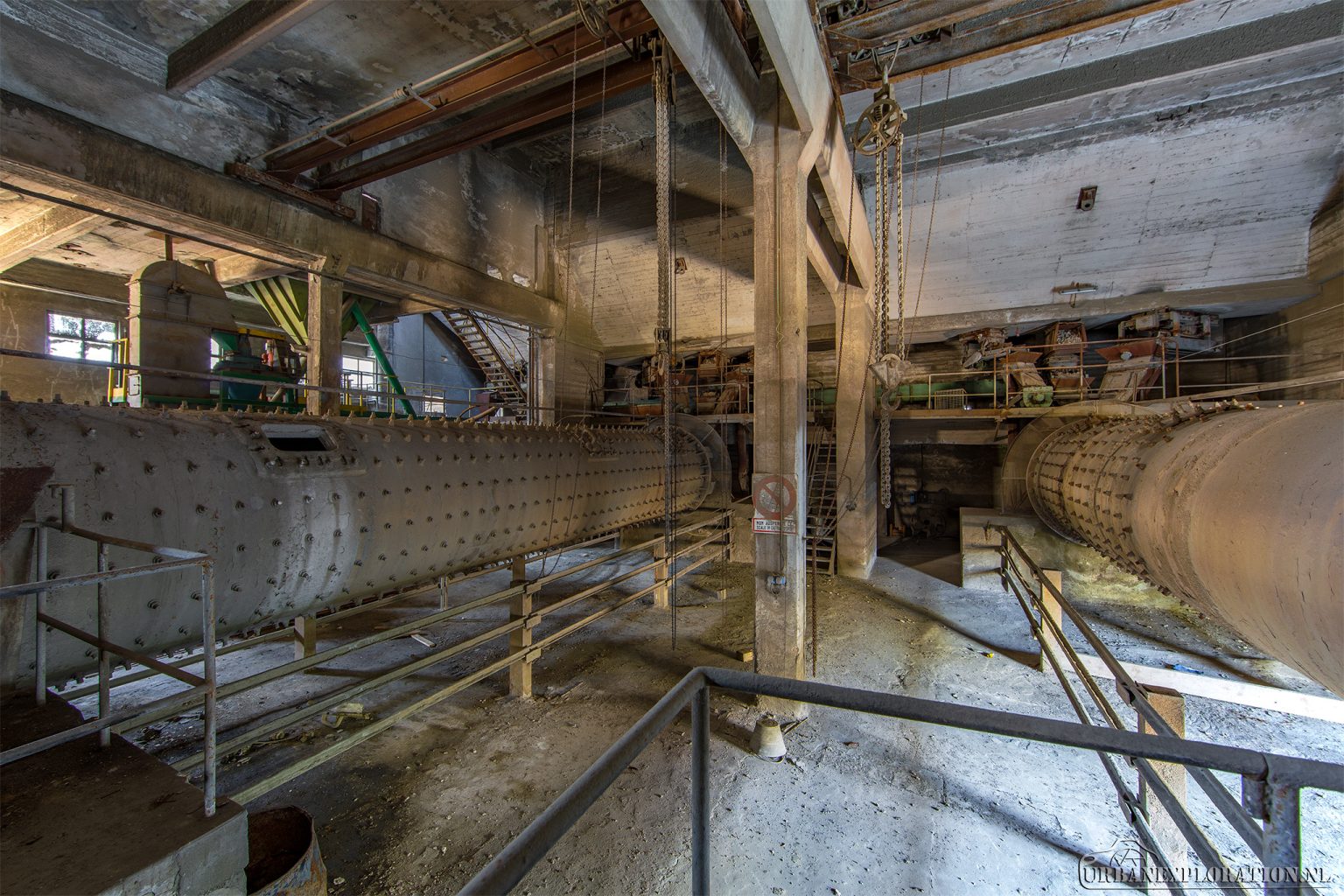
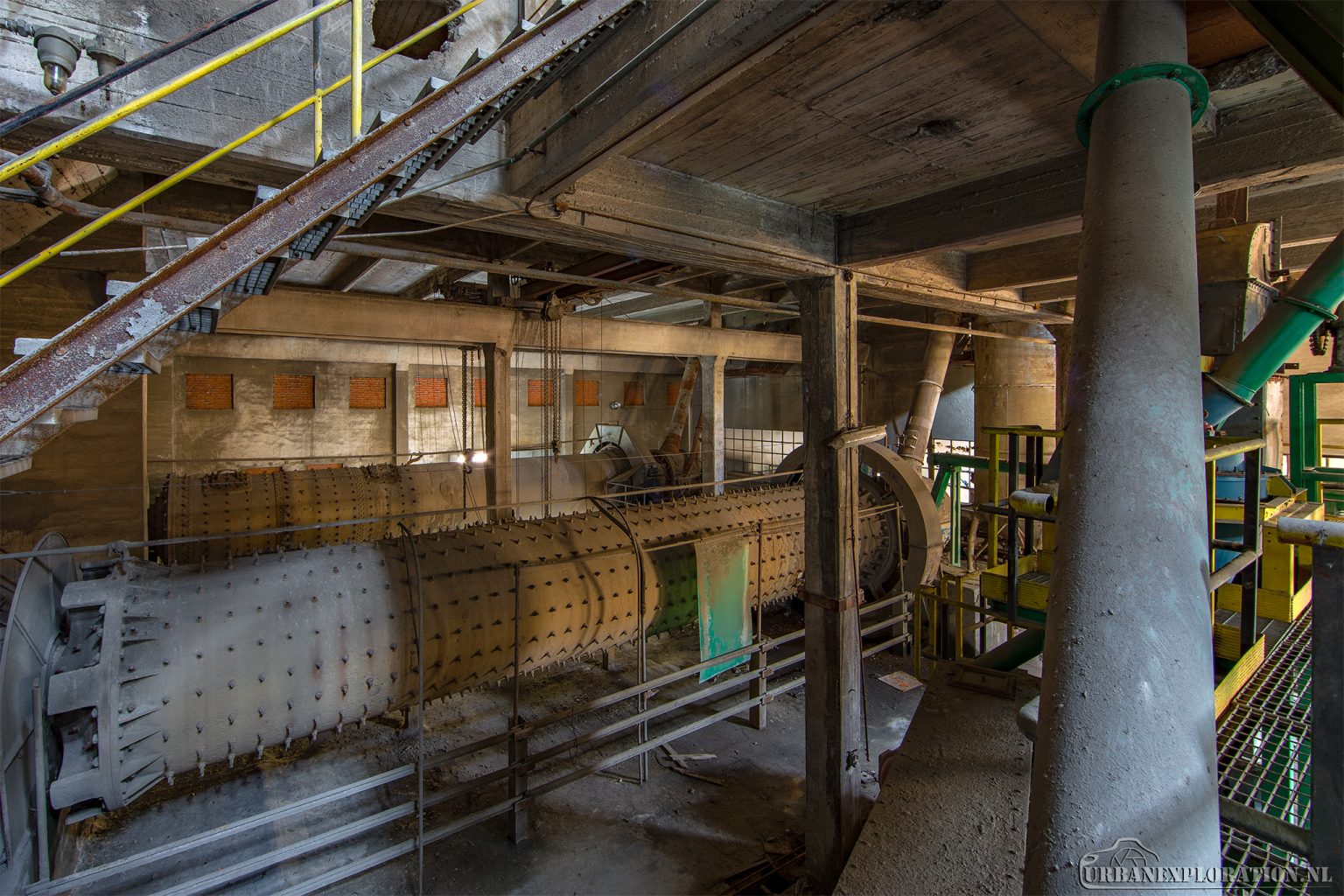
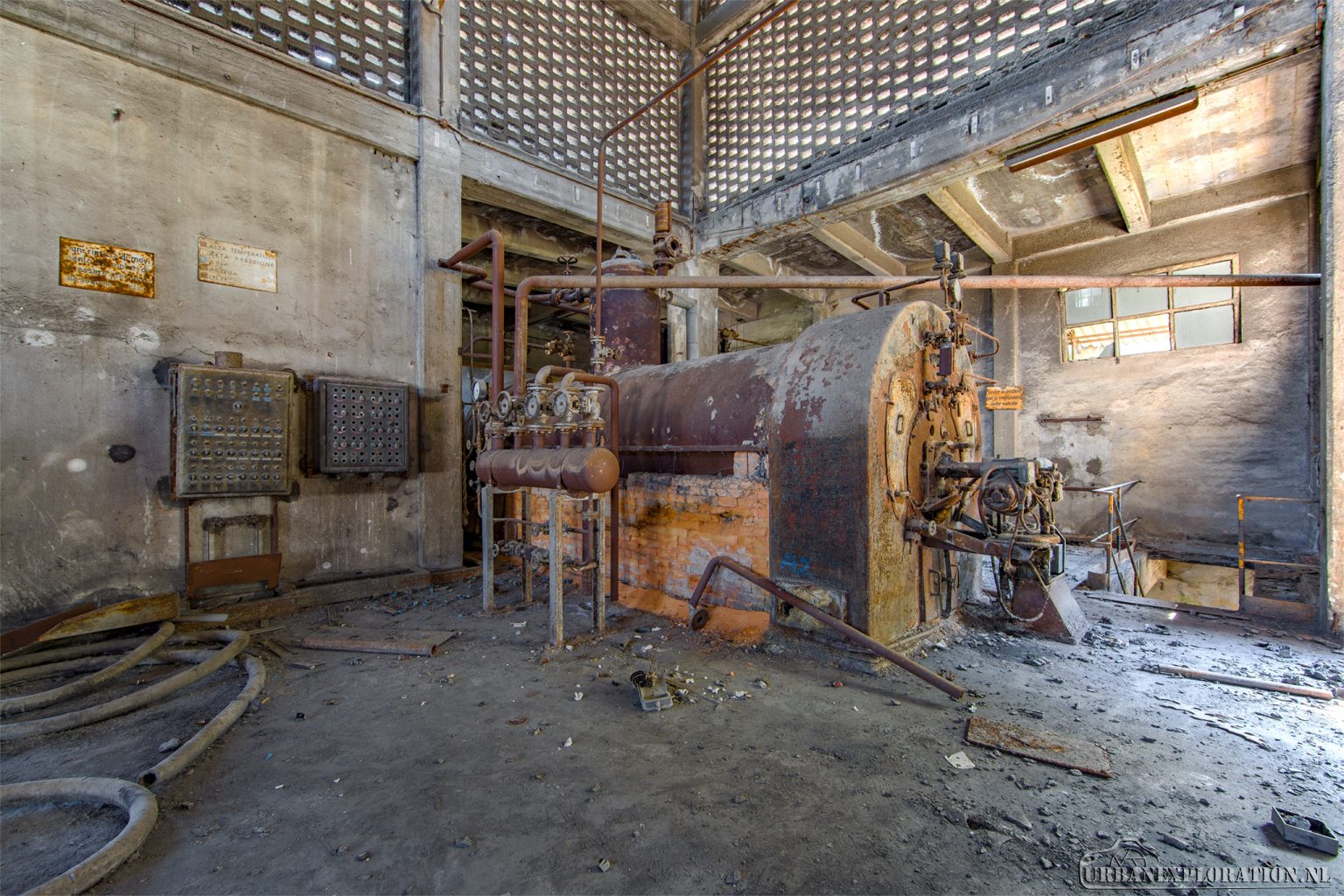
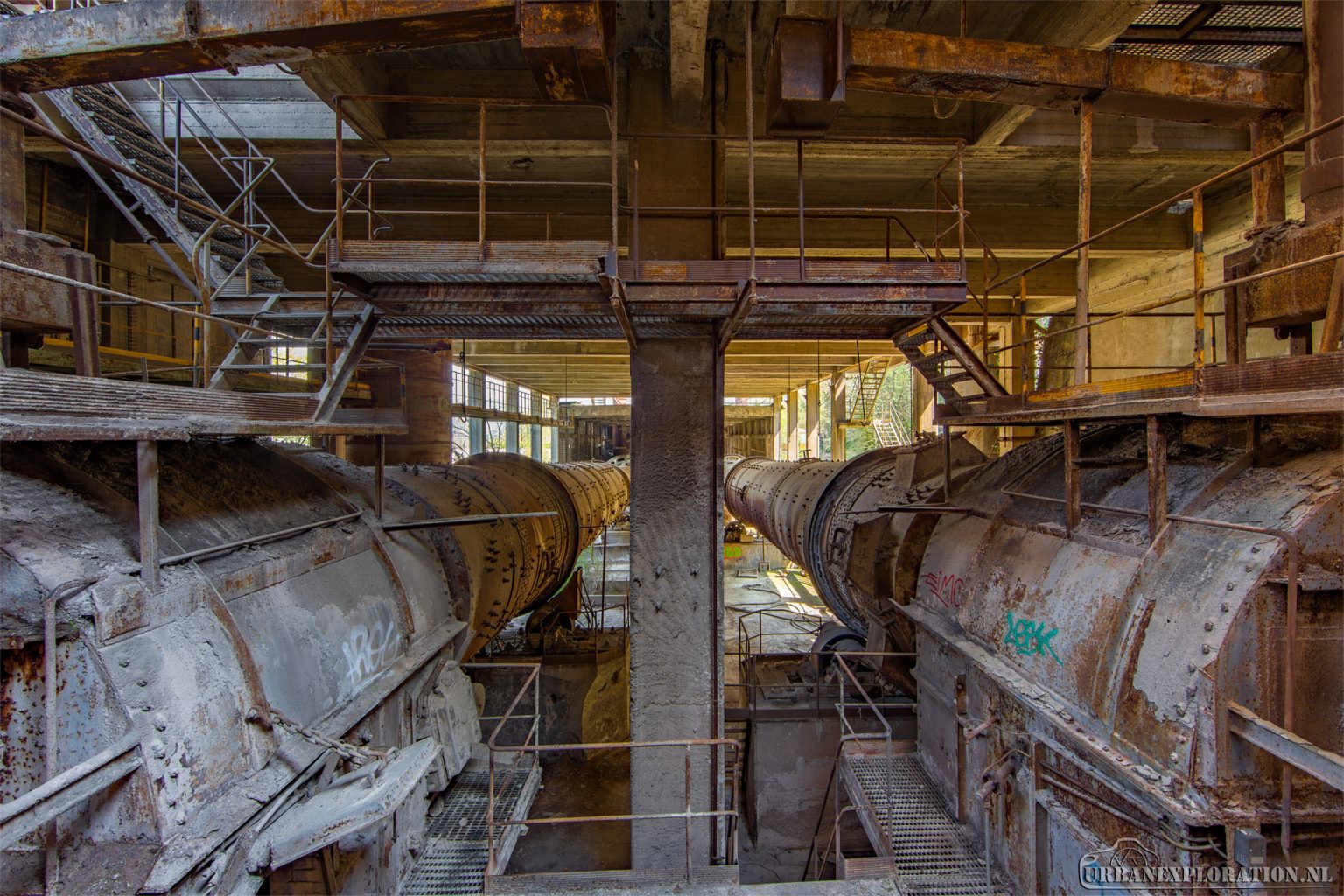
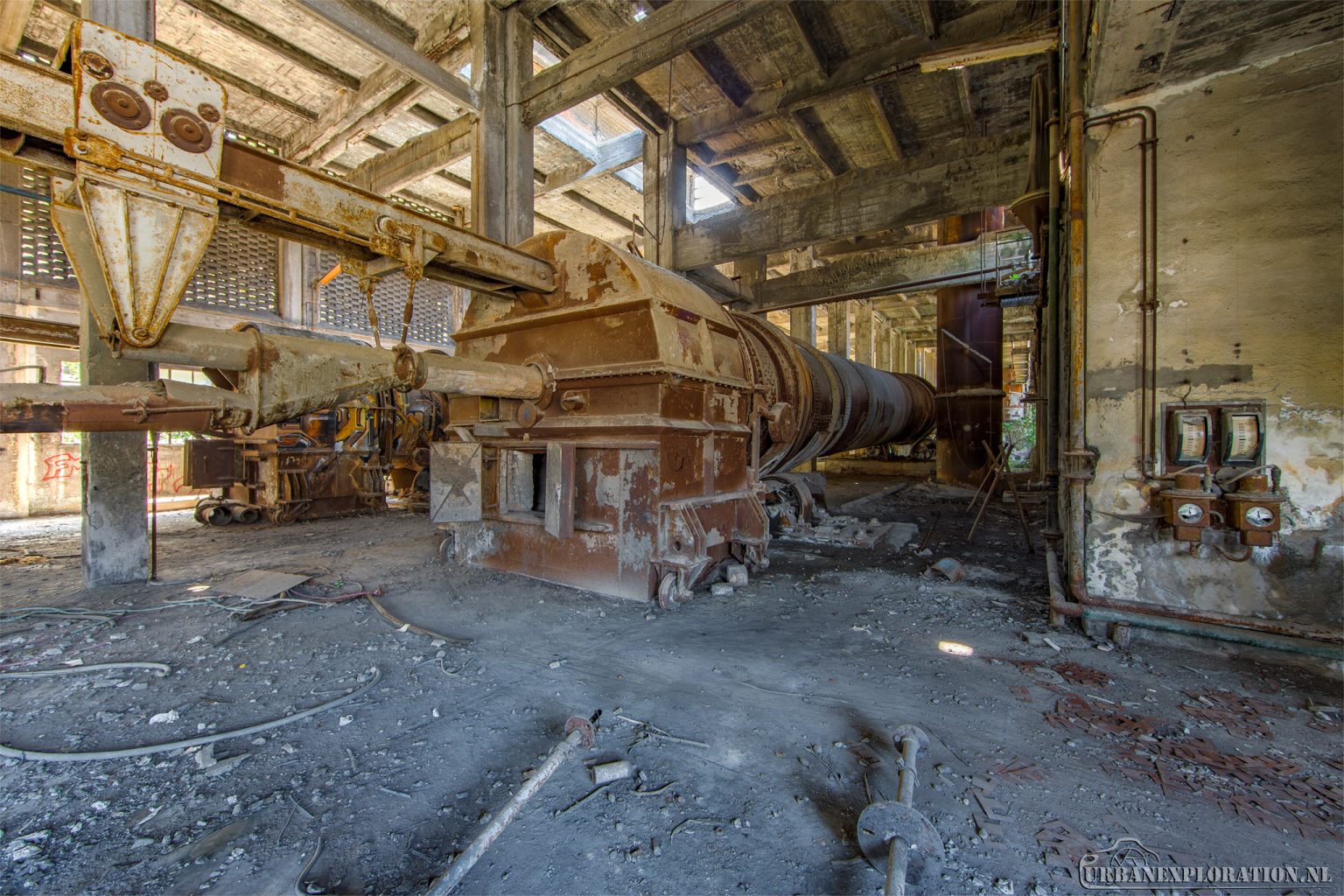
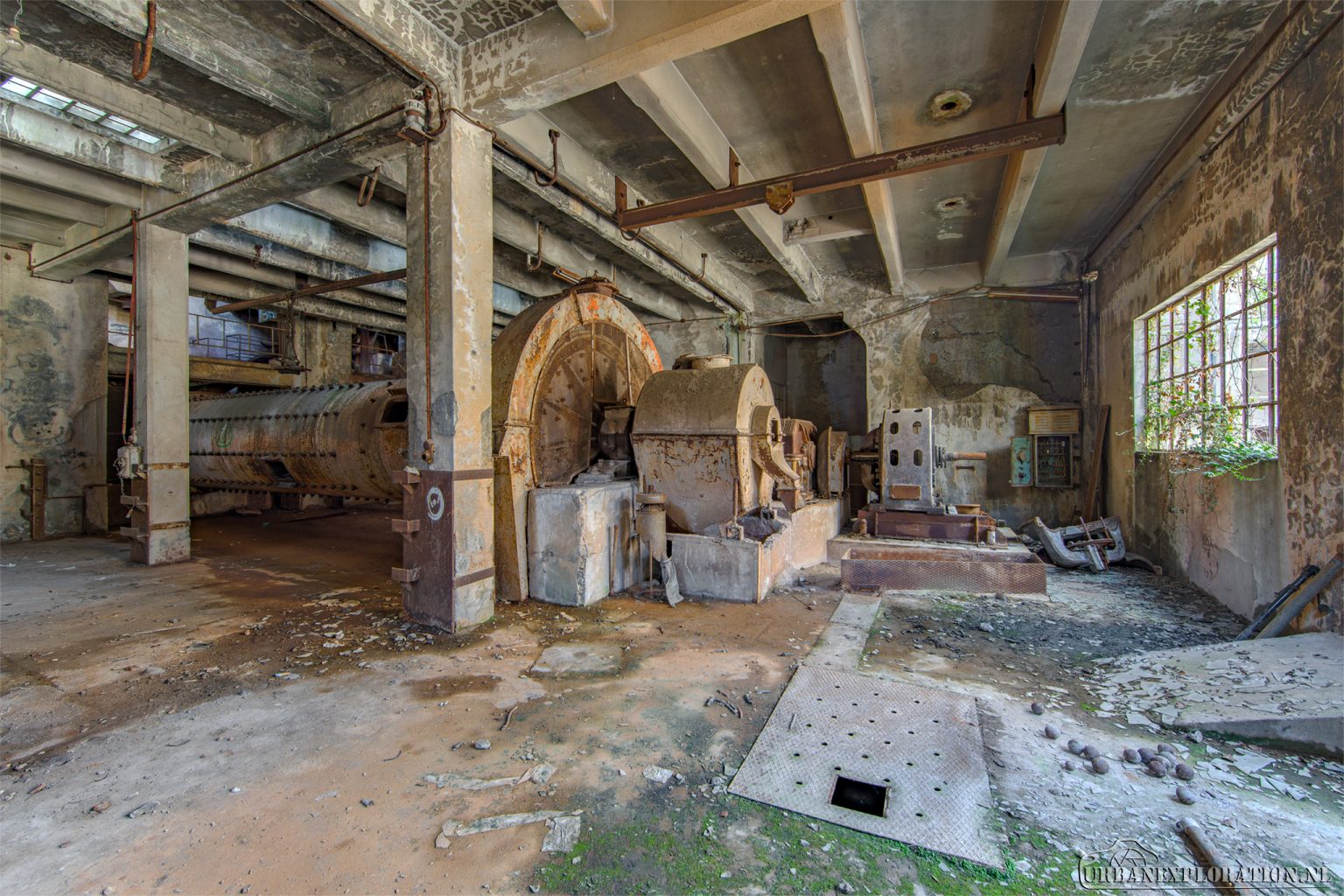
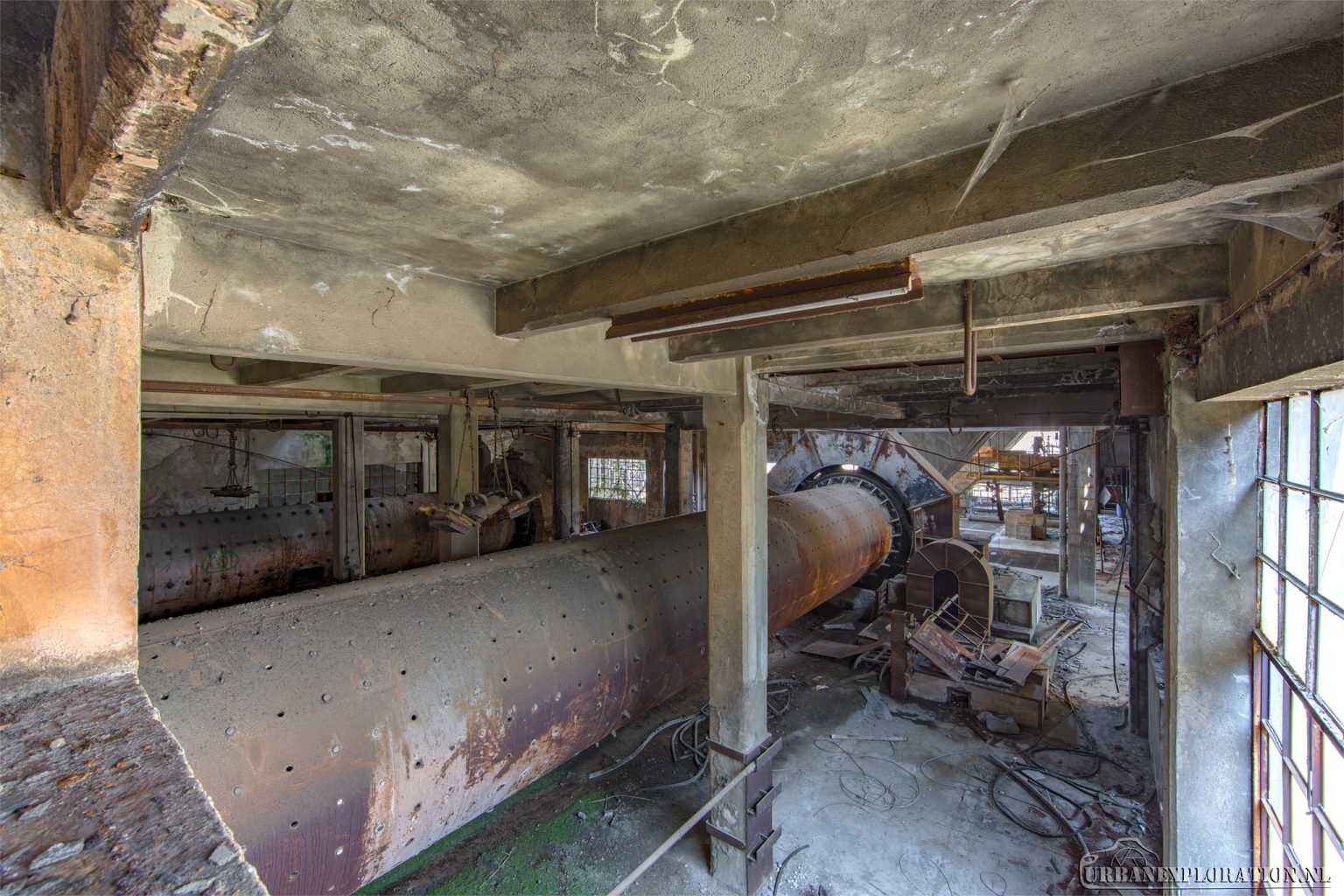
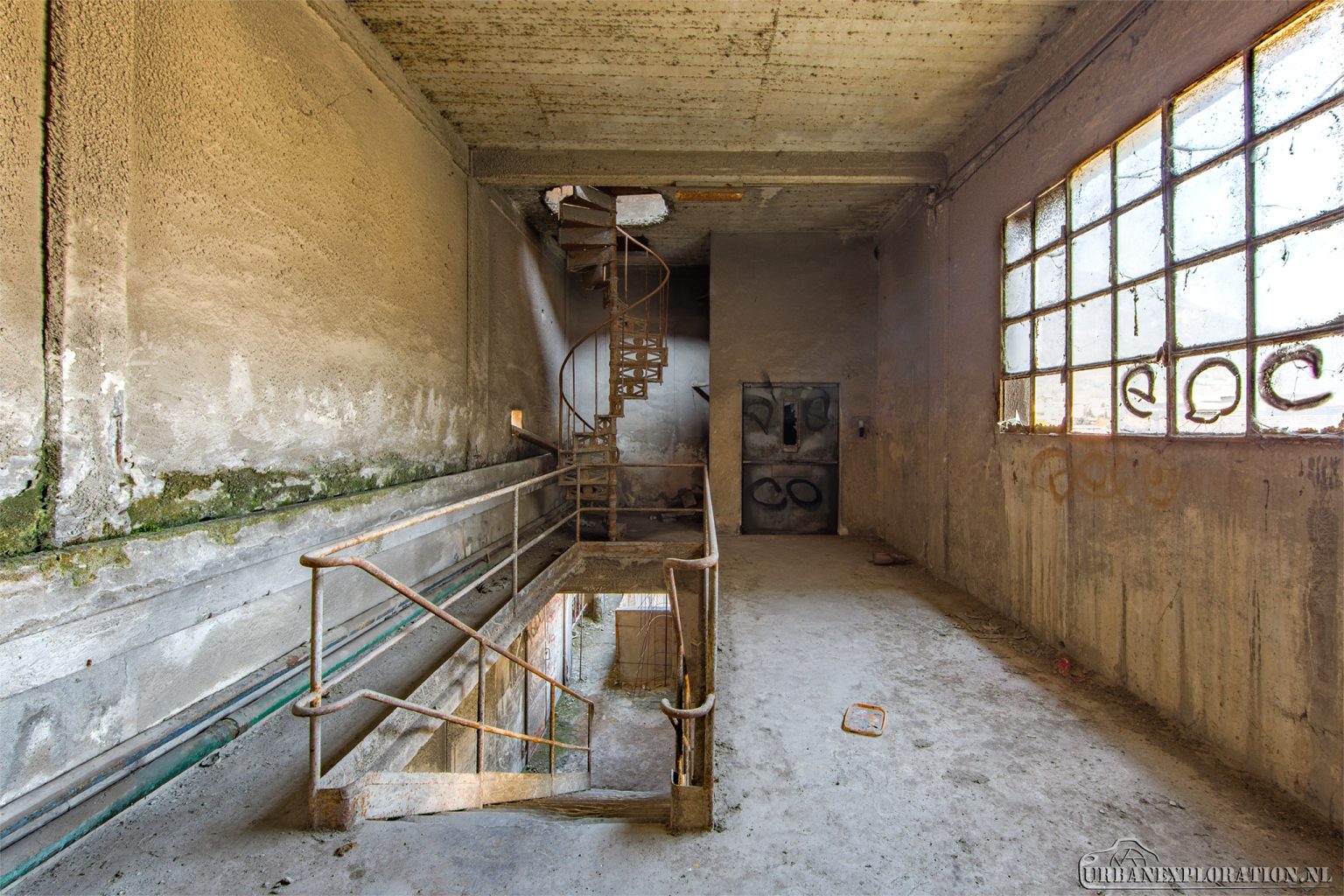
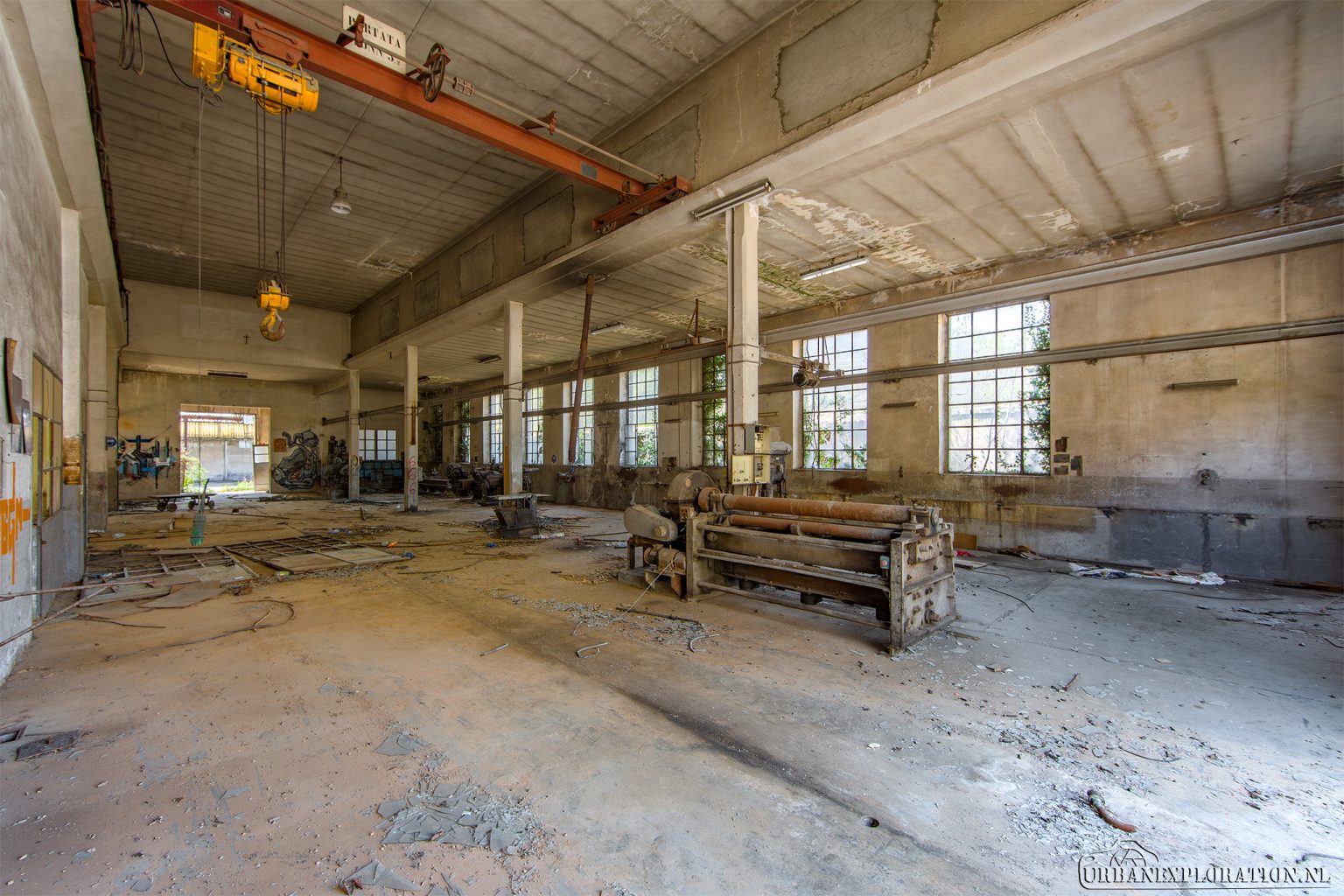
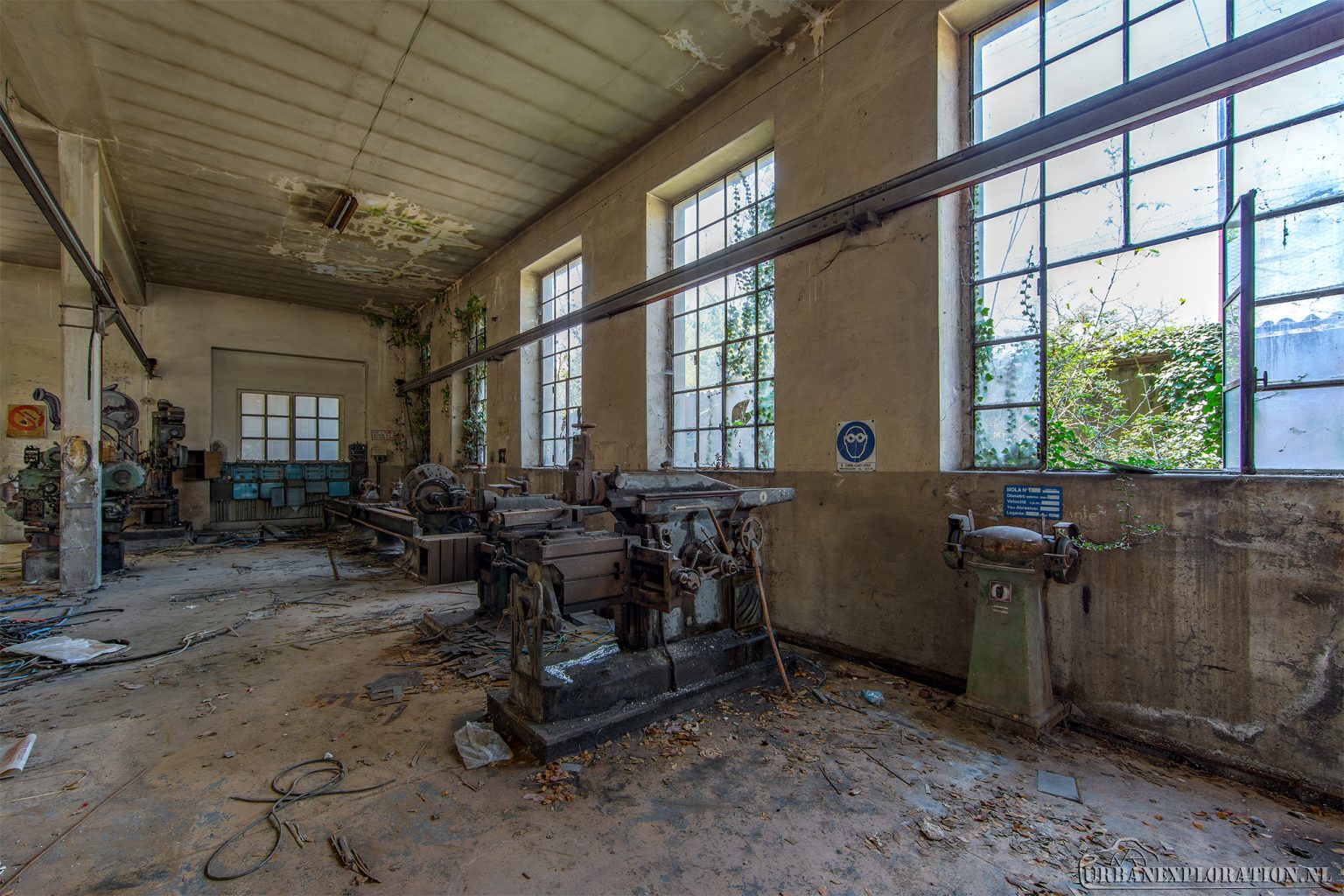
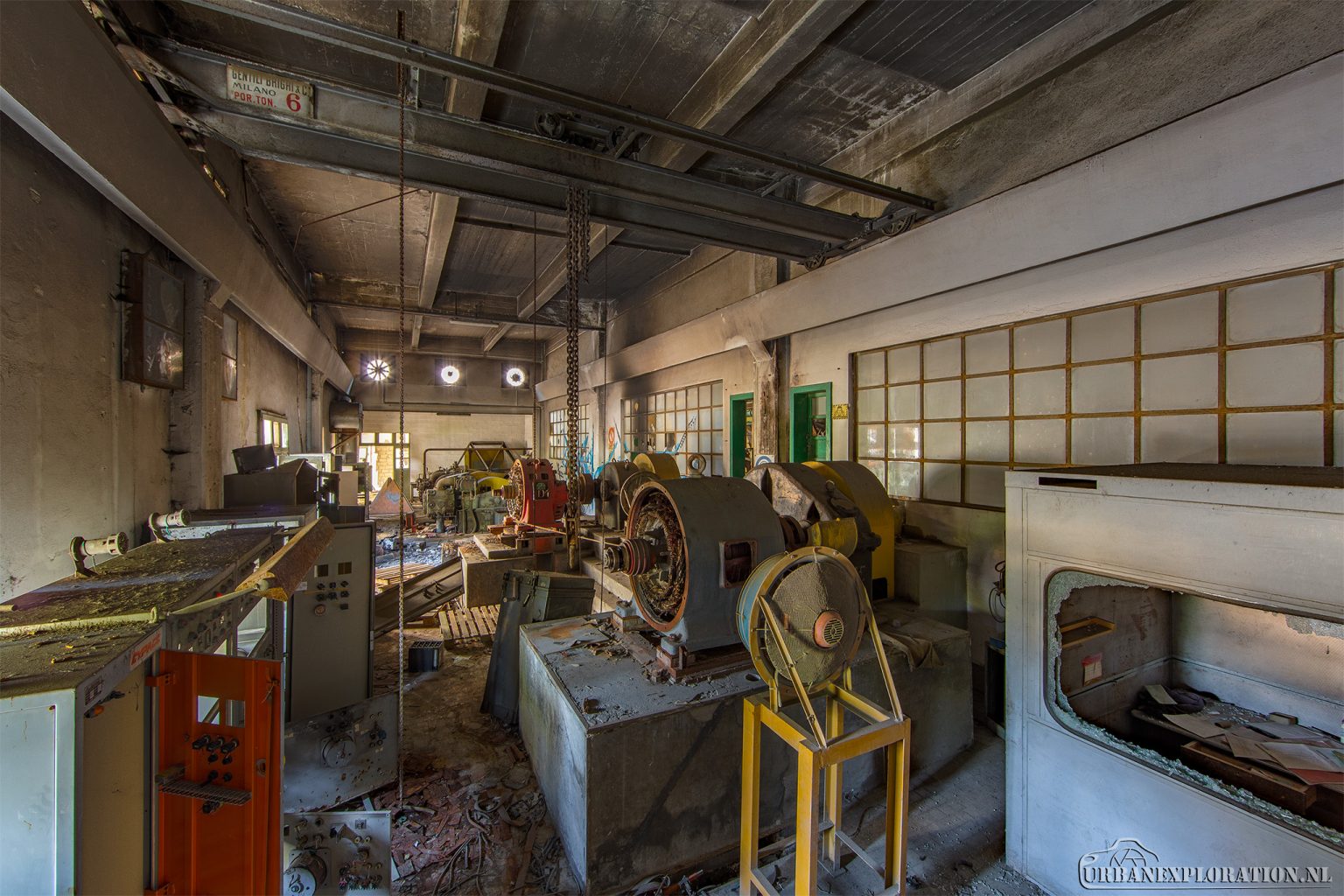
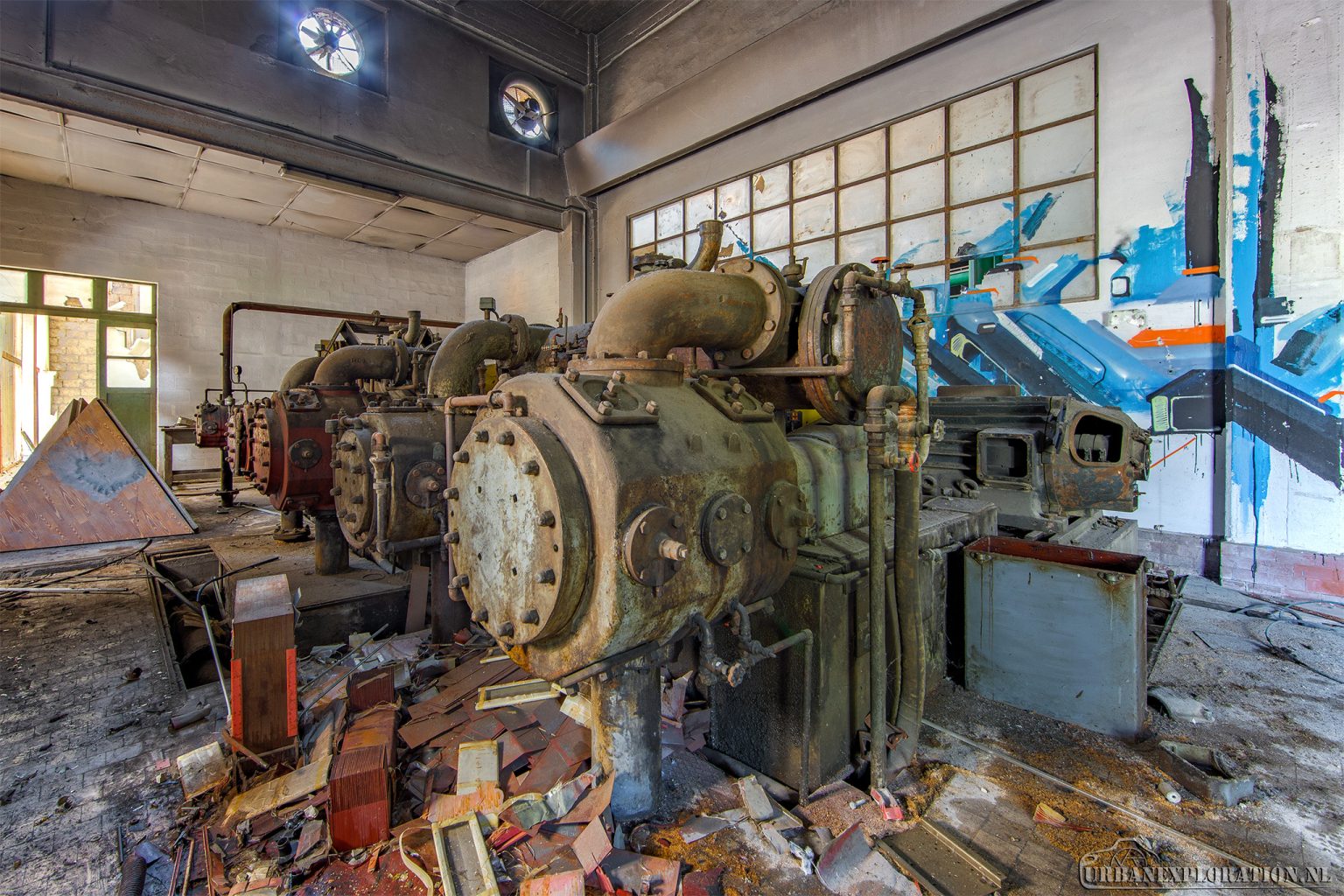
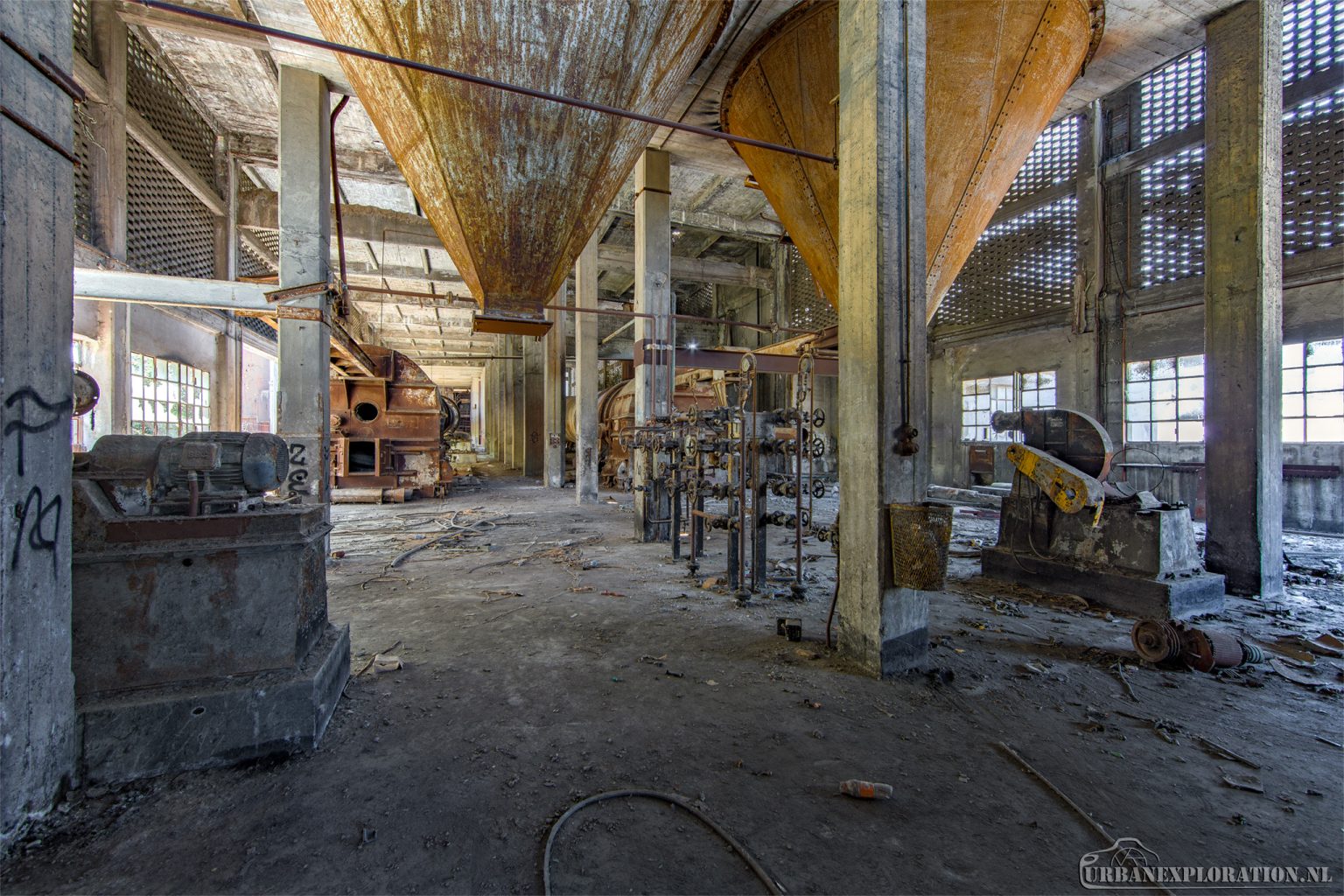
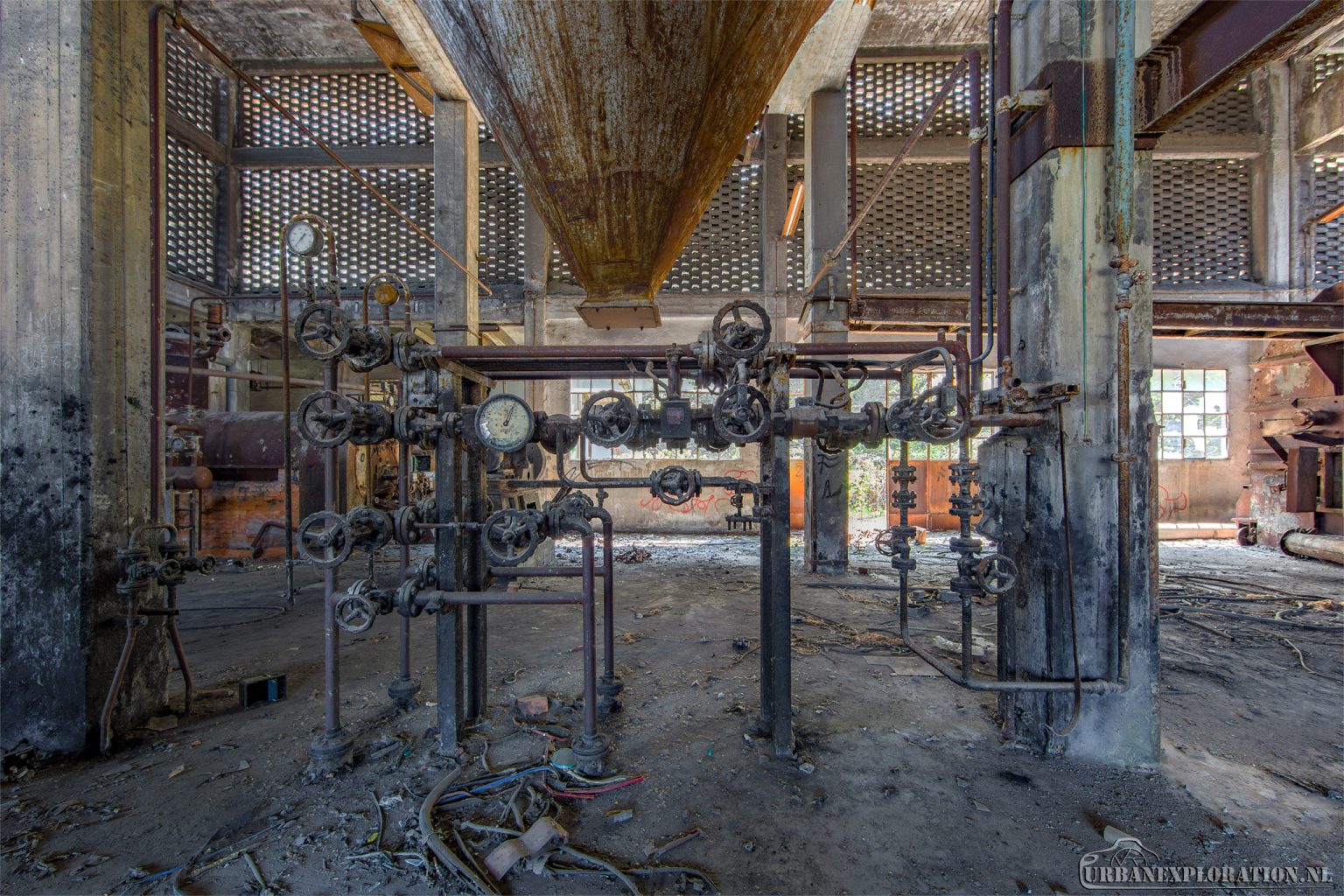
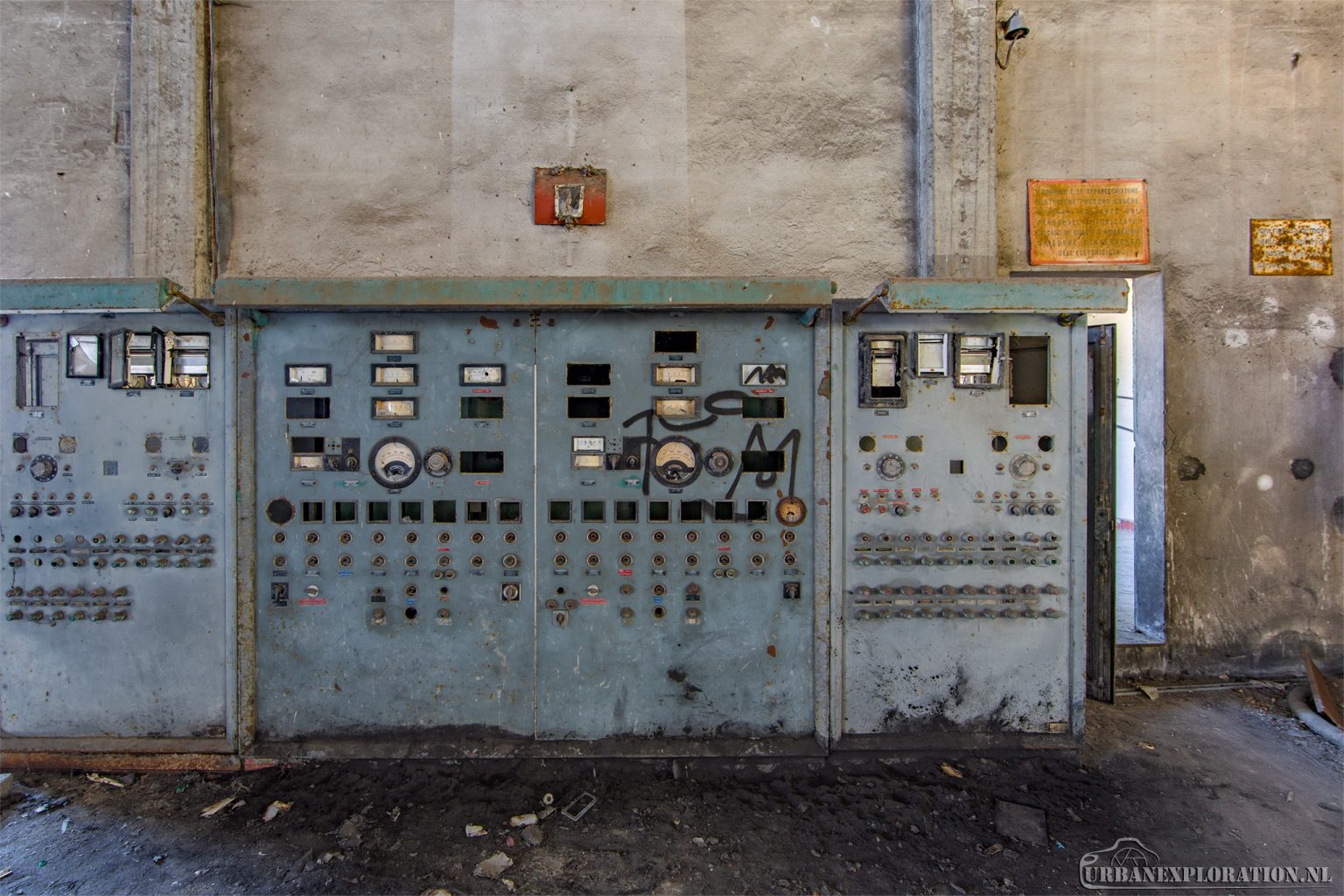
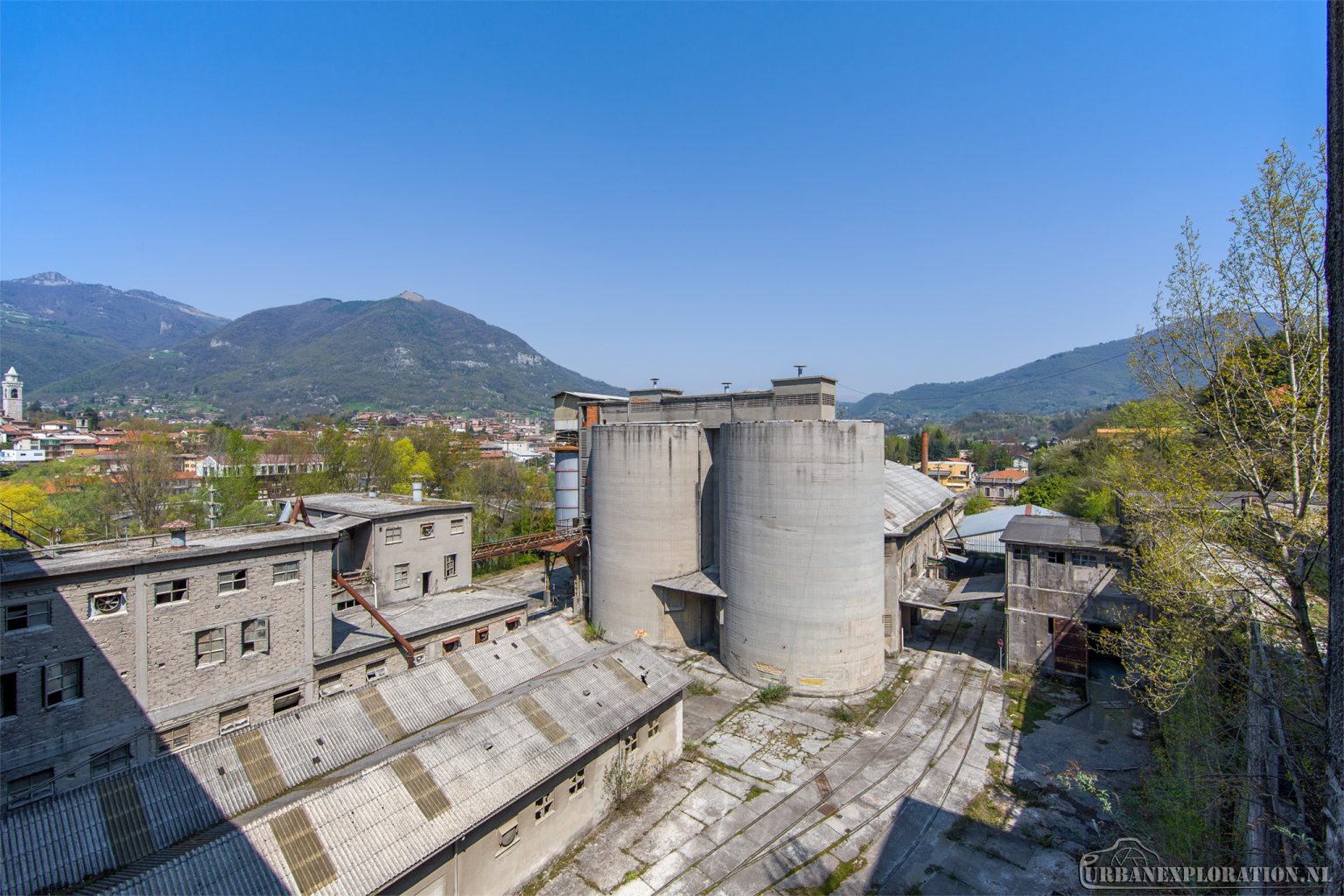
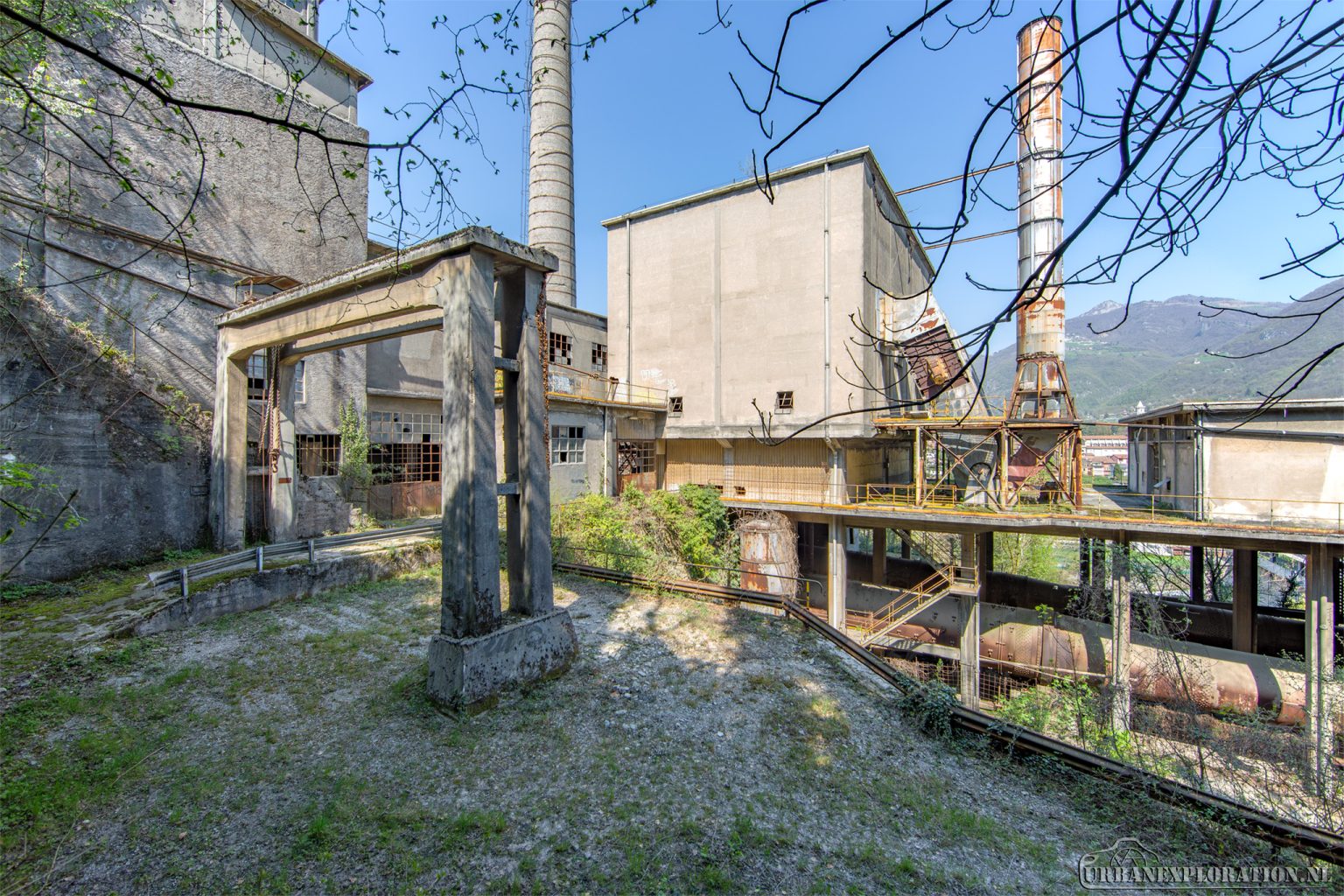
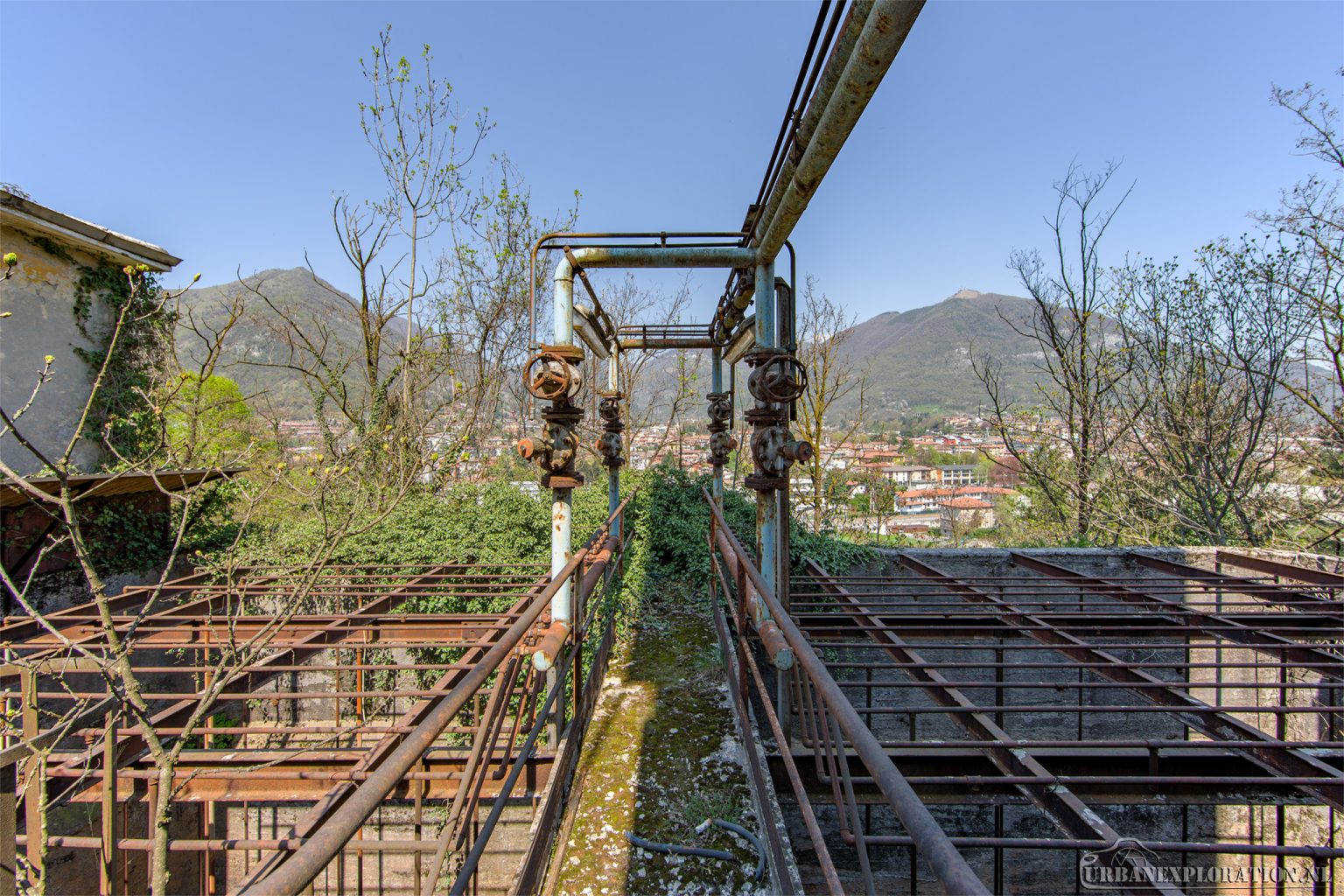
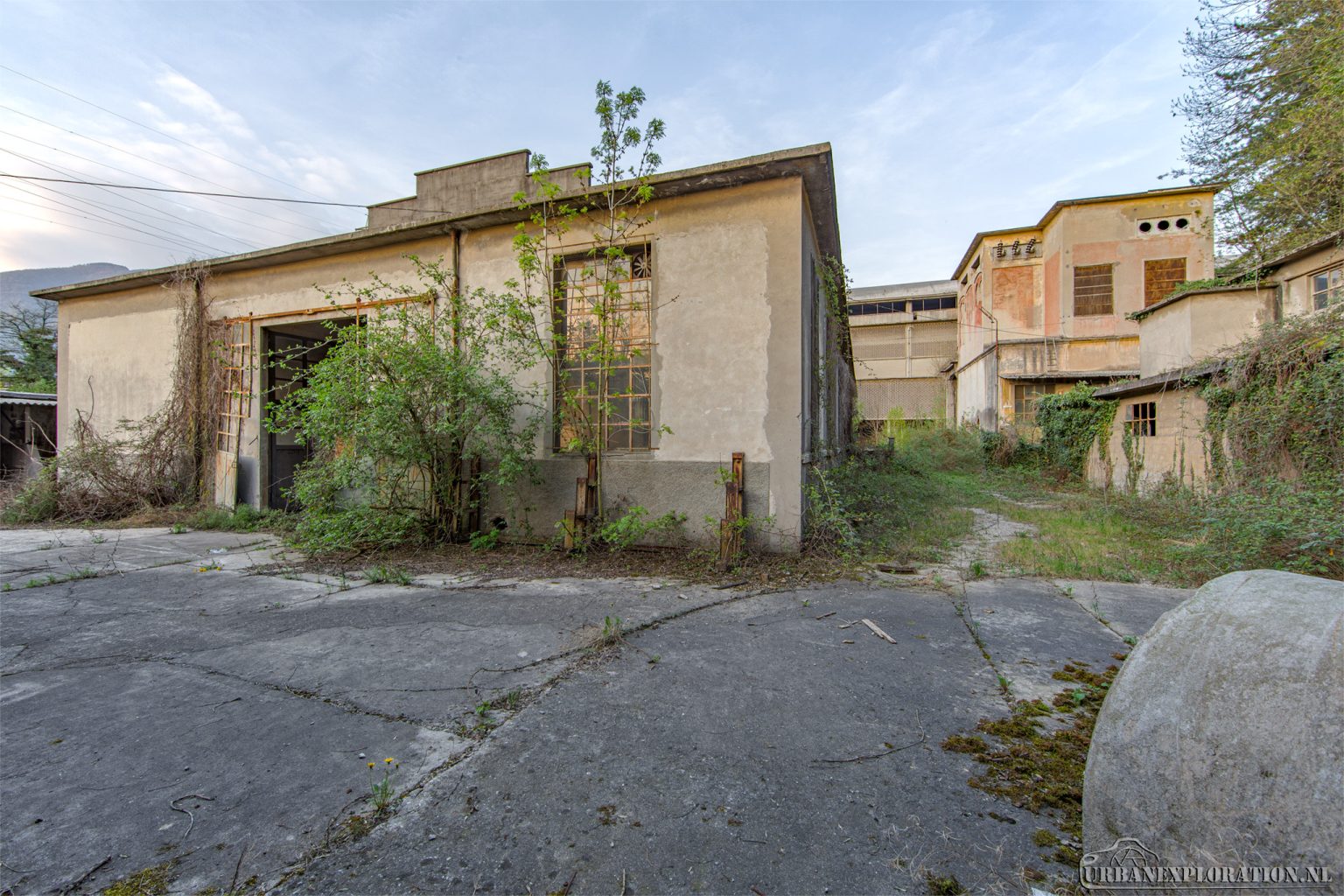
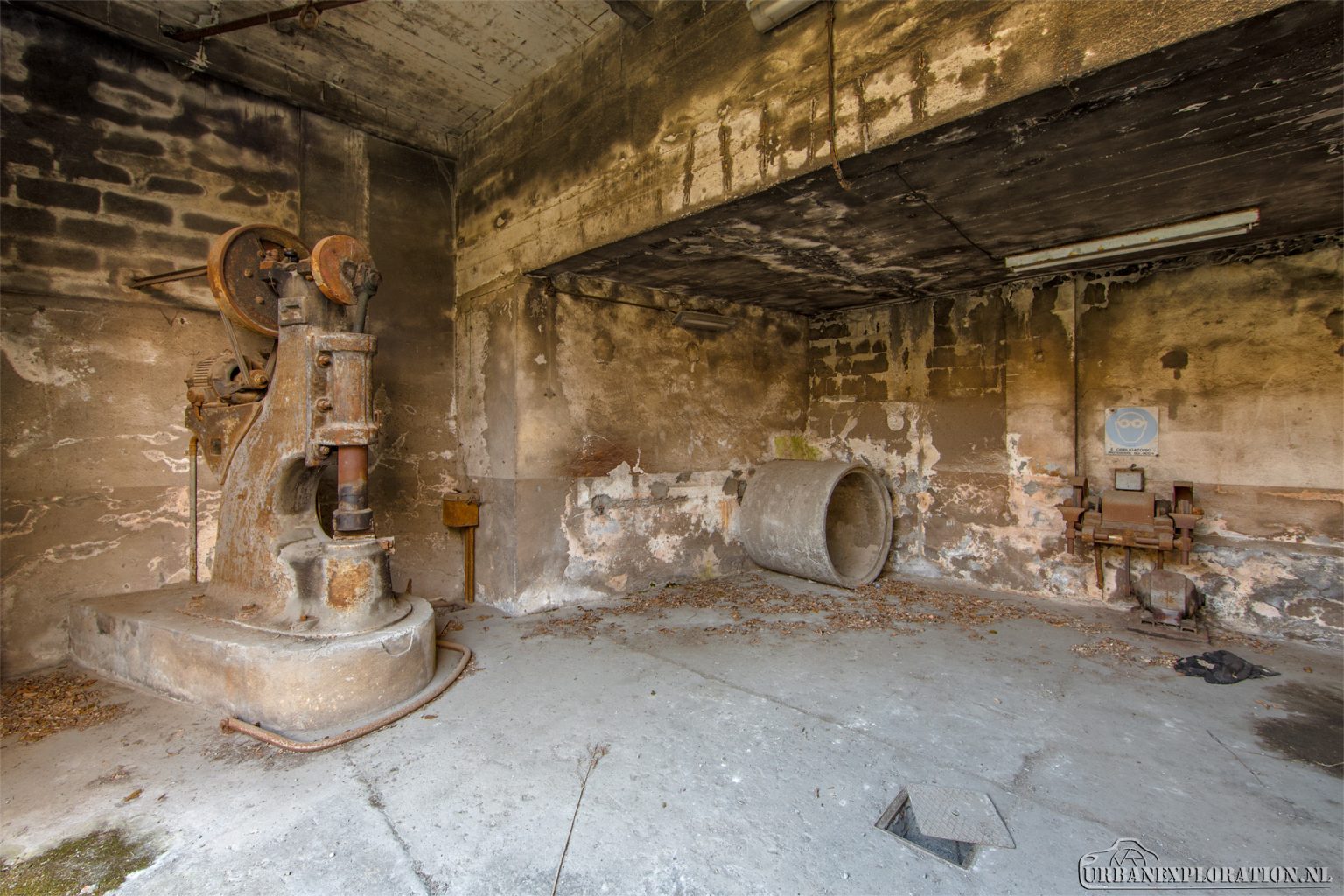
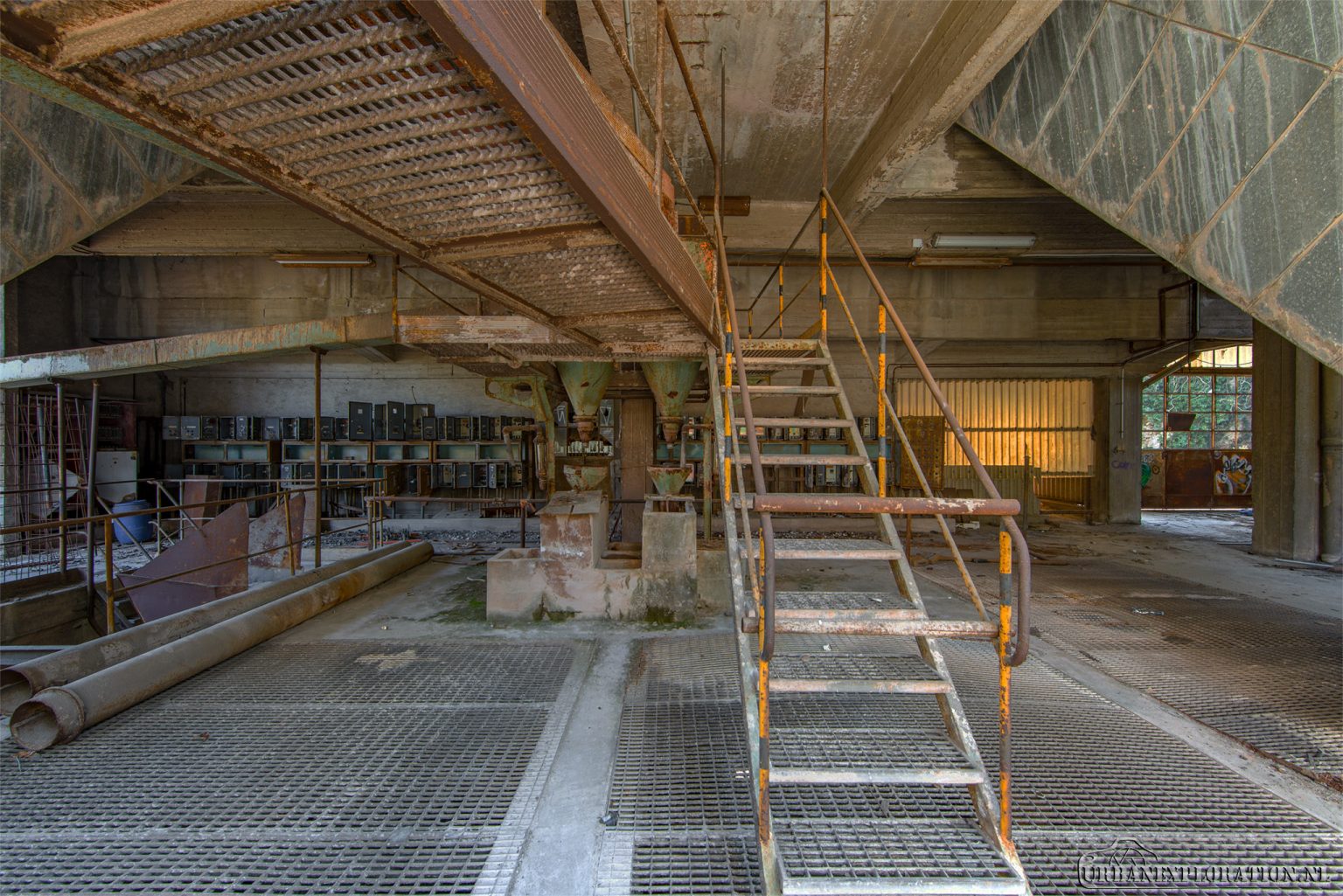
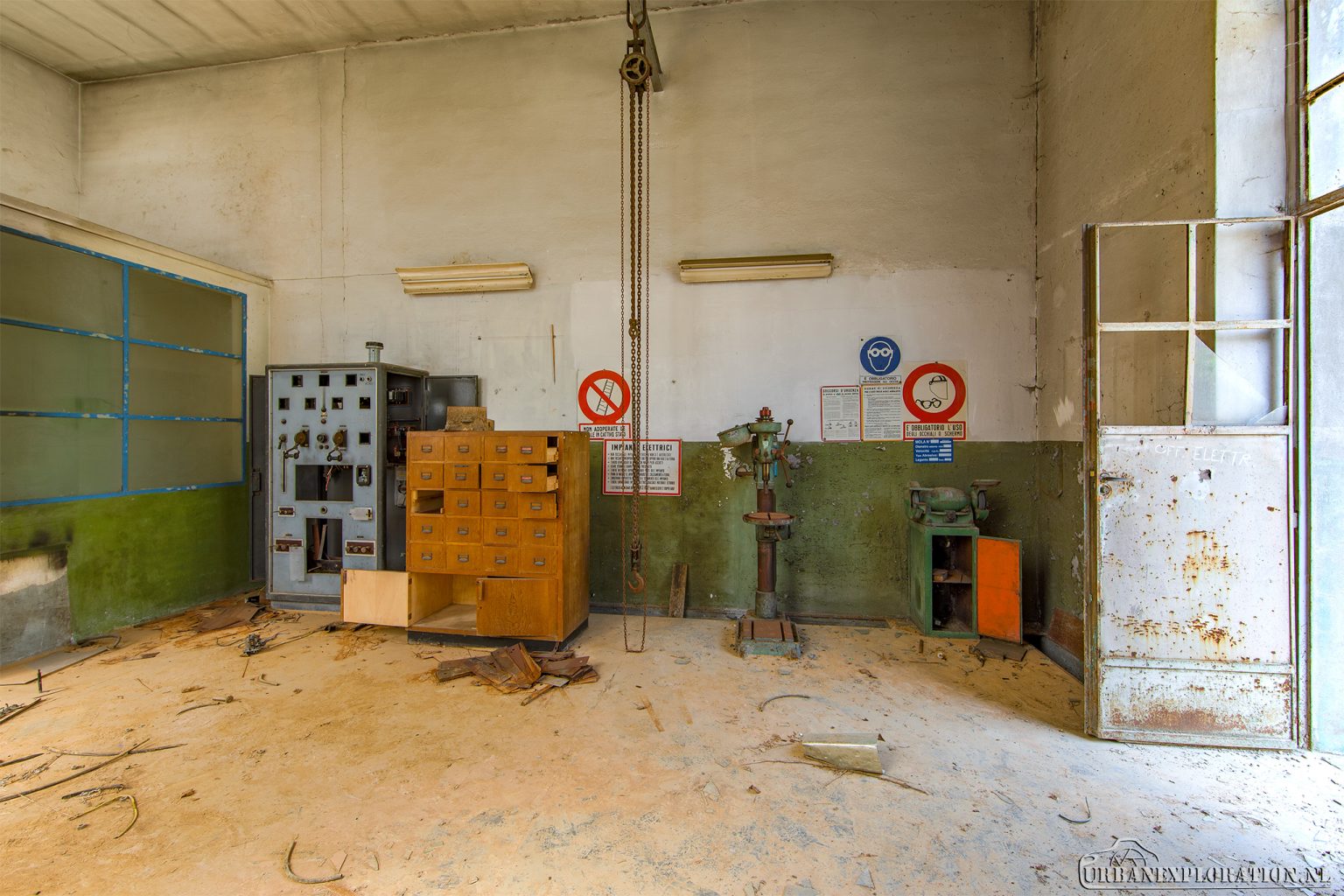
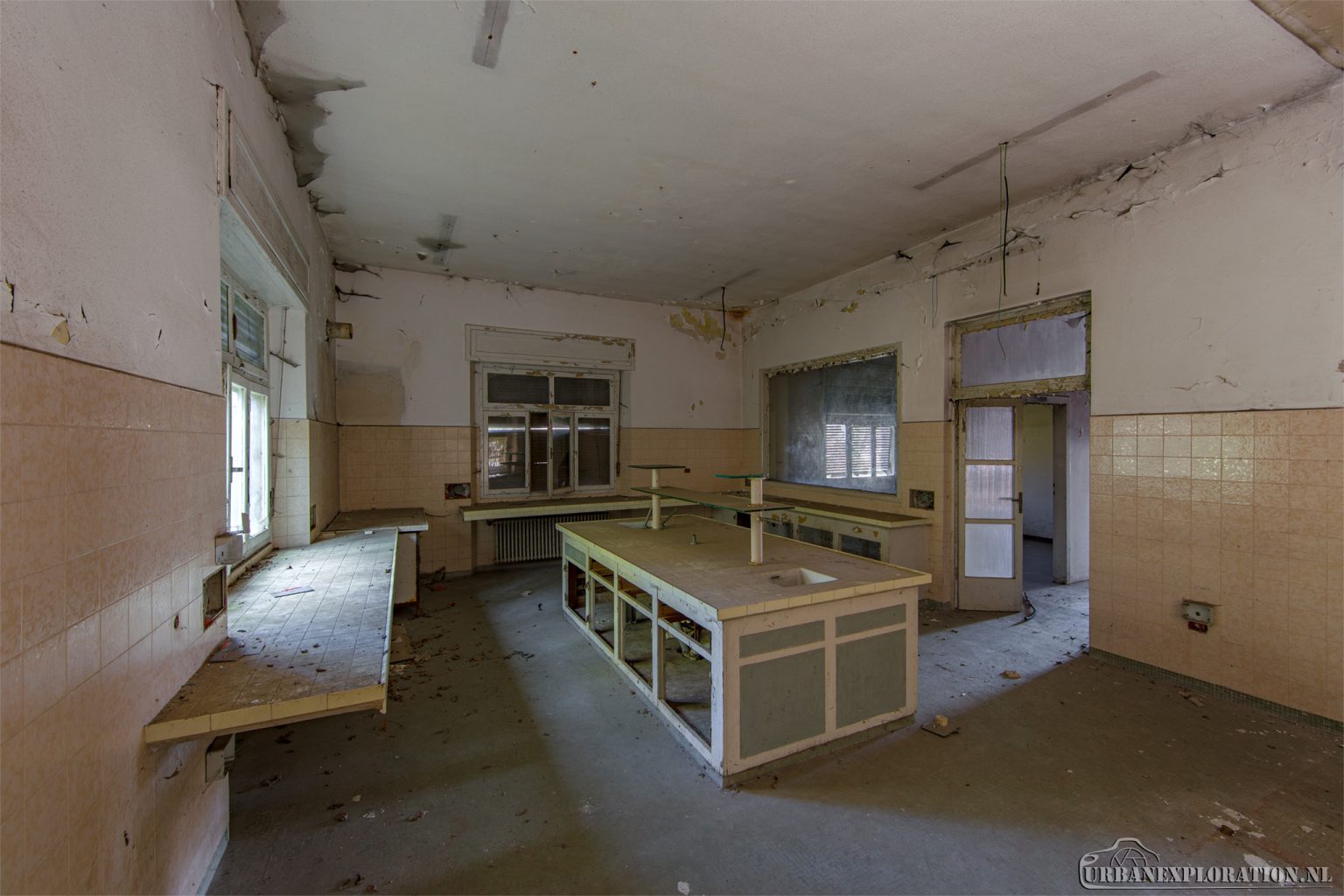
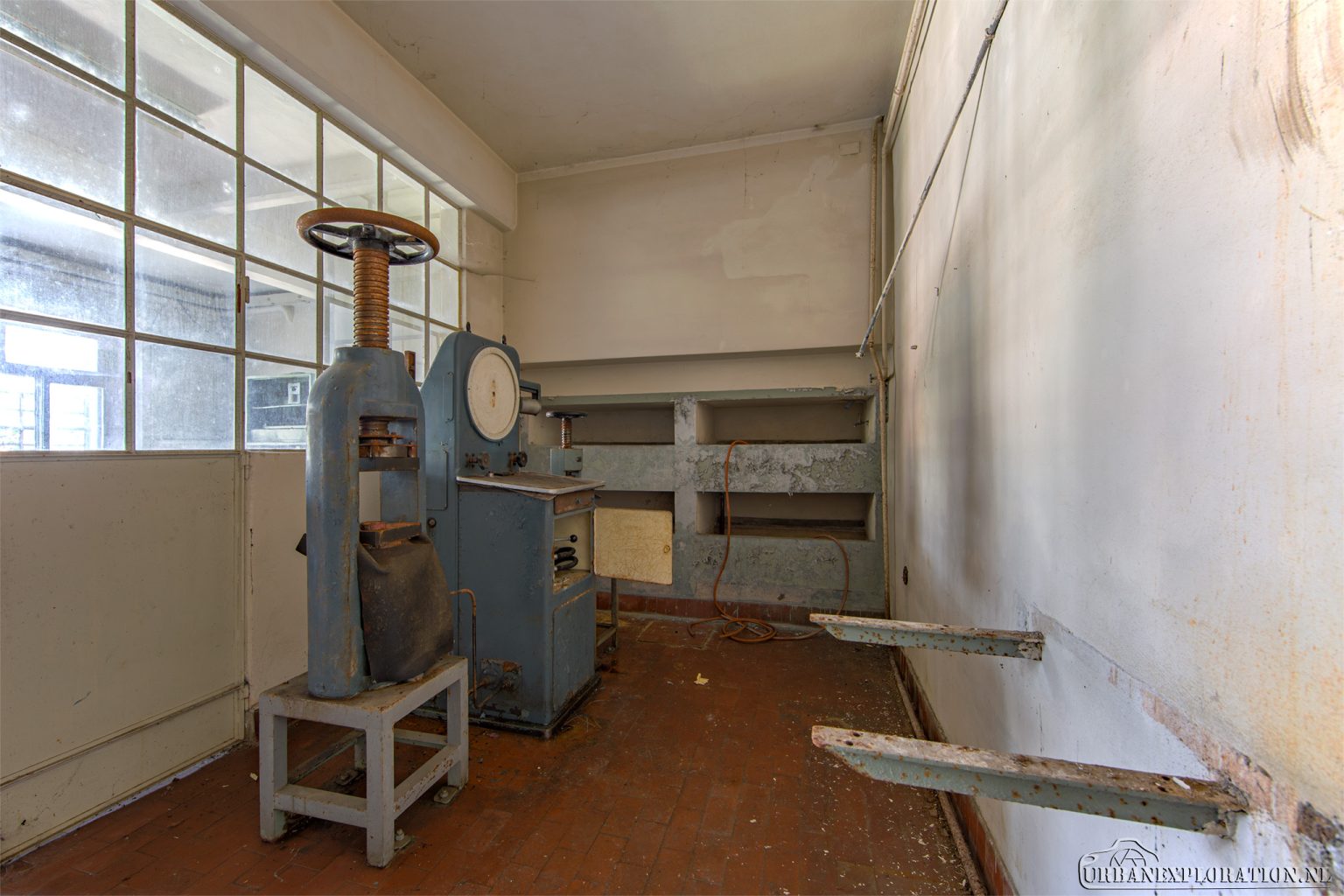
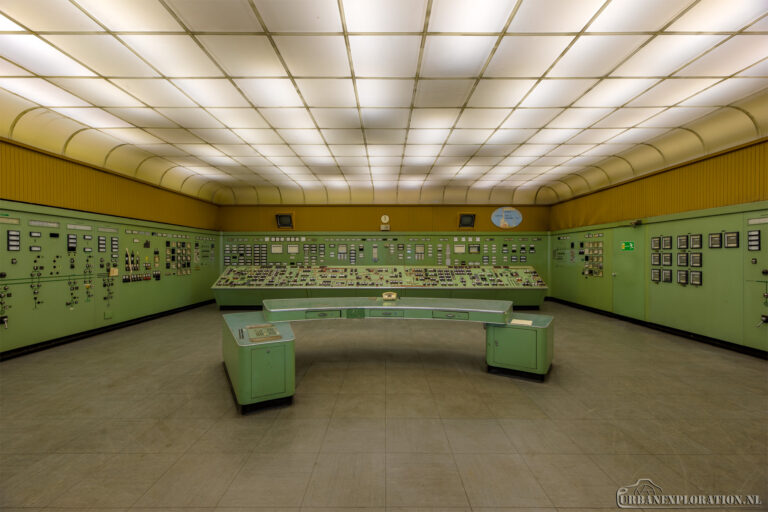
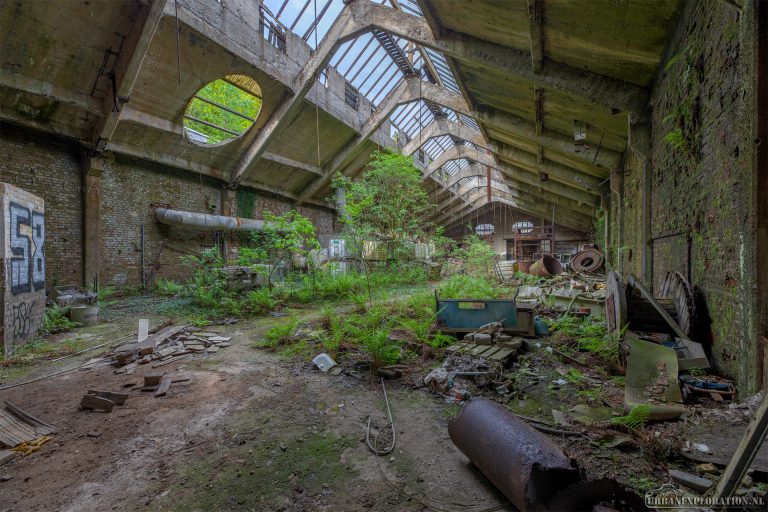
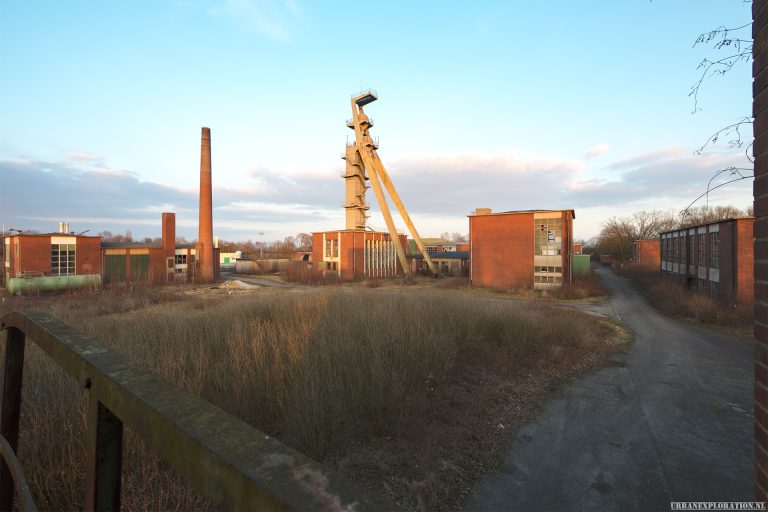
Cementificio Giacinto Guffanti was founded in 1886 in the Seriana Valley and became one of the most important cement factories in Northern Italy. Thanks to the nearby limestone quarries, the plant had a reliable supply of raw materials, allowing large-scale cement production for decades. During its early years, the factory supplied cement for numerous construction and infrastructure projects across Italy.
Following financial difficulties in the 1920s, the factory became part of the Italcementi group. Under the new ownership, the site was modernized and adapted for the production of Portland cement, helping it remain competitive in a rapidly changing industry. During the post-war reconstruction period, the plant played an important role in rebuilding Italy and provided employment for hundreds of local workers.
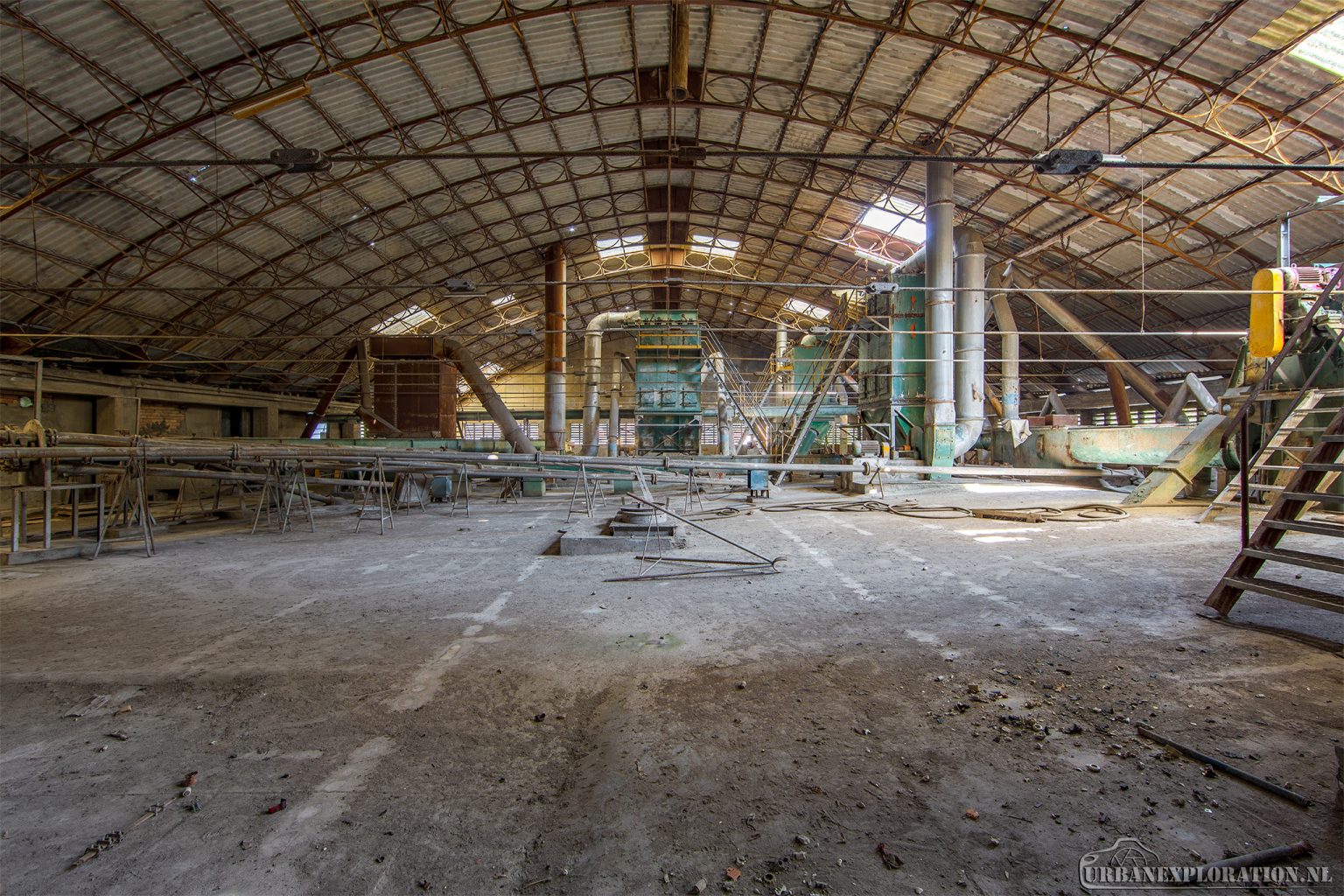
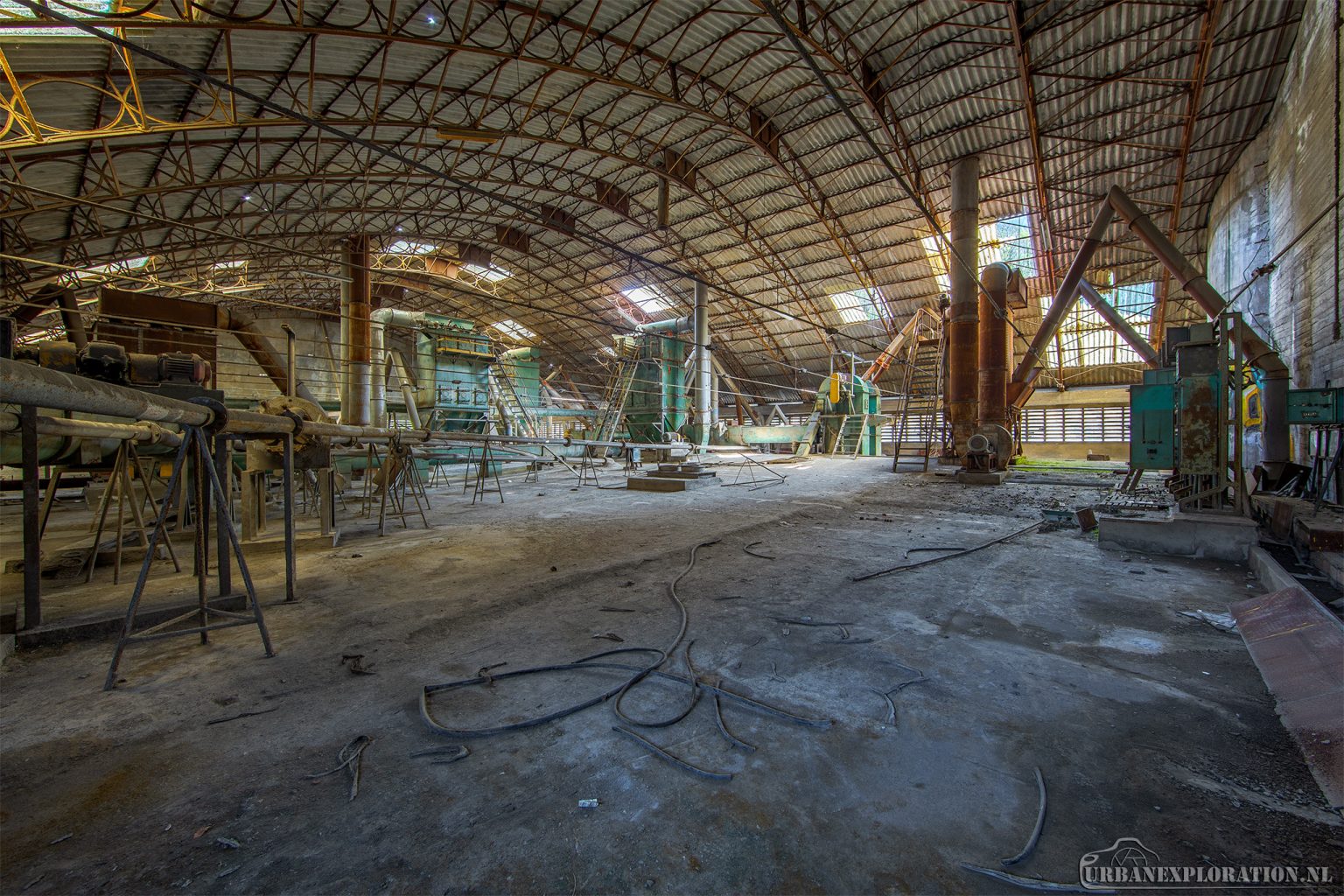
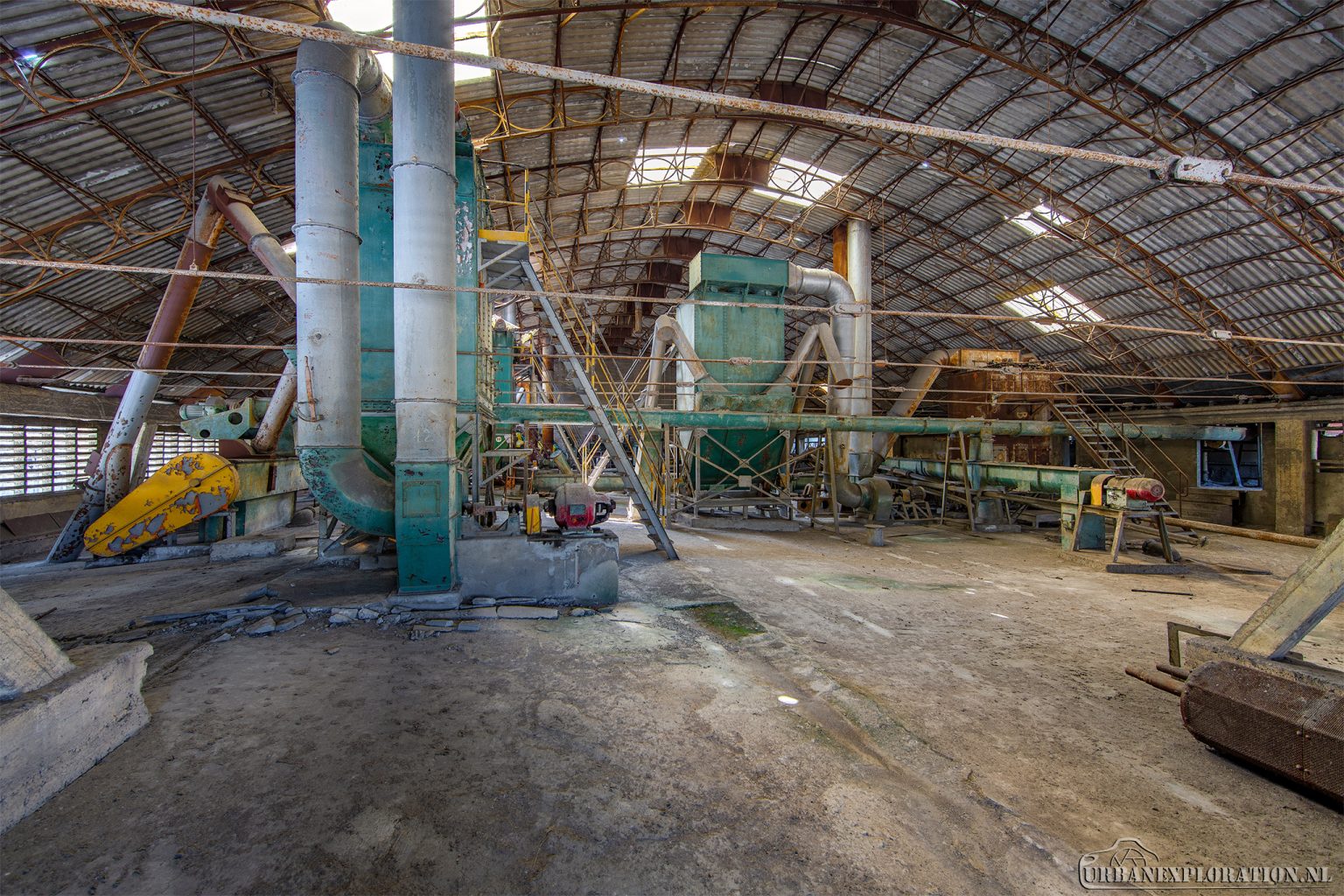
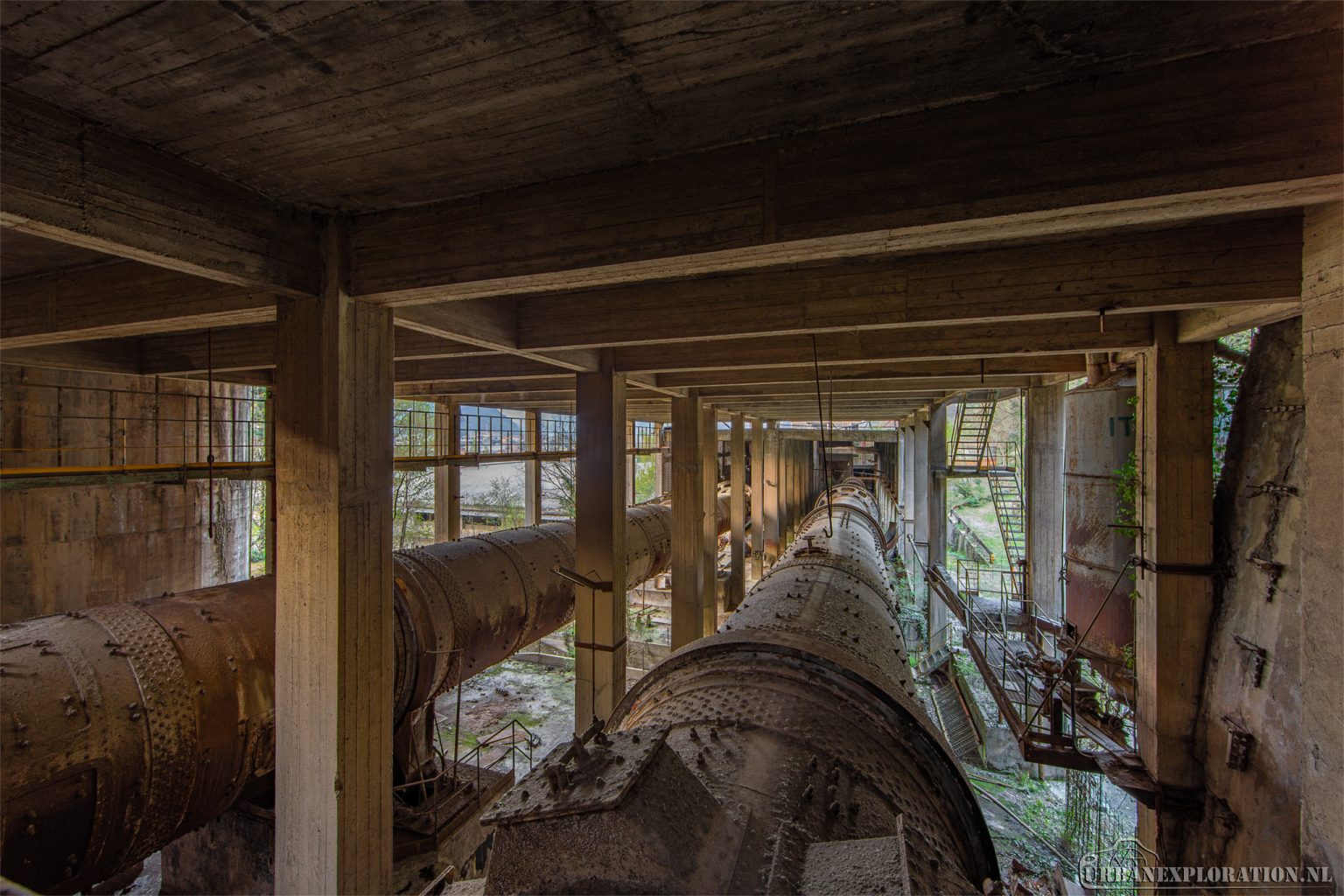
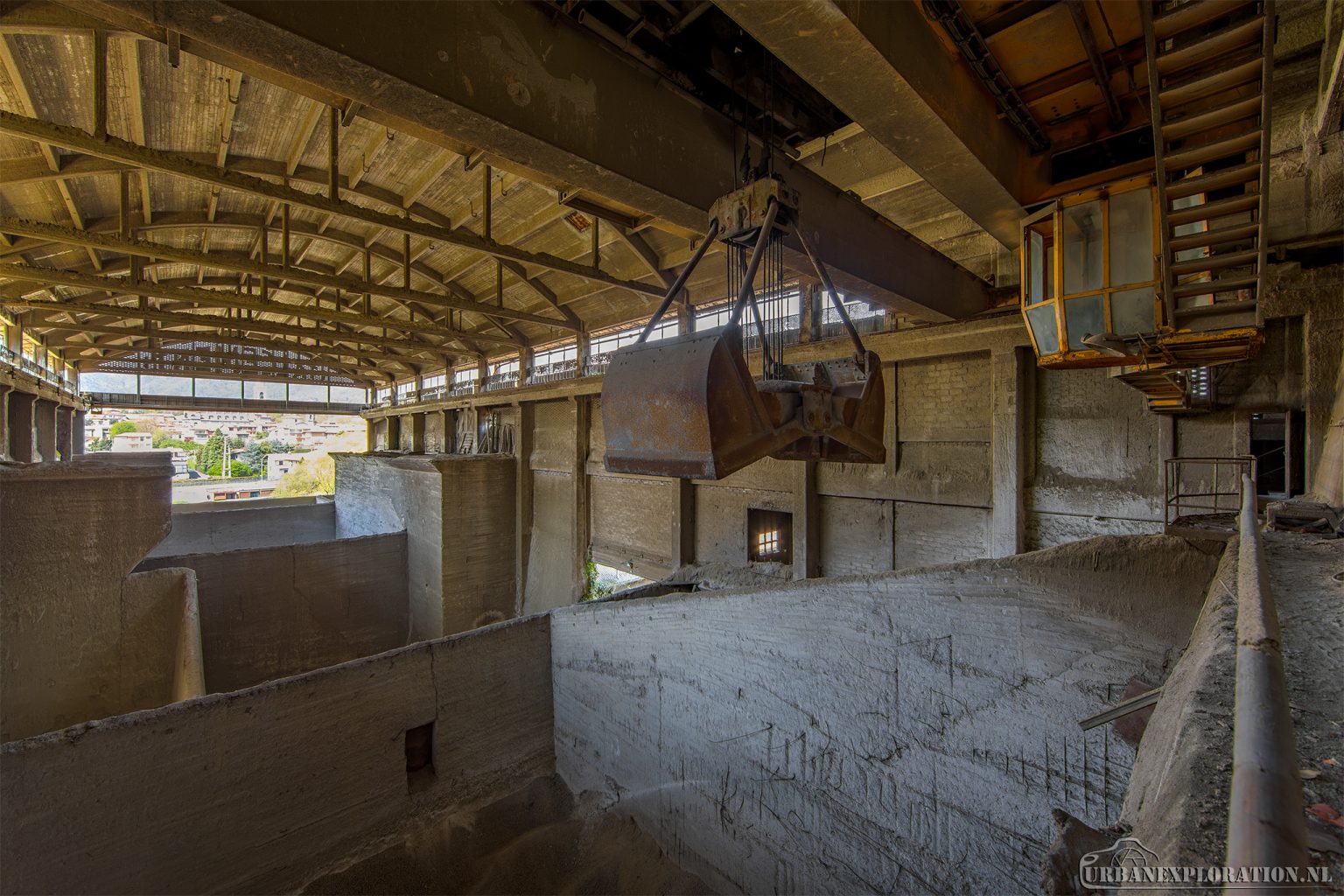
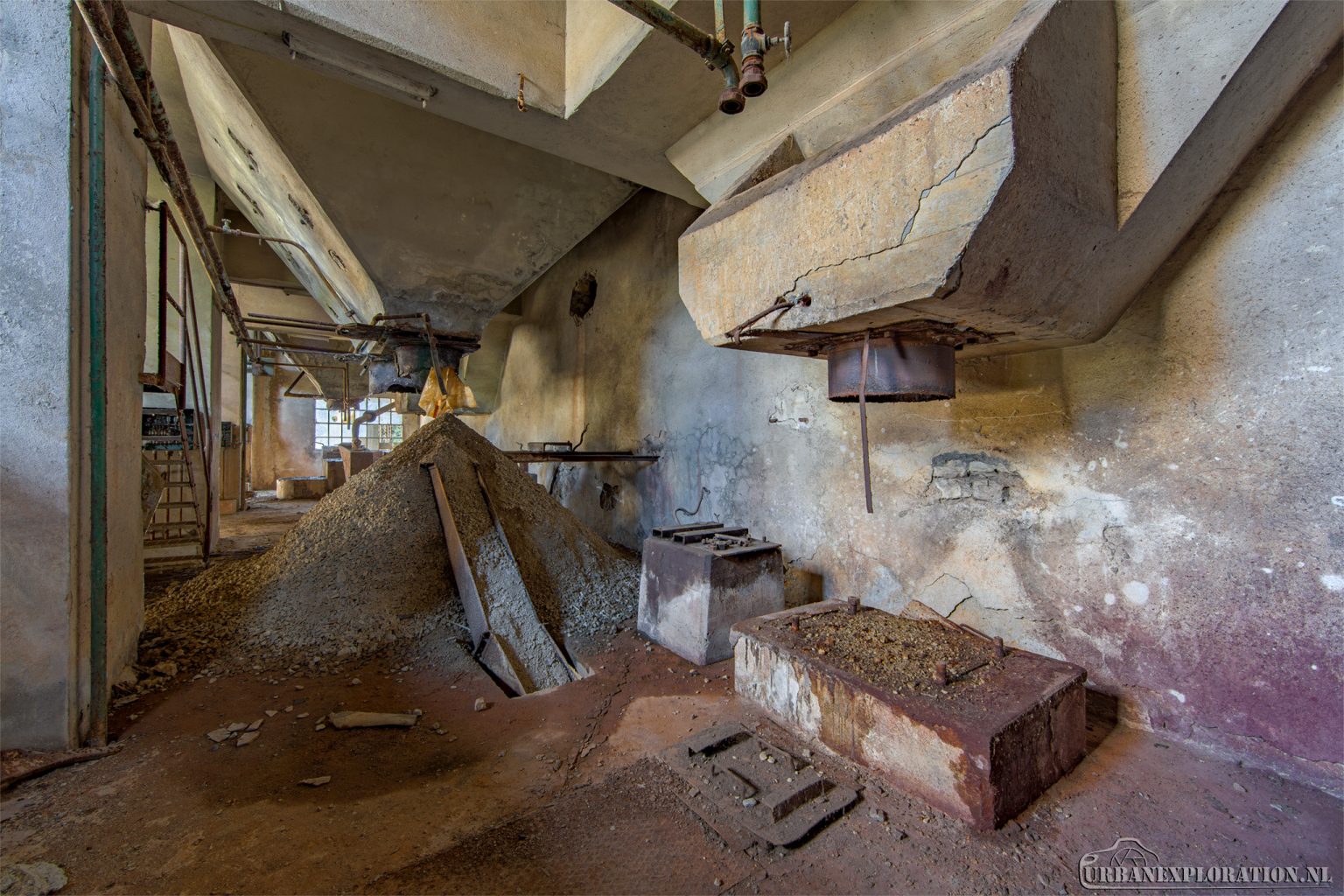
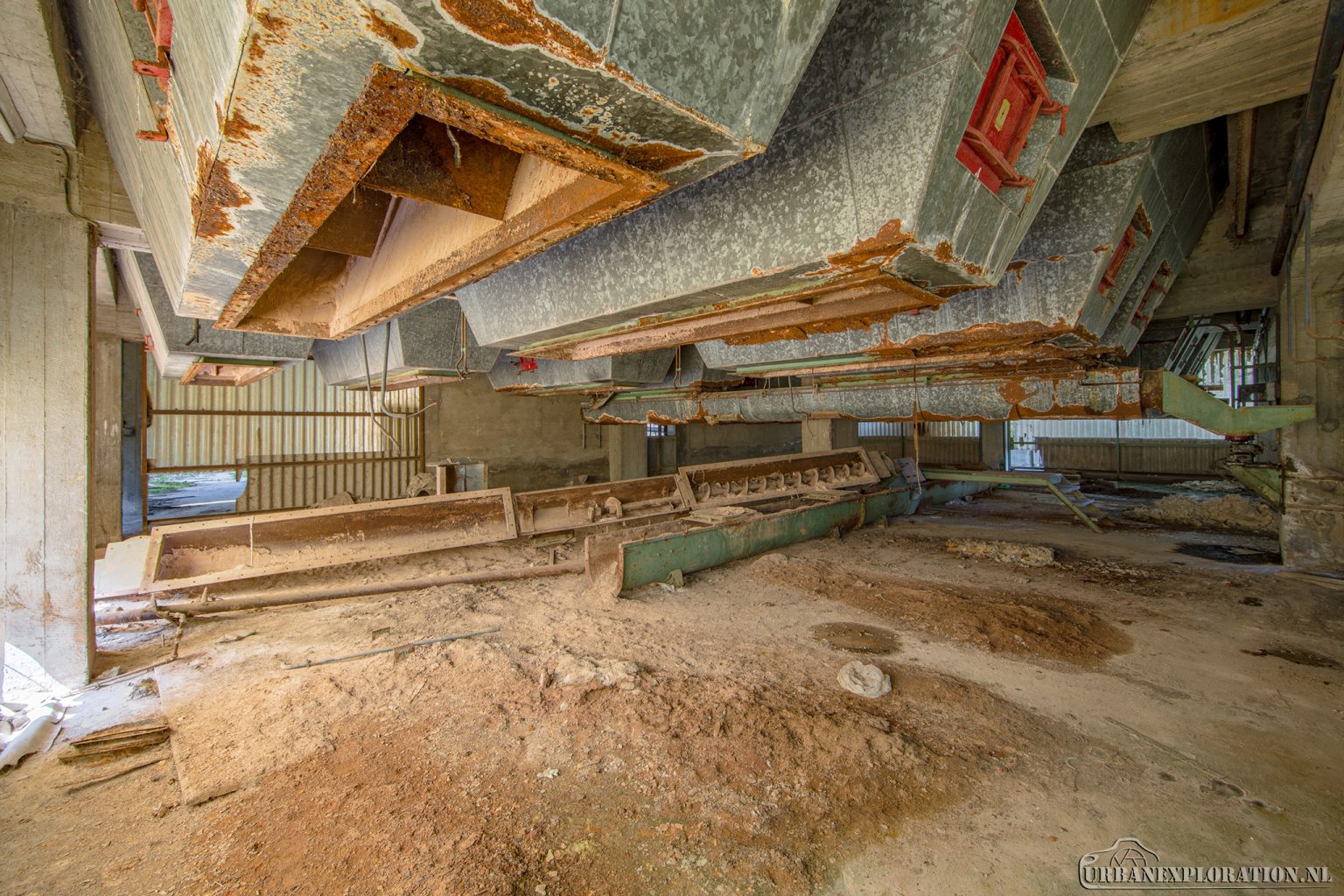
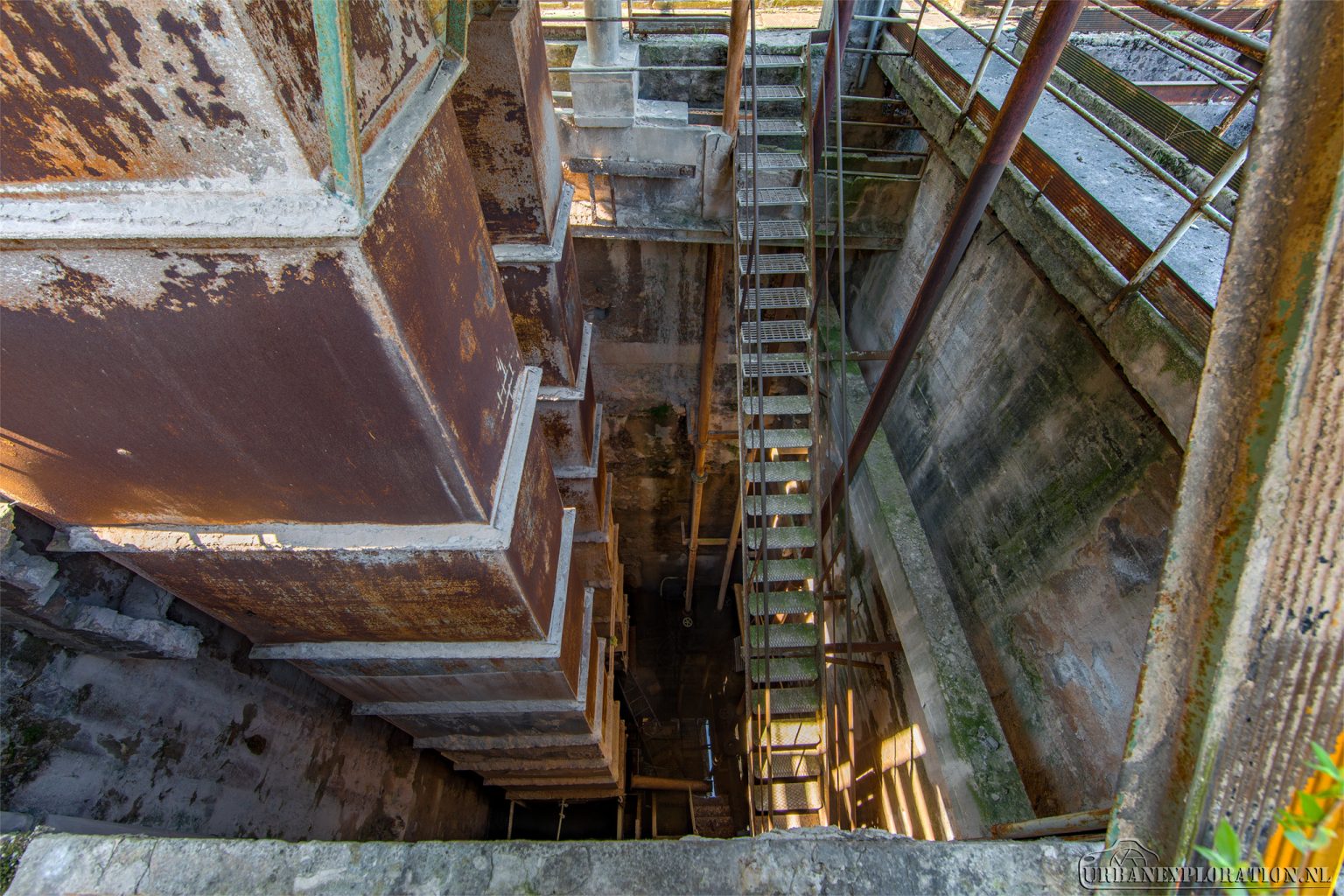
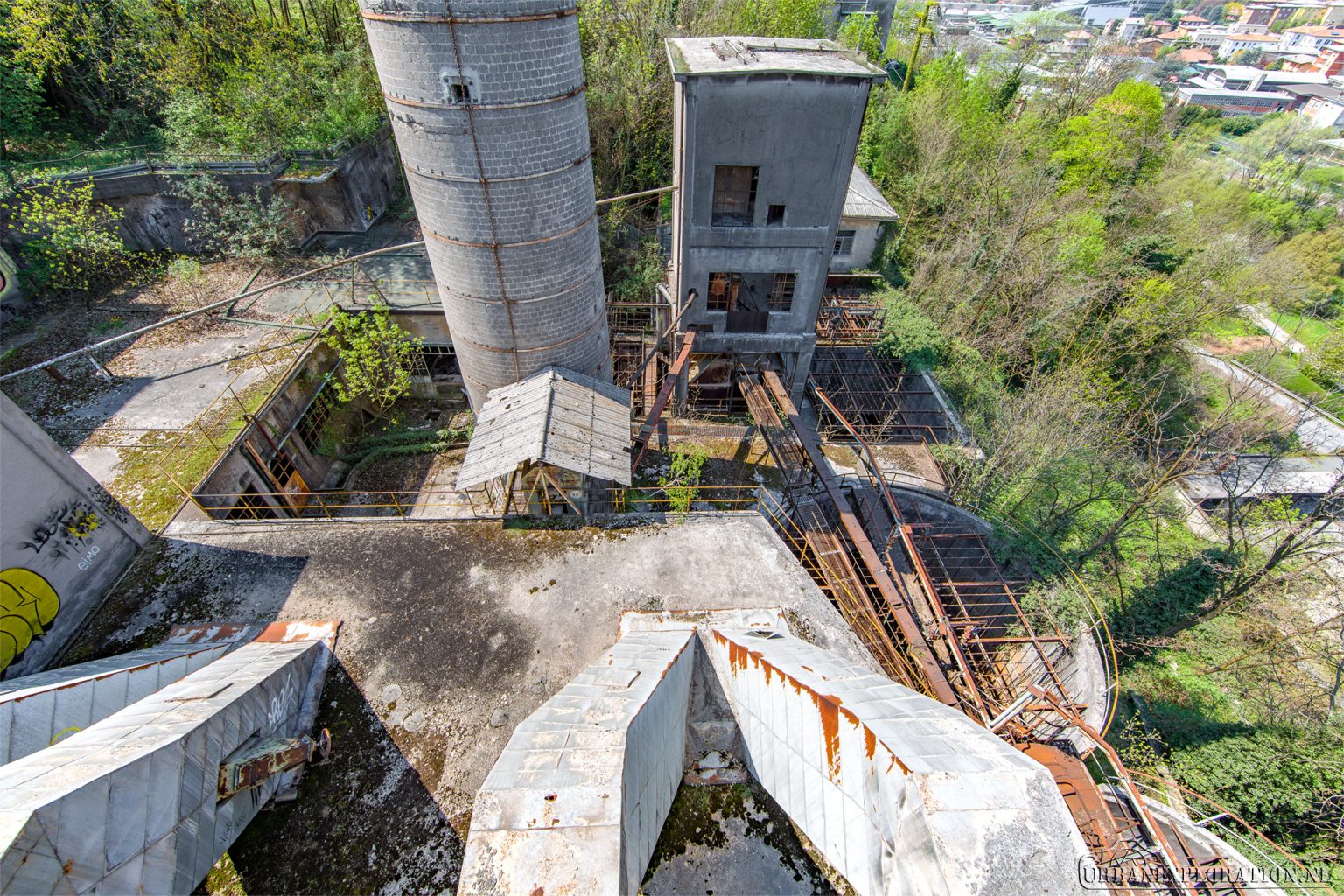
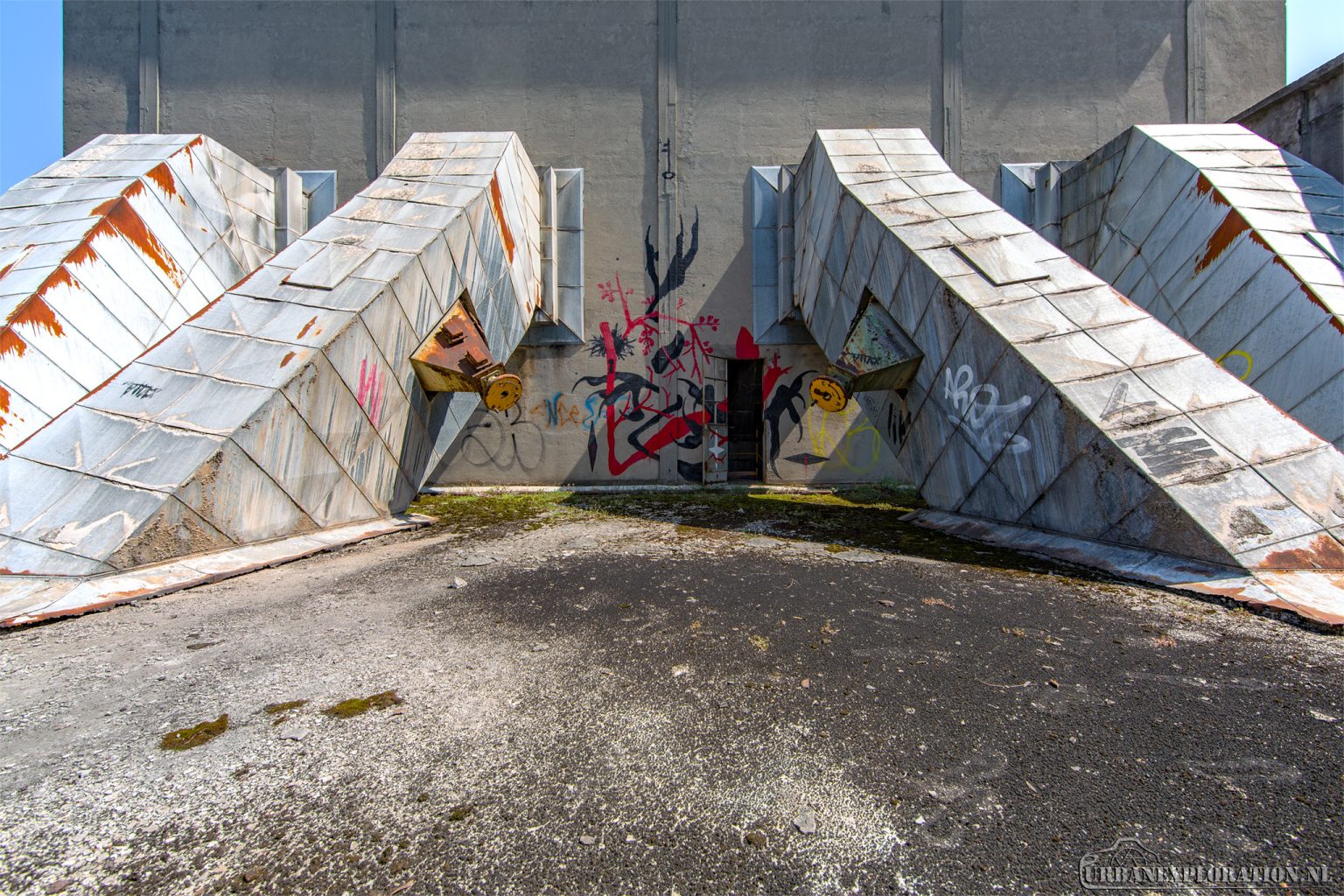
Throughout the twentieth century, the complex expanded with new kilns, silos, conveyor systems, and industrial buildings. Over time, however, limited space for expansion, stricter environmental regulations, and changes within the cement industry made further modernization increasingly difficult. Cement production eventually ended in 1976, although parts of the facility continued to be used for grinding and storage operations for many years afterward.
After its final closure, the vast industrial complex stood as a reminder of more than a century of cement manufacturing. Much of the site was later demolished as part of redevelopment plans, although several historic buildings were preserved due to their cultural significance. Today, the former Cementificio Giacinto Guffanti remains an important landmark in the industrial history of the Seriana Valley and a testament to the region’s manufacturing heritage.
Visited - April 2018
Defunct - Unknown
Status - Demolished
Country - Italy
Here are some other albums that might be of interest.