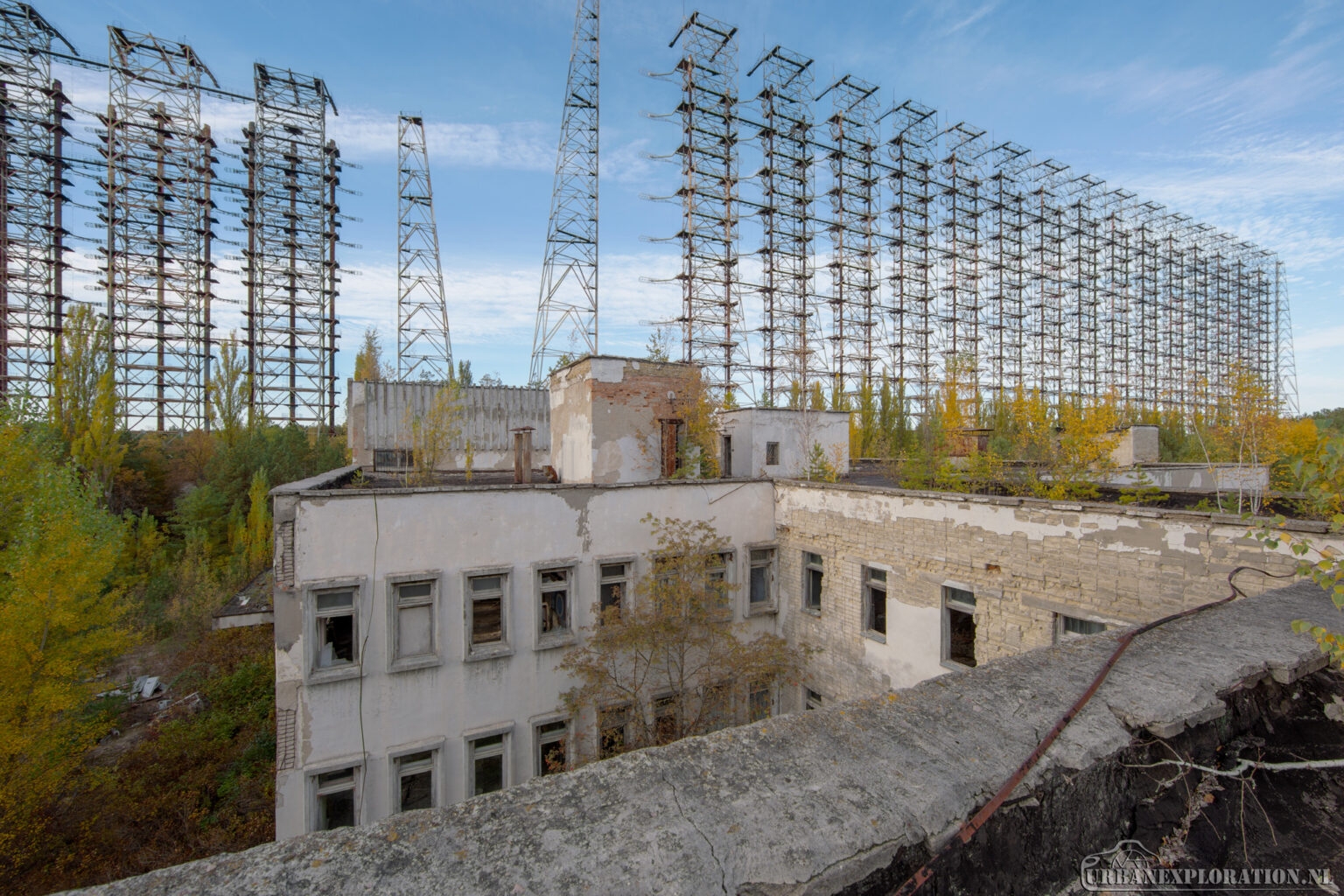
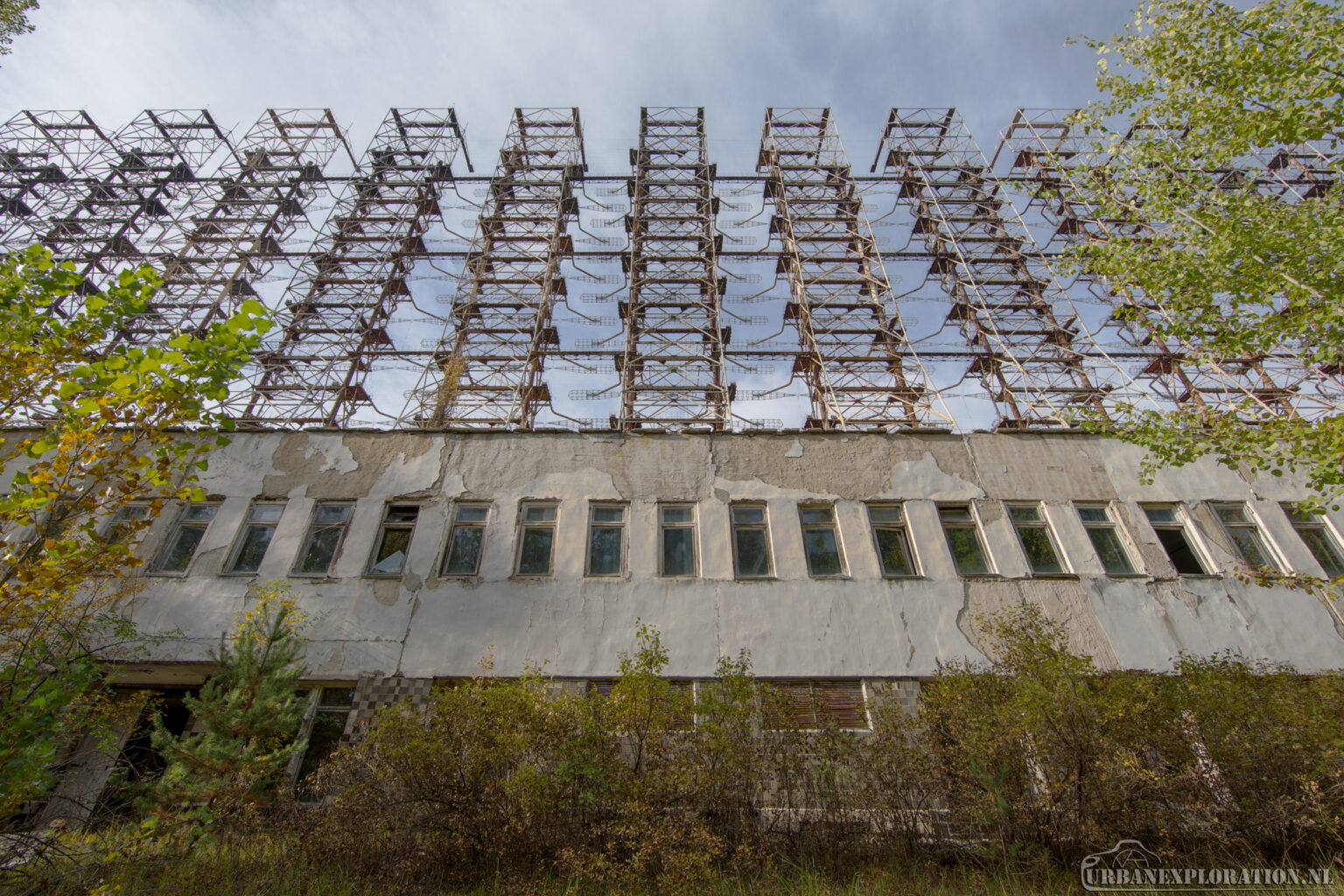
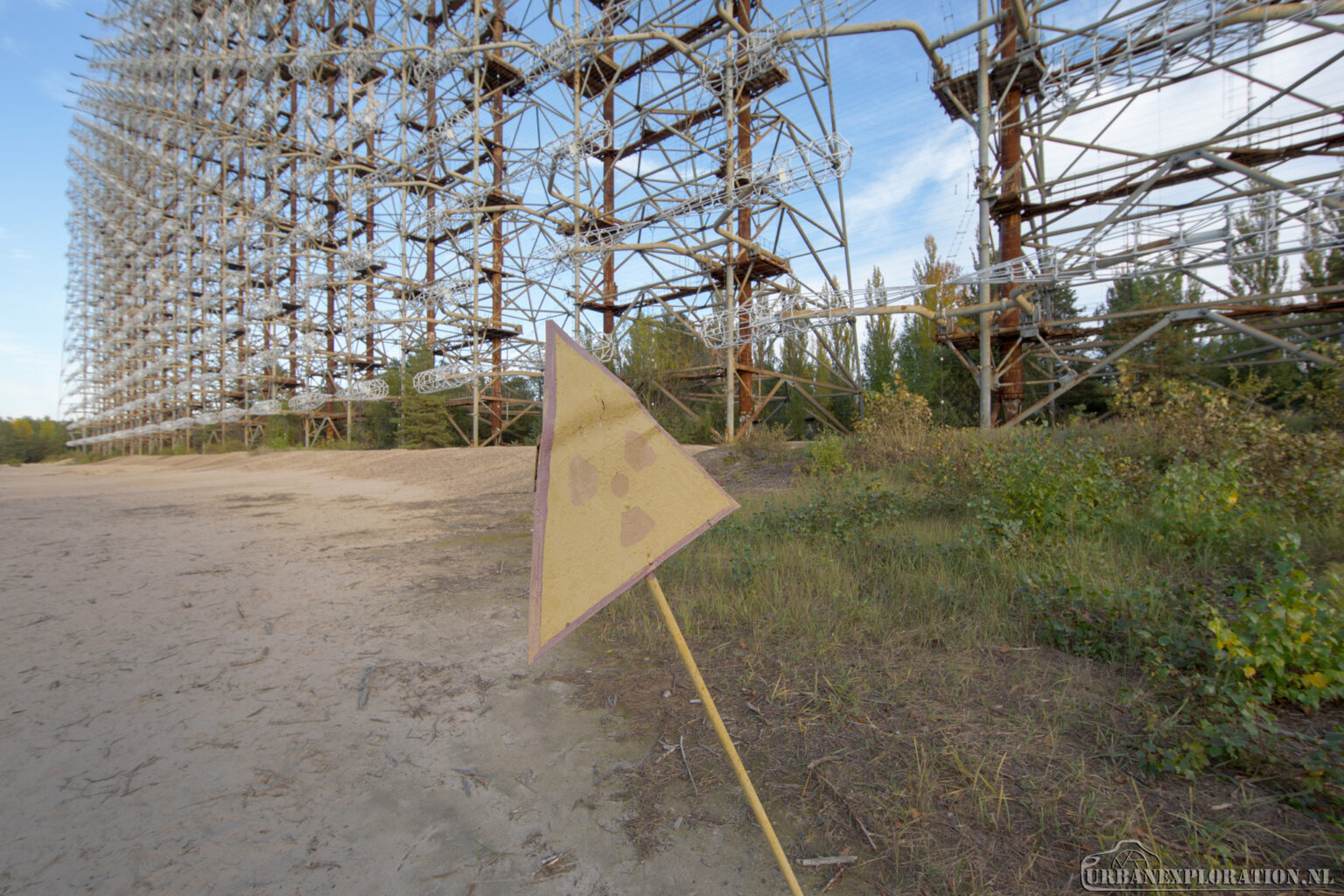
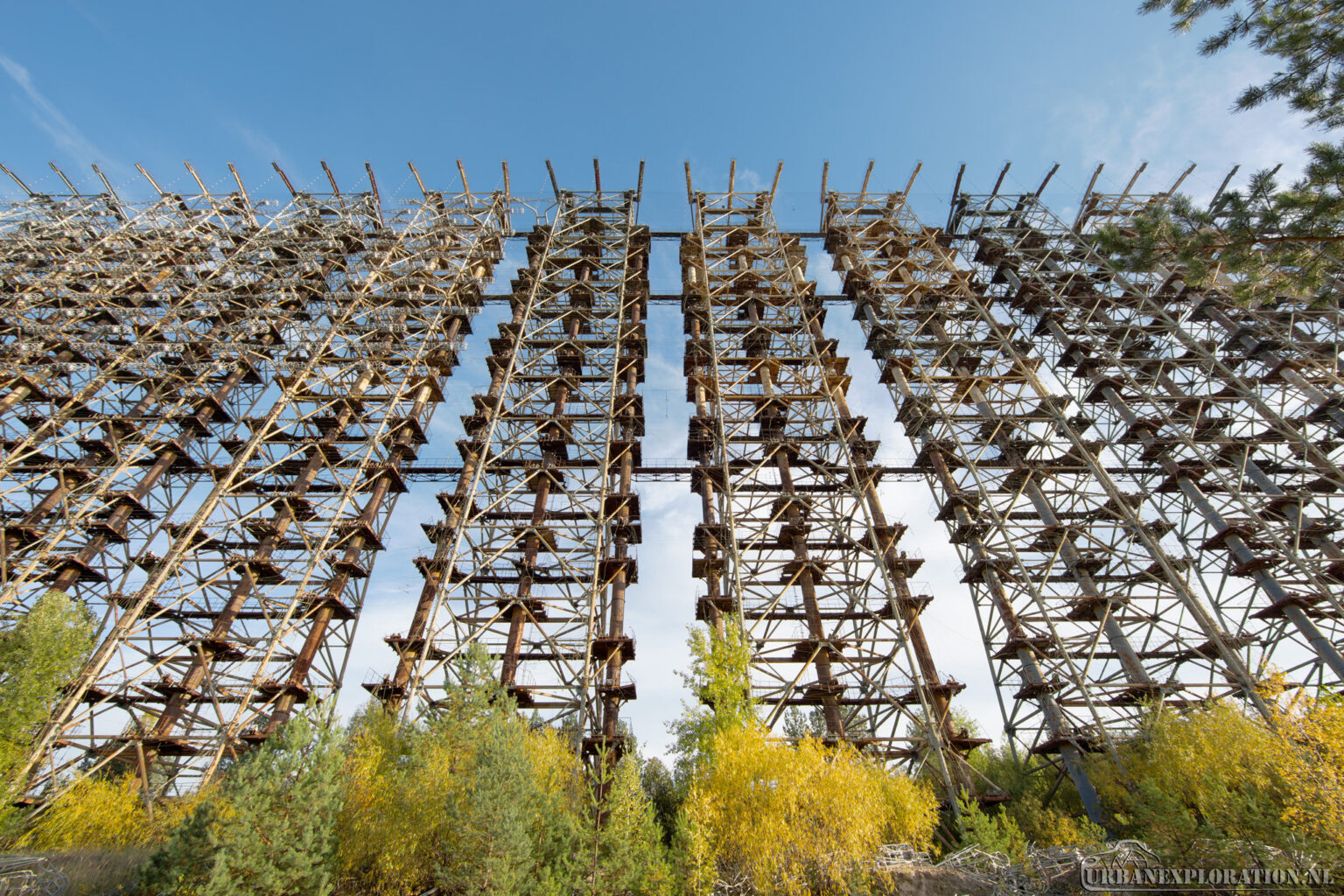
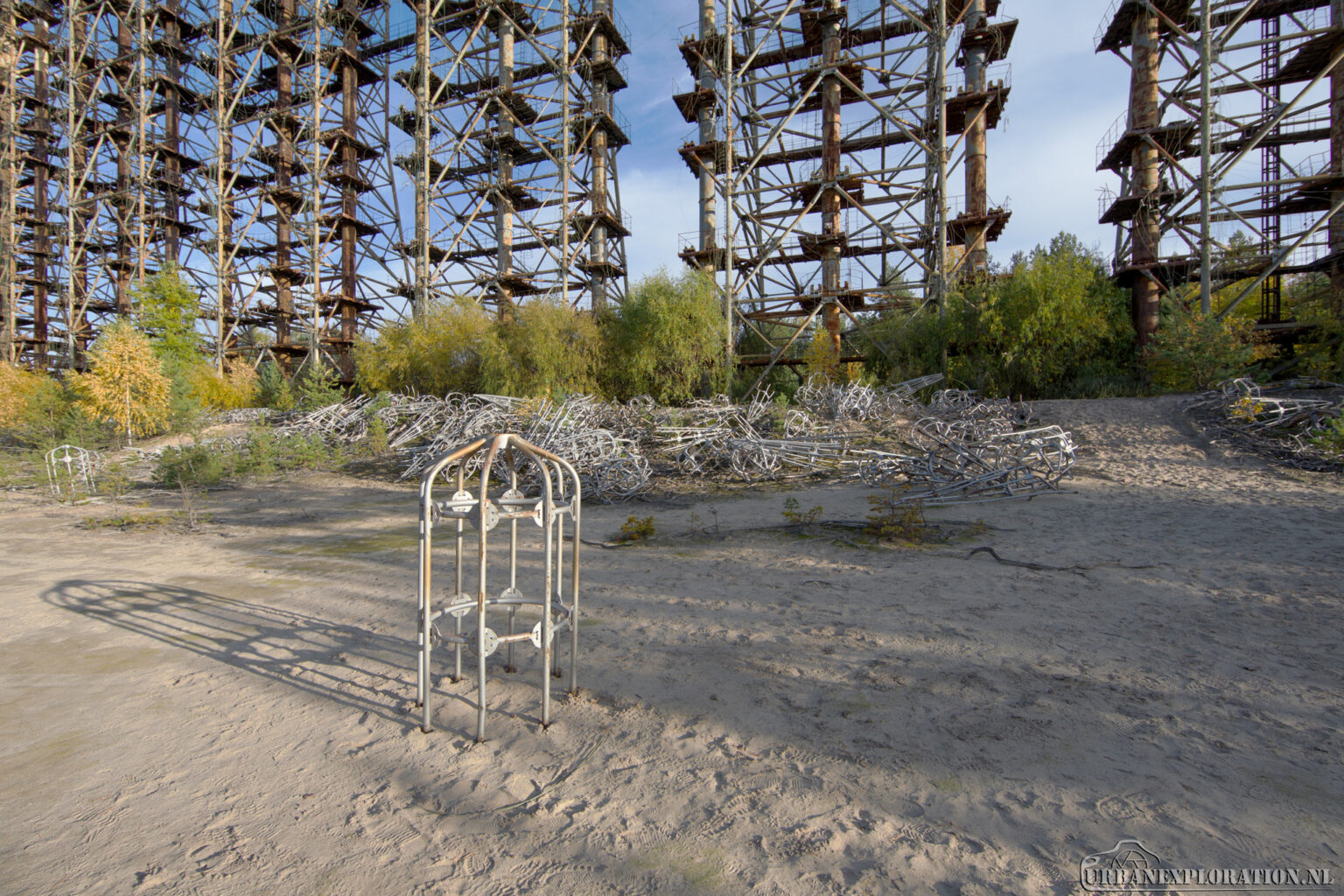
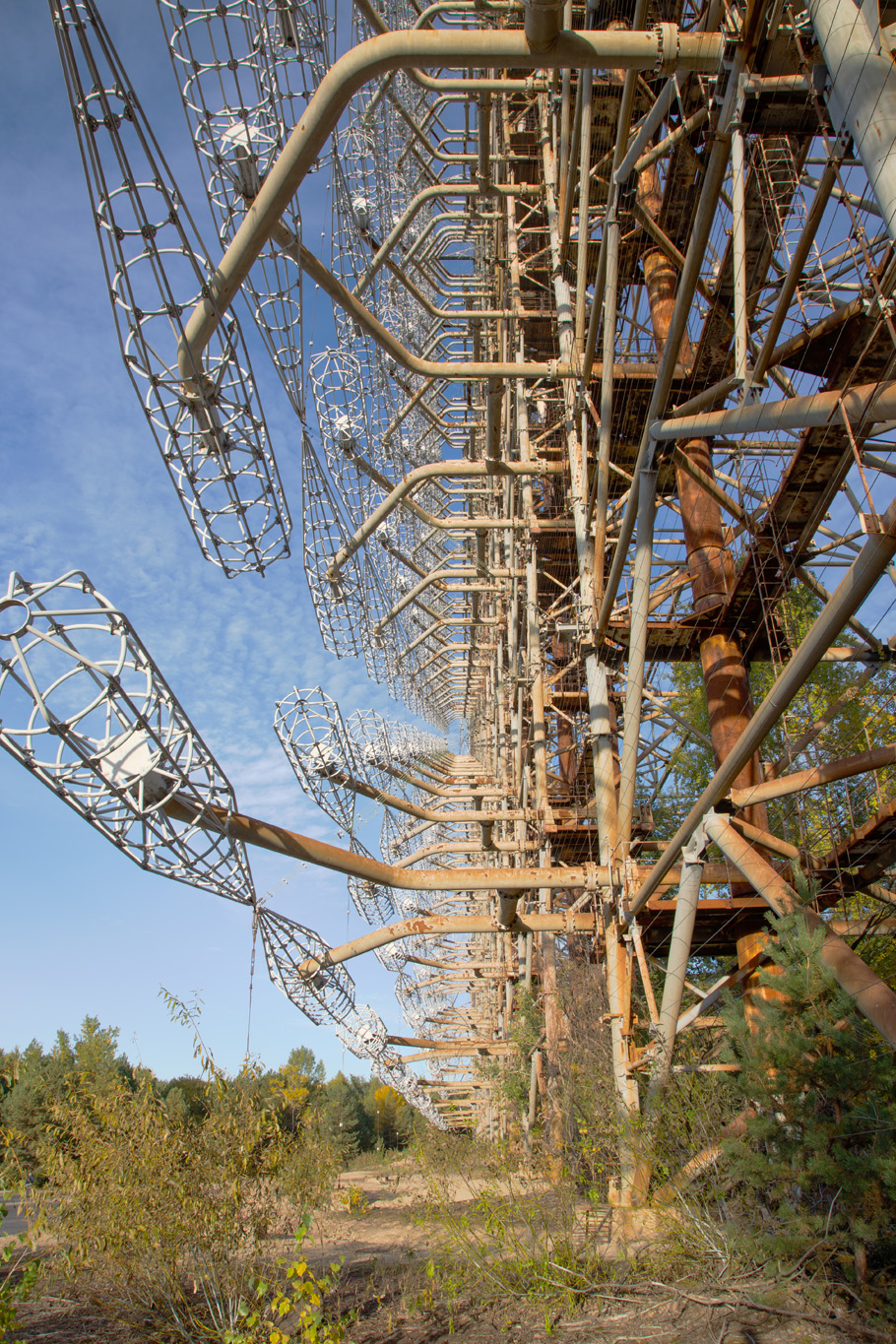
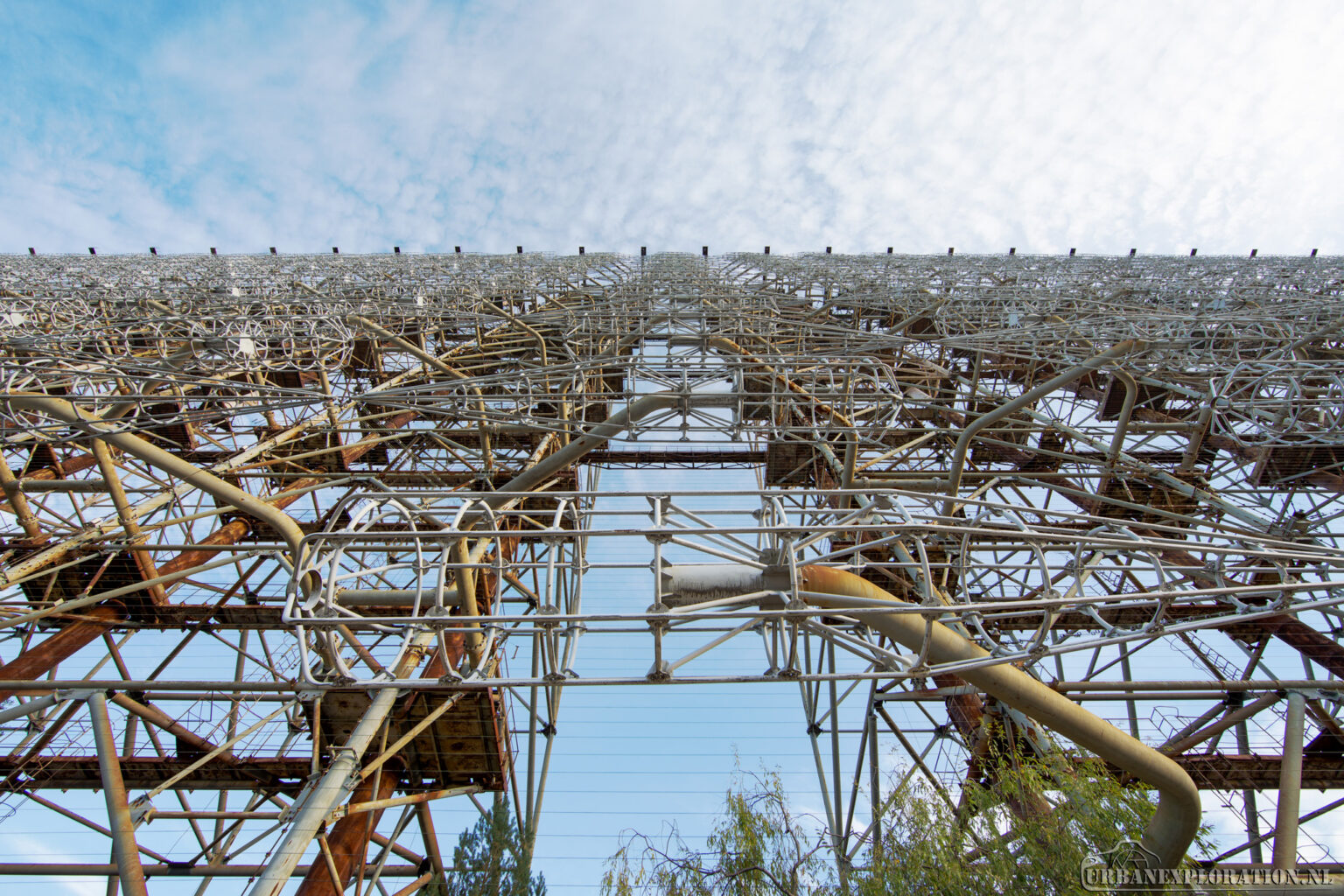
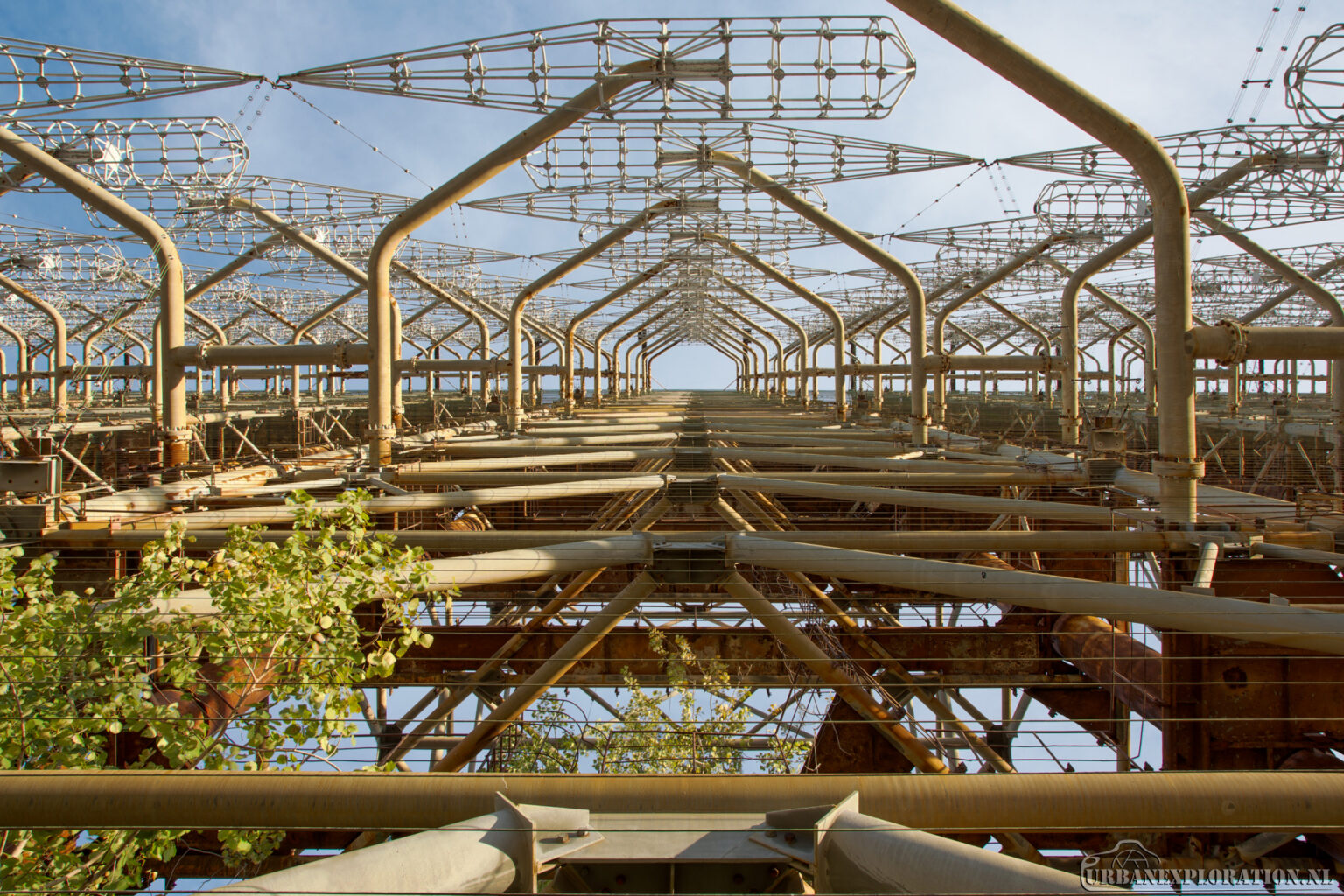
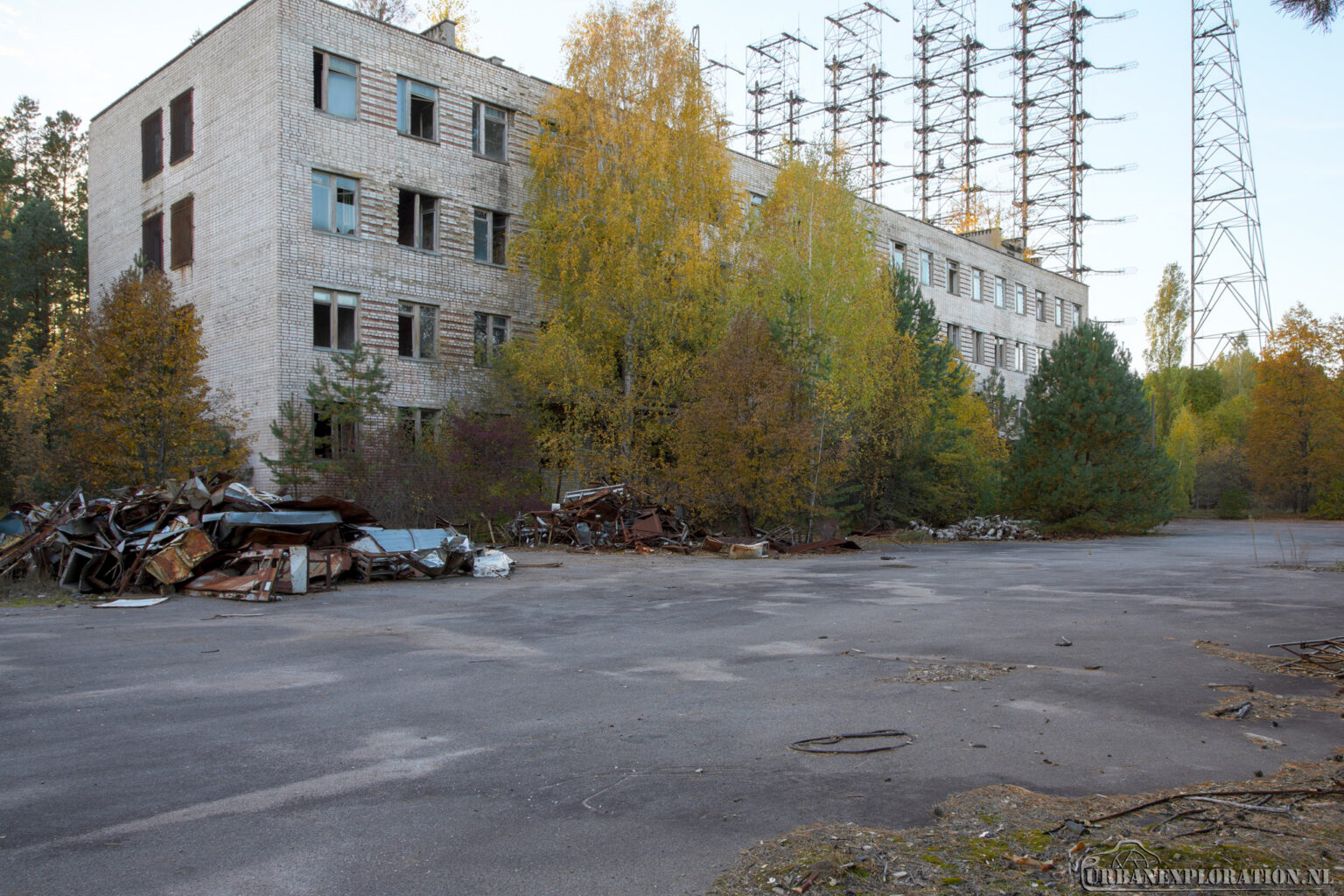
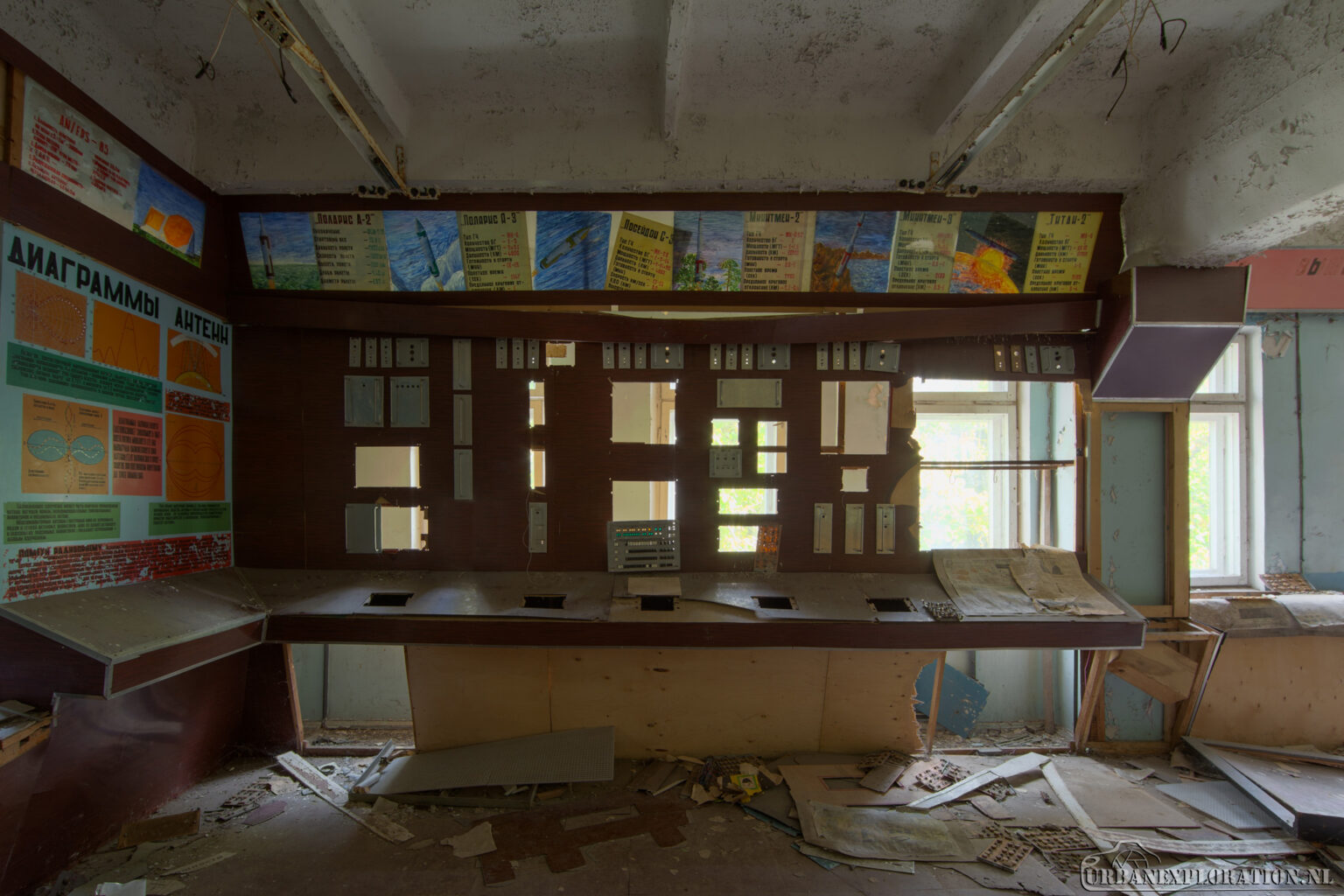
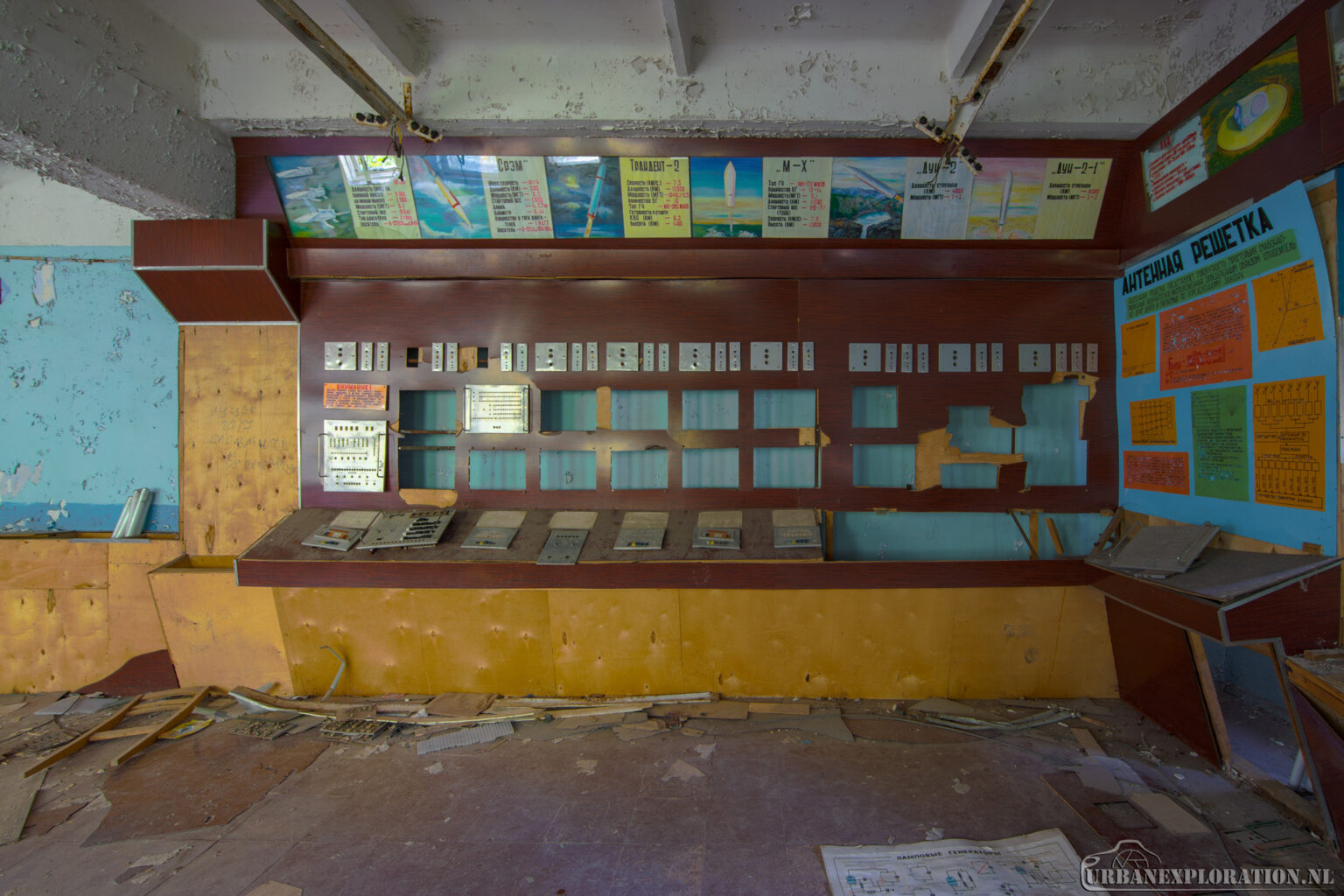
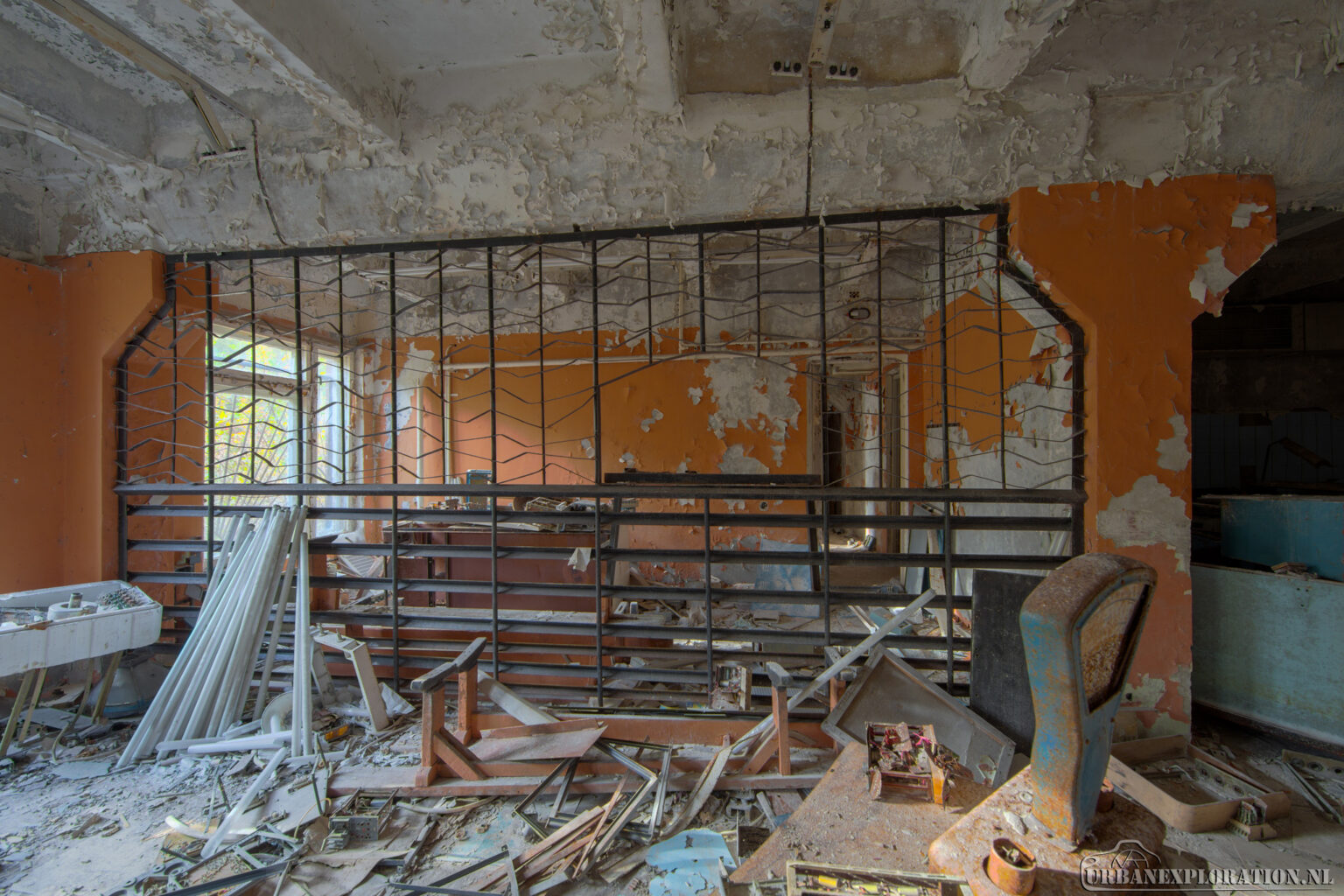
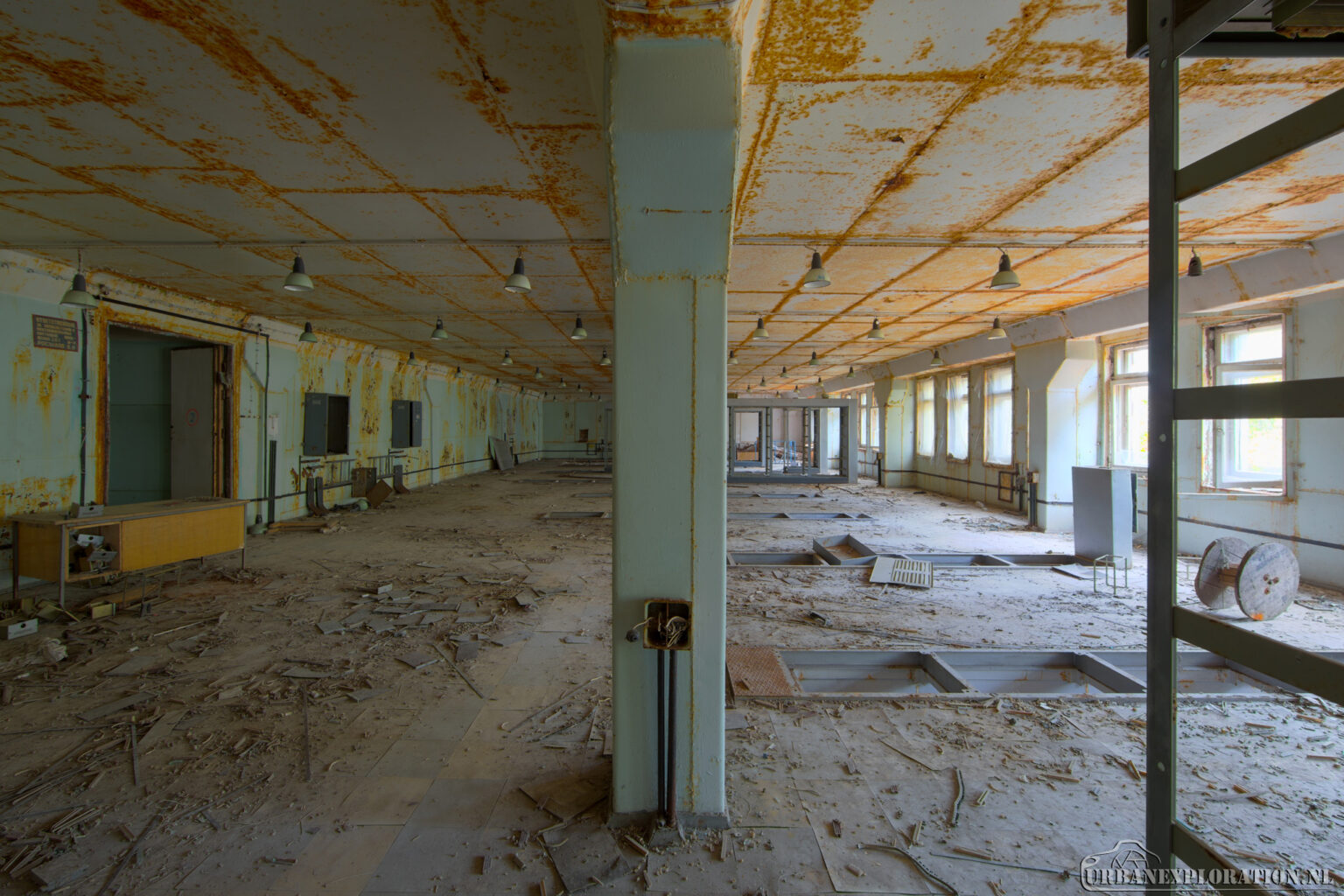
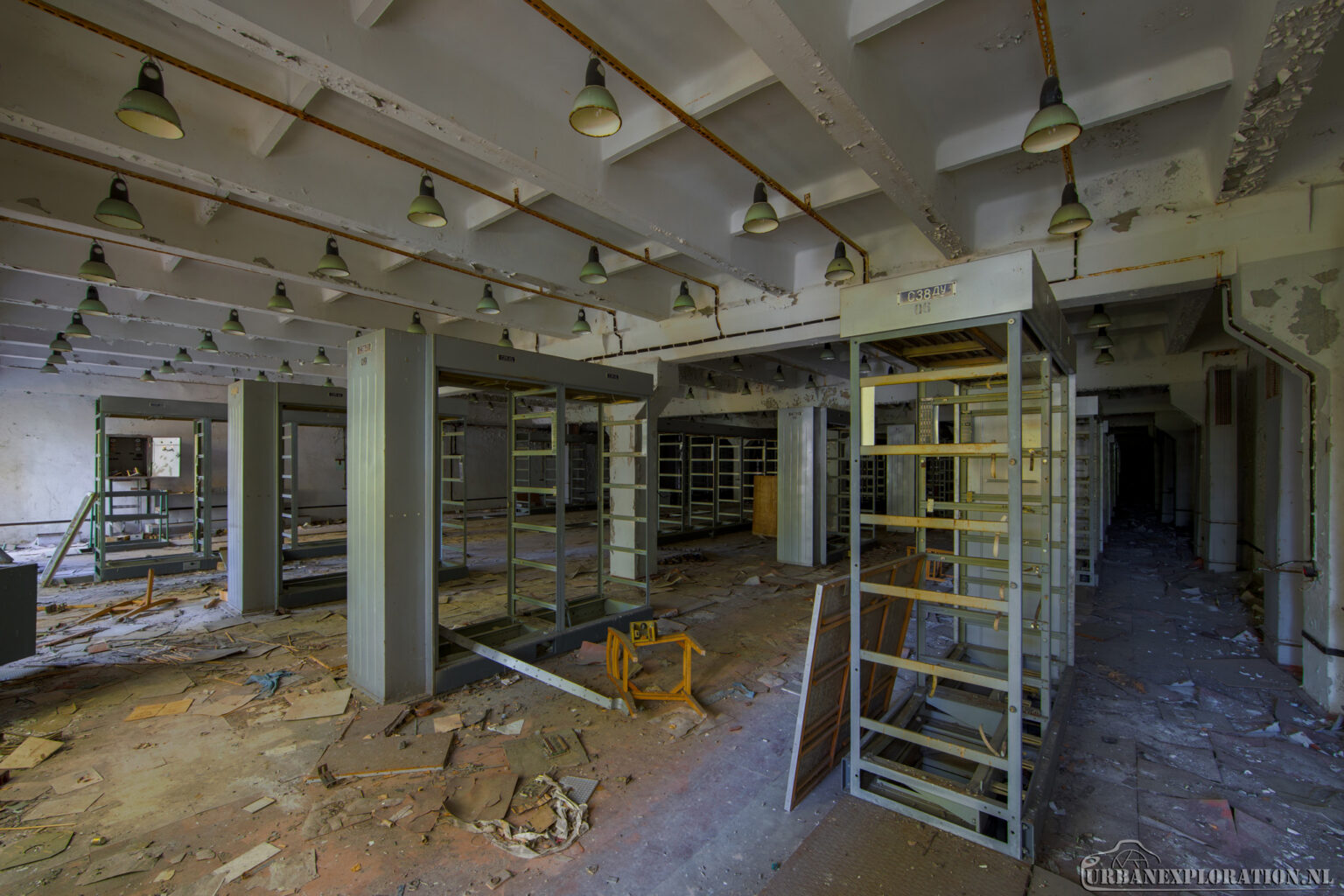
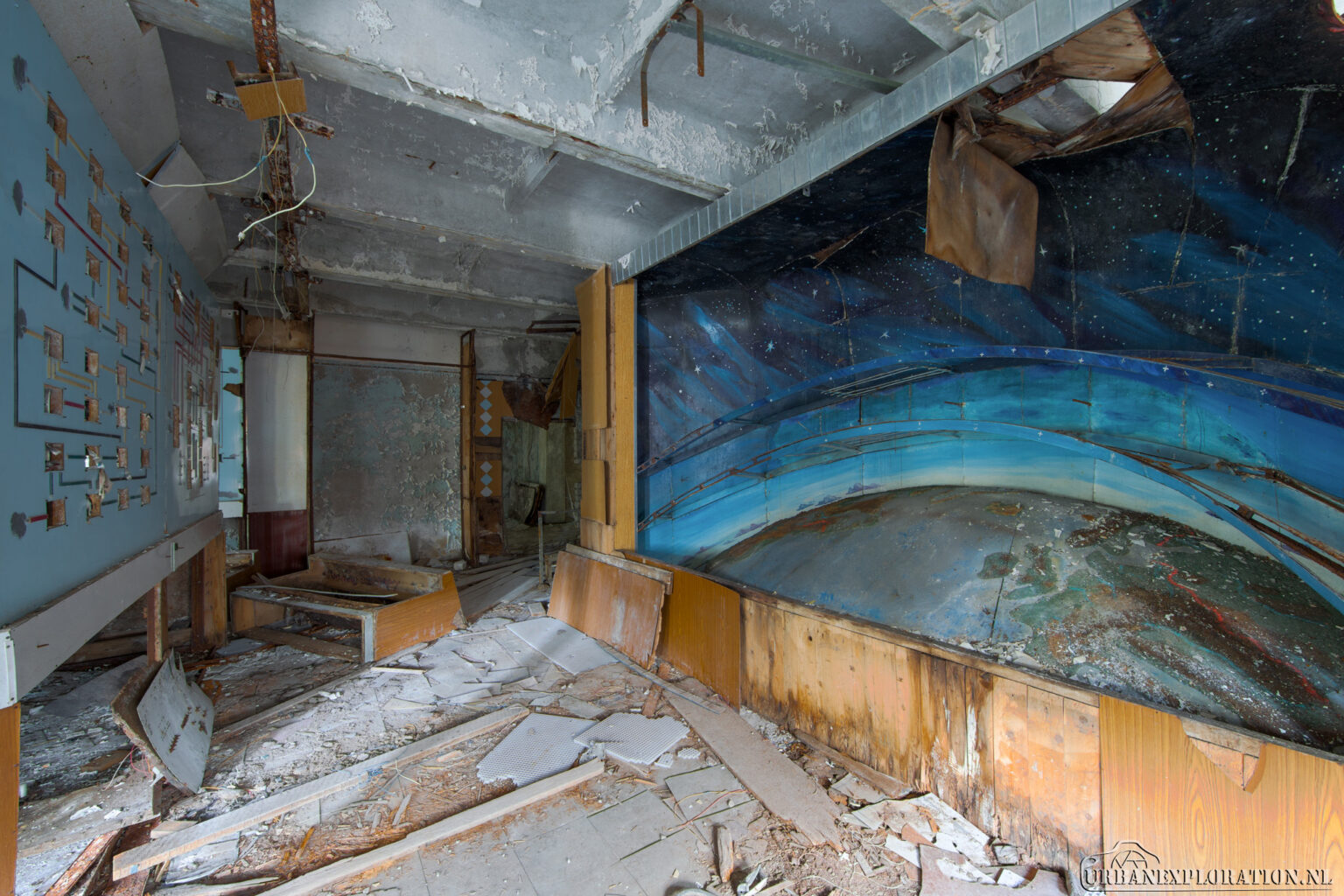
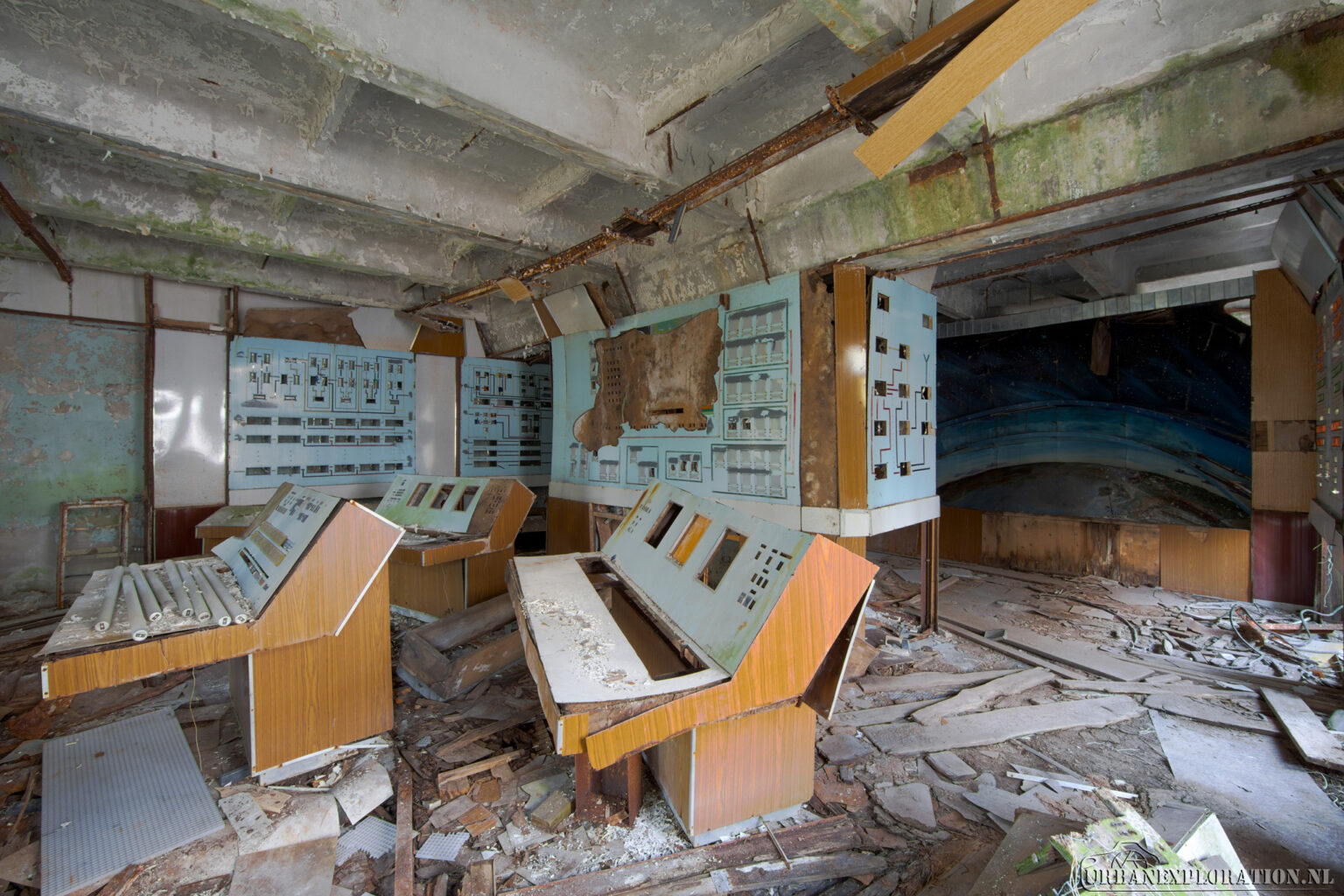
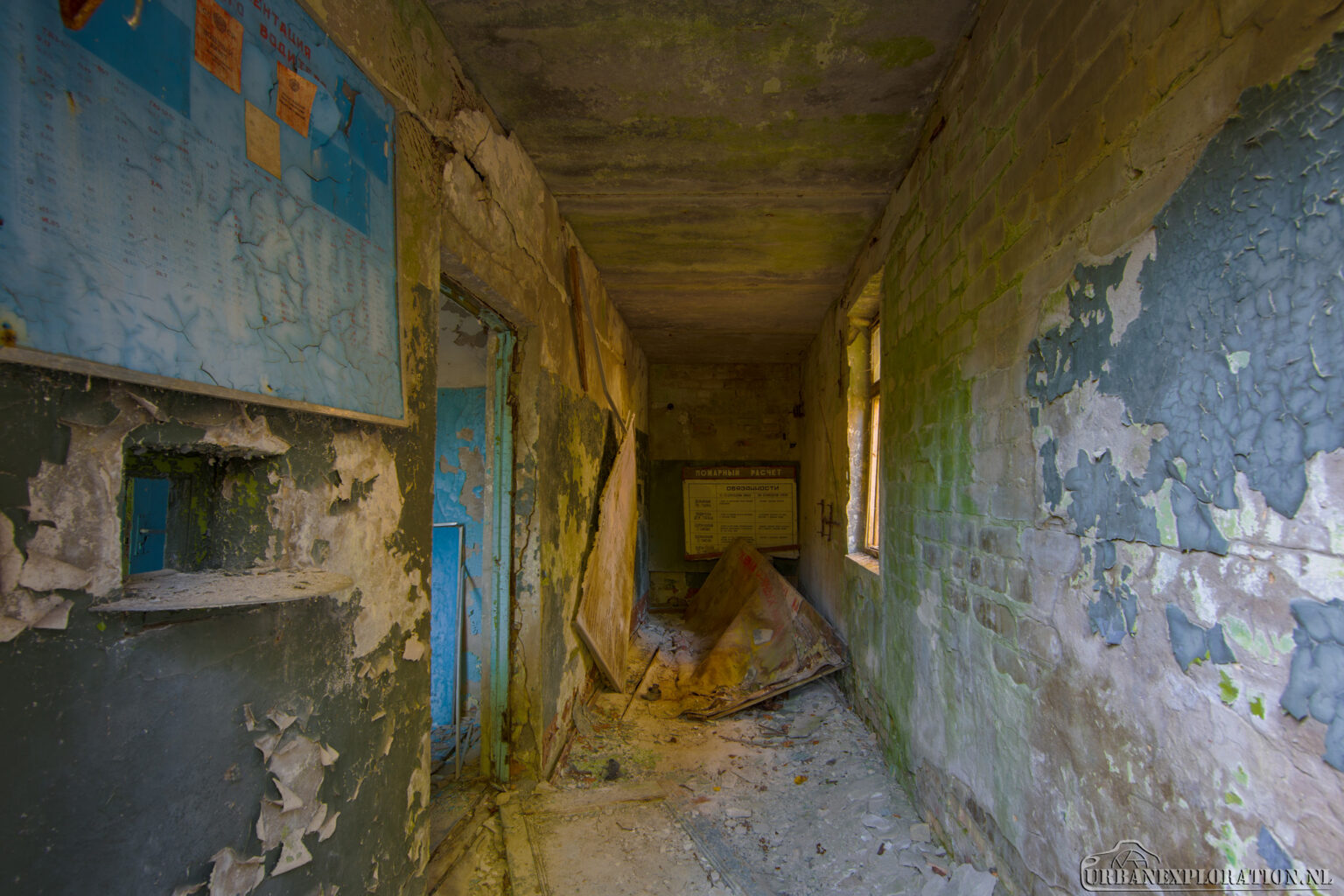
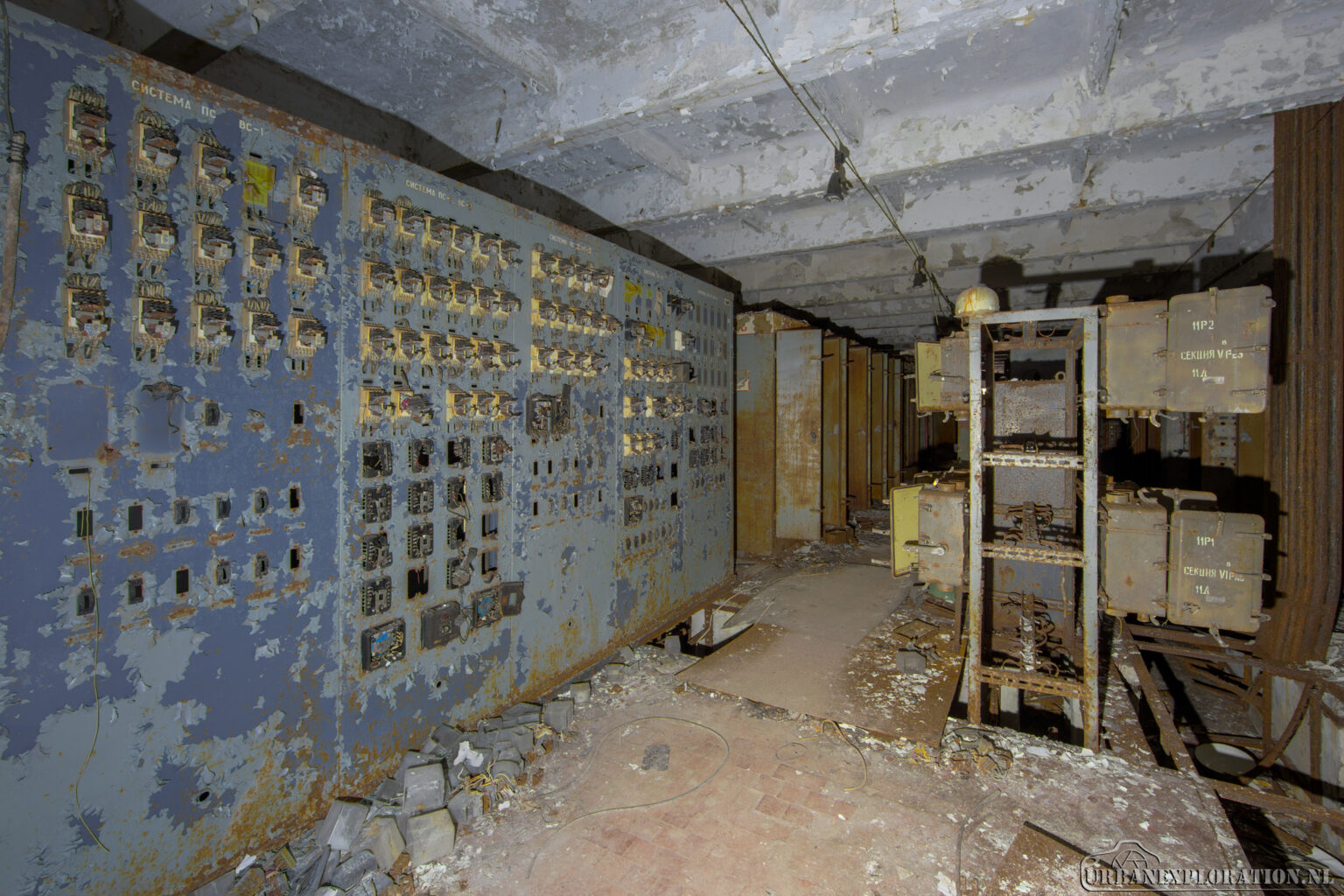
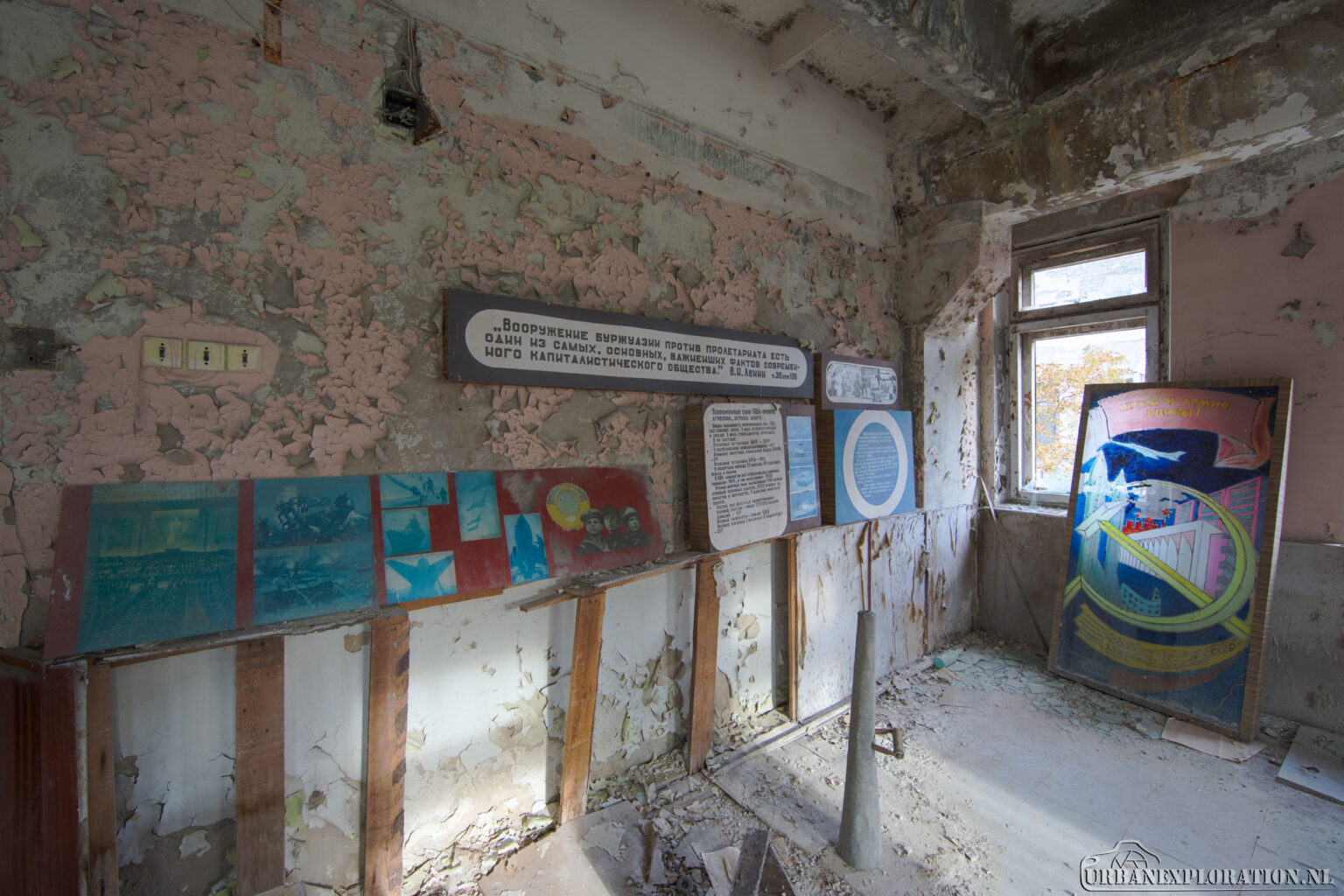
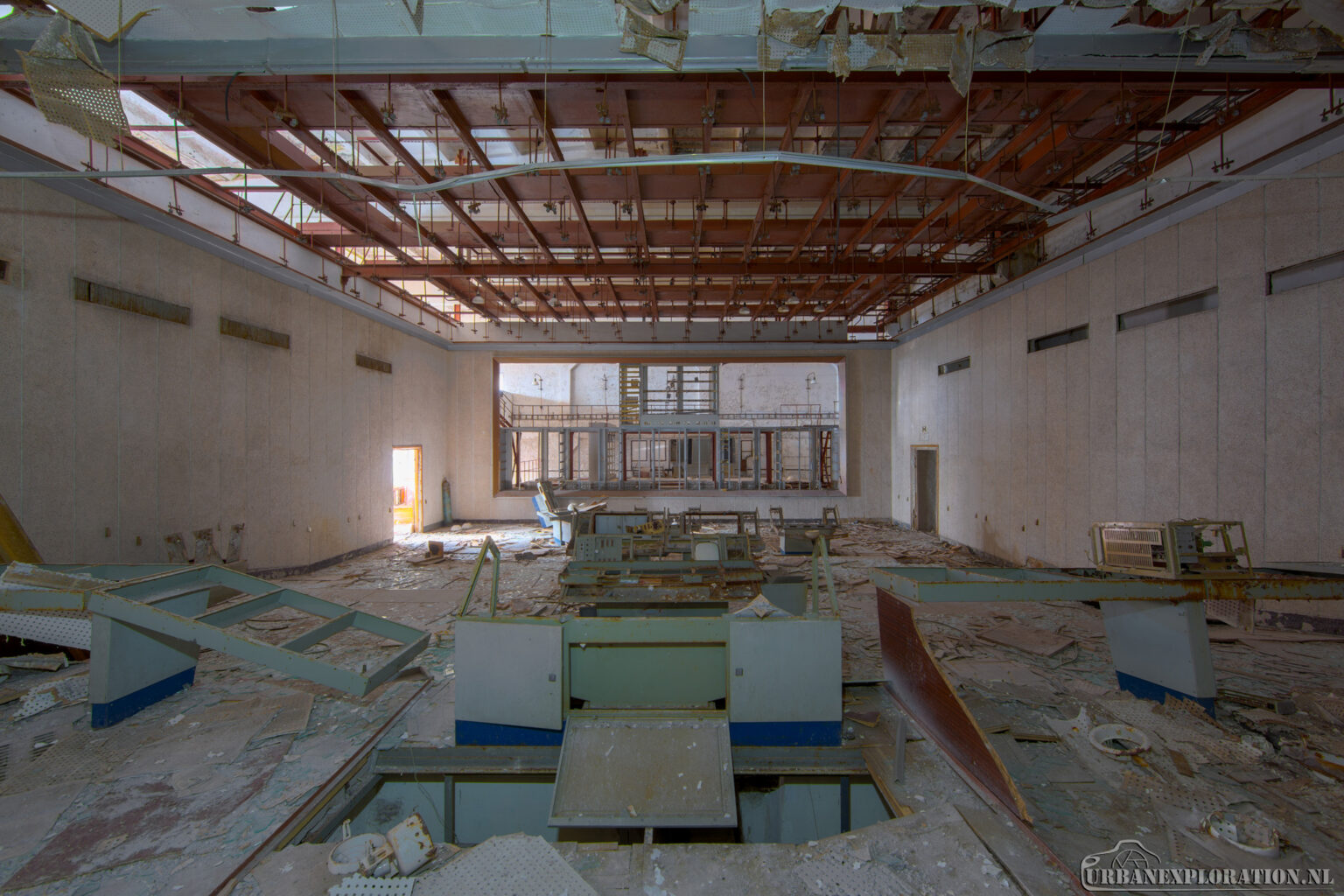
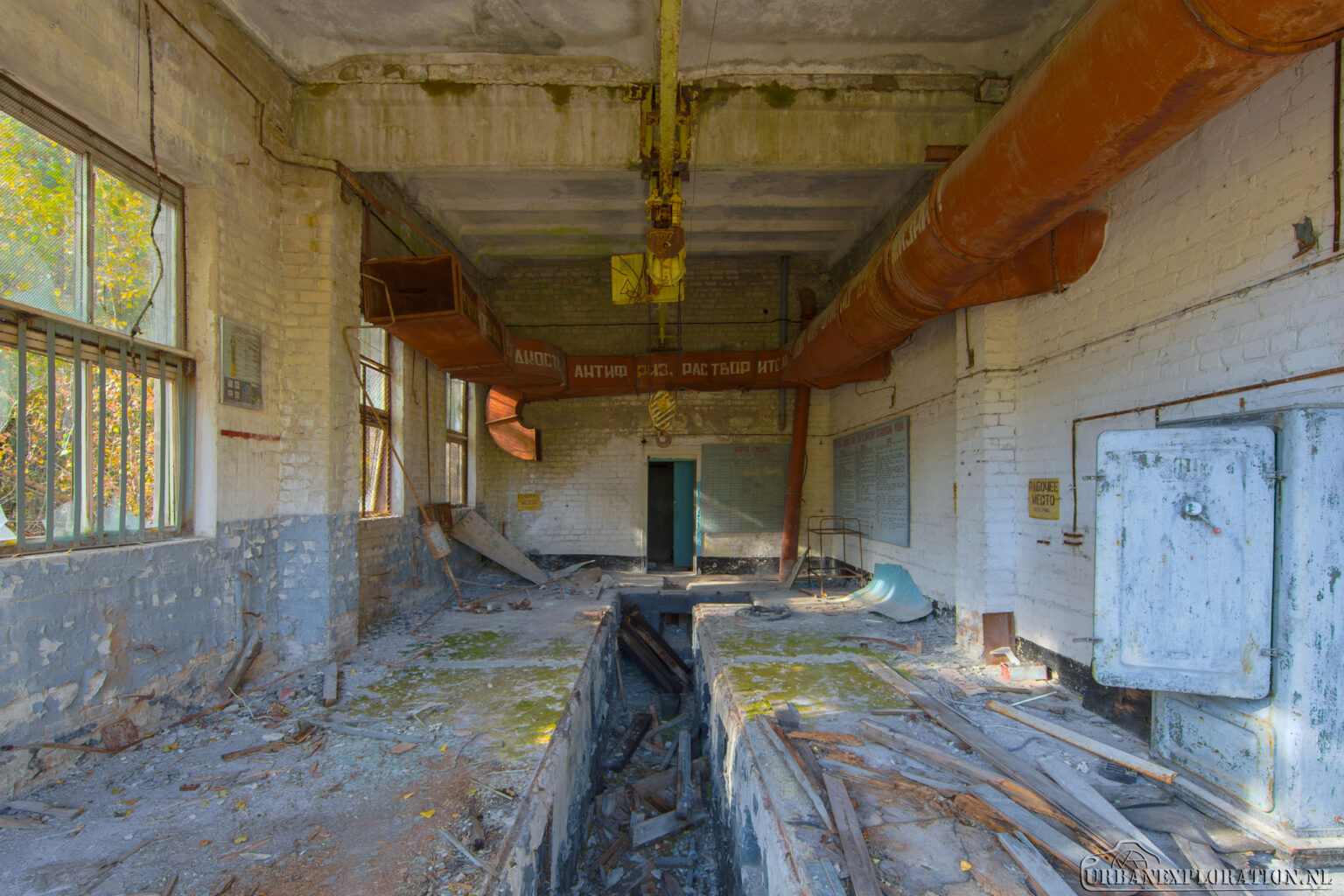
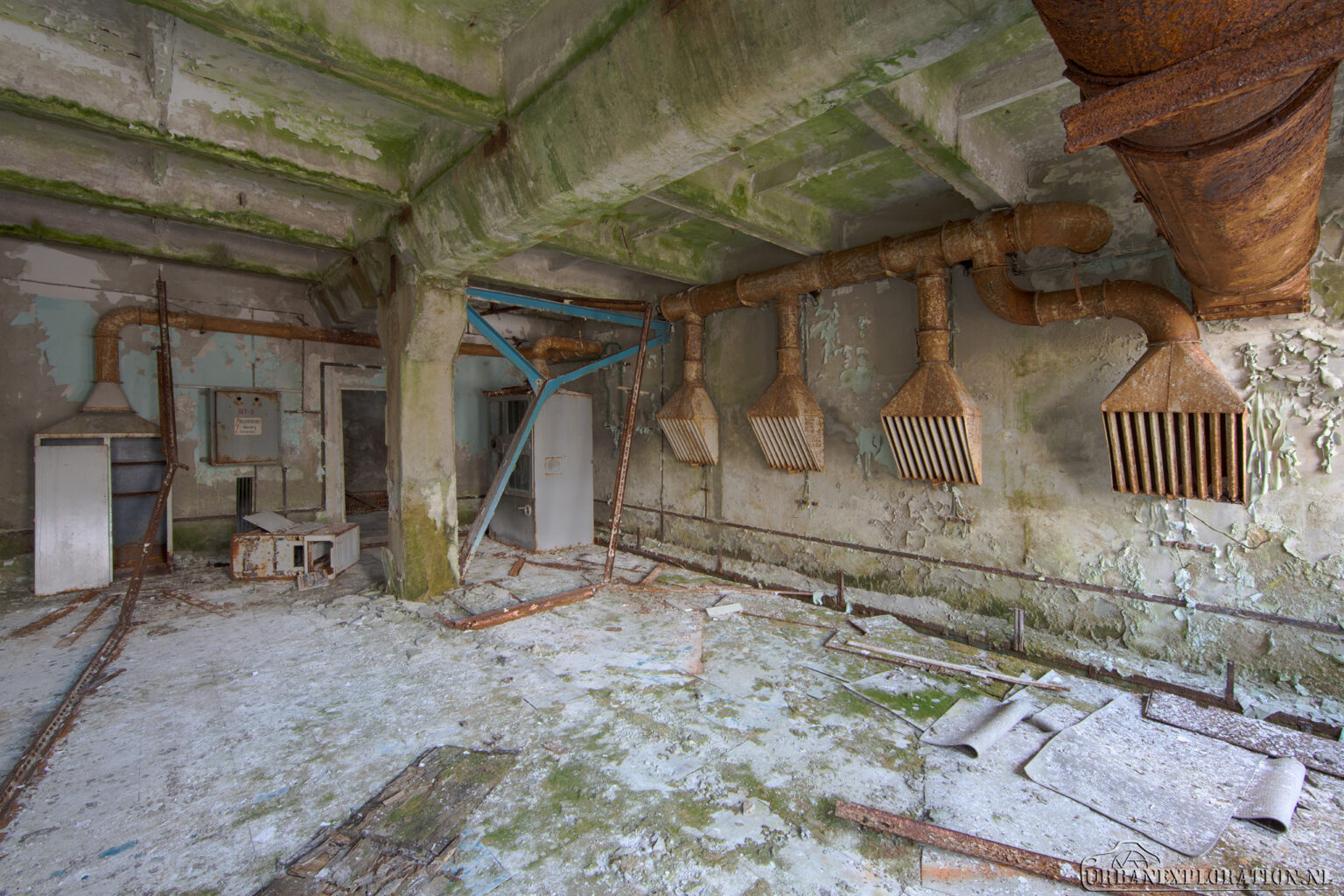
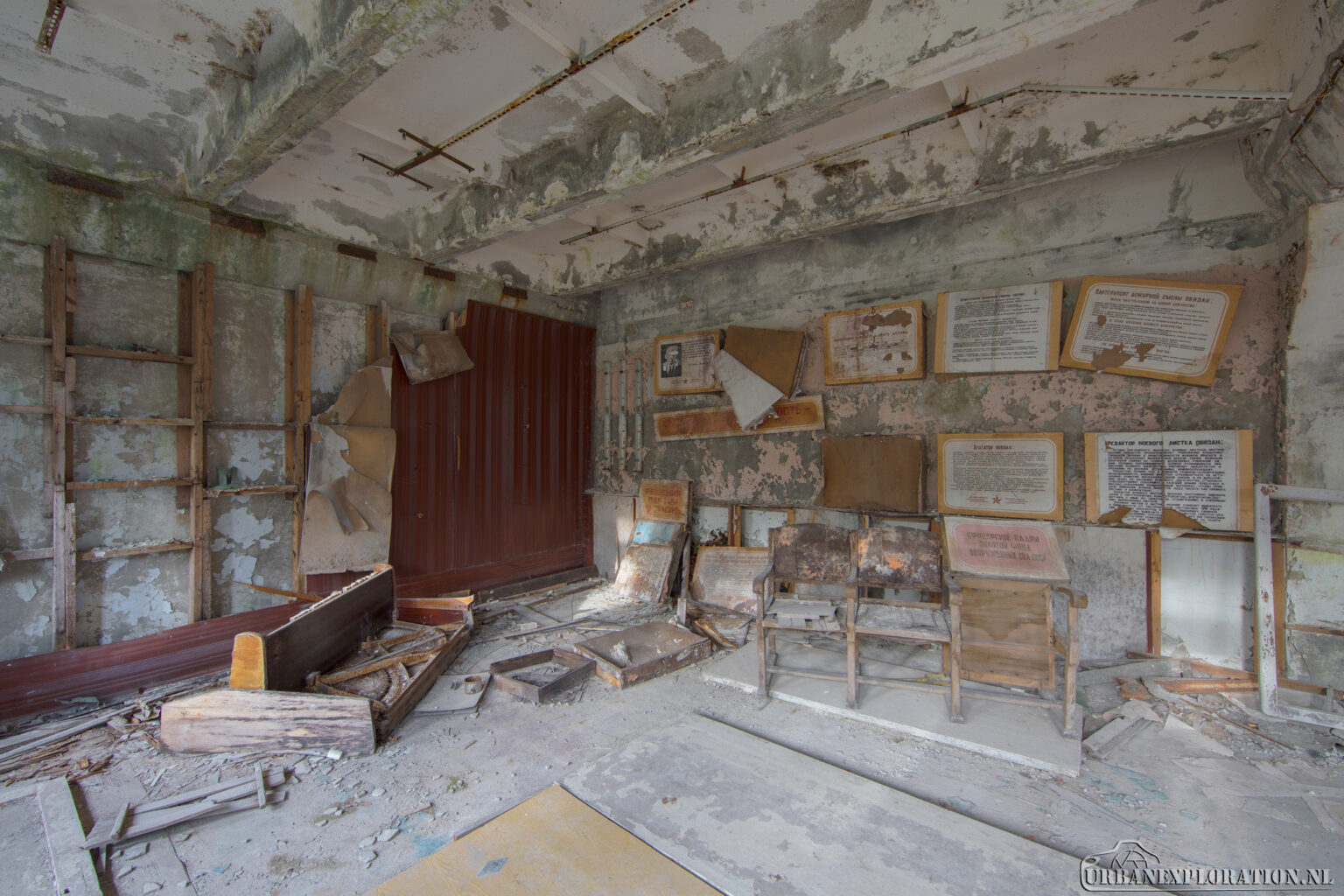
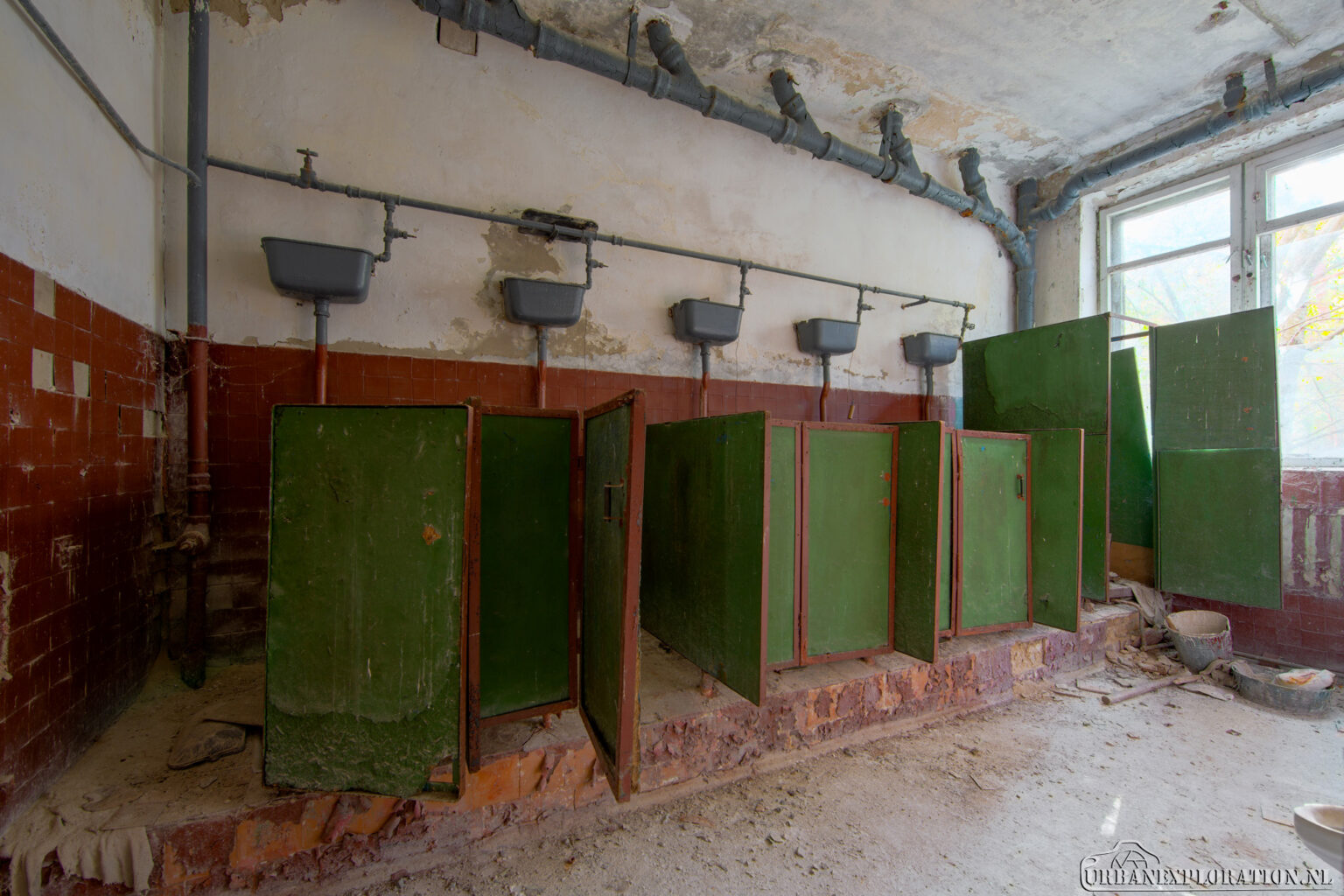
Deep in the forests of Ukraine’s Chernobyl Exclusion Zone stands one of the most impressive remnants of the Cold War. The Duga Radar, a massive steel structure approximately 150 metres high and 700 metres long, was part of a secret Soviet military early-warning system.
Built during the 1970s, the installation was designed to detect the launch of American intercontinental ballistic missiles. It used a technology known as over-the-horizon radar, in which radio waves were reflected by the ionosphere to detect targets thousands of kilometres away.
From 1976 onwards, the system caused widespread interference on shortwave radio frequencies around the world. Its distinctive, rapid tapping signal earned it the nickname Russian Woodpecker. The radar’s true purpose and location remained classified for many years.
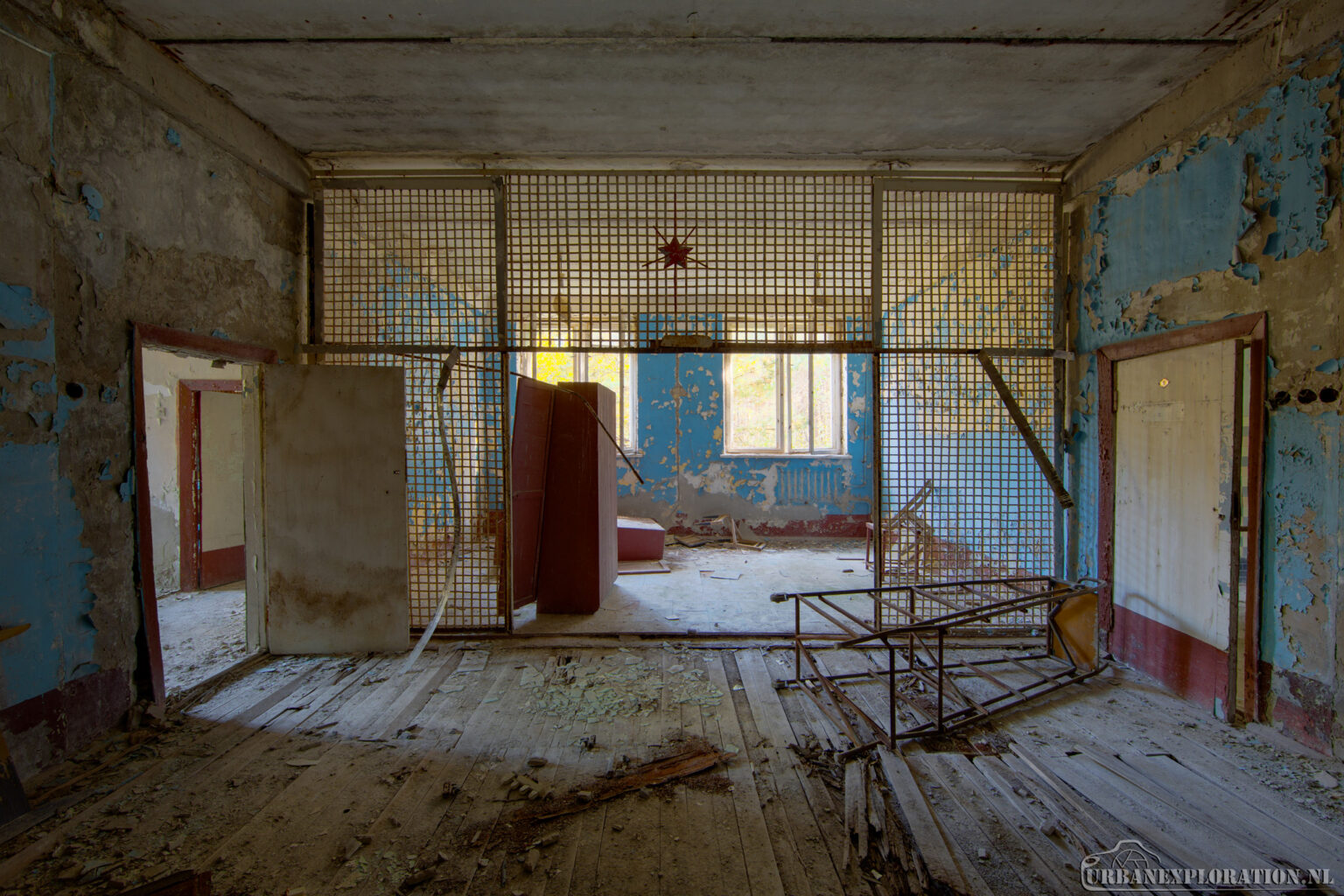
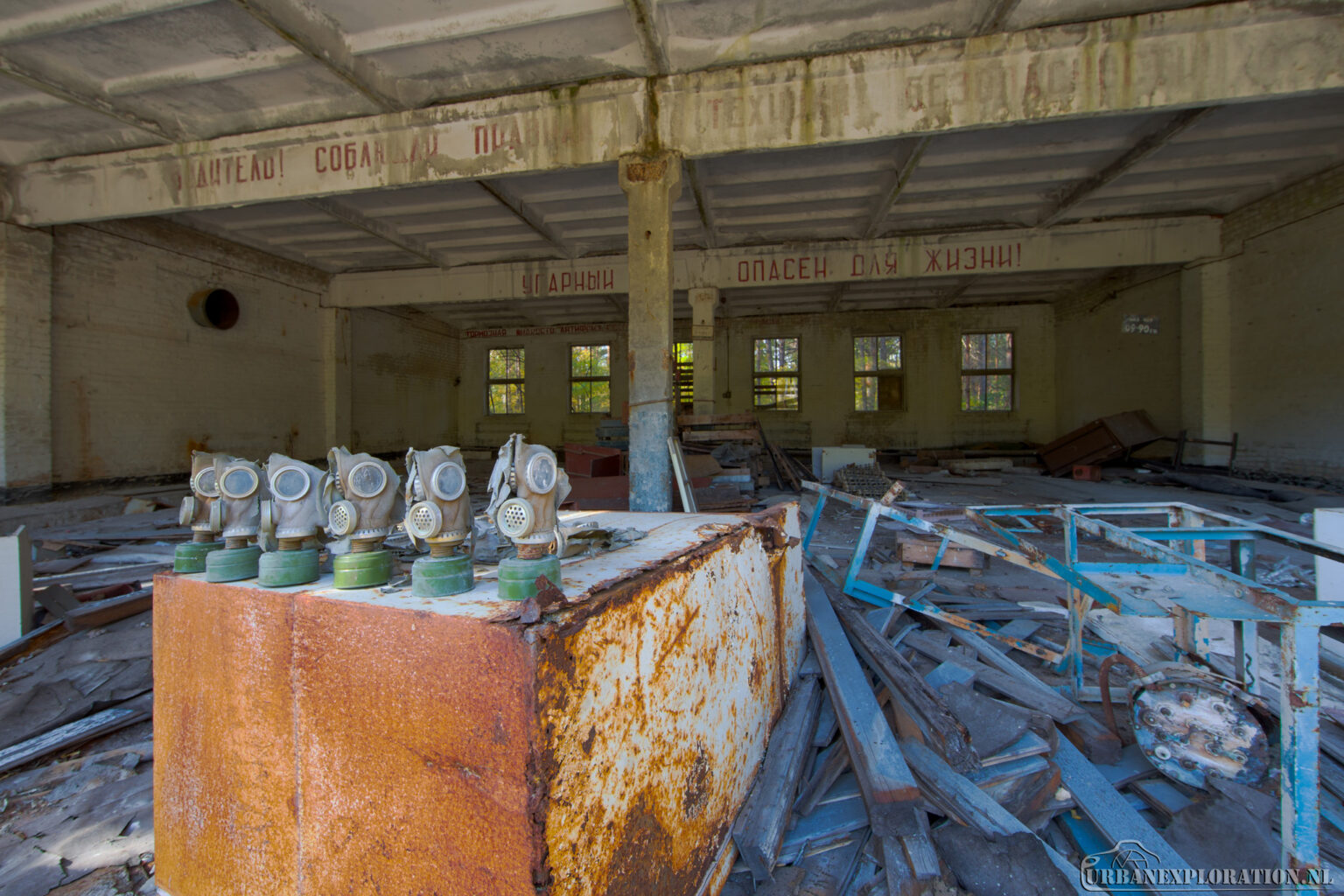
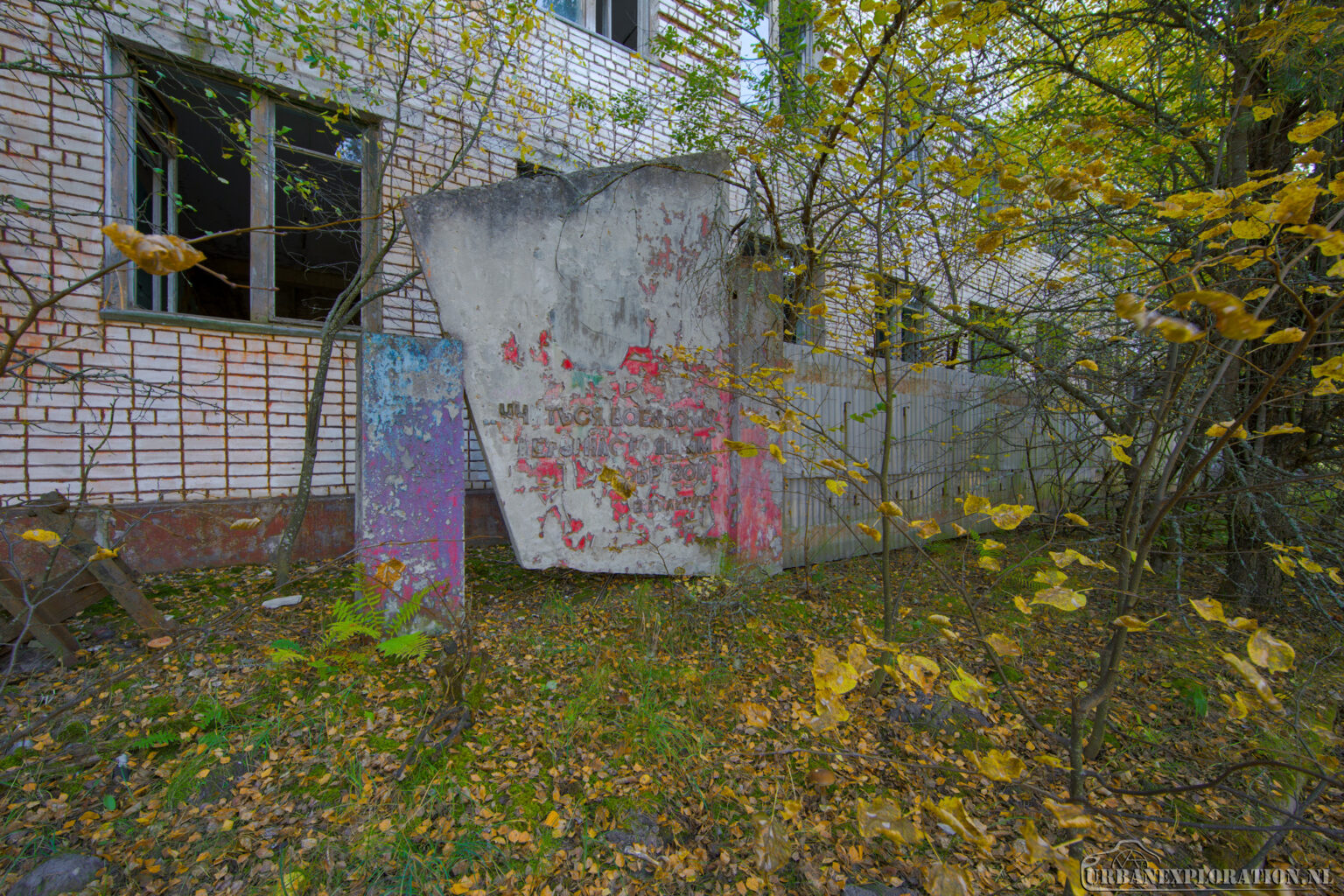
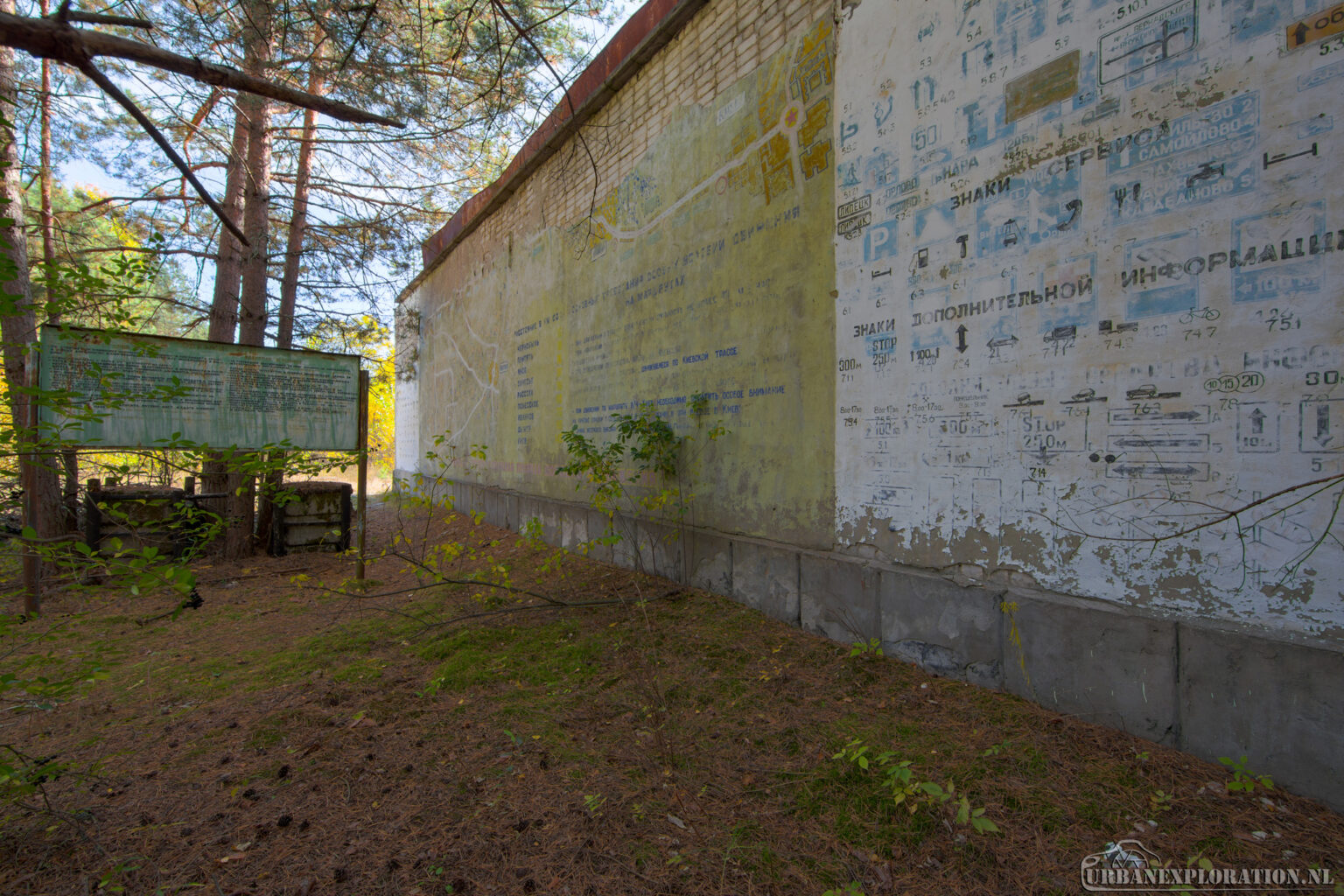
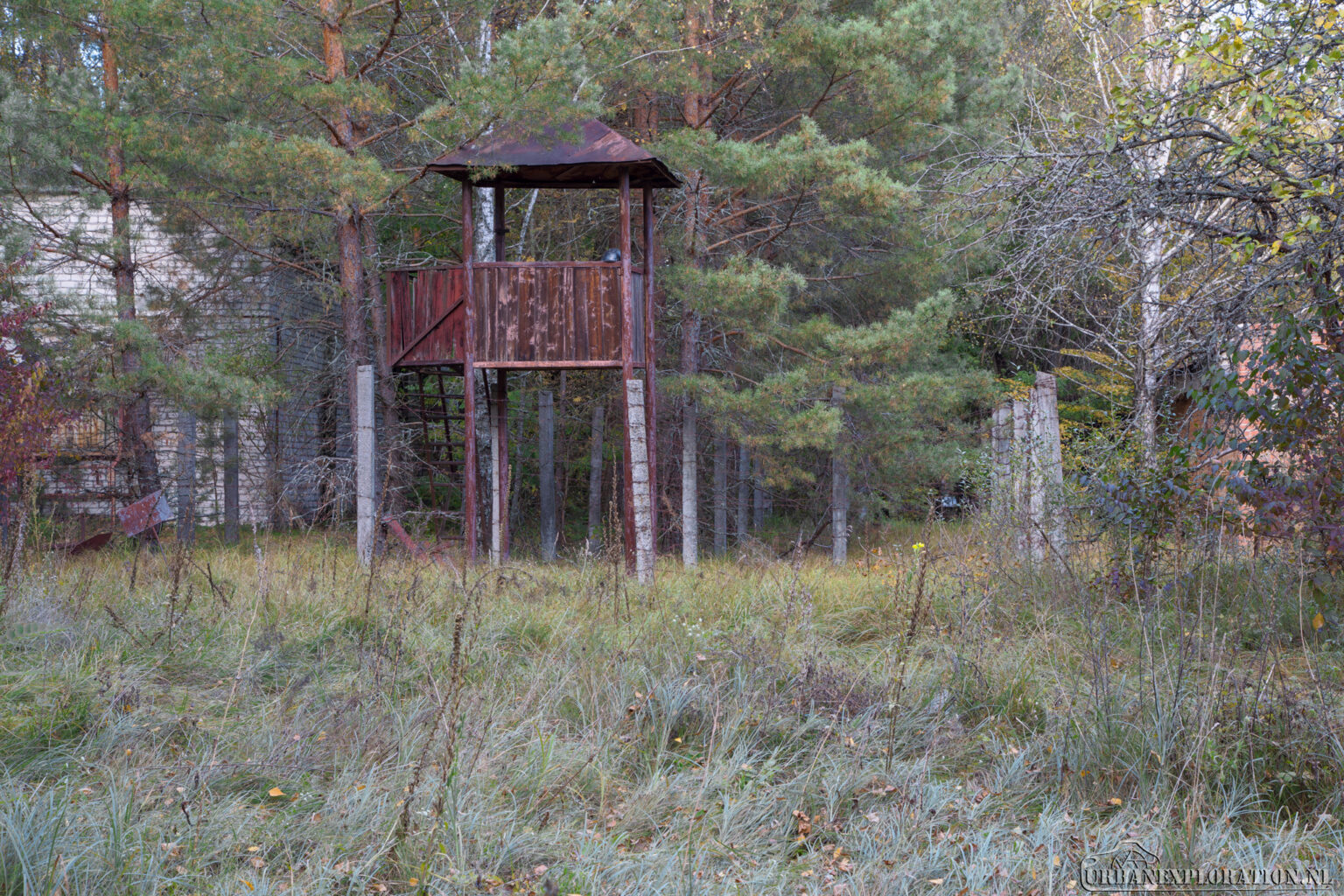
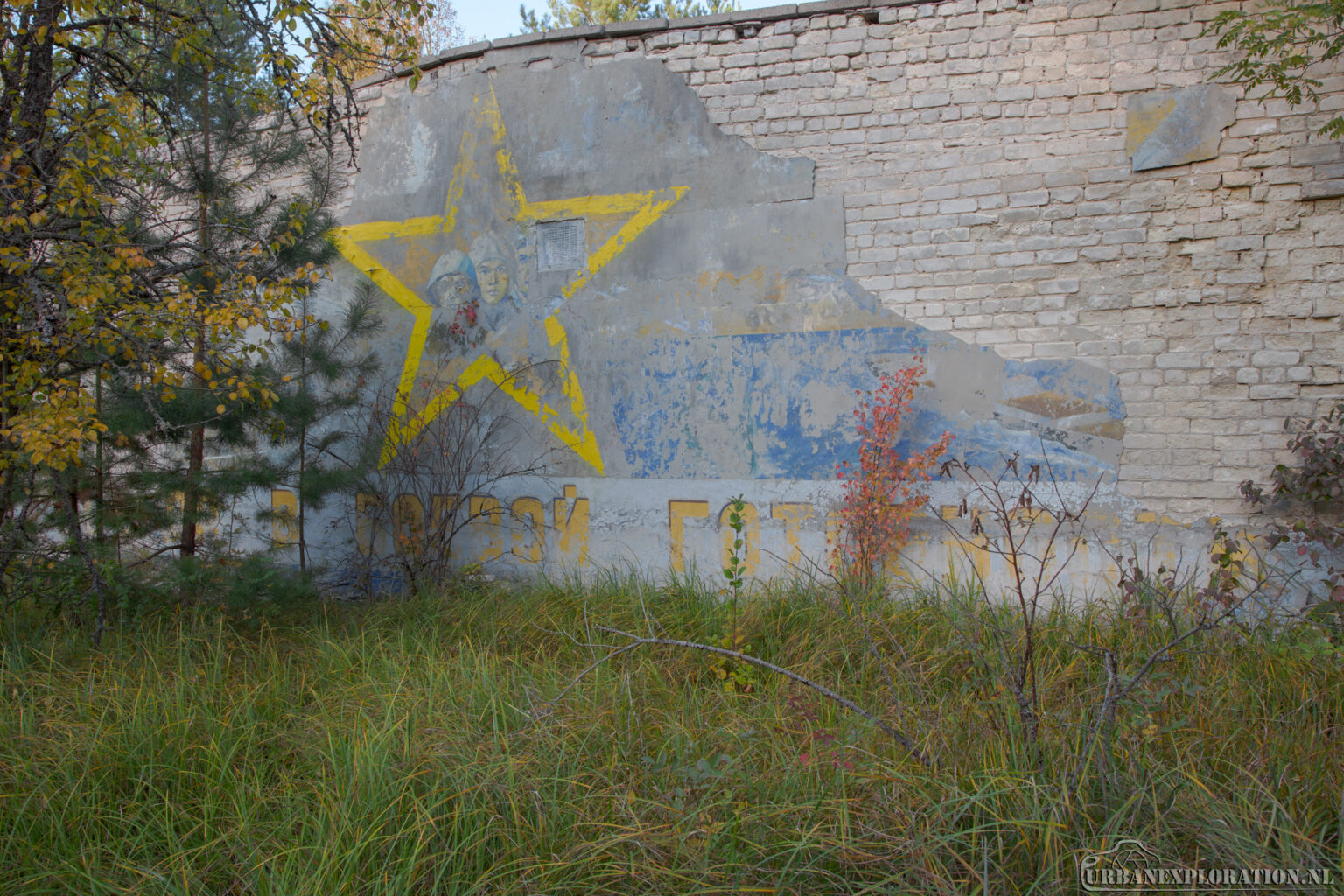
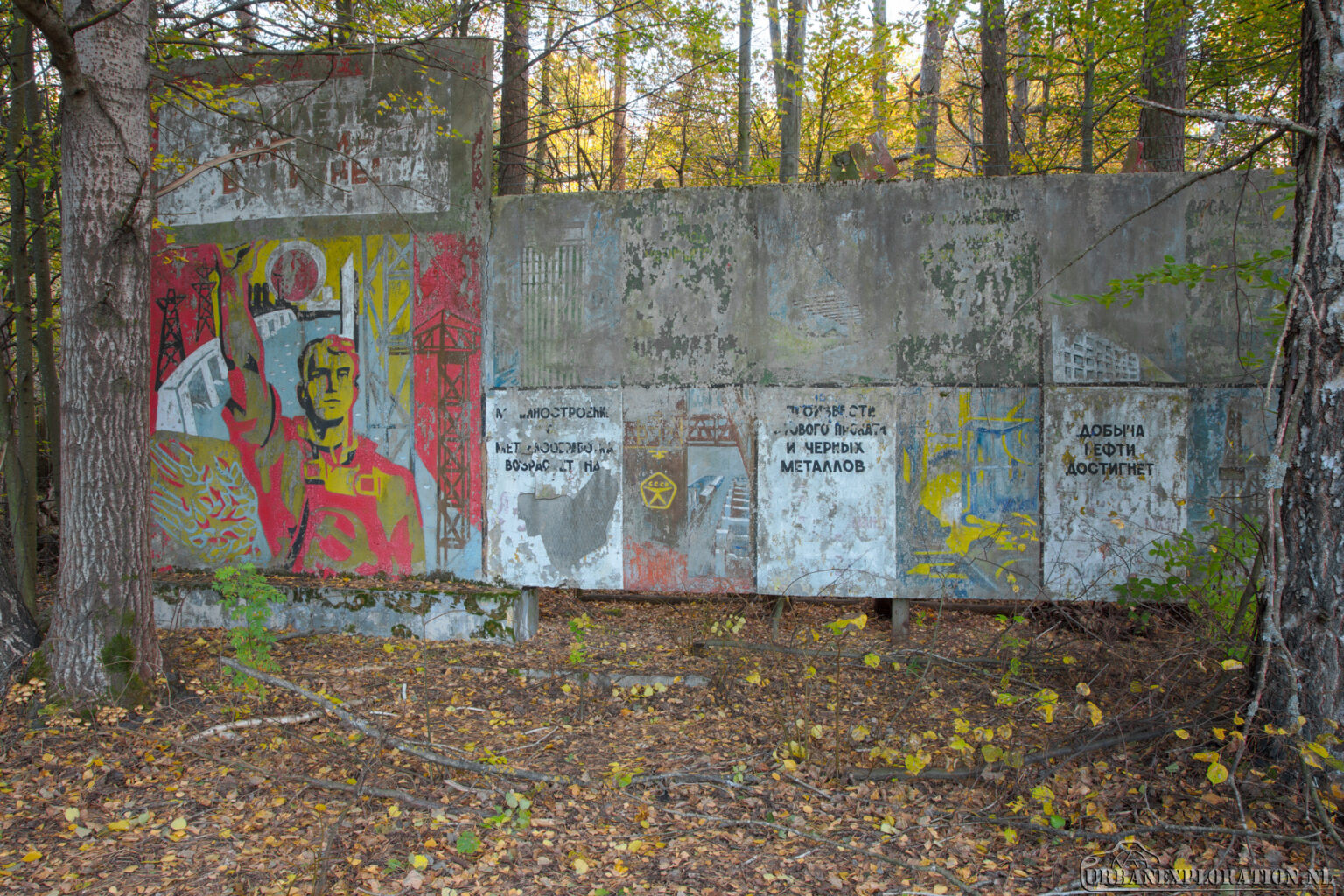
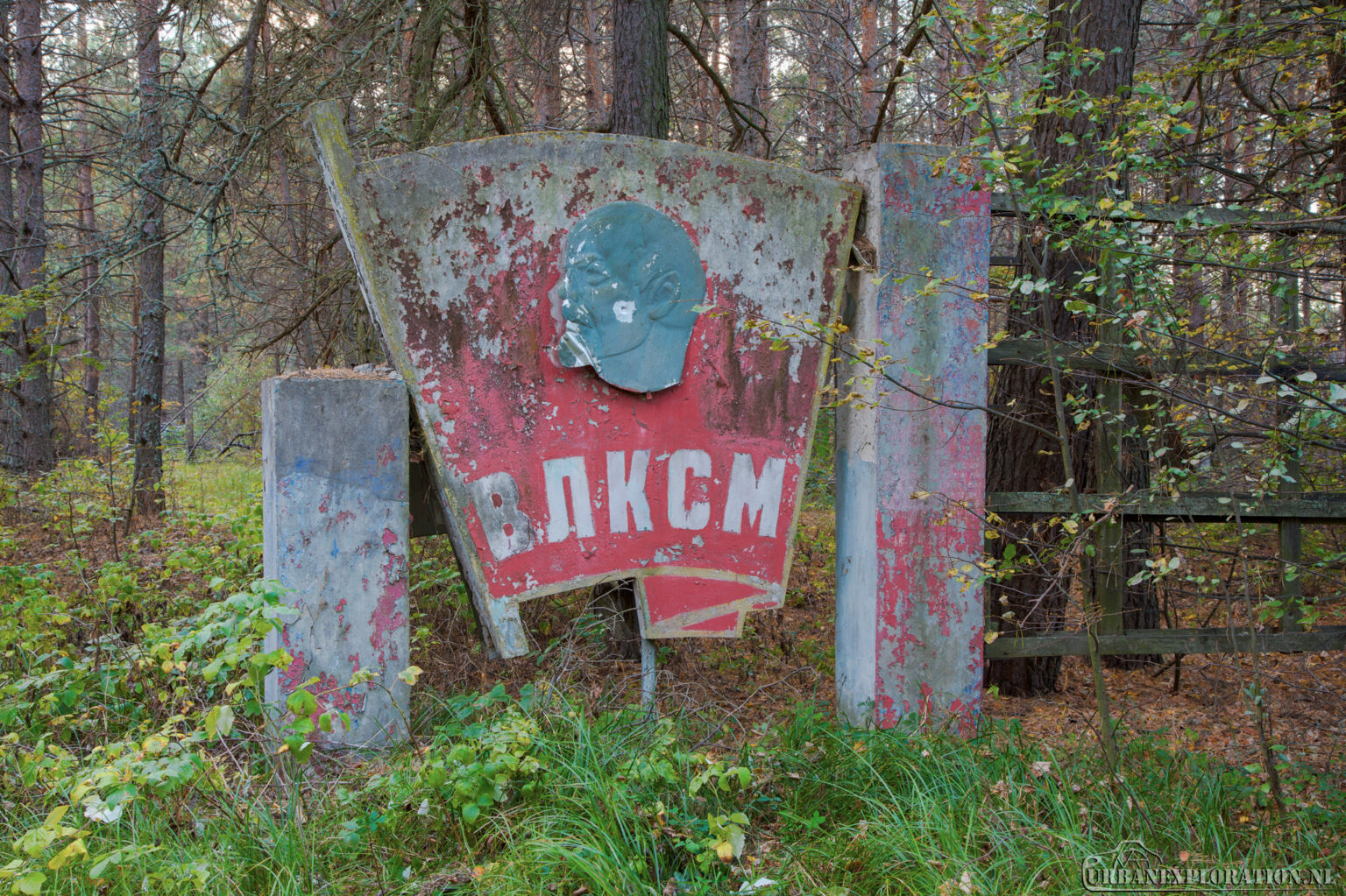
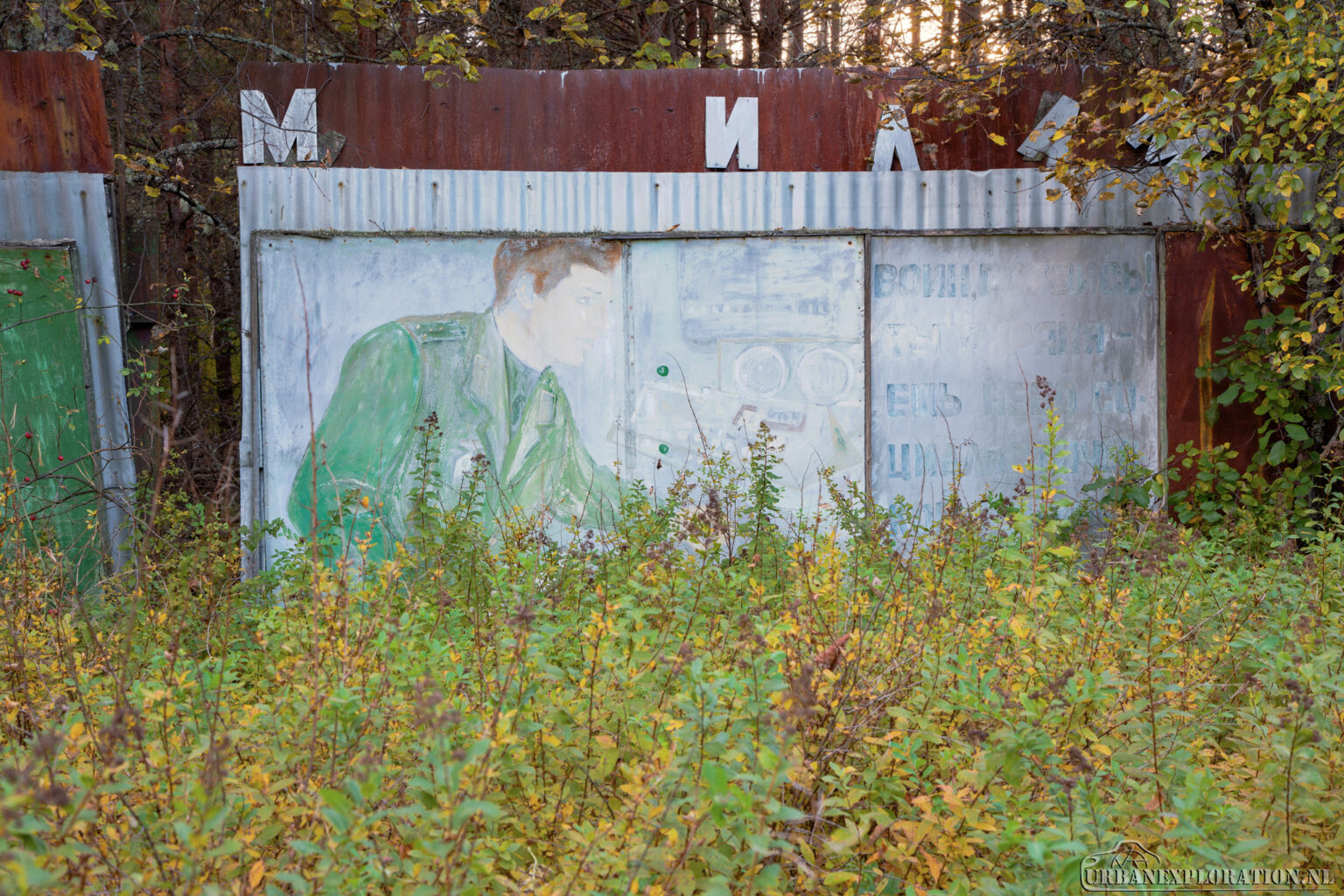
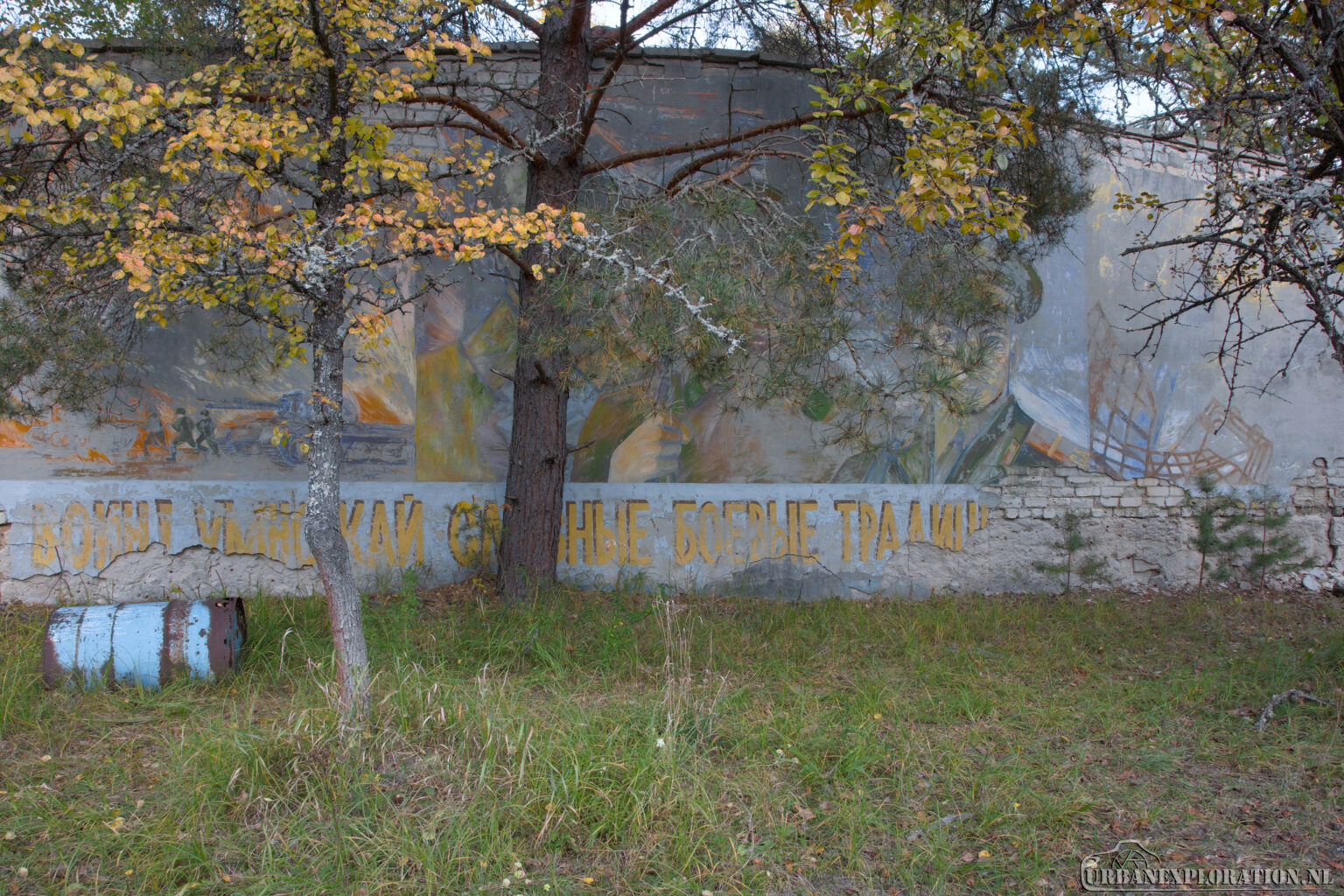
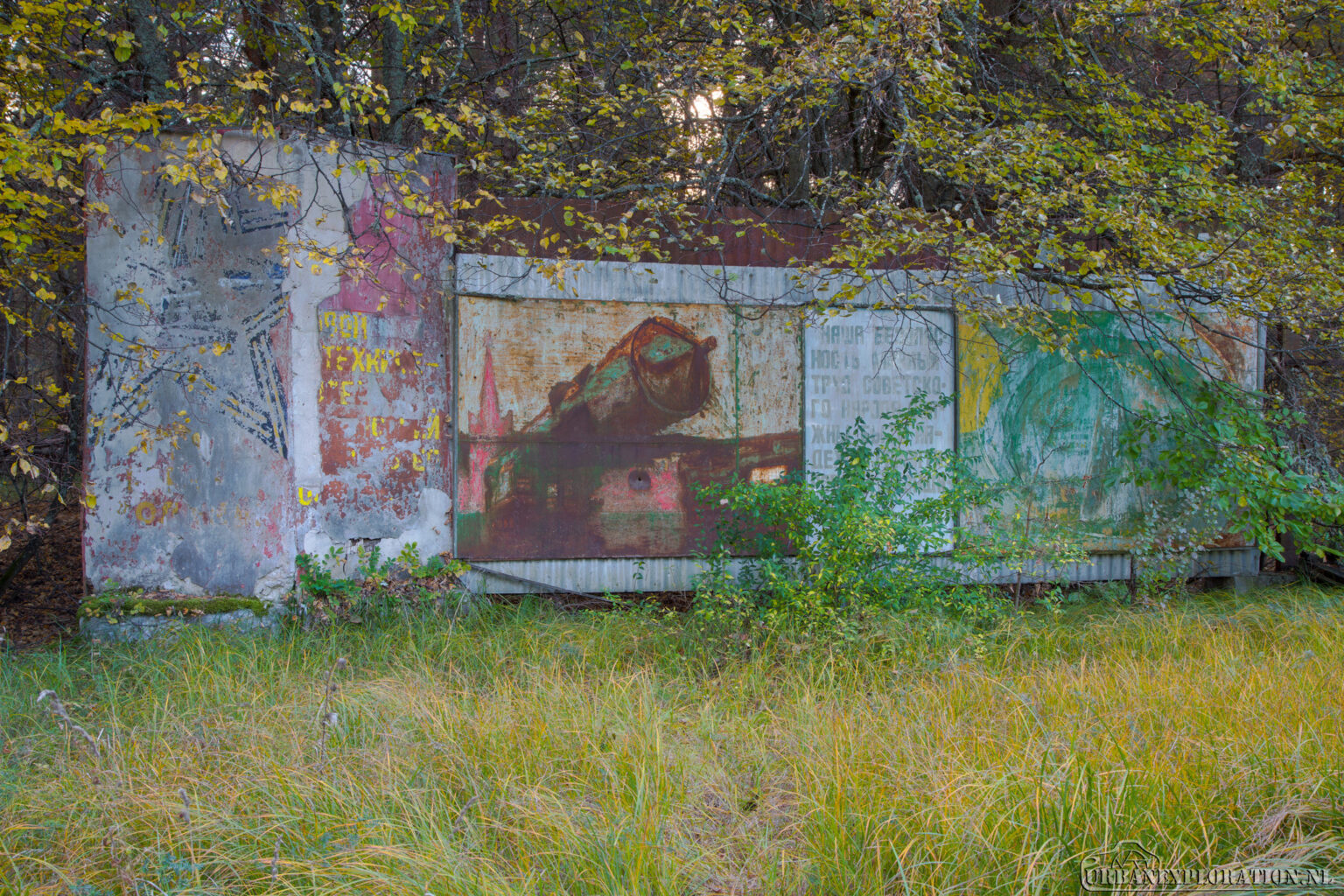
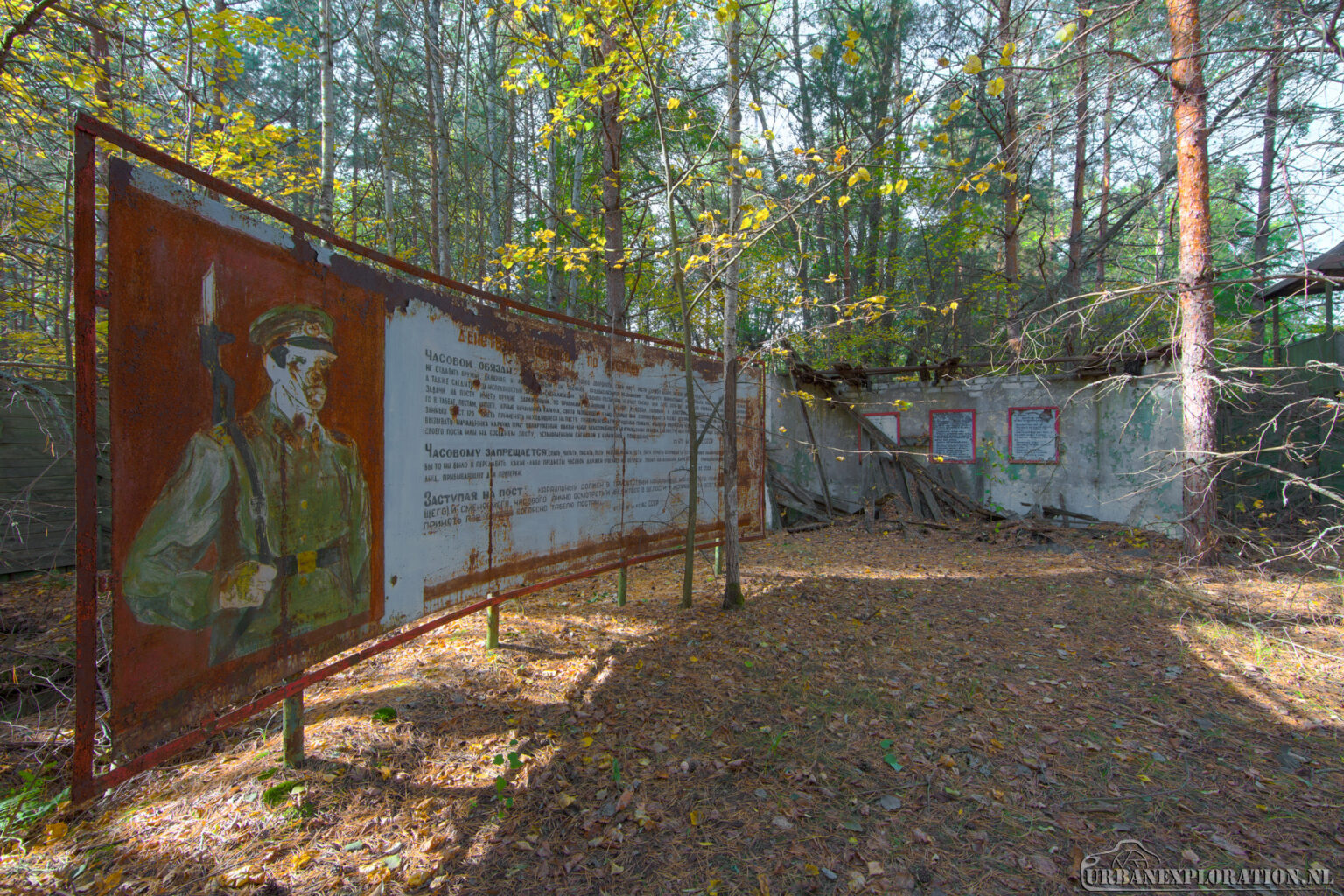
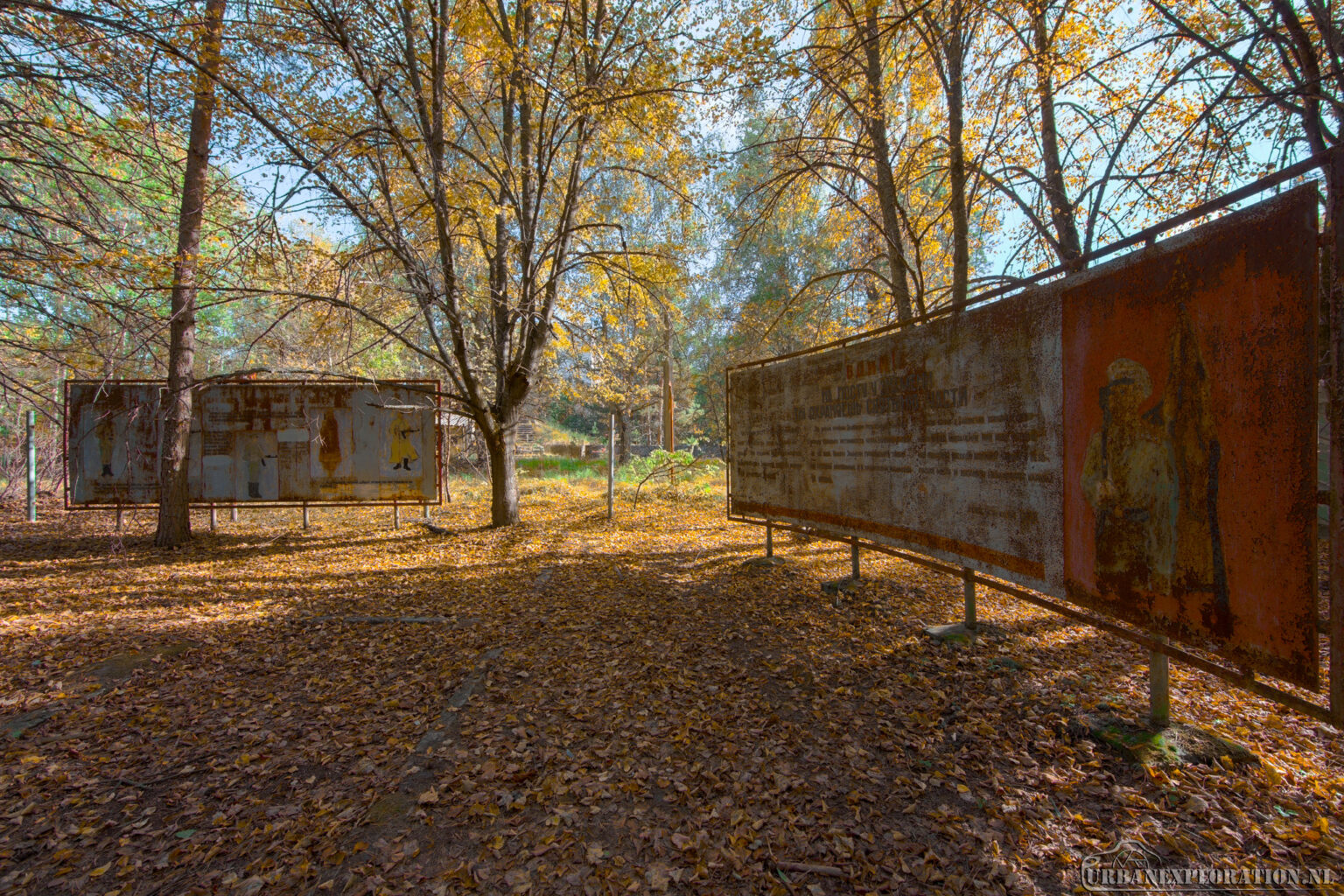
The enormous antenna near Chernobyl served as the receiving station, while the associated transmitter was located dozens of kilometres away. Next to the radar stood the restricted military settlement of Chernobyl-2, where military personnel and their families lived and worked.
Following the Chernobyl nuclear disaster on April 26, 1986, the surrounding area was evacuated. The radar remained part of the Soviet early-warning network for some time but was eventually taken out of operation towards the end of the 1980s. Technical limitations and the development of more advanced warning systems contributed to the project’s closure.
While other Duga installations were dismantled, the enormous antenna near Chernobyl remained standing. Today, this abandoned structure serves as an extraordinary monument to the military technology and secrecy of the Cold War.
Visited - 2018
Defunct - 1989
Status - In decline
Country - Ukraine
Here are some other albums that might be of interest.