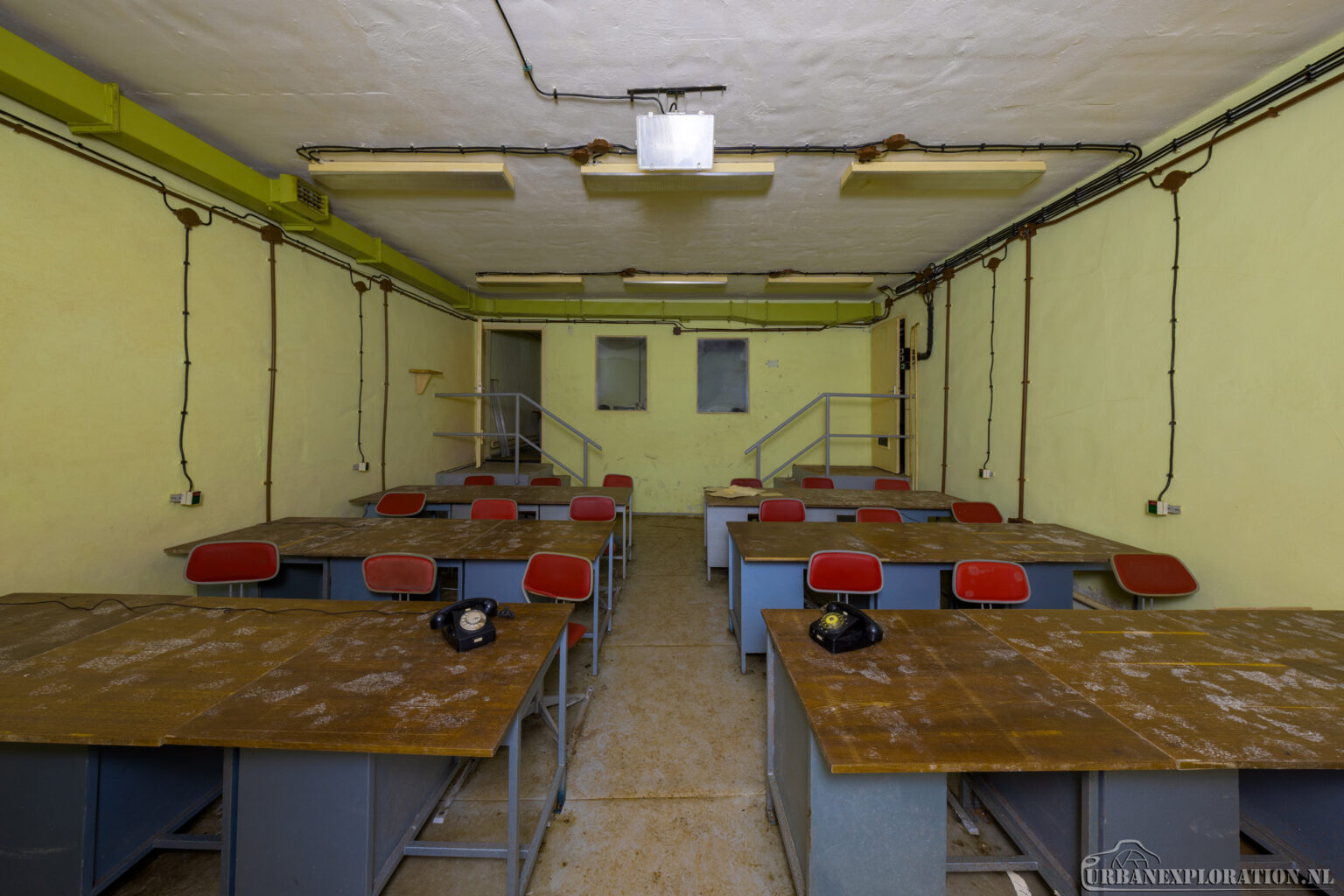
During the Cold War, a heavily fortified underground command center was constructed to remain fully operational during a nuclear, biological, or chemical emergency. Unlike a standard fallout shelter, this complex was designed as a self-sufficient command post where government officials, communications personnel, and technical staff could continue coordinating emergency operations from a secure location.
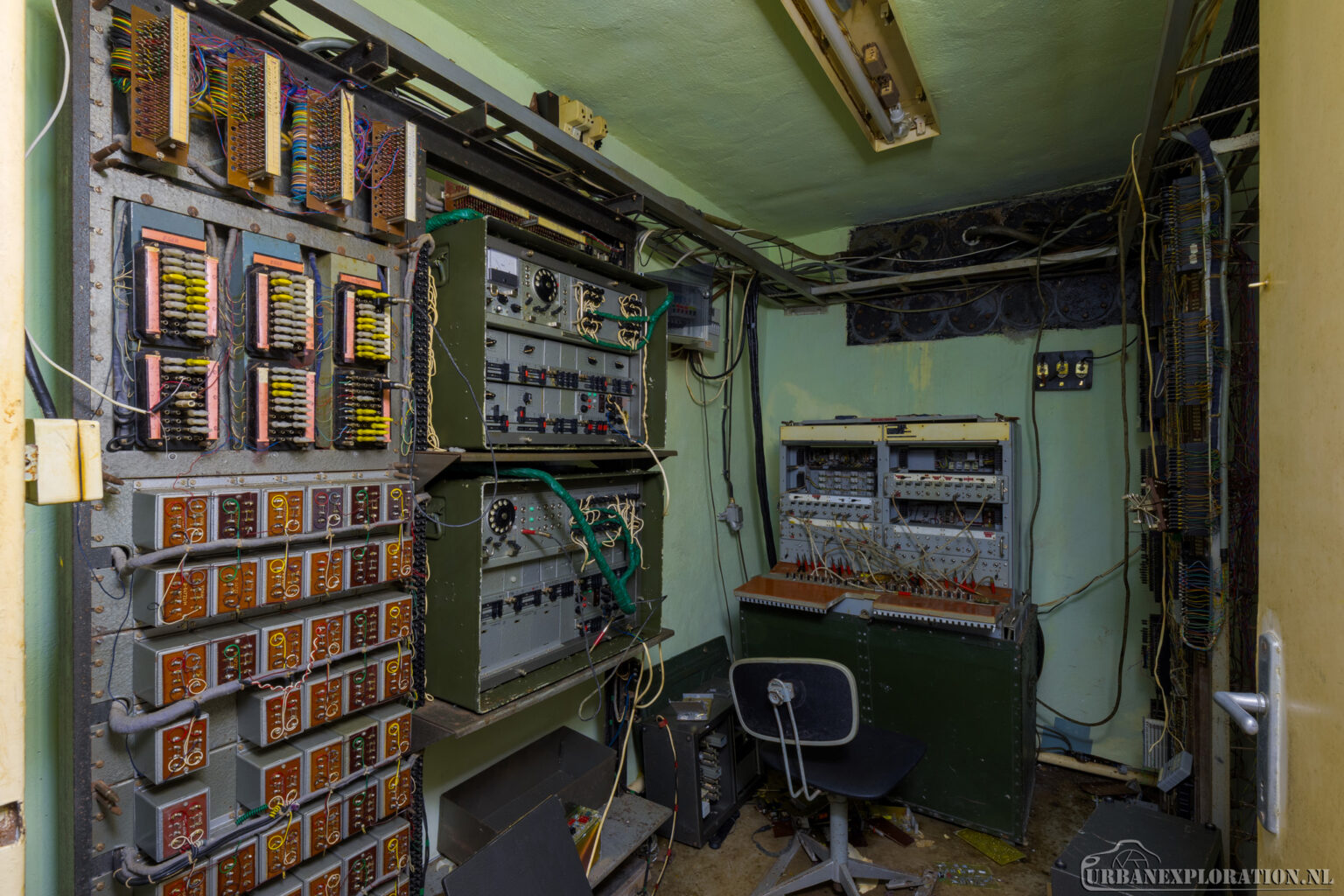
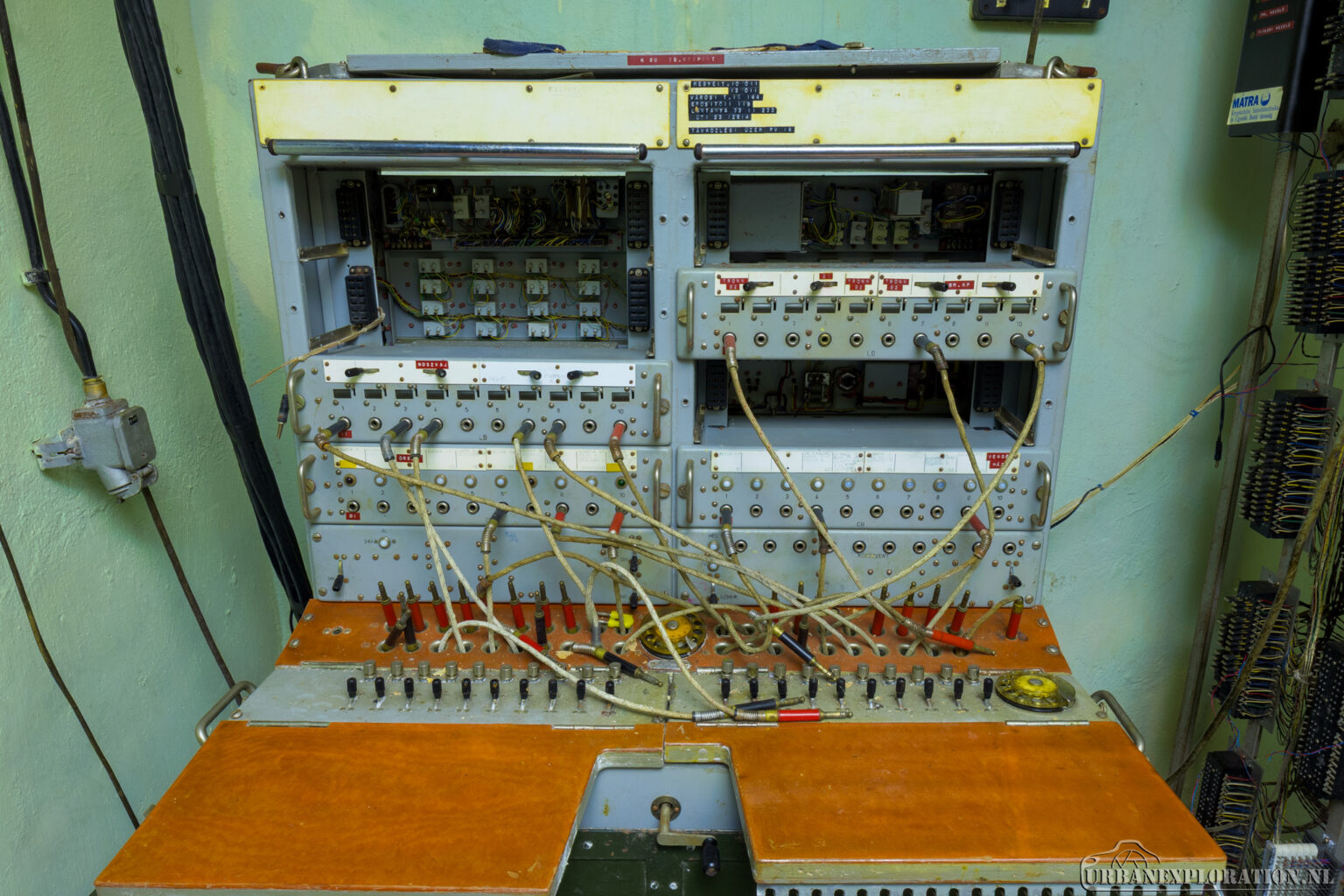
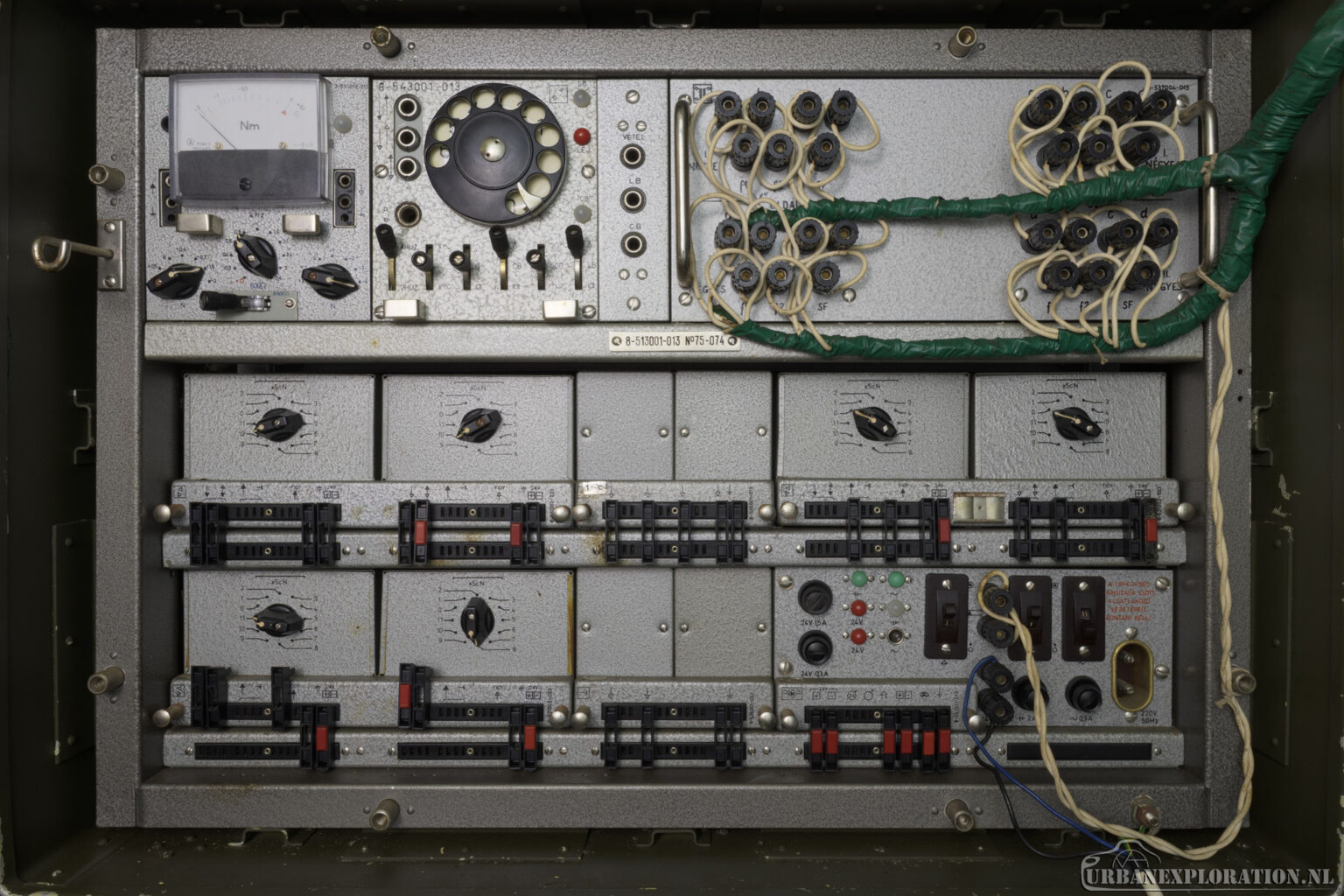
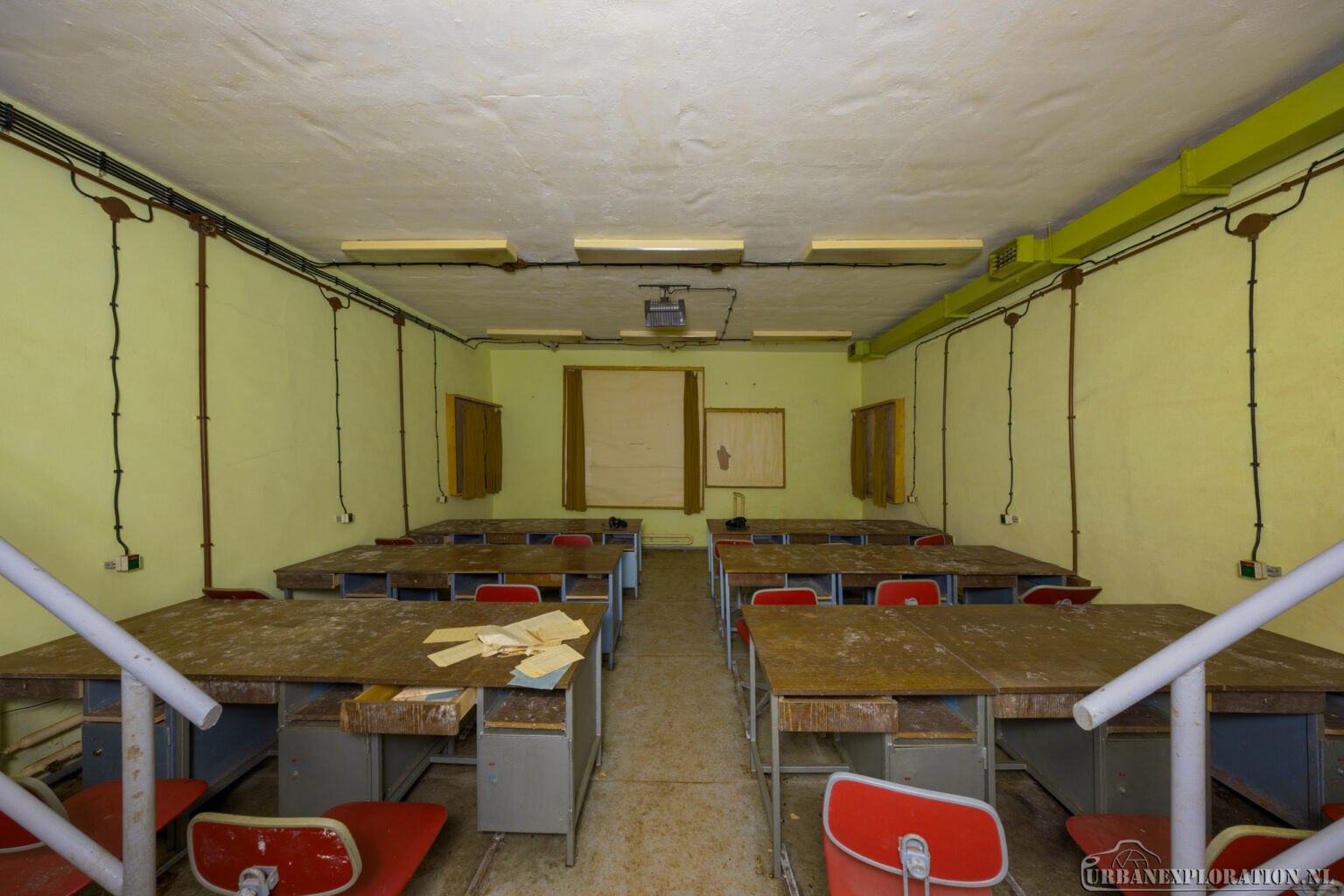
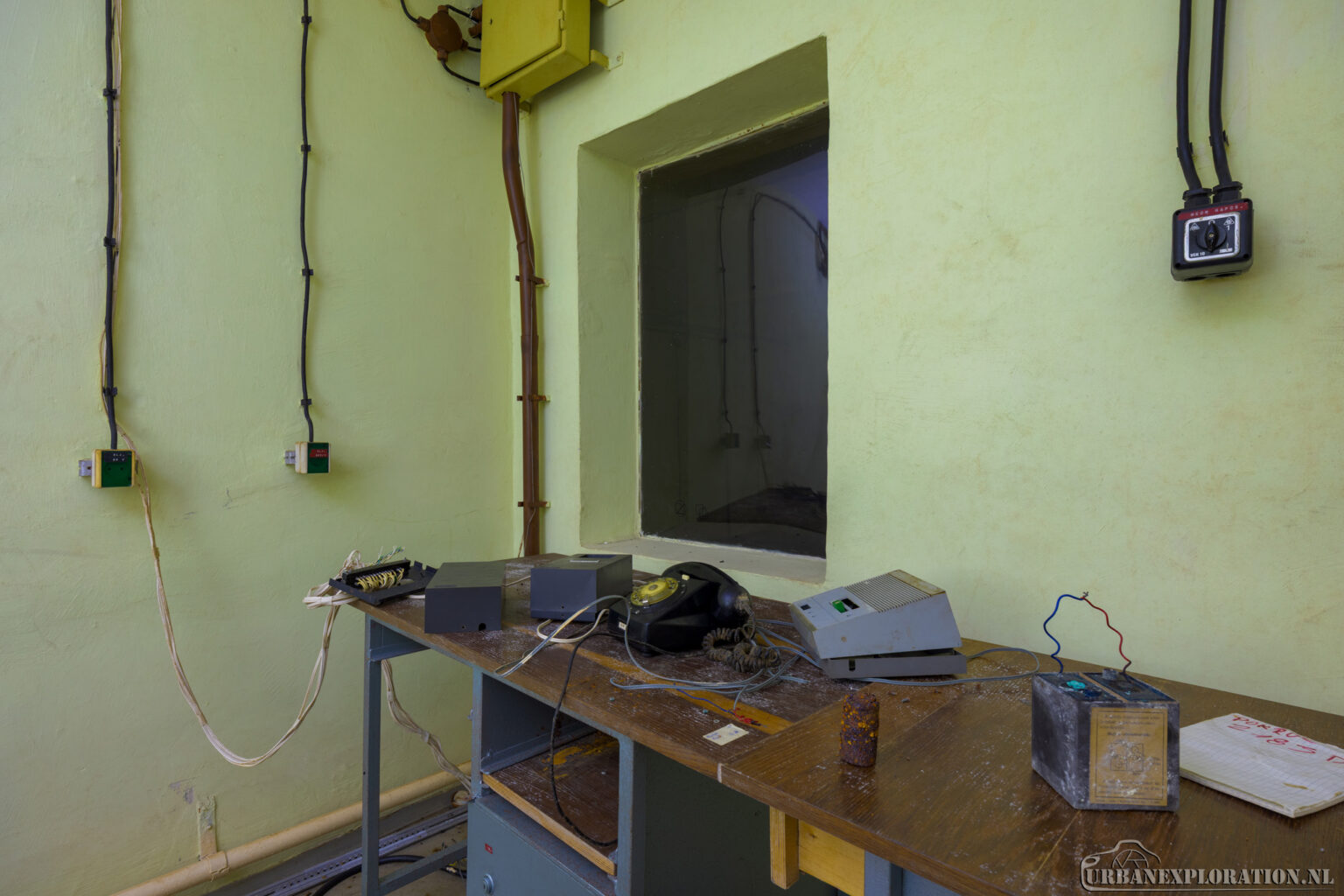
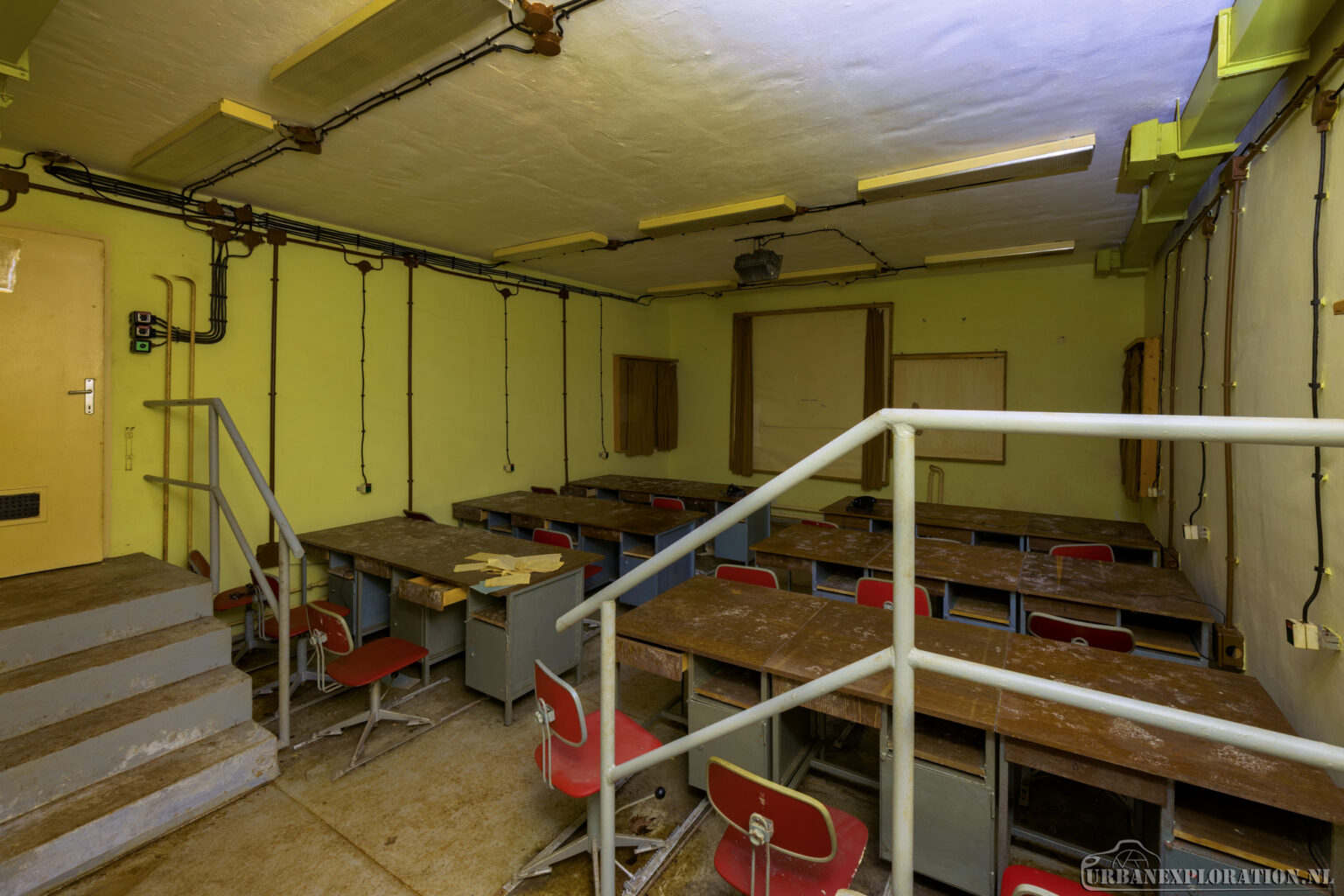
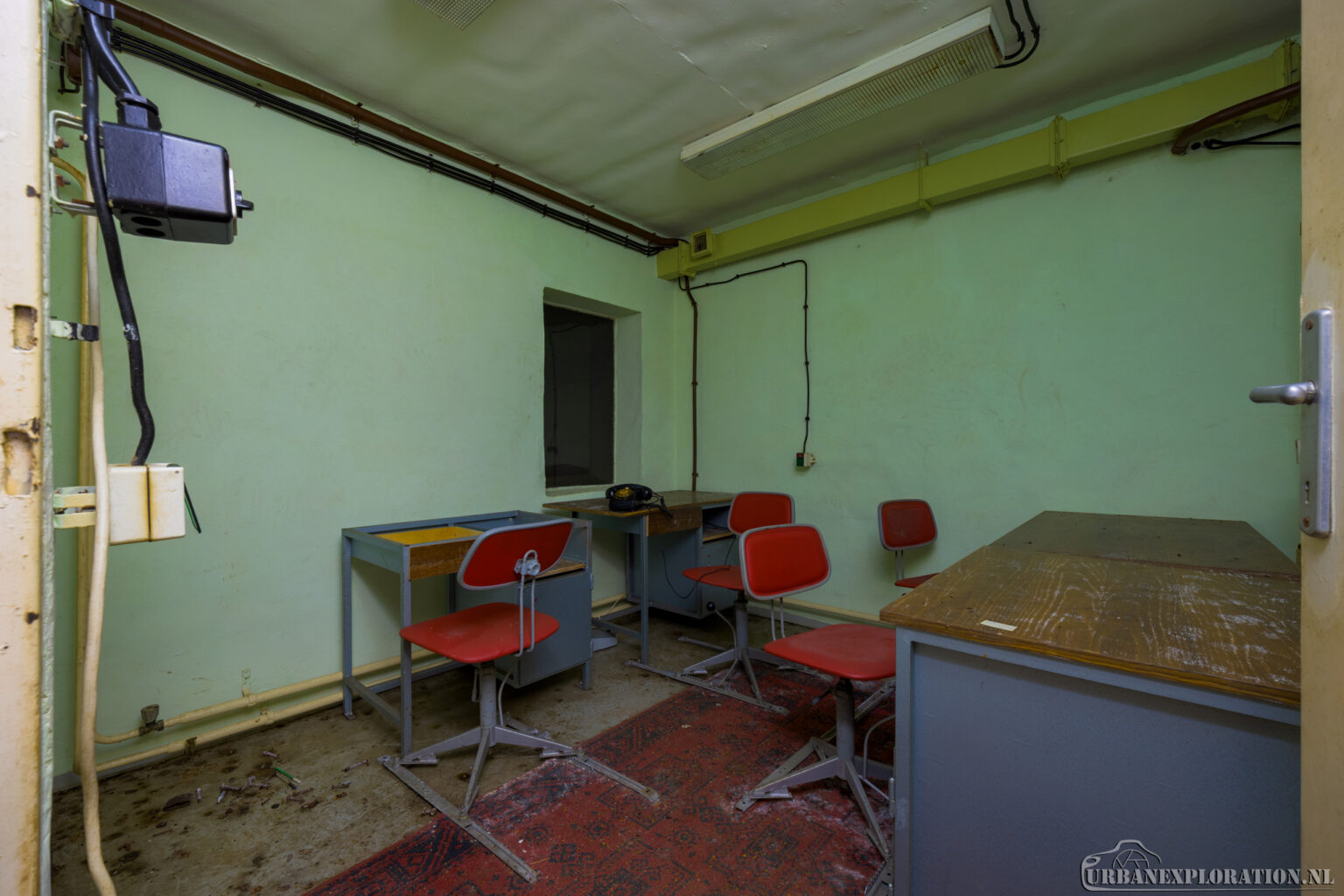
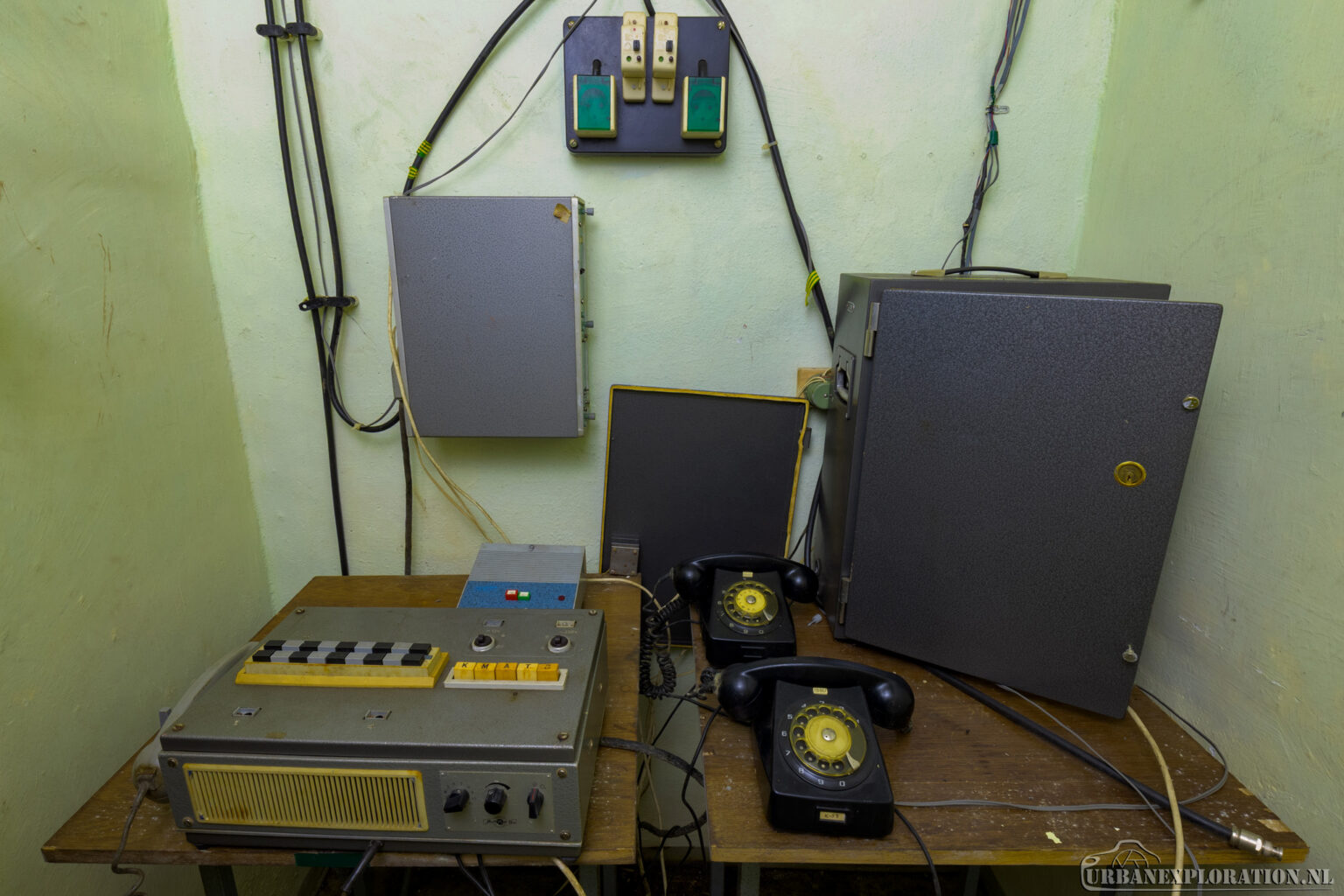
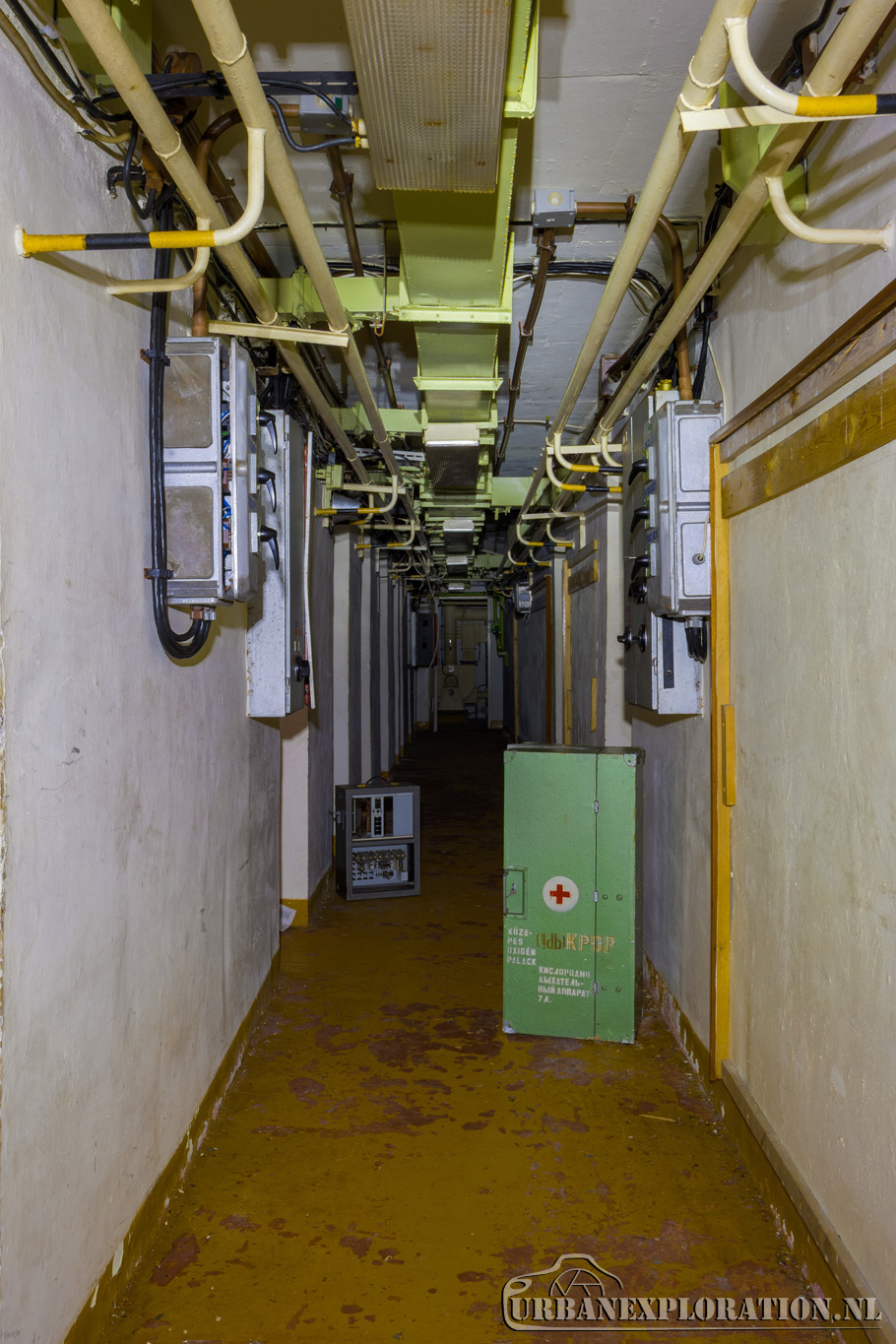
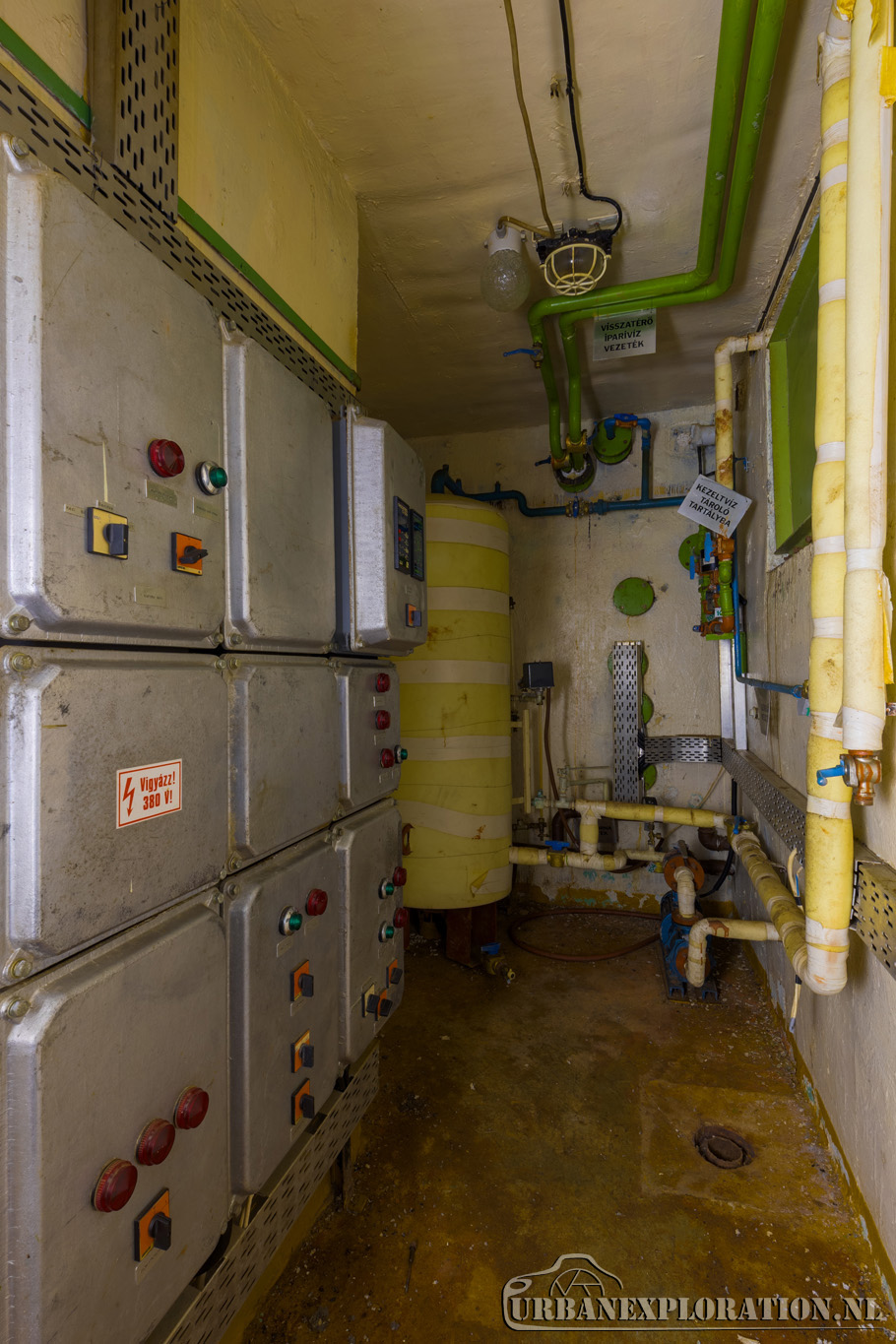
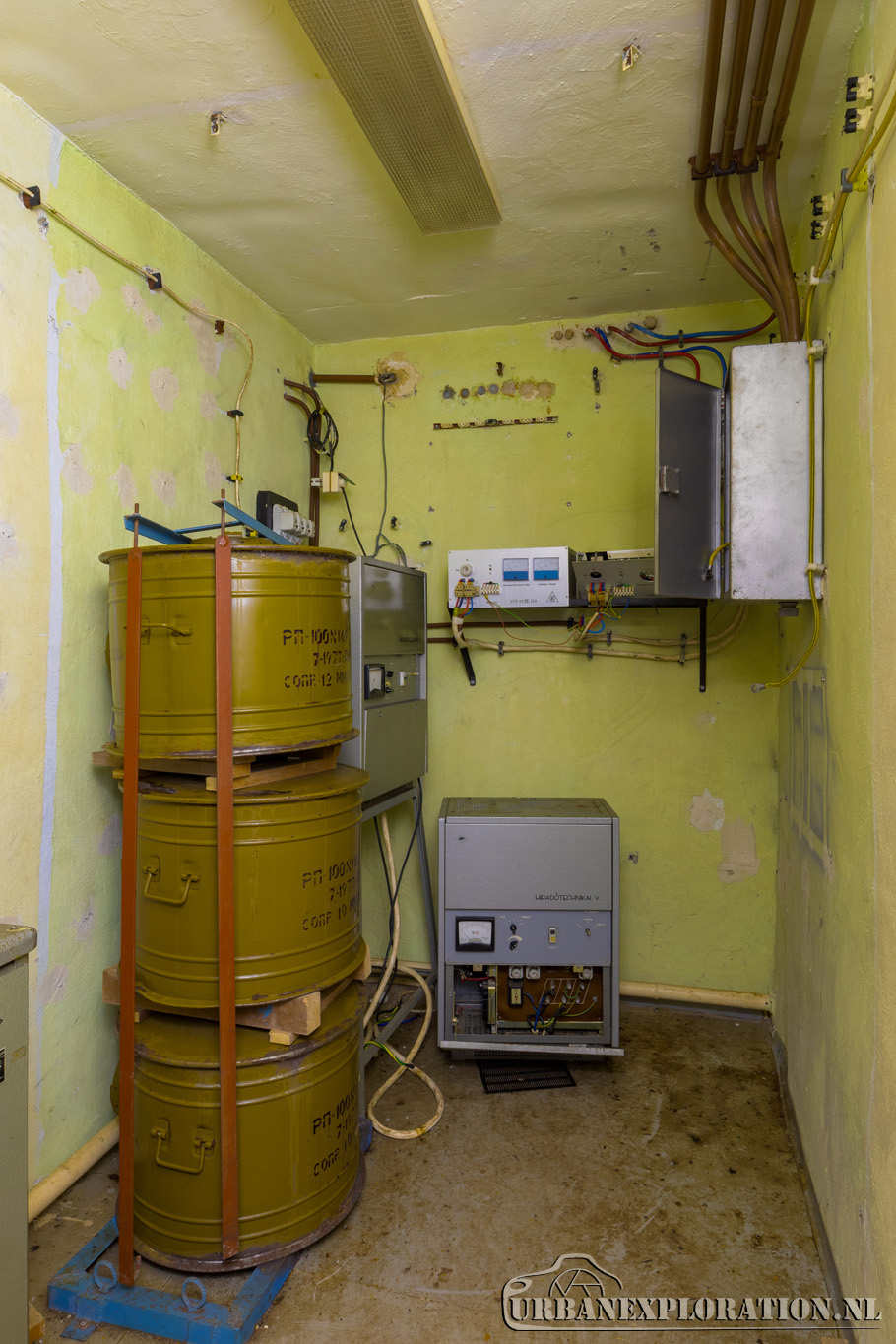
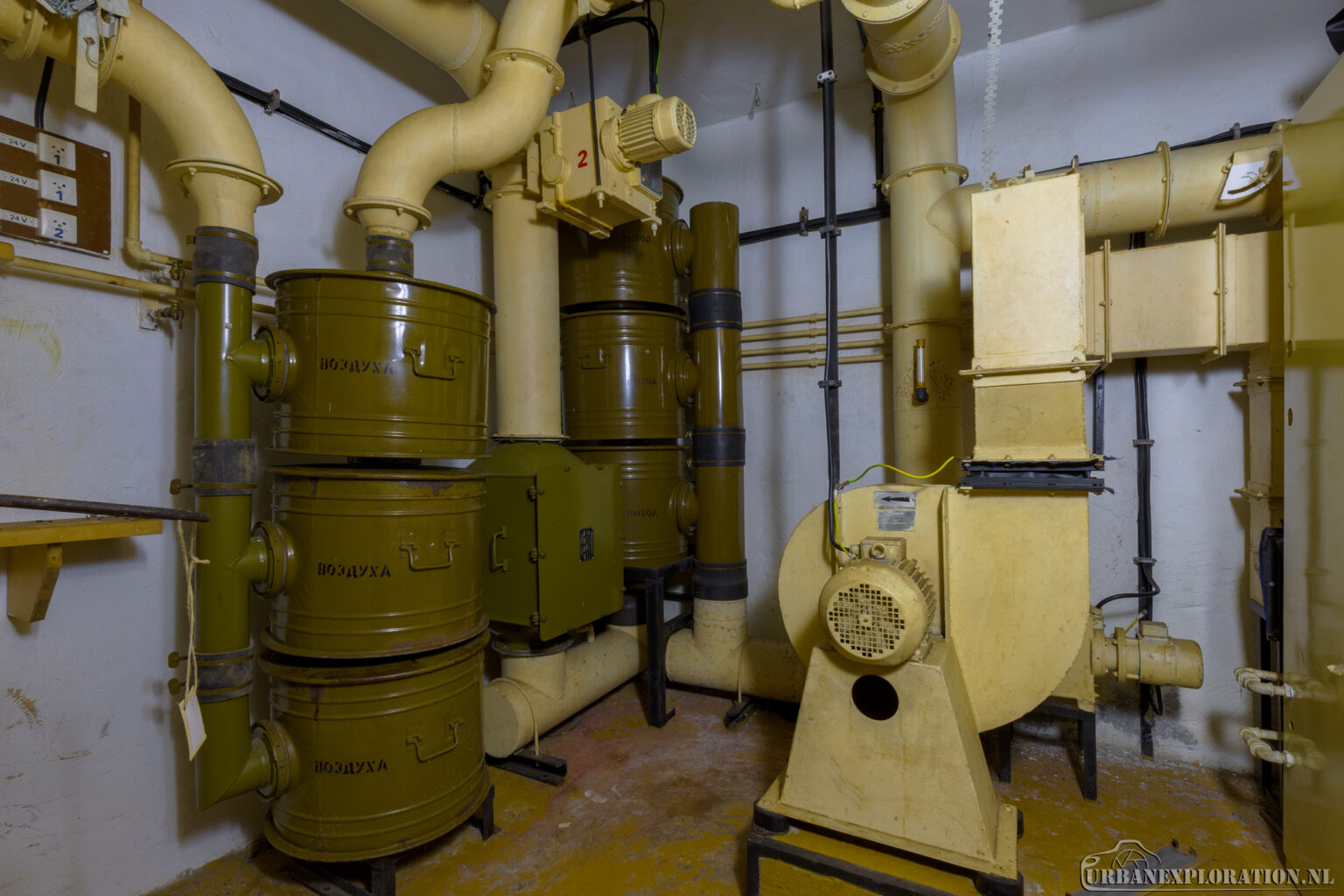
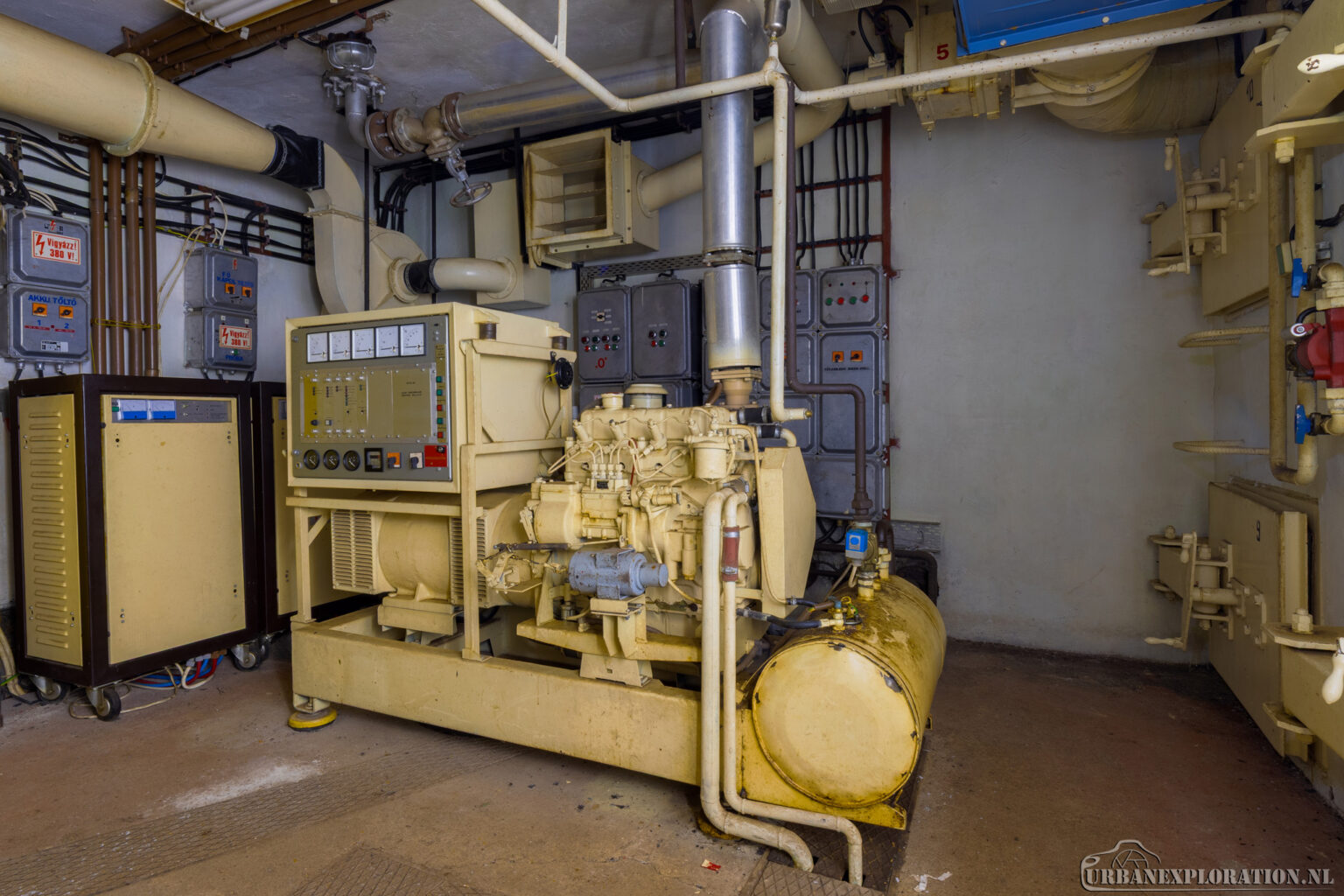
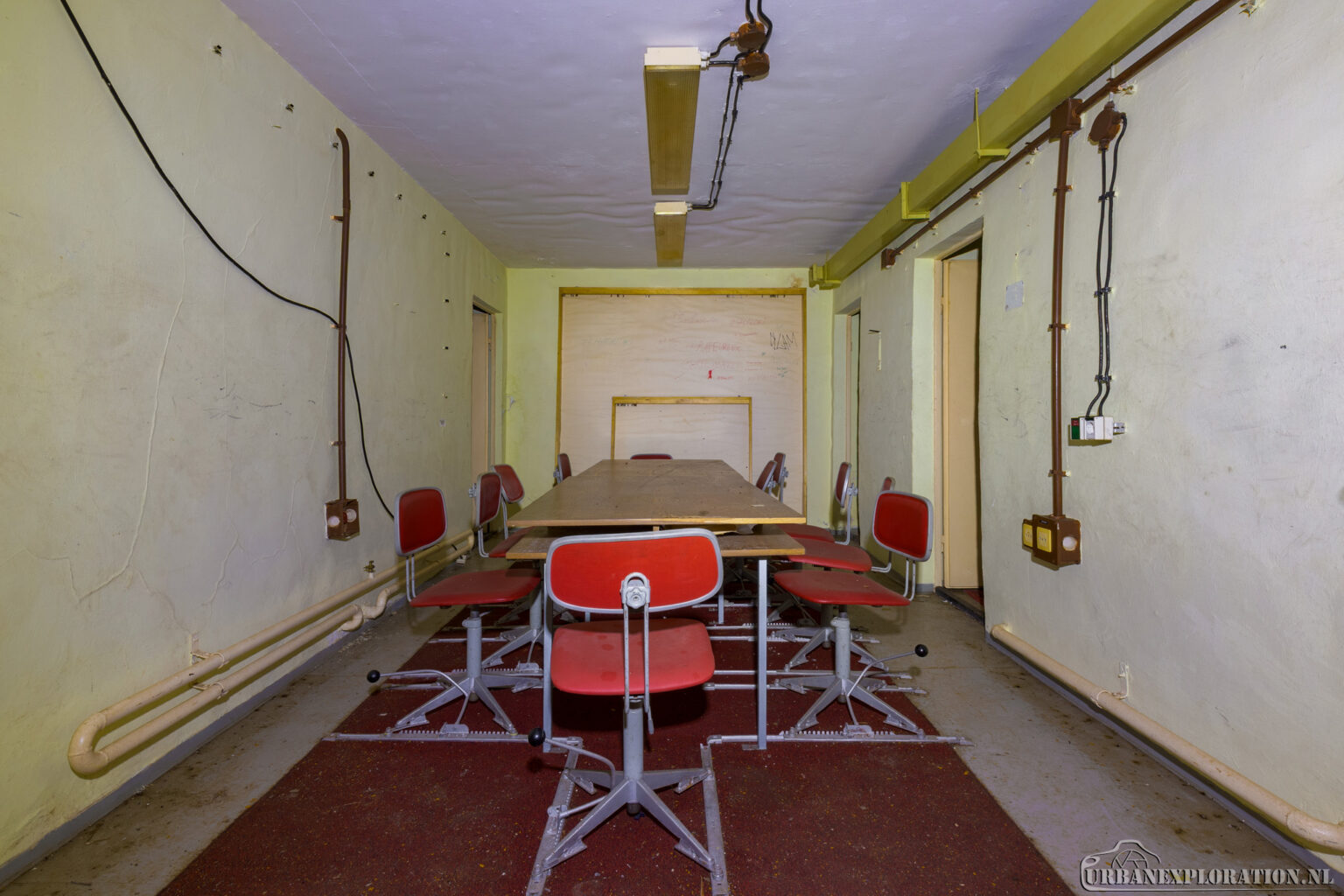
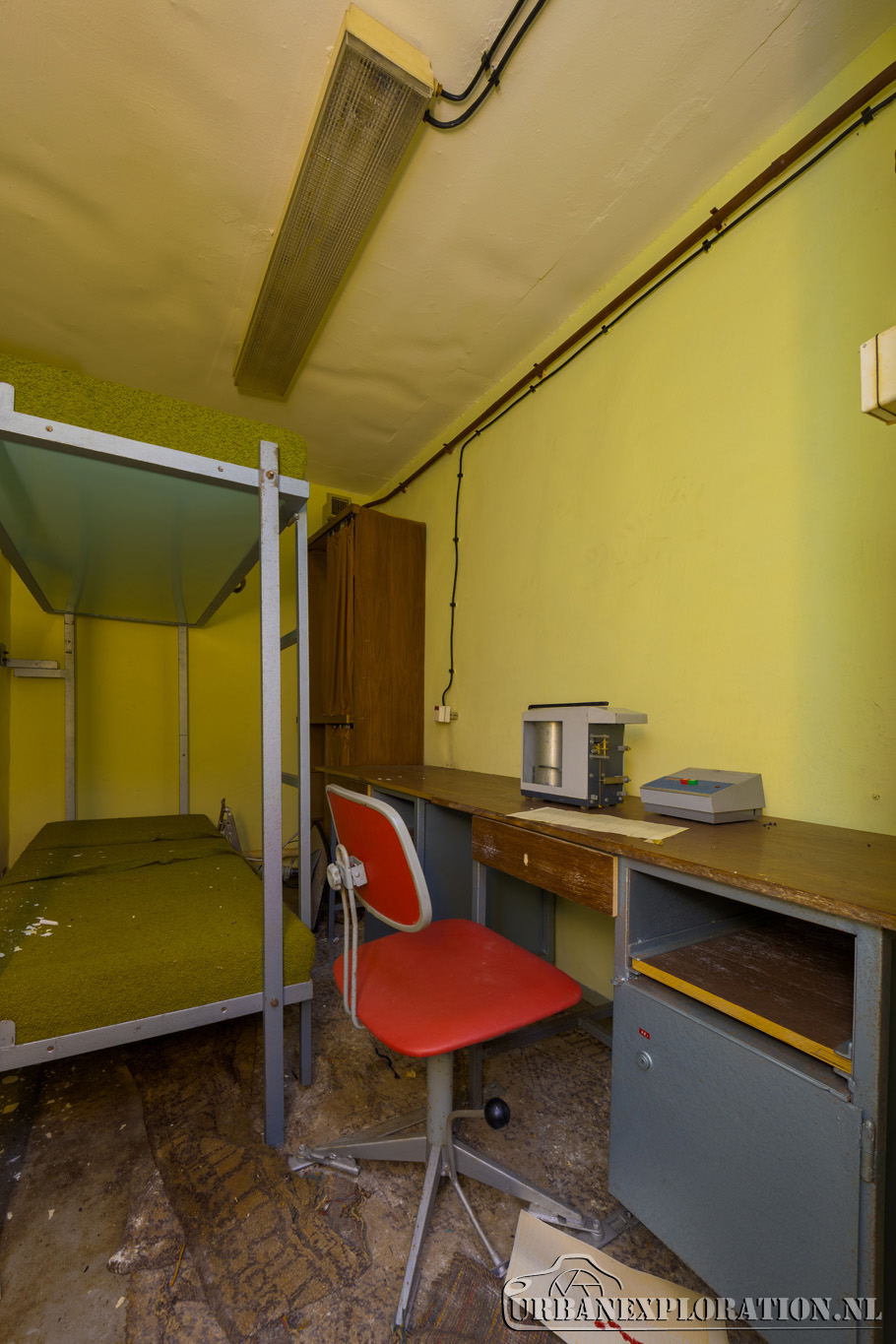
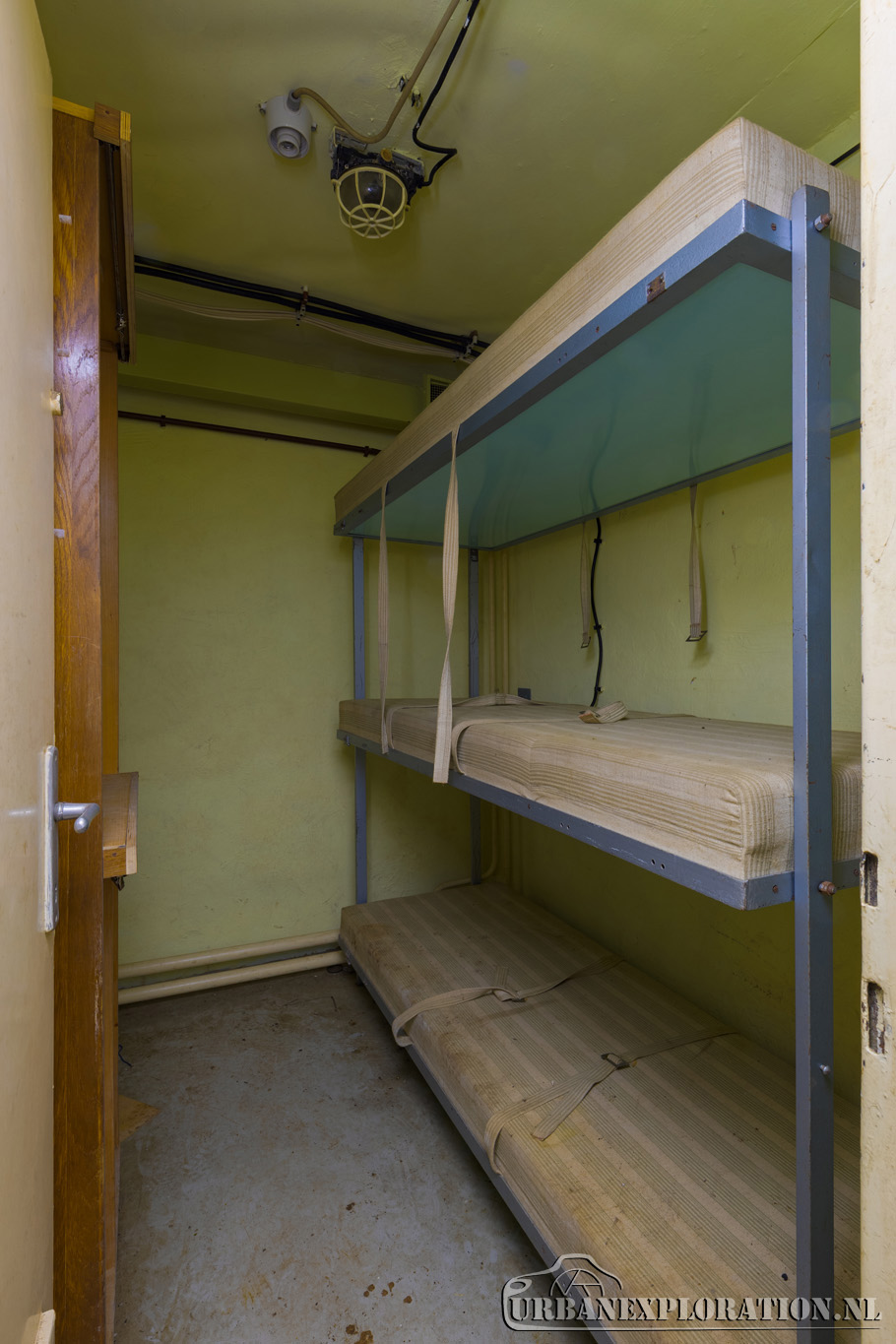
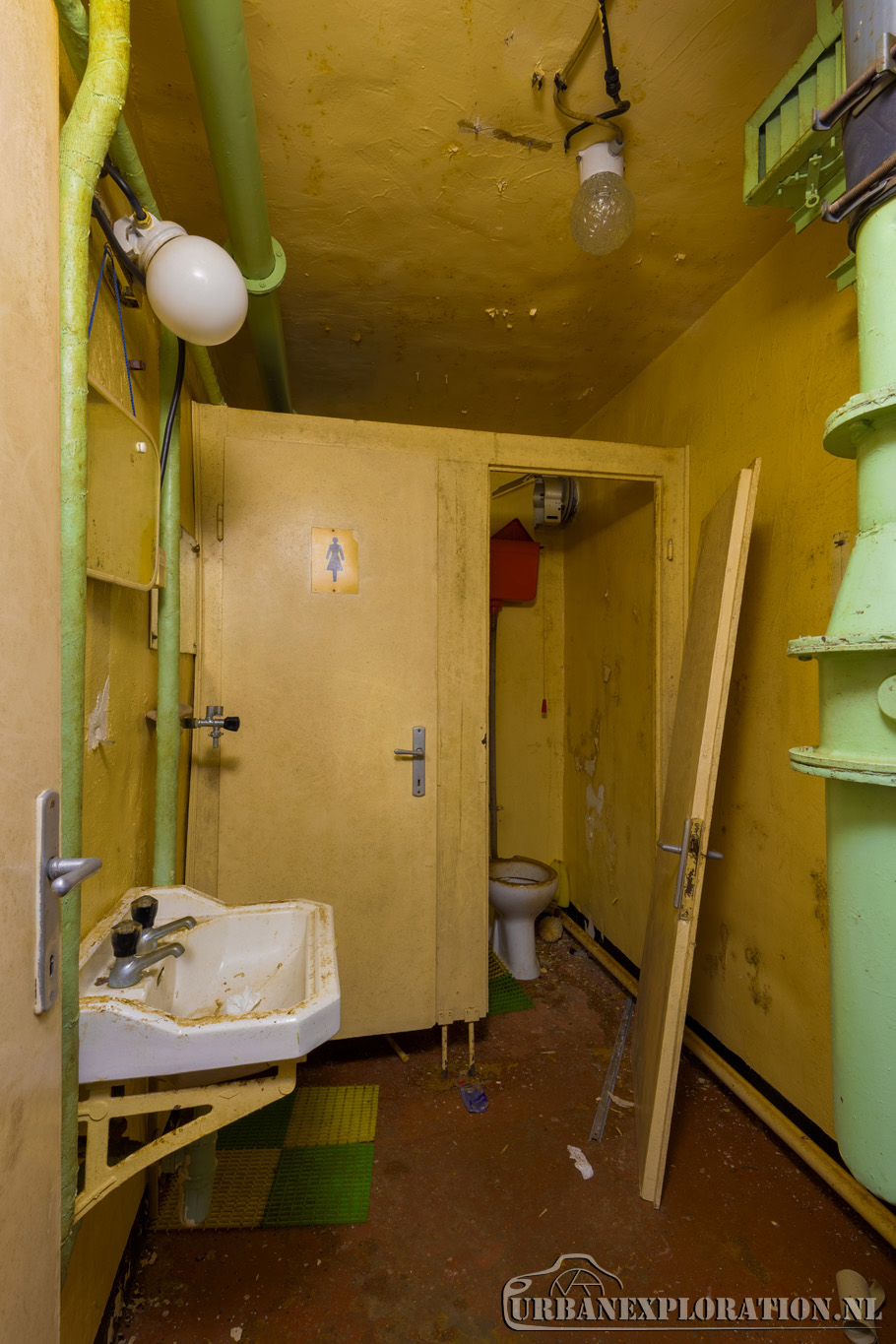
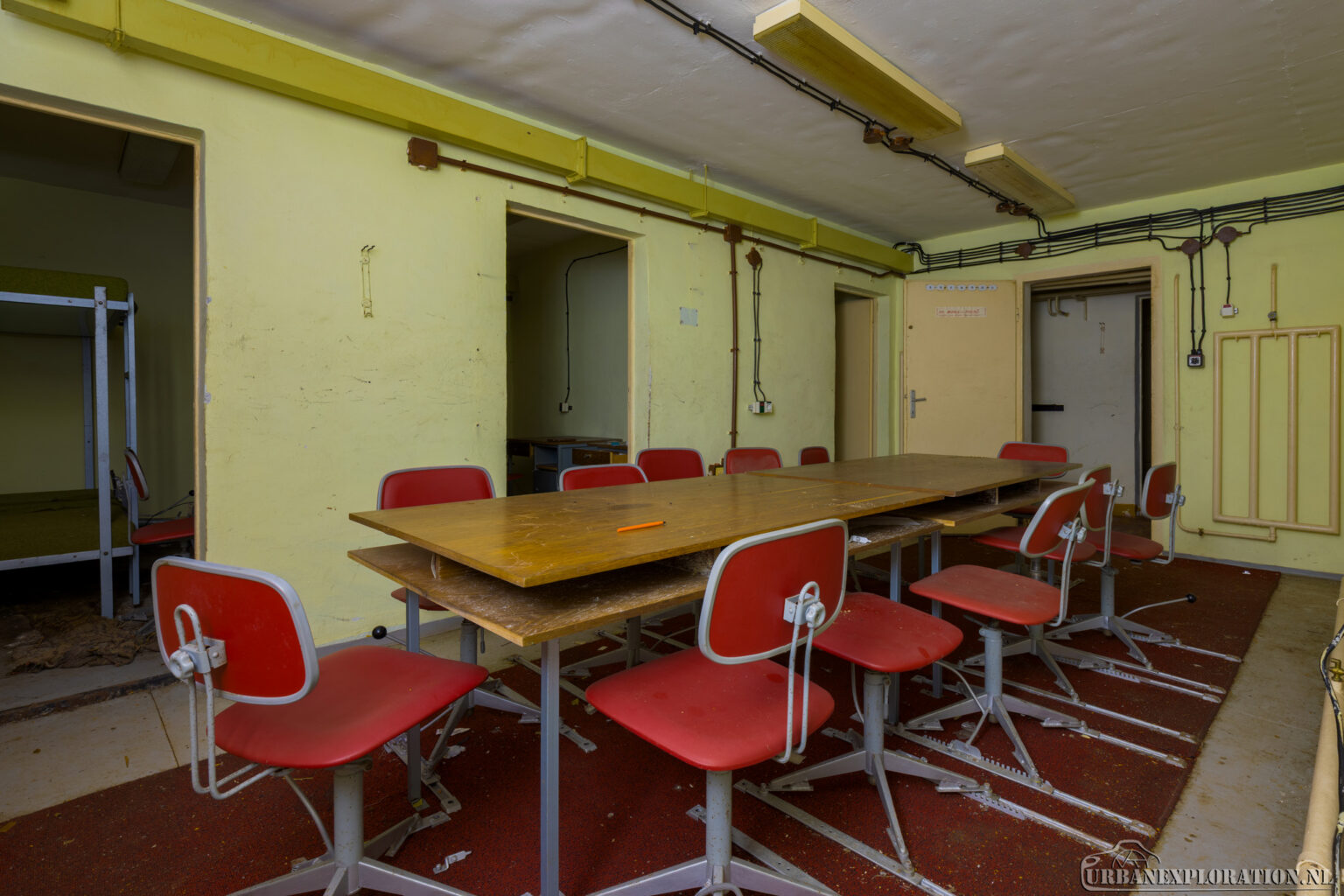
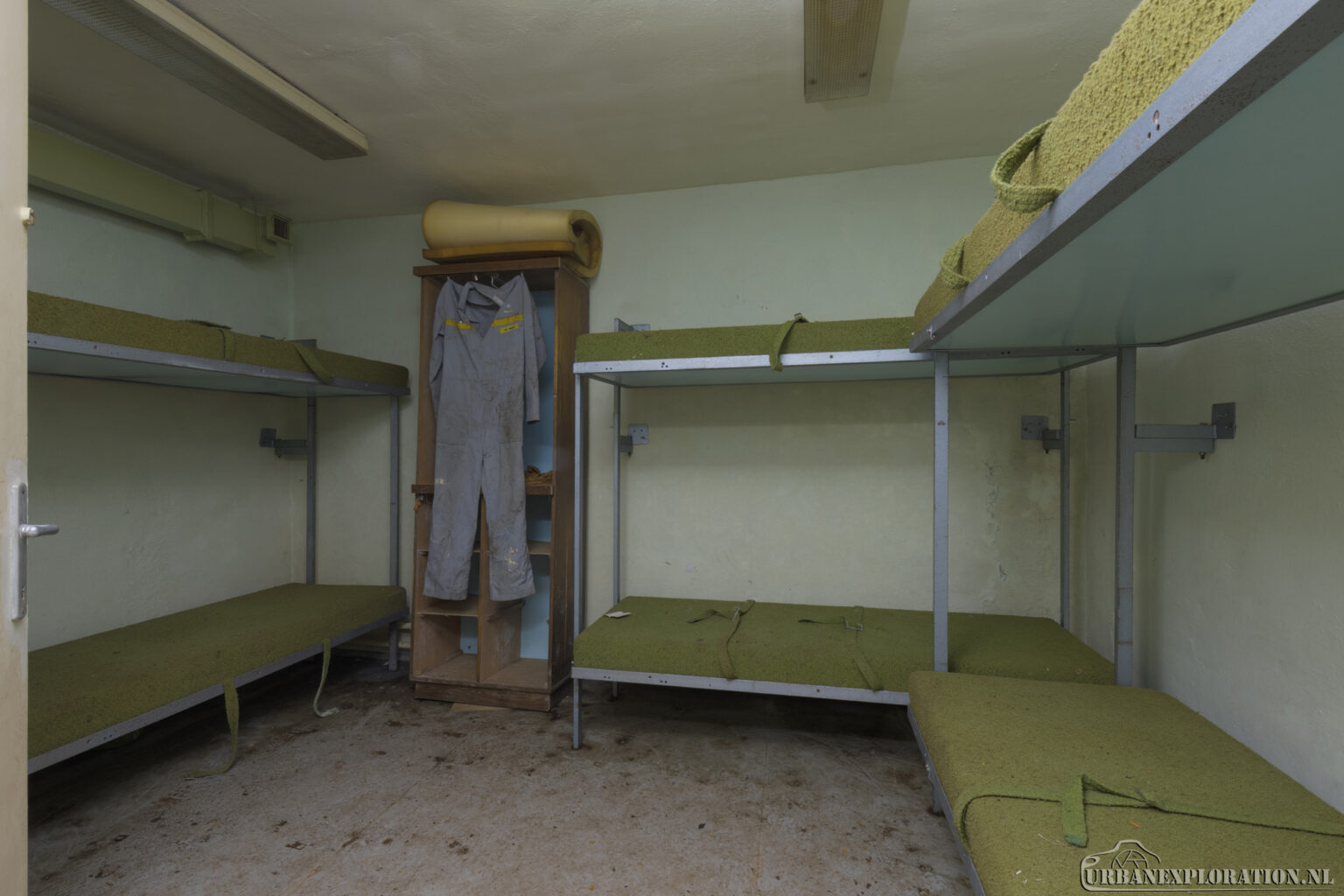
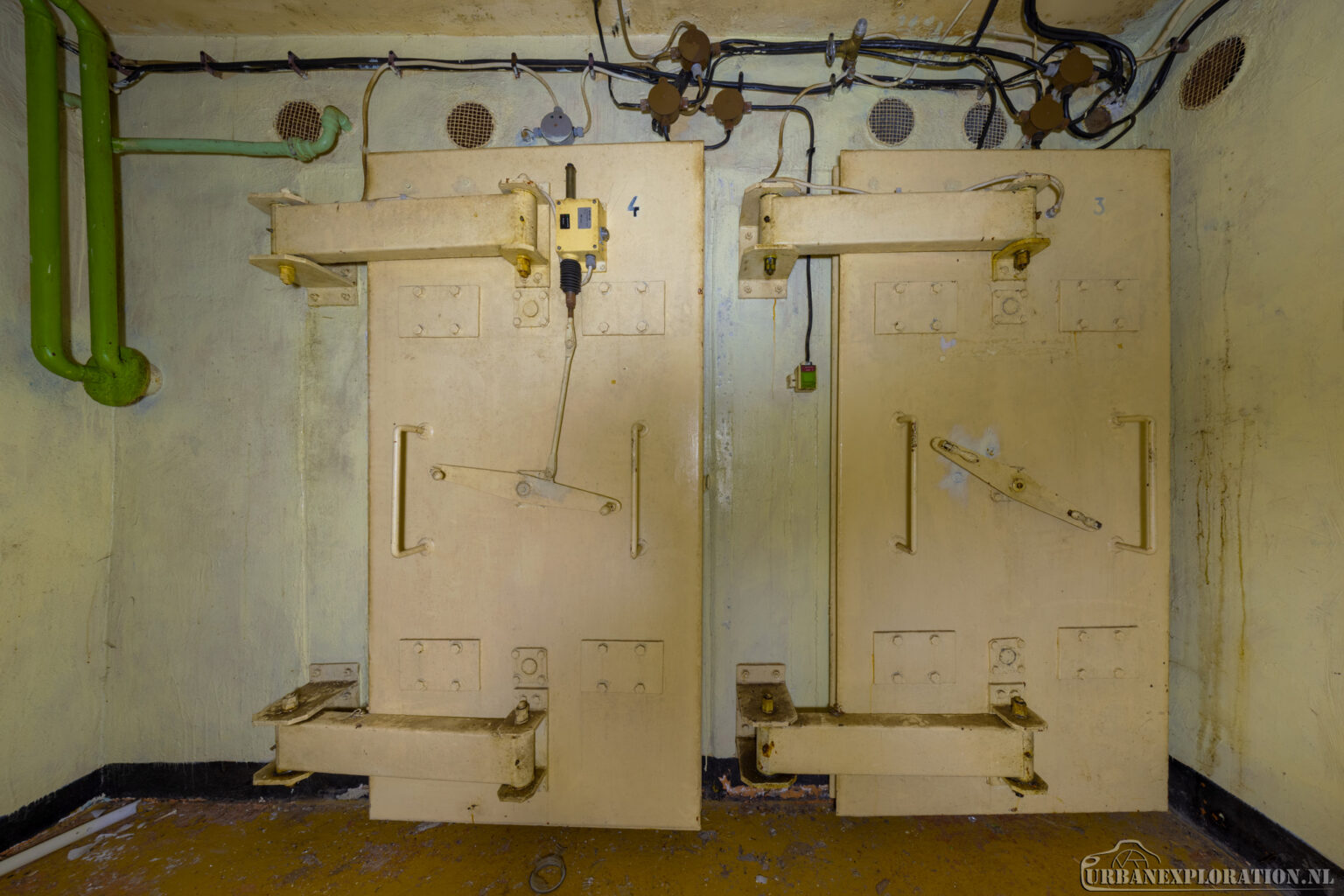
The bunker was equipped with everything required for long-term independent operation. Behind massive gas-tight steel blast doors are dormitories, meeting rooms, a training classroom, and an extensive communications center featuring original analog telephone equipment. Large air filtration units ensured that contaminated outside air was purified before entering the facility, while a powerful diesel generator supplied electricity whenever the public power grid failed.
For its time, the bunker was equipped with highly advanced technical systems. Its sophisticated ventilation and filtration system was designed to protect occupants from radioactive fallout as well as chemical and biological contamination. From the communications center, operators could maintain contact with government authorities and emergency services, ensuring that command and coordination could continue even during a large-scale disaster.
Following the end of the Cold War, the bunker lost its strategic purpose and was eventually abandoned. Remarkably, much of its original equipment has survived. The intact telephone exchange, air filtration systems, diesel generators, meeting rooms, and dormitories provide a rare and fascinating glimpse into the extensive civil defense preparations made during an era when the threat of nuclear conflict was a constant reality.
Visited - July 2026
Defunct - Unknown
Status - In decline
Country - Hungary
Here are some other albums that might be of interest.