The history of the Malmar Factory in Ghent, Belgium, dates back to the nineteenth century. In 1870, a large cotton spinning and weaving factory was established on the site by Baertsoen-Buysse. During the twentieth century, the location became home to Malmar, a metalworking company that developed from a traditional copper foundry into a supplier of automotive components, including parts for Volvo.
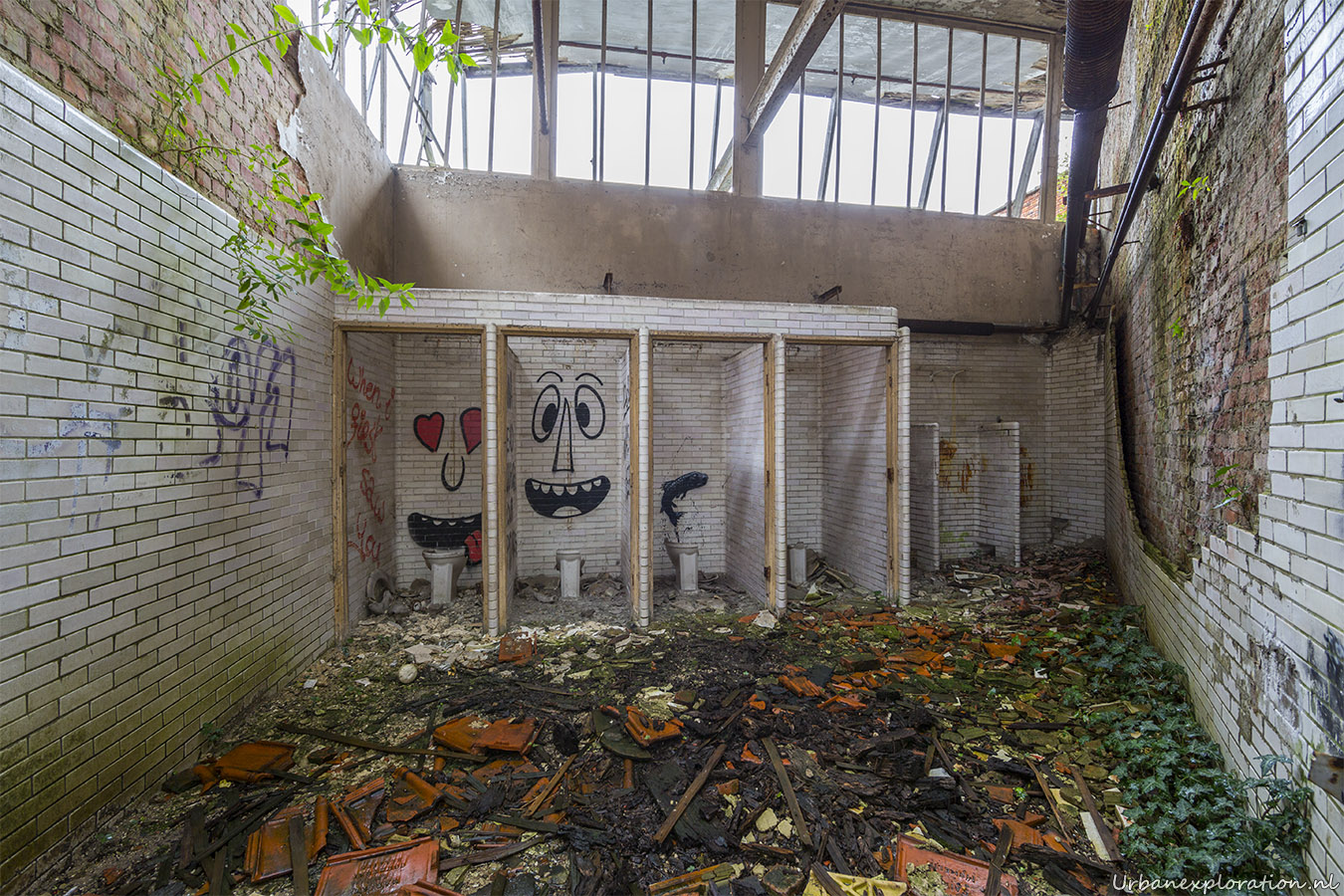
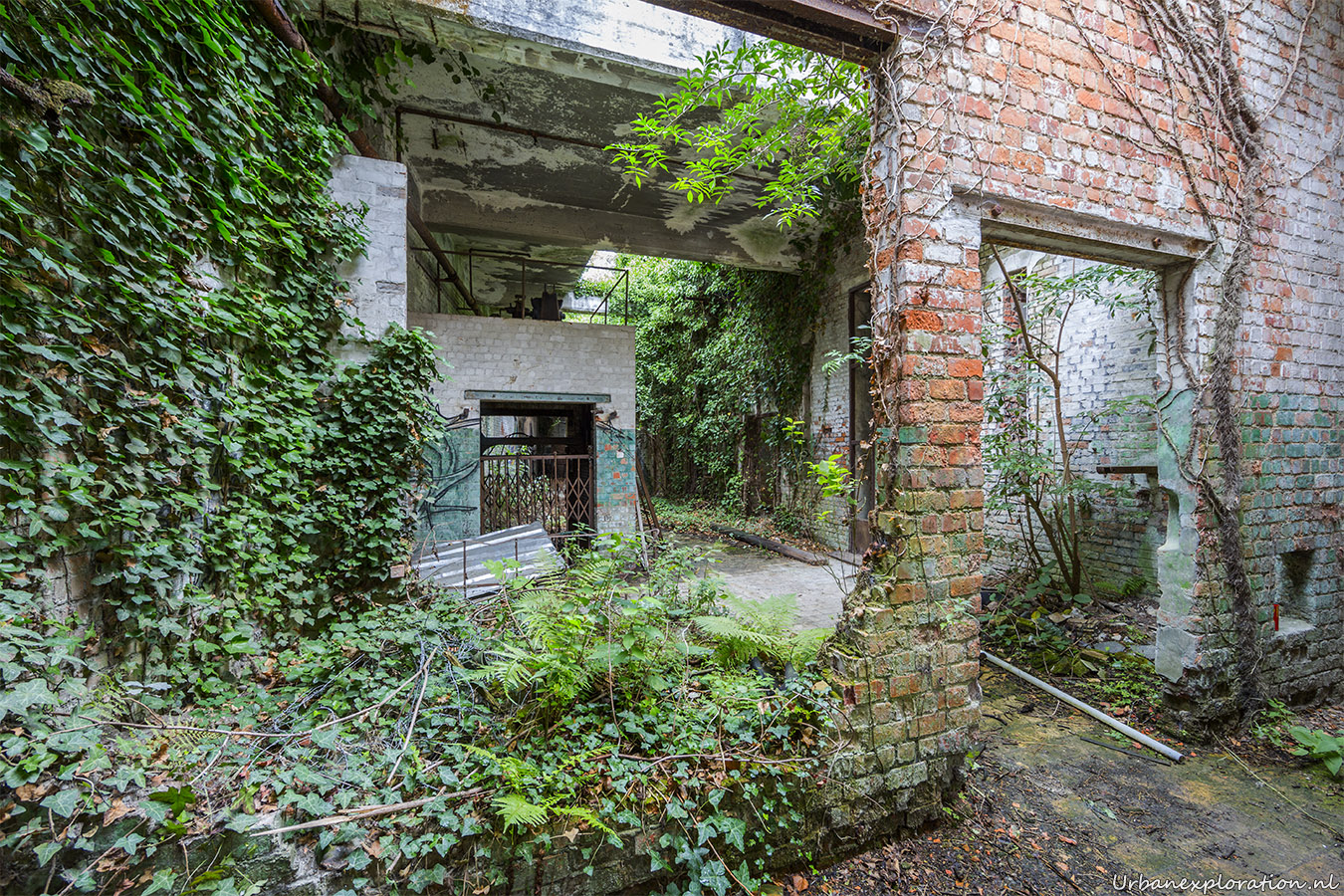
As the company expanded, its industrial activities became increasingly difficult to maintain within the densely populated neighbourhood. Malmar eventually relocated, and by 1997 the former factory complex had been abandoned.
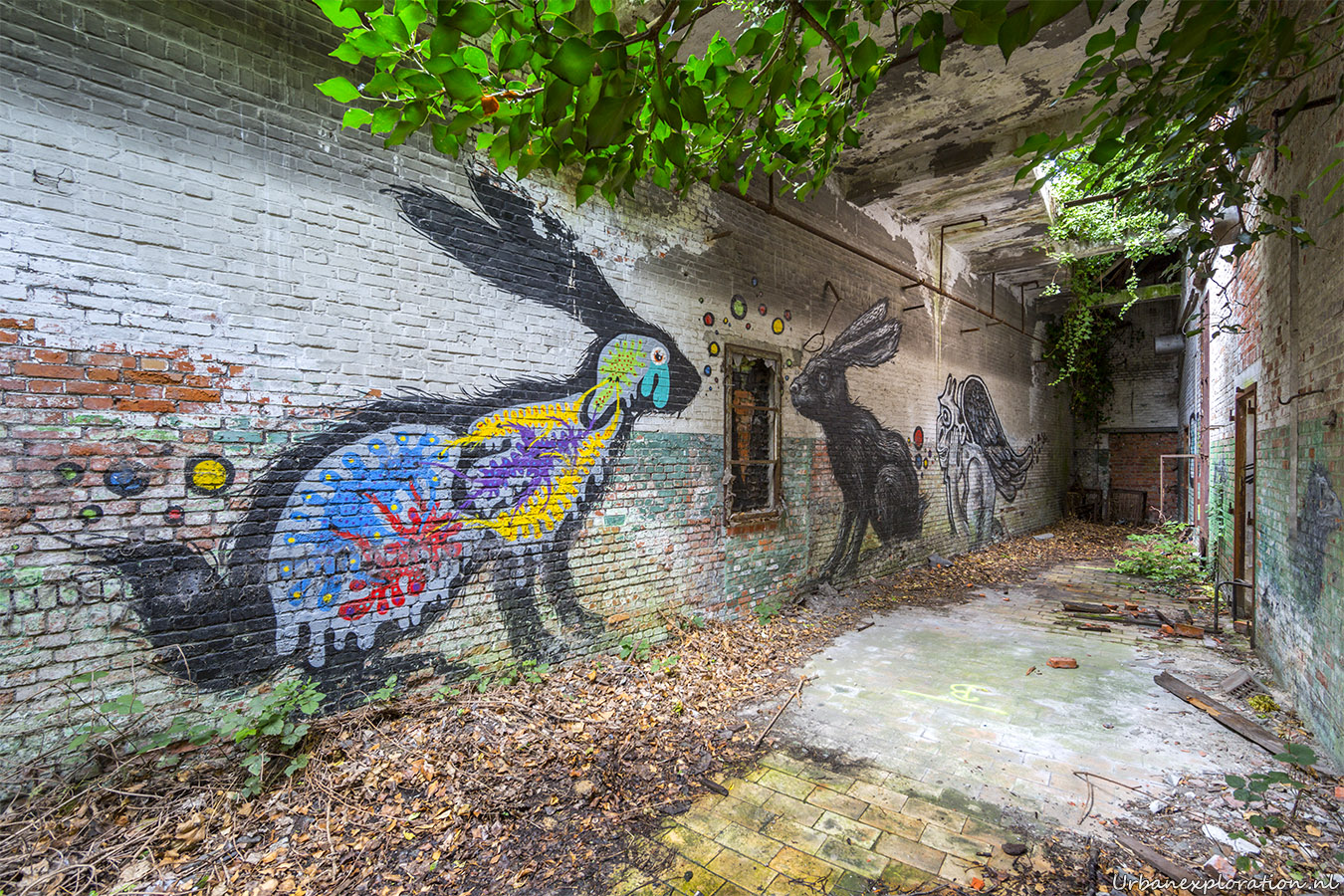
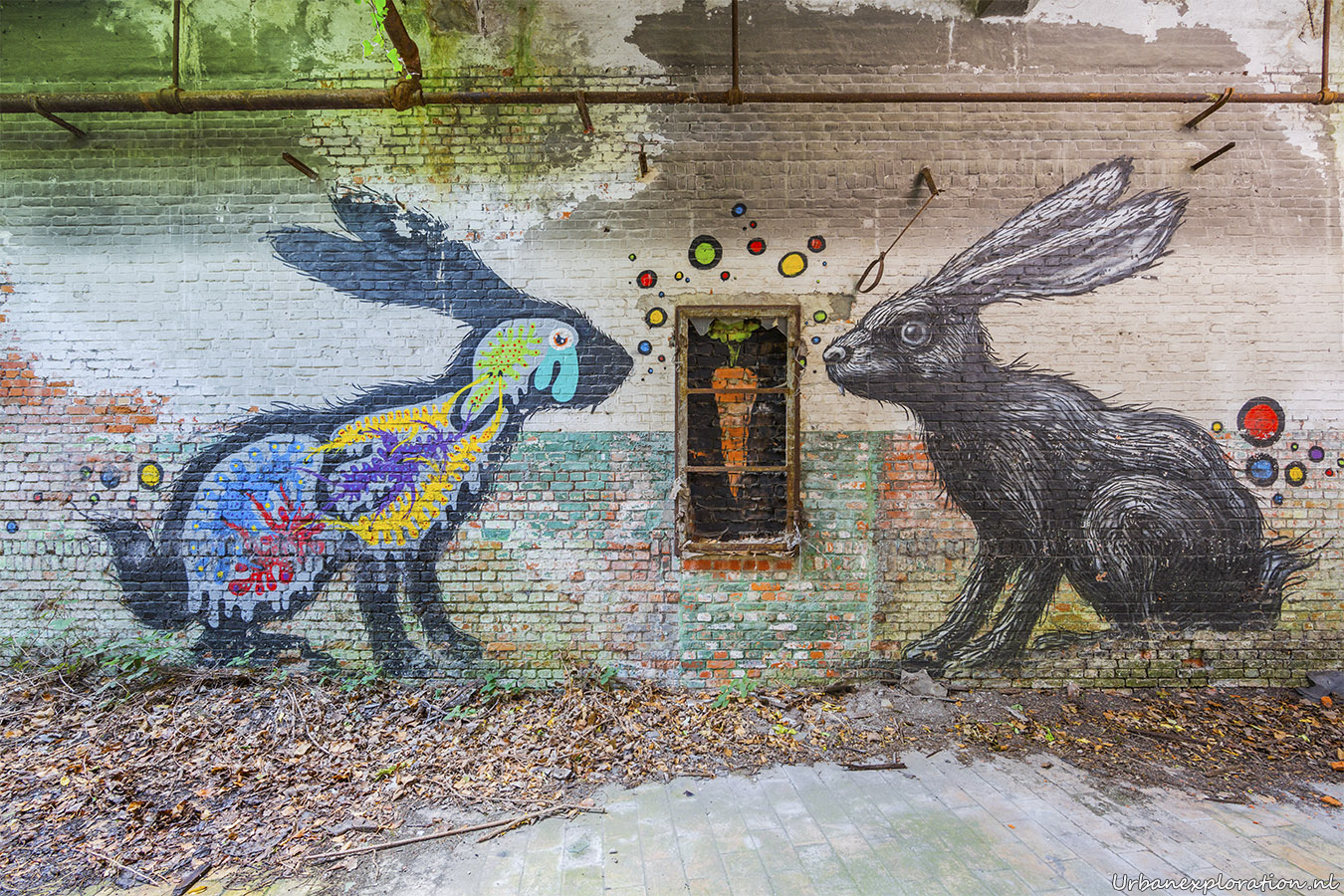
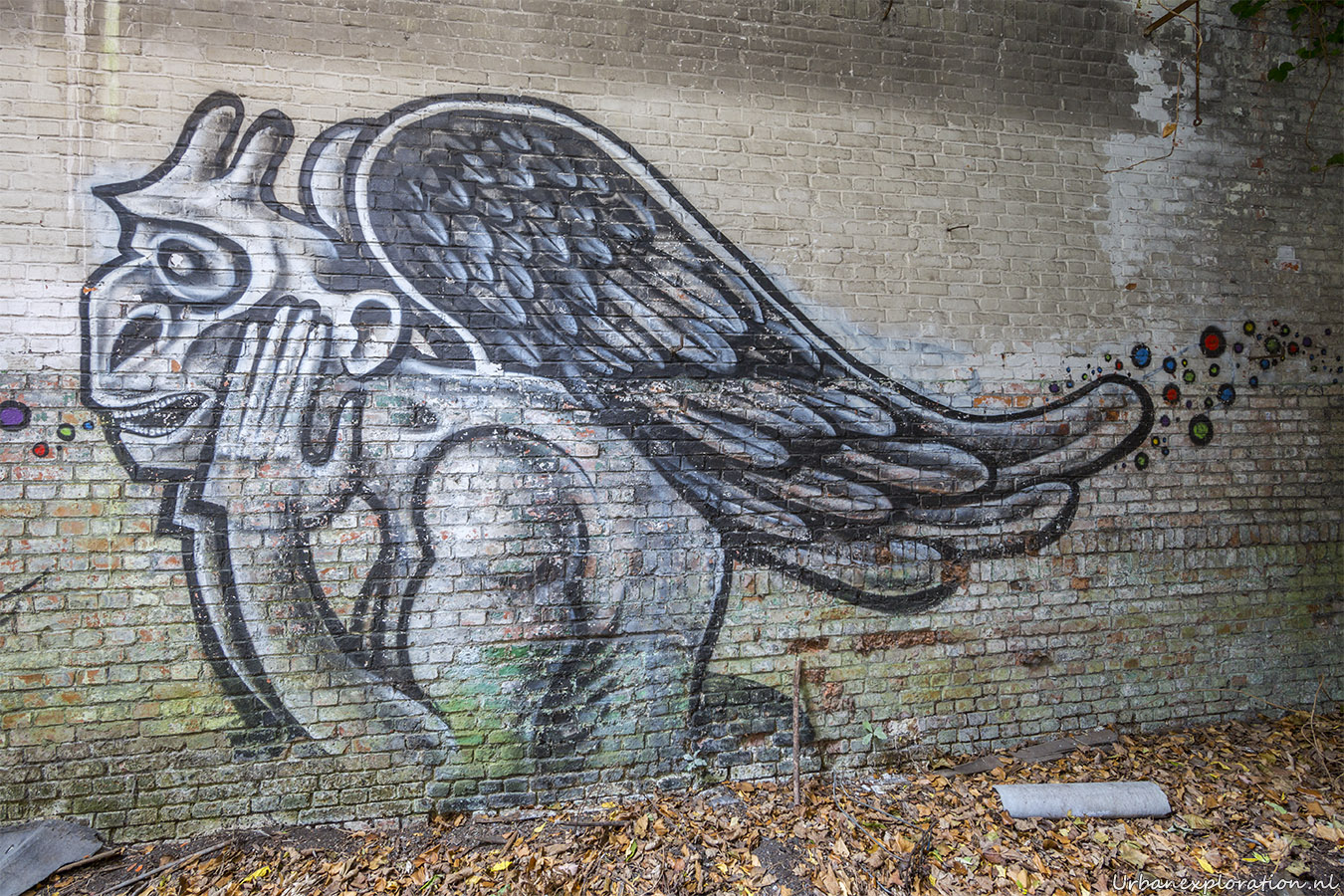
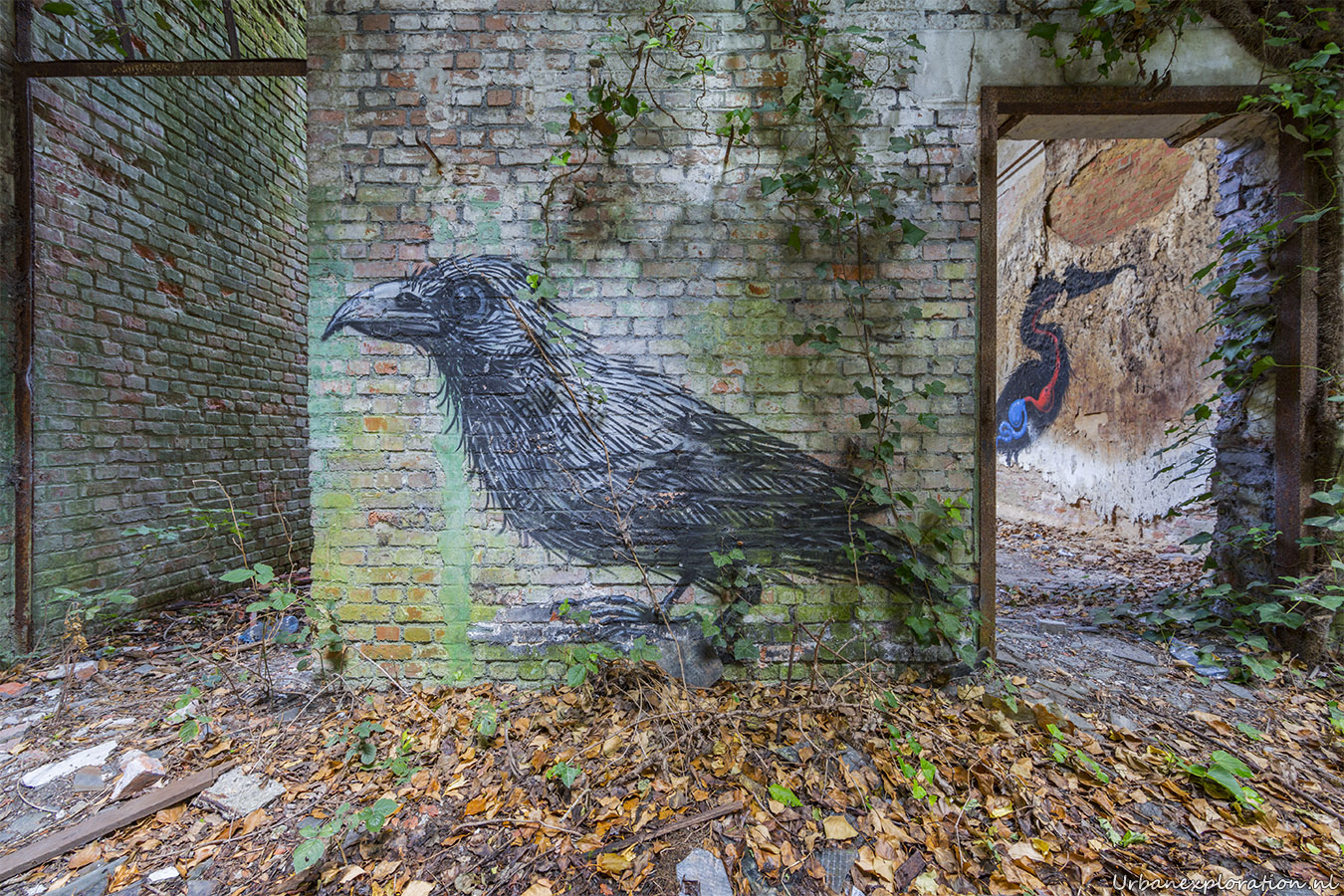
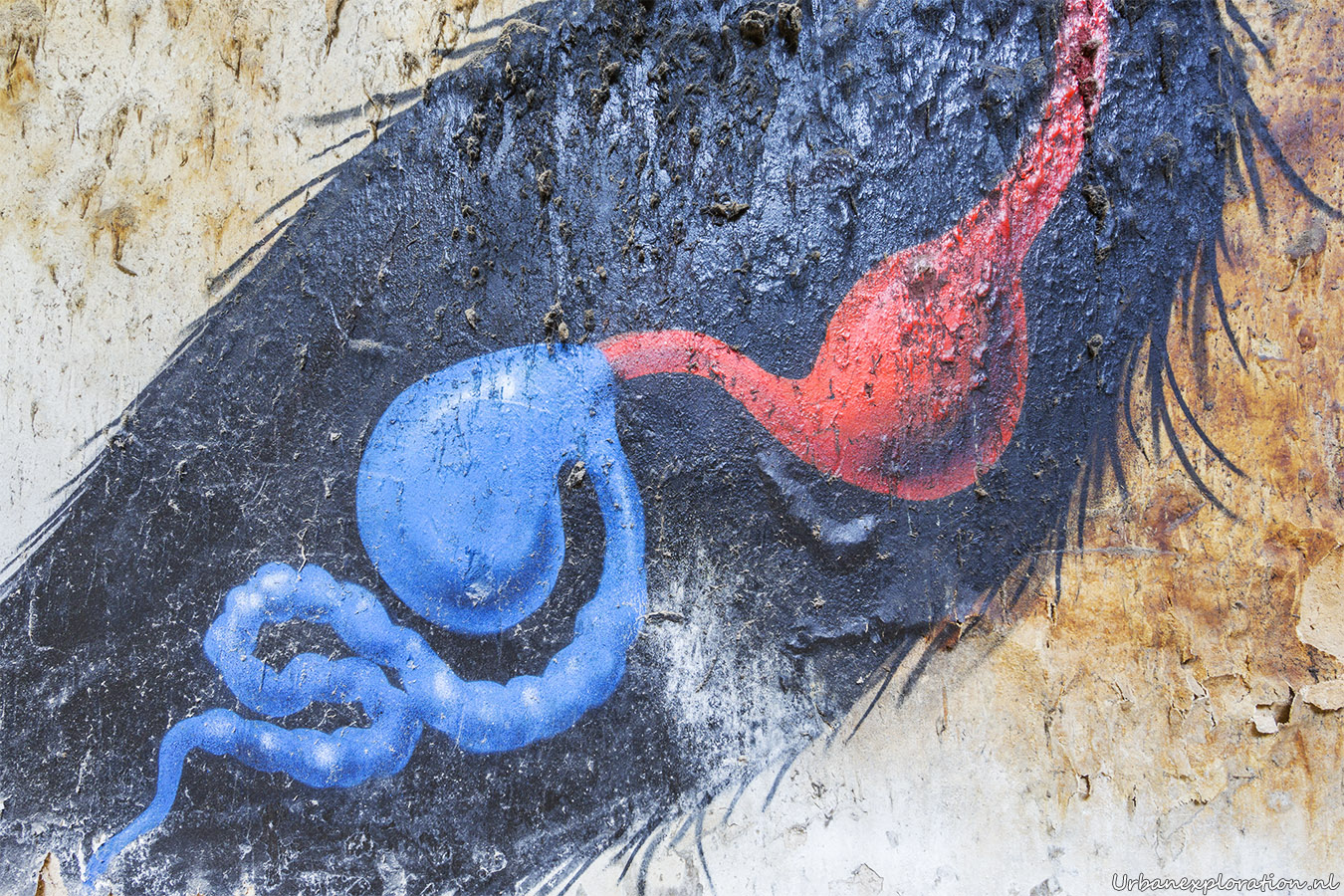
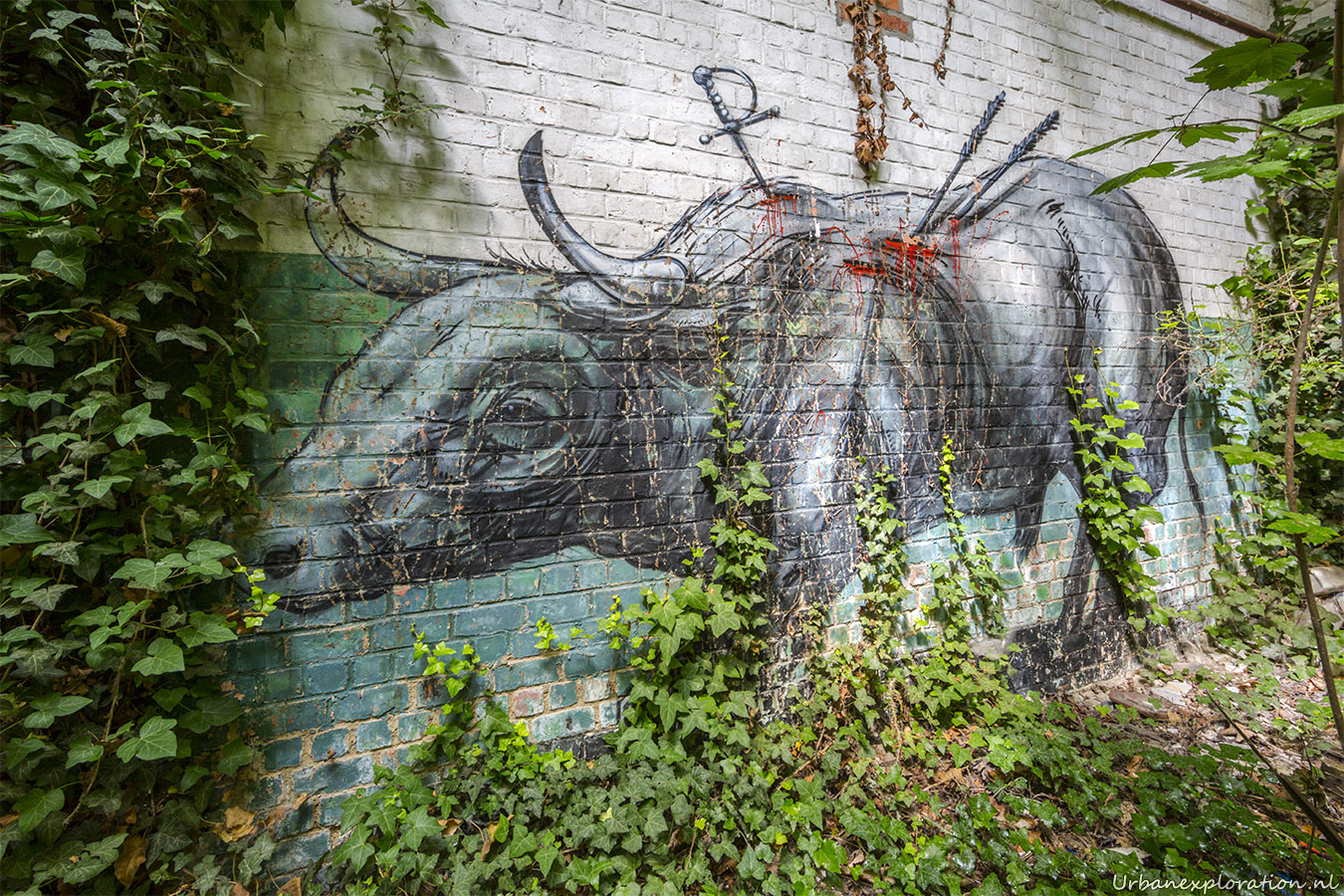
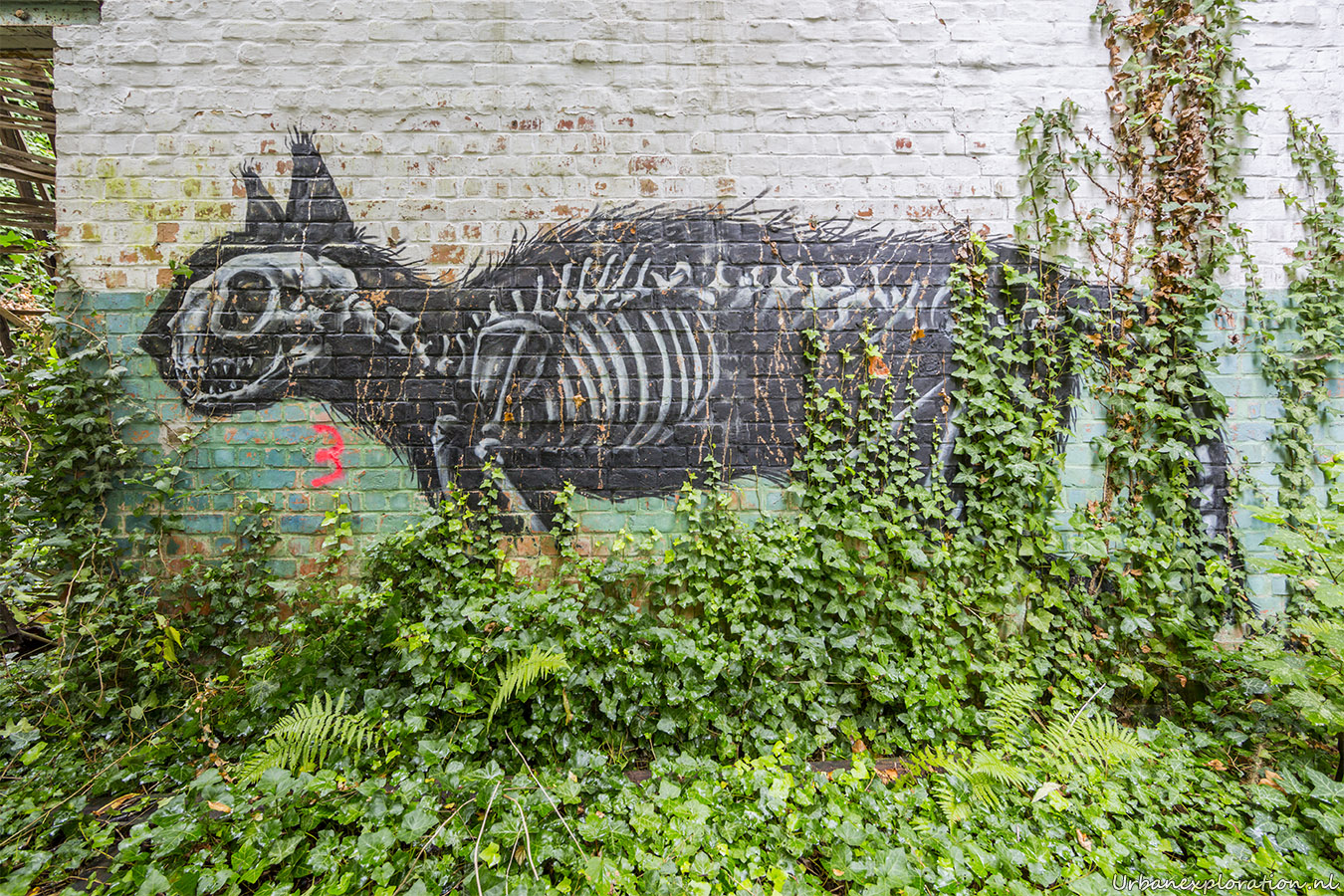
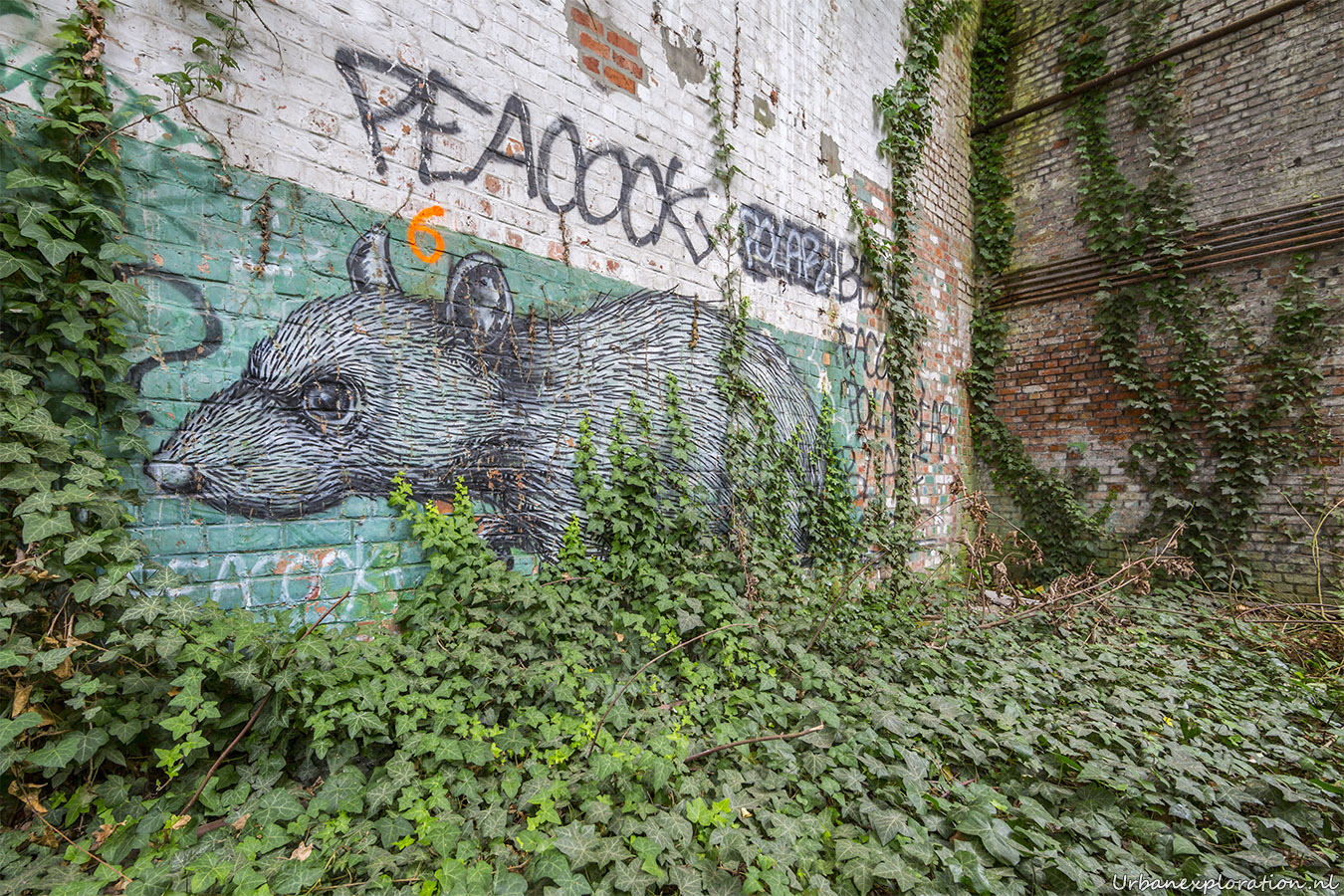
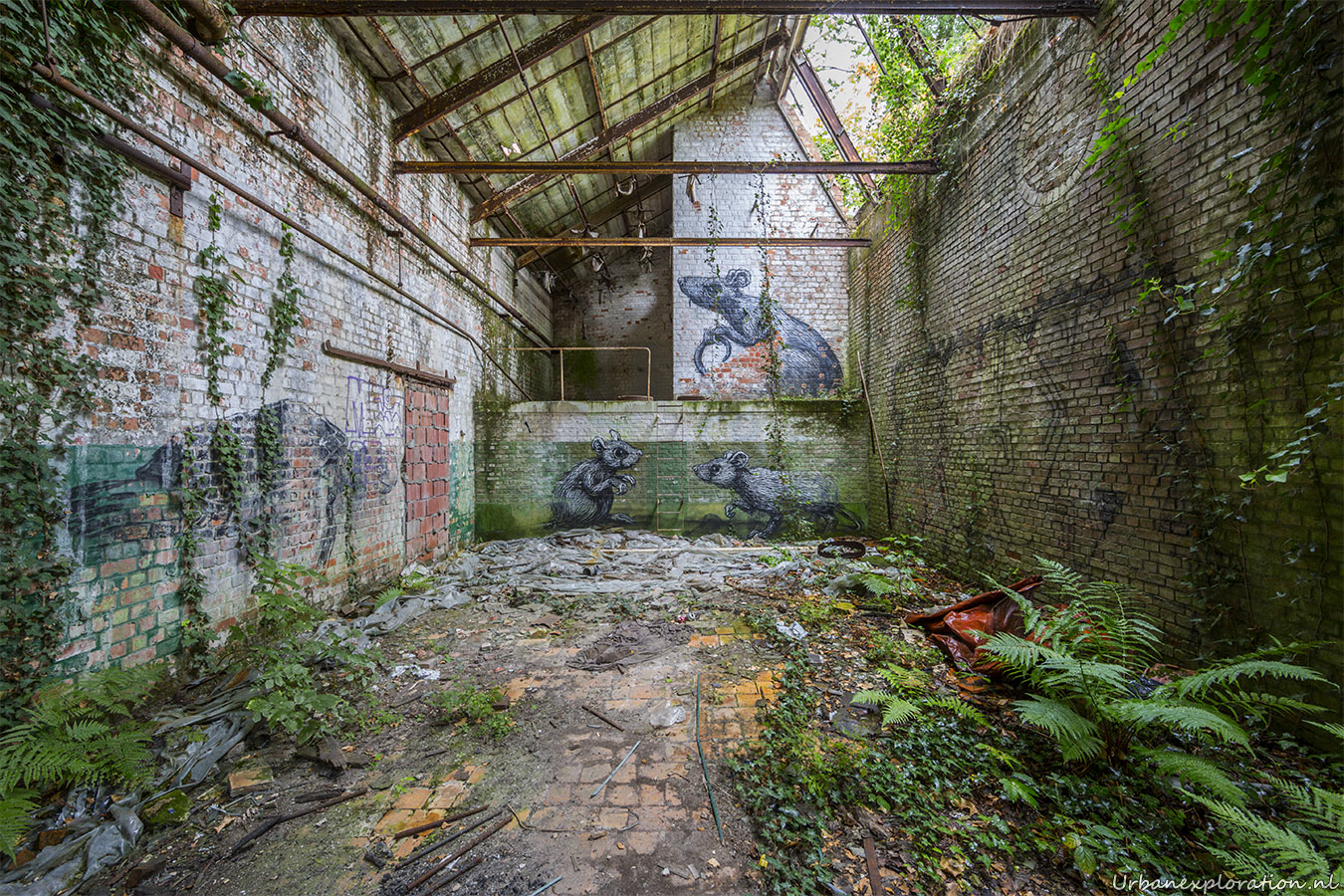
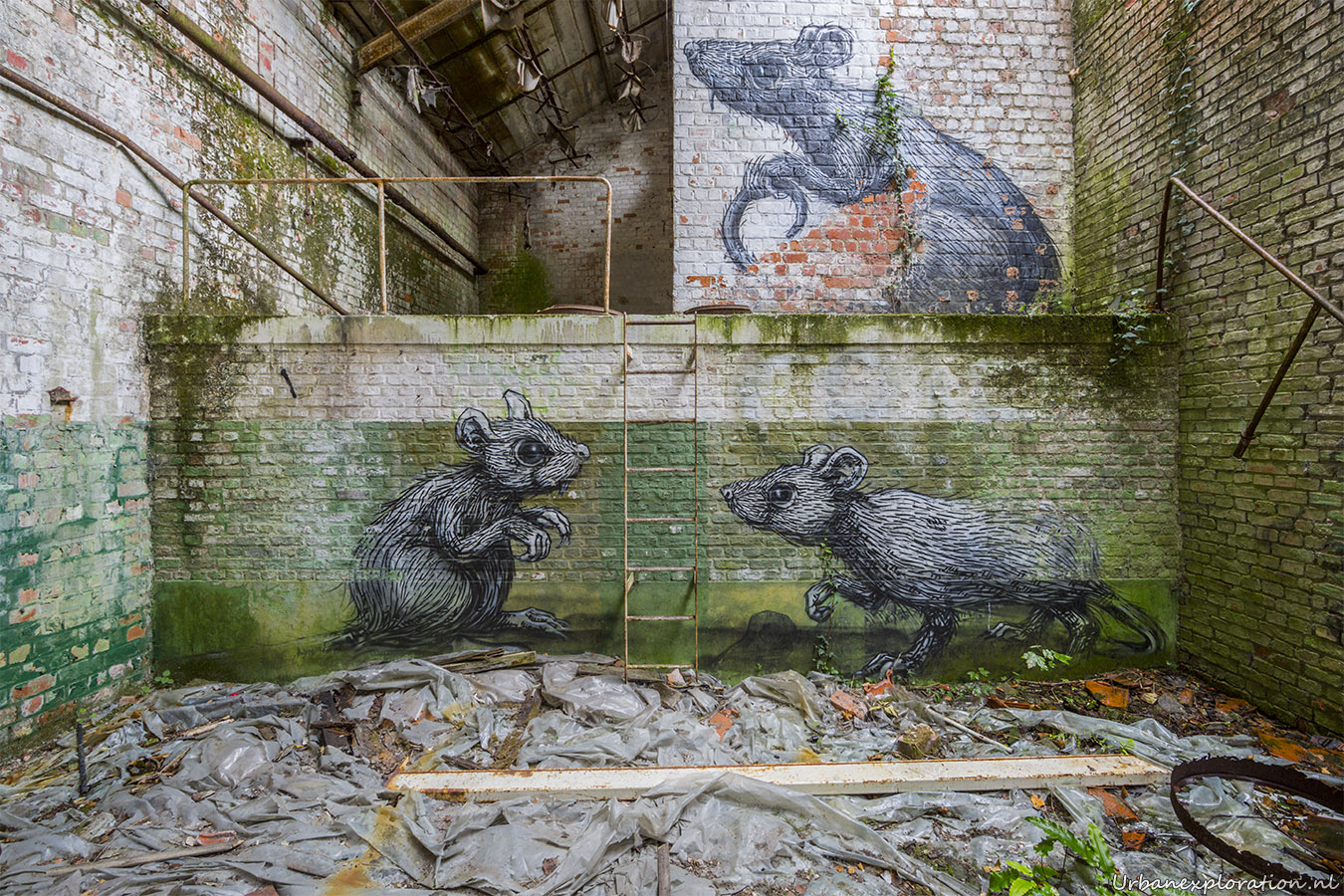
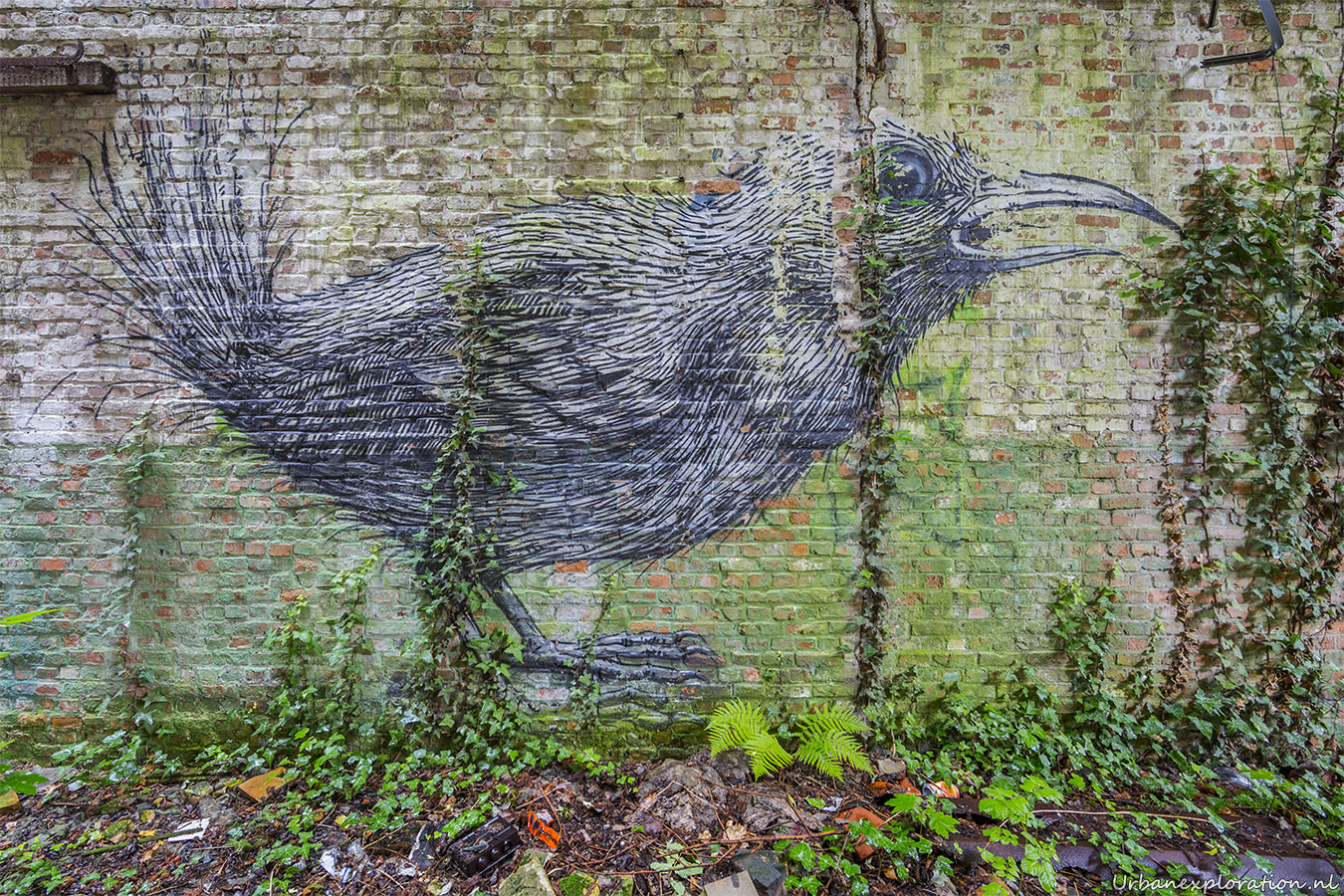
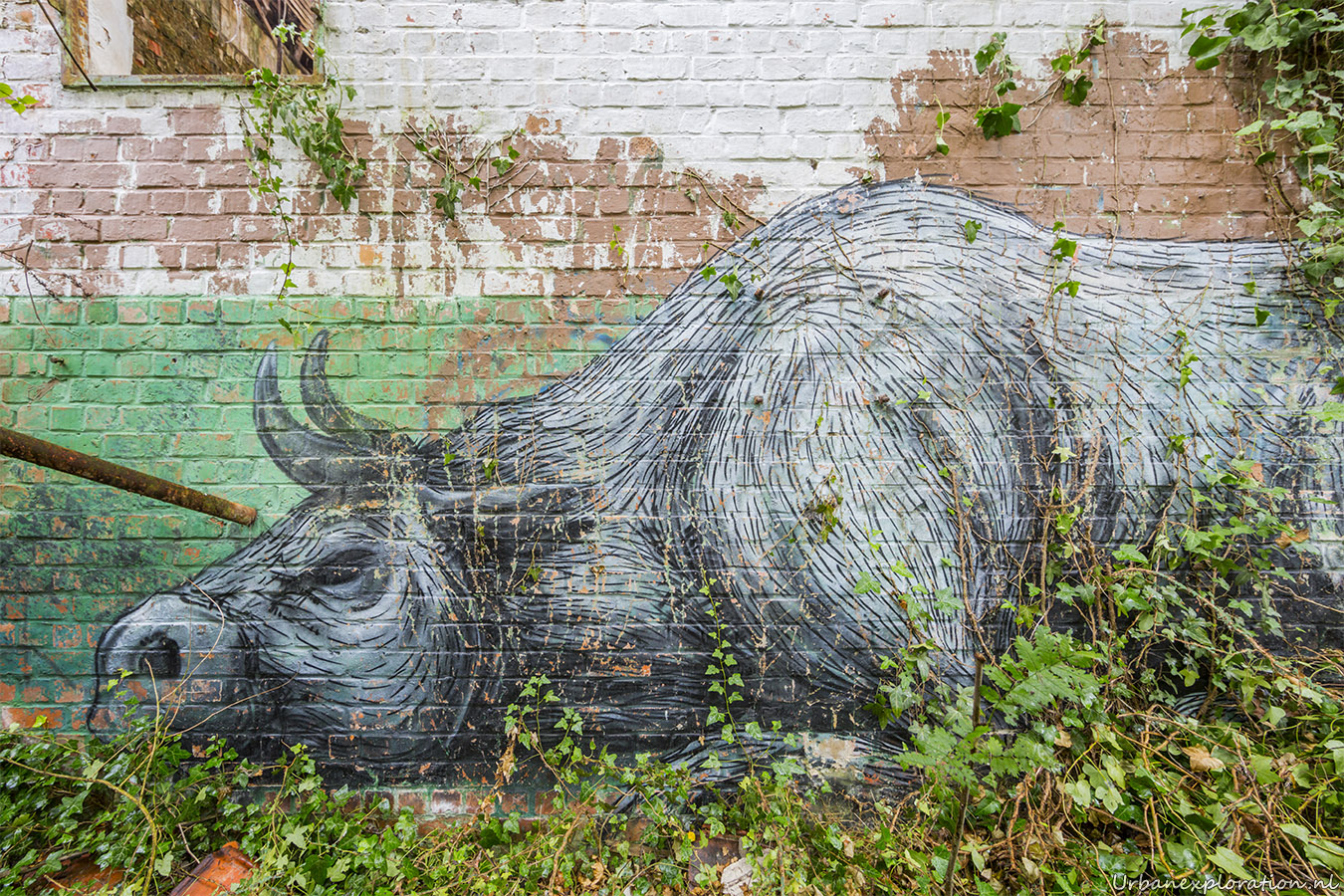
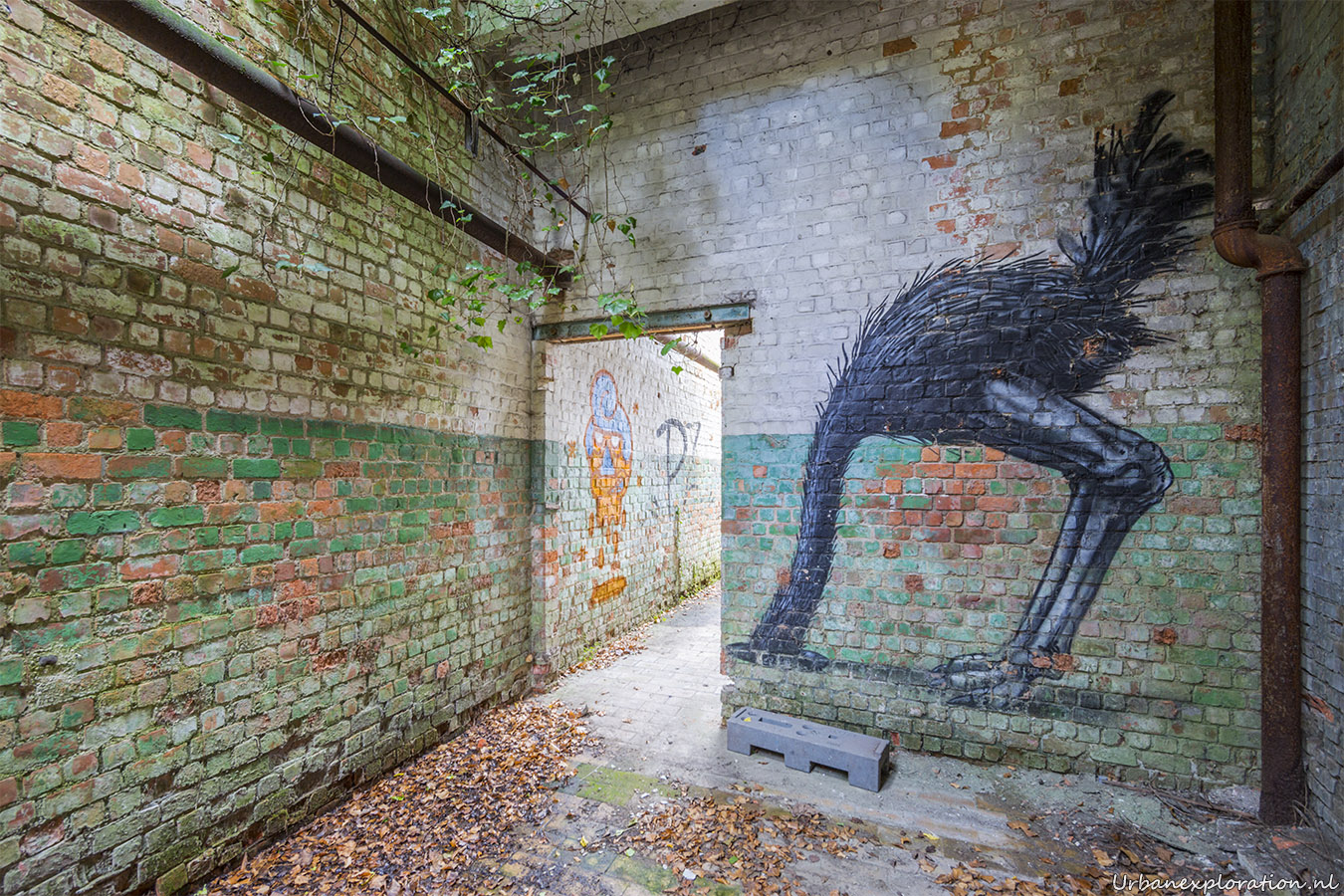
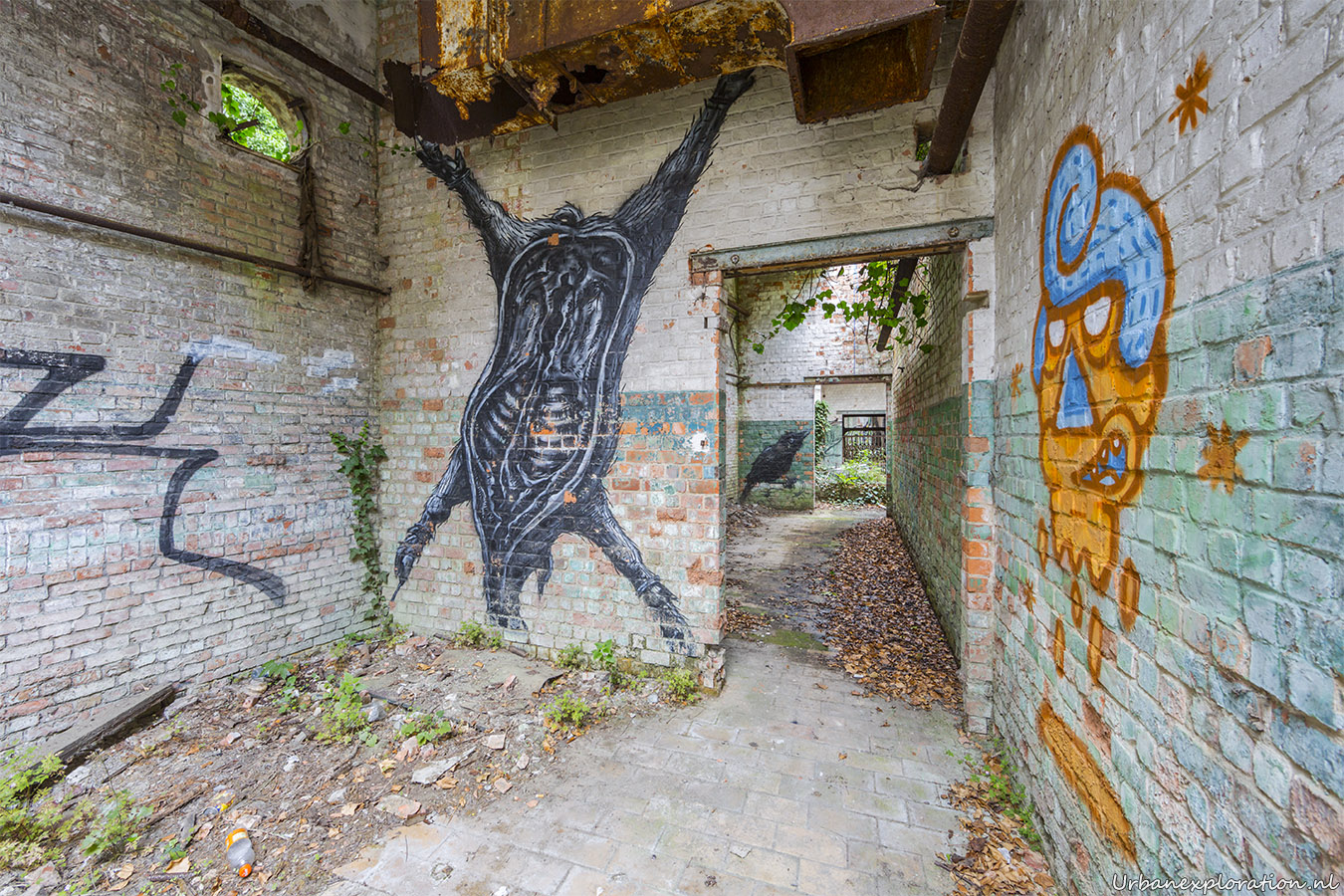
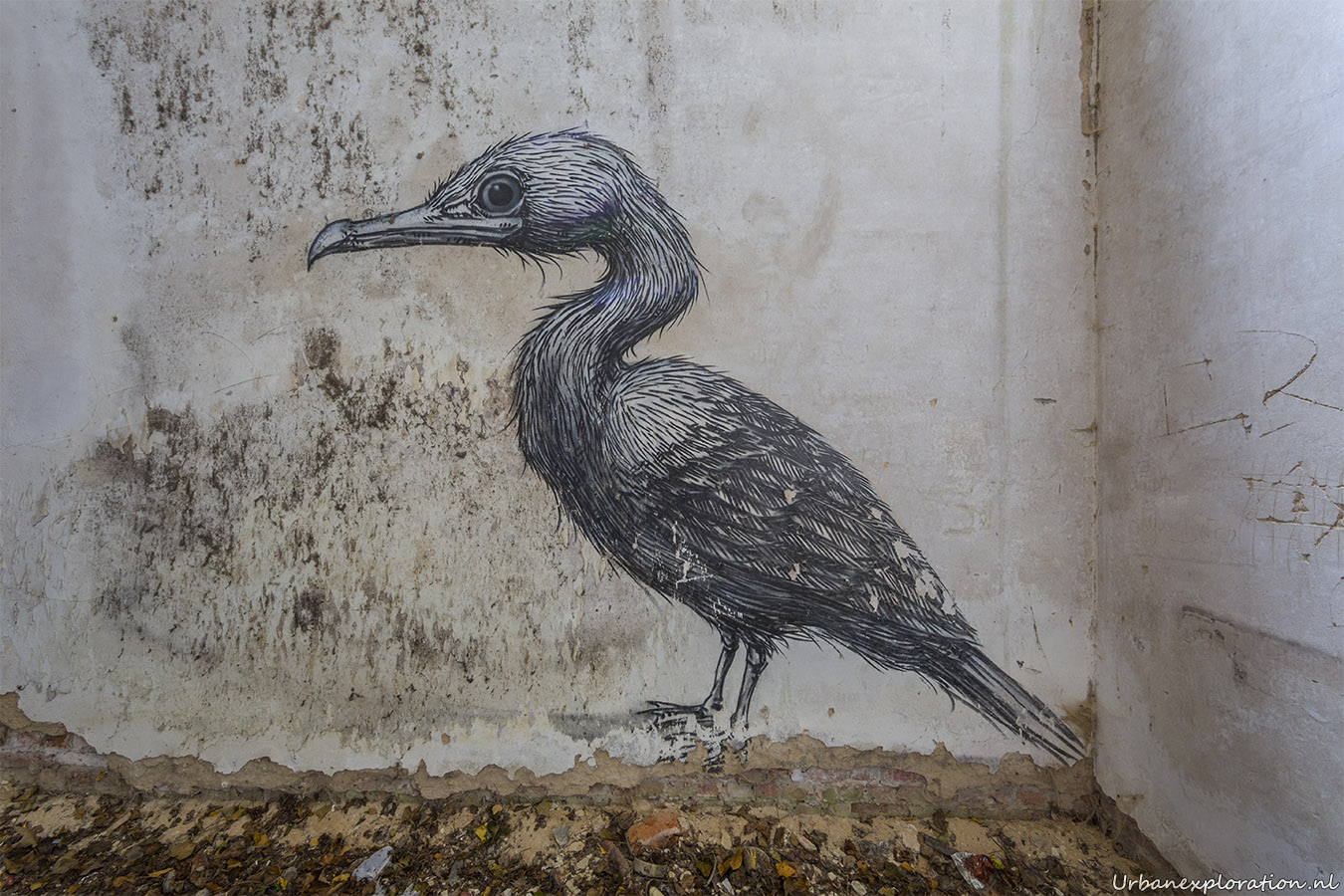
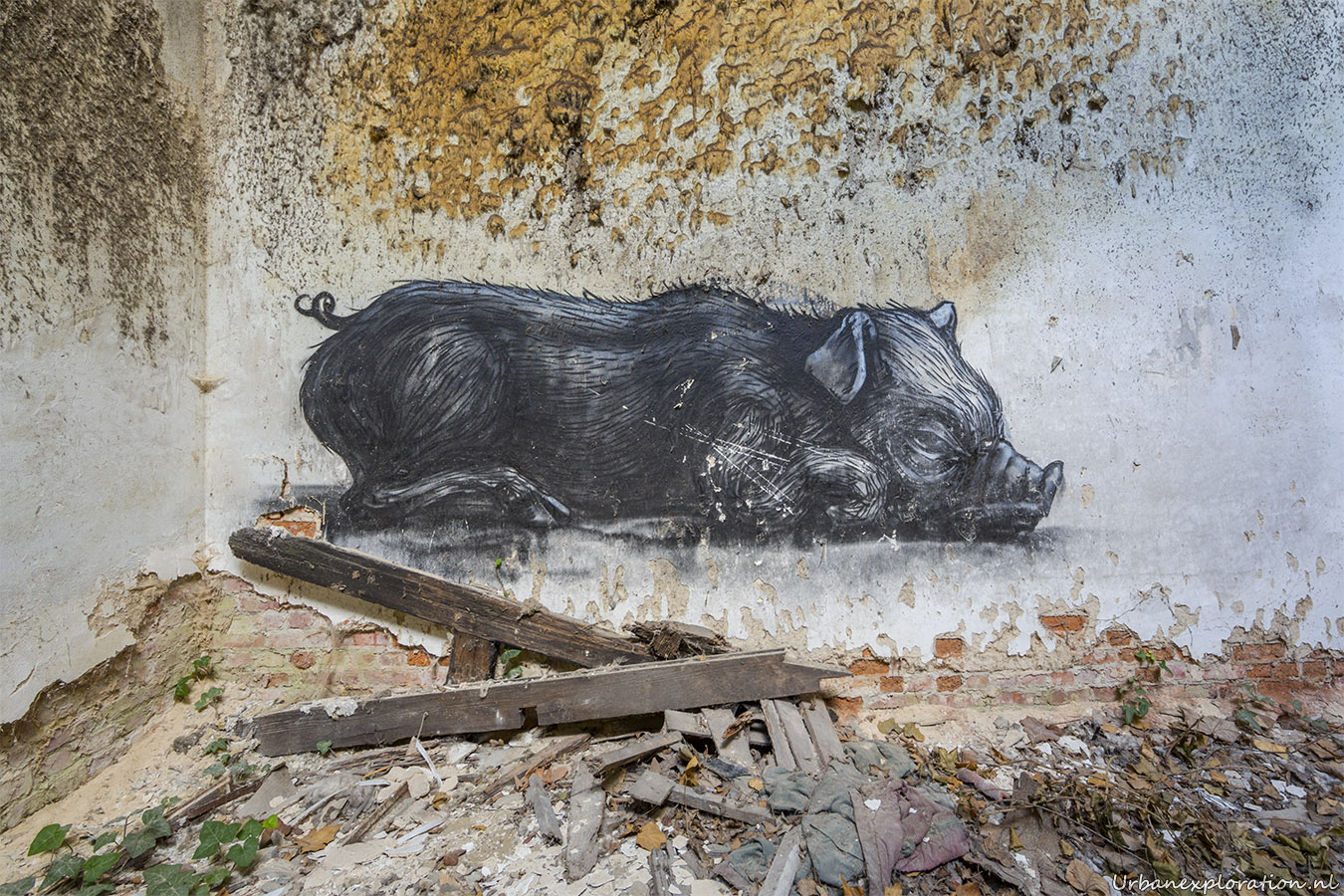
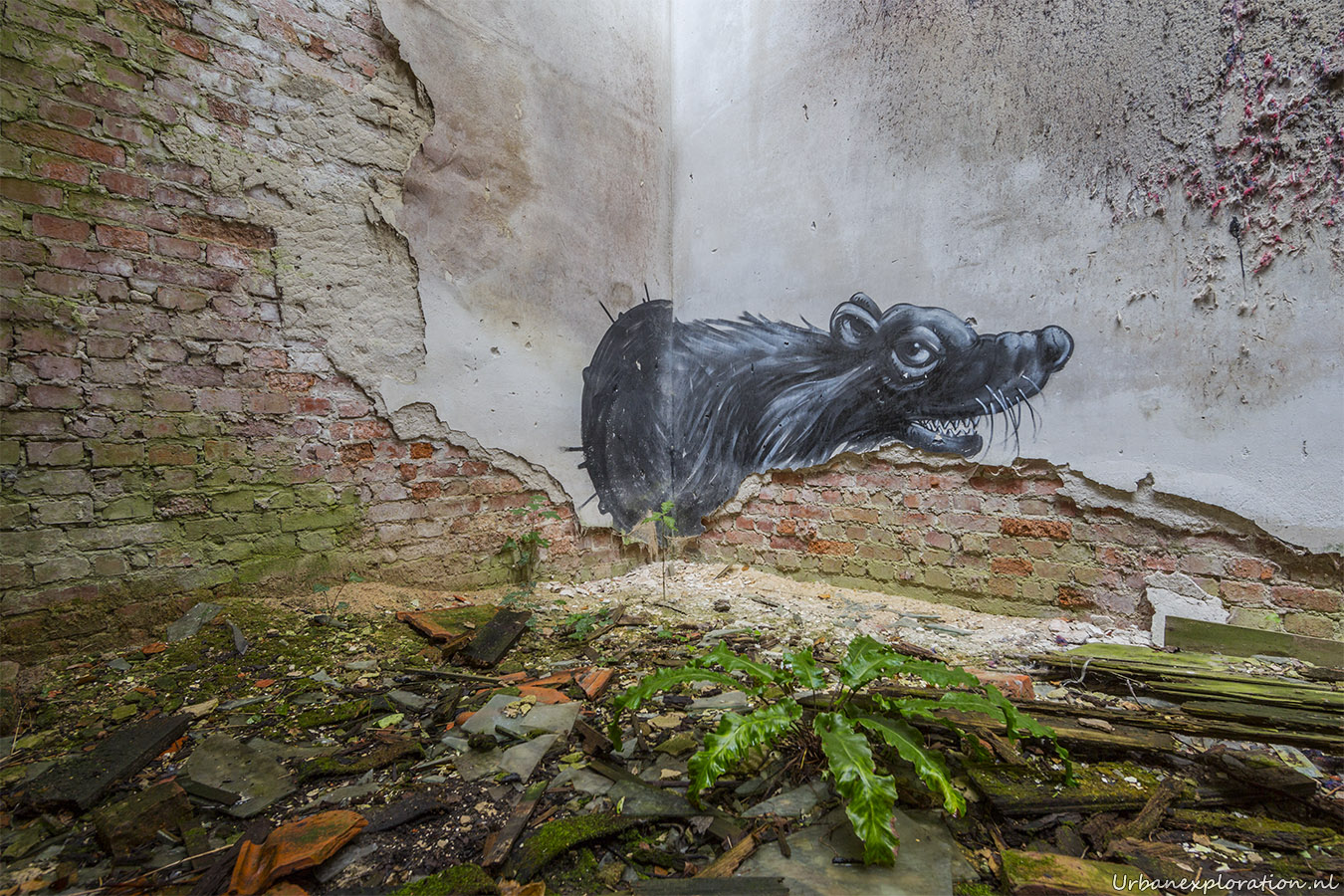
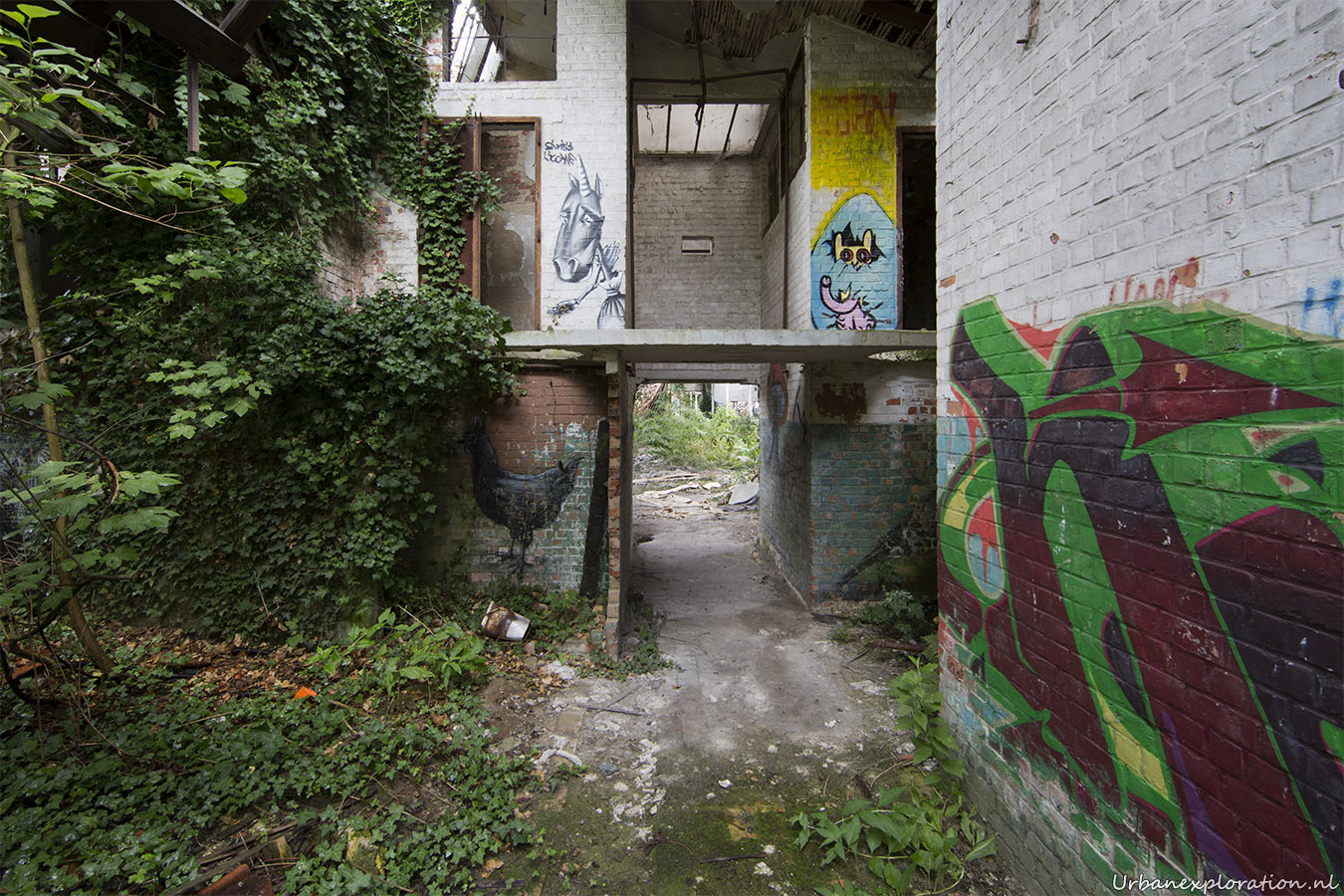
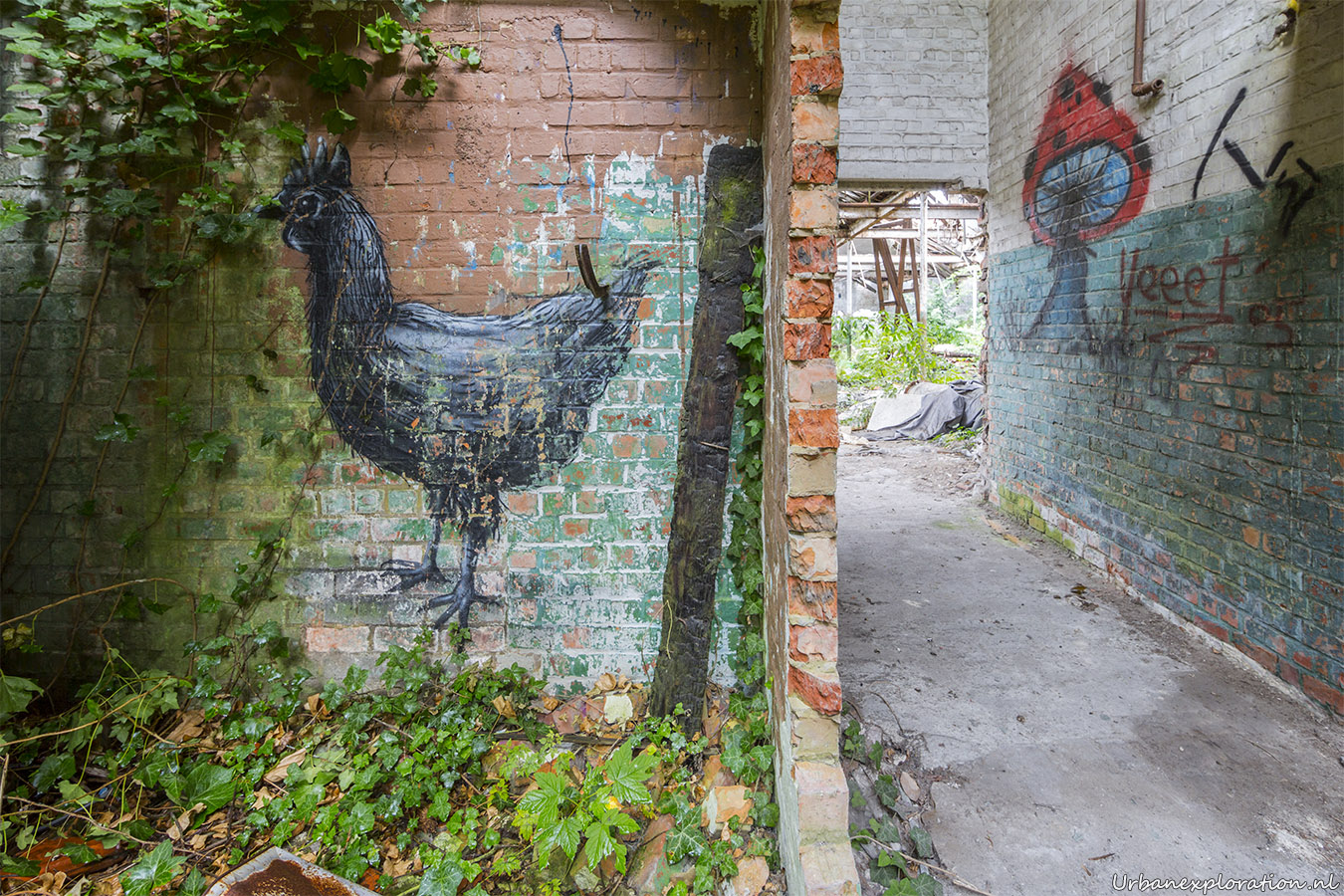
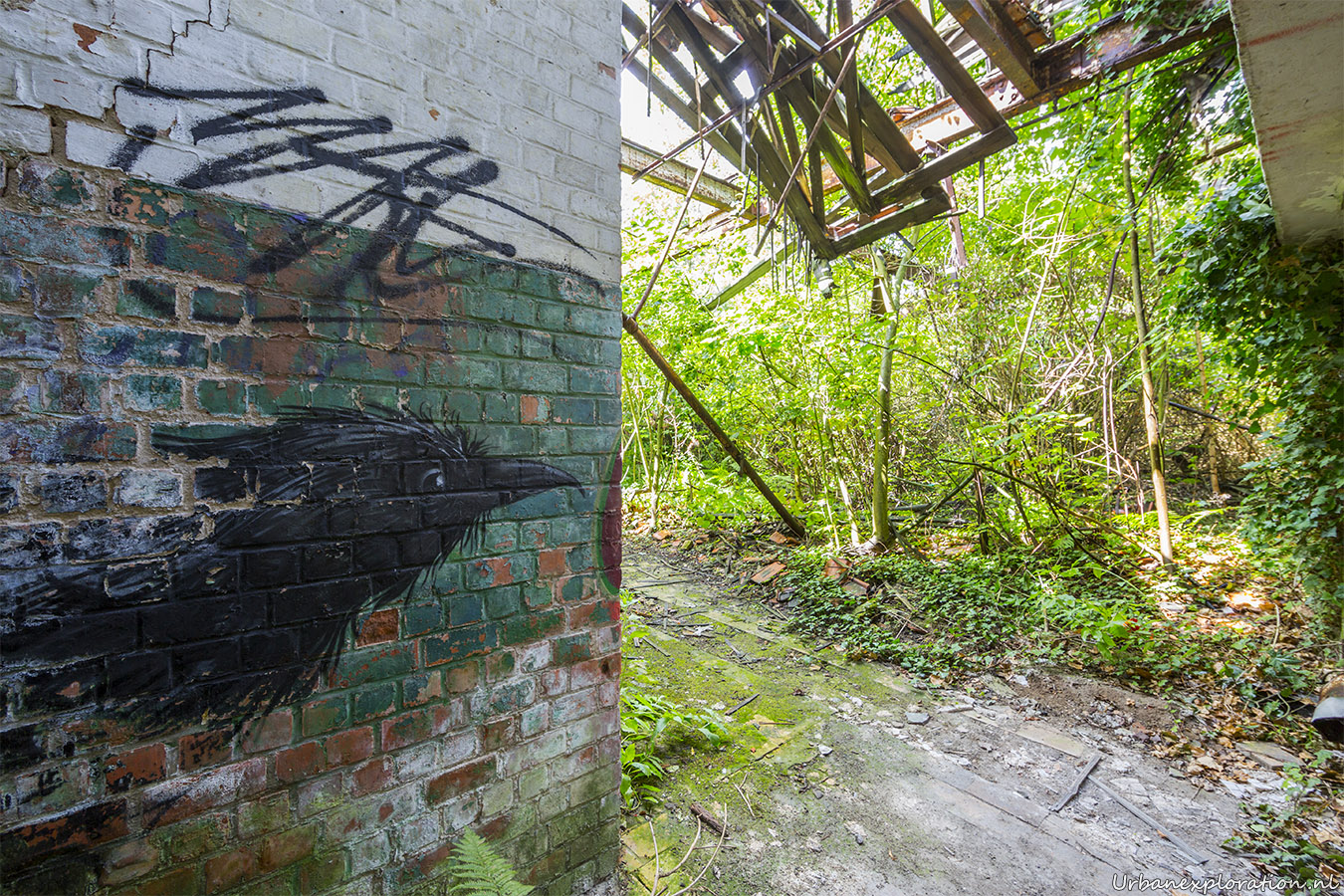
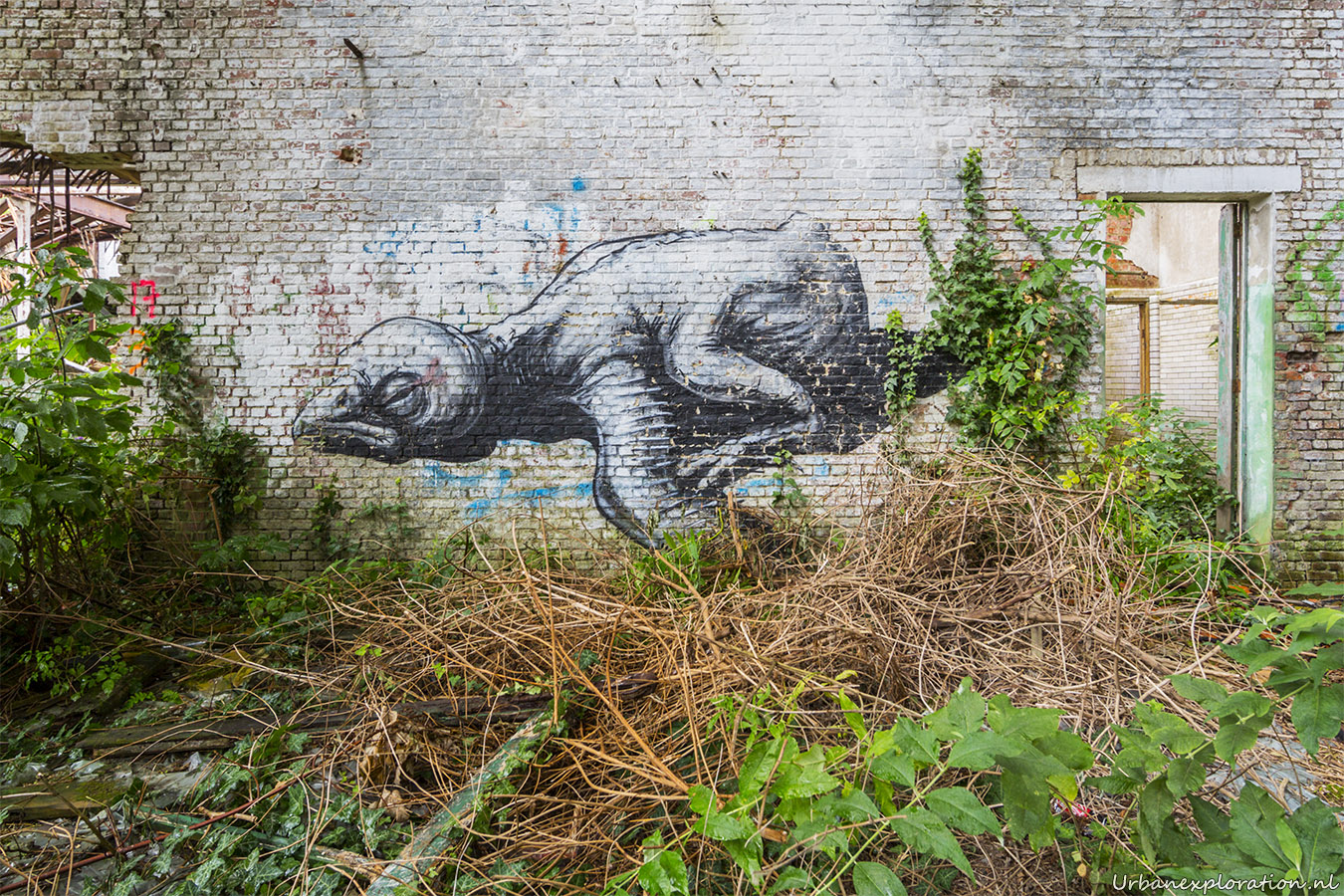
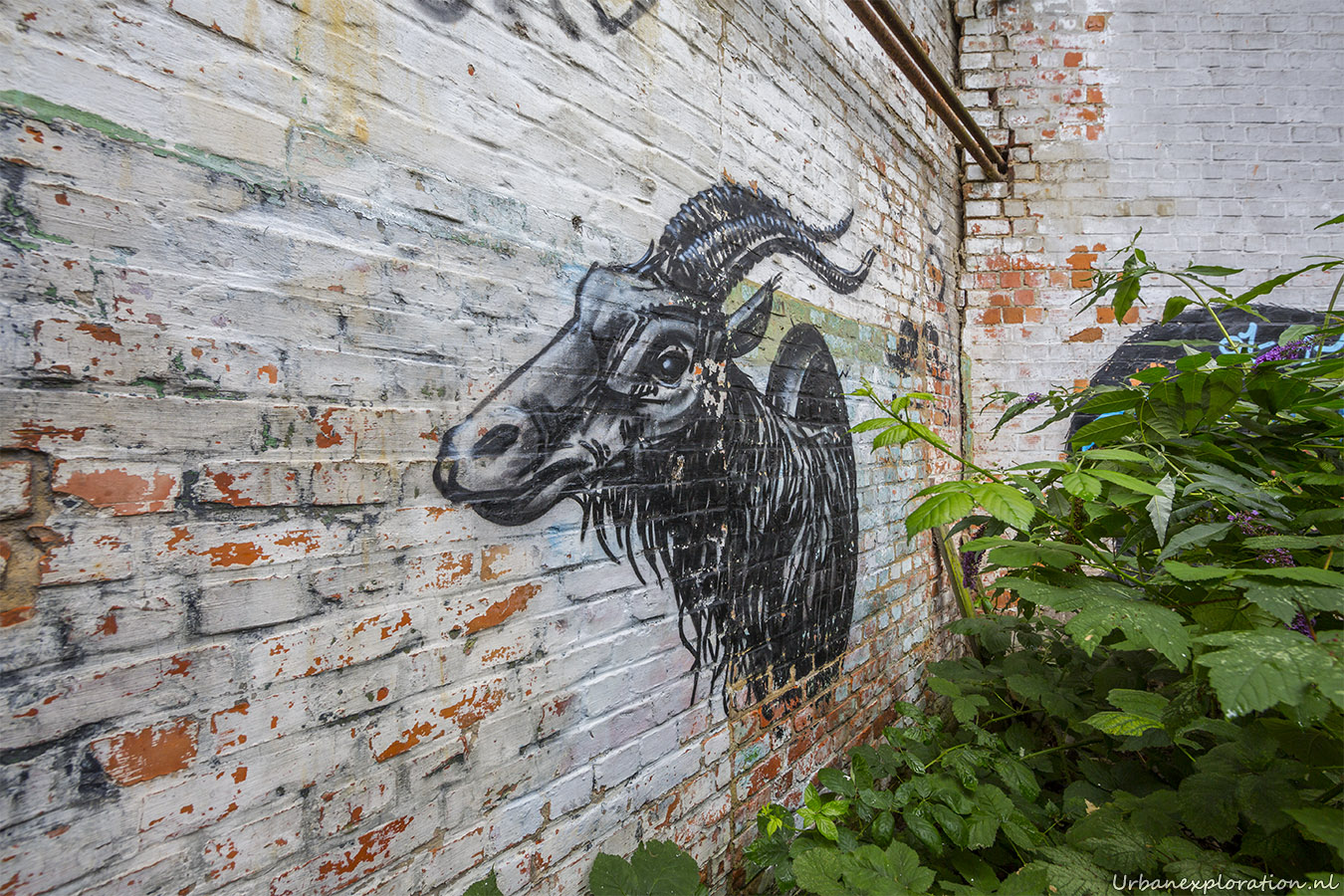
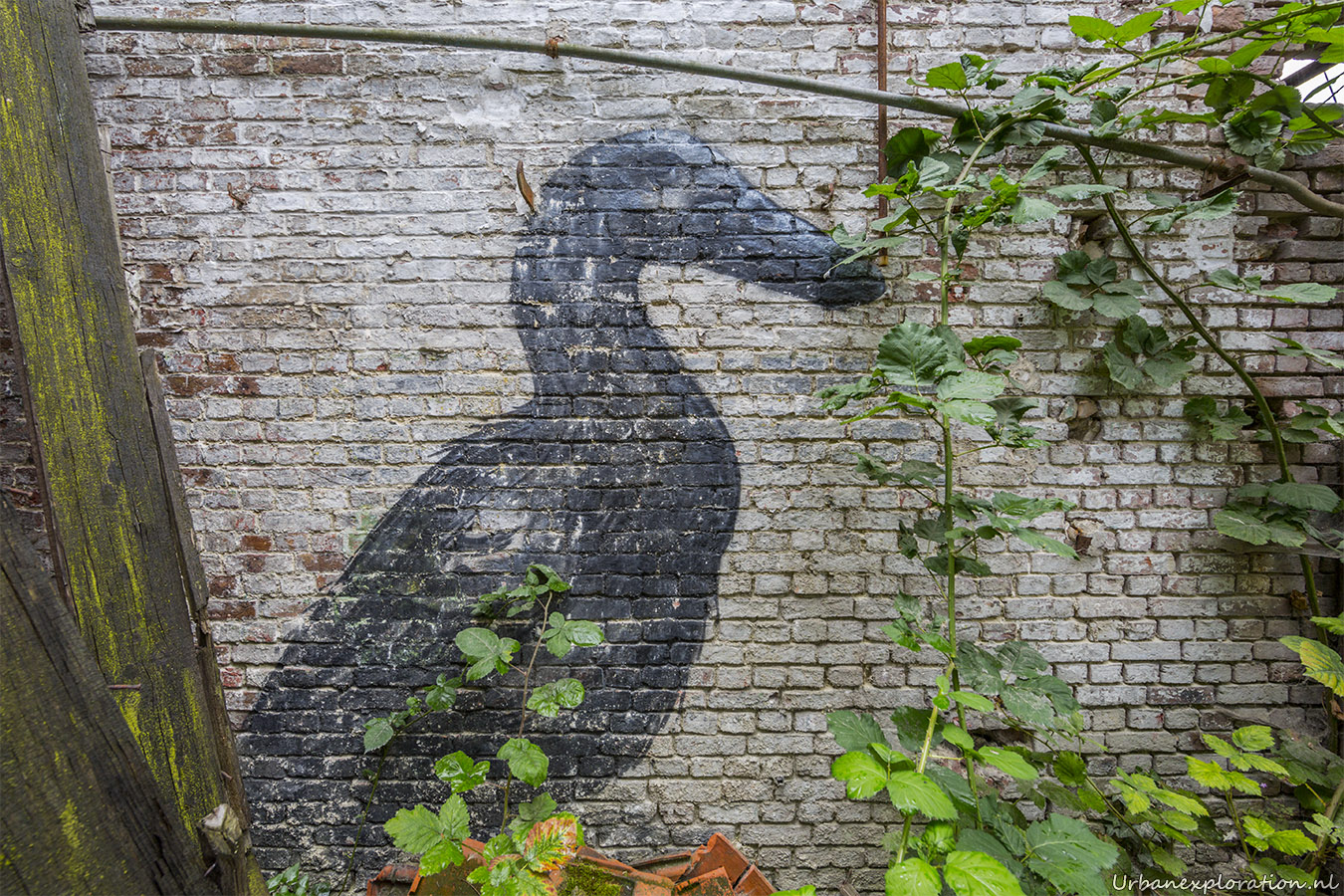
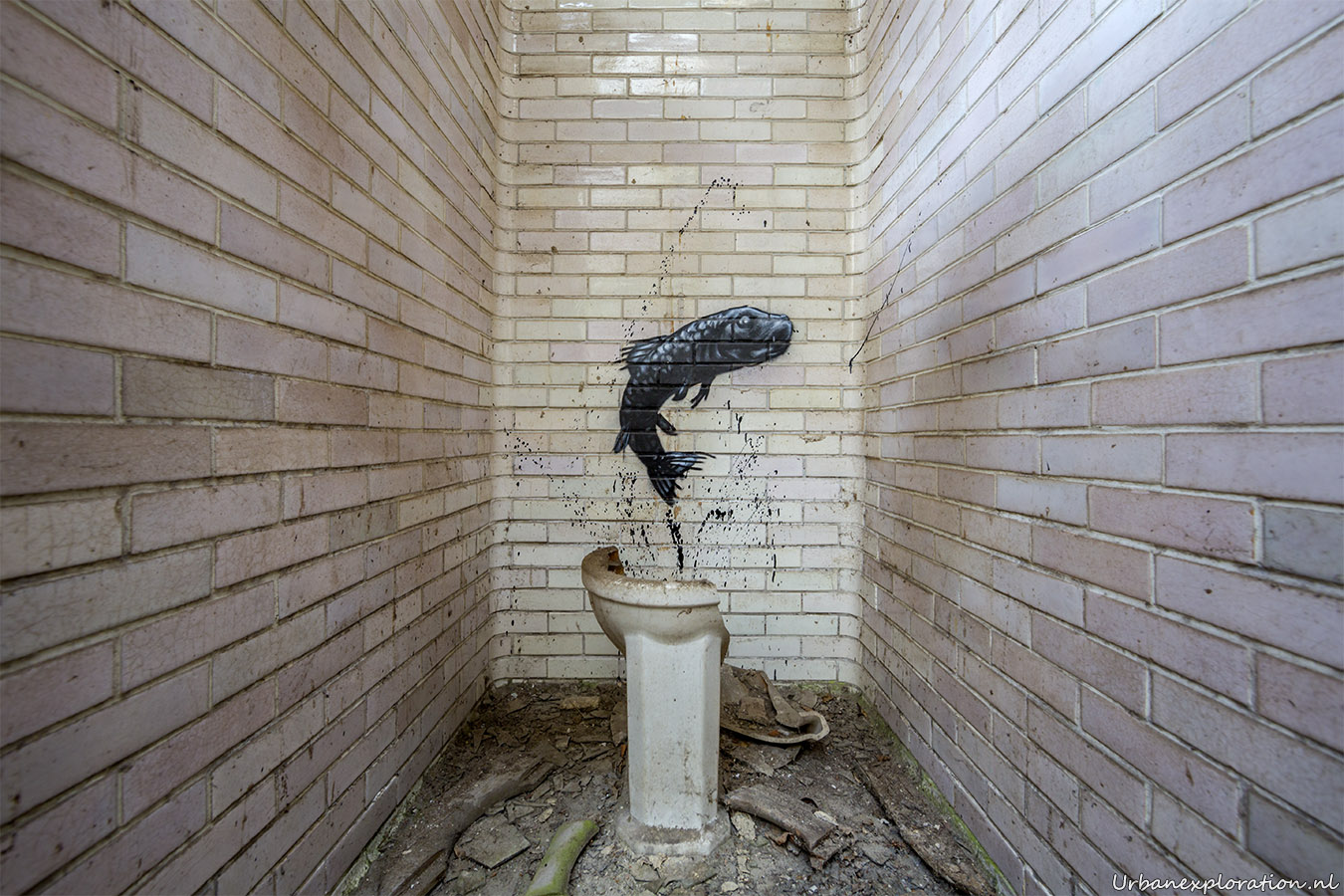
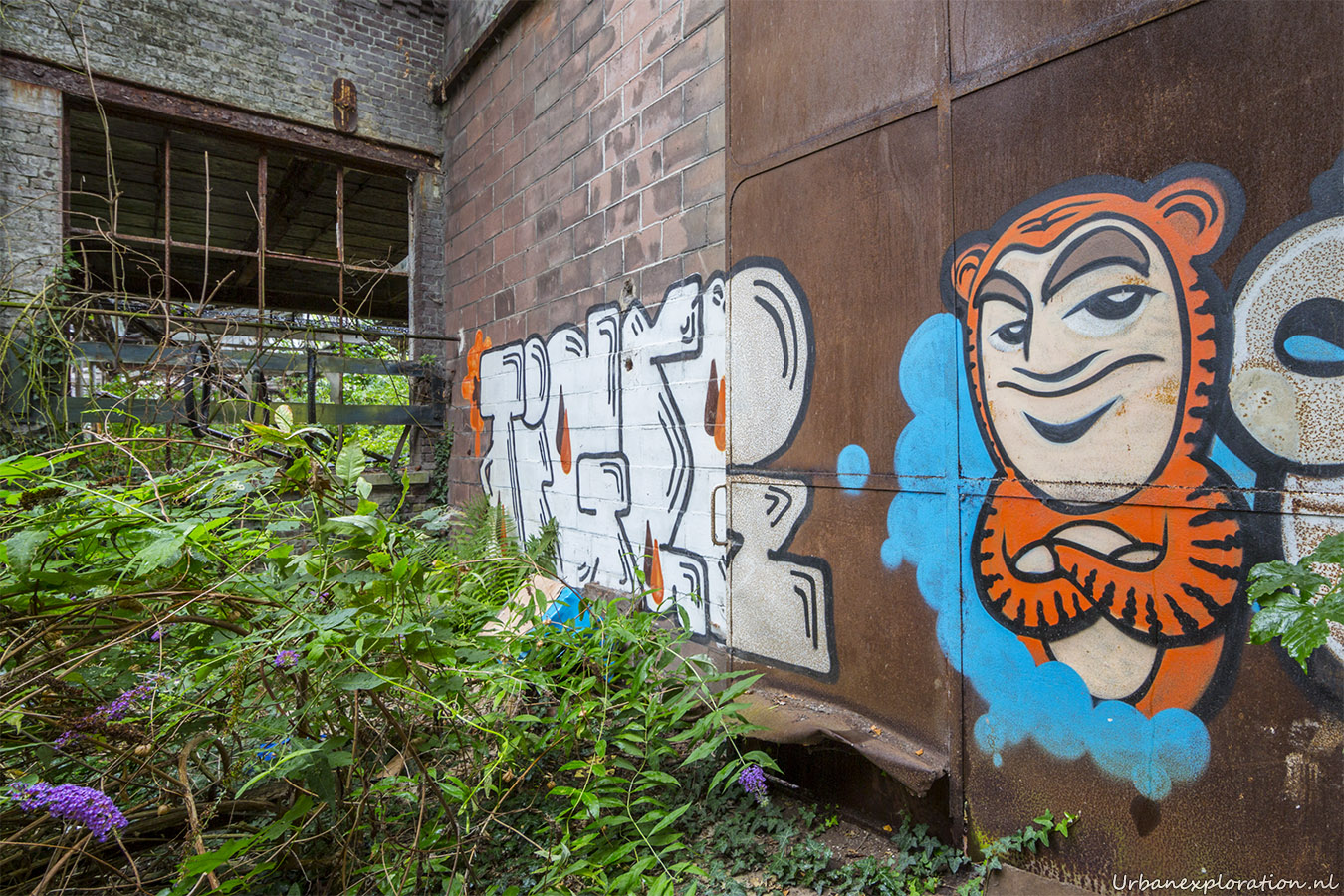
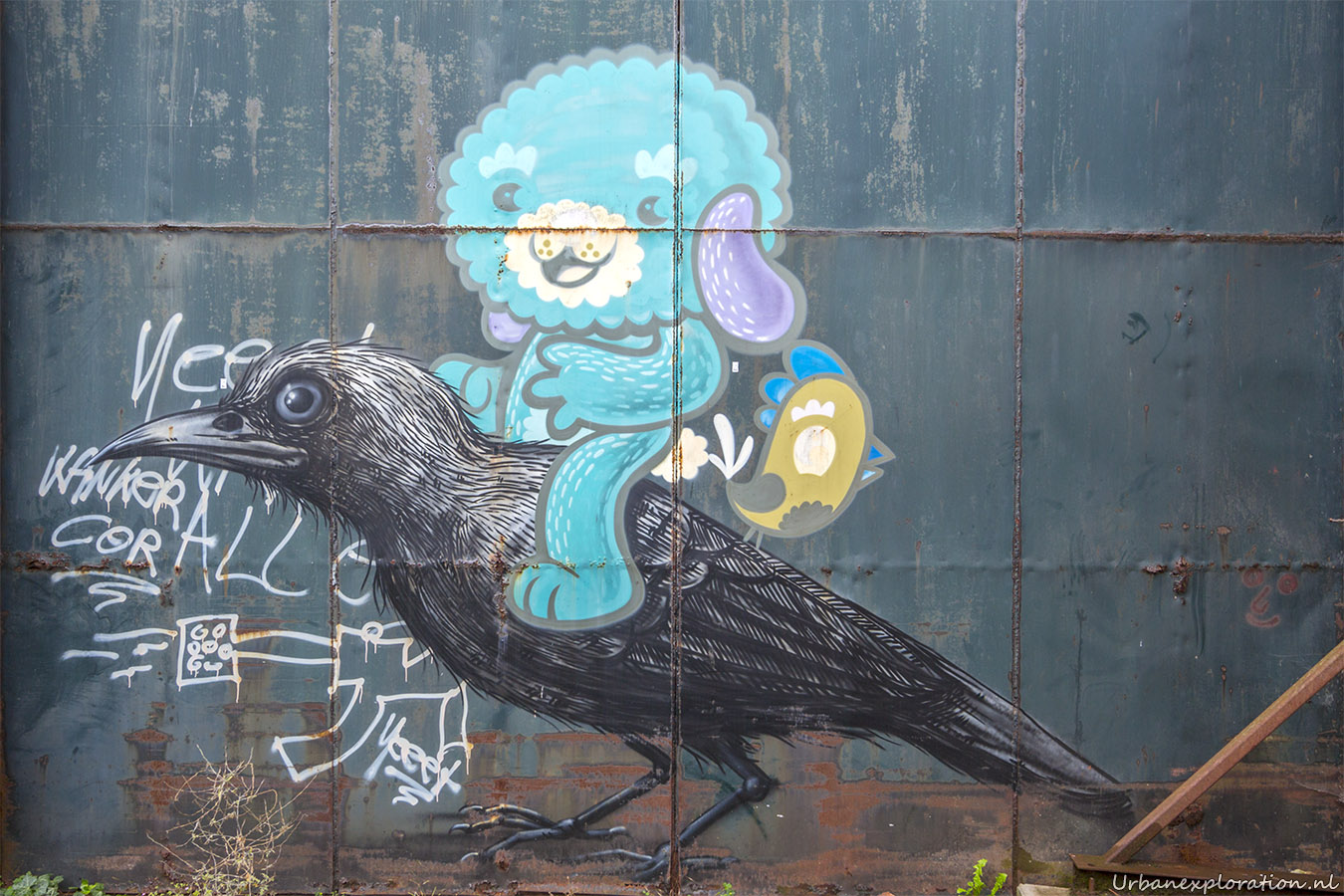
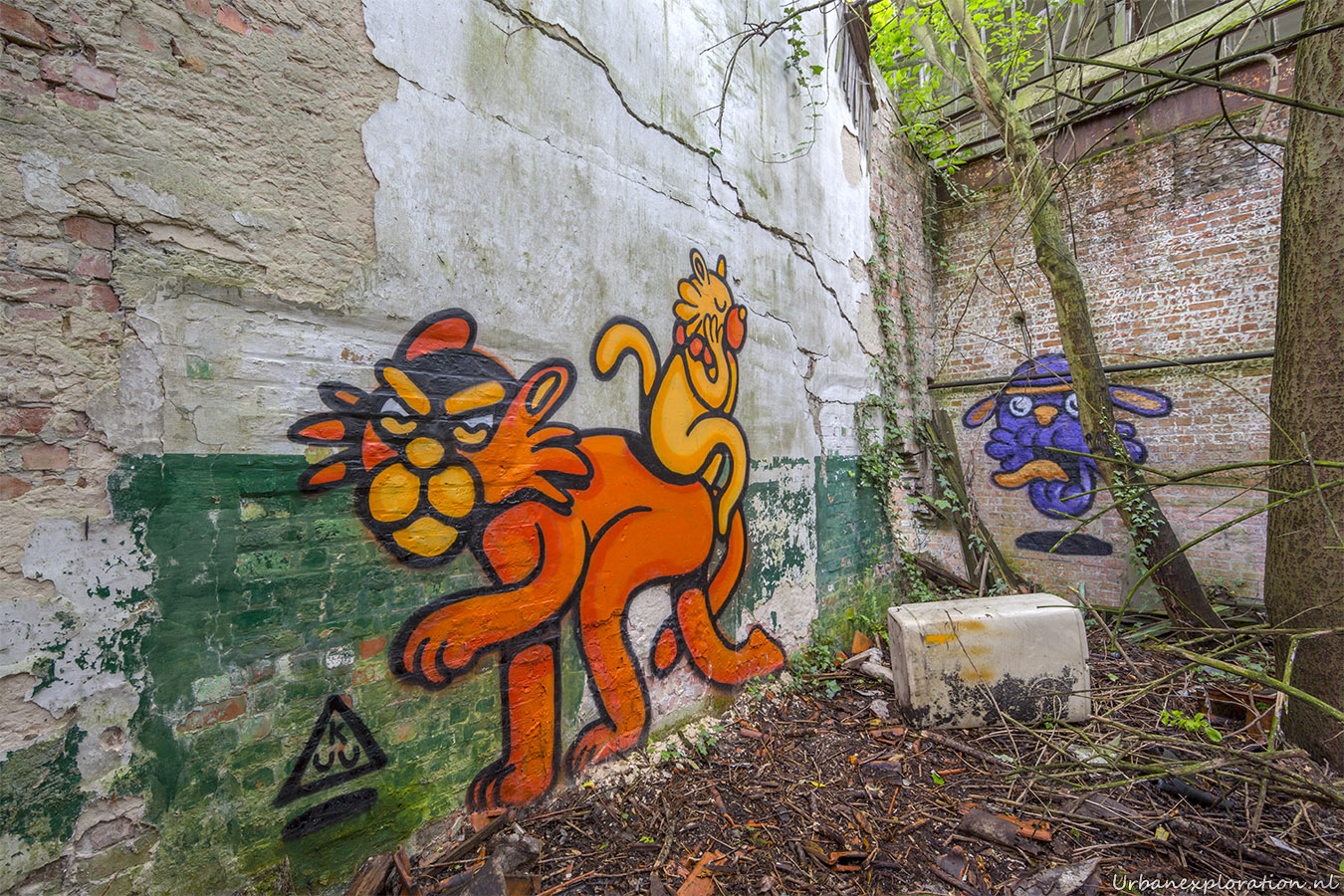
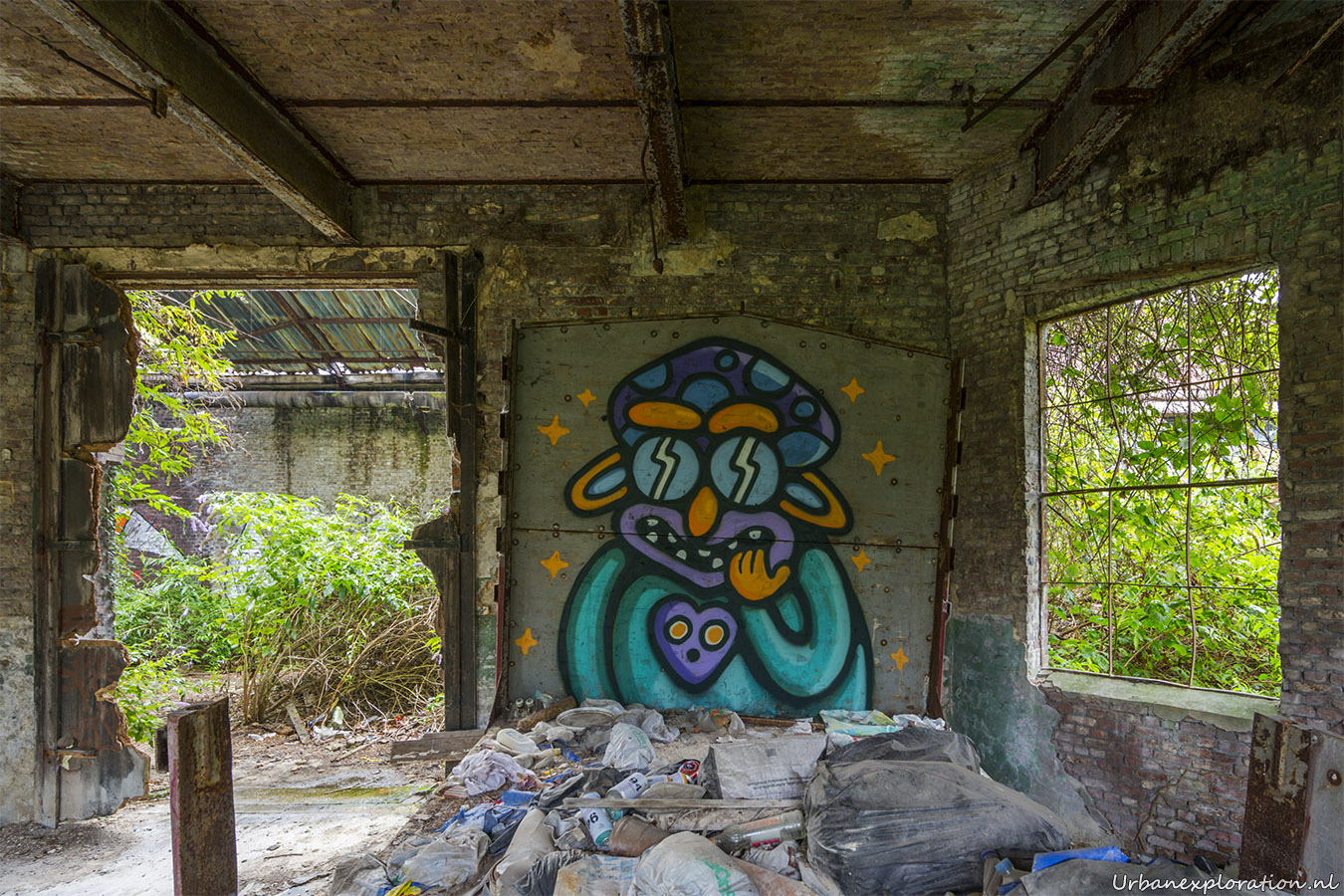
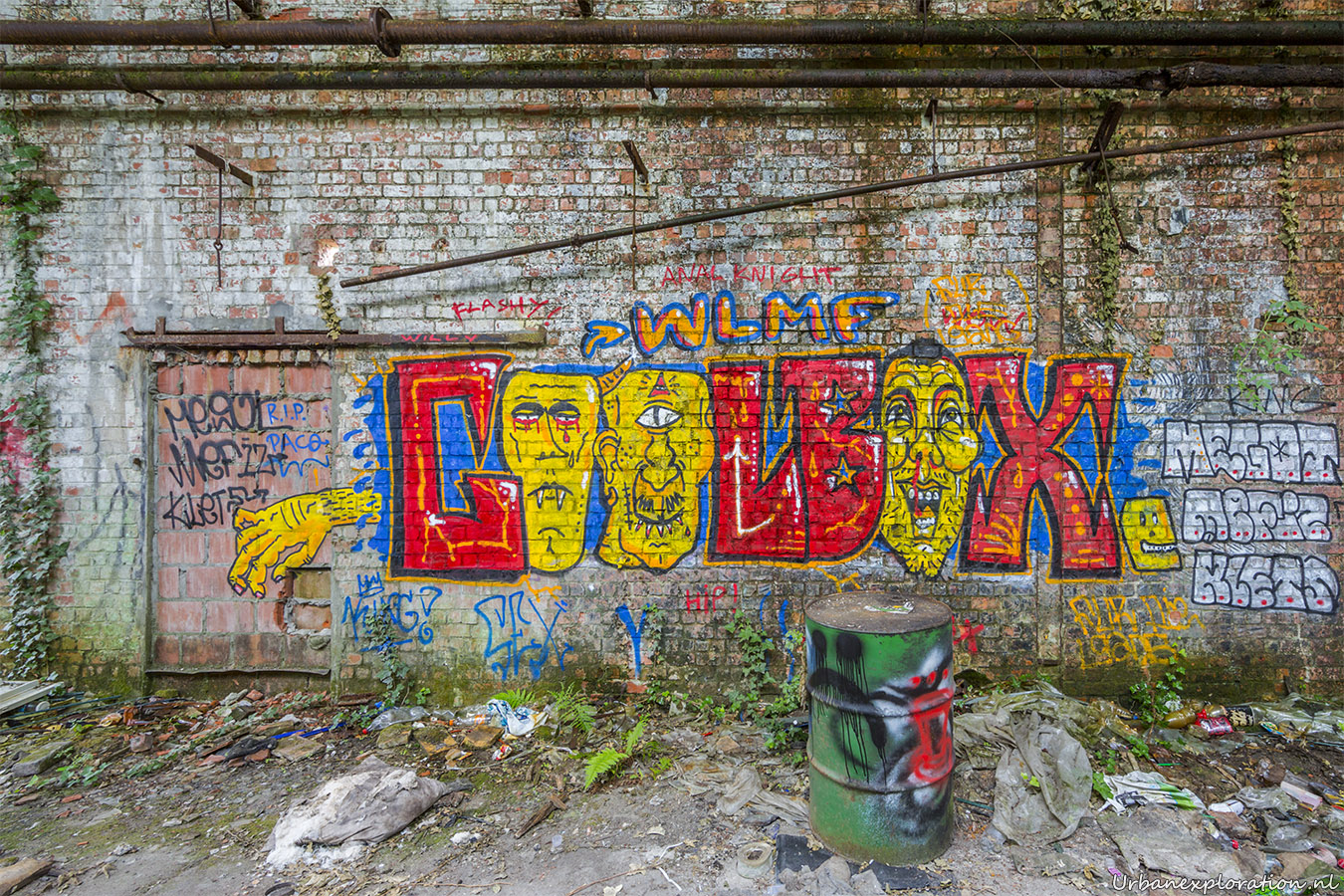
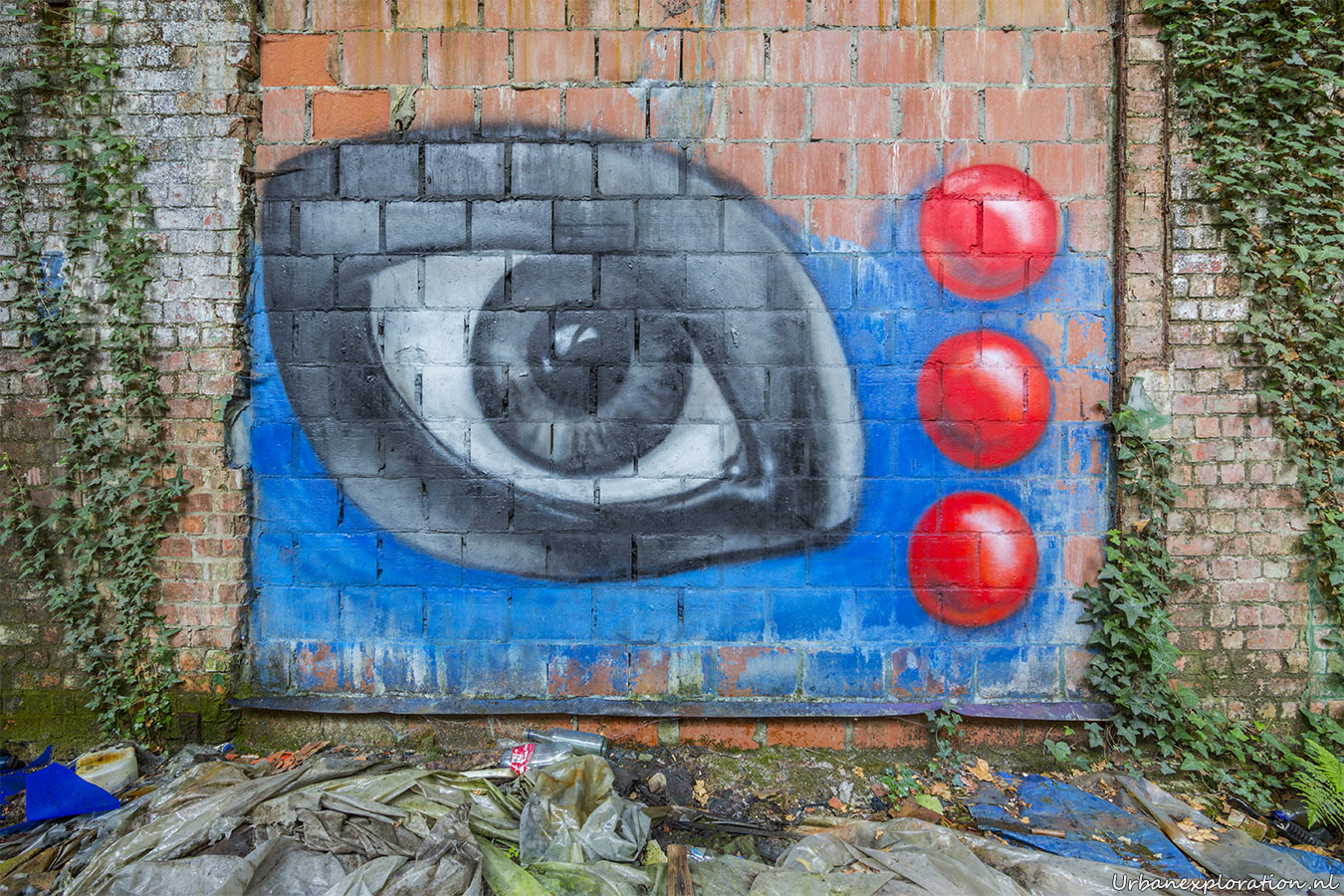
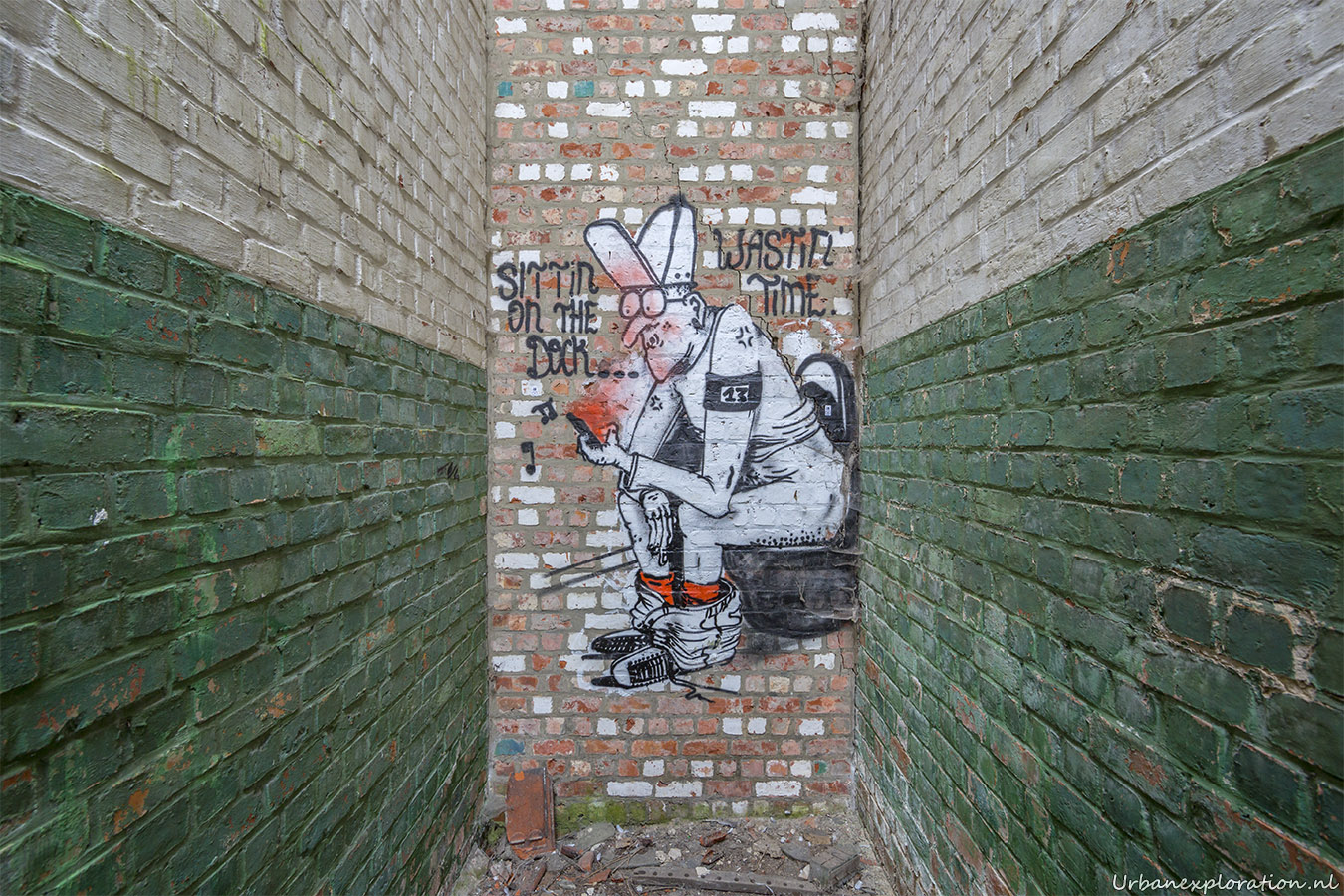
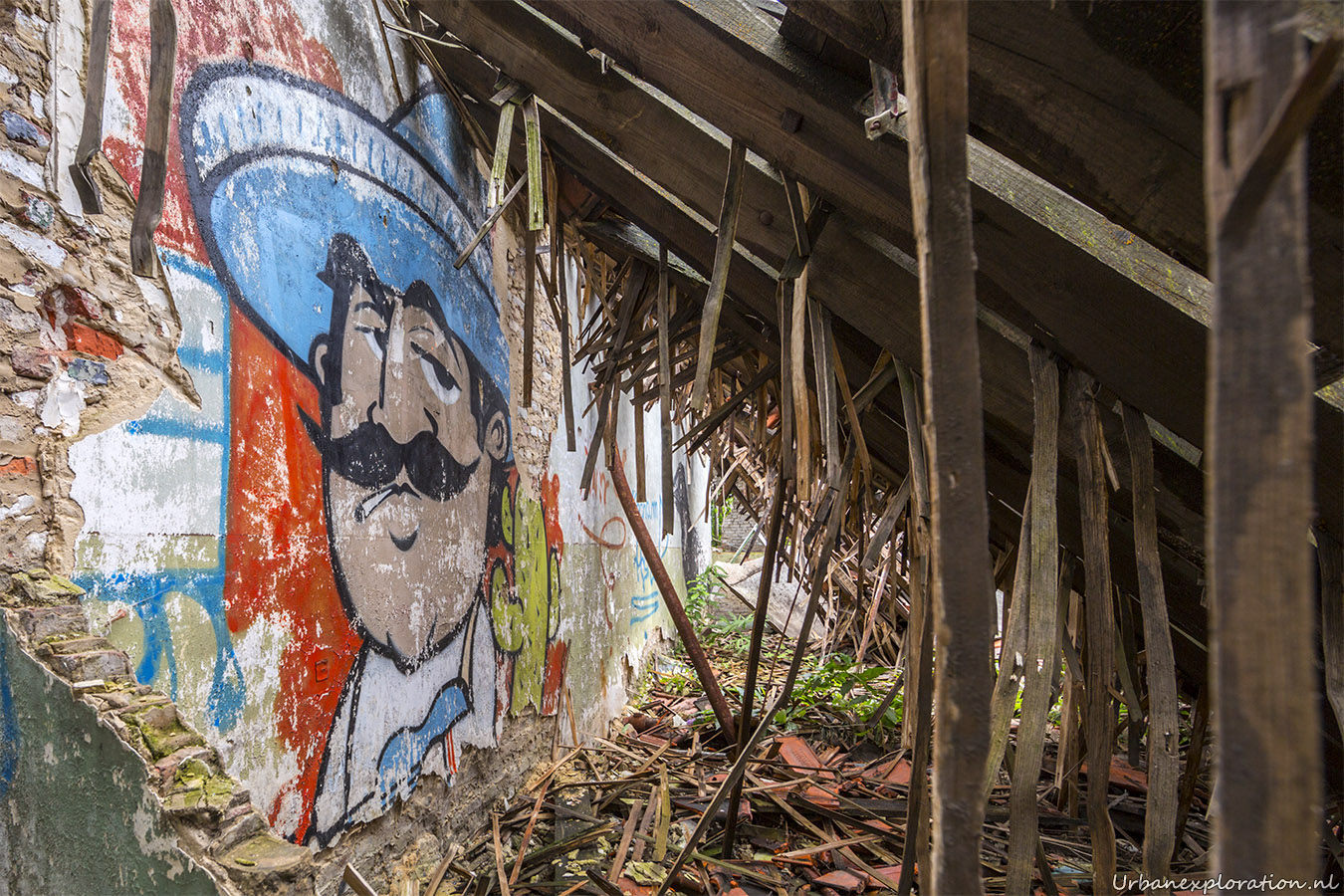
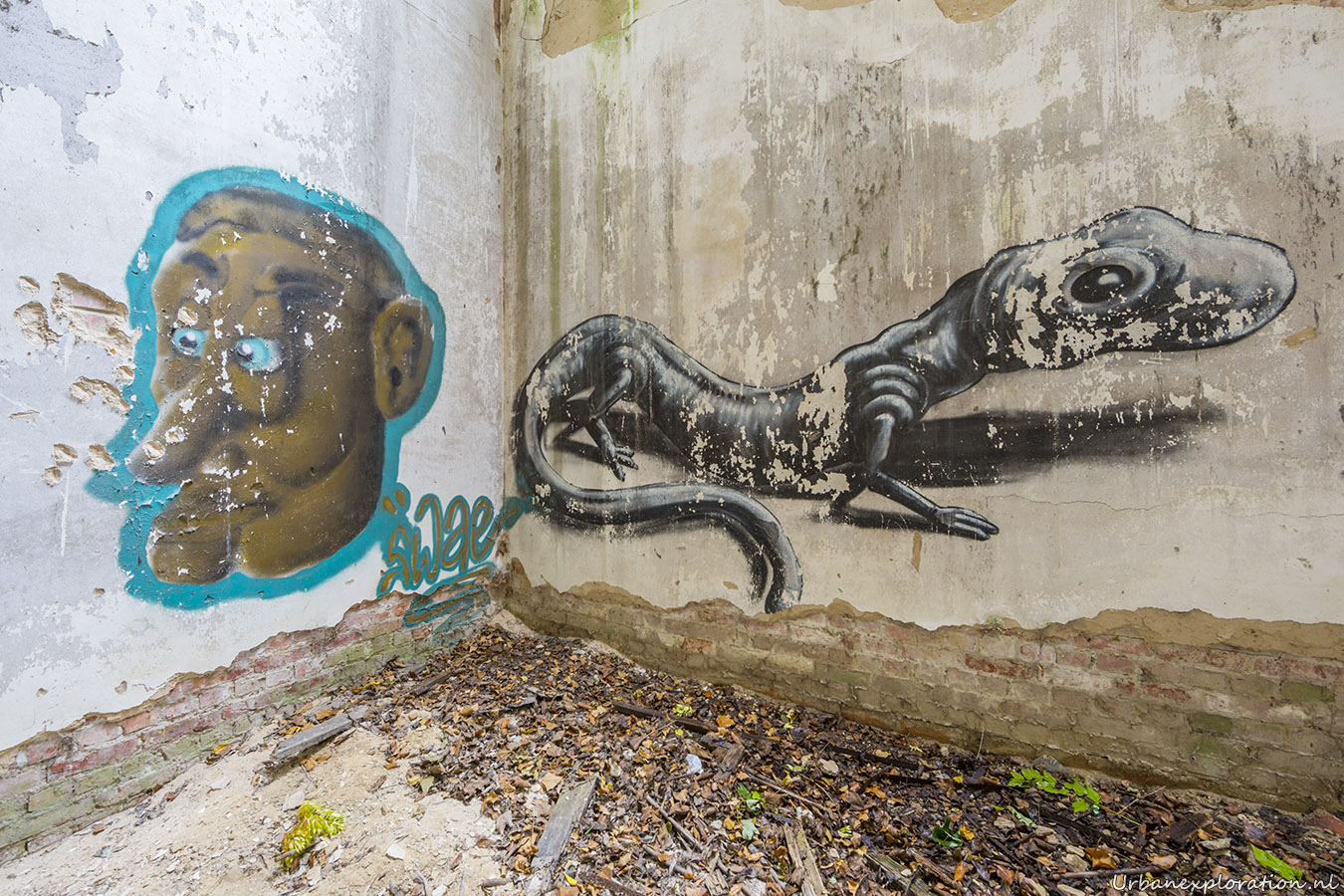
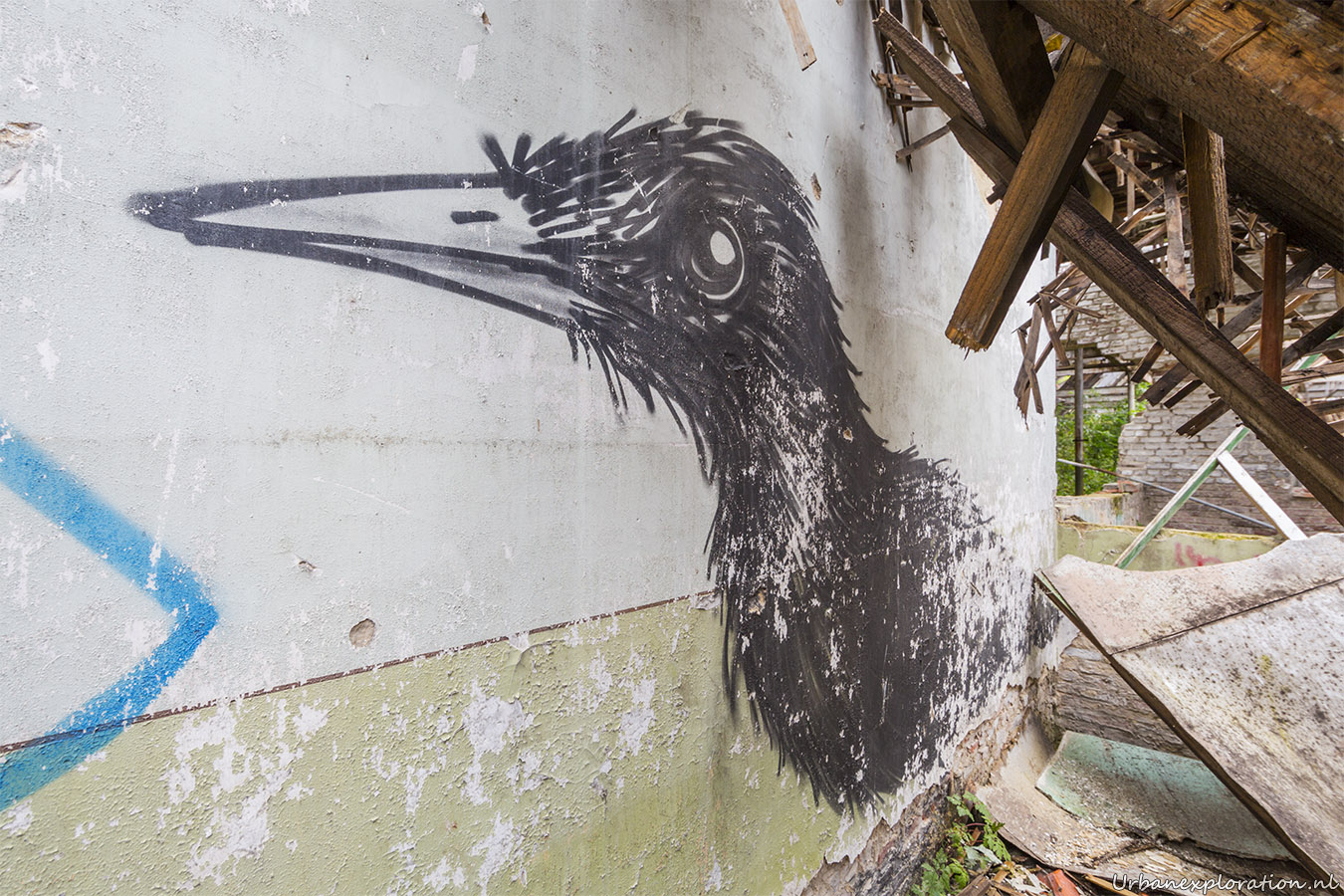
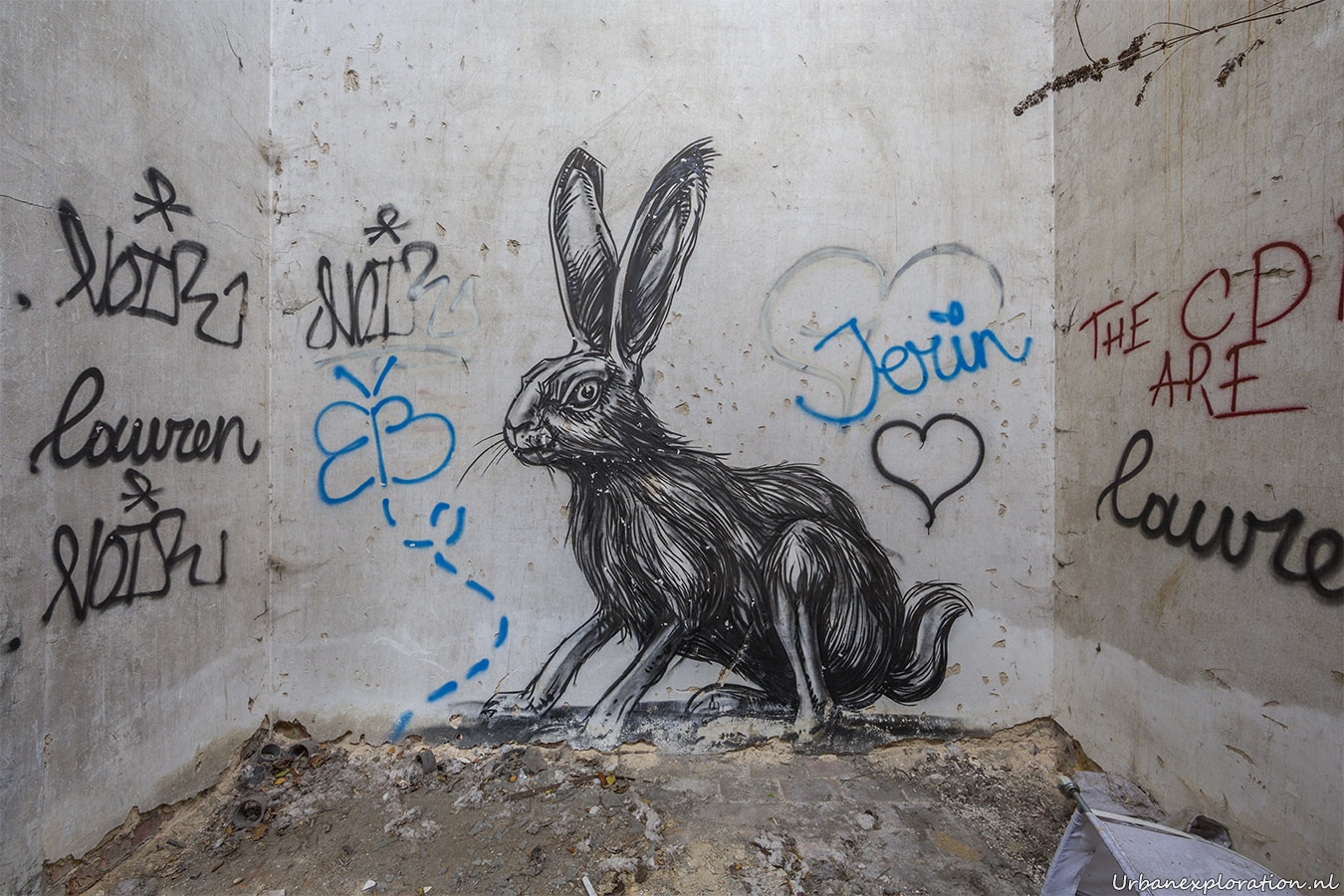
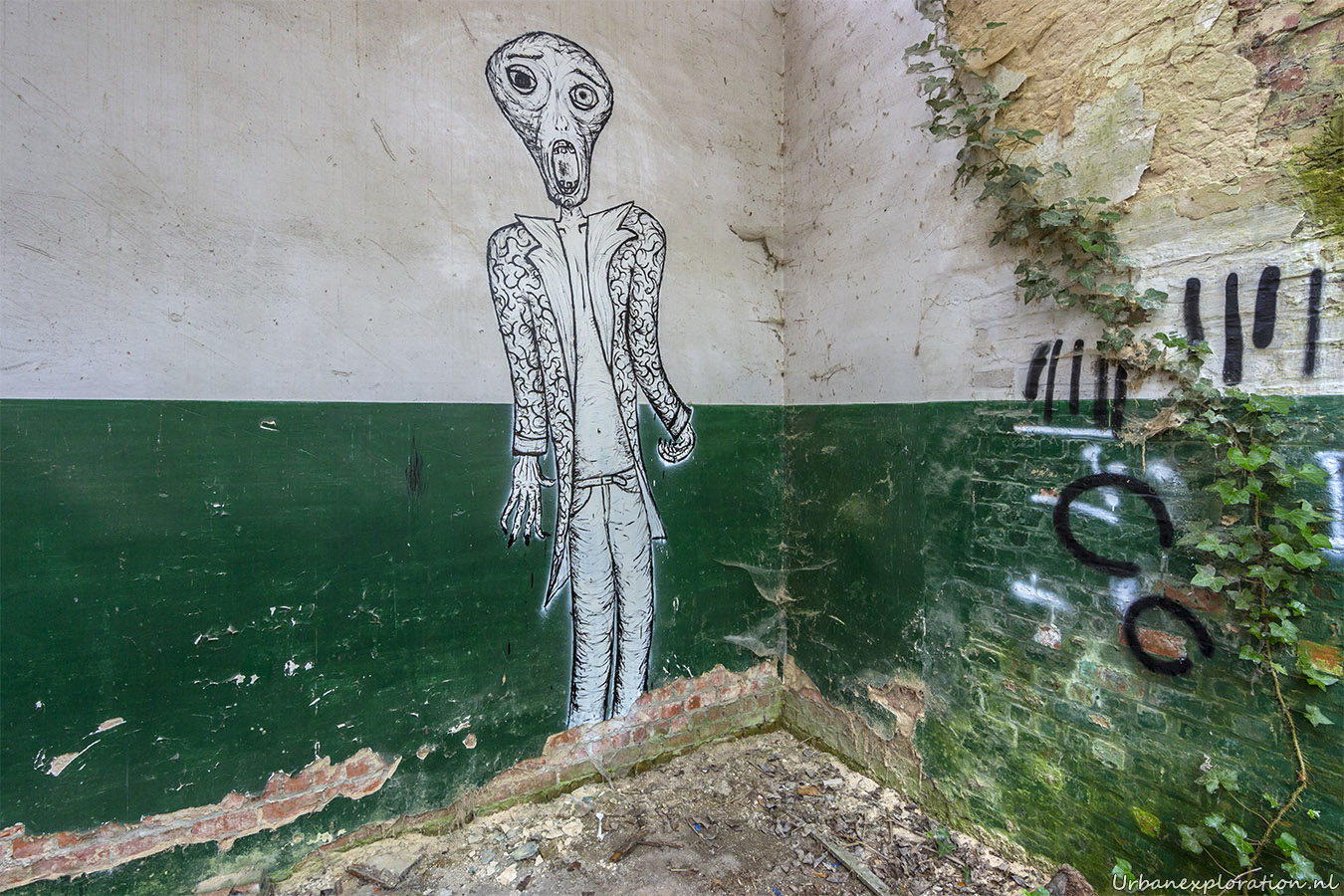
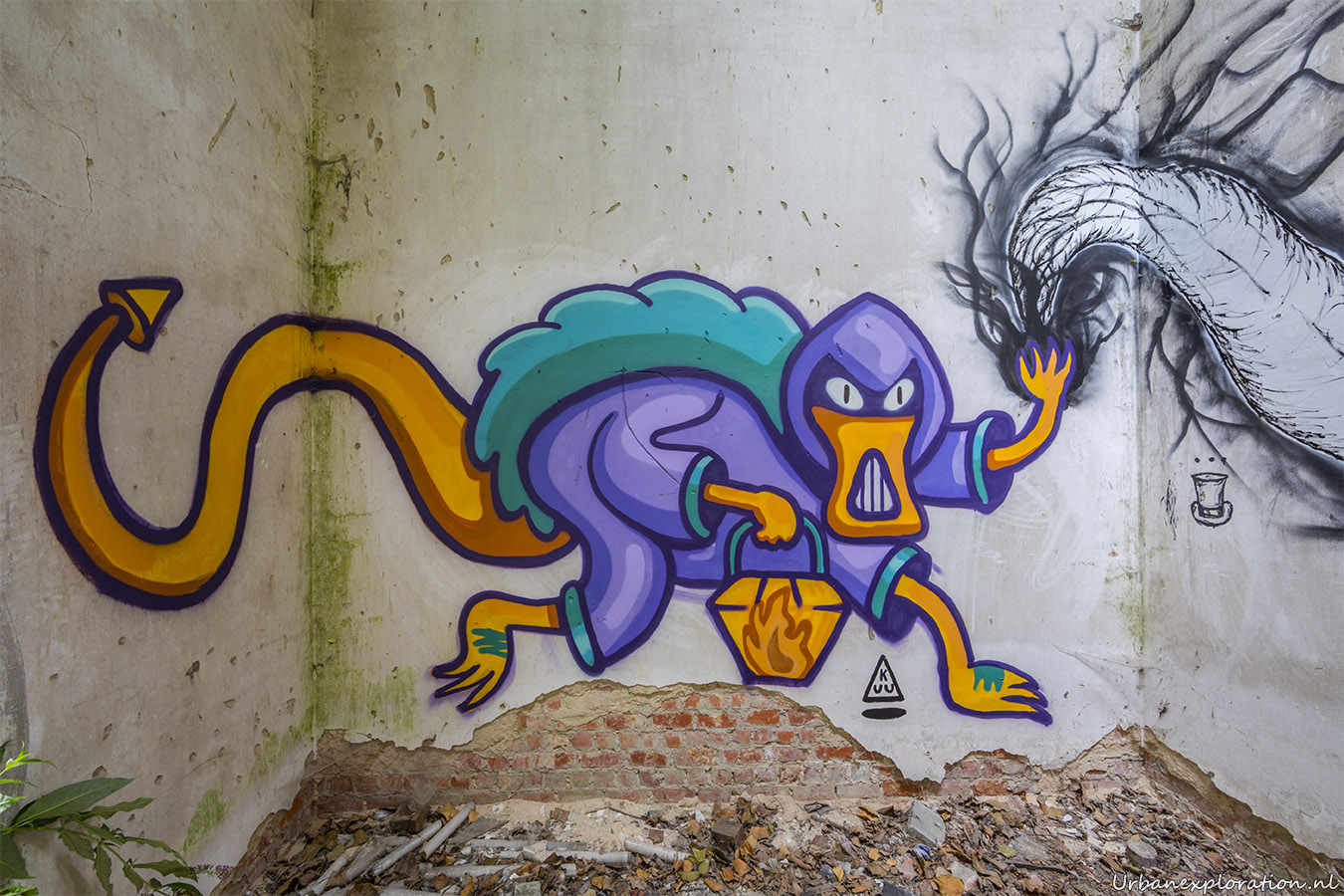
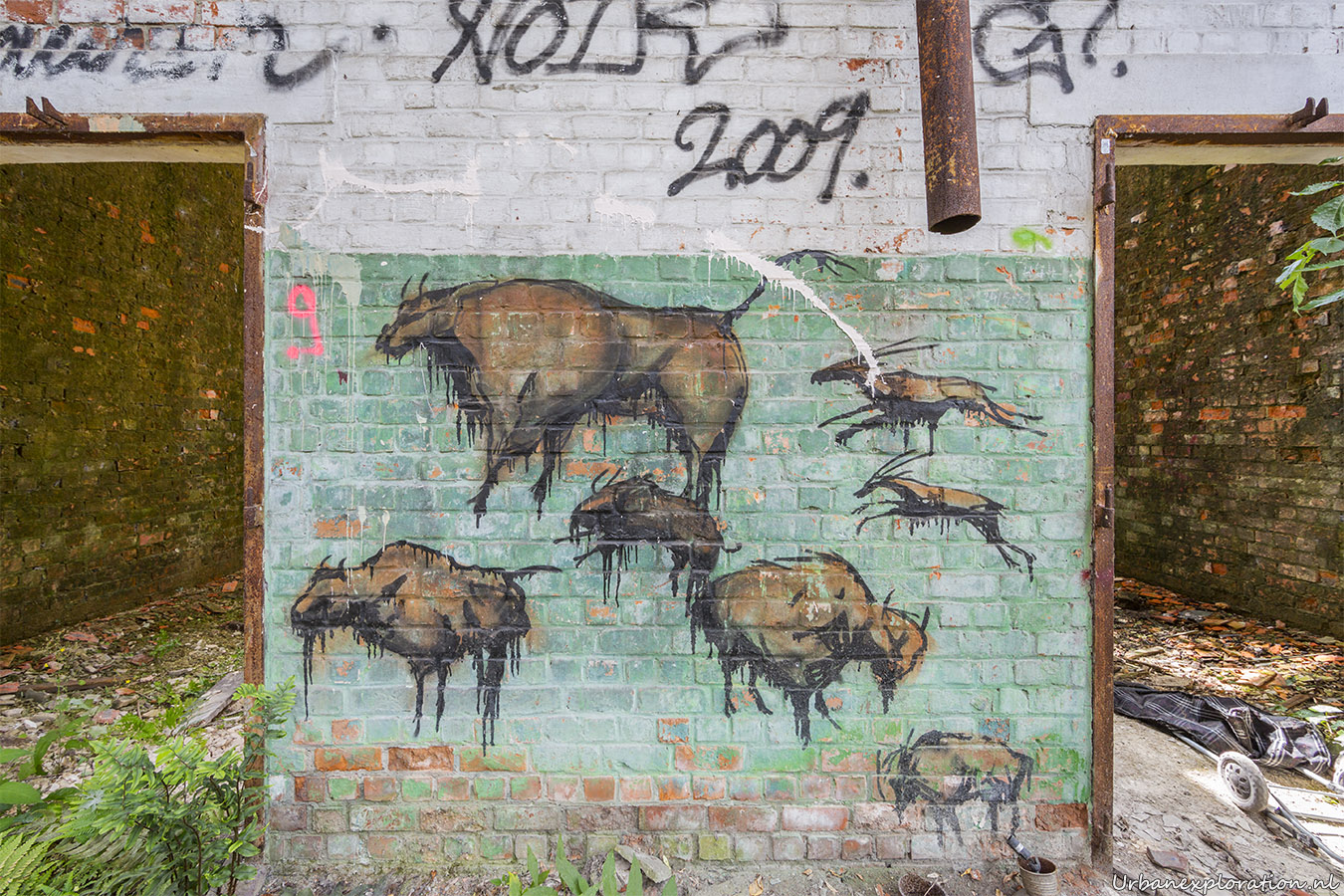
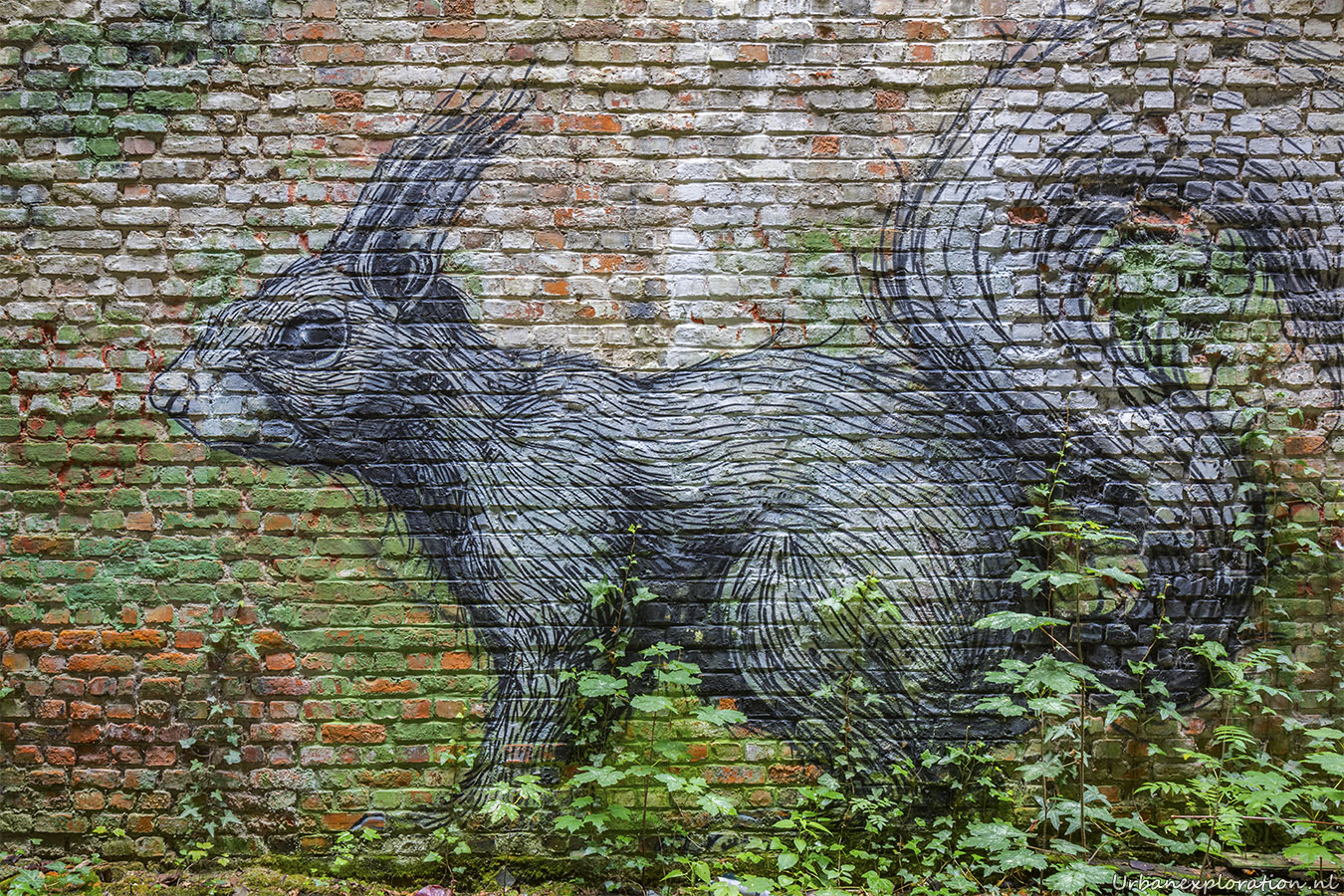
During the following years, the deteriorating industrial buildings became an important location for street artists, particularly the Belgian artist ROA. Before achieving international recognition, ROA used the abandoned factory as a place to experiment with his distinctive black-and-white animal murals. Nearly 60 artworks appeared throughout the complex, depicting rats, rabbits, foxes, birds and other animals, often with remarkable anatomical detail.
The factory became one of the most significant locations associated with ROA’s early artistic development. Its decaying walls provided an unusual setting for his enormous animal paintings, transforming the former industrial site into an unofficial gallery of street art.
In 2019, demolition of the old factory began to make way for the Bijgaardehof residential development. Although most of the buildings disappeared, sections of the original walls containing approximately ten of ROA’s artworks were preserved and incorporated into the redevelopment.
Today, the former industrial site has been transformed into a residential area and public green space. The surviving murals remain a reminder of the period when an abandoned metalworking factory became an important part of Ghent’s street art history.