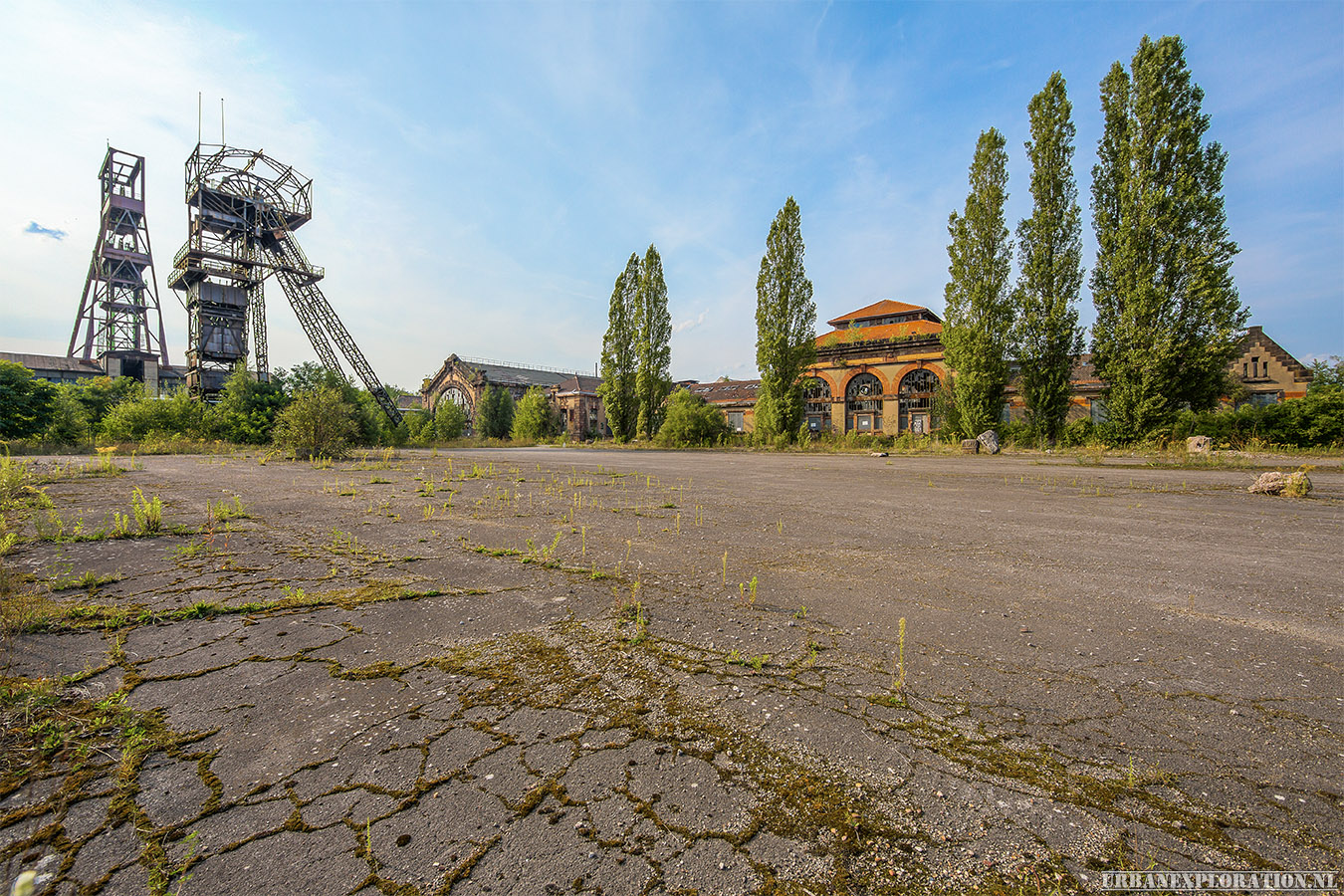
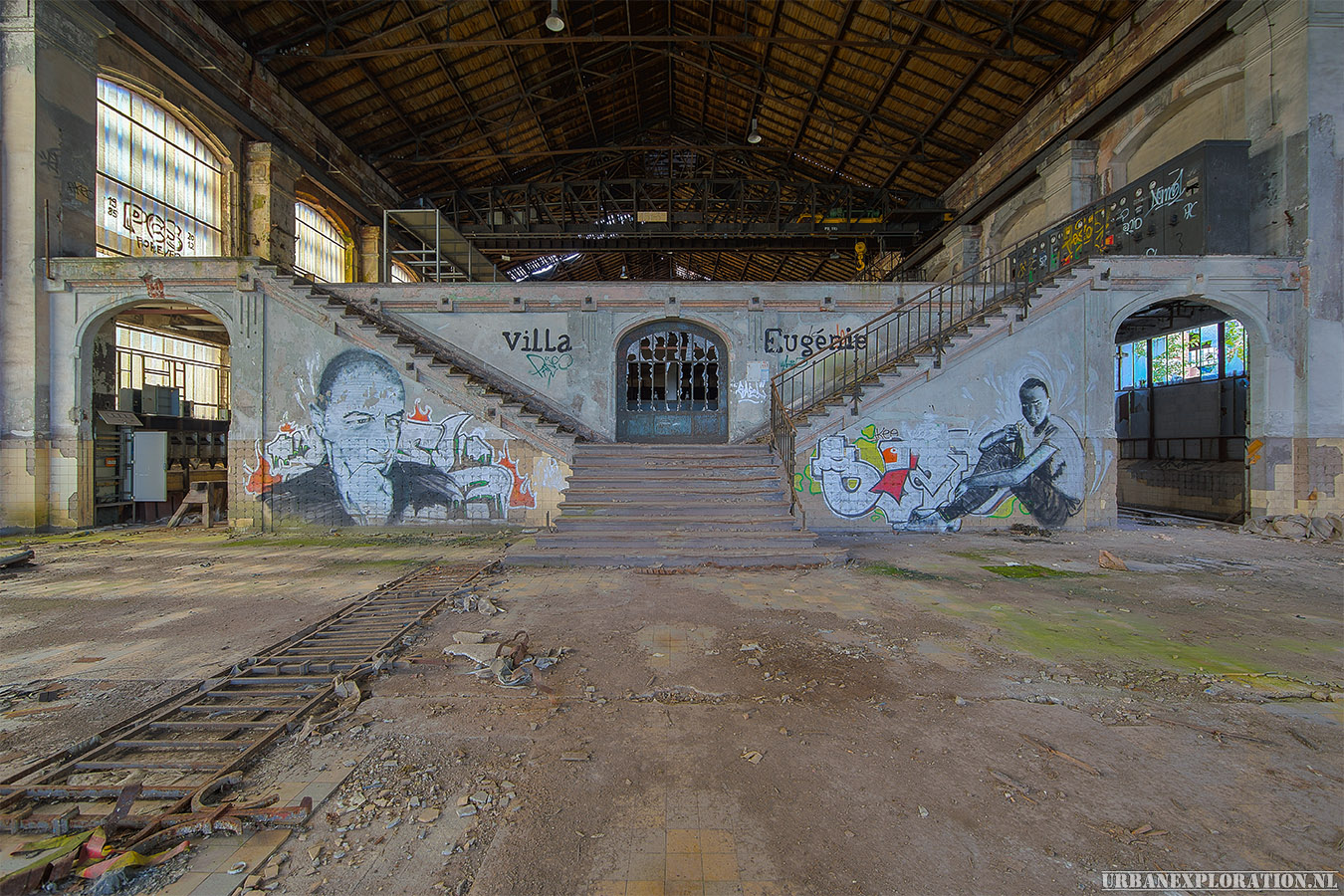
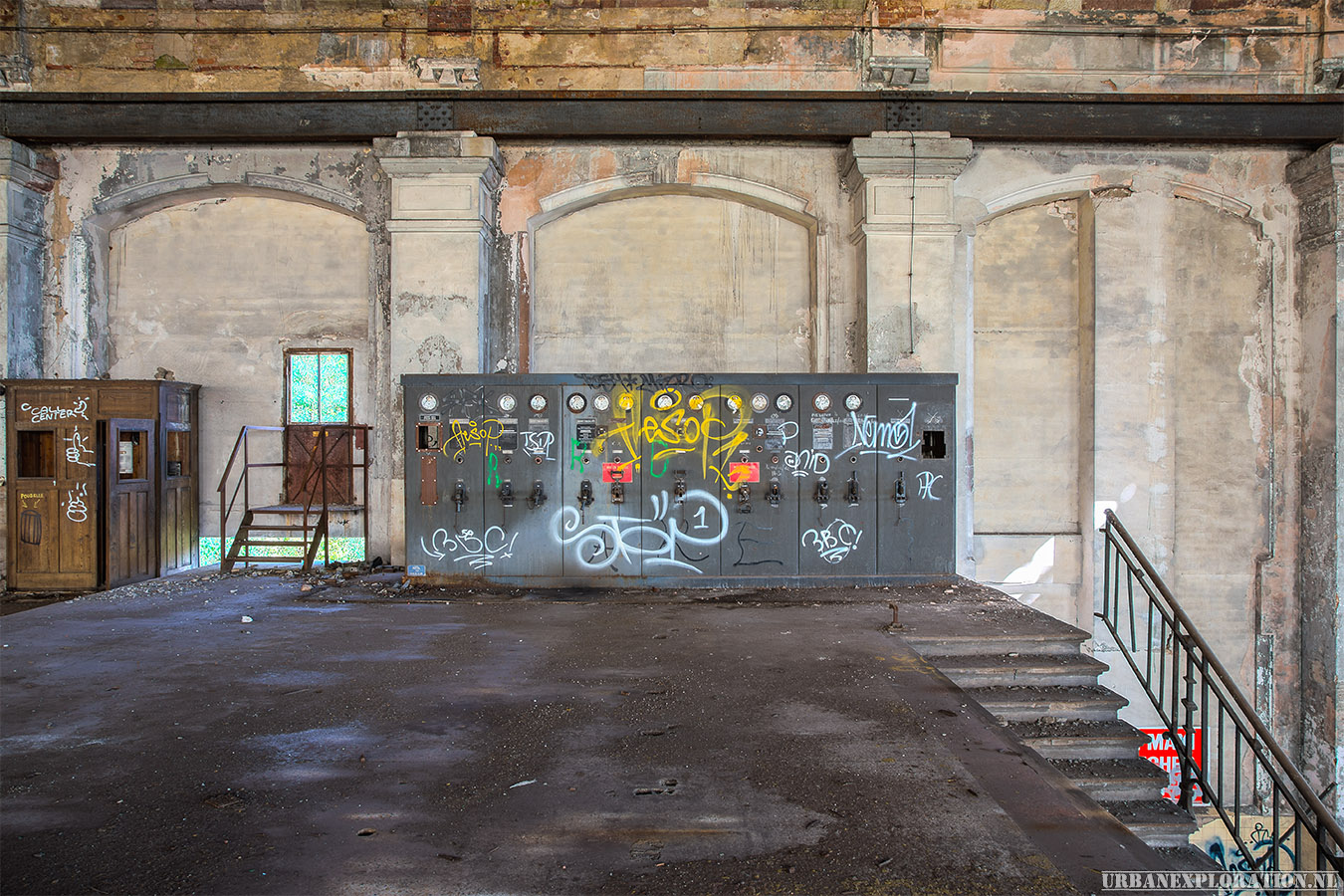
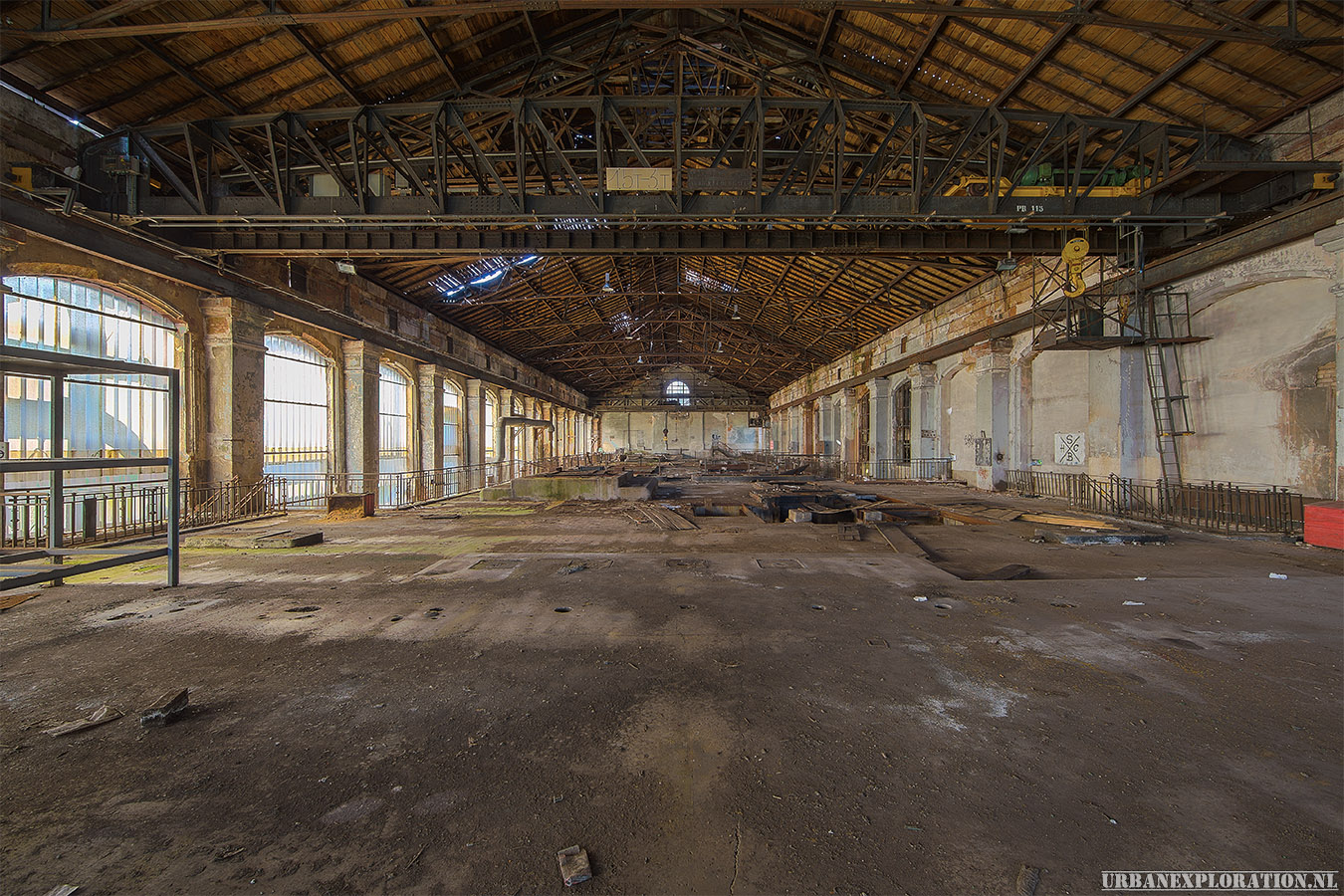
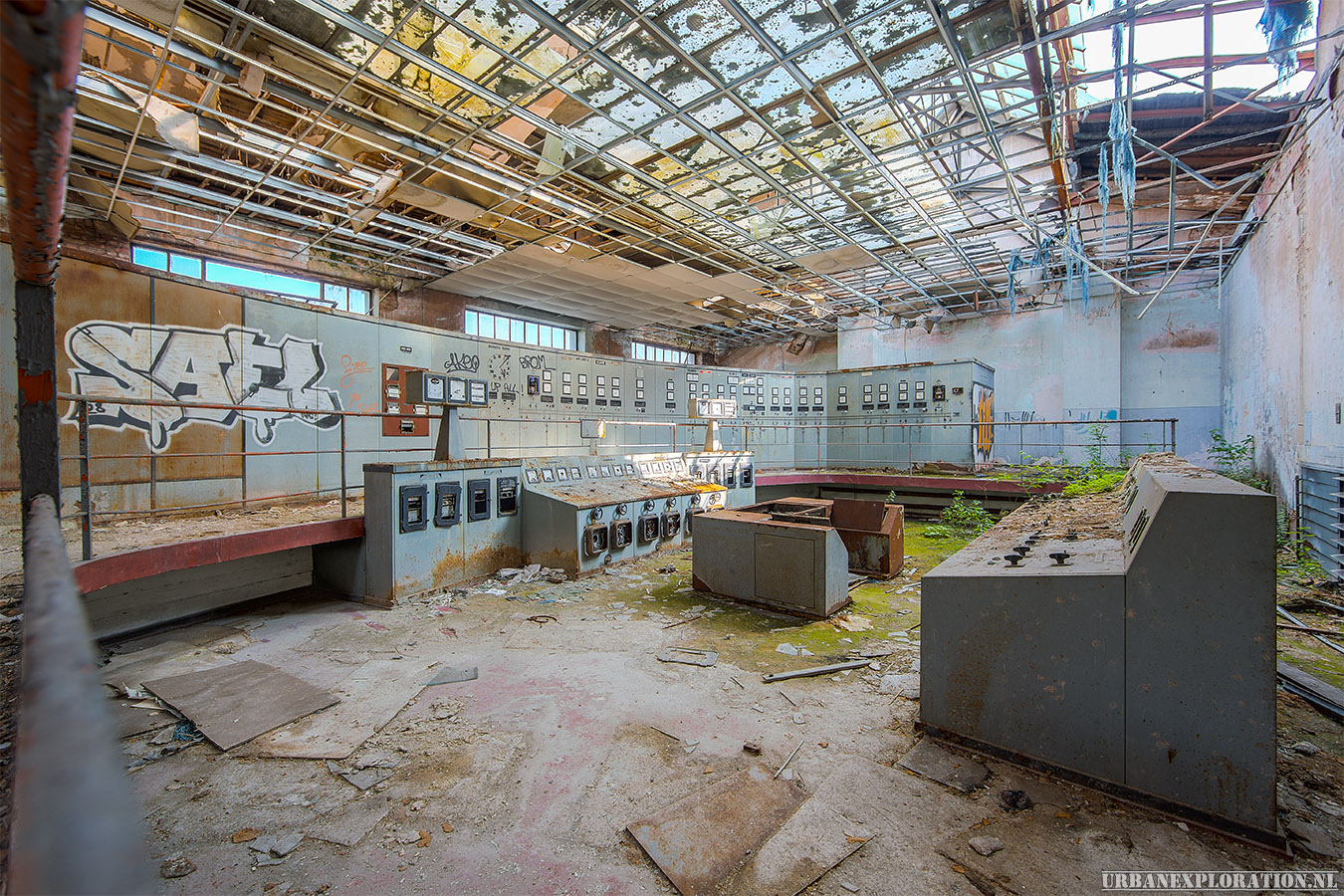
The history of Puits Simon began in 1904, when construction started on the first coal mining shaft near Forbach, in the French region of Lorraine, close to the German border. The second shaft followed in 1907. Both shafts were approximately six metres in diameter and initially reached depths of around 480 and 500 metres. The mining complex eventually became part of the Houillères du Bassin de Lorraine (HBL), one of France’s major coal mining organizations.
Throughout the twentieth century, Puits Simon played an important role in the industrial development of the Lorraine coal basin. The mine was continuously expanded and modernized to reach deeper coal seams. A third shaft, Simon III, was constructed primarily for ventilation and eventually reached a depth of approximately 843 metres. Thousands of miners worked at the complex over the decades, extracting coal that supported the region’s steel industry and energy production.
The darkest chapter in the mine’s history occurred on 25 February 1985. At approximately 7:21 a.m., a powerful methane gas explosion struck an underground working area at a depth of around 1,050 metres. The explosion, known in French as a coup de grisou, devastated sections of the mine and caused one of France’s most serious mining disasters of the late twentieth century. Twenty-two miners lost their lives, while 103 others were injured or affected by toxic gases. Many of the victims were young workers, with approximately half under the age of 25. The disaster deeply affected the mining communities of Forbach and the surrounding region.
Despite the tragedy, coal production continued for another twelve years. Mining operations at Simon I and II ended in December 1997, while the site was definitively closed in 2001. The closure marked the end of almost a century of coal mining at Puits Simon and reflected the wider decline of the coal industry in Lorraine.
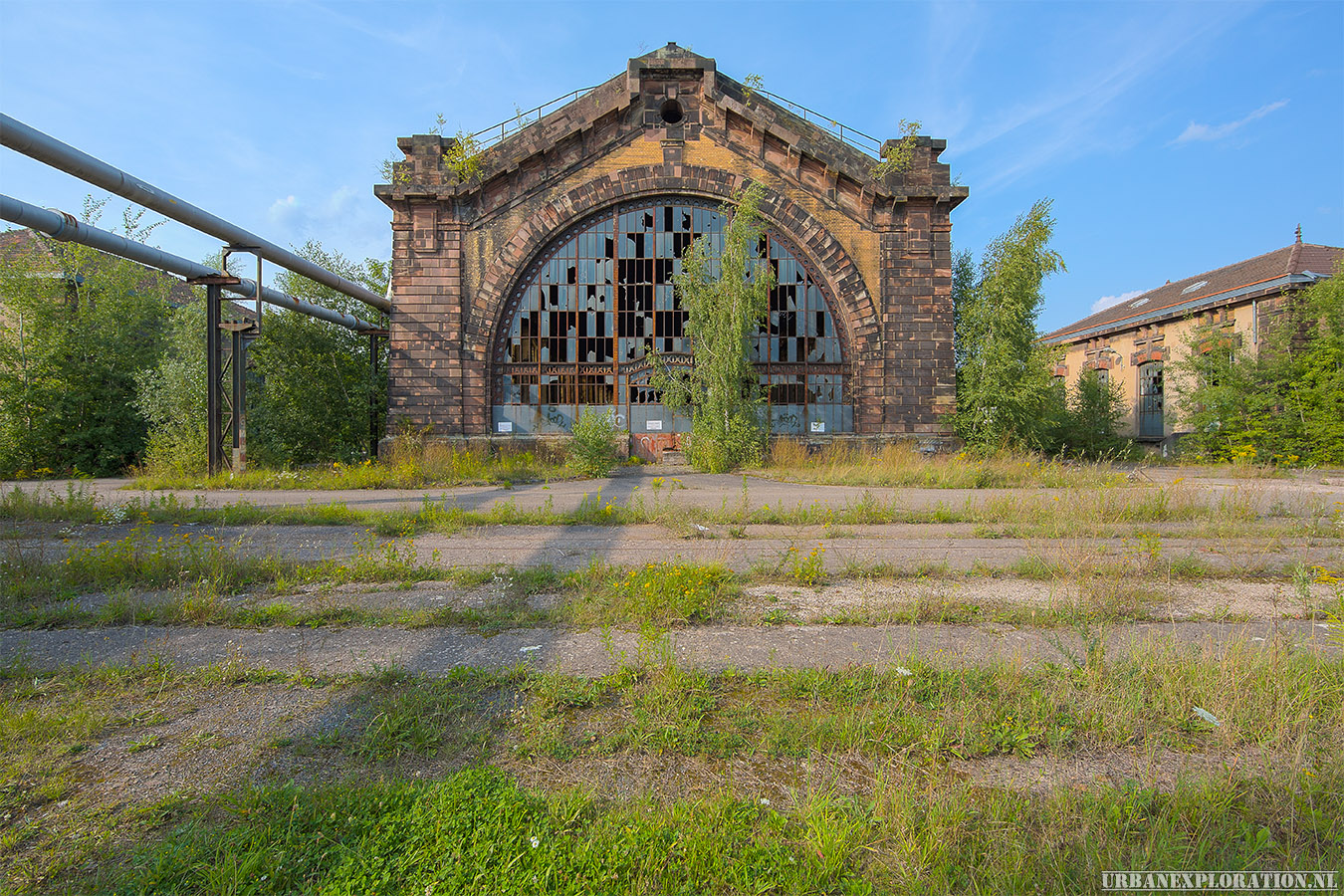
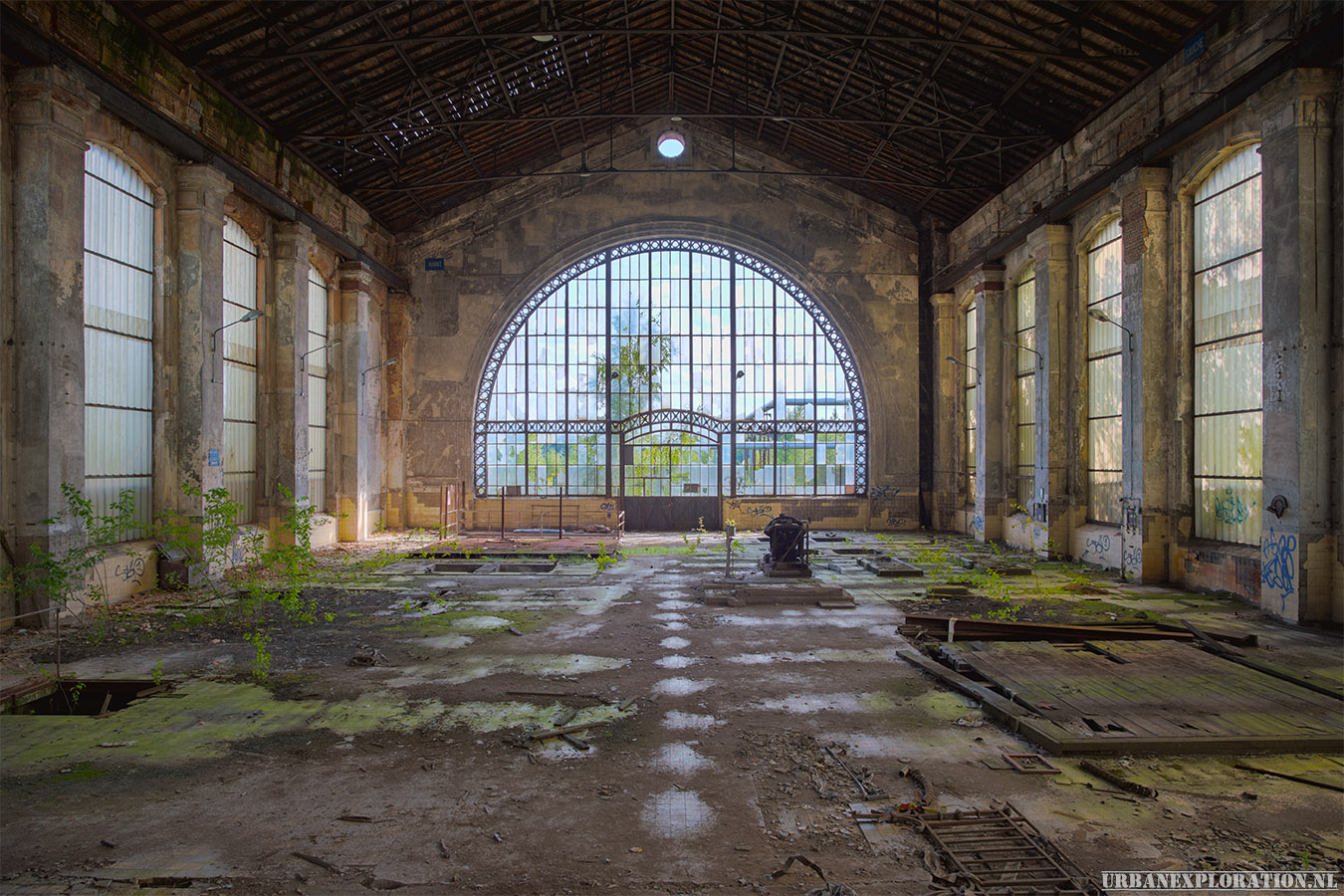
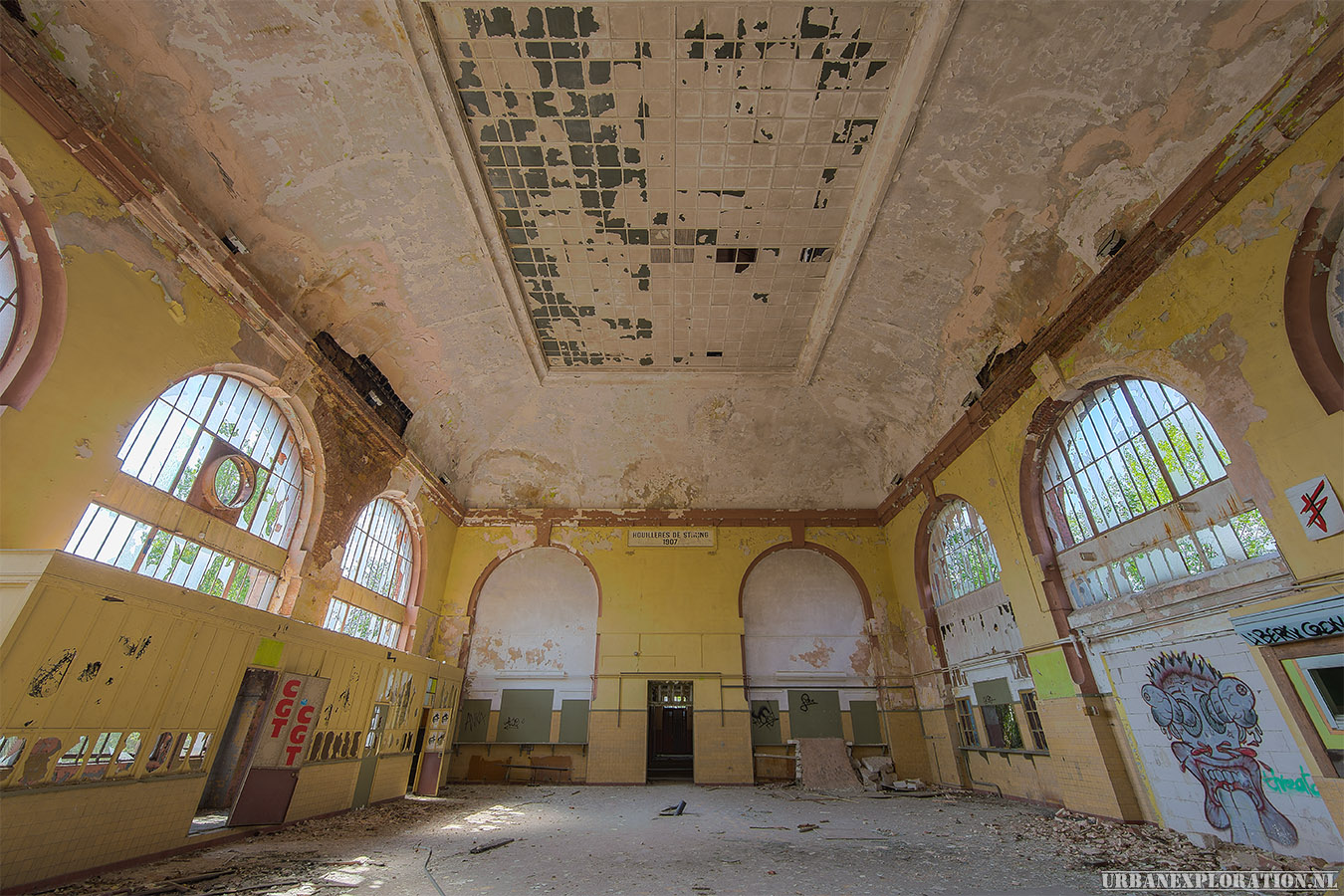
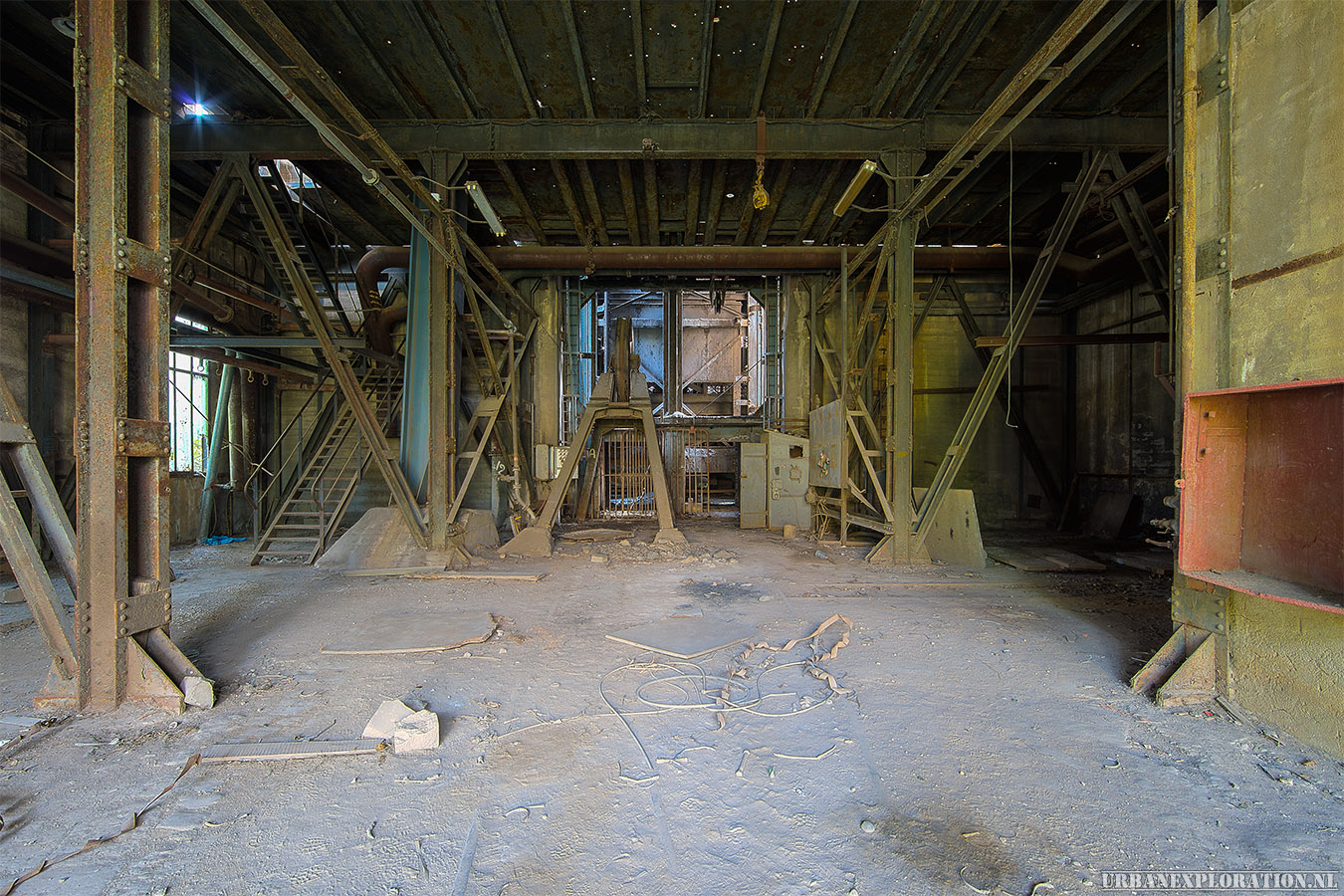
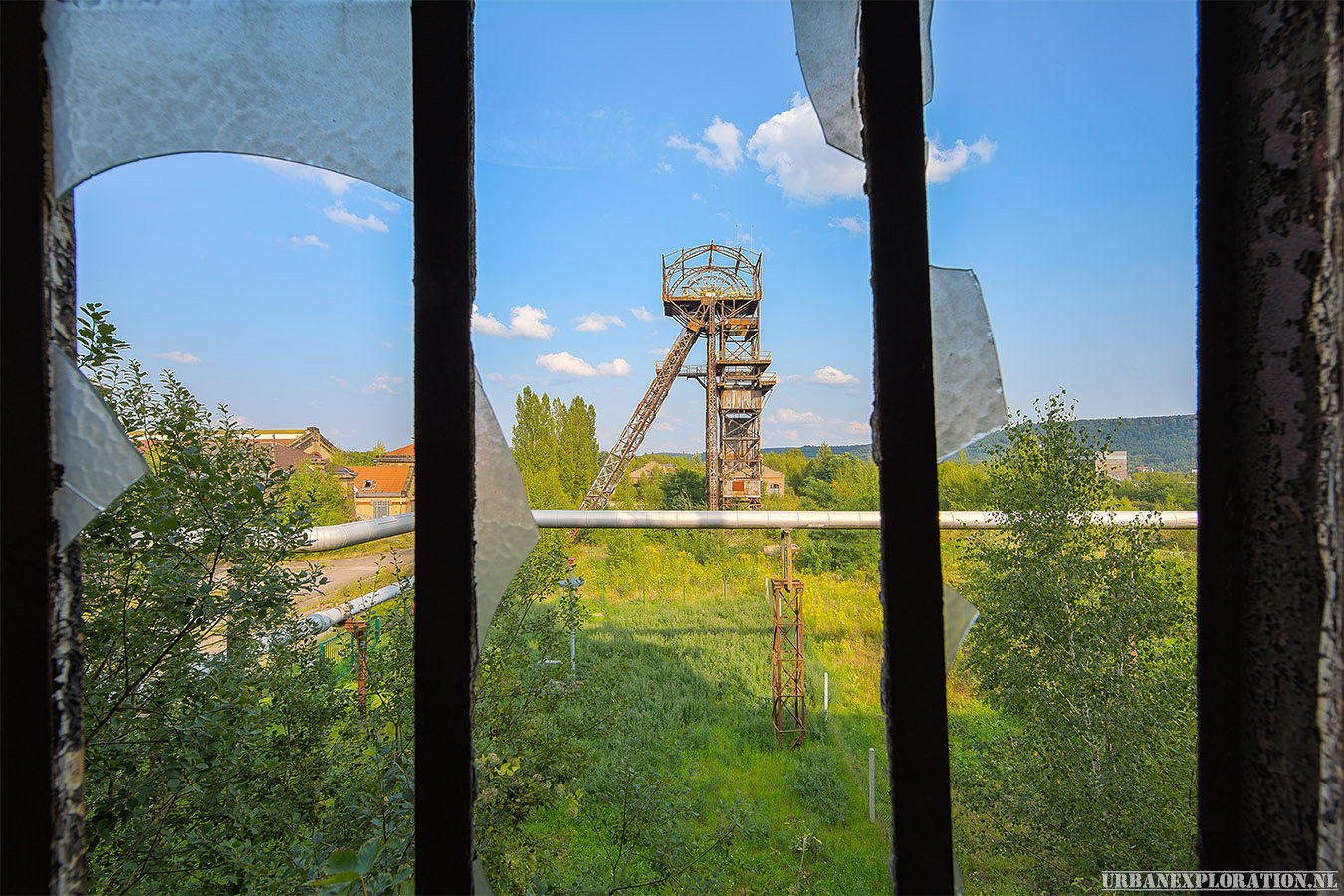
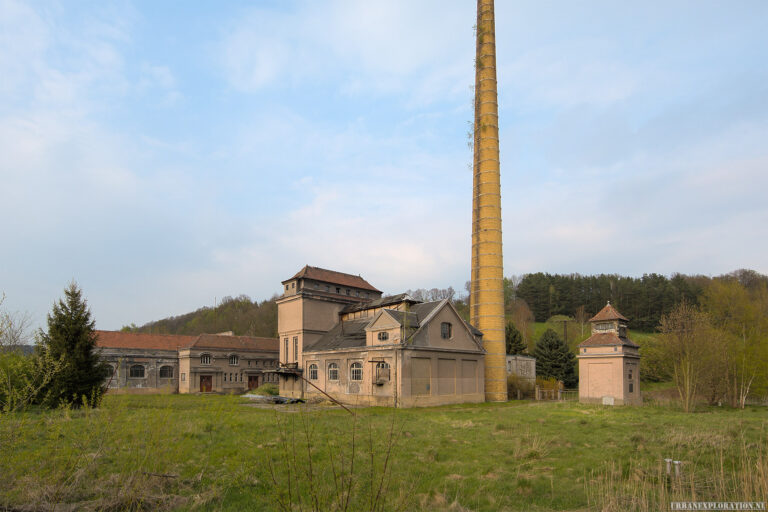
Following the closure, much of the industrial infrastructure was dismantled, but the distinctive headframes of Simon I and Simon II and several historic buildings survived. In 2007, parts of the former mining complex received official protection as French historical monuments, recognizing their importance to the country’s industrial heritage.