Tôlerie Greisendall – Abandoned Steel Rolling Mill
The history of Tôlerie Greisendall dates back to 1925, when the Luxembourg steel company ARBED began constructing a new steel rolling mill in Dudelange, close to the French border. The existing steelworks in Dudelange lacked sufficient space for further expansion, leading to the development of a separate industrial complex at Greisendall.
The factory opened in 1926 and was considered one of the most modern steel rolling mills of its time. Equipped with powerful electric motors of 2,000 and 3,000 horsepower, the facility produced both thick and thin steel sheets. Its monthly production capacity reached approximately 14,400 tonnes. Two railway connections linked the factory to the main Dudelange steelworks, allowing raw materials and finished products to be transported efficiently.
In 1959, the industrial complex entered a new phase with the introduction of a continuous galvanizing line. This process coated steel sheets with zinc to protect them against corrosion. The installation was modernized several times over the following decades and became an important part of the site’s industrial operations.
On 26 November 2001, production was stopped as part of the conditions imposed during the creation of the Arcelor steel group. However, the factory was not permanently closed. In August 2003, Jean-Pierre Viellevoye and Robert Servais restarted the galvanizing operation under the company name DUGAL S.A. Around 30 employees worked at the facility, where production continued 24 hours a day. The complete galvanizing line measured an impressive 465 metres.
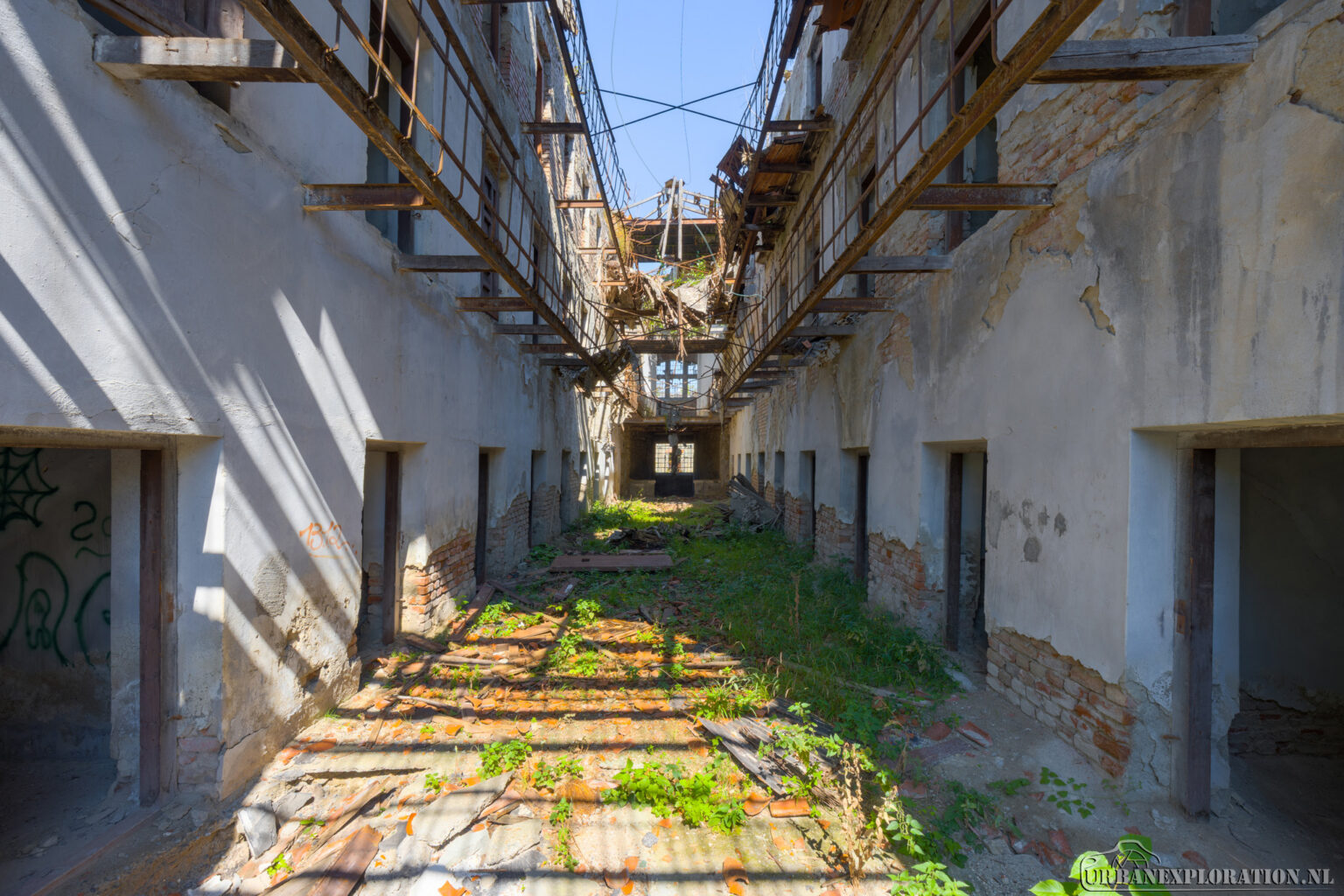
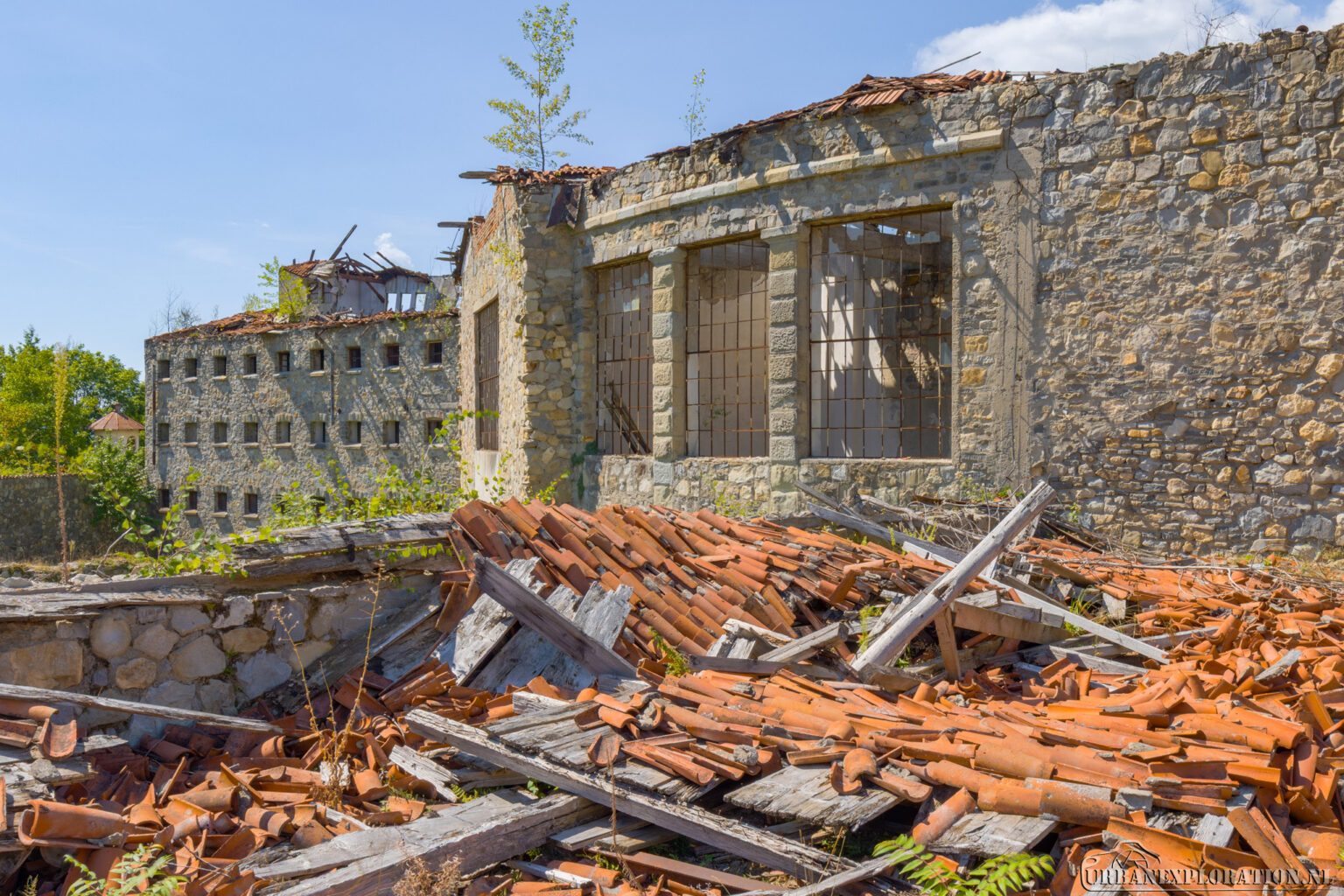
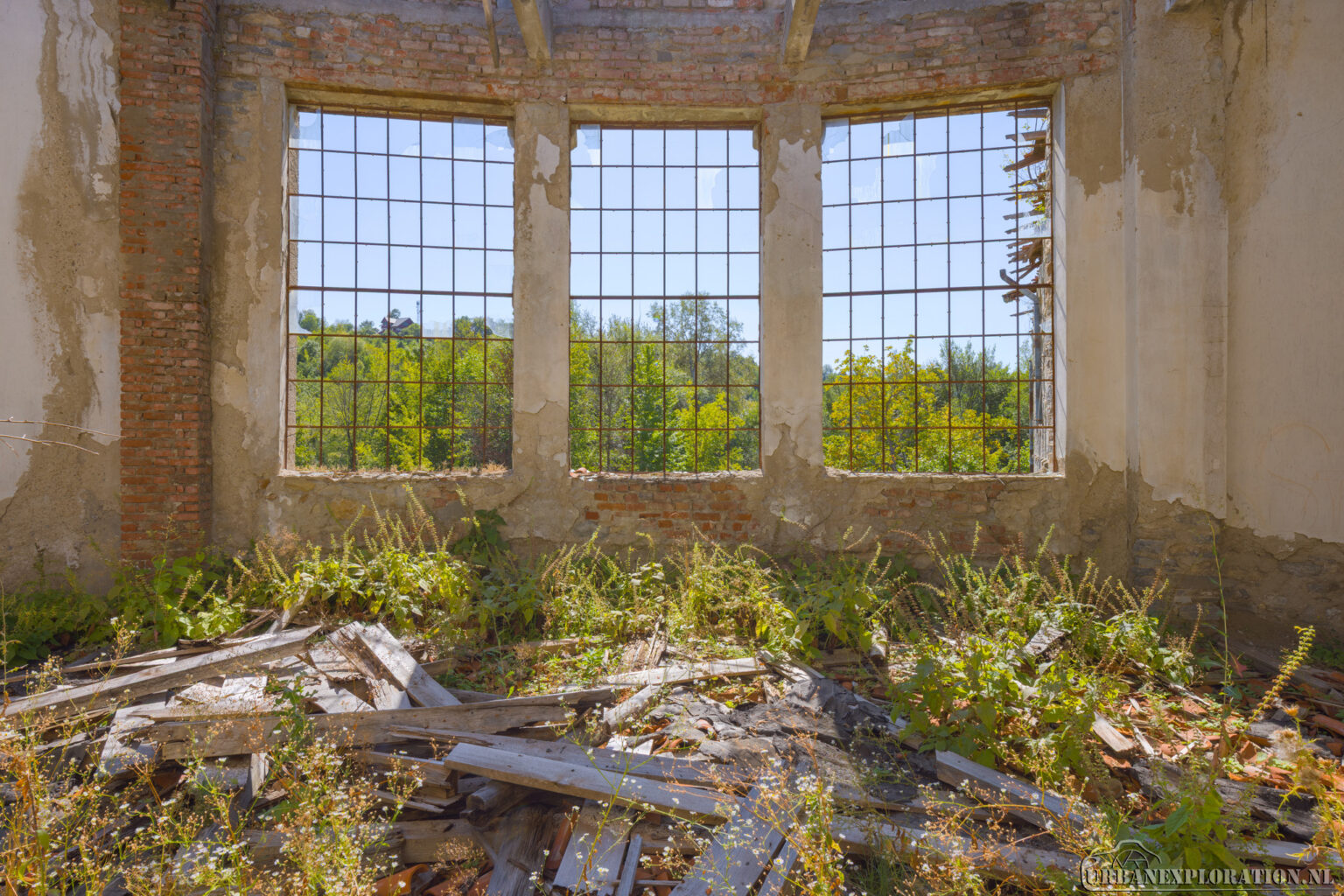
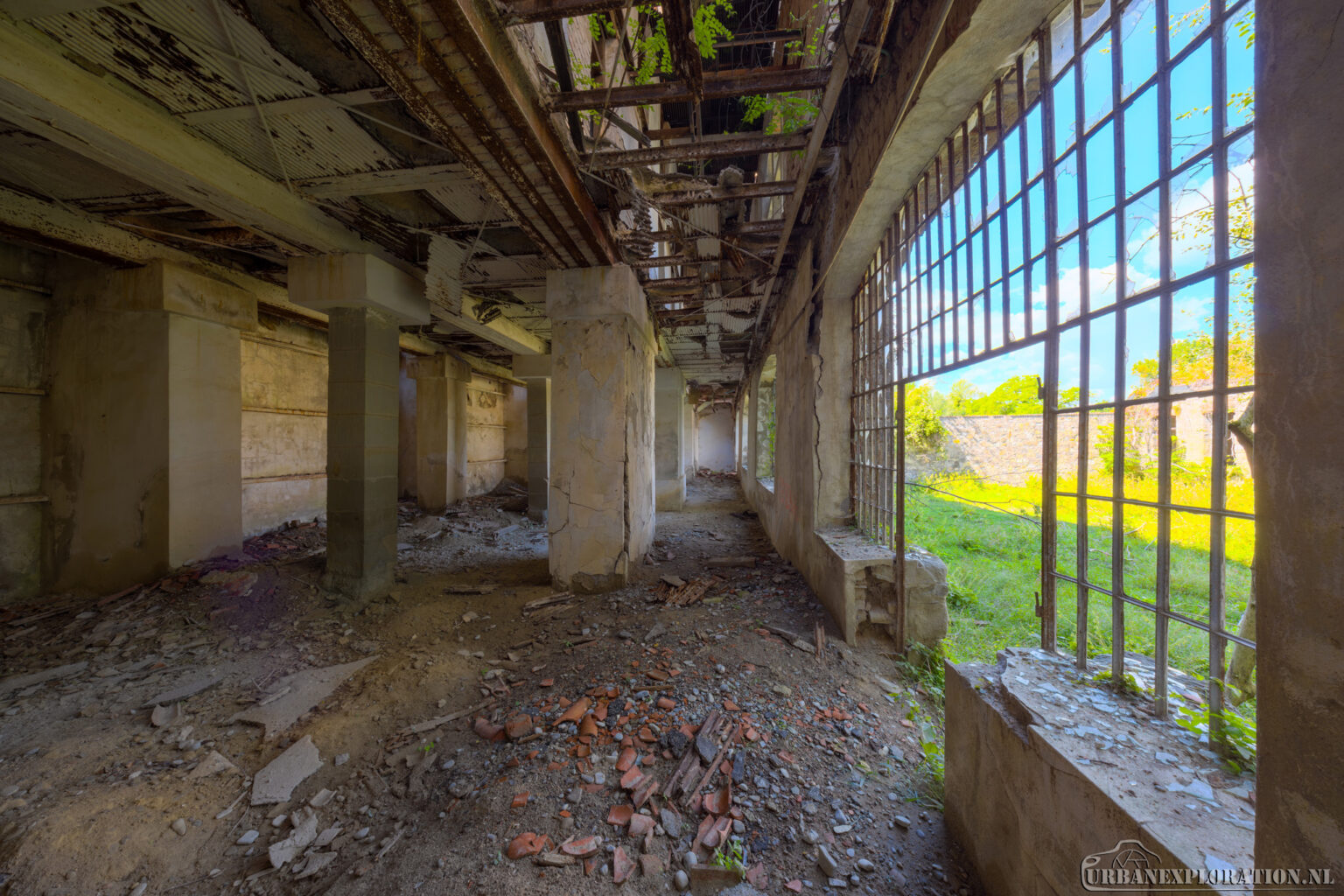
In 2013, the factory finally closed, ending nearly 90 years of industrial activity at Greisendall. The enormous production halls, electrical facilities and administrative buildings remained as reminders of Luxembourg’s steelmaking history.
Visited - 2017
Defunct - 2013
Status - In decline
Country - Luxembourg
Here are some other albums that might be of interest.