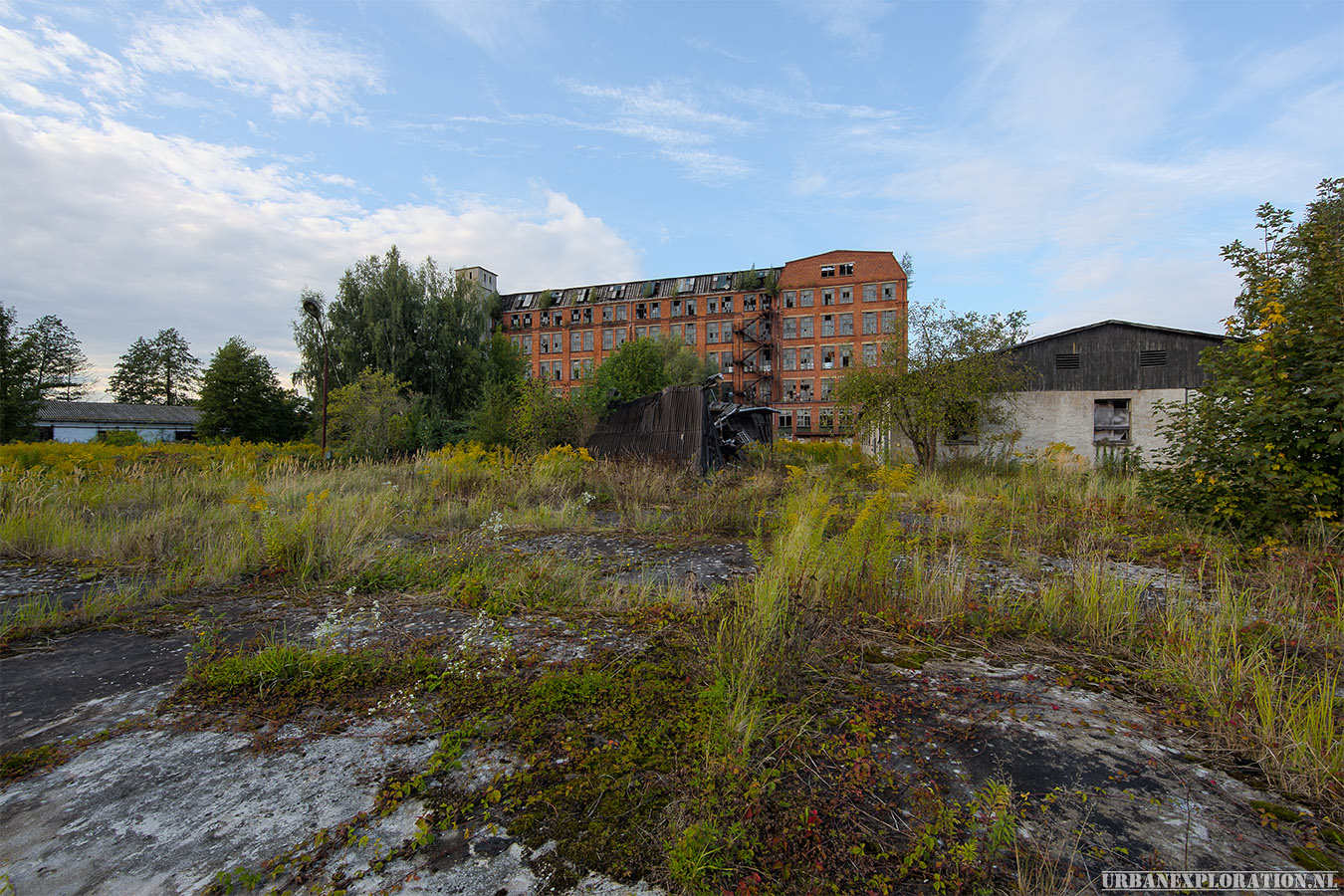
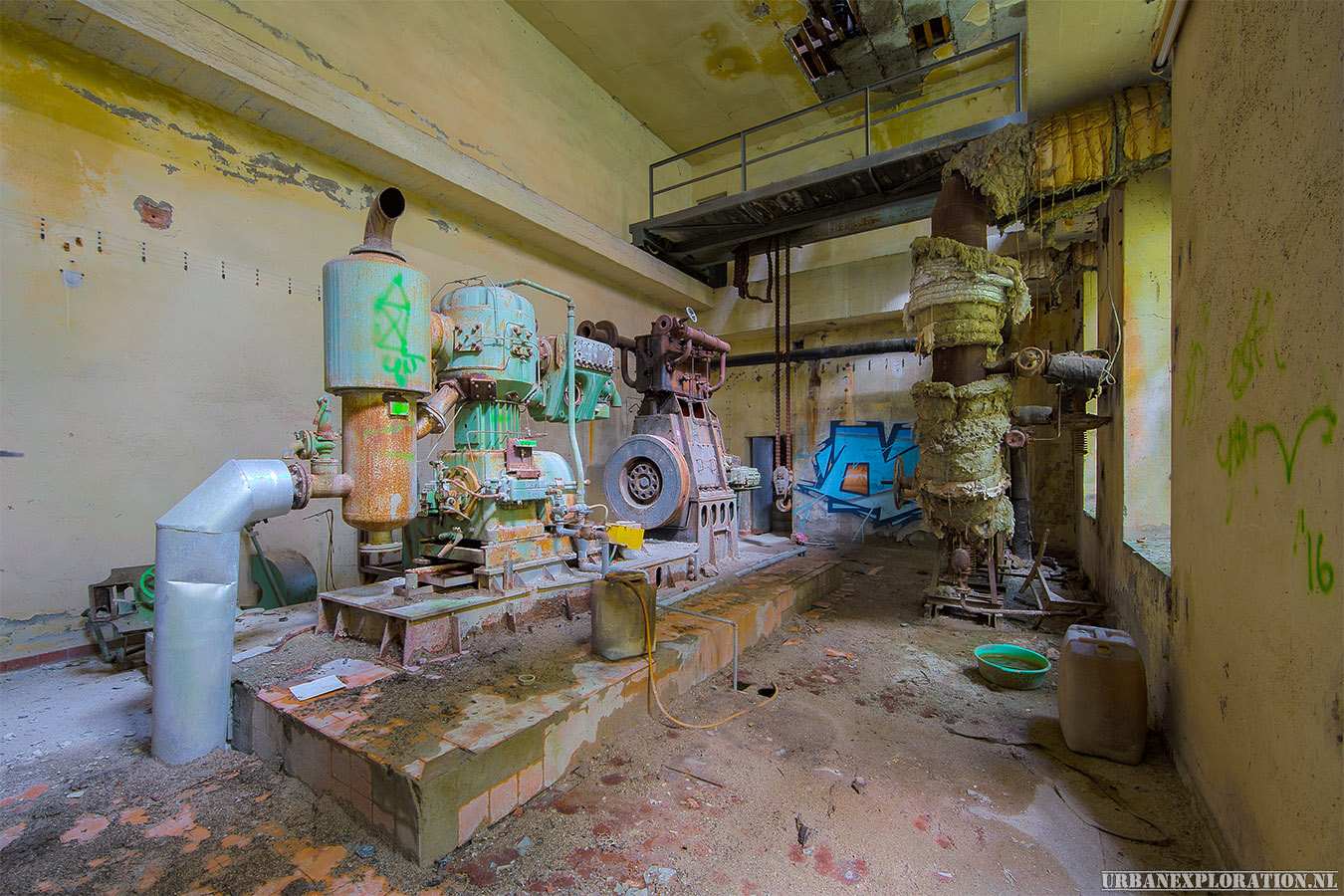
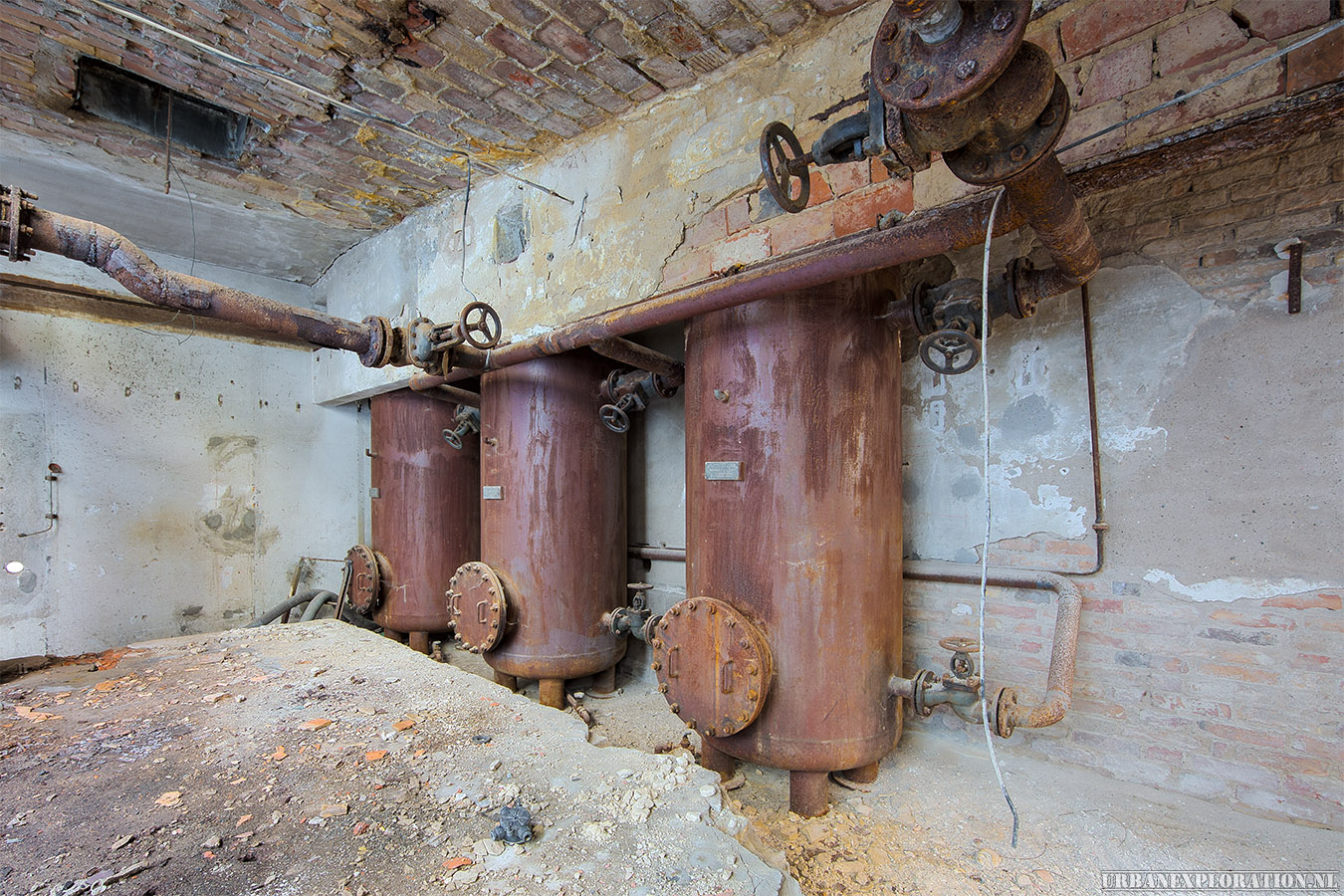
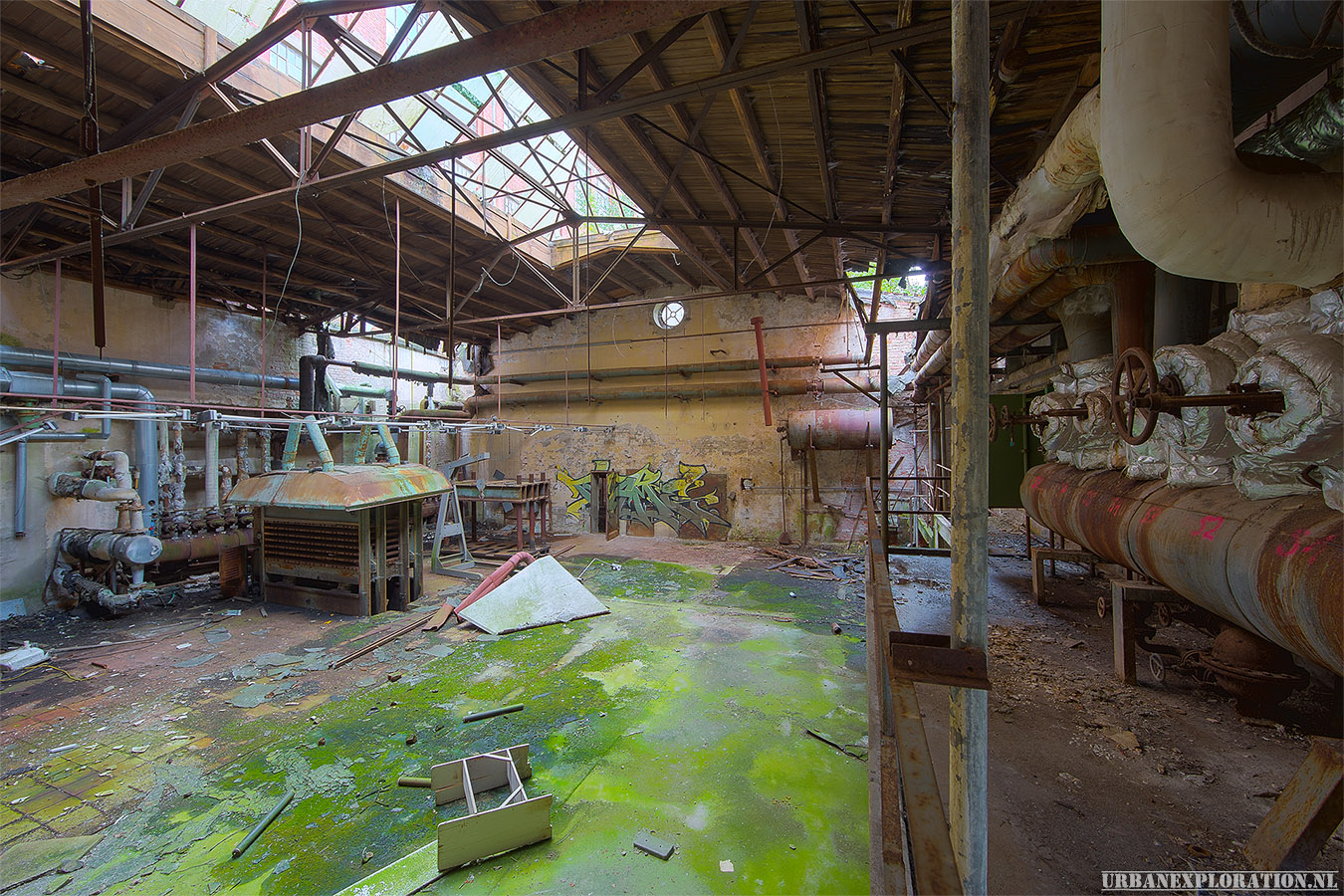
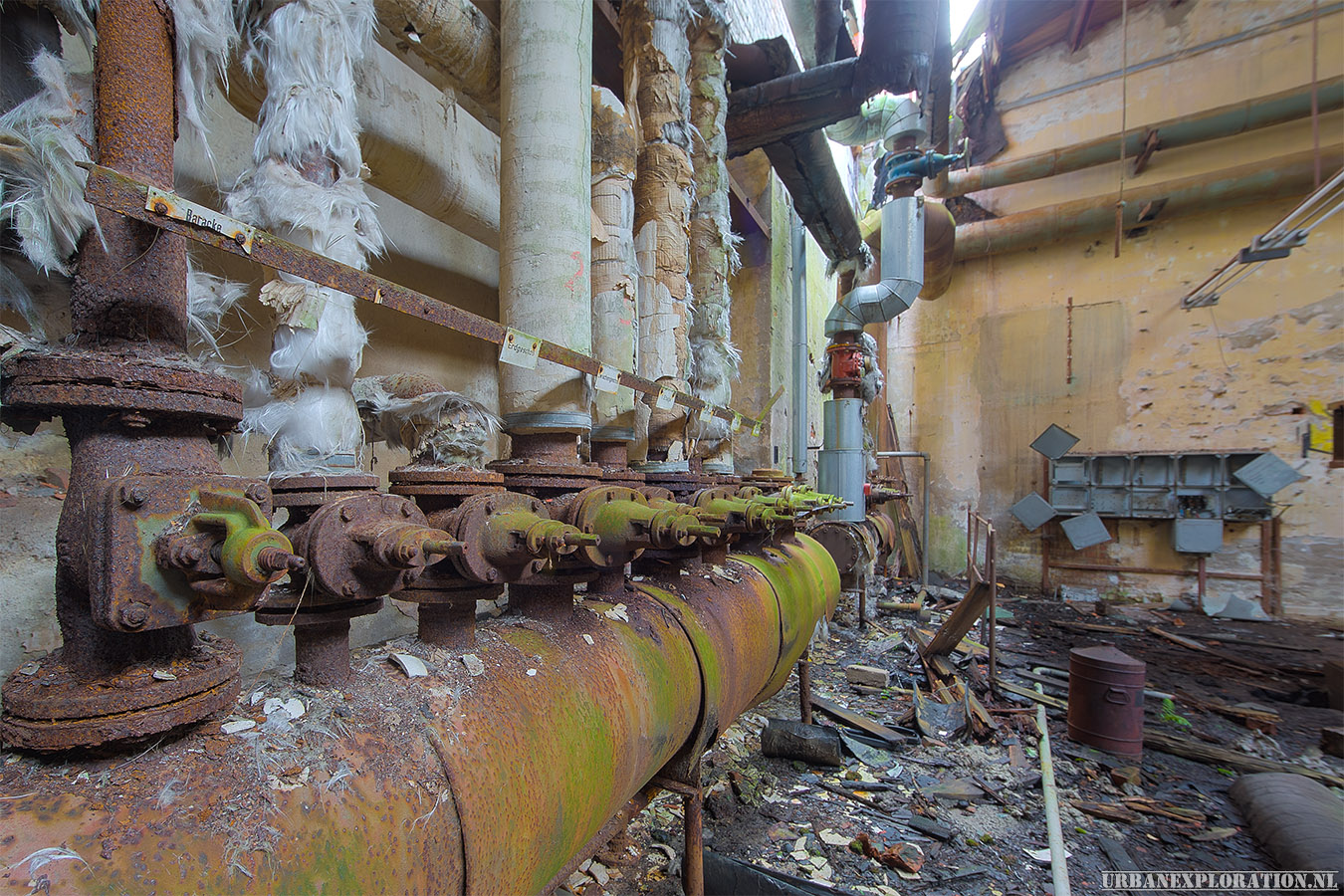
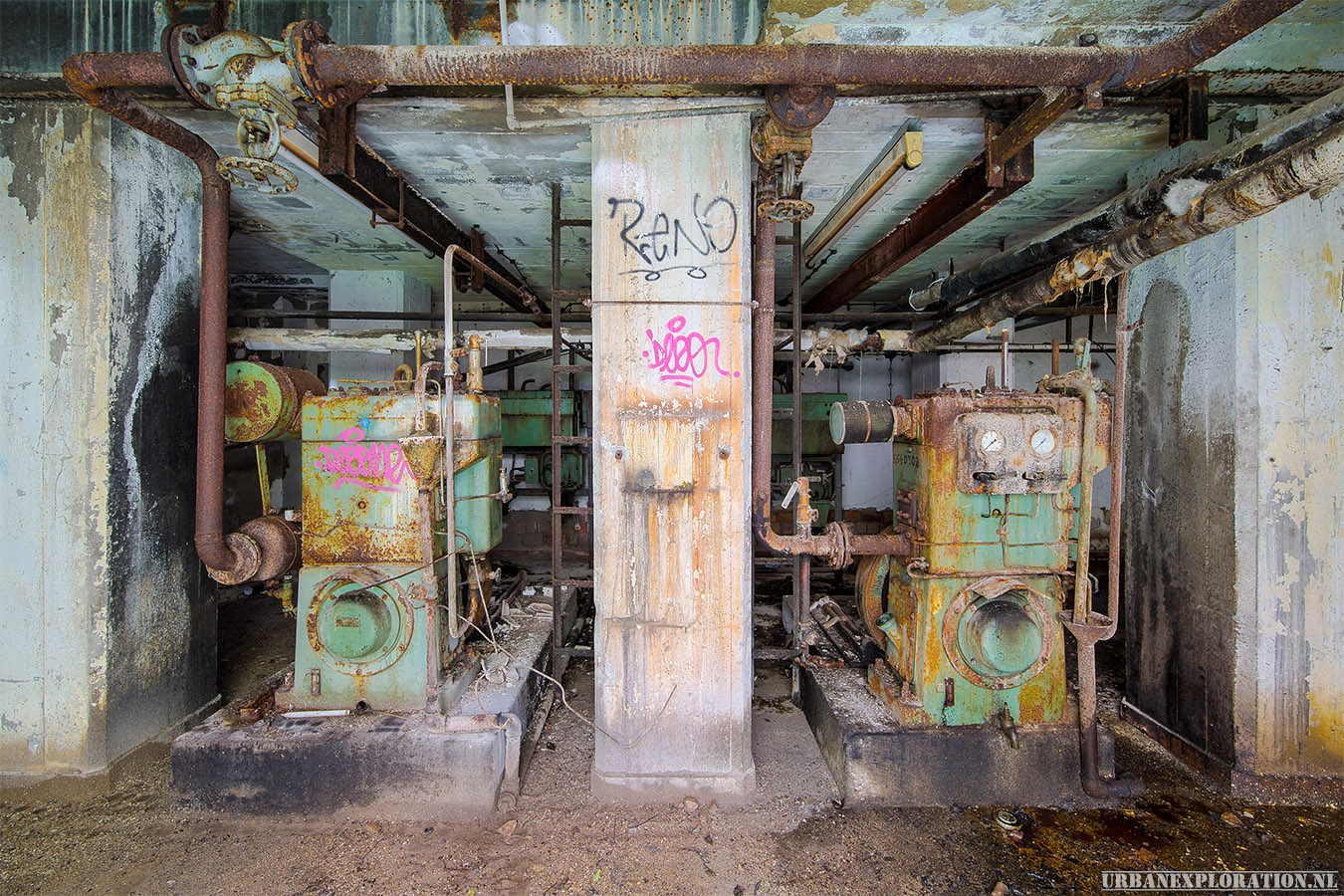
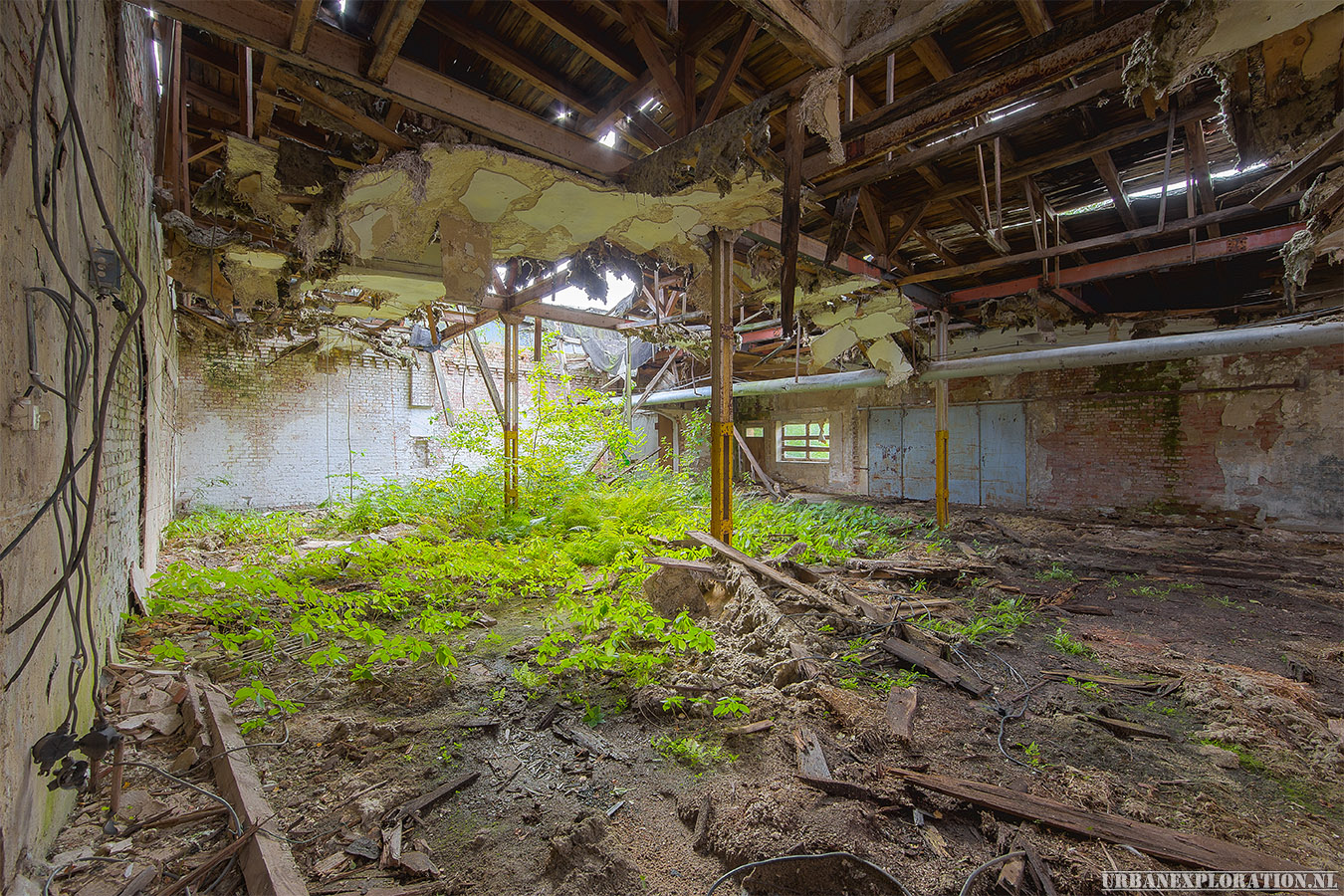
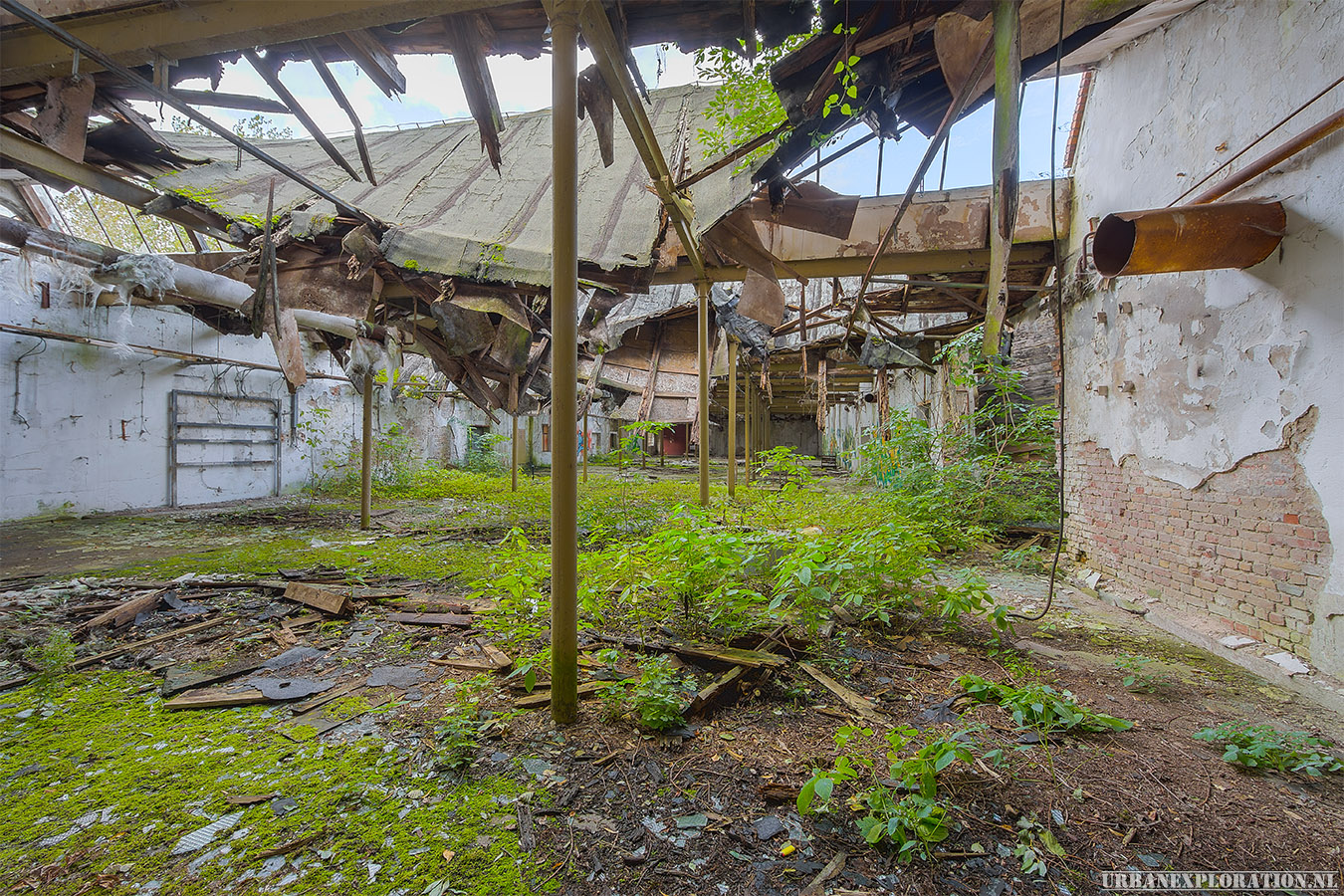
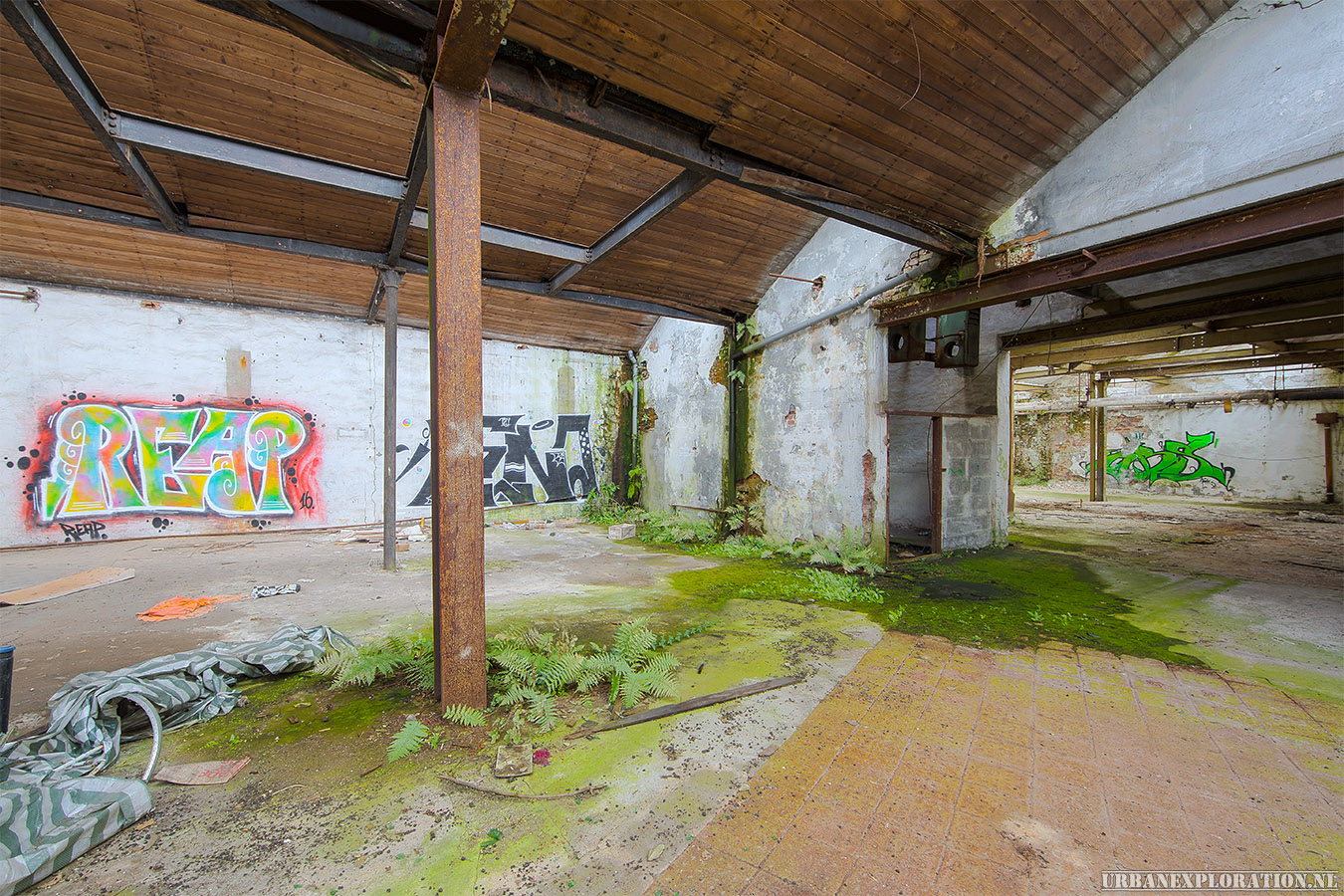
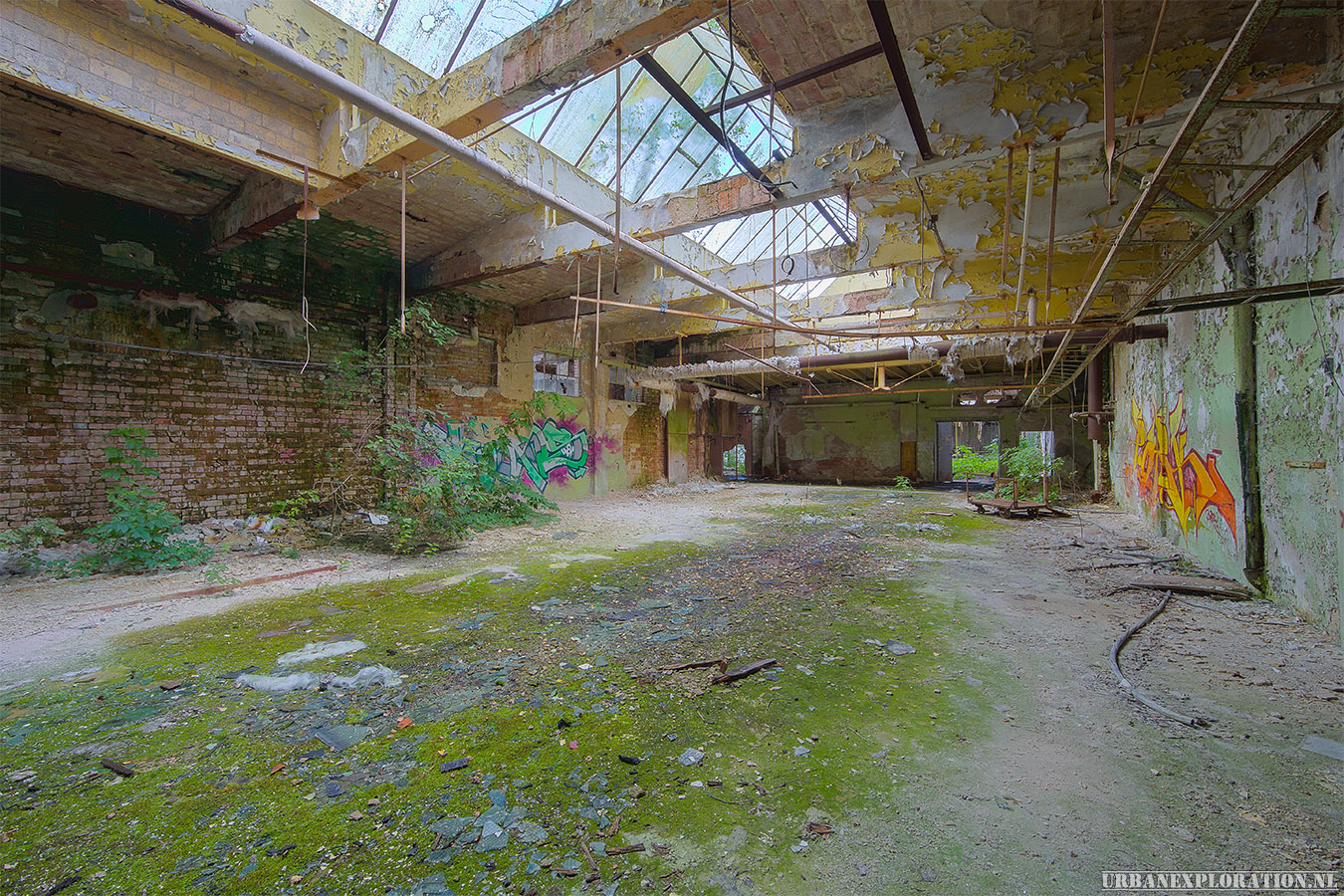
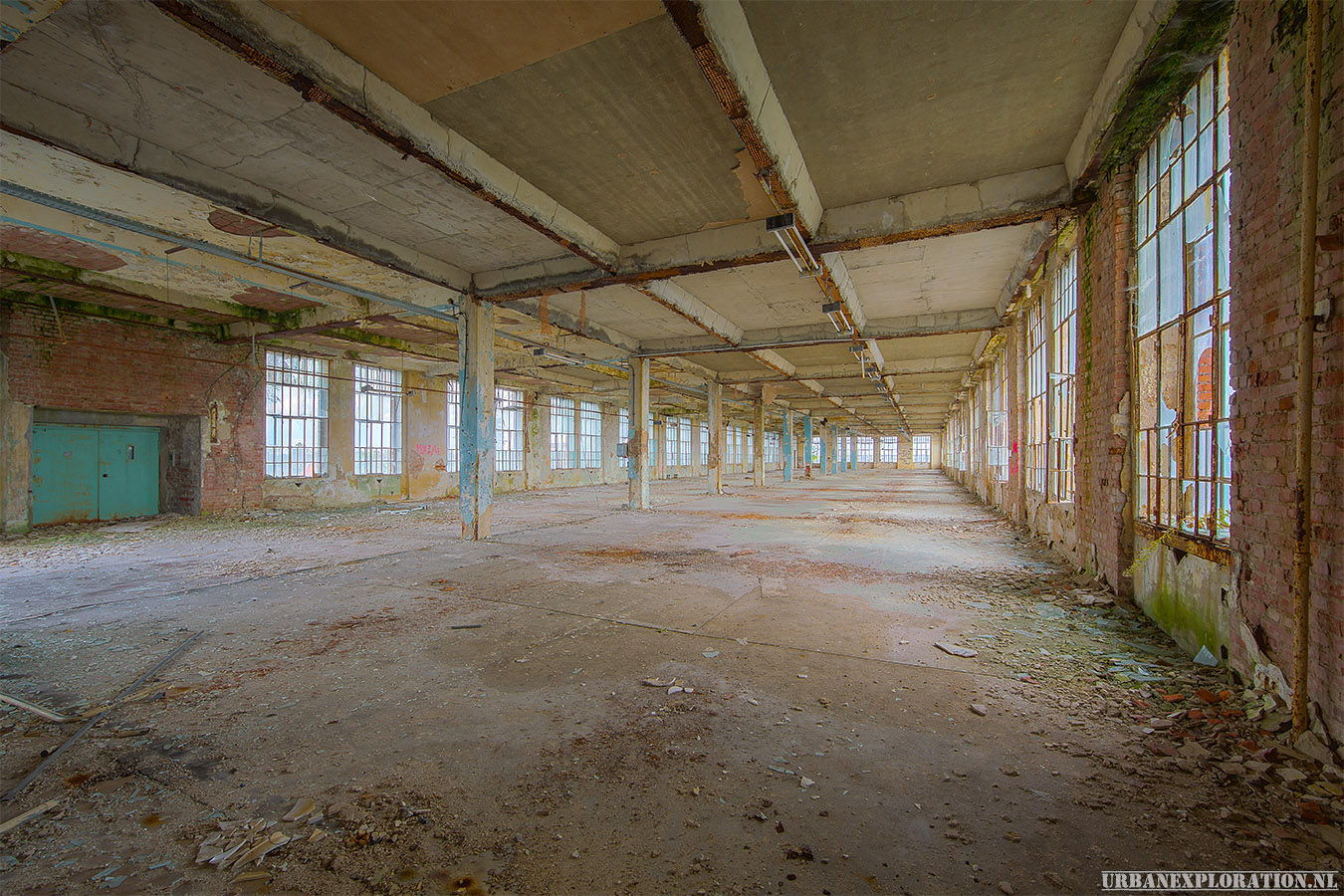
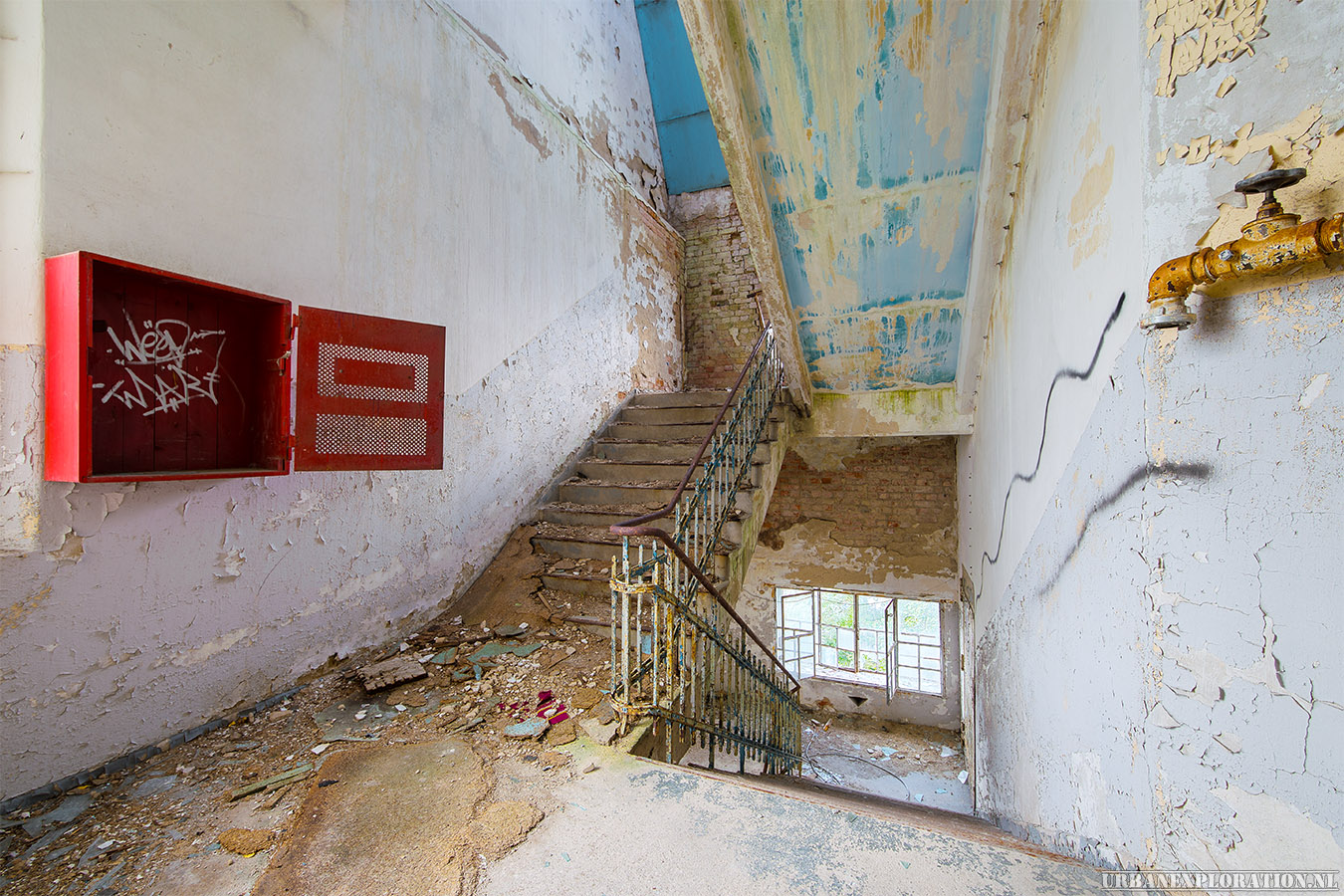
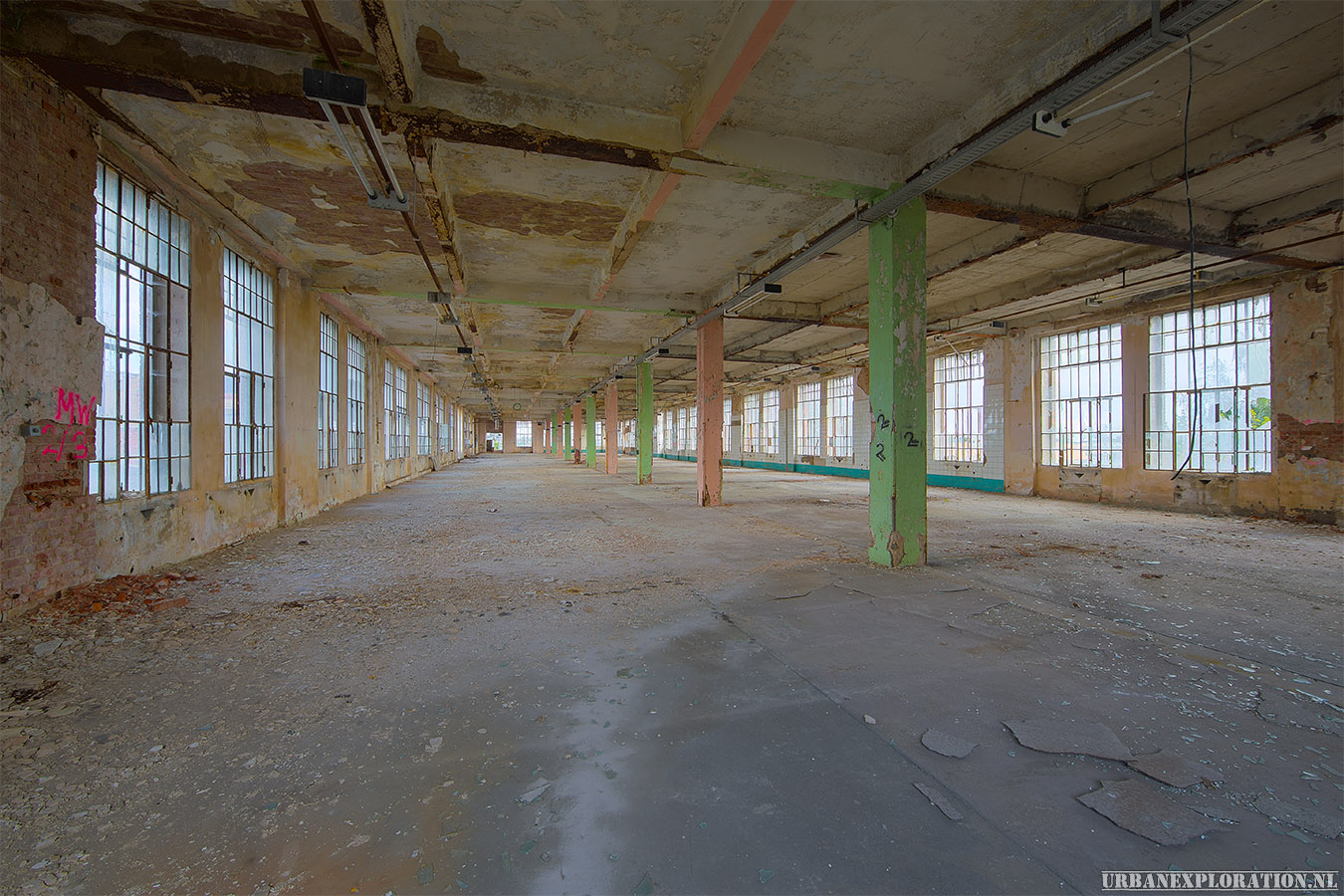
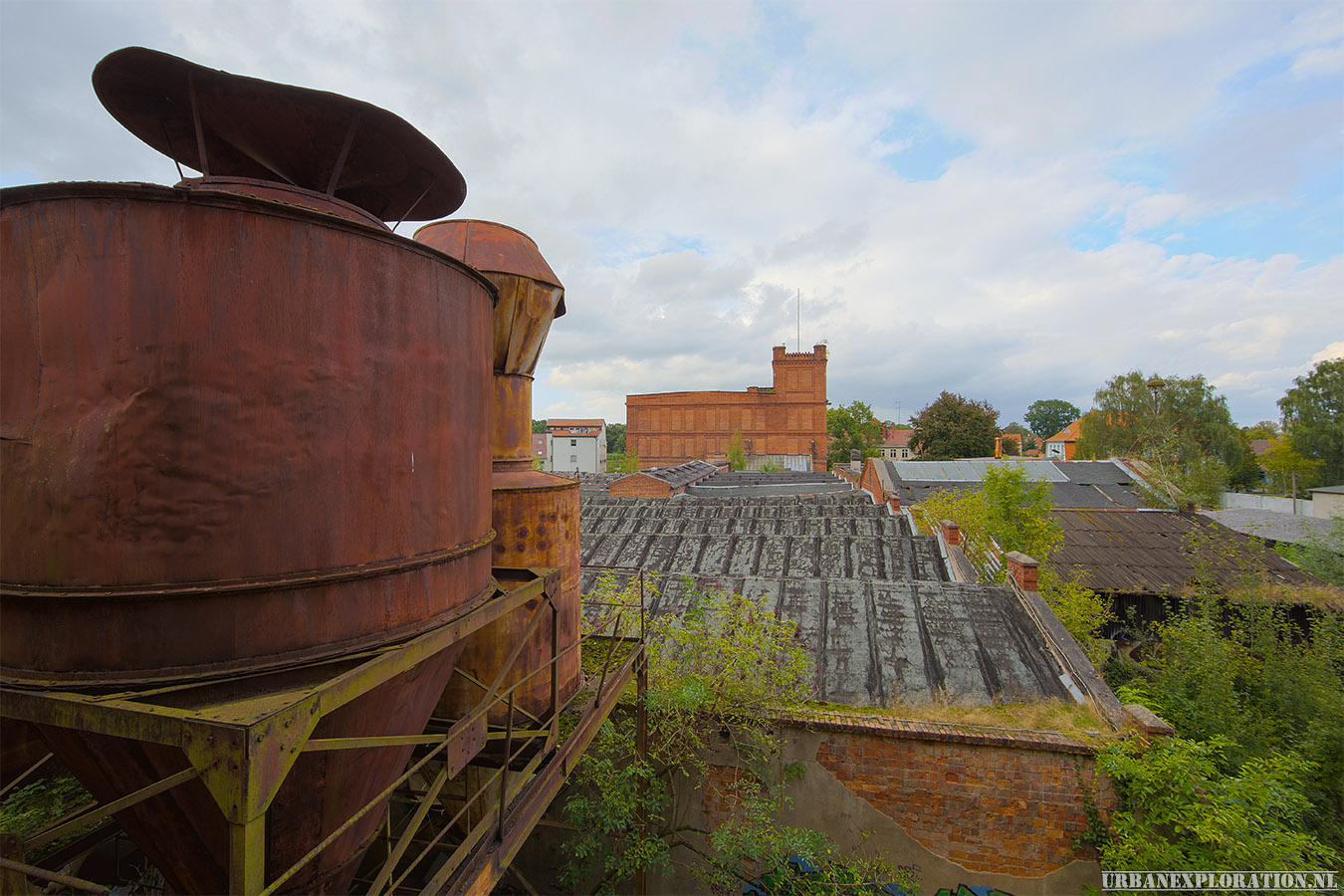
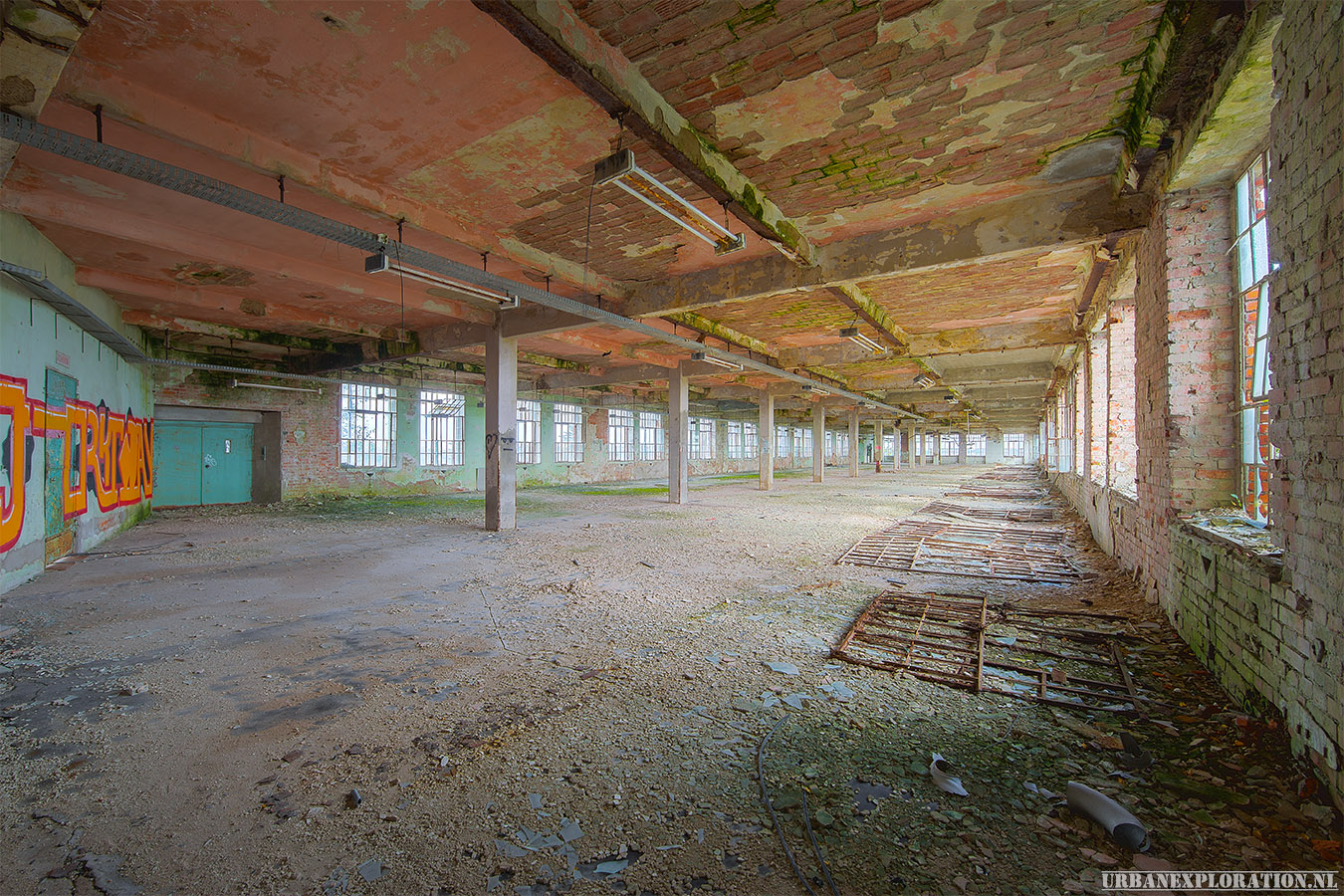
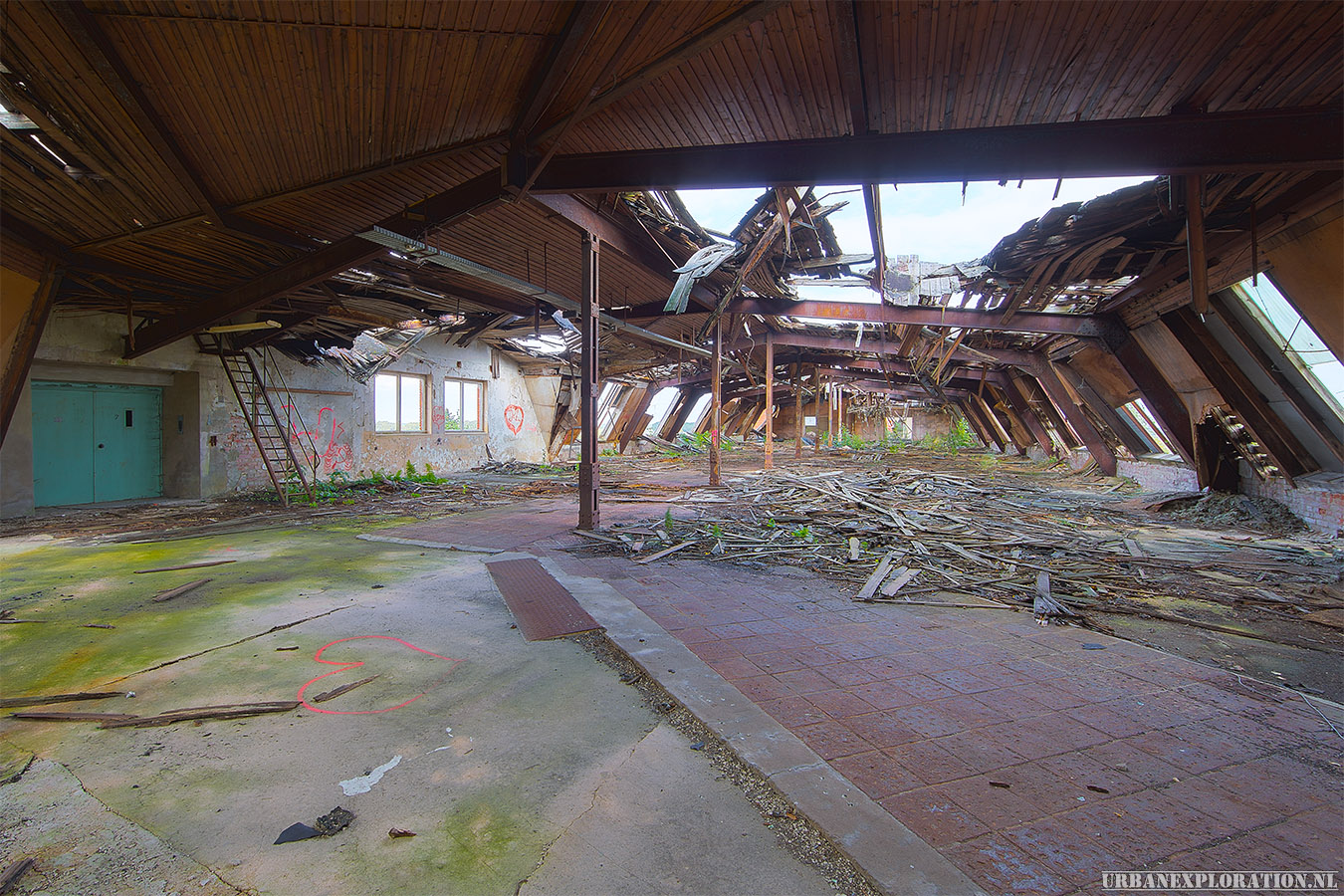
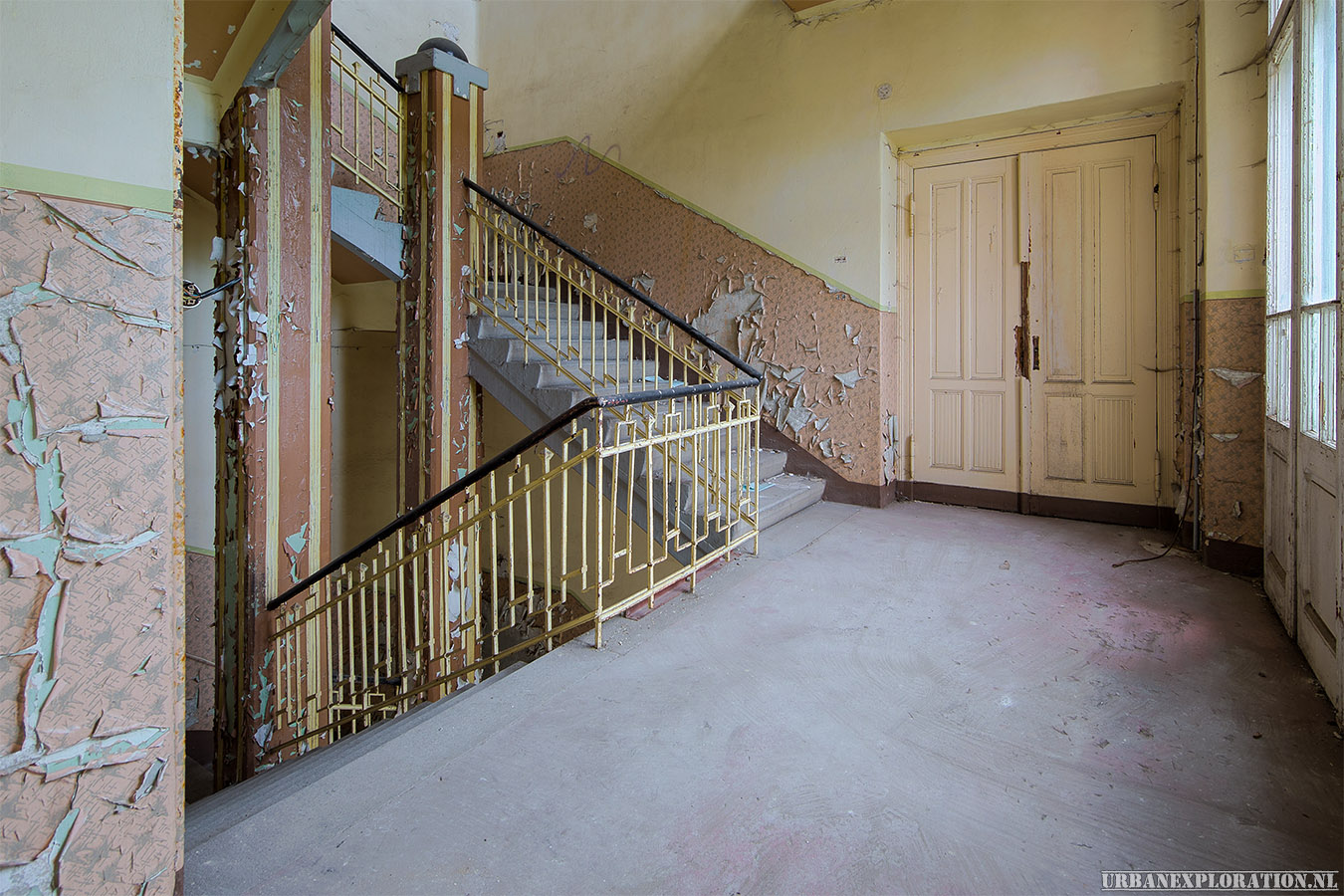
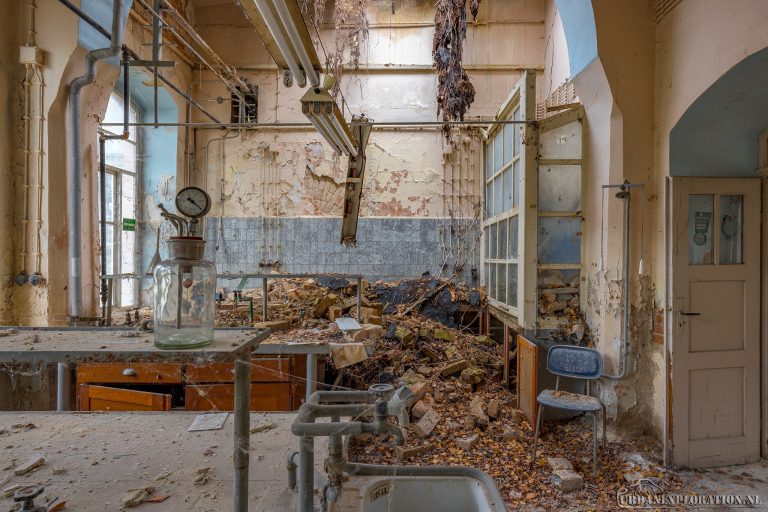
The Alte Tuchfabrik in Wittstock/Dosse, Brandenburg, is a former textile factory with a history dating back to the 19th century. The town had been an important centre of cloth production for centuries, with its textile industry expanding significantly during the Industrial Revolution.
In 1822, Friedrich Wilhelm Wegener established a textile factory in Wittstock. In January 1901, the factory was purchased by industrialist Emil Quandt for 1.1 million German marks. Under the Quandt family, the business expanded considerably. New production buildings were constructed in 1905, followed by an impressive six-storey factory building in 1917. The factory produced various textiles, including fabrics for military uniforms during the First World War.
During the Second World War, parts of the complex were used for work connected to the German aircraft manufacturer Arado. After the war, the factory underwent a major transformation. From 1950 onwards, the six-storey building was used for furniture production. During the East German period, the site became part of the state-owned VEB Möbelkombinat Berlin, producing furniture including kitchen units.
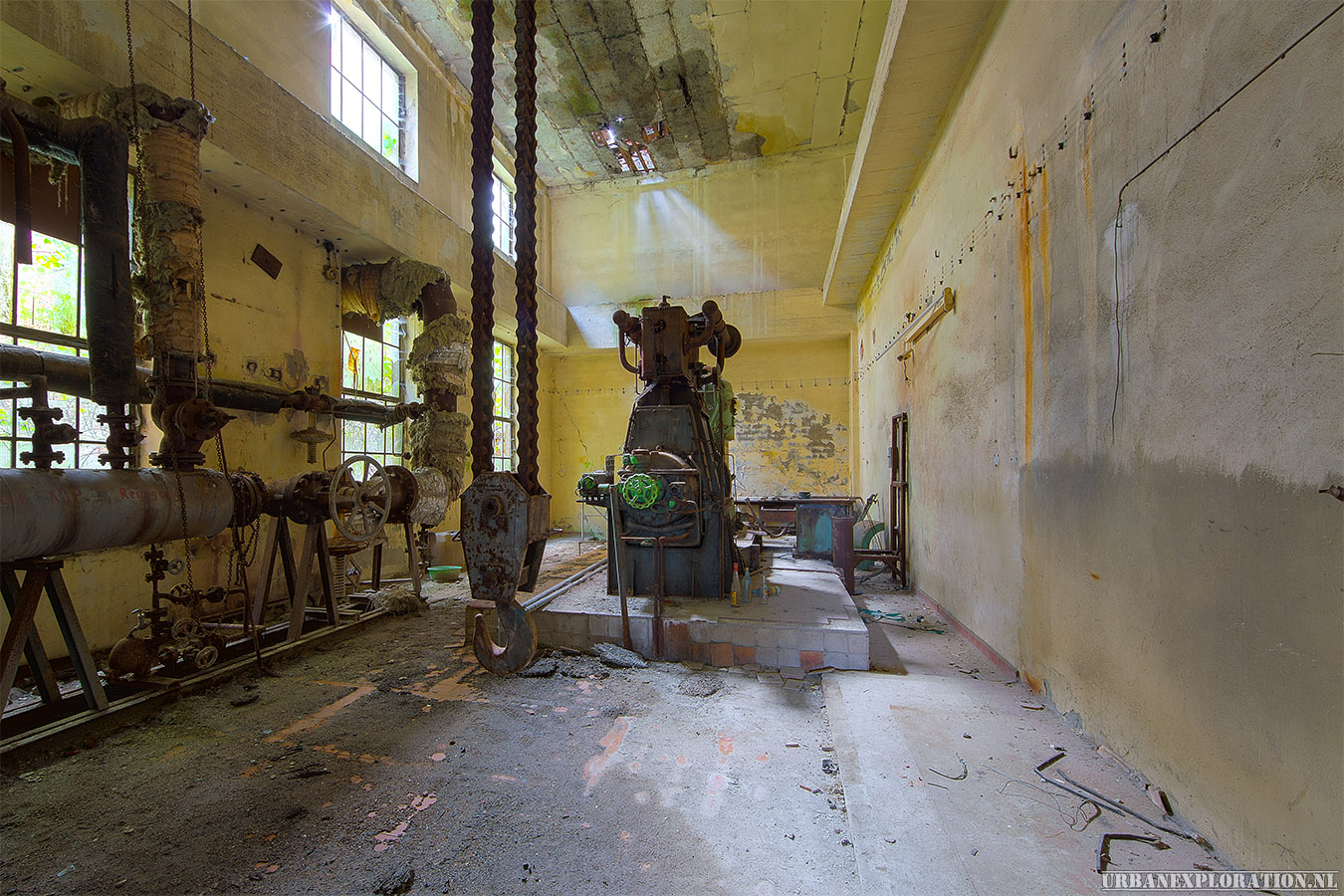
Following German reunification in 1990, the company continued operating under the name uni-plus Möbel-Fabrik GmbH. However, economic difficulties and declining production eventually led to its closure. By 1995, much of the machinery had been removed, and the factory stood abandoned from 1997 onwards.
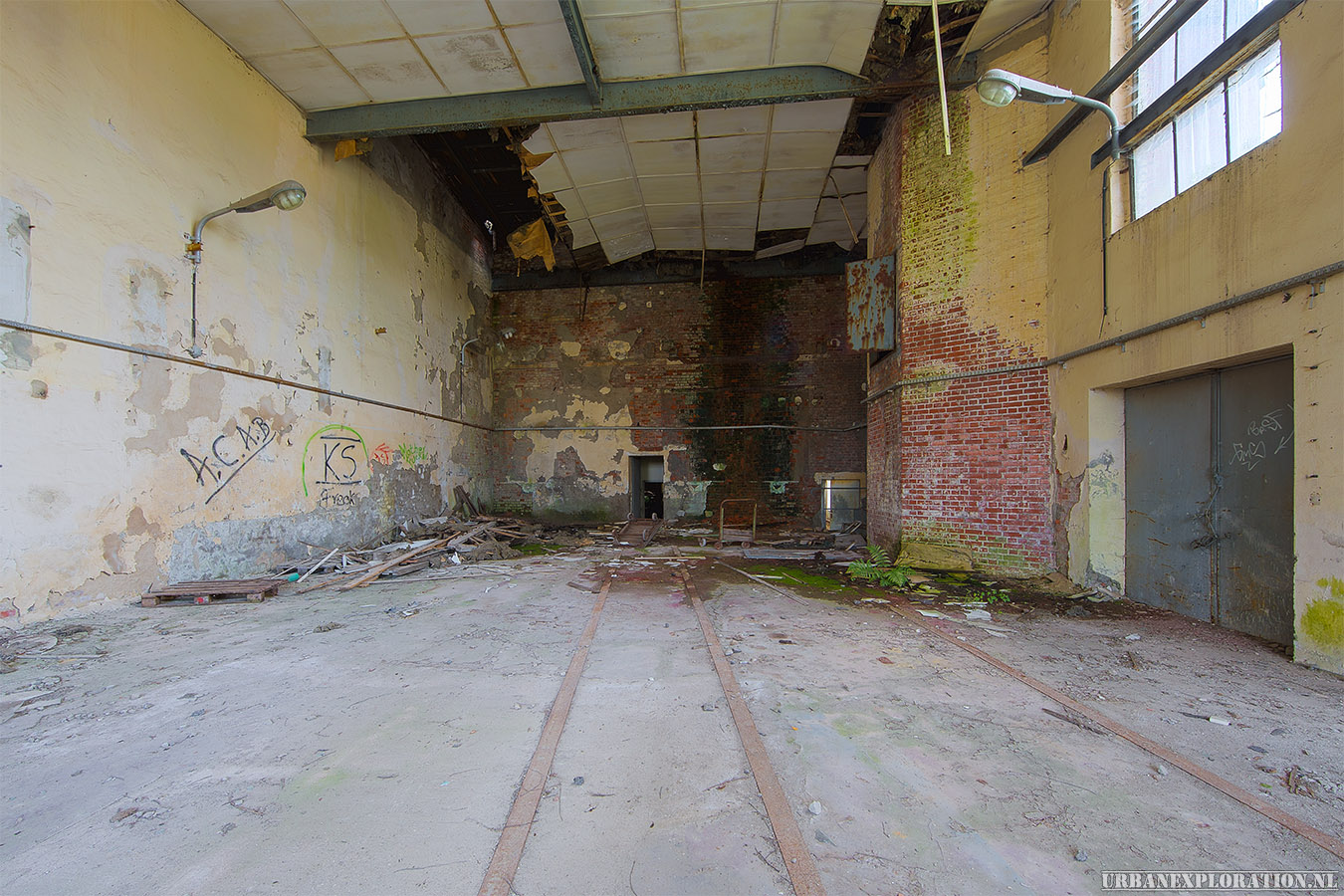
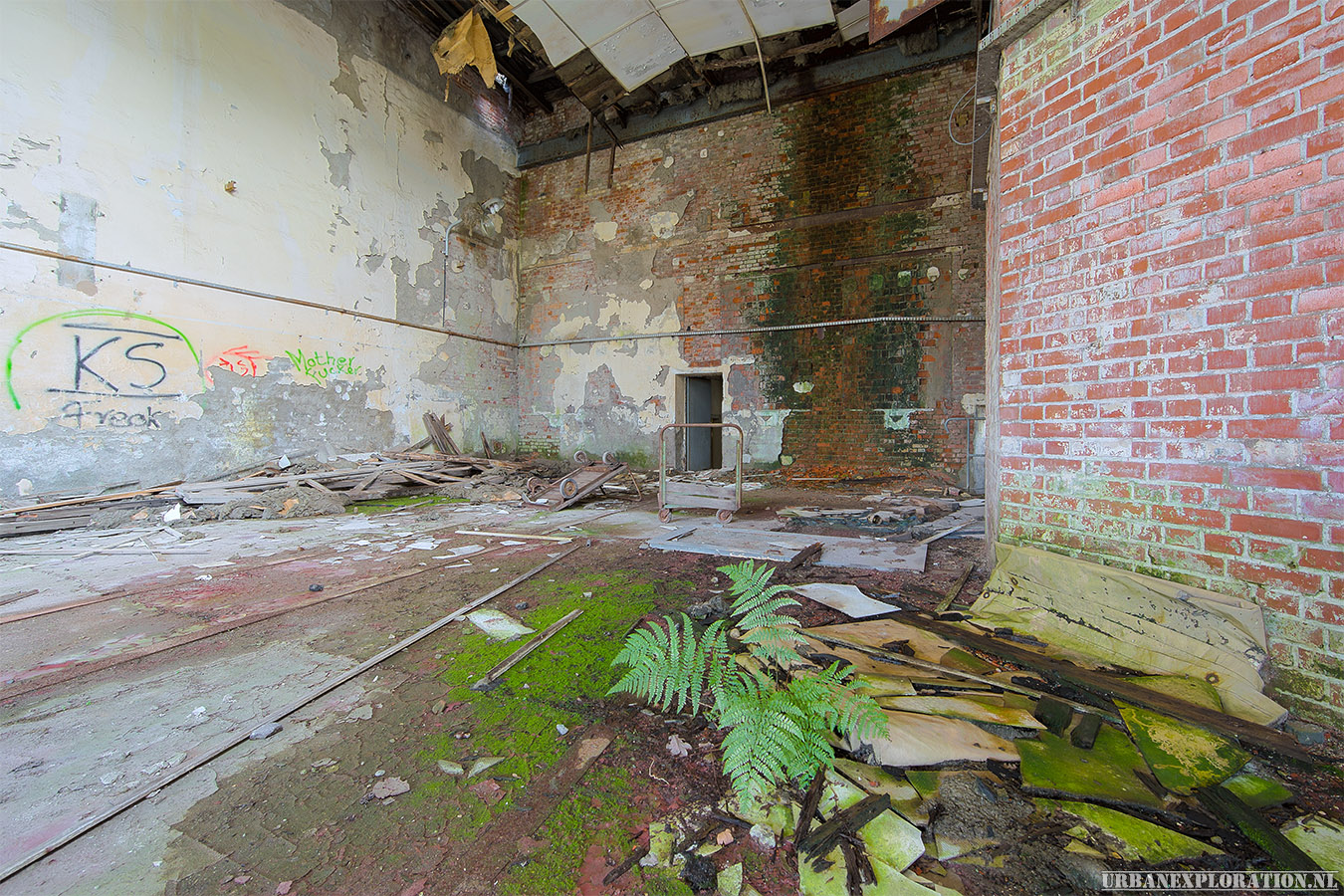
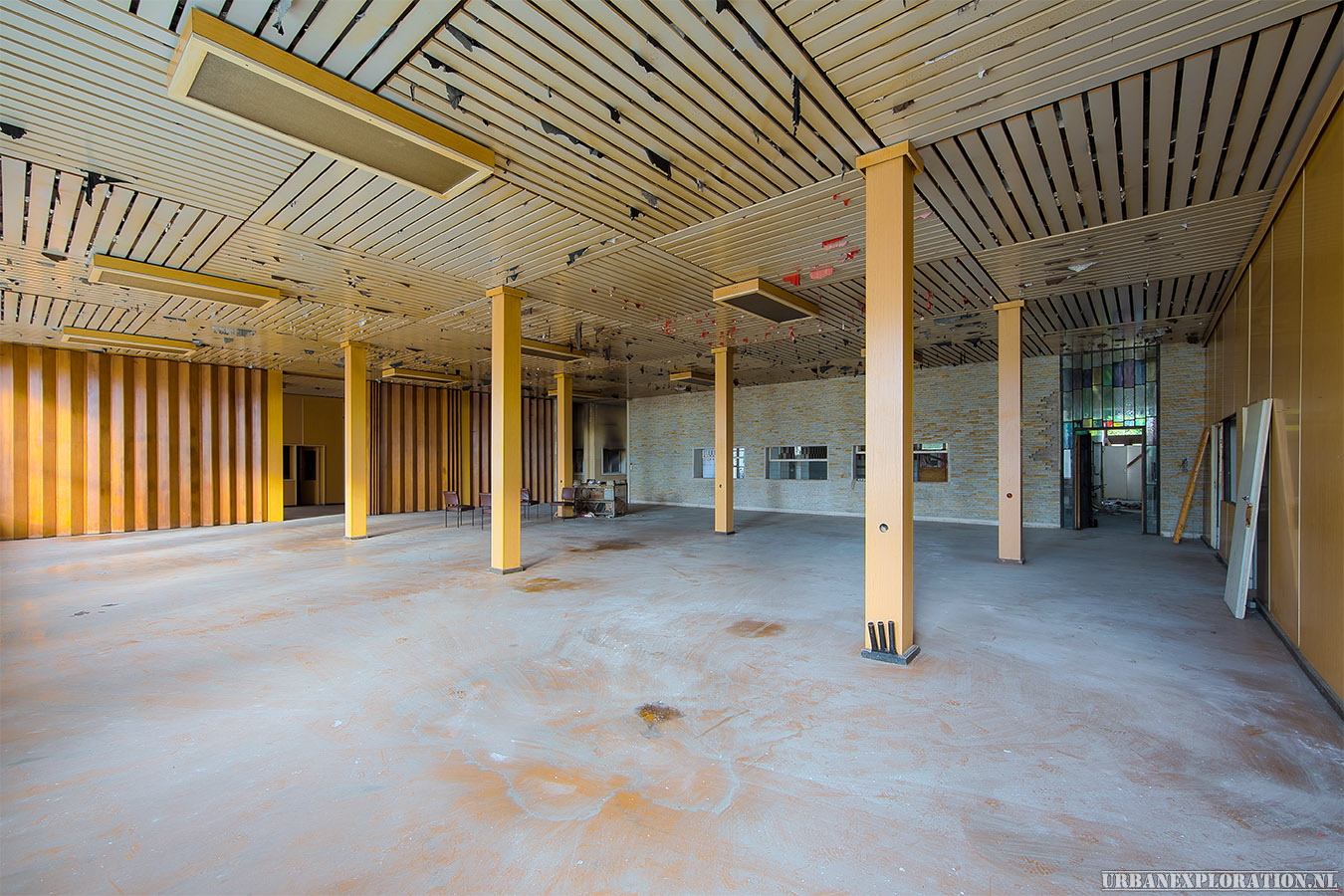
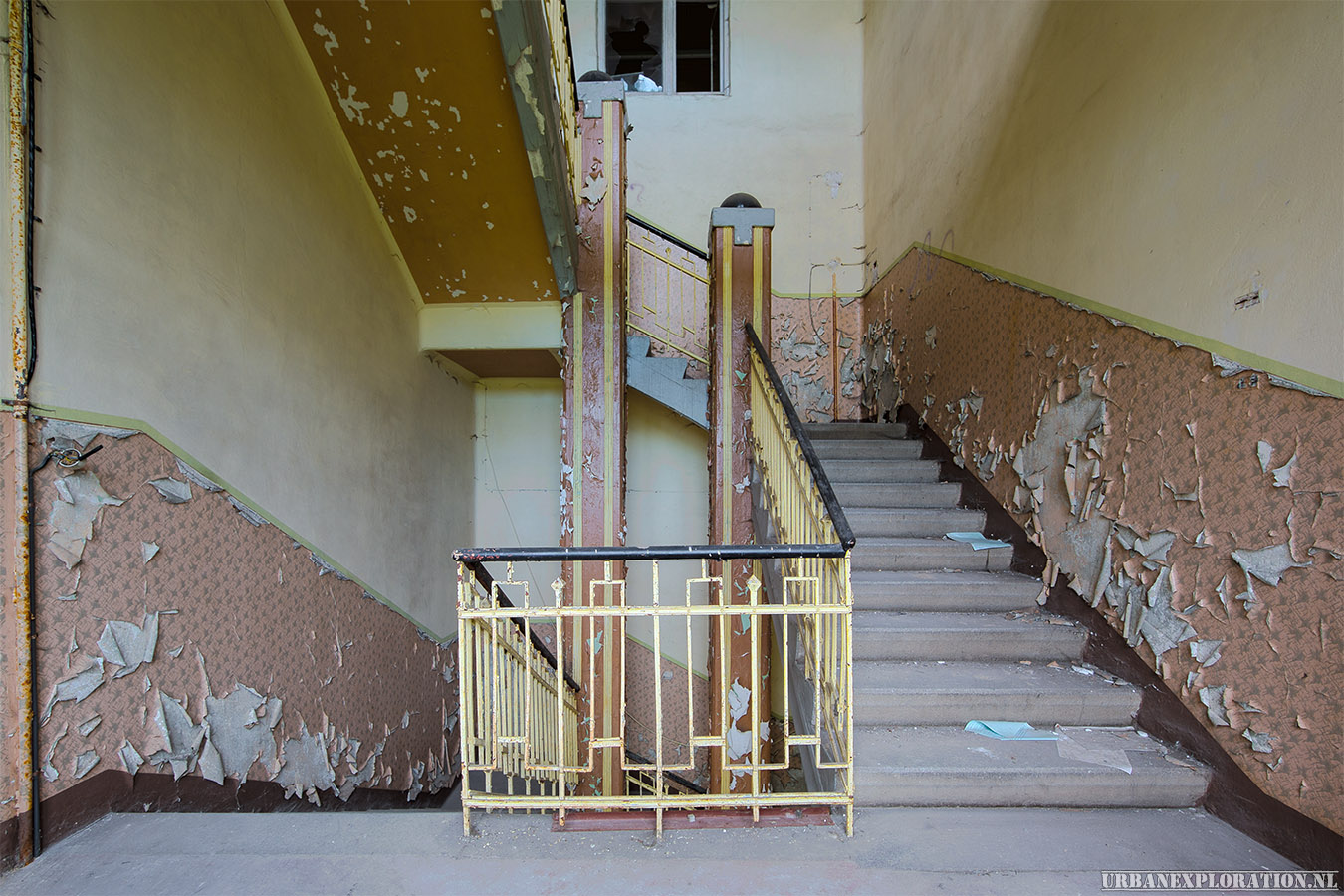
Over the following decades, the enormous brick buildings deteriorated. Broken windows, damaged floors and vandalism gradually transformed the former industrial complex into an abandoned landmark. In 2016, the municipality of Wittstock acquired the property and began exploring possibilities for redevelopment.
Visited - 2017
Defunct - 1997
Status - Unknown
Country - Germany
Here are some other albums that might be of interest.