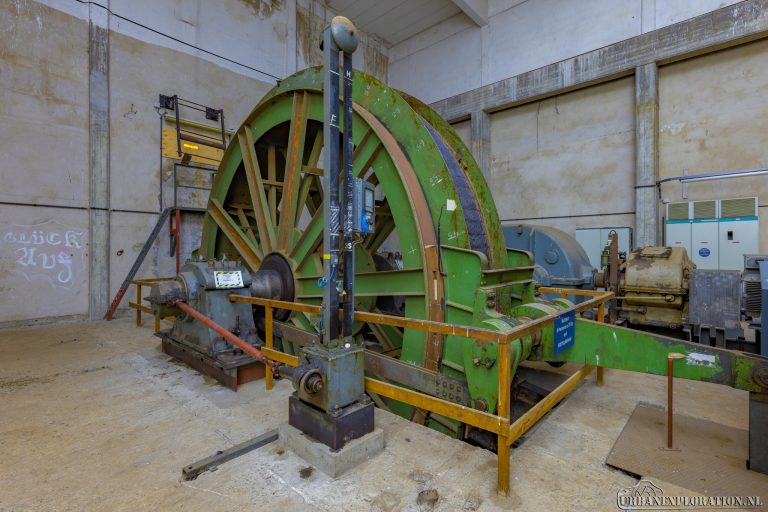
The slate quarry at Martelange, located in southern Belgium near the Luxembourg border, was one of the country’s most important slate-producing sites. The region had been known for slate extraction for centuries, with its high-quality dark grey stone widely used for roofing. Thanks to the excellent quality of its slate, Martelange became one of the main centres of the Belgian slate industry.
Industrial exploitation of the quarry began at the end of the nineteenth century. In 1895, entrepreneur Lionel Donner started extracting slate from the site, and in 1906 the company Société Anonyme des Ardoisières Lionel Donner was officially established. The quarry was initially worked as an open pit, but as the most accessible slate deposits became exhausted, operations gradually moved underground.
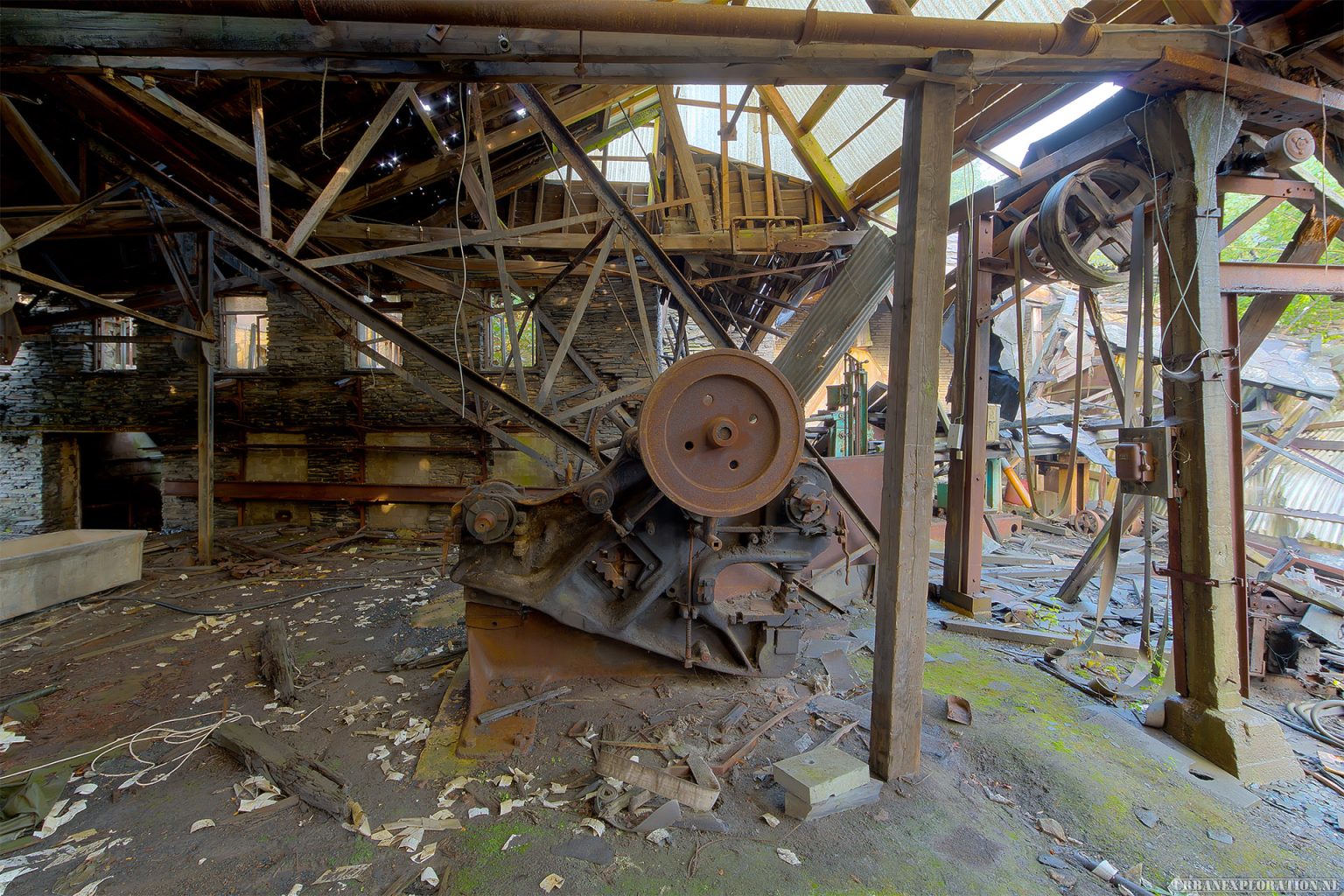
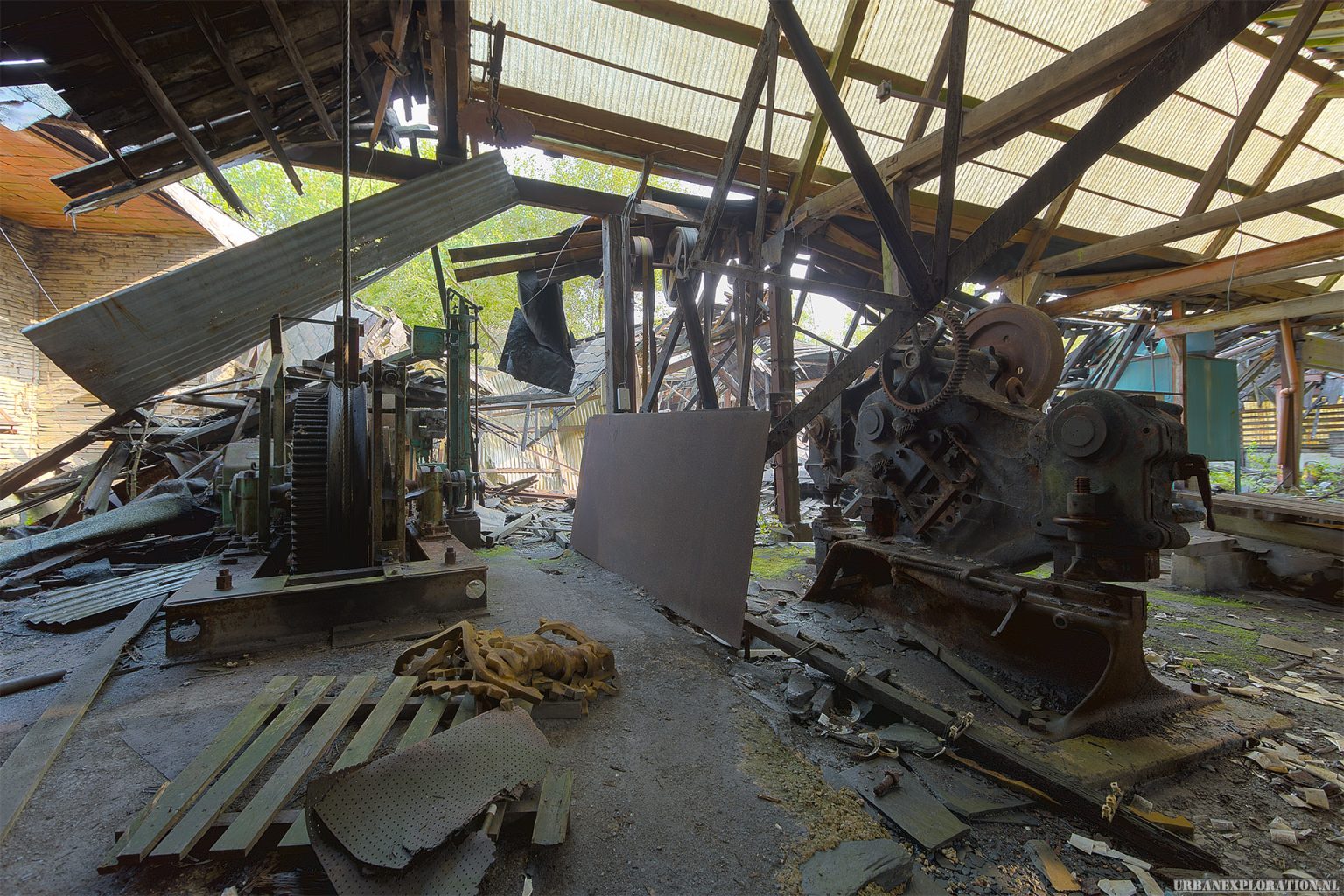
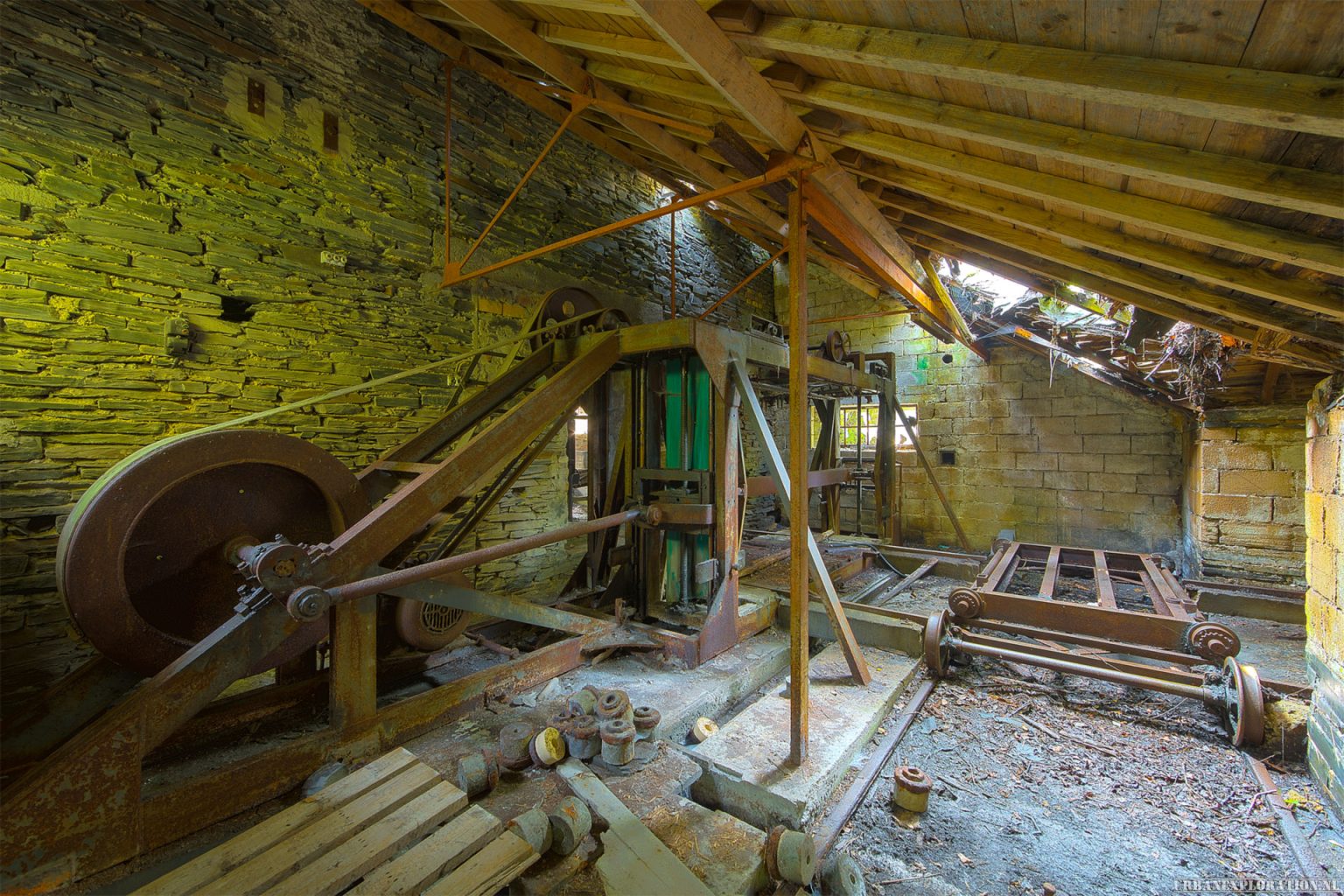
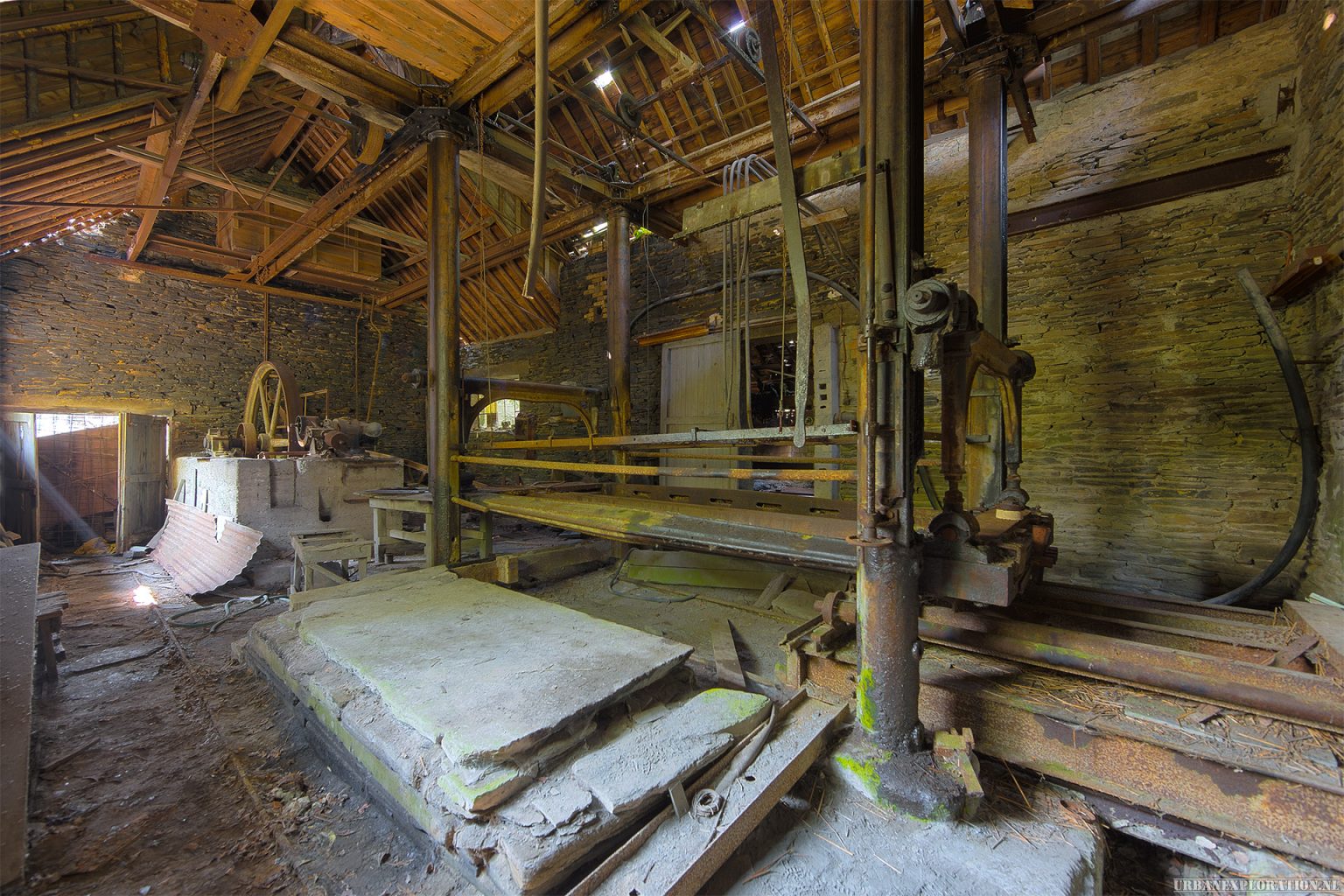
Around 1918, a vertical mine shaft was constructed, marking the beginning of large-scale underground mining. Over the following decades, an extensive network of galleries was developed, eventually reaching a depth of approximately 170 metres. Large blocks of slate were extracted underground before being transported to the surface, where they were sawn, split by hand, finished and sorted in the processing buildings.
The slate produced at Martelange was used for roofing, façades and various construction applications. Much of the production was supplied to Belgium, Luxembourg, Germany and neighbouring countries. During its peak years, the quarry produced millions of roofing slates annually, with production reaching approximately 13.5 million slates in 1941.
After the Second World War, Belgium’s slate industry faced increasing economic challenges. Underground mining was labour-intensive and expensive, while cheaper imported slate and alternative roofing materials such as concrete and clay tiles became increasingly popular. As demand for locally produced slate declined, many Belgian slate quarries struggled to remain profitable.
During the 1970s, several Belgian slate companies were brought together under the INARBEL consortium in an effort to strengthen the industry. Despite these efforts, the decline continued. Following the dissolution of the consortium, production at Martelange resumed in 1986 under the name Ardoisières de Martelange S.A.
During its final years of operation, the company diversified its production beyond traditional roofing slates, manufacturing natural stone products for façades, paving and other architectural applications. Despite new investments and attempts to modernise the business, financial difficulties persisted.
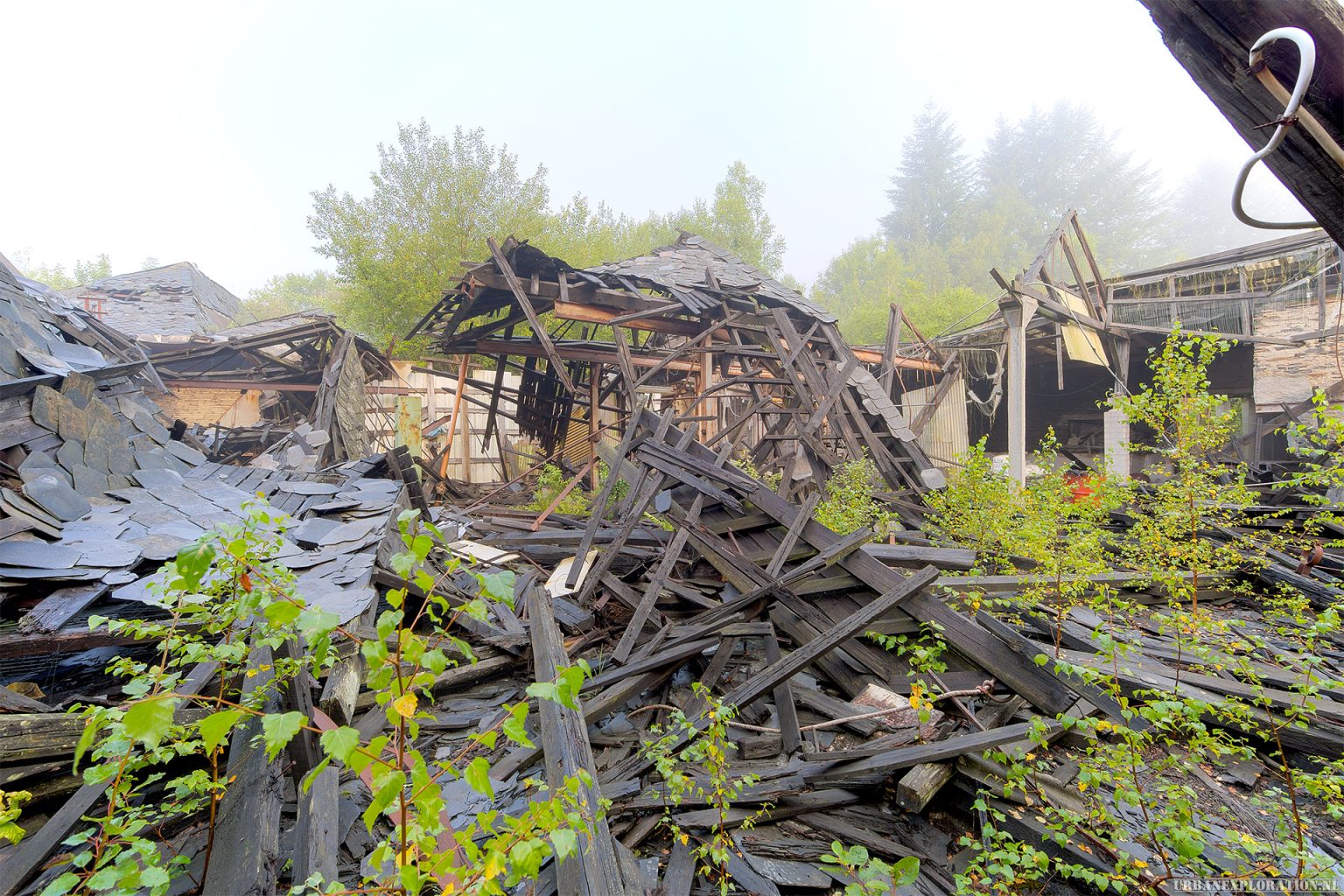
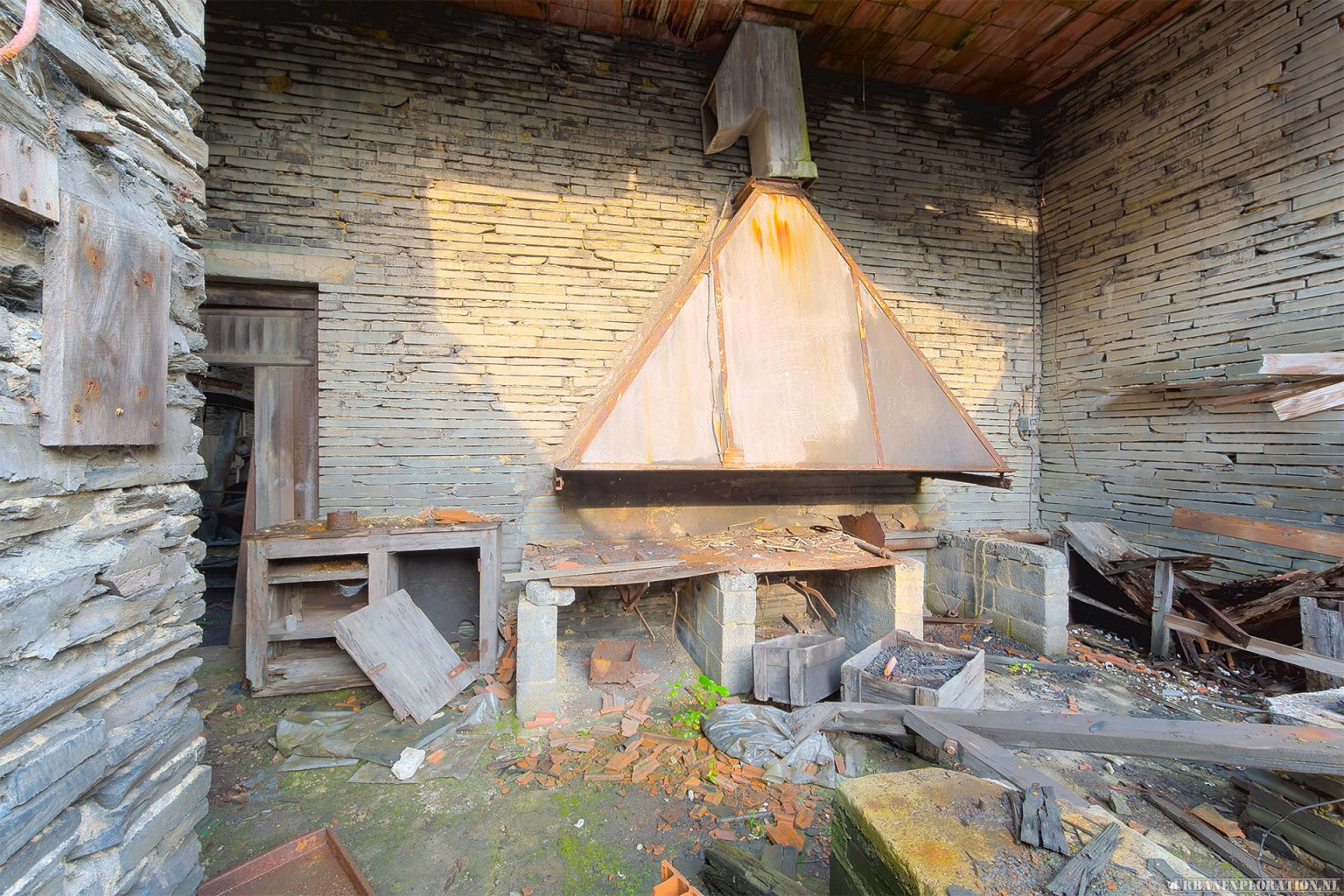
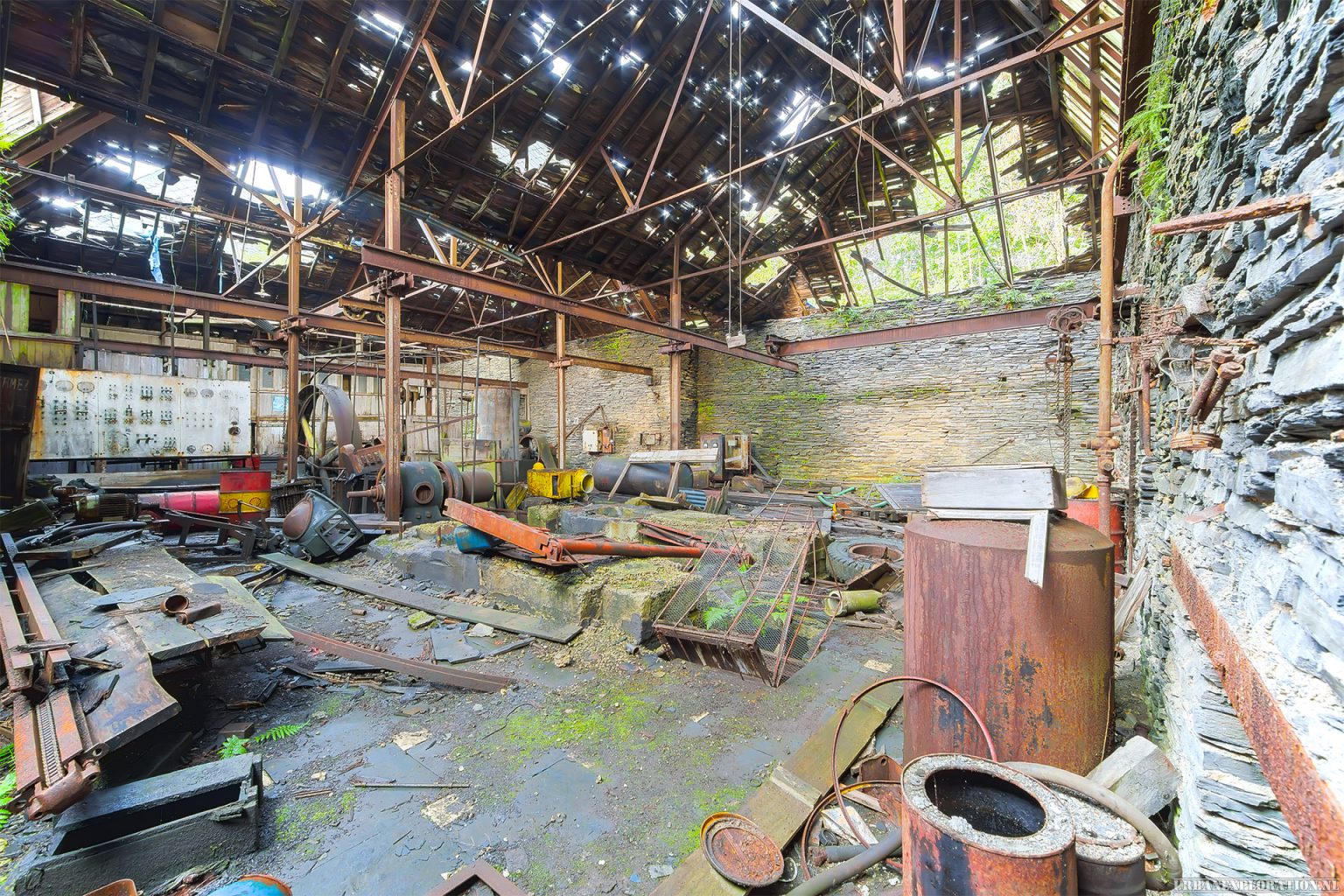
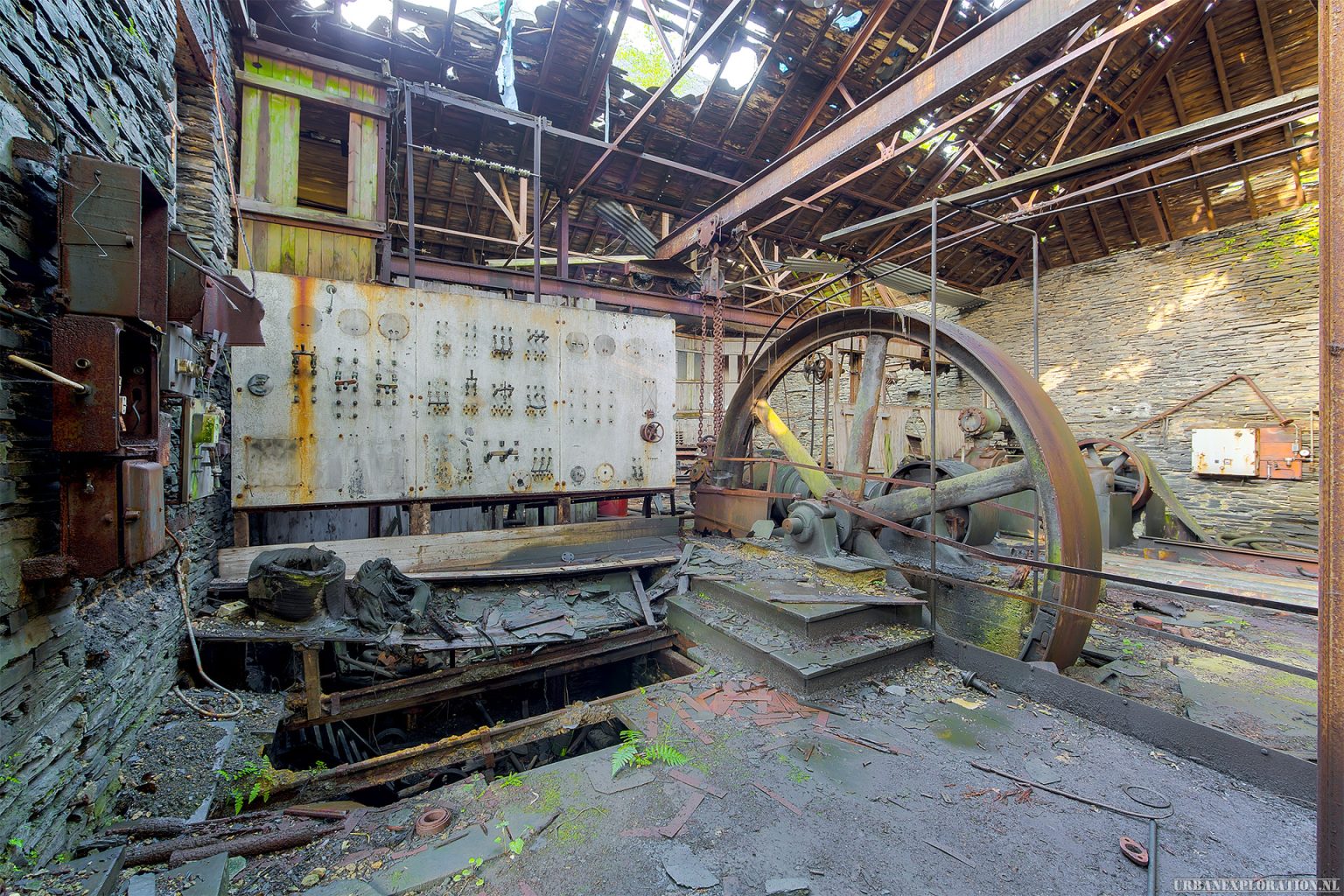
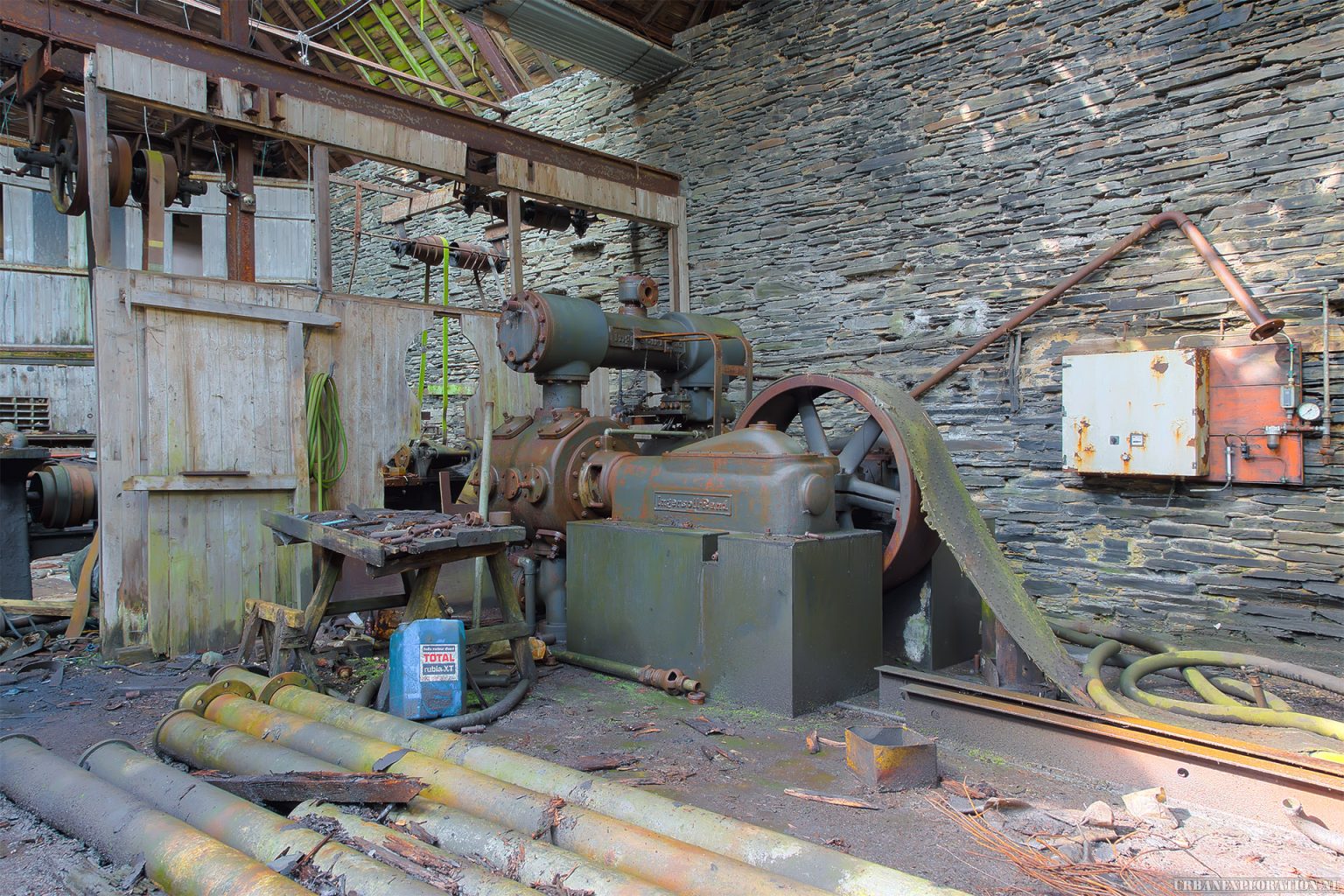
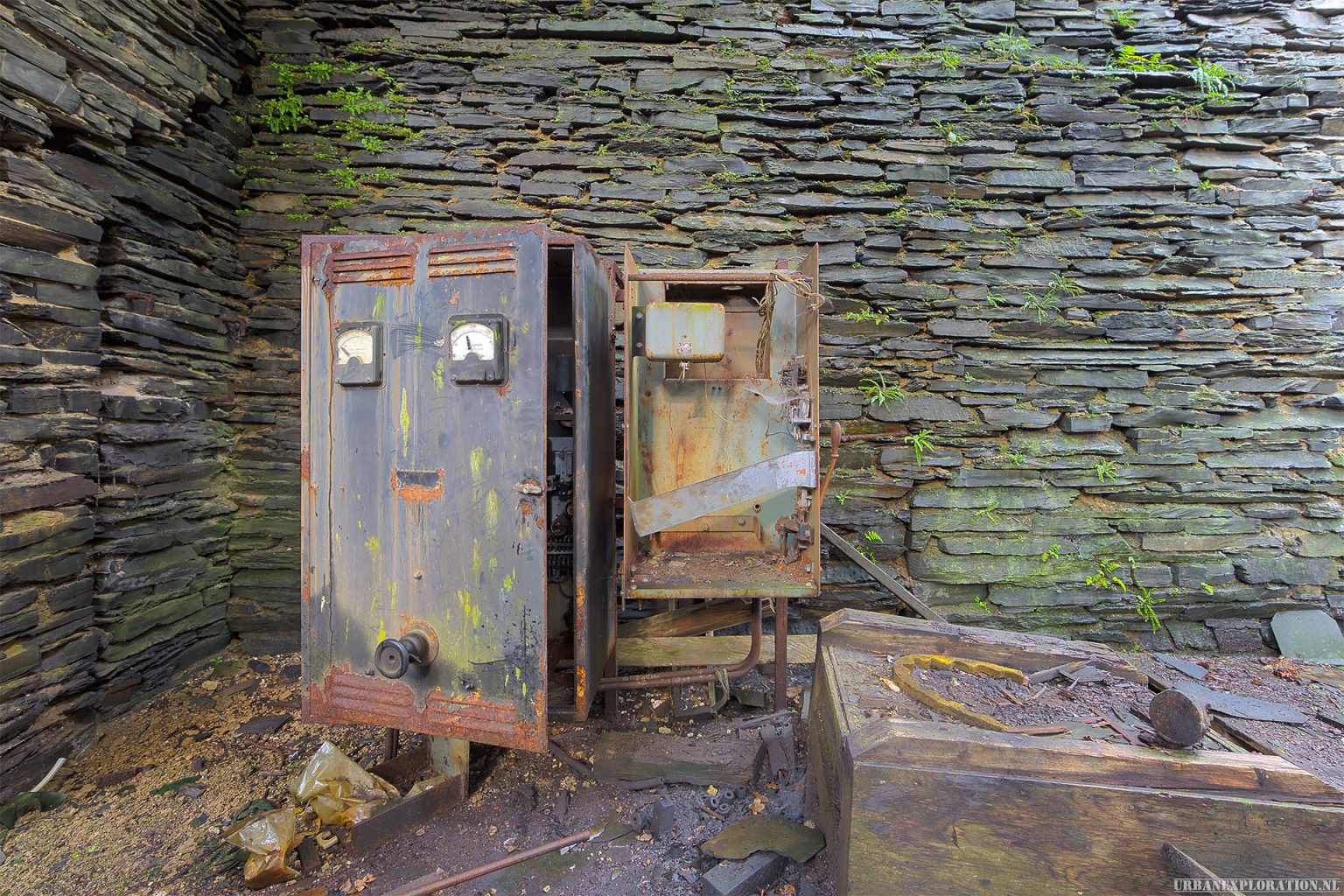
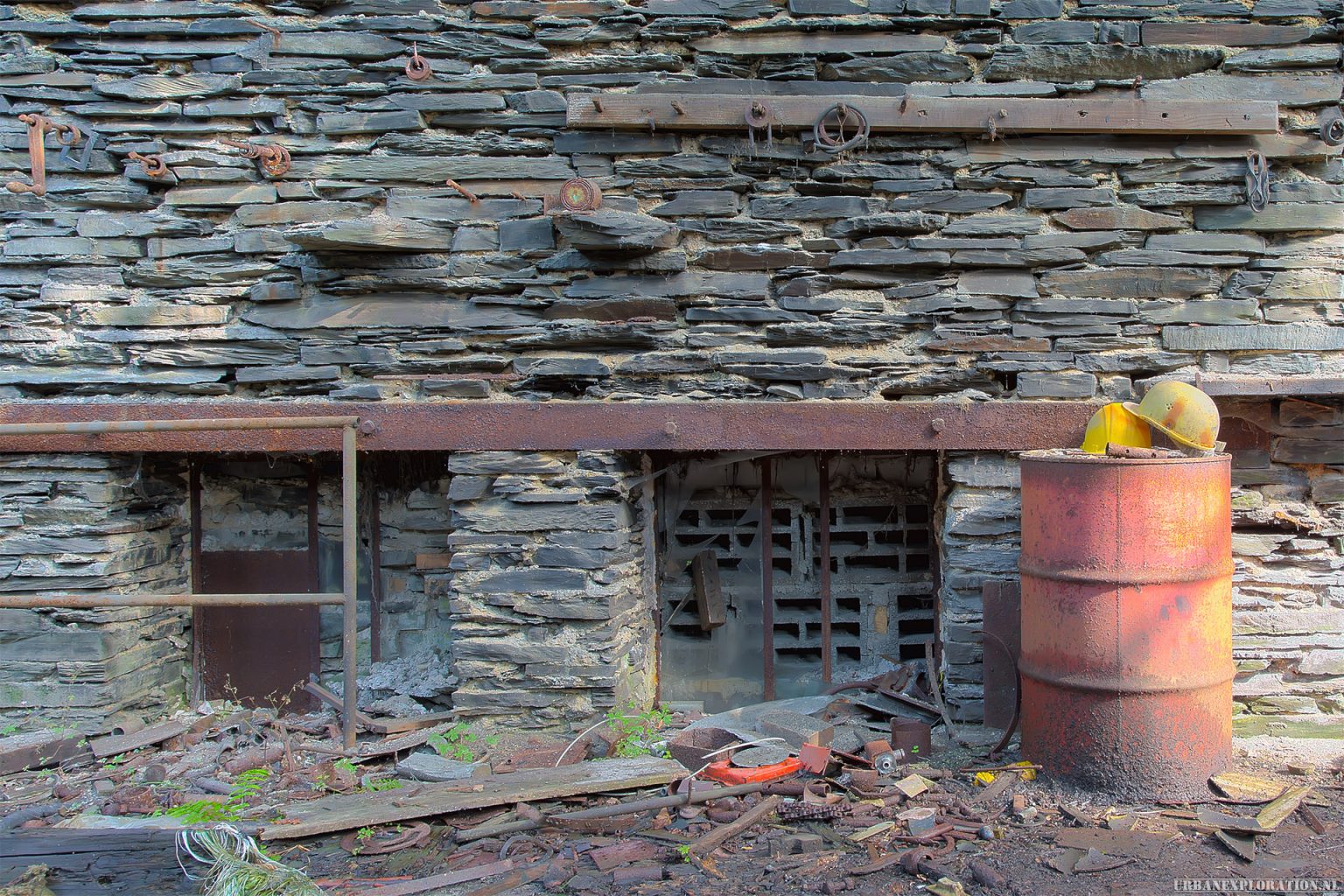
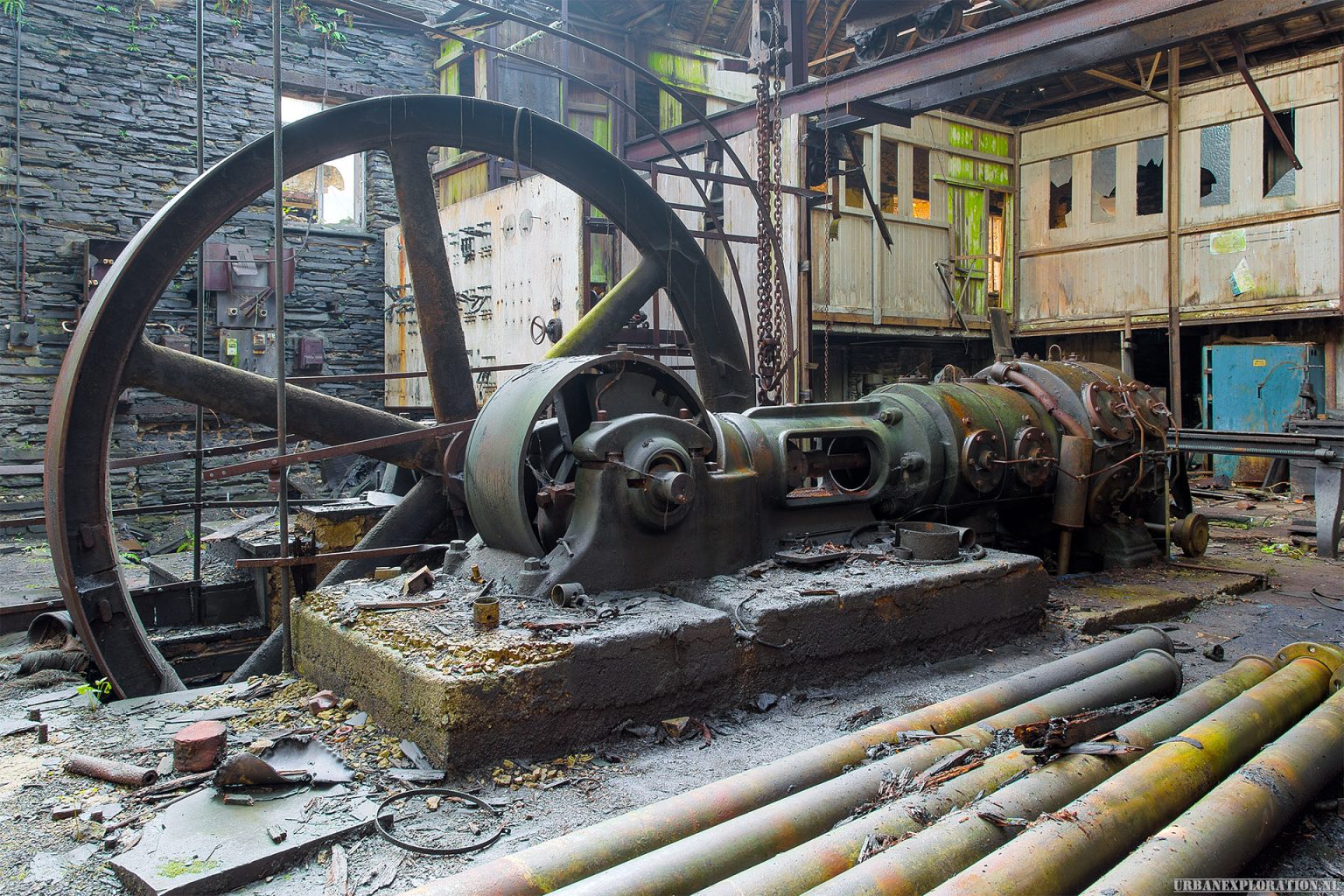
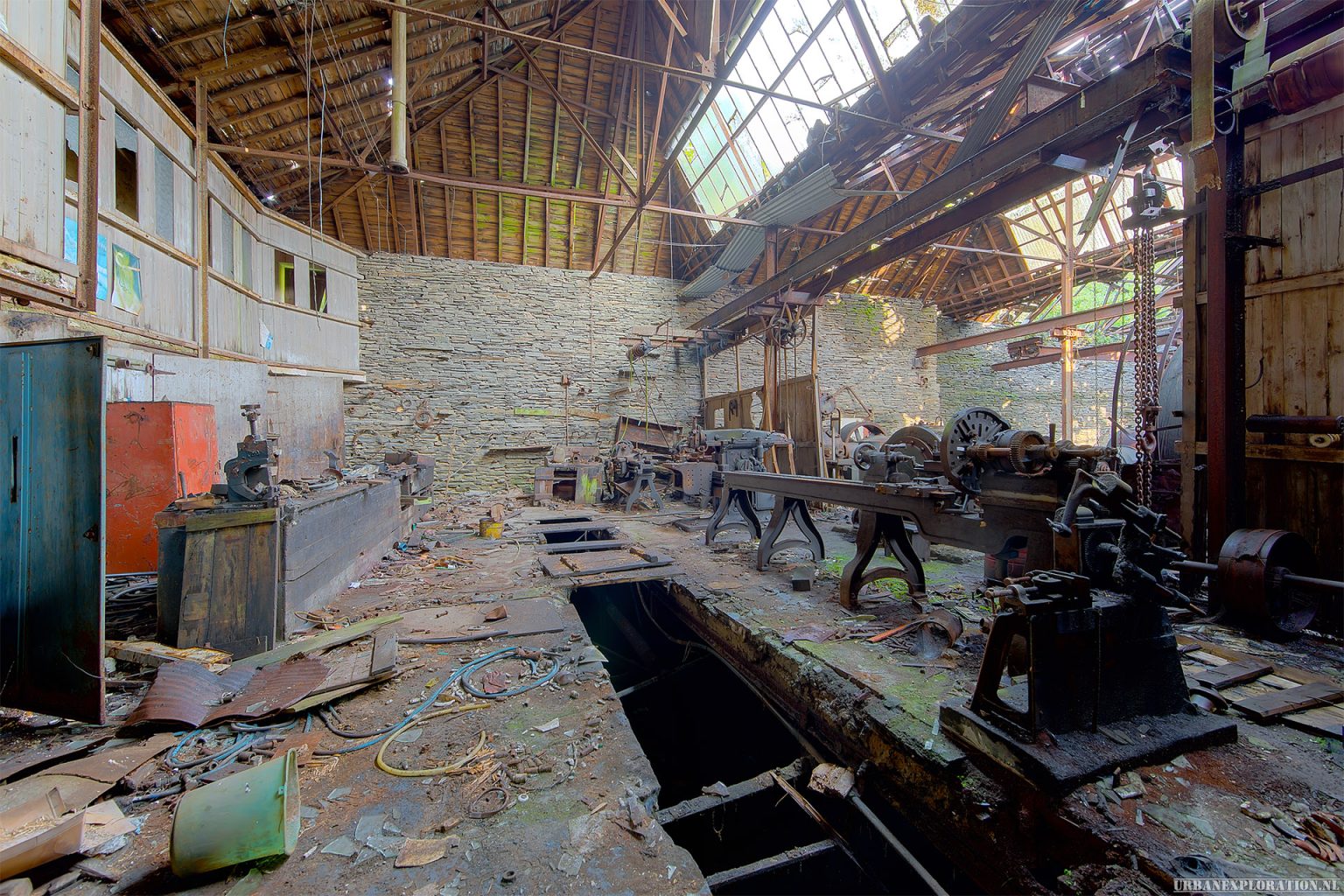
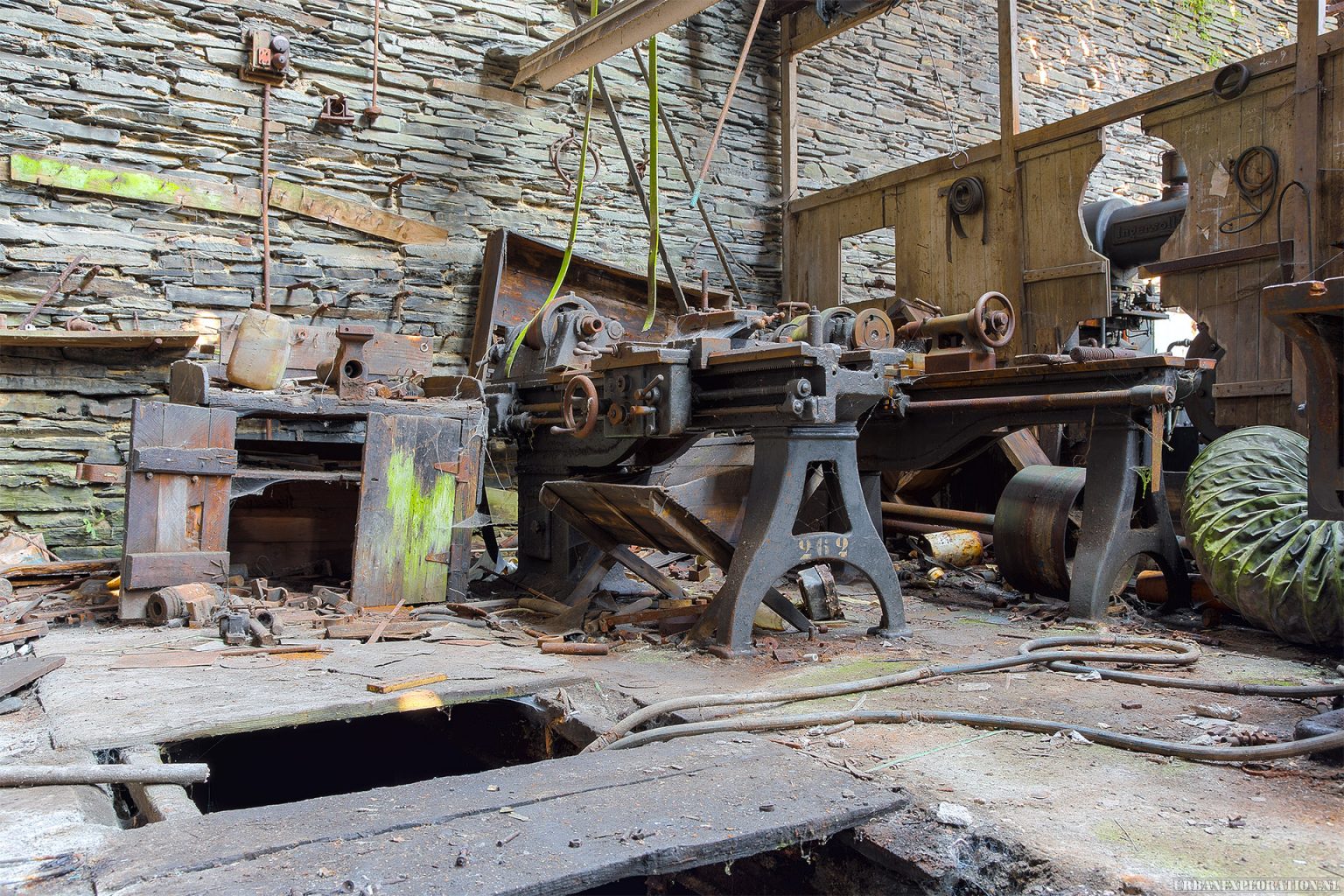
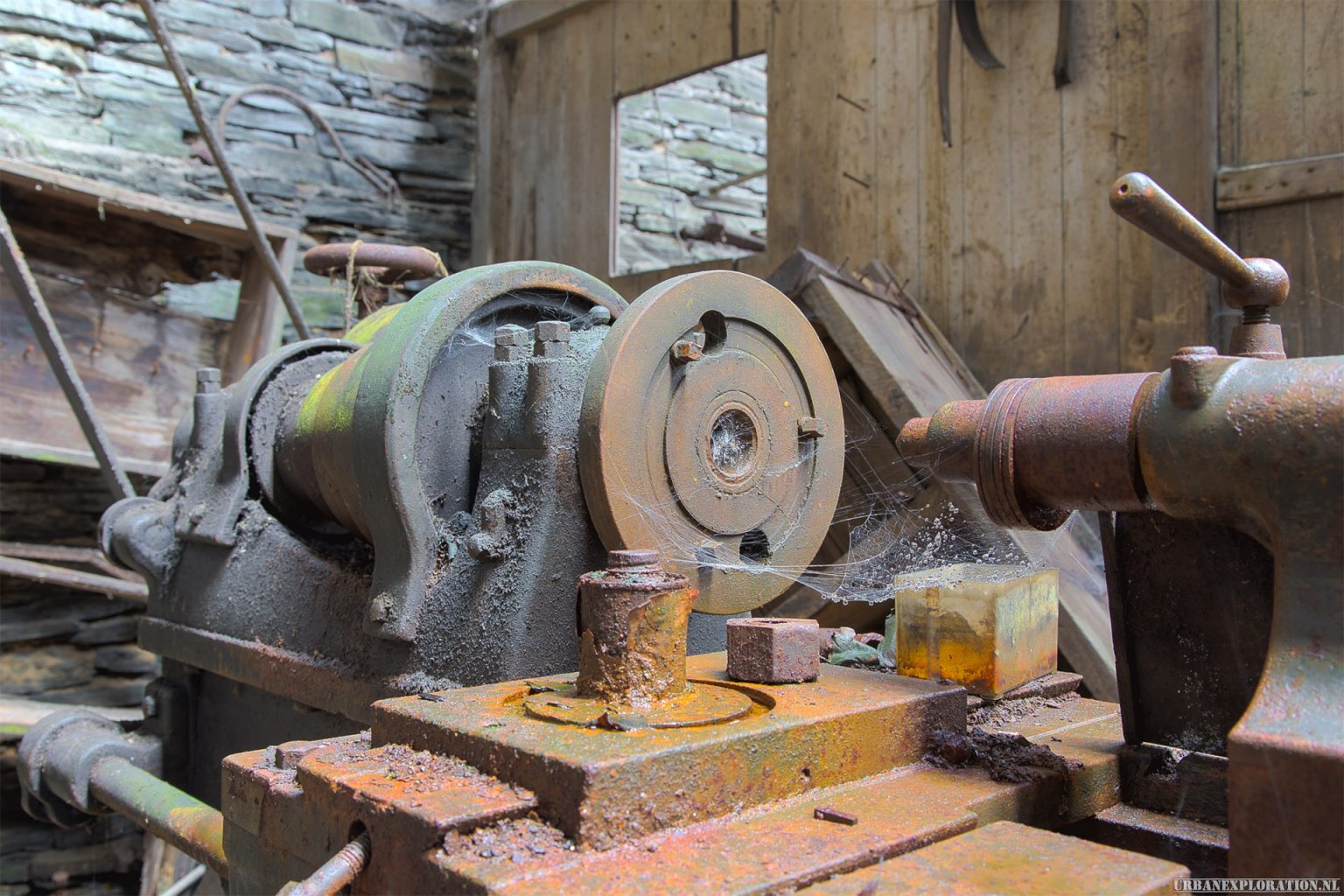
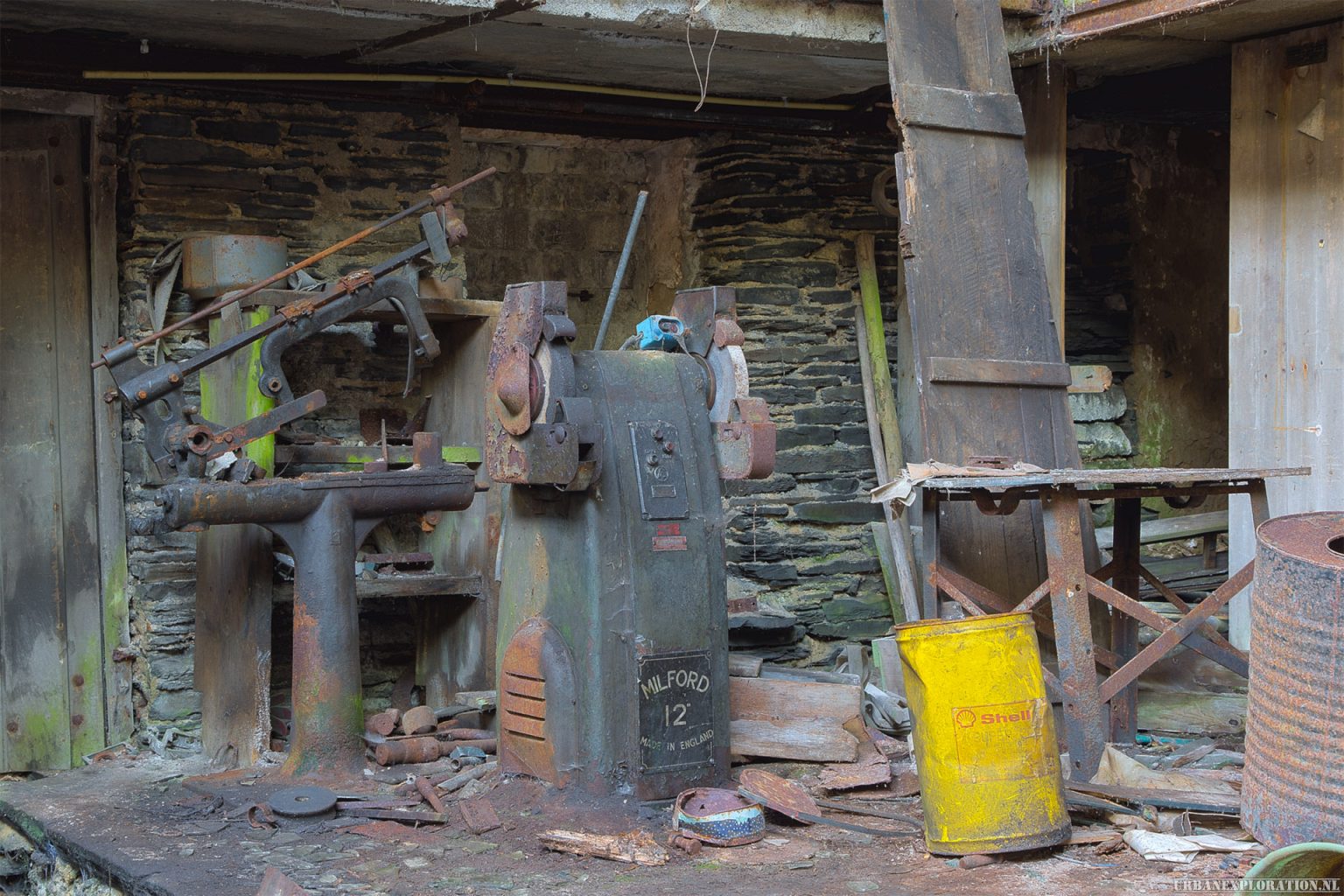
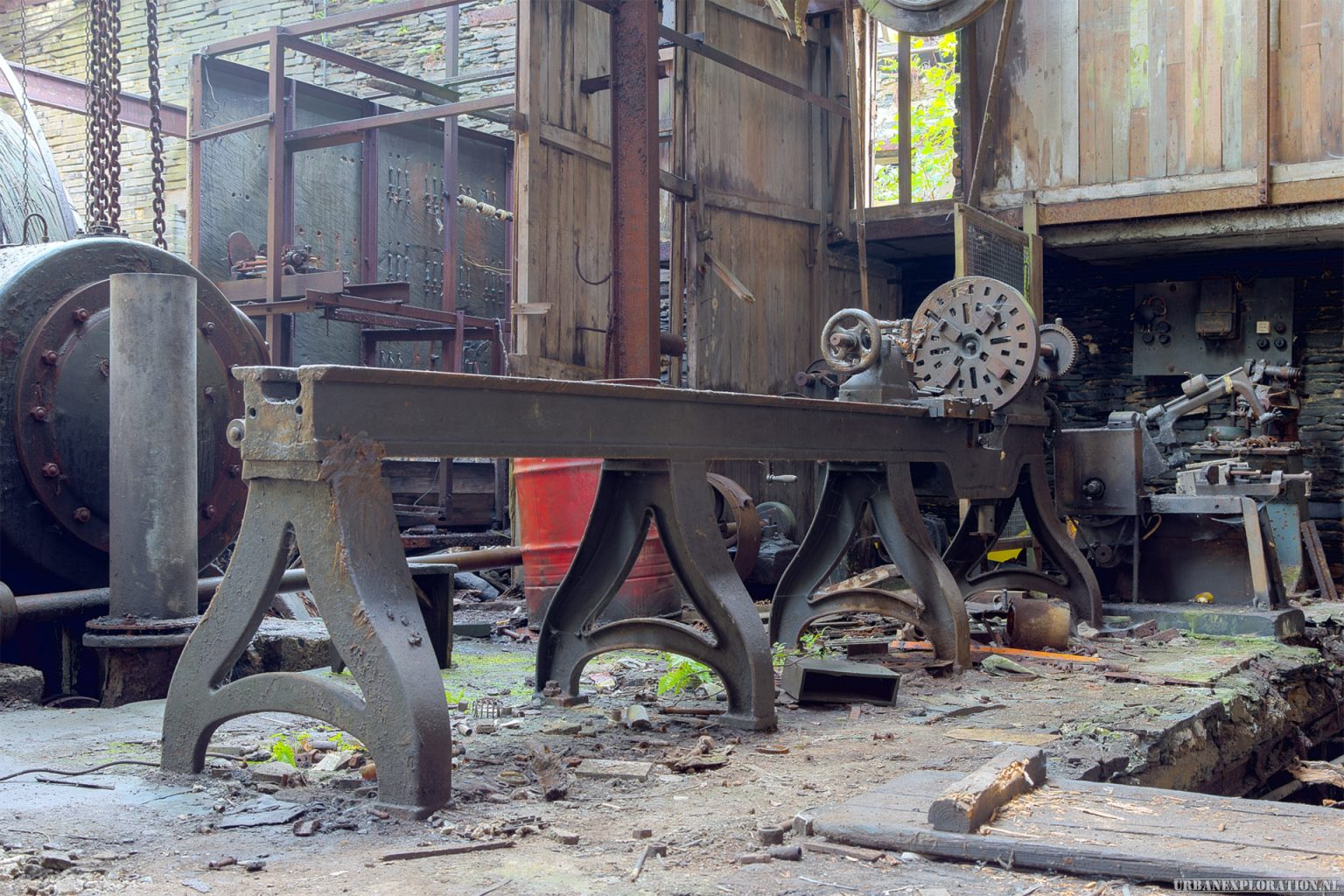
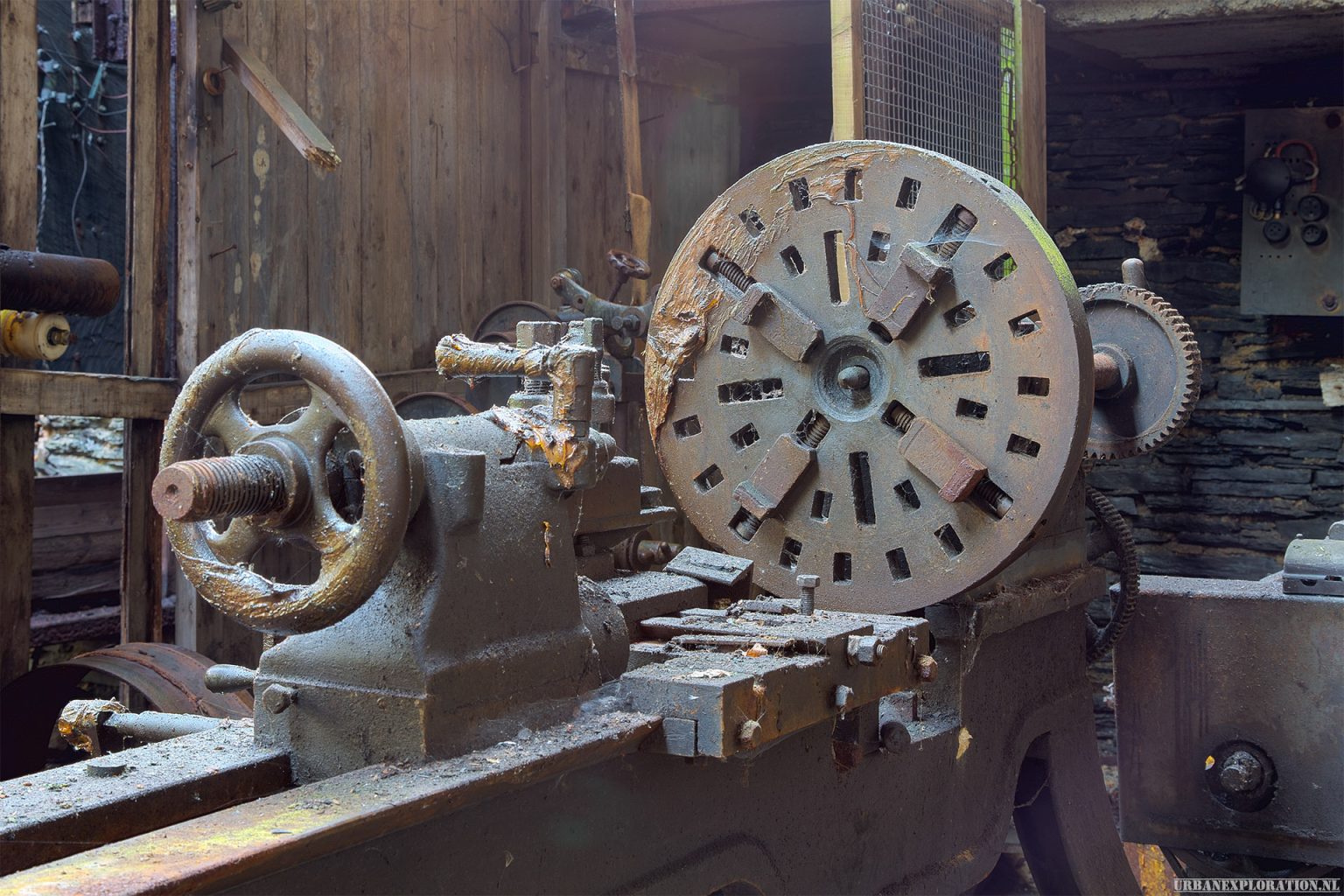
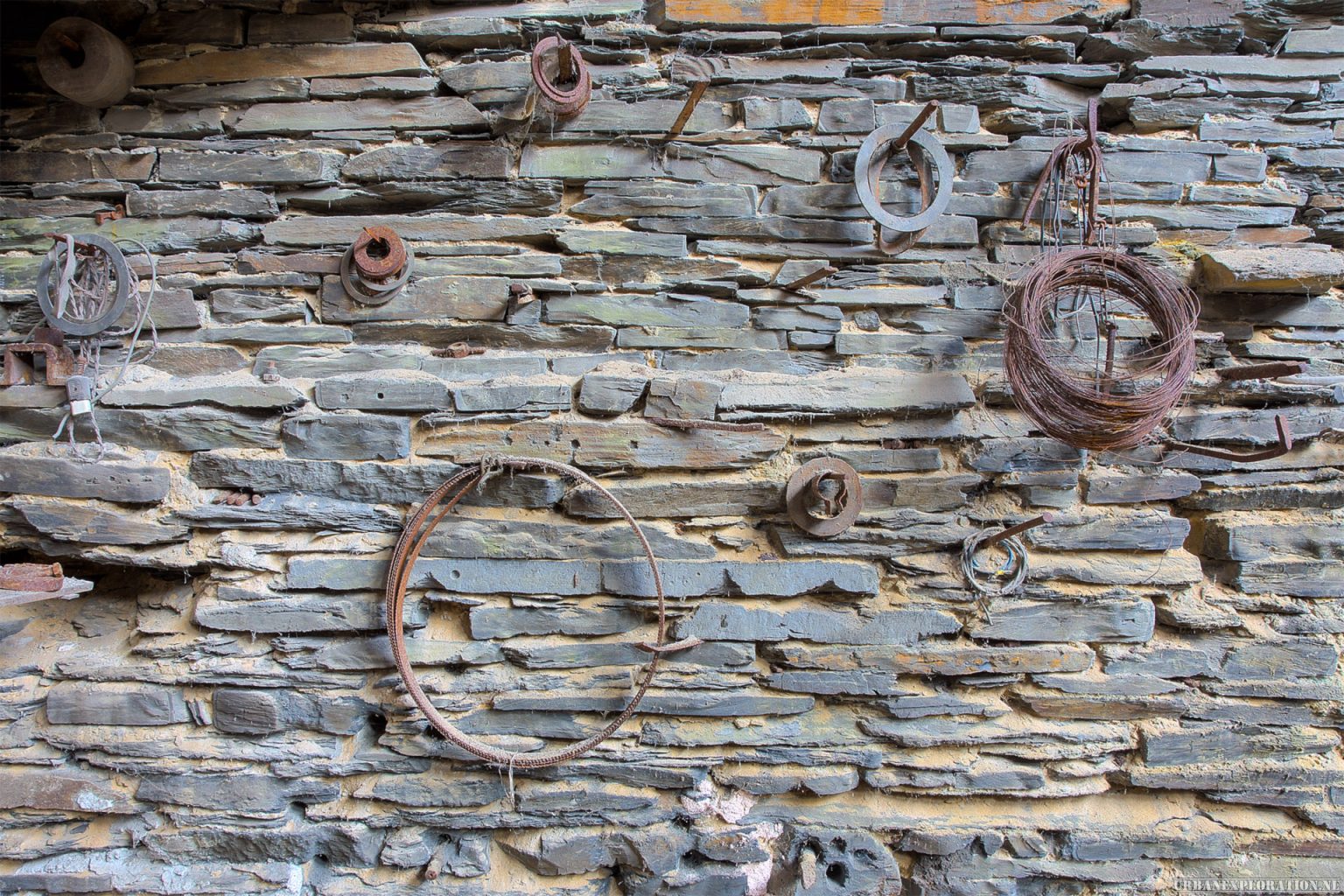
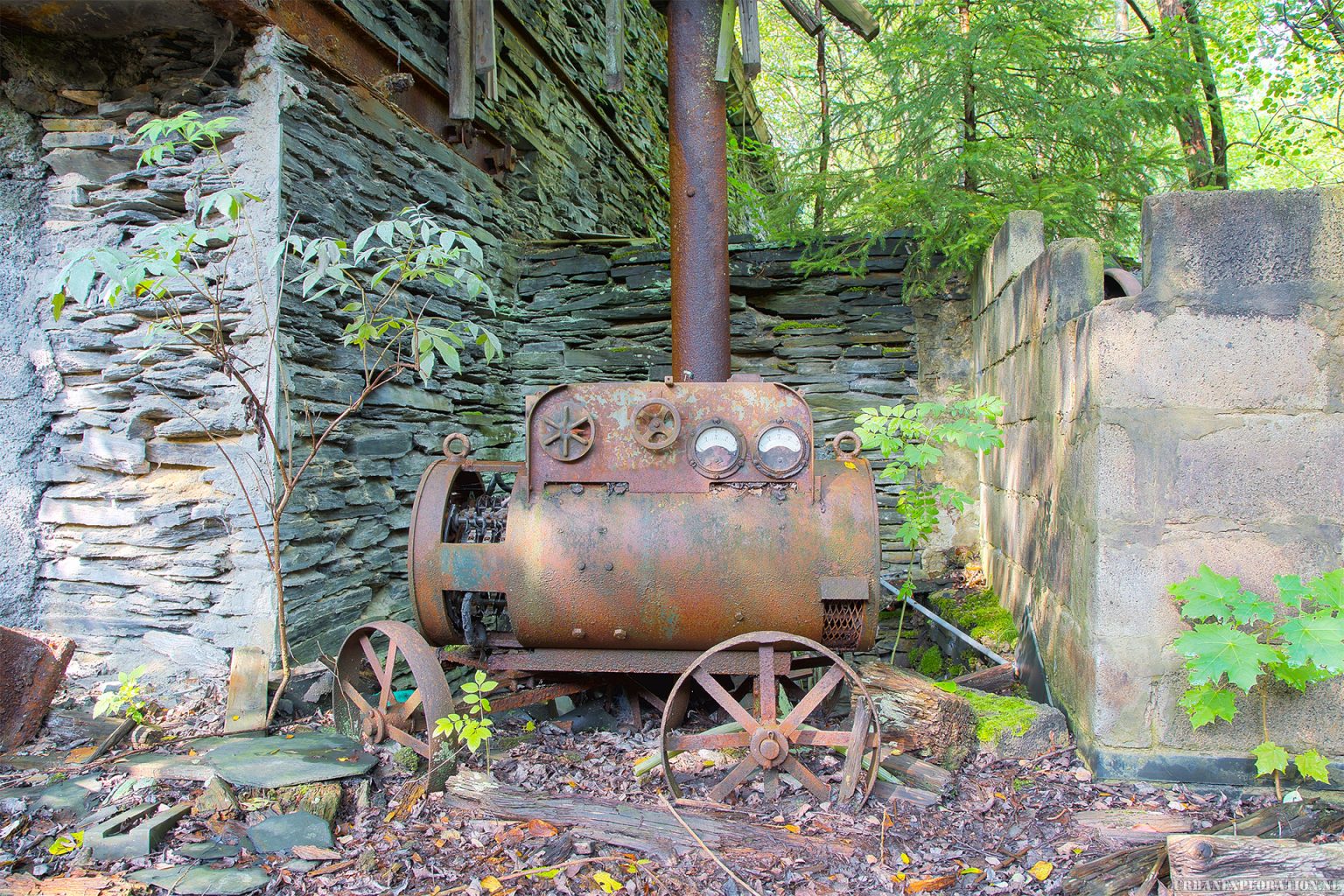
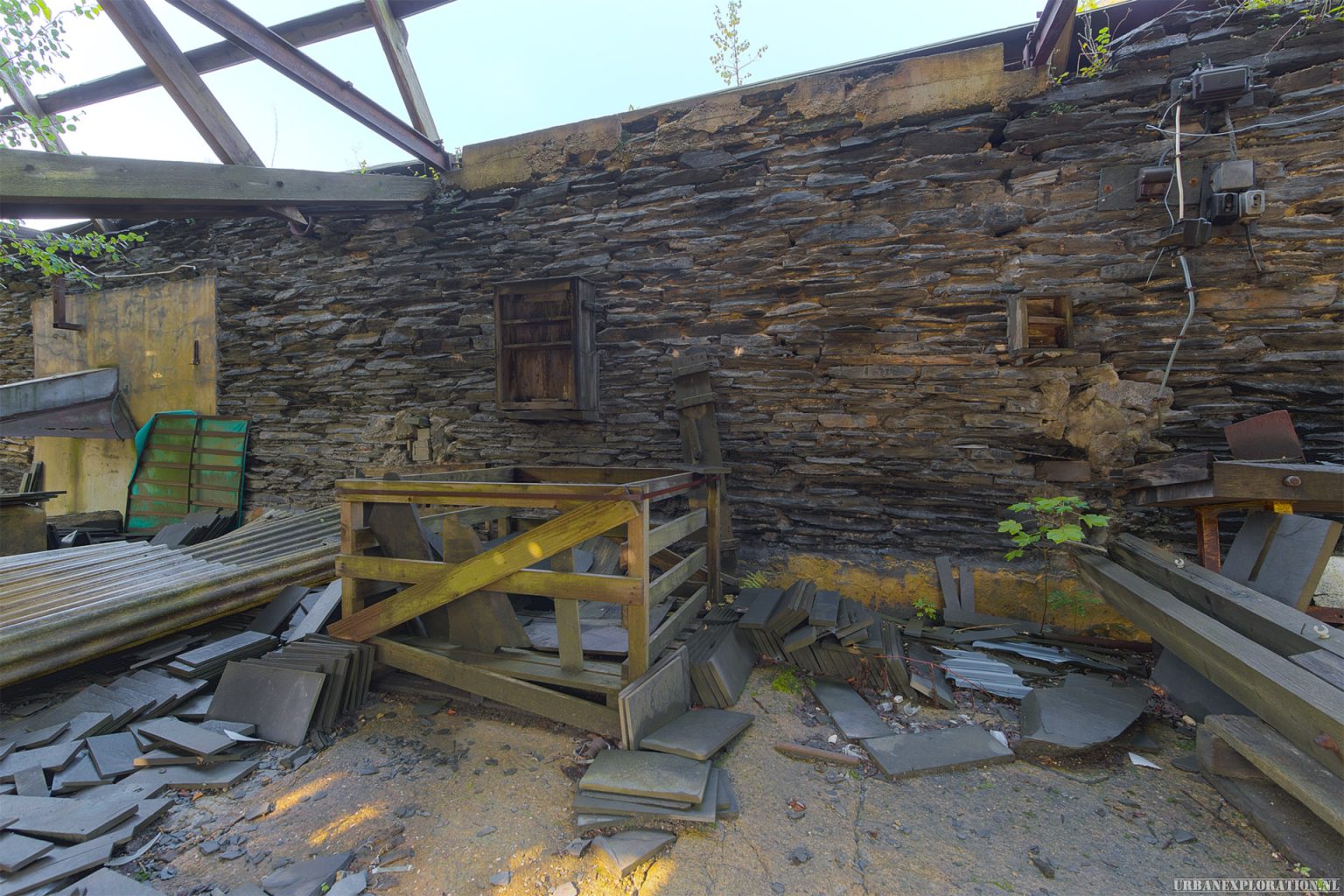
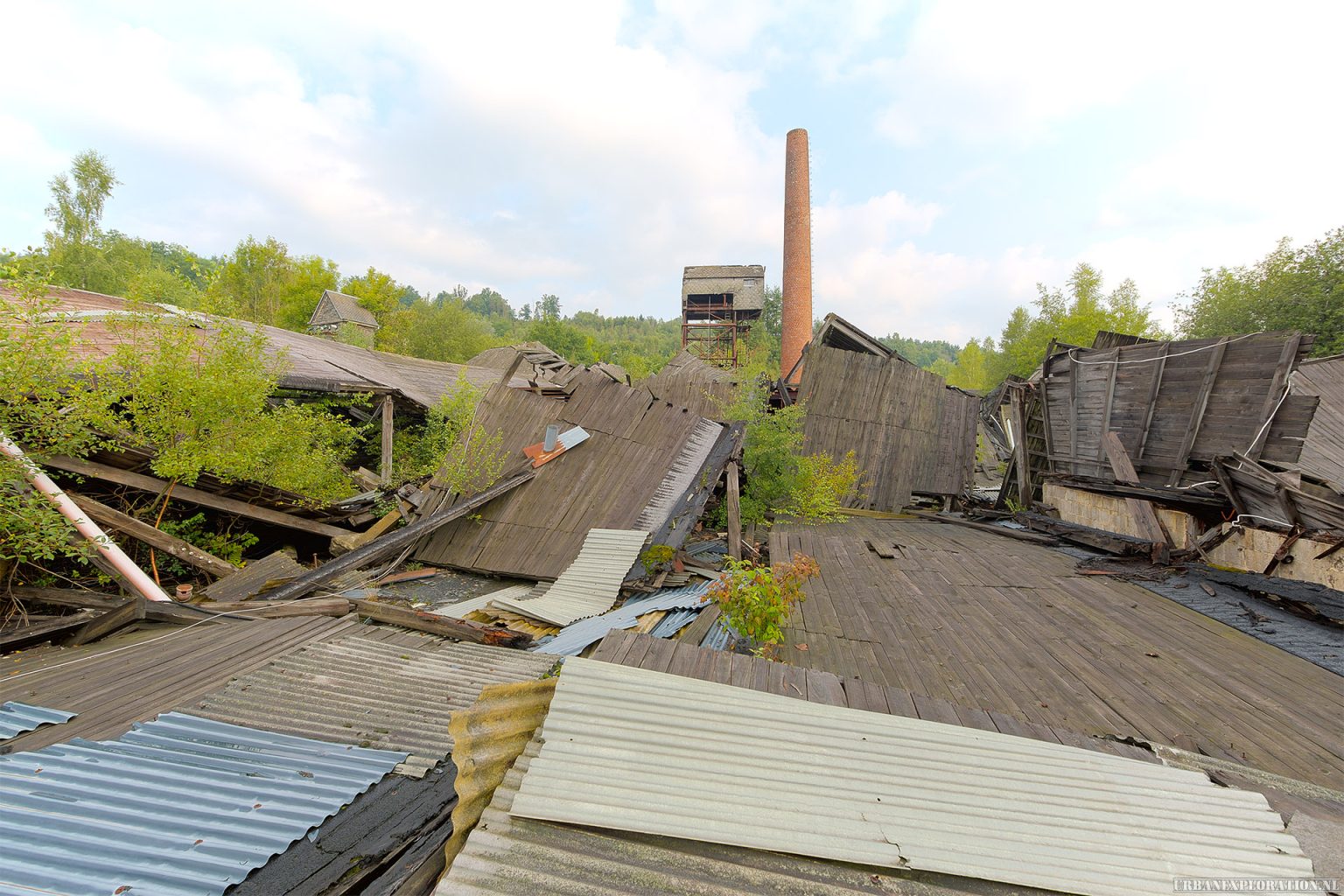
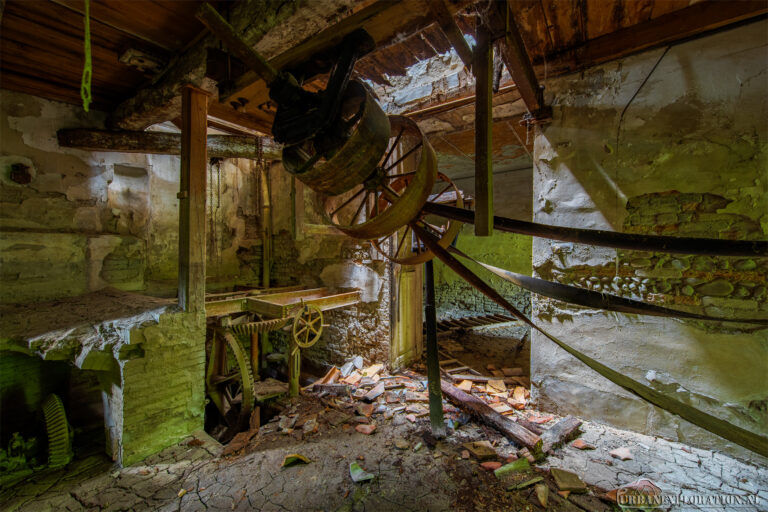
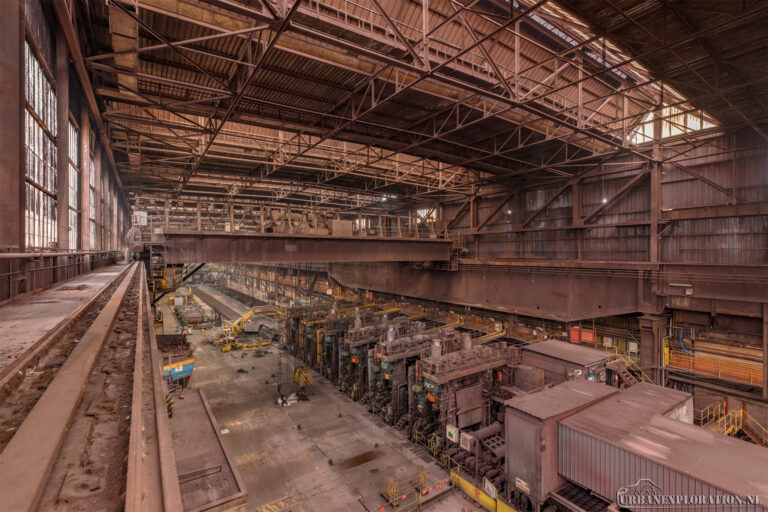
In 1995, exactly one hundred years after industrial production had begun, the company declared bankruptcy and all mining activities came to an end. The underground workings were abandoned, while the surface complex including workshops, processing halls, saws, conveyor systems and buildings surrounding the main mine shaft remained standing for many years.
The abandoned industrial site became one of the last visible reminders of Belgium’s once-thriving slate industry. Beneath the complex, an extensive network of underground galleries and shafts still exists, although much of it is inaccessible due to flooding, instability and the risk of collapse.
In 2021, most of the deteriorated surface buildings were demolished. However, the large slate waste heaps and parts of the industrial landscape were preserved. Today, slate processing has returned to the site on a smaller scale, using material recovered from the historic waste heaps to produce natural stone for façades, paving and landscaping projects