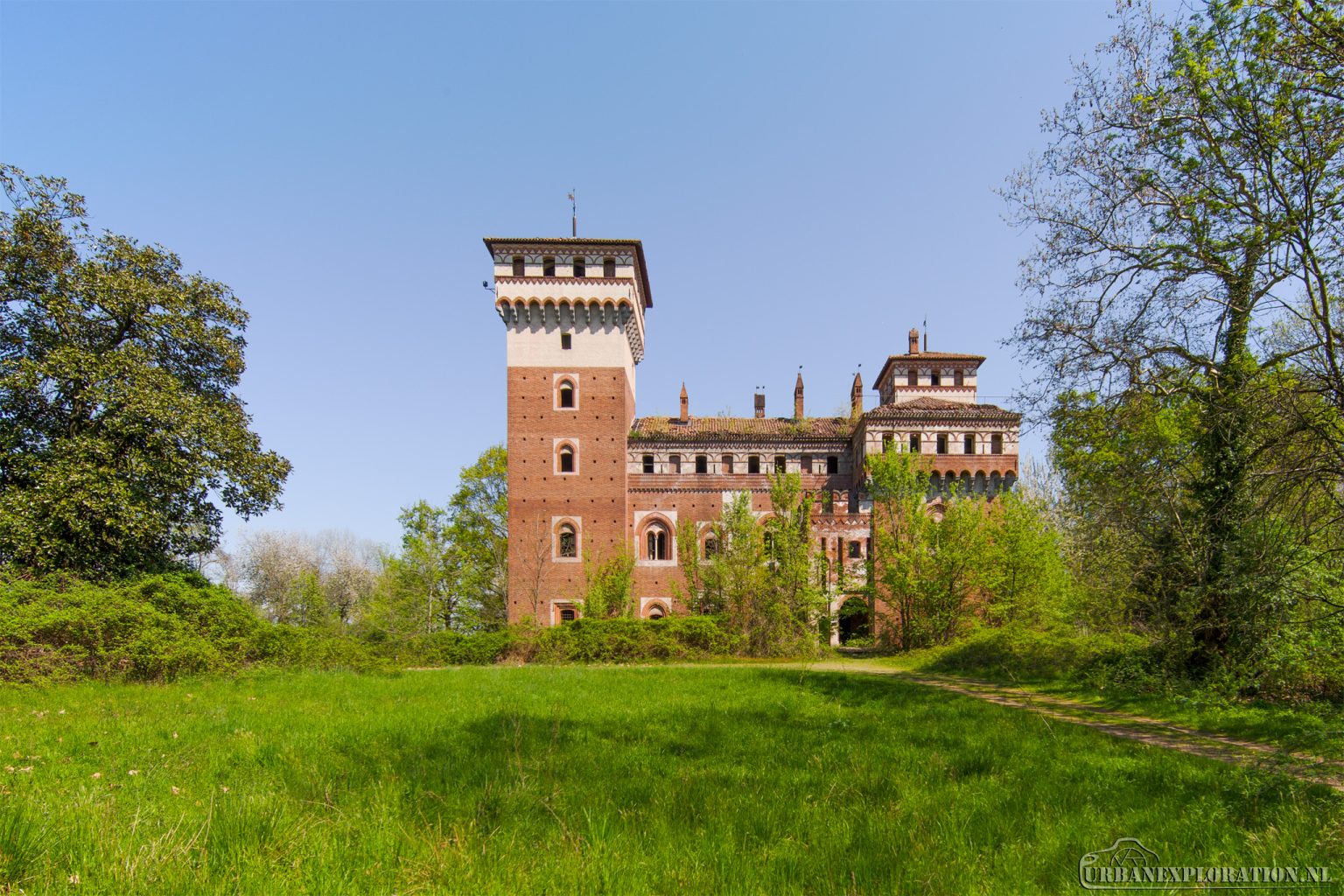
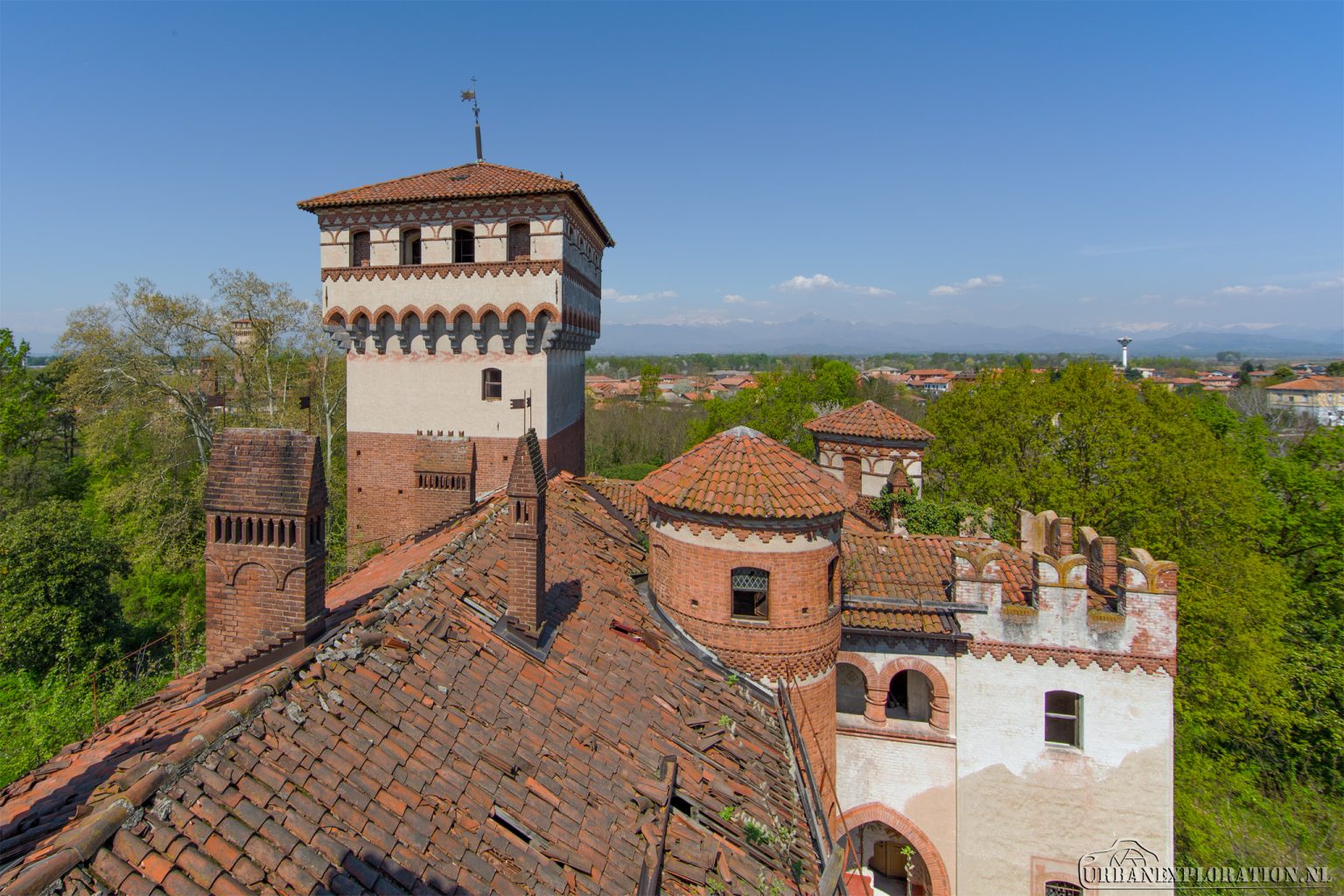
The Castello Clonato di Rovasenda, also known as the Castello Nuovo di Rovasenda, is one of the most unusual castles in Italy. Unlike many historic castles that were built for defense or royal power, this castle was created as the result of a family inheritance dispute.
At the beginning of the 20th century, Count Luigi di Rovasenda hoped to inherit the ancient family castle. When it became clear that he had no legal claim to the original property, he decided to build a new castle nearby instead. Architect Carlo Nigra was commissioned to design the residence, taking inspiration from the medieval Castello di Rovasenda that had stood in the village for centuries.
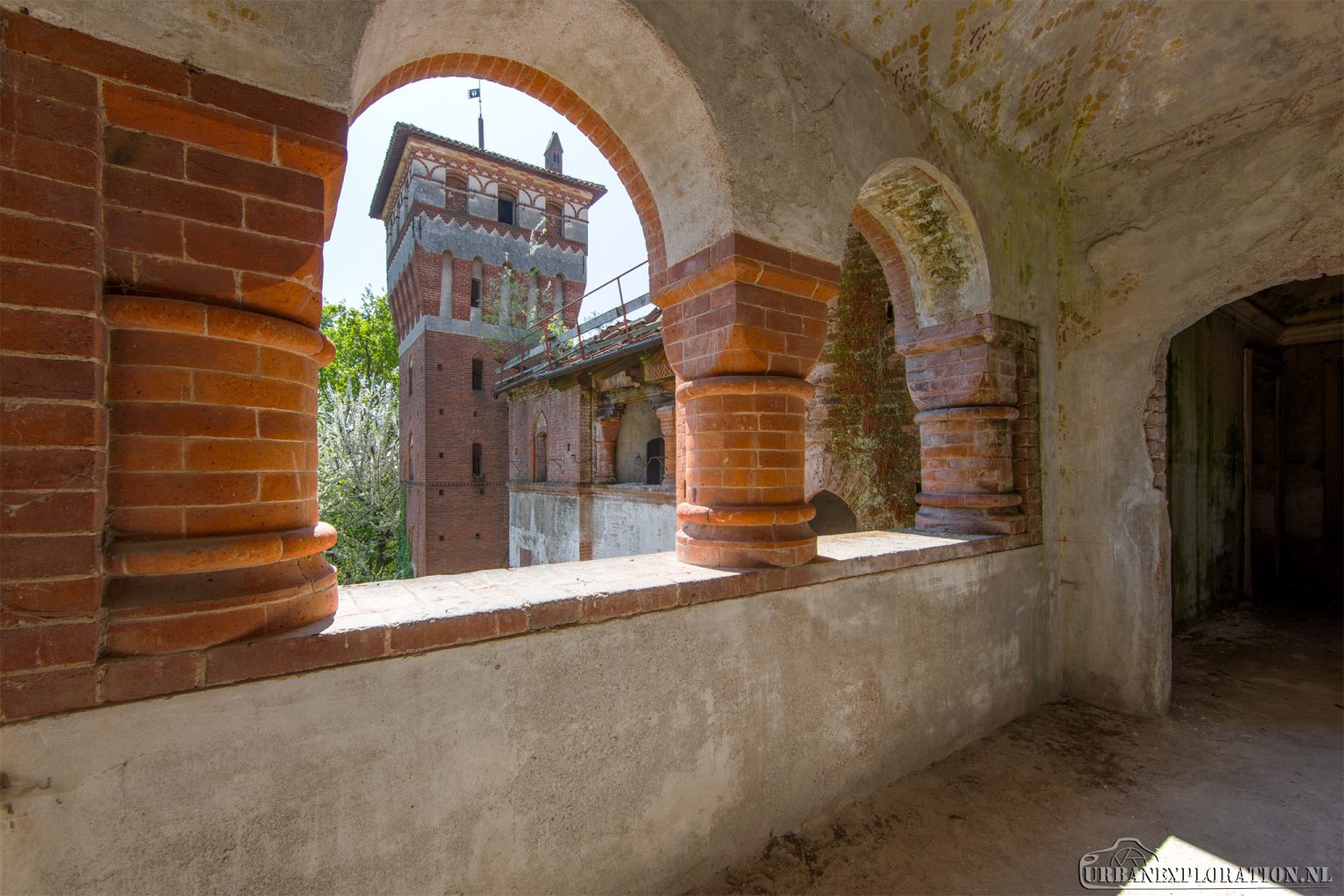
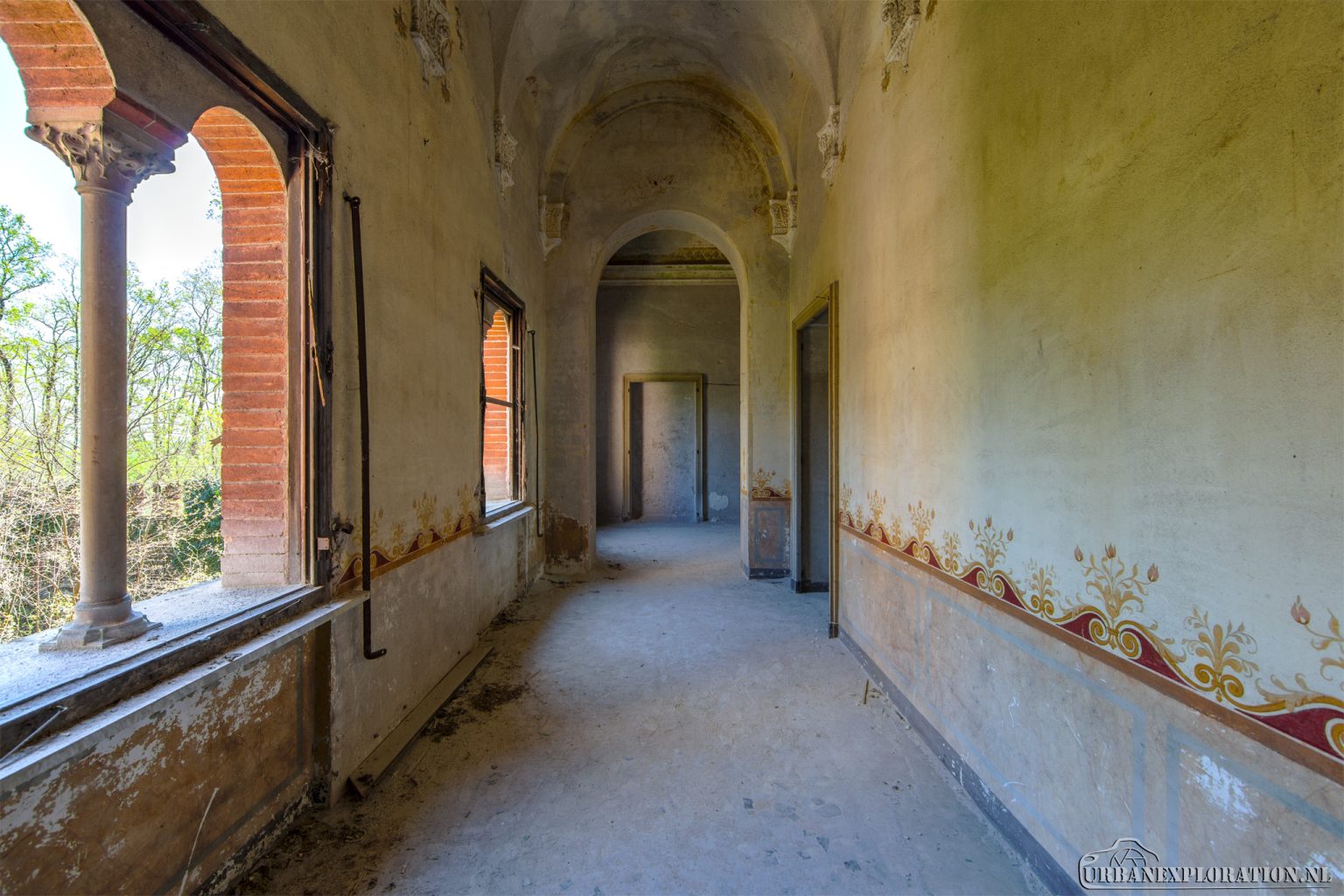
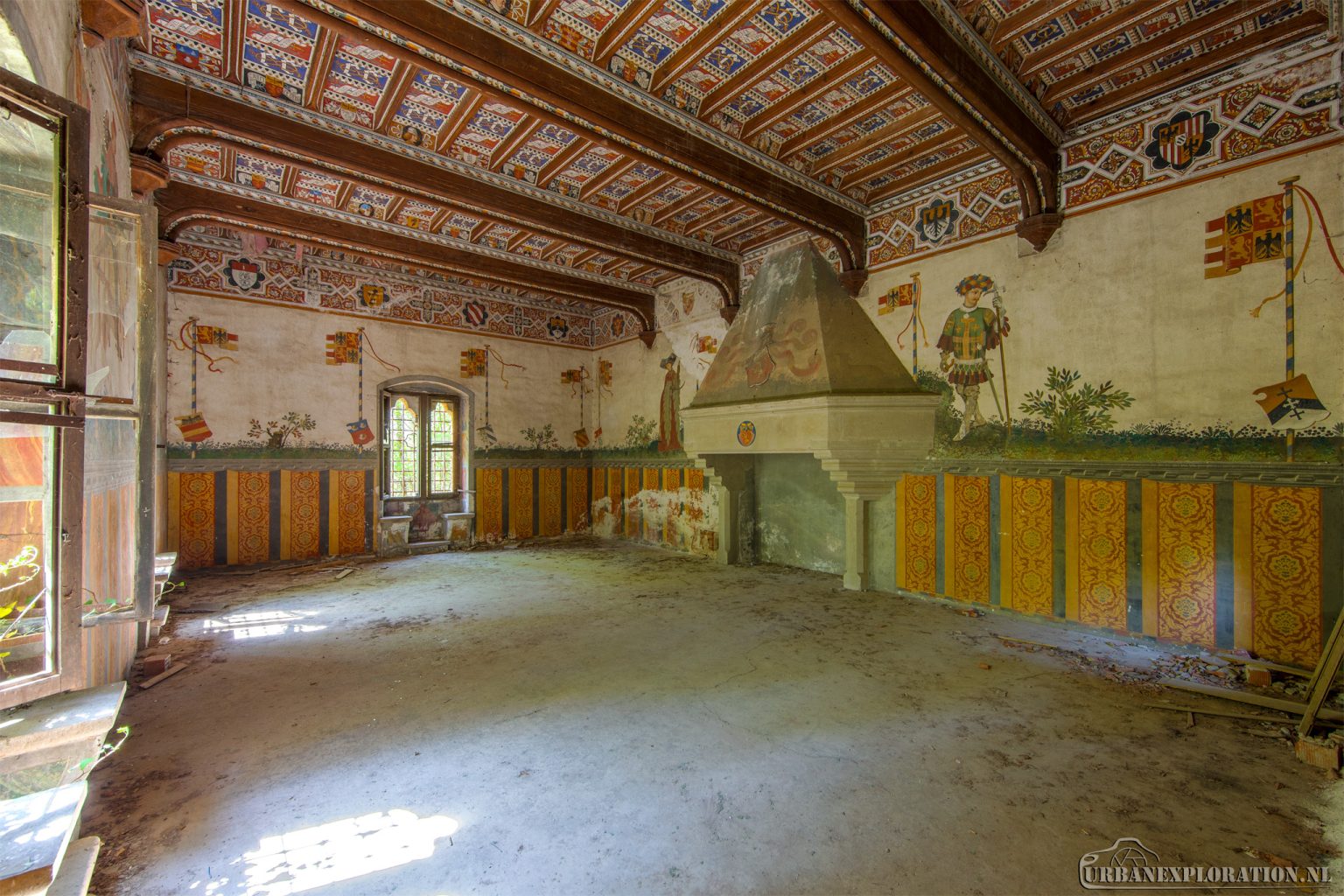
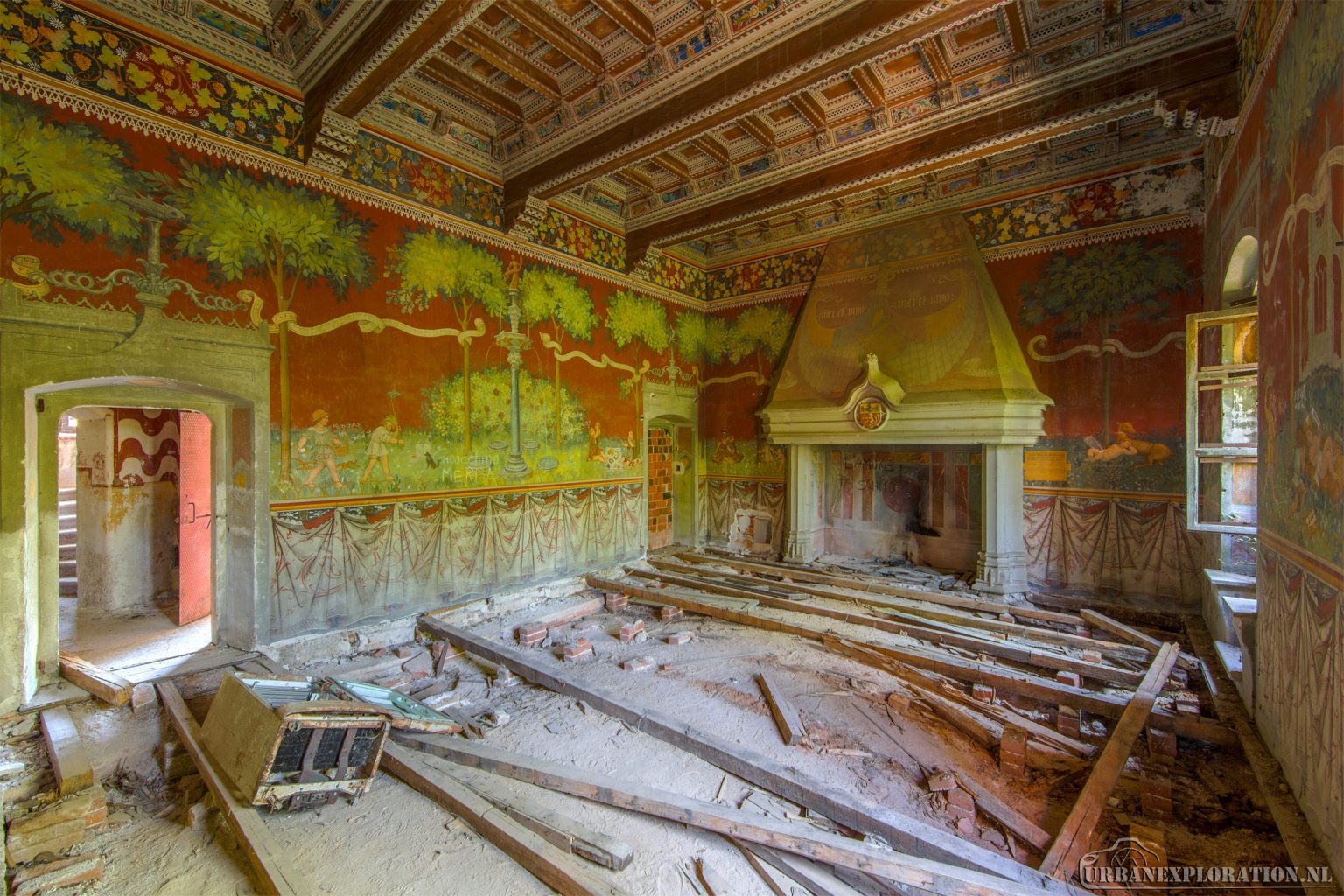
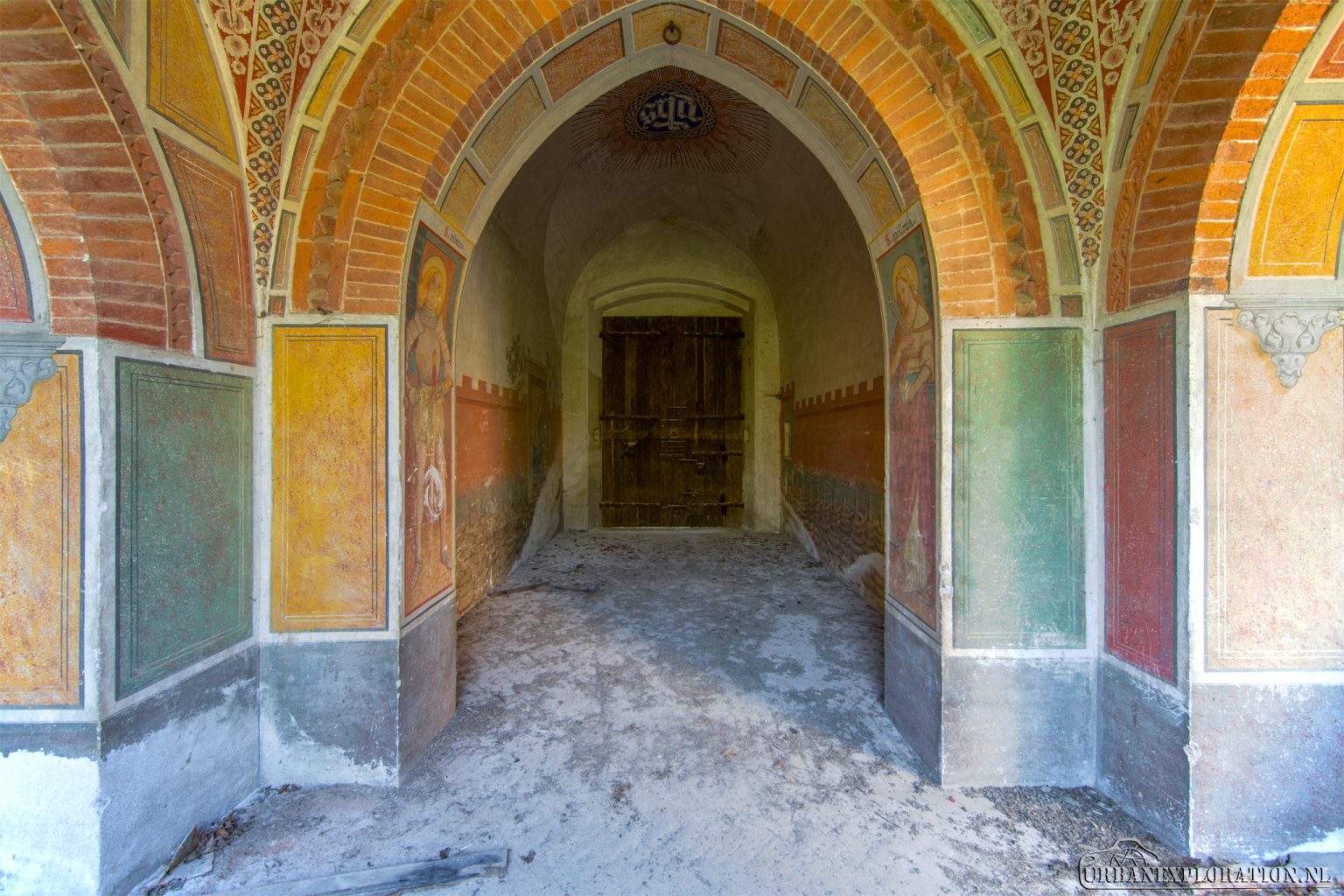
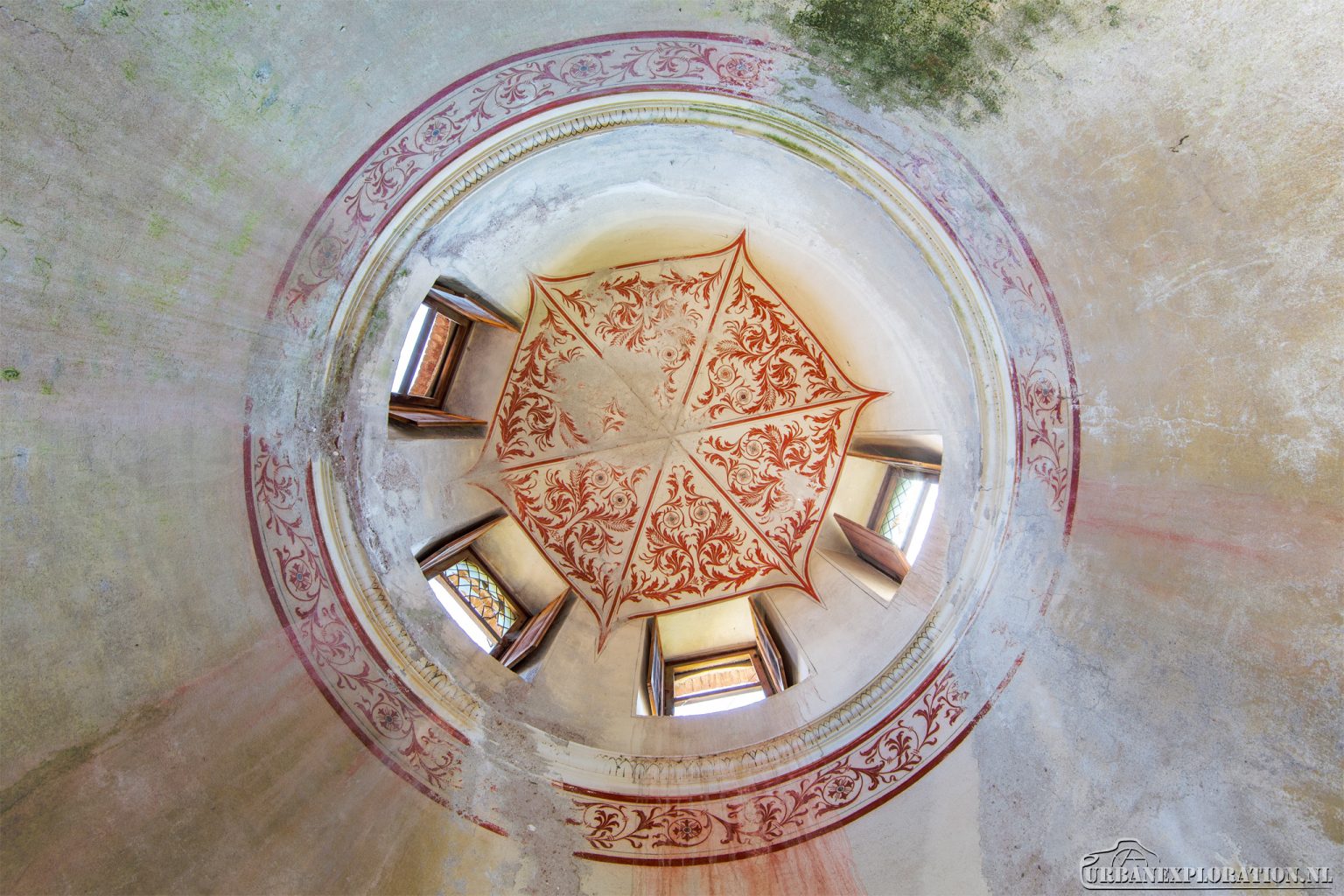
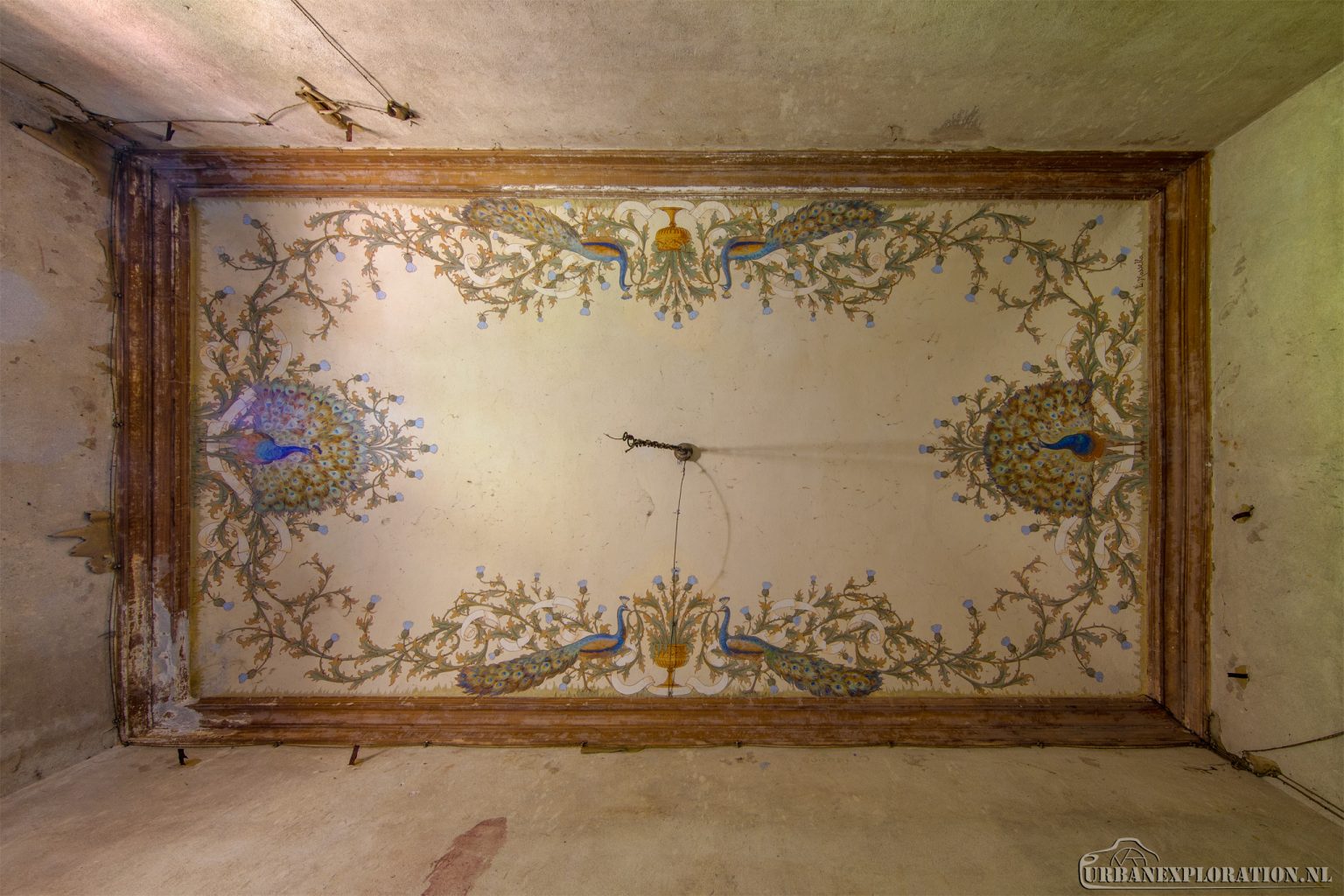
Construction took place between approximately 1901 and 1904. Although often described as a replica of the original castle, the new building was not an exact copy. Its dimensions and several architectural details differ from the medieval structure. The castle was designed as a prestigious residence and featured richly decorated interiors, frescoes, and elegant furnishings.
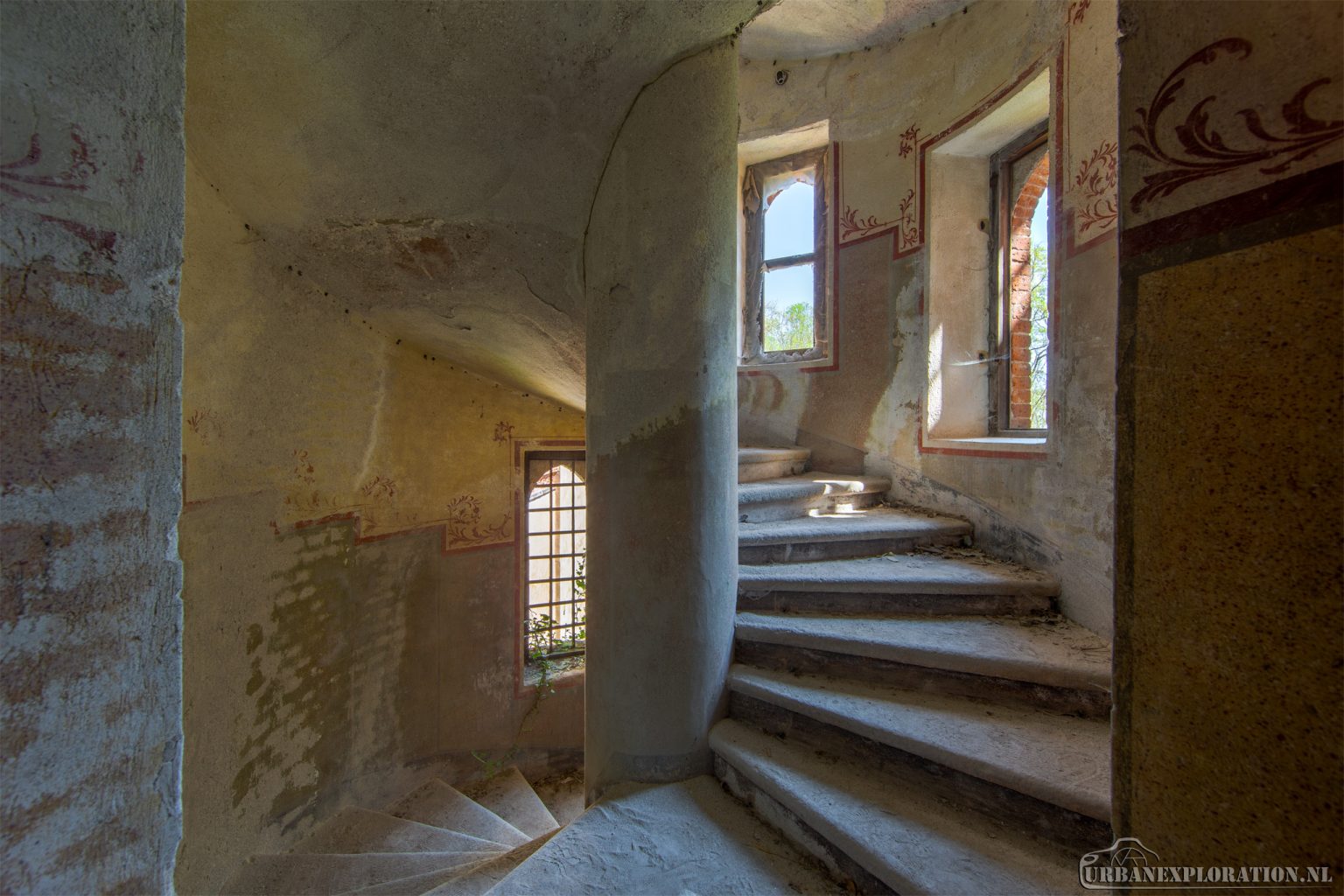
After World War II, the castle gradually lost its residential function. By the mid-1950s it had been abandoned, beginning a long period of decline. For decades, the building became a well-known urbex location, attracting visitors who explored its empty halls, deteriorating decorations, and the visible effects of years of neglect.
Visited - April 2018
Defunct - 1955
Status - Renovated
Country - Italy
Here are some other albums that might be of interest.