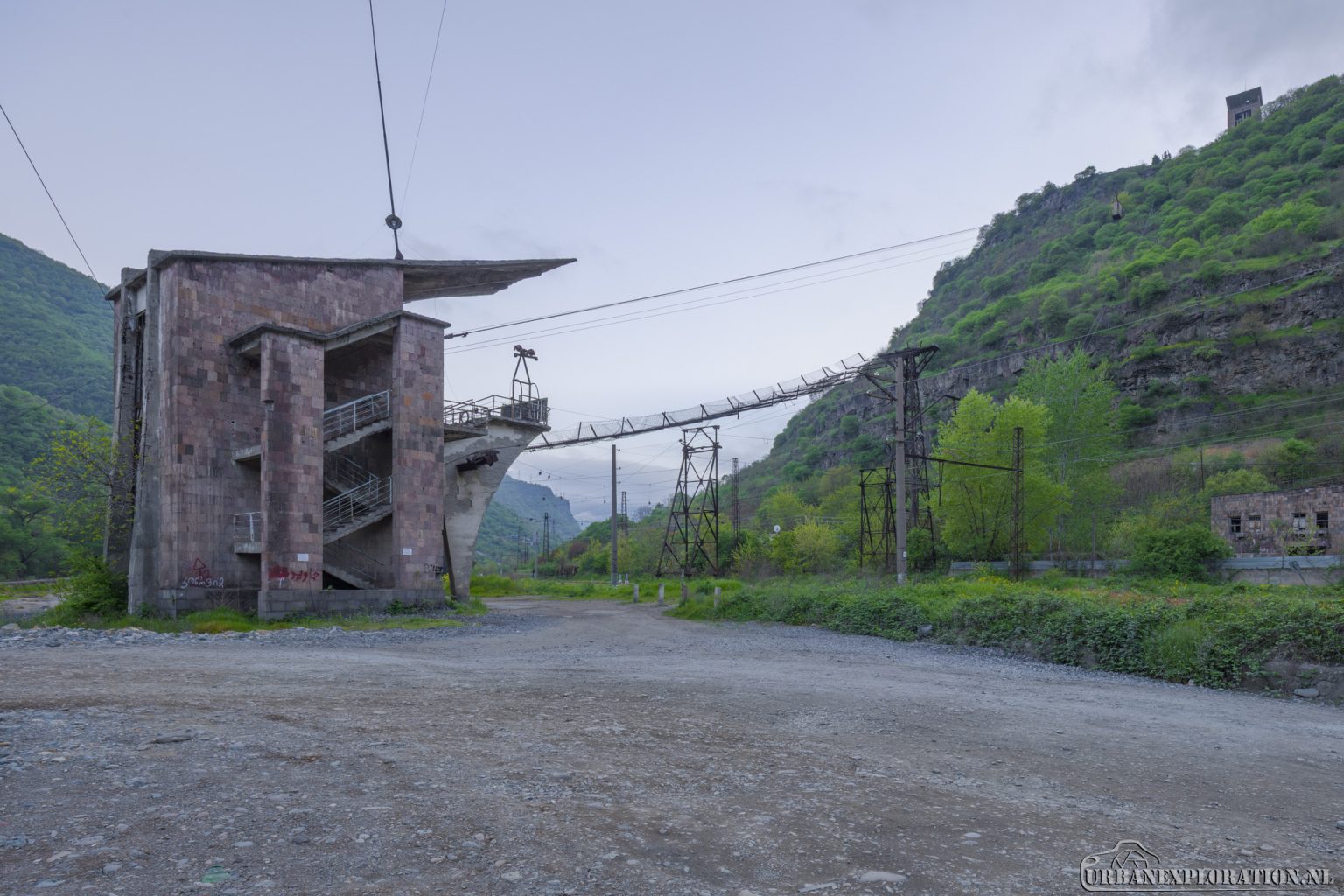
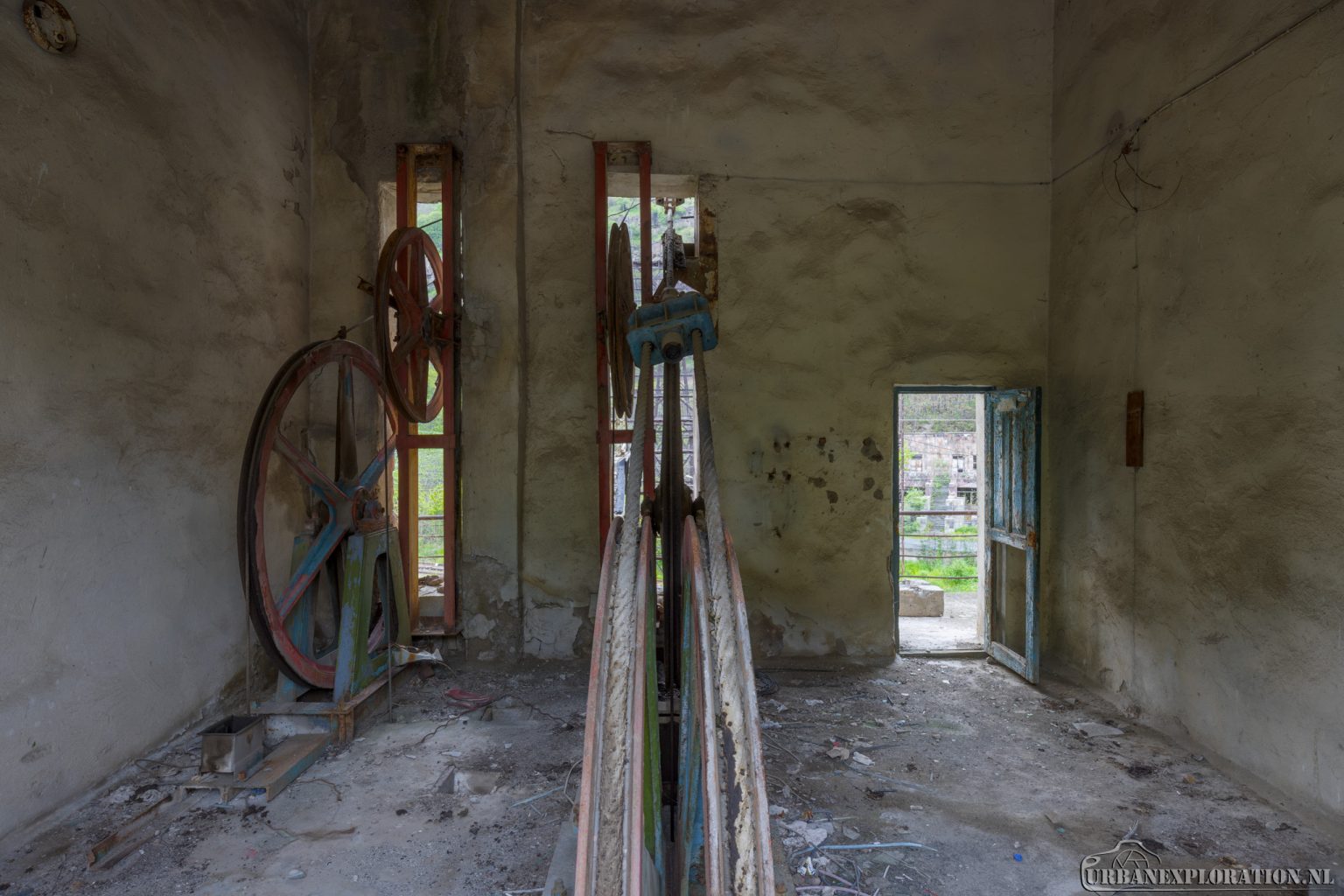
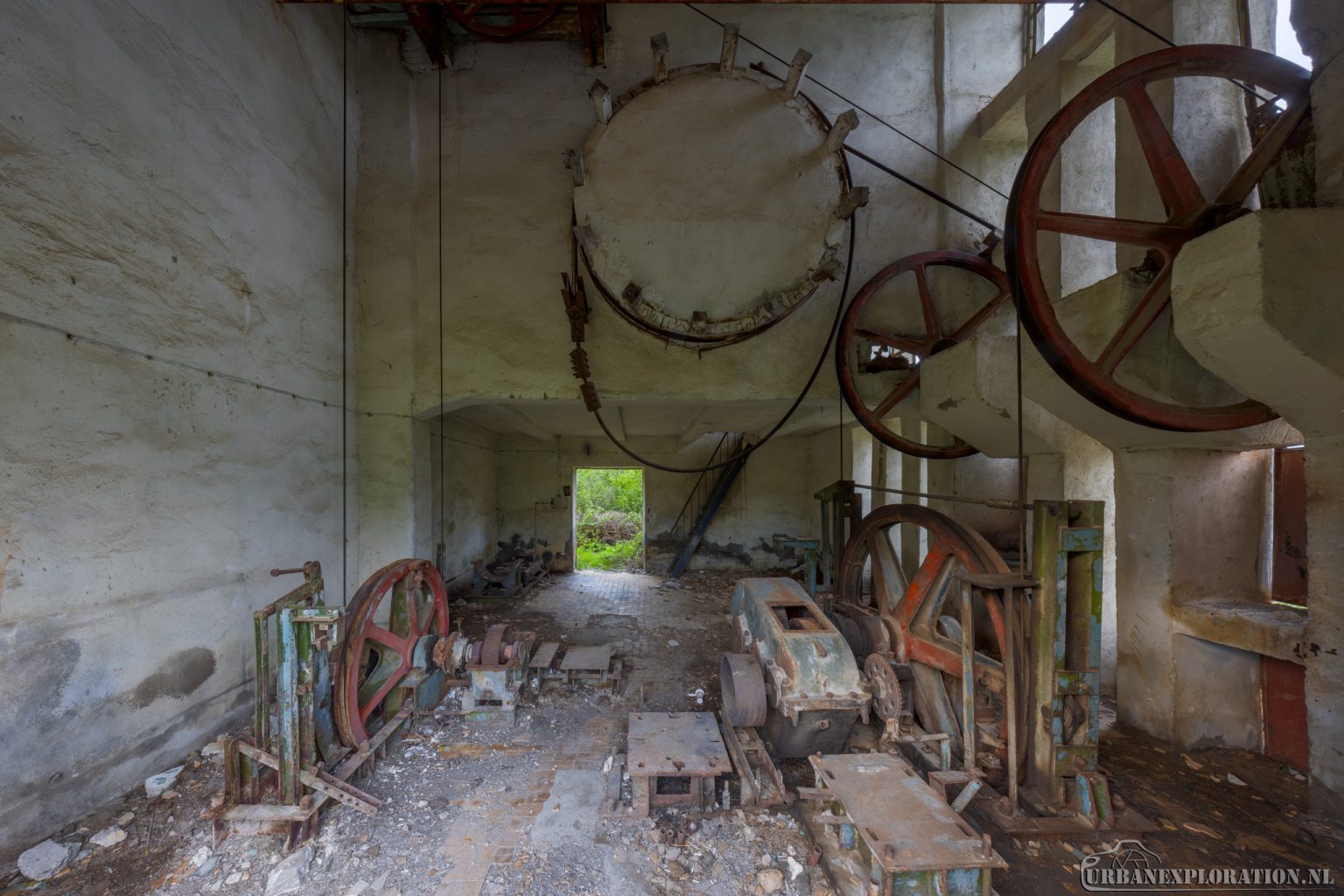
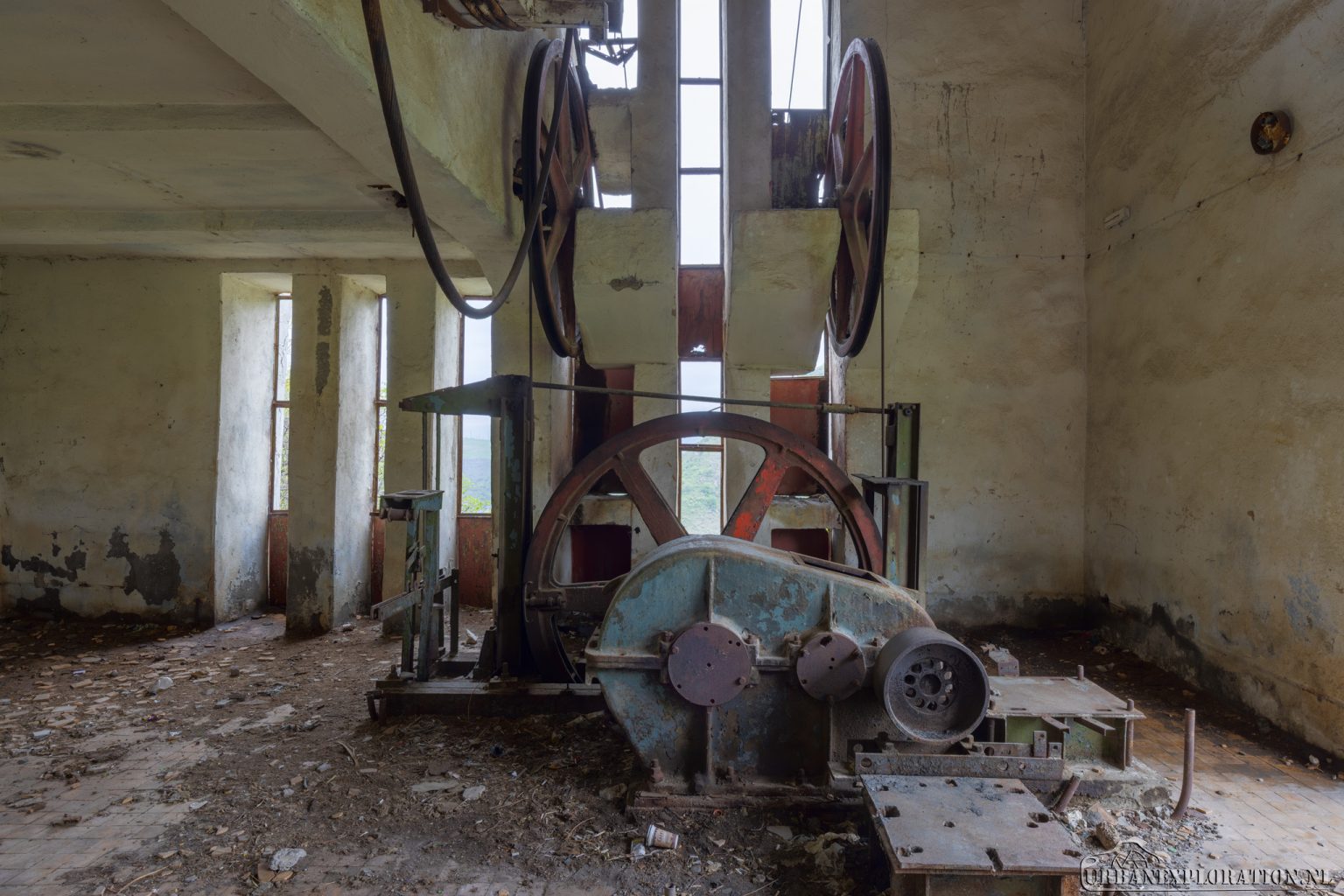
Hidden in the steep Debed Gorge of northern Armenia stands the abandoned cable car station of Akhtala, a striking relic from the Soviet industrial era. Built during the 1960s, the ropeway connected the lower industrial zone near the railway and river with the residential districts high above the valley.
Akhtala was an important mining town during the Soviet period, known for copper and metal processing industries. Because of the extreme elevation differences in the gorge, traditional roads were slow and difficult. The cable car offered workers and residents a fast connection between the factories below and the neighborhoods built on the surrounding hillsides.
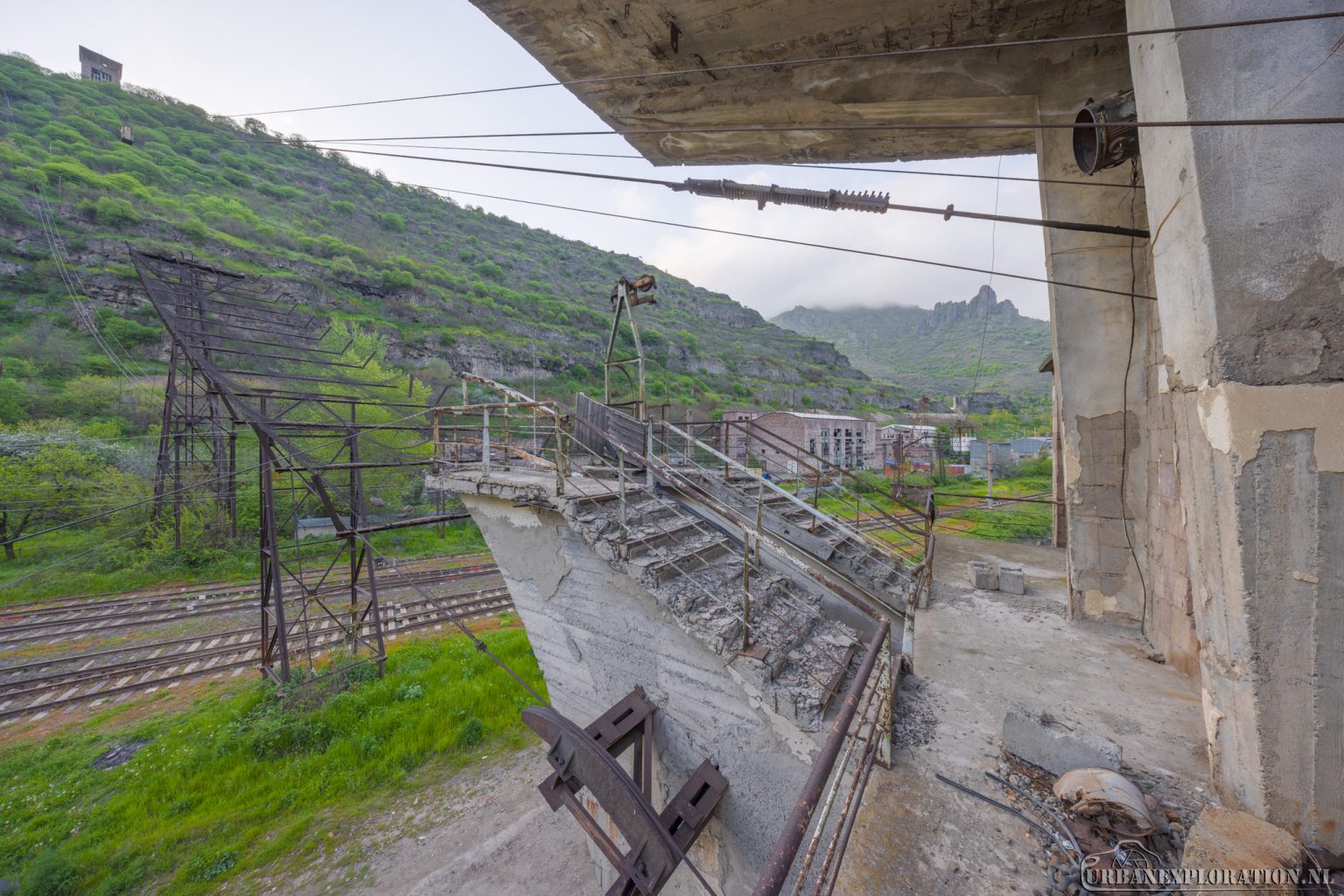
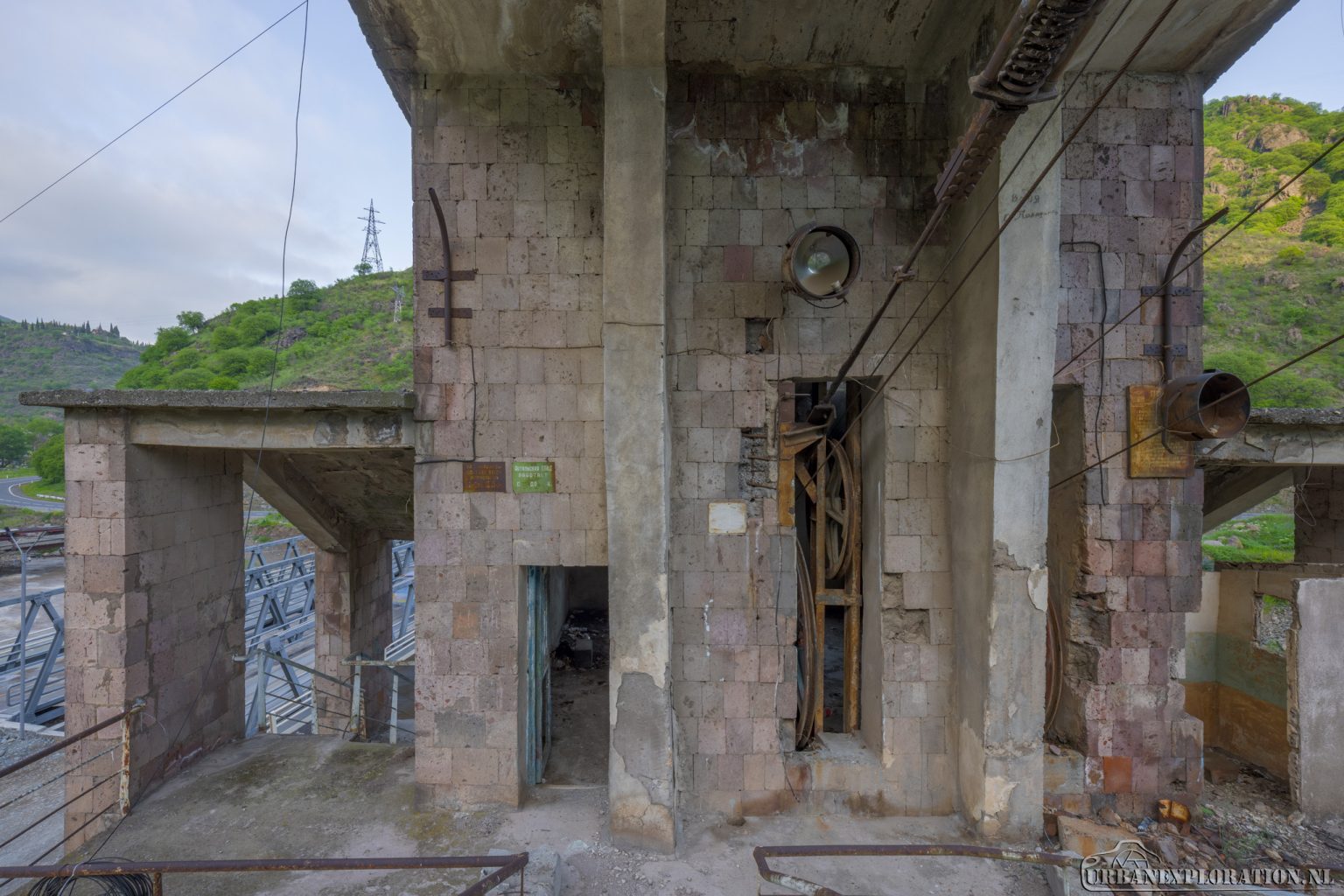
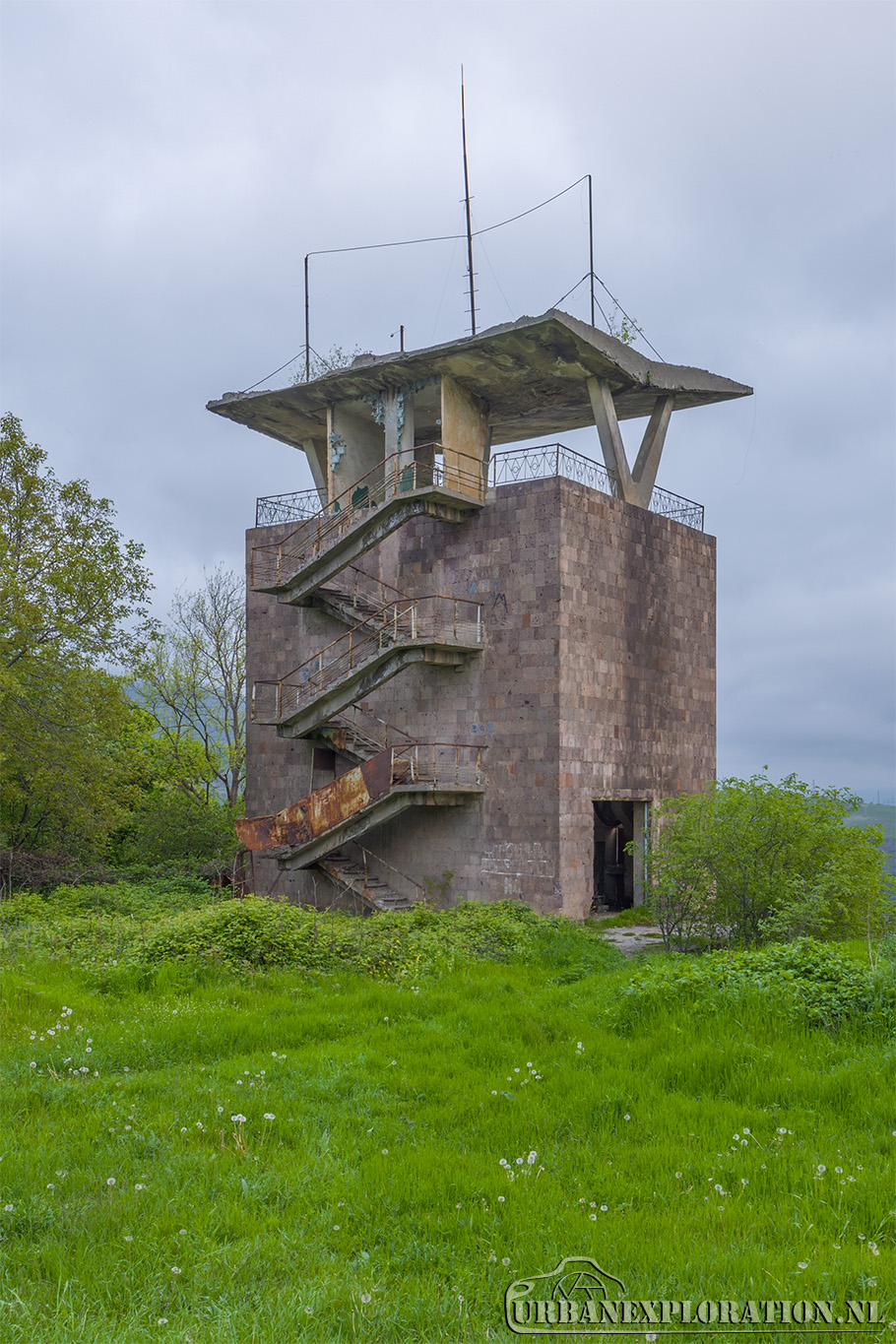
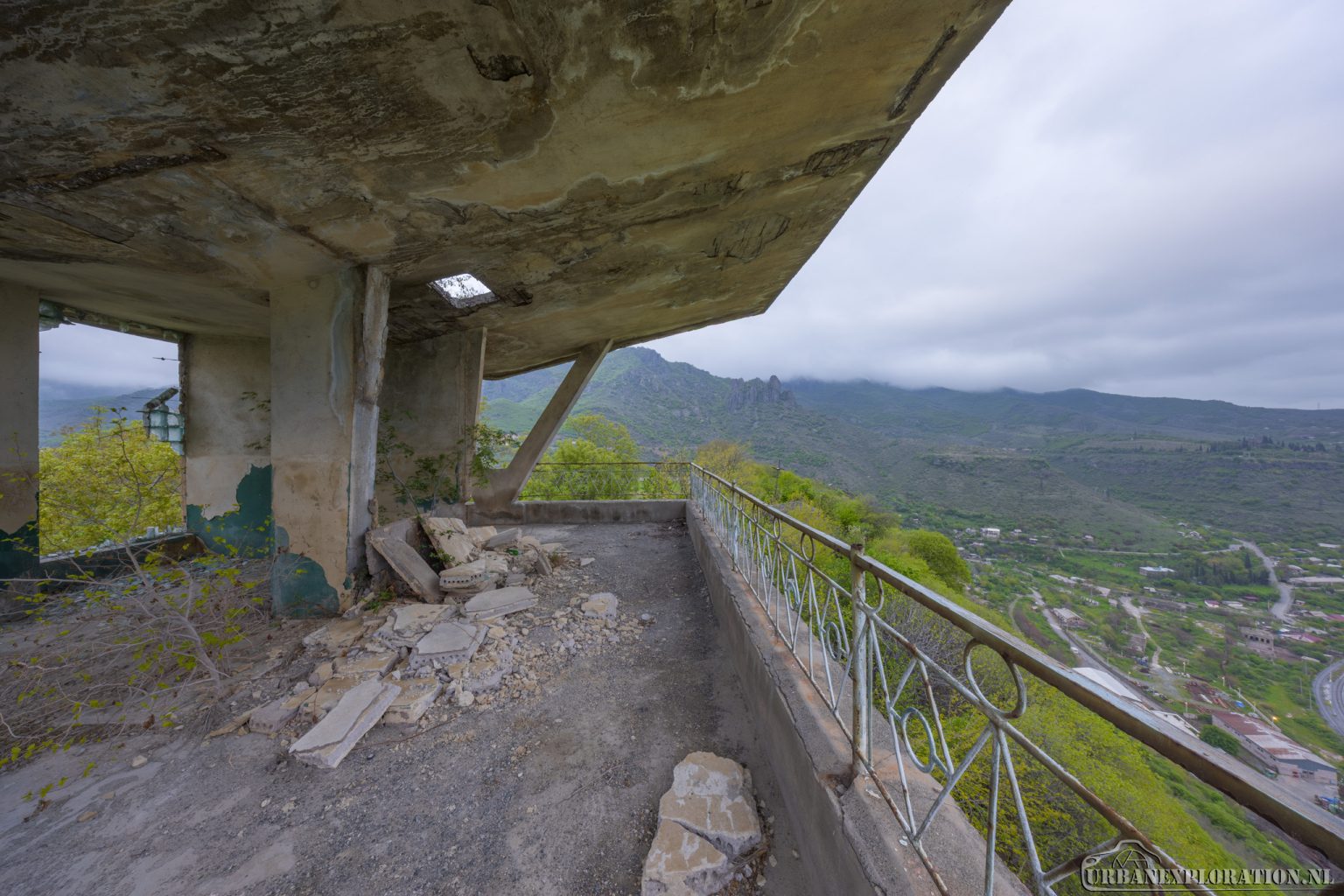
The station itself is a remarkable example of late Soviet modernist architecture. Covered with local volcanic stone and topped with dramatic concrete roof structures, the design was both functional and futuristic. The station is believed to have been designed by Armenian architect Varuzhan Sahakyan during the 1960s.
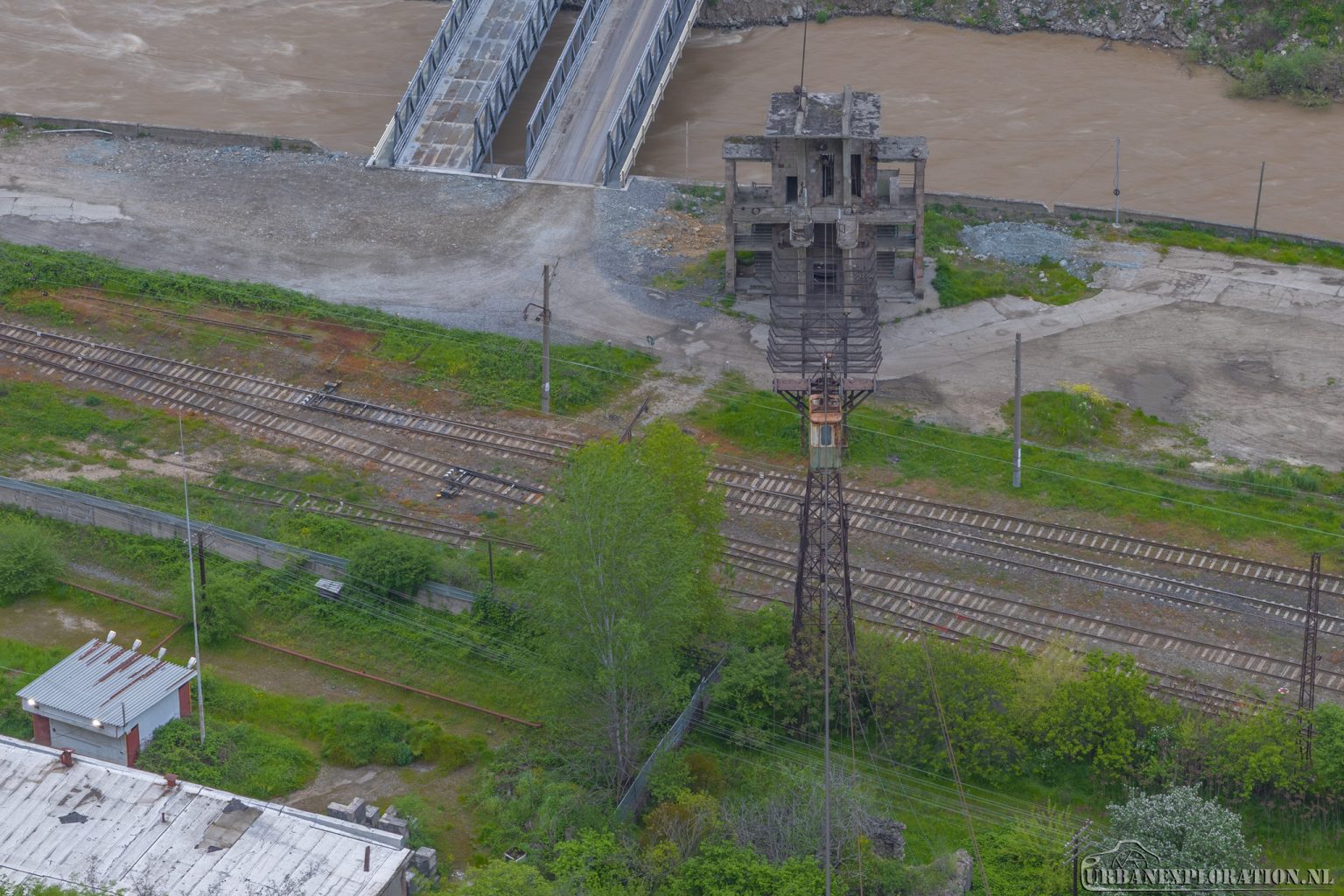
The ropeway stretched roughly 250 meters across the valley. Small cabins transported passengers above the railway tracks, roads, and industrial infrastructure below. Similar systems once existed across many Soviet mining towns, especially in mountainous regions such as Armenia and Georgia.
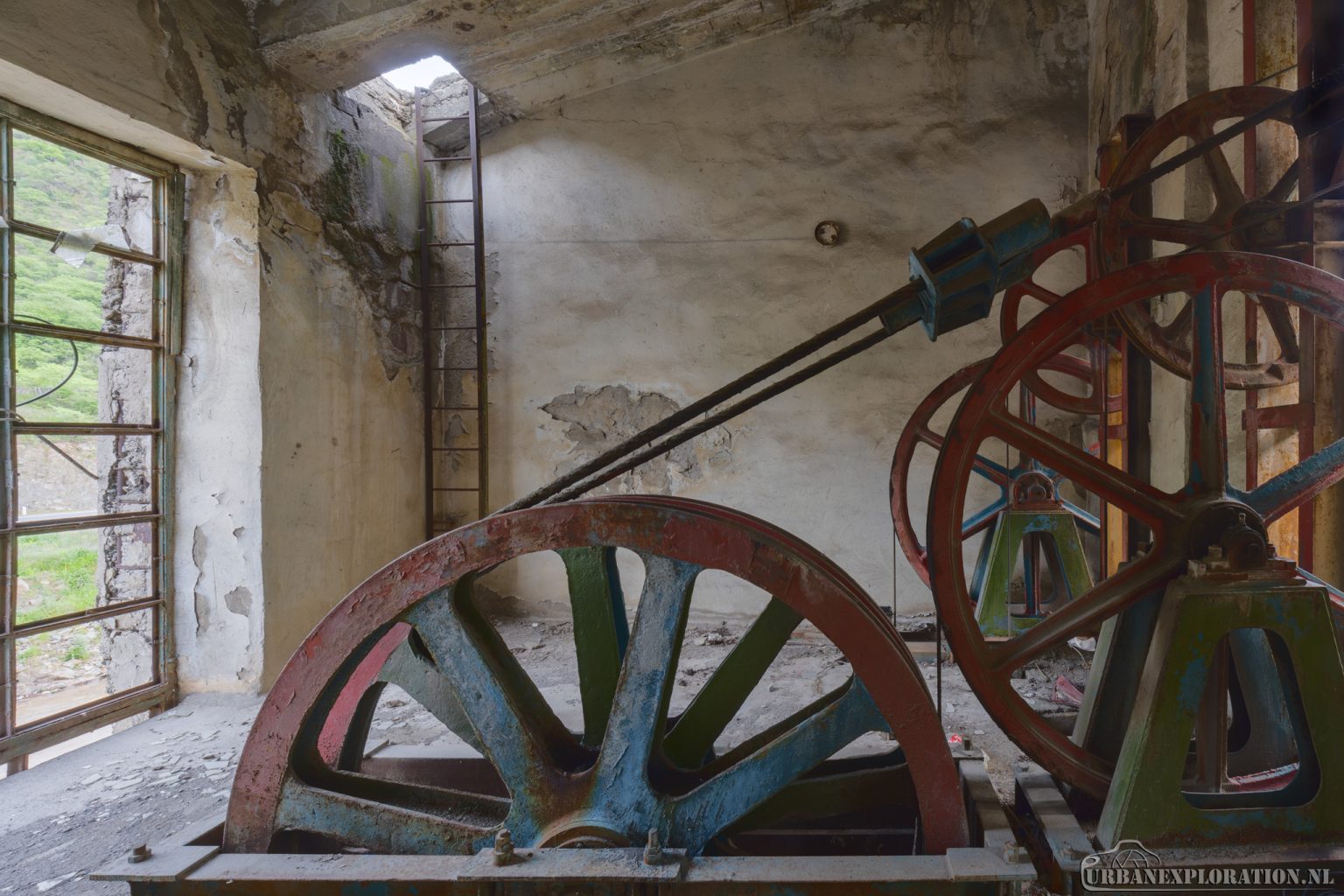
After the collapse of the Soviet Union, Akhtala’s industry declined heavily. As maintenance stopped and the population decreased, the ropeway slowly fell out of use. By the late 1990s or early 2000s, the system had likely been abandoned completely.
Today, both stations still stand above the valley, while parts of the cables and support structures remain visible. Nature is slowly reclaiming the site, turning the former transport system into one of Armenia’s most unique forgotten Soviet landmarks.
Visited - May 2026
Defunct - Unknown
Status - In decline
Country - Armenia
Here are some other albums that might be of interest.