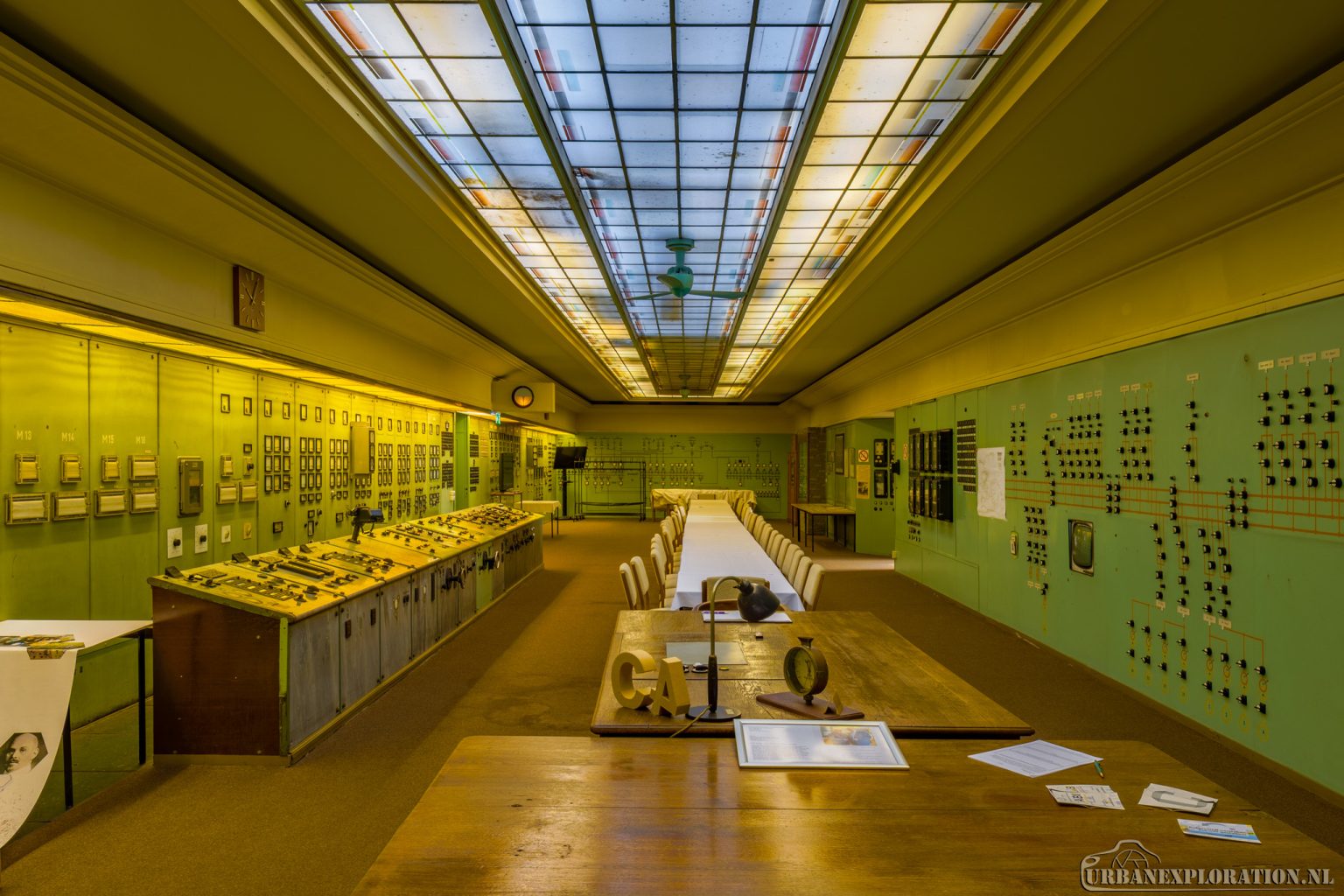
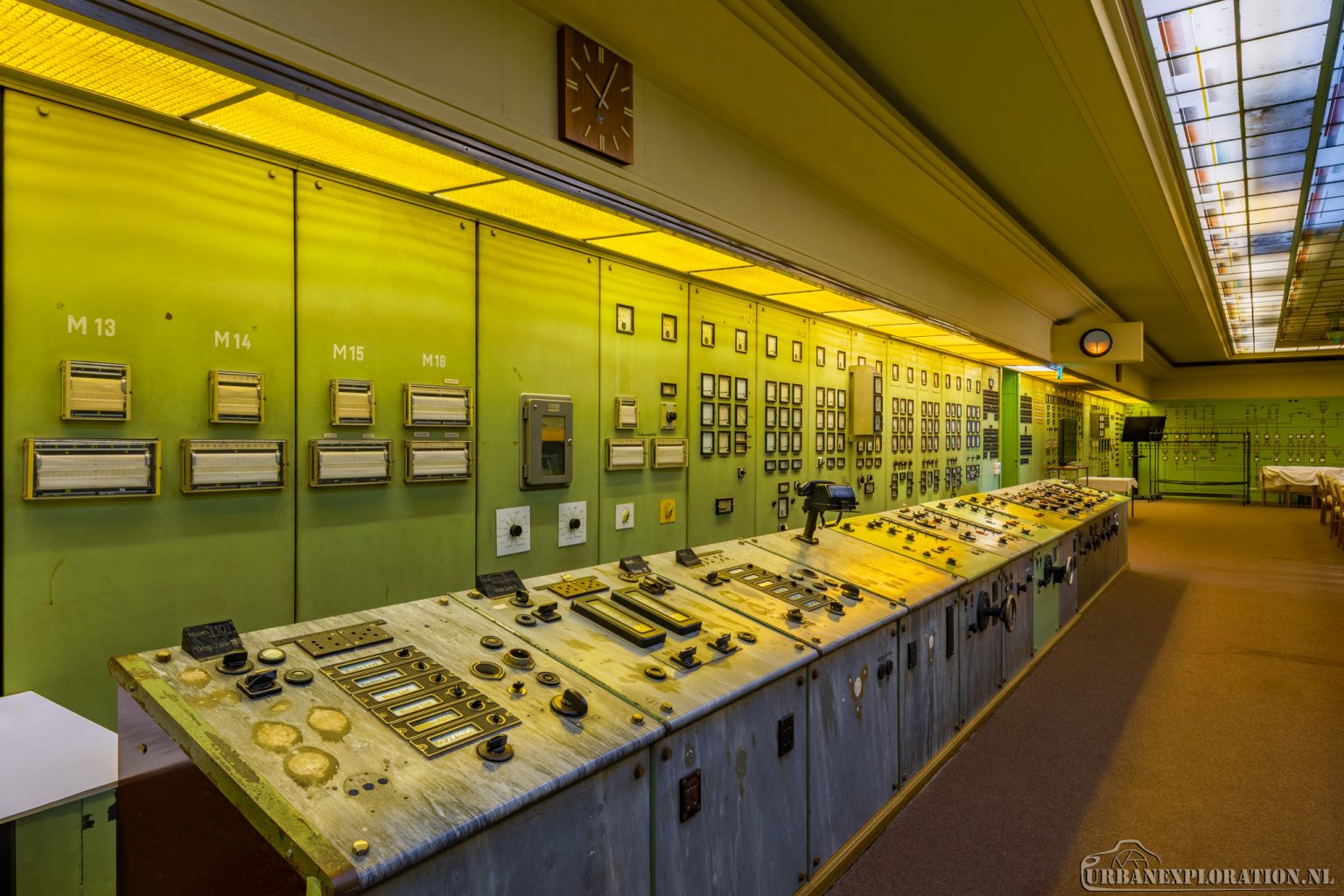
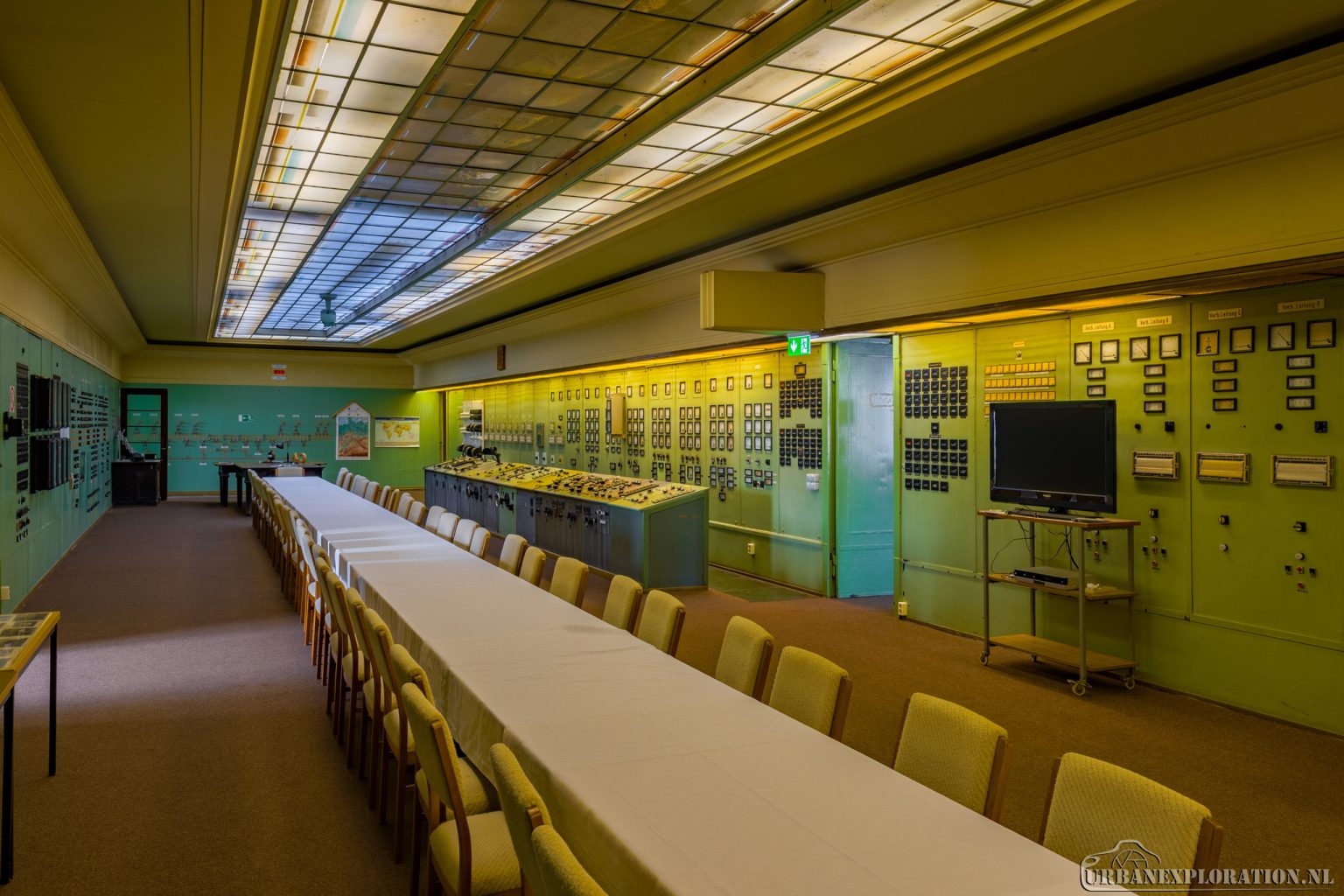
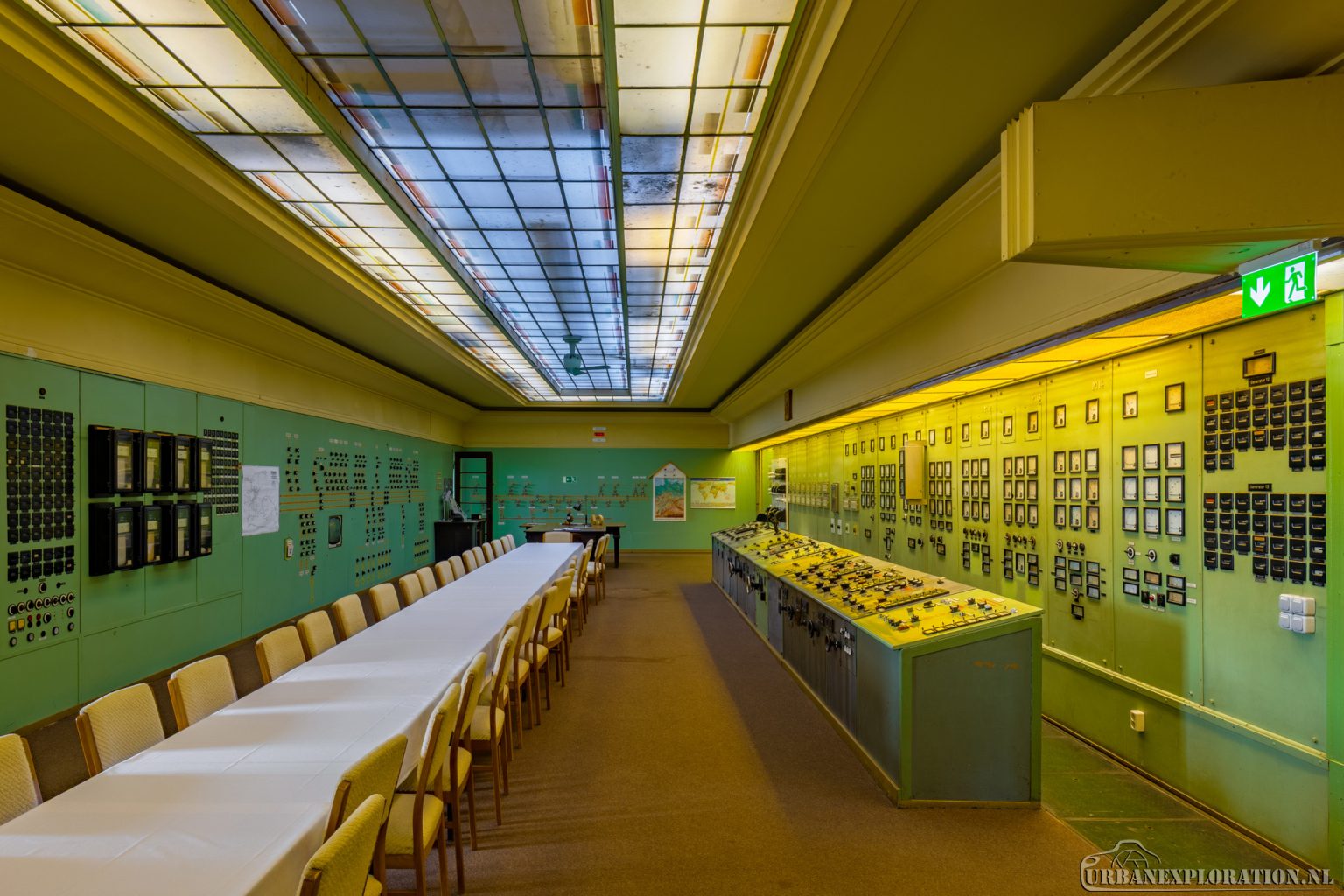
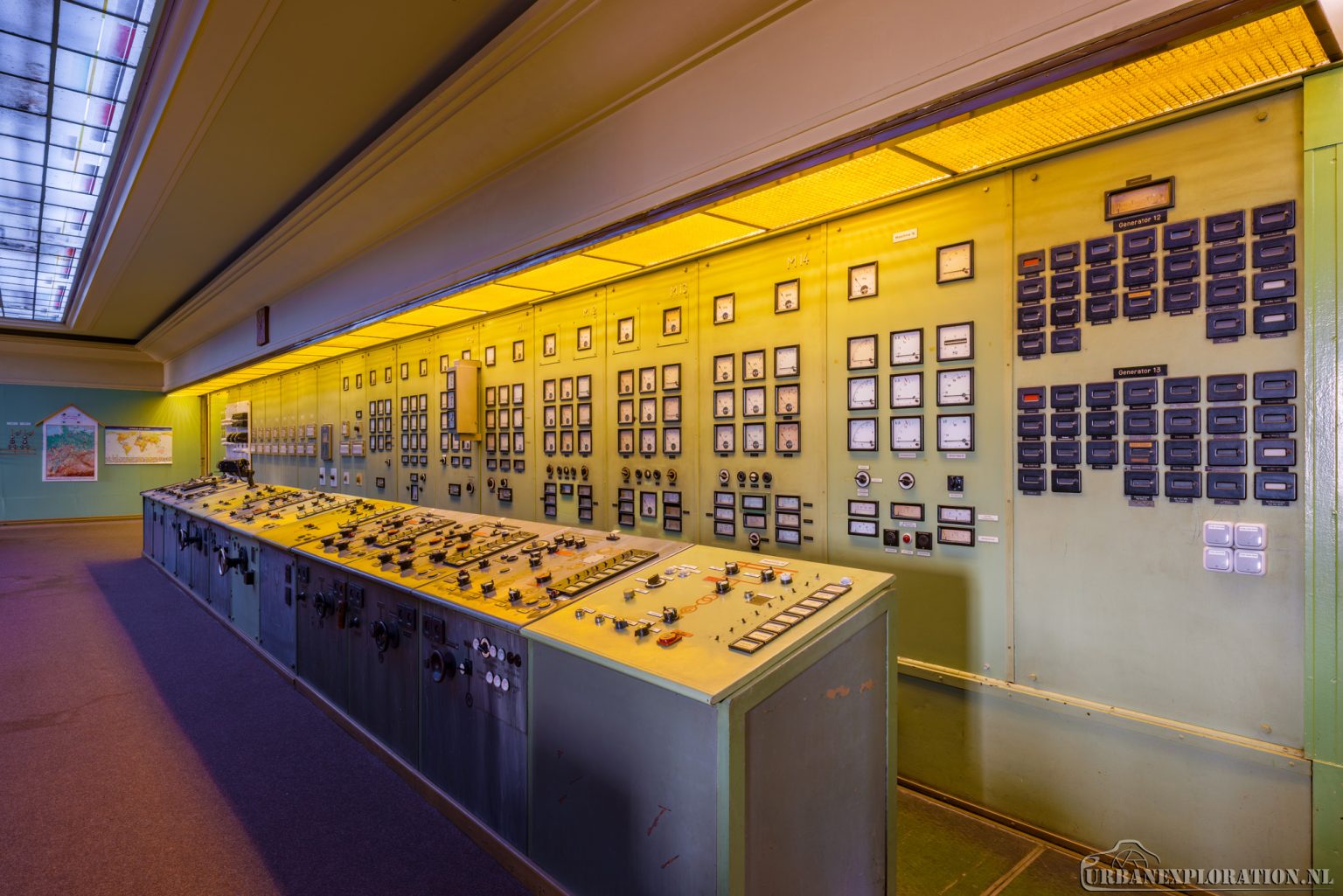
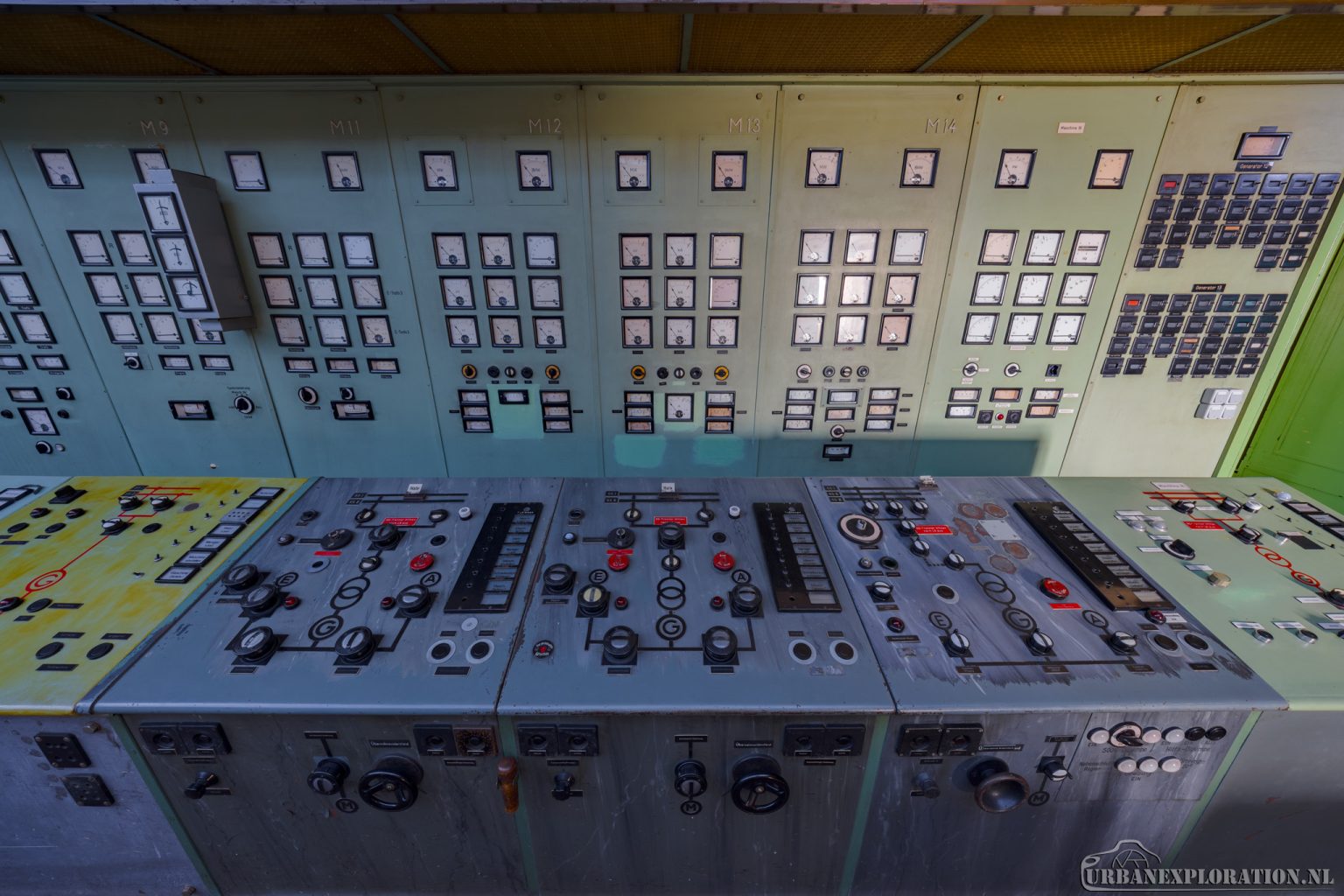
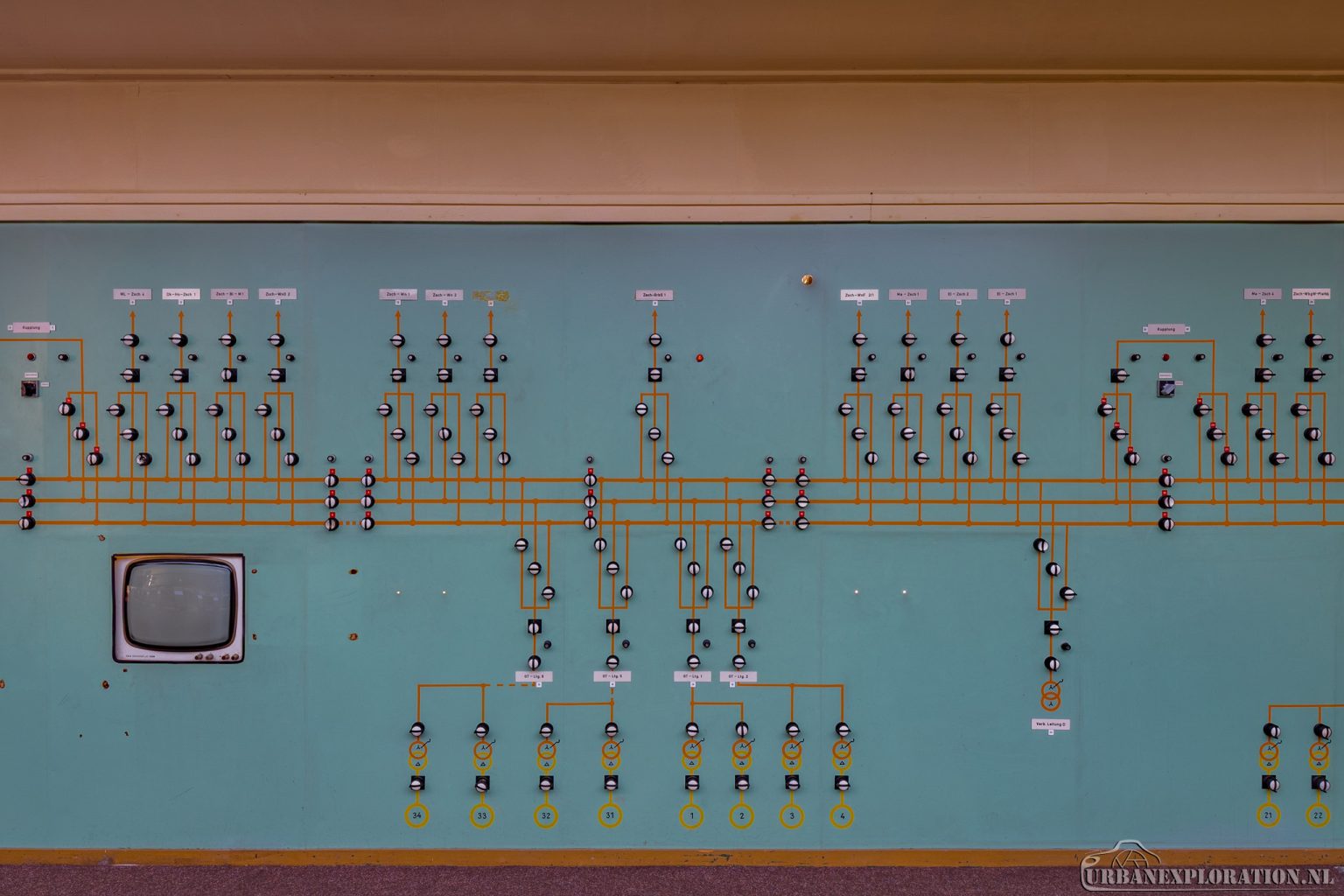
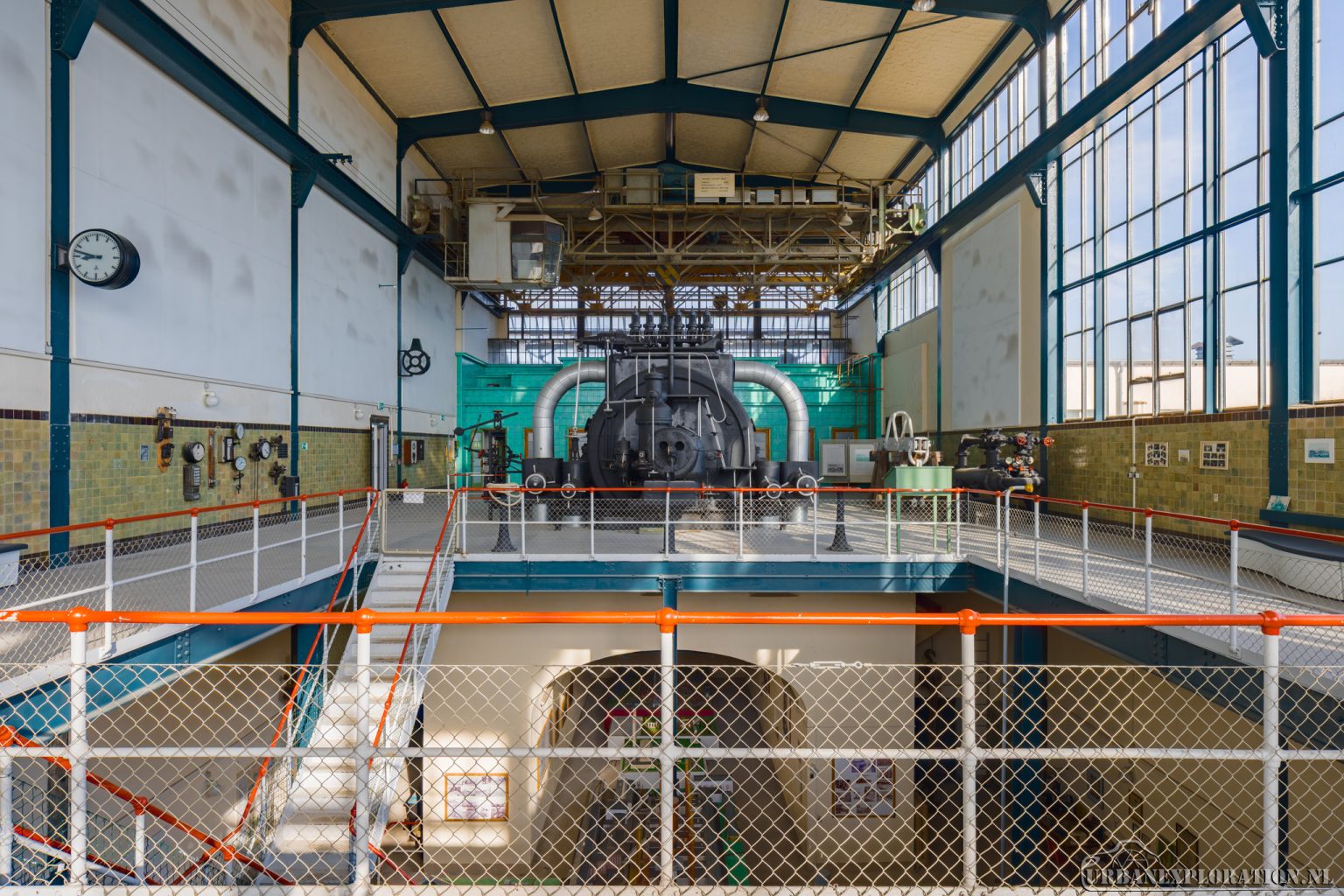
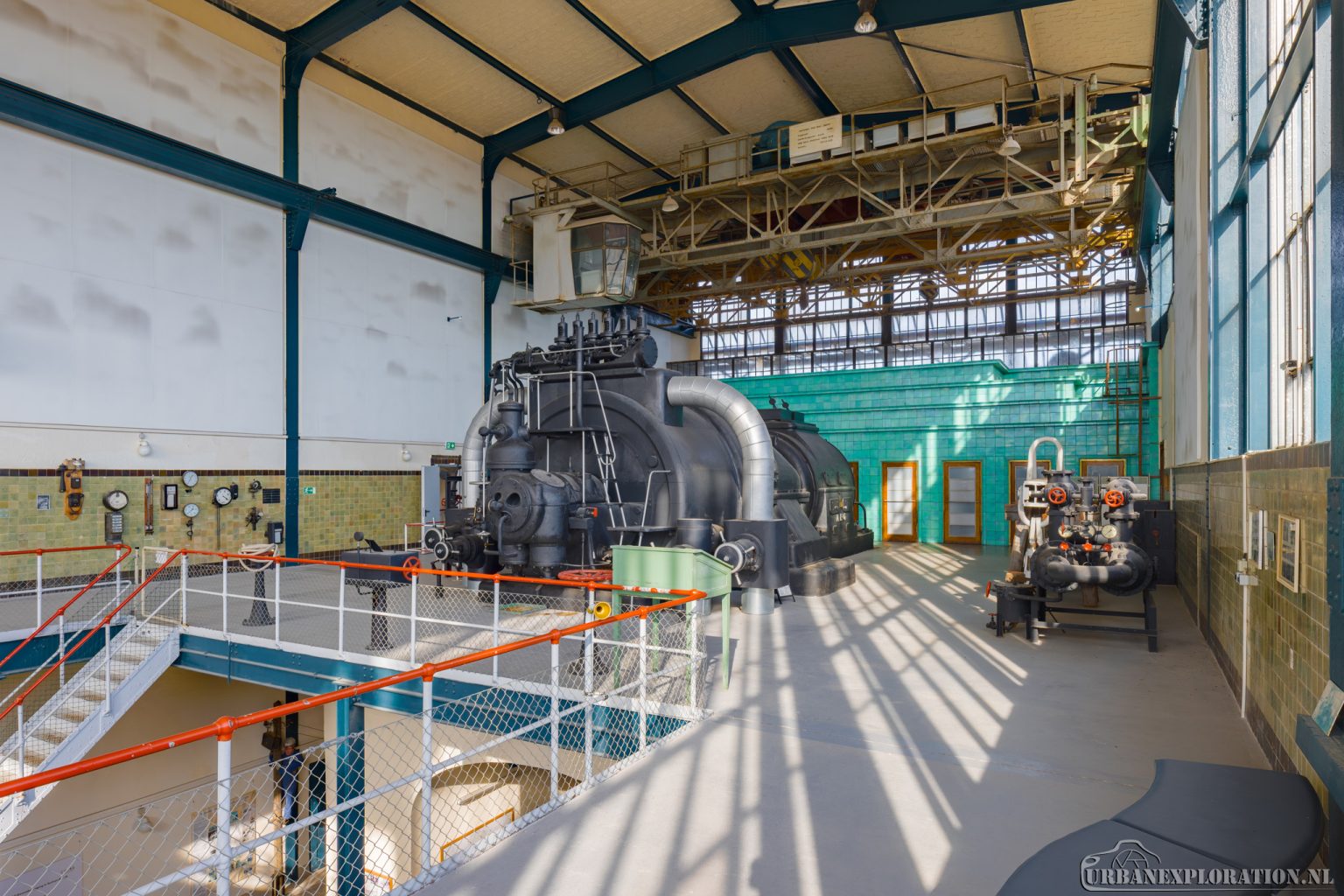
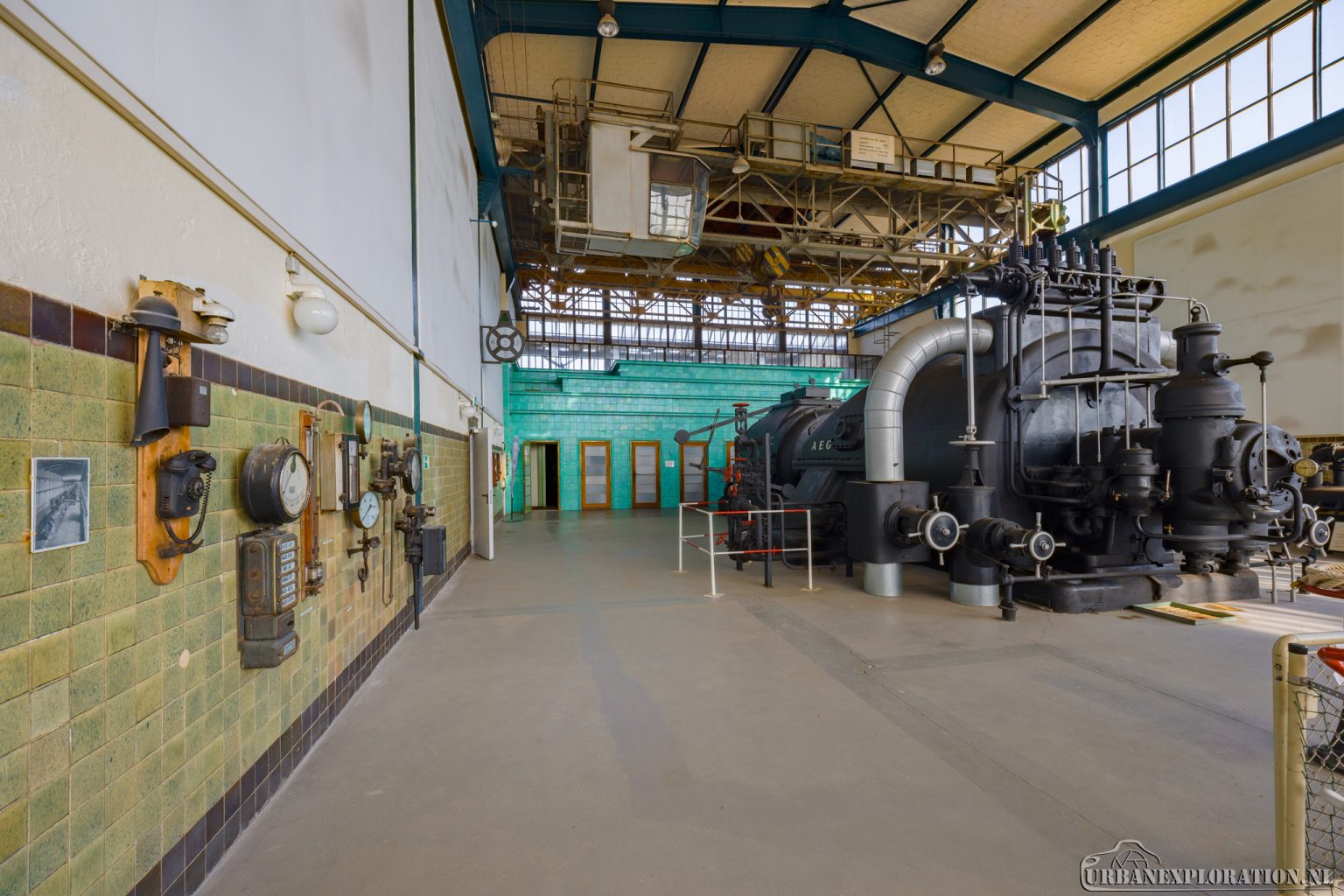
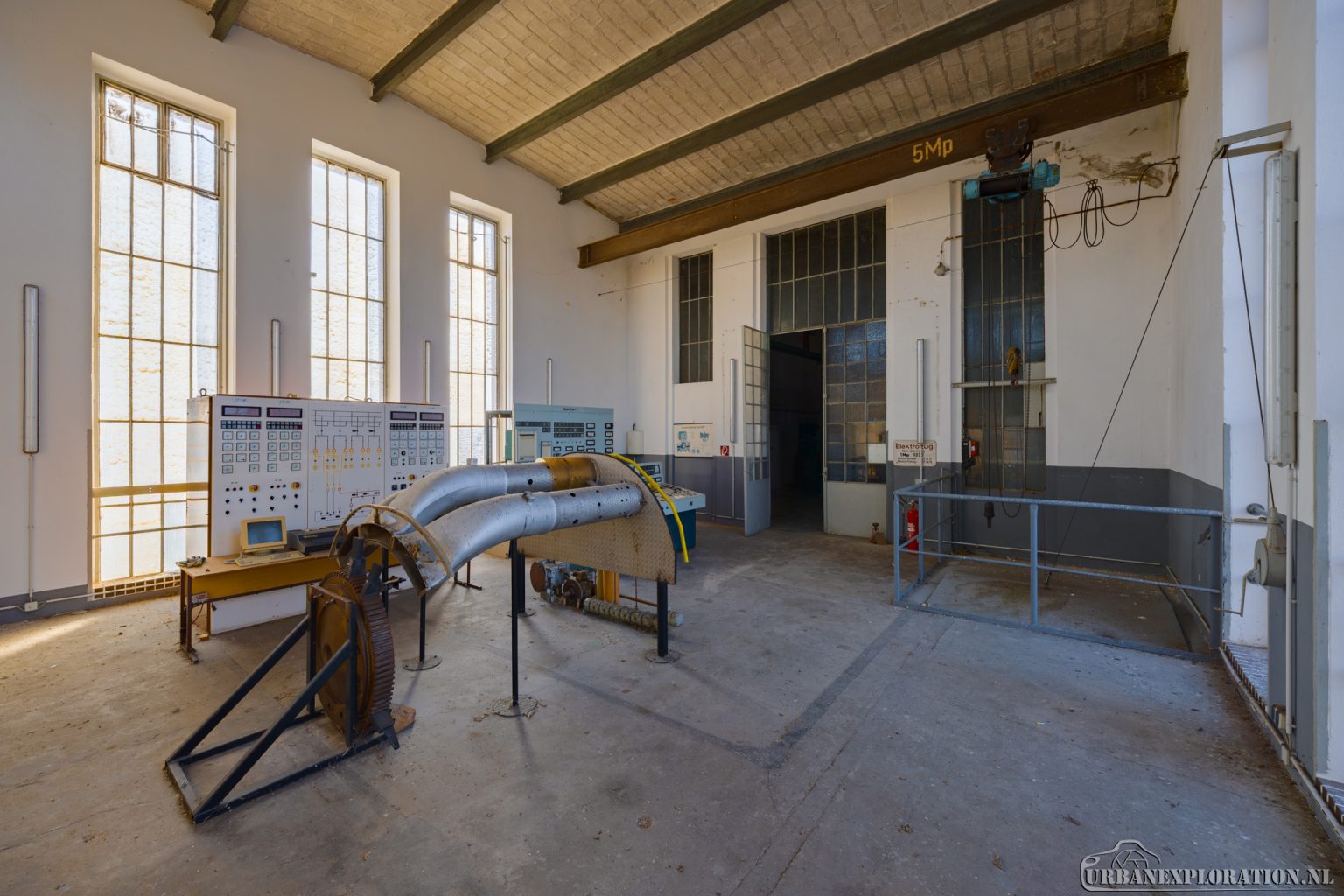
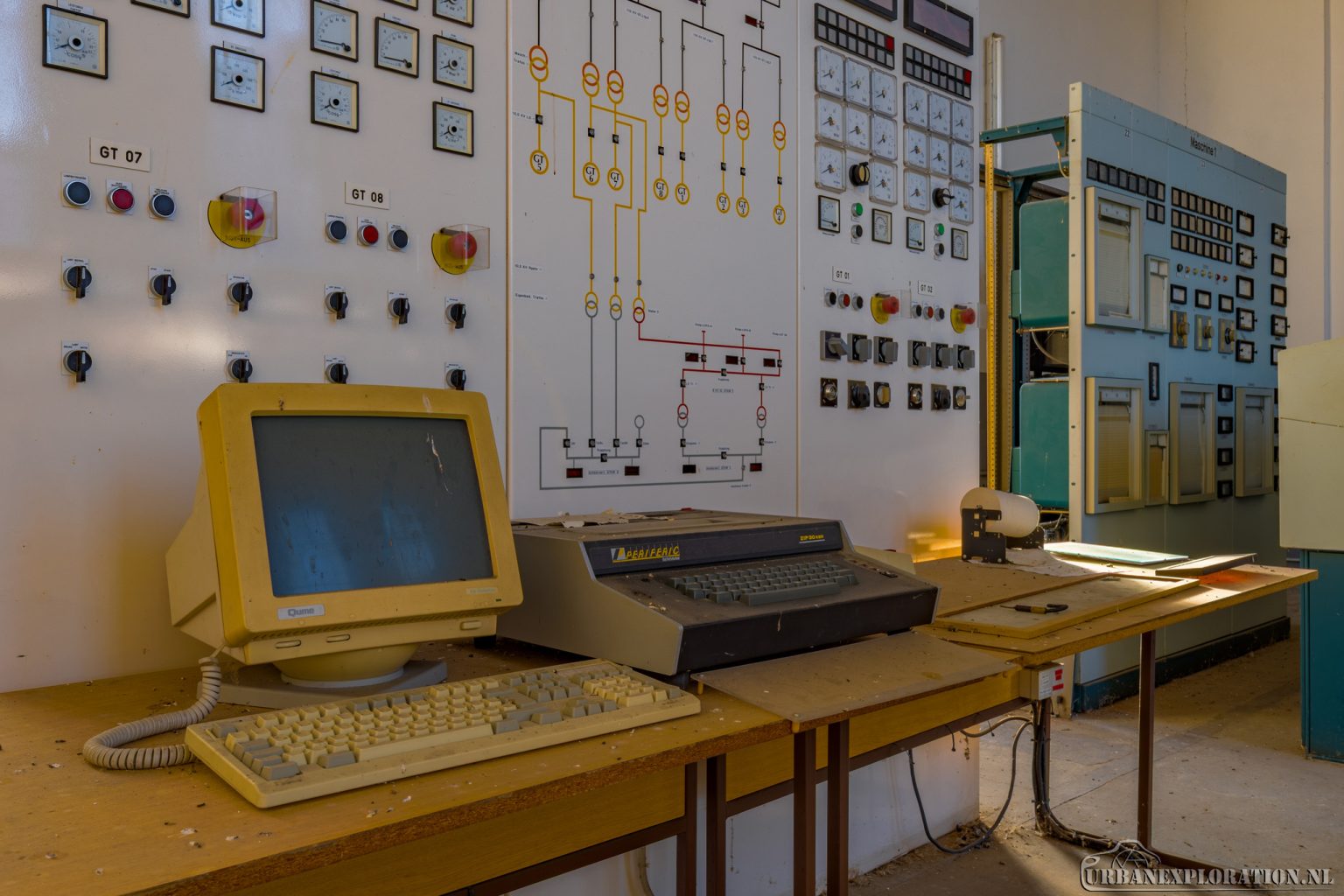
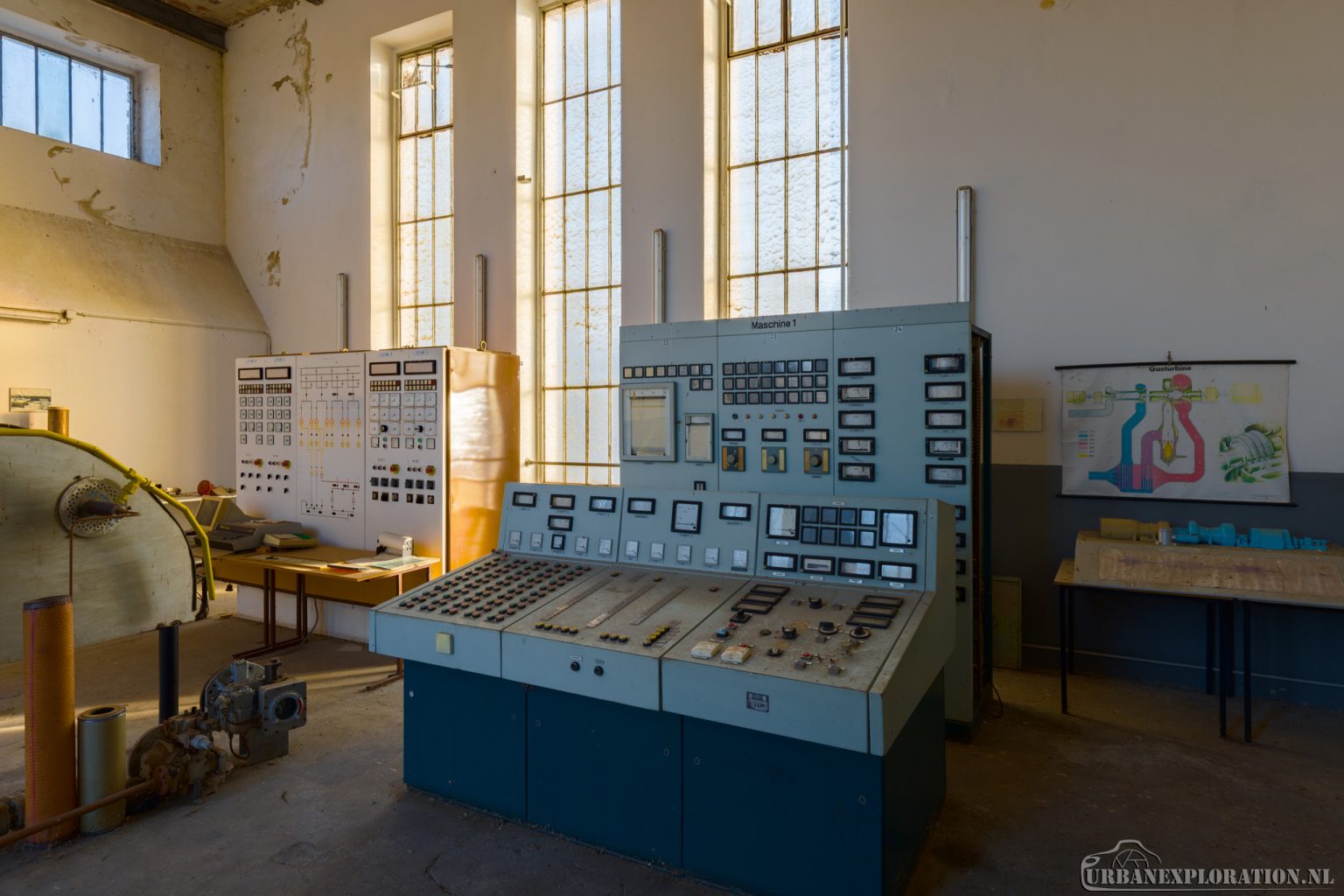
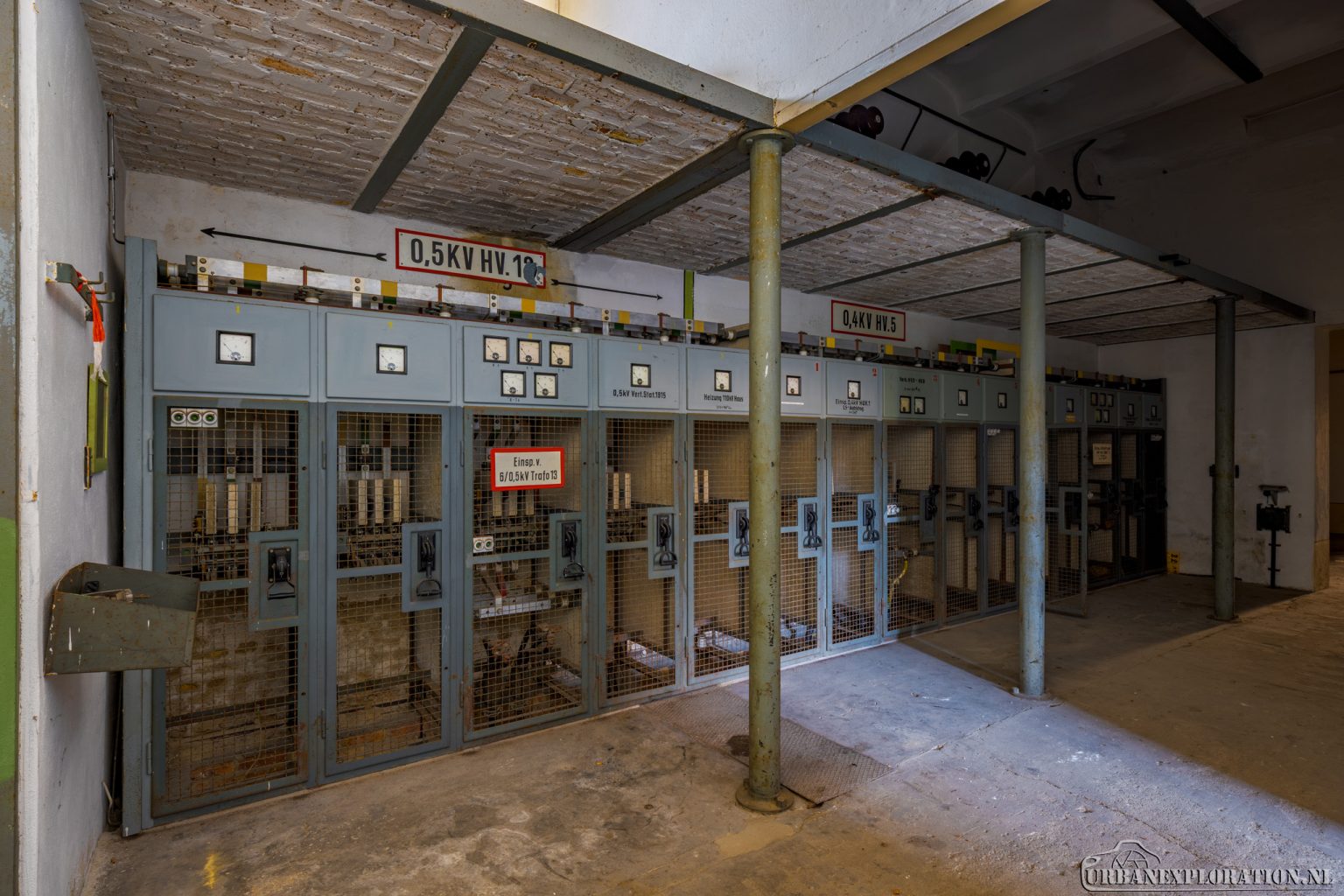
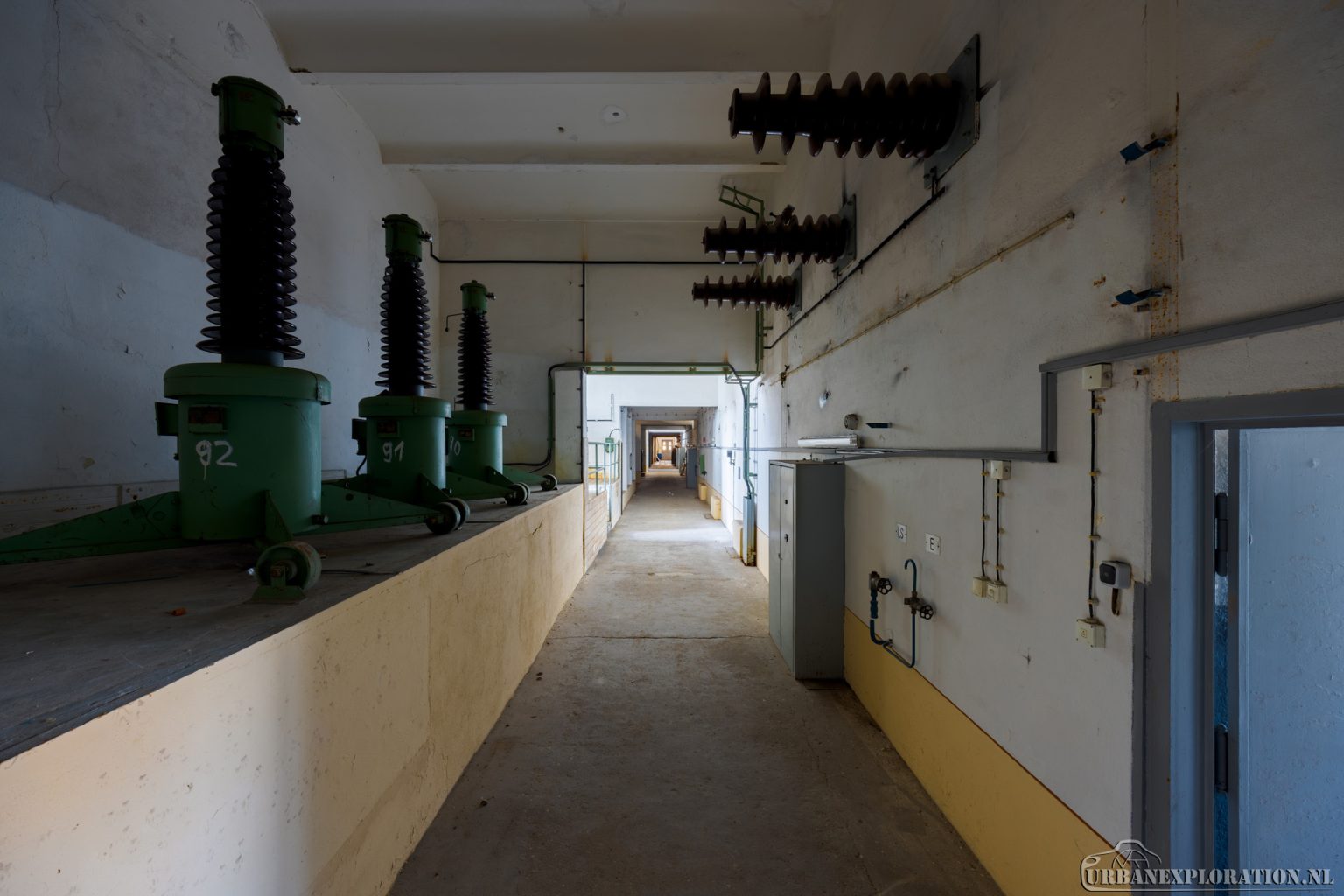
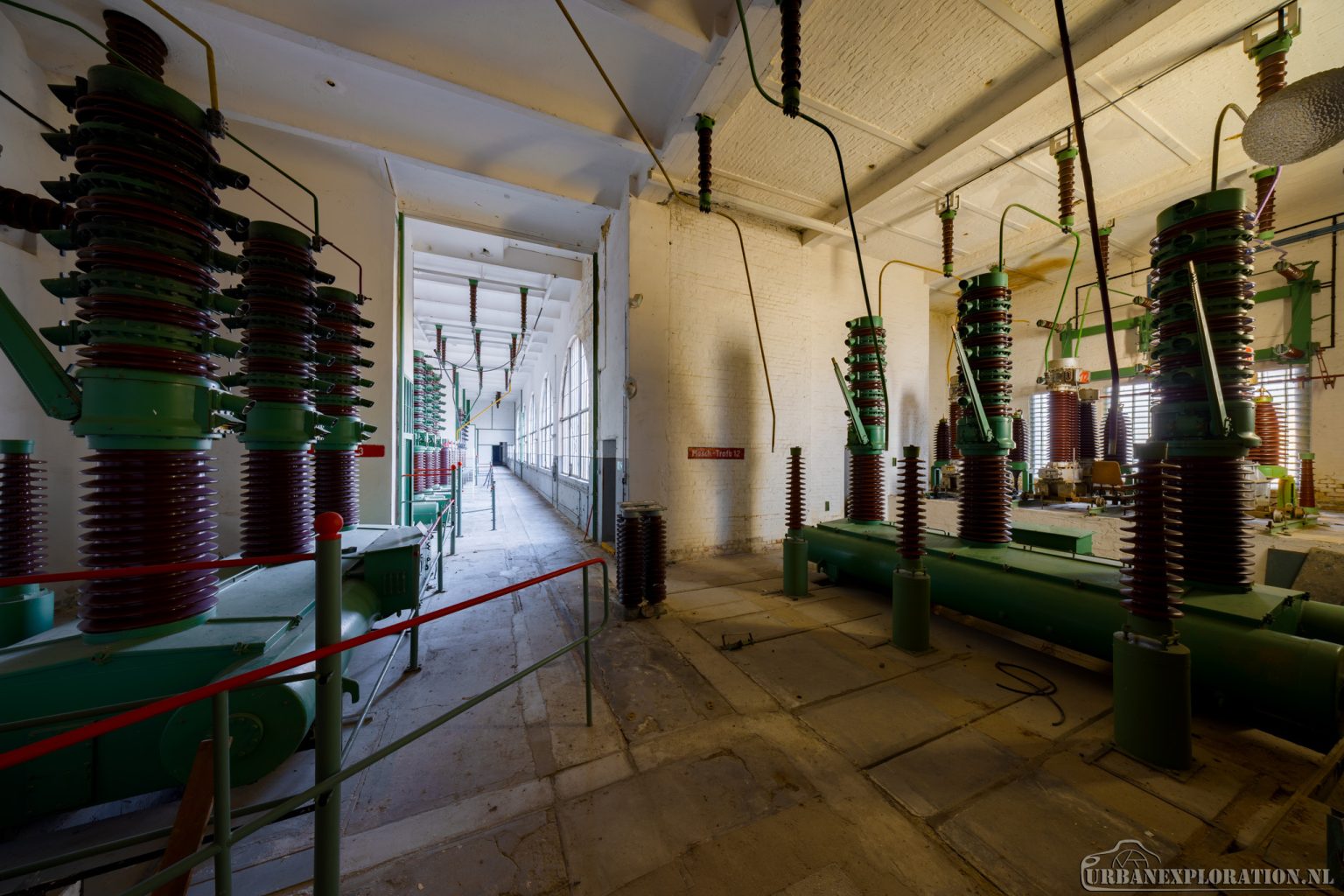
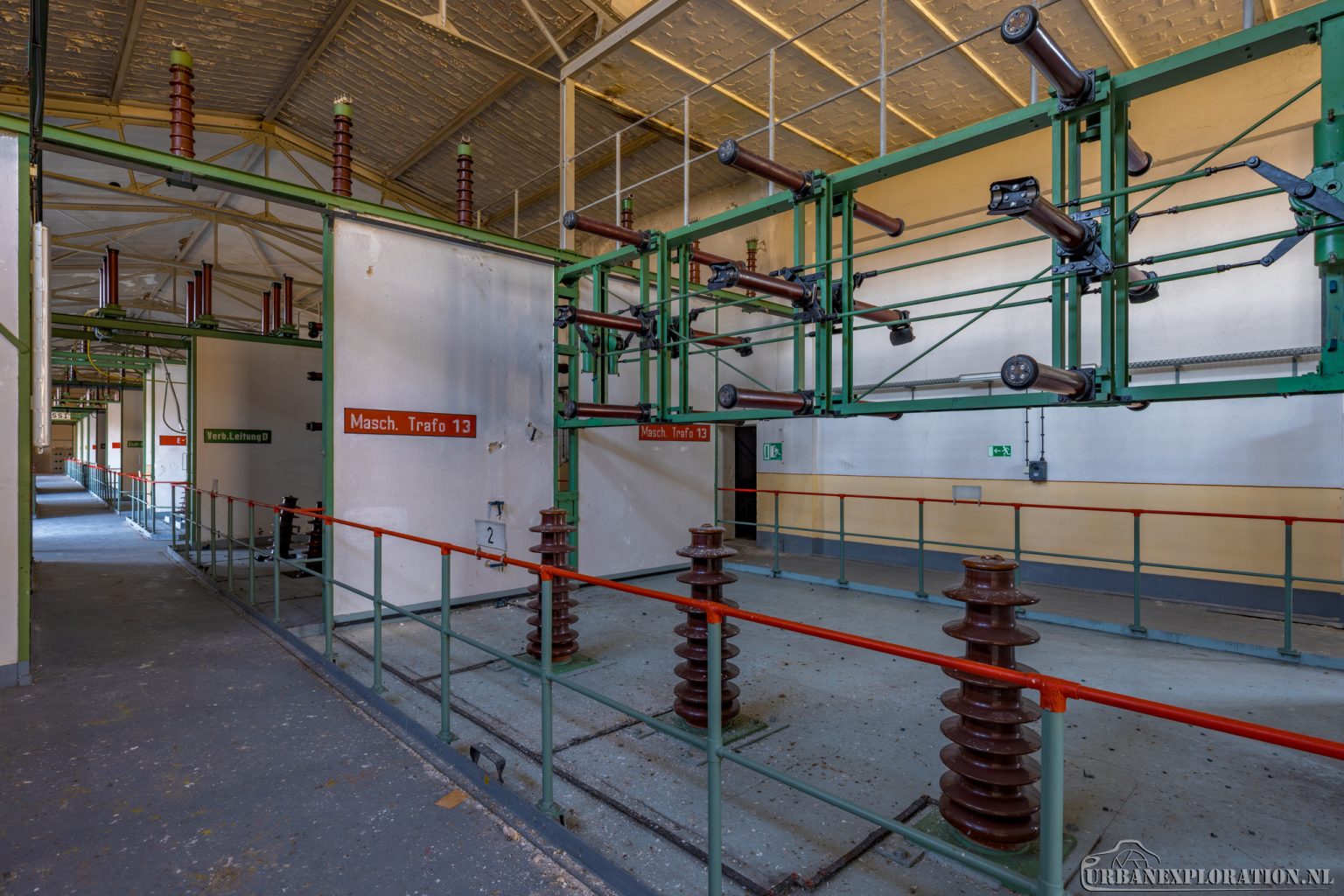
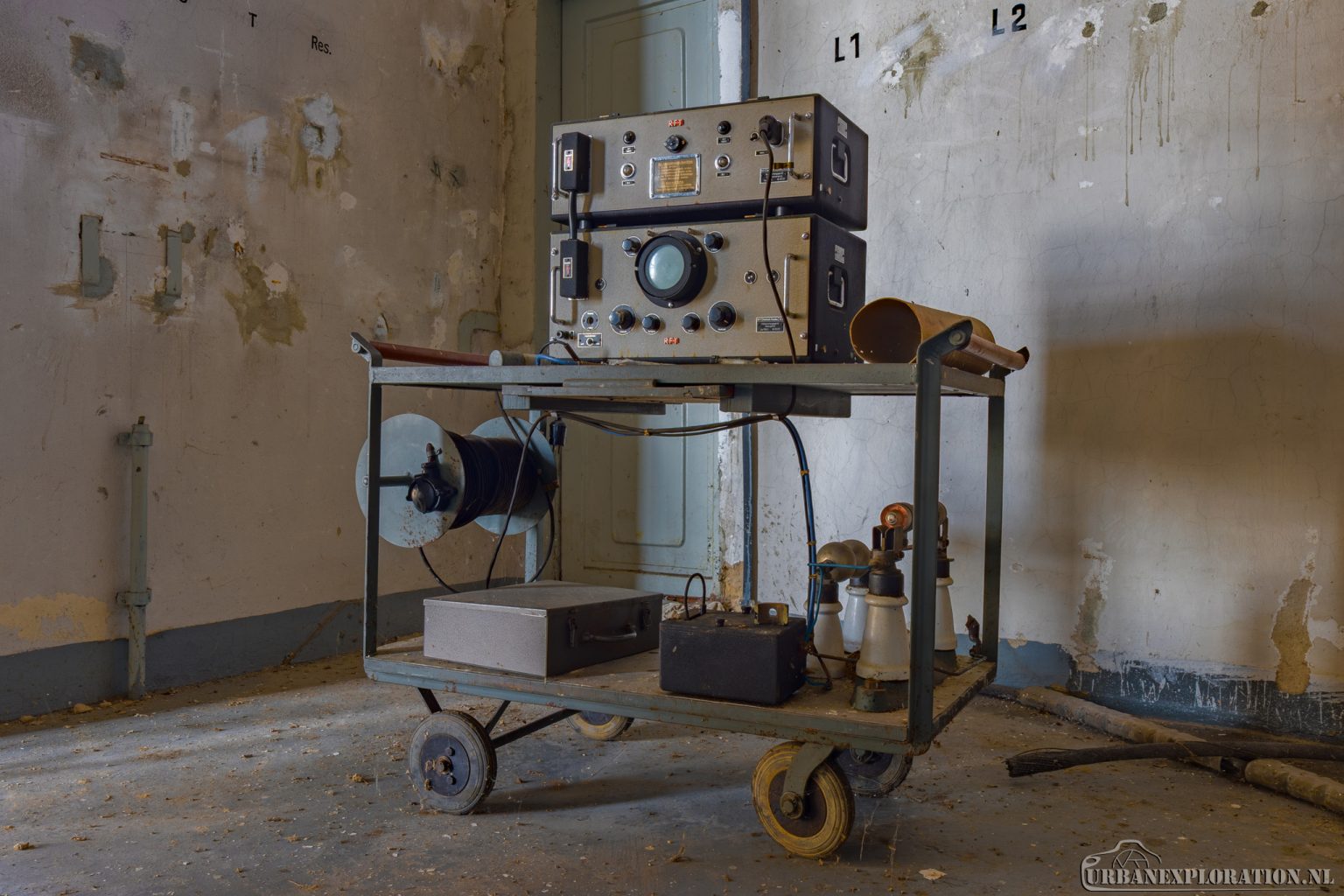
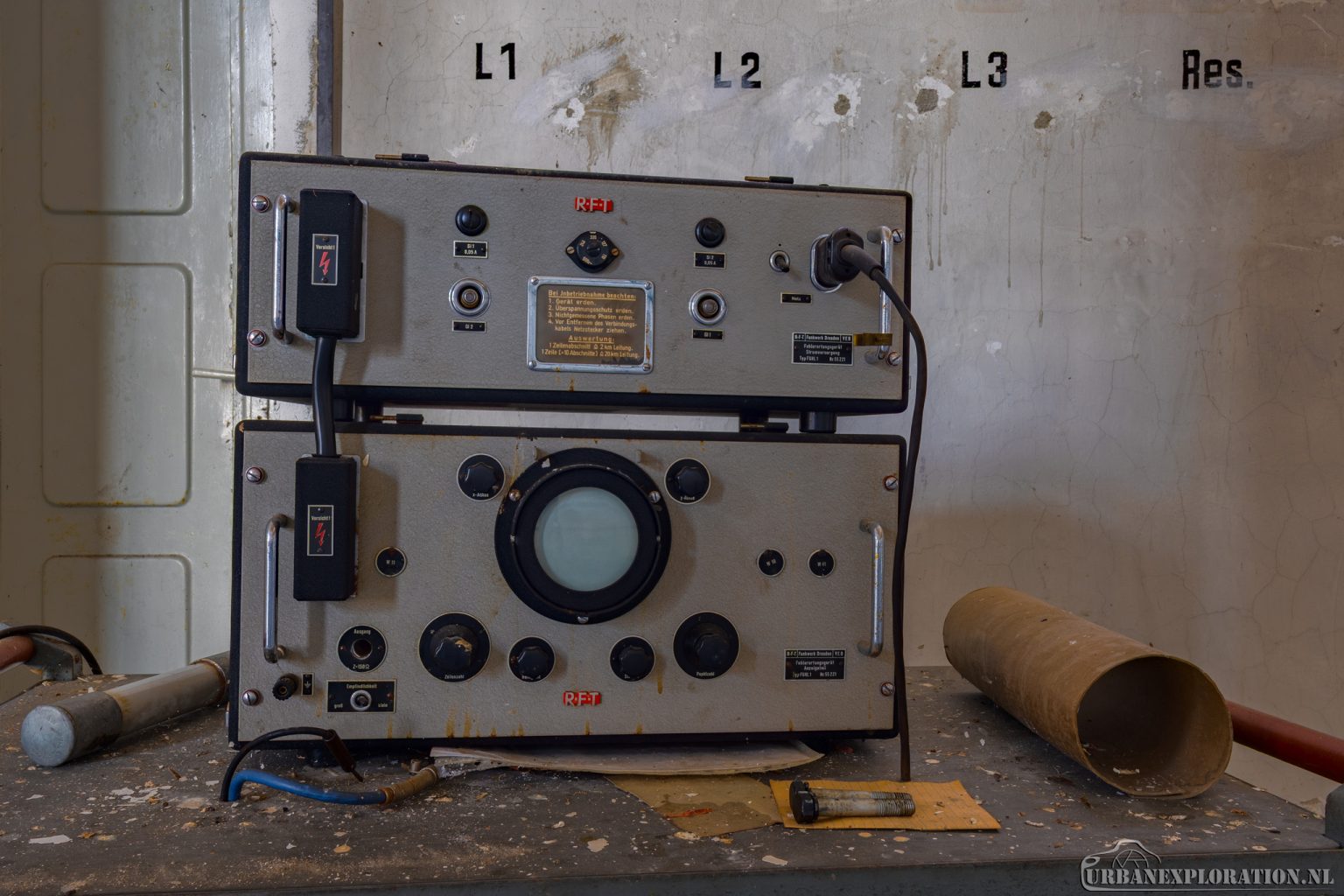
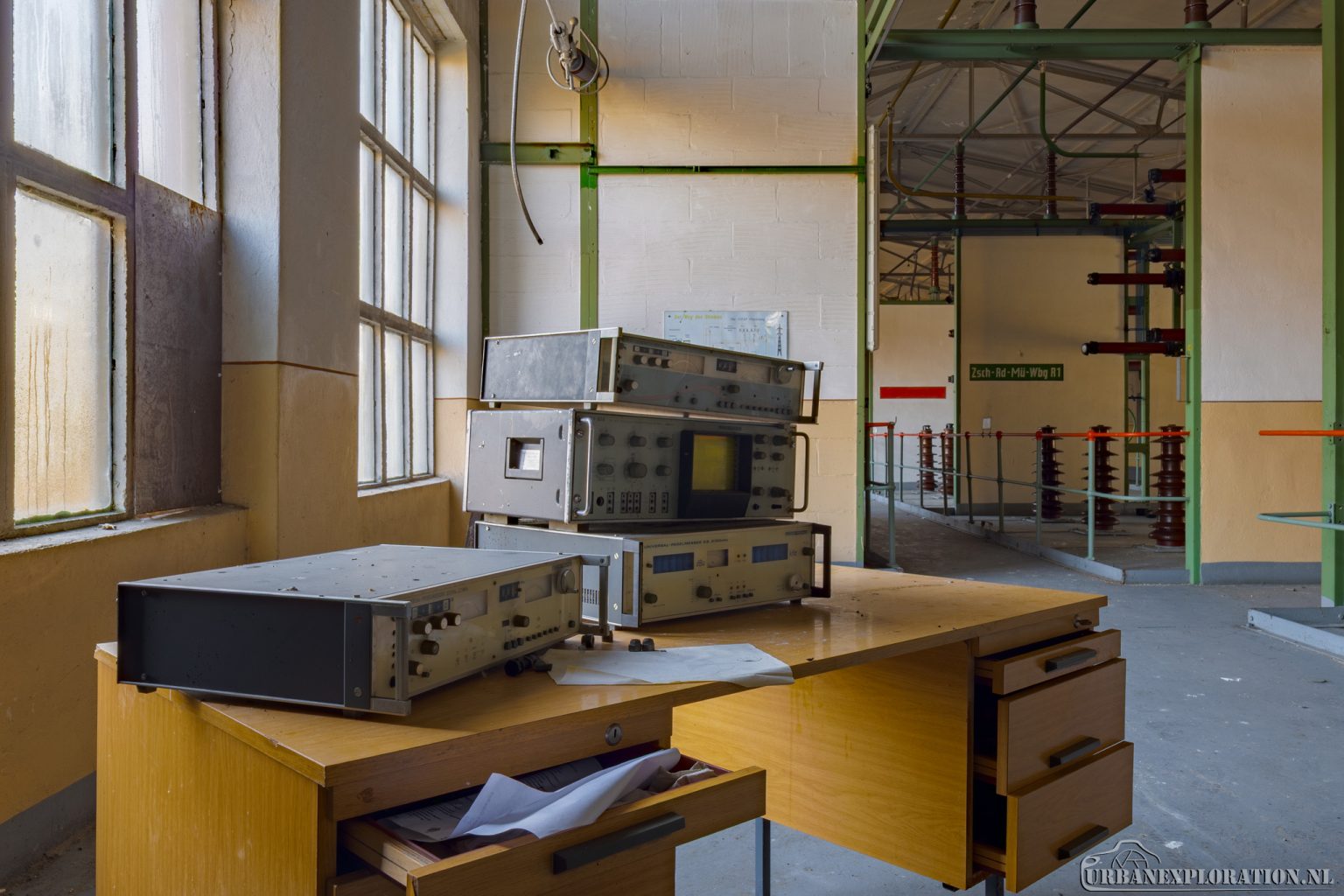
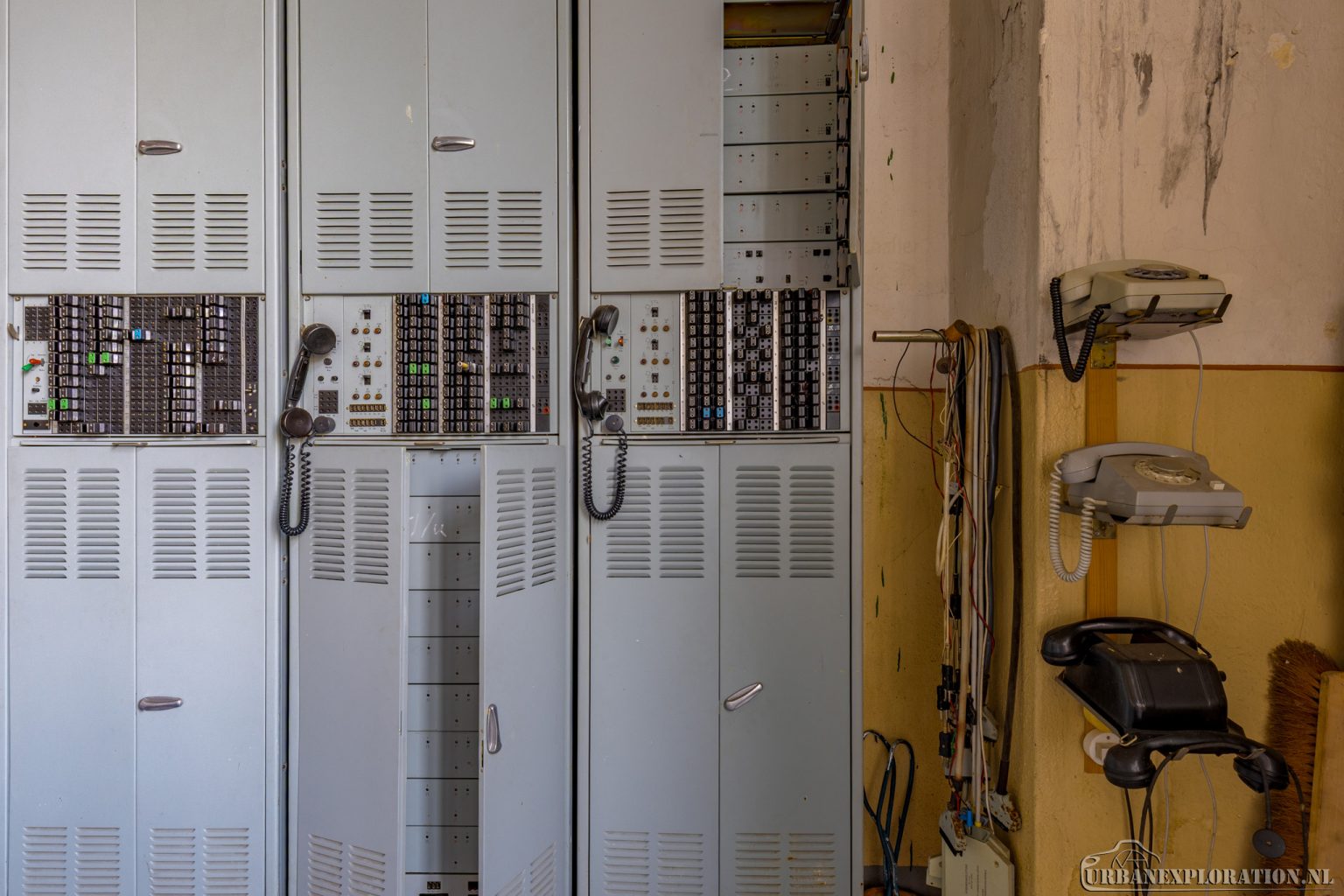
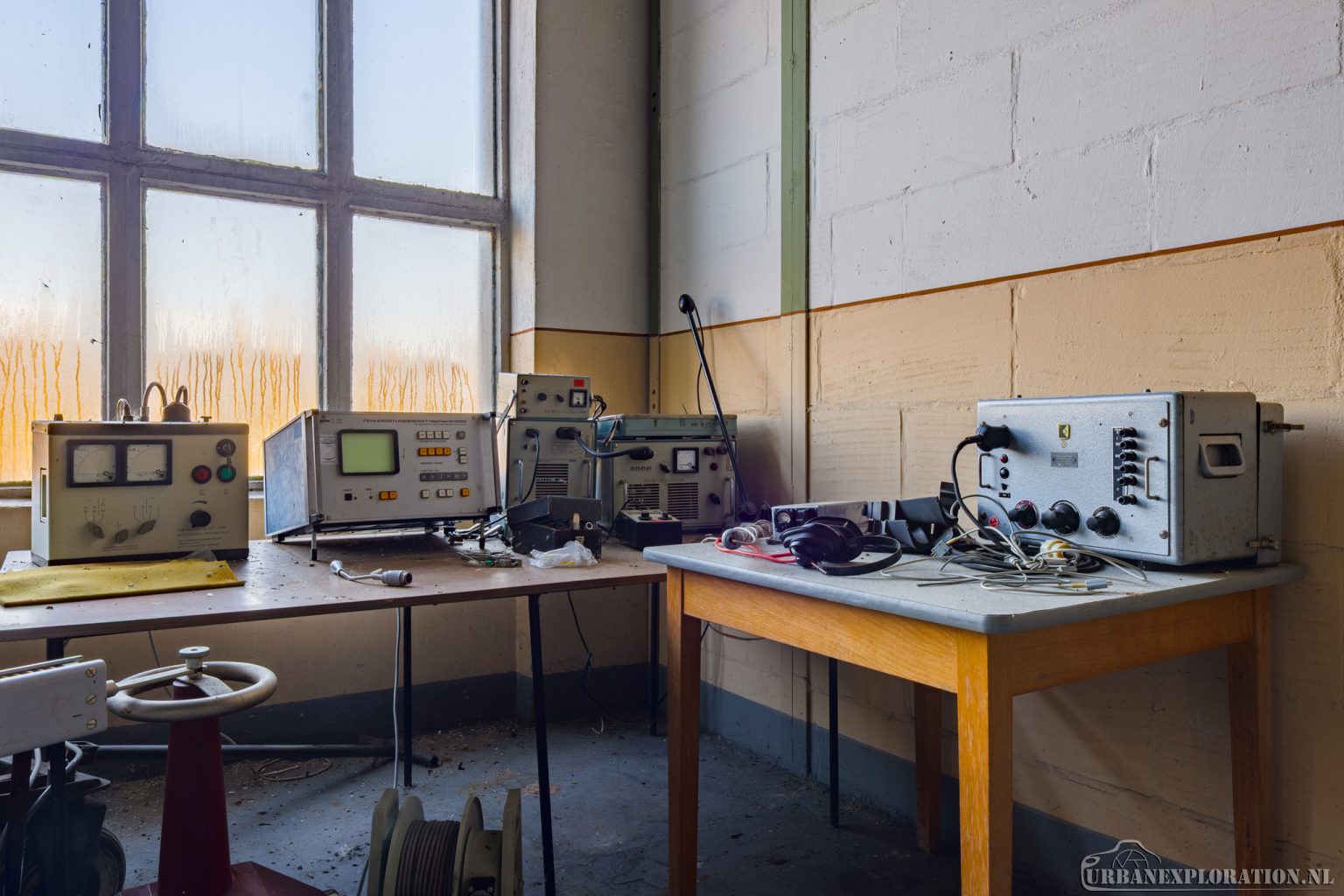
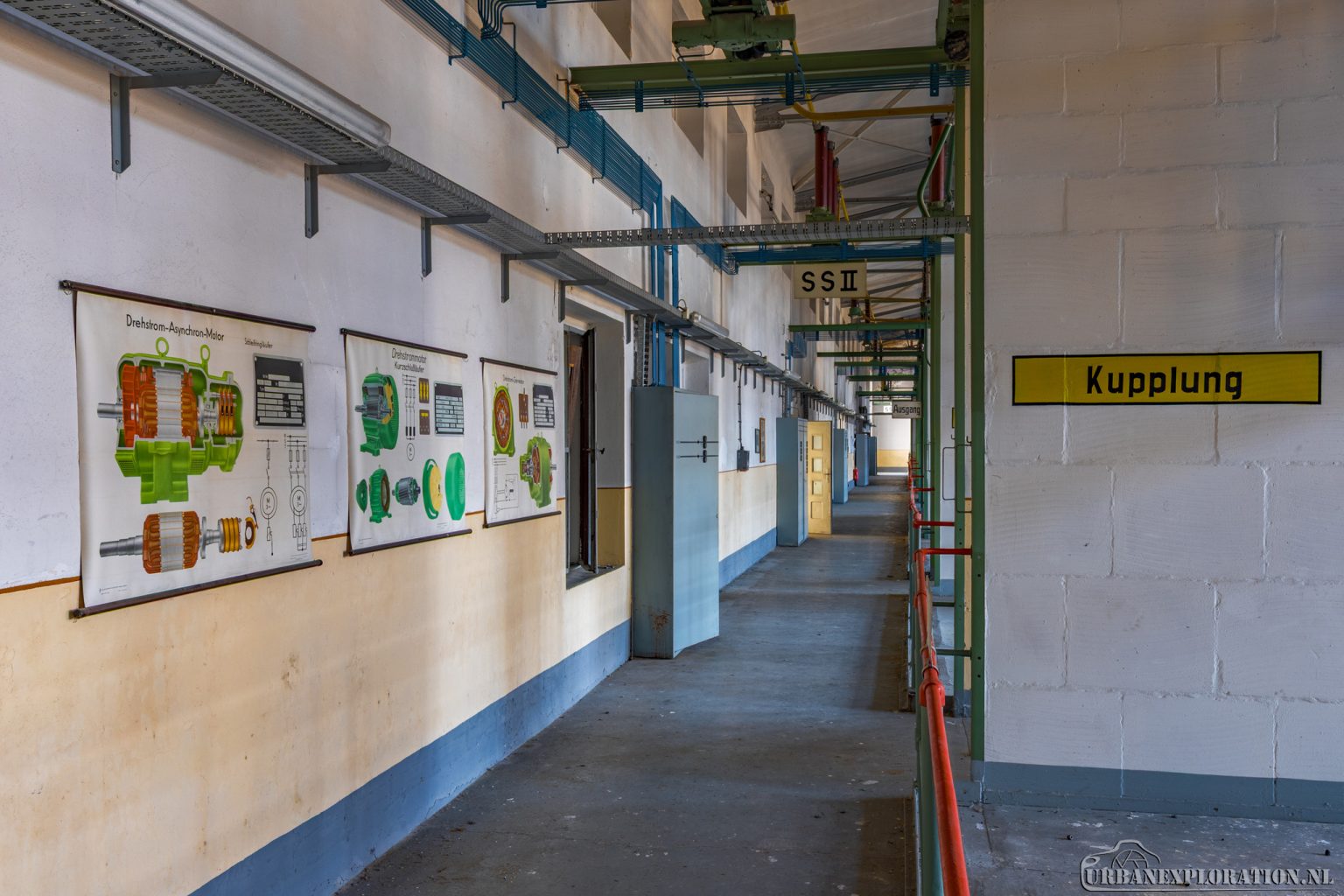
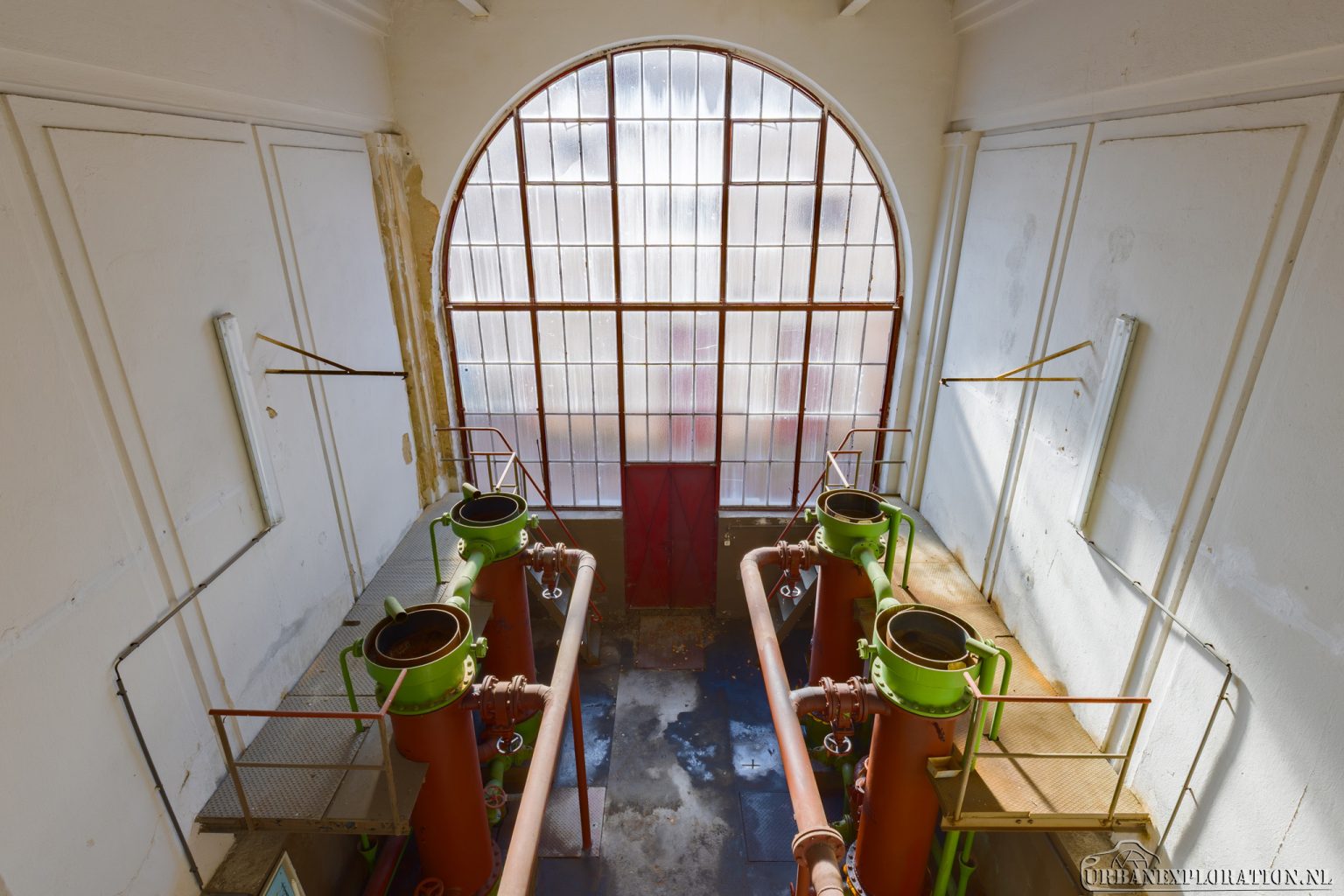
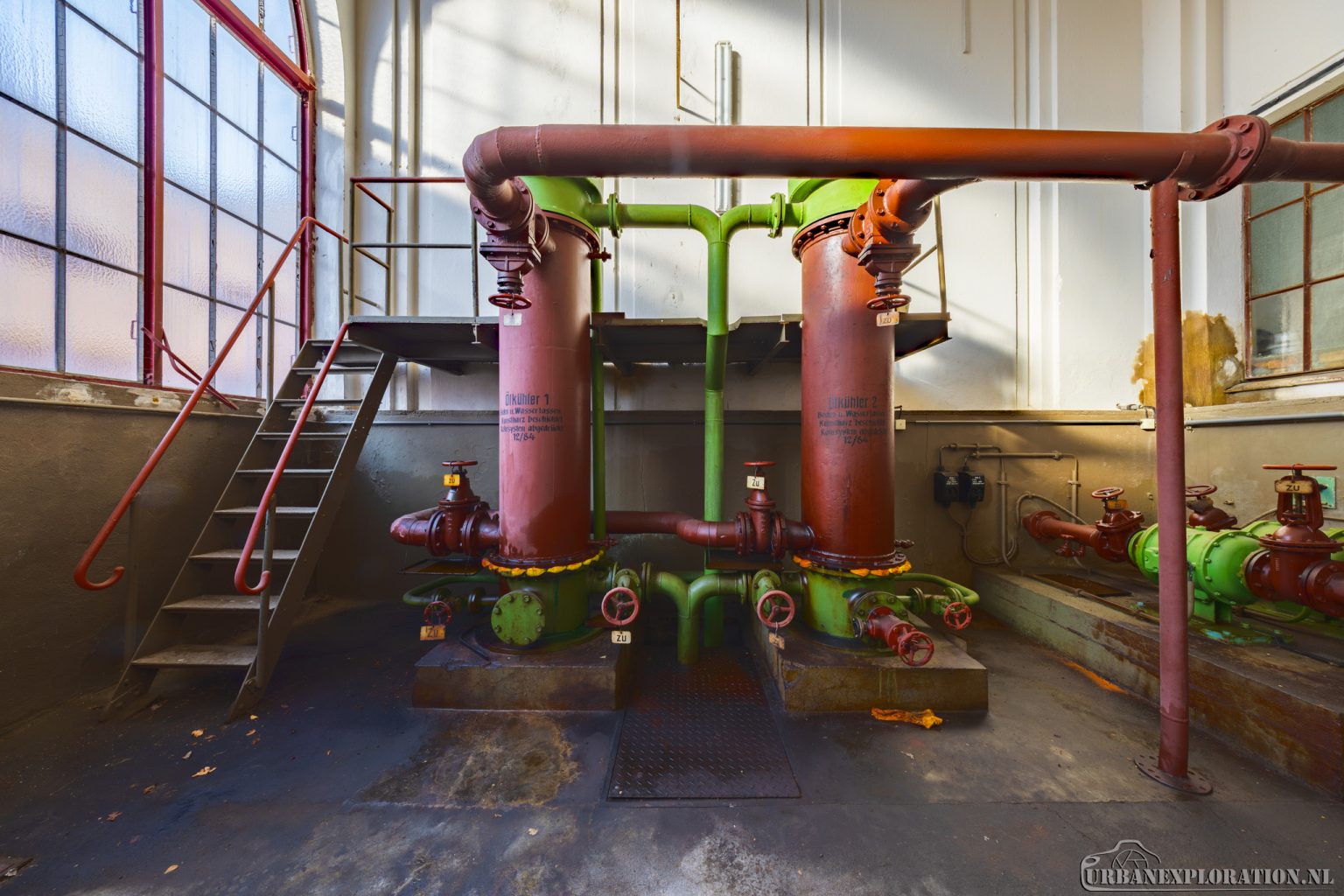
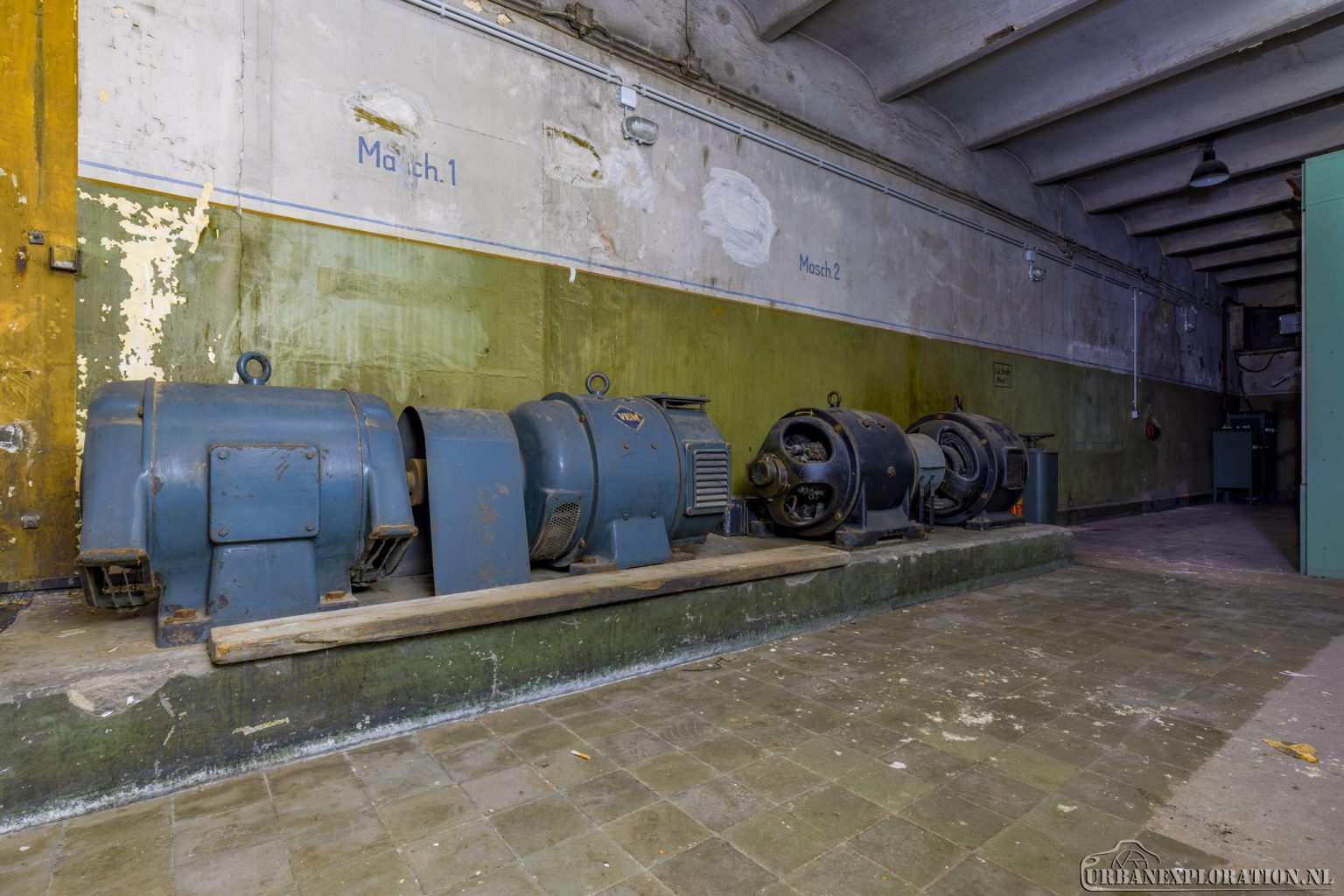
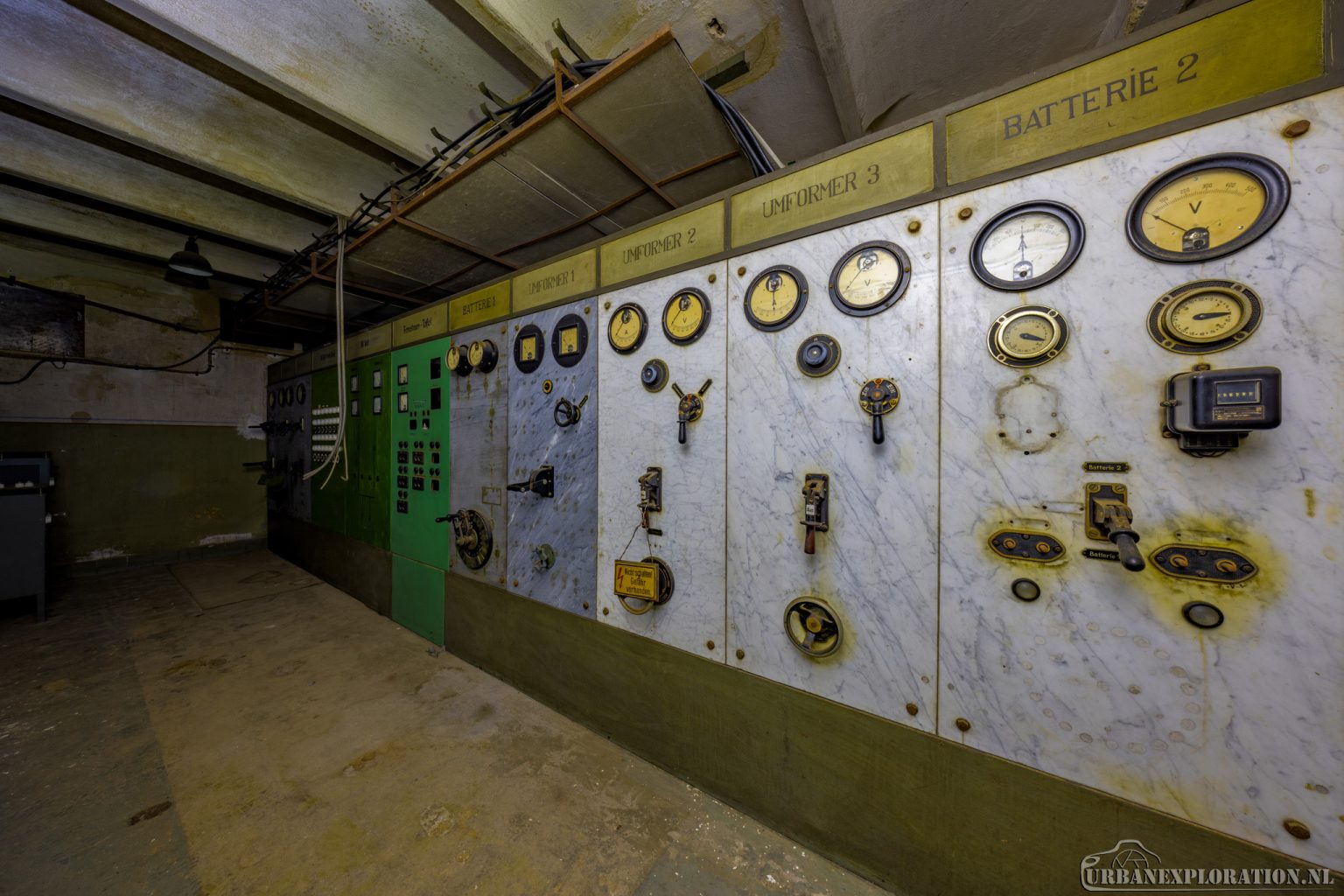
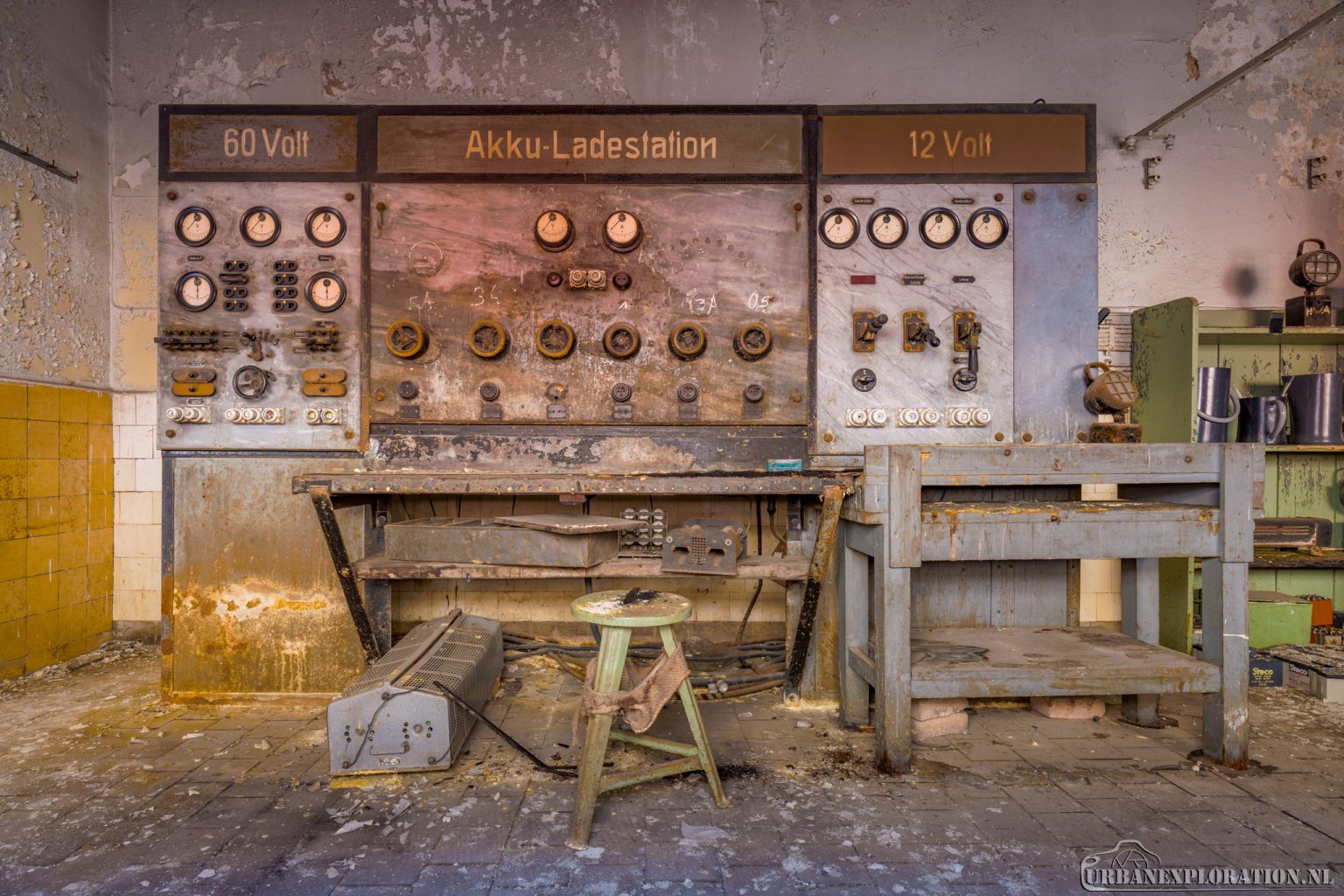
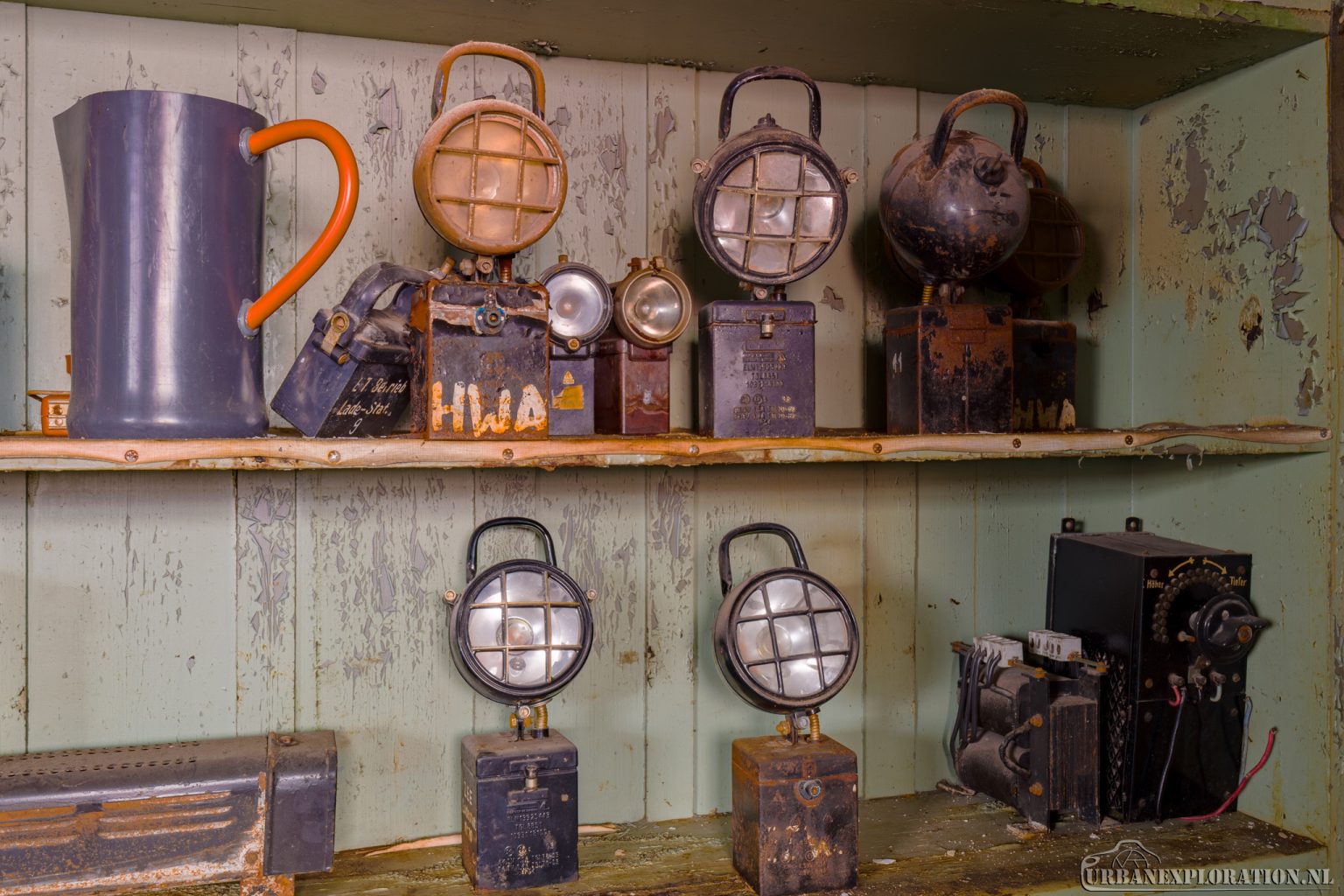
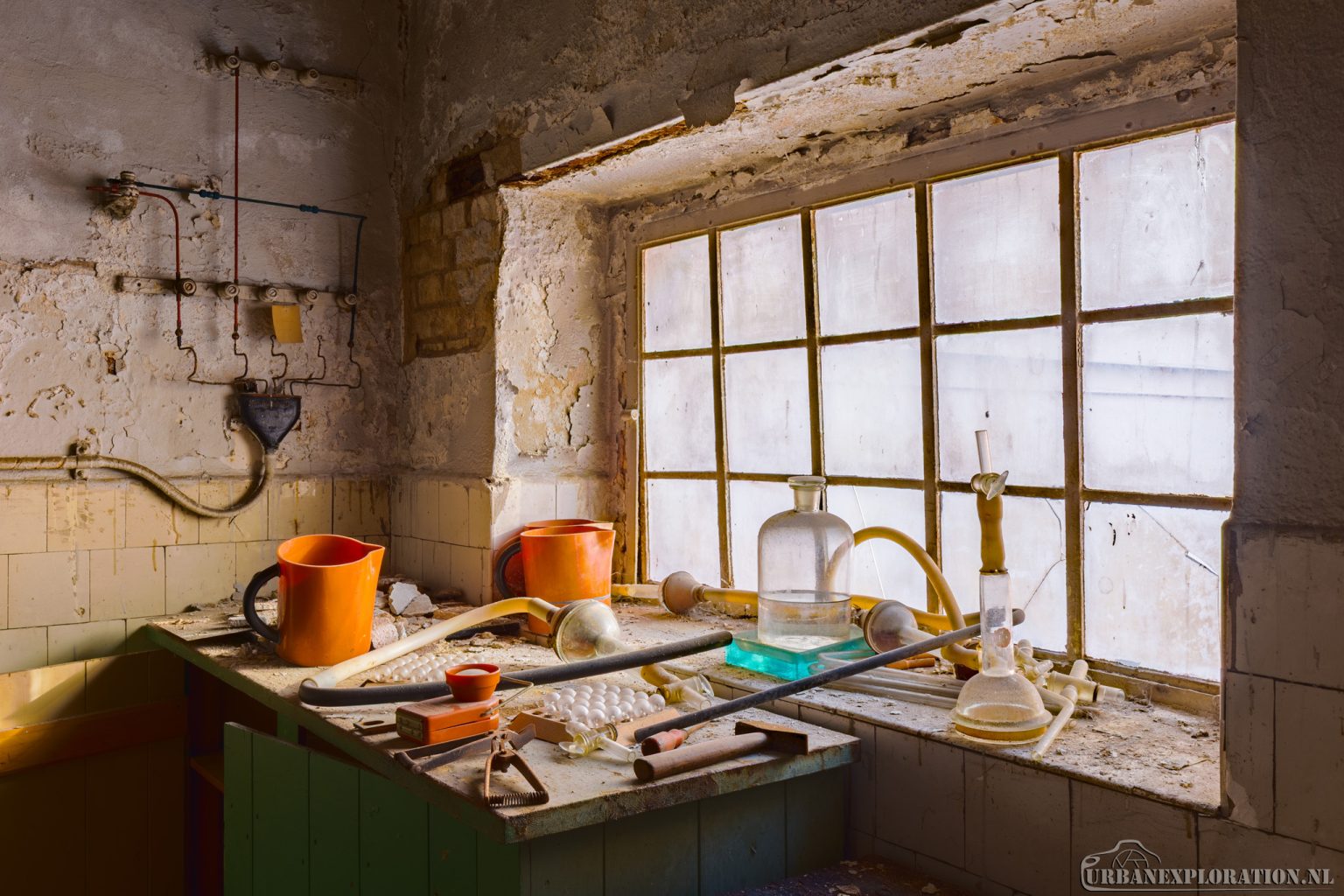
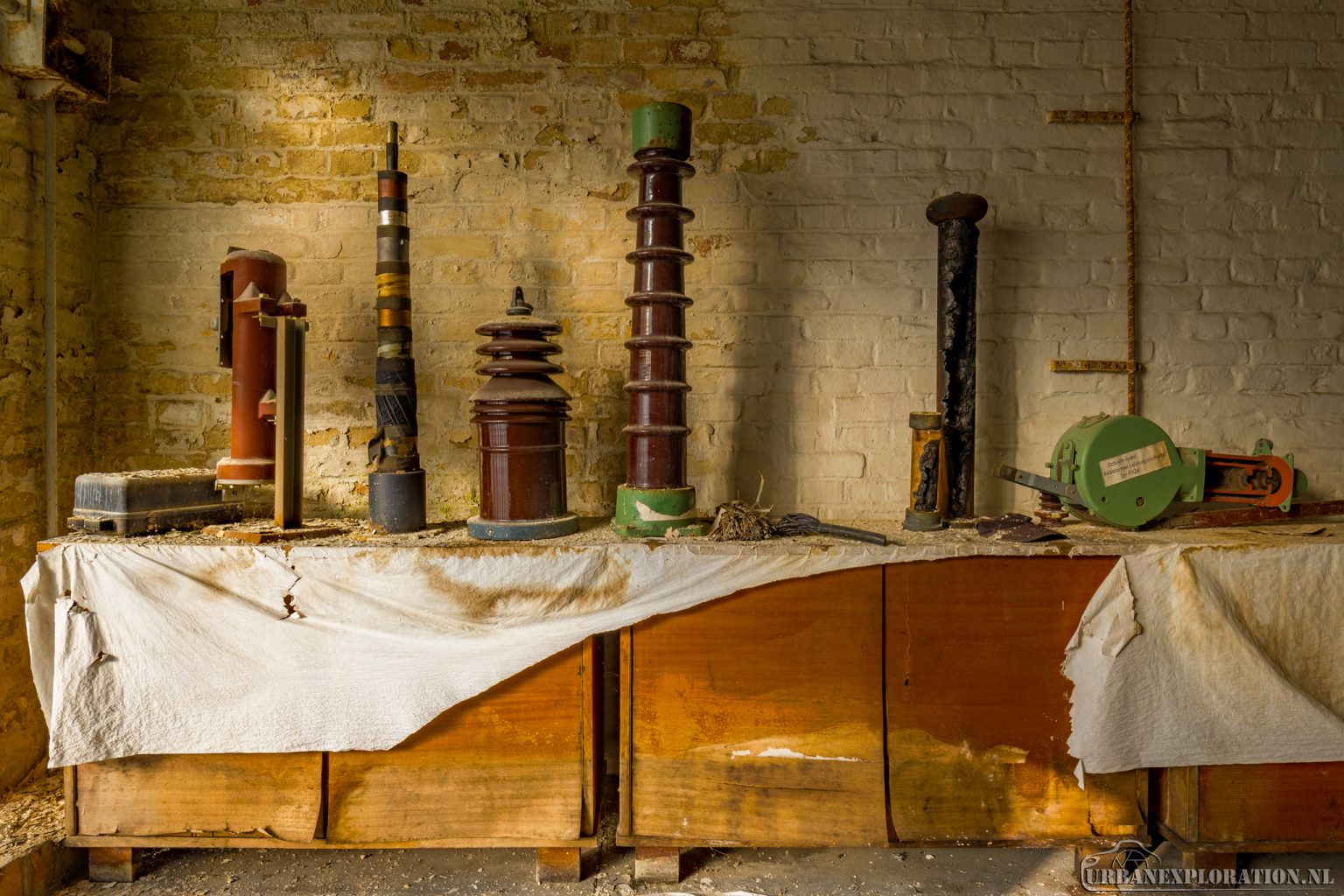
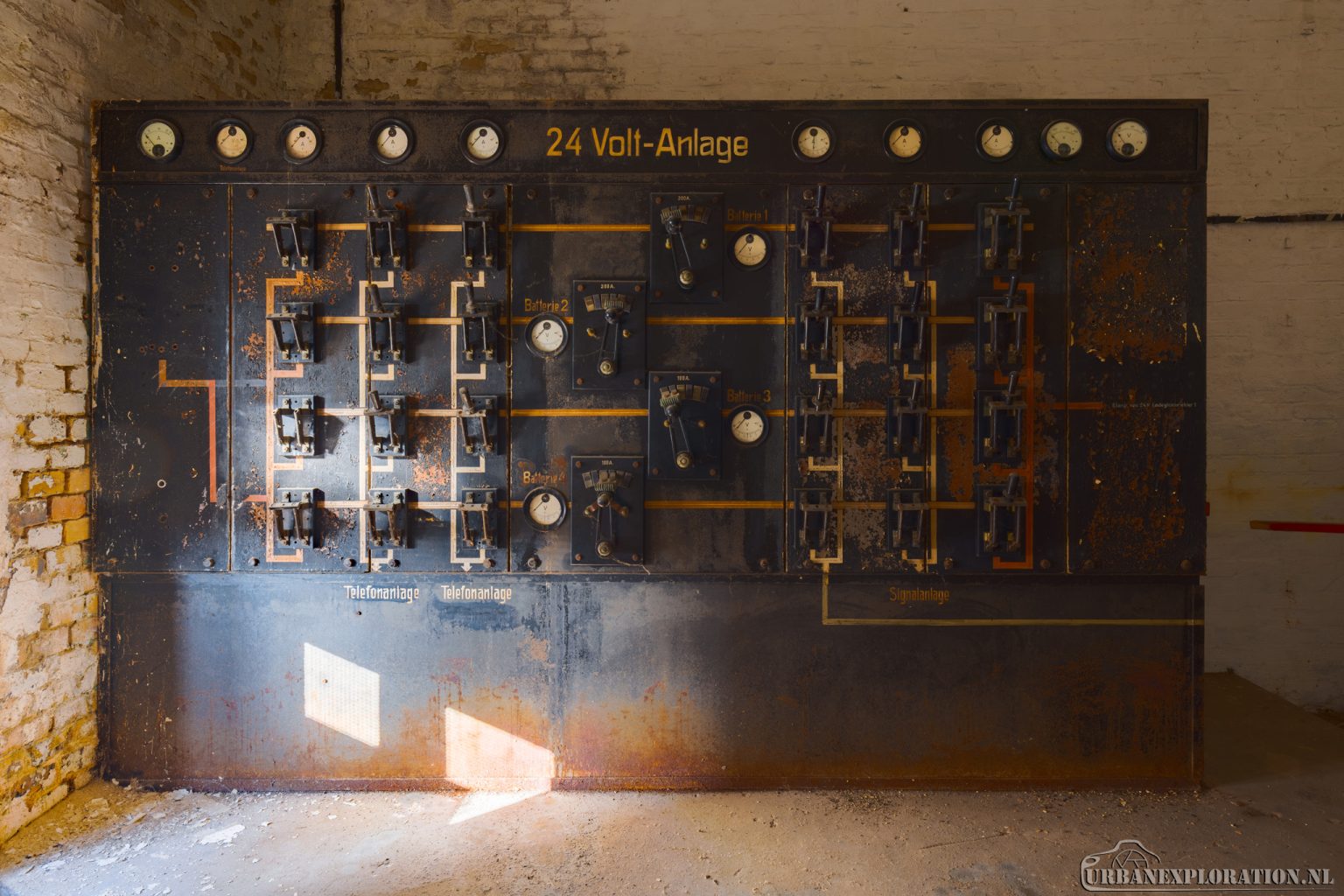
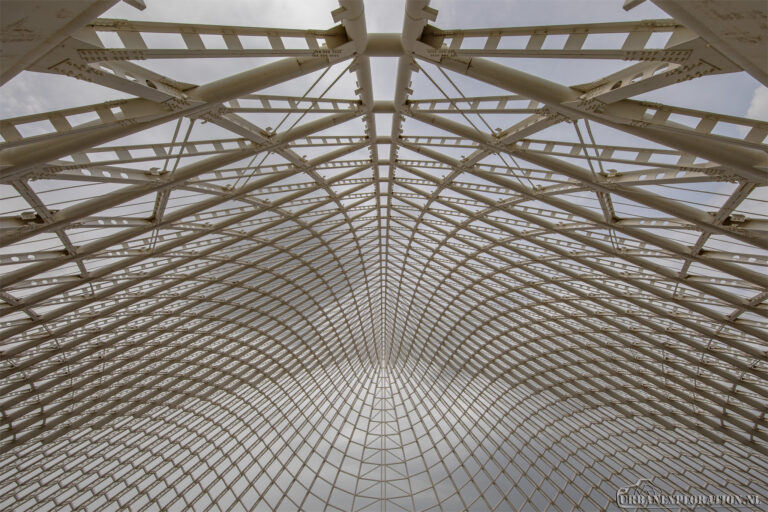
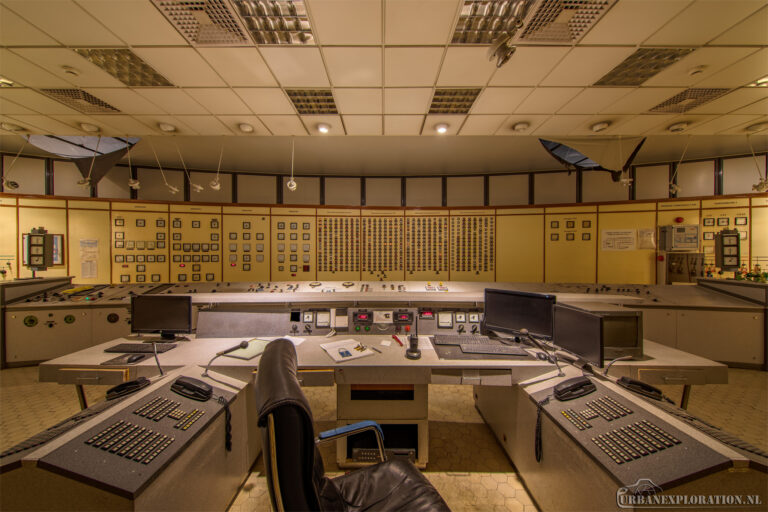
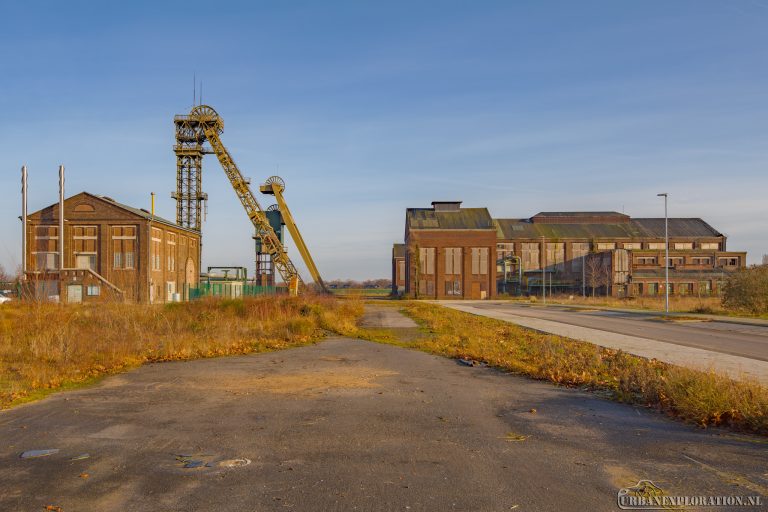
At the beginning of the twentieth century, a large power station was constructed in central Germany to supply electricity to the rapidly growing industrial region. Construction began during the First World War, and the first generating units were commissioned around 1916. The location was strategically chosen because of the extensive lignite (brown coal) deposits nearby, allowing the plant to receive a constant supply of fuel from surrounding mines.
Over the following decades the power station was repeatedly expanded. Additional boiler houses and turbine halls were built, turning the complex into one of the largest electricity-producing facilities in Germany during the interwar period. The plant featured an exceptionally long turbine hall containing numerous generators and produced electricity for cities and major industrial sites throughout the region. Chemical factories, metal processing plants, and other heavy industries depended heavily on the energy generated there.
During the Second World War the station remained an important energy source. Despite wartime damage and the difficult post-war period, the plant continued operating. When the region became part of East Germany, the facility remained a key component of the national power grid. Although some equipment was upgraded during the decades that followed, much of the infrastructure still dated back to the early twentieth century.
By the late 1980s the power station had become technologically outdated. Its efficiency was low and the environmental impact of burning lignite had become increasingly problematic. After German reunification, energy policy changed significantly and many older lignite plants were shut down. Electricity production at the plant ended in 1992, after which large sections of the complex were gradually demolished.
Today only limited traces remain of the once vast industrial facility. For decades, however, the power station had been a central pillar of electricity production in the region and played a major role in the industrial development of central Germany.
Visited - March 2026
Defunct - 1992
Status - Museum
Country - Germany
Here are some other albums that might be of interest.