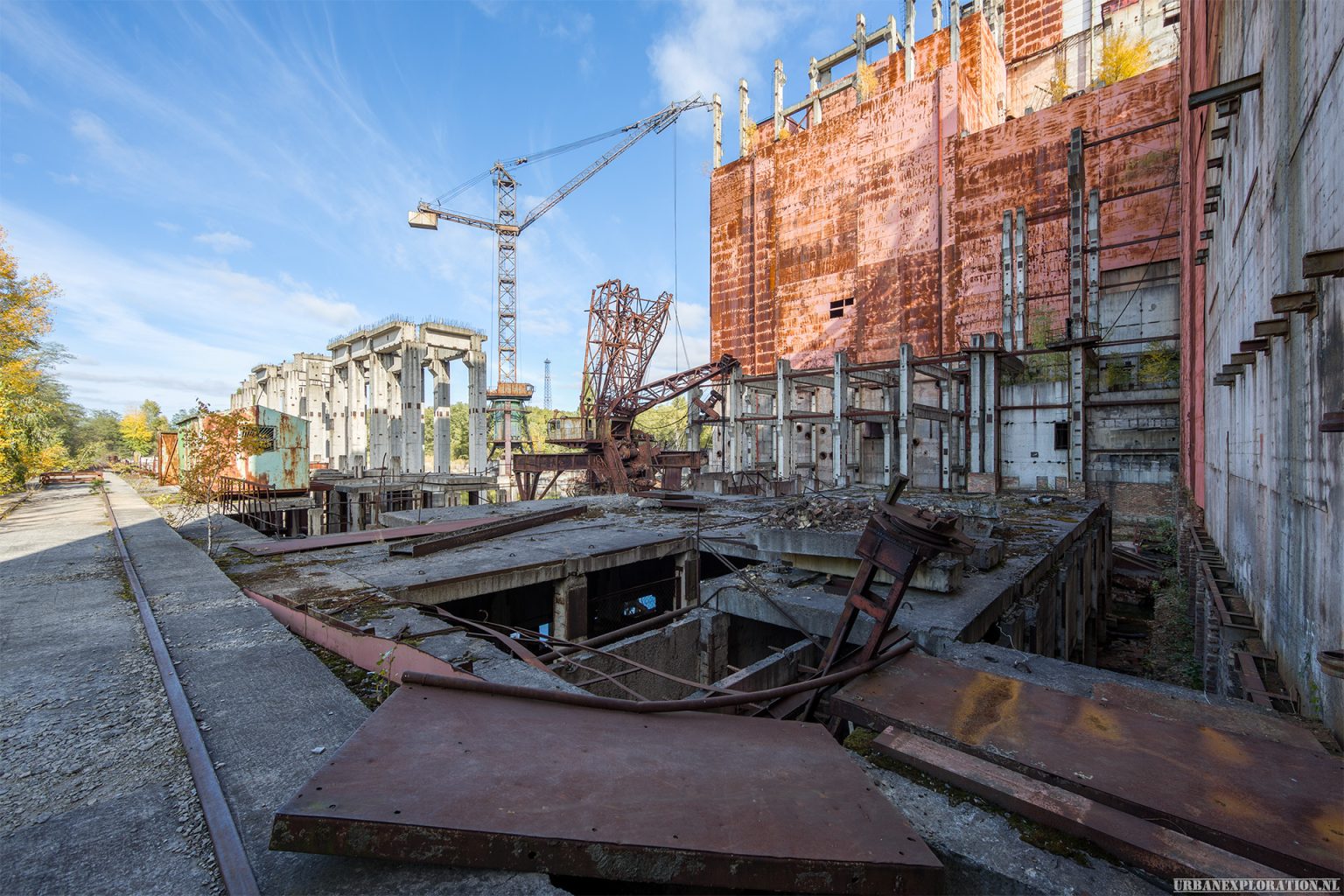
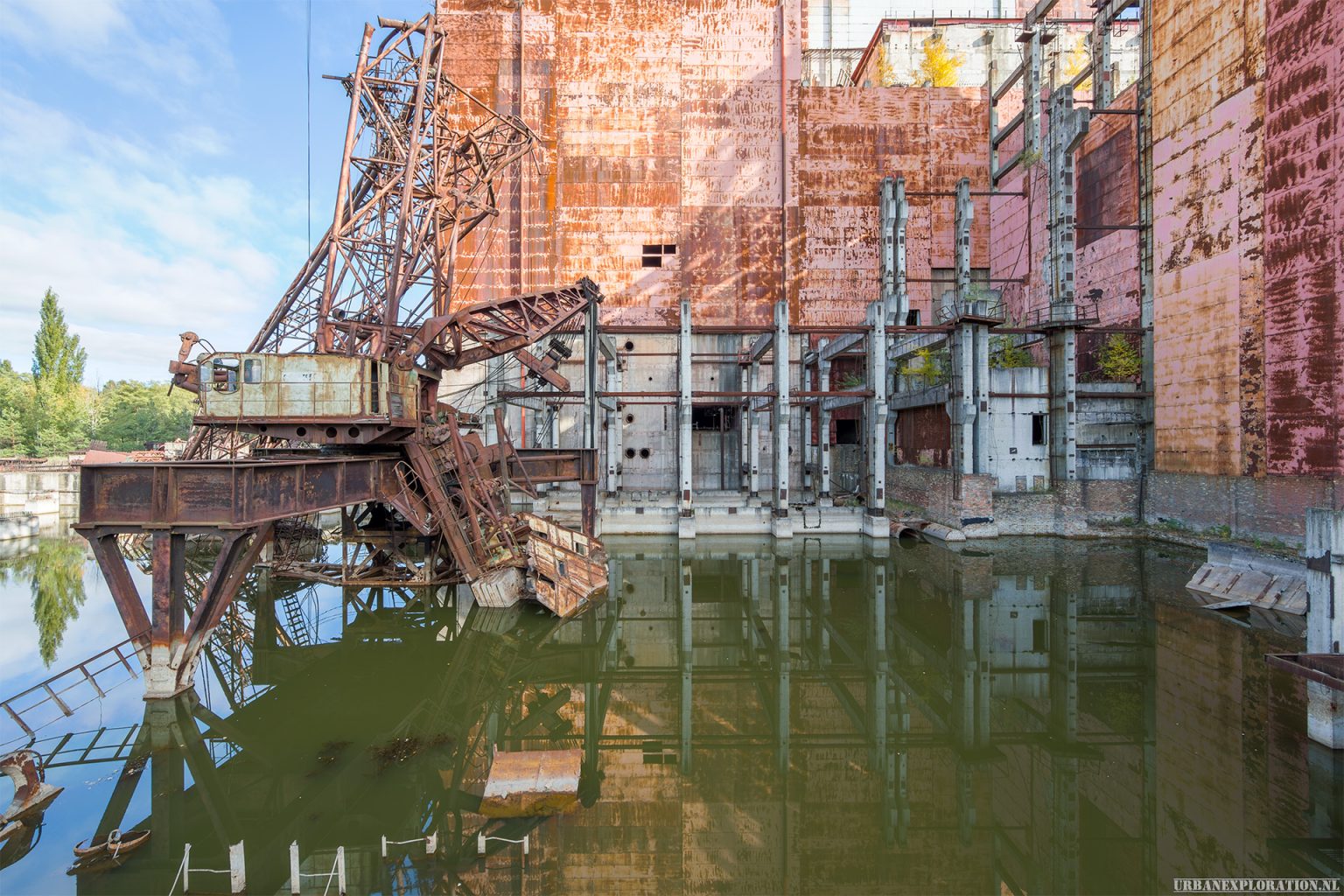
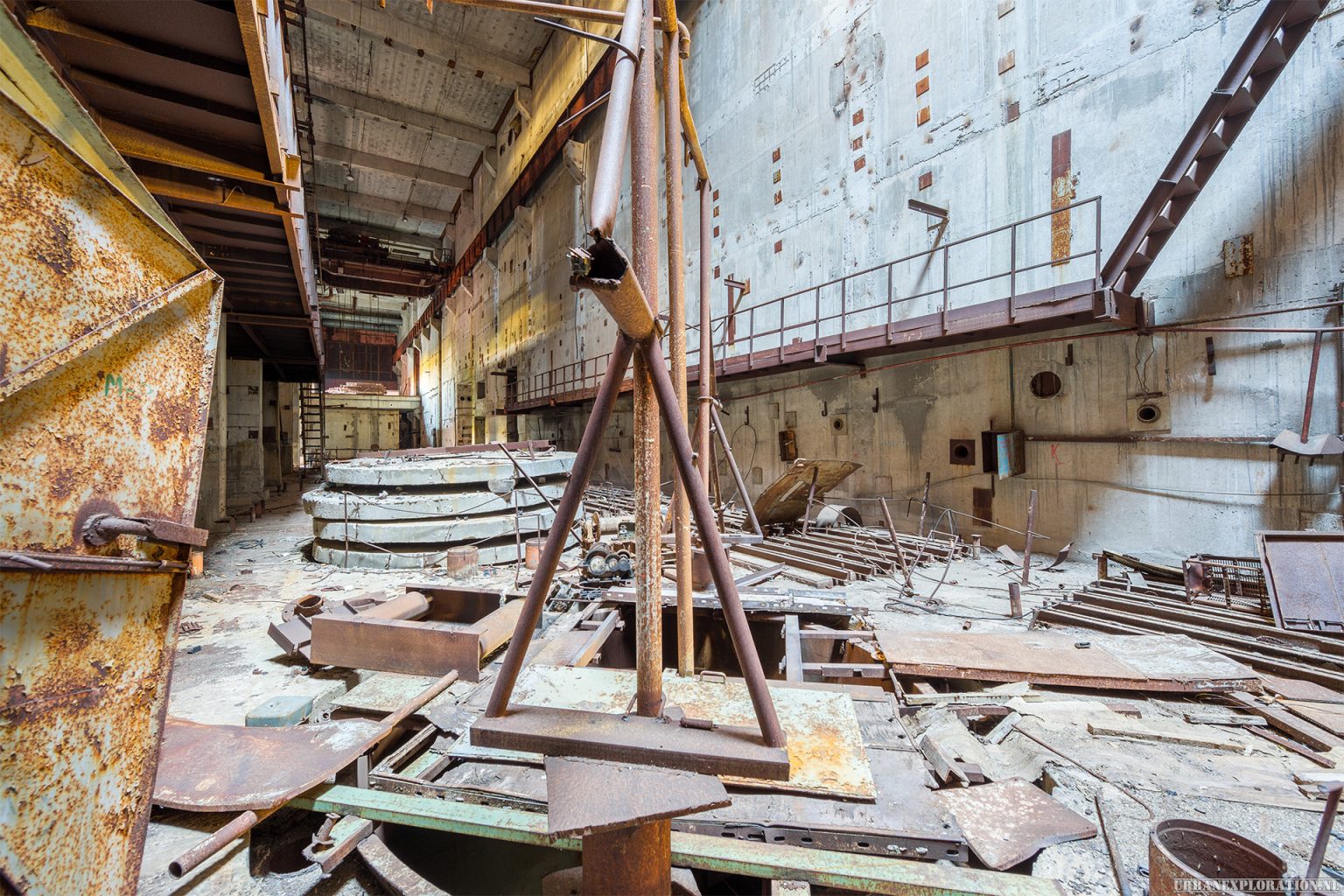
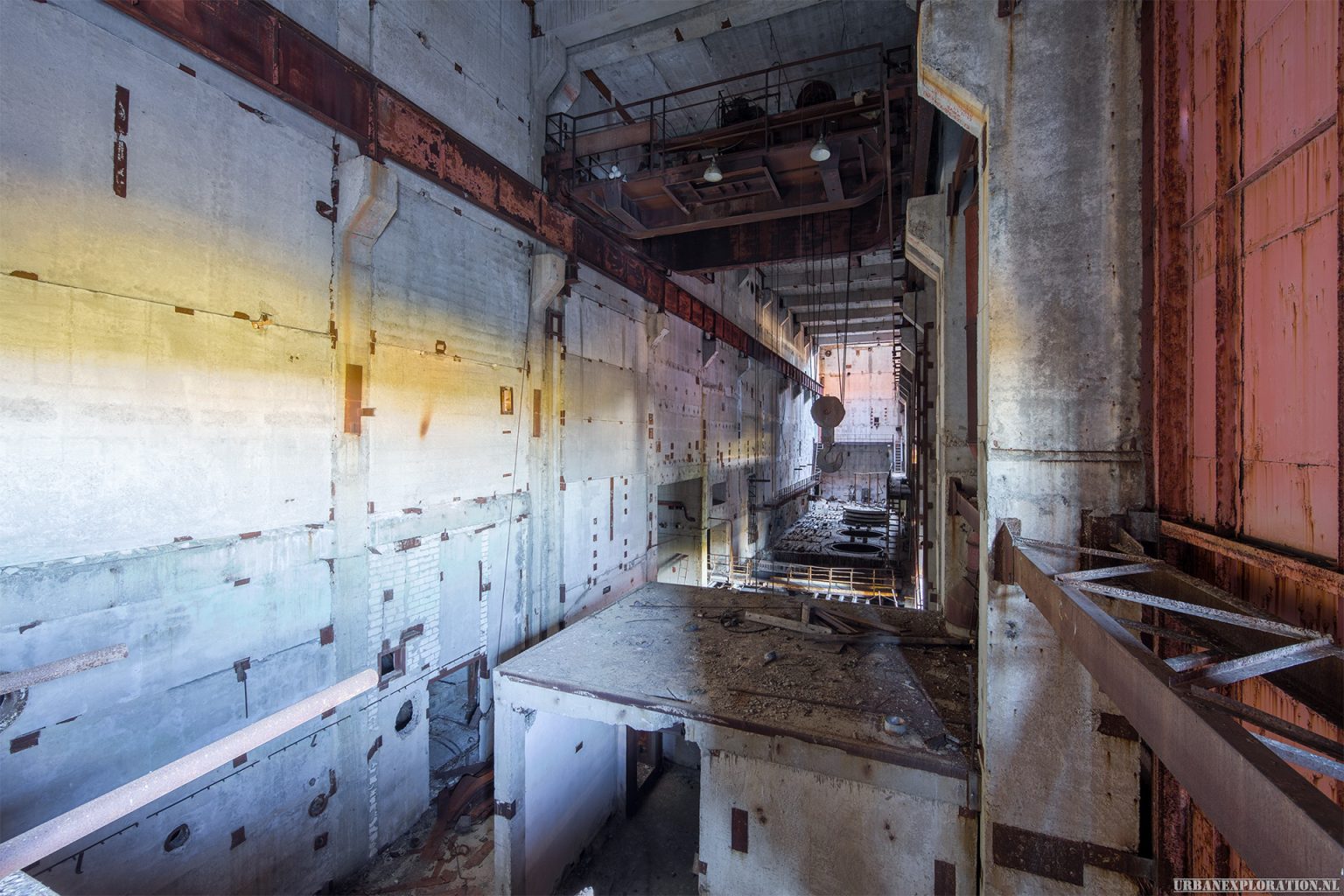
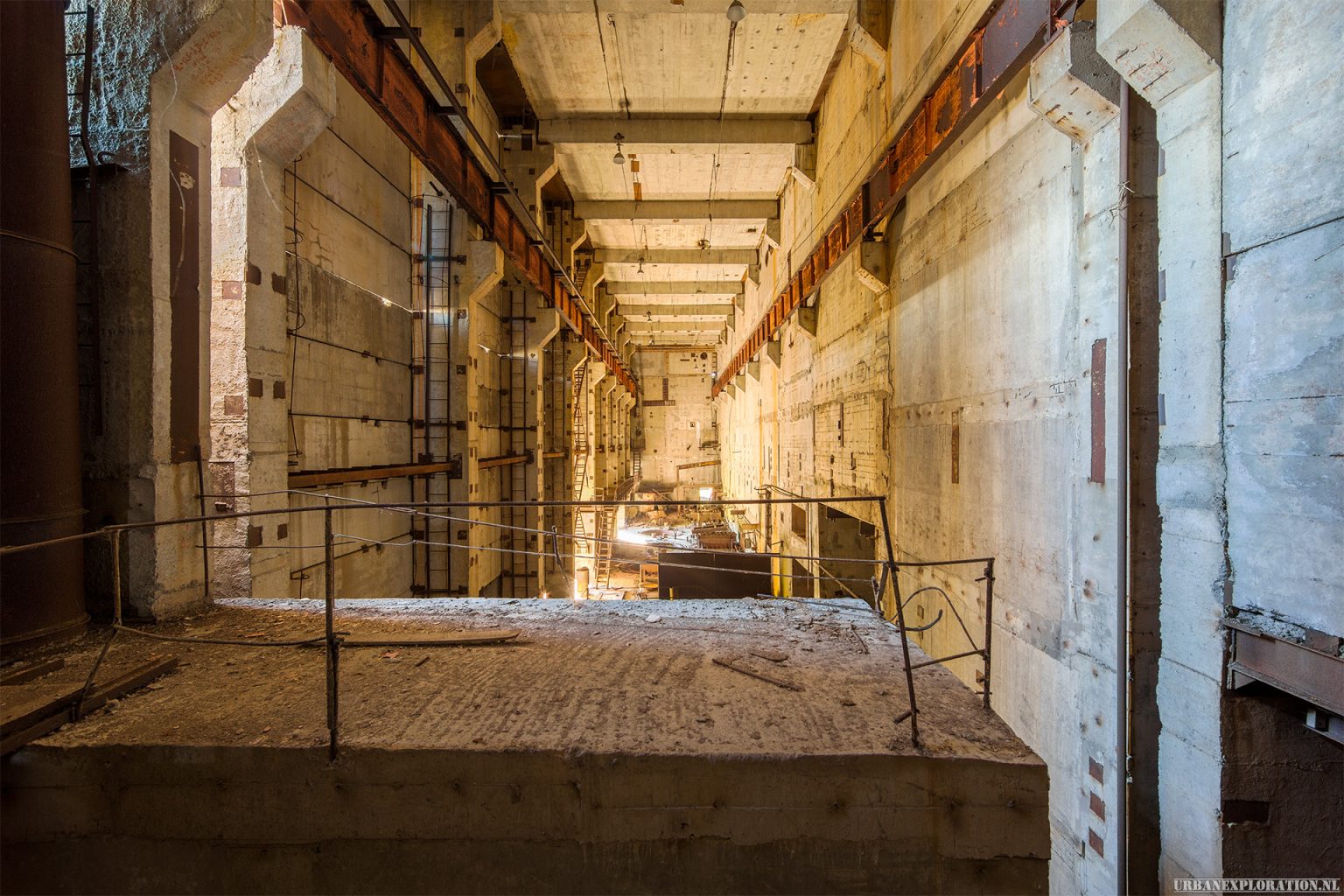
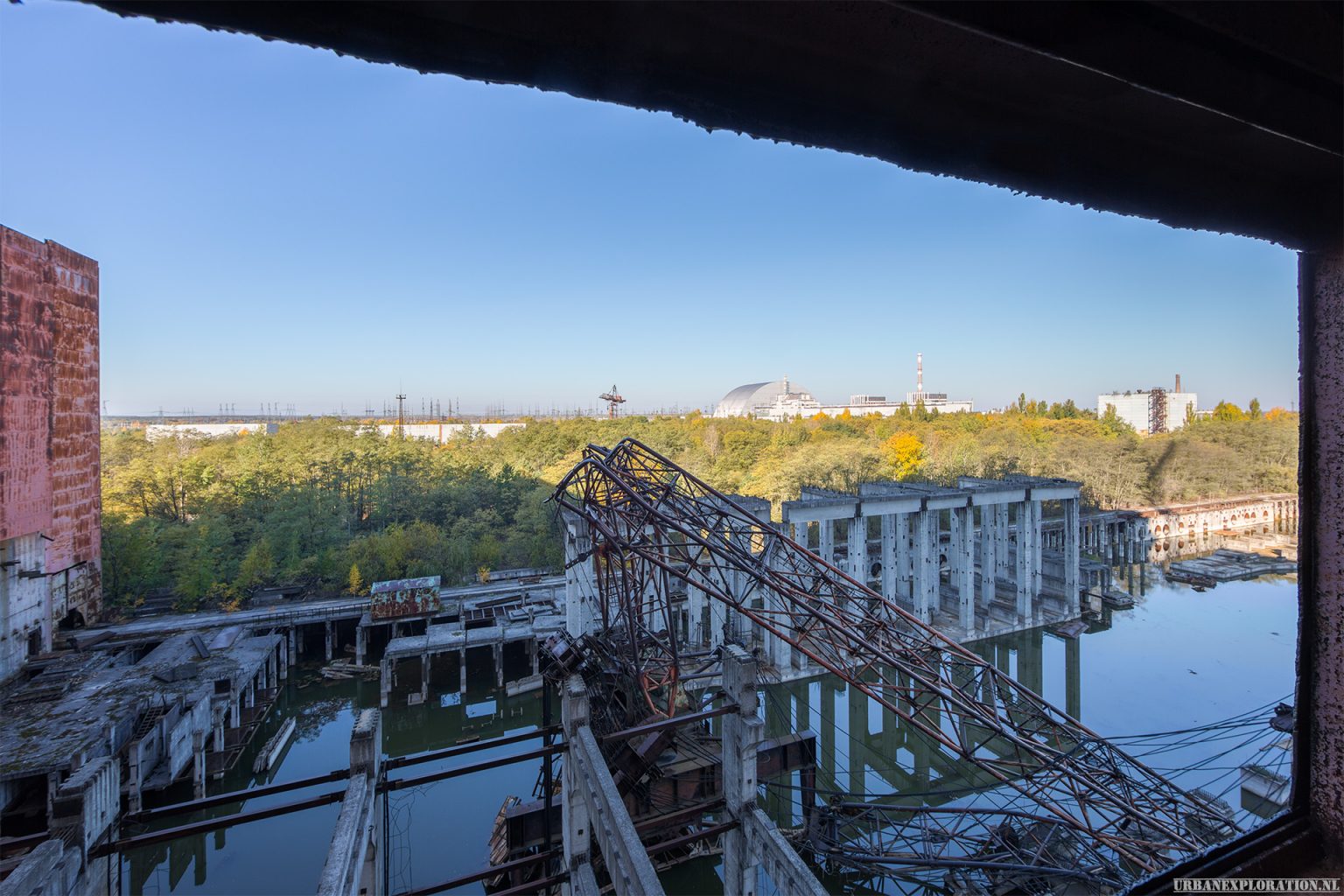
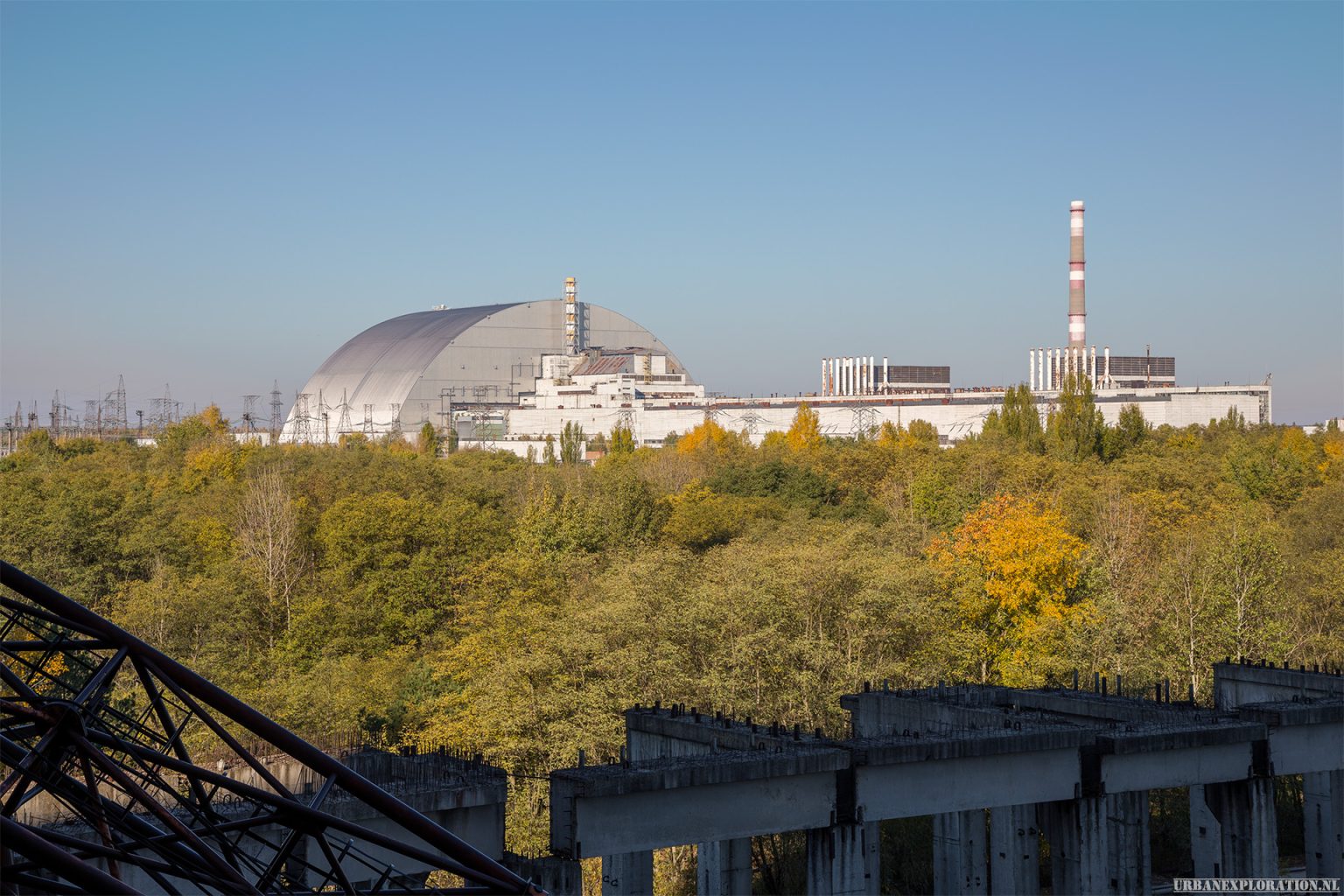
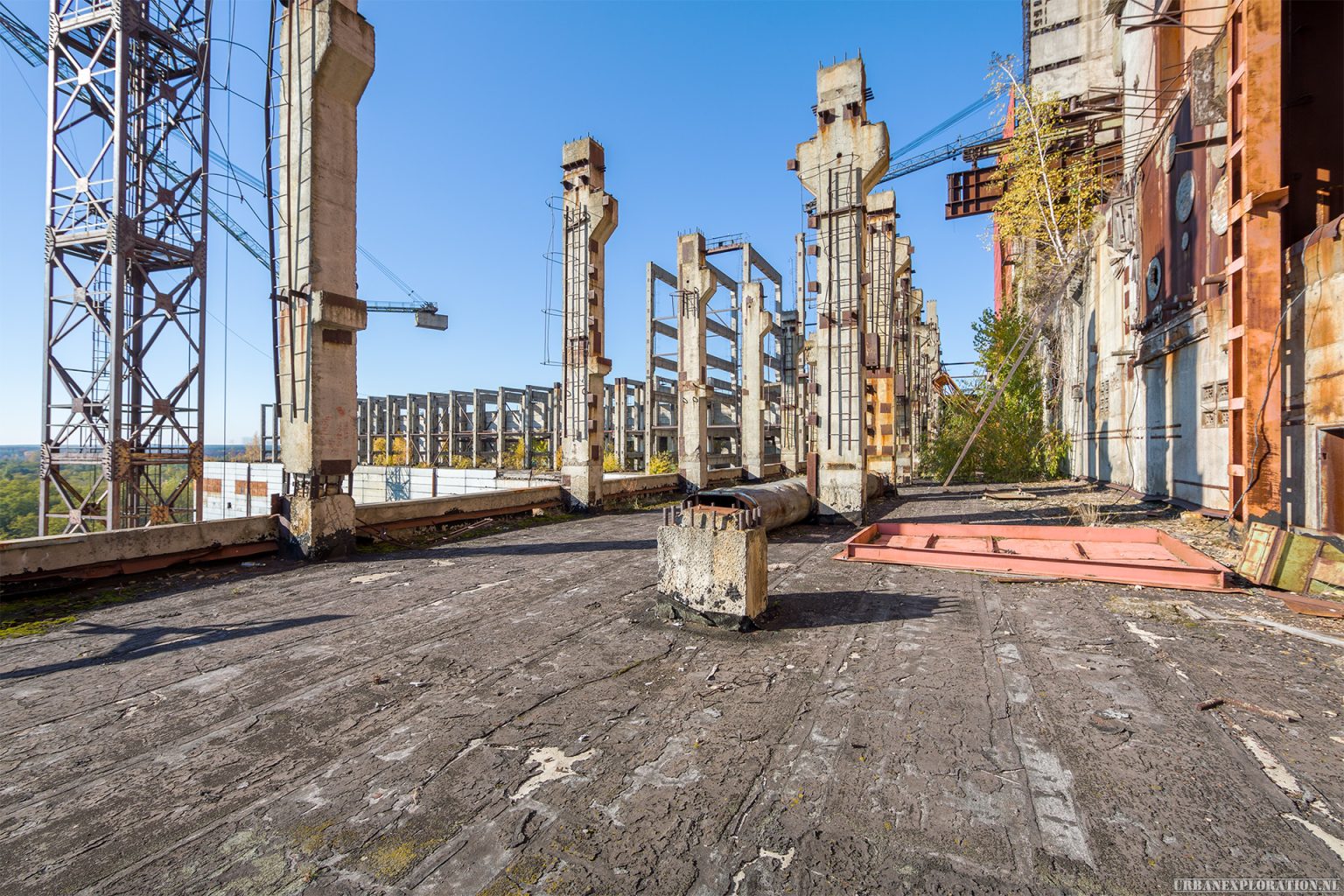
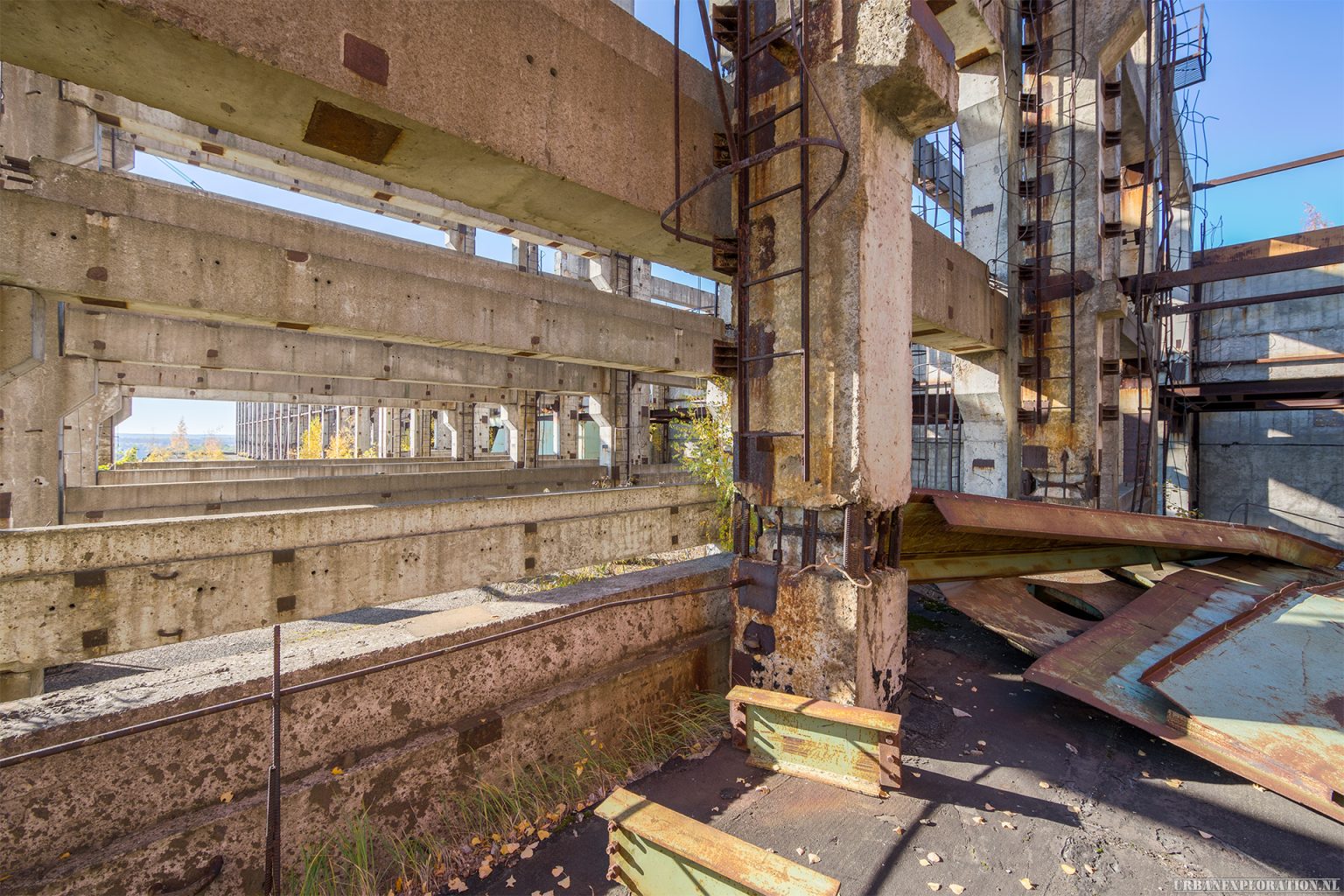
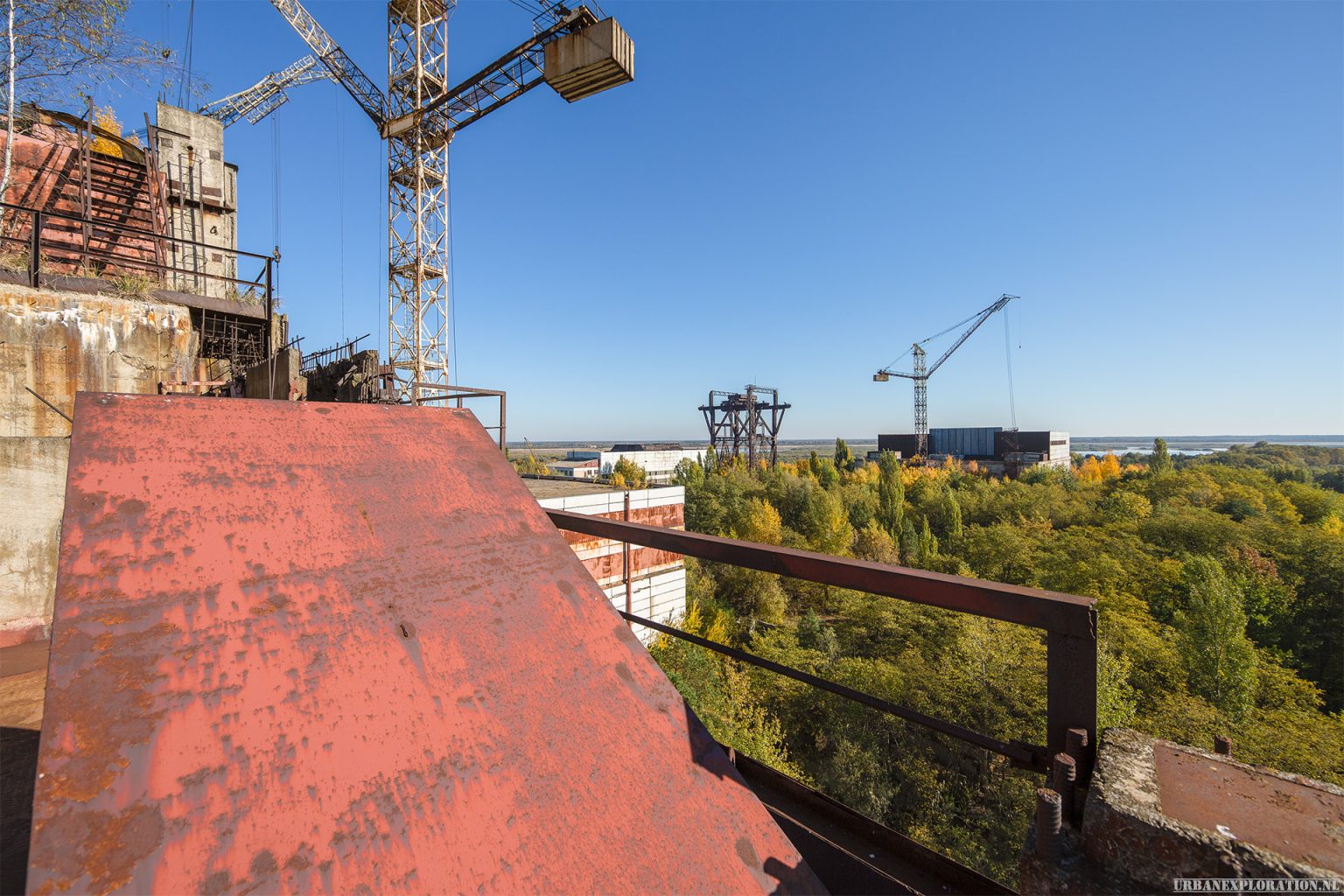
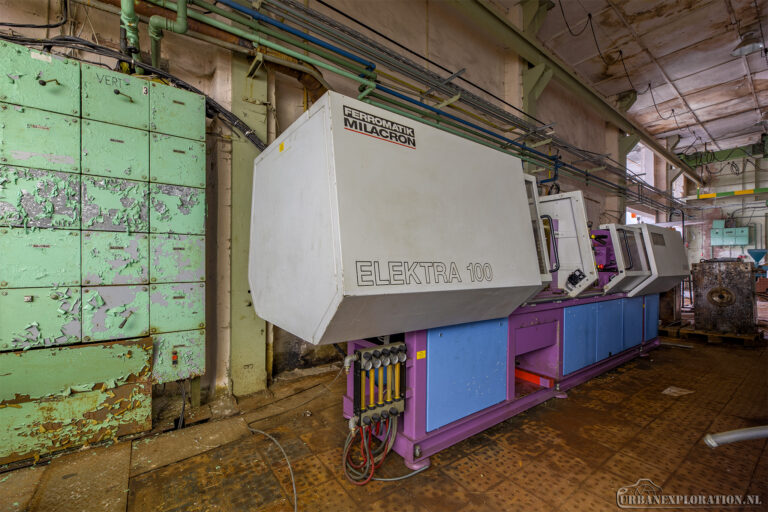
The unfinished reactor blocks known as Units 5 and 6 were part of an ambitious expansion of the Chernobyl Nuclear Power Plant, which during the Soviet era officially carried the name Vladimir Ilyich Lenin Nuclear Power Plant. During the late 1970s and early 1980s the Soviet Union was rapidly expanding its nuclear power capacity, and the Chernobyl site in northern Ukraine was considered one of the most important energy projects in the region. The first four RBMK-1000 reactors had already been constructed between 1970 and 1983, supplying large amounts of electricity to Ukraine and other parts of the Soviet Union. To further increase production, two additional reactors were planned at a separate construction area a short distance from the existing plant.
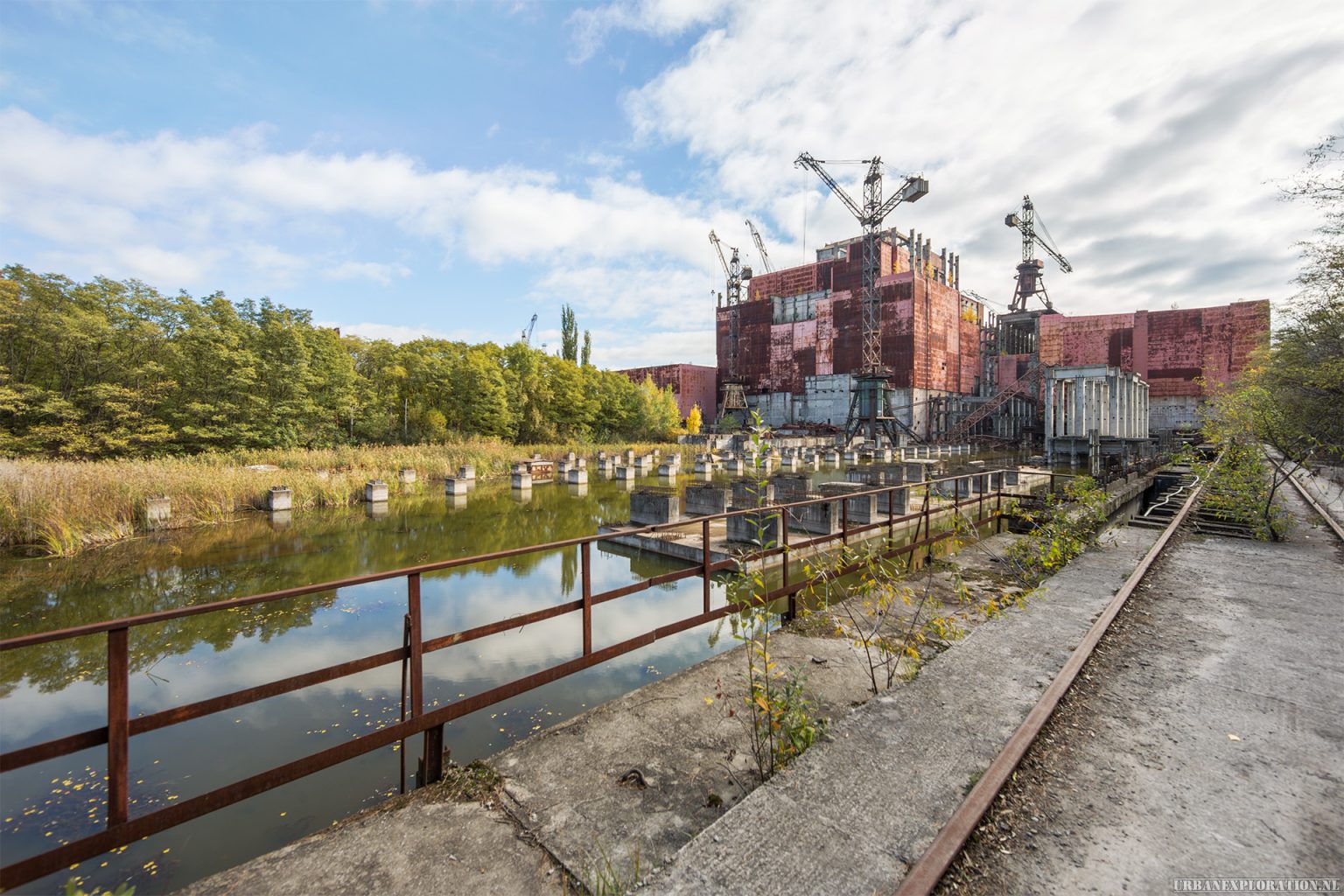
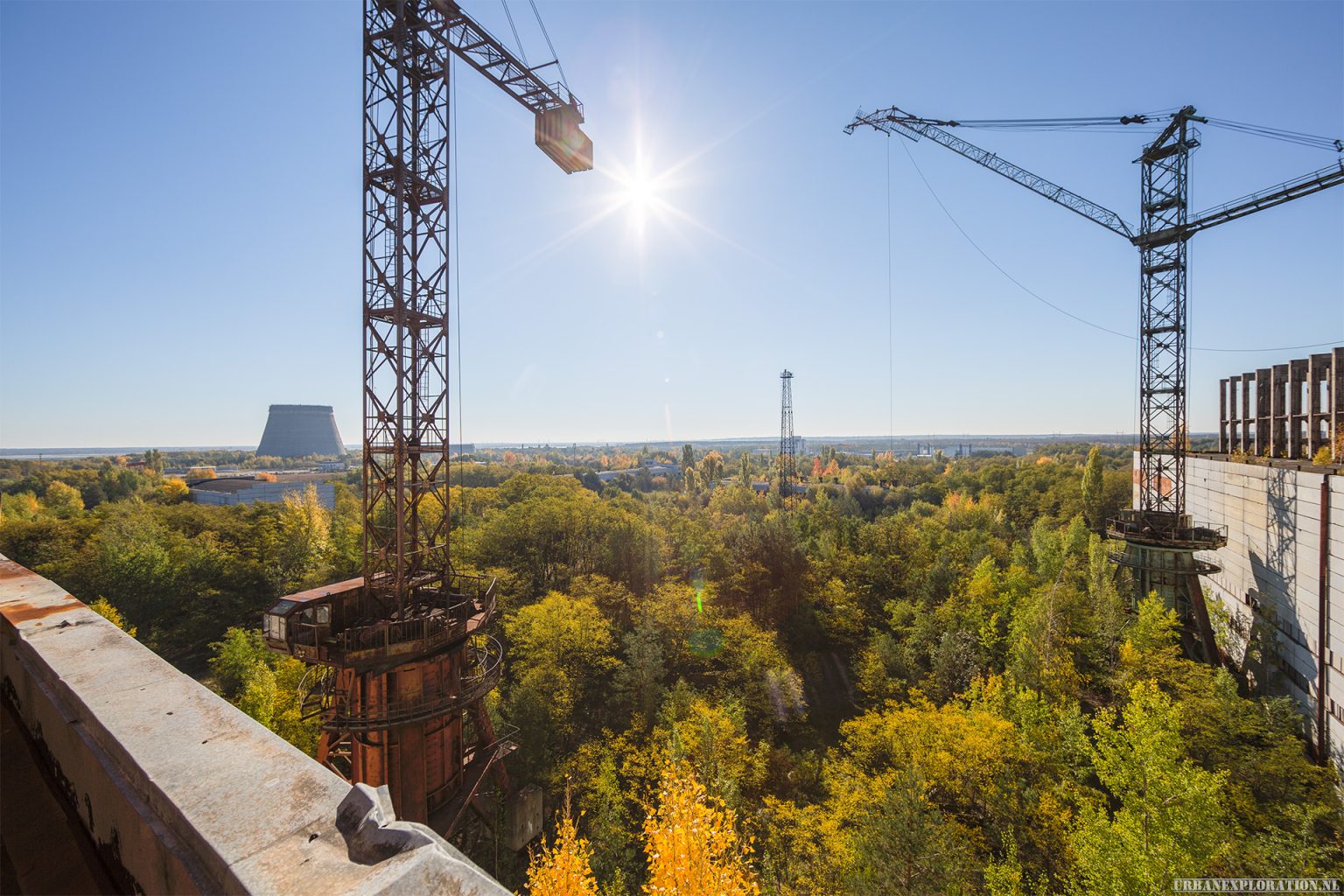
Construction of Unit 5 began in 1981, followed a few years later by Unit 6. Both reactors were designed as RBMK-1000 graphite-moderated nuclear reactors, the same type used in the earlier units. By the mid-1980s the expansion was progressing quickly. Large sections of the reactor buildings and turbine halls had already been erected, and heavy cranes dominated the skyline of the construction site. Unit 5 was already in an advanced stage of completion and was expected to become operational around 1986 or 1987. Unit 6 was still earlier in construction but significant groundwork and structural work had already been completed.
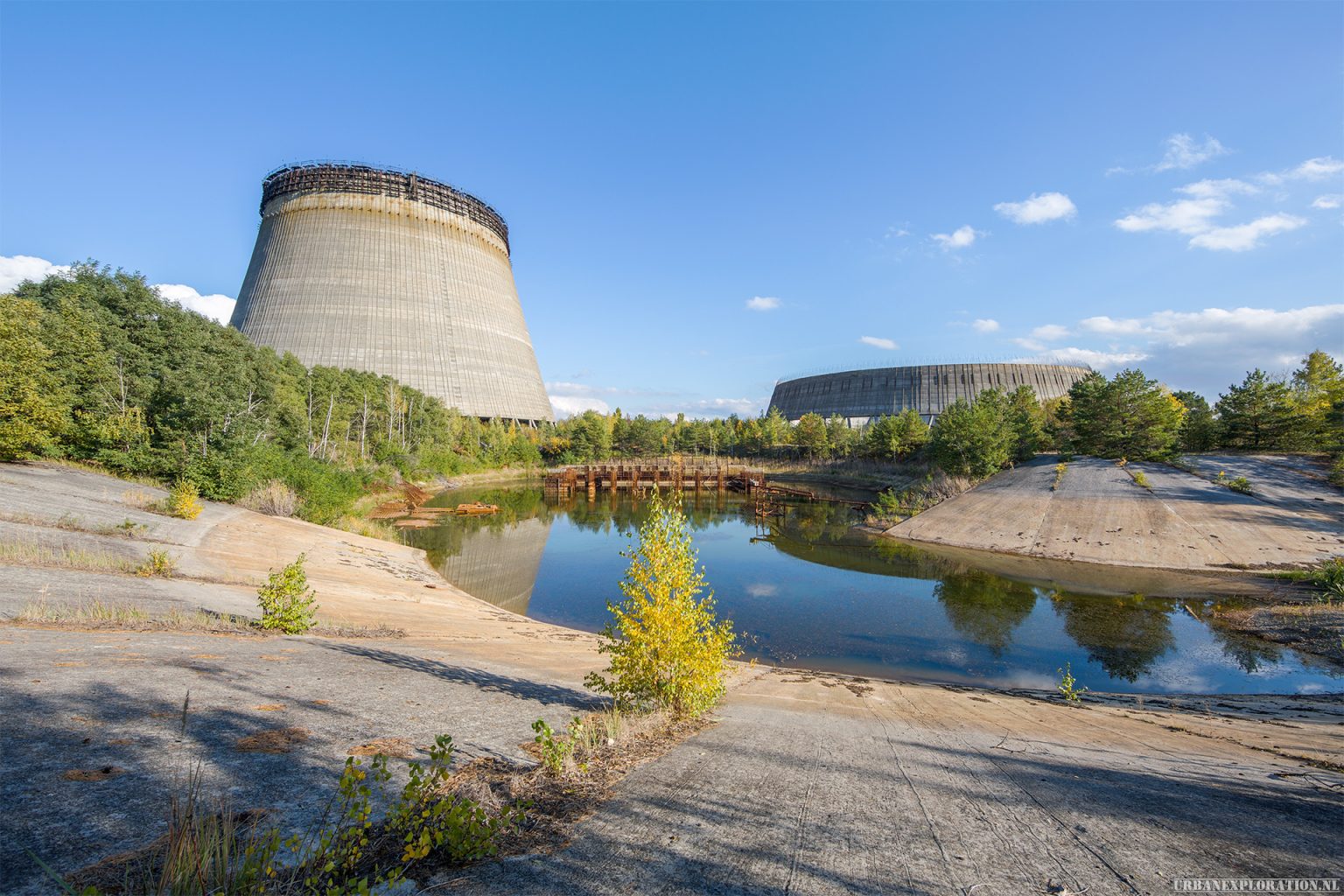
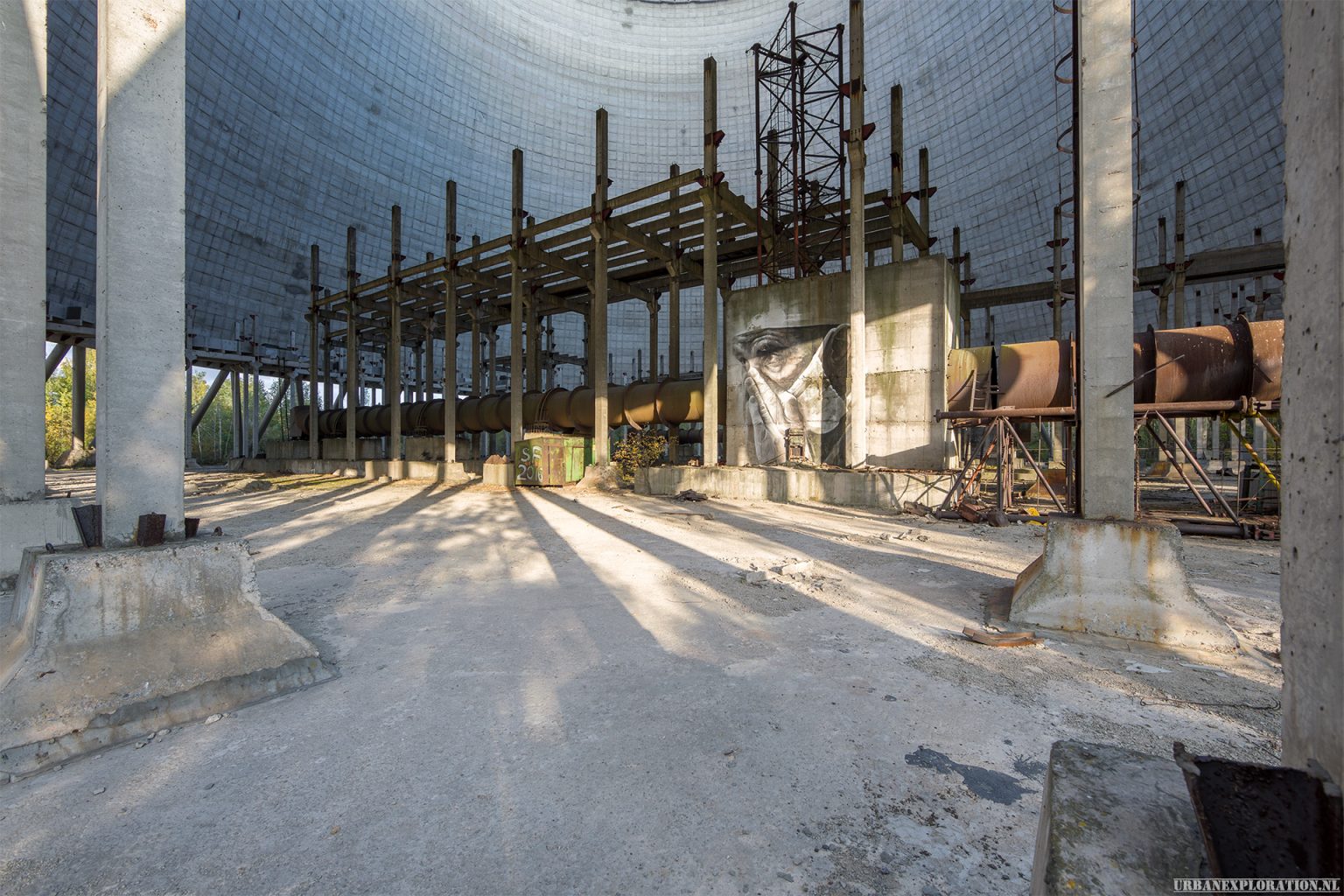
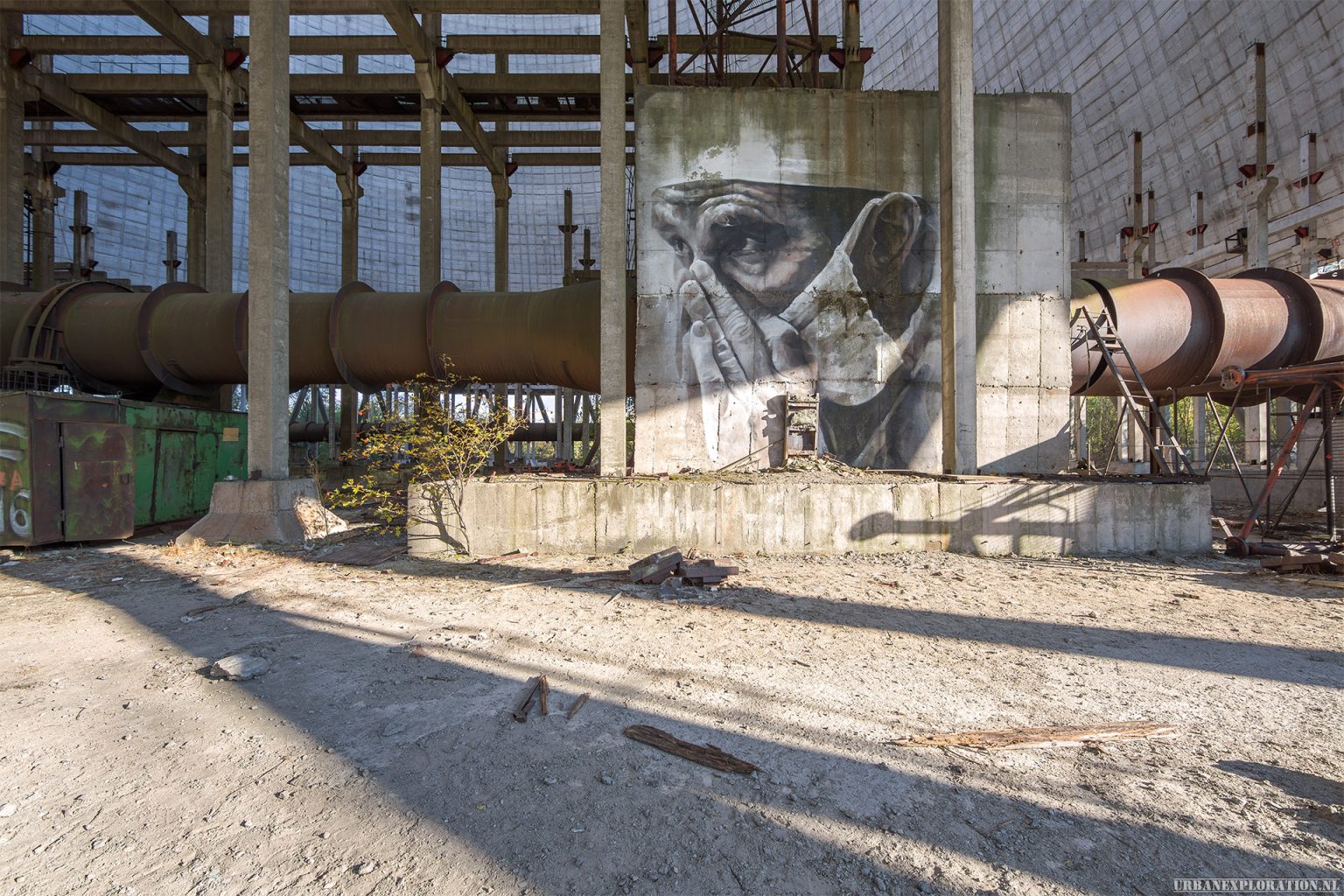
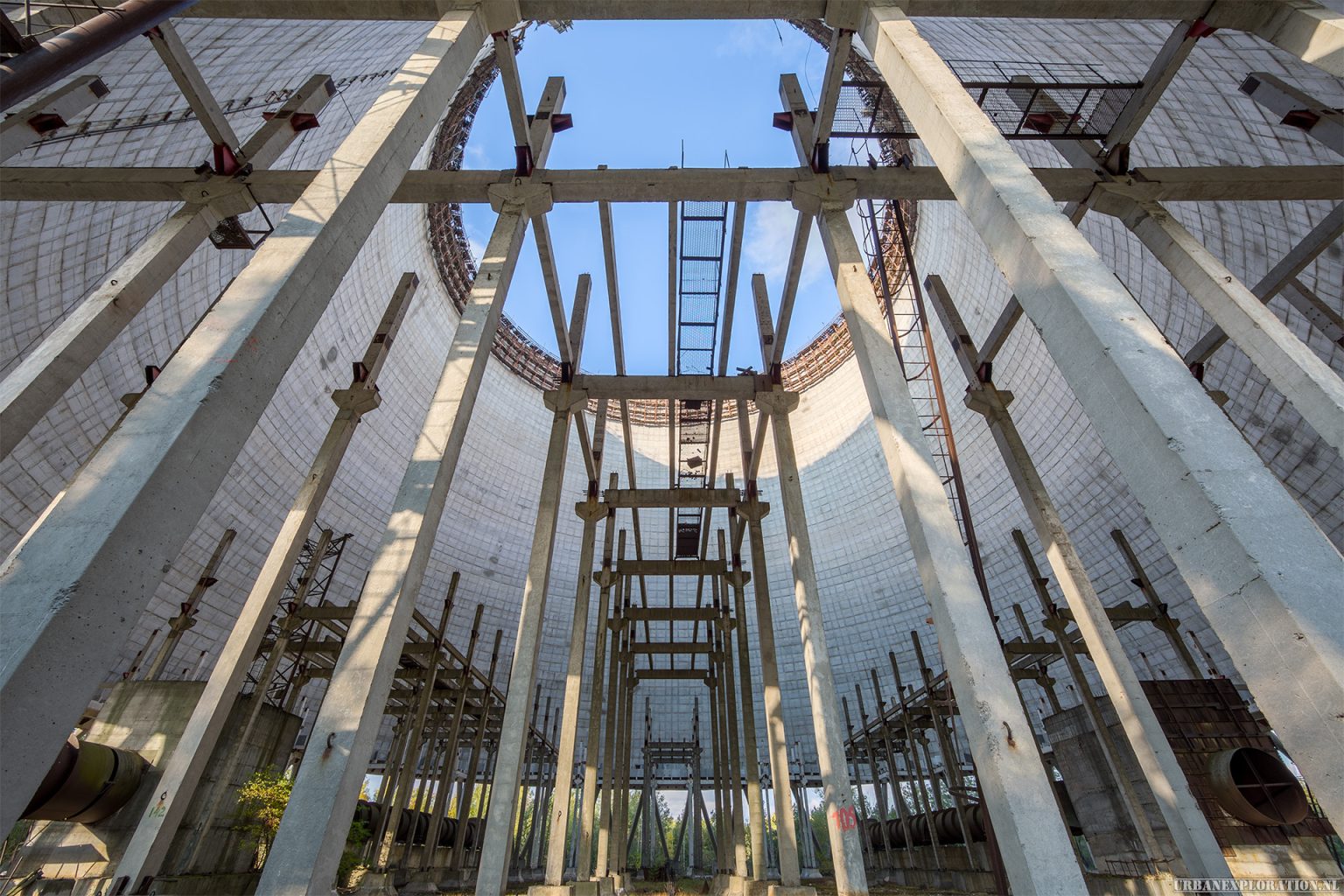
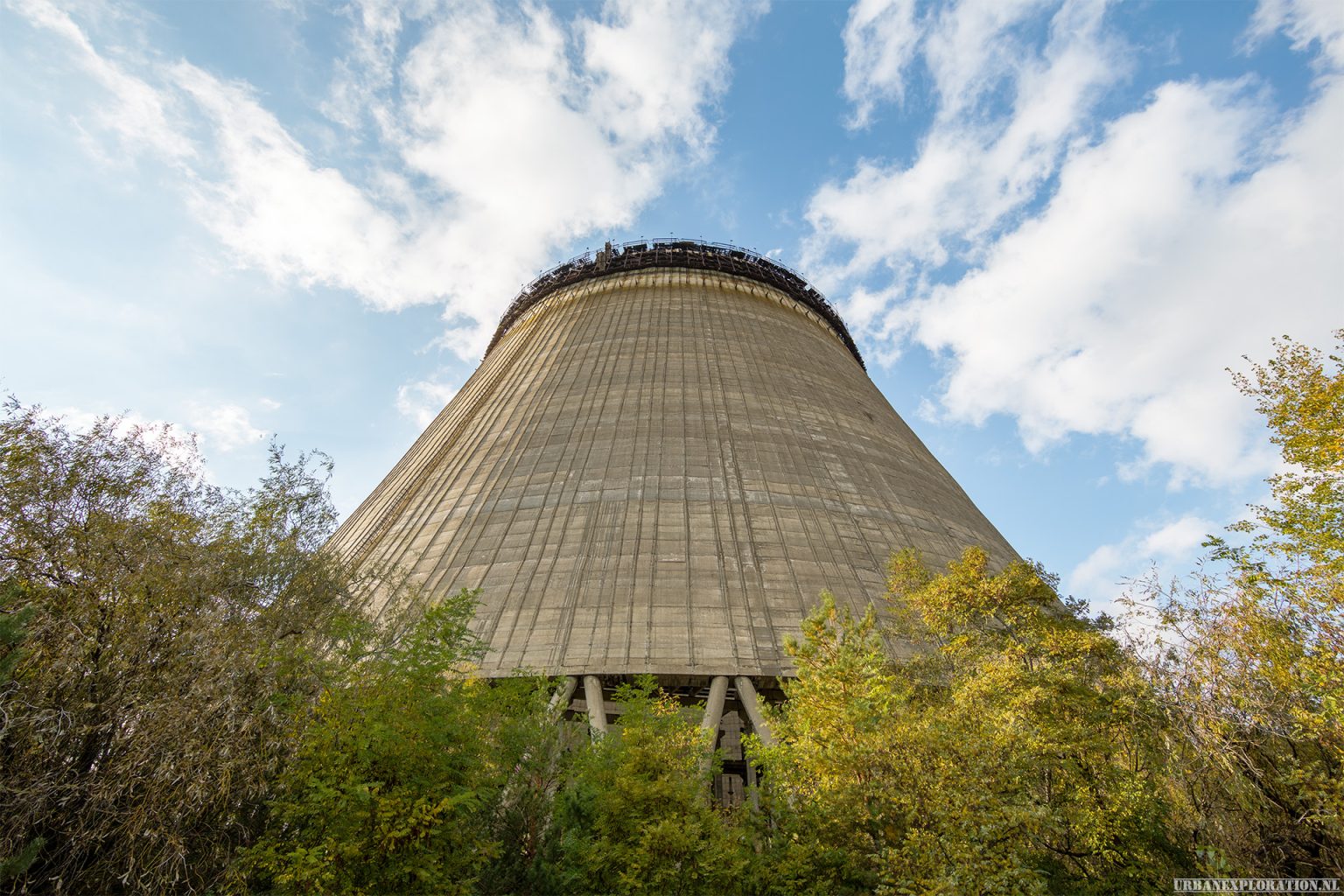
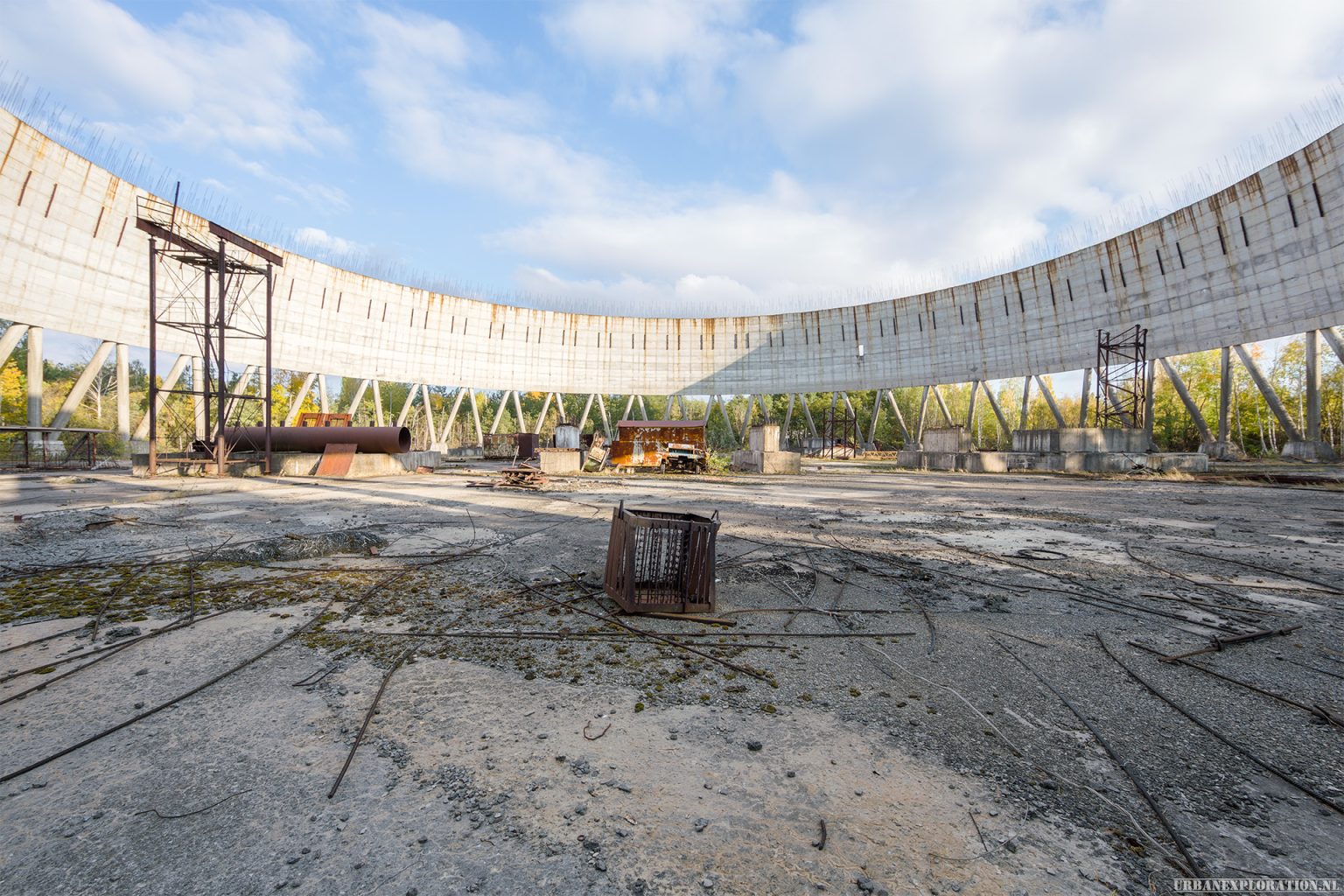
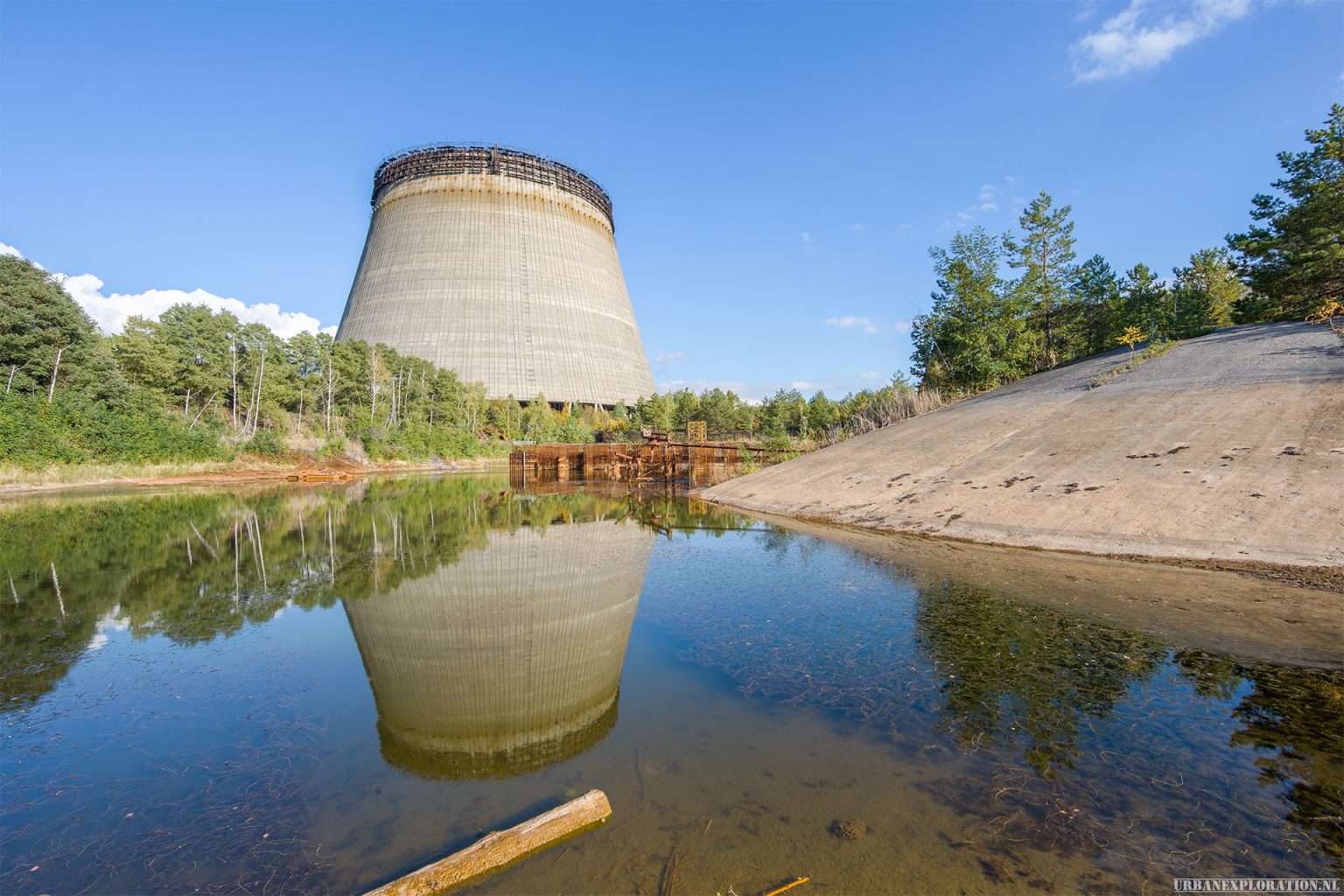
To support the cooling requirements of the new reactors, engineers planned a large natural draft cooling tower near the construction site. This tower was intended to replace the cooling reservoir system used by the earlier reactors. The structure would have stood around 150 meters tall and more than 160 meters in diameter, making it one of the most prominent industrial structures in the region. At the time of construction only part of the steel framework and internal structure had been completed, but the massive scale of the project was already clearly visible.
Everything changed on 26 April 1986 when reactor number four exploded during what became known as the Chernobyl disaster. In the immediate aftermath all construction work on Units 5 and 6 was halted. Thousands of workers who had been building the new reactors suddenly abandoned the site as emergency measures were introduced and the surrounding area was evacuated. At that moment Unit 5 was estimated to be roughly seventy to eighty percent complete, while Unit 6 was approximately thirty to forty percent finished.
For several years Soviet authorities debated whether the reactors could still be completed, as large investments had already been made in the project. Some limited work resumed briefly in the late 1980s, but growing concerns about the safety of RBMK reactors and the political changes within the Soviet Union eventually led to a final decision. In 1989 the construction of Units 5 and 6 was officially cancelled, leaving the unfinished buildings and the enormous cooling tower standing inside what had become the Chernobyl Exclusion Zone.
Visited - October 2018
Defunct - 1986
Status - In decline
Country - Ukraine
Here are some other albums that might be of interest.