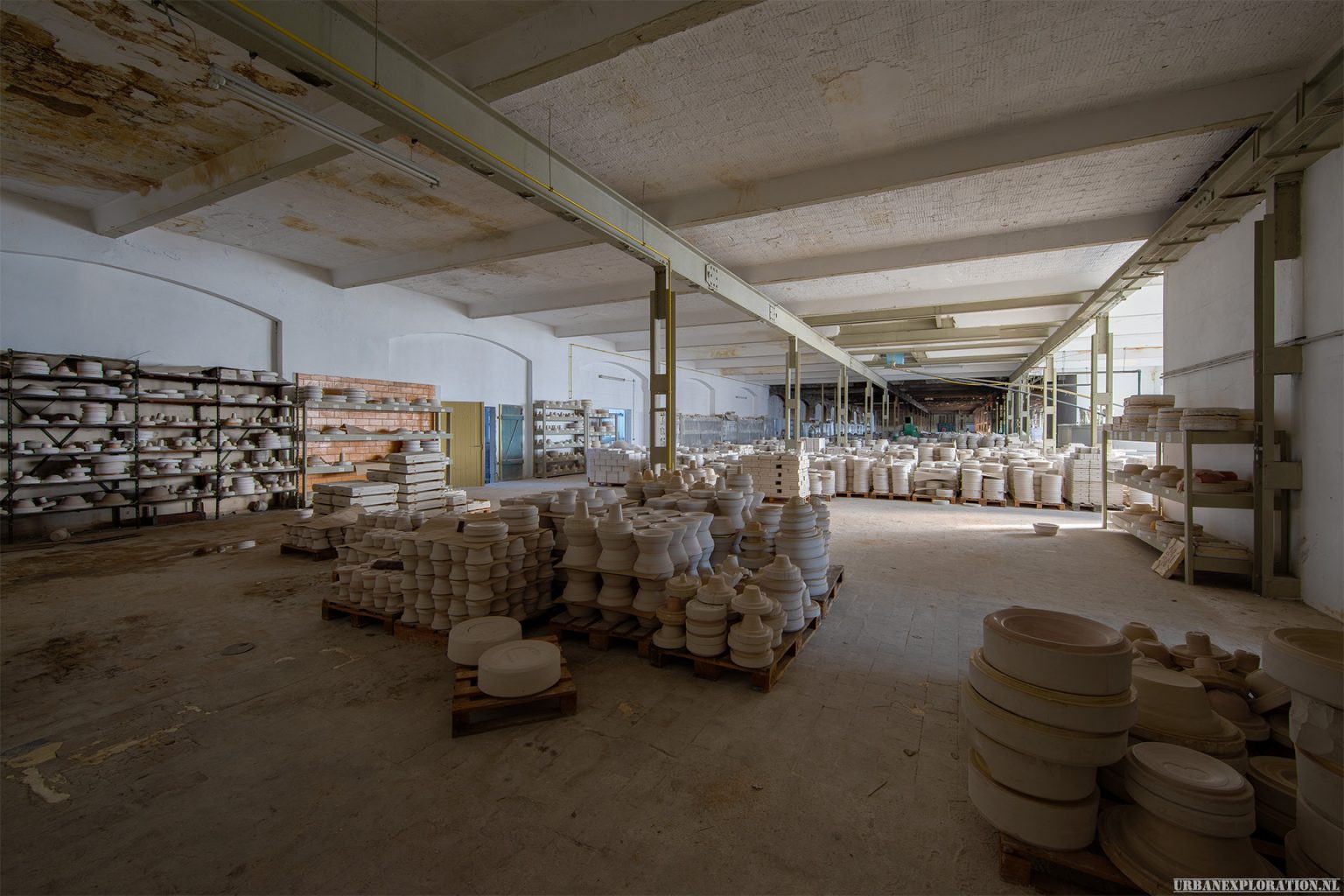
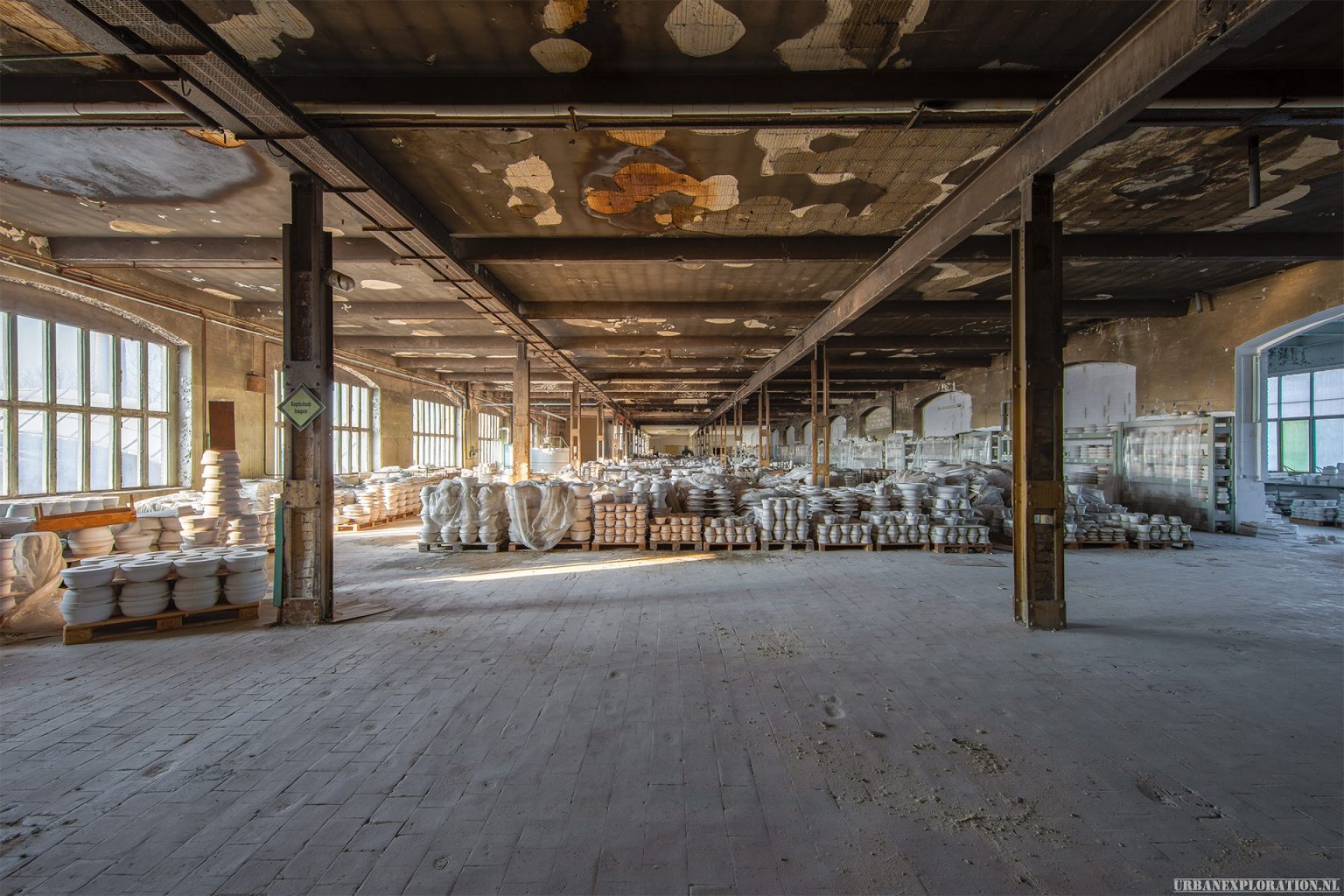
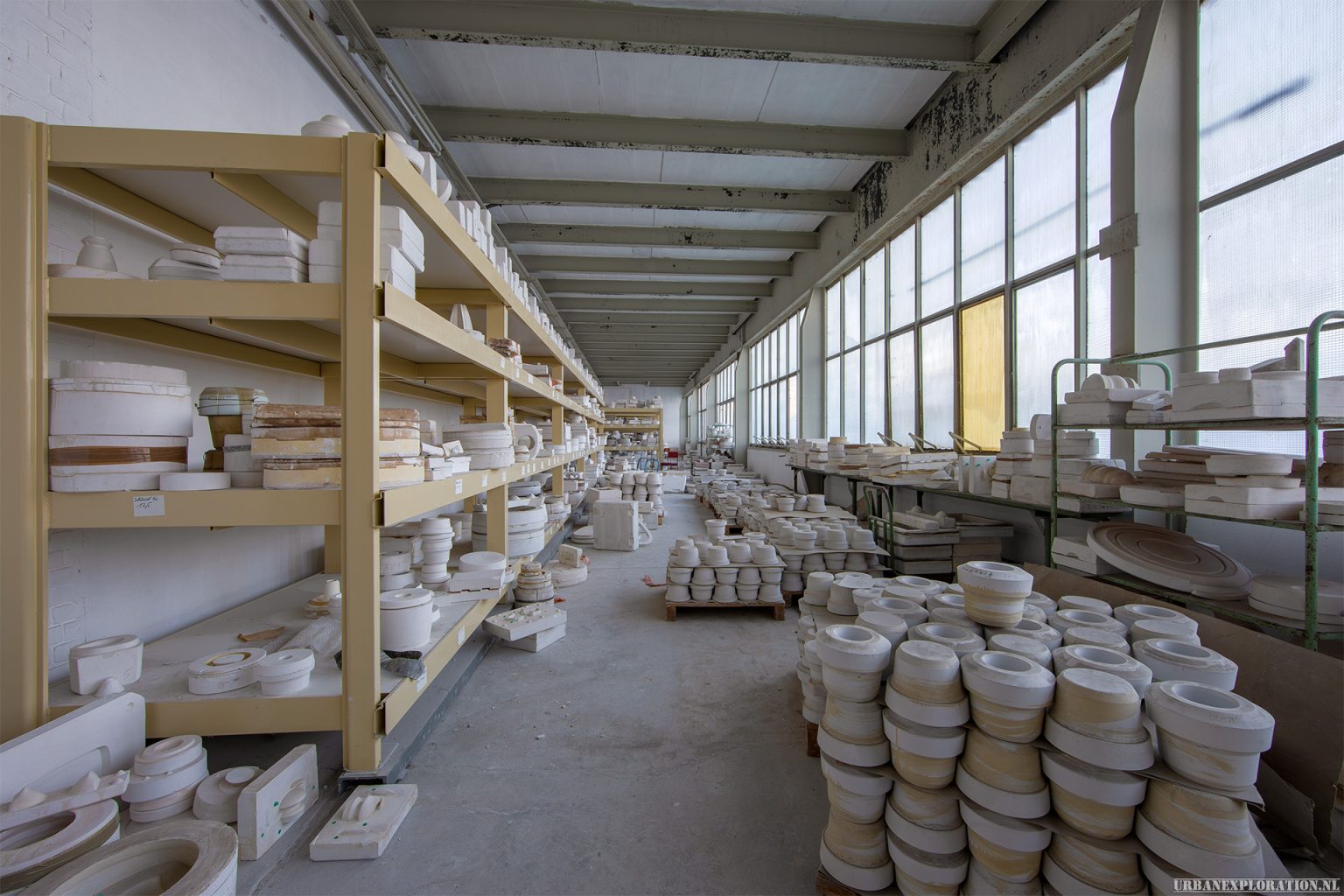
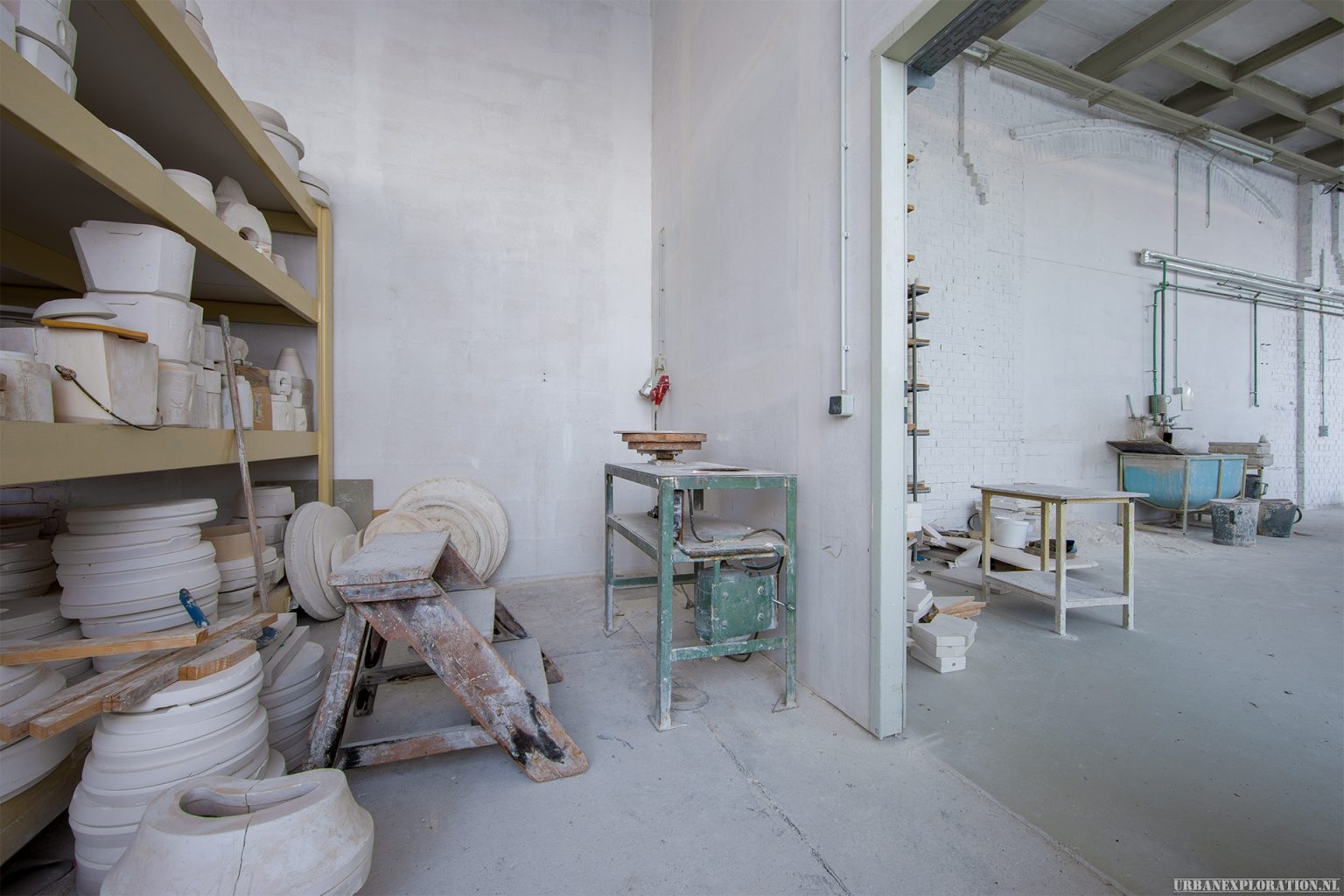
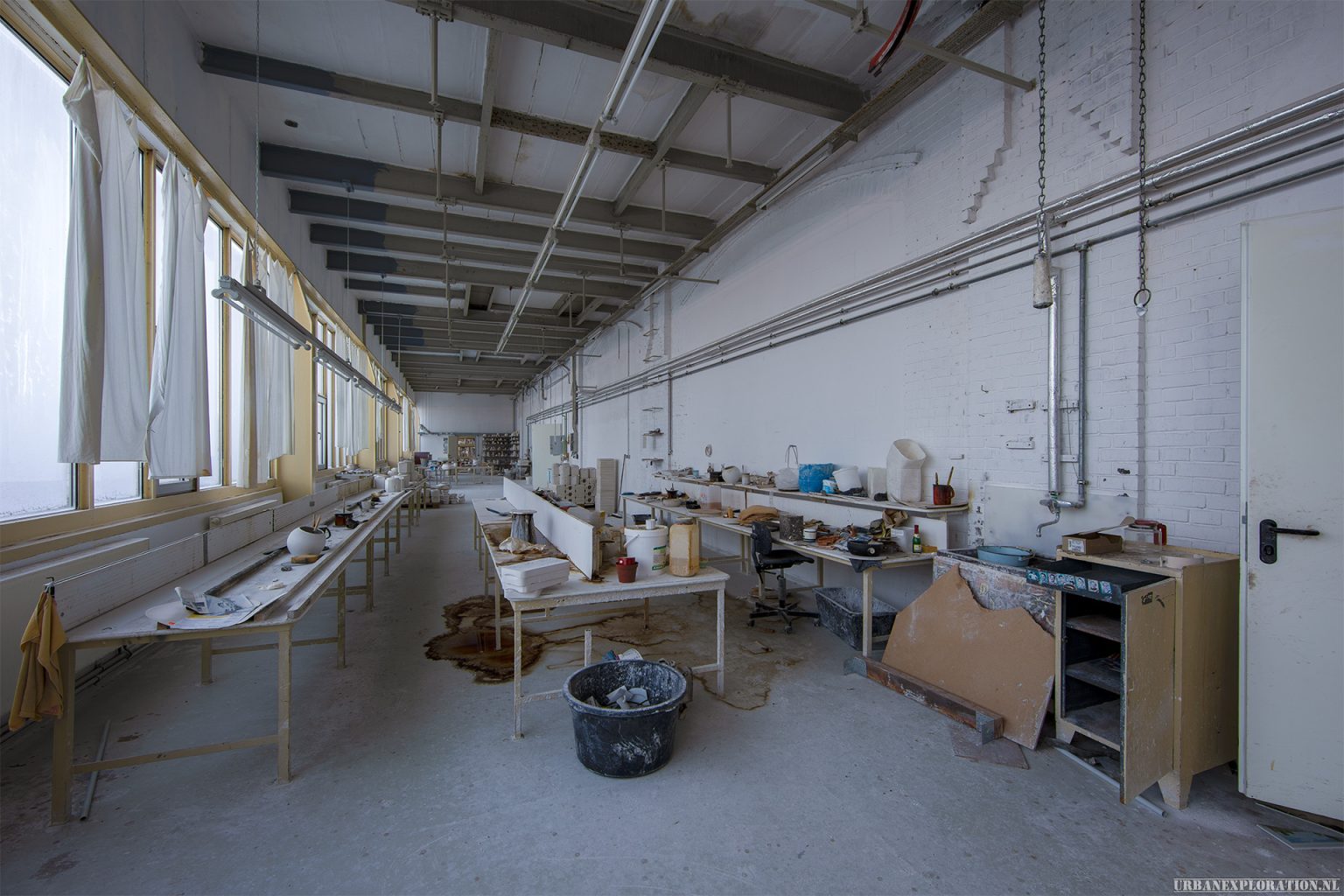
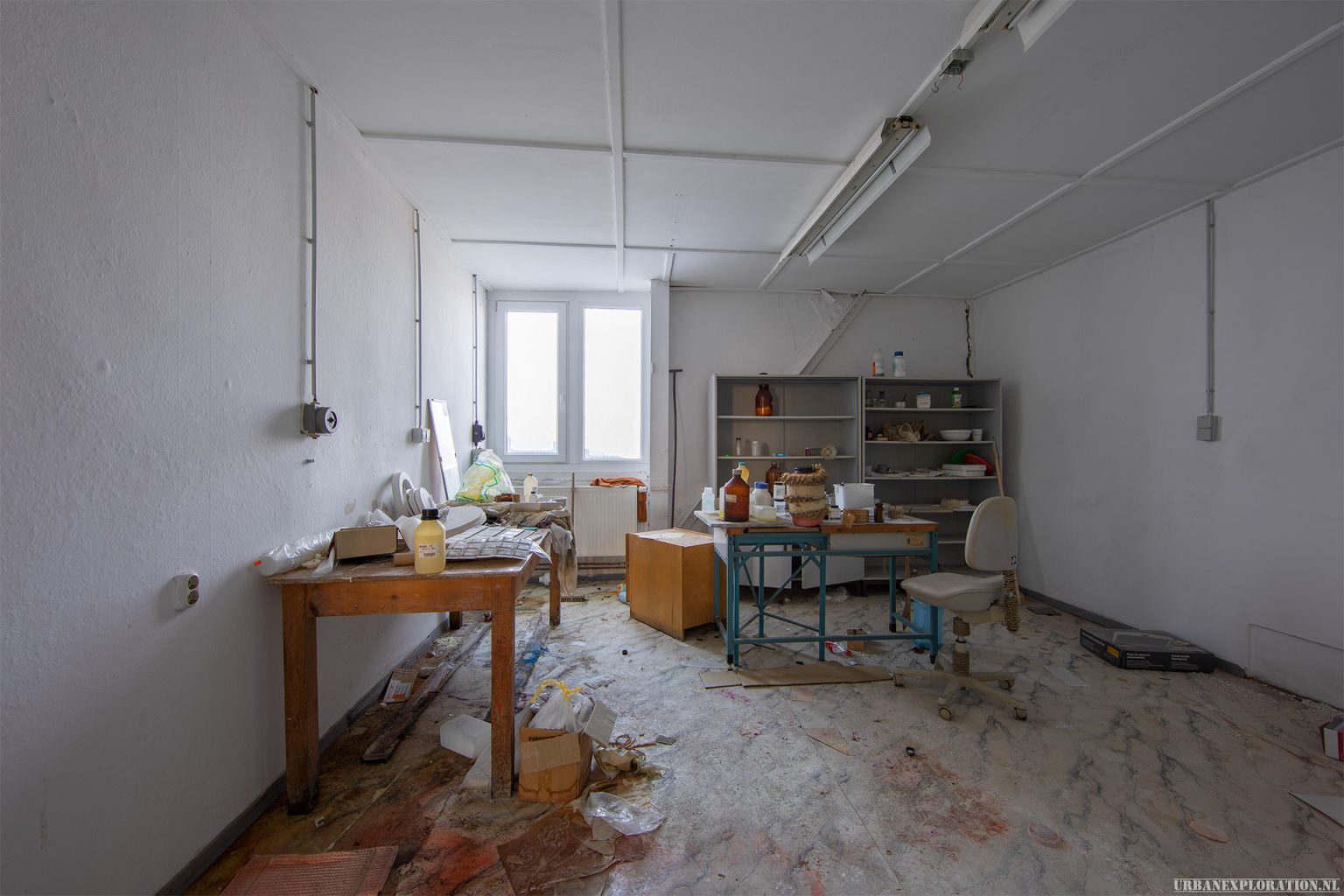
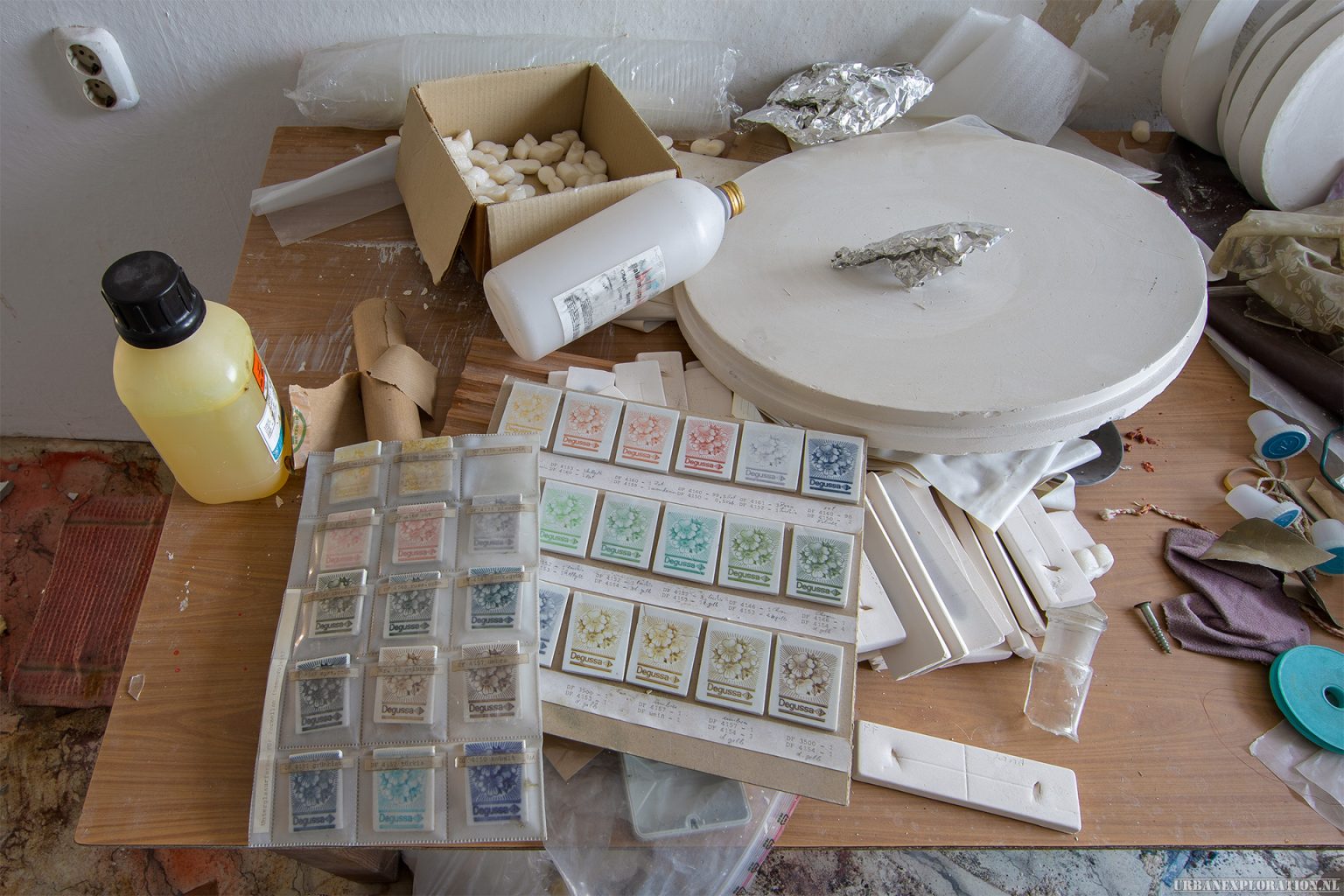
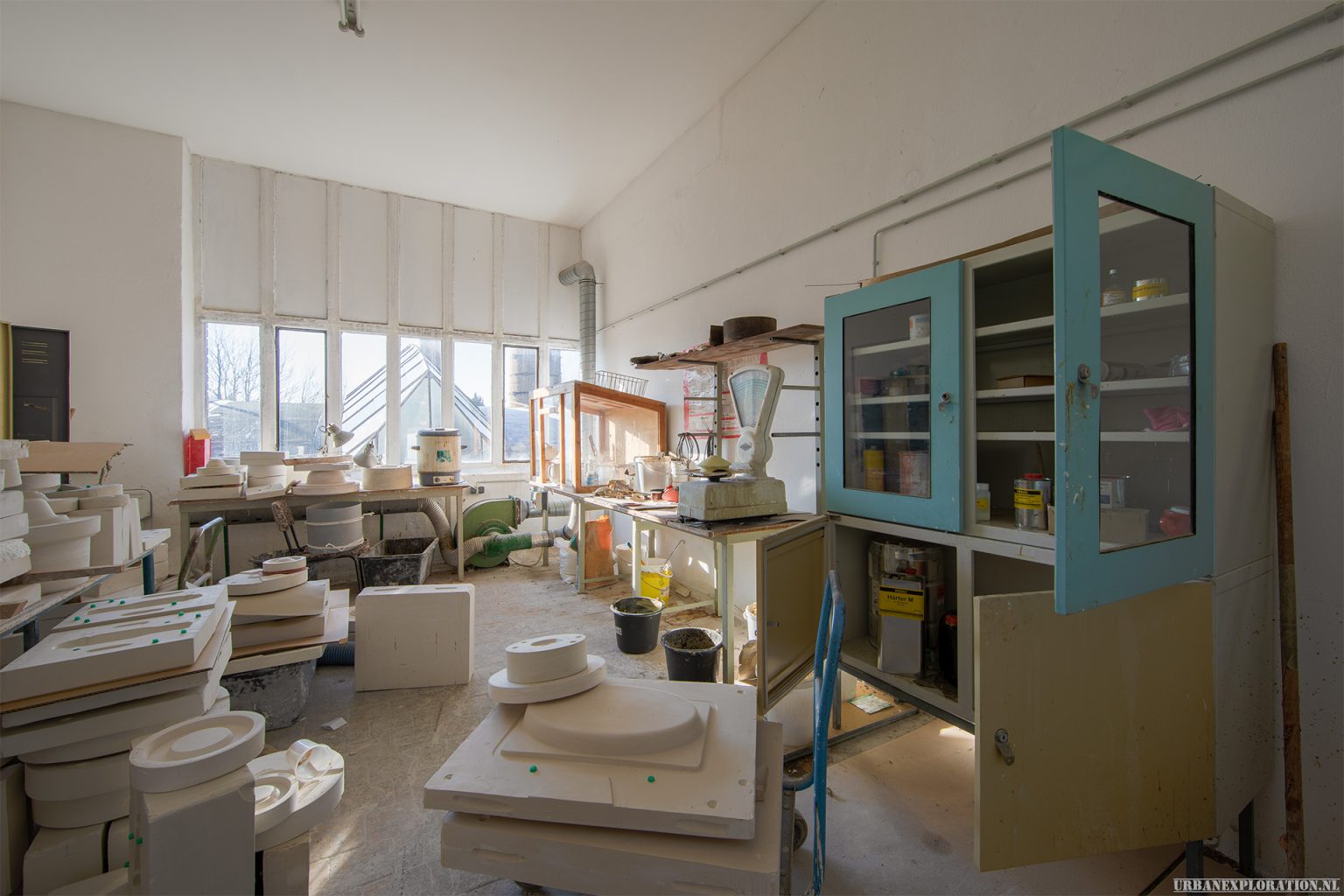
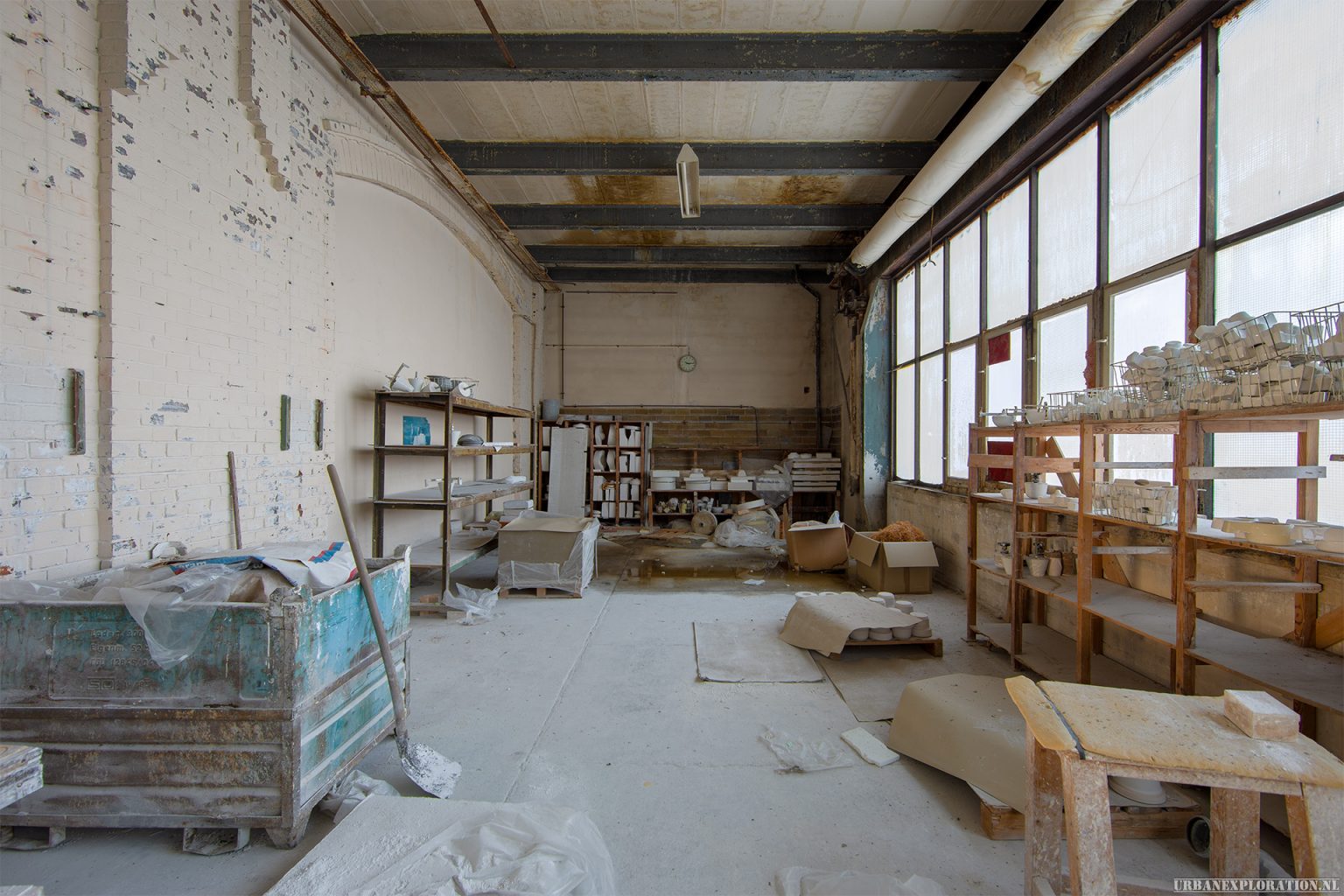
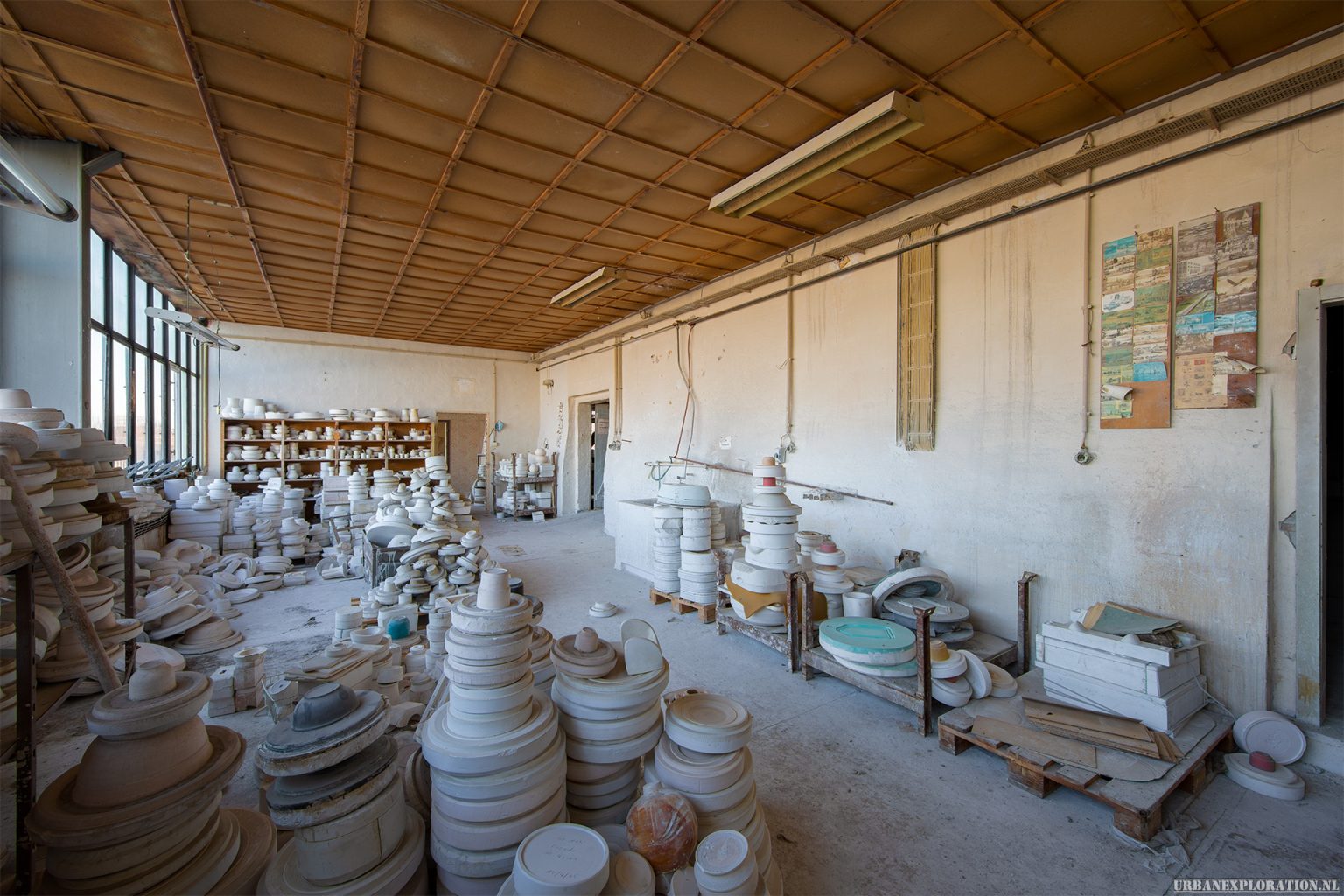
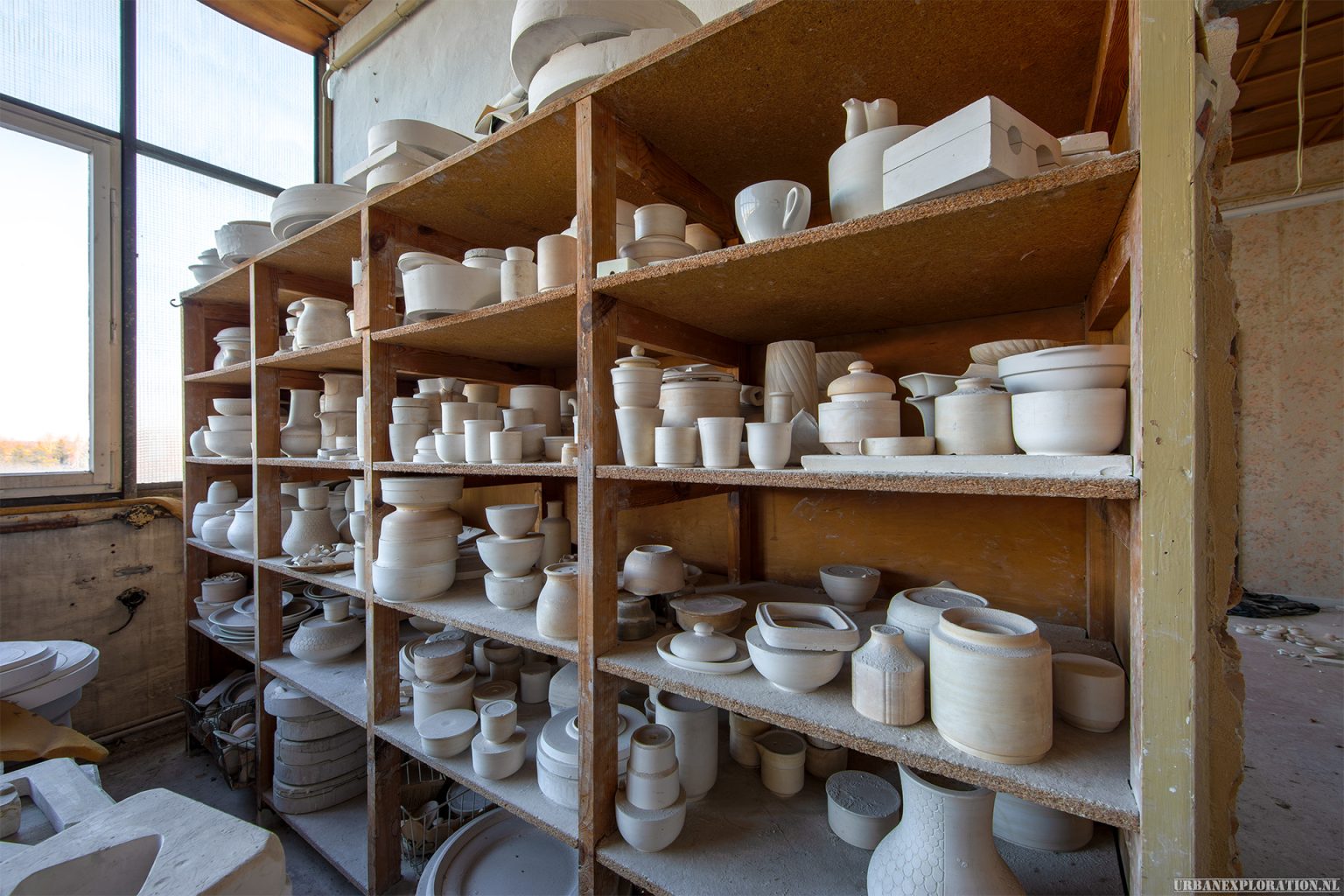
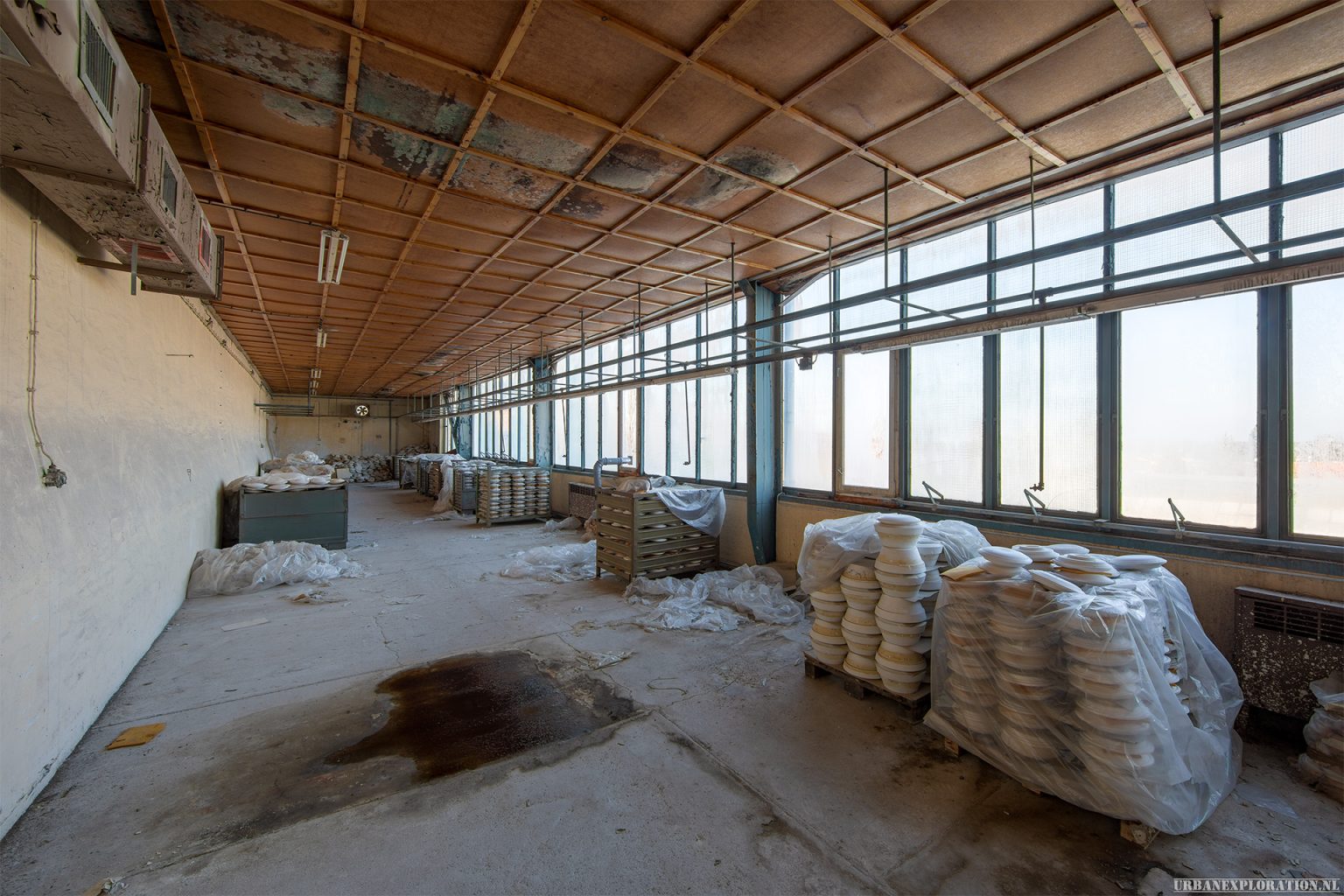
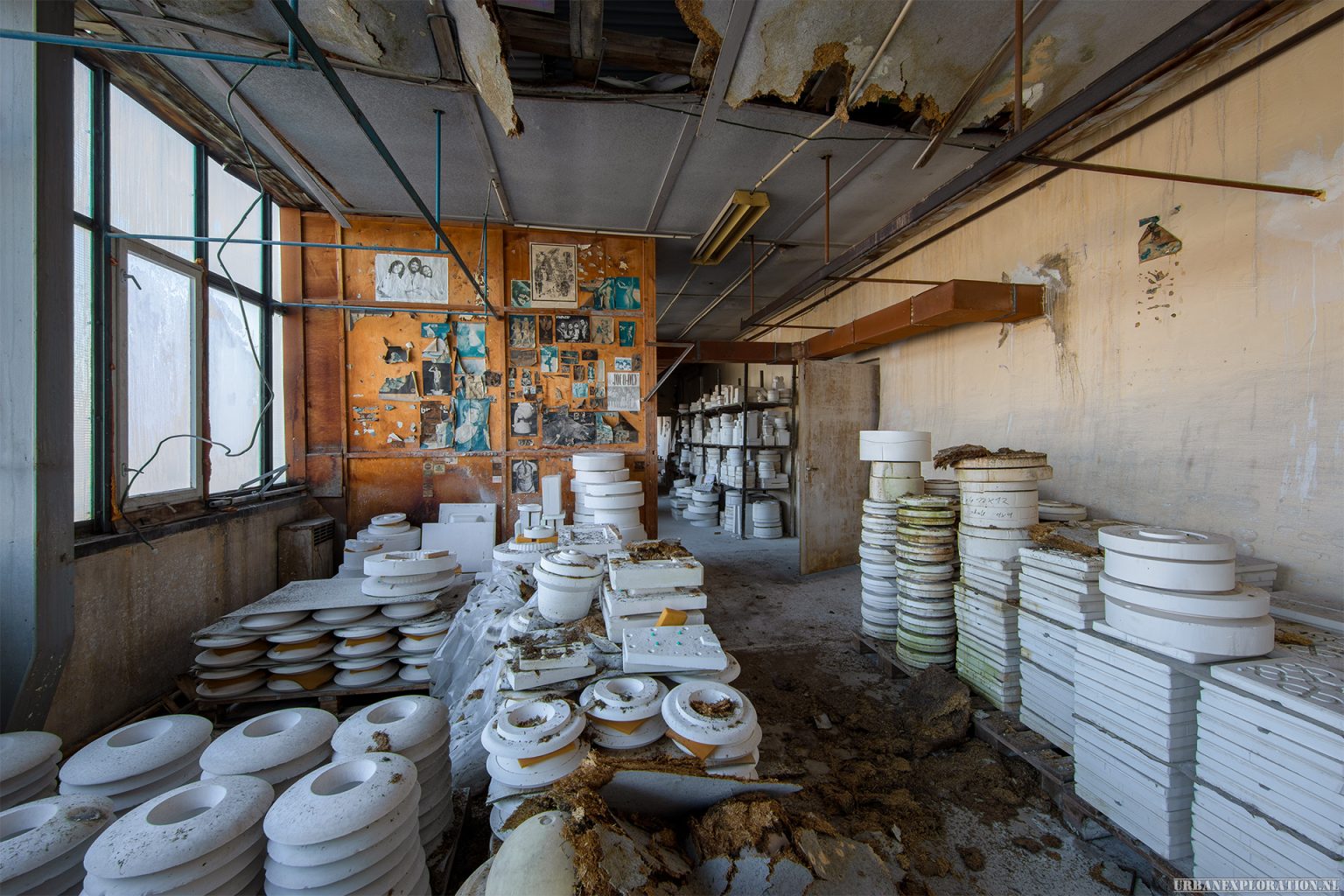
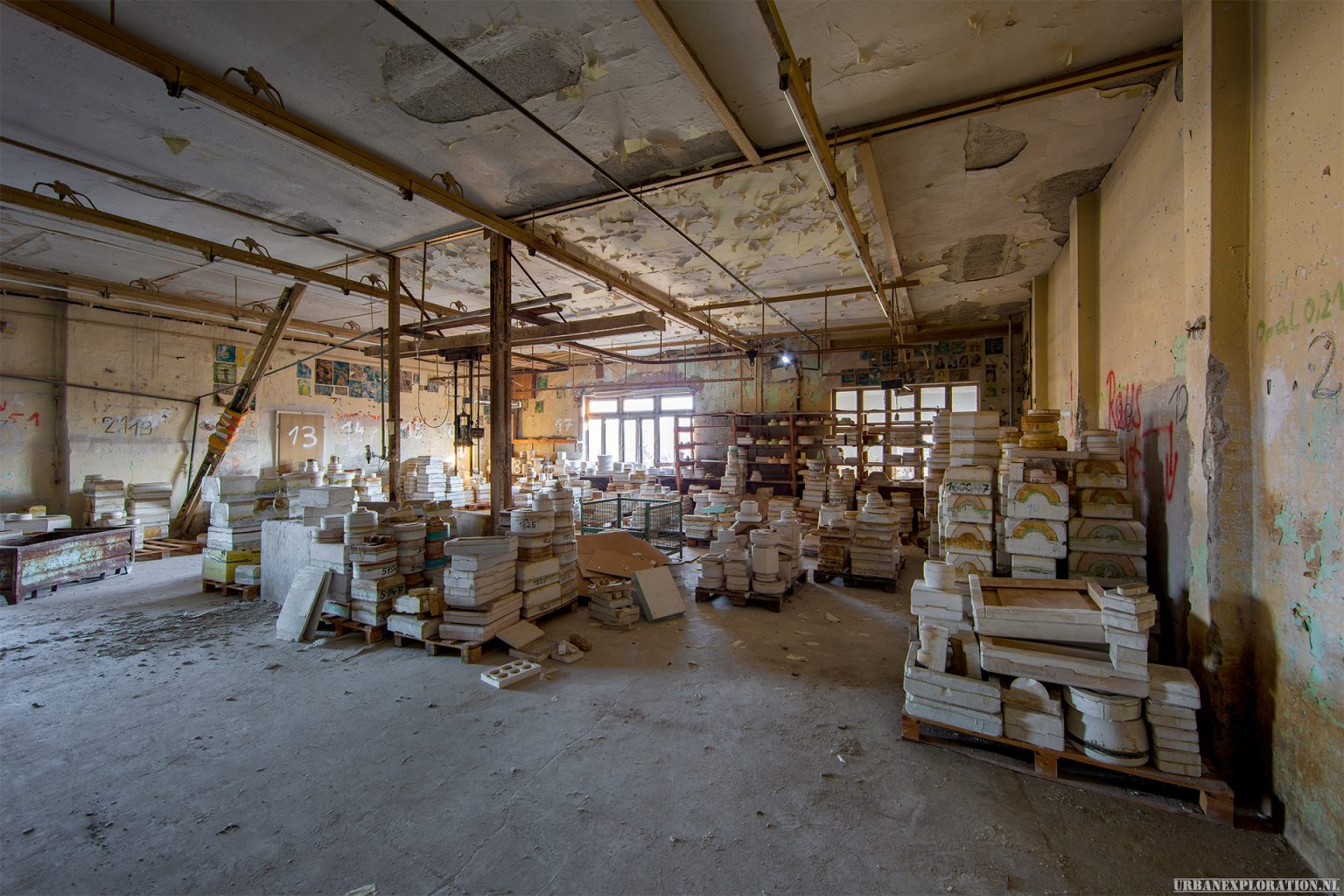
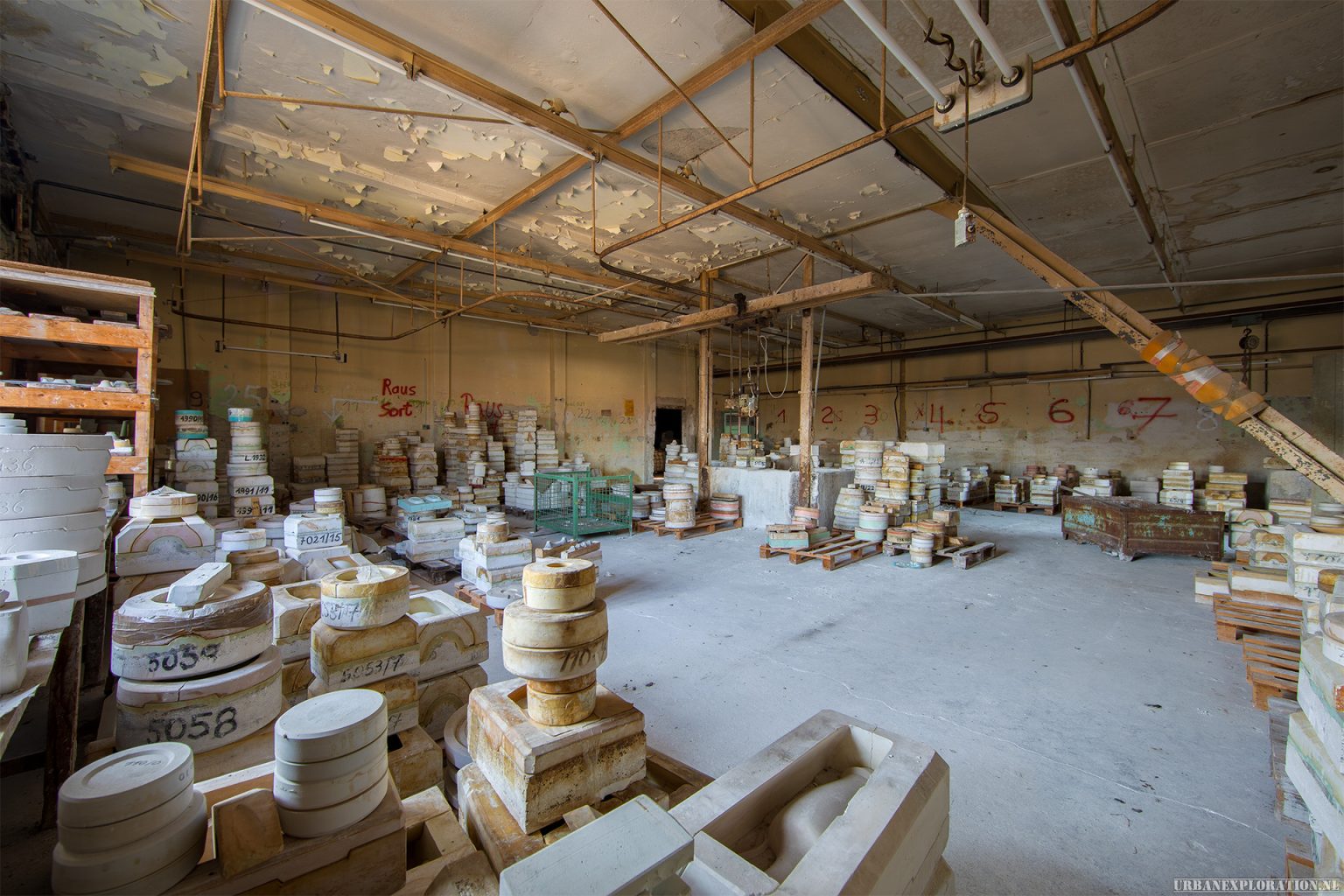
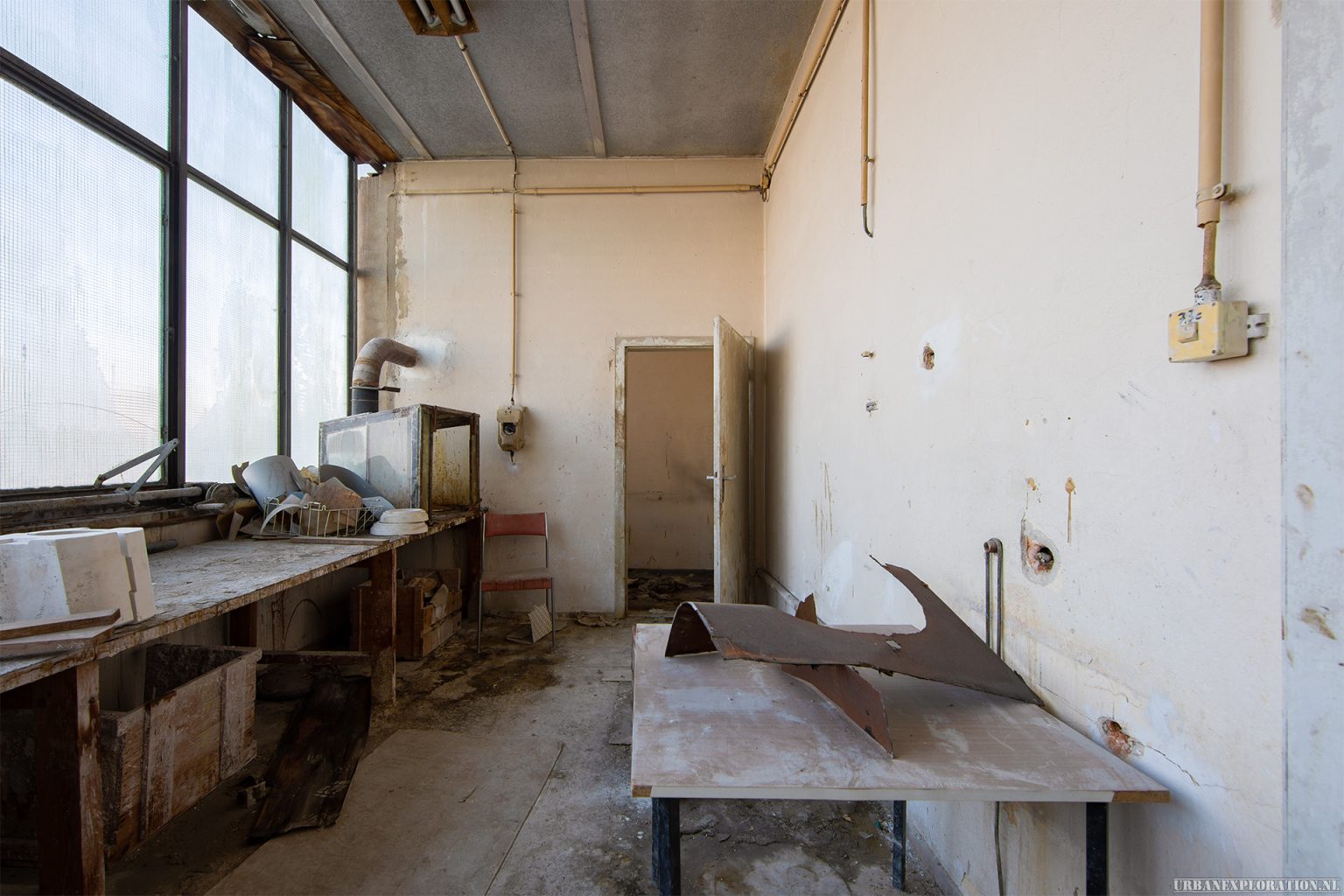
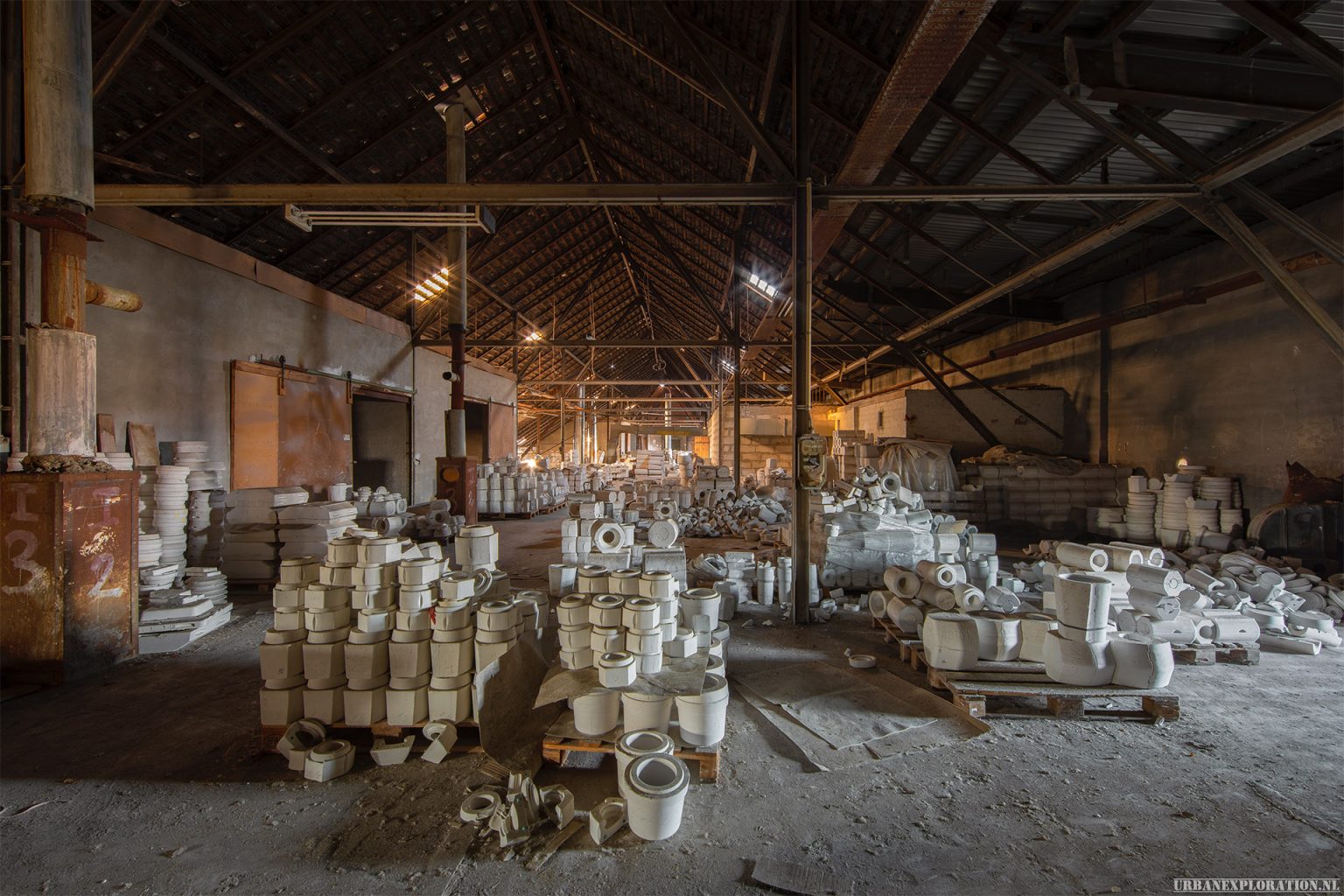
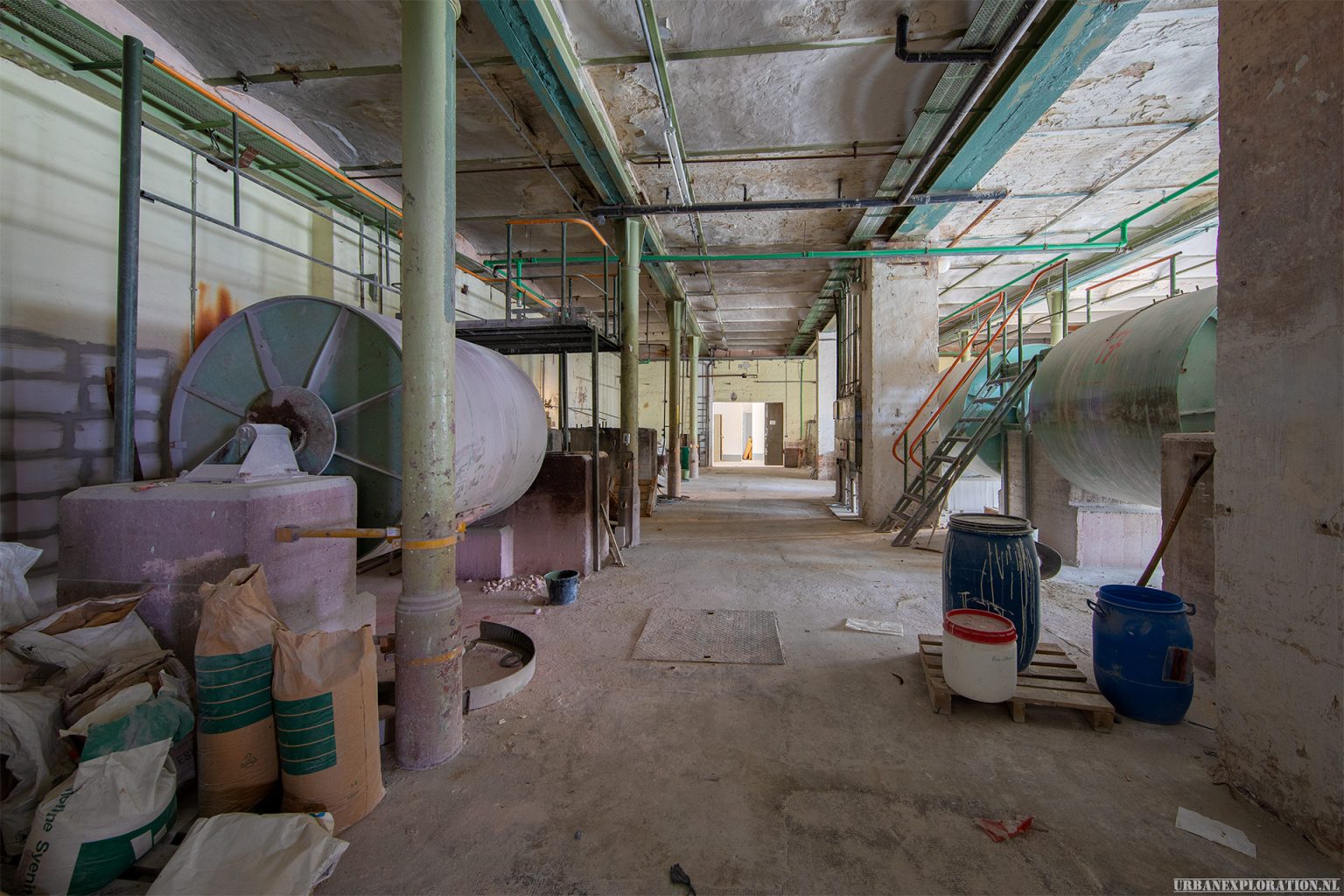
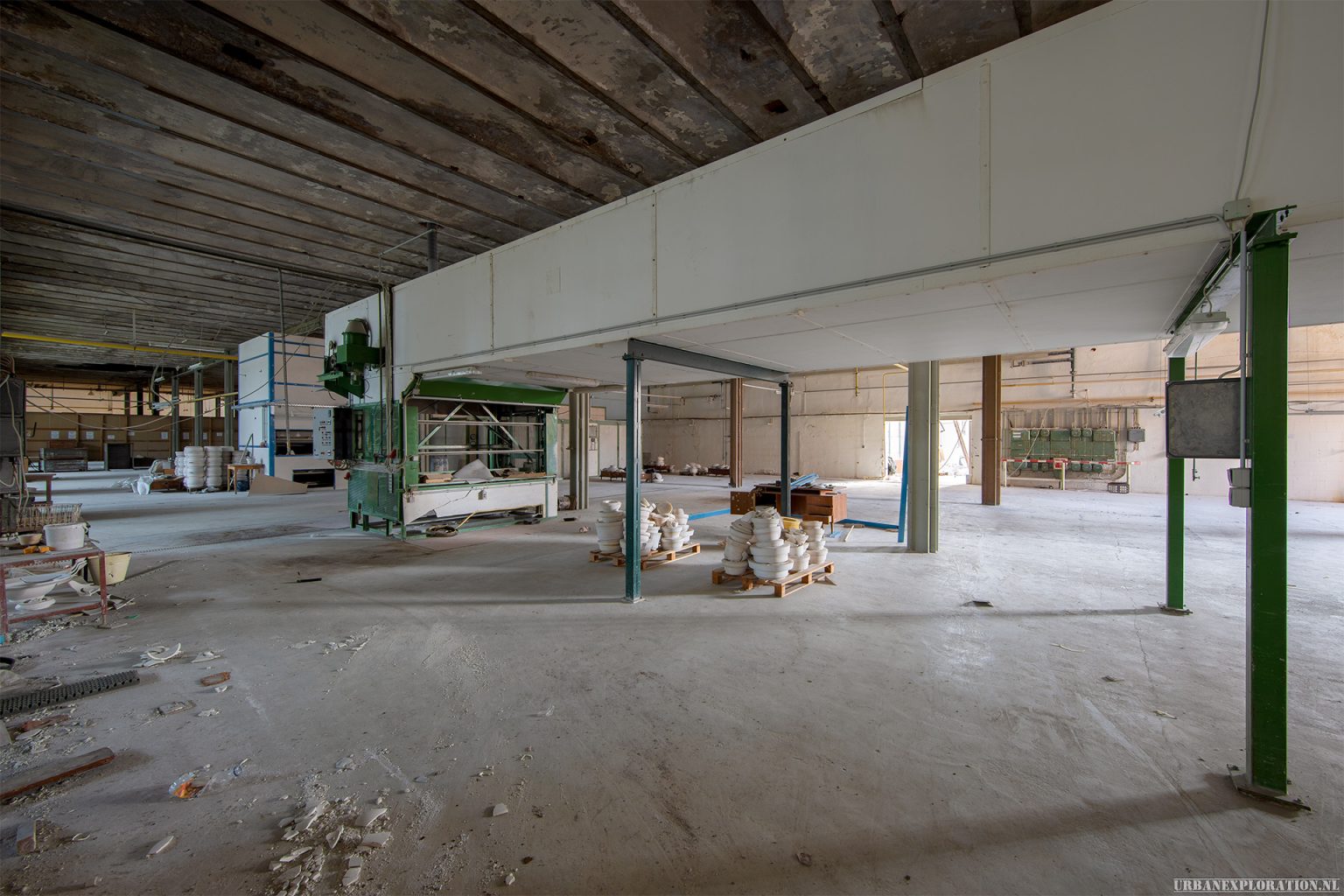
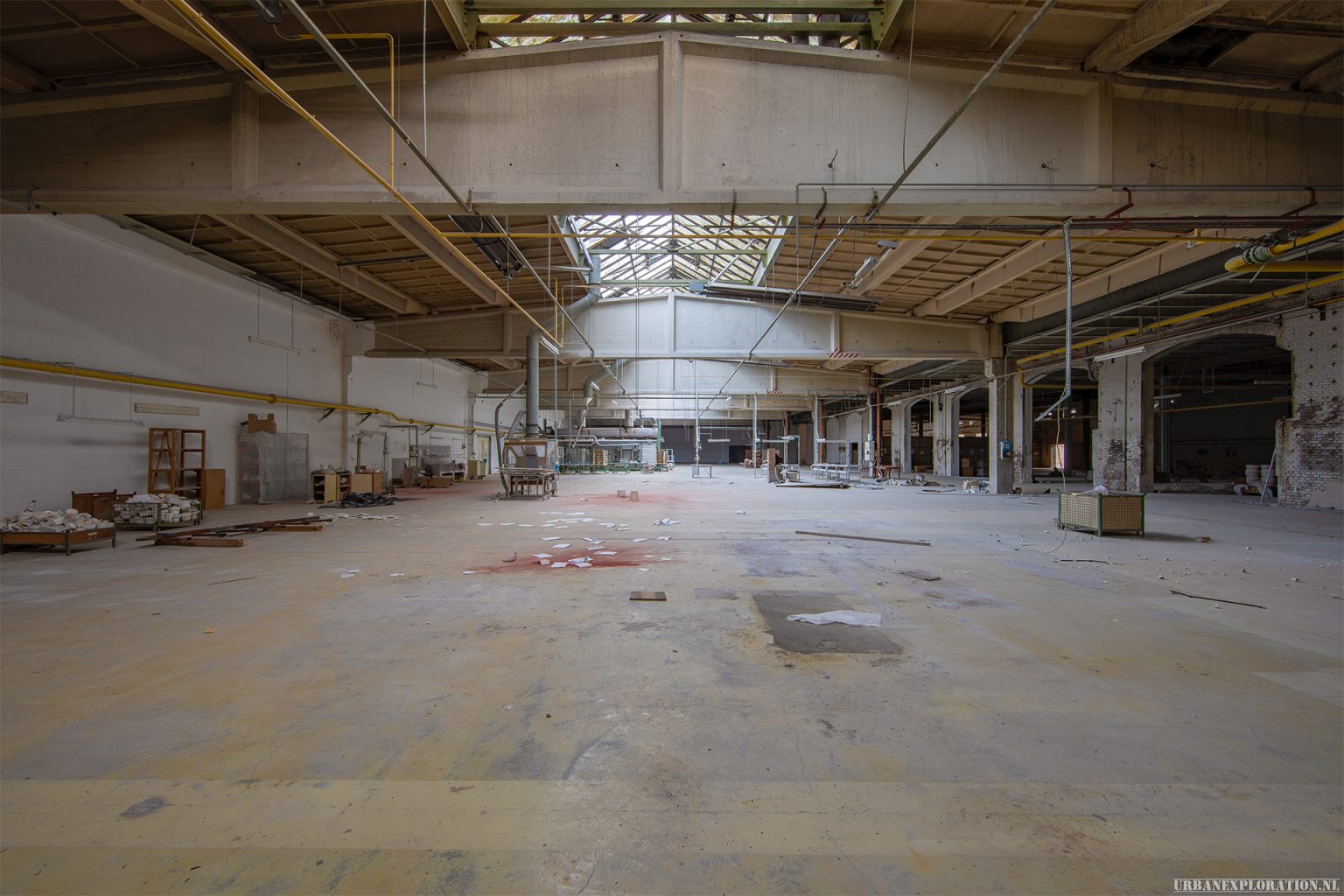
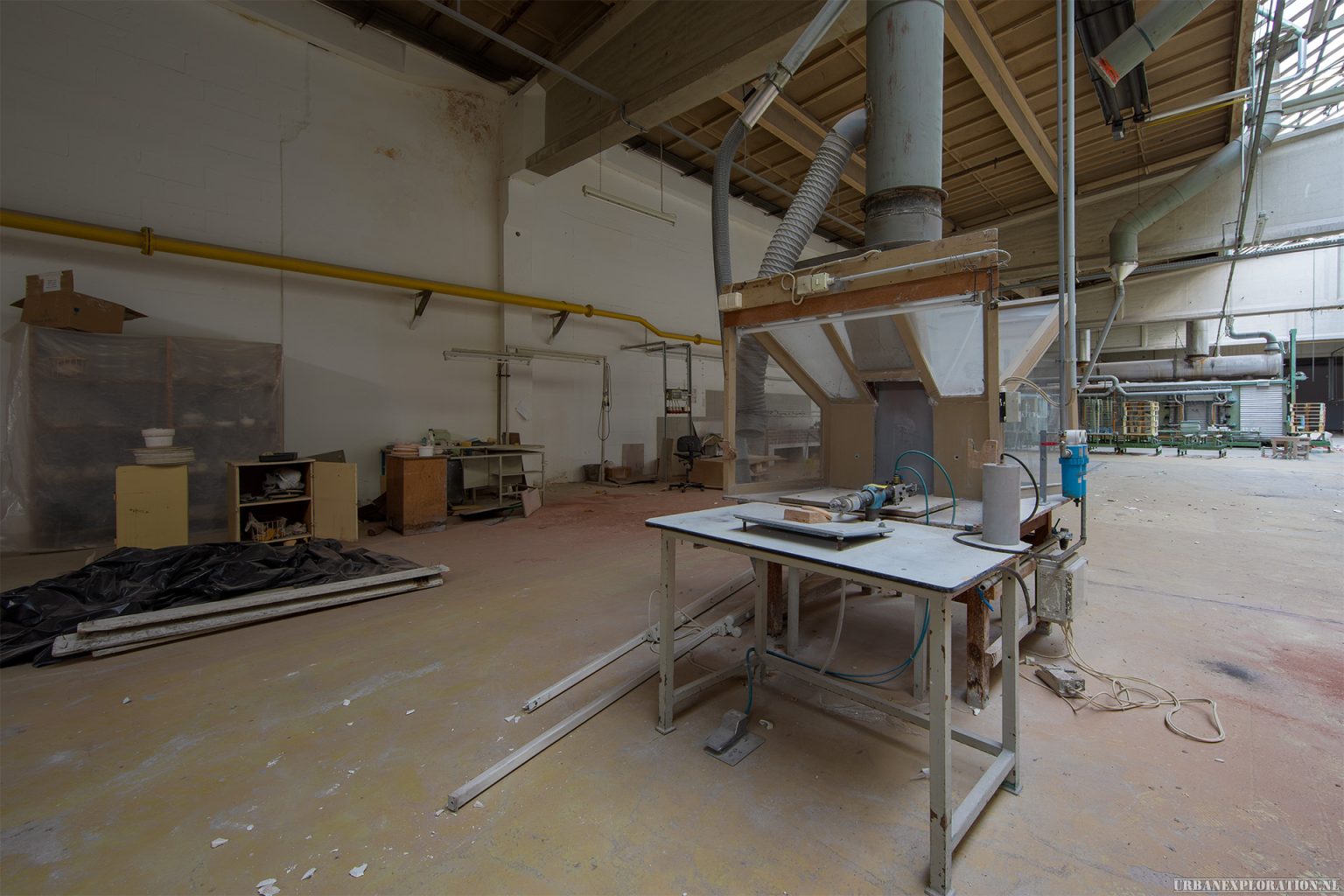
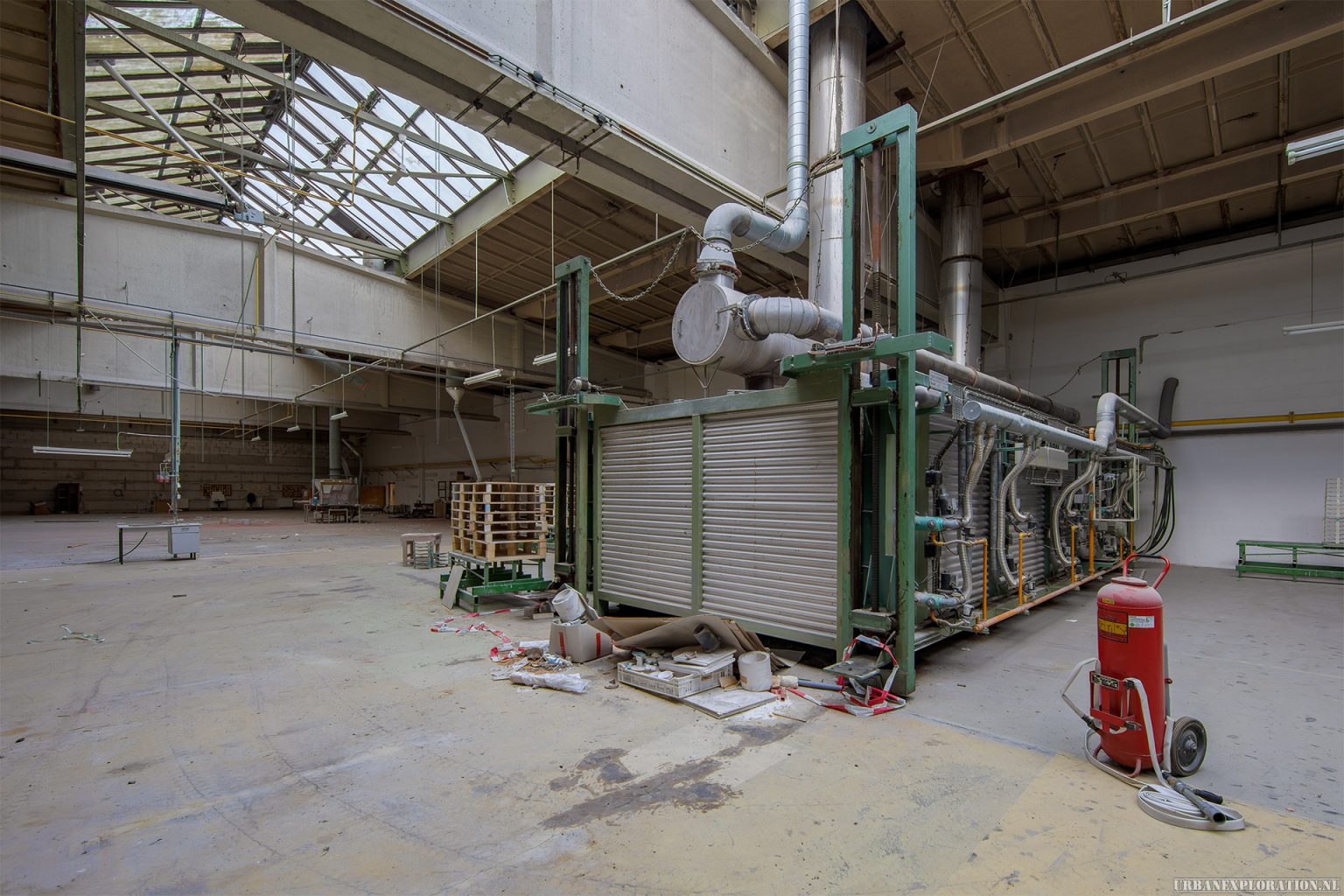
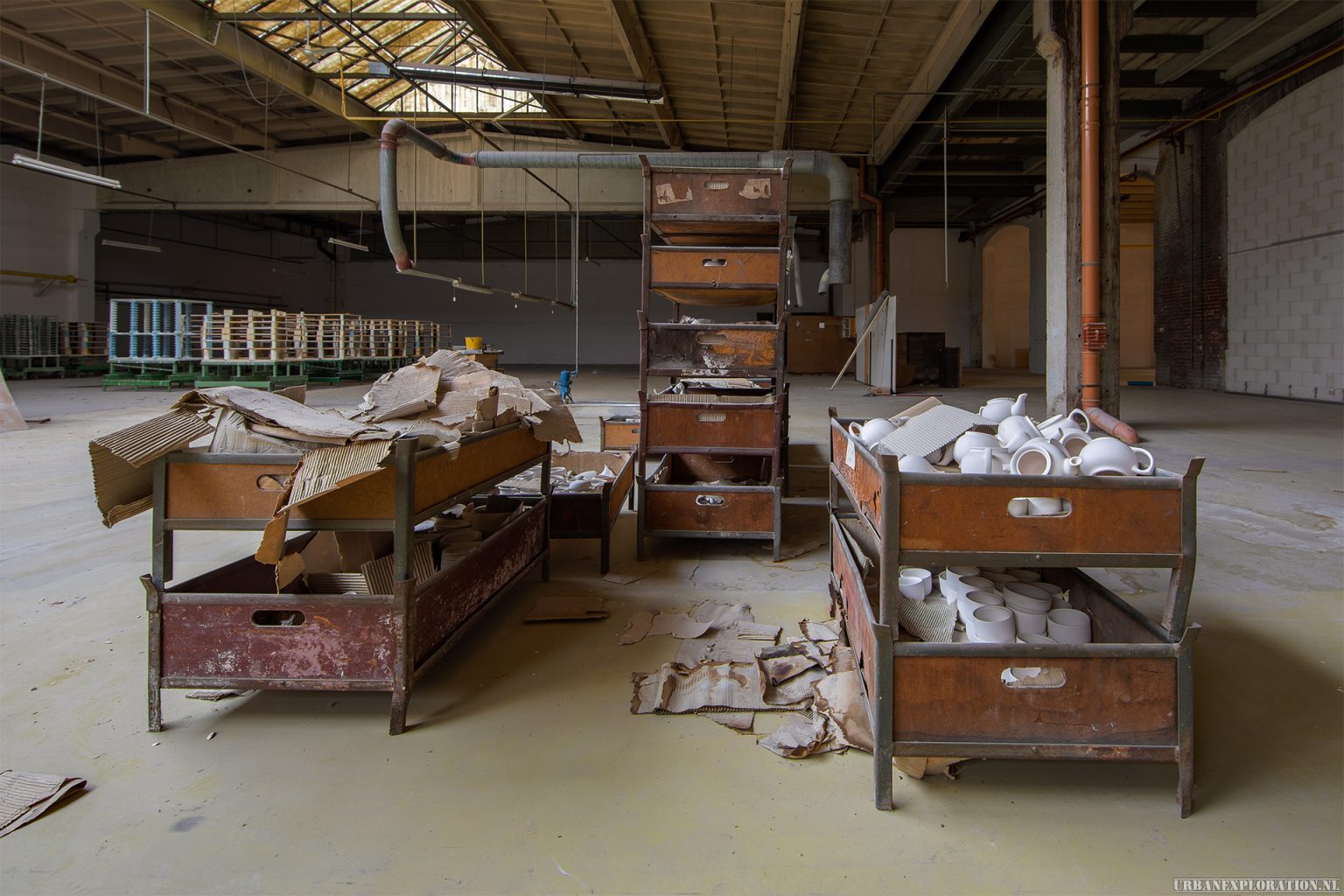
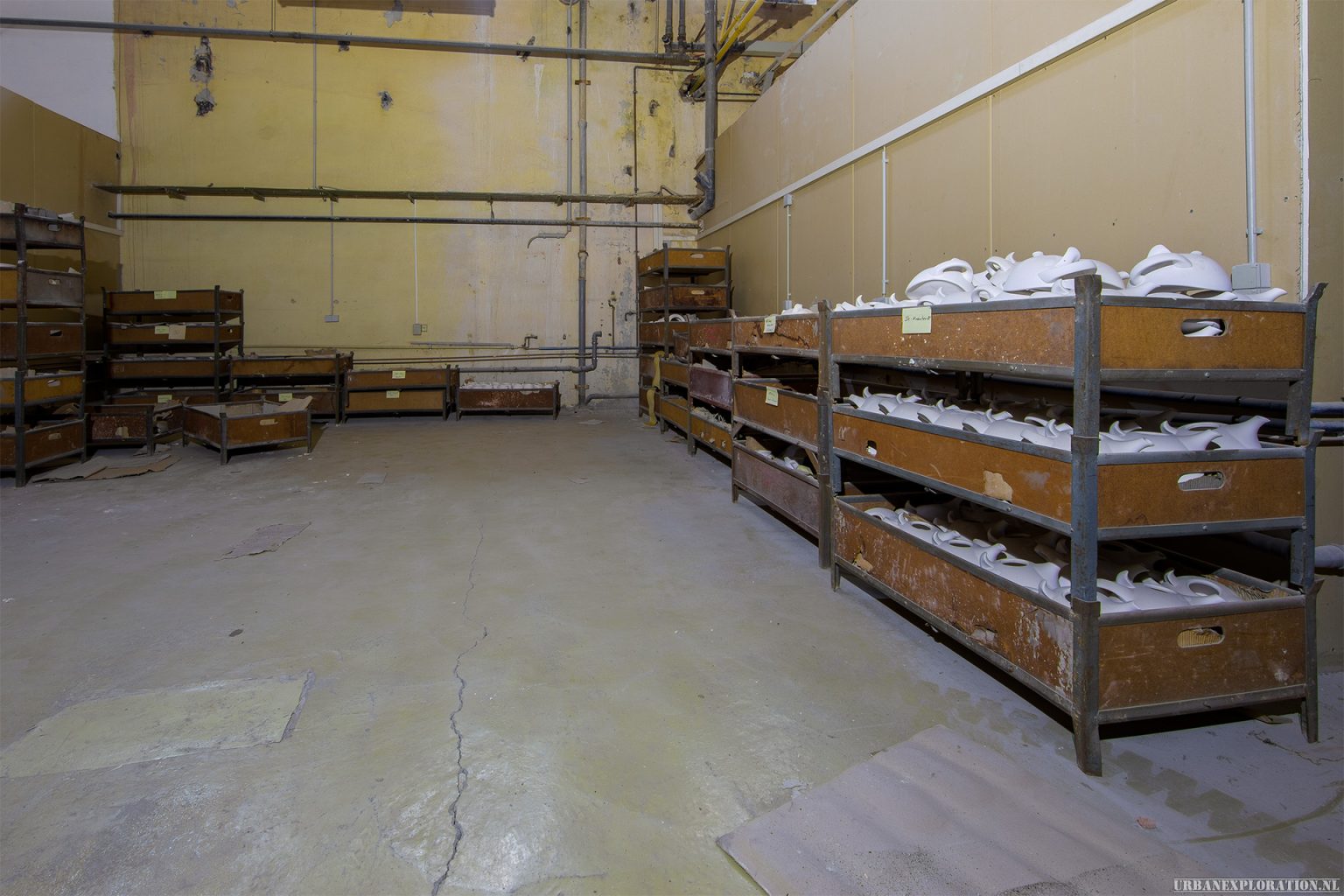
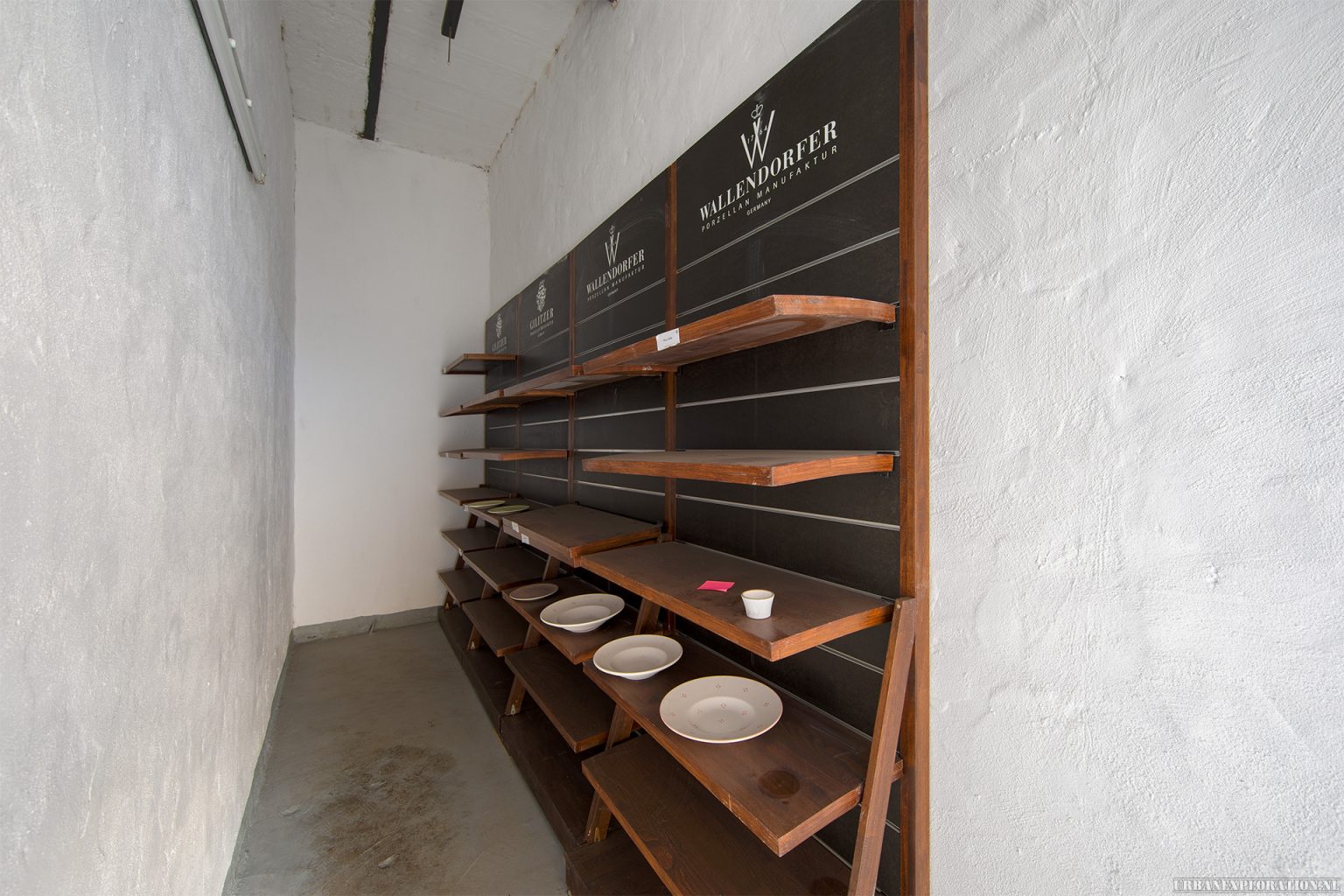
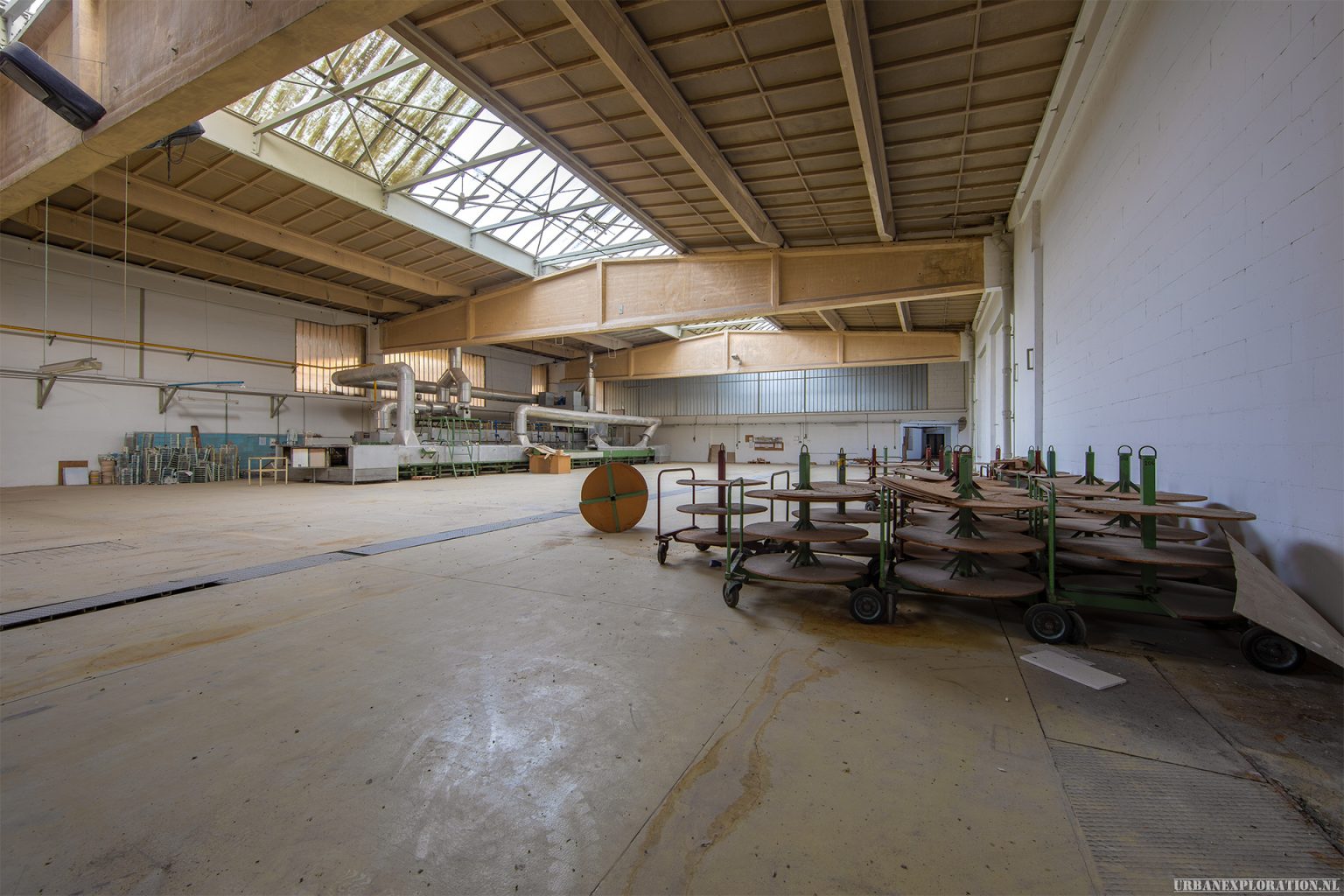
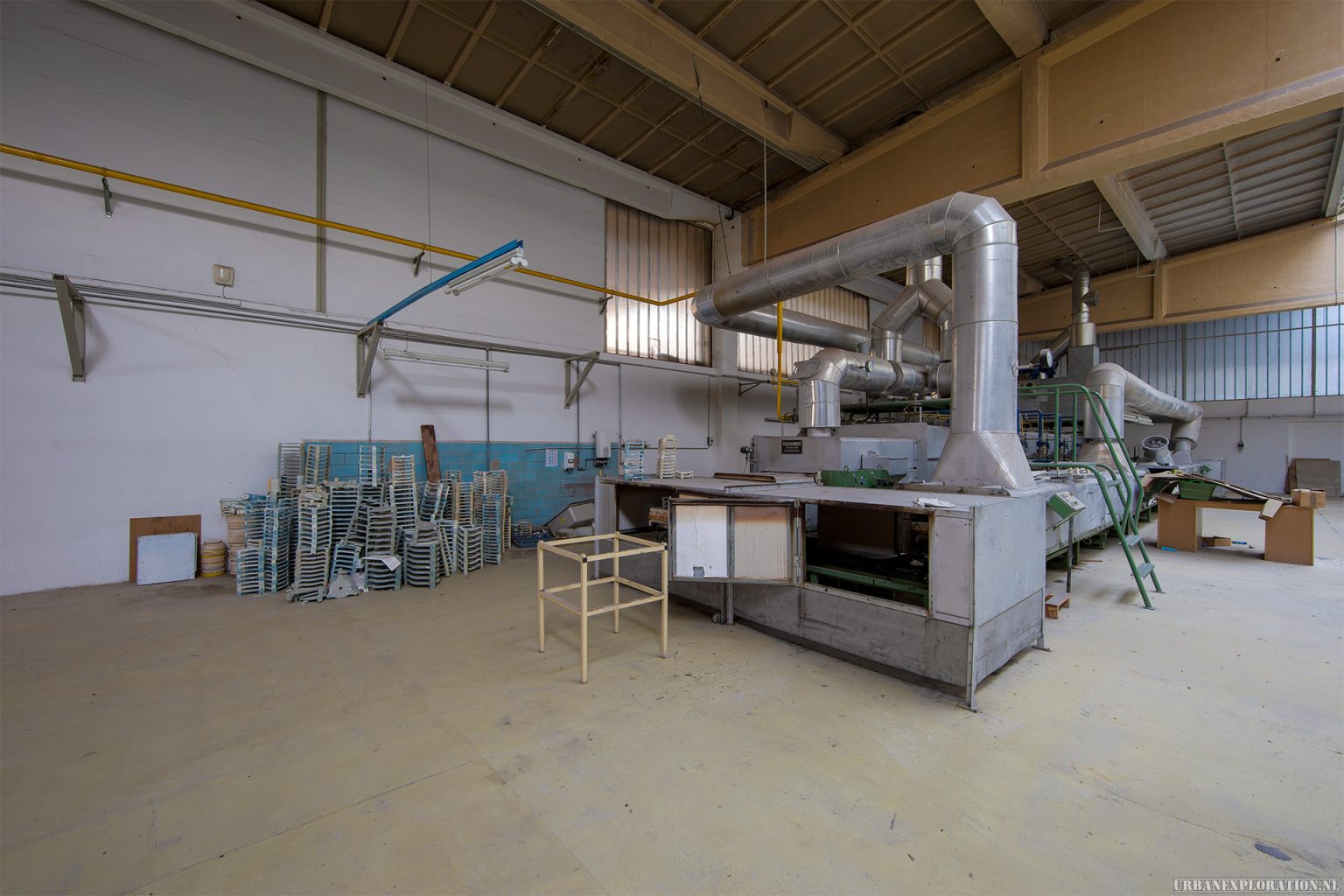
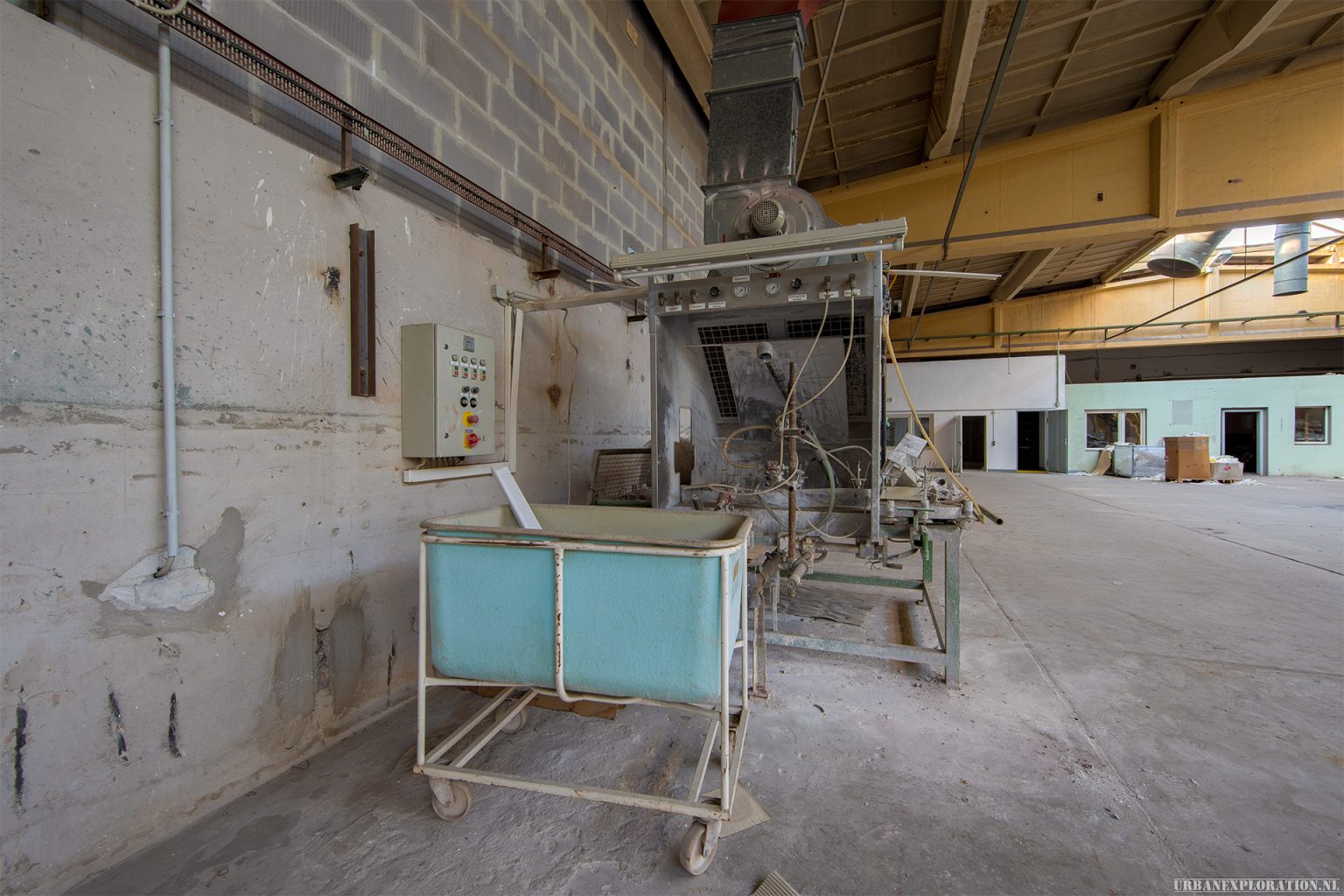
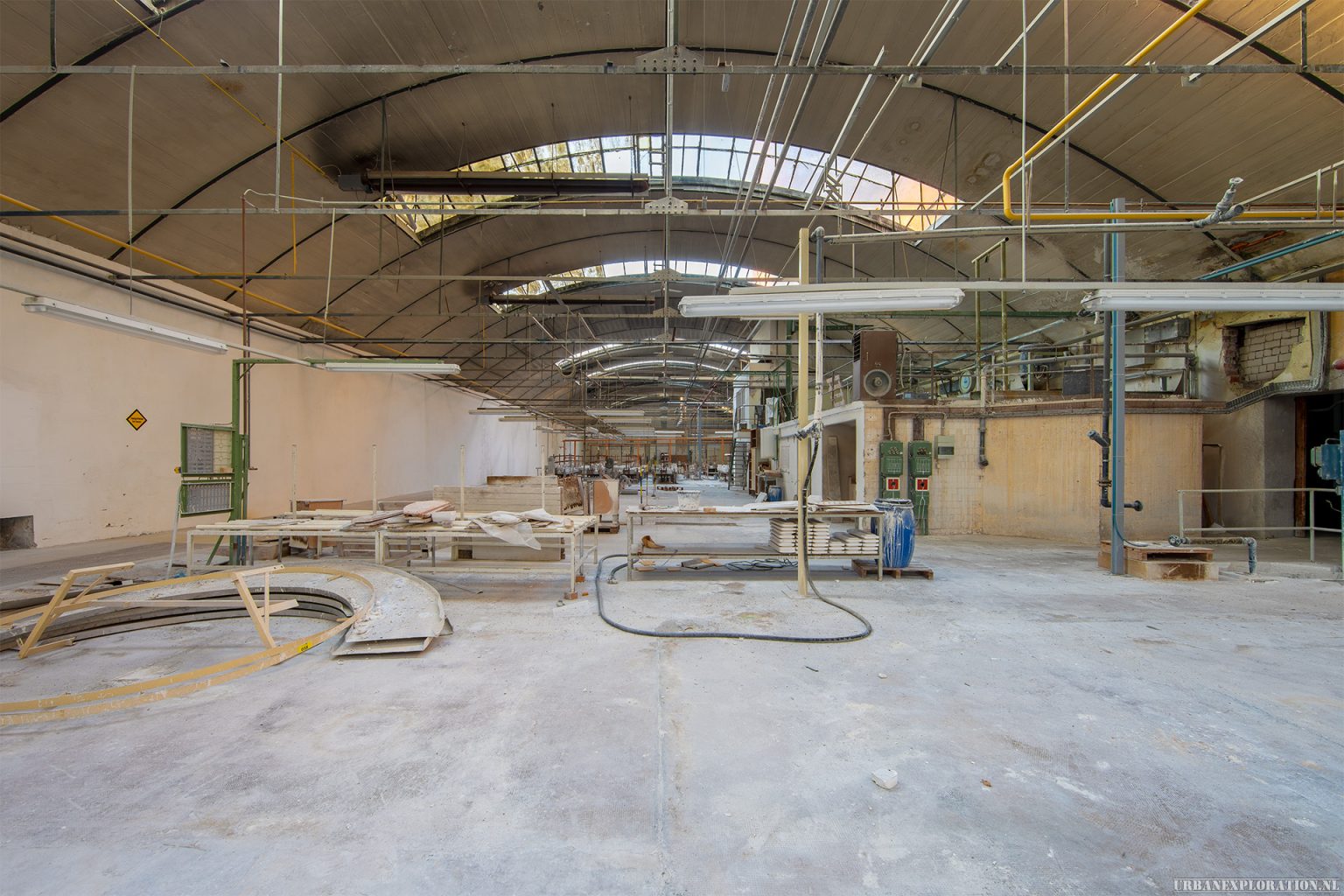
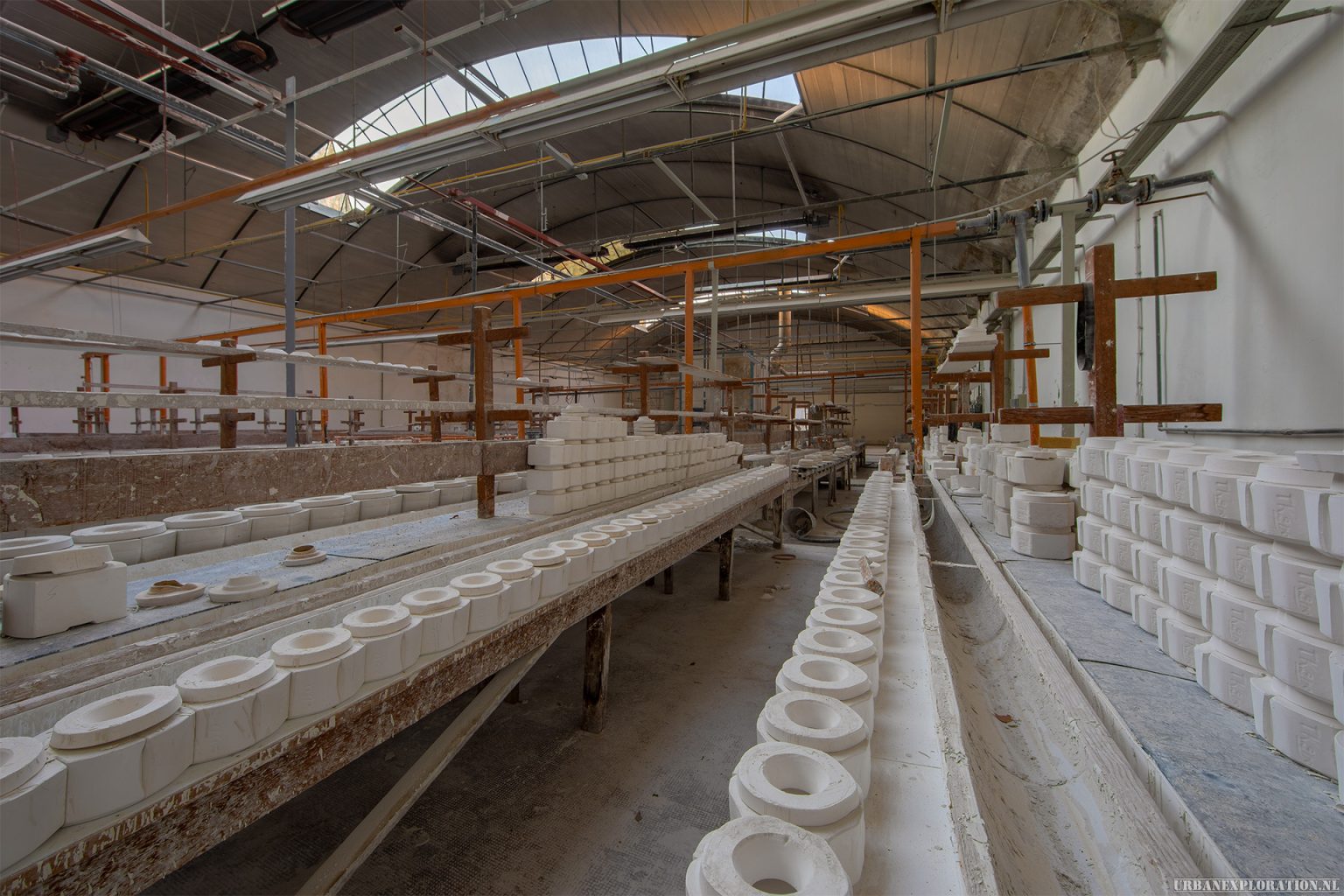
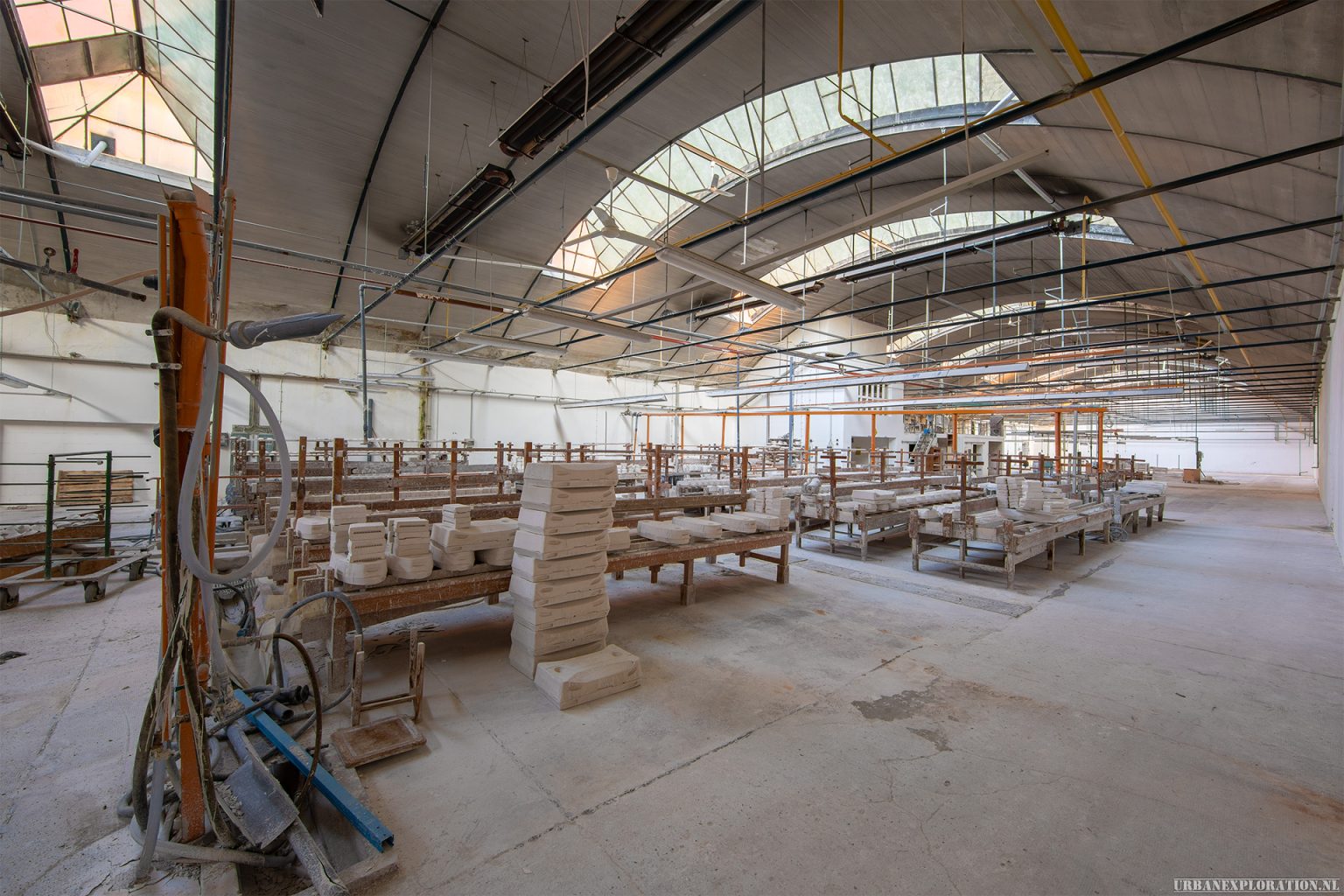
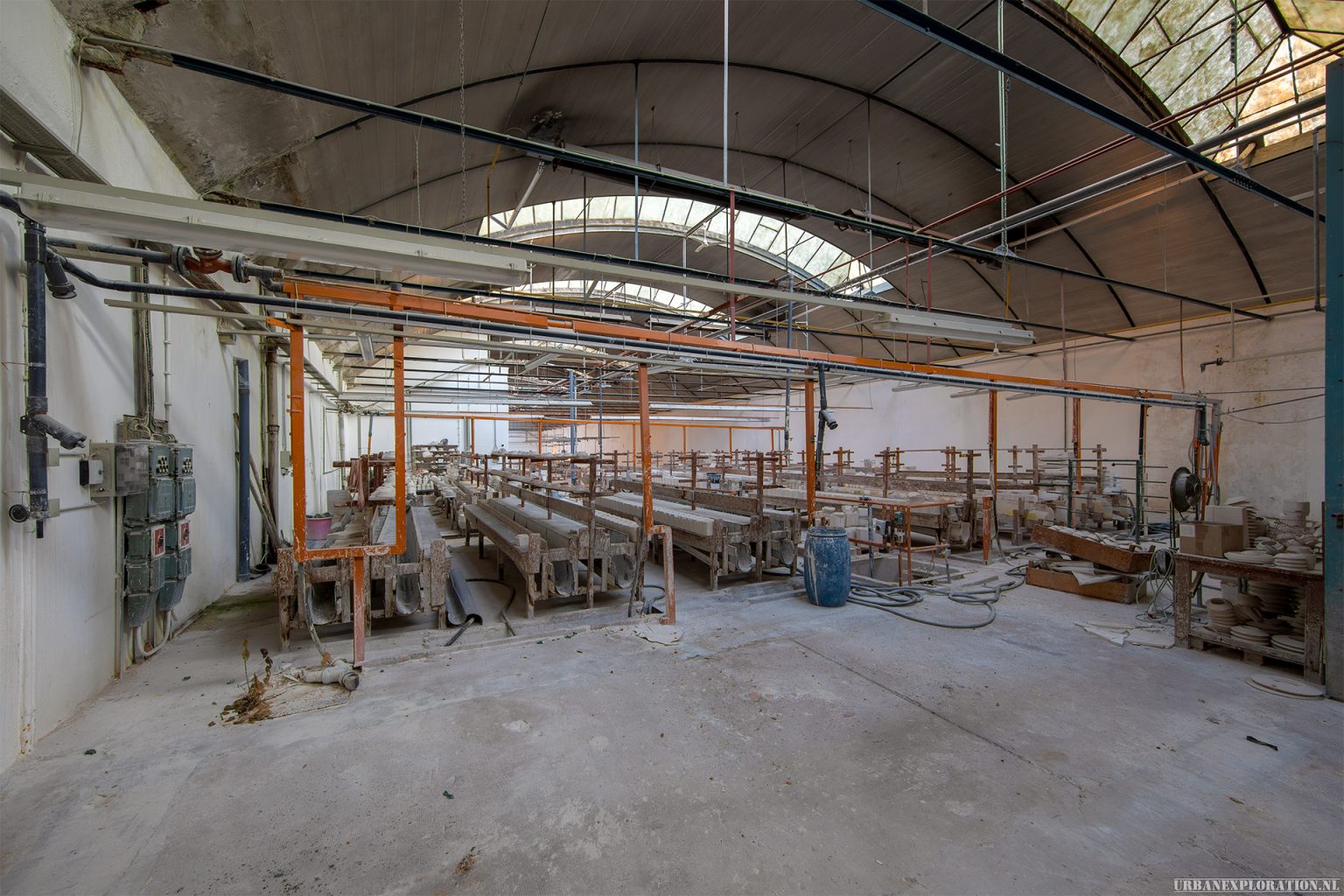
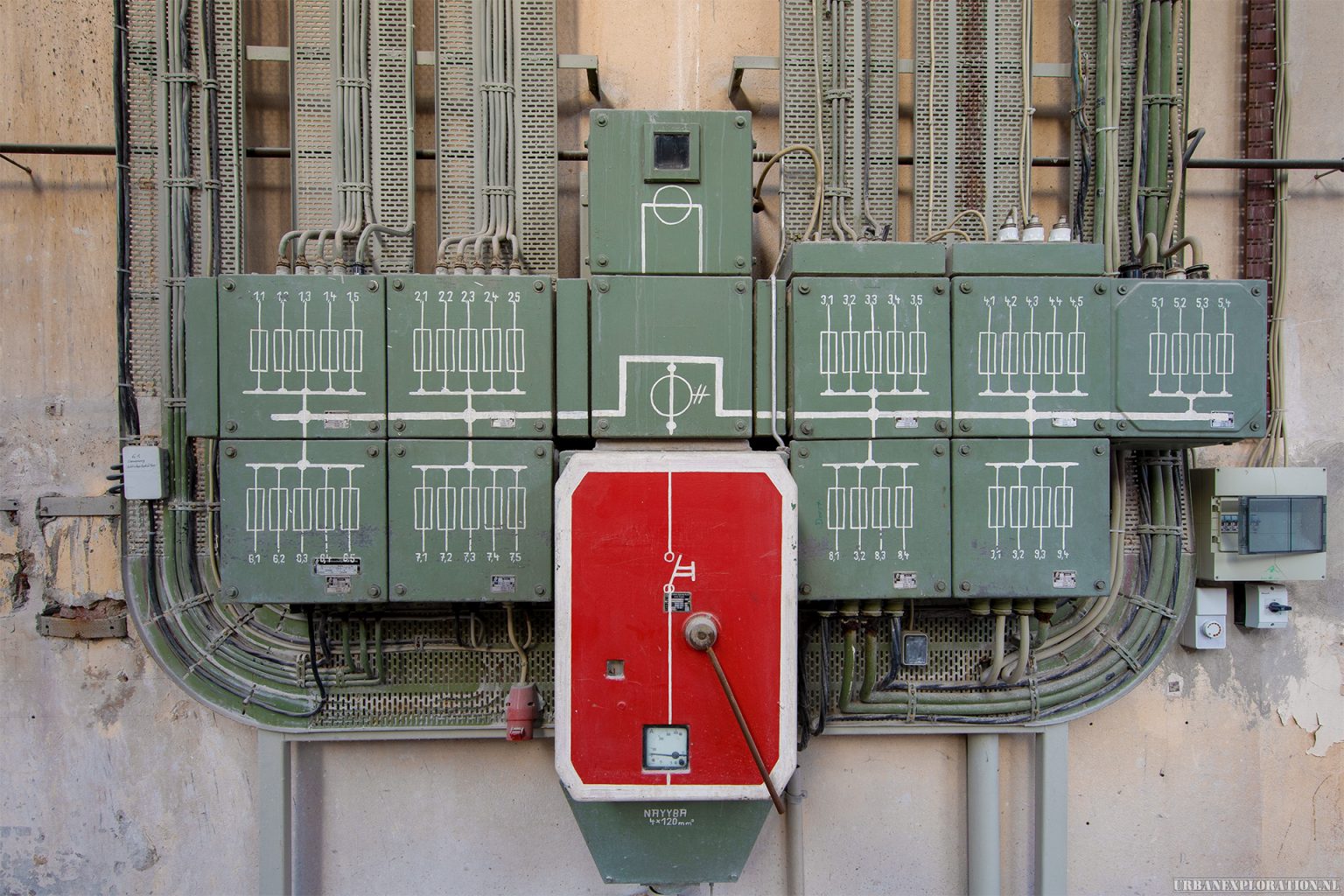
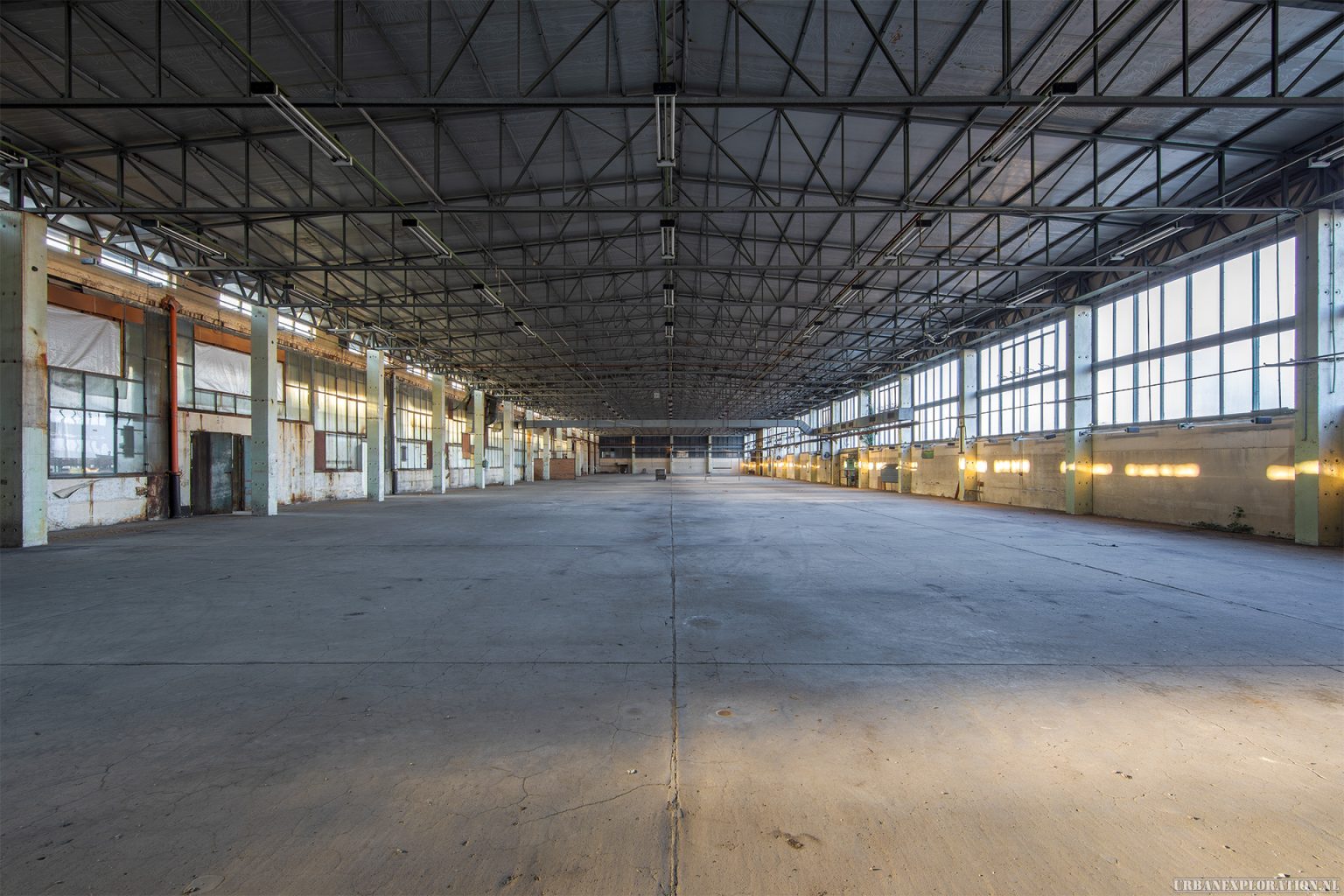
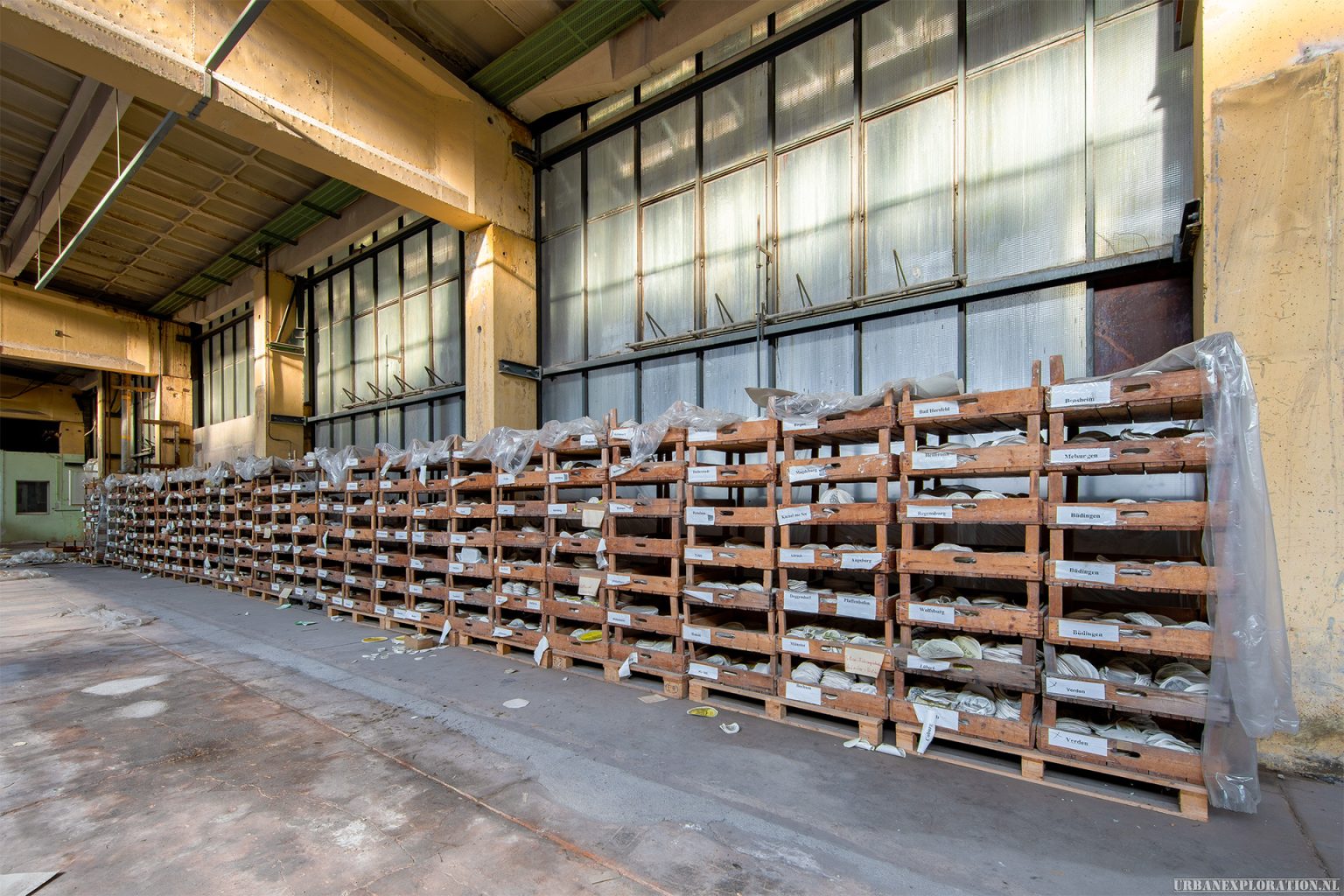
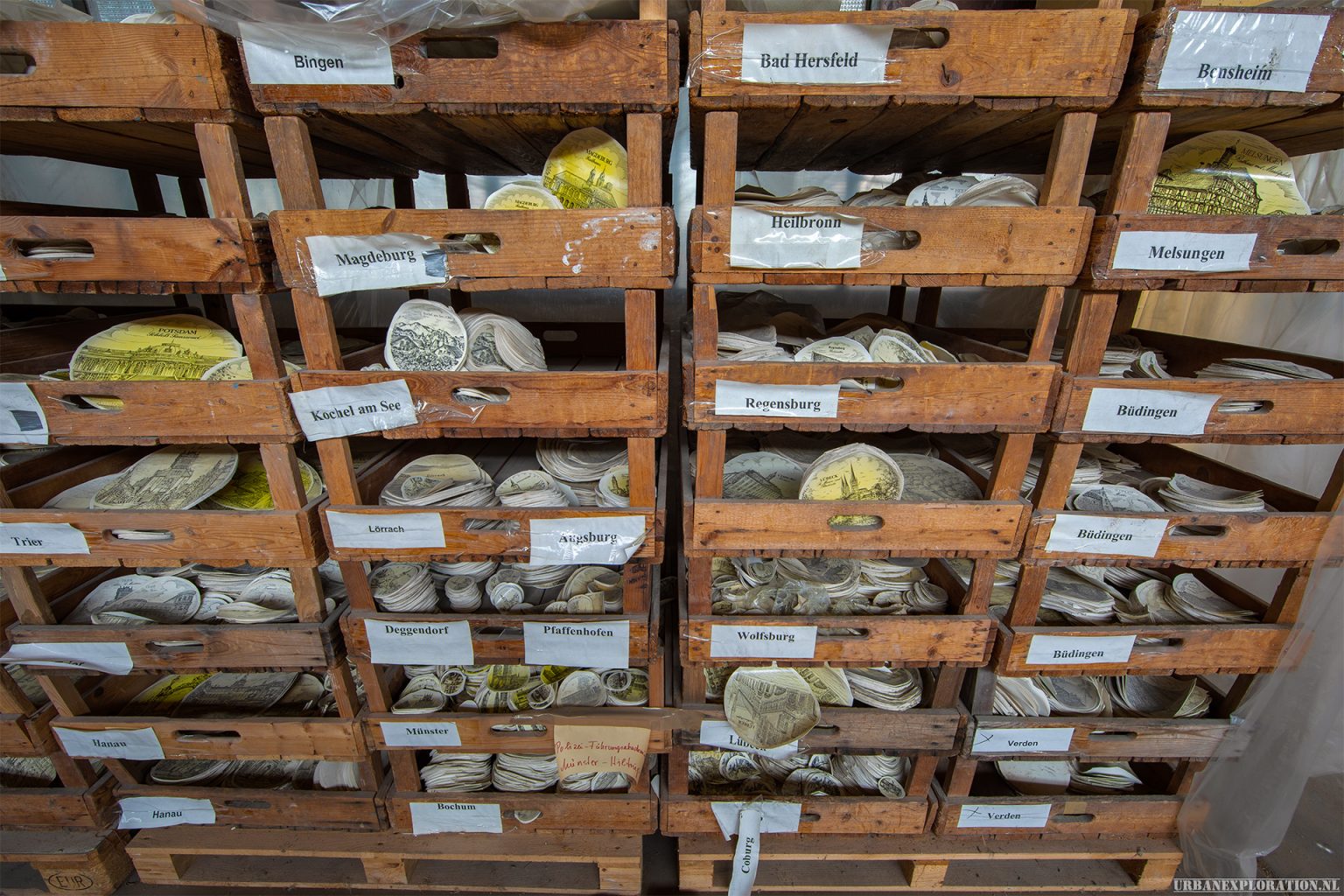
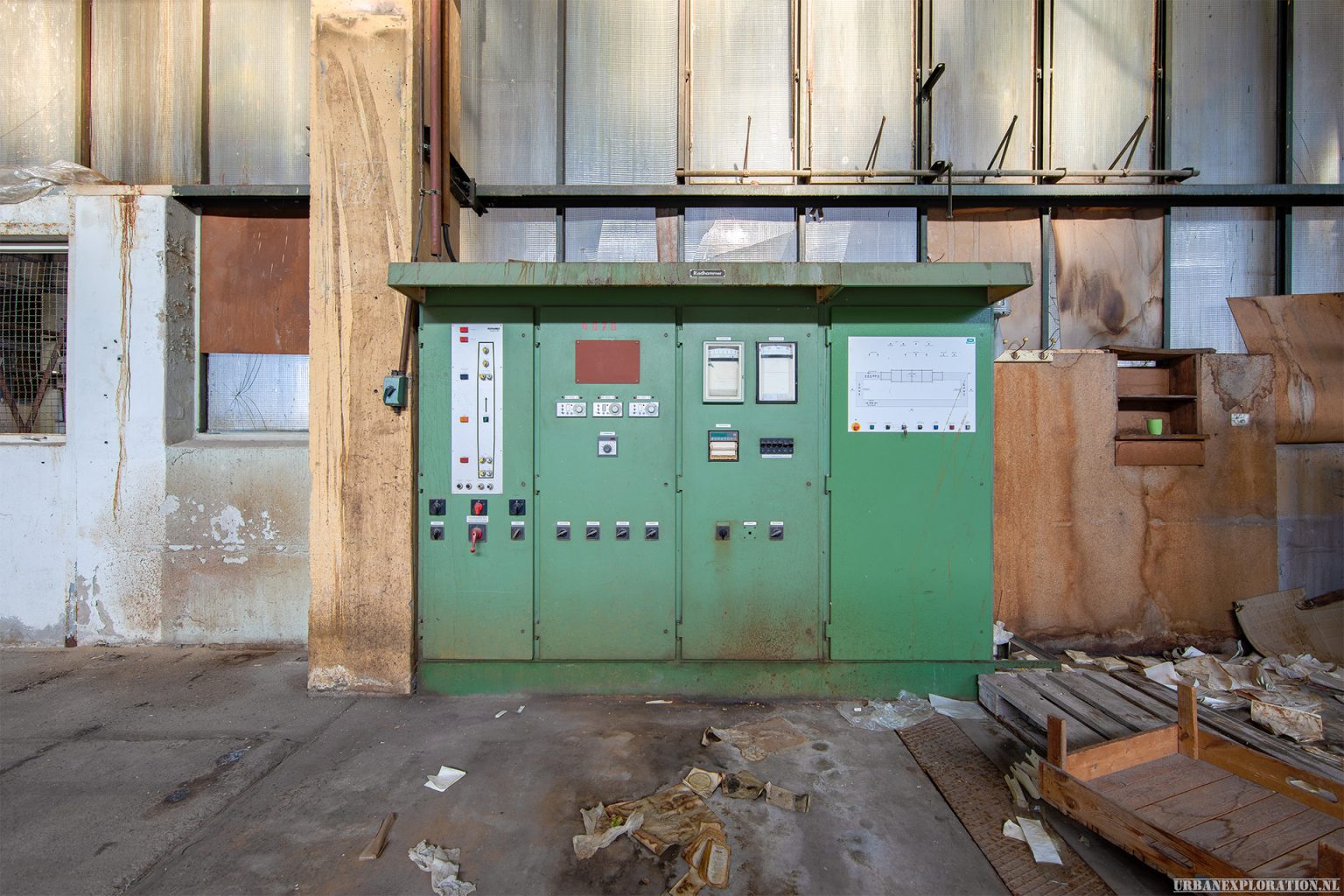
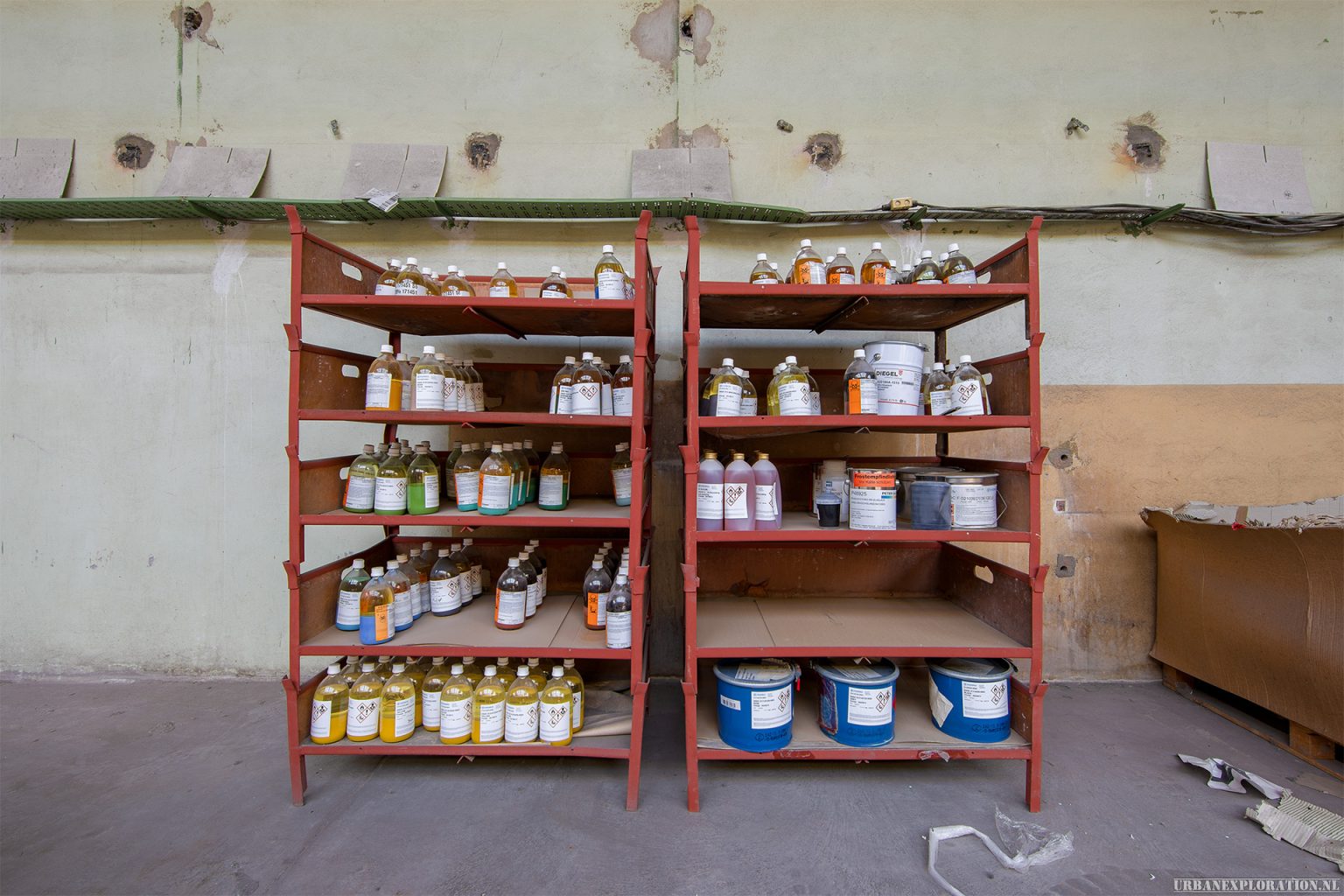
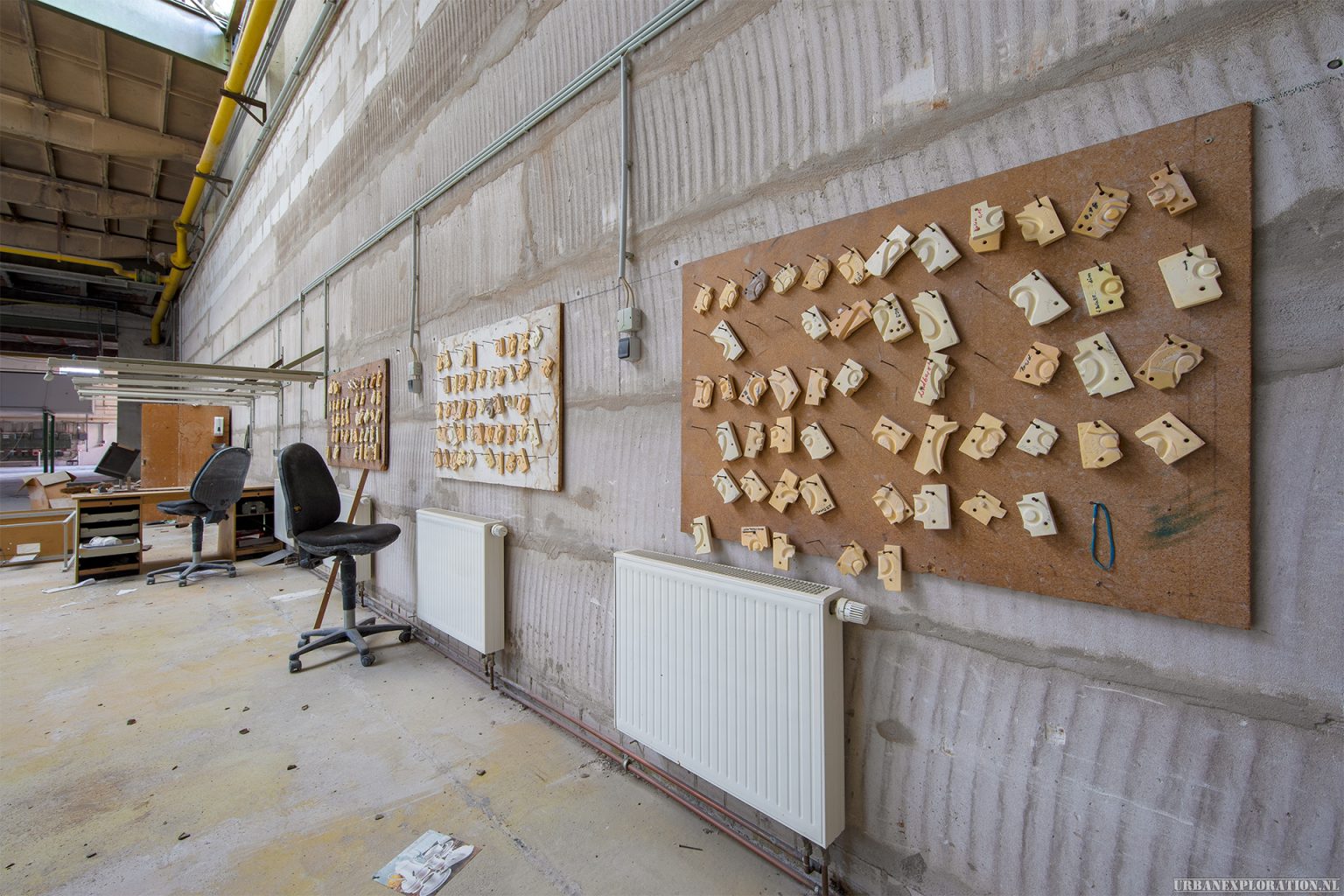
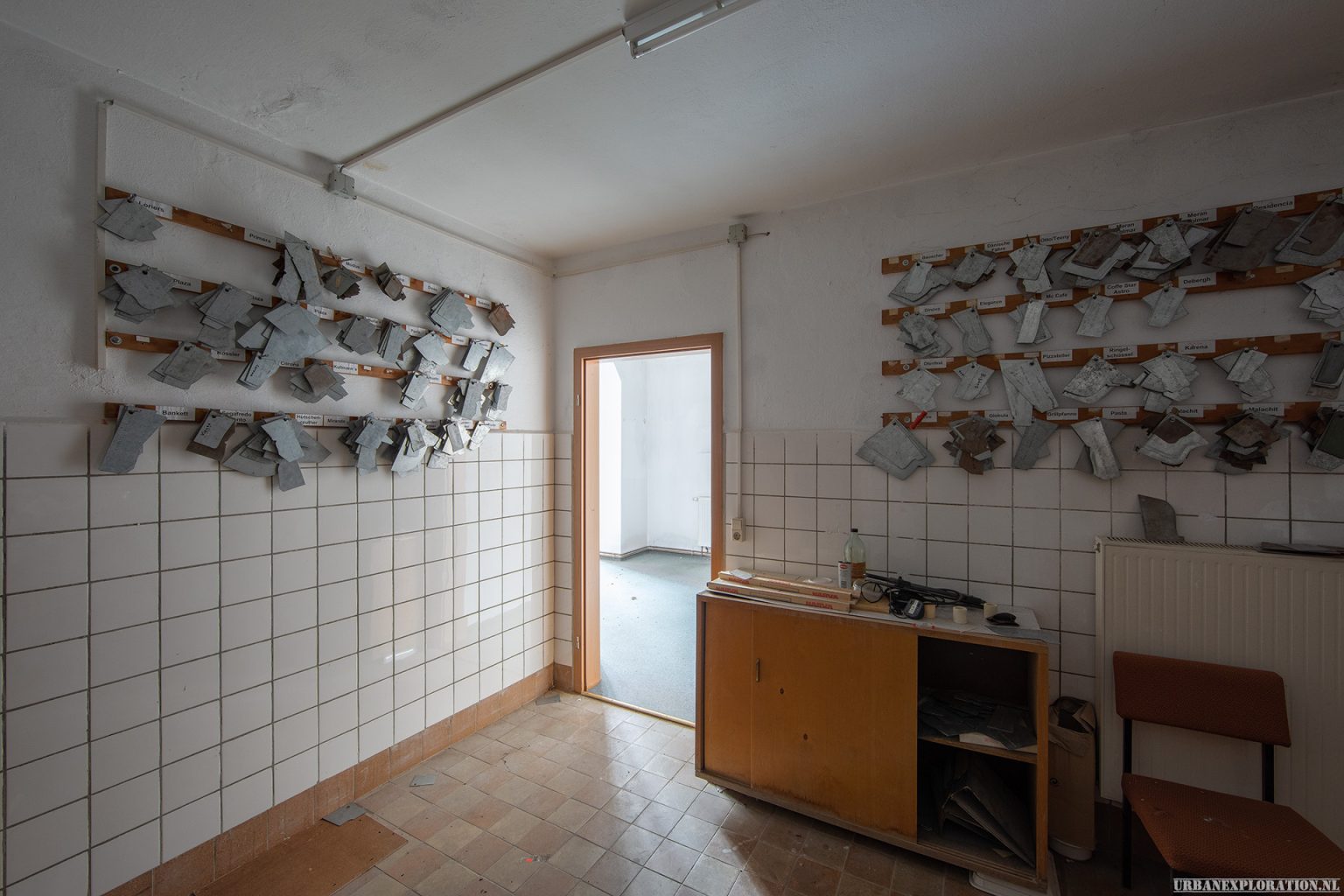
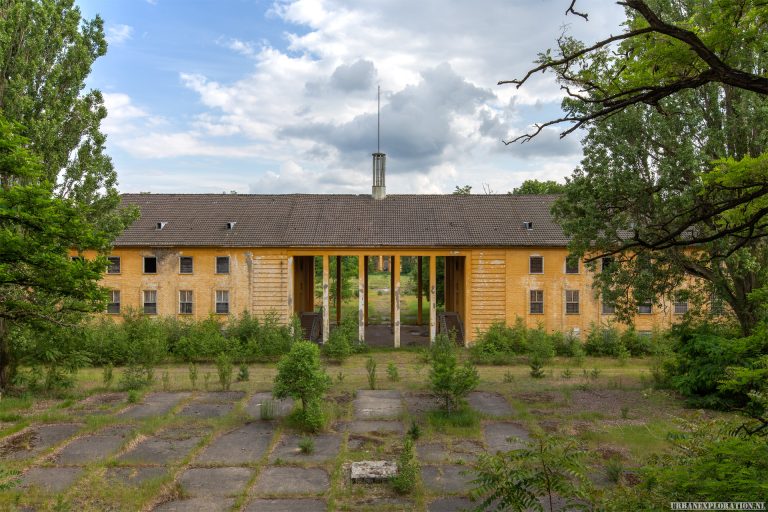
The history of the porcelain industry in Annaburg began in 1874, when a small ceramic factory was established here. In its early years the company mainly produced stoneware and household tableware, which was fired in a few round kilns. The business struggled financially at first and changed ownership several times.
A major turning point came in 1883, when industrialist Adolf Heckmann acquired the factory. He modernized the production facilities and expanded the site with additional kilns and larger production buildings. These investments allowed the factory to grow rapidly and become an important industrial employer in the region.
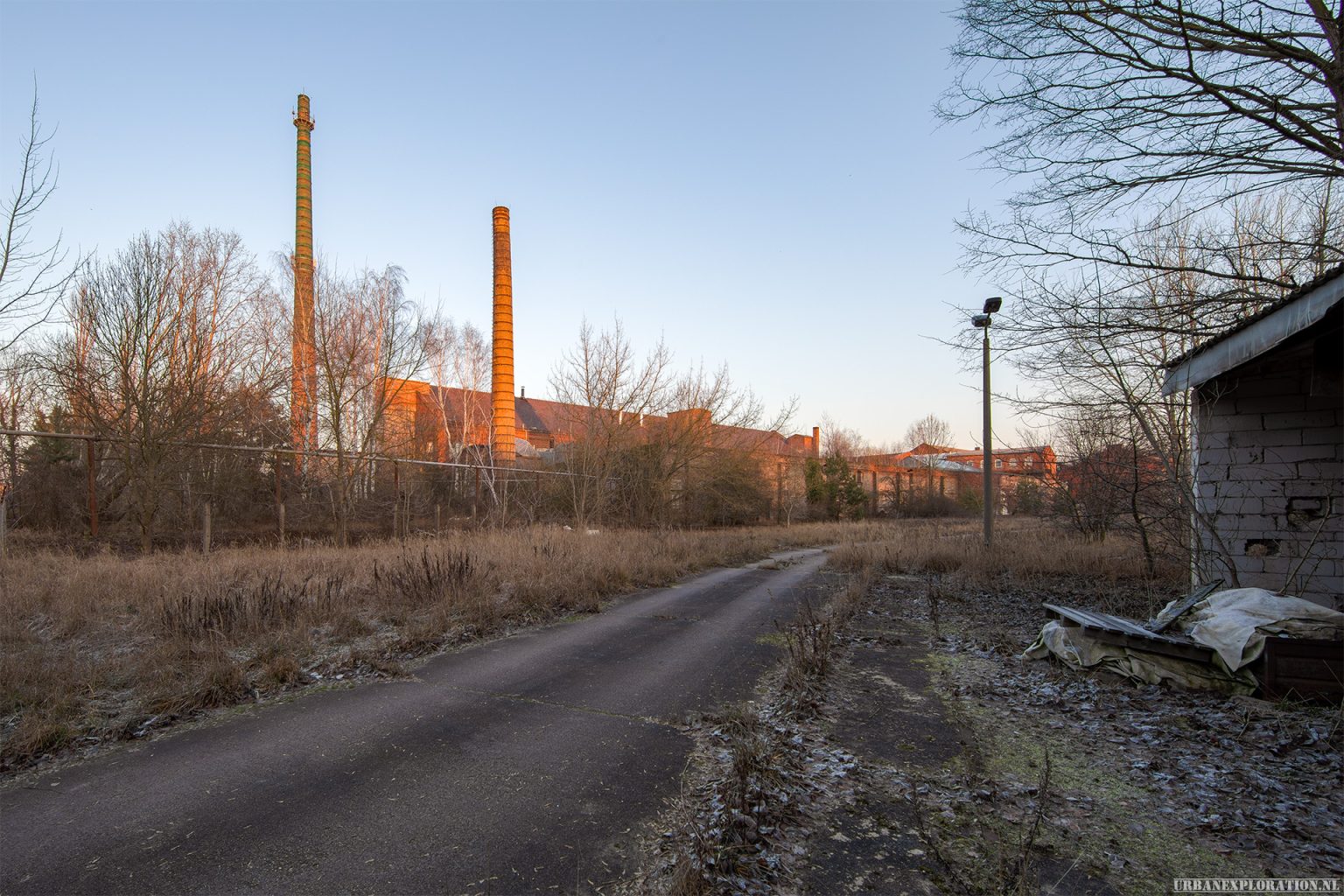
In 1895 the company was reorganized as Annaburger Steingutfabrik AG. Over the following decades the factory developed into a large producer of ceramic tableware and decorative products. The industrial complex expanded significantly and employed hundreds of workers. Around the beginning of the 20th century approximately 600 people worked at the factory, making it one of the most important employers in the town.
The global economic crisis at the end of the 1920s severely affected production and the workforce declined sharply. During the Second World War the factory continued operating, partly using forced labour and prisoners of war.
After 1945 the factory became state-owned in the German Democratic Republic and was integrated into the socialist ceramics industry. Large quantities of tableware were produced during this period for the domestic market and for export to other Eastern Bloc countries.
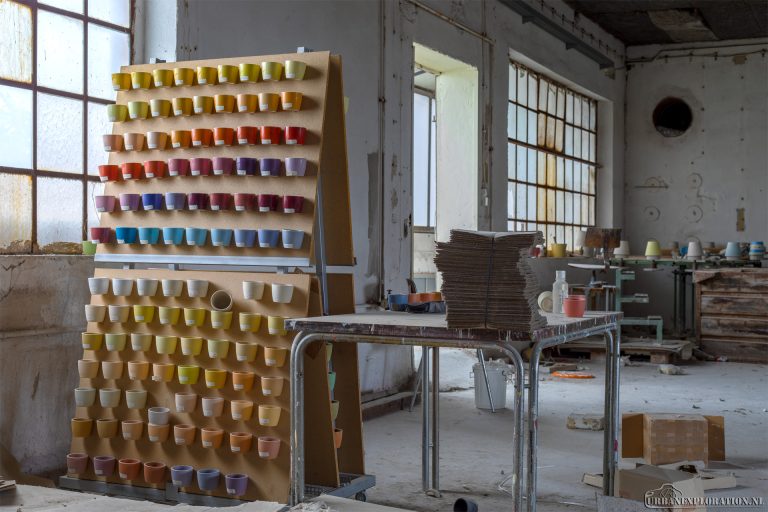
Following German reunification the factory was privatized and continued operating as Annaburg Porzellan GmbH. The company manufactured tableware for hotels and restaurants as well as specialized heat-resistant ceramic products. Despite modernization efforts, the company ultimately could not compete with international manufacturers.
In 2015 the company filed for bankruptcy, bringing more than 140 years of ceramic and porcelain production to an end. Part of the historic factory complex has since been preserved as a museum that documents the long tradition of porcelain manufacturing in the region.
Visited - January 2019
Defunct - 2015
Status - In decline
Country - Germany
Here are some other albums that might be of interest.