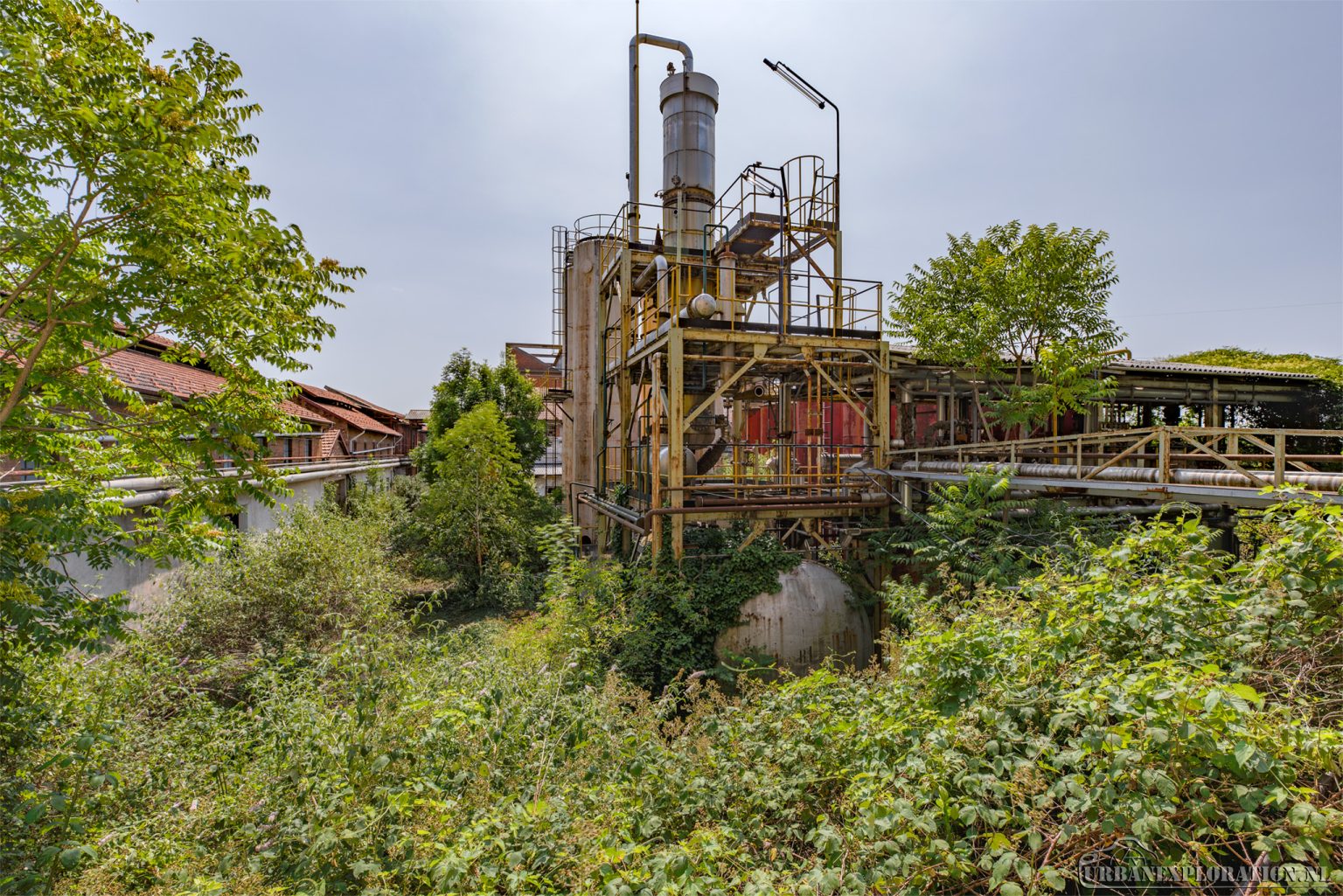
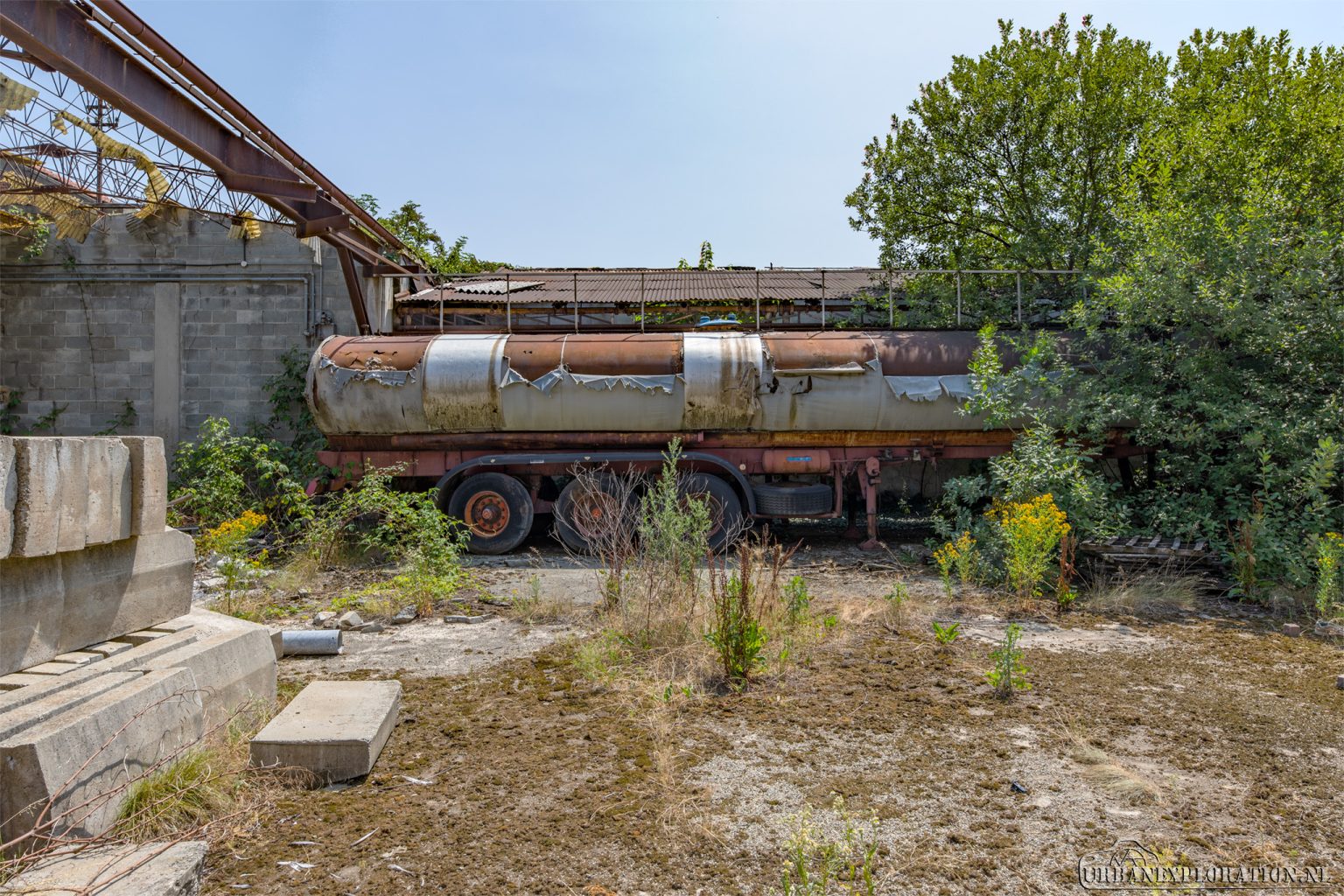
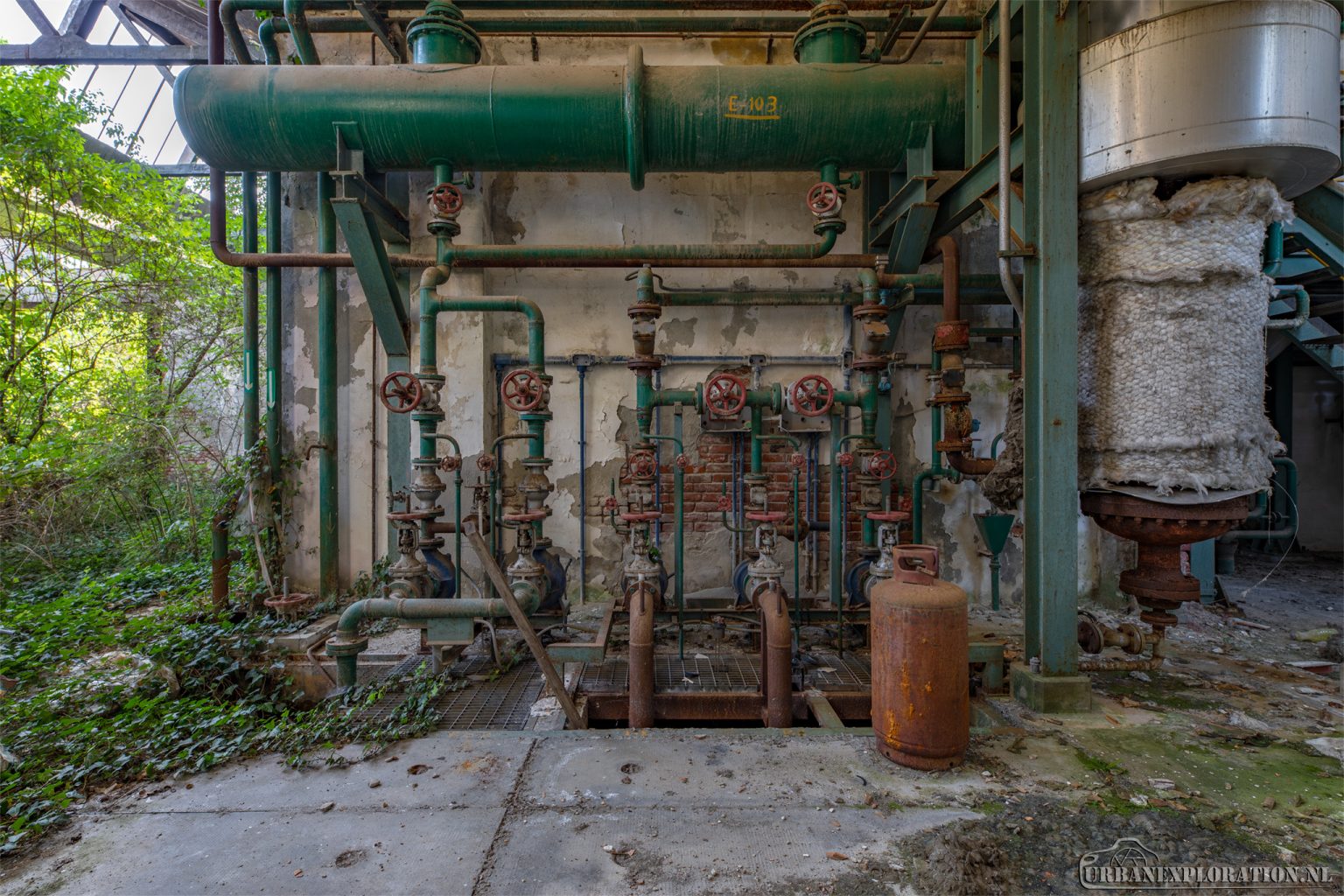
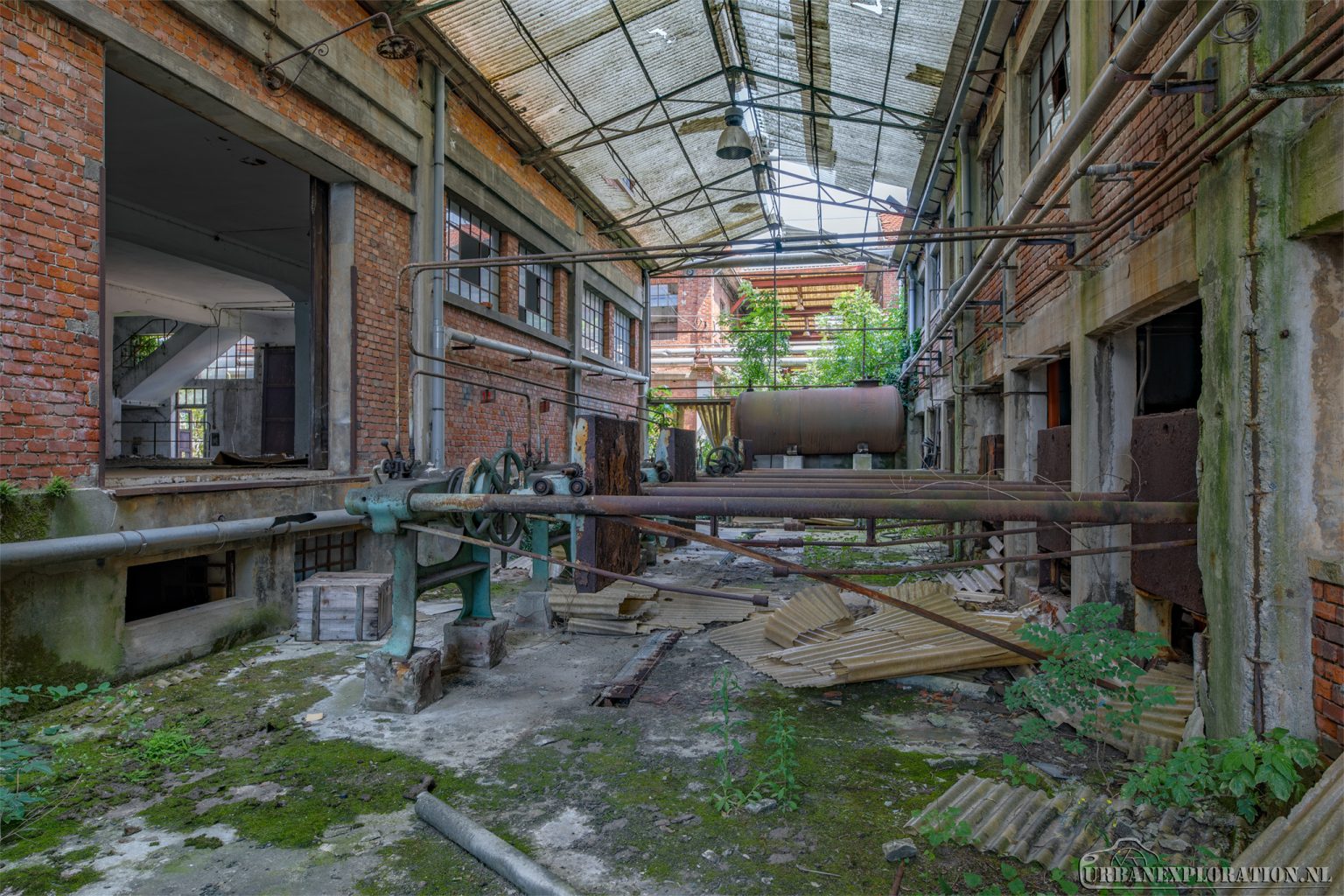
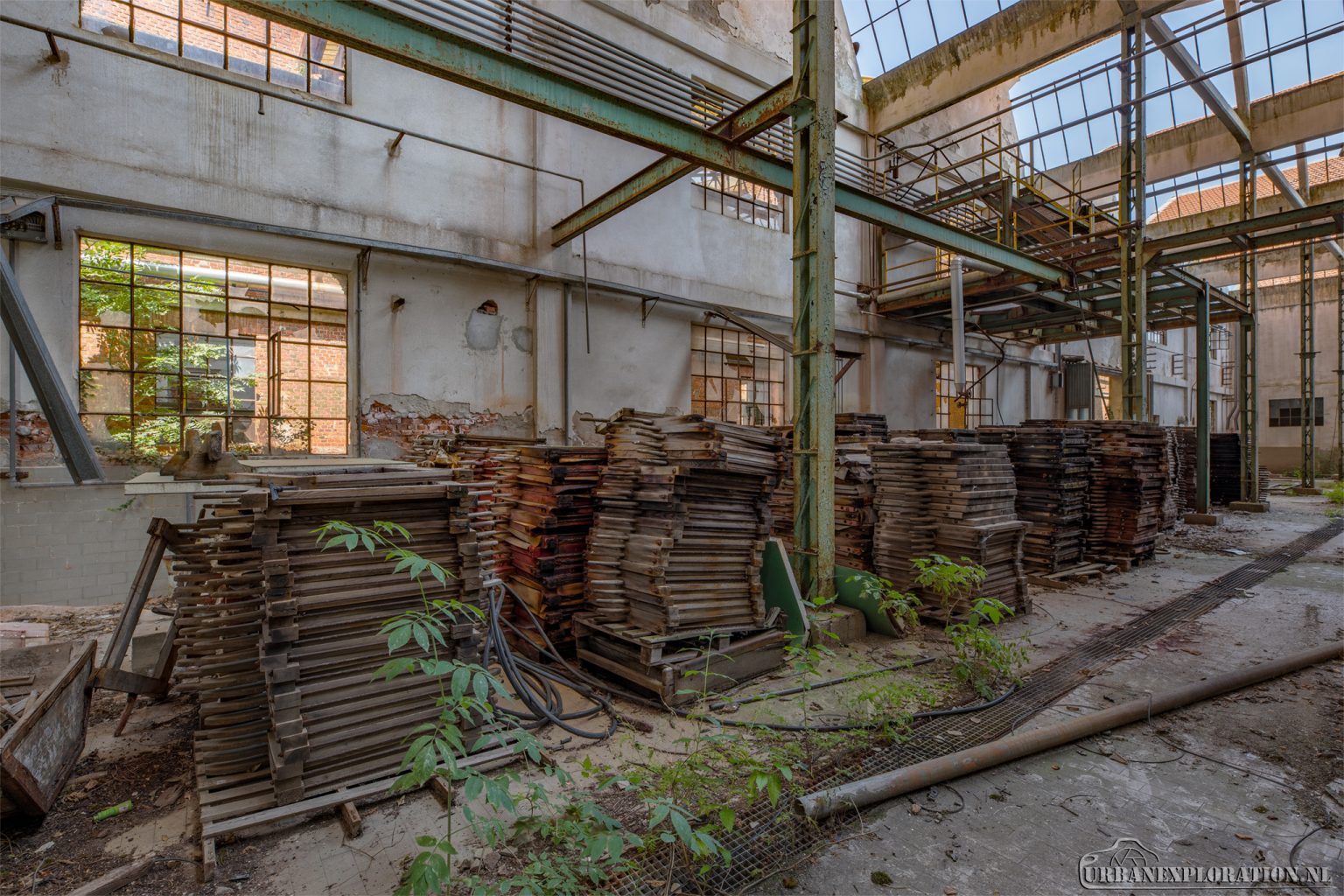
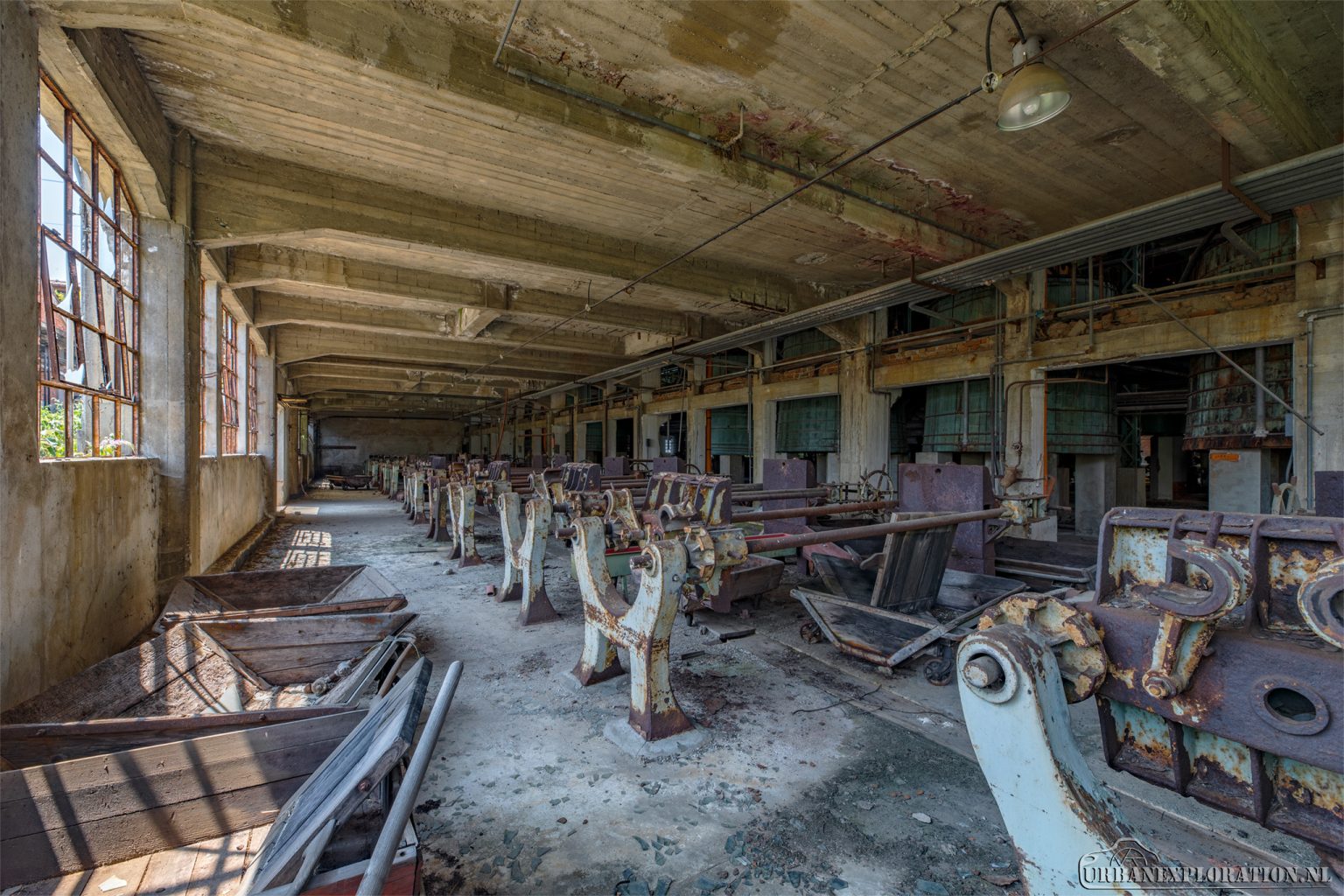
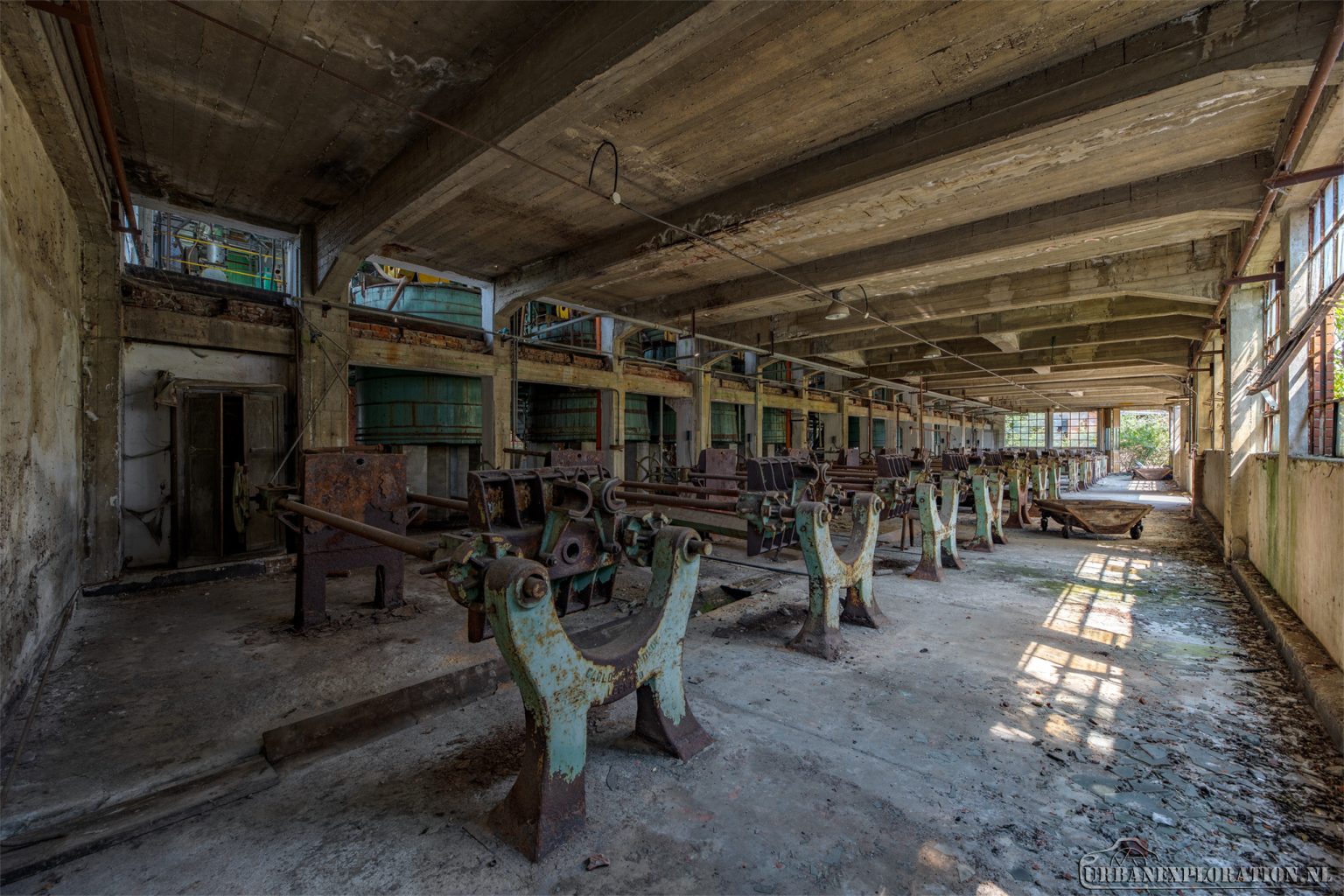
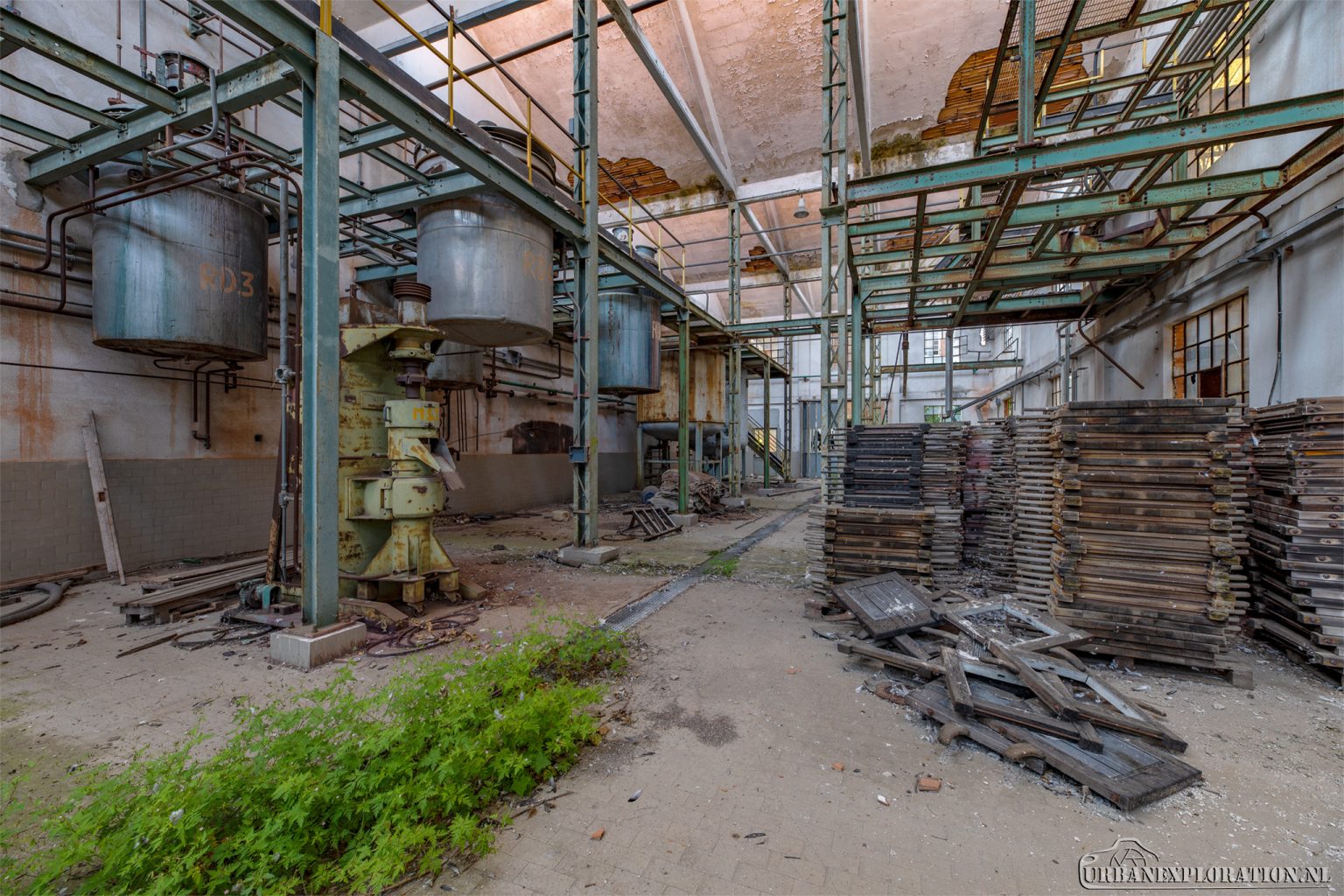
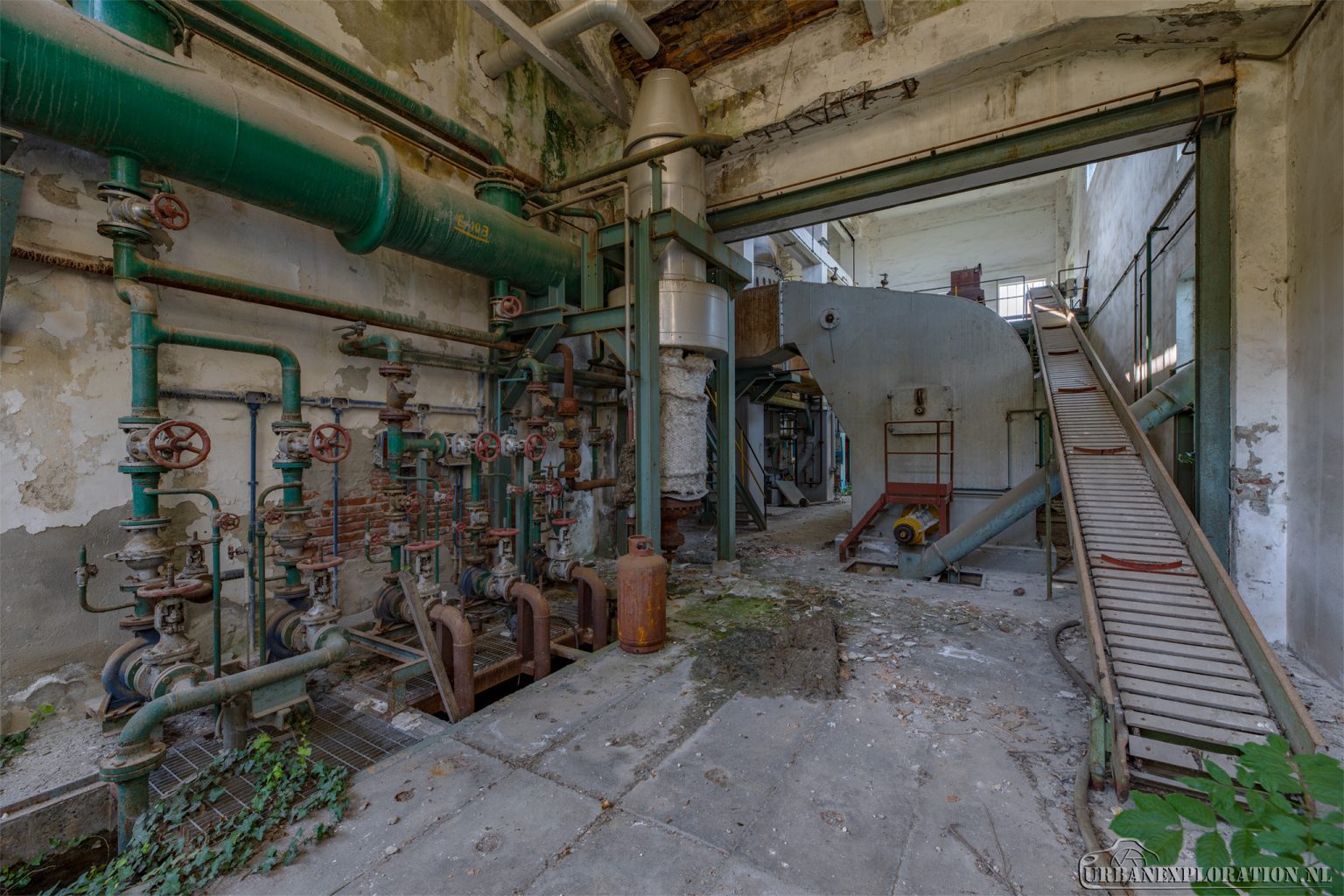
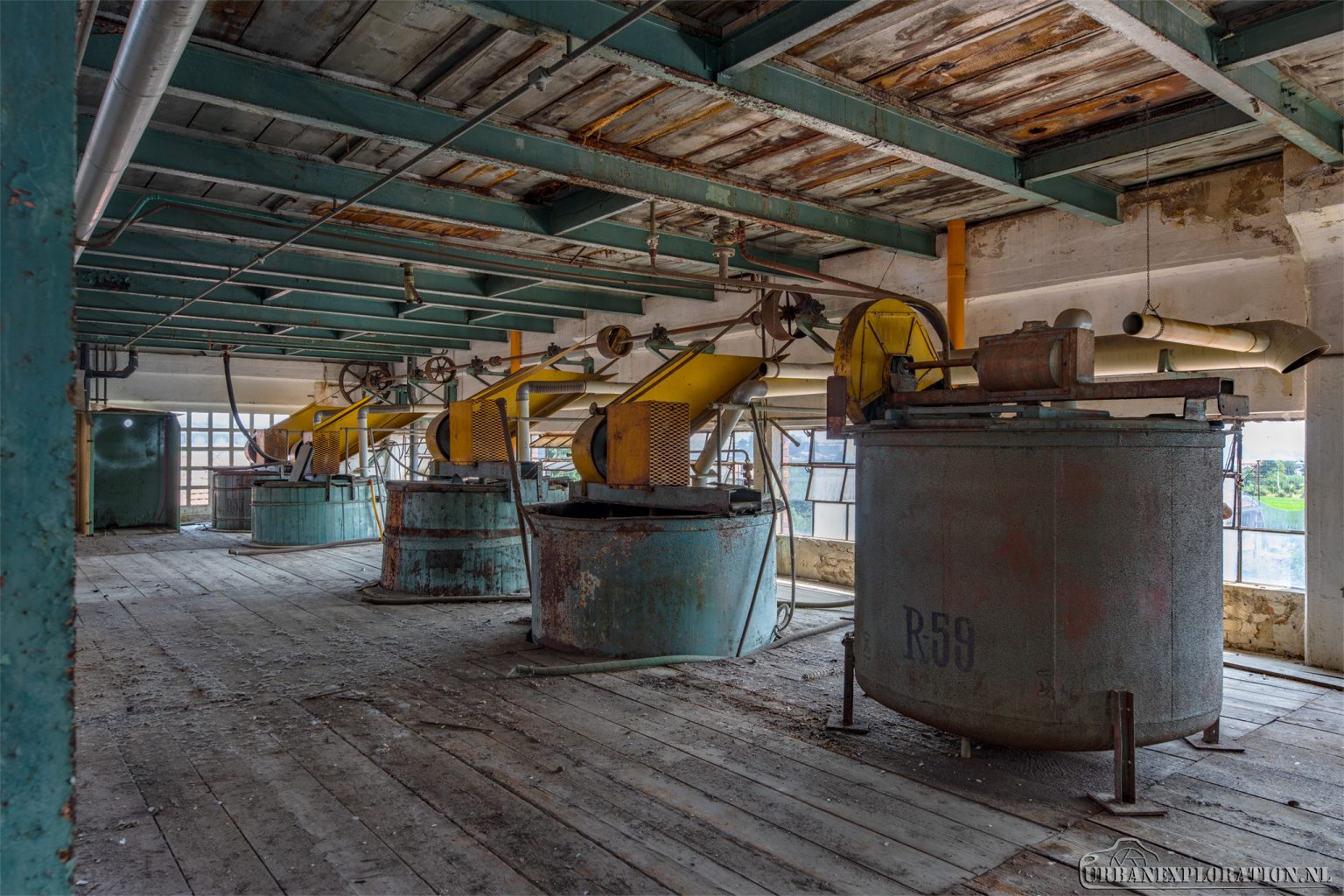
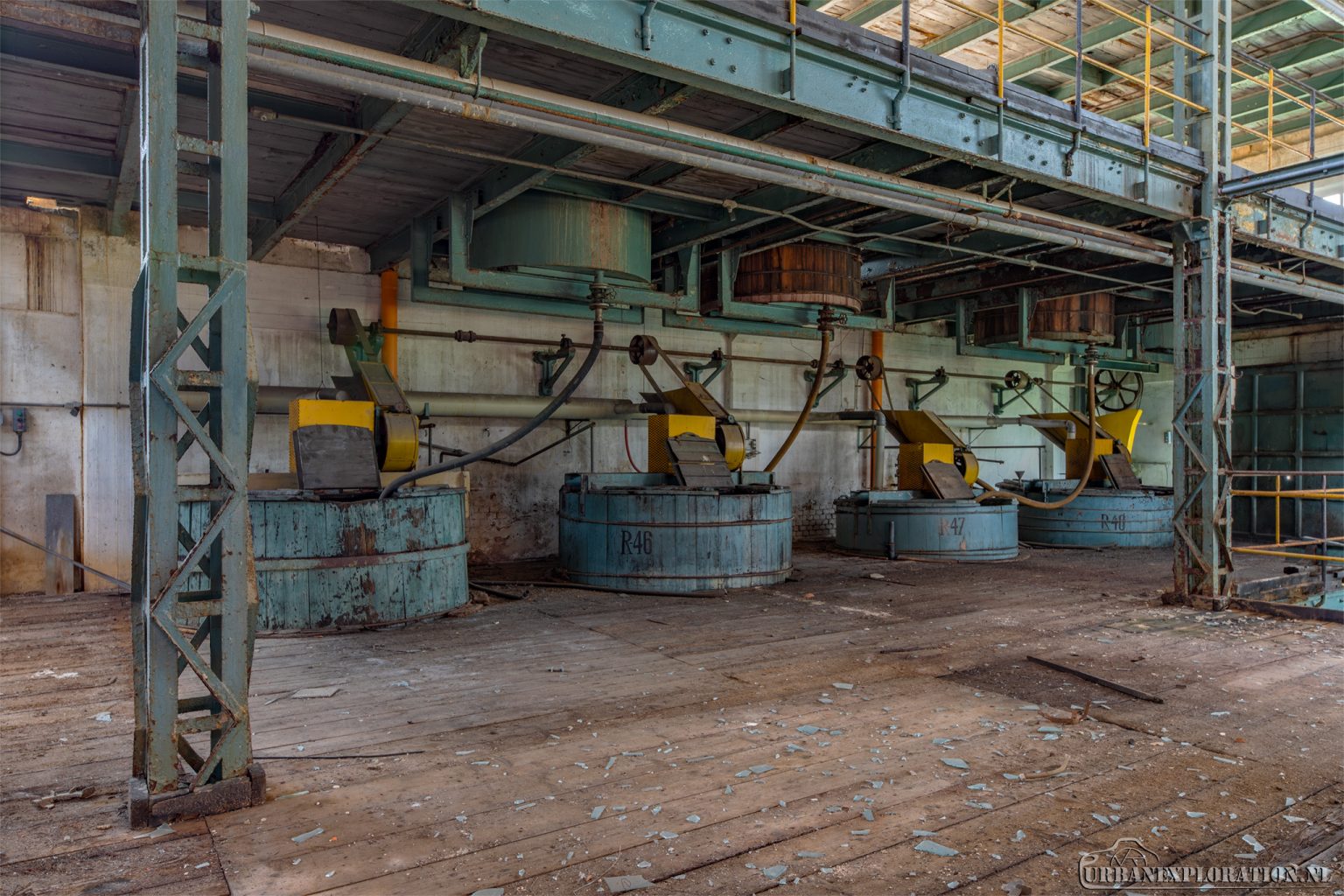
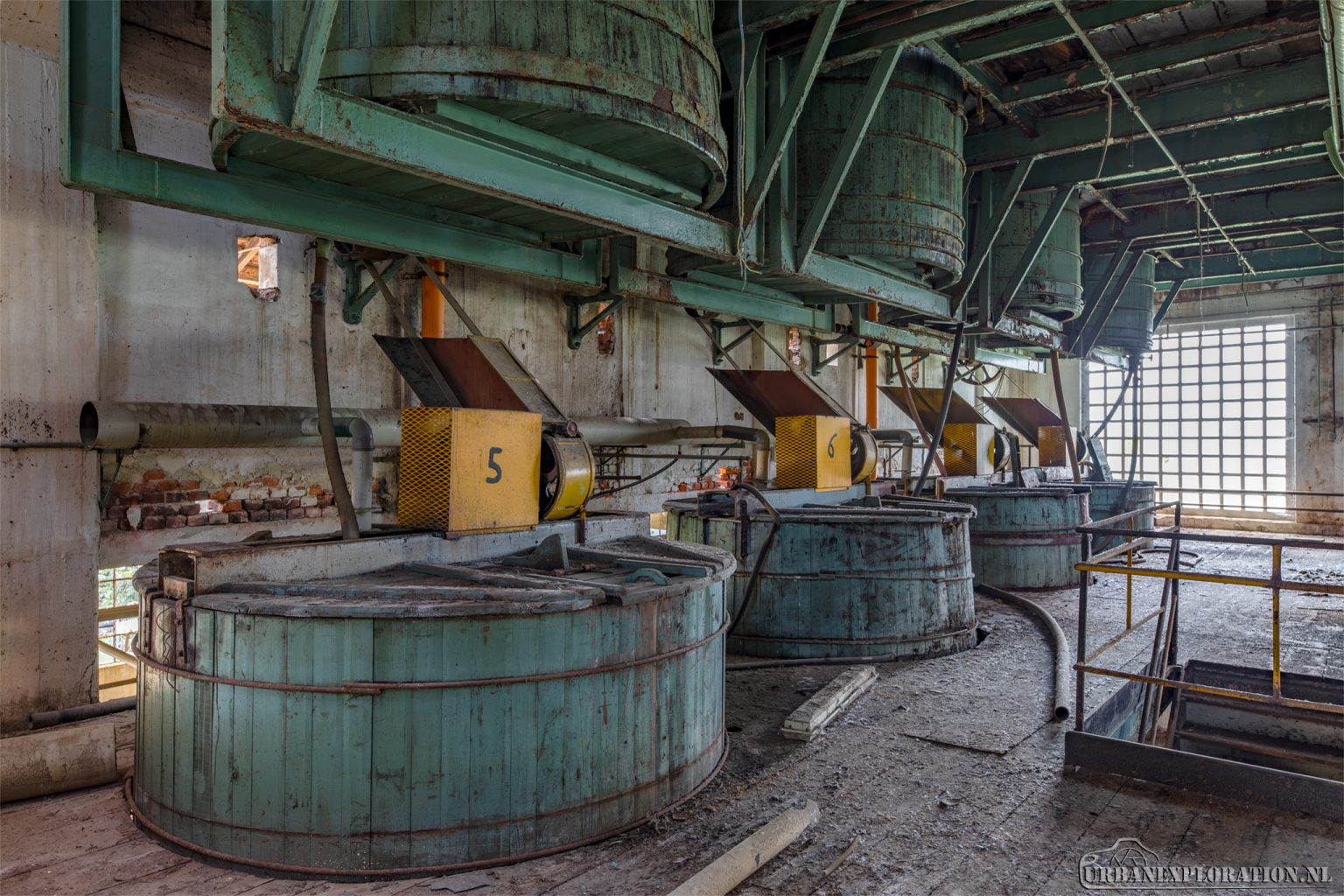
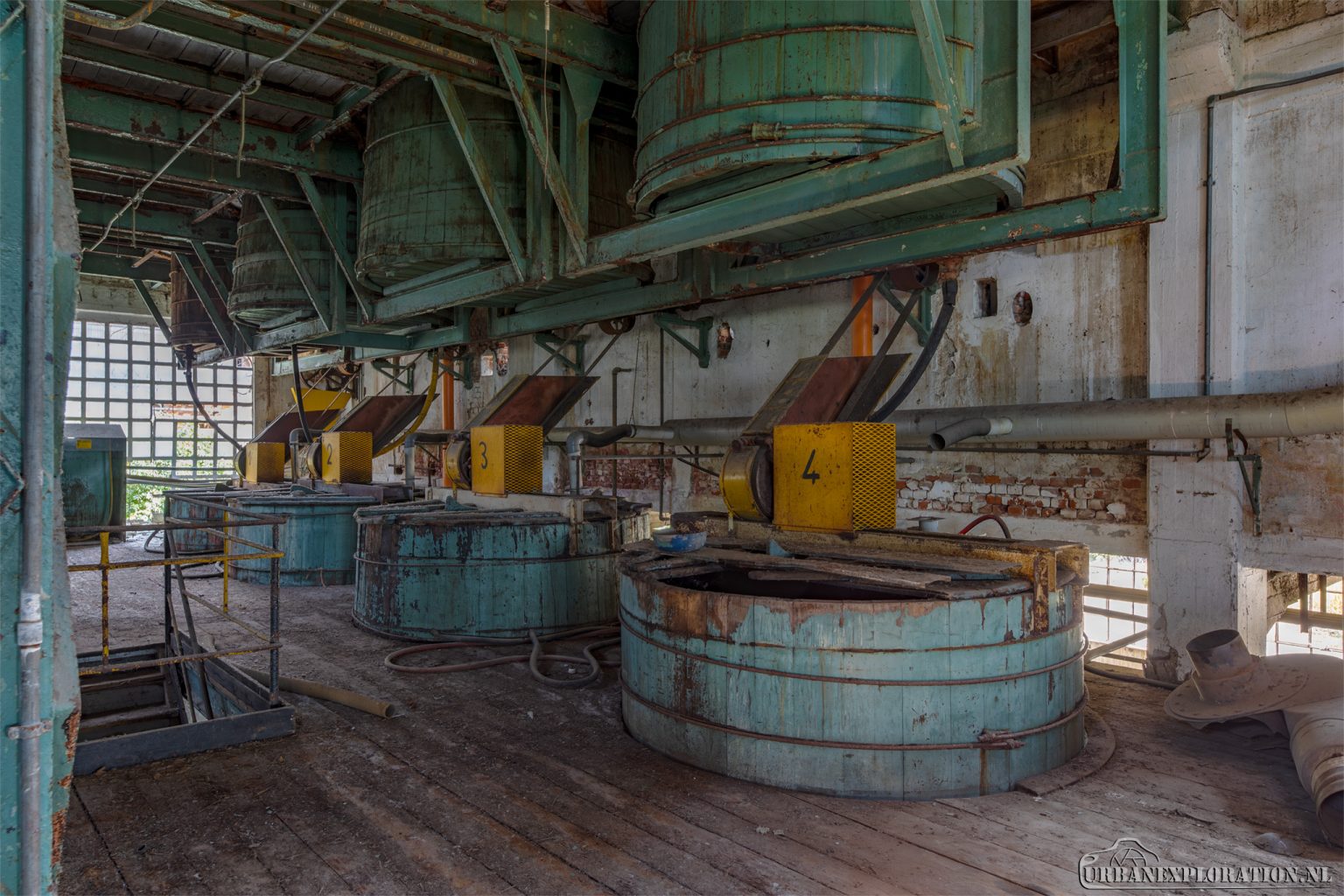
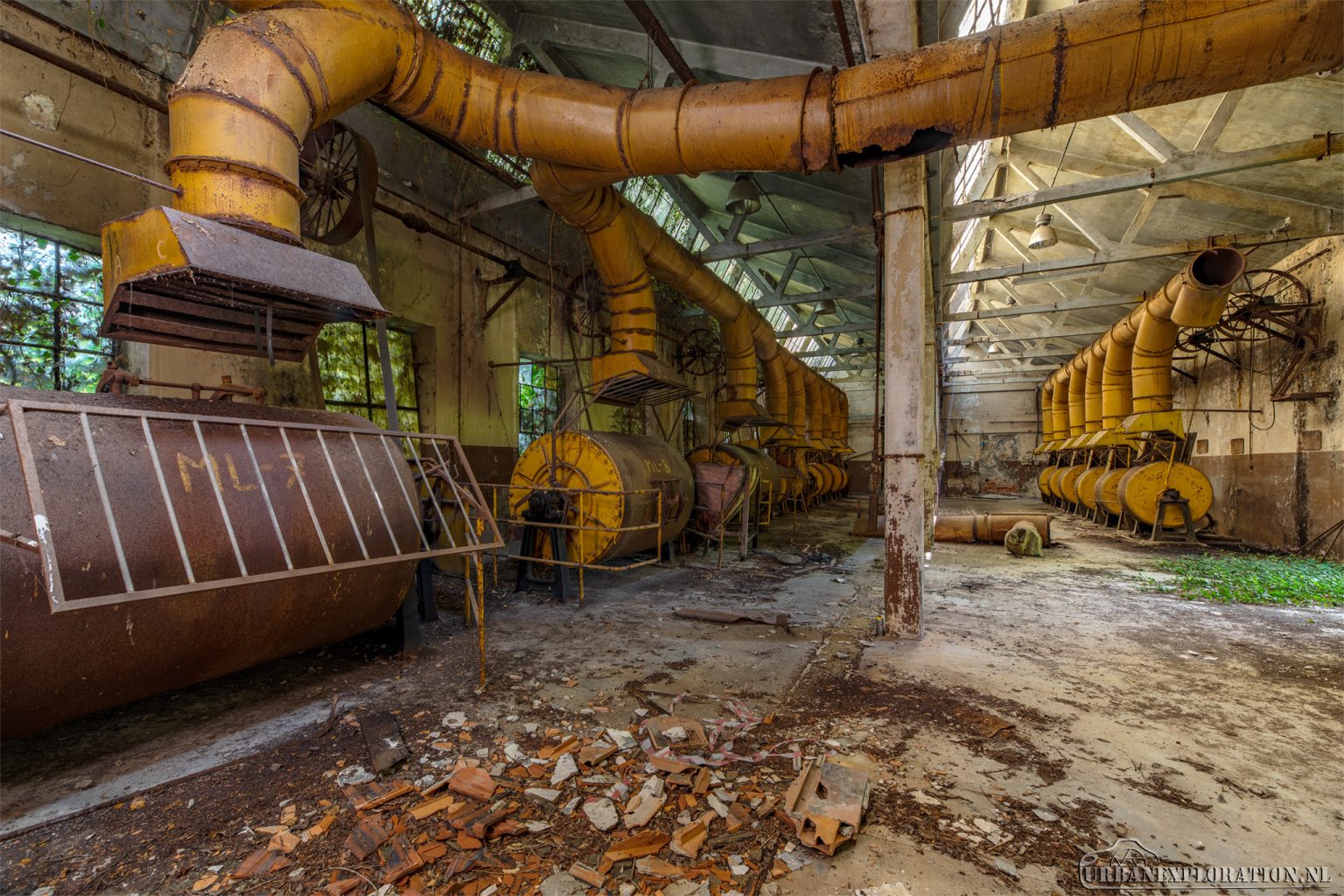
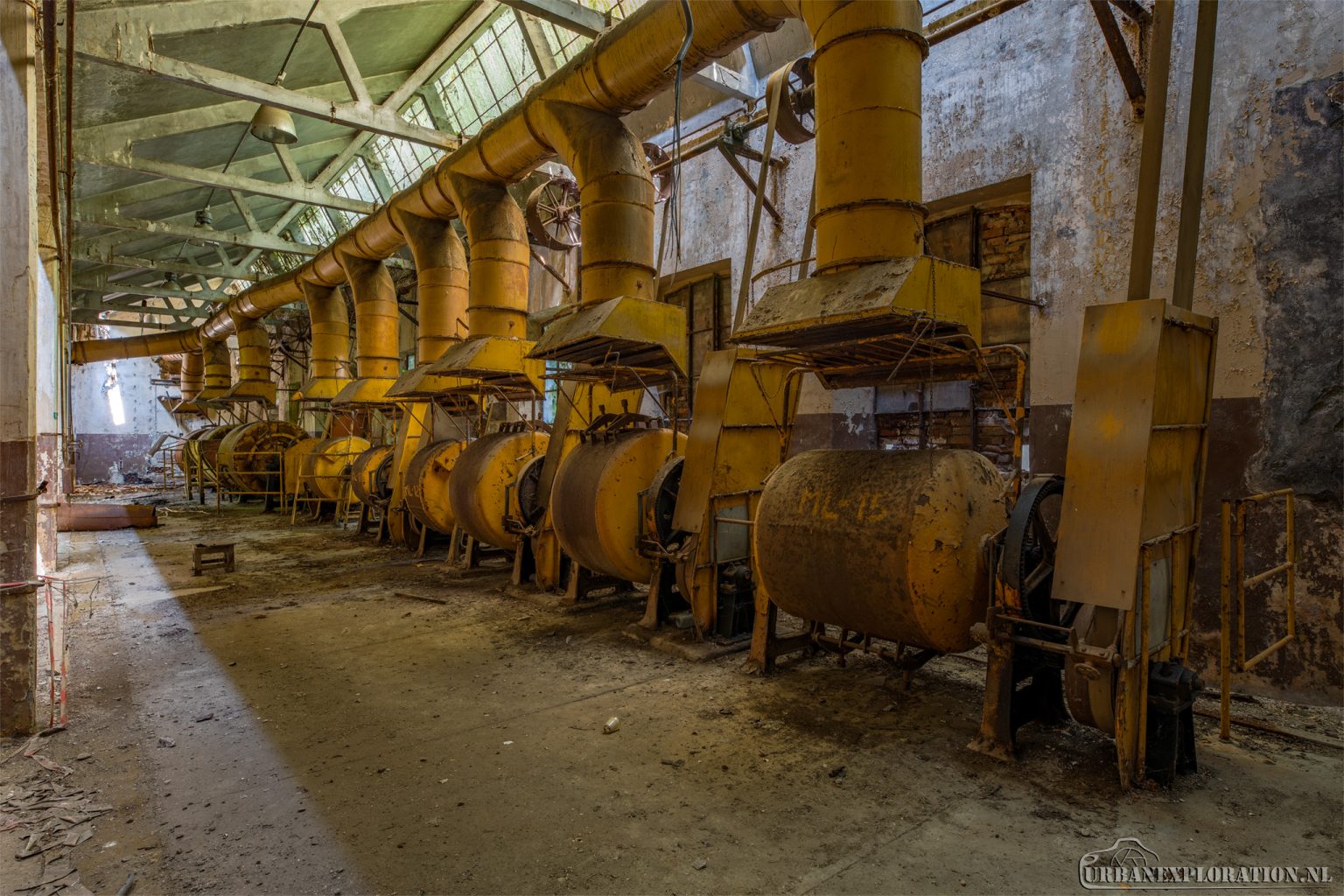
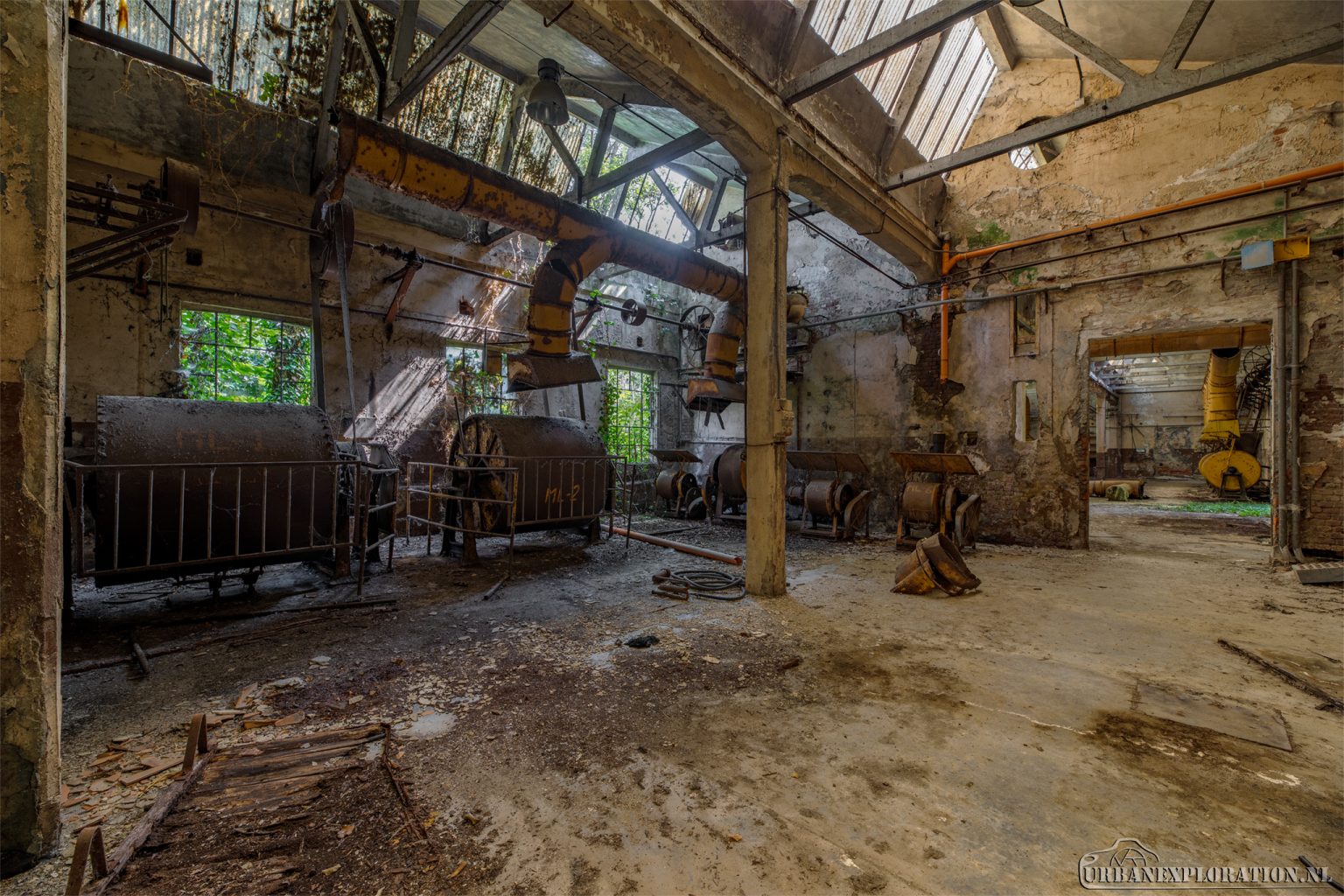
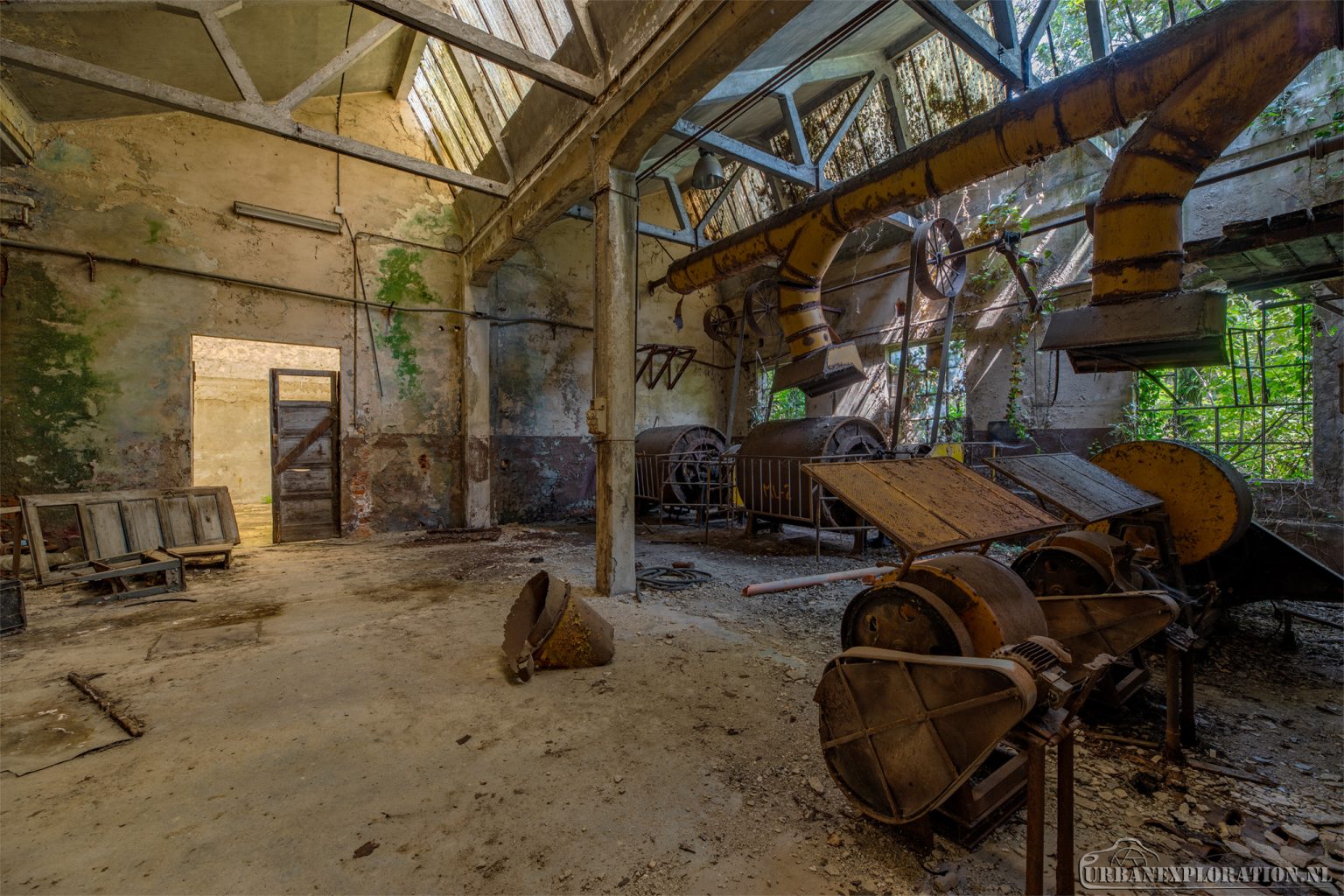
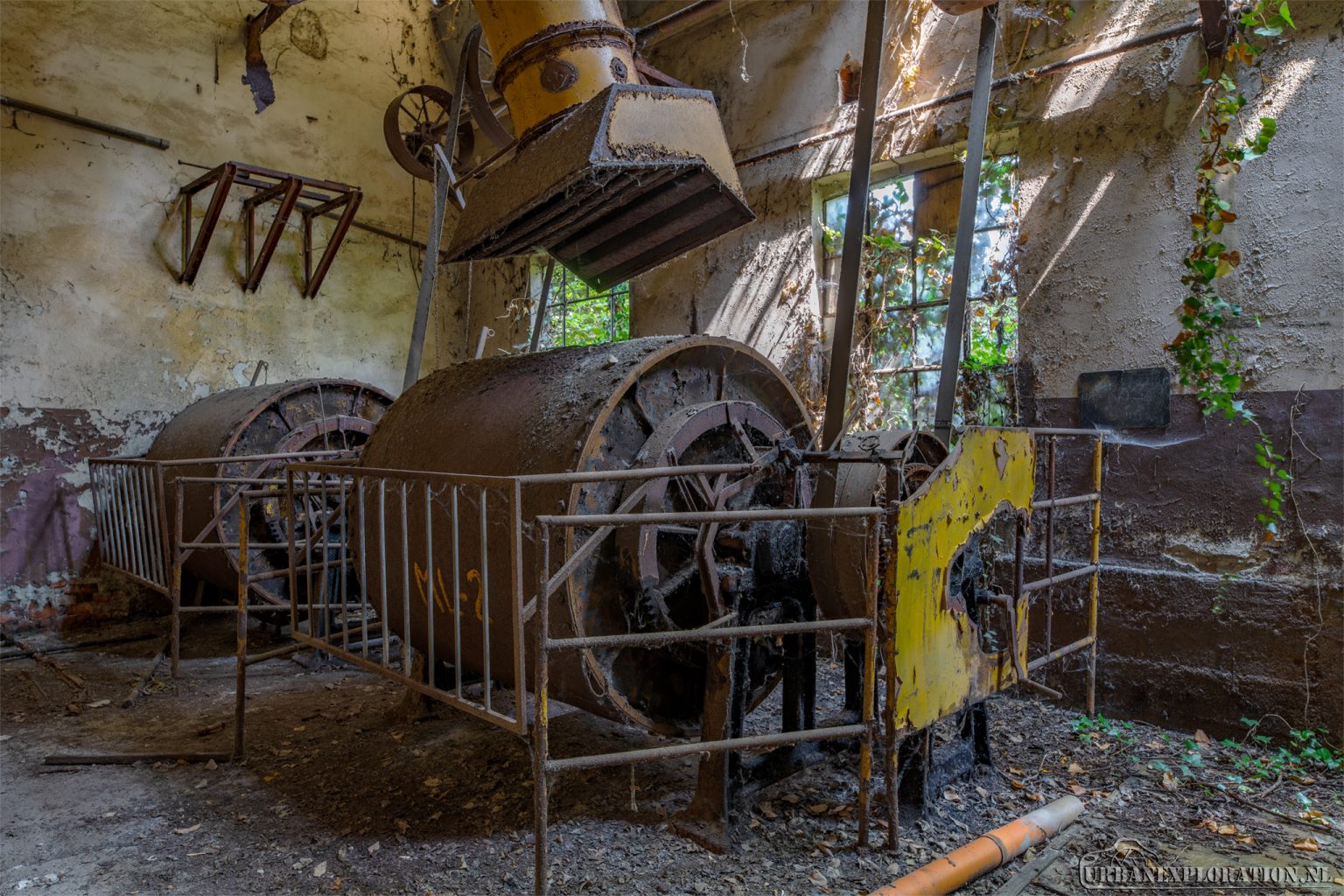
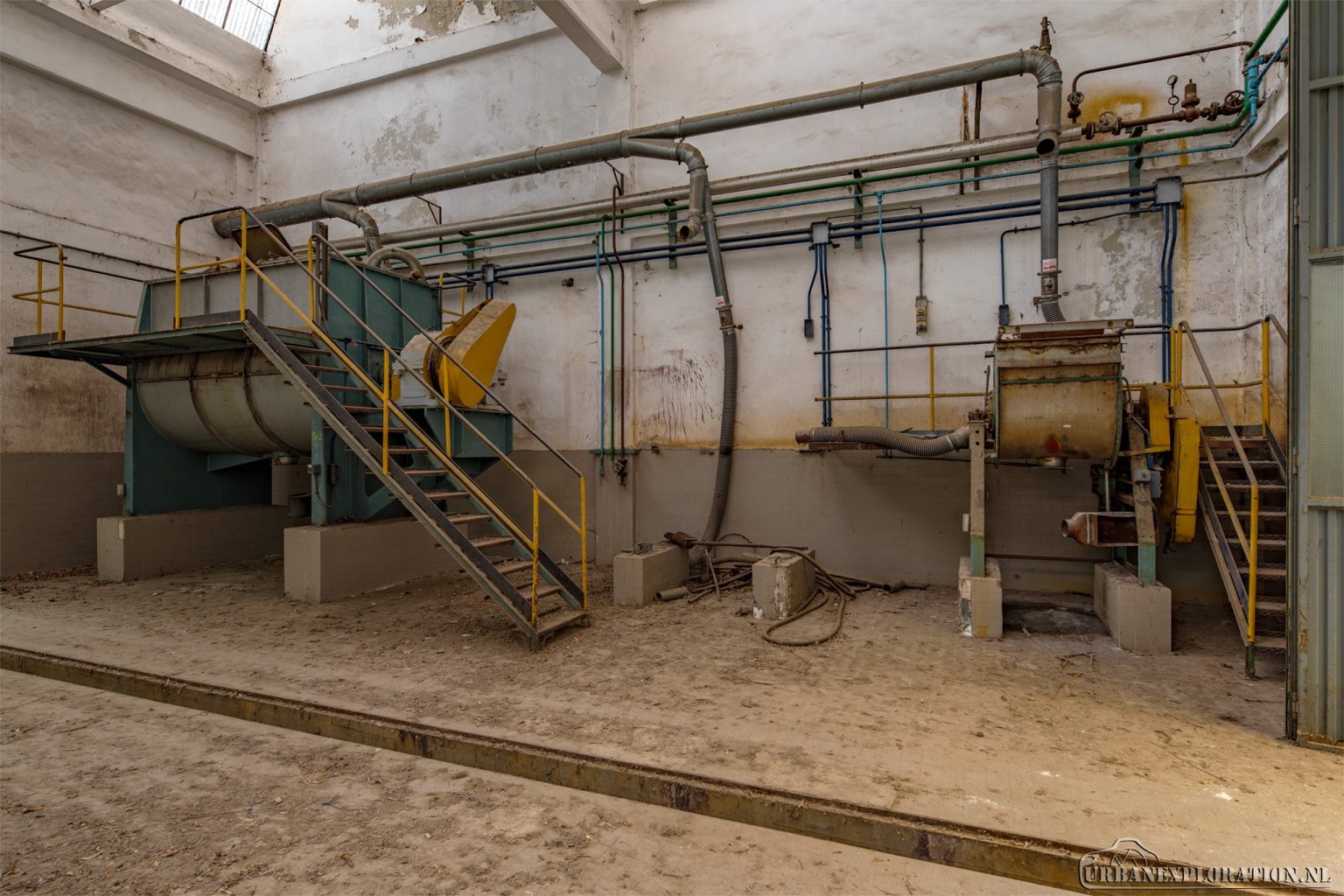
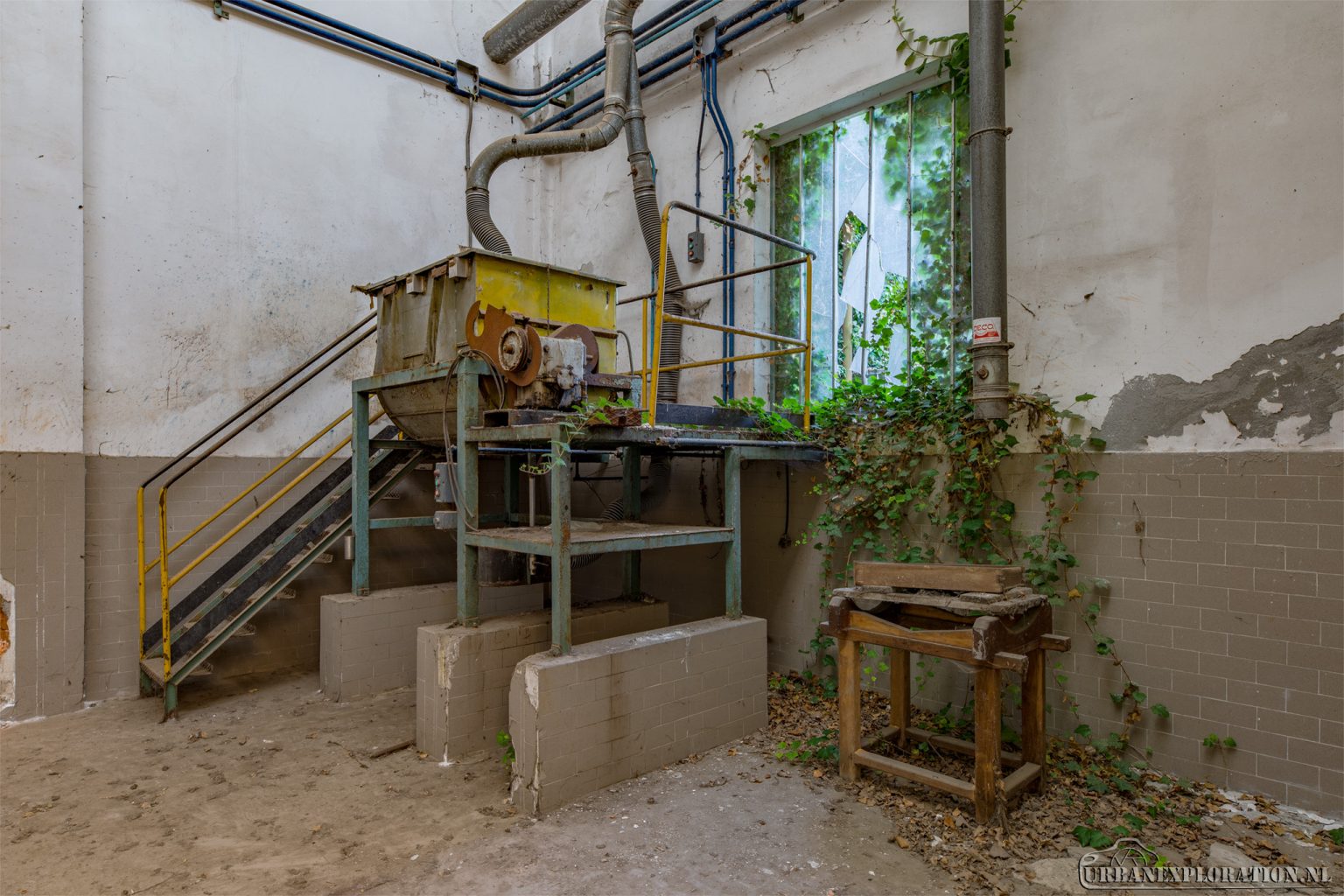
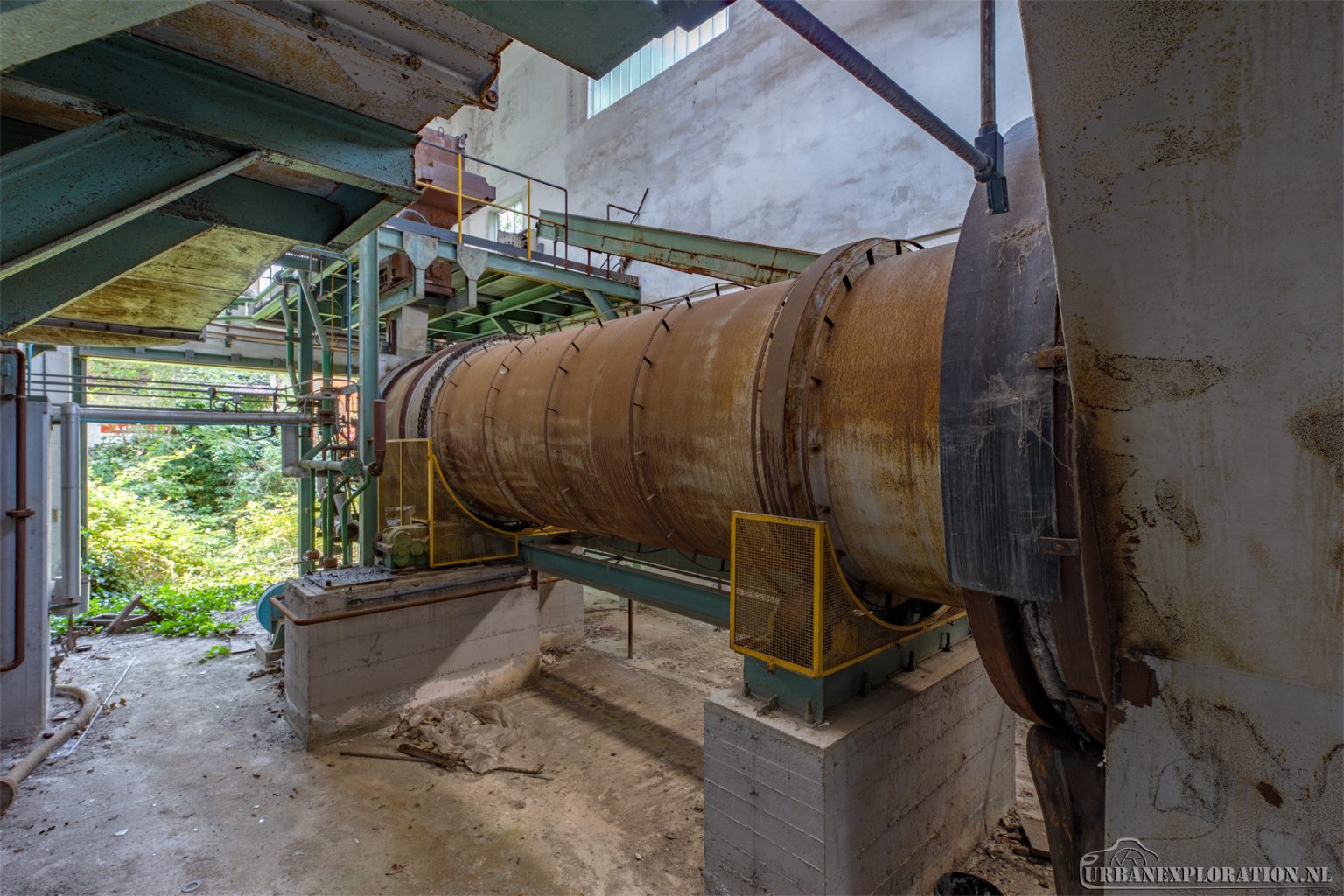
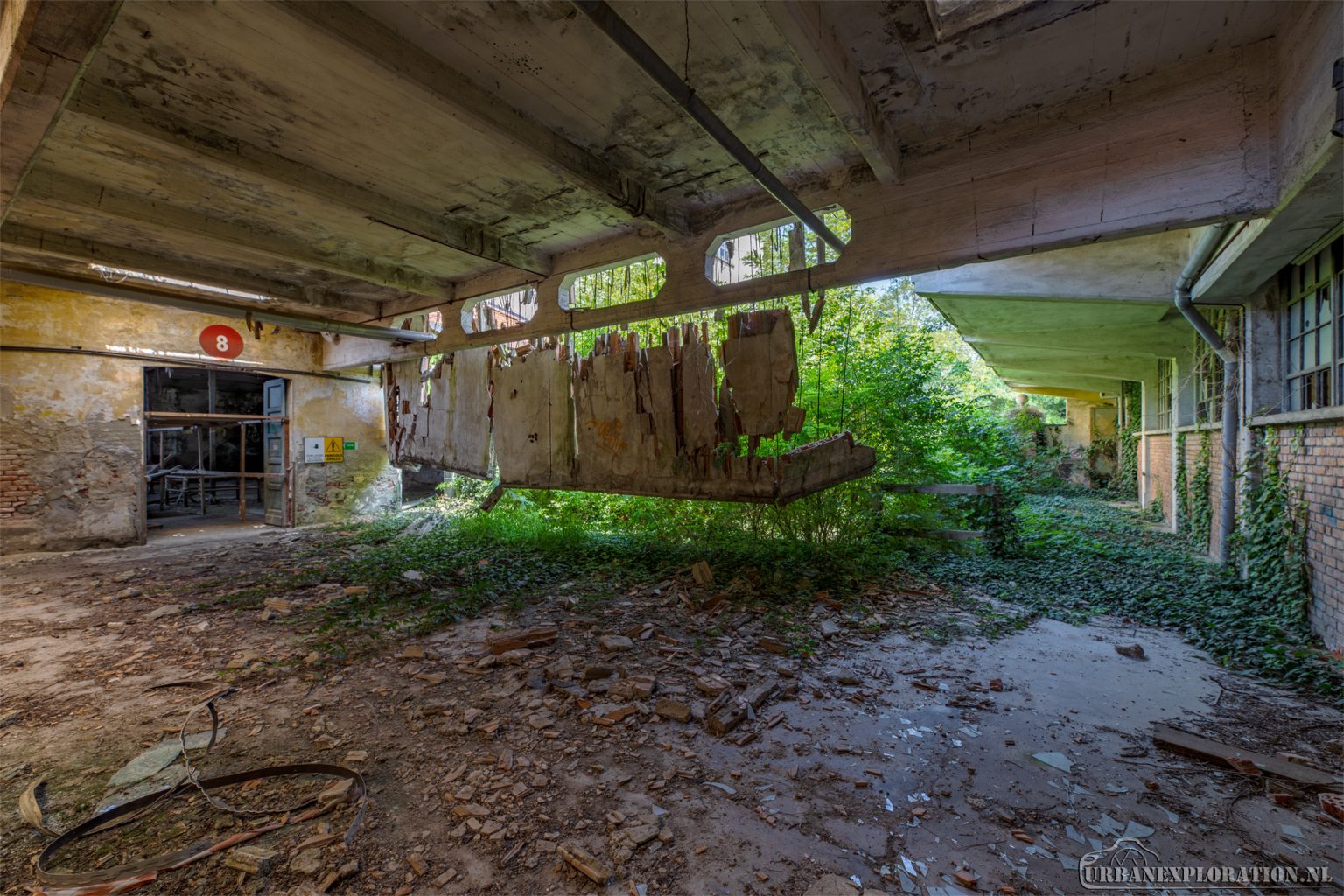
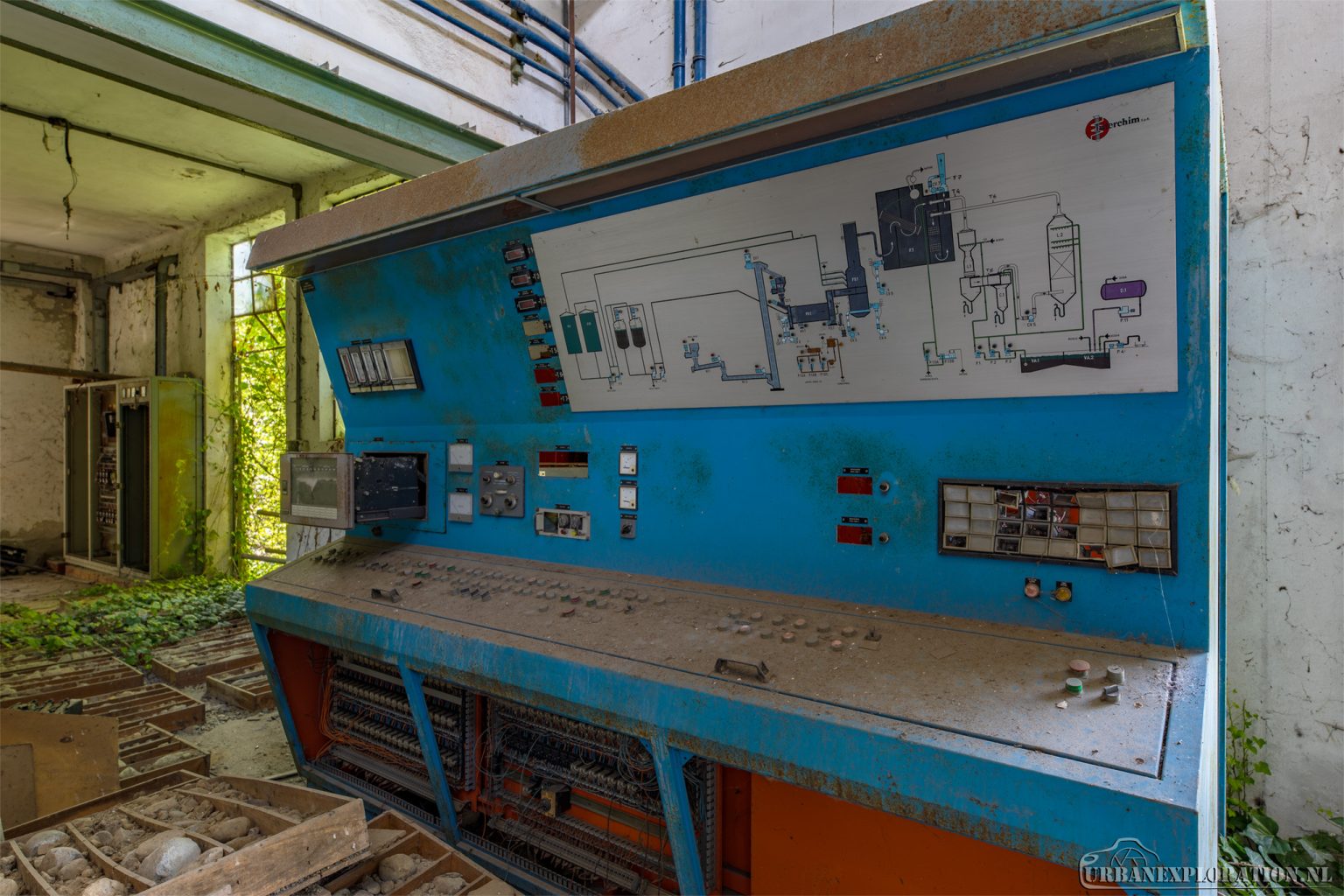
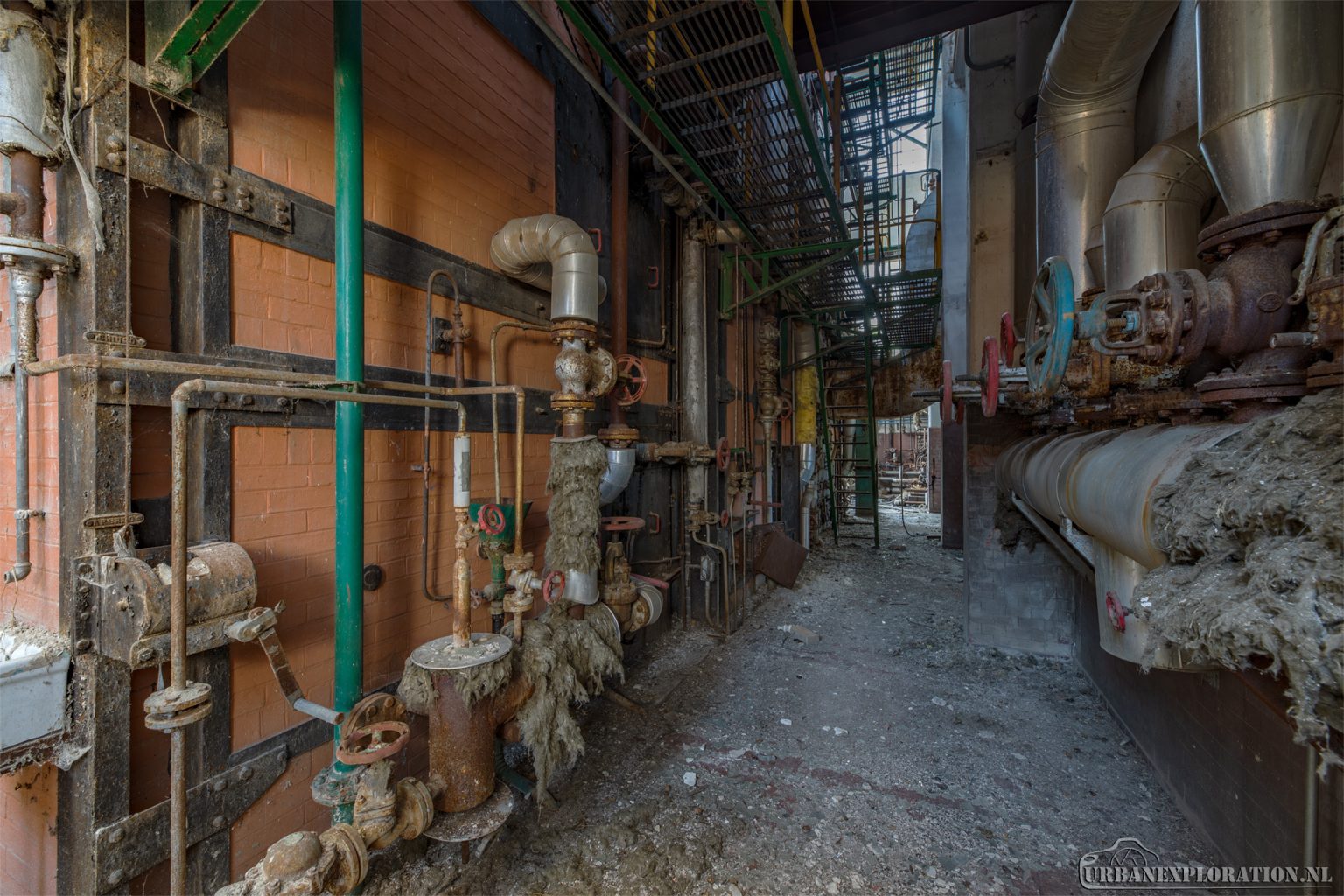
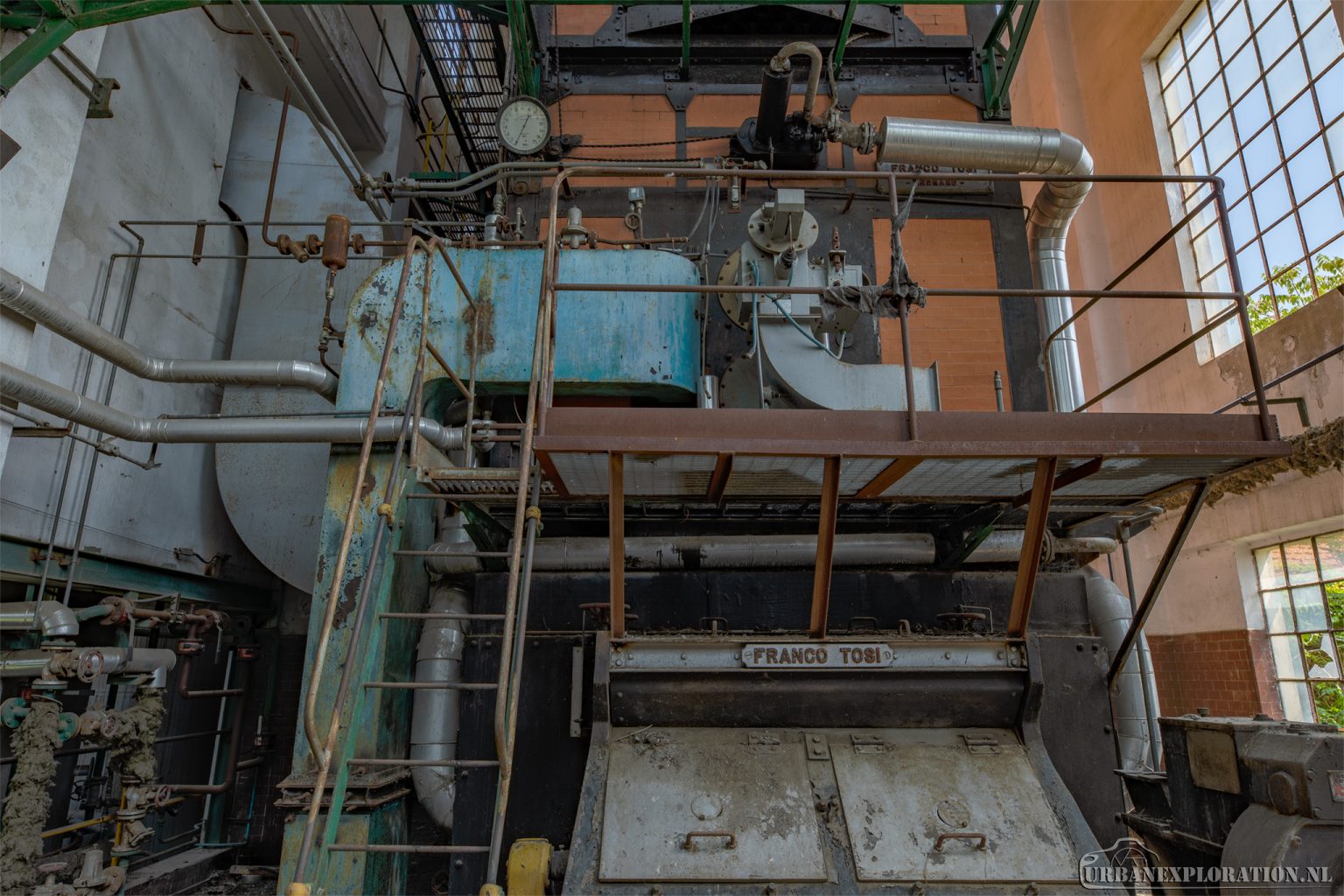
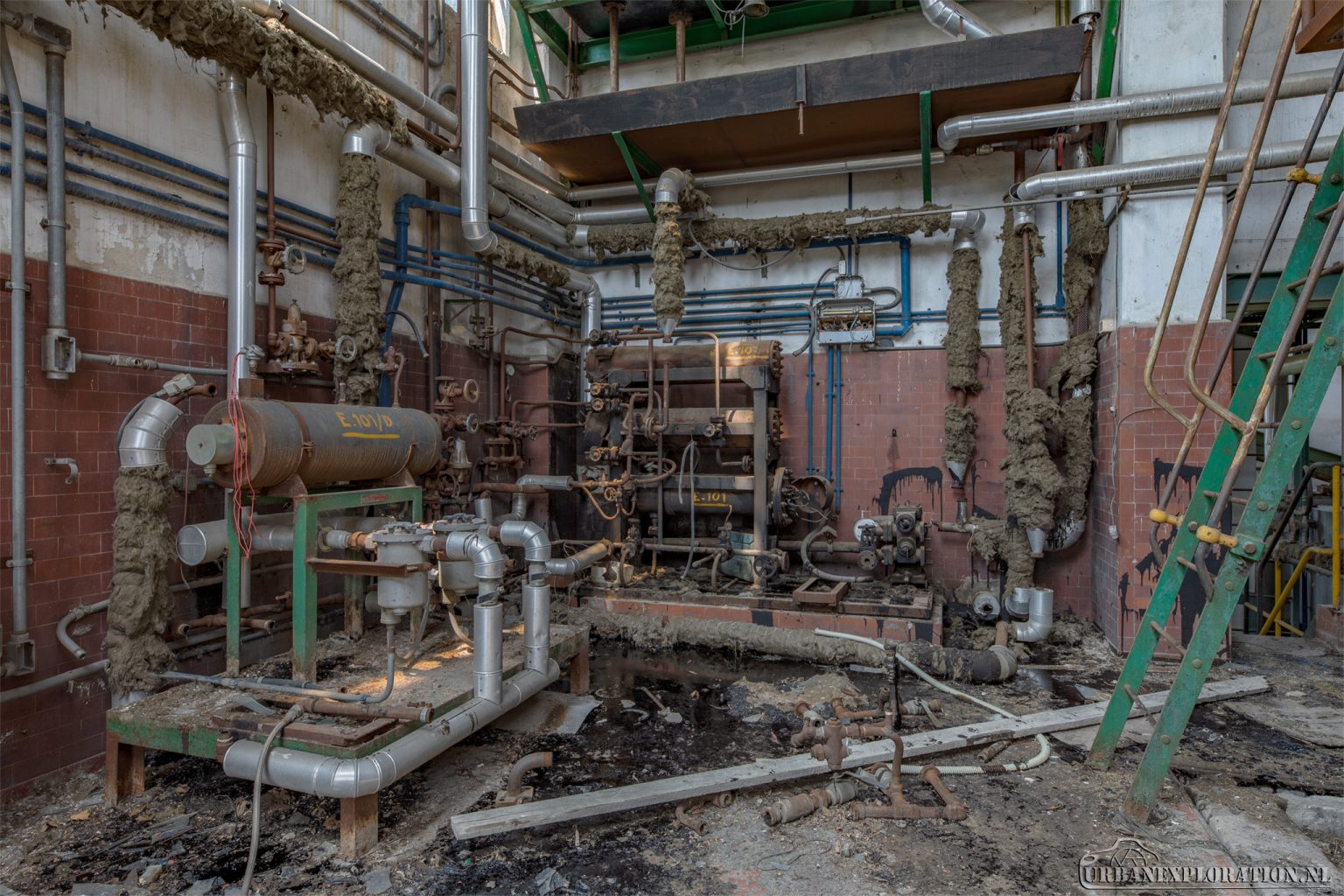
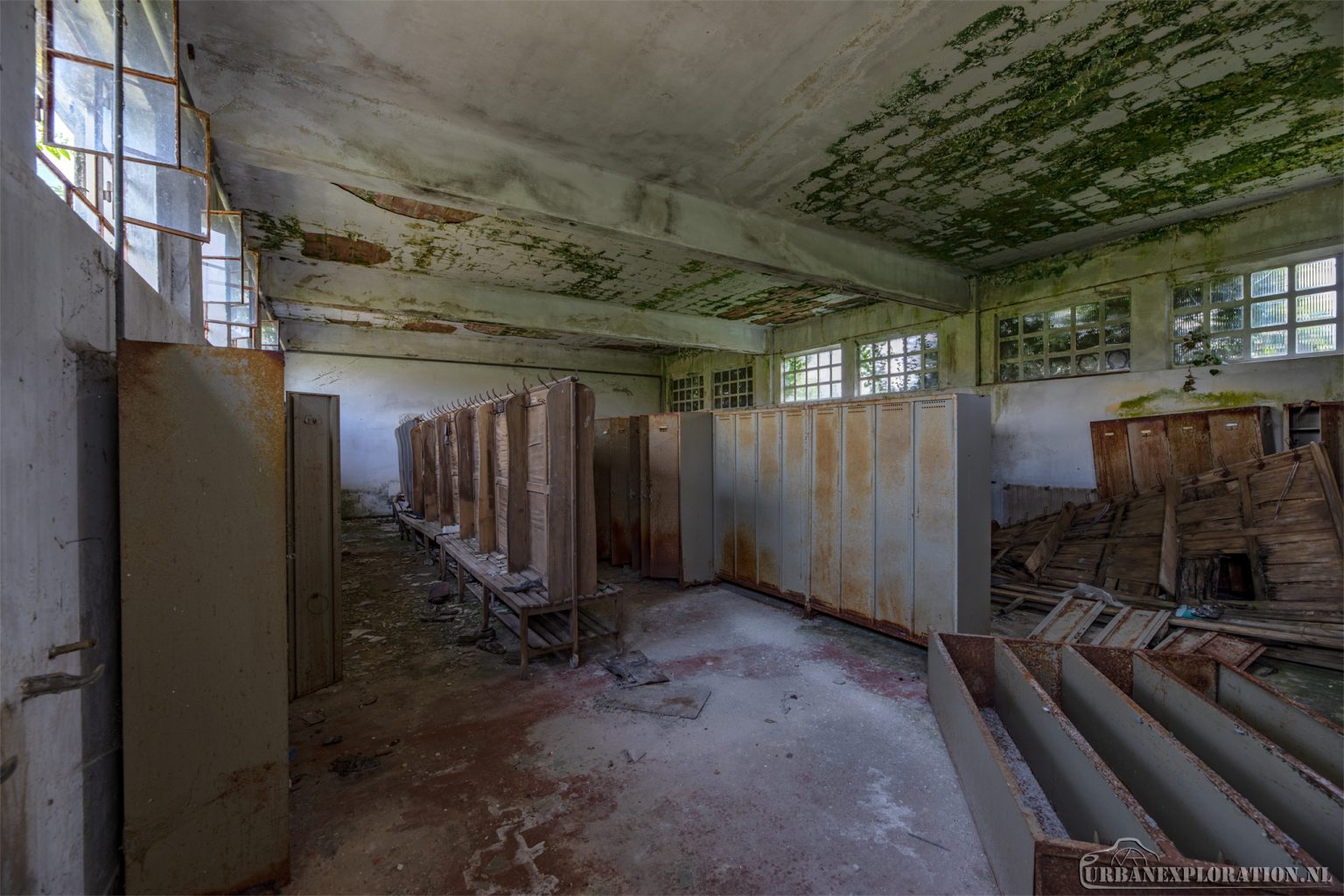
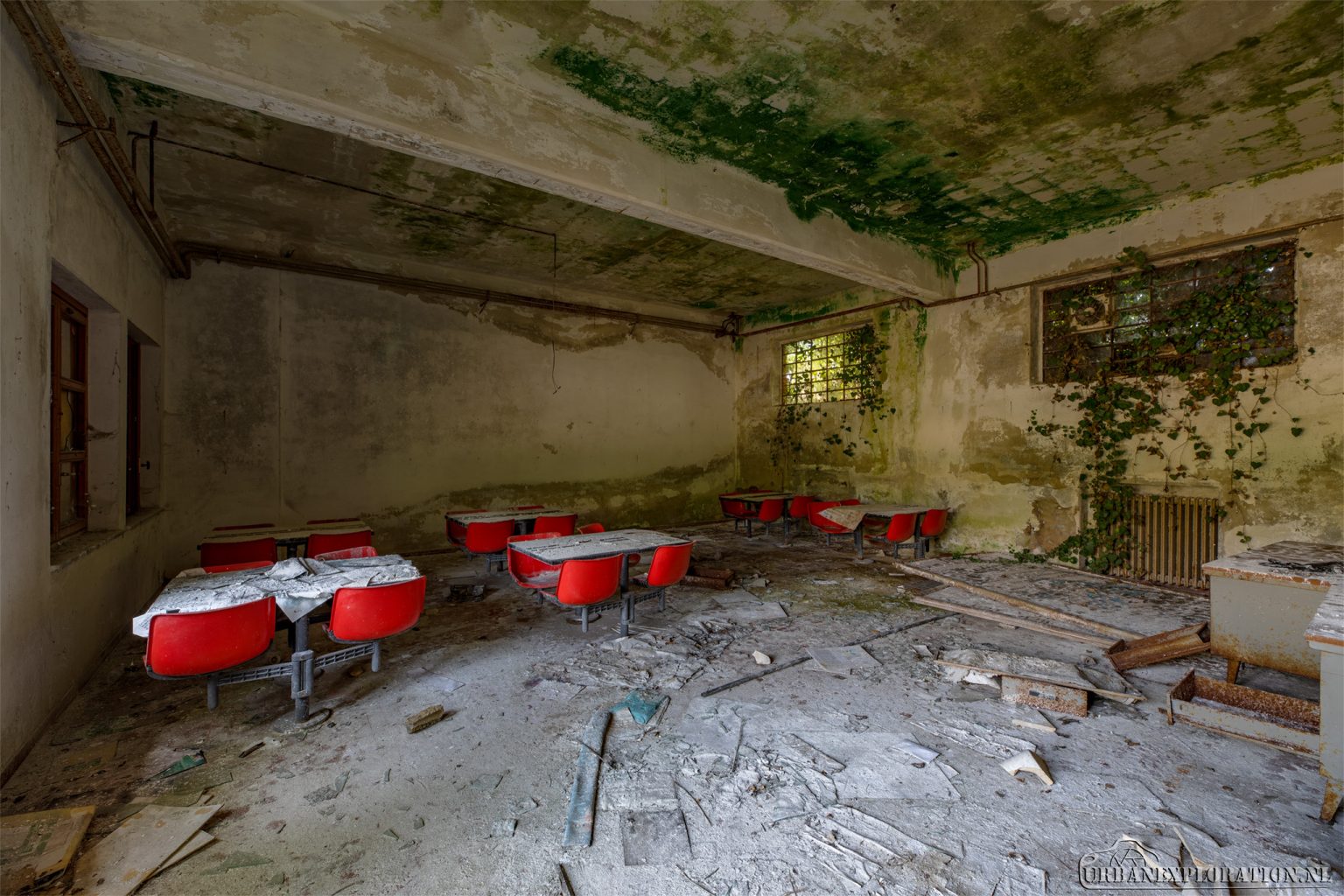
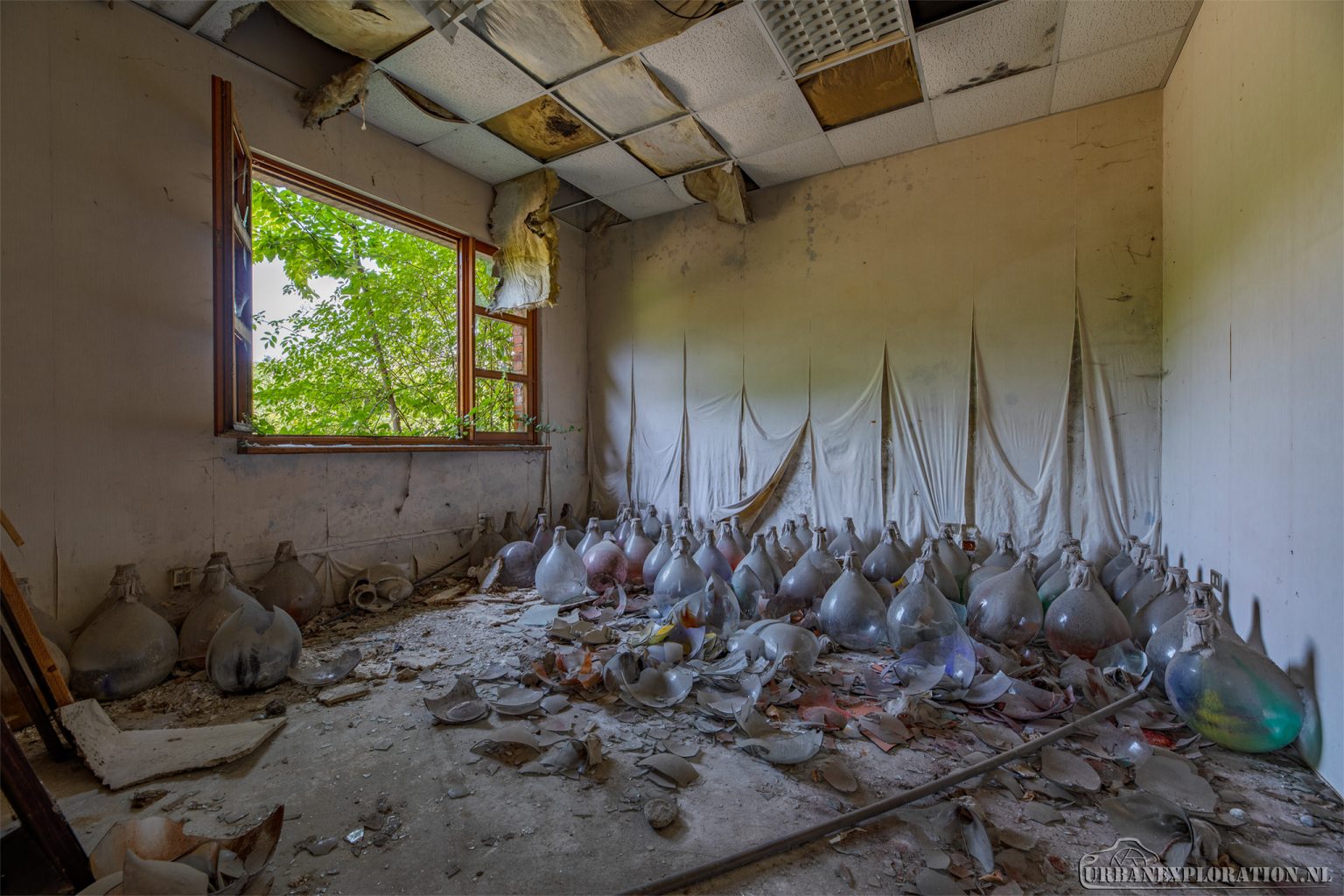
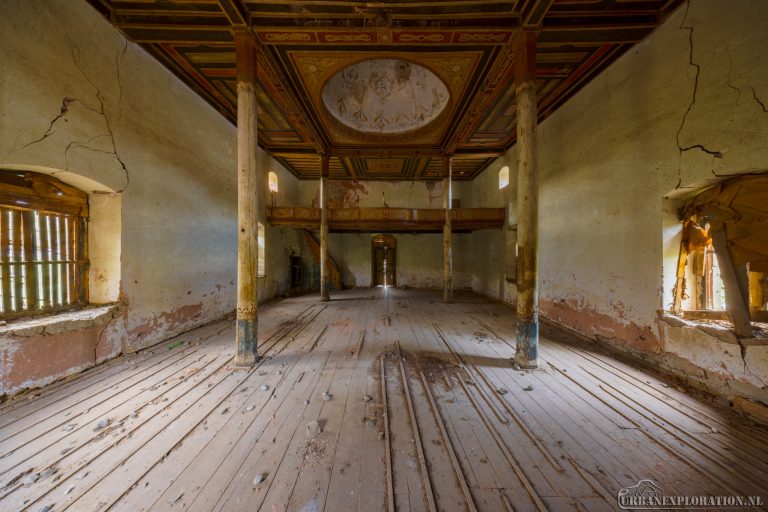
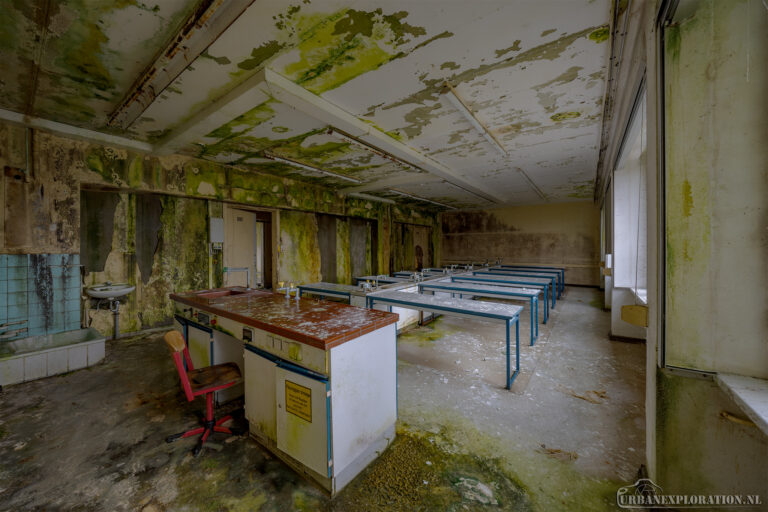
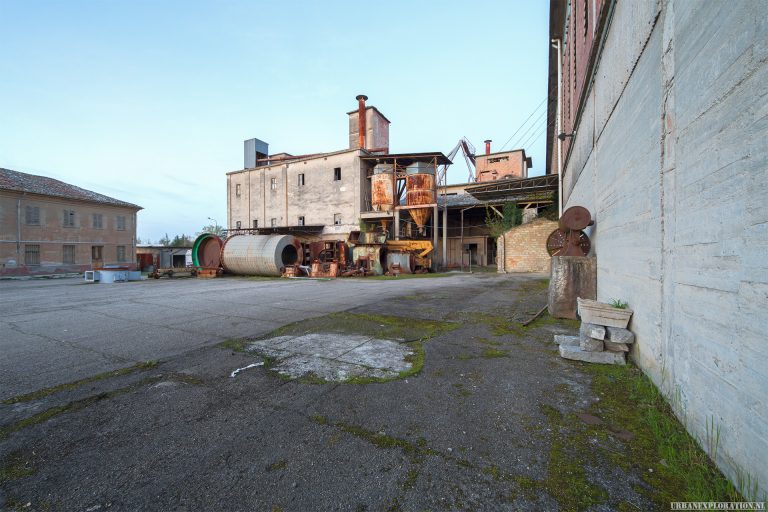
The IPCA (Industria Produzione Coloranti all’Anilina) was an industrial chemical factory established in the 1920s, specialised in the production of aniline-based dyes and paints for textile and industrial use. Its processes relied heavily on aromatic amines, substances that were already known to be extremely hazardous to human health.
Production took place in batch systems using open reactors, mixing drums and solvent-based treatments. For decades, workers were exposed daily to toxic chemicals in poorly ventilated environments. Protective equipment such as gloves and respiratory protection was largely absent or inadequate, reflecting the industrial safety standards of the time.
As years passed, a growing number of employees developed severe occupational diseases, particularly cancers linked to prolonged exposure to aniline compounds. Later investigations connected the factory to more than 160 worker deaths, turning it into one of Italy’s most notorious cases of industrial health negligence. Locally, it became known as the “Factory of Death.”
The factory ceased operations in the late 1970s. Subsequent attempts to reuse parts of the site for chemical activities were short-lived and ultimately failed due to environmental and legal issues. When the area was finally abandoned, it contained large quantities of toxic waste, severely contaminated soil and polluted groundwater.
From the 1990s onward, extensive environmental investigations and emergency remediation measures were carried out under public authority supervision. Hundreds of tons of hazardous materials were removed, and the site became a landmark case in the history of environmental contamination and industrial responsibility.
Today, the remaining structures stand as a silent reminder of the human cost of early chemical industry and the importance of workplace safety and environmental accountability.
Visited - June 2019
Defunct - Unknown
Status - In decline
Country - Italy
Here are some other albums that might be of interest.