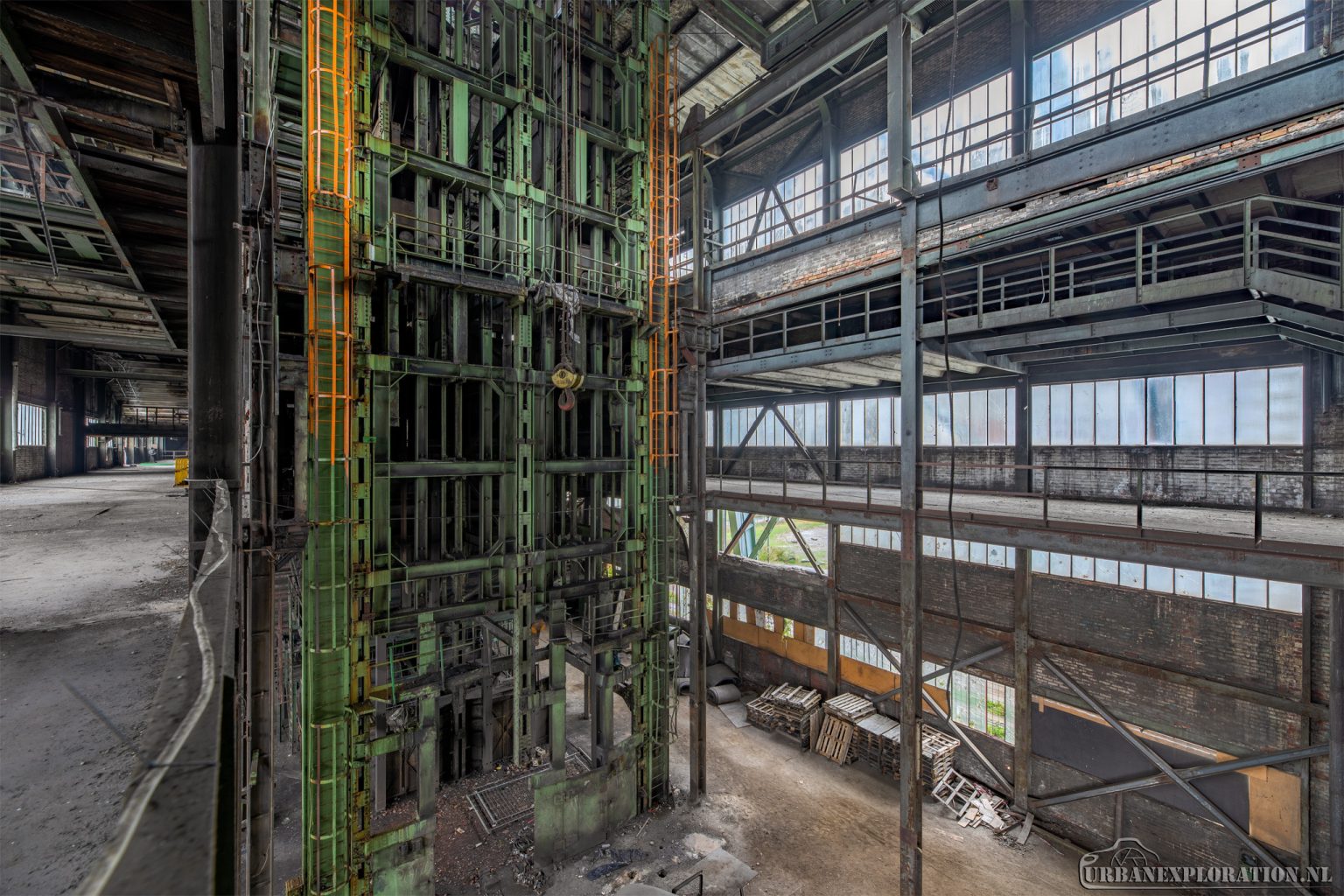
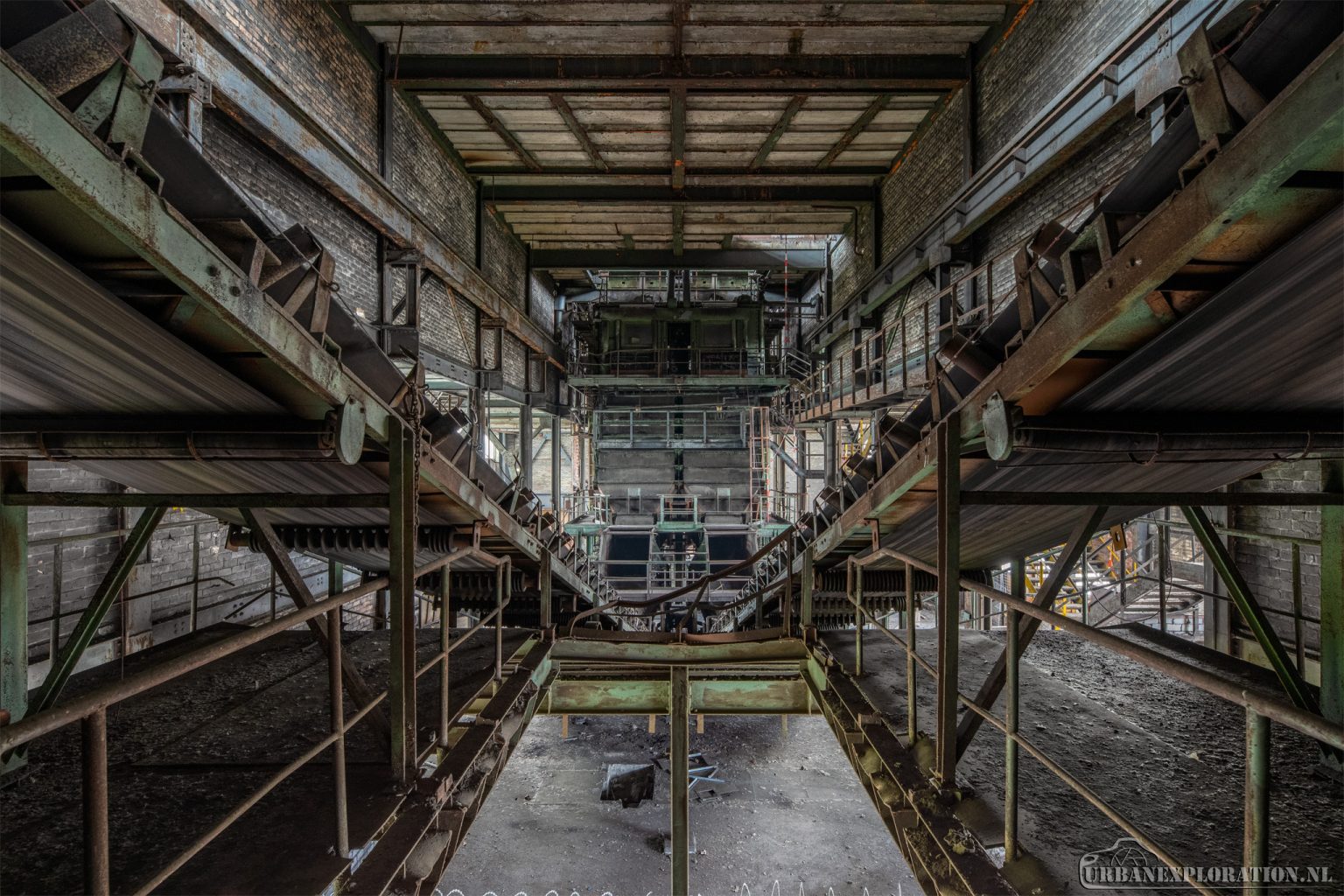
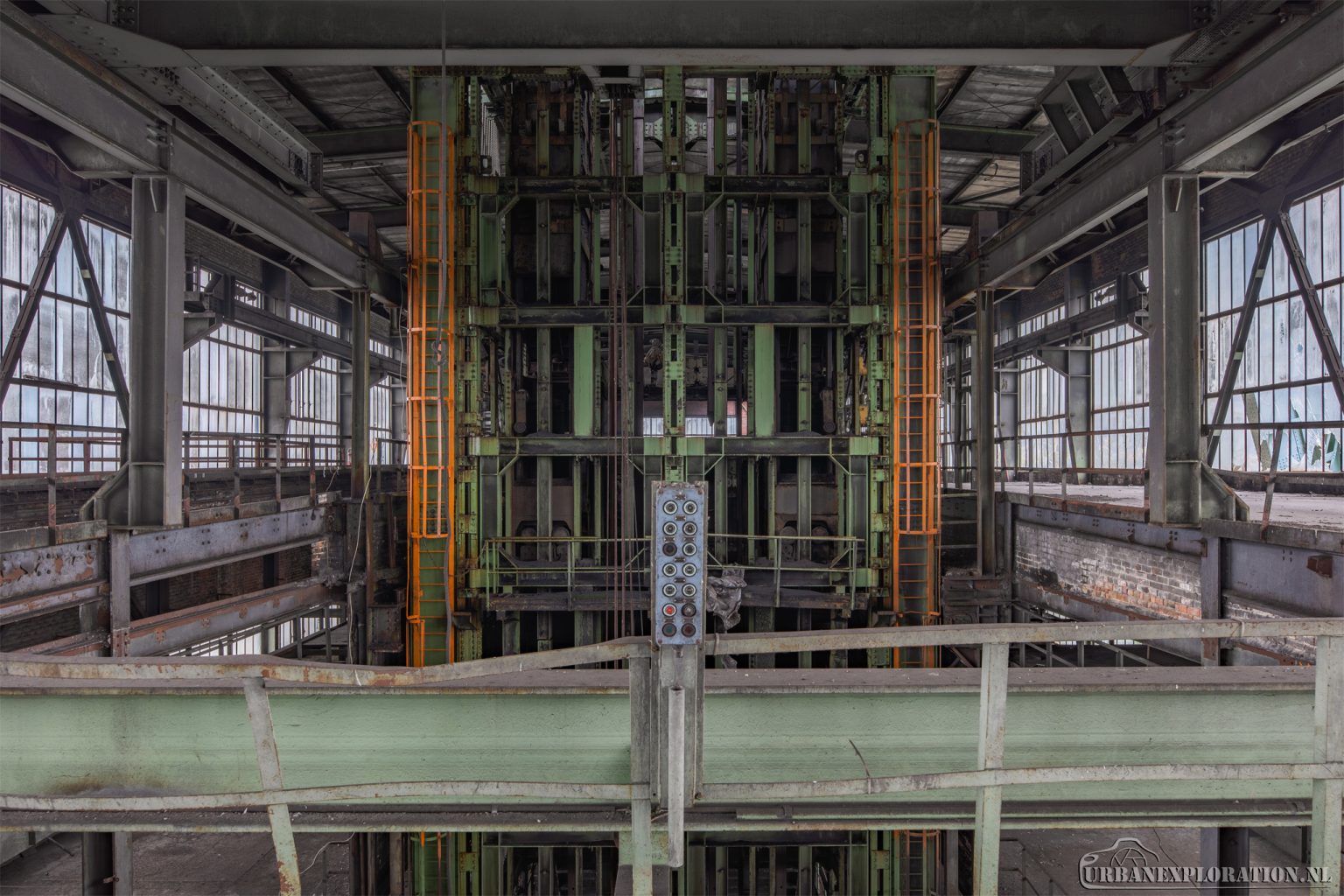
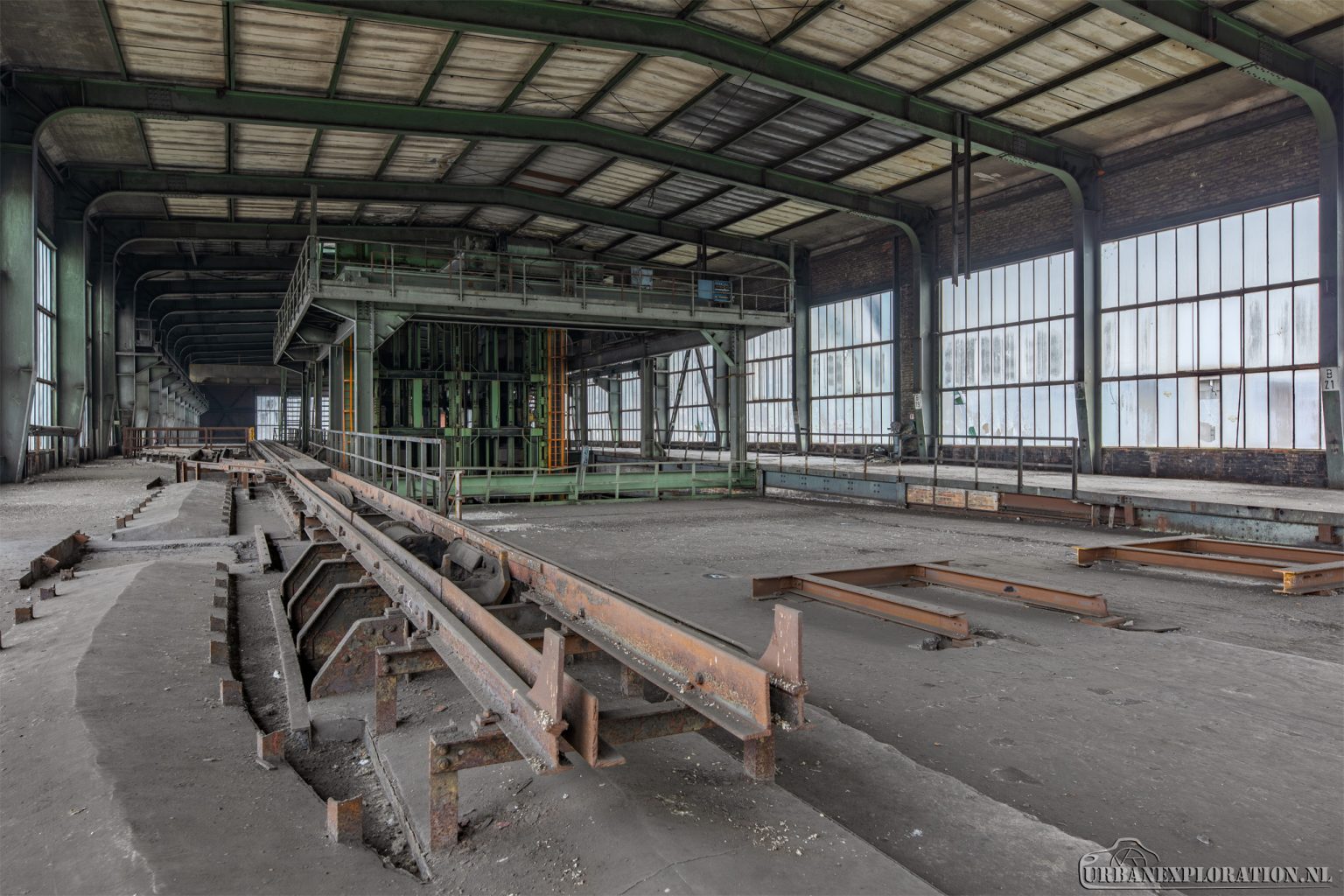
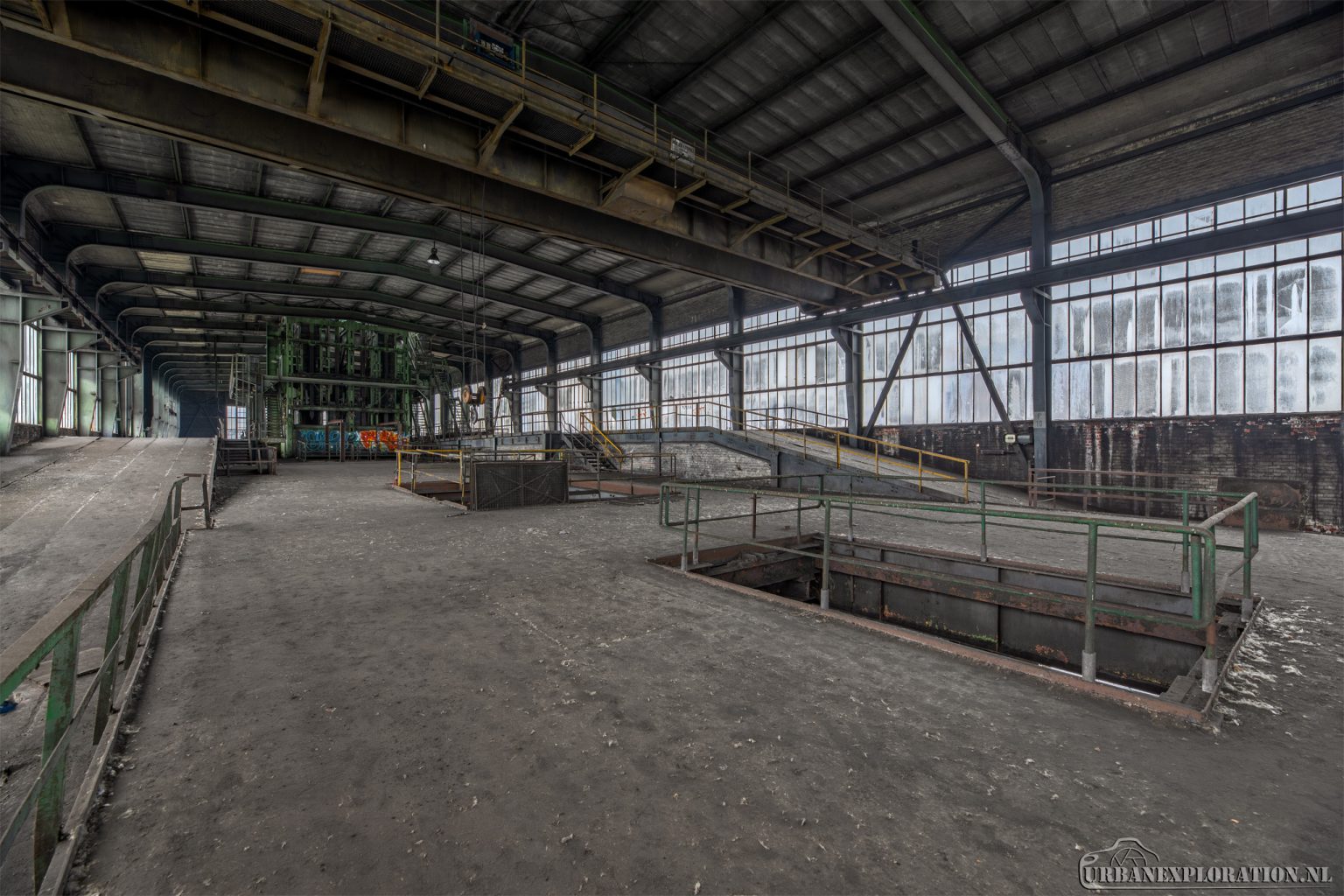
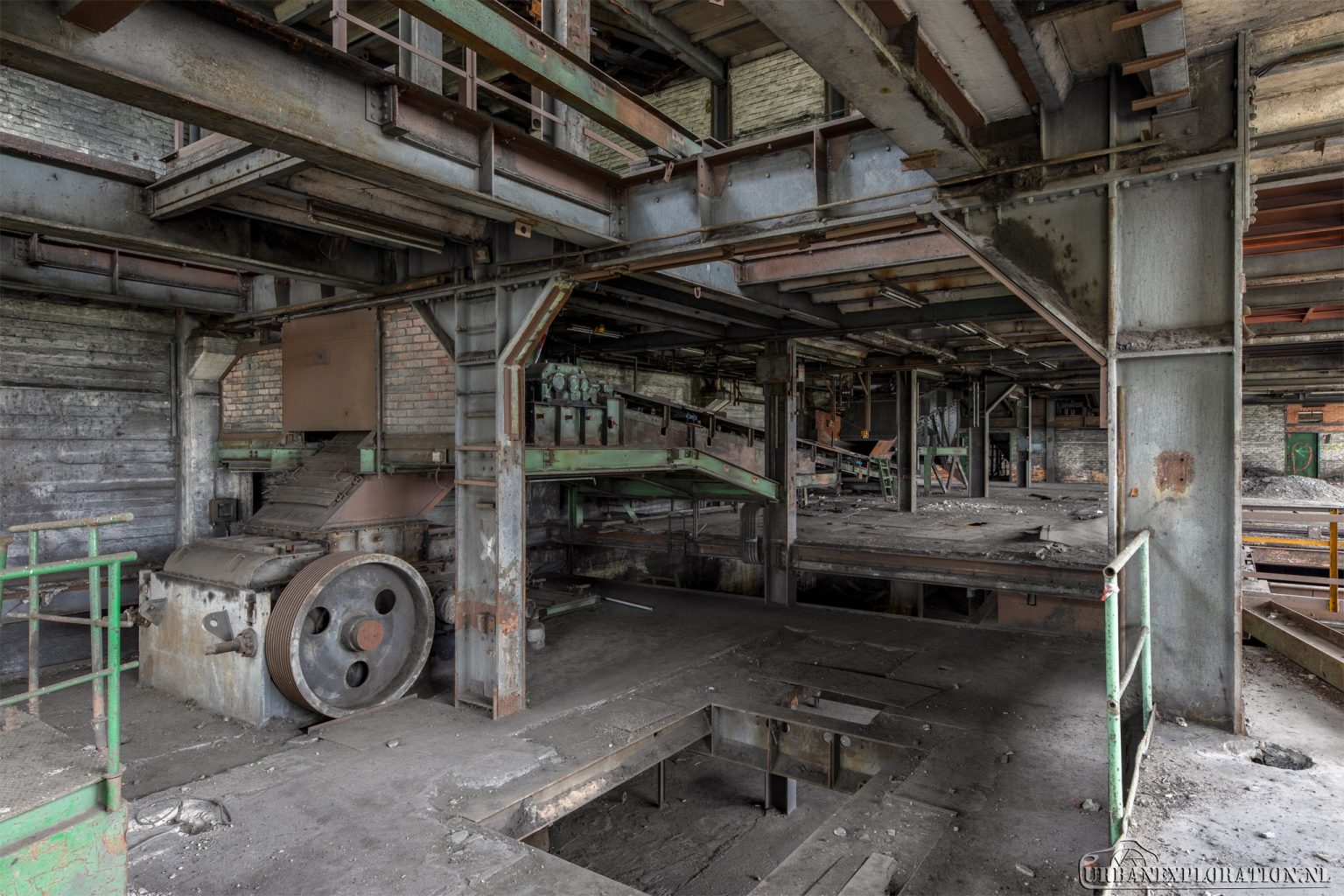
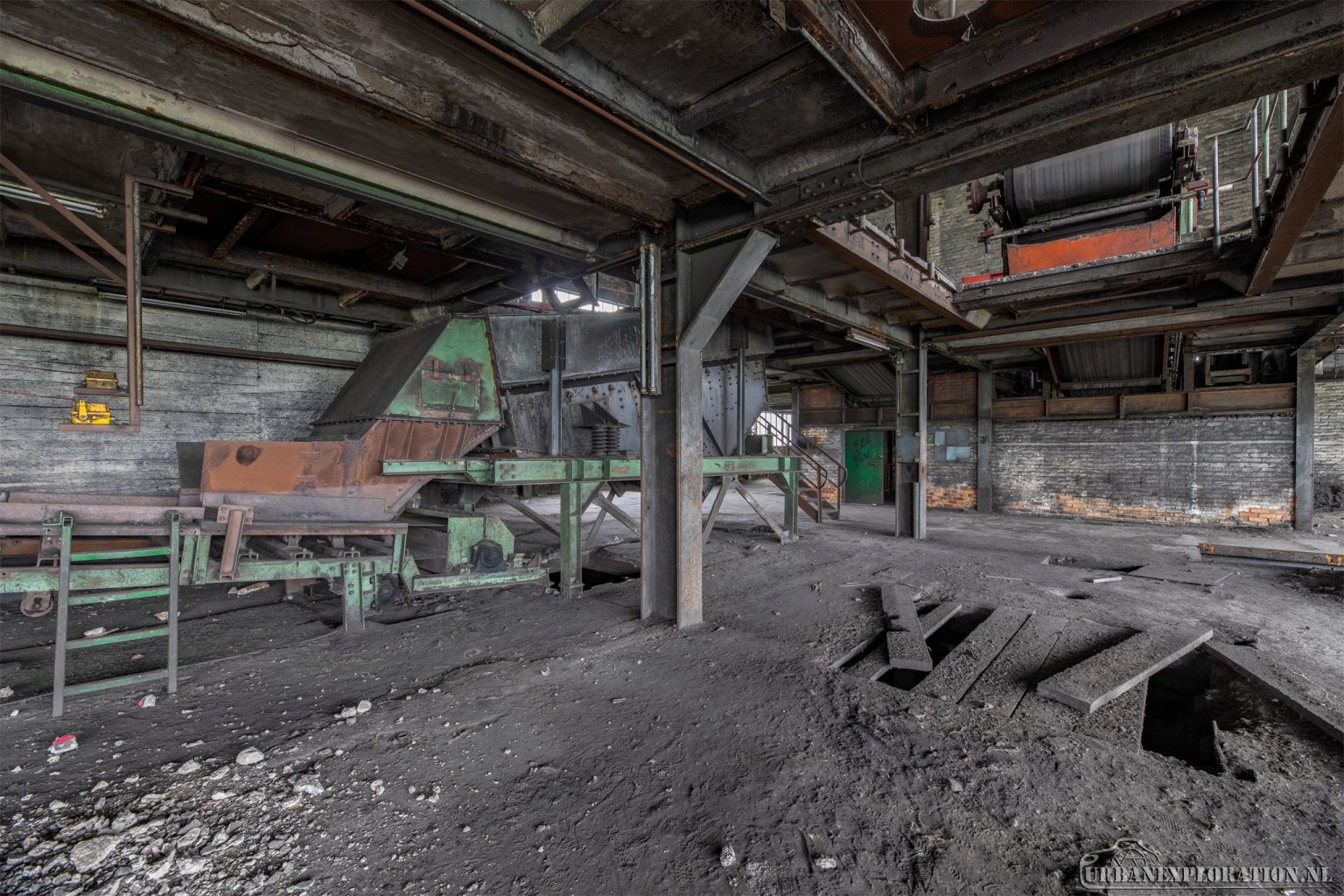
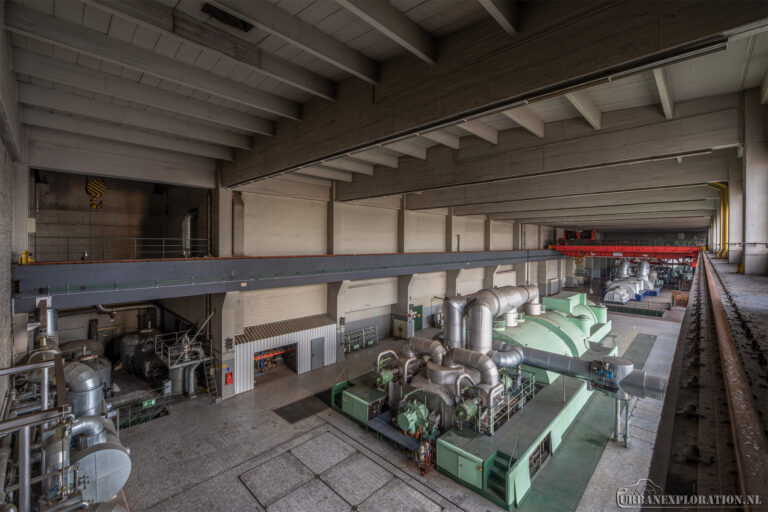
Zeche Ewald was developed at the end of the 19th century in the Ruhr area, during a period of rapid industrial growth in Germany. The coal mine was designed as a large and modern operation, with several shafts, engine houses, and processing facilities to meet the rising demand for energy and raw materials.
Throughout the 20th century, Zeche Ewald became one of the major coal mines in the region. Thousands of miners worked underground, extracting coal from great depths for use in power generation and steel production. The site was continuously expanded and modernized to maintain output and efficiency.
From the 1980s onward, Germany’s coal industry faced increasing economic pressure. Rising costs and international competition led to a gradual decline in production. In 2001, Zeche Ewald was permanently closed, ending more than a century of active mining.
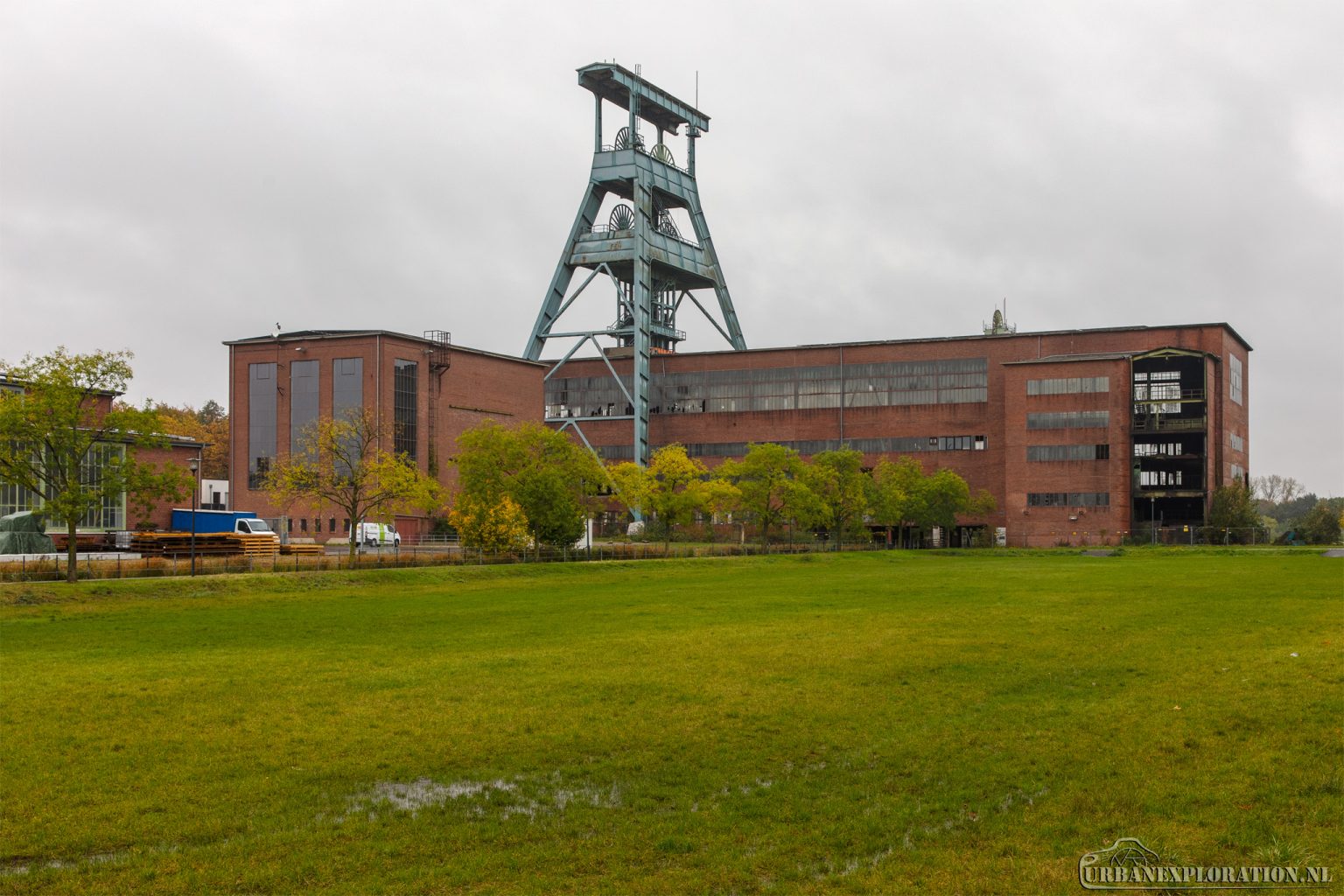
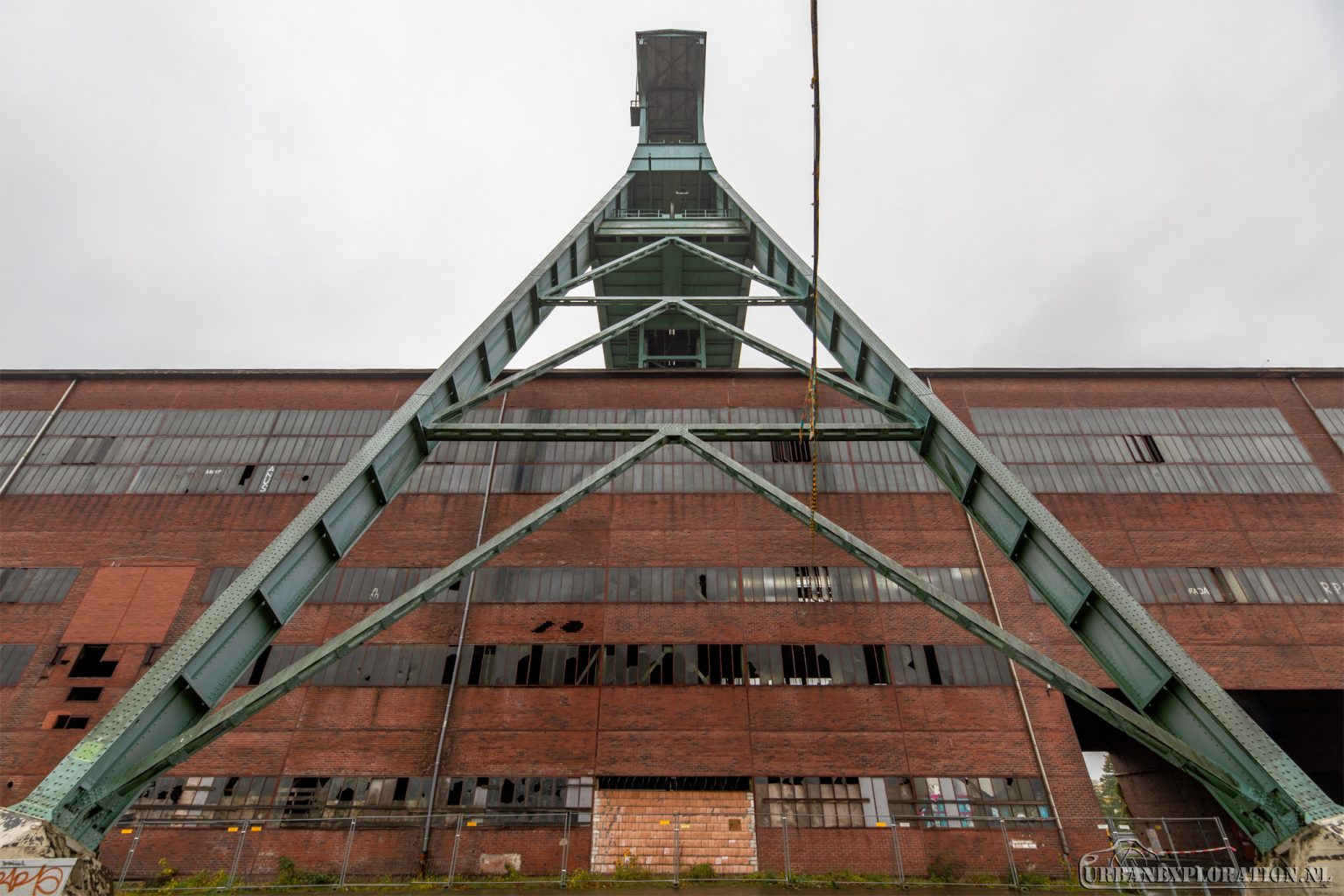
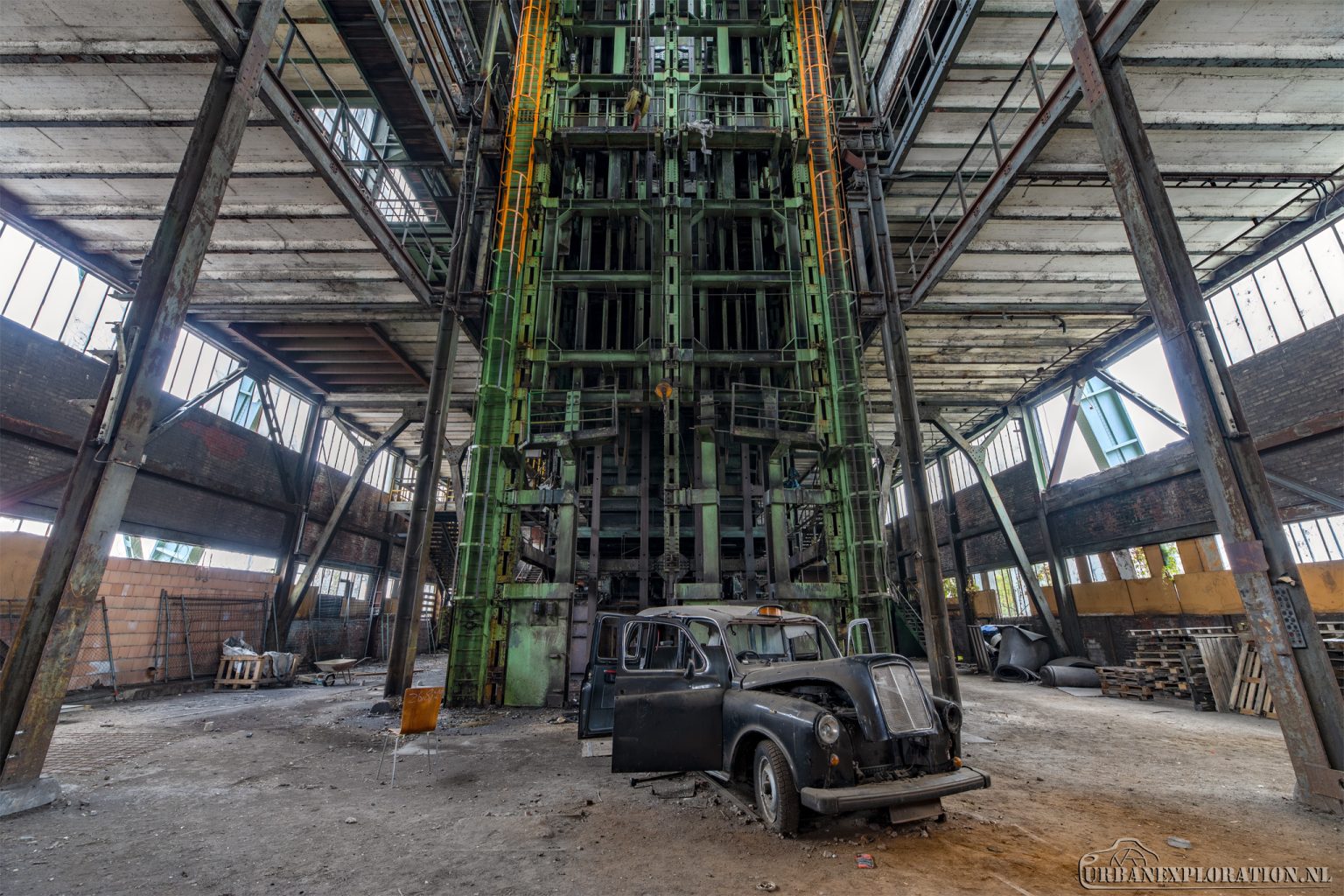
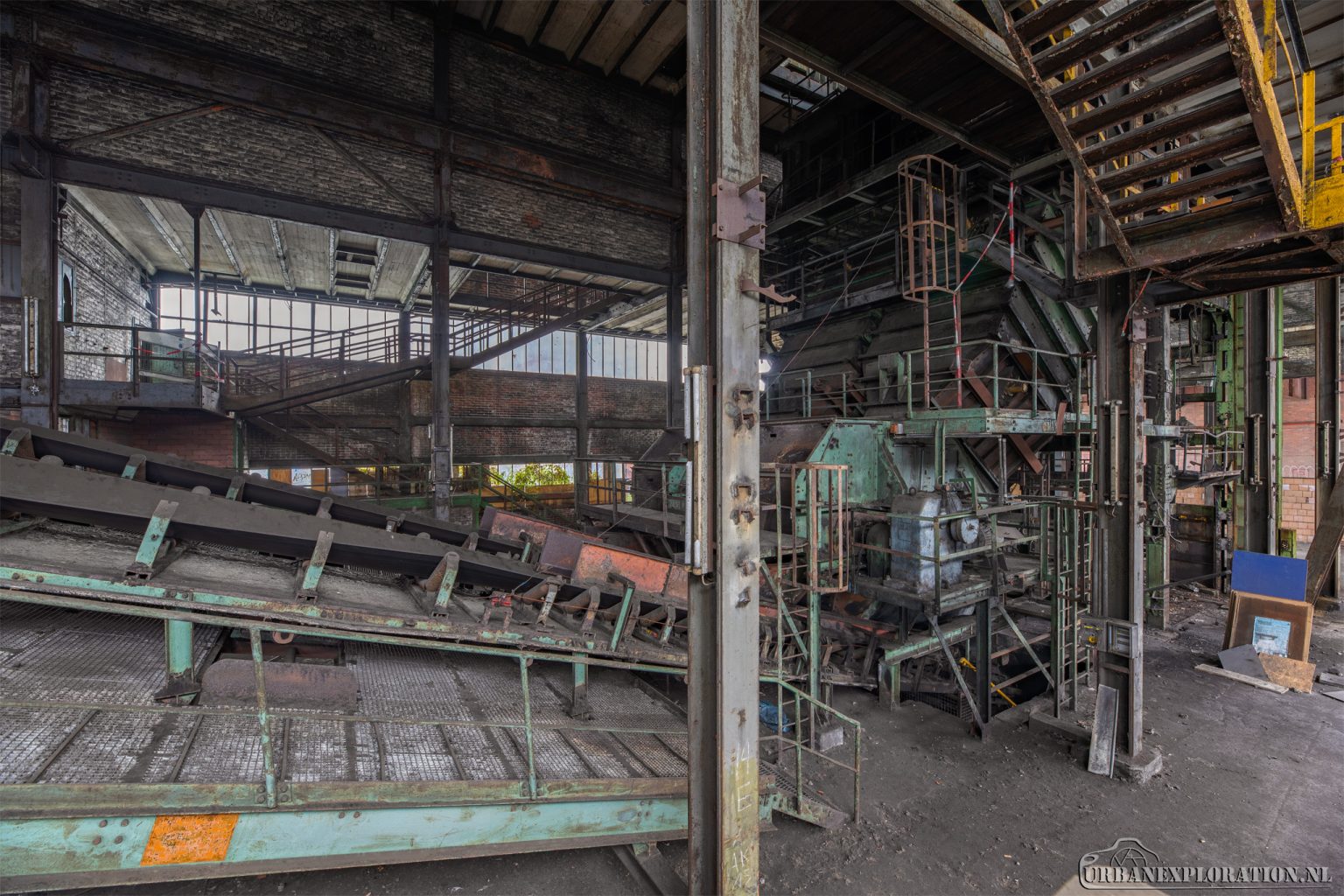
Today, much of the former mine complex has been preserved and repurposed. The remaining buildings and headframes stand as industrial heritage, reflecting the central role coal mining once played in shaping the Ruhr region and its communities.
Visited - December 2019
Defunct - 2001
Status - Repurposed
Country - Germany
Here are some other albums that might be of interest.